
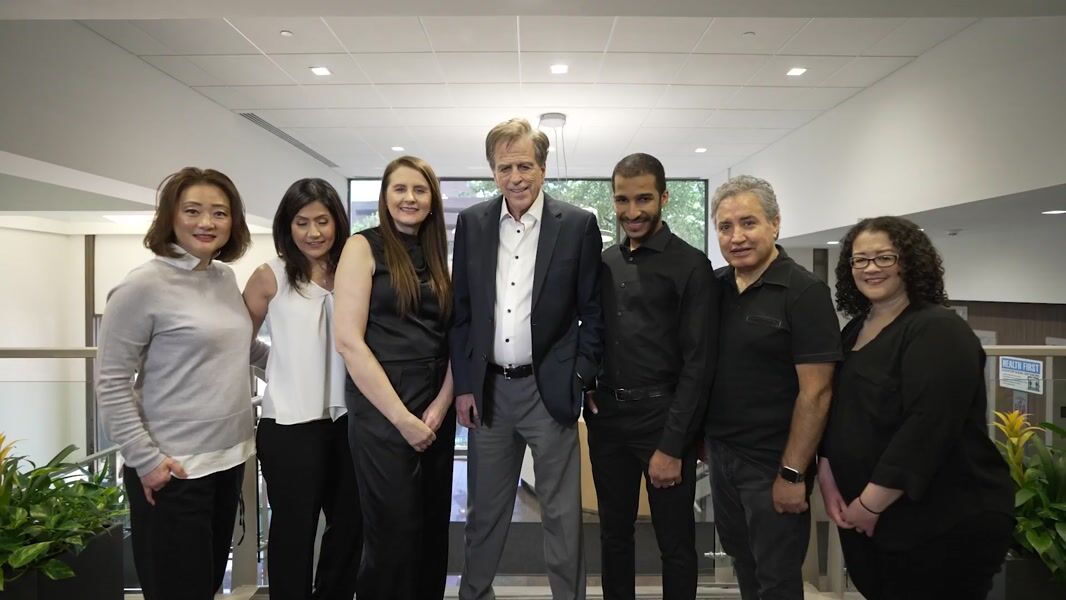
Full Mouth Dental Implants in Washington, DC
Full-arch implant treatment planned from the final teeth backward by a specialist prosthodontist in Washington, DC. All-on-4, All-on-6, and custom designs, made in-house.
Full-Arch Implant Treatment, Planned From the Final Teeth Backward
Full mouth dental implants replace an entire arch of failing or missing teeth with a fixed bridge of teeth supported by four or more implants. It is the most involved form of implant treatment, and the result depends less on the brand of implant or the name of the protocol than on how carefully the case is diagnosed, designed, and finished.
At Elite Prosthetic Dentistry, a full-arch case begins with the final teeth. Dr. Gerald Marlin, a specialty-trained prosthodontist, designs the position, shape, and bite of the finished prosthesis first, then plans where each implant must sit to support it. Surgical placement and the final restoration are planned together within one specialist practice, and the prosthesis is designed and fabricated in the in-house dental laboratory that has operated on-site since 1985.
Is Full-Arch Treatment the Right Choice?
Not every patient who asks about full mouth dental implants needs them. Many people arrive with a mouthful of aging crowns, bridges, and a few missing teeth, having been told elsewhere that everything should come out. In a meaningful number of those cases, the stronger long-term plan is to keep the teeth with sound roots and healthy bone, restore them properly, and use single or multiple implants only where teeth are missing or cannot be saved.
Full-arch implant treatment is the right choice when the remaining teeth are no longer restorable, when advanced bone loss or decay has made them unreliable foundations, or when keeping them would compromise the bite, the esthetics, or the longevity of the result. The decision is made from a clinical examination and a CBCT scan of your own anatomy, not from a treatment menu. If natural teeth can and should remain, the plan becomes a full mouth reconstruction in which implants play a supporting role rather than replacing everything.
Patients come to us for both comprehensive reconstruction and proactive replacement of aging dentistry. Our goal is to help you make a thoughtful long-term decision, whether the right treatment turns out to be limited or comprehensive.
Three Ways to Replace a Full Arch of Teeth
When an arch does need to be replaced, there are three broad options: a conventional removable denture, an implant-supported denture, and a fixed full-arch implant bridge. They differ in stability, in how they affect the jawbone over time, and in what daily life is like with them.
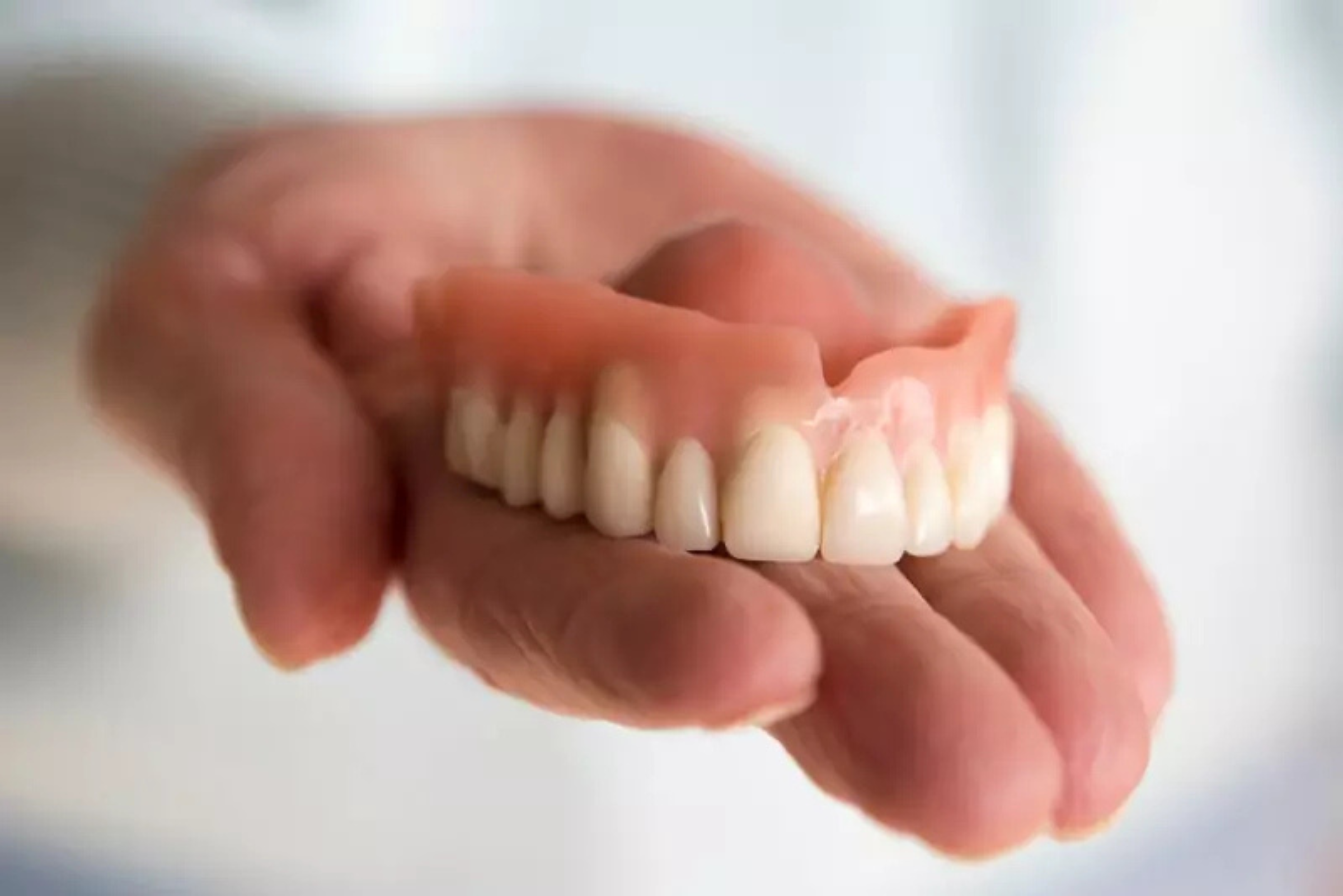
Traditional Dentures
- Removable
- Rest on the gums and rely on suction, fit, and often adhesives
- Do not stop the bone loss that follows tooth extraction, so fit changes over time
- Limit chewing force and food choices
- Typically need relining or replacement as the jaw changes
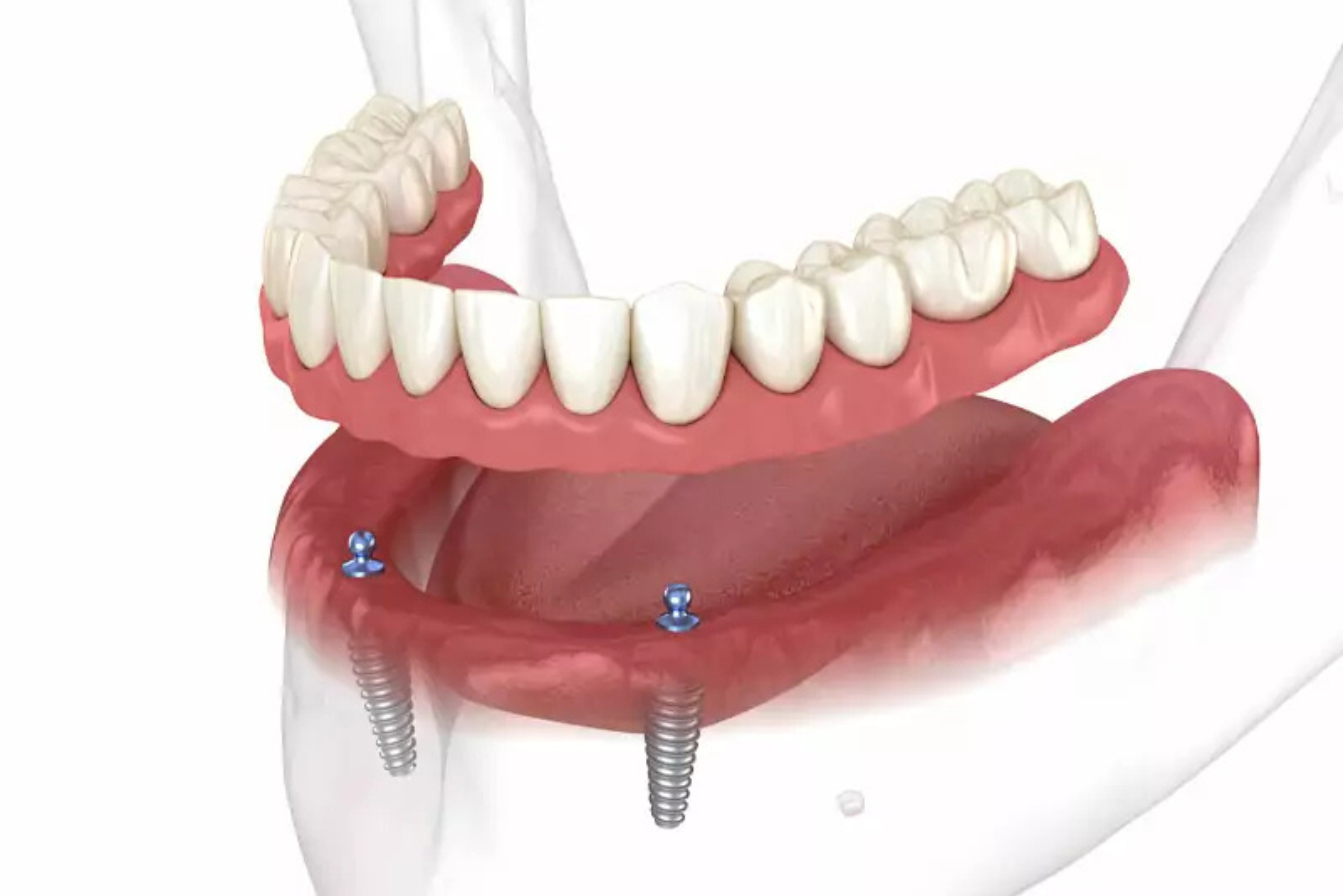
Implant Supported Dentures
- Removable (snap-in) or fixed
- Anchored by two or more implants
- Substantially more stable than a conventional denture
- Help slow bone loss where the implants are placed
- Expand food choices; still removed for cleaning in the snap-in form
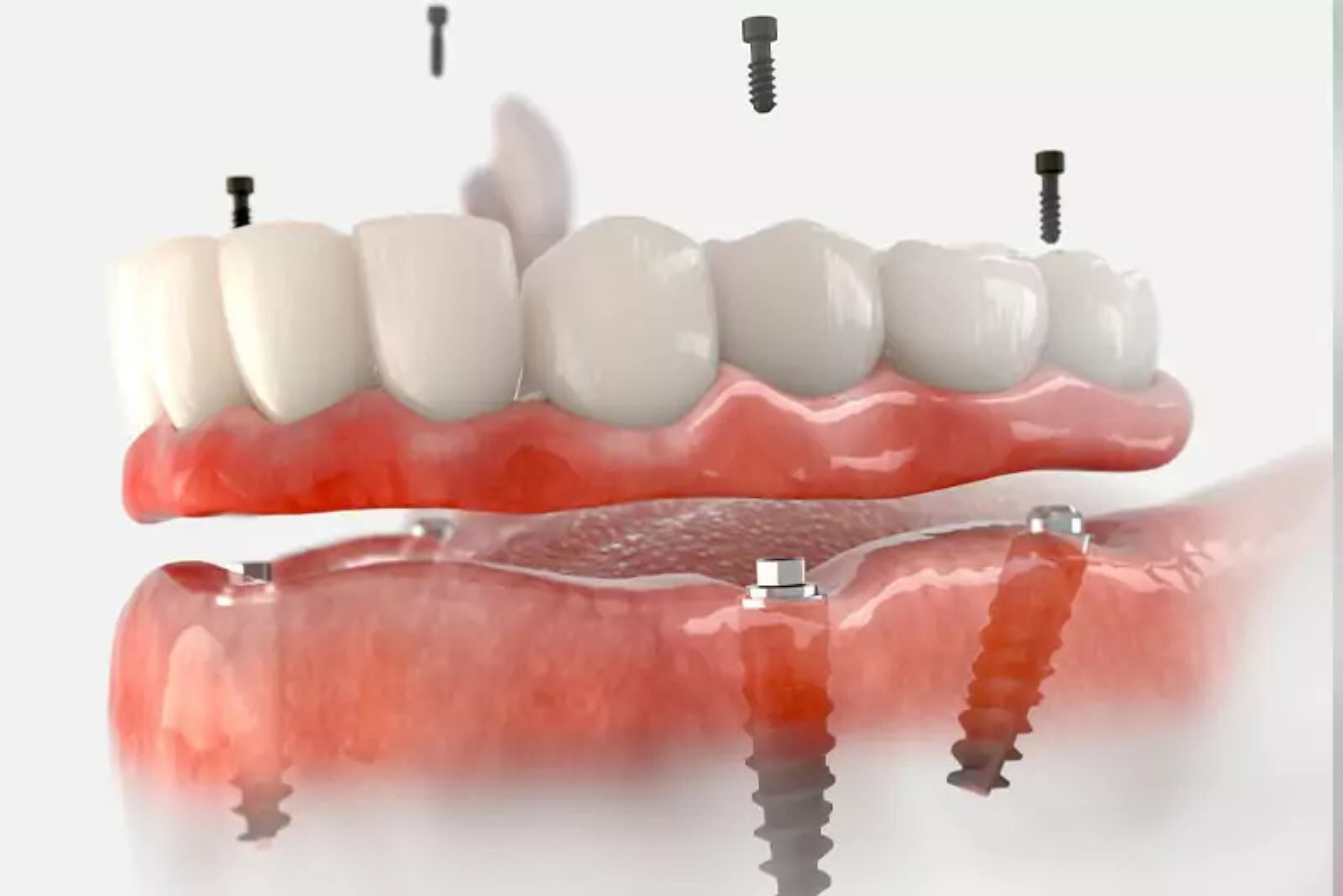
Full Mouth Dental Implants
- Fixed; not removed by the patient
- Supported by four or more implants per arch
- Preserve bone at the implant sites
- Function closest to natural teeth for chewing and speech
- Designed to last for decades with maintenance
Dentures and implant-supported dentures have their own pages. The rest of this page covers the fixed full-arch option.
How Full-Arch Treatment Works at Elite Prosthetic Dentistry
Step 1: Evaluation and CBCT Planning
The first visit is an evaluation, not a sales appointment. Dr. Marlin examines the remaining teeth, the gums, the bite, and the jaw joints, reviews your health history and medications, and discusses what you want the result to look like and do. Every implant case at Elite Prosthetic Dentistry, from a single implant through full-mouth reconstruction, is planned on a CBCT (cone beam CT) scan. The scan shows bone volume and density, nerve and sinus anatomy, and the space available for the restoration, which is what determines how many implants an arch can support and where they must be placed.
If bone loss or gum disease is present, the plan sequences the preliminary treatment first. You will also see before-and-after documentation from Elite Prosthetic Dentistry patients whose situations resemble yours, and insurance and financing questions are reviewed so that the plan is complete before any decision is asked of you.
Step 2: Surgical Placement
Implant surgery takes place in our Friendship Heights office, with sedation options available for patients who want them. Implants are placed in the positions defined in the plan, using surgical guides generated from the CBCT scan where bone anatomy, esthetic demands, or proximity to nerves and sinuses call for them. Where a patient qualifies for immediate loading, a fixed temporary prosthesis is attached the same day, so there is no period without teeth. The temporary is designed for function during healing; the definitive prosthesis comes later.
Step 3: Osseointegration and the Final Prosthesis
Over roughly three to six months the implants fuse with the bone in a process called osseointegration. Once integration is confirmed, the final prosthesis is designed and fabricated in the in-house laboratory, with Dr. Marlin and the master ceramist working on the same case in the same building. Tooth shape, shade, lip support, speech, and the bite are refined in that process, and the finished bridge is fitted and adjusted on the implants.
The All-on-4 Approach
The All-on-4® technique supports a fixed bridge of teeth on four strategically positioned implants per arch. The rear implants are angled to take advantage of the denser bone toward the front of the jaw, which is why All-on-4 is often possible for patients with limited bone in the back of the mouth, sometimes without bone grafting.
Surgery is usually completed in a single visit, and a temporary prosthesis can often be attached the same day. The four-implant design distributes bite forces across the arch and has a long published track record. For some patients it is the right design; for others, the bite, the bone, or the desire for redundancy argues for more implants.
All-on-6 and Higher Implant Counts
Where bone volume allows, or where bite forces are high, Dr. Marlin may recommend an All-on-6® design, or a custom configuration using six to eight implants. Additional implants spread the load, add redundancy if one implant is ever lost, and can allow more natural tooth positions in the final prosthesis. See the All-on-4 vs. All-on-6 comparison for the clinical trade-offs.
The number of implants is a planning decision based on your bone quality and quantity, your bite, your goals, and Dr. Marlin’s assessment of what will hold up over decades. It is discussed openly during the consultation, with the reasoning explained.
Bone Volume, Grafting, and Preservation
Bone determines what is possible. Dense bone with good blood supply integrates with implants more predictably, and bone volume, as measured on the CBCT scan, determines where implants can go and how many the arch can support. Where volume is lacking, sinus augmentation, ridge augmentation, or grafting at the time of surgery can rebuild it. Where teeth are being removed, the approach to extraction and socket preservation is chosen to keep as much bone as possible rather than reshaping the jaw to fit a standardized prosthesis.
Dr. Marlin has worked with every grade of bone across more than 3,900 dental implants placed, including severe bone loss, and the plan for each arch is built around the bone that is actually there.
When Natural Teeth Remain: Full Mouth Reconstruction
For some patients, the right plan is not to replace every tooth but to rebuild the mouth as a whole: restoring worn, damaged, or fractured natural teeth, replacing the teeth that cannot be saved with implants, and correcting the bite in the process. That is a full mouth reconstruction, and it is often the more conservative and longer-lasting path for patients whose dentistry is aging rather than lost.
Reconstruction cases draw on Dr. Marlin’s training as a prosthodontist in the relationship between the teeth, the bite, the jaw joints, and the face. The result is planned as one coordinated whole rather than as a series of separate procedures.
Living With Full-Arch Implants
A fixed full-arch bridge functions much like natural teeth. It is not removed for cleaning or for sleeping, speech is clear, and most foods are back on the table once healing is complete. Daily care involves brushing and cleaning beneath the bridge with floss threaders or a water irrigator.
Maintenance visits are essential. Periodic professional cleanings, examination of the gum tissue around the implants, and radiographs to monitor bone levels are how a full-arch result is protected over the long term. With that care, the implants are designed to serve for decades, and the prosthesis itself can be refurbished or replaced on the implants when its own service life is reached.
Full-Arch Work Placed Elsewhere That Is Failing
A number of patients come to us with full-arch work completed at another office that is loose, uncomfortable, repeatedly fracturing, or losing bone around the implants. Those cases are evaluated the same way as a new case: a CBCT scan, an implant-by-implant assessment, and an honest discussion of what can be kept and what must be redone. See Repairing Failing Implants and the corrective implant and revision success stories for how these cases are approached.
Choosing a Prosthodontist for Full-Arch Treatment
Full-arch rehabilitation is one of the larger investments a patient makes in their health, and it is difficult to undo. The questions worth asking any provider are who designs the final teeth, who places the implants, where the prosthesis is made, and who is responsible for the result ten years from now. At Elite Prosthetic Dentistry the answer to each is the same specialist practice and its in-house laboratory. Dr. Marlin has practiced prosthodontics for more than 40 years, holds 9 U.S. patents in dental implant restoration methodology, and plans every case around the patient’s anatomy rather than a standardized protocol.
Related Resources
- Sick of dentures or failing teeth?
- Browse patient success stories
- Read patient reviews
- View our smile gallery
Full Mouth Dental Implants for Washington, DC Patients
Full-arch and full-mouth implant treatment at Elite Prosthetic Dentistry is planned and completed at our Friendship Heights office at 4400 Jenifer Street NW, Suite 220, one block from the Friendship Heights Metro station on the Red Line. Building parking is available. Patients come from across Northwest Washington, including Chevy Chase, Cleveland Park, Kalorama, Dupont Circle, and Georgetown, and from the Maryland and Virginia suburbs, often after researching All-on-4®, All-on-6® and All-on-X options. For a side-by-side comparison of those approaches, see All-on-4 vs. All-on-6. For directions and the communities we serve, see locations.
Patients traveling from the Maryland and Virginia suburbs can start with the community guides for Bethesda, Chevy Chase, Potomac, McLean, Arlington and Great Falls, which cover travel, scheduling and how to evaluate an implant provider from each community.
All-on-4® and All-on-6® are registered trademarks of their respective owners and are referenced here for descriptive purposes only. Elite Prosthetic Dentistry is not affiliated with, endorsed by, or sponsored by the trademark holders.
When Elite Prosthetic Dentistry Is a Strong Fit
A strong fit if you are looking for
- Full-arch treatment planned from the final prosthesis backward, with bone preservation weighed before any extraction
- A fixed full-arch result where bite, speech, lip support, and esthetics are designed together
- An honest comparison of full-arch options, including whether some natural teeth can be kept
- Existing full-arch work that is failing and needs an independent evaluation before it is redone
- One accountable specialist practice and an in-house laboratory from diagnosis through long-term maintenance
The honest boundary
Elite Prosthetic Dentistry may not be the right fit if you are primarily looking for routine insurance-based dentistry, the lowest-cost option, or a quick single-visit solution without a comprehensive evaluation.
Your Best Smile Is Within Reach
Request a specialist consultation with Dr. Marlin to discuss your situation and the most appropriate path forward.
Frequently Asked Questions
What is the difference between full mouth dental implants and All-on-4 or All-on-6?
Full mouth dental implants is the broader category that includes any approach to restoring an entire arch of teeth with implants. All-on-4 and All-on-6 are specific protocols within that category. All-on-4 uses four implants per arch with the rear implants angled to maximize available bone. All-on-6 uses six implants for broader force distribution and biomechanical redundancy. A full mouth case may also use eight or more implants in patients with adequate bone or specific functional demands. The right protocol depends on bone volume, bite forces, and long-term goals. See [All-on-4 vs. All-on-6](/all-on-4-vs-all-on-6/) for the clinical comparison.
Do I need full mouth dental implants, or can some of my teeth be saved?
Many patients who ask about full-arch implants do not need them. If a meaningful number of teeth have sound roots and healthy bone, the stronger long-term plan is often to keep those teeth and restore them, using single or multiple implants only where teeth are missing or cannot be saved. Full-arch implant treatment is the right choice when the remaining teeth are not restorable or when keeping them would compromise the result. A specialist evaluation with CBCT imaging answers that question for your mouth before any tooth is removed. See [Full Mouth Reconstruction](/full-mouth-reconstruction/) for the approach when natural teeth remain.
How much do full mouth dental implants cost in Washington, DC?
Full mouth implant cost varies meaningfully based on the protocol selected (All-on-4, All-on-6, or a custom configuration), the prosthesis material (acrylic, zirconia, or porcelain-fused-to-zirconia), whether bone grafting or sinus augmentation is required, and whether one or both arches are being treated. A specialist consultation with CBCT 3D imaging produces a defined, itemized treatment plan rather than a generic price quote. Financing options are reviewed during consultation, and partial dental-insurance benefits often apply to portions of the case.
How long does full mouth implant treatment take from start to finish?
A straightforward full mouth implant case typically takes 6 to 9 months from the surgical placement to the final prosthesis. Patients often leave the surgical appointment with a temporary fixed prosthesis on the same day, then return for follow-up appointments during osseointegration, and receive the final laboratory-fabricated prosthesis once the implants have integrated with the bone. Complex cases involving bone grafting, sinus augmentation, or staged extractions may extend the timeline. The in-house lab eliminates the multi-week shipping delays typical of practices that send cases to external laboratories.
Will I have teeth during the healing period?
In most cases, yes. Immediate-load full-arch protocols allow placement of a temporary fixed prosthesis on the same day as implant surgery. The temporary lets patients eat, speak, and appear in public throughout the 3-to-6-month osseointegration period before the final prosthesis is fabricated. The temporary is intentionally designed for function during healing; the final prosthesis, designed and fabricated in the in-house lab, is what carries the long-term esthetic and biomechanical refinement.
How long do full mouth dental implants last?
Properly planned, placed, and maintained full mouth implants are designed to last for decades. Dr. Marlin has placed more than 3,900 dental implants, including in full-arch cases, with a documented in-practice implant success rate above 97% for implants placed more than 20 years ago. The prosthesis itself (the visible teeth) has a separate service life that depends on the material chosen: acrylic prostheses typically need refurbishment or replacement at 5 to 10 years, while zirconia prostheses commonly last 15 to 20 years or longer. The underlying implants, when well-cared-for, typically outlast multiple prosthesis cycles.
Am I a candidate for full mouth dental implants?
Most adults missing multiple teeth or with failing dentition are candidates for some form of full mouth implant treatment. Candidacy depends on bone volume, overall health, medications, smoking status, ability to attend follow-up visits, and commitment to home care. Patients who were told they were not candidates elsewhere often qualify under a specialist evaluation that considers bone grafting, sinus augmentation, ridge augmentation, or angled-implant approaches. A CBCT 3D scan during consultation defines what is actually possible for a given patient's anatomy.
Can implants be placed if I have gum disease?
Active gum disease must be treated before implant placement, because the same bacteria that destroy bone around teeth can destroy bone around implants. Where periodontal therapy is needed, it is sequenced into the treatment plan before surgery, and long-term maintenance visits are part of the plan afterward. For many full-arch patients, the teeth being replaced are being lost to advanced periodontal disease, so the planning accounts for the condition of the bone from the start.
What happens if a full mouth implant fails?
Implant failure is uncommon when cases are properly planned and maintained, but it is not impossible. A single failed implant in a full-arch case can often be replaced without disrupting the rest of the prosthesis, particularly with All-on-6 and higher-implant-count protocols where the redundancy is built into the original plan. Dr. Marlin has extensive experience with implant salvage and revision, including patients whose full-arch reconstruction was originally placed by another practice. See [Repairing Failing Implants](/repairing-failing-implants/) for revision options.
Why choose a prosthodontist instead of a corporate implant center for full-arch treatment?
Some corporate implant centers operate on a high-volume model and separate the surgical and restorative roles. Specialist prosthodontic practice is structured differently: the case is planned from the final restoration backward, with surgery, prosthesis design, and long-term follow-up coordinated within one practice under one treatment plan. The prosthesis is fabricated in an in-house lab where the master ceramist works directly with the clinician, rather than being shipped to an external production facility. For a treatment of this complexity and cost, integrated specialist-led care and direct lab control have measurable effects on the long-term outcome. See [Specialist vs. Implant Centers](/specialist-vs-implant-centers/) for the detailed comparison.
Related Patient Success Stories
Explore similar patient success stories demonstrating our expertise in advanced prosthetic dentistry.
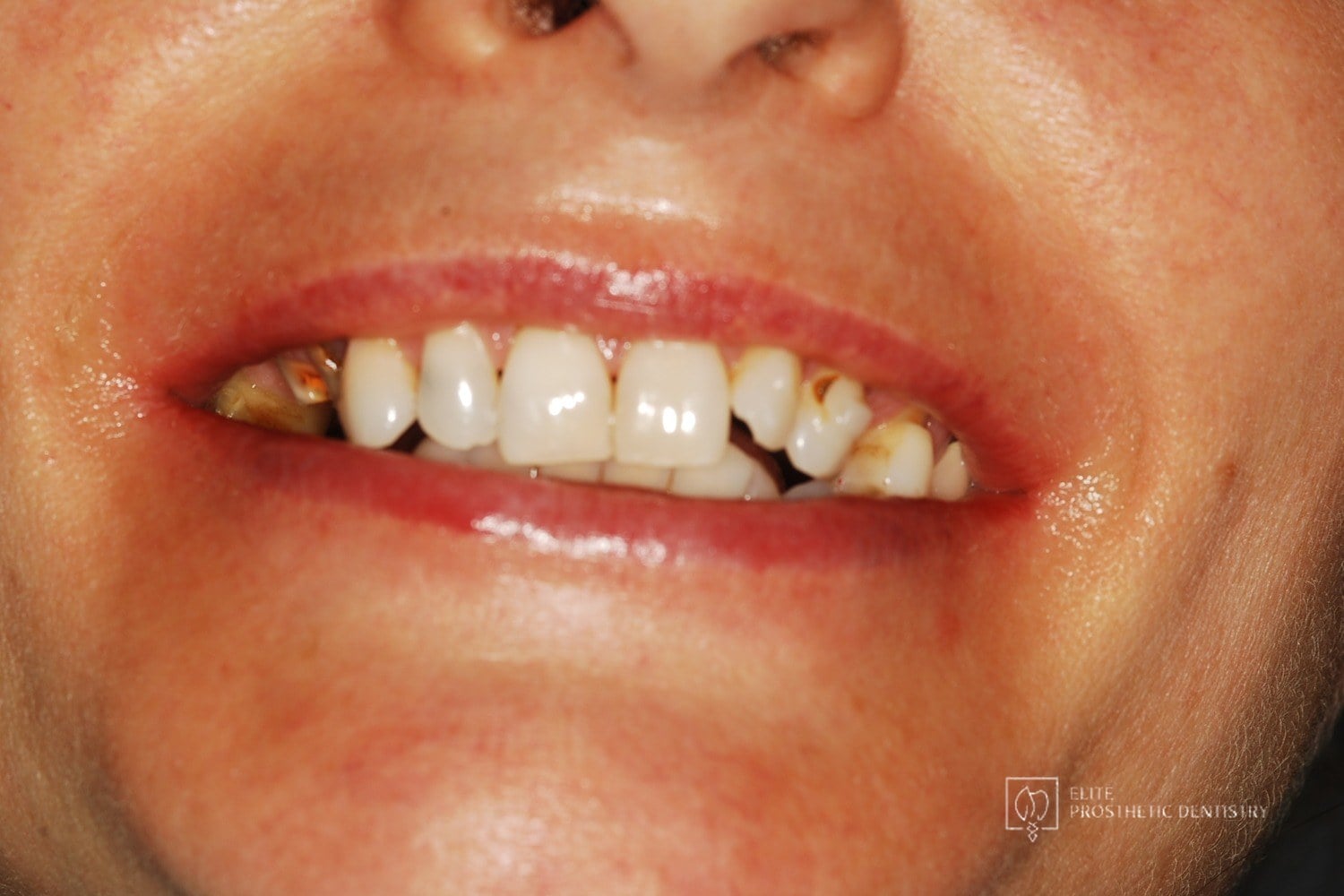 Before
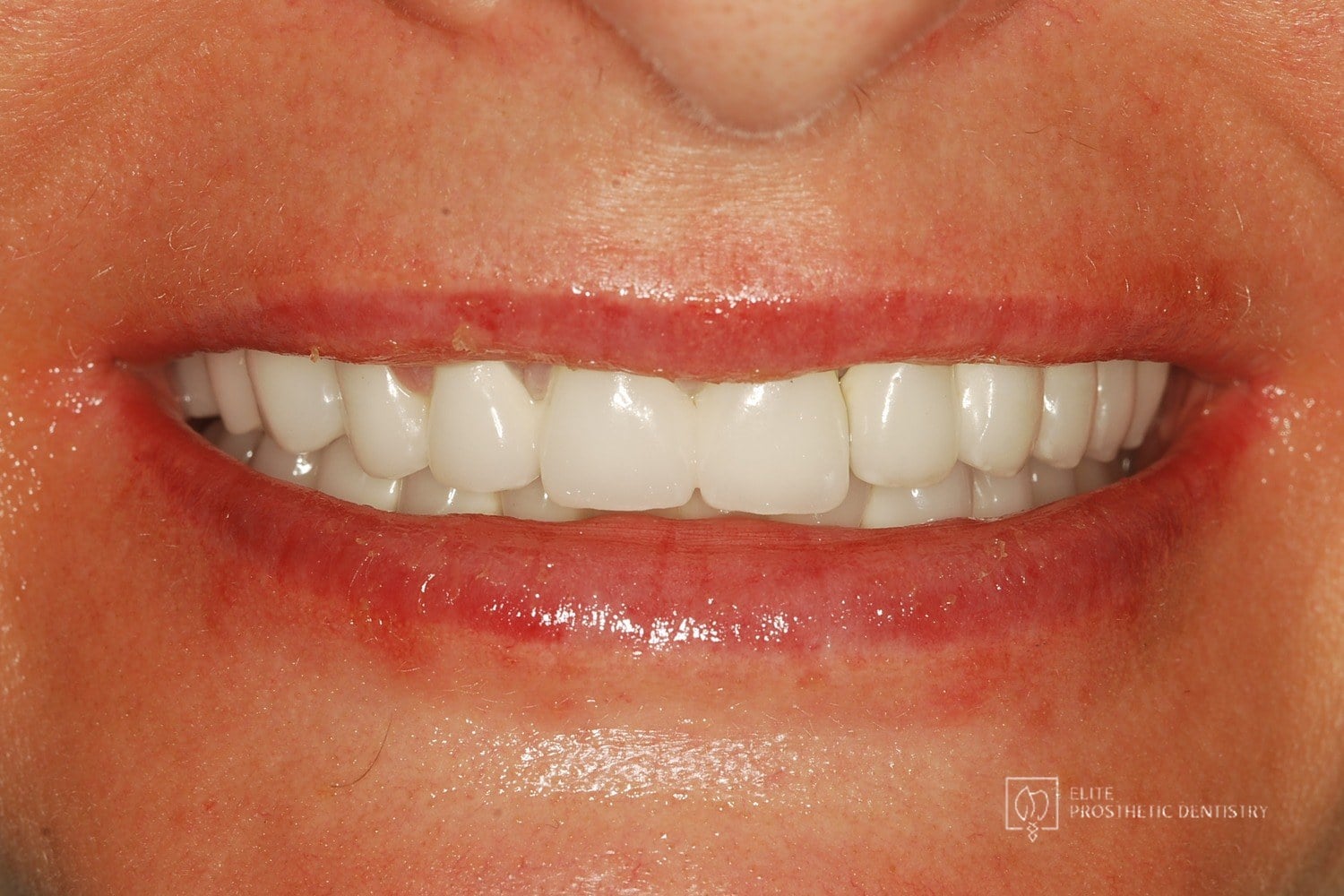 After
How Aging, Failing Dentistry Was Replaced with a Coordinated Full-Mouth Implant and Crown Reconstruction
The patient presented with throbbing upper-molar pain, long-standing infections, multiple root canals and unfinished prior treatment, generalized sensitivity, and several hopeless teeth.
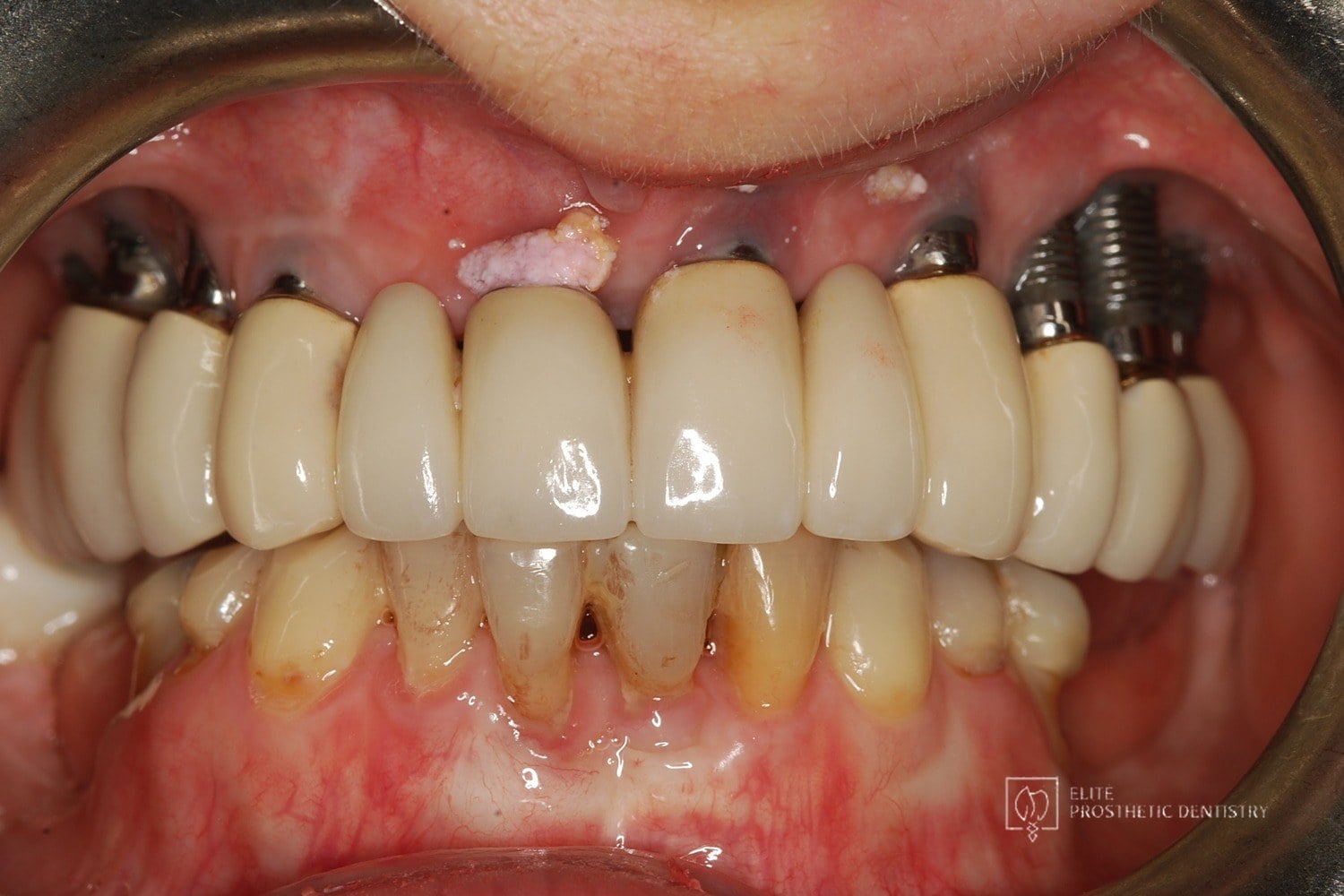 Before
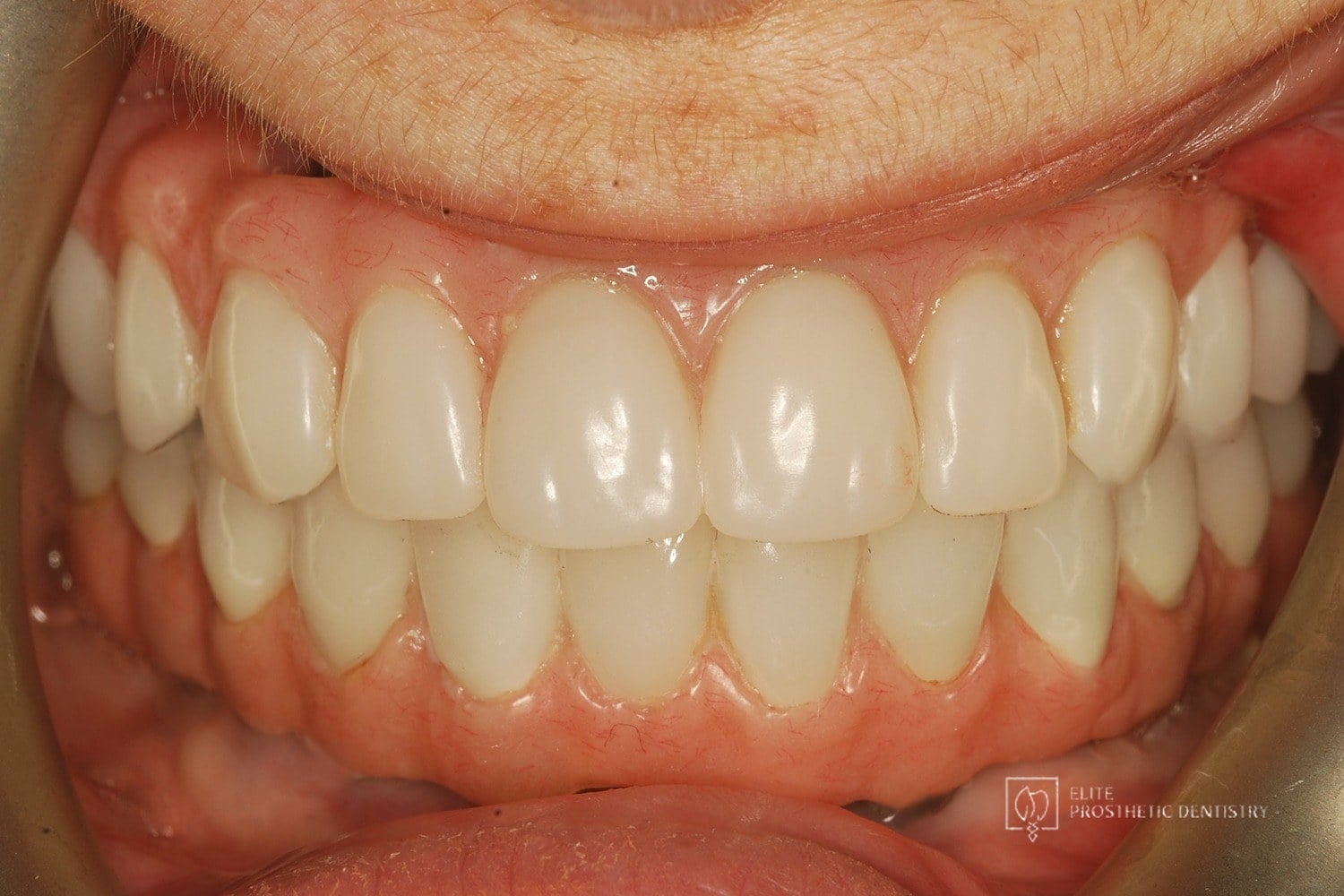 After
How Failing Implants and Severe Bone Loss Were Rebuilt Into a Stable Full-Arch Implant Reconstruction
The patient presented with significant complications from previously placed implants, severe bone loss, failing posterior implants, and an unesthetic full-arch bridge. Both arches required full reconstruction, with the upper arch showing the most advanced bone loss and instability.
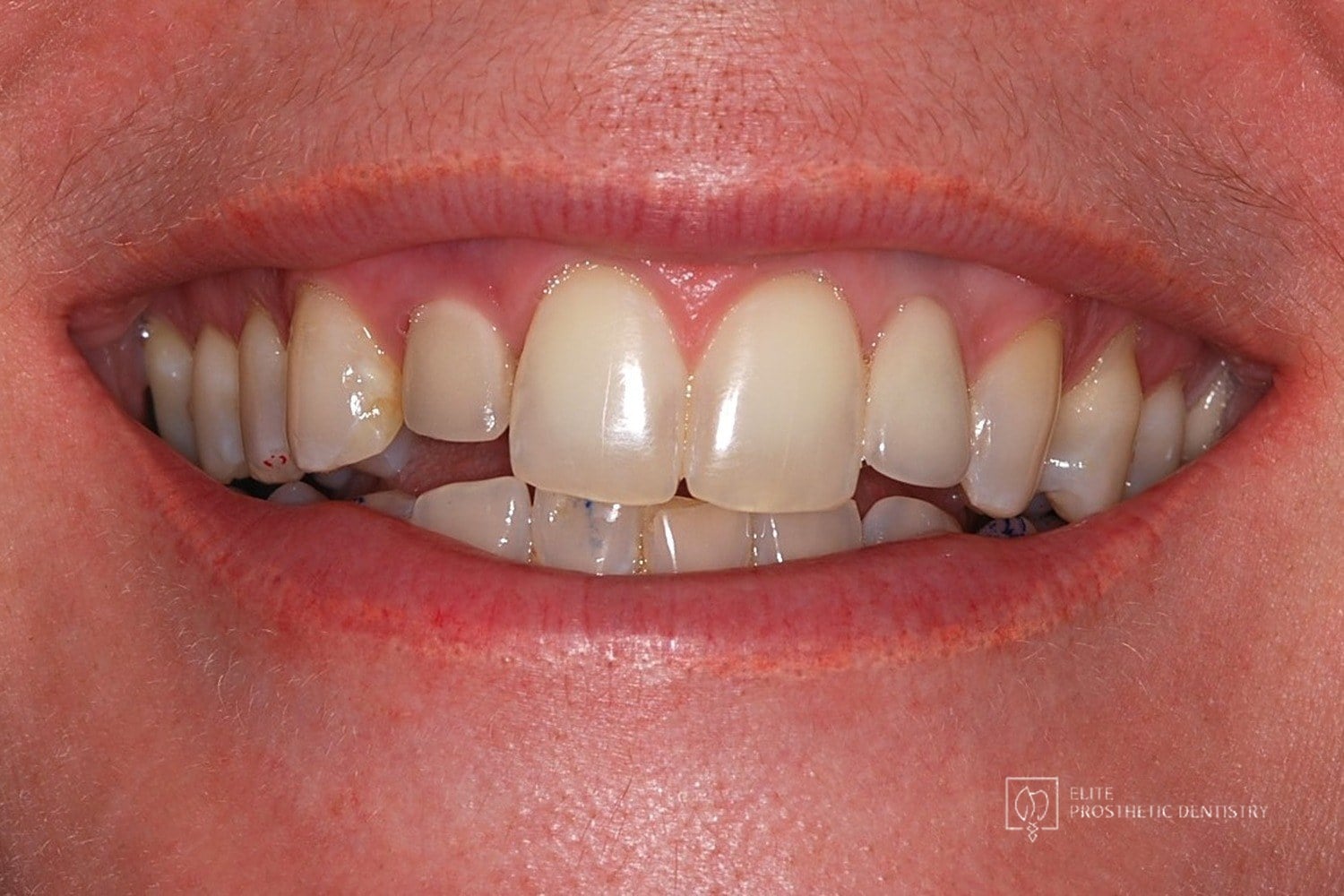 Before
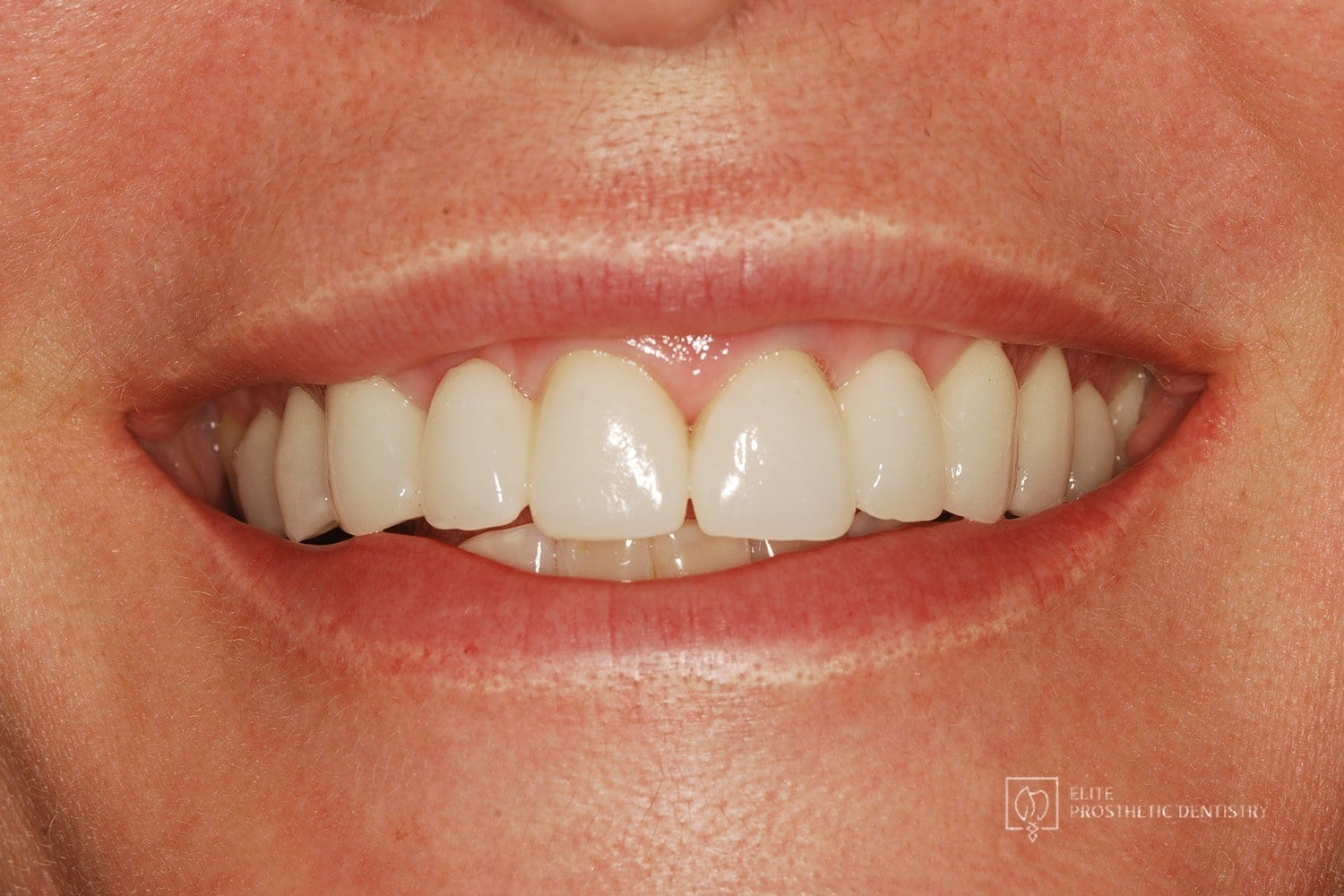 After
How Failing Lateral Incisor Implants Were Replaced with Custom Zirconia Bridges After Severe Bone Loss Made Replacement Implants Impossible
Comprehensive examination including CBCT imaging revealed significant bone loss surrounding implants that were placed outside the buccal plate, most likely due to placement without a CBCT-generated surgical guide. The implants were determined non-salvageable, and the alveolar ridge was too narrow to support replacement implants without extensive reconstruction.
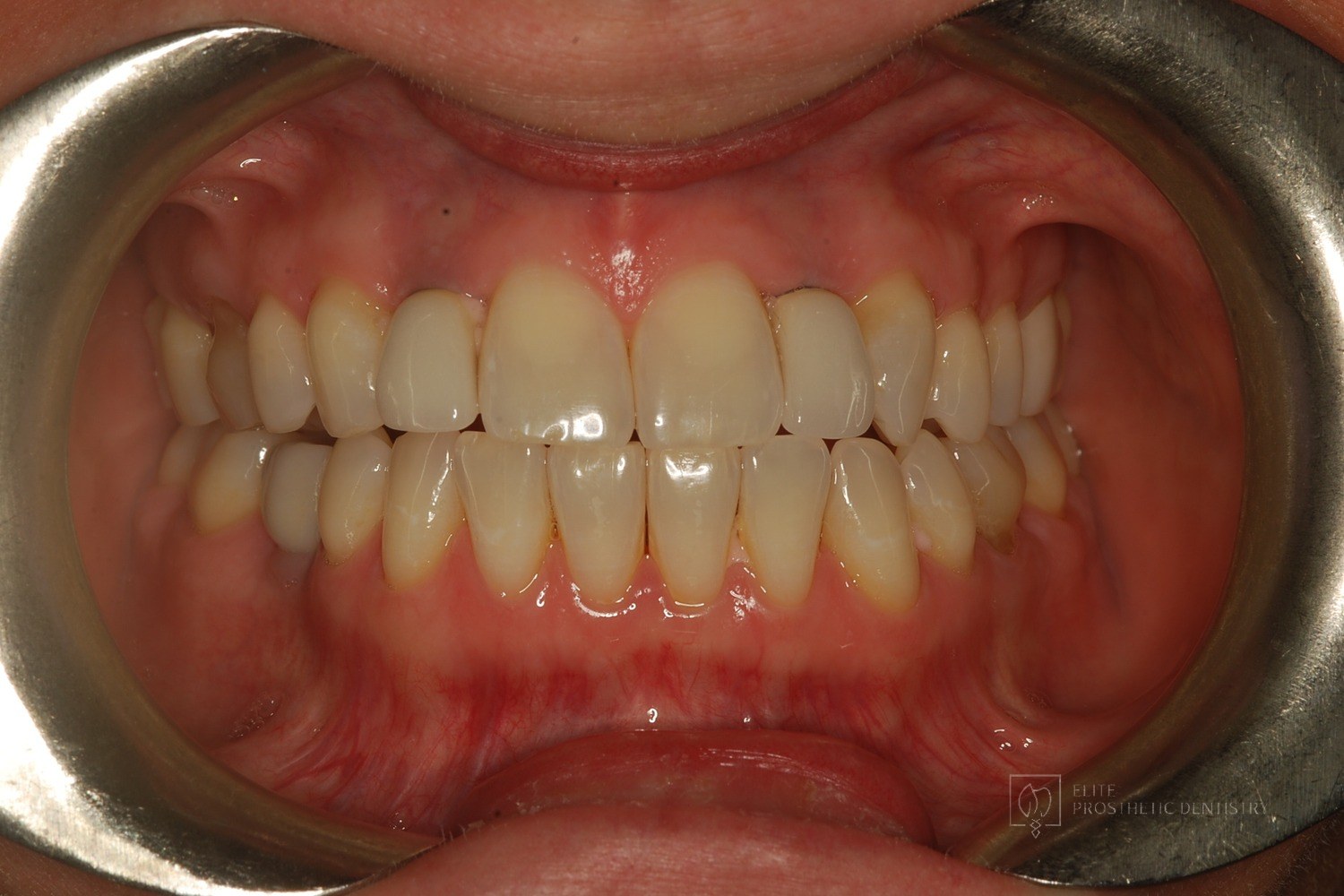 Before
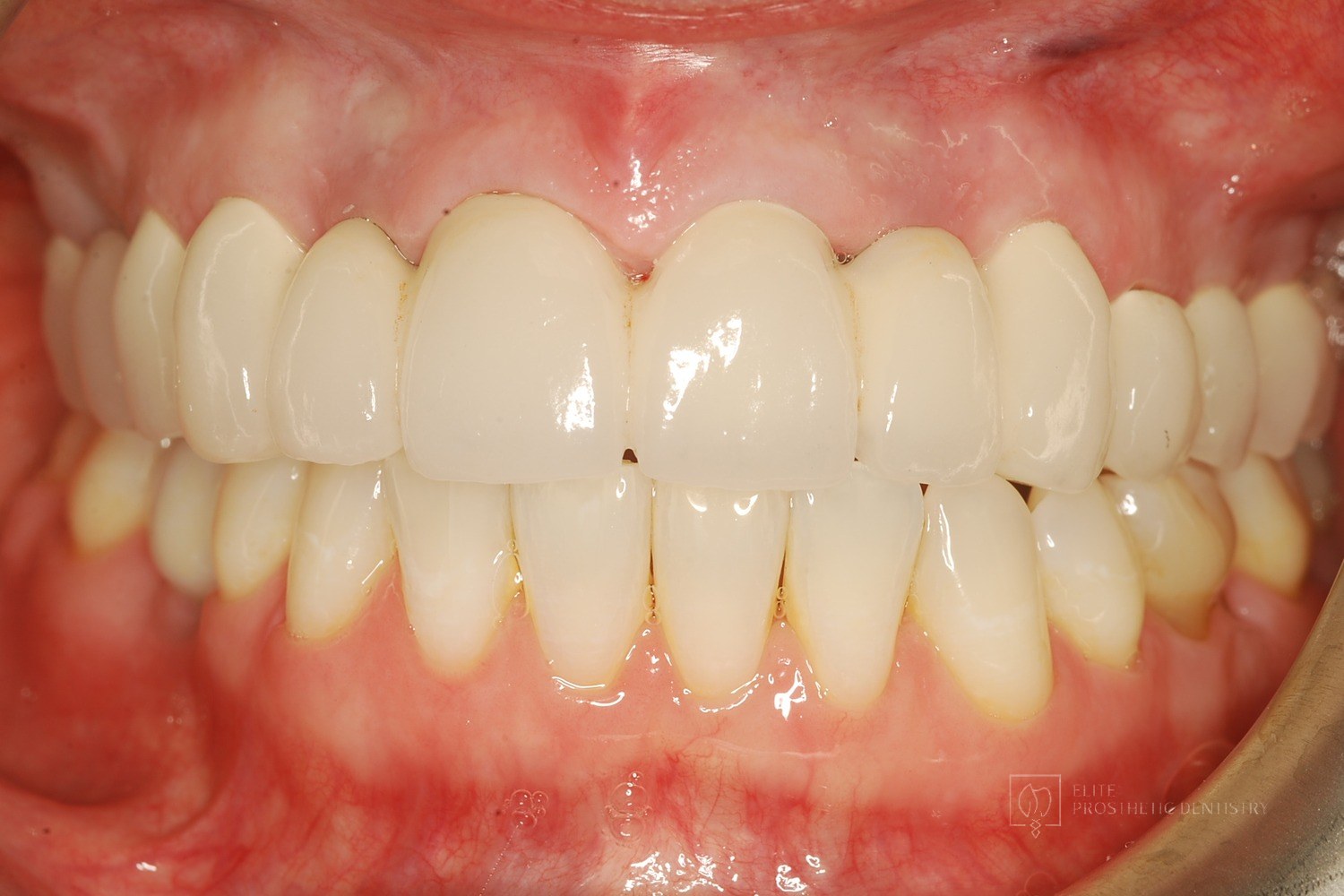 After
How Older Implant Crowns Were Redesigned for a Better Bite and More Natural Appearance
The patient came in after years of living with implant-supported crowns placed more than twenty years earlier that no longer looked or functioned well. CBCT evaluation, reviewed with a radiologist colleague, showed the implants had been placed too far to the buccal in very thin bone and could not support a healthy long-term restoration.
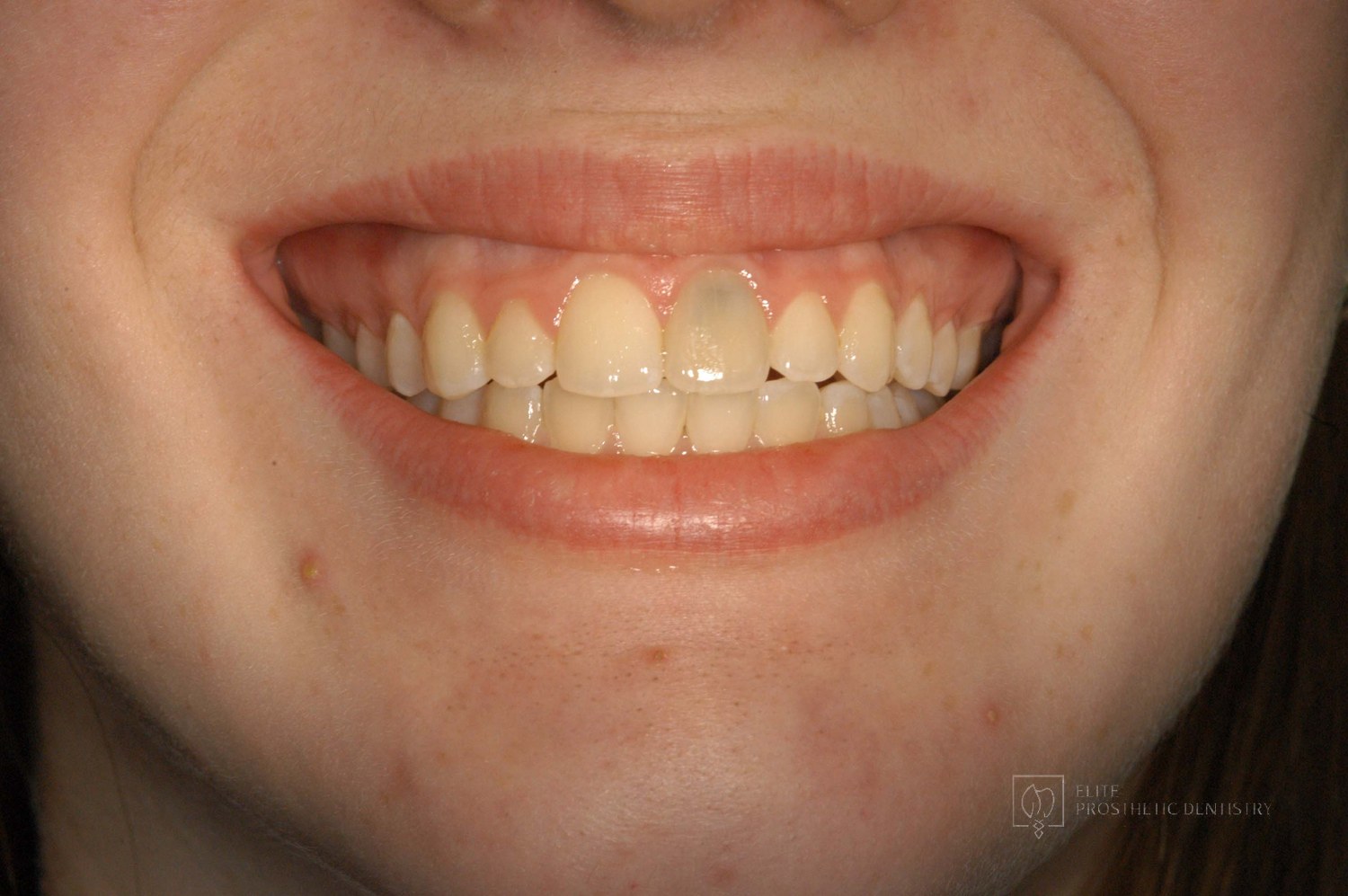 Before
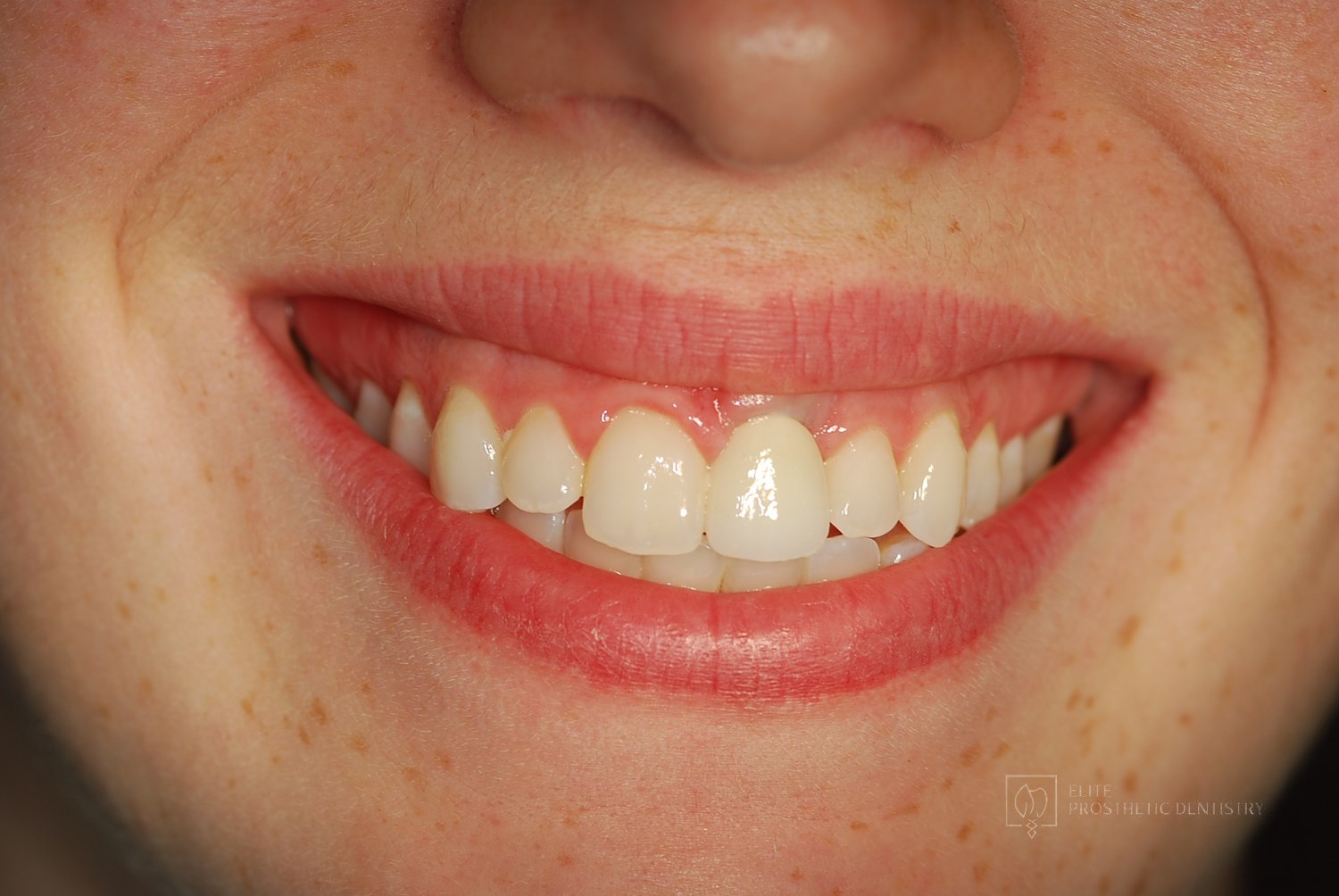 After
How a Front Tooth Lost to Childhood Trauma Was Rebuilt with Bone Grafting and a Long-Lasting Implant
A teenager was referred by her father after earlier trauma left her upper left front tooth slowly failing from root resorption. She was still growing, so an immediate implant was the wrong move. The tooth had to be maintained to buy time, then replaced correctly once she reached skeletal maturity.
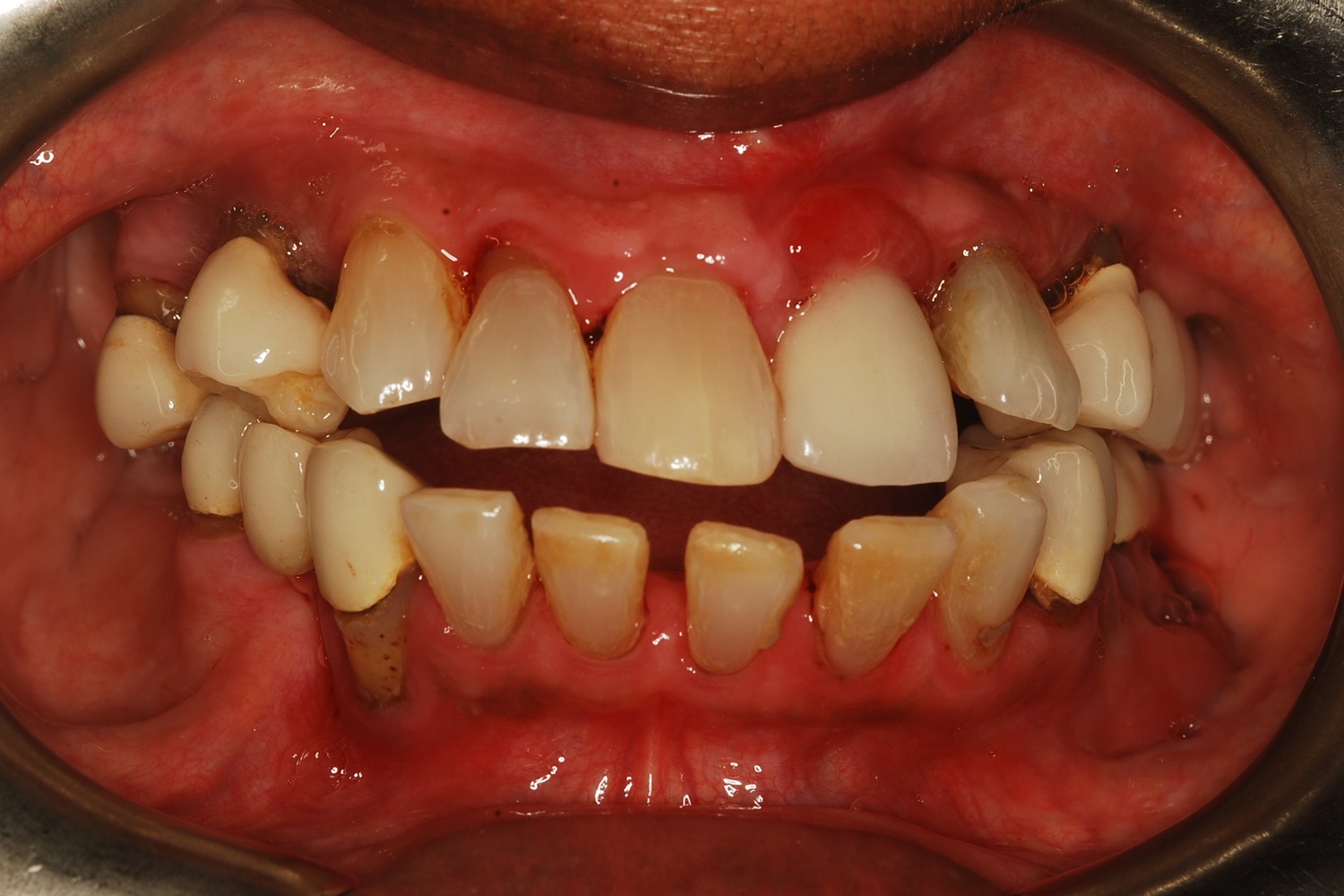 Before
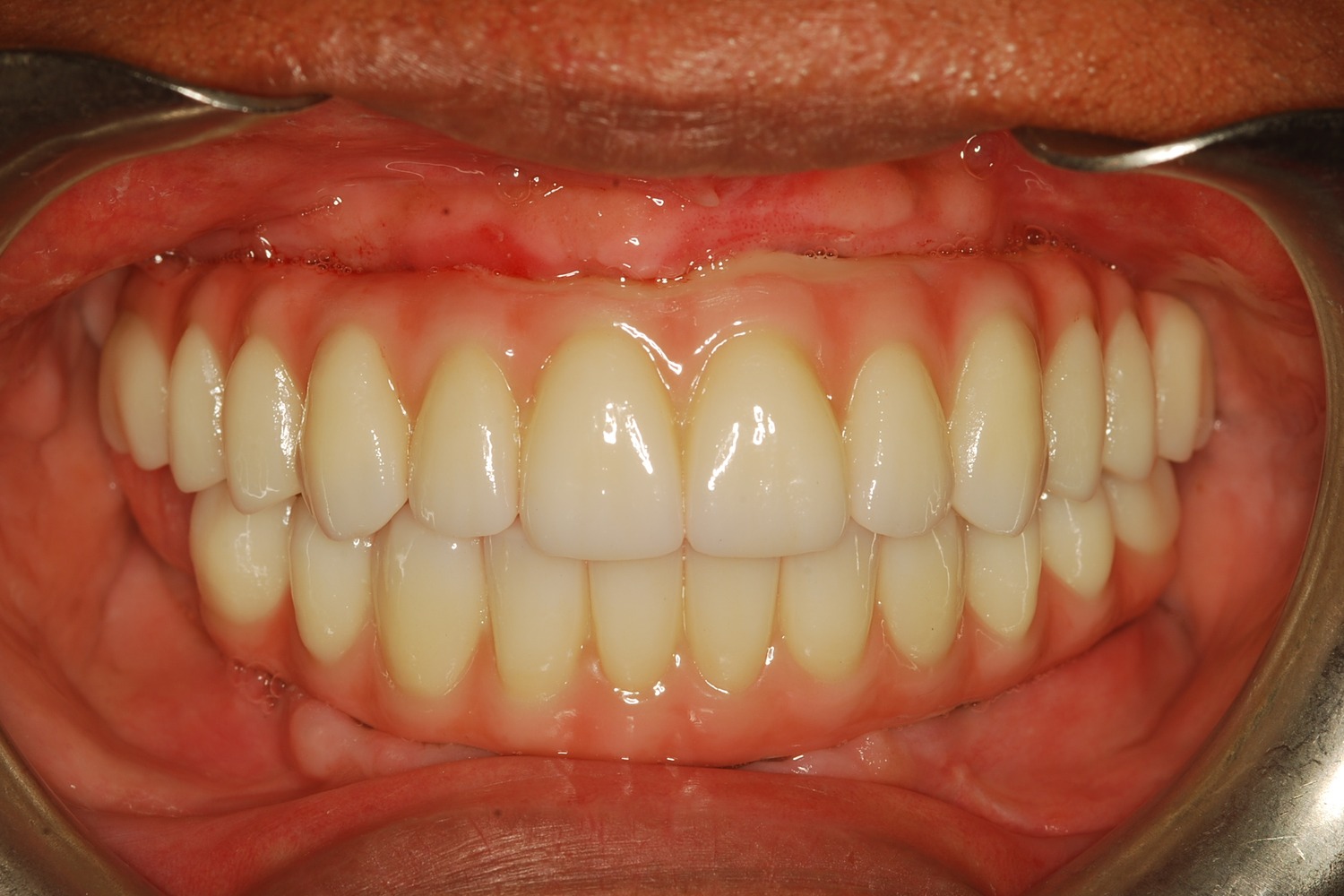 After
How Severe Bone Loss and Bite Dysfunction Were Rebuilt with All-on-6 Implants and a Milled Zirconia Hybrid Prosthesis
The patient presented with severe bone loss, advanced periodontal disease, malocclusion, and a dysfunctional bite that required full-arch rebuilding.
Related Articles
Deepen your knowledge with additional insights on this topic.
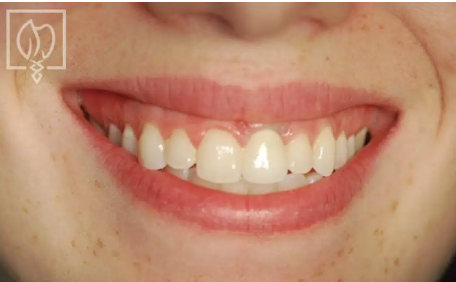 Dental Implants
If a Single Front Tooth Is Replaced with an Implant, Can It Look Natural?
Yes. See the four steps, with real case photos, that make a single front tooth implant indistinguishable from the natural tooth beside it. Washington, DC.
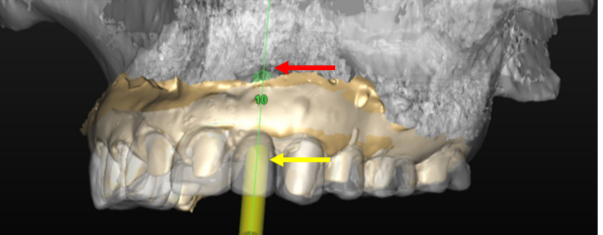 Dental Implants
What Is Precision Implant Placement (PIP)?
Precision Implant Placement plans each implant virtually on a CBCT scan, then delivers it with a custom surgical guide. See the three steps with real images.
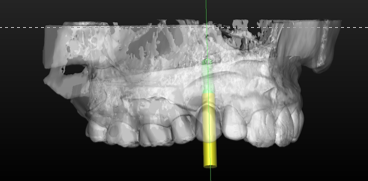 Dental Implants
What Is the Ideal Surgical Guide for Precision Implant Placement?
Not all surgical guides are equal. The gold standard is CBCT-based: planned virtually in 3D, 3D printed, and seated on your teeth. A DC prosthodontist explains.
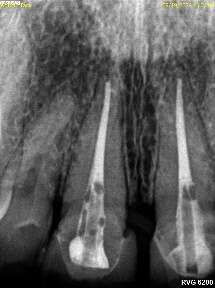 Dental Implants
When Should an Implant Not Be Done?
Healthy roots, thin bone, steep bony angles: a DC prosthodontist shows a real case where refusing implants was the right call, and what was done instead.
 Dental Implants
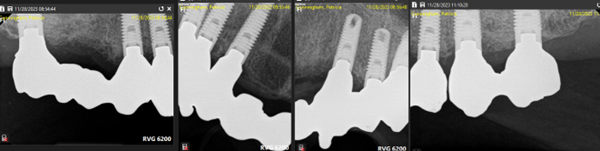
What Is Staged Implant Therapy?
Staged implant therapy replaces failing teeth in phases while you keep fixed teeth the entire time. A DC prosthodontist walks through a real case in stages.
 Dental Implants
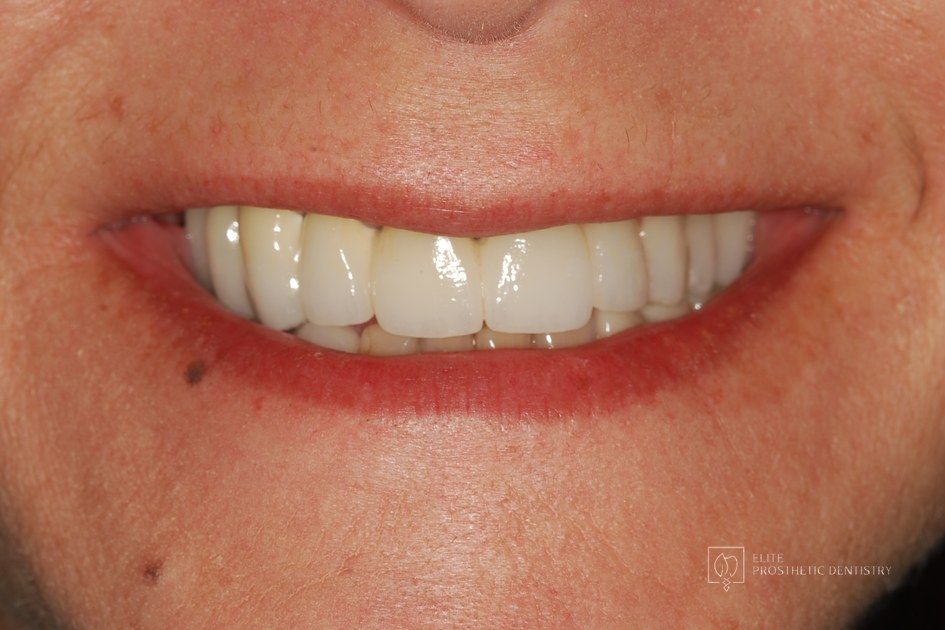
The Four Types of Dental Implants: Which One Is Right for You?
Endosteal, subperiosteal, zygomatic, and mini implants each solve a different problem. A DC prosthodontist explains the four types and who each one fits.
Ready to Transform Your Smile?
With 40+ years of experience and 3,900+ dental implants placed, Dr. Marlin and the team deliver dentistry planned to last. Request a specialist consultation.