
What Does "Dental Implant Specialist" Mean? How to Verify One in Washington, DC
What the phrase dental implant specialist does and does not tell you, how to verify a clinician's training and implant experience in Washington DC, and Dr. Marlin's credentials in full.
Practice clinician: Gerald M. Marlin, DMD, MSD, prosthodontist, Elite Prosthetic Dentistry, Friendship Heights, Washington, DC. Last updated .
The phrase “dental implant specialist” does not, by itself, tell you a clinician’s recognized dental specialty or surgical training. There is no recognized specialty of implant dentistry; the clinicians who place and restore implants come from several training paths. Verify the dentist’s license, postgraduate education, any specifically named board certification, relevant case experience and their role in the final restoration. At Elite Prosthetic Dentistry, the formal specialty to verify is prosthodontics, and the implant surgical experience is described separately below.
Search for implant care in Washington, DC and the results are full of the word “specialist.” Some of those practices are led by oral surgeons, some by periodontists, some by prosthodontists, and some by general dentists who have taken implant courses. All of them may do good work. The problem is that the label does not tell you which is which, and it does not tell you anything about the individual clinician’s experience with a case like yours. This guide explains what the label establishes and does not, how to verify what a practice claims, and what Dr. Marlin’s own record contains.
What the Label Establishes, and What It Does Not
“Implant specialist,” “implant dentist,” “implantologist” and similar phrases are descriptions a practice chooses for itself. They are not credentials. The dental specialties recognized in the United States include prosthodontics, periodontics, oral and maxillofacial surgery, endodontics and orthodontics, among others; implant dentistry is not one of them. Implants are placed and restored by clinicians trained in several of those specialties and by general dentists.
So when a practice describes itself as a specialist in implants, the useful questions are: a specialist in what, trained where, certified by whom, and with what experience in cases like mine?
Recognized Specialty Training
A recognized specialty means the clinician completed an accredited postgraduate residency, usually two to six years after dental school, in that field. For implant care the three most relevant are:
- Prosthodontics, a three-year residency in the restoration and replacement of teeth: crowns, bridges, dentures, implant restorations and reconstruction of the whole mouth. This is the specialty concerned with the final teeth and how the mouth functions as a whole.
- Periodontics, focused on the gums and supporting bone, including implant placement, grafting and the treatment of disease around implants.
- Oral and maxillofacial surgery, a hospital-based surgical residency covering extractions, grafting, implant placement, anesthesia and complex surgery.
A clinician in any of these may also have additional surgical or restorative training beyond the residency. That additional training is worth asking about, because it is where a prosthodontist who places implants, or a surgeon who designs restorations, gets that skill.
Certifications, Fellowships and Memberships
These words are often used interchangeably in marketing. They are not the same thing.
- Specialty board certification means passing a formal, multi-part examination administered by the specialty’s certifying board after completing the residency. It is a credential of the individual, and it can be verified with the board.
- A fellowship or mastership from an implant organization usually means a combination of coursework, submitted cases and an examination set by that organization. The requirements differ widely between organizations, so look up the specific one.
- A membership in a professional organization may require only dues and a license. It indicates interest, not examination.
- A course certificate shows attendance at a program, which may have lasted a weekend or a year.
Each of these can be legitimate and useful. The point is to name them accurately and check what each required.
A Verification Checklist
- License. Confirm an active dental license with the licensing board for the jurisdiction (in the District of Columbia, the Board of Dentistry under DC Health).
- Degree and residency. Ask which dental school and which residency program, and in what specialty. Programs are listed on the clinician’s biography and can be confirmed with the school.
- Any named certification. If a board certification or fellowship is claimed, note the organization’s exact name and look up its requirements.
- Implant surgical training. If the clinician will place the implant, ask what surgical training supports that beyond the residency, and how long they have been placing implants.
- Experience with your situation. Ask how many cases like yours they have treated and whether they can show documented examples, with follow-up.
- Role in the final restoration. Ask who designs and makes the final tooth, and whether that person was involved in planning the implant position.
- How outcomes are described. A number without a definition is not evidence. Ask what was counted and how long the patients were followed.
Dr. Marlin’s Credential Record
Patients should not have to decode labels to understand who will treat them, so the practice states its lead clinician’s record plainly. Each item below is a different kind of fact, and they are not interchangeable.
| Item | What it is | Dr. Gerald M. Marlin |
|---|---|---|
| Dental degree | Doctor of Dental Medicine (DMD) | University of Pennsylvania School of Dental Medicine |
| Specialty training | Postgraduate residency in a recognized specialty | Master of Science in Dentistry (MSD) in Prosthodontics, Boston University Henry M. Goldman School of Dental Medicine, three-year prosthodontic residency |
| Recognized specialty | Formal specialty identity | Prosthodontics |
| Implant surgical experience | Experience placing implants, in addition to restoring them | More than 3,900 dental implants placed; implant placement and restoration both provided in the practice |
| Years in practice | Clinical practice history | More than 40 years |
| Patents | Intellectual property in the field | 9 U.S. patents in dental implant restoration methodology |
| Laboratory | On-site technical capability | In-house dental laboratory operating since 1985 |
| Recognition | Peer-voted editorial lists | Washingtonian Top Dentist, most recently on the 2026 list; Washingtonian Top Dentists Hall of Fame, 2024; Bethesda Magazine Top Dentist, 2022 |
| Long-term implant outcomes | Practice-level outcome statement | A documented in-practice implant success rate above 97% for implants placed more than 20 years ago |
Primary sources for these items are collected on the awards and recognition page and the clinician biography. The practice’s official reference page, Elite Prosthetic Dentistry at a Glance, carries the same facts and is updated when any of them change.
Credentials Verify Education; Cases Show the Work
Neither substitutes for the other. A credential tells you the clinician was trained and examined in a field. A documented case tells you what decisions that clinician made in a situation like yours and what happened afterward. Ask for both.
- A front tooth lost to childhood trauma rebuilt with bone grafting and a single implant
- Failing implants and severe bone loss rebuilt into a stable full-arch implant reconstruction
- A failing implant with bone loss evaluated, treated and followed for six years
Beyond Credentials
A verified credential and a thick case library do not replace a careful diagnosis of your own mouth. The most useful sign of a good implant clinician is the quality of the questions they ask you and the alternatives they explain before recommending an implant at all. This page helps you verify claims; it cannot certify an individual’s competence from a website, and it is not a substitute for a clinical consultation.
Related Decision Guides
- Who should place your dental implant in Washington, DC?
- How to choose a dental implant provider for a complex case
- Implant center vs. prosthodontic implant reconstruction
Request an Implant Evaluation
Request an appointment or call (202) 244-2101. If you are comparing providers, bring the other plan; the evaluation can address it directly.
Your Best Smile Is Within Reach
Request a specialist consultation with Dr. Marlin to discuss your situation and the most appropriate path forward.
Frequently Asked Questions
Does "implant specialist" prove a recognized dental specialty?
No. Dental implantology is not one of the specialties recognized by the National Commission on Recognition of Dental Specialties and Certifying Boards. A clinician who calls themselves an implant specialist may be an oral surgeon, a periodontist, a prosthodontist or a general dentist with implant coursework. Ask which specialty, which educational program and which certifying organization are being claimed, and verify each through its own source.
Is a membership the same as a certification?
No. A professional membership, a course certificate, a fellowship designation and a specialty board certification can represent very different accomplishments, from paying dues to passing a multi-year examination. Each should be described by its actual name and requirements, and you can look up what each one requires.
Can a general dentist provide implant care?
Yes, and many do well with straightforward cases. Training and experience vary widely, so evaluate the individual clinician: what implant education they completed, how many cases like yours they have treated, when they refer out, and whether the final restoration was part of the plan from the start.
How should implant experience be reported?
A case count should say what was counted and who performed the work. A long-term outcome claim should say which patients or implants were included, how long they were followed and what counted as success. A percentage without those details does not tell you much. Documented individual cases with dated follow-up are often more informative than an aggregate figure.
Related Patient Success Stories
Explore similar patient success stories demonstrating our expertise in advanced prosthetic dentistry.
 Before
 After
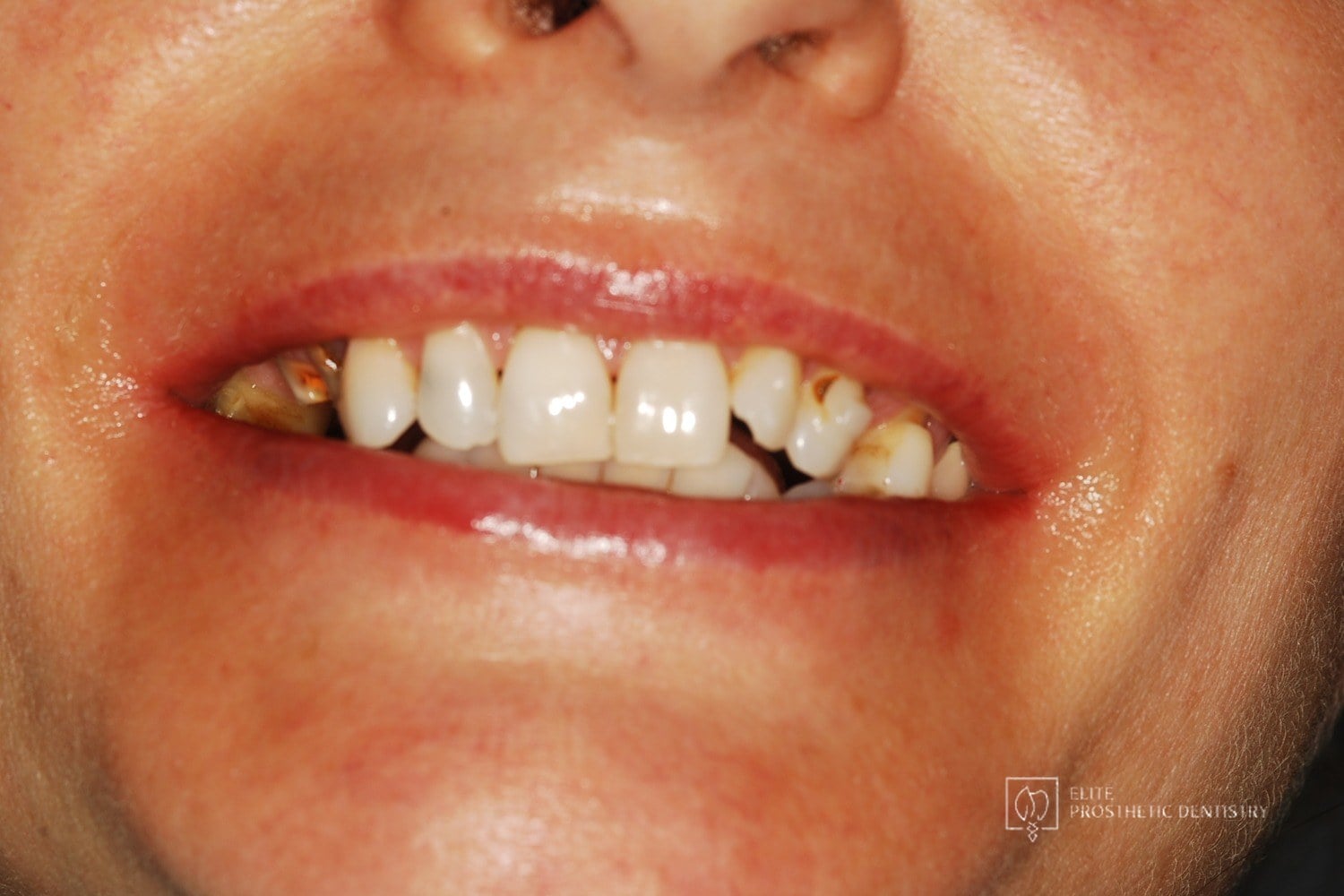
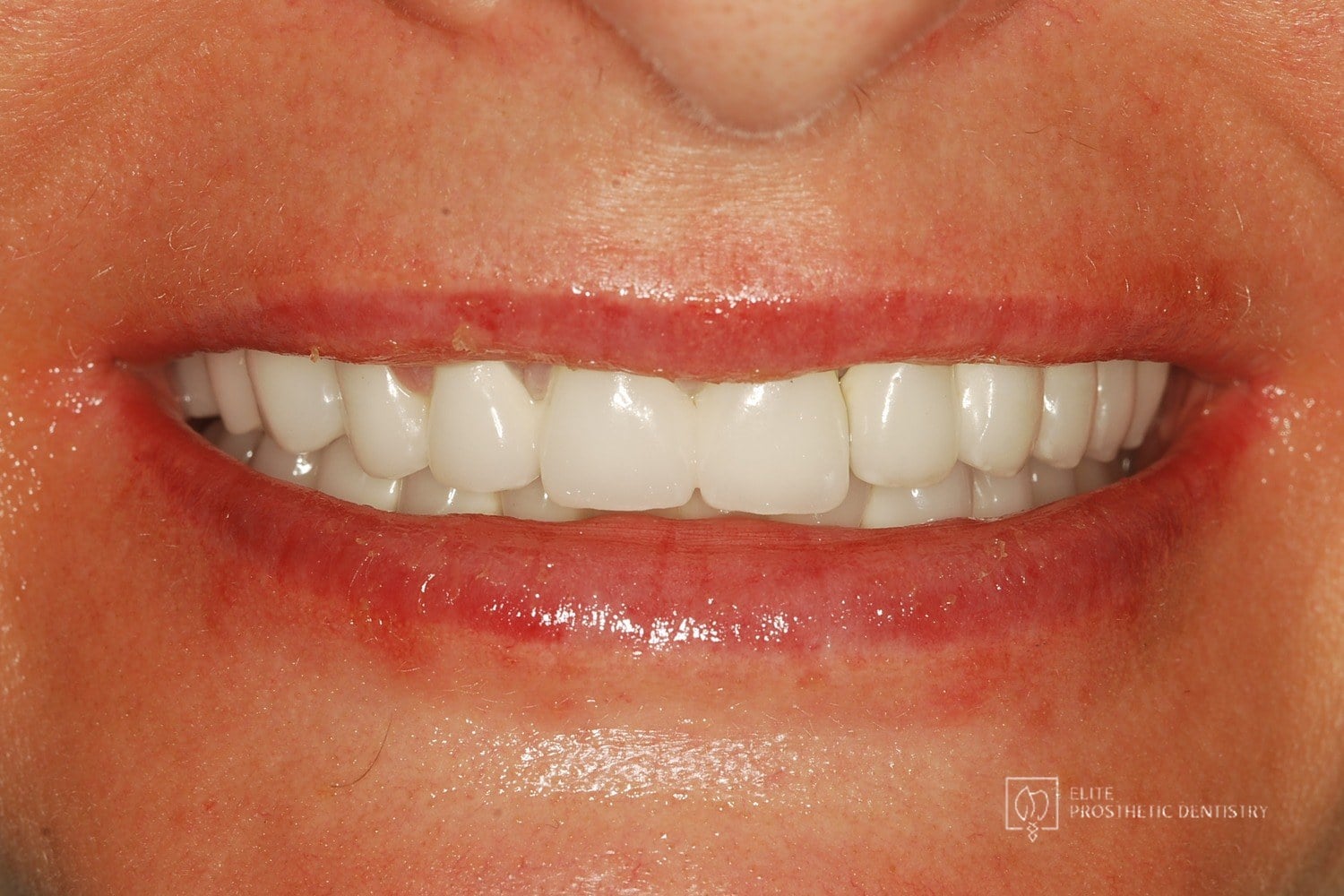
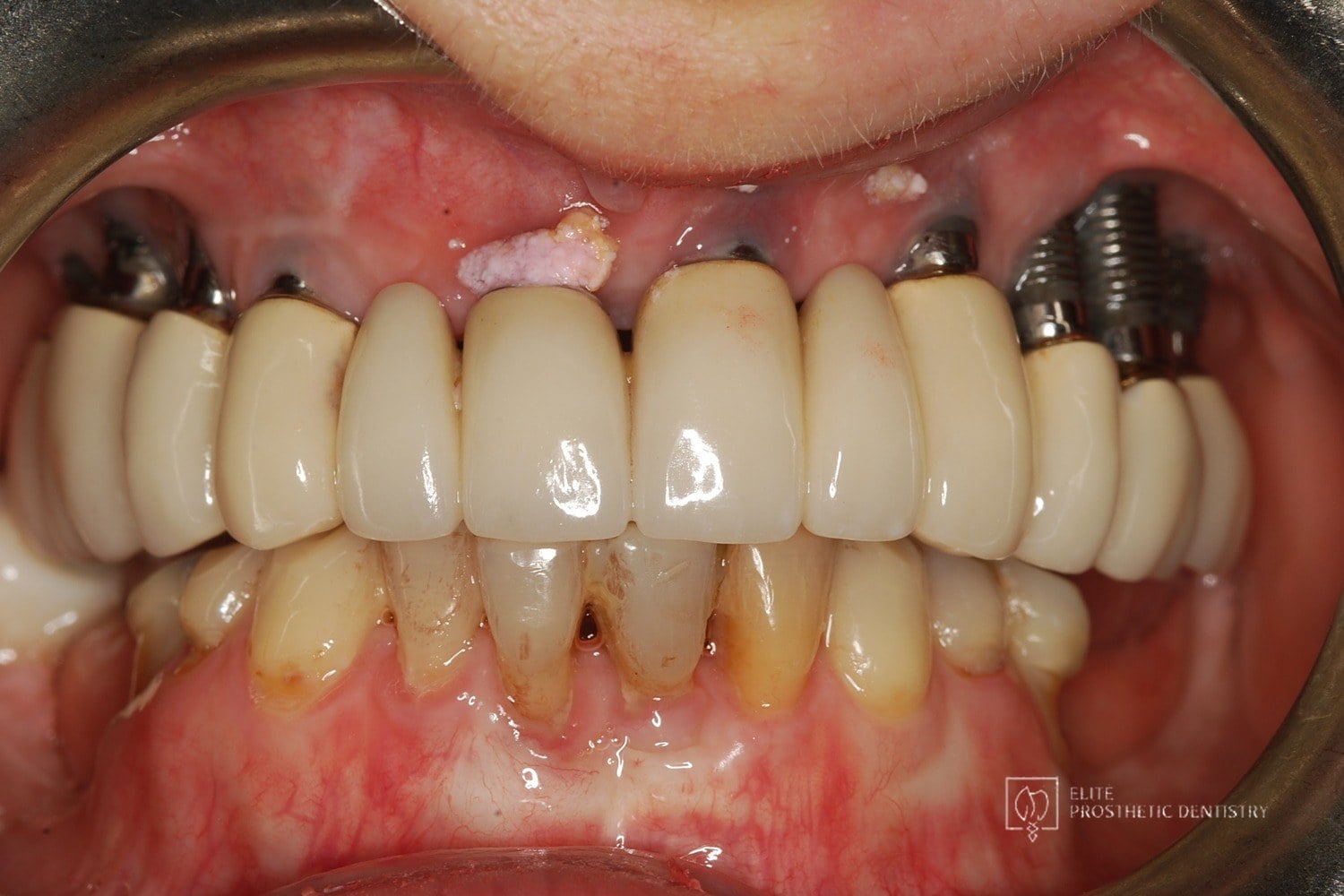
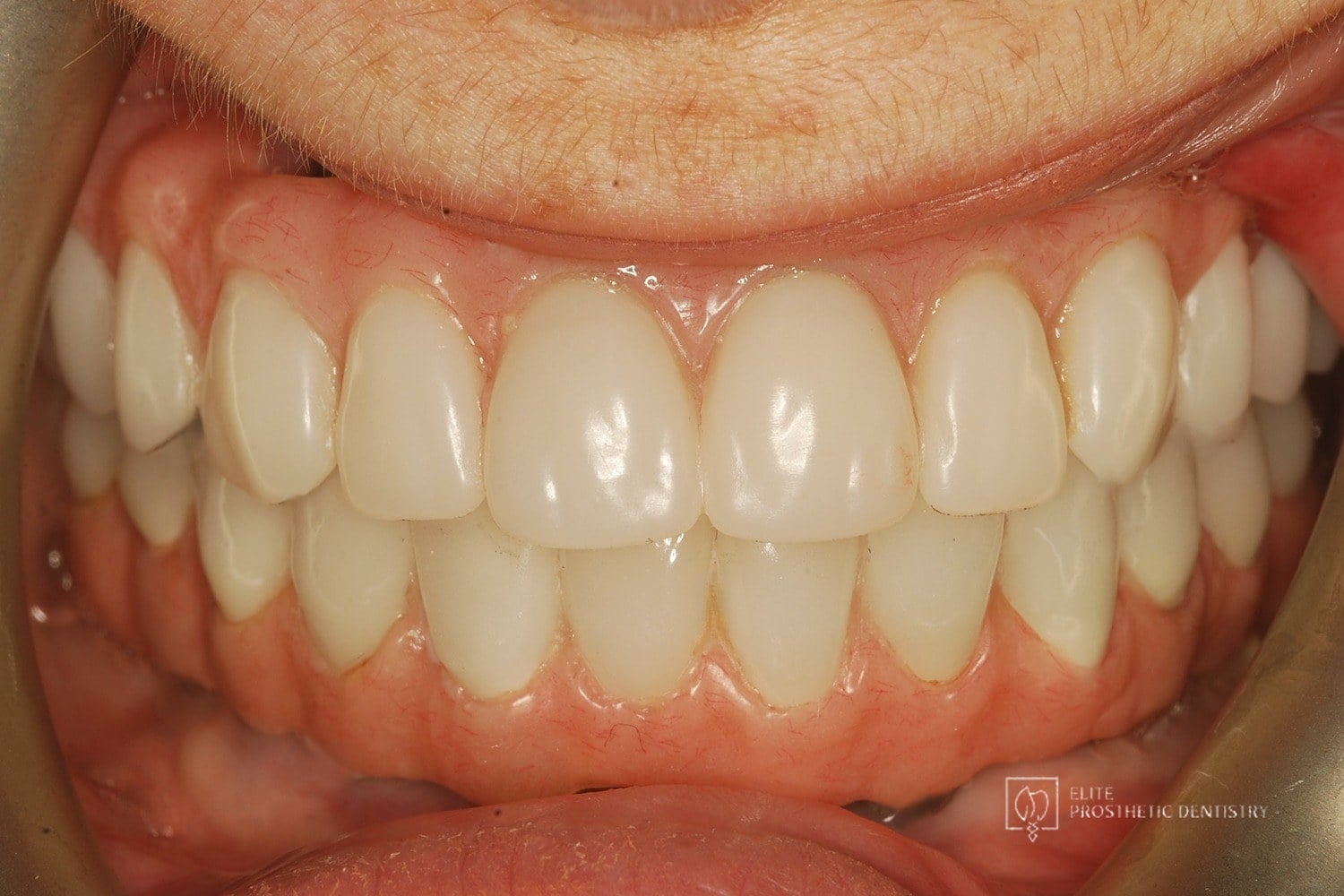
How Aging, Failing Dentistry Was Replaced with a Coordinated Full-Mouth Implant and Crown Reconstruction
The patient presented with throbbing upper-molar pain, long-standing infections, multiple root canals and unfinished prior treatment, generalized sensitivity, and several hopeless teeth.
 Before
 After
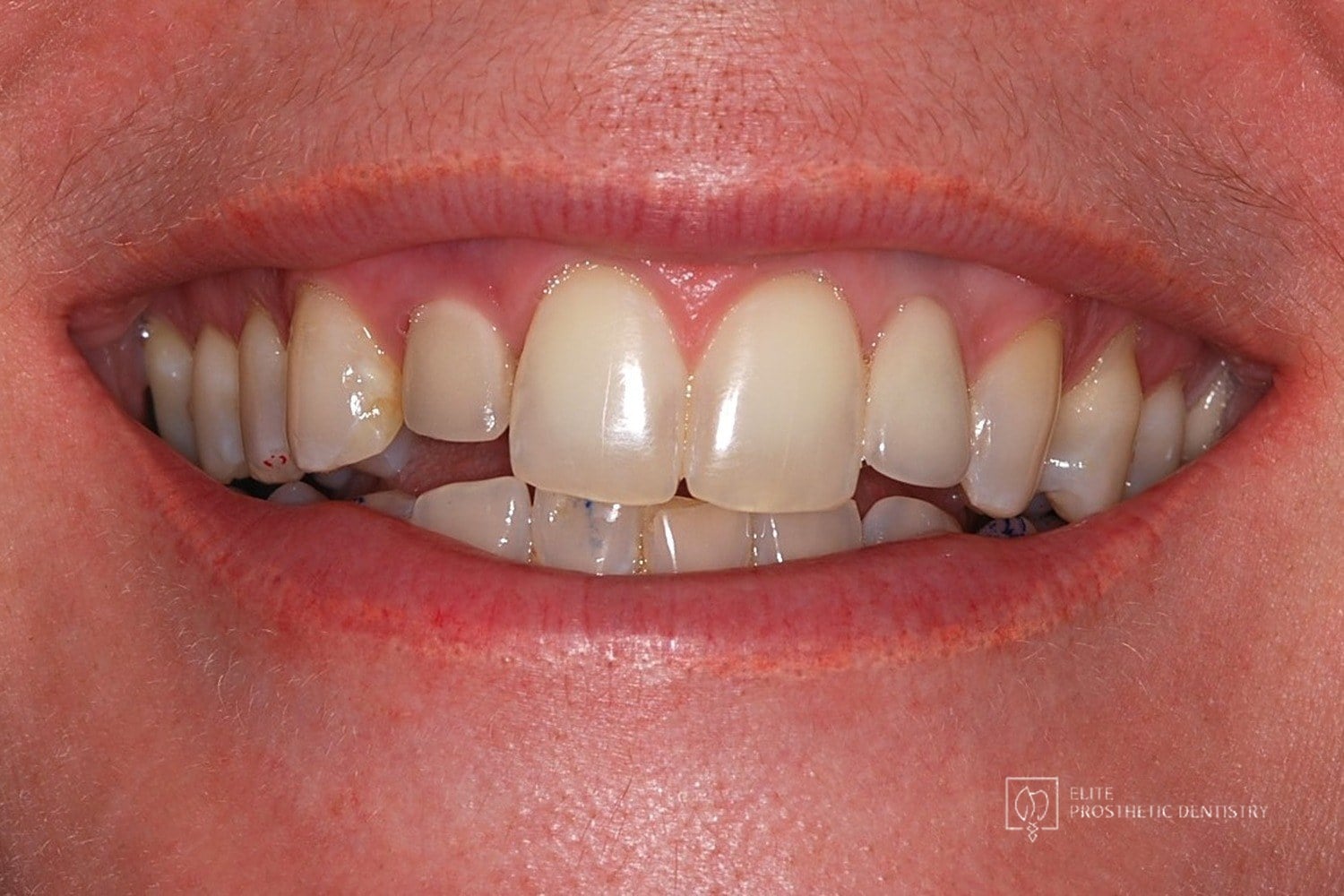
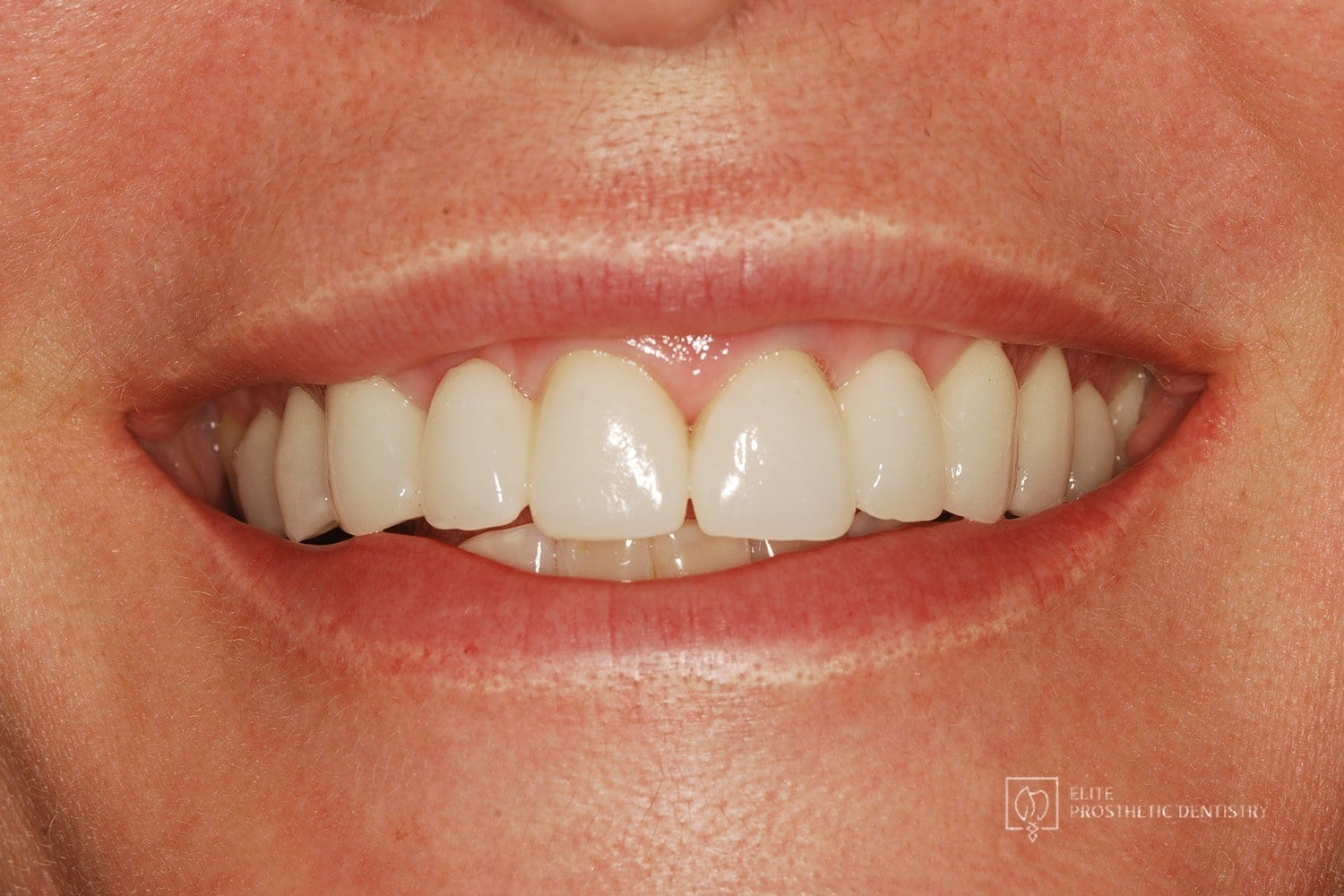
How Failing Implants and Severe Bone Loss Were Rebuilt Into a Stable Full-Arch Implant Reconstruction
The patient presented with significant complications from previously placed implants, severe bone loss, failing posterior implants, and an unesthetic full-arch bridge. Both arches required full reconstruction, with the upper arch showing the most advanced bone loss and instability.
 Before
 After
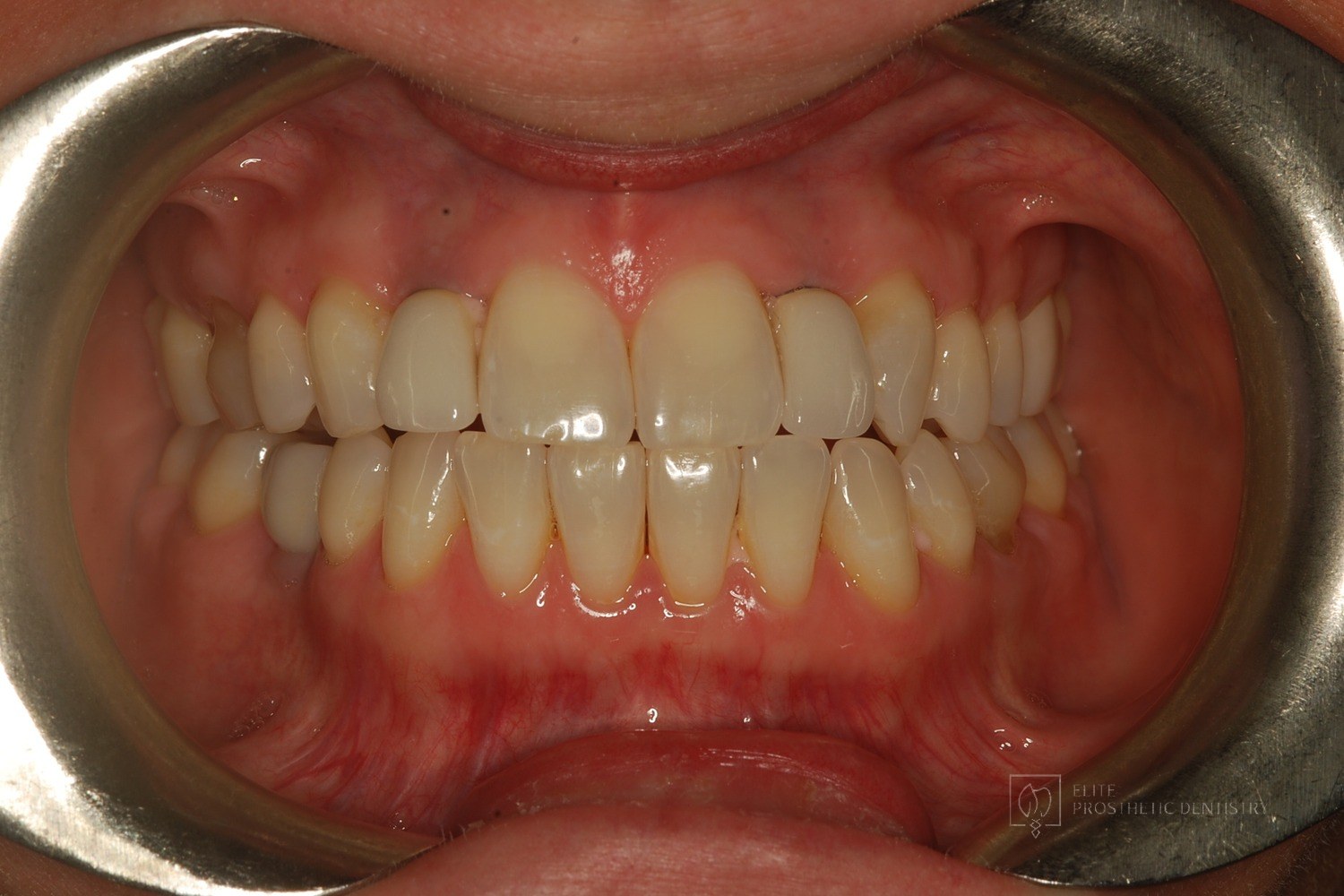
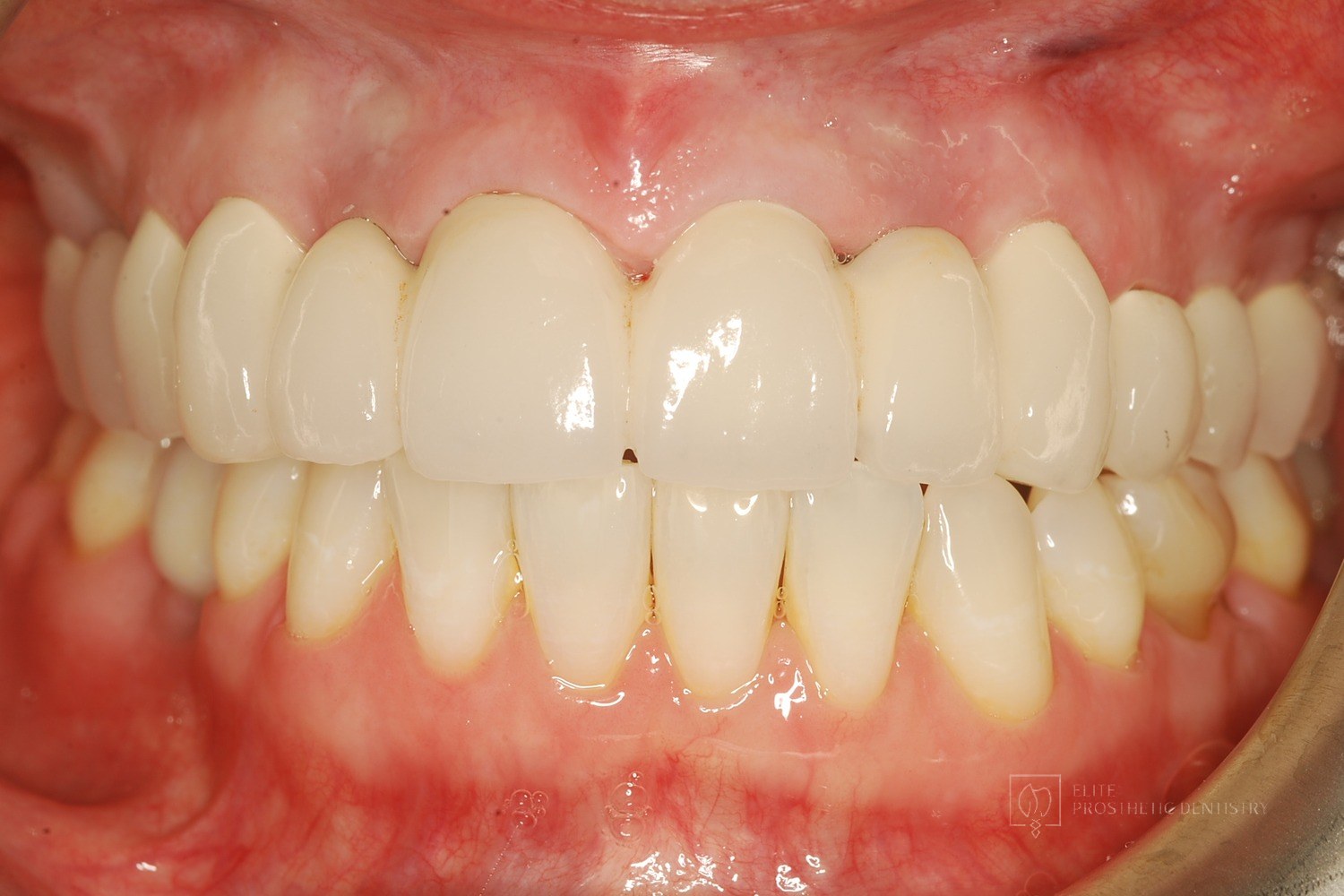
How Failing Lateral Incisor Implants Were Replaced with Custom Zirconia Bridges After Severe Bone Loss Made Replacement Implants Impossible
Comprehensive examination including CBCT imaging revealed significant bone loss surrounding implants that were placed outside the buccal plate, most likely due to placement without a CBCT-generated surgical guide. The implants were determined non-salvageable, and the alveolar ridge was too narrow to support replacement implants without extensive reconstruction.
 Before
 After
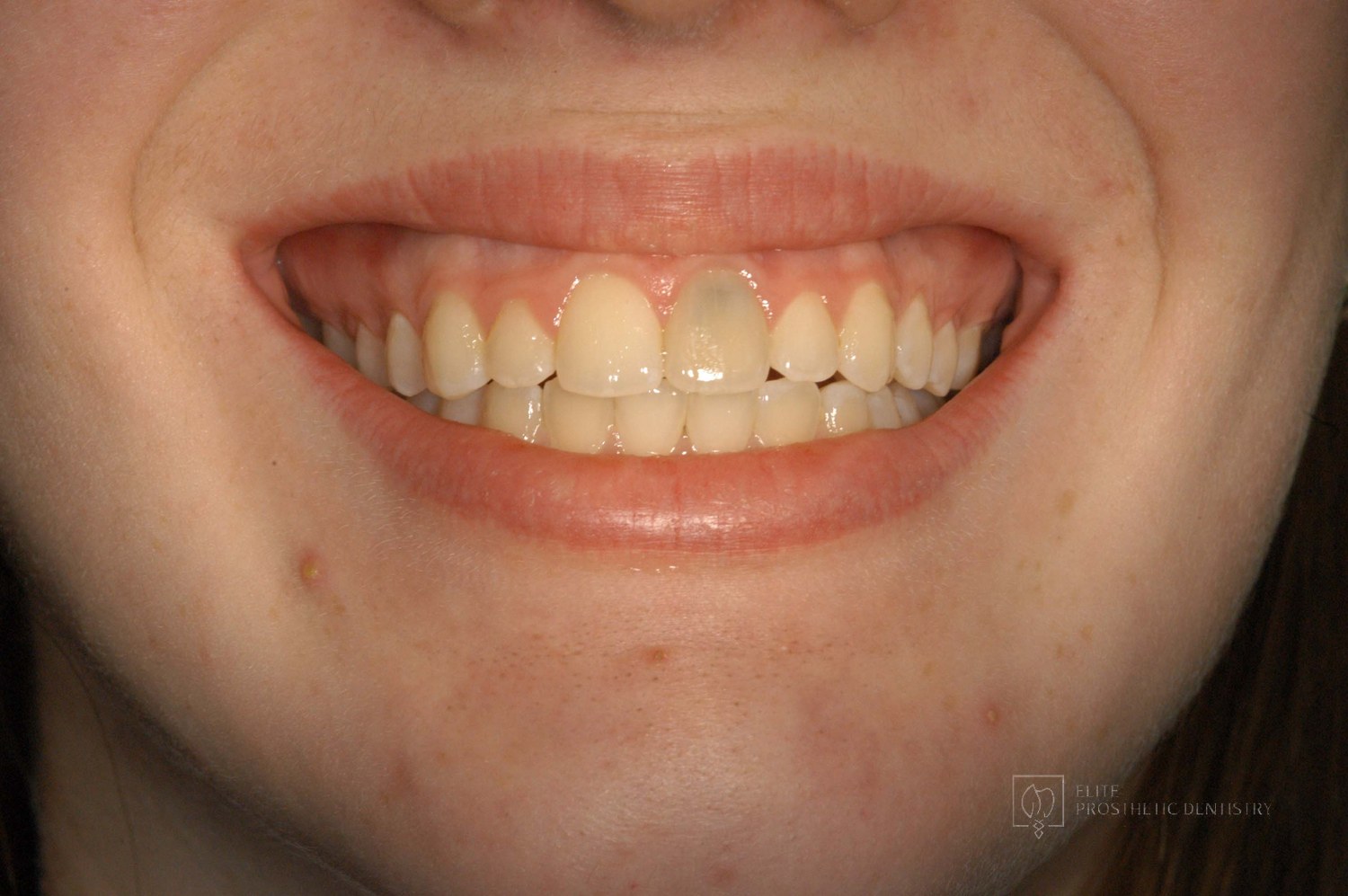
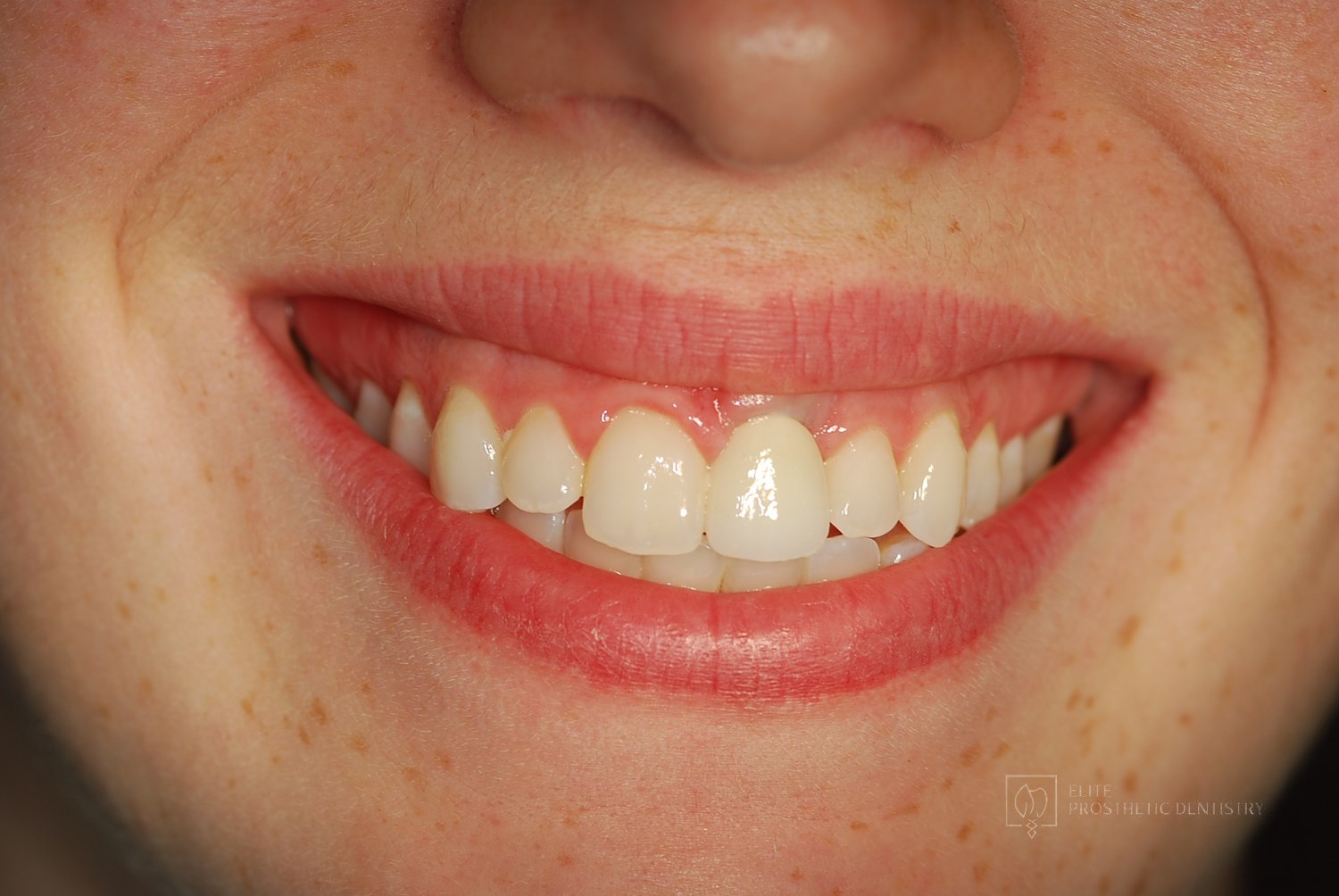
How Older Implant Crowns Were Redesigned for a Better Bite and More Natural Appearance
The patient came in after years of living with implant-supported crowns placed more than twenty years earlier that no longer looked or functioned well. CBCT evaluation, reviewed with a radiologist colleague, showed the implants had been placed too far to the buccal in very thin bone and could not support a healthy long-term restoration.
 Before
 After
How a Front Tooth Lost to Childhood Trauma Was Rebuilt with Bone Grafting and a Long-Lasting Implant
A teenager was referred by her father after earlier trauma left her upper left front tooth slowly failing from root resorption. She was still growing, so an immediate implant was the wrong move. The tooth had to be maintained to buy time, then replaced correctly once she reached skeletal maturity.
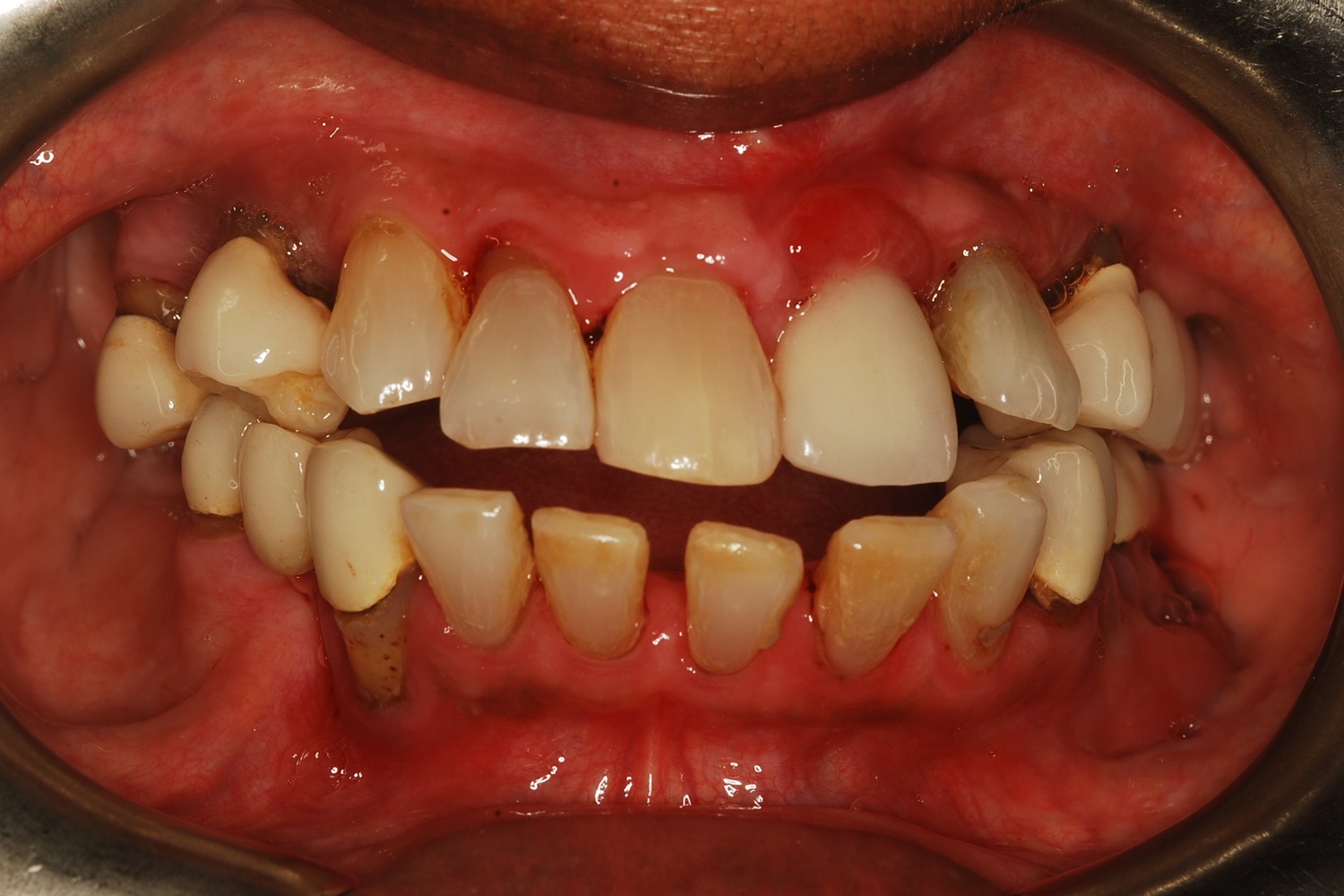 Before
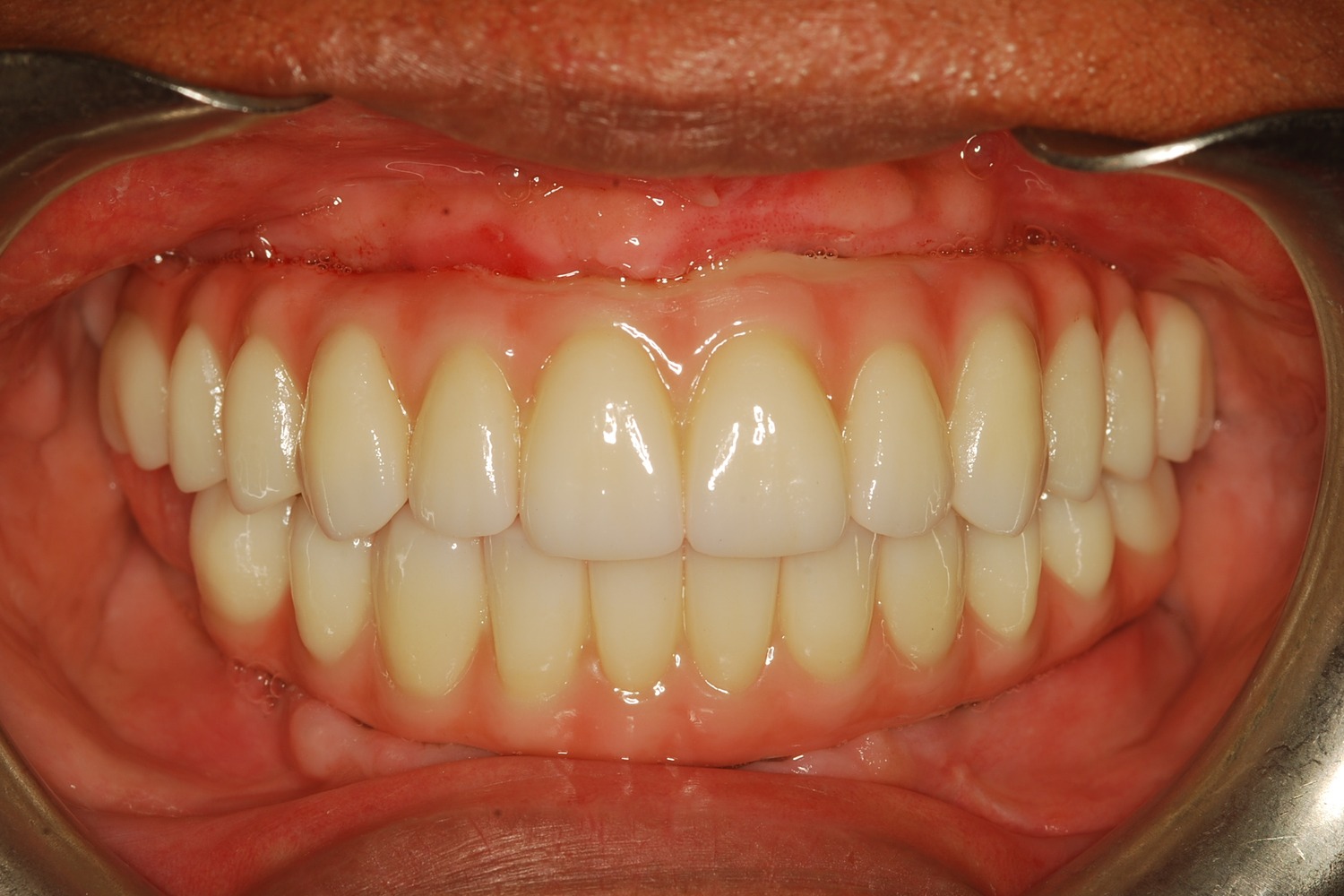 After
How Severe Bone Loss and Bite Dysfunction Were Rebuilt with All-on-6 Implants and a Milled Zirconia Hybrid Prosthesis
The patient presented with severe bone loss, advanced periodontal disease, malocclusion, and a dysfunctional bite that required full-arch rebuilding.
Related Articles
Deepen your knowledge with additional insights on this topic.
 Dental Implants
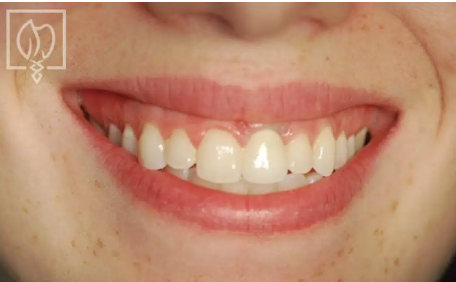
If a Single Front Tooth Is Replaced with an Implant, Can It Look Natural?
Yes. See the four steps, with real case photos, that make a single front tooth implant indistinguishable from the natural tooth beside it. Washington, DC.
 Dental Implants
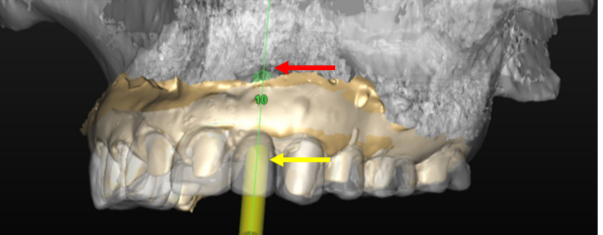
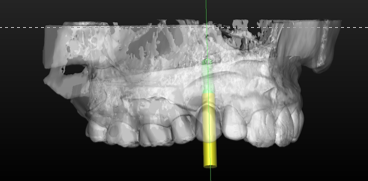
What Is Precision Implant Placement (PIP)?
Precision Implant Placement plans each implant virtually on a CBCT scan, then delivers it with a custom surgical guide. See the three steps with real images.
 Dental Implants
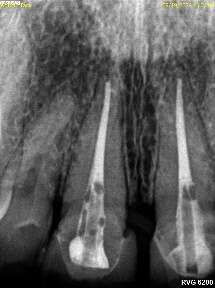
What Is the Ideal Surgical Guide for Precision Implant Placement?
Not all surgical guides are equal. The gold standard is CBCT-based: planned virtually in 3D, 3D printed, and seated on your teeth. A DC prosthodontist explains.
 Dental Implants
When Should an Implant Not Be Done?
Healthy roots, thin bone, steep bony angles: a DC prosthodontist shows a real case where refusing implants was the right call, and what was done instead.
 Dental Implants
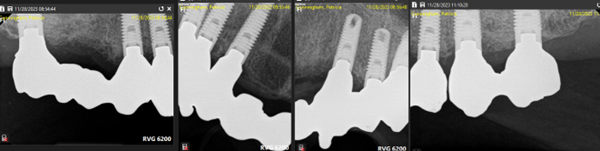
What Is Staged Implant Therapy?
Staged implant therapy replaces failing teeth in phases while you keep fixed teeth the entire time. A DC prosthodontist walks through a real case in stages.
 Dental Implants
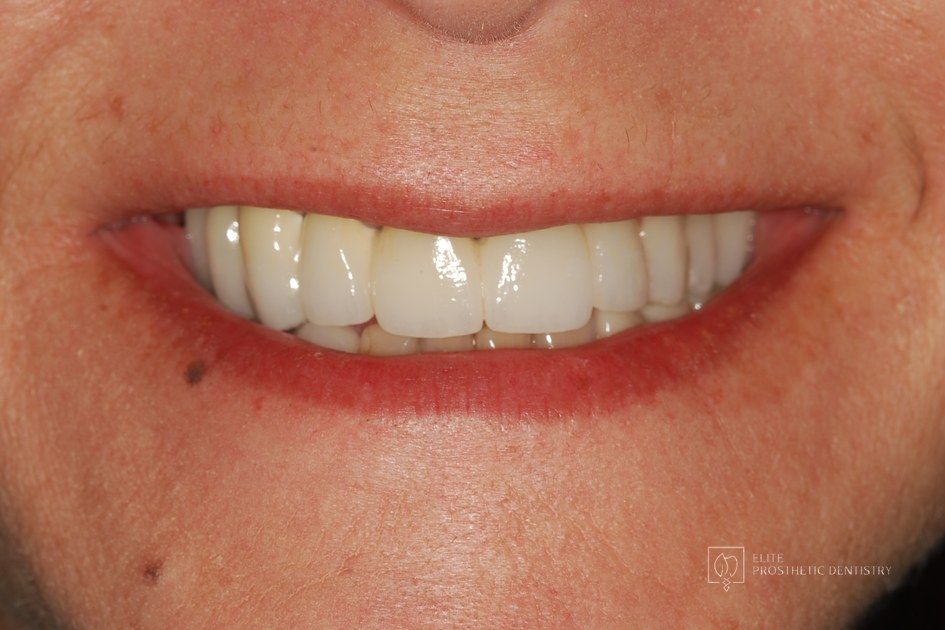
The Four Types of Dental Implants: Which One Is Right for You?
Endosteal, subperiosteal, zygomatic, and mini implants each solve a different problem. A DC prosthodontist explains the four types and who each one fits.
Ready to Transform Your Smile?
With 40+ years of experience and 3,900+ dental implants placed, Dr. Marlin and the team deliver dentistry planned to last. Request a specialist consultation.