
Implant Center vs. Prosthodontic Implant Reconstruction: Which Is Right for Your Situation?
Compare implant centers and prosthodontic implant reconstruction. Which setting fits simple tooth replacement, full-arch treatment, complex implant cases, or restorative-driven planning.
Both models exist because both serve real patients. An implant center can suit a standardized full-arch pathway for extensive tooth loss. A prosthodontic practice is built for cases where diagnosis, tooth preservation, esthetics, bite, laboratory control, and the final restoration must be planned together. The right choice depends on which of those situations is yours.

Patients considering dental implants often compare different provider models: a corporate implant center, an oral surgeon working with a restorative dentist, a general dental office, or an integrated prosthodontic practice. Each model can be appropriate in the right situation. The best choice depends on the complexity of the case, the condition of the remaining teeth, the amount and location of bone, esthetic demands, bite stability, provisional needs, laboratory coordination, and the patient’s long-term goals.
When an Implant Center May Be Appropriate
An implant center may be a reasonable setting for patients who are missing many teeth, want a standardized full-arch solution, and are comfortable with a center-based workflow. Some centers are designed around efficiency, volume, and defined implant protocols. For the right patient, that can be useful.
When Prosthodontic Implant Reconstruction May Be a Better Fit
A prosthodontic practice may be a stronger fit when the case requires detailed restorative diagnosis, preservation of selected teeth, staged conversion from failing bridgework to implants, coordination with existing crowns or veneers, esthetic refinement, custom abutments, bite redesign, in-house laboratory involvement, or a second opinion before committing to a standardized pathway.
Split-Site Implant Care vs. Integrated Surgical-Restorative Planning
Many excellent implant cases are completed collaboratively between a surgeon and a restorative dentist. In some complex situations, however, patients benefit from having the surgical-restorative plan coordinated in one office. Integrated planning can connect diagnosis, implant positioning, bone grafting, provisional restorations, abutment design, laboratory work, final restoration, and bite management from the beginning. We compare the two models in depth, including the questions to ask under either one, in Split-Site Implant Care vs. Integrated Surgical-Restorative Planning in One Office.
Questions Patients Should Ask Before Choosing
- Who is designing the final teeth before the implants are placed?
- How will the implant positions support the planned crowns, bridge, or prosthesis?
- Will the bite be evaluated as part of the treatment plan?
- What happens if some natural teeth can be preserved?
- How will esthetics, speech, cleansability, and maintenance be handled?
- Who is responsible for the final restoration and long-term follow-up?
- Can I see cases similar to mine, not just general before-and-after images?
How Elite Prosthetic Dentistry Fits Into This Comparison
Elite Prosthetic Dentistry is not positioned as a volume implant center. EPD is structured for patients whose implant care must be planned with prosthodontic diagnosis, restorative design, surgical-restorative sequencing, esthetics, laboratory control, and long-term function in mind. For some patients, that means implant-supported bridges or full-arch reconstruction. For others, it means preserving natural teeth where appropriate and using implants only where they serve the best long-term plan.
For a more detailed head-to-head review of the two models, see Specialist Prosthodontist vs. Corporate Implant Centers and our comparison for patients considering ClearChoice-style treatment.
When Elite Prosthetic Dentistry May Be a Strong Fit
- You want to compare implant center treatment with a prosthodontic specialist evaluation.
- You have been told you need full-arch implants but want to understand alternatives.
- You have failing teeth, older bridgework, or existing restorations that must be integrated into the implant plan.
- You need implant treatment in a visible esthetic area.
- You value one integrated surgical-restorative plan with in-house laboratory coordination.
When Another Setting May Be More Appropriate
- You want a standardized, volume-based implant pathway and are comfortable with that model.
- You are seeking the lowest-cost full-arch implant offer.
- Your case is simple and already has a well-coordinated surgical and restorative plan in place.
Representative Cases
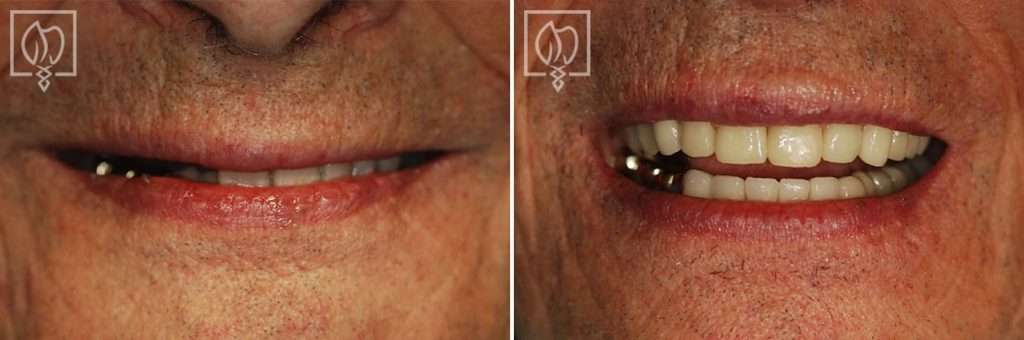
These documented cases show what restorative-driven implant reconstruction looks like:
- Severe bone loss and bite dysfunction rebuilt with a full-arch implant reconstruction
- A full-arch reconstruction built on bone preservation
- Restoring multiple old dental implants that had either fractured or failed
More are collected in the Implant Reconstruction & Rehabilitation success story hub and the Corrective Implant / Revision Expertise hub.
Related Decision Guides
- How to Choose a Denture Dentist: Dentures, Snap-In Dentures, or Fixed Implant Teeth
- How to Choose a Dental Implant Provider for a Complex Case
- Split-Site Implant Care vs. Integrated Surgical-Restorative Planning in One Office
- When to Seek a Second Opinion Before Dental Implants, Extraction, or Major Treatment
- How to Choose a Prosthodontist for Full Mouth Reconstruction in Washington, DC
Request an Implant Reconstruction Consultation
A specialist evaluation can help determine which implant pathway fits your condition, goals, and long-term needs. Request a consultation or call (202) 244-2101. No pressure. Clear answers. A defined plan.
Your Best Smile Is Within Reach
Request a specialist consultation with Dr. Marlin to discuss your situation and the most appropriate path forward.
Frequently Asked Questions
Is an implant center always the wrong choice?
No. Implant centers can be appropriate for some patients, especially when the patient fits the center's treatment model. The issue is whether the model fits the complexity, esthetic needs, bite requirements, and long-term restorative goals of the specific patient.
What is prosthodontic implant reconstruction?
It is implant treatment planned from the restorative outcome backward. The final crown, bridge, or full-arch prosthesis guides implant position, abutment design, bite planning, material selection, and long-term maintenance.
Why does in-house laboratory coordination matter?
In-house laboratory coordination can help refine shade, contour, fit, provisional restorations, esthetics, and final restorative details in close communication with the treating team, rather than sending those decisions to an outside facility.
Can Elite Prosthetic Dentistry provide a second opinion on an implant-center plan?
Yes. EPD can evaluate the diagnosis, treatment sequence, implant positioning, restorative design, preservation options, and long-term functional and esthetic implications before a patient commits to treatment.
Related Patient Success Stories
Explore similar patient success stories demonstrating our expertise in advanced prosthetic dentistry.
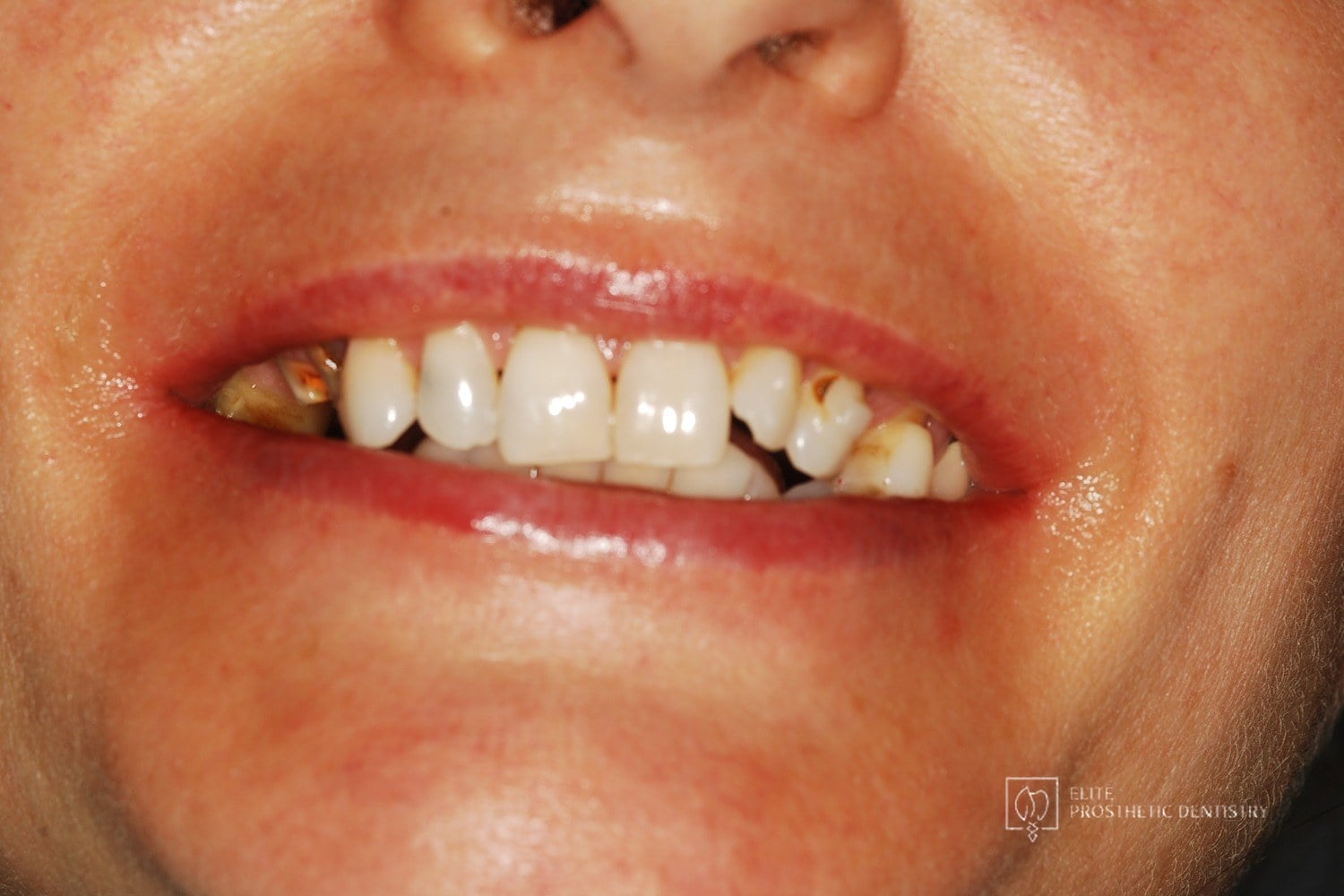 Before
 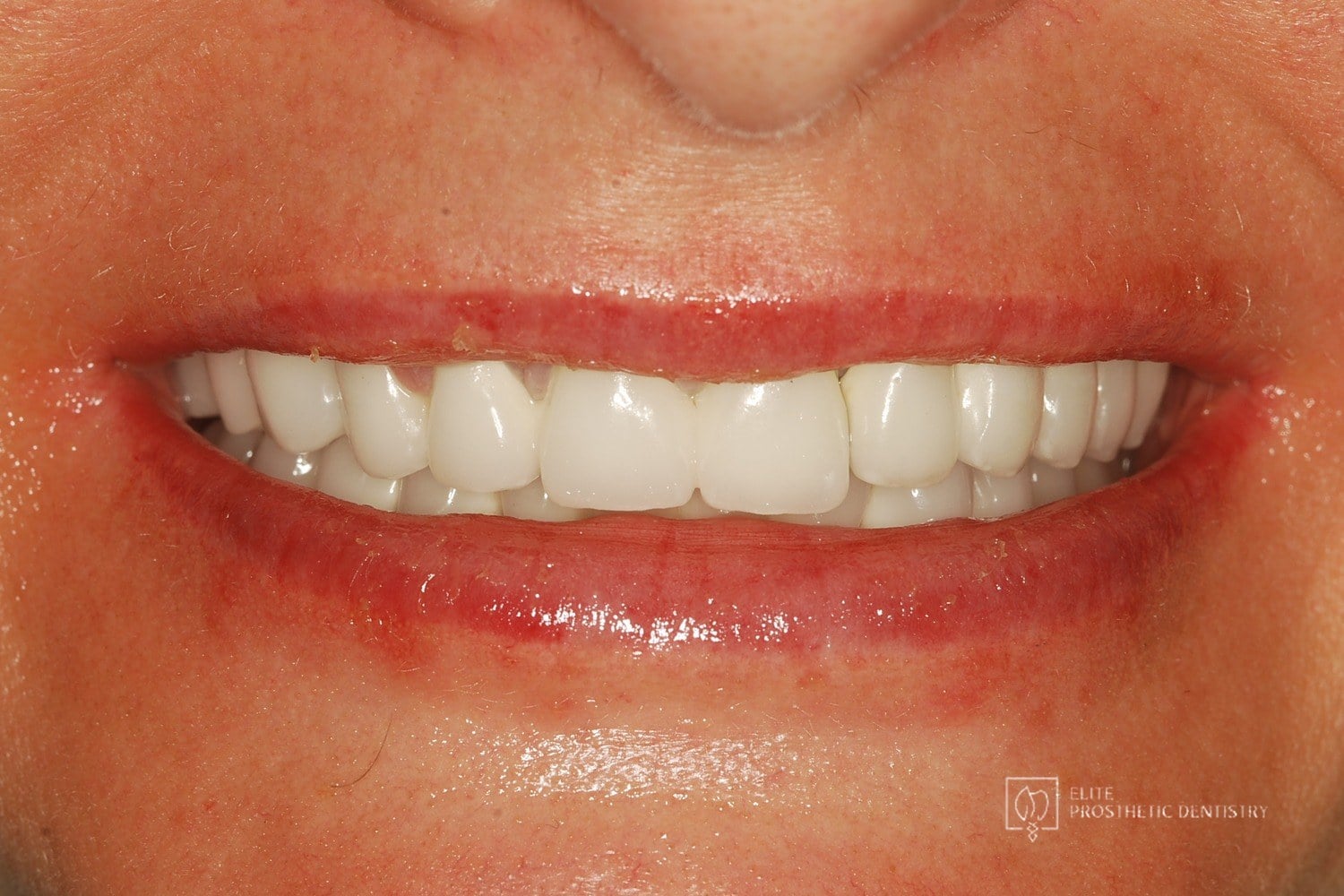 After
After How Aging, Failing Dentistry Was Replaced with a Coordinated Full-Mouth Implant and Crown Reconstruction
The patient presented with throbbing upper-molar pain, long-standing infections, multiple root canals and unfinished prior treatment, generalized sensitivity, and several hopeless teeth.
 Before
  After
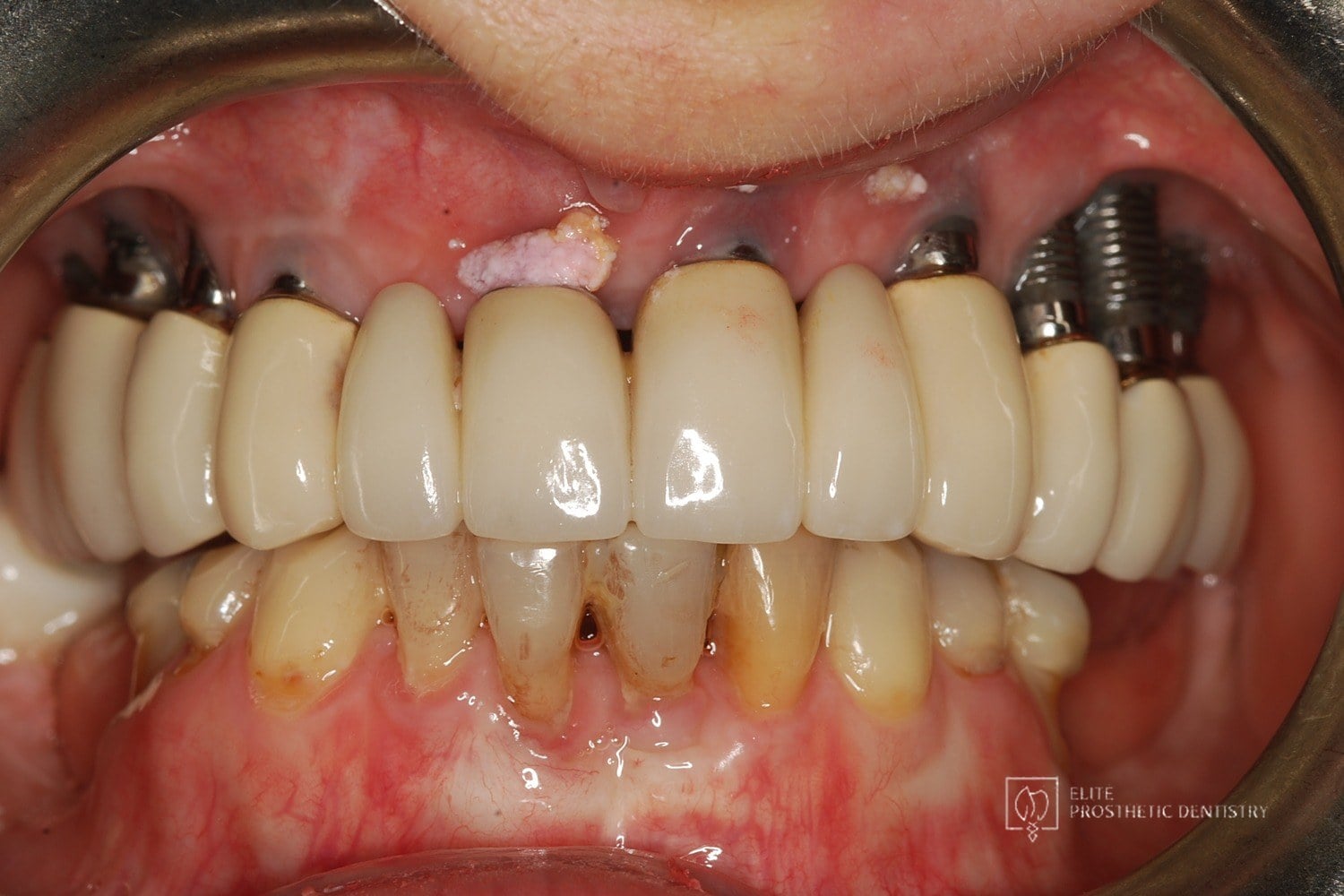
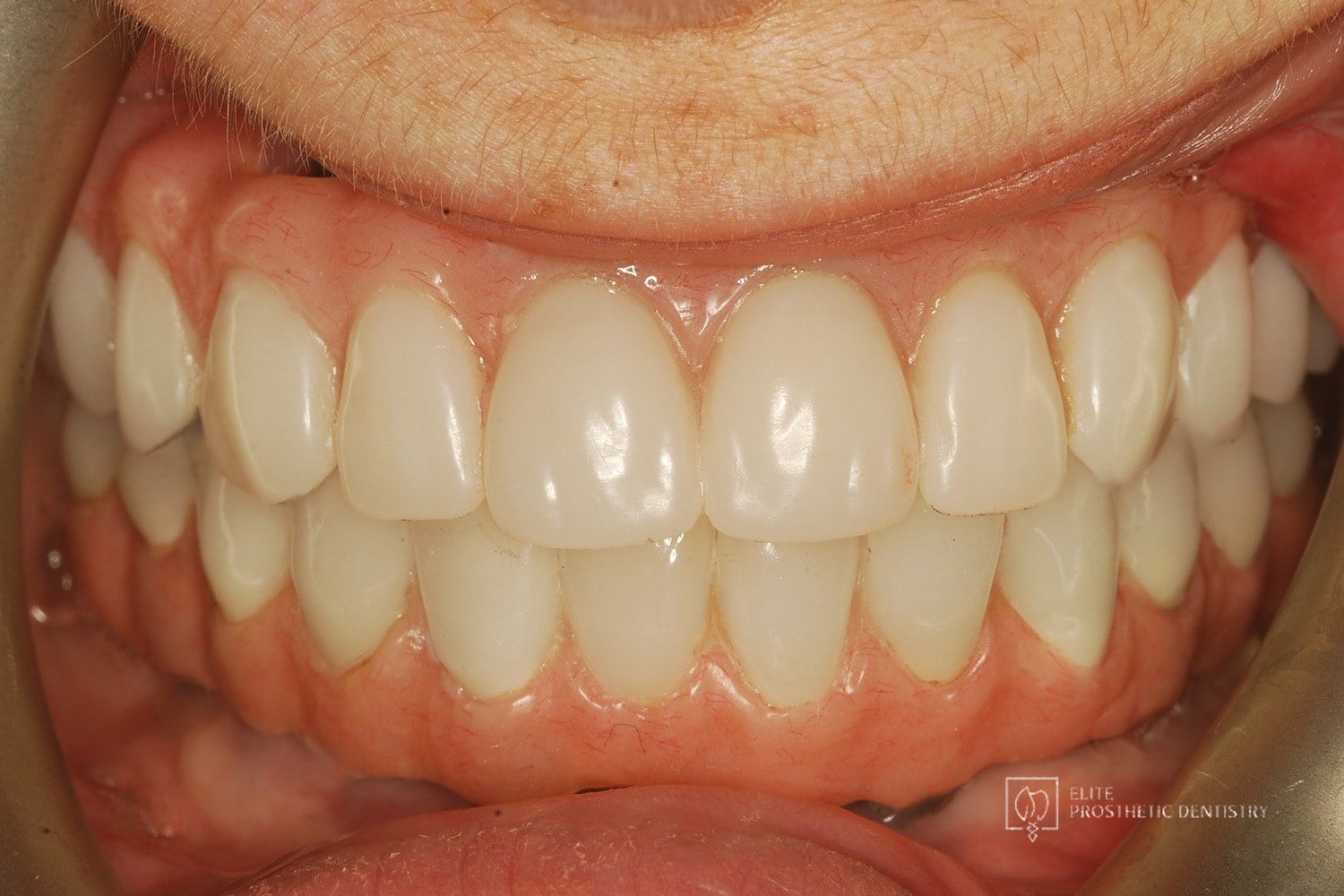
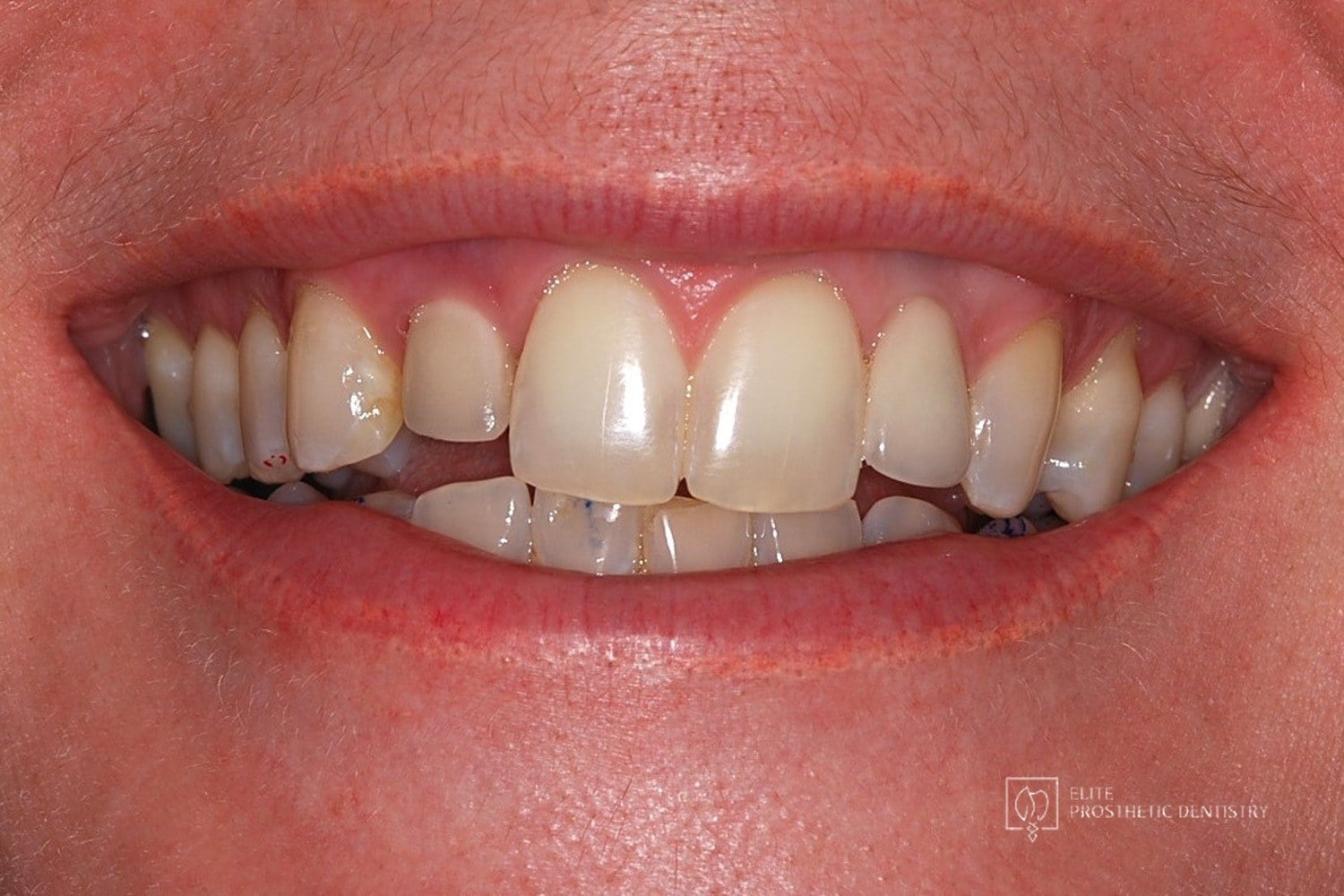
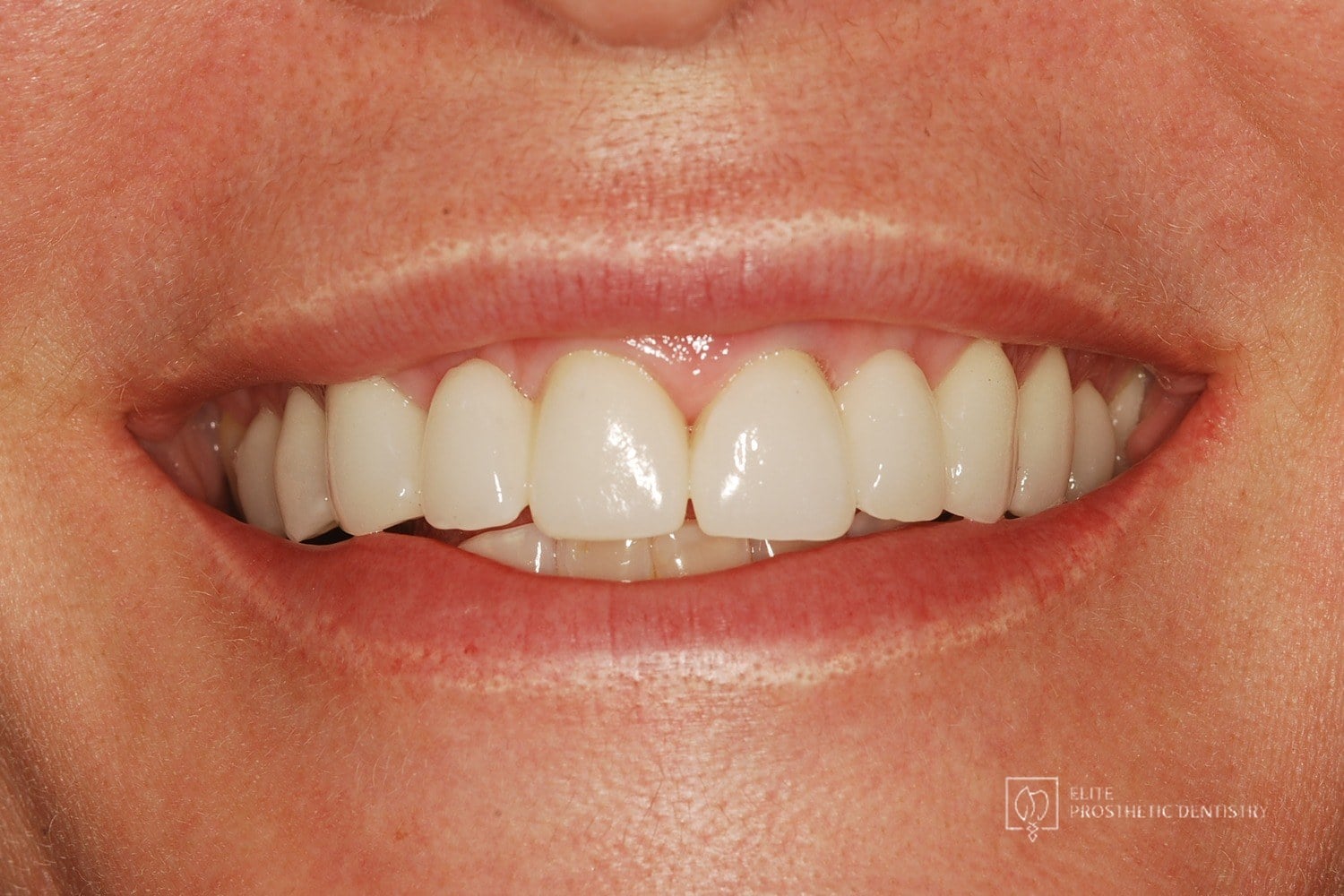
After How Failing Implants and Severe Bone Loss Were Rebuilt Into a Stable Full-Arch Implant Reconstruction
The patient presented with significant complications from previously placed implants, severe bone loss, failing posterior implants, and an unesthetic full-arch bridge. Both arches required full reconstruction, with the upper arch showing the most advanced bone loss and instability.
 Before
  After
After How Failing Lateral Incisor Implants Were Replaced with Custom Zirconia Bridges After Severe Bone Loss Made Replacement Implants Impossible
Comprehensive examination including CBCT imaging revealed significant bone loss surrounding implants that were placed outside the buccal plate, most likely due to placement without a CBCT-generated surgical guide. The implants were determined non-salvageable, and the alveolar ridge was too narrow to support replacement implants without extensive reconstruction.
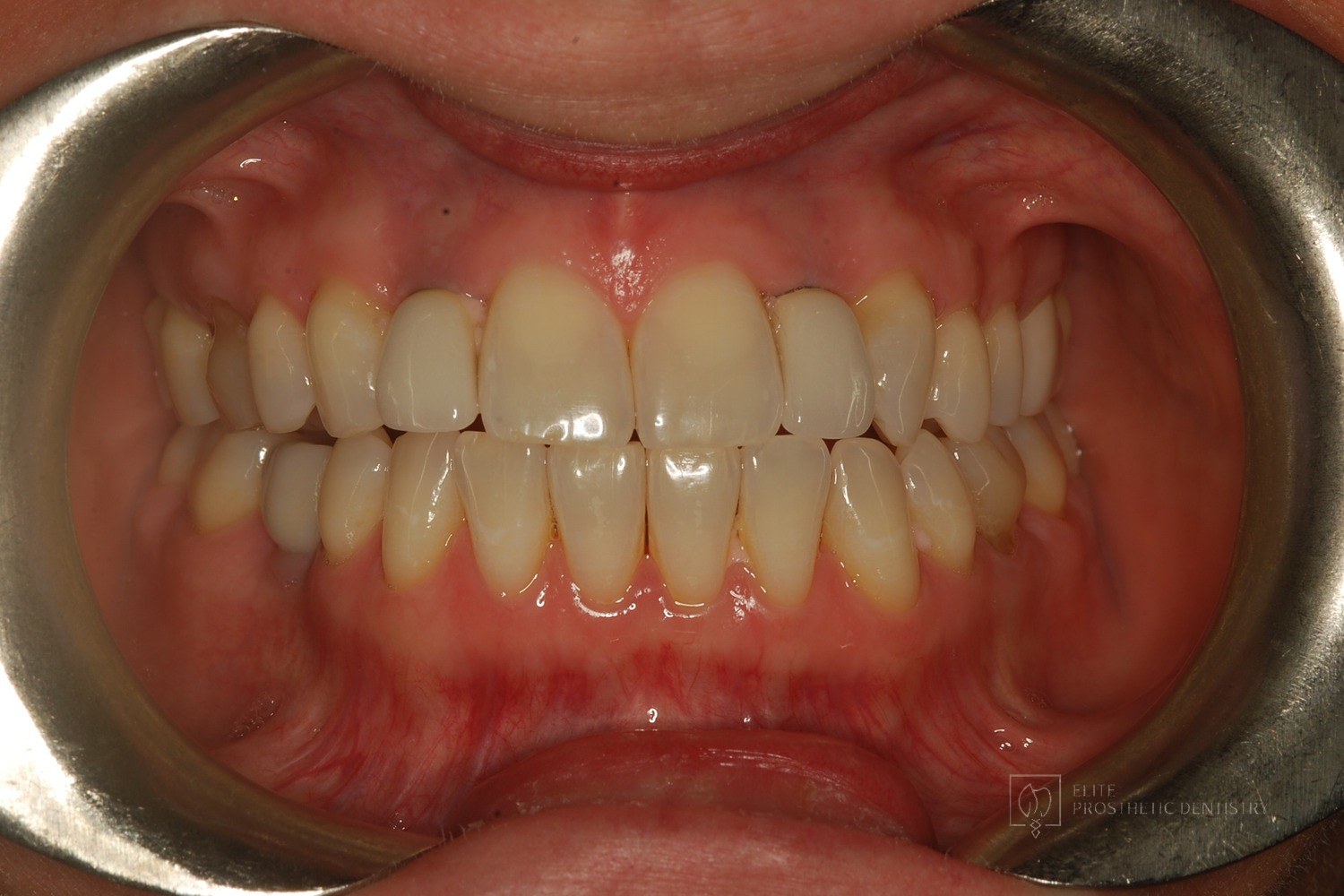 Before
 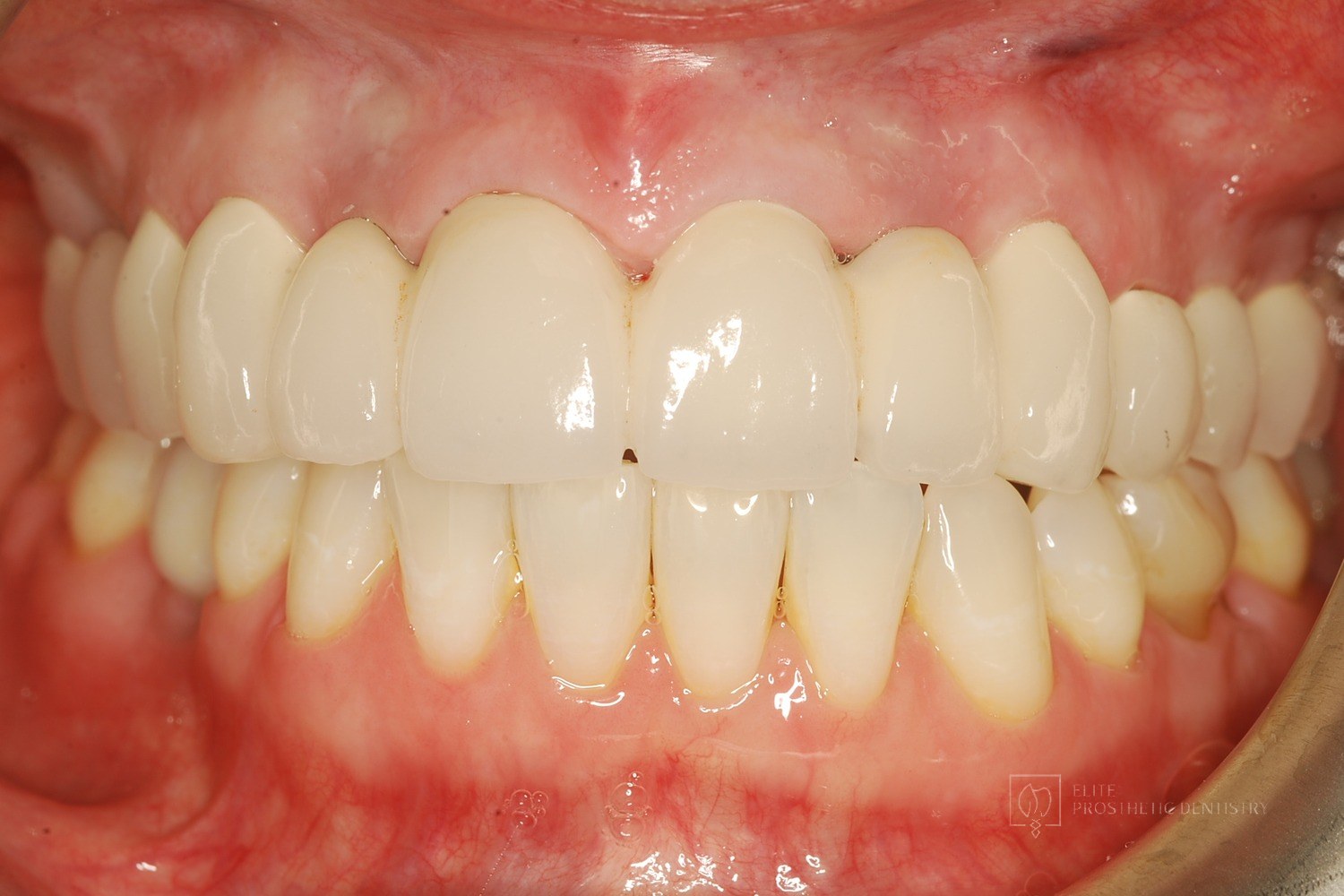 After
After How Older Implant Crowns Were Redesigned for a Better Bite and More Natural Appearance
The patient came in after years of living with implant-supported crowns placed more than twenty years earlier that no longer looked or functioned well. CBCT evaluation, reviewed with a radiologist colleague, showed the implants had been placed too far to the buccal in very thin bone and could not support a healthy long-term restoration.
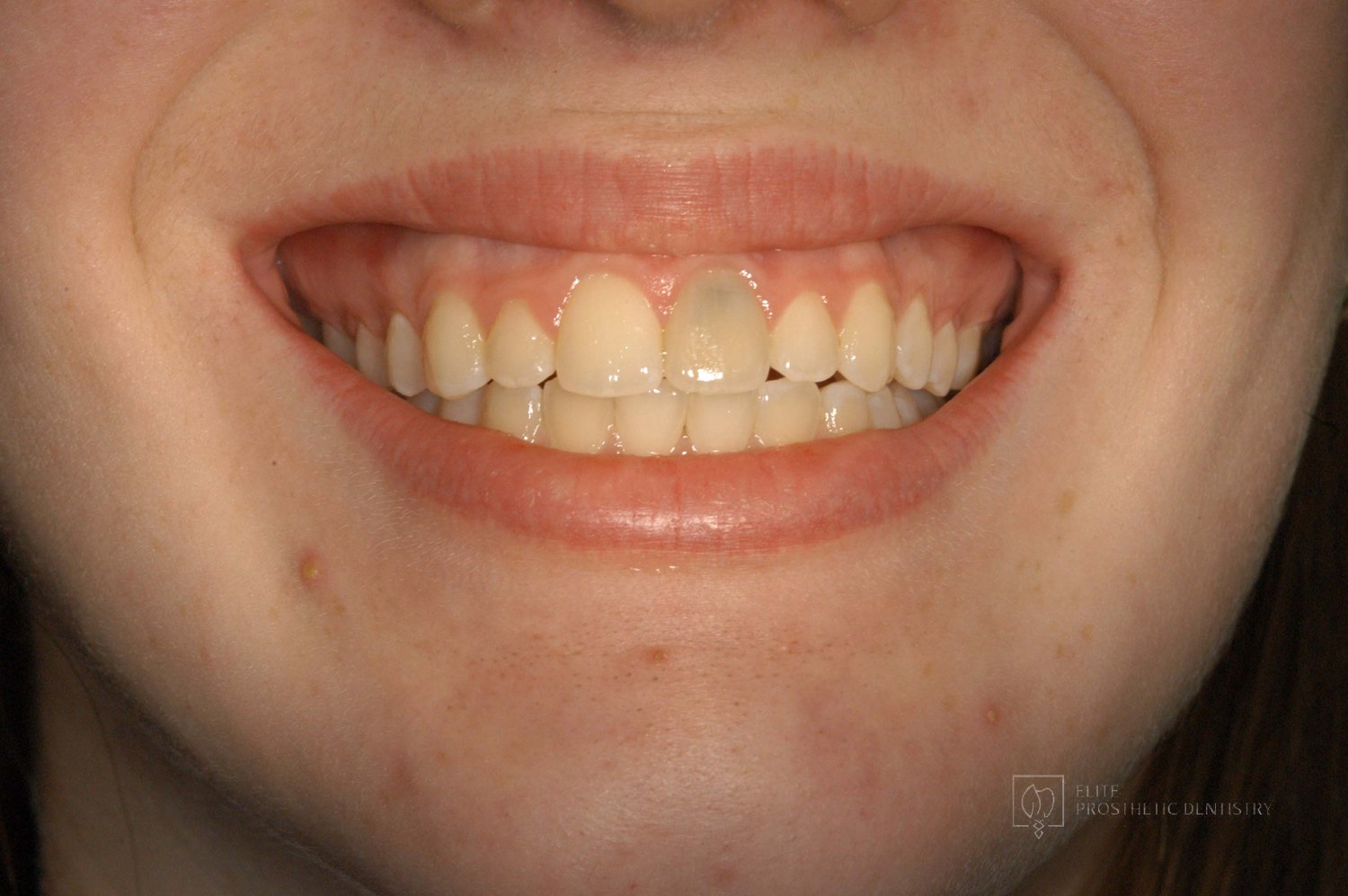 Before
 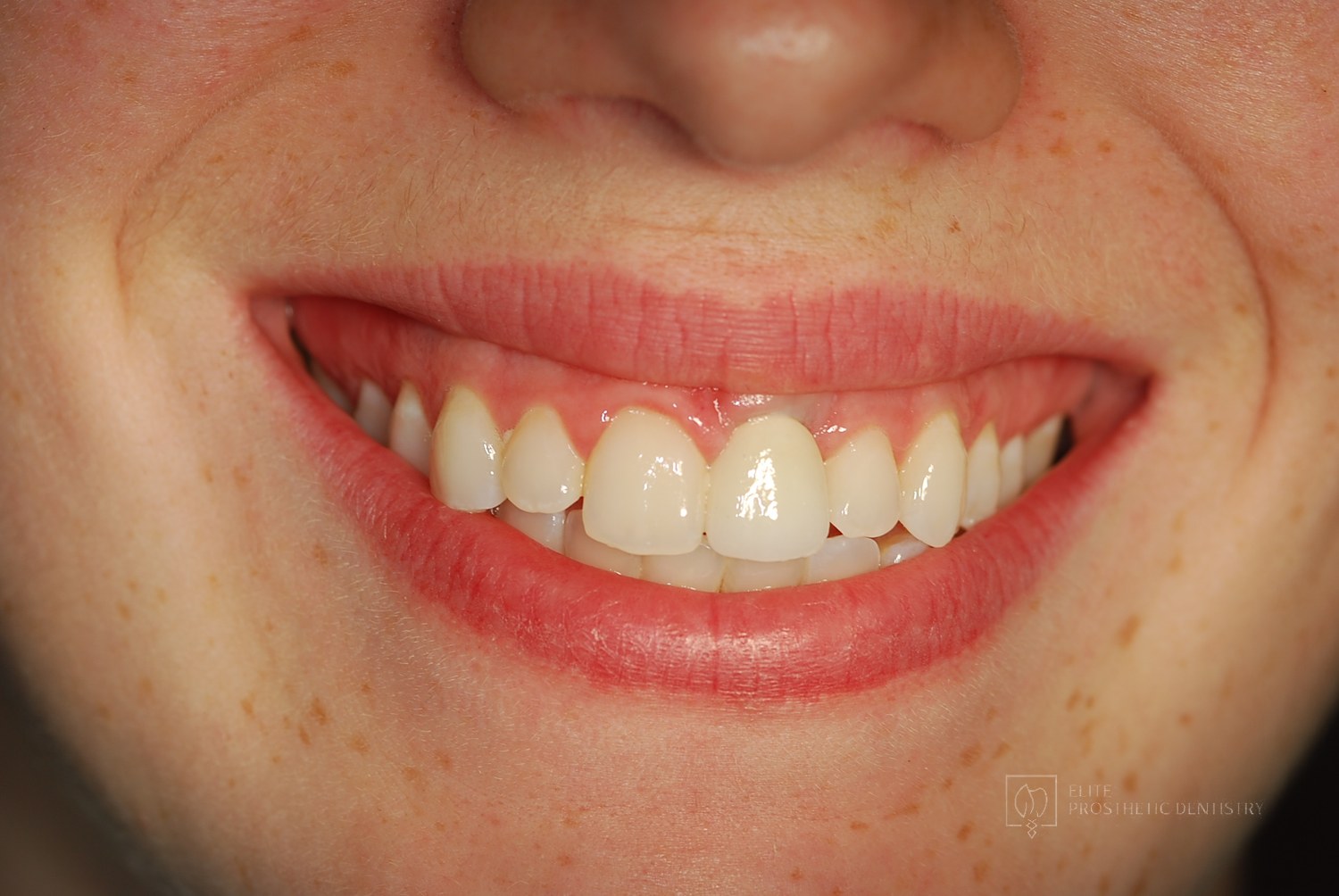 After
After How a Front Tooth Lost to Childhood Trauma Was Rebuilt with Bone Grafting and a Long-Lasting Implant
A teenager was referred by her father after earlier trauma left her upper left front tooth slowly failing from root resorption. She was still growing, so an immediate implant was the wrong move. The tooth had to be maintained to buy time, then replaced correctly once she reached skeletal maturity.
 Before
  After
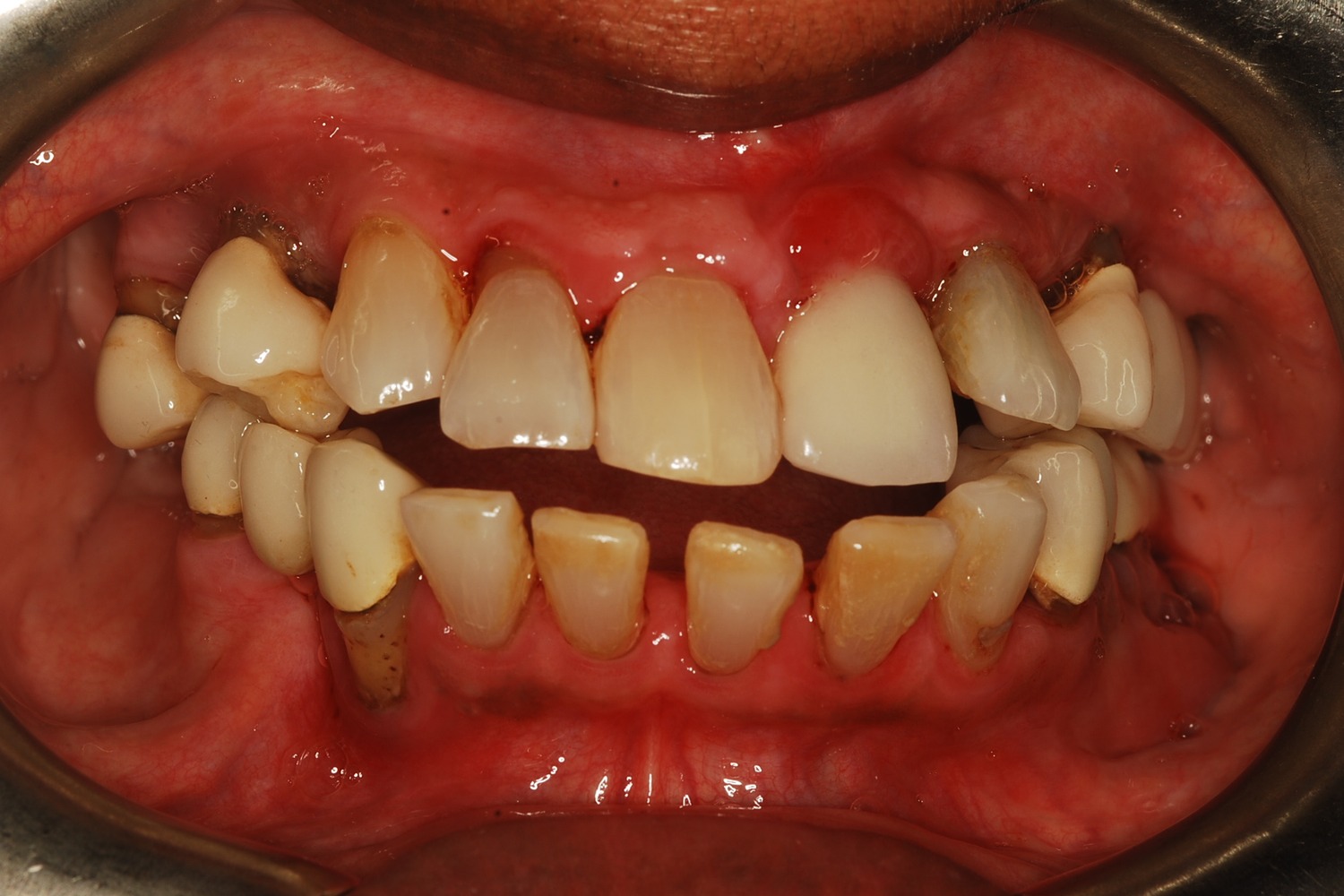
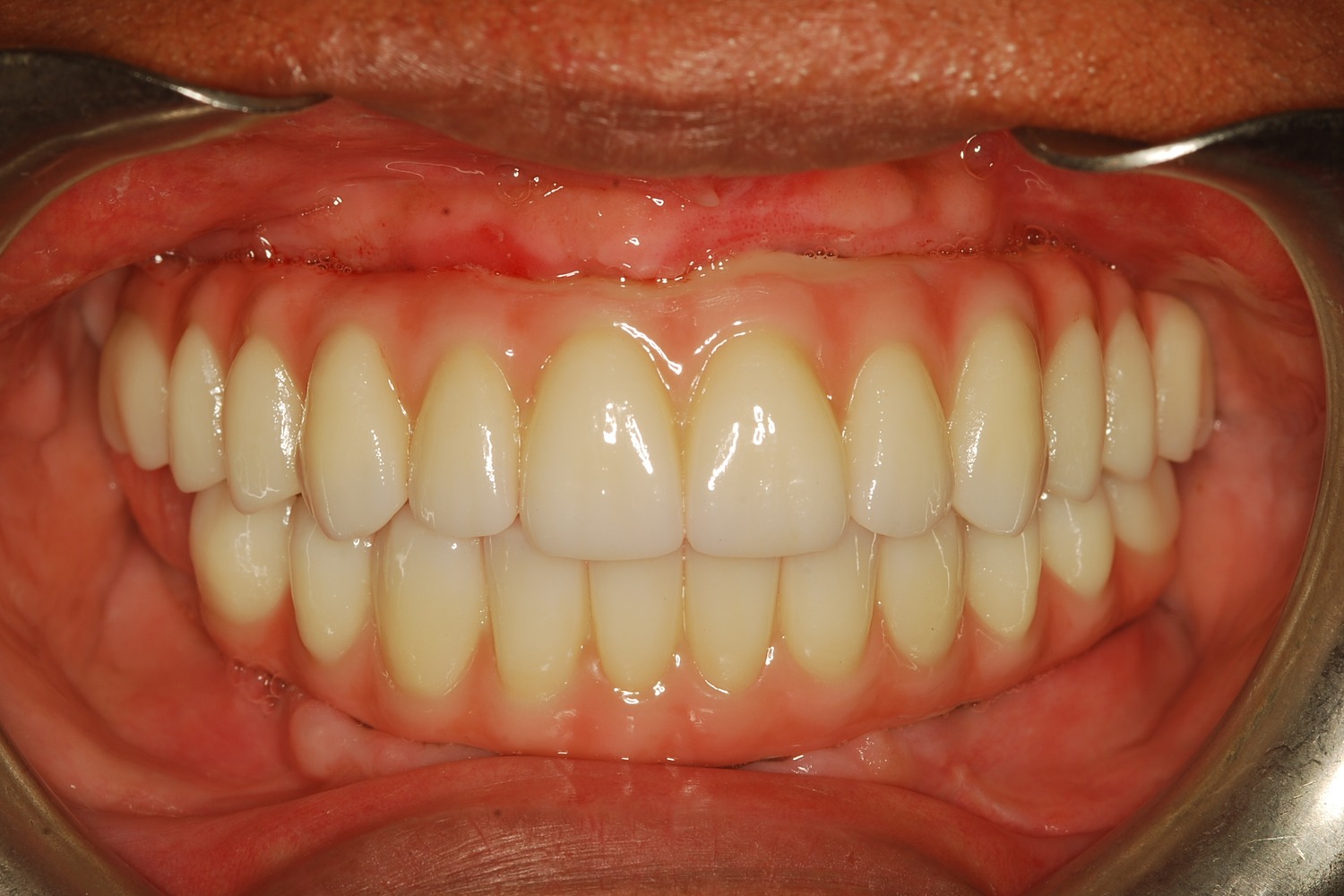
After How Severe Bone Loss and Bite Dysfunction Were Rebuilt with All-on-6 Implants and a Milled Zirconia Hybrid Prosthesis
The patient presented with severe bone loss, advanced periodontal disease, malocclusion, and a dysfunctional bite that required full-arch rebuilding.
Related Articles
Deepen your knowledge with additional insights on this topic.
 Dental Implants
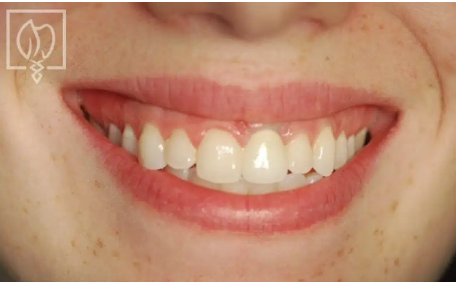
 If a Single Front Tooth Is Replaced with an Implant, Can It Look Natural?
Yes. See the four steps, with real case photos, that make a single front tooth implant indistinguishable from the natural tooth beside it. Washington, DC.
 Dental Implants
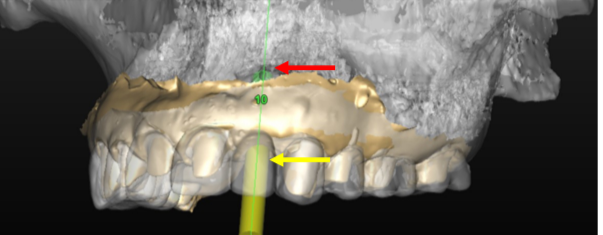
 What Is Precision Implant Placement (PIP)?
Precision Implant Placement plans each implant virtually on a CBCT scan, then delivers it with a custom surgical guide. See the three steps with real images.
 Dental Implants
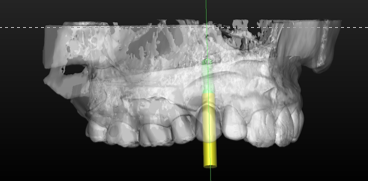
 What Is the Ideal Surgical Guide for Precision Implant Placement?
Not all surgical guides are equal. The gold standard is CBCT-based: planned virtually in 3D, 3D printed, and seated on your teeth. A DC prosthodontist explains.
 Dental Implants
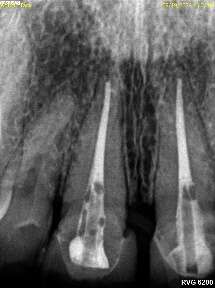
 When Should an Implant Not Be Done?
Healthy roots, thin bone, steep bony angles: a DC prosthodontist shows a real case where refusing implants was the right call, and what was done instead.
 Dental Implants
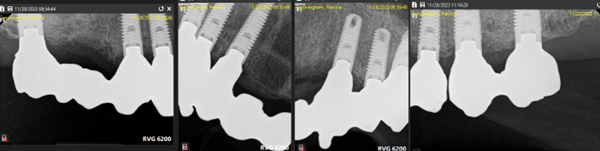
 What Is Staged Implant Therapy?
Staged implant therapy replaces failing teeth in phases while you keep fixed teeth the entire time. A DC prosthodontist walks through a real case in stages.
 Dental Implants
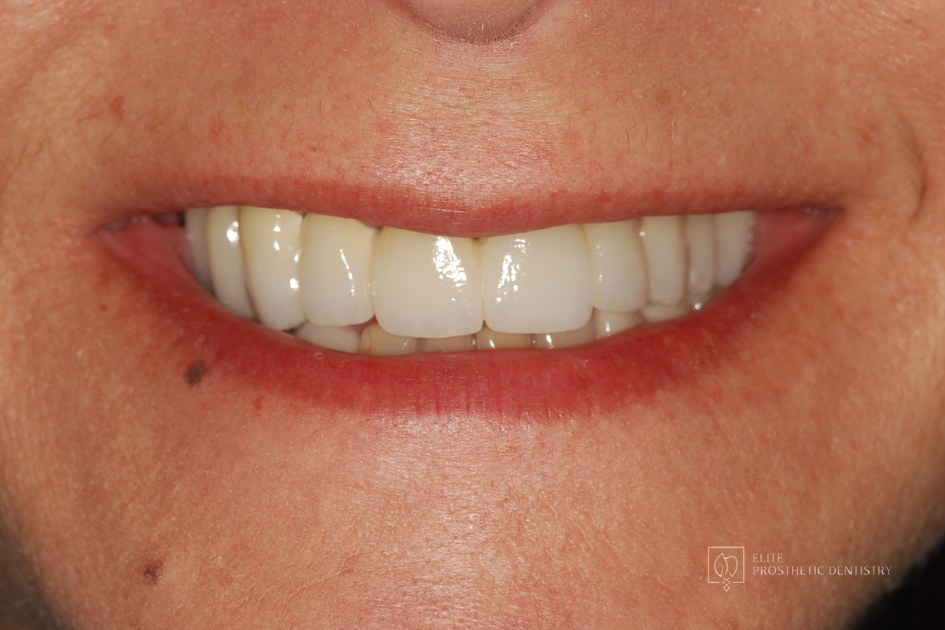
 The Four Types of Dental Implants: Which One Is Right for You?
Endosteal, subperiosteal, zygomatic, and mini implants each solve a different problem. A DC prosthodontist explains the four types and who each one fits.
Ready to Transform Your Smile?
With 40+ years of experience and 3,900+ dental implants placed, Dr. Marlin and the team deliver dentistry planned to last. Request a specialist consultation.