
Recovery After Full-Arch Implant Surgery, Bone Grafting and Sinus Lifts: What to Expect
The larger implant procedures have a different recovery from a single implant: the day of surgery under sedation, the first days and weeks, living in a provisional, healing before the final teeth, time off work, and what to plan around. General guidance; your written instructions come first.
Practice clinician: Gerald M. Marlin, DMD, MSD, prosthodontist, Elite Prosthetic Dentistry, Friendship Heights, Washington, DC. Last updated .
A single implant has a recovery most patients find easier than they expected. Full-arch implant surgery, bone grafting and sinus lifts are different: longer procedures, usually under sedation, with more swelling, a provisional to live in, and healing intervals measured in months. This page explains what those recoveries involve, week by week, what to plan around, and how the practice manages them. It is general guidance; your written instructions come first, and our page on warning signs after dental surgery covers what needs a call.
The Day of Surgery
Full-arch surgery, extensive grafting and sinus lifts at Elite Prosthetic Dentistry are usually performed under intravenous sedation administered by a certified registered nurse anesthetist, with a companion to drive you home. You will have followed pre-sedation instructions about eating and medications; our page on what to expect with sedation covers them. The procedure may combine extractions, grafting, implant placement and the fitting of a provisional prosthesis in one visit. You leave with written instructions, any prescriptions, gauze, and the office number, and you should plan to rest for the remainder of the day. Most patients remember little of the procedure itself.
The First Three Days
This is the part patients find hardest, and it is finite. Swelling builds over the first day and is at its most noticeable around days two and three; cold compresses during the first day help, and sleeping with the head raised reduces it. Bruising may appear. Soreness is managed with what you were prescribed or with over-the-counter relief taken as directed and as approved by your physician. Diet is liquid to very soft. The provisional, if fitted, feels large; speech is thick. None of this is a sign of a problem; the signs that are, bleeding that does not stop, worsening pain, fever, spreading swelling, are listed on the warning signs page. Rest, fluids and following the instructions are the whole job for these days.
The First Two Weeks
Swelling and bruising subside. Soreness eases to tenderness. The first follow-up visit falls in this window: sutures are checked or removed, the surgical sites are examined, and the provisional is adjusted where it is rubbing or the bite is uneven. Diet advances from liquid to soft. Cleaning around the provisional begins as instructed, gently, with the tools provided. Speech settles as swelling goes down and the tongue adapts to the provisional. Many patients return to desk work within this period; those in speaking or public-facing roles often wait until the swelling and speech have settled, which is a judgment made with the practice.
Weeks Three to Twelve
Life is close to normal in the provisional, with a diet that is still protective of the healing implants. Follow-up visits check the implants and the tissue, adjust the provisional, and review home care. Some patients need a provisional reline as the tissue changes shape with healing. This is also when the design of the final prosthesis is refined: the provisional is the test of the bite, the lip support, the speech and the appearance, and what is learned from living in it is carried into the final.
Healing Time Before the Final Teeth
The implants are integrating with the bone throughout this period, and the final prosthesis is made only when the healing check confirms that they have. For implants placed into existing bone the interval is commonly a few months; where bone was grafted, where a sinus lift was performed, or where the bone was soft, the interval is longer. The plan states the expected interval, and it is confirmed rather than assumed. A final prosthesis placed early, to meet a date, puts the implants at risk, and the practice does not do it.
Sinus Lift Recovery Specifics
For the period your instructions state, usually two weeks or more: do not blow your nose; sneeze with the mouth open; no straws; no heavy lifting or strenuous exercise; no air travel or diving without the practice’s clearance. Nasal stuffiness and slight nasal bleeding on the surgical side are common in the first days. A sensation of air passing between mouth and nose, persistent nasal bleeding, or increasing sinus pain are reasons to call. A sinus lift performed as a separate stage before implants typically heals for several months before the implants are placed; the plan states the interval.
Bone Graft Recovery Specifics
The graft is fragile in the first weeks. Avoid chewing on the site, avoid pulling the lip to look, do not probe with the tongue. Small loose granules in the mouth are expected in small amounts. A graft that becomes visible or exposed, a site that opens, or pain and swelling that increase after the first days are reasons to call. Smoking is best avoided entirely during graft healing; it is one of the surest ways to lose a graft. Grafted sites heal for months before implants are placed into them or loaded.
Living in a Provisional
The provisional is made to be lived in, and it is also the test of the final design. Clean it as instructed, with the tools provided; a fixed provisional is cleaned underneath, a removable one is taken out and cleaned in the hand. Eat the staged diet. Report anything that rubs, anything that feels loose, a screw access that has opened, and anything about the bite, the lip support or the speech that you would want changed in the final. That feedback is what the final prosthesis is built from.
Time Off Work and Public Appearances
Be honest with yourself about the first week. Swelling and bruising are visible, speech is affected, and energy is lower, especially after sedation. Desk work is usually possible within a few days; a hearing, a broadcast or a presentation is better placed after the second week, and later still if the plan allows. Sedation visits need a companion and a quiet day afterward. The practice plans surgical visits before a quiet stretch wherever the calendar permits; our guide on treatment on a demanding schedule covers the planning.
How Elite Prosthetic Dentistry Plans Recovery
Surgical steps are consolidated under sedation where health allows, so there are fewer recoveries. The provisional is designed before surgery and fitted at surgery so the patient is never without teeth. Follow-up visits are scheduled before the patient leaves. Adjustments to the provisional are made in the on-site laboratory the same day. Dr. Gerald M. Marlin performs the surgery and the restoration, so the clinician who placed the implants is the one checking them. Written instructions are specific to the procedure, and the office number and after-hours prompts are on them.
When Another Setting Fits Better
Patients whose medical conditions require general anesthesia or hospital monitoring for surgery are referred for the surgical phase and restored in the practice afterward. Patients whose surgery was performed elsewhere should follow that office’s instructions and contact it first; the practice evaluates healing sites for patients who cannot reach their surgeon.
Documented Cases
- Both arches rebuilt after advanced periodontal disease: extractions, grafting, sinus lifts and six guided implants per arch.
- Both arches rebuilt after years of heavy grinding: grafting, sinus lifts and four guided implants per arch.
- Severe bone loss and bite dysfunction rebuilt with six implants per arch and a milled zirconia prosthesis.
- Extensive bone grafting rebuilds the foundation for dental implants.
- Sinus-area bone grafting, implants and custom crowns in one quadrant.
Related Reading
- Warning signs after dental surgery: when to call
- Dental implant recovery timeline for a single implant
- Home care instructions by procedure
- Fixed implant teeth vs. a removable implant denture
- Life after reconstruction: maintenance over the years
Questions Before or After Surgery
The planning visit covers recovery in detail for your own procedure. Request an appointment or call (202) 244-2101; after surgery, the same number reaches the clinical team during hours, and the voicemail prompts give urgent care instructions after hours.
Your Best Smile Is Within Reach
Request a specialist consultation with Dr. Marlin to discuss your situation and the most appropriate path forward.
Frequently Asked Questions
How long will I be swollen and bruised after full-arch surgery?
More than after a single implant, and for longer. Swelling usually peaks around the second and third day and eases over the following week; bruising can take longer to fade. Most patients look and feel presentable by the end of the first week to ten days, with variation by procedure and by person. If a public appearance matters, plan the surgery before a quiet stretch.
When can I go back to work?
Many patients return to desk work within a few days, once sedation has worn off and swelling is manageable. Patients in speaking or public-facing roles often prefer a little longer, until swelling and speech have settled. Physical work and exercise wait for the period your instructions state, longer after a sinus lift. The timing is decided with you at the planning visit.
Will I have teeth during healing?
Yes. A provisional prosthesis is fitted or placed at surgery in most full-arch cases, or a provisional denture is adapted where the implants should not be loaded immediately. The provisional is worn through healing, cleaned as instructed, and adjusted at follow-up visits. It is designed to be lived in, and patients return to normal life in it.
Why do I have to wait months for the final teeth?
Because the implants are integrating with the bone during that time, and a final prosthesis placed before integration is complete can cause them to fail. Grafted sites and sinus lifts heal more slowly than implants placed into existing bone, which is why plans with grafting have longer intervals. The plan states the expected interval; the healing check confirms it.
Can I eat normally with the provisional?
Not at first. The diet is soft for the period your instructions state, because the implants beneath the provisional should not be loaded hard while they heal. It advances in stages as healing progresses. Hard, crunchy and sticky foods wait for the final prosthesis. Patients who follow the staged diet protect the implants; those who do not are the ones who loosen a provisional or an implant.
Related Patient Success Stories
Explore similar patient success stories demonstrating our expertise in advanced prosthetic dentistry.
 Before
 After
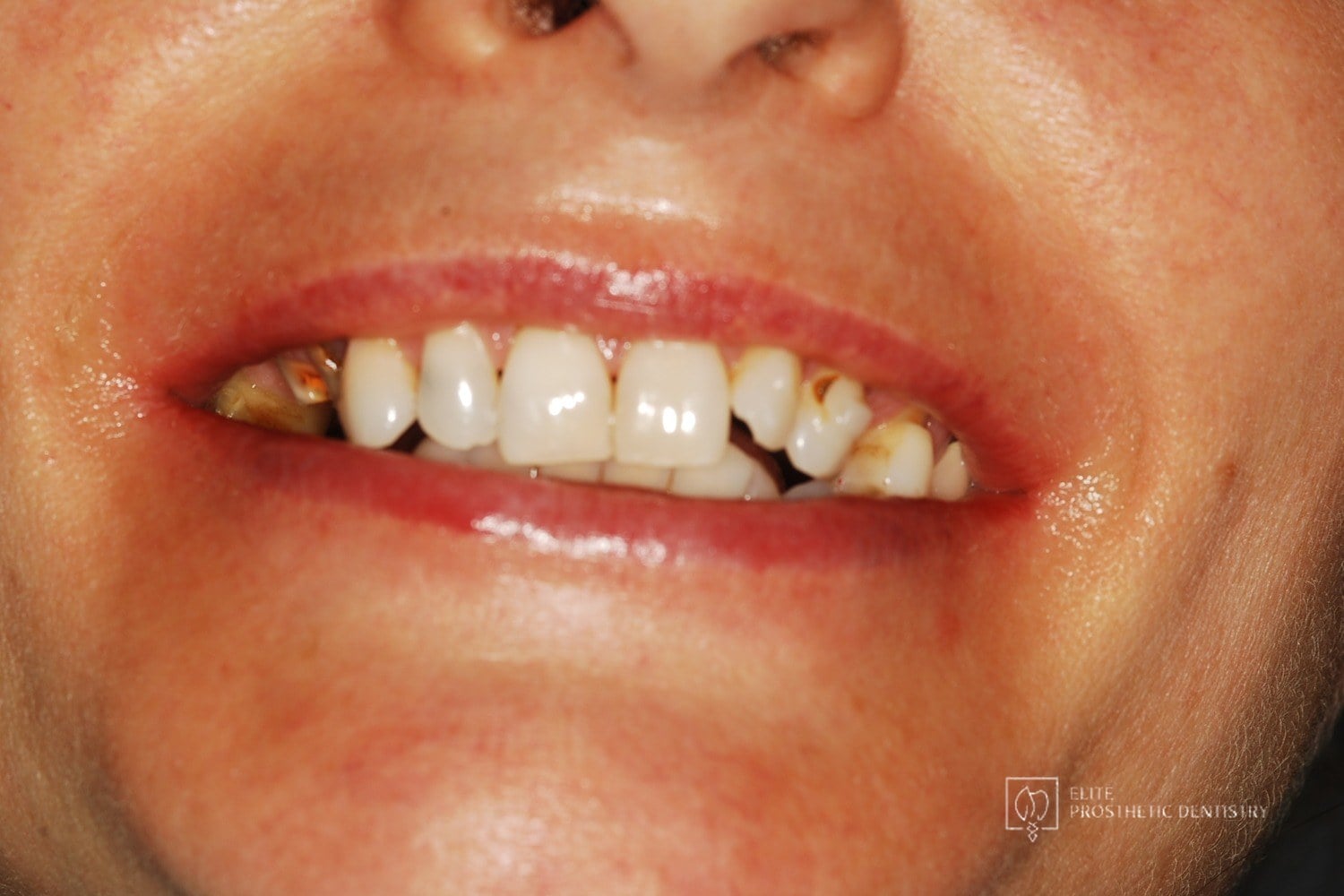
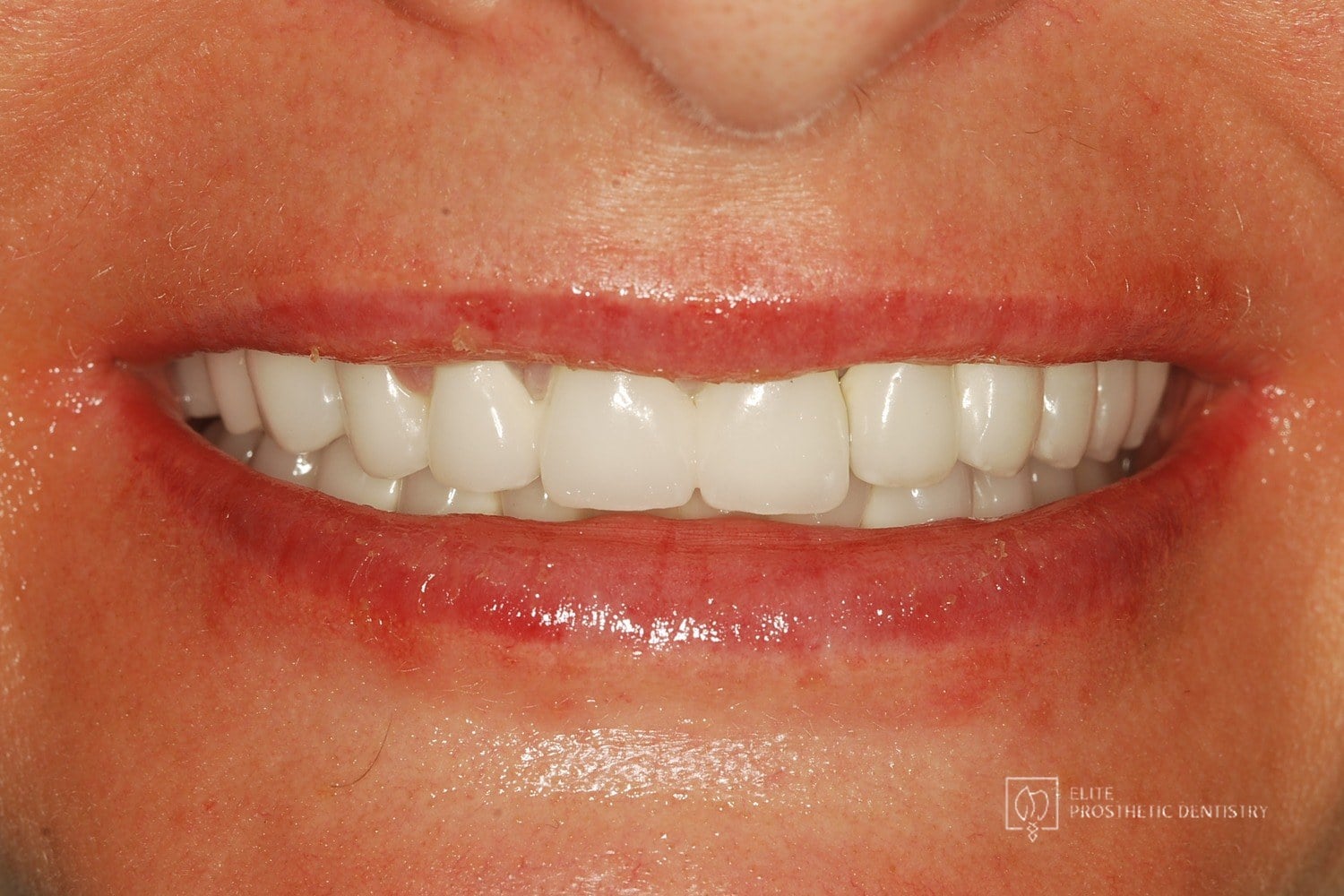
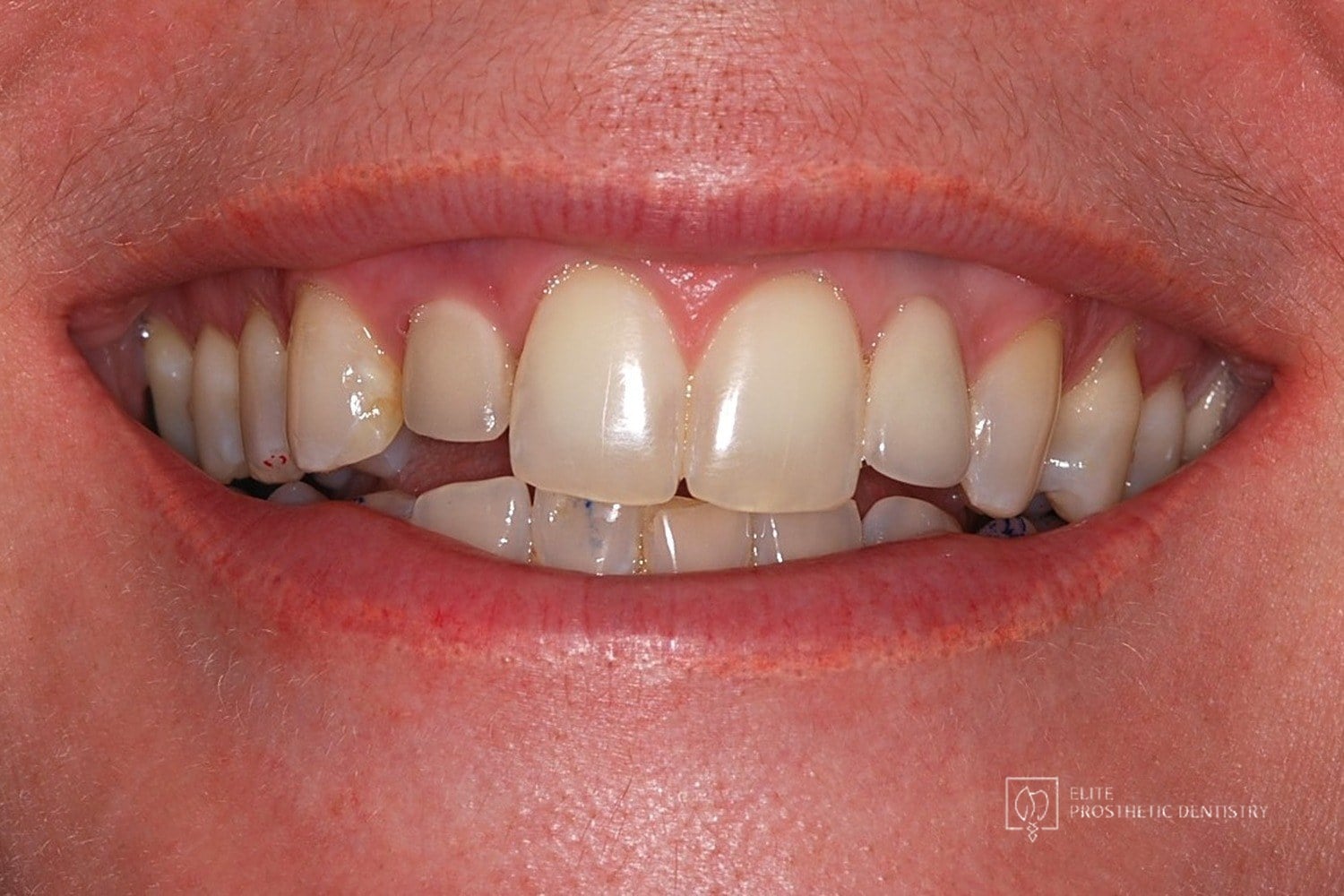
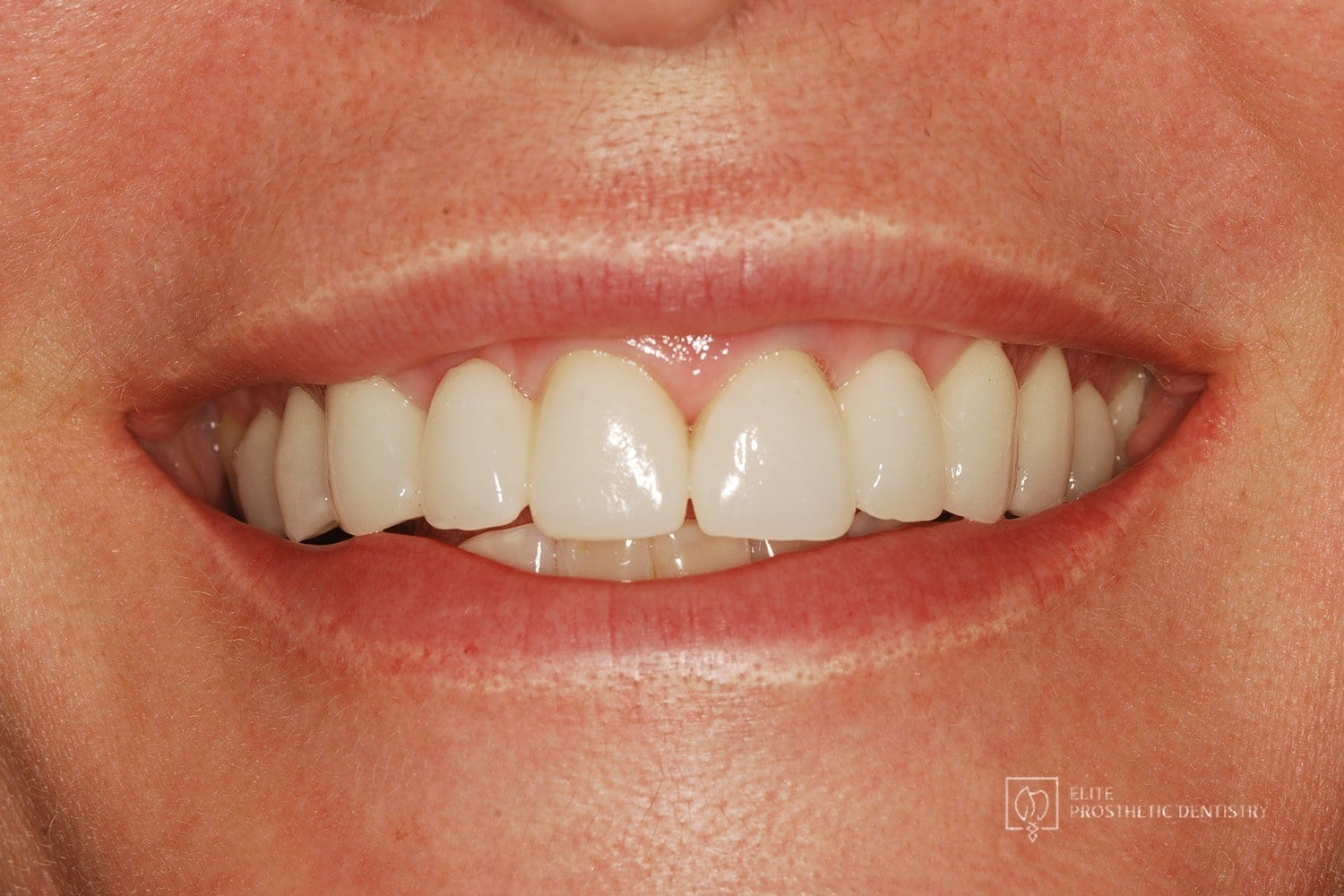
How Aging, Failing Dentistry Was Replaced with a Coordinated Full-Mouth Implant and Crown Reconstruction
The patient presented with throbbing upper-molar pain, long-standing infections, multiple root canals and unfinished prior treatment, generalized sensitivity, and several hopeless teeth.
 Before
 After
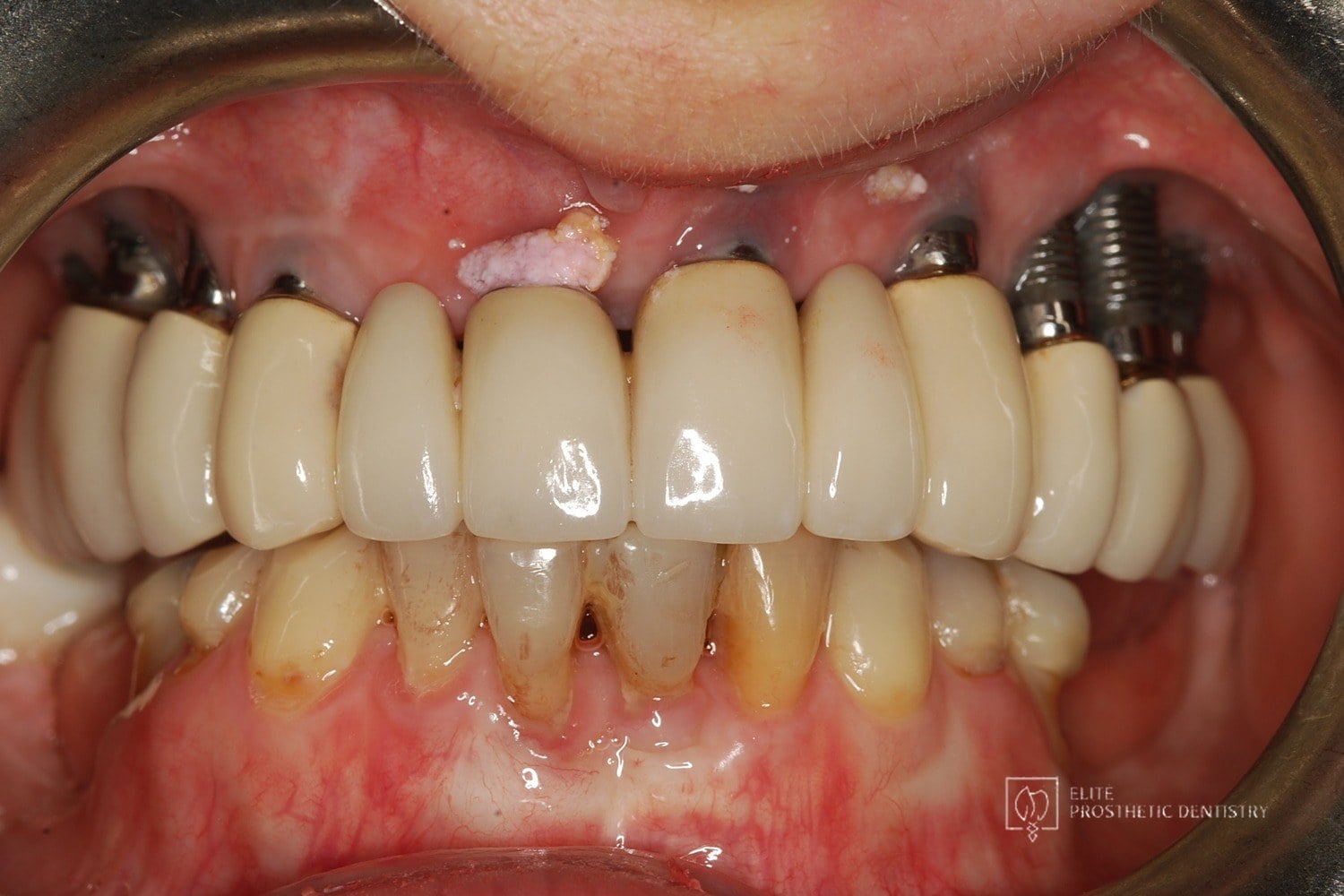
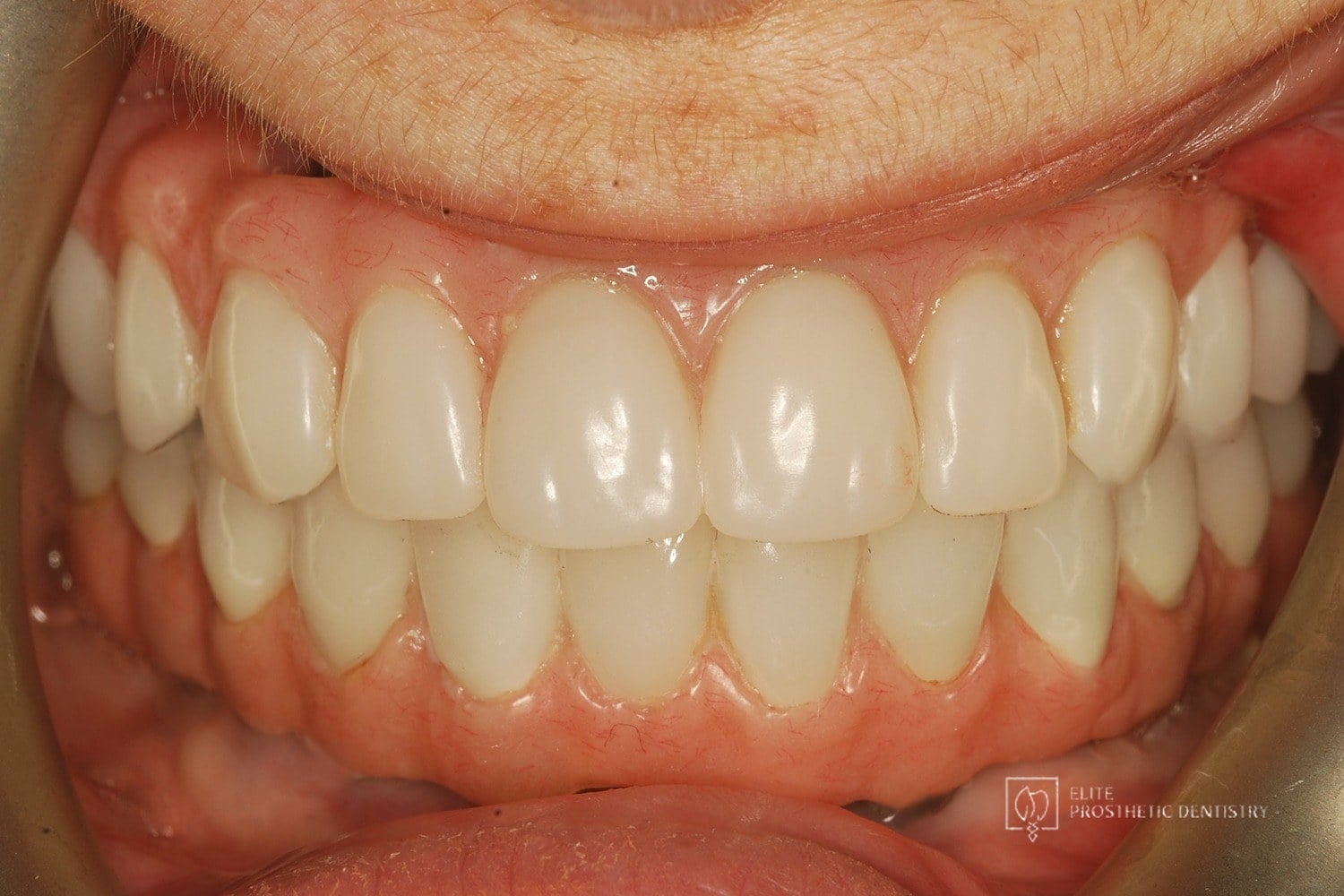
How Failing Implants and Severe Bone Loss Were Rebuilt Into a Stable Full-Arch Implant Reconstruction
The patient presented with significant complications from previously placed implants, severe bone loss, failing posterior implants, and an unesthetic full-arch bridge. Both arches required full reconstruction, with the upper arch showing the most advanced bone loss and instability.
 Before
 After
How Failing Lateral Incisor Implants Were Replaced with Custom Zirconia Bridges After Severe Bone Loss Made Replacement Implants Impossible
Comprehensive examination including CBCT imaging revealed significant bone loss surrounding implants that were placed outside the buccal plate, most likely due to placement without a CBCT-generated surgical guide. The implants were determined non-salvageable, and the alveolar ridge was too narrow to support replacement implants without extensive reconstruction.
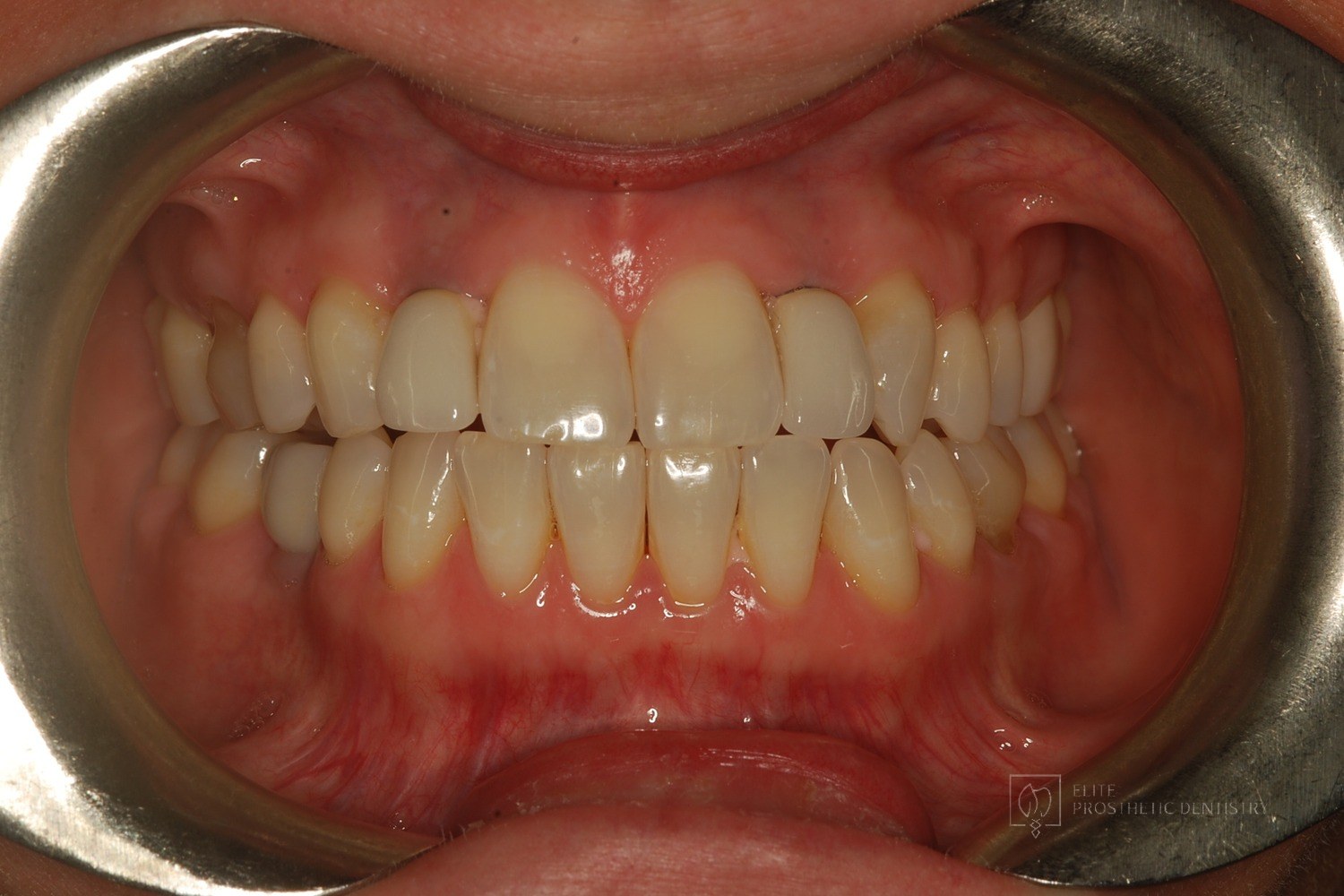 Before
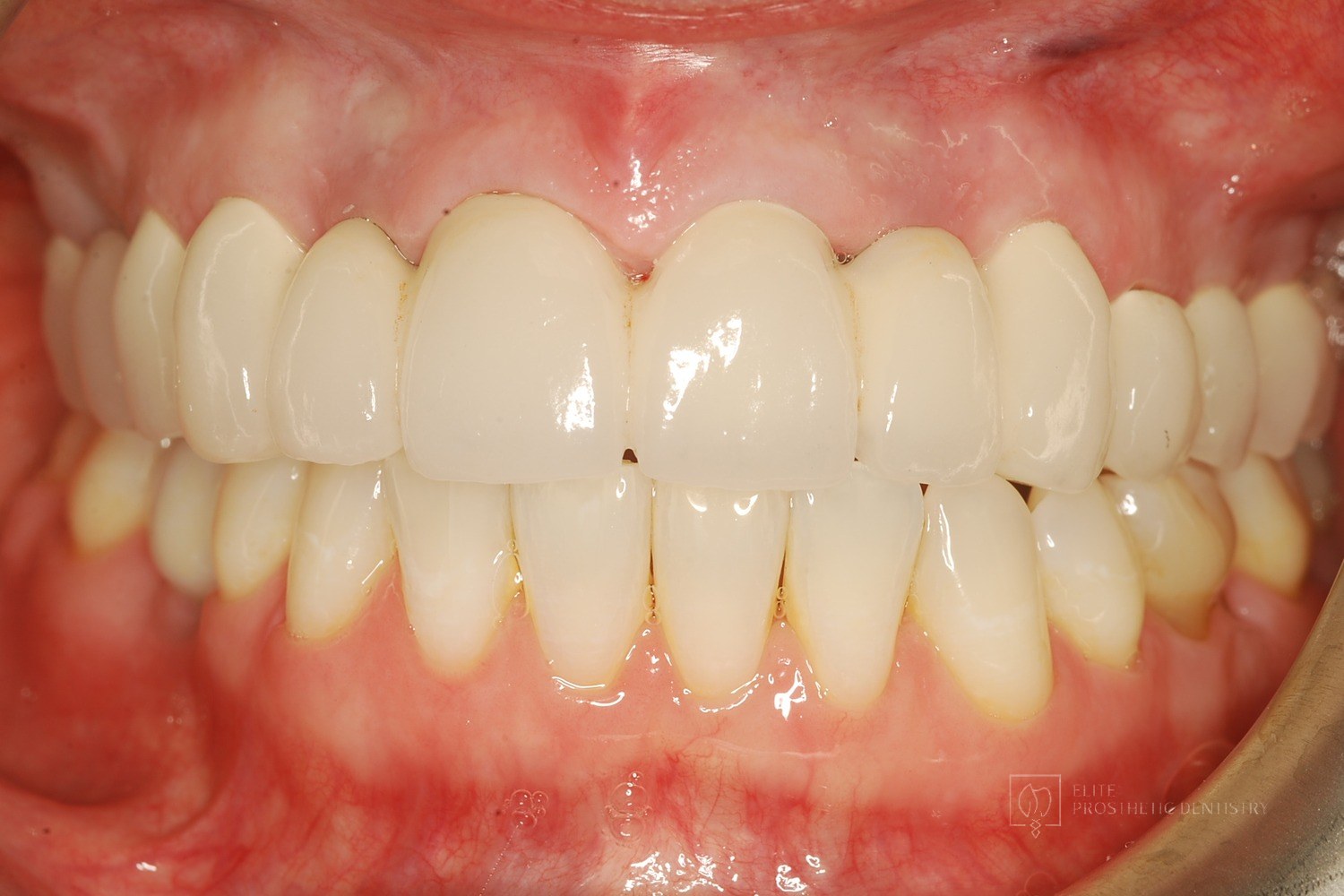 After
How Older Implant Crowns Were Redesigned for a Better Bite and More Natural Appearance
The patient came in after years of living with implant-supported crowns placed more than twenty years earlier that no longer looked or functioned well. CBCT evaluation, reviewed with a radiologist colleague, showed the implants had been placed too far to the buccal in very thin bone and could not support a healthy long-term restoration.
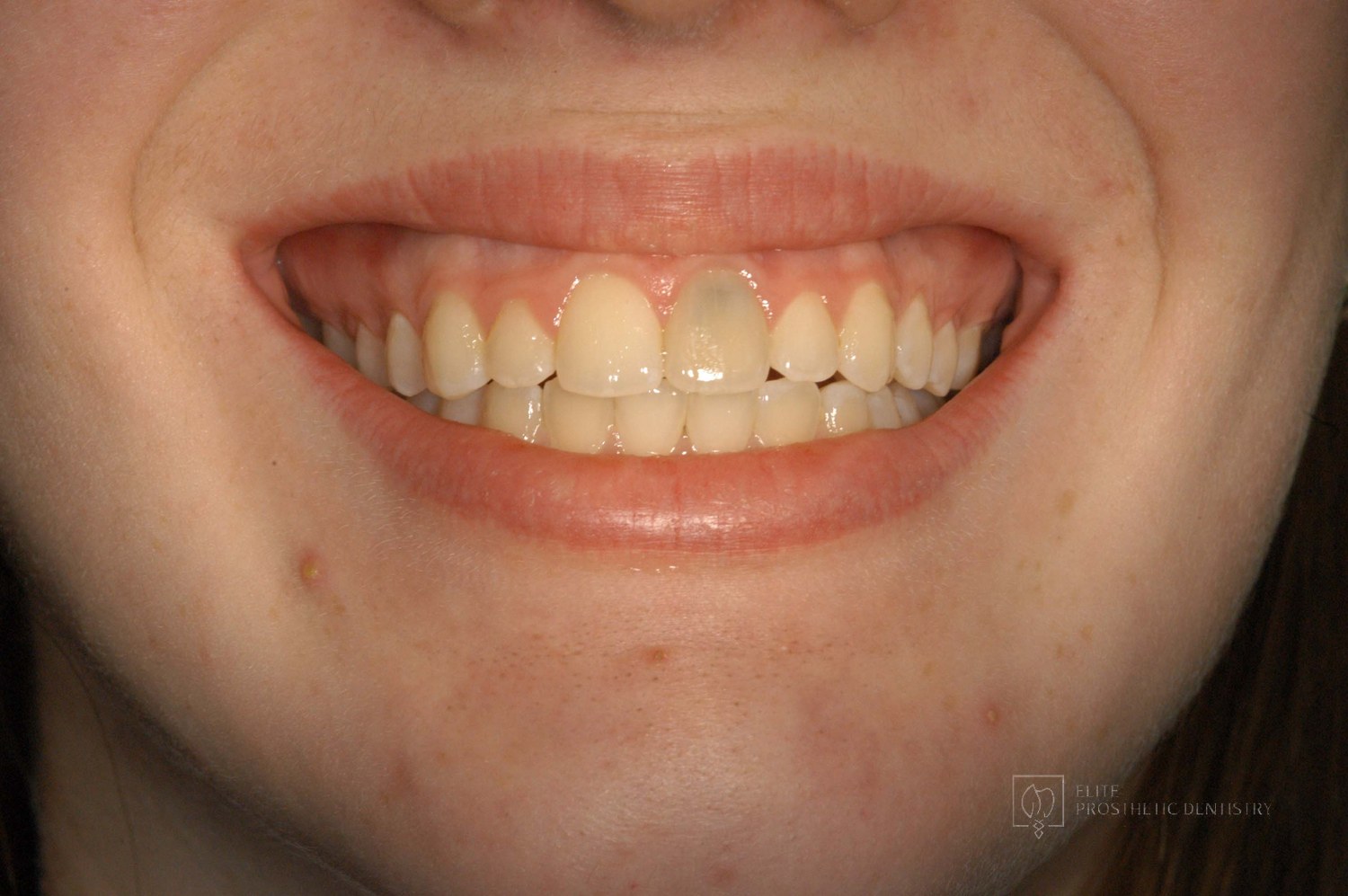 Before
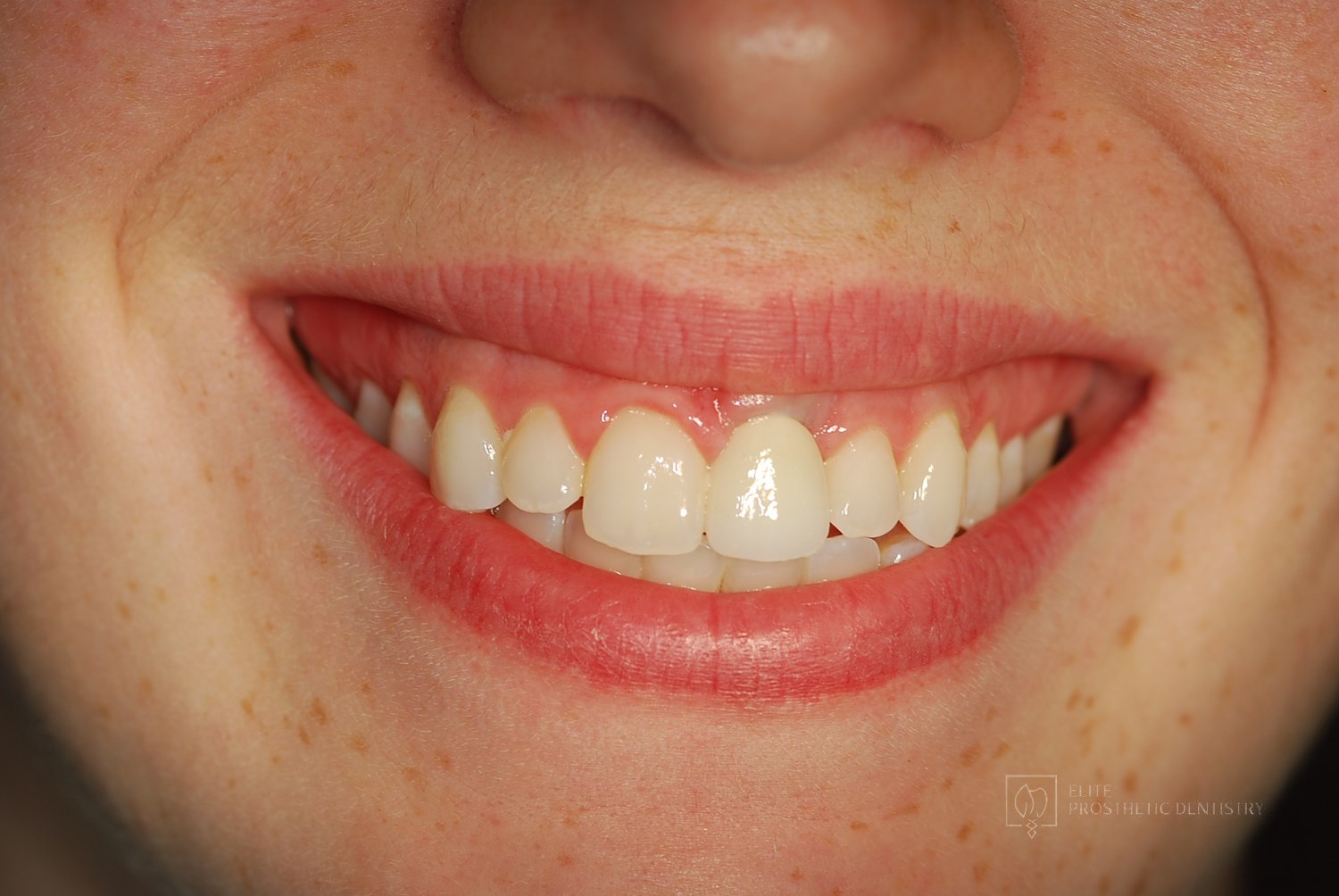 After
How a Front Tooth Lost to Childhood Trauma Was Rebuilt with Bone Grafting and a Long-Lasting Implant
A teenager was referred by her father after earlier trauma left her upper left front tooth slowly failing from root resorption. She was still growing, so an immediate implant was the wrong move. The tooth had to be maintained to buy time, then replaced correctly once she reached skeletal maturity.
 Before
 After
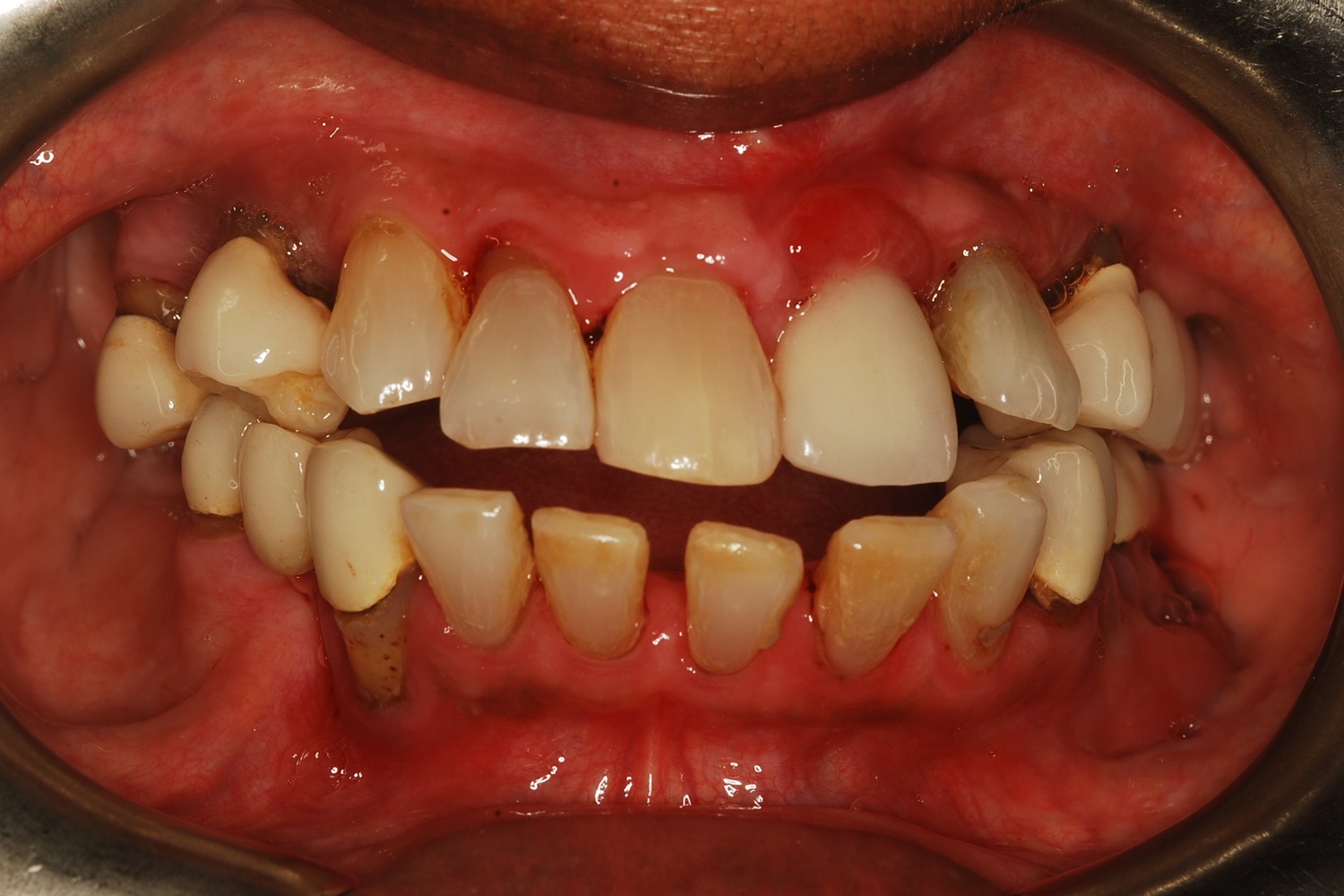
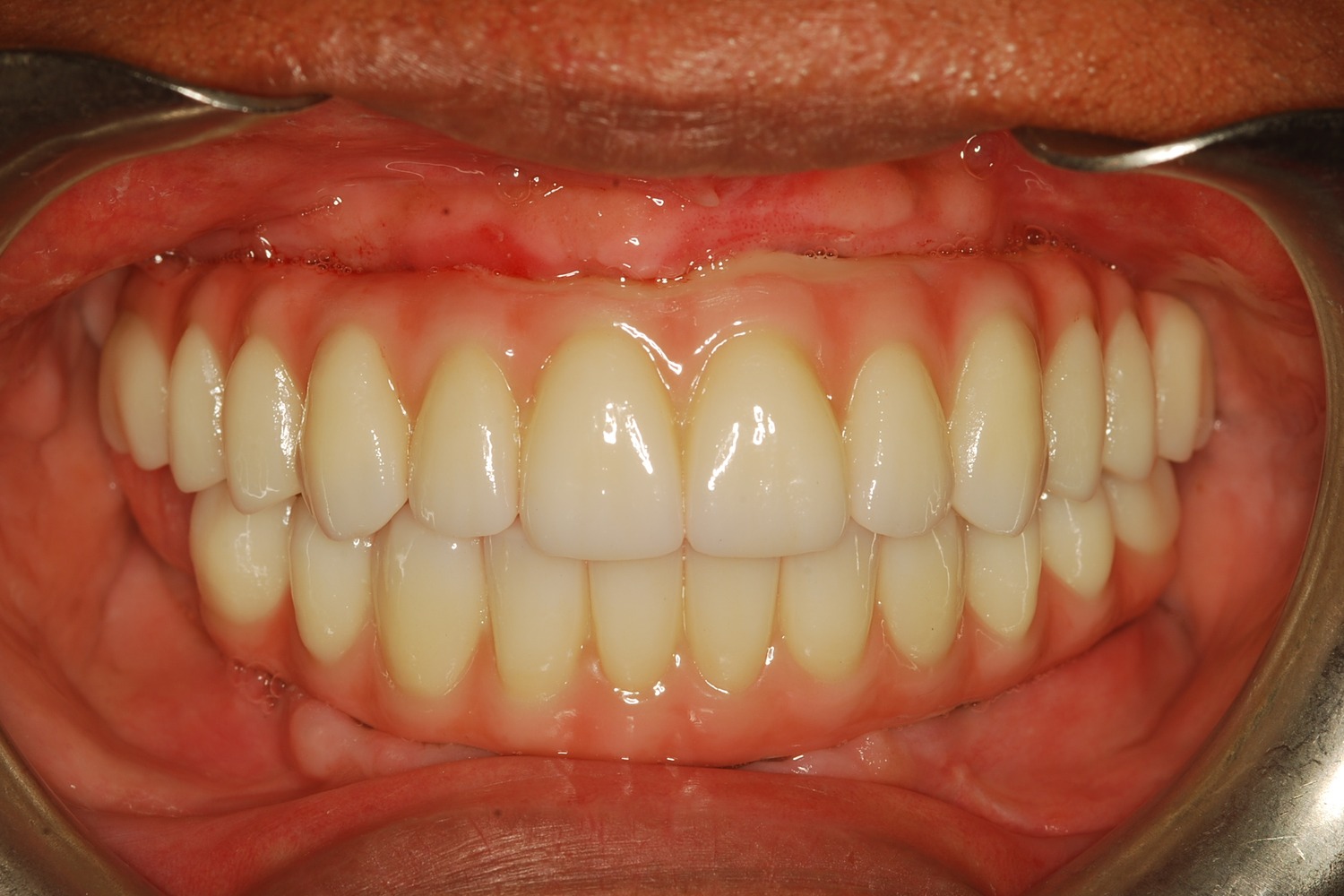
How Severe Bone Loss and Bite Dysfunction Were Rebuilt with All-on-6 Implants and a Milled Zirconia Hybrid Prosthesis
The patient presented with severe bone loss, advanced periodontal disease, malocclusion, and a dysfunctional bite that required full-arch rebuilding.
Related Articles
Deepen your knowledge with additional insights on this topic.
 Dental Implants
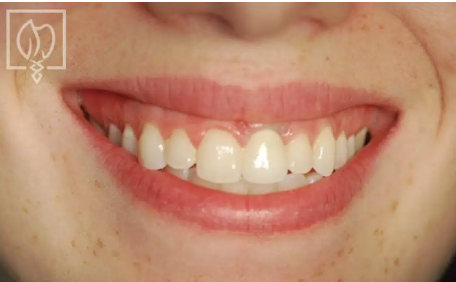
If a Single Front Tooth Is Replaced with an Implant, Can It Look Natural?
Yes. See the four steps, with real case photos, that make a single front tooth implant indistinguishable from the natural tooth beside it. Washington, DC.
 Dental Implants
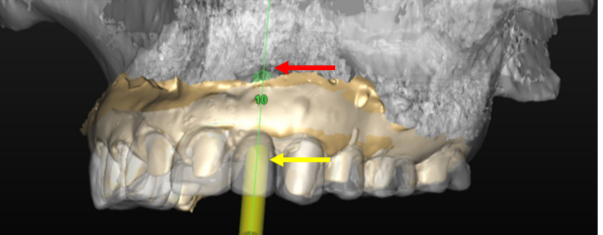
What Is Precision Implant Placement (PIP)?
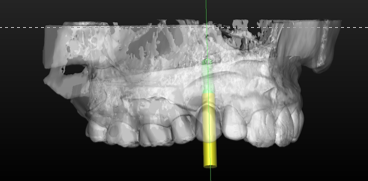
Precision Implant Placement plans each implant virtually on a CBCT scan, then delivers it with a custom surgical guide. See the three steps with real images.
 Dental Implants
What Is the Ideal Surgical Guide for Precision Implant Placement?
Not all surgical guides are equal. The gold standard is CBCT-based: planned virtually in 3D, 3D printed, and seated on your teeth. A DC prosthodontist explains.
 Dental Implants
When Should an Implant Not Be Done?
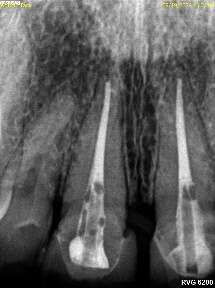
Healthy roots, thin bone, steep bony angles: a DC prosthodontist shows a real case where refusing implants was the right call, and what was done instead.
 Dental Implants
What Is Staged Implant Therapy?
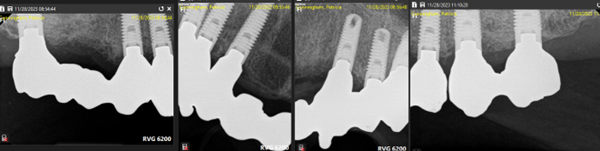
Staged implant therapy replaces failing teeth in phases while you keep fixed teeth the entire time. A DC prosthodontist walks through a real case in stages.
 Dental Implants
The Four Types of Dental Implants: Which One Is Right for You?
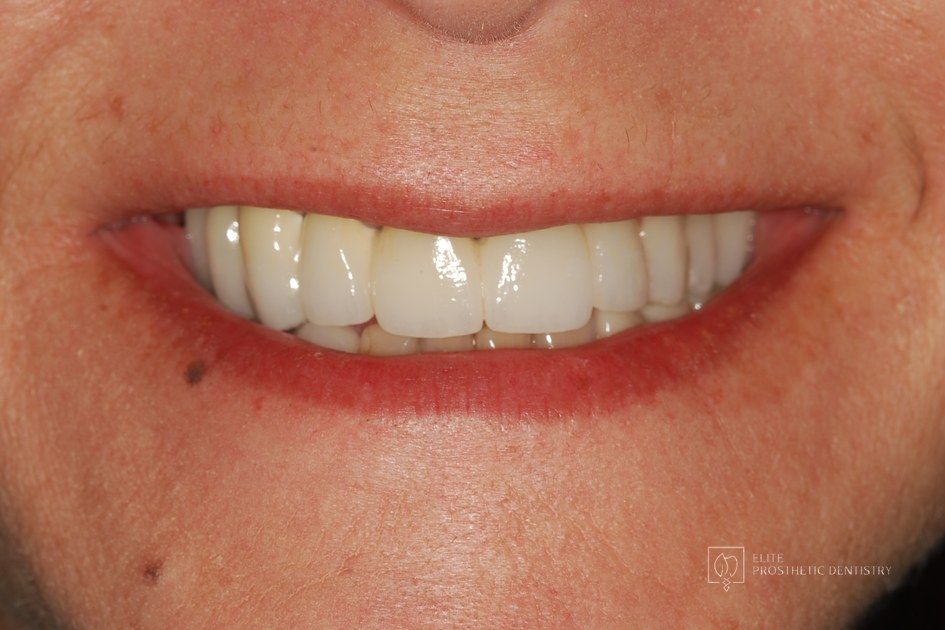
Endosteal, subperiosteal, zygomatic, and mini implants each solve a different problem. A DC prosthodontist explains the four types and who each one fits.
Ready to Transform Your Smile?
With 40+ years of experience and 3,900+ dental implants placed, Dr. Marlin and the team deliver dentistry planned to last. Request a specialist consultation.