

Do You Need a Bone Graft Before Dental Implants? How to Evaluate the Recommendation
Told you need a bone graft or sinus lift before implants? When grafting is necessary, when an implant can be placed without one, and what to ask first.
Not every patient who is told they need a bone graft actually needs one, and not every patient who is told they can skip one should. The way to know is a CBCT scan read against a specific question: is there enough bone to place the implant where the final tooth needs to be? A good recommendation answers that question in plain terms, explains what the graft adds, and shows how it fits the timeline to the final tooth.

Bone grafting is one of the most common reasons patients pause before implant treatment. It adds time, cost, and a procedure they did not expect. Some patients hear the recommendation from one office and the opposite from another. A dental bone graft adds bone, or a material the body gradually replaces with its own bone, where the jaw has lost volume; bone grafting for dental implants explains the biology. A dental bone graft adds bone, or a material the body gradually replaces with its own bone, where the jaw has lost volume; bone grafting for dental implants explains the biology. This guide explains why grafting is recommended, what each type does, and how to judge whether the recommendation in front of you fits your case.
Why Bone Grafts Are Recommended Before Implants
Bone is living tissue that holds its volume because tooth roots load it. When a tooth is lost, the bone that held it starts to shrink. The longer a tooth has been missing, the more bone is usually lost. Gum disease, infection, trauma, and old extractions add to the loss. In the upper back jaw, the sinus can also expand downward into space that used to be bone.
An implant needs bone on every side to integrate and stay healthy. In the front of the mouth it also needs enough bone to support the gum, because the gum follows the bone. A front-tooth implant placed in thin bone can integrate perfectly and still look wrong, with a long tooth or a dark shadow at the gum line.
Can You Get a Dental Implant Without a Bone Graft?
Often, yes. When the CBCT scan shows enough height and width in the right place, the implant can be placed without grafting. In borderline cases, a different implant position, a narrower or shorter implant, or a different number of implants in a full-arch plan can sometimes avoid a graft. Those are legitimate options when they do not compromise the final tooth. They are a poor trade when they place the implant where the bone is instead of where the tooth should be.
The Four Common Grafting Procedures, in Plain Terms
- Socket preservation. Graft material placed when a tooth is removed, so the site keeps its shape while it heals.
- Ridge augmentation. Rebuilds the width or height of a jaw ridge that has already shrunk.
- Sinus lift (sinus augmentation). Raises the sinus membrane in the upper back jaw and places bone beneath it, creating height for implants there.
- Block grafting. Uses a section of bone to rebuild a larger defect.
Graft material can come from your own body, a donor, an animal source, or synthetic material. The bone grafting page explains each option, facts about bone grafting clears up common misconceptions, and when a sinus lift is necessary covers the upper back jaw.
Questions to Ask Before You Agree to a Graft
- What does my CBCT scan show, and can you show me where the bone is deficient?
- Is the graft needed for the implant to integrate, for the appearance of the gum, or both?
- Where will the final tooth sit, and was the graft planned from that position?
- Could a different implant position, size, or number avoid the graft without compromising the result?
- Will the graft and implant be placed together or in stages, and how long until I have a final tooth?
- Who places the implant after the graft heals, and who designs and places the final tooth?
Why the Final Tooth Should Drive the Grafting Plan
When grafting, implant surgery, and the final restoration are planned by different offices, each phase can be done well and the result can still disappoint, because no one owned the final position of the tooth. Prosthodontists plan from the finished tooth backward: where it must sit for the bite and the smile, then where the implant must go to support it, then what bone is needed to hold the implant there. At Elite Prosthetic Dentistry, every implant case is planned on a CBCT (cone beam CT) scan, with surgical guides where indicated, and the grafting, implant, and restorative phases are planned together within one specialist practice.
Sometimes the best grafting decision is timing. In one of our documented cases, a teenager’s failing front tooth was deliberately maintained until she stopped growing, then replaced with grafting and an implant that remains stable more than a decade later. In another, keeping two failing front teeth rather than extracting them avoided a visible defect in the gum and bone contour altogether. See when to seek a second opinion before extraction or implants.
Where Elite Prosthetic Dentistry Fits
Dr. Gerald M. Marlin has more than 3,900 dental implants placed across more than 40 years of clinical practice. The practice tends to be a strong fit when:
- You have been told you need a graft or sinus lift and want an independent opinion on whether and why.
- The implant is in the front of the mouth, where bone determines how the gum and tooth will look.
- Bone loss is significant, or a previous graft or implant did not succeed.
- A full arch is being planned and the number and position of implants depend on the bone.
- You want grafting, implant placement, and the final tooth planned in one practice.
When a Surgeon and Your Own Dentist Are Enough
If your general dentist and an oral surgeon or periodontist are already coordinating your case, you understand the plan, and the implant is in a back tooth with straightforward bone, there is usually no reason to change providers. Simple socket preservation at the time of an extraction is routine care in many surgical offices.
Bone Grafting and Implant Cases
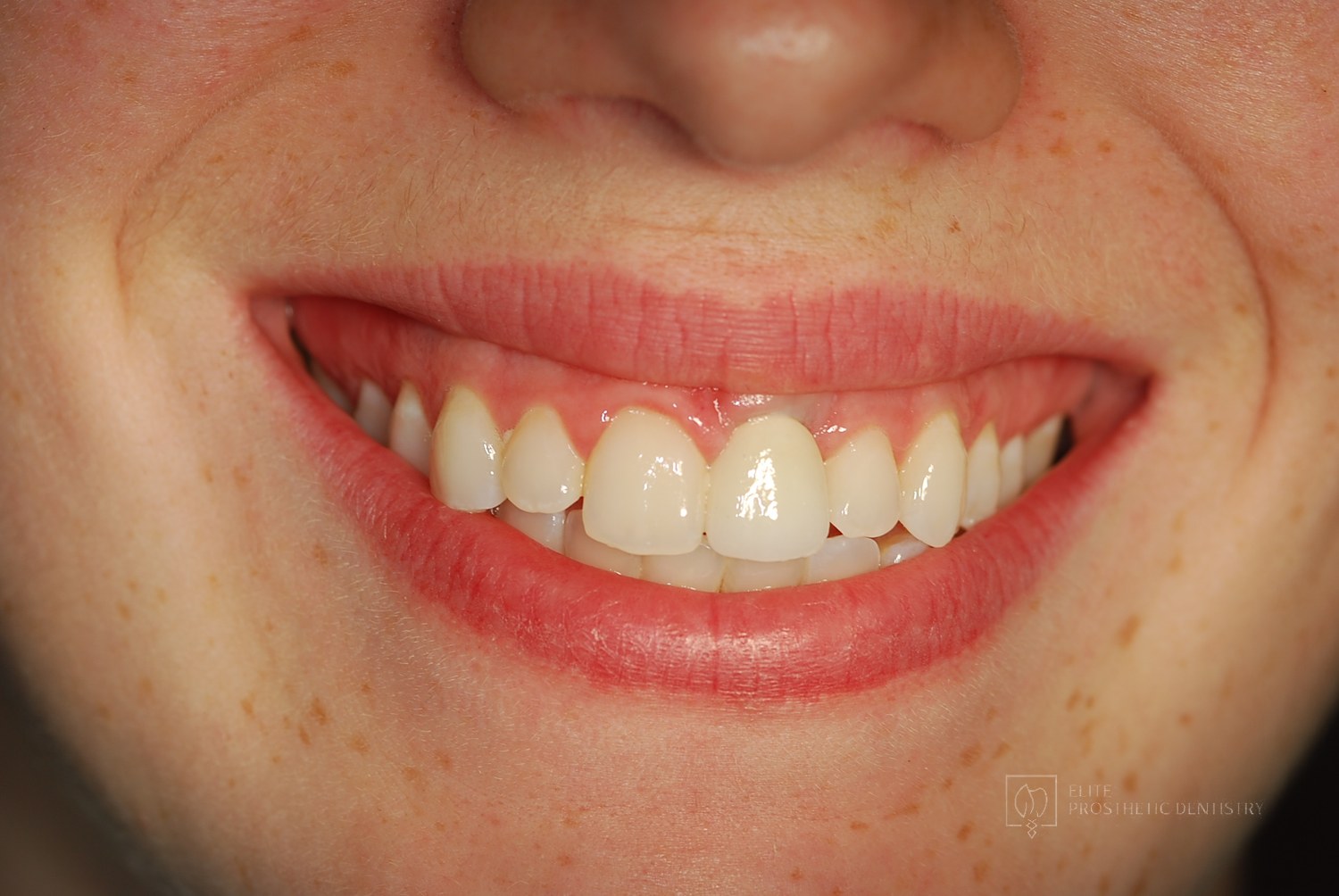
- A front tooth lost to childhood trauma, rebuilt with bone grafting and an implant at the right time
- Extensive bone grafting rebuilds the foundation for six implants
- A full-arch reconstruction built on bone preservation
- Two implants positioned after complete bone loss up to the floor of the nose
- A loose bridge replaced through staged extractions, socket grafting, and implants
Related Decision Guides
- How to Choose a Dental Implant Provider for a Complex Case
- Split-Site Implant Care vs. Integrated Surgical-Restorative Planning
- How to Choose a Denture Dentist
Request an Implant and Grafting Evaluation
Bring your scans if you have them. An evaluation will tell you whether grafting is needed, why, and how it fits the path to your final tooth. Request an evaluation or call (202) 244-2101. No pressure. Clear answers. A defined plan.
Your Best Smile Is Within Reach
Request a specialist consultation with Dr. Marlin to discuss your situation and the most appropriate path forward.
Frequently Asked Questions
Can you get a dental implant without a bone graft?
Yes, when there is enough healthy bone in the position the final tooth needs. A CBCT scan shows the height, width, and density of the bone. In some borderline cases a different implant position, size, or number can avoid grafting; in others, skipping a needed graft compromises the result.
How long after a bone graft can an implant be placed?
It depends on the graft. Some grafts are placed at the same appointment as the implant. Larger ridge or sinus grafts are usually allowed to heal for several months before the implant is placed. Your plan should state the expected timeline before treatment starts.
Is a bone graft painful?
Grafting is done under local anesthesia, and sedation is available for patients who want it. Discomfort afterward depends mostly on the size and type of graft; a small graft at the time of an extraction is a very different experience from a larger ridge or sinus graft. The expected recovery should be explained to you before treatment.
Why do I need a bone graft if my tooth was only recently removed?
The bone that held a tooth begins to shrink after the tooth is removed, and thin bone around front teeth can collapse quickly. Grafting at the time of extraction, called socket preservation, is often recommended to keep enough bone for a future implant.
Related Patient Success Stories
Explore similar patient success stories demonstrating our expertise in advanced prosthetic dentistry.
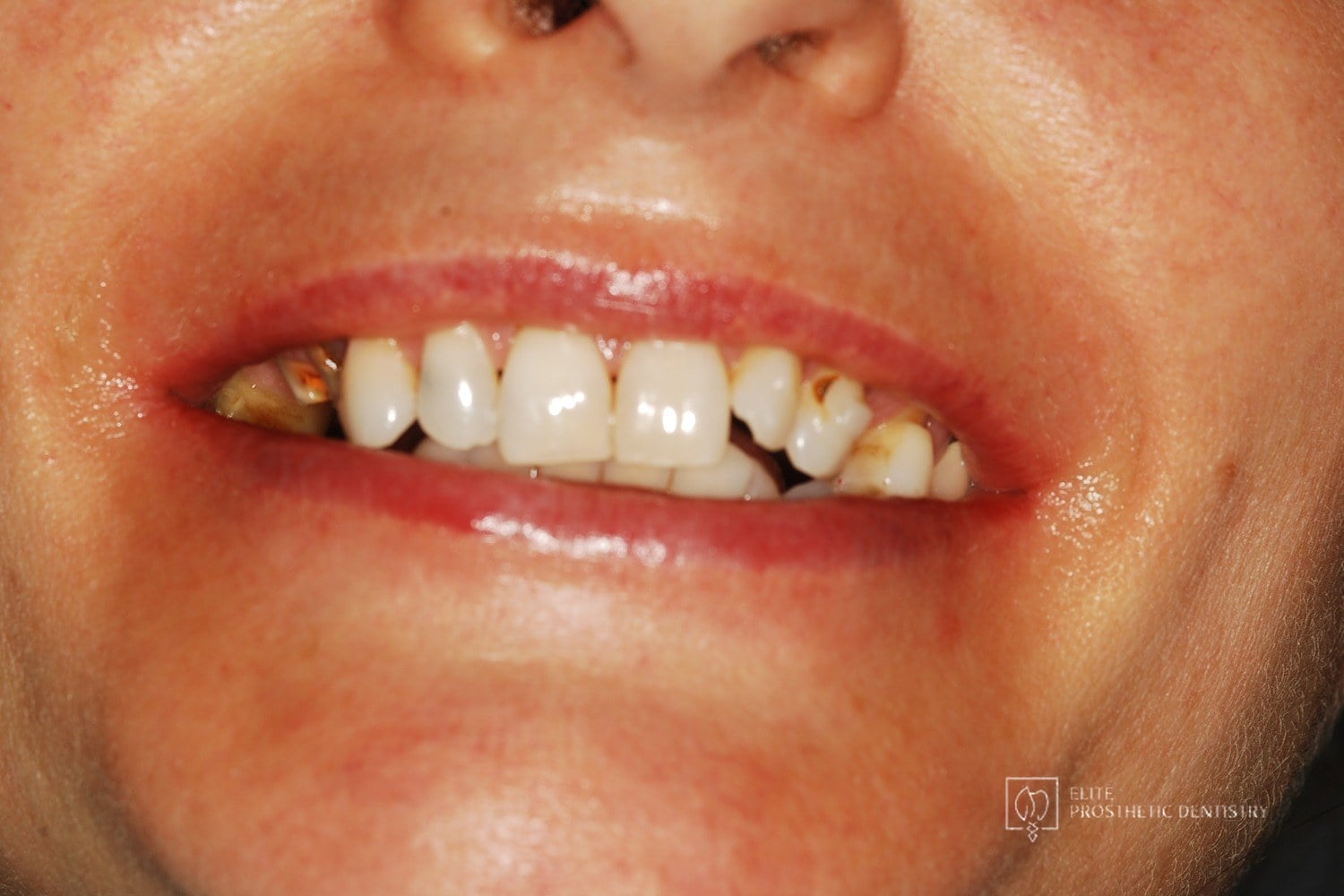 Before
 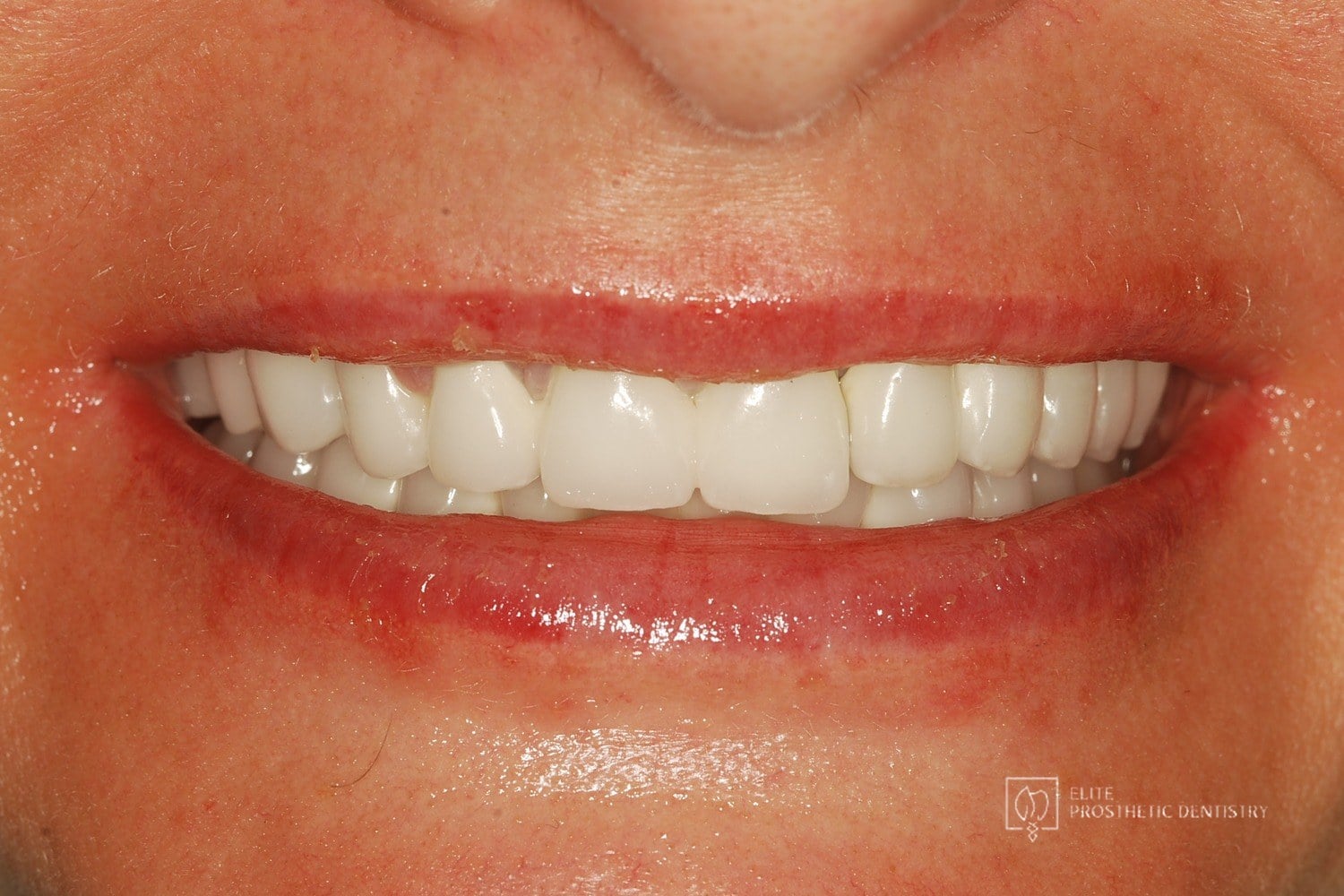 After
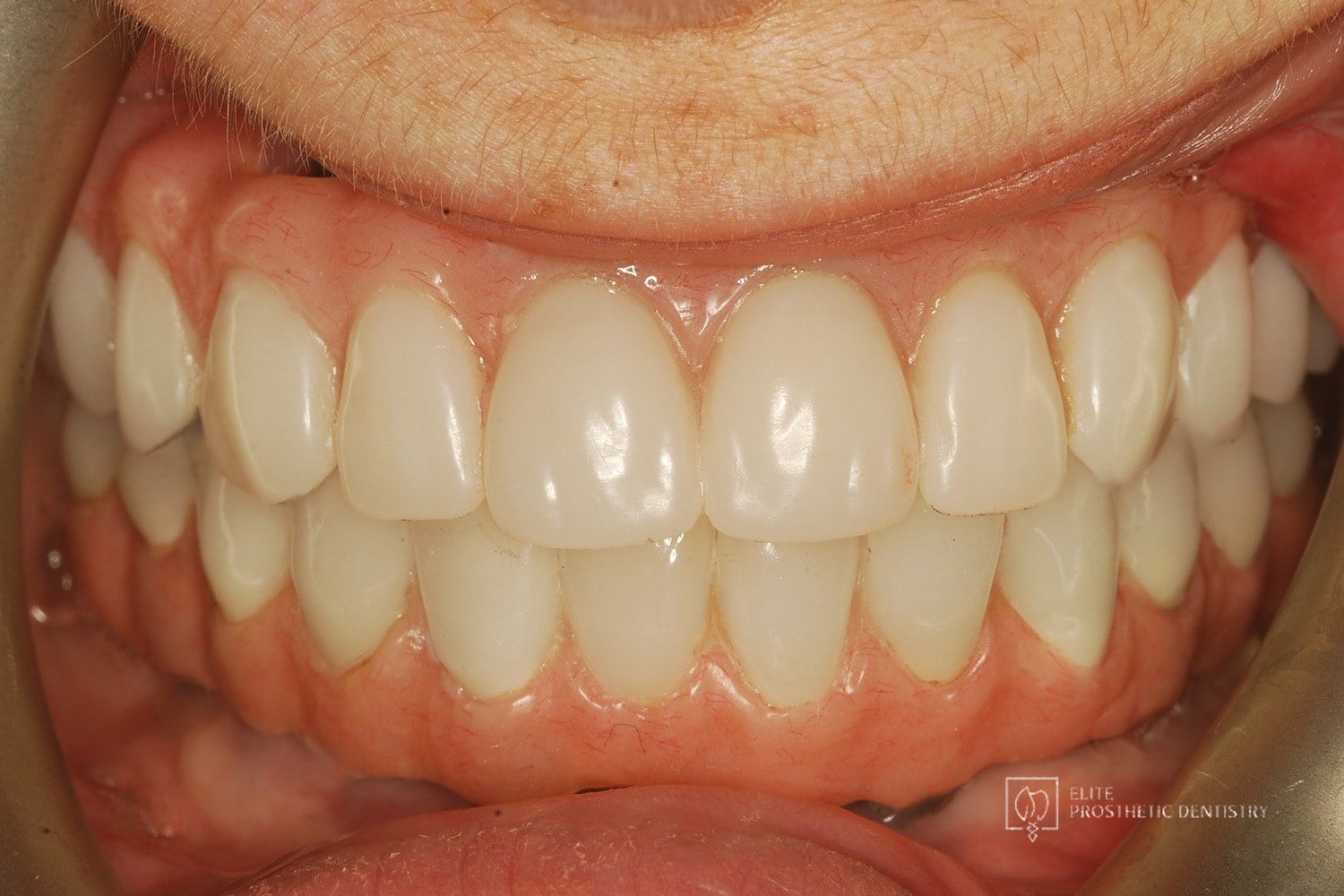
After How Aging, Failing Dentistry Was Replaced with a Coordinated Full-Mouth Implant and Crown Reconstruction
The patient presented with throbbing upper-molar pain, long-standing infections, multiple root canals and unfinished prior treatment, generalized sensitivity, and several hopeless teeth.
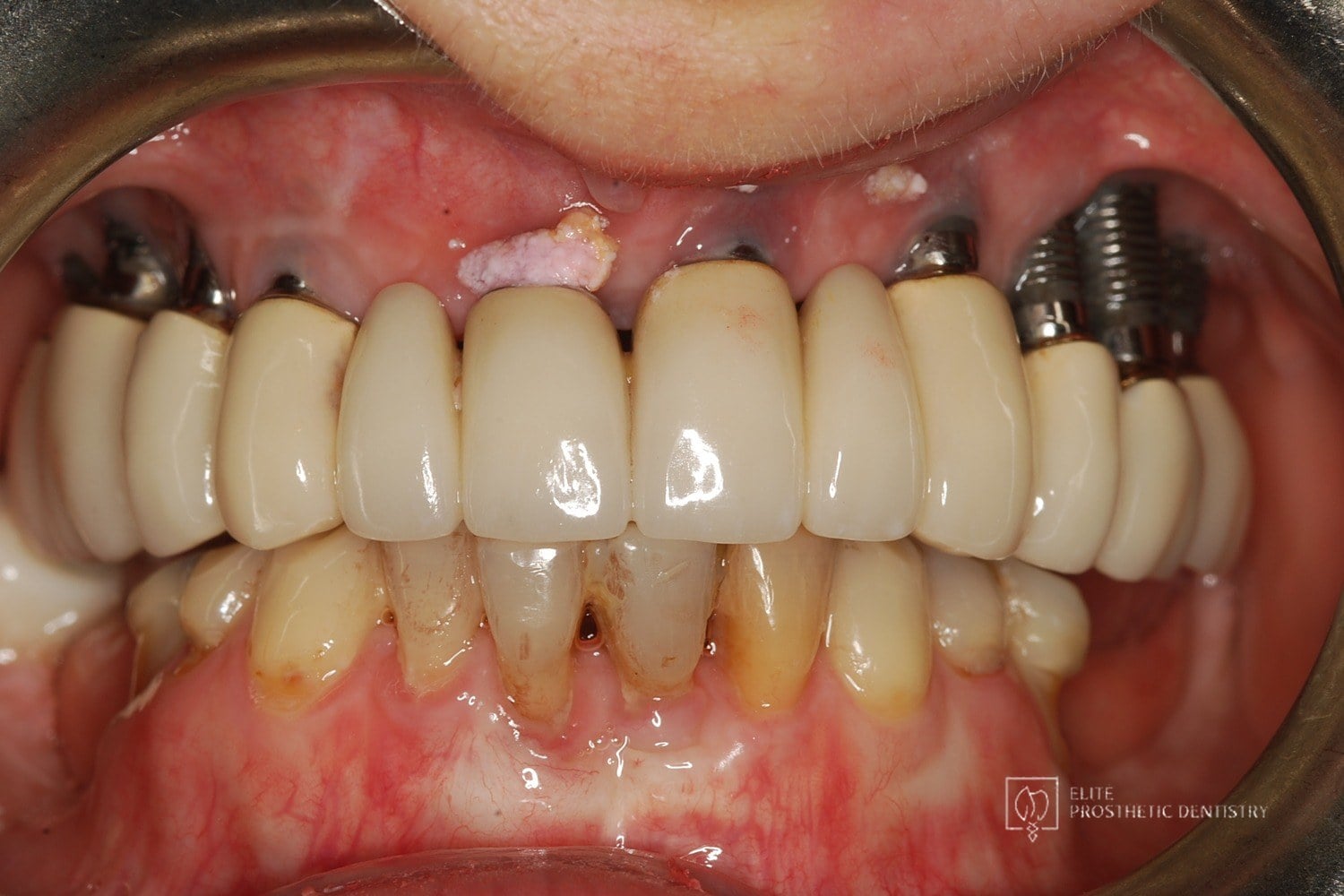 Before
  After
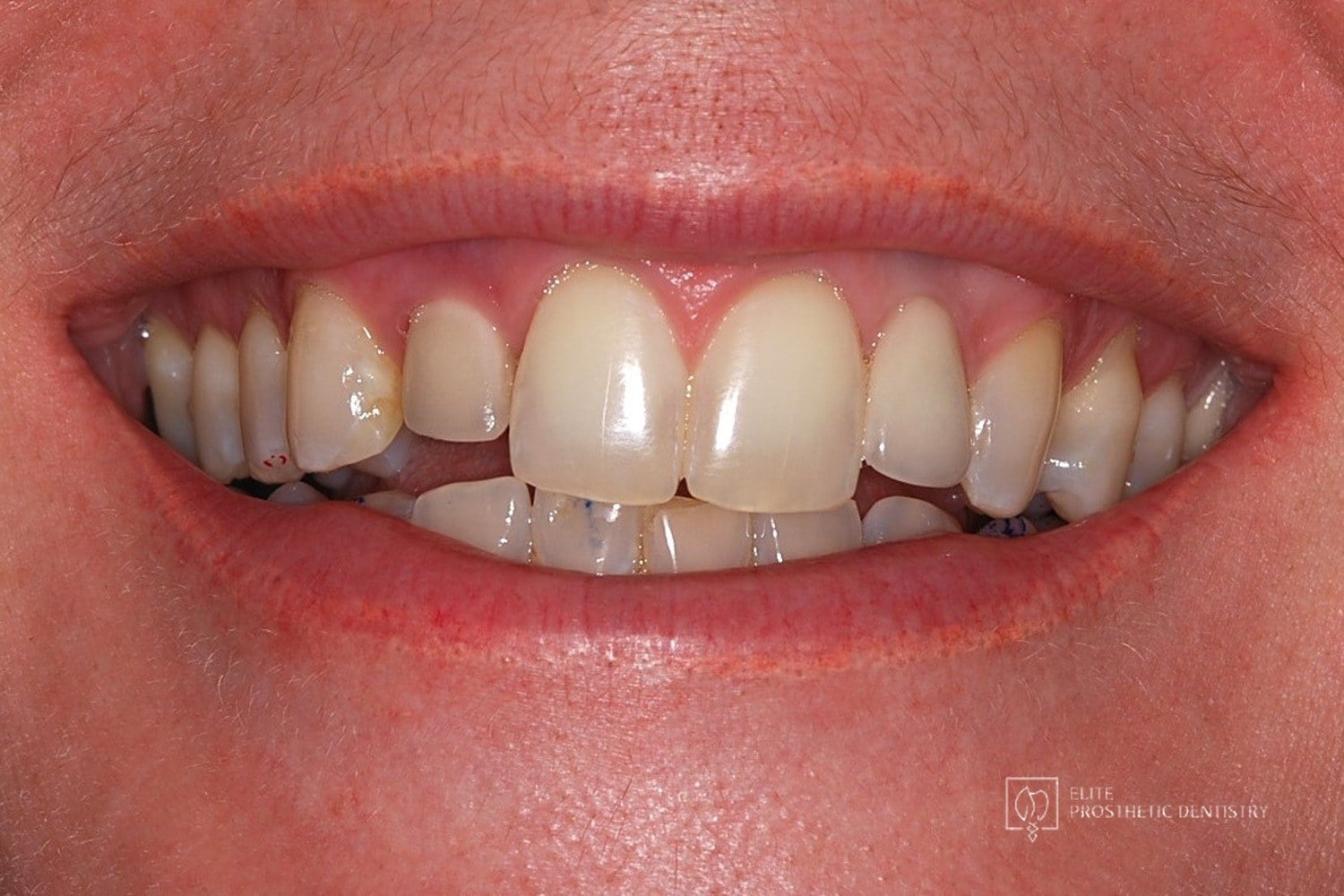
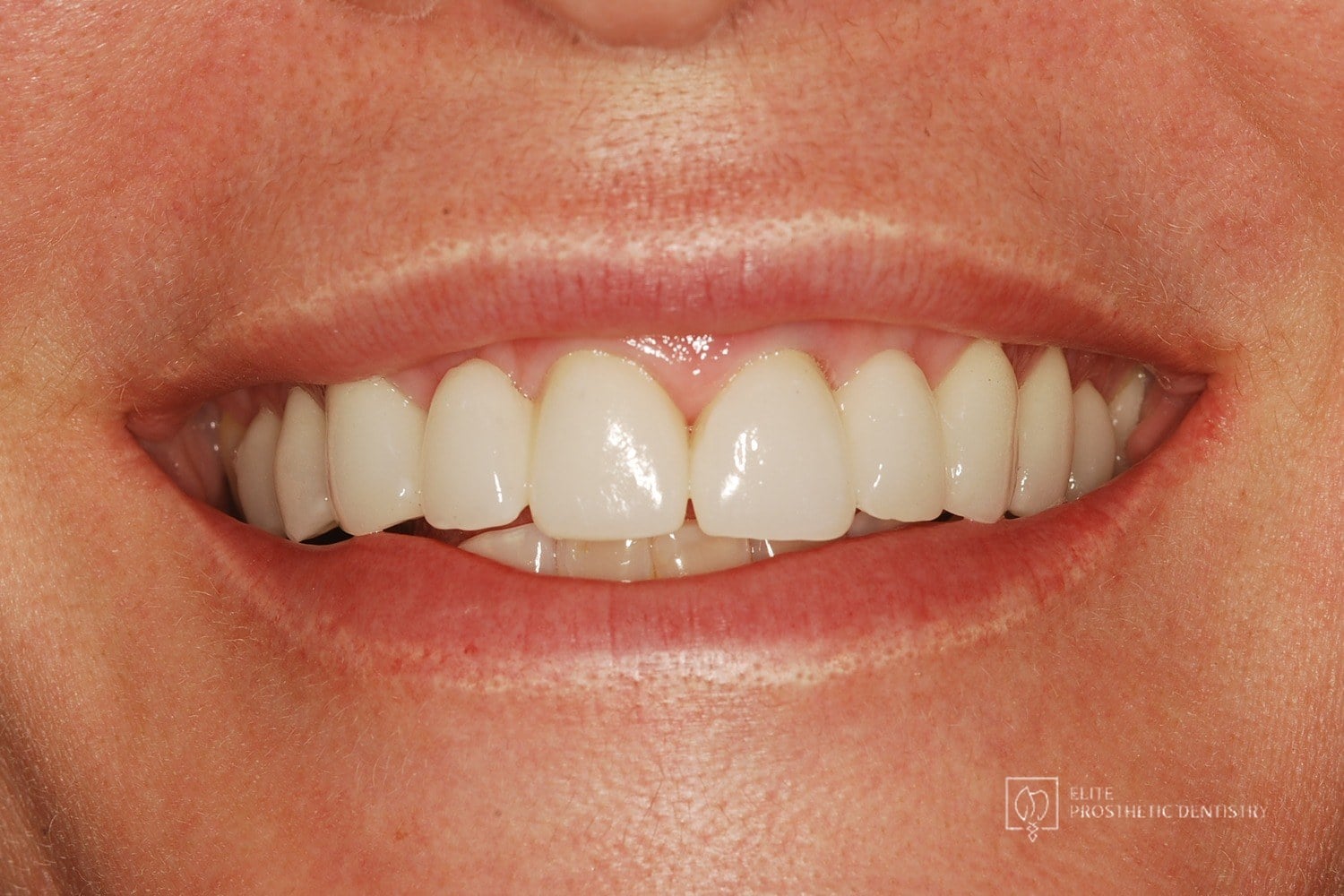
After How Failing Implants and Severe Bone Loss Were Rebuilt Into a Stable Full-Arch Implant Reconstruction
The patient presented with significant complications from previously placed implants, severe bone loss, failing posterior implants, and an unesthetic full-arch bridge. Both arches required full reconstruction, with the upper arch showing the most advanced bone loss and instability.
 Before
  After
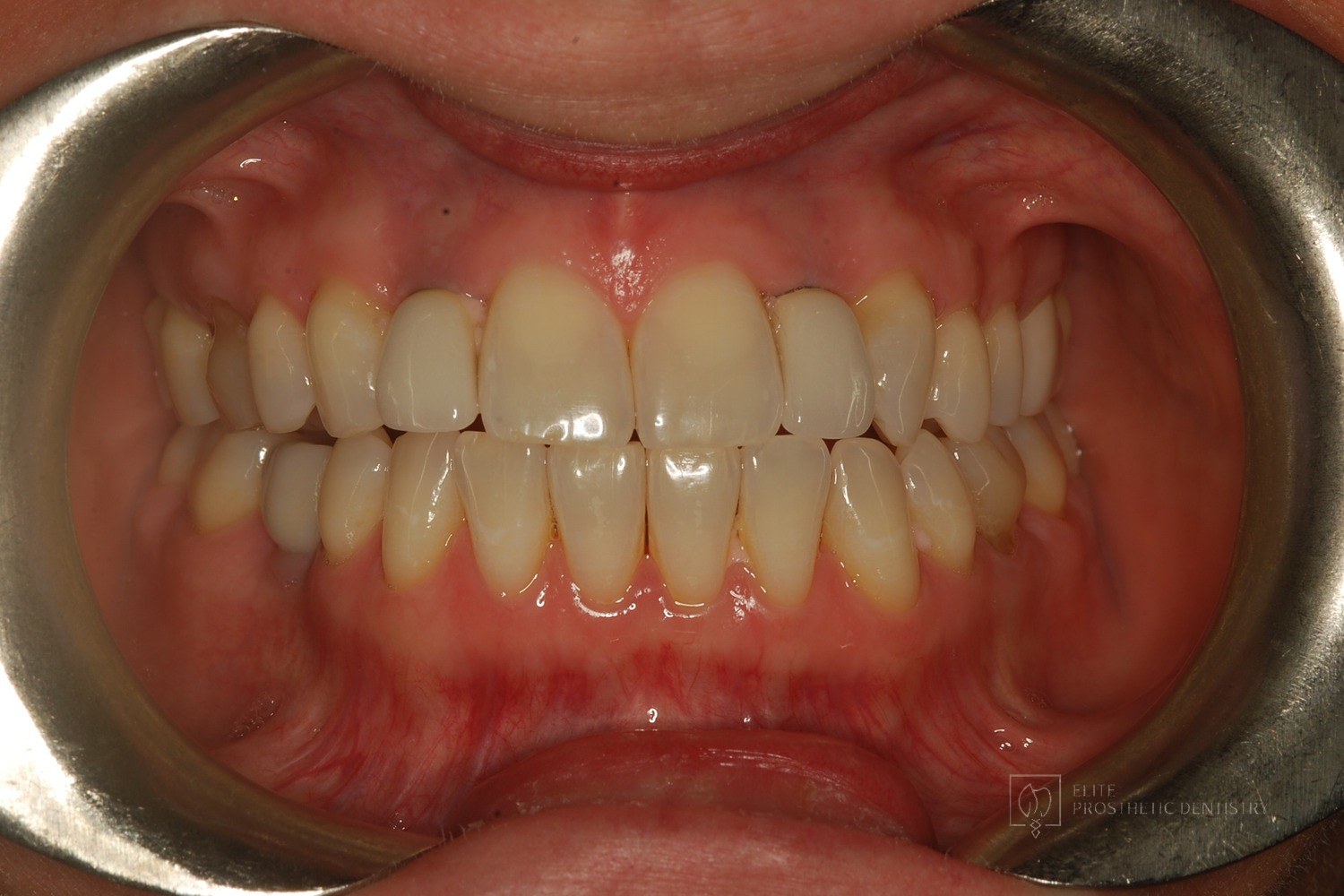
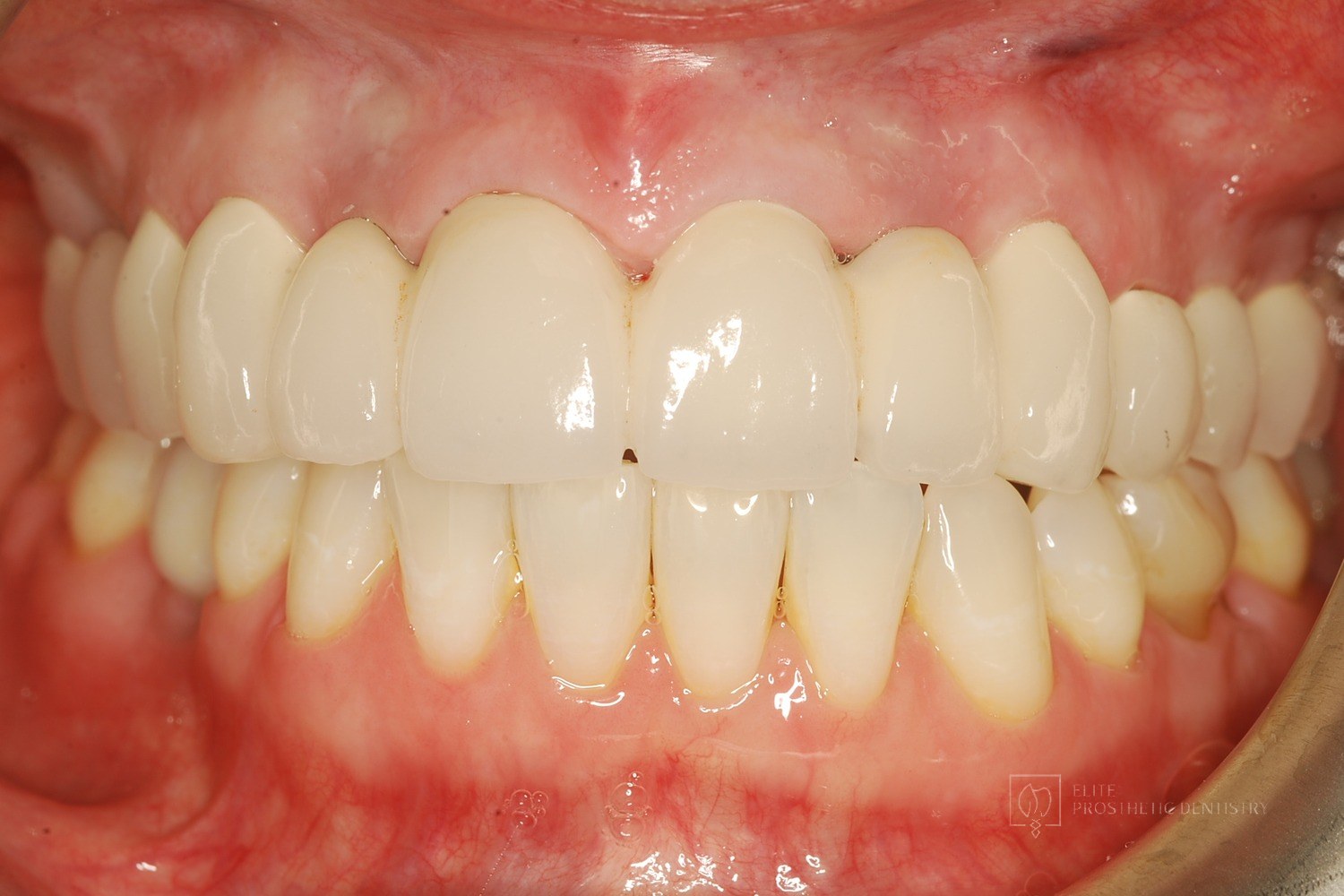
After How Failing Lateral Incisor Implants Were Replaced with Custom Zirconia Bridges After Severe Bone Loss Made Replacement Implants Impossible
Comprehensive examination including CBCT imaging revealed significant bone loss surrounding implants that were placed outside the buccal plate, most likely due to placement without a CBCT-generated surgical guide. The implants were determined non-salvageable, and the alveolar ridge was too narrow to support replacement implants without extensive reconstruction.
 Before
  After
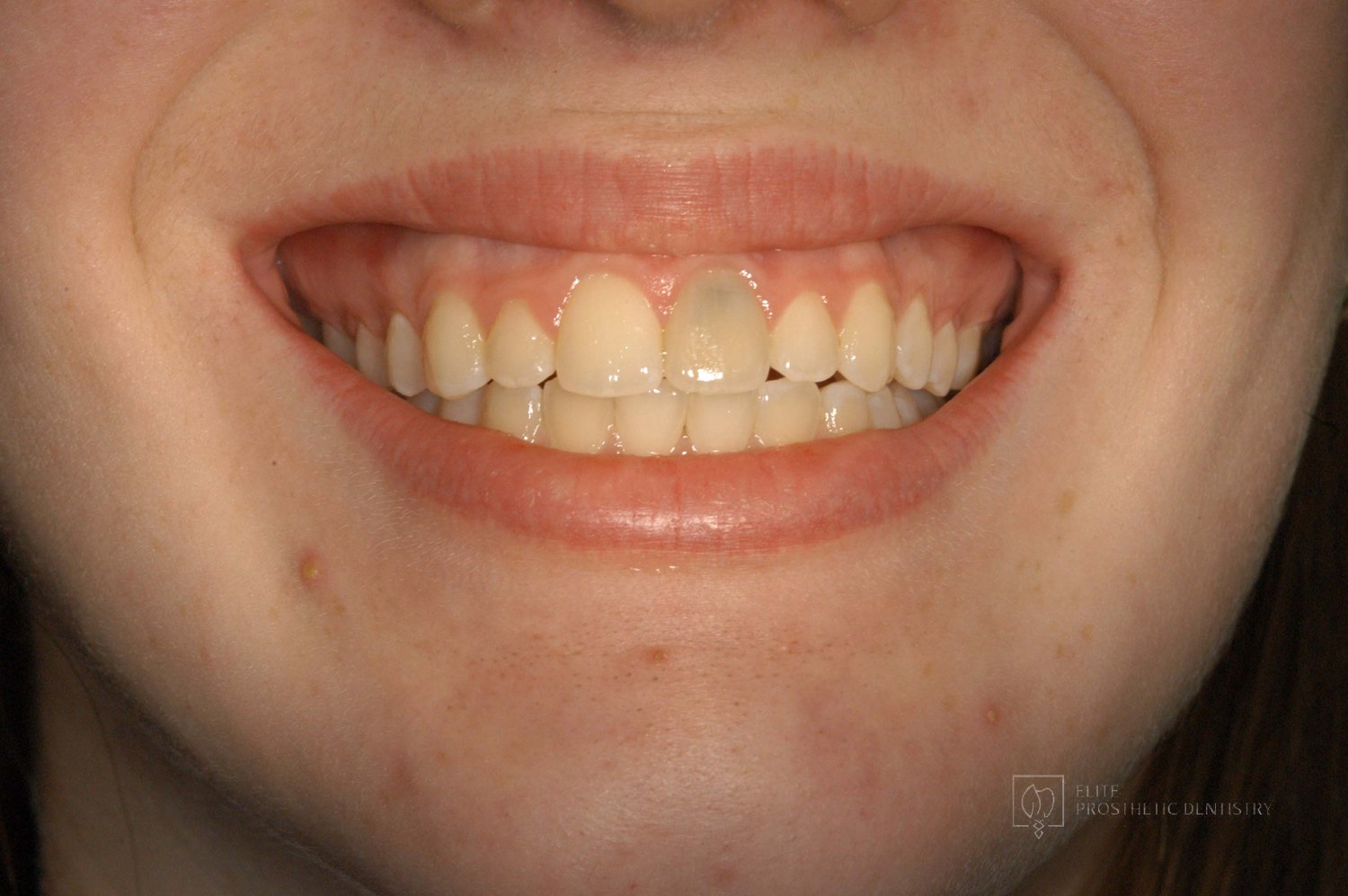
After How Older Implant Crowns Were Redesigned for a Better Bite and More Natural Appearance
The patient came in after years of living with implant-supported crowns placed more than twenty years earlier that no longer looked or functioned well. CBCT evaluation, reviewed with a radiologist colleague, showed the implants had been placed too far to the buccal in very thin bone and could not support a healthy long-term restoration.
 Before After
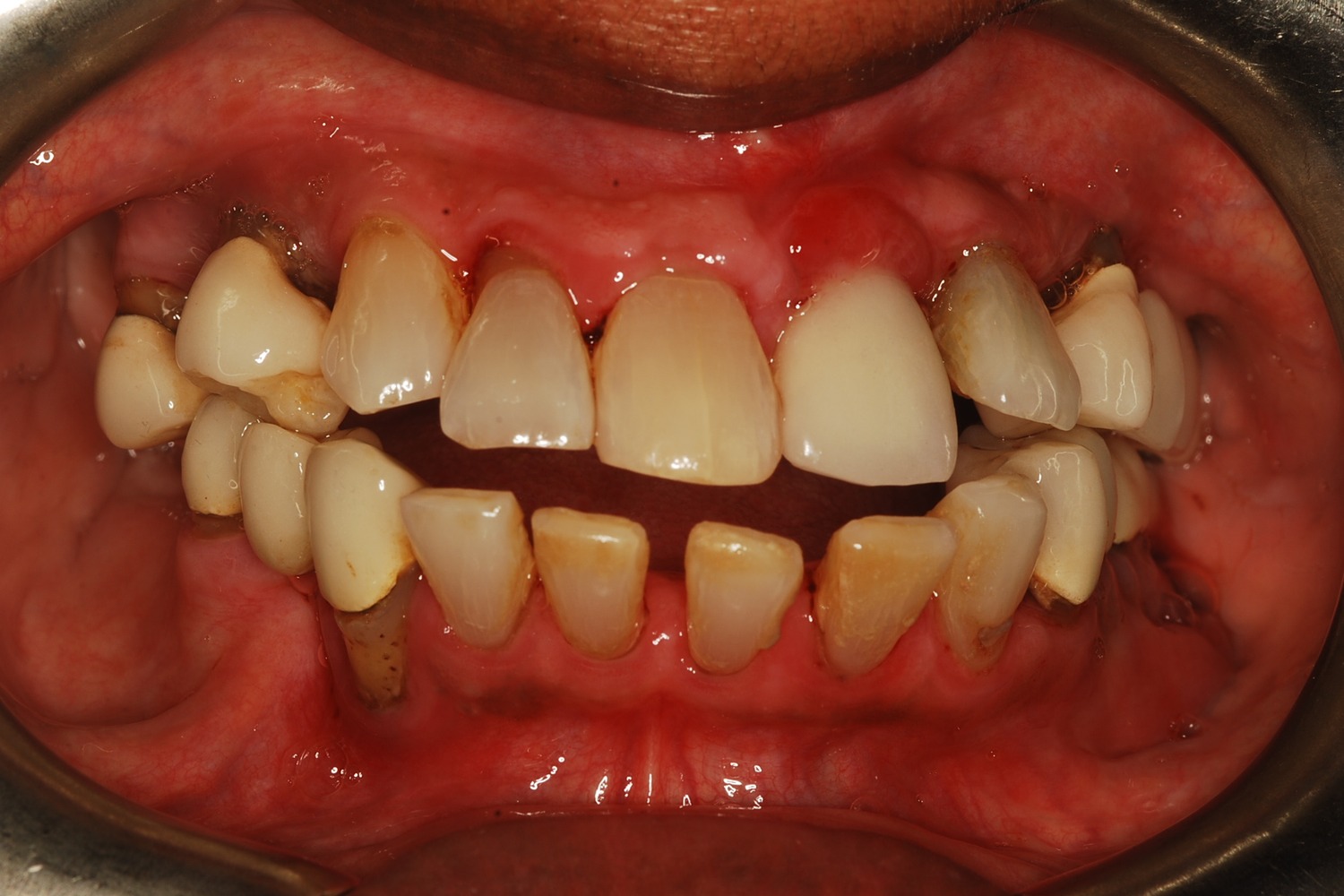
 How a Front Tooth Lost to Childhood Trauma Was Rebuilt with Bone Grafting and a Long-Lasting Implant
A teenager was referred by her father after earlier trauma left her upper left front tooth slowly failing from root resorption. She was still growing, so an immediate implant was the wrong move. The tooth had to be maintained to buy time, then replaced correctly once she reached skeletal maturity.
 Before
  After
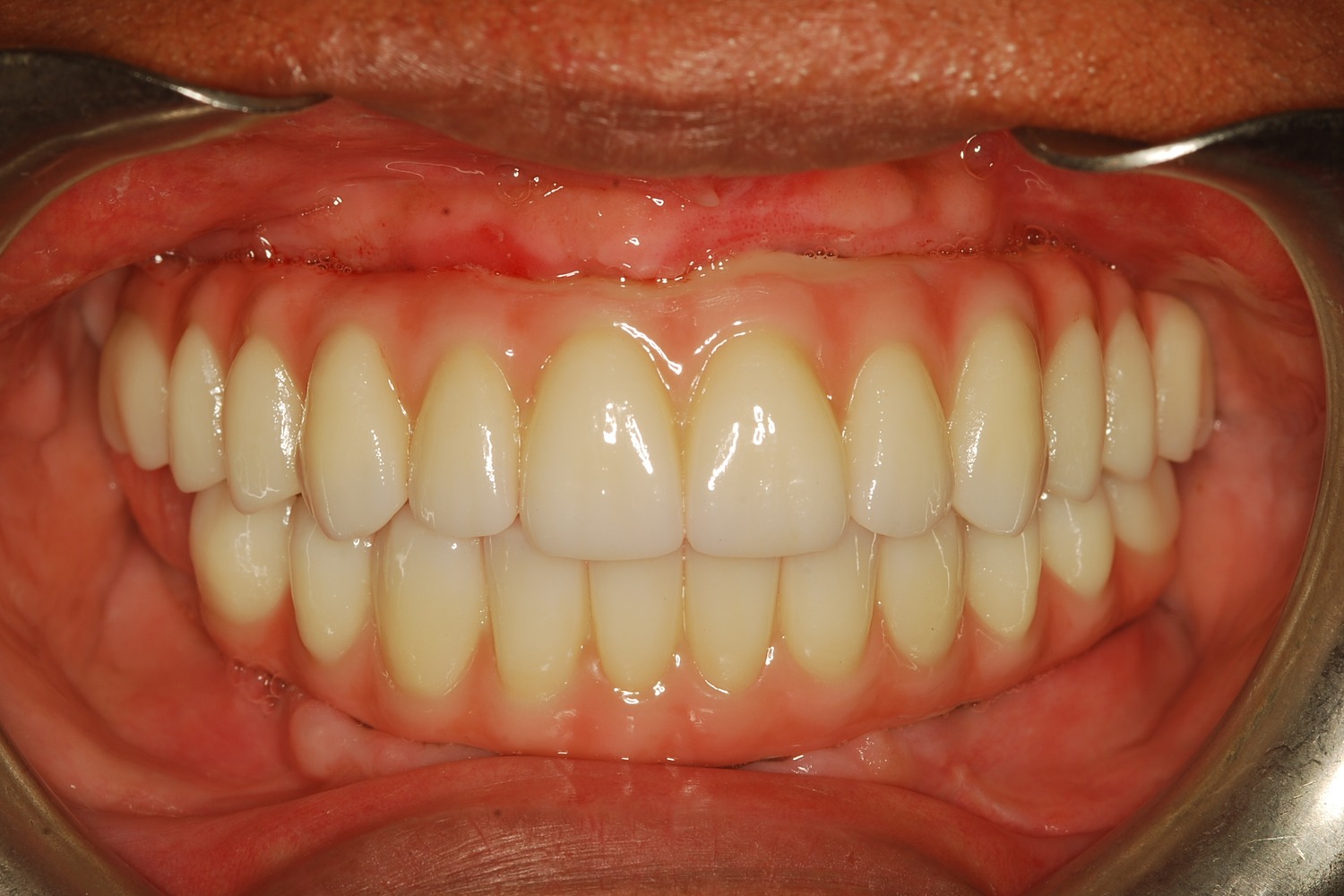
After How Severe Bone Loss and Bite Dysfunction Were Rebuilt with All-on-6 Implants and a Milled Zirconia Hybrid Prosthesis
The patient presented with severe bone loss, advanced periodontal disease, malocclusion, and a dysfunctional bite that required full-arch rebuilding.
Related Services
Related Articles
Deepen your knowledge with additional insights on this topic.
 Choosing a Prosthodontist
 The Patient's Guide to Implant, Cosmetic and Restorative Dentistry
How to judge quality in implant, cosmetic, and restorative dentistry: choosing a practitioner, why the lab matters, financing, and the questions to ask.
 Choosing a Prosthodontist
 What is a Prosthodontist?
A prosthodontist is a dental specialist with advanced training in crowns, implants, dentures, and complex restorations. Washington, DC specialist.
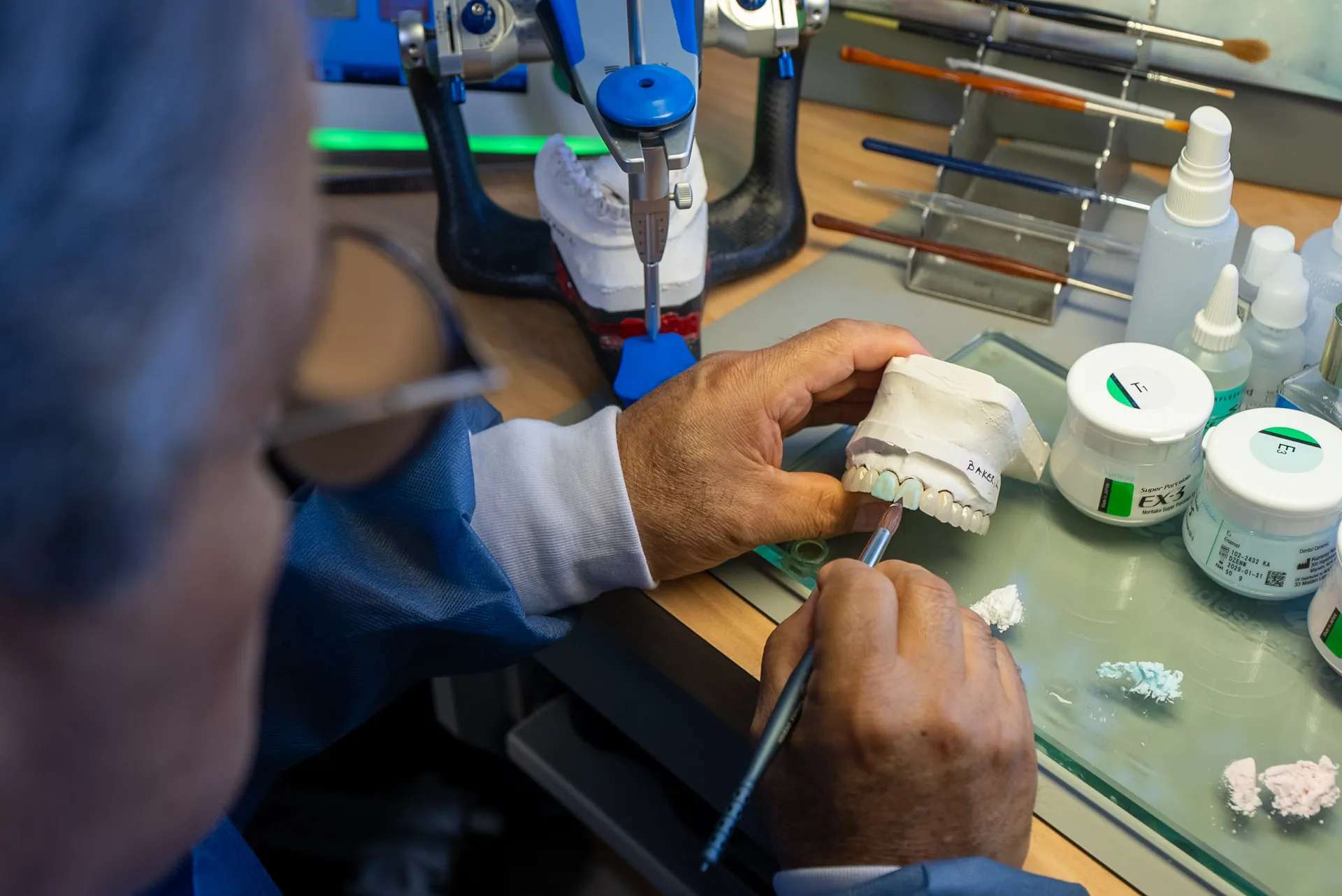 Choosing a Prosthodontist
 4 Ways You Can Benefit from Our In-House Dental Lab
Custom aesthetics, precision fit, shorter waits, and fast repairs: four ways an in-house dental laboratory changes both your experience and your results.
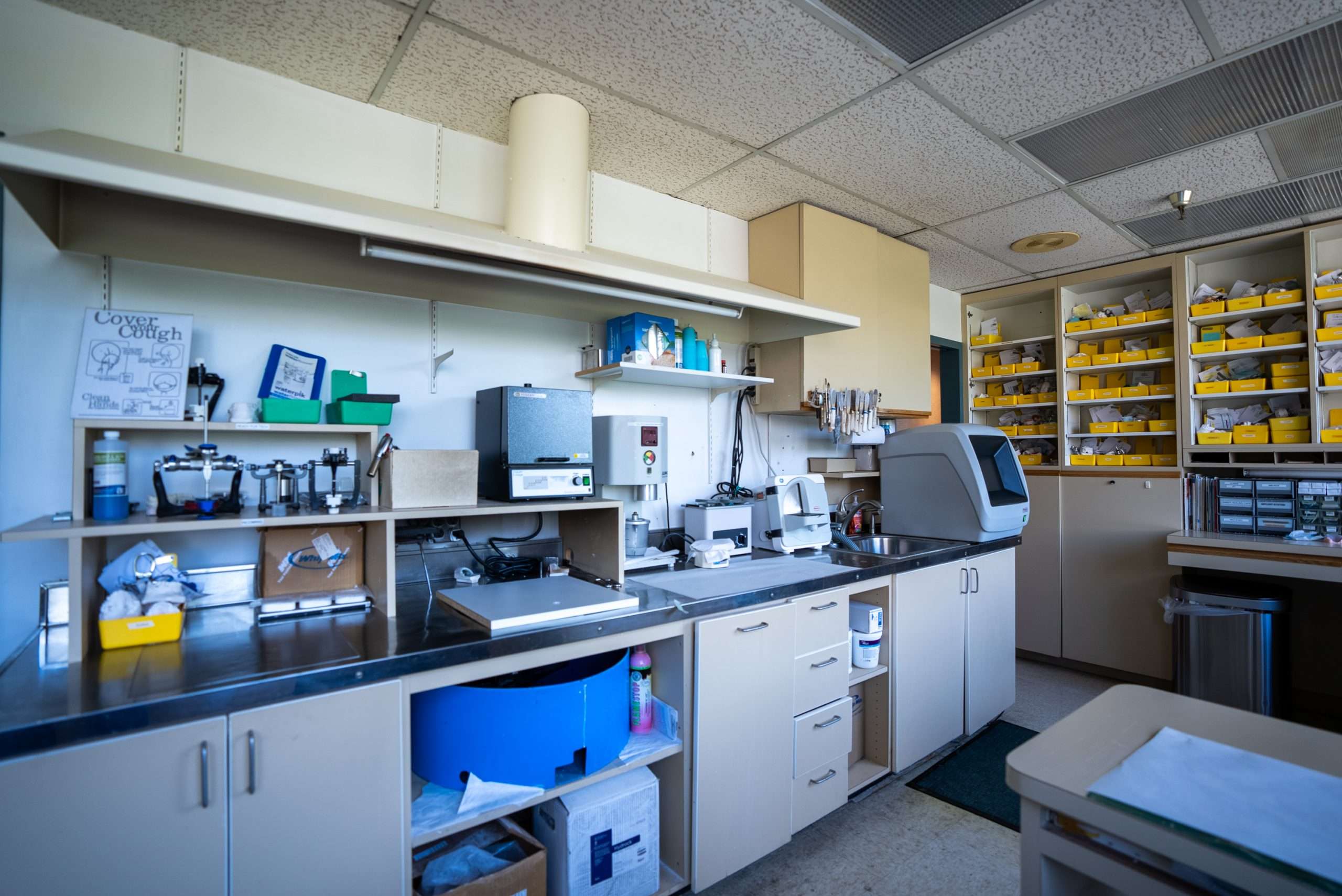 Choosing a Prosthodontist
 What Is the Difference Between a Dentist and a Prosthodontist?
Every prosthodontist is a dentist, but with years of extra specialty training in restoring and replacing teeth. A DC prosthodontist explains who does what.
 Choosing a Prosthodontist
 Don't Wait 'Til It's Too Late: Start with a Virtual Dental Consultation
A virtual consultation is a convenient first step: discuss your concerns, share records, and hear options from a DC prosthodontist before an in-person exam.
 Choosing a Prosthodontist
 Emergency Dentistry: The Benefits of an In-House Laboratory
When a tooth or restoration breaks, an on-site dental lab can mean a natural-looking repair in a day instead of a week. How emergency fabrication works in DC.
Ready to Transform Your Smile?
With 40+ years of experience and 3,900+ dental implants placed, Dr. Marlin and the team deliver dentistry planned to last. Request a specialist consultation.