
Zirconia vs. Acrylic Full-Arch Prosthesis | All-on-X Material Comparison
Material selection determines strength, aesthetics, longevity, weight, repairability, and cost. Neither monolithic zirconia nor acrylic-hybrid is universally better. The right choice depends on bite forces, aesthetic priorities, and long-term expectations.
3,900+
Implants Placed
97%+
Success at 20+ Yrs
40+
Years in Practice
1985
In-House Lab Since
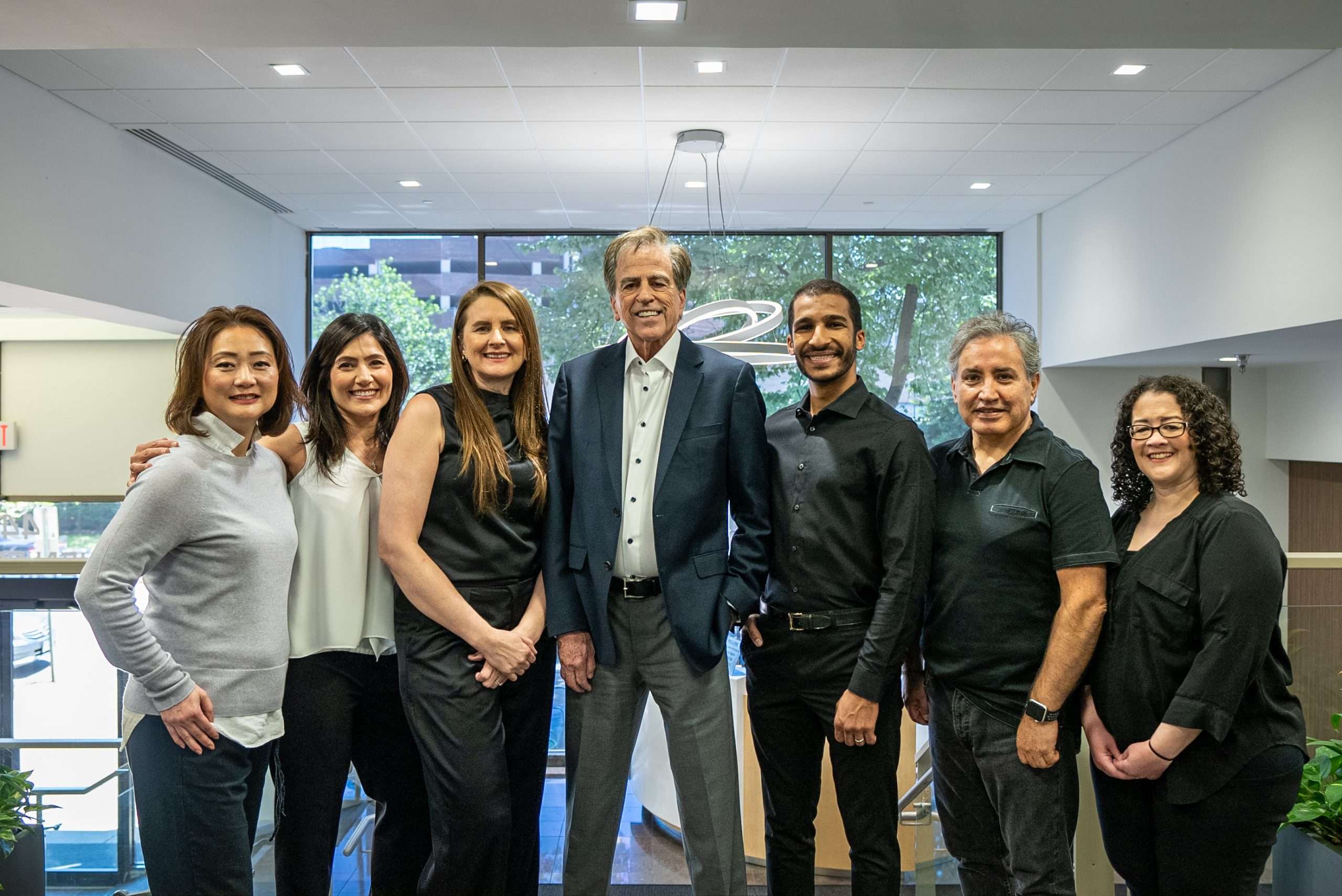
Gerald M. Marlin, DMD, MSD
Specialty-Trained Prosthodontist (DMD, MSD)
- Washingtonian "Top Dentist" 2026 and Hall of Fame
- Surgical and restorative care planned together, in one practice
- In-house dental laboratory since 1985
Or call (202) 244-2101
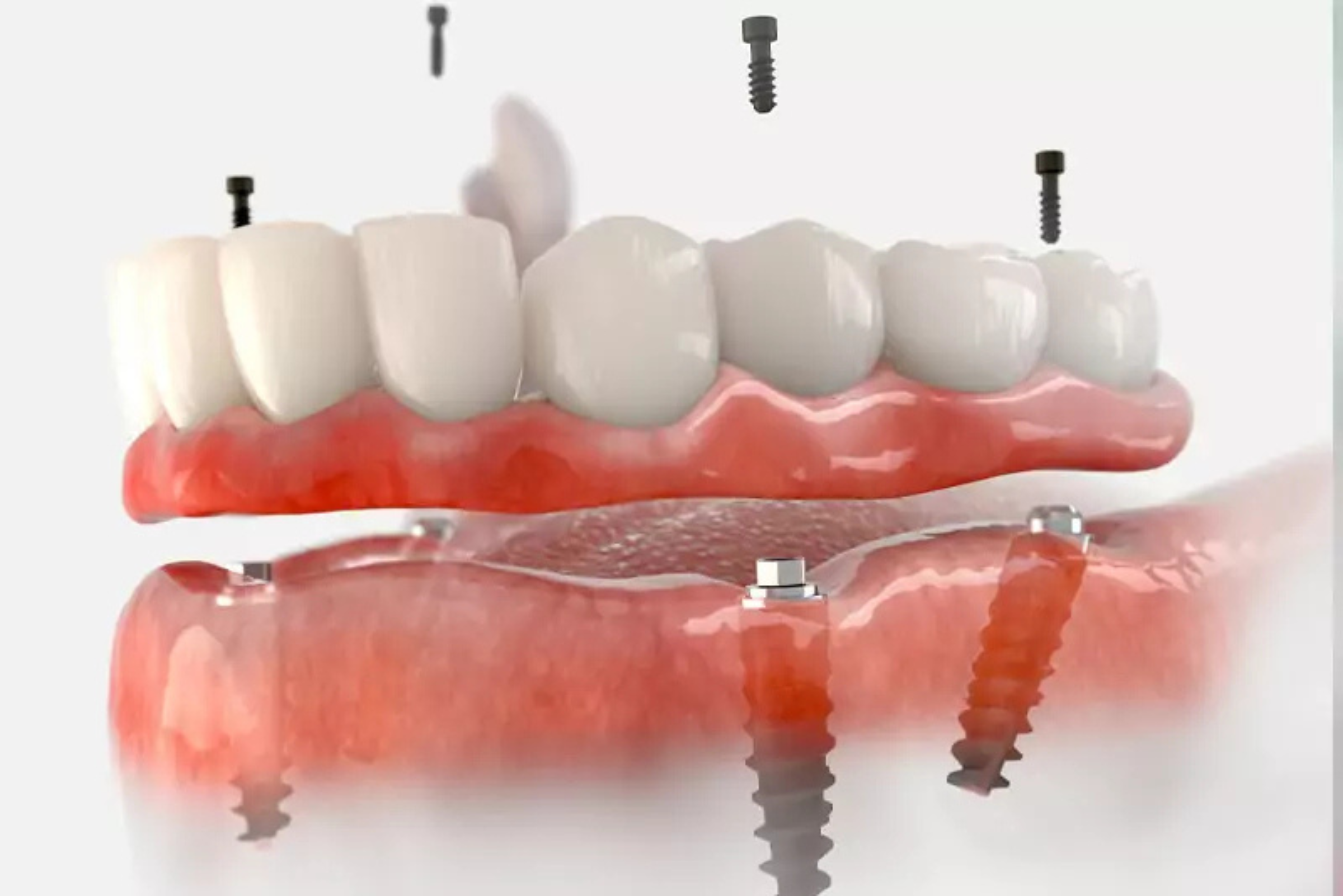
The implants are only half of an All-on-X case. The other half is the prosthesis that sits on top of them: the full-arch set of teeth that replaces the patient’s natural dentition. The material chosen for this prosthesis influences strength, aesthetics, weight, longevity, repairability, and cost. Both major options (monolithic zirconia and acrylic-hybrid) have appropriate clinical indications. Neither is universally better.
This page documents the comparison from a specialty-trained prosthodontist’s perspective so patients can make an informed decision during planning.
Request a Specialist Consultation Call (202) 244-2101
Quick Reference: Zirconia vs. Acrylic-Hybrid
| Criterion | Monolithic Zirconia | Acrylic-Hybrid |
|---|---|---|
| Structure | Solid milled zirconia | Titanium framework with acrylic teeth and gums |
| Strength | Highest available | Good but lower than zirconia |
| Wear resistance | Excellent | Moderate (acrylic wears over time) |
| Expected lifespan | 15 to 20+ years | 5 to 10 years before significant maintenance |
| Aesthetics | Excellent, highly customizable | Very good initially, can fade with wear |
| Weight | Heavier | Lighter |
| Speech adaptation | Minimal | Minimal |
| Repairability | Limited, requires lab work | High, can repair chips and replace teeth |
| Resistance to staining | Excellent | Moderate (acrylic can stain) |
| Cost | Higher | Lower |
| Best for high bite forces | Yes | Less suitable for very high forces |
| Best for cost-conscious patients | Less so | Yes |
| Best for first-time full-arch patients | Either | Often preferred as a learning prosthesis |
| Most commonly used for All-on-4 | Increasing | Traditional standard |
| Most commonly used for All-on-6 | Common | Common |
Monolithic Zirconia Full-Arch Prosthesis
Monolithic zirconia is a single solid block of high-strength dental ceramic, milled by computer-controlled machinery to the exact shape of the patient’s prosthesis. The teeth and the gum-colored base are all the same material, fabricated as one continuous structure. No acrylic. No separate teeth bonded to a framework. One solid piece.
Why patients choose zirconia:
- Maximum strength. Resists fracture and wear better than any other current material. Important for patients with high bite forces, clenchers, and grinders.
- Long lifespan. Expected to last 15 to 20 years or longer with appropriate maintenance, significantly longer than acrylic-hybrid alternatives.
- Superior aesthetics. Modern multi-layer zirconia (with translucency built into the material) can replicate natural tooth structure with remarkable accuracy. Customizable shade, translucency, and surface character.
- Stain resistance. Highly resistant to staining from coffee, tea, wine, and other typical sources.
- Wear resistance. The biting surfaces do not flatten or wear down significantly over time the way acrylic teeth can.
- No bonding interfaces. Because the entire prosthesis is one piece, there are no junctions where teeth could debond from the framework.
Trade-offs to know:
- Higher cost. Monolithic zirconia is more expensive than acrylic-hybrid, both for the material and the fabrication labor.
- Heavier. Some patients notice the weight initially. Most adapt within days.
- Repair complexity. If a portion of the prosthesis is damaged (rare with zirconia), repair typically requires lab work. The prosthesis cannot be “fixed in the chair” the way acrylic can.
- Brittleness under flexion. Zirconia is strong in compression but more brittle than acrylic under flexural loading. This is rarely an issue with proper prosthesis design but matters for case engineering.
- Wear on opposing teeth. Zirconia is harder than natural enamel, which can produce wear on opposing natural teeth over time. Particularly relevant when the patient has natural teeth in the opposing arch.
Acrylic-Hybrid Full-Arch Prosthesis
An acrylic-hybrid prosthesis is built on a titanium framework that connects to the implants. The teeth (typically high-quality denture teeth) and the pink gum-colored base are made of dental acrylic, bonded to the titanium framework. This is the traditional standard for full-arch implant restoration and has decades of clinical experience.
Why patients choose acrylic-hybrid:
- Lower cost. Materially less expensive than zirconia, both for the prosthesis itself and for any future replacements.
- Lighter weight. Easier to adapt to, particularly for patients new to fixed full-arch restoration.
- Repairability. Chipped teeth can be repaired chairside. Worn teeth can be replaced individually. The acrylic gum can be refinished. This is the single biggest functional advantage over zirconia.
- Forgiveness. Acrylic absorbs shock better than zirconia. Less risk of catastrophic fracture under unexpected loads (such as biting on an unexpected hard object).
- Established history. Decades of clinical use means well-documented long-term outcomes and well-understood maintenance protocols.
- More natural feel. Some patients describe acrylic-hybrid as feeling closer to natural teeth in bite and chewing, particularly the resilience under load.
Trade-offs to know:
- Shorter lifespan before significant maintenance. Acrylic teeth wear, chip, and discolor over time. Most acrylic-hybrid prostheses require significant maintenance every 5 to 10 years.
- Staining. Acrylic absorbs stains from coffee, tea, wine, tobacco, and certain foods. Color can shift over time.
- Wear of biting surfaces. Acrylic teeth flatten with chewing over time, which can subtly alter the bite and aesthetics.
- Tooth-to-framework bond. The teeth are bonded to the framework. Bond failures, while uncommon, can occur and require repair.
- Aesthetic variability. Acrylic can produce excellent aesthetics but is less customizable than modern zirconia.
When Each Is the Right Choice
Monolithic Zirconia Is Often the Right Choice For:
- Patients with high bite forces, parafunctional clenching, or bruxism.
- Patients prioritizing the longest possible lifespan with minimum maintenance.
- Patients with strong aesthetic priorities and willingness to invest in premium materials.
- Patients with natural teeth in the opposing arch where wear resistance of the prosthesis matters (with the caveat about opposing-tooth wear noted above).
- Patients on a phased upgrade plan who eventually want the most durable option.
Acrylic-Hybrid Is Often the Right Choice For:
- Patients on tighter budgets who still want fixed full-arch reconstruction.
- First-time full-arch patients who benefit from the lighter weight during adaptation.
- Patients prioritizing repairability and ease of modification over absolute longevity.
- Patients with opposing arches that are also restored (avoiding the zirconia-on-natural-tooth wear concern).
- Patients planning to upgrade to zirconia later.
Mixed Approach (Hybrid in One Arch, Zirconia in the Other)
For patients restoring both arches, a mixed approach is sometimes appropriate. The upper arch may receive zirconia (where aesthetics matter most and the prosthesis is visible during speech and smiling) and the lower arch may receive acrylic-hybrid (where the lighter weight is comfortable and the aesthetic visibility is lower). This is a clinical judgment made during planning.
Material Selection in the Planning Process
The material decision is made during the planning conversation, after the implant plan has been established. The questions Dr. Marlin works through with the patient typically include:
- What are the bite forces? Is there a history of clenching or grinding?
- What is the patient’s aesthetic priority? How visible is the prosthesis?
- What is the long-term durability expectation?
- What is the budget for this case and any future maintenance?
- What is the condition of the opposing arch?
- Has the patient worn dentures before? Do they have preferences about the feel of acrylic vs. ceramic?
- Is the patient comfortable with phased upgrading, or do they want the long-term solution from day one?
The output is a defined material recommendation with the rationale, and the patient understands what the trade-offs of the chosen material will look like over the next 10 to 20 years.
Maintenance Expectations by Material
Zirconia maintenance:
- Professional cleanings every 3 to 4 months in the first year, then every 4 to 6 months.
- Daily home care using prosthesis-specific tools (interdental brushes, water flossers, floss threaders).
- Periodic radiographic monitoring.
- Occlusal checks at recall visits.
- Rare repair needs over the lifespan of the prosthesis.
Acrylic-hybrid maintenance:
- Same hygiene protocol as zirconia.
- Periodic chairside repairs as wear, chipping, or staining develop.
- Tooth replacement or relining as needed (typically every 5 to 7 years).
- Possible full prosthesis replacement at 8 to 12 years depending on wear.
- More frequent occlusal adjustments to manage wear-induced bite changes.
Ready to Discuss Your Treatment Options With a Specialist?
Frequently Asked Questions
Is zirconia better than acrylic for All-on-X?
Each material has appropriate clinical indications. Zirconia is stronger, more wear-resistant, longer-lasting, and offers superior aesthetics in many cases. Acrylic-hybrid is lighter, more forgiving, easier to repair, and lower cost. The right choice depends on bite forces, aesthetic priorities, longevity expectations, and budget.
How long does a zirconia All-on-X prosthesis last?
A well-designed monolithic zirconia full-arch prosthesis is expected to last 15 to 20 years or longer, with limited need for repair. Long-term clinical data is still maturing because zirconia full-arch use is relatively recent. Most clinicians consider it the most durable option currently available.
How long does an acrylic-hybrid All-on-X prosthesis last?
The acrylic teeth and gums of a hybrid prosthesis typically need refinishing, retoothing, or full replacement every 5 to 10 years. The titanium framework underneath usually lasts considerably longer. Repair-ability is a meaningful advantage of the hybrid design.
Does zirconia cost more than acrylic for full-arch implants?
Yes, typically. Monolithic zirconia involves more material cost, more fabrication labor, and more advanced lab equipment. The cost difference per arch is meaningful but the longer expected lifespan often makes zirconia more cost-effective on a 20-year horizon.
Can I switch from acrylic to zirconia later?
Yes. Many patients start with an acrylic-hybrid prosthesis (often as the temporary or first-generation final restoration) and upgrade to monolithic zirconia after several years. This phased approach is sometimes useful for budget management.
Conveniently Located in Friendship Heights
Serving Washington DC, Bethesda, Chevy Chase, McLean, Great Falls, Potomac, and surrounding communities. One block from the Friendship Heights Metro on the Red Line.
Request Your Specialist Consultation
Personally reviewed by Dr. Marlin or his team.
Hours
- Monday — Thursday8:00 AM — 5:00 PM
- Friday8:00 AM — 2:00 PM
- Saturday — SundayClosed
All-on-4® and All-on-6® are registered trademarks of their respective owners and are referenced here for descriptive purposes only. Elite Prosthetic Dentistry is not affiliated with, endorsed by, or sponsored by the trademark holders.