
Keep Your Teeth or Replace Them? Selective Implants vs. Full-Arch Extraction in Washington, DC
Told you need all your teeth removed? How a records-based evaluation decides which teeth can be kept, when selective implants fit alongside crowns and bridges, and when full-arch replacement is the sound choice.
Practice clinician: Gerald M. Marlin, DMD, MSD, prosthodontist, Elite Prosthetic Dentistry, Friendship Heights, Washington, DC. Last updated .
Being told that all of your teeth should be removed and replaced with implants is one of the largest, least reversible decisions in dentistry. Sometimes it is the correct decision. Often it is a decision that should be made tooth by tooth, from records, rather than all at once. This guide explains how a prosthodontic evaluation separates teeth that must go from teeth that can stay, how selective implants fit alongside crowns and bridges, and when full-arch replacement is the better plan.
Patients arrive at this question from different directions. Some have a mouth full of aging crowns and bridges with several teeth now failing, and have been offered a full-arch implant plan as the efficient answer. Some have received a full-arch plan from a practice whose standard pathway begins with extraction. Some have gum disease and have been told nothing can be saved. And some have simply had enough of repairing teeth one at a time and want to know whether a definitive solution exists. The right answer differs for each of them, and the way to find it is the same.
The Decision Is Made Tooth by Tooth, Not Mouth by Mouth
A plan to remove every tooth in an arch treats the arch as a single problem. A prosthodontic evaluation treats it as a set of individual teeth, each of which falls into one of three groups:
- Hopeless teeth. Vertical root fractures, decay or resorption below the bone, advanced mobility from bone loss, or root canal failures that cannot be retreated. These teeth come out, and the plan replaces them.
- Compromised but treatable teeth. Failing crowns over sound roots, treatable periodontal pockets, teeth that need endodontic retreatment or crown lengthening before a new restoration. These teeth can often be kept if the patient and the plan support the work required.
- Sound teeth. Teeth with healthy roots, adequate bone and no active disease. Removing these for the convenience of a full-arch prosthesis gives up something that cannot be put back.
The point of the evaluation is to put every tooth into one of these groups with a stated reason, so the patient can see the recommendation rather than take it on trust.
What Is Lost When a Savable Tooth Is Removed
Teeth are held in bone by a ligament that provides sensation and shock absorption. Implants are fixed directly to bone and do not have that ligament. A mouth that retains natural teeth keeps a sense of bite force and position that a full implant prosthesis cannot reproduce. Keeping teeth also preserves the bone around them; once a tooth is removed, the ridge begins to change, and a full-arch prosthesis has to compensate for that change over time.
None of this means teeth should be kept at any cost. A tooth with a poor prognosis that fails after a large reconstruction is built around it can undermine the whole plan. The evaluation weighs the prognosis of each tooth against what the plan would be asking of it.
Selective Implants Alongside Crowns and Bridges
Many patients who were offered full-arch extraction are candidates for a mixed plan: implants where teeth are lost, crowns and bridges where teeth remain, with the bite designed as one system. This is more demanding to plan than either all-teeth or all-implants, because teeth and implants respond differently to load, and because the sequence matters. Infected teeth are treated or removed first. Grafting, where needed, is staged. The restorative design determines where each implant goes before any surgery is scheduled.
Elite Prosthetic Dentistry plans these cases with the final restoration first, using CBCT imaging, mounted records and a diagnostic wax-up, and fabricates the restorations in the practice’s in-house laboratory. Dr. Gerald M. Marlin plans, surgically places and restores the implants in the same office, so the implant position and the final teeth are decided together.
When Full-Arch Replacement Is the Right Plan
A fair guide has to say this clearly: there are mouths in which keeping teeth is not a responsible recommendation. When advanced periodontal disease has destroyed the supporting bone around most of the teeth, when teeth have been worn or fractured past the point of restoration, or when a patient has spent years and considerable money repairing teeth that keep failing, a planned full-arch implant reconstruction is the sound decision. The practice provides this treatment, including grafting, sinus procedures, guided placement and the final fixed prosthesis, and two documented cases below show it.
The decision in those cases is not whether to extract, but how: whether some teeth can be retained to help position the prosthesis, whether grafting is needed to support implants where bone has been lost, whether a fixed or removable implant prosthesis fits the patient, and how the transition is managed so the patient is never without teeth. Our guide on fixed implant teeth versus a removable implant denture covers the prosthesis decision.
Seven Questions Before Agreeing to Remove Your Teeth
- Which specific teeth are hopeless, and what is the finding for each one?
- Which teeth are being removed for prosthetic convenience rather than because they cannot be saved?
- Was a CBCT scan taken and reviewed, and were periodontal measurements recorded tooth by tooth?
- Was a plan that keeps treatable teeth considered, and why was it set aside?
- If teeth are kept, how will the bite be designed so that teeth and implants share the load appropriately?
- If teeth are removed, what happens to the ridge over time and how does the prosthesis design account for it?
- Who plans, who places, who restores and who maintains the result, and is that one accountable plan?
A clinician who has done the evaluation can answer these from the records. A recommendation that cannot be explained tooth by tooth deserves a second look before anything irreversible is done. Our guide on when to seek a second opinion explains how that visit works.
How Elite Prosthetic Dentistry Approaches the Decision
The evaluation records each tooth’s condition, the bone around it, the health of the gums, the bite and the condition of existing restorations. Teeth are classified as hopeless, treatable or sound, with the reason stated. Where teeth can reasonably be kept, the plan is built around them. Where they cannot, the plan says so and explains the full-arch alternative in detail. Patients leave with a written, tooth-by-tooth plan they can compare against any other recommendation they have received.
Dr. Marlin has placed more than 3,900 dental implants and holds 9 U.S. patents in dental implant restoration methodology. The practice’s laboratory, operating on site since 1985, fabricates the crowns, bridges and implant prostheses, which allows the design to be refined during treatment rather than sent out.
When Another Setting Fits Better
Patients whose main problem is active, untreated periodontal disease may need a periodontist’s treatment before any restorative decision is made. Patients who need extensive surgery under general anesthesia may be better served in an oral-surgical or hospital setting for that phase. A patient with one or two straightforward failing teeth and an otherwise healthy mouth does not need a comprehensive reconstruction evaluation; a general dentist and a surgical colleague can often manage that well. The evaluation will say which of these applies.
Documented Cases That Show the Decision
Cases in which teeth were kept:
- Two upper front teeth saved after another dentist and surgeon recommended extraction and implants: a second opinion found the teeth restorable with custom posts and crowns.
- Loose, failing crowns and recurrent decay rebuilt with full-mouth bridges: one hopeless tooth was removed, strategic teeth were preserved with endodontic and periodontal coordination, and both arches were rebuilt.
- A mistaken implant recommendation resolved with bite correction and new restorations: the evaluation found the problem was the bite and aging restorations, not a single failing tooth.
- Severely broken-down upper and lower teeth salvaged from gum and bone disease.
Cases in which selective implants were combined with retained teeth:
- A loose upper bridge and aging crowns rebuilt with staged implant reconstruction.
- Aging, failing dentistry replaced with a coordinated implant and crown reconstruction.
Cases in which full-arch replacement was the right decision:
- Both arches rebuilt after advanced periodontal disease with twelve guided implants.
- Both arches rebuilt after years of neglect and heavy grinding.
More cases are organized in the full mouth reconstruction and implant reconstruction success story hubs.
Related Decision Guides
- Should I save the tooth or replace it with an implant? (single tooth)
- When to seek a second opinion before dental implants, extraction or major treatment
- How to choose a prosthodontist for full mouth reconstruction
- Fixed implant teeth vs. a removable implant denture
- Implant center vs. prosthodontic implant reconstruction
- Who should place your dental implant?
Request a Tooth-by-Tooth Evaluation
If you have been told that your teeth should be removed, or you are deciding between repairing and replacing, request an appointment or call (202) 244-2101. Bring the plan you were given and any imaging; the evaluation will address each tooth in it.
Your Best Smile Is Within Reach
Request a specialist consultation with Dr. Marlin to discuss your situation and the most appropriate path forward.
Frequently Asked Questions
If several teeth are failing, is it simpler to remove them all and get implants?
Simpler for the treatment plan, not necessarily better for the patient. Removing teeth that could have been kept gives up bone, gum and sensory feedback that implants do not replace, and it is not reversible. The question to answer first is which teeth are actually hopeless, which are compromised but treatable, and which are sound. That answer comes from records, not from the number of problems in the mouth.
What makes a tooth hopeless rather than treatable?
Common reasons include a vertical root fracture, decay or resorption that extends below the bone where it cannot be restored, advanced bone loss that leaves too little support to stabilize, or a root canal problem that cannot be retreated. A tooth with a failing crown, a treatable infection or moderate bone loss is not automatically hopeless. The evaluation separates the two groups tooth by tooth.
Can implants be combined with my remaining teeth?
Yes, when the remaining teeth are stable and the bite is planned as one system. Selective implants can replace the teeth that are lost while crowns and bridges restore the teeth that stay. The plan has to account for how teeth and implants respond differently to force, which is a prosthodontic planning problem rather than a surgical one.
When is full-arch replacement the right decision?
When the teeth in an arch are truly beyond saving, when disease has destroyed the supporting bone around most of them, or when the patient has repeatedly tried to keep failing teeth and wants a stable, predictable result over continued repair. In those situations a planned full-arch reconstruction is the sound choice, and Elite Prosthetic Dentistry provides it.
What should I bring to an evaluation before deciding?
The written plan you were given, any X-rays or CBCT scan, a list of the teeth proposed for extraction and the reason for each, and your own history with those teeth. The evaluation should return a tooth-by-tooth finding you can compare against the original recommendation.
Related Patient Success Stories
Explore similar patient success stories demonstrating our expertise in advanced prosthetic dentistry.
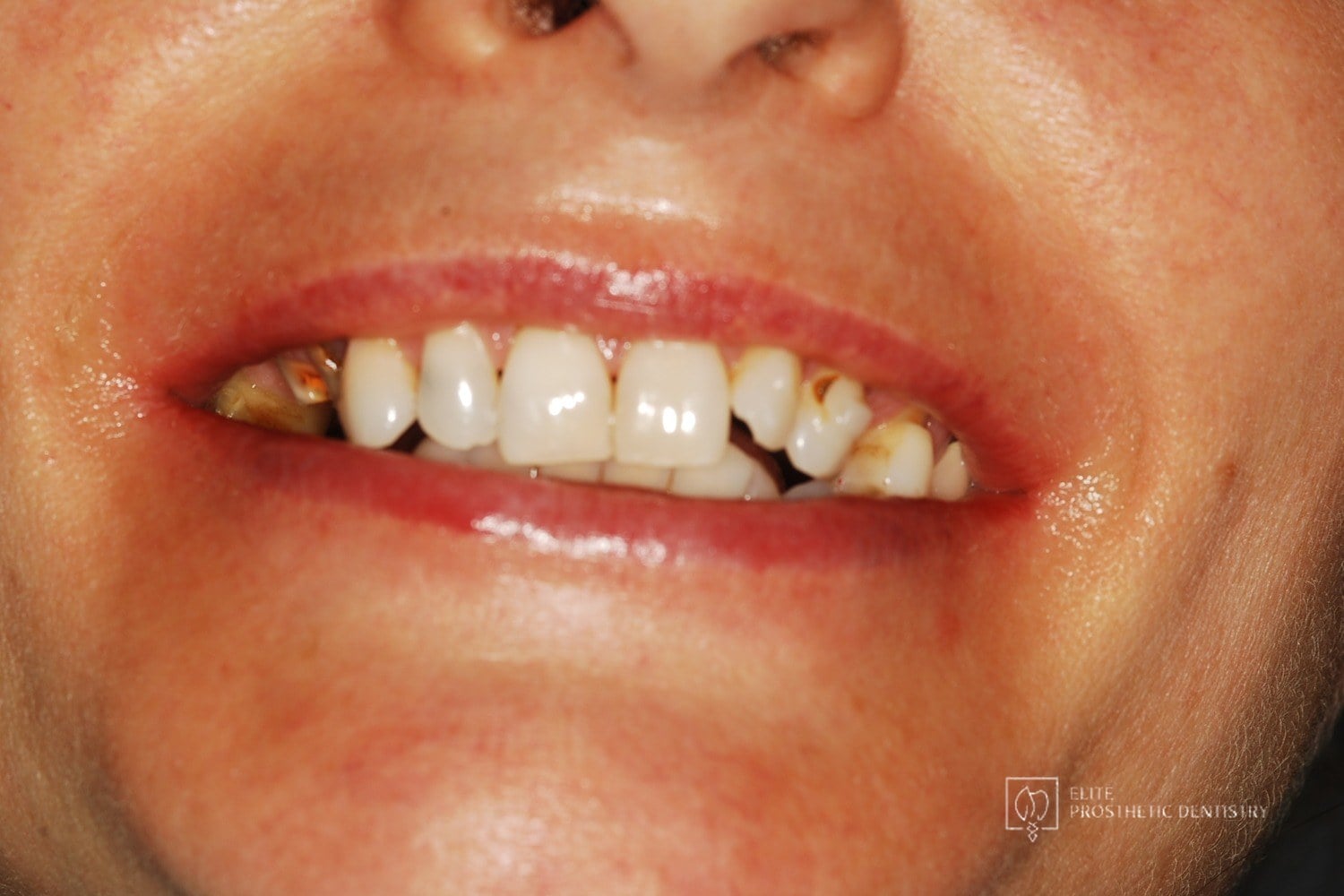 Before
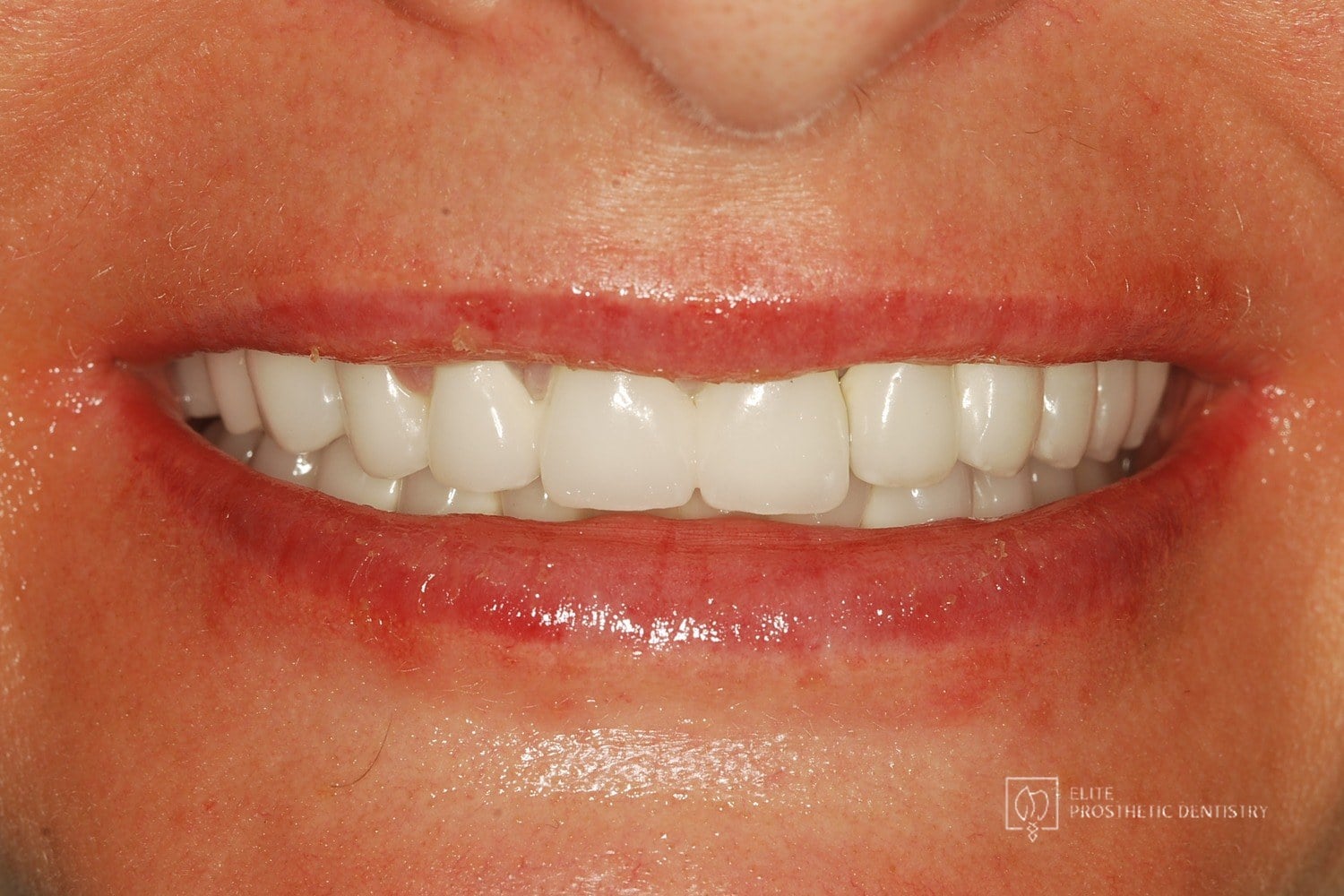 After
How Aging, Failing Dentistry Was Replaced with a Coordinated Full-Mouth Implant and Crown Reconstruction
The patient presented with throbbing upper-molar pain, long-standing infections, multiple root canals and unfinished prior treatment, generalized sensitivity, and several hopeless teeth.
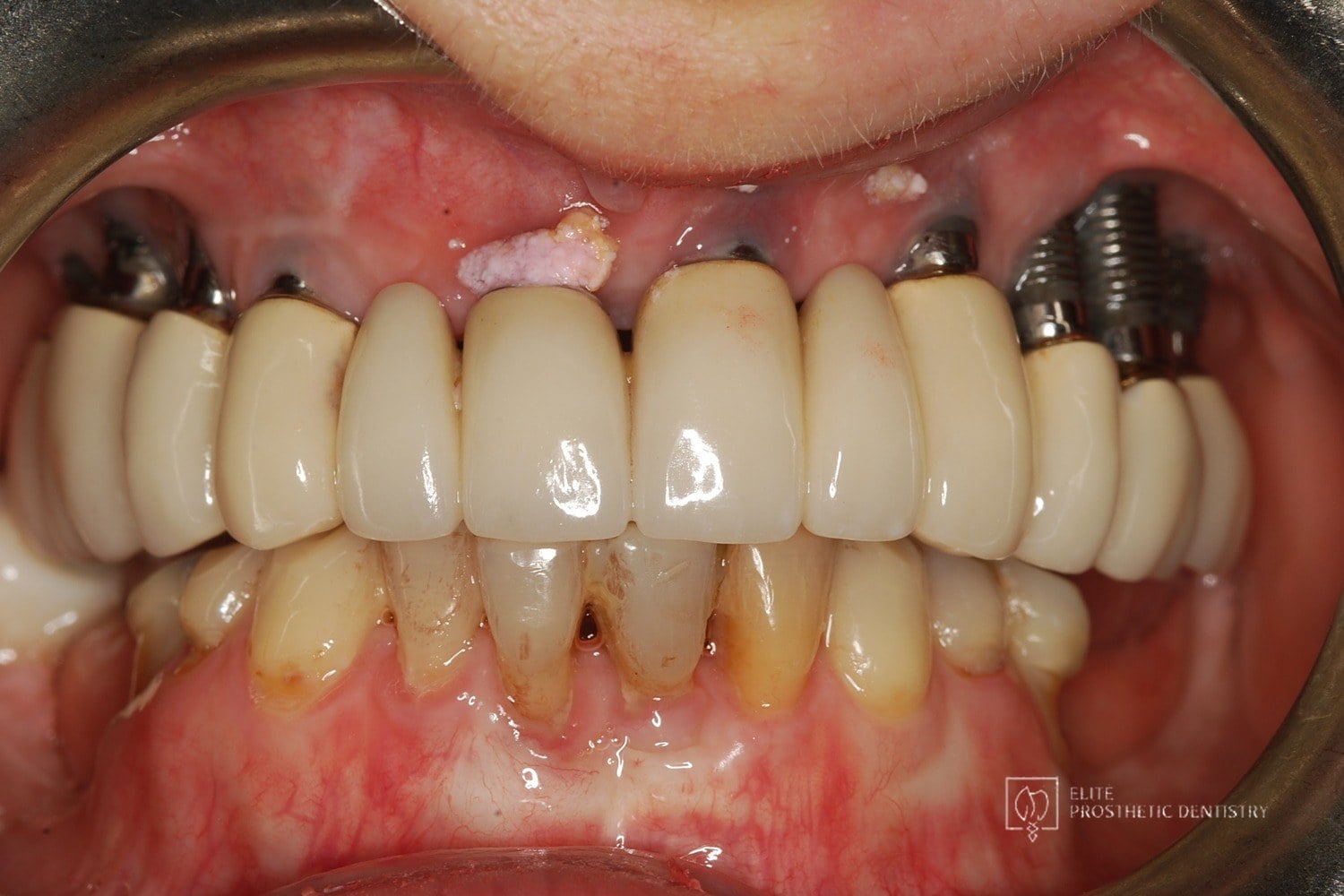 Before
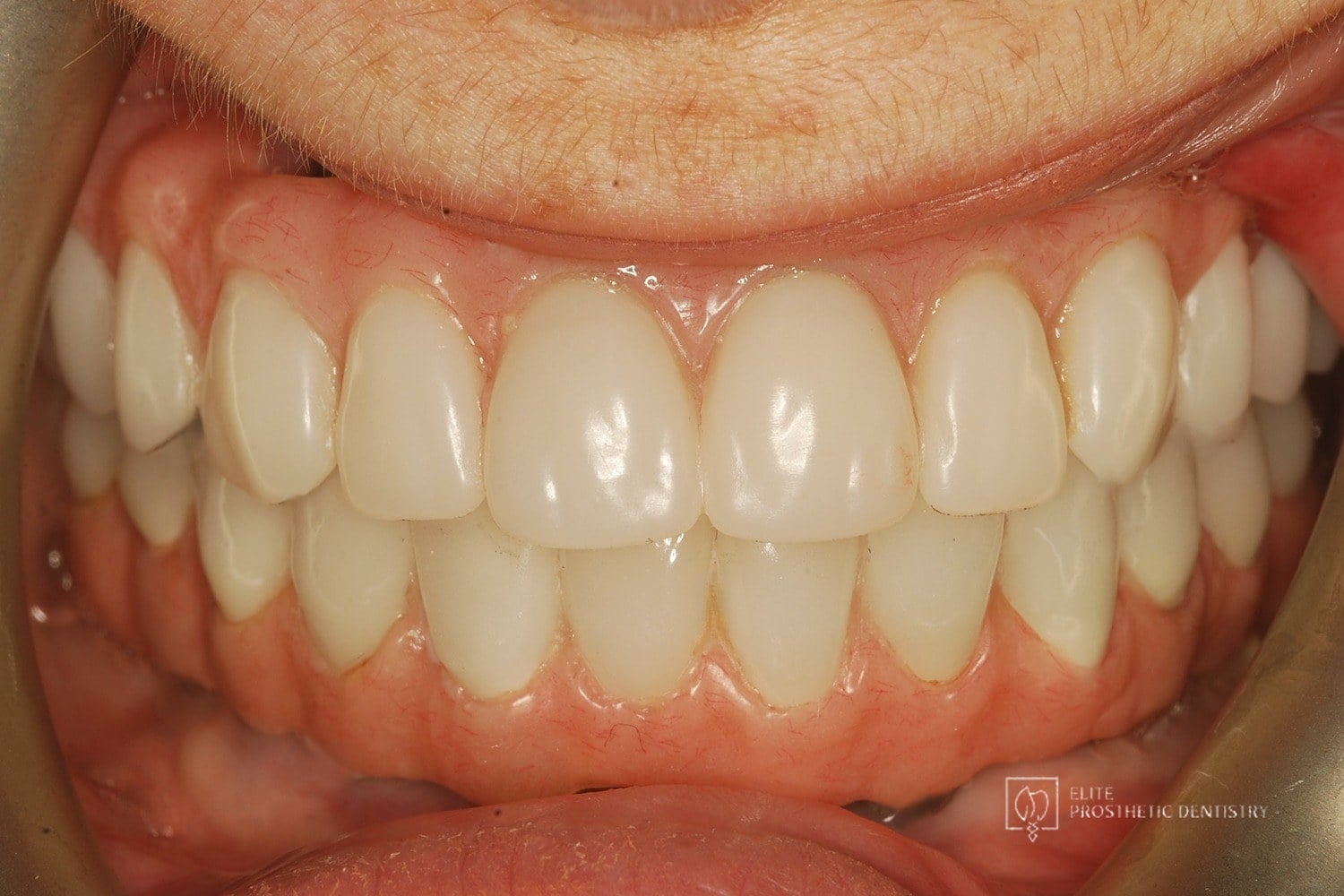 After
How Failing Implants and Severe Bone Loss Were Rebuilt Into a Stable Full-Arch Implant Reconstruction
The patient presented with significant complications from previously placed implants, severe bone loss, failing posterior implants, and an unesthetic full-arch bridge. Both arches required full reconstruction, with the upper arch showing the most advanced bone loss and instability.
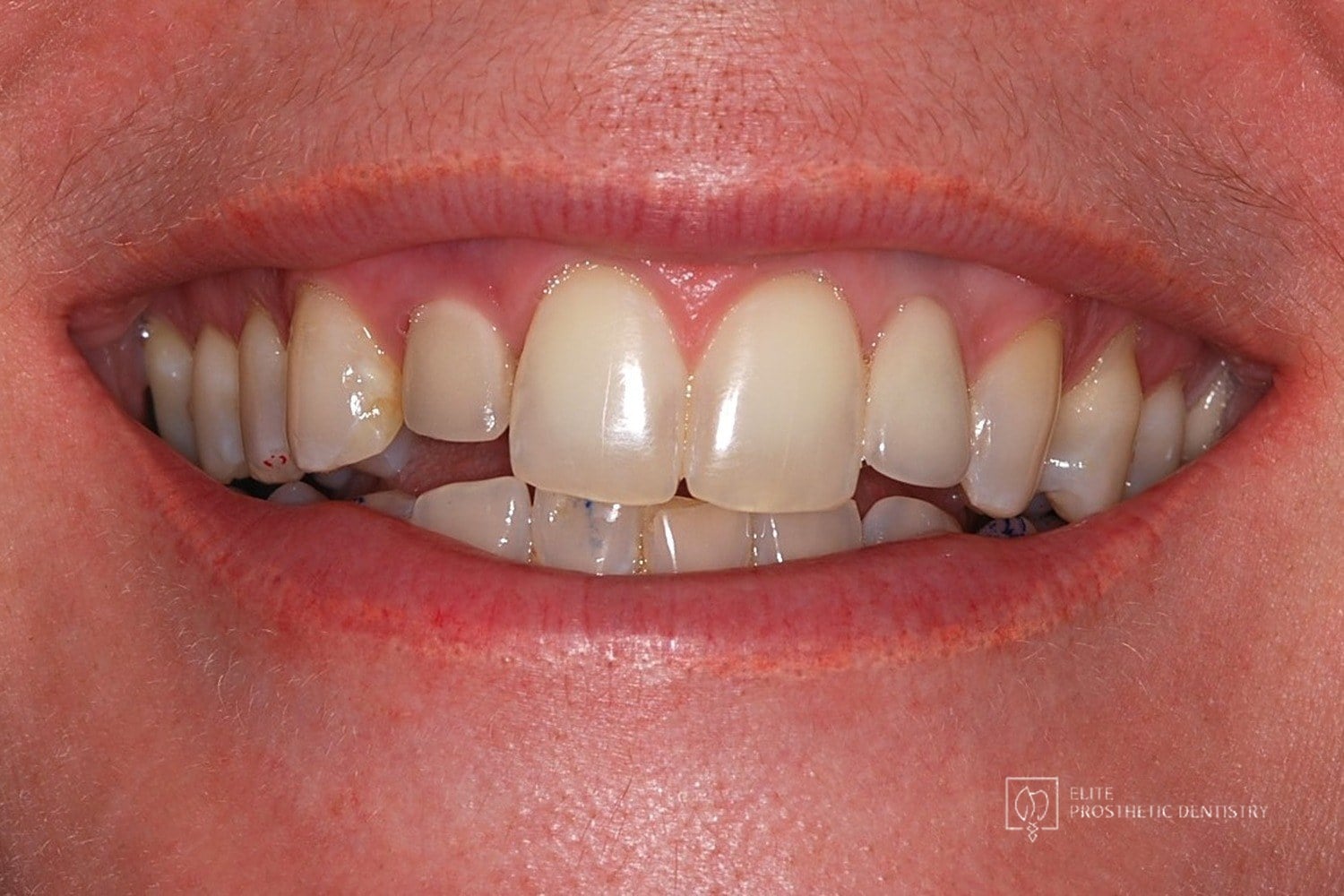 Before
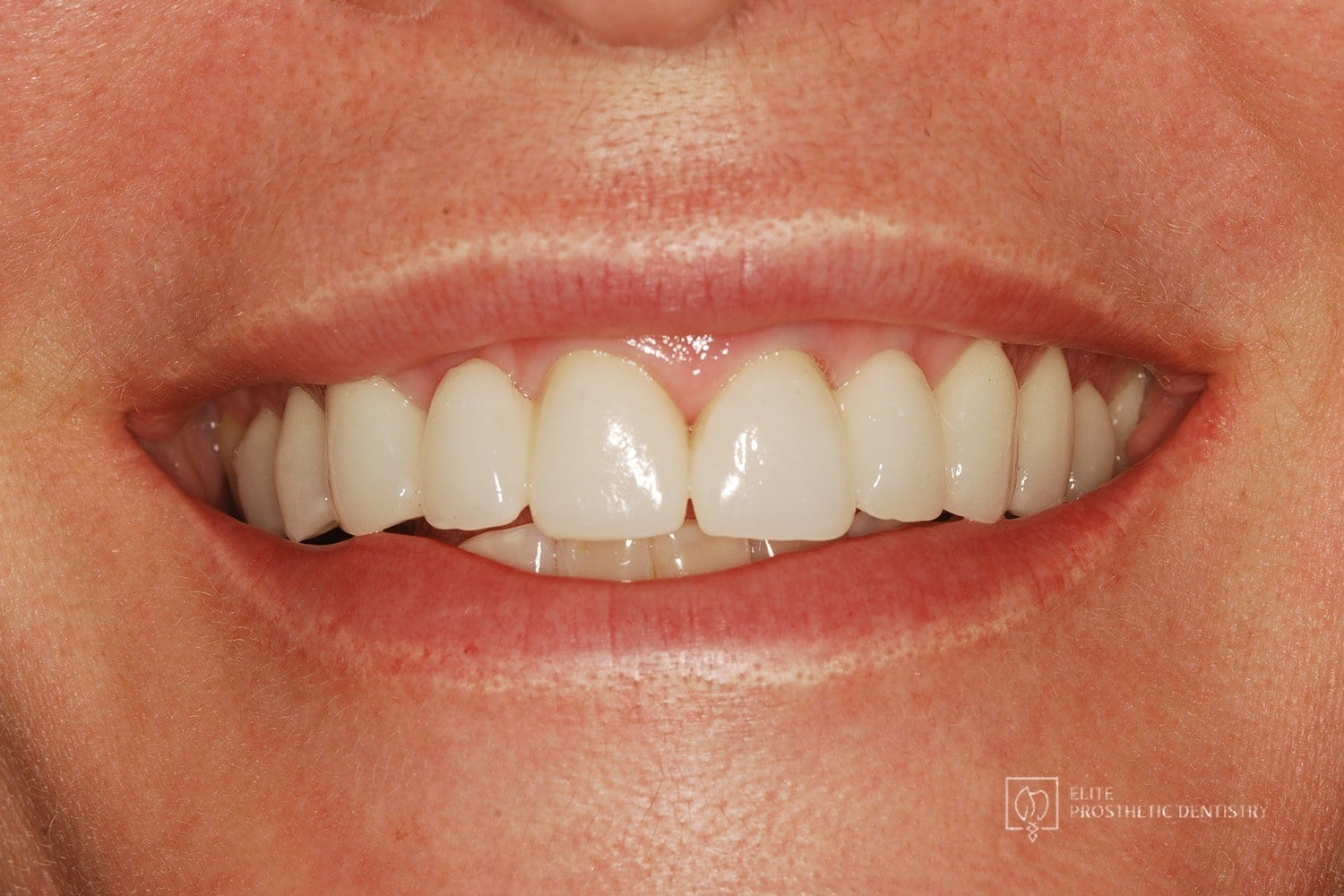 After
How Failing Lateral Incisor Implants Were Replaced with Custom Zirconia Bridges After Severe Bone Loss Made Replacement Implants Impossible
Comprehensive examination including CBCT imaging revealed significant bone loss surrounding implants that were placed outside the buccal plate, most likely due to placement without a CBCT-generated surgical guide. The implants were determined non-salvageable, and the alveolar ridge was too narrow to support replacement implants without extensive reconstruction.
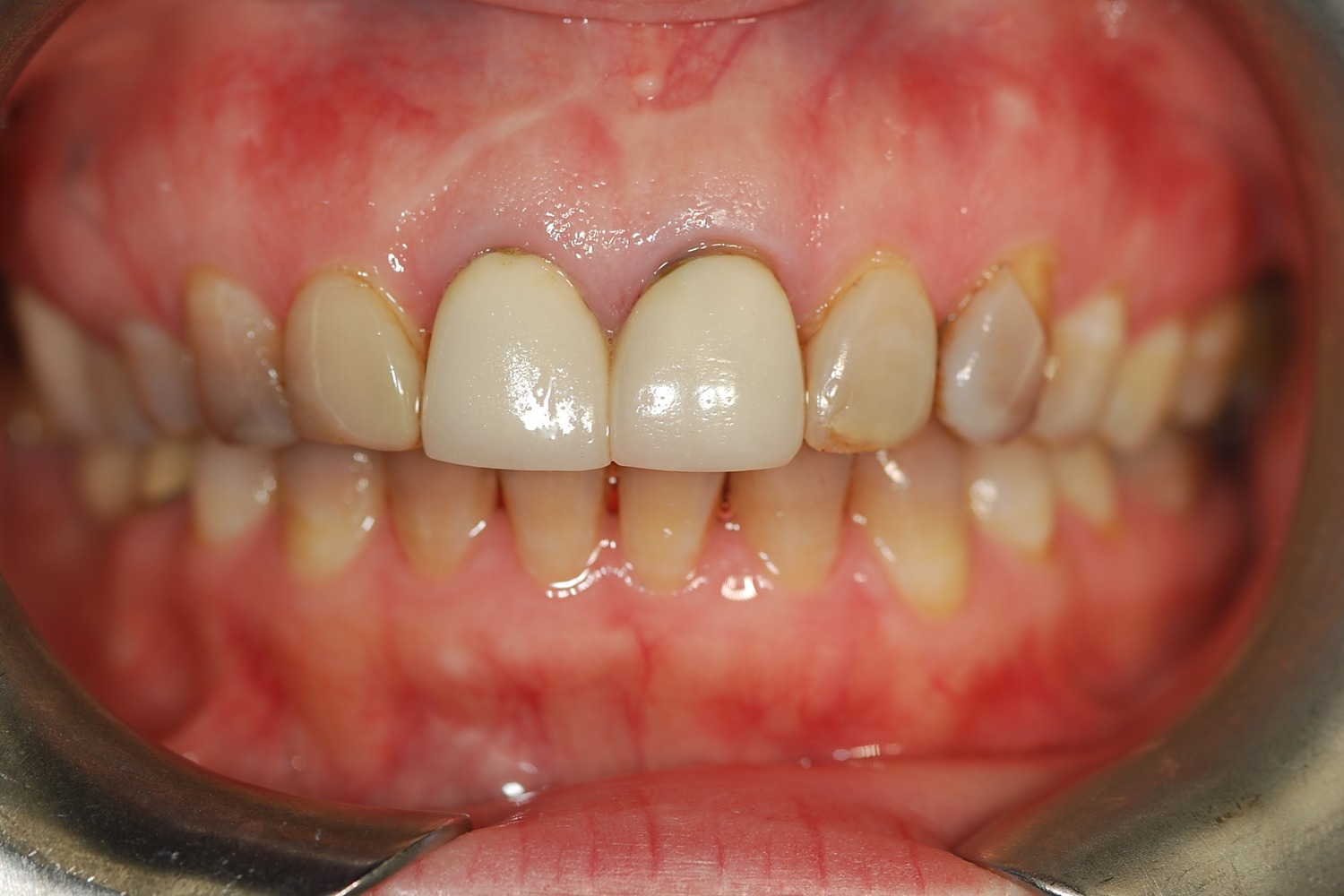 Before
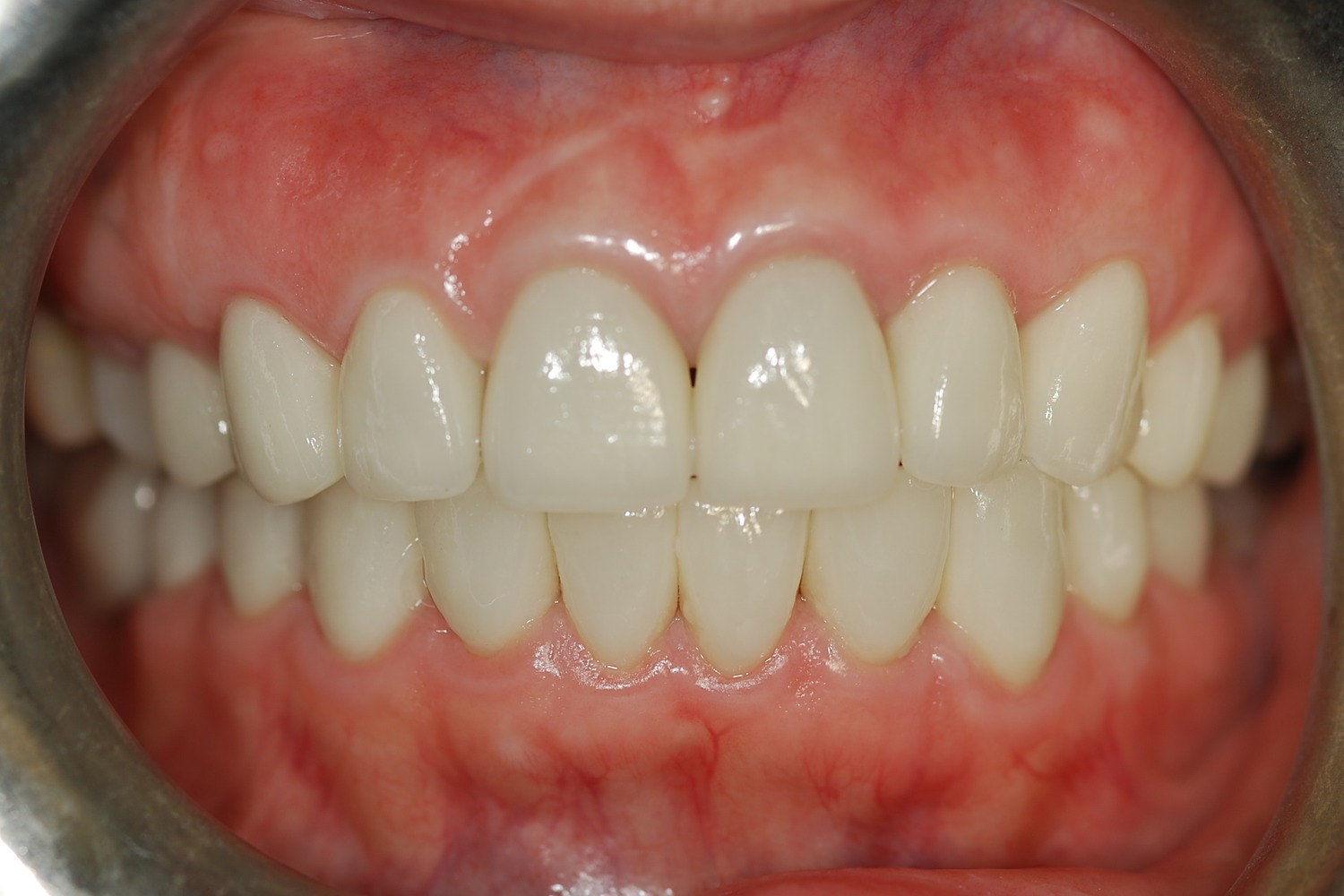 After
How Aging, Opaque Restorations Were Replaced with Customized Ceramic Restorations Designed for Long-Term Natural Esthetics
The existing restorations appeared opaque, worn, and unnatural over time, affecting both confidence and overall smile harmony.
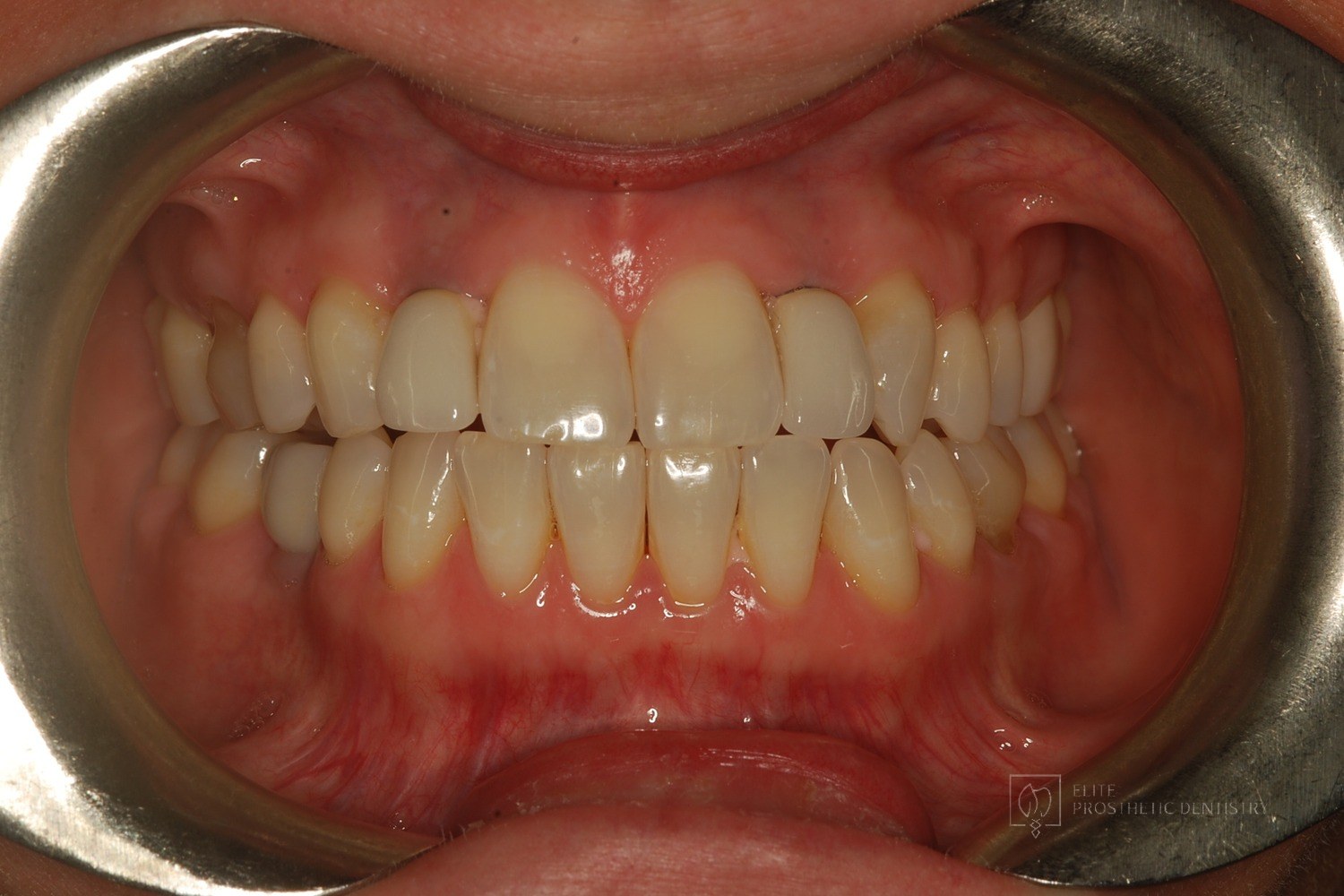 Before
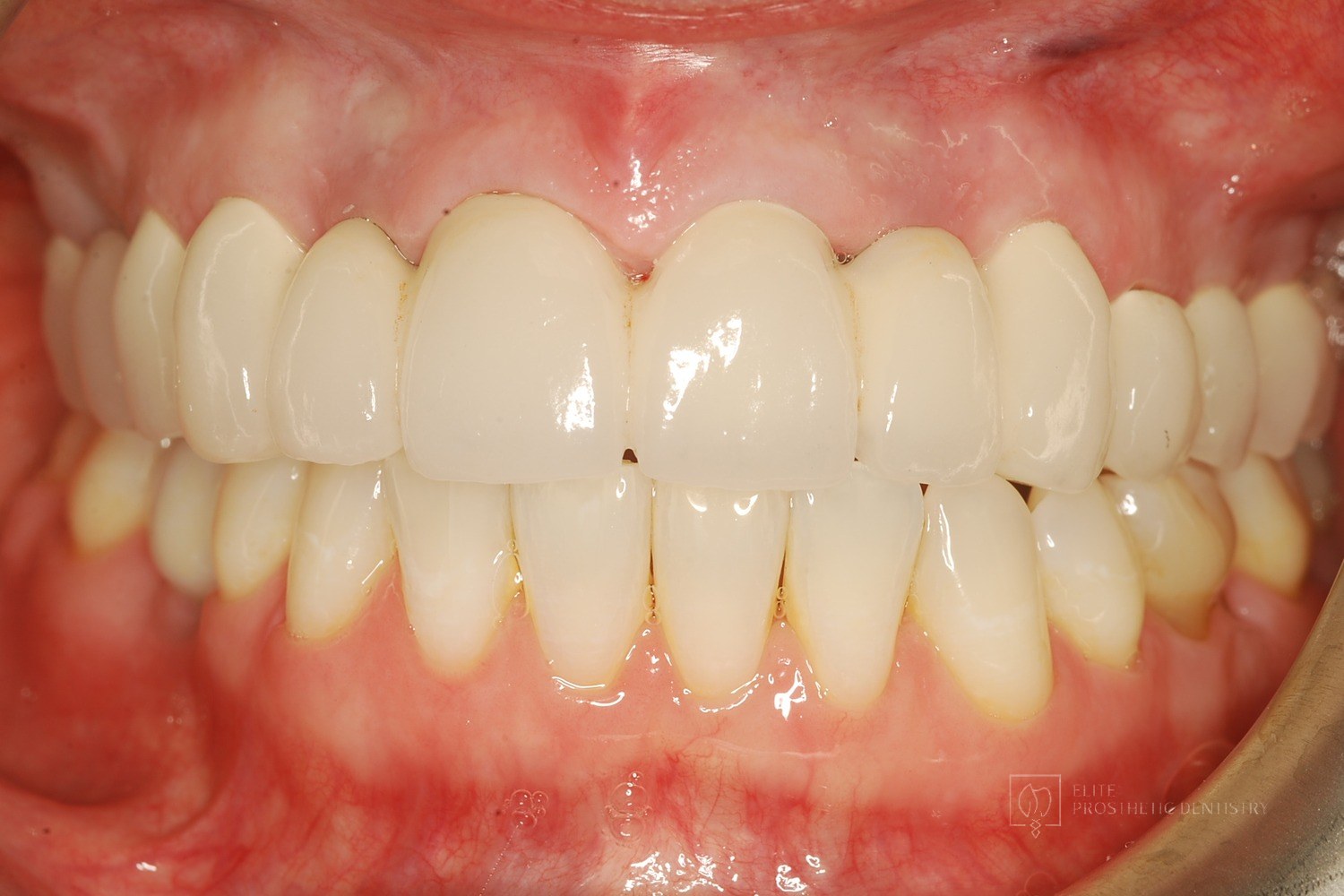 After
How Older Implant Crowns Were Redesigned for a Better Bite and More Natural Appearance
The patient came in after years of living with implant-supported crowns placed more than twenty years earlier that no longer looked or functioned well. CBCT evaluation, reviewed with a radiologist colleague, showed the implants had been placed too far to the buccal in very thin bone and could not support a healthy long-term restoration.
 Before
 After
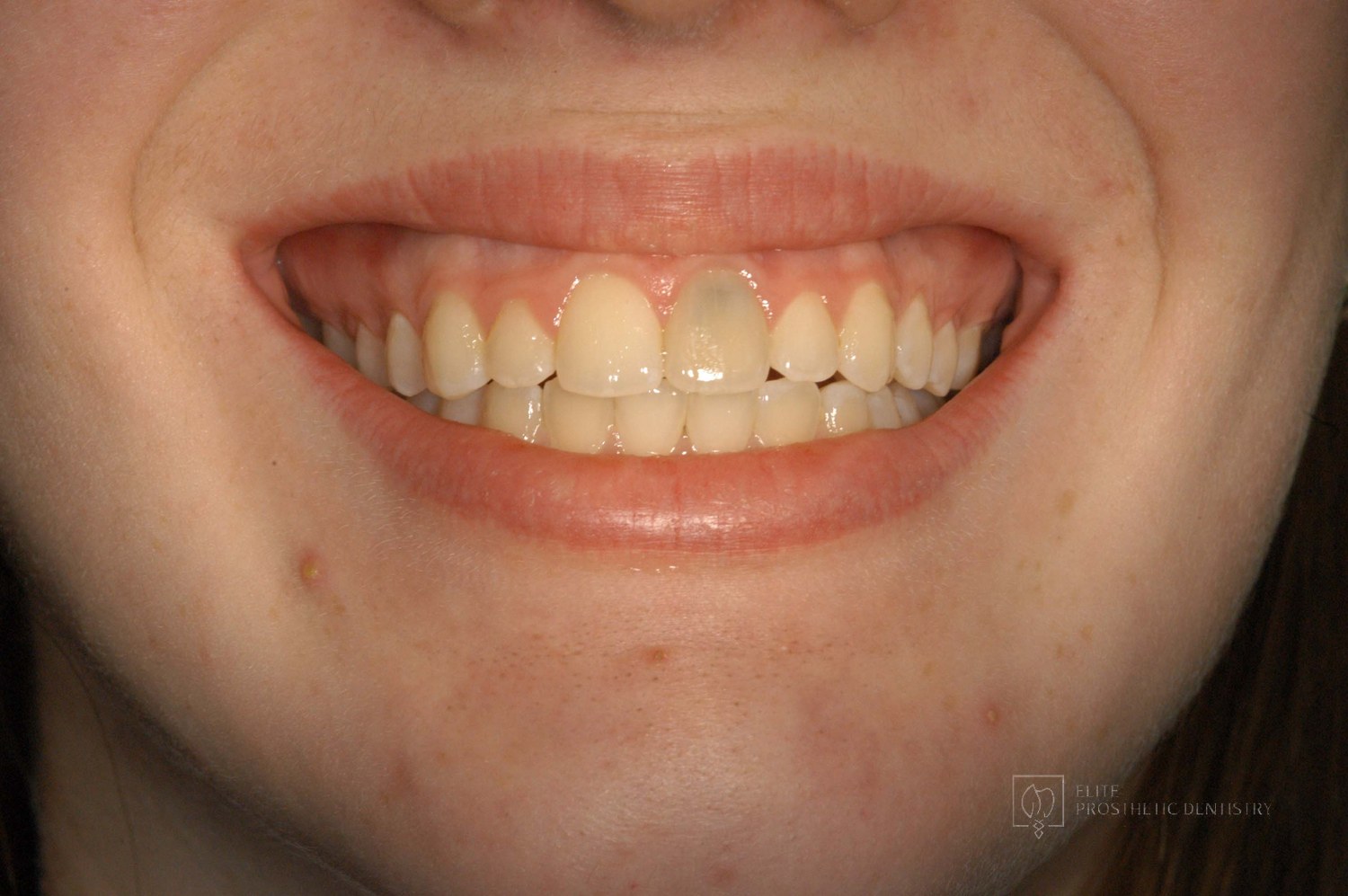
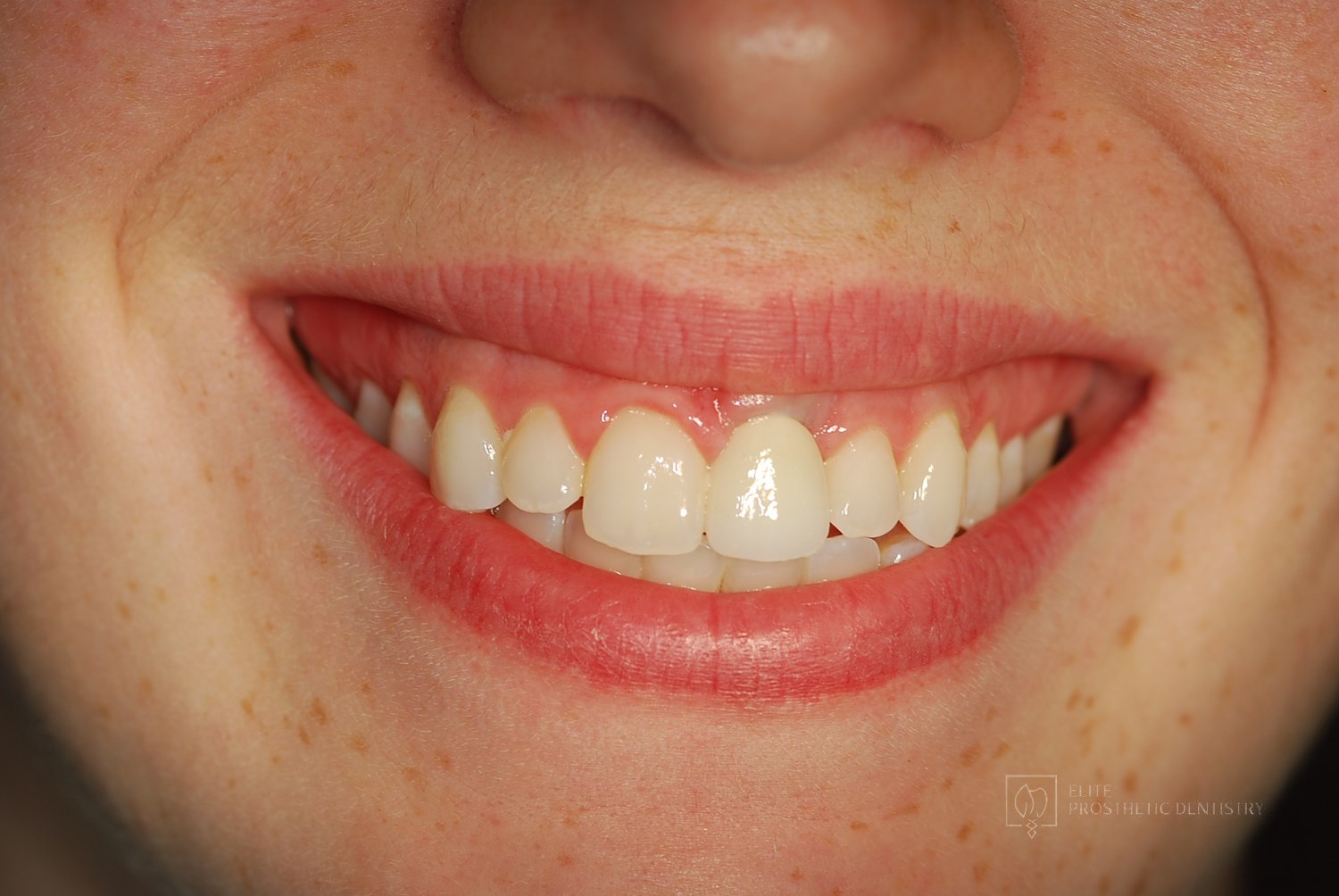
How a Front Tooth Lost to Childhood Trauma Was Rebuilt with Bone Grafting and a Long-Lasting Implant
A teenager was referred by her father after earlier trauma left her upper left front tooth slowly failing from root resorption. She was still growing, so an immediate implant was the wrong move. The tooth had to be maintained to buy time, then replaced correctly once she reached skeletal maturity.
Related Services
Related Articles
Deepen your knowledge with additional insights on this topic.
 Dental Implants
If a Single Front Tooth Is Replaced with an Implant, Can It Look Natural?
Yes. See the four steps, with real case photos, that make a single front tooth implant indistinguishable from the natural tooth beside it. Washington, DC.
 Dental Implants
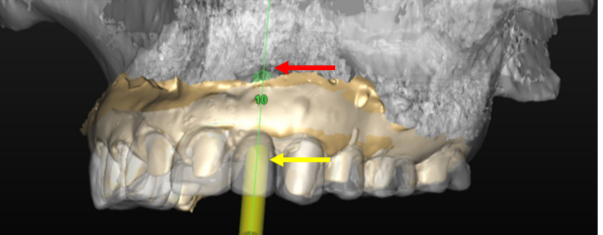
What Is Precision Implant Placement (PIP)?
Precision Implant Placement plans each implant virtually on a CBCT scan, then delivers it with a custom surgical guide. See the three steps with real images.
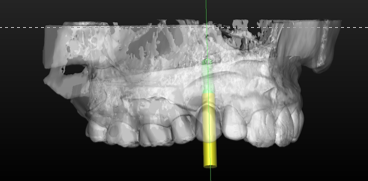 Dental Implants
What Is the Ideal Surgical Guide for Precision Implant Placement?
Not all surgical guides are equal. The gold standard is CBCT-based: planned virtually in 3D, 3D printed, and seated on your teeth. A DC prosthodontist explains.
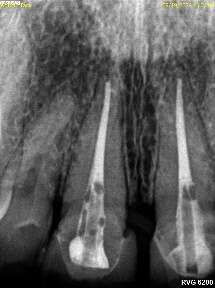 Dental Implants
When Should an Implant Not Be Done?
Healthy roots, thin bone, steep bony angles: a DC prosthodontist shows a real case where refusing implants was the right call, and what was done instead.
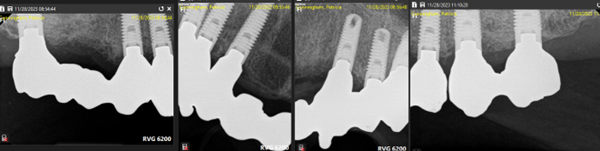 Dental Implants
What Is Staged Implant Therapy?
Staged implant therapy replaces failing teeth in phases while you keep fixed teeth the entire time. A DC prosthodontist walks through a real case in stages.
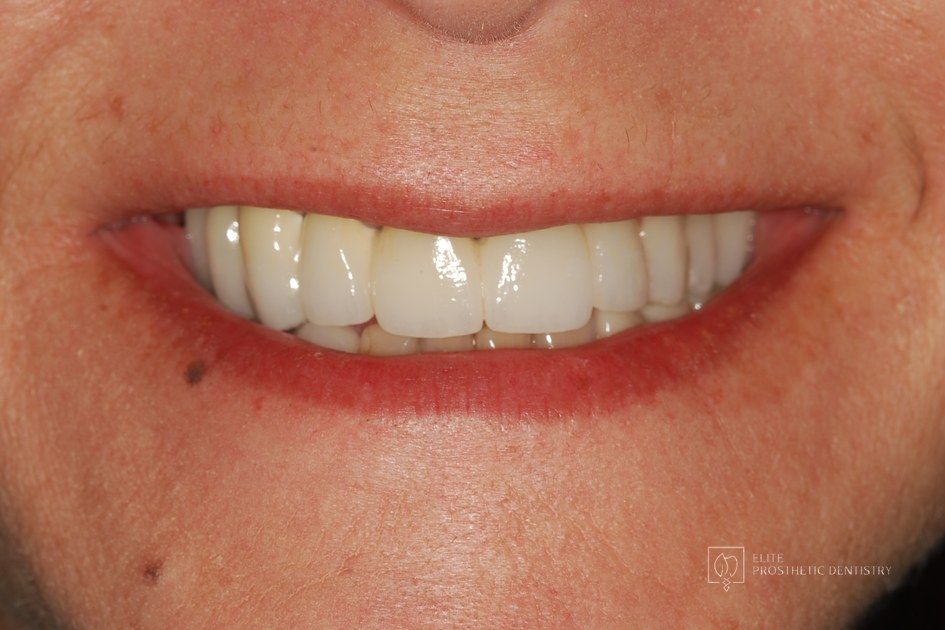 Dental Implants
The Four Types of Dental Implants: Which One Is Right for You?
Endosteal, subperiosteal, zygomatic, and mini implants each solve a different problem. A DC prosthodontist explains the four types and who each one fits.
Ready to Transform Your Smile?
With 40+ years of experience and 3,900+ dental implants placed, Dr. Marlin and the team deliver dentistry planned to last. Request a specialist consultation.