
From Failing Teeth to Fixed Restoration: The Great Falls Timeline
Great Falls VA patients trust Dr. Gerald Marlin for full mouth dental implants. All-on-4, full arch restoration by a prosthodontist.
Your Great Falls to Restoration Journey: A Timeline You Control
When you’ve reached the point where Great Falls dental care can’t reliably restore your failing teeth, full-mouth implant restoration becomes worth serious consideration. The journey from failing dentition to fixed restoration spanning your entire arch takes 4-9 months and involves strategic appointments clustered in key phases. Understanding what’s actually involved helps you plan your treatment schedule effectively.
Phase One: The Consultation and Planning Period
Your journey begins when you schedule your first consultation at Elite Prosthetic Dentistry. The 25-minute drive from Great Falls via Georgetown Pike and Chain Bridge becomes familiar as you travel for this initial assessment. You’ll arrive at our Friendship Heights office at the DC-Maryland border, where parking is on-site and easily accessible.
During your consultation, Dr. Marlin and his team conduct comprehensive evaluation of your failing or missing teeth, assess your bone structure through advanced imaging, review your medical history thoroughly, and discuss your goals and timeline preferences. This appointment establishes the exact surgical and prosthetic plan customized to your anatomy and preferences.
If bone grafting will be necessary before implant placement, this planning phase confirms bone reconstruction needs. If your bone volume is adequate for immediate implant placement, your surgical timeline moves forward directly.
Most Great Falls patients complete their initial consultation in a single morning or afternoon appointment, returning home with clear understanding of their treatment plan and realistic timeline. You’ll know the specific date for your surgical appointment, allowing you to plan time off work and arrange logistics.
Phase Two: Tooth Extraction and Bone Assessment (If Necessary)
If your remaining natural teeth require extraction, this may occur as a separate appointment 2-4 weeks before implant placement, allowing initial healing. Dr. Marlin may combine extractions with bone grafting, reconstructing bone volume in areas of significant resorption. If bone grafting precedes implant placement, you’ll allow 4-6 months for the graft to integrate before surgery.
Alternatively, if your bone volume is adequate and extractions will be straightforward, Dr. Marlin may perform extractions and implant placement on the same surgical day, reducing your overall timeline.
The extraction phase (if separate) typically requires a single appointment, with recovery over the following week. You can resume normal Great Falls activities immediately, following post-operative care instructions.
Phase Three: Implant Placement Surgery
This is your major surgical appointment, and it requires careful planning. You’ll schedule this for a day when you can devote your entire schedule. Plan to arrive at our office early, fasting per pre-operative instructions. Your anesthesia team will prepare you with IV sedation or general anesthesia, and Dr. Marlin will place your implants with meticulous surgical technique.
The surgical appointment itself takes 2-3 hours. You’ll be completely comfortable, sedated throughout. The surgical team performs all necessary bone preparation, implant placement, and site closure. For many Great Falls patients, this single appointment is the most significant event in their entire restoration journey.
Once surgery is complete, you’ll recover in our office for 1-2 hours as sedation wears off. Your driving companion (who must drive you since you cannot drive after sedation) will remain at our office. You’ll receive post-operative instructions, prescribed medications, and detailed care guidance.
Many Great Falls patients receive temporary teeth placement on the same day as surgery, meaning you leave our office with teeth and appearance intact. If staged protocol applies to your case, you’ll leave with removable temporary dentures, though fixed temporary teeth are increasingly common.
The drive back to Great Falls from our office takes approximately 30-40 minutes depending on traffic, arriving home in late afternoon. Plan for rest that evening. Expect mild to moderate swelling and discomfort over the first 5-7 days, manageable with prescribed medications.
Phase Four: Early Osseointegration (Weeks One Through Six)
Your first two weeks home from surgery are critical. You’ll follow soft diet restrictions, take prescribed antibiotics to prevent infection, and follow excellent oral hygiene protocols around your temporary teeth. Most Great Falls patients work from home during the first week or take a full week off work. The mild discomfort and temporary activity limitations settle rapidly.
Your first post-operative follow-up appointment typically occurs 1 week after surgery. This appointment allows Dr. Marlin’s team to assess your healing, check your sutures, and ensure everything is progressing normally. This appointment usually requires only 30-45 minutes. Some Great Falls patients combine this appointment with their initial surgery trip, scheduling a second visit a week later. Others prefer returning home after surgery and scheduling the one-week follow-up as a separate trip.
Subsequent early follow-up appointments occur at 3 weeks and 6 weeks post-surgery. These appointments typically require less than an hour. Dr. Marlin assesses bone healing and adjusts your temporary restoration if necessary. For most Great Falls patients, these appointments are brief check-ins rather than involved procedures.
During this phase, you’re healing but your life continues relatively normally. Your temporary teeth function well enough for work, social activities, and normal routines. You maintain soft diet restrictions to protect healing implants, but otherwise your lifestyle is minimally disrupted.
Phase Five: Advanced Osseointegration (Weeks Six Through Sixteen)
As healing progresses beyond six weeks, your follow-up appointments extend to 4-6 week intervals. Your implants are integrating with bone, though the process remains incomplete. You can gradually introduce slightly firmer foods as comfortable, though you’ll avoid the hardest foods until implants fully osseointegrate.
These later appointments typically require 30-45 minutes. Dr. Marlin assesses healing progress and may perform radiographic imaging to confirm osseointegration trajectory. For most appointments, Great Falls patients travel to our office and return home the same day.
By week 12-16, your implants are usually clinically stable and radiographically showing excellent bone integration. Many patients report feeling confident in their temporary restorations by this phase, as healing is visibly complete and implants feel solid.
Phase Six: Final Restoration Fabrication and Delivery
Once osseointegration is confirmed (typically at 3-4 months), Dr. Marlin fabricates your final restoration. Our on-site laboratory team begins designing and milling your permanent teeth using advanced materials. This phase typically requires 2-4 weeks for fabrication and fit verification.
Your final restoration appointments cluster toward the end of treatment. Your first final appointment typically involves testing your provisional restoration, confirming bite relationships, and verifying esthetic appearance. Dr. Marlin makes adjustments as needed. Subsequent appointments finalize color matching, minor occlusal adjustments, and ultimately permanent delivery.
Most Great Falls patients require 2-3 final restoration appointments spread across 3-4 weeks. These appointments may be scheduled close together (sometimes even the same day for complex adjustments), allowing you to minimize travel. Some patients combine multiple appointments into a single Great Falls-to-Friendship Heights trip, returning home midday or early evening.
Phase Seven: Delivery and Beyond
Your final appointment involves permanent cementation or screwing of your complete restoration. You’ll leave our office with your permanent teeth, ready for normal function. This moment often represents significant emotional milestone for patients who’ve invested months in restoration.
Your first follow-up after delivery occurs 1 week later. This brief appointment allows Dr. Marlin to confirm everything feels optimal and make any final minor adjustments. Subsequent check-ups occur at 1 month, 3 months, and 6 months post-delivery, then annually.
These post-delivery appointments typically require only 30-45 minutes. Most Great Falls patients schedule them during annual check-ups, spacing them strategically with their regular schedules.
Travel Logistics from Great Falls
The 25-minute drive from Great Falls to our Friendship Heights office becomes routine during treatment. Plan to arrive 15 minutes early for your first appointment, allowing time to navigate to our office. On-site parking is immediately available. The Friendship Heights Red Line Metro station is 2 blocks away if you prefer public transit.
During rush hours (7-9 AM weekdays, 4-7 PM weekdays), allow 35-45 minutes for the drive from Great Falls. During off-peak times, 25 minutes is realistic. Plan your Great Falls schedule accordingly.
Many Great Falls patients appreciate the drive because it creates clear delineation between home/work life and dental treatment. The 25-minute commute serves as mental transition time, and the scenic route through Georgetown Pike offers pleasant driving. Rather than viewing the drive as burden, many patients incorporate it into their treatment schedule as predictable, manageable commitment.
Timeline Summary for Great Falls Patients
From initial consultation to final restoration typically spans 4-9 months depending on whether bone grafting is needed. If bone grafting precedes surgery, add 4-6 months before your implant surgery. The overall timeline becomes flexible based on your specific anatomy and healing response.
Appointment clustering means your Great Falls commute isn’t required weekly throughout treatment. Rather, you’ll plan strategic trips: initial consultation, surgical day, post-operative follow-ups, and final restoration delivery. Between visits, healing progresses independently, requiring no additional appointments.
Most Great Falls patients complete treatment making perhaps 8-12 total trips to our Friendship Heights office across their treatment period. Rather than intensive appointment schedule, it’s strategic visits cluster around key treatment phases.
The Outcome: Restored Function Without Geographic Limitation
Once treatment is complete, your full-mouth implant restoration functions normally from your Great Falls home. You’ve invested in permanent restoration requiring no further surgical intervention. Annual check-up appointments are routine professional maintenance rather than active treatment.
The 25-minute commute from Great Falls to our office ultimately becomes small investment for restoration transforming your ability to function, eat, and smile with complete confidence for decades ahead.
Elite Prosthetic Dentistry 4400 Jenifer St NW, Suite 220 Washington, DC 20015 (202) 244-2101
Schedule your initial consultation to begin your personalized journey from Great Falls. Whether driving from Beach Mill Road or anywhere else in Fairfax County, we’ll design treatment timeline matching your work schedule and preferences.
Frequently Asked Questions
Is the 25-minute drive from Great Falls practical for treatment timeline?
Yes. Most treatment occurs in concentrated phases. Your initial consultation requires one appointment. Your extraction (if needed) requires another. Your implant surgery requires one full-day appointment under sedation. Your follow-up appointments during osseointegration are spaced 2-4 weeks apart. Your final restoration appointments cluster in a final 3-4 week phase. Rather than frequent visits, you're planning several strategic trips from Great Falls to Friendship Heights. Many Great Falls patients schedule surgery when they can take a full day off, then subsequent appointments fit into normal schedules.
What should I plan for on implant surgery day?
Plan for a full day commitment. Arrive early, fasting per instructions. Surgery takes 2-3 hours. Recovery takes an additional 1-2 hours in our office. You'll be sedated, so arrange driving. Pack several hours of recovery time before leaving, particularly if you've driven from Great Falls. Expect to be home by early evening. You'll have prescribed pain medication, antibiotics, and specific after-care instructions. The next day, you can resume light activities but should plan for rest over the first week.
How should I plan travel from Great Falls during the 4-6 month healing phase?
Osseointegration progresses without requiring intensive clinic visits. Your follow-up appointments space every 4 weeks initially, then extend to 6-8 week intervals as healing progresses. We coordinate scheduling so multiple appointments can occur in a single visit if possible. For Great Falls patients, this means planning perhaps 2-3 strategic trips across the 4-6 month healing period rather than weekly visits. Some patients schedule appointments while they're already in the DC area for other reasons.
What bridge work is involved crossing from Great Falls to DC?
Georgetown Pike eastbound intersects Chain Bridge Road, which carries you north across the Potomac River via Chain Bridge into DC. Once across the bridge, you'll continue north on Arizona Avenue and Connecticut Avenue toward Friendship Heights. The total drive from Great Falls via this scenic route takes approximately 25 minutes under normal traffic. During rush hour (7-9 AM, 4-7 PM weekdays), allow additional time. Our office has on-site parking, and the Friendship Heights Metro station is nearby if you prefer metro access.
Will temporary teeth affect my daily life during osseointegration?
Most Great Falls patients are surprised how quickly they adapt to temporary restorations. They maintain your appearance and allow near-normal function. You follow a soft diet (avoiding hard foods that might stress healing implants) but can eat most foods comfortably. Your temporary teeth function so well that many patients say they'd be satisfied with them long-term, though your permanent restoration will feel and function even better. Daily activities aren't affected. You can return to work, social activities, and normal routines with temporary teeth in place.
Related Patient Success Stories
Explore similar patient success stories demonstrating our expertise in advanced prosthetic dentistry.
 Before
  After
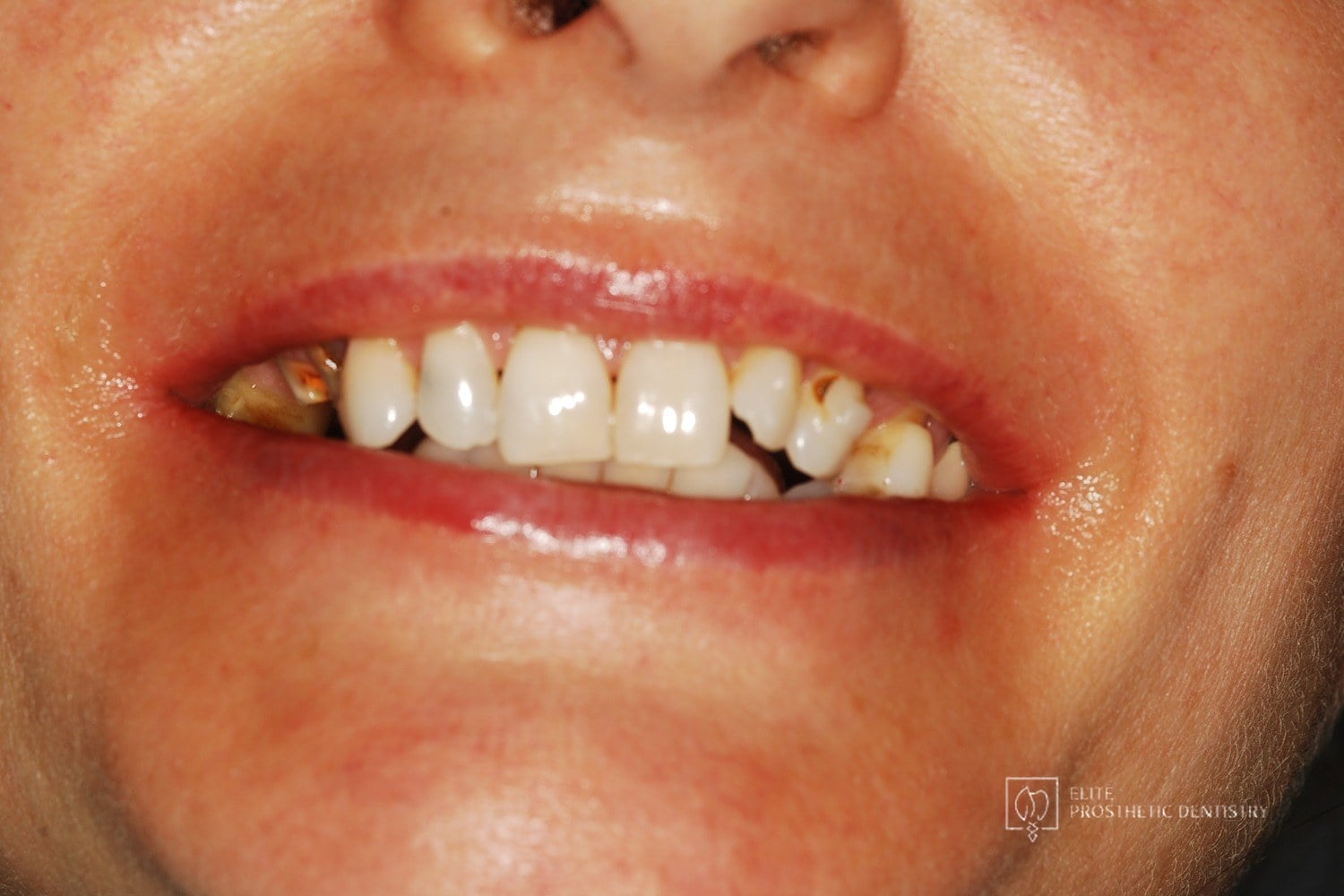
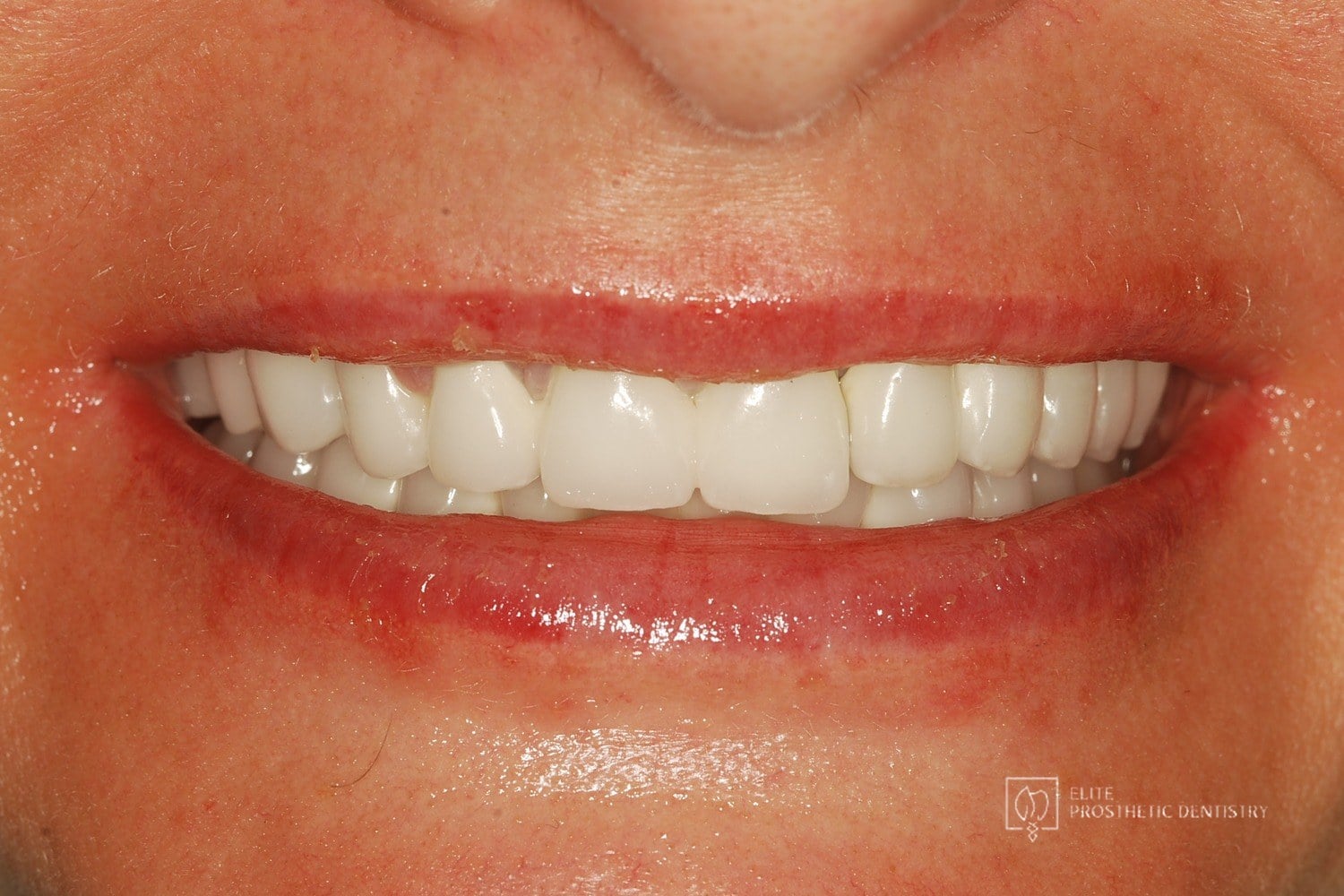
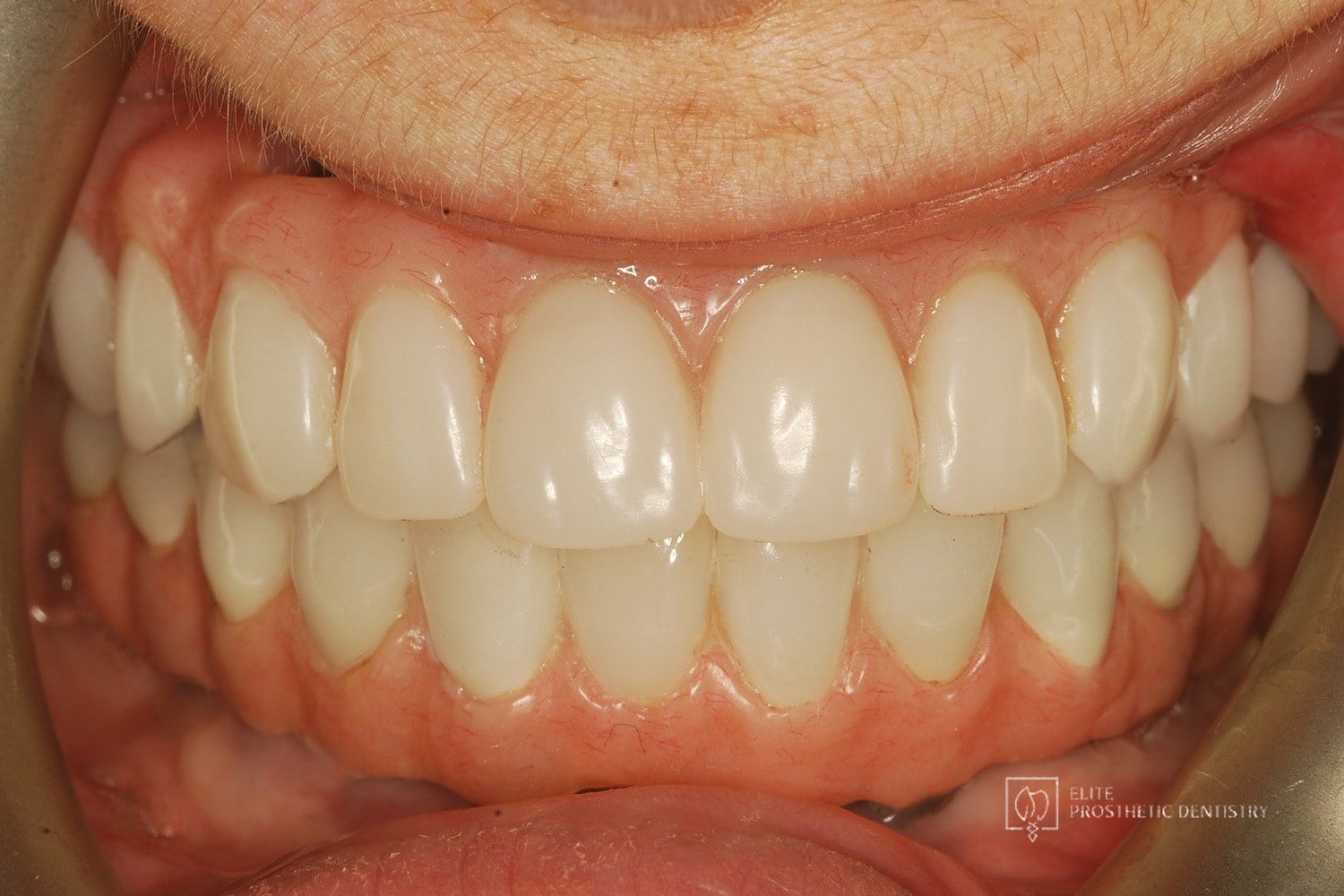
After How Aging, Failing Dentistry Was Replaced with a Coordinated Full-Mouth Implant and Crown Reconstruction
The patient presented with throbbing upper-molar pain, long-standing infections, multiple root canals and unfinished prior treatment, generalized sensitivity, and several hopeless teeth.
 Before
  After
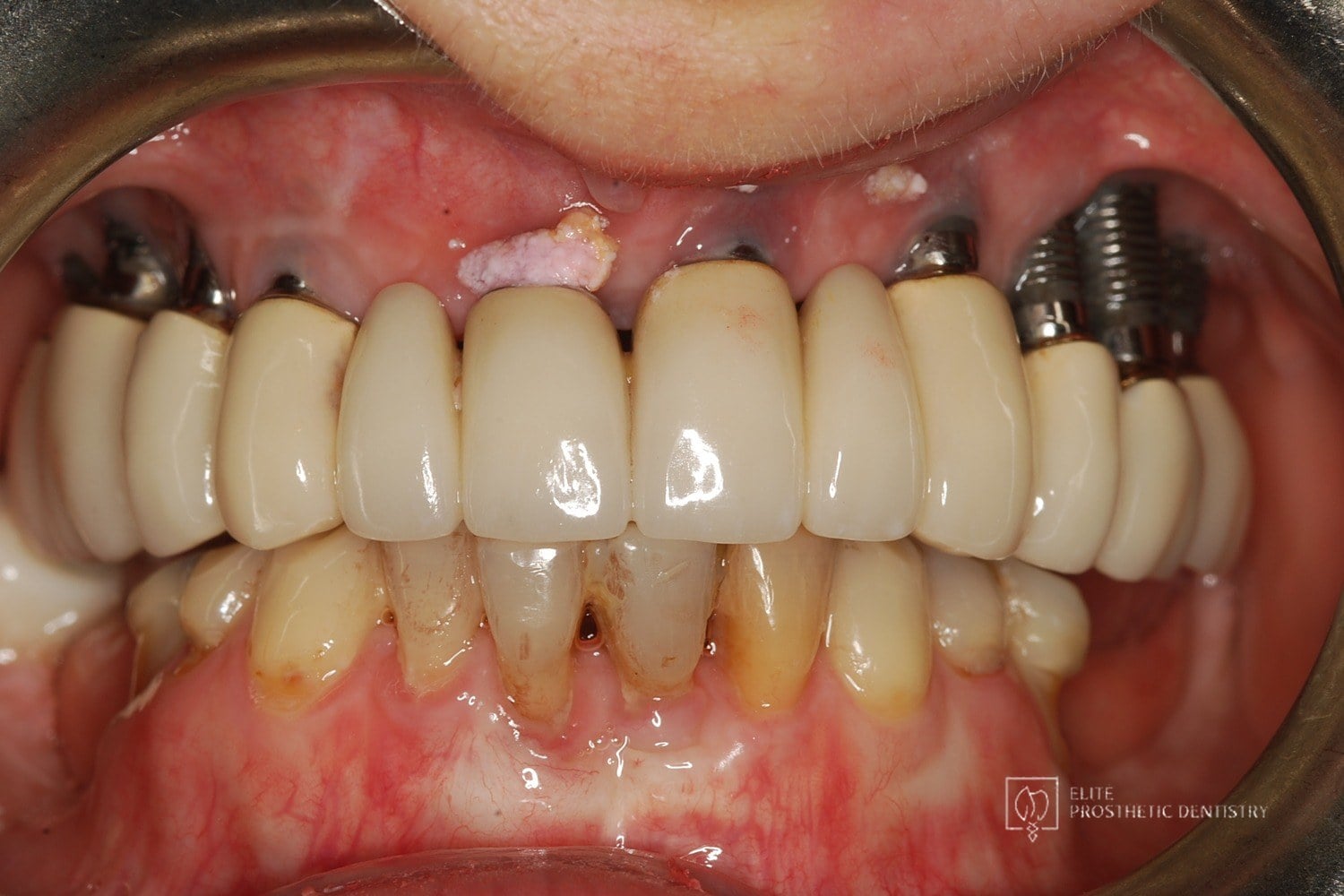
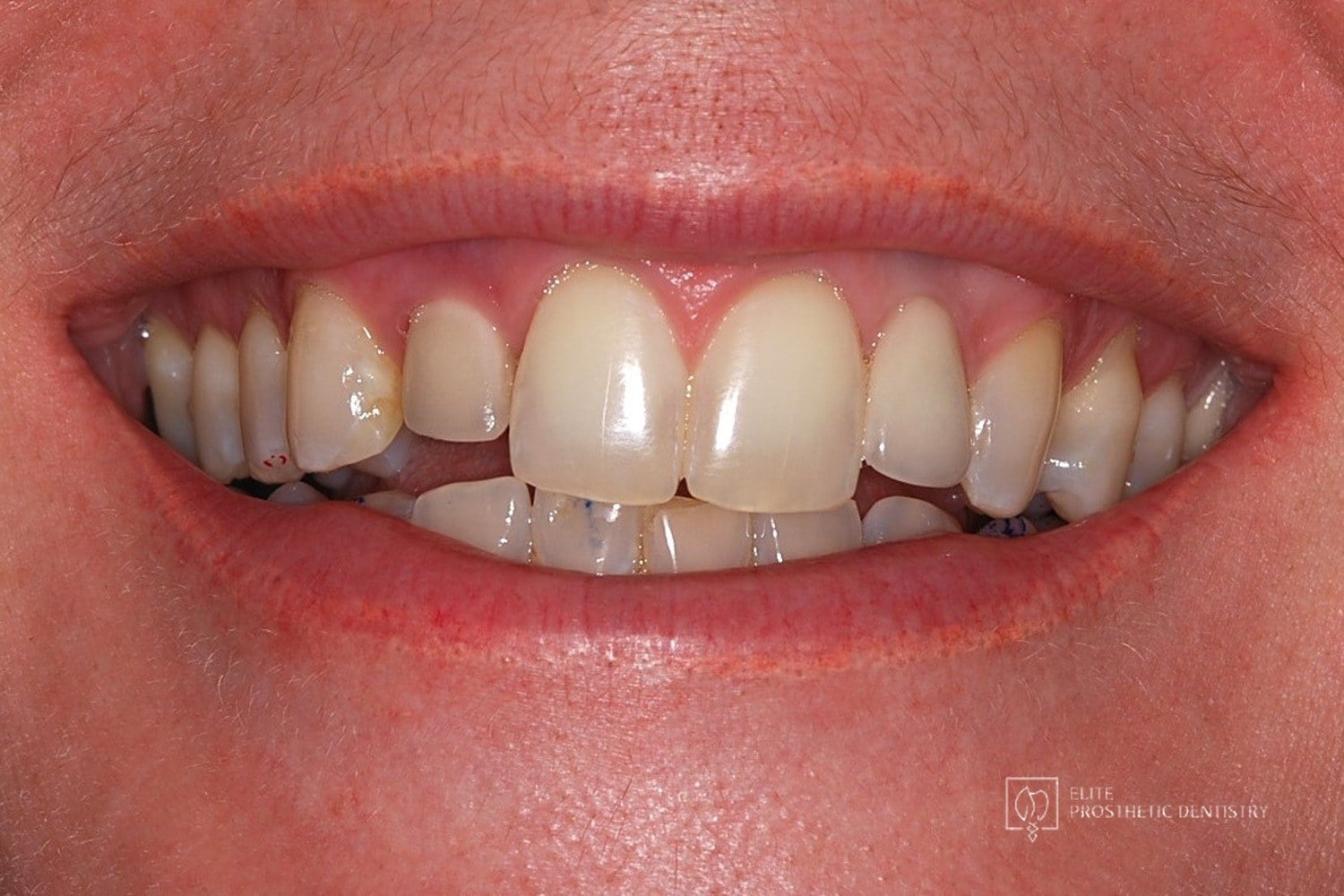
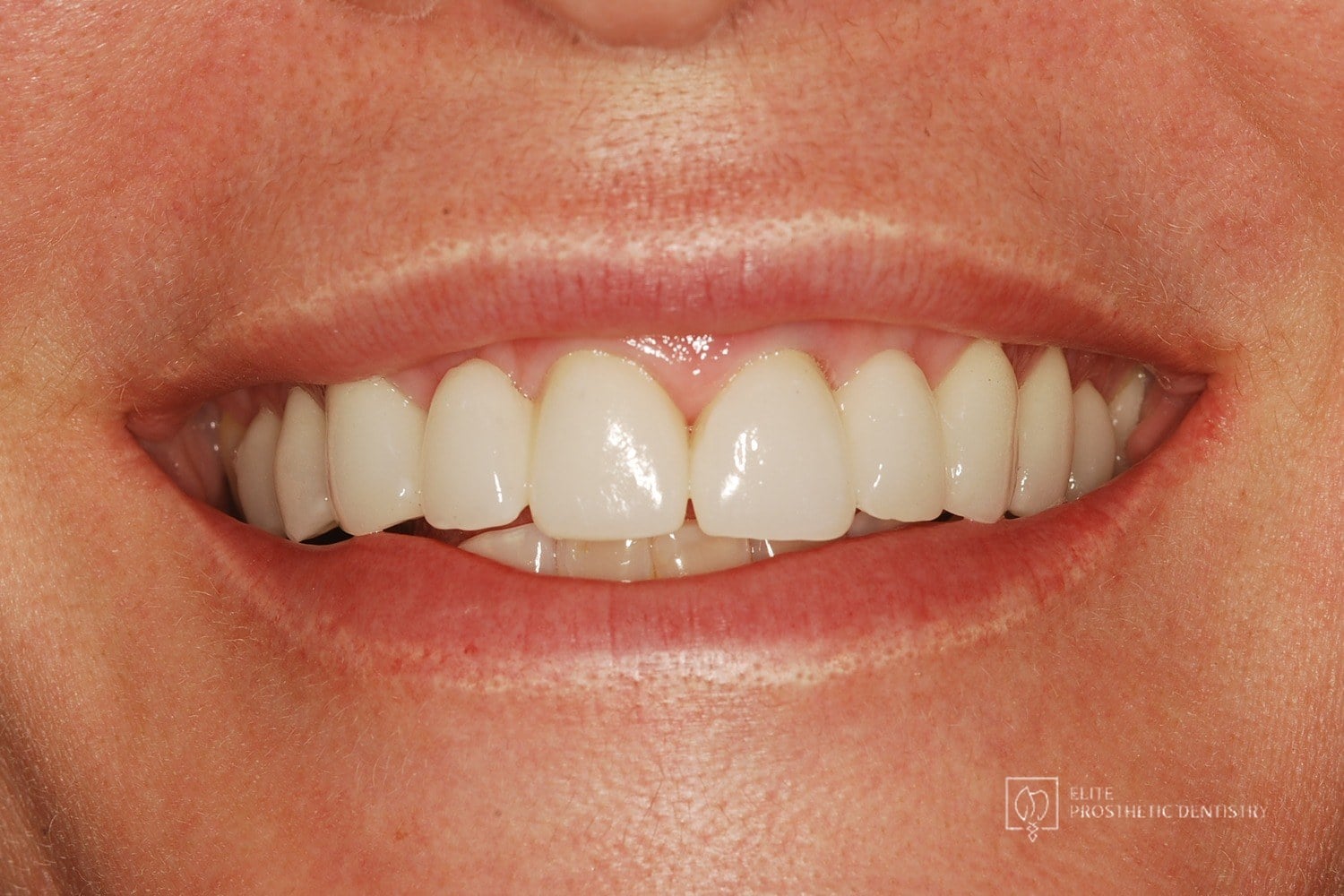
After How Failing Implants and Severe Bone Loss Were Rebuilt Into a Stable Full-Arch Implant Reconstruction
The patient presented with significant complications from previously placed implants, severe bone loss, failing posterior implants, and an unesthetic full-arch bridge. Both arches required full reconstruction, with the upper arch showing the most advanced bone loss and instability.
 Before
  After
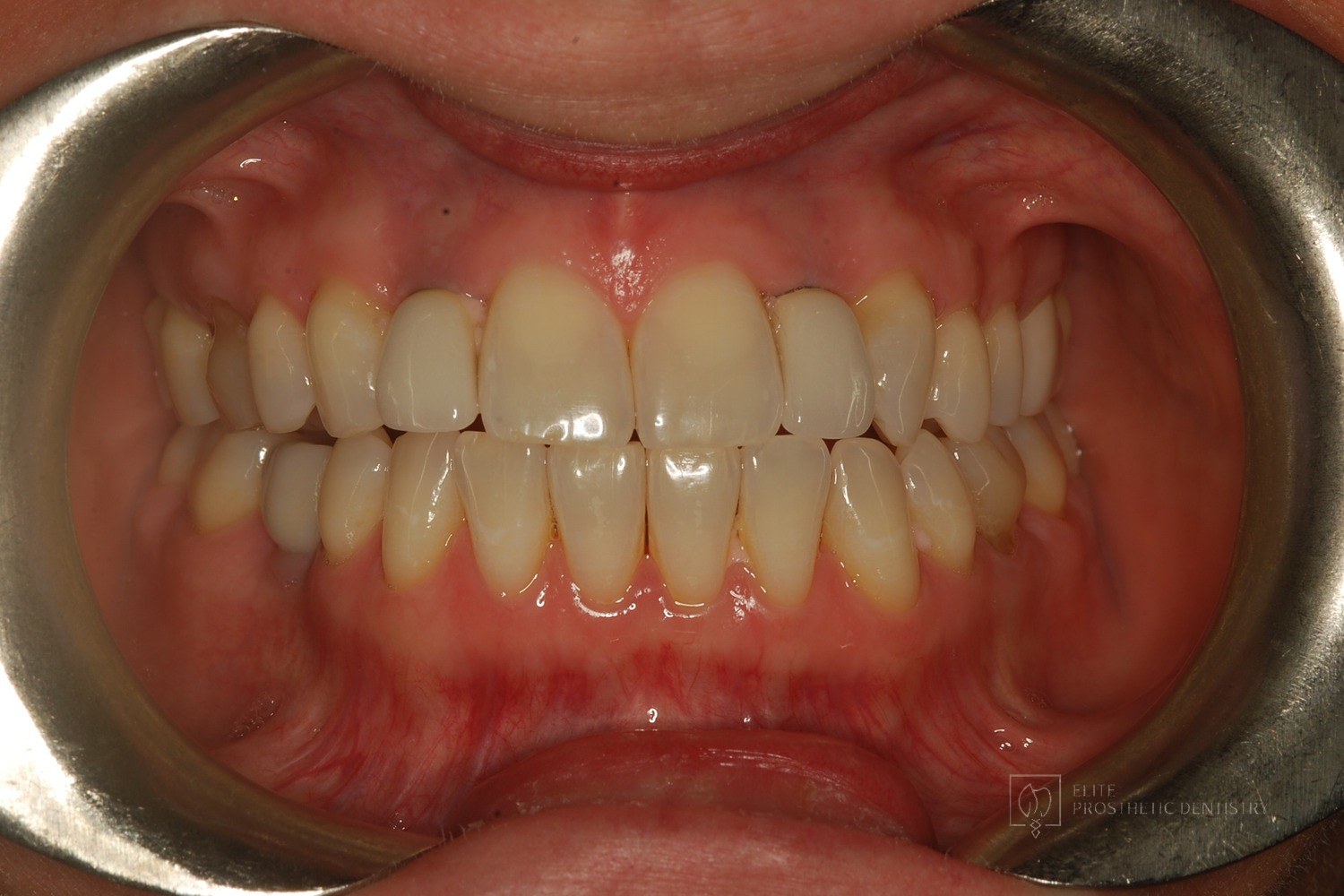
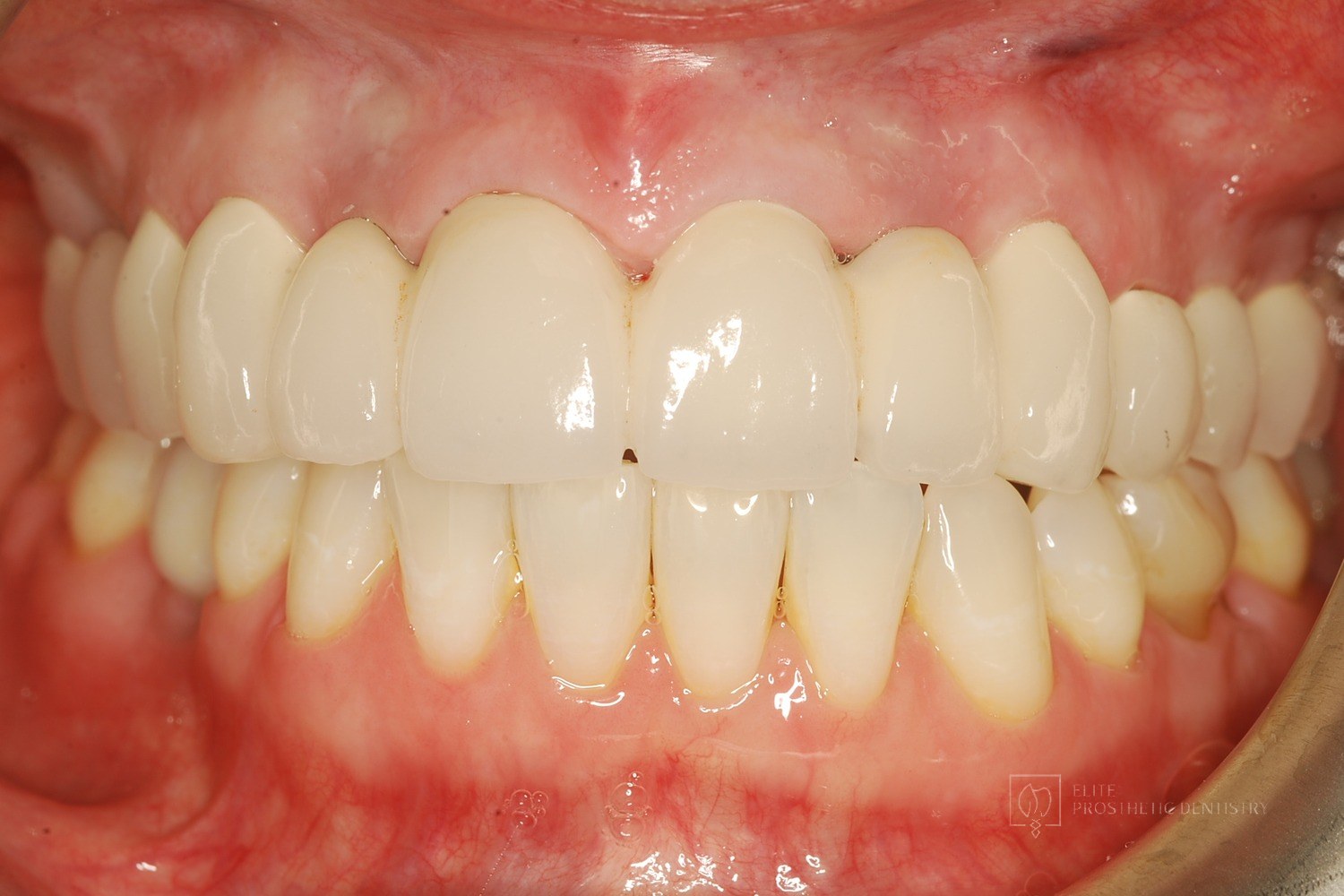
After How Failing Lateral Incisor Implants Were Replaced with Custom Zirconia Bridges After Severe Bone Loss Made Replacement Implants Impossible
Comprehensive examination including CBCT imaging revealed significant bone loss surrounding implants that were placed outside the buccal plate, most likely due to placement without a CBCT-generated surgical guide. The implants were determined non-salvageable, and the alveolar ridge was too narrow to support replacement implants without extensive reconstruction.
 Before
  After
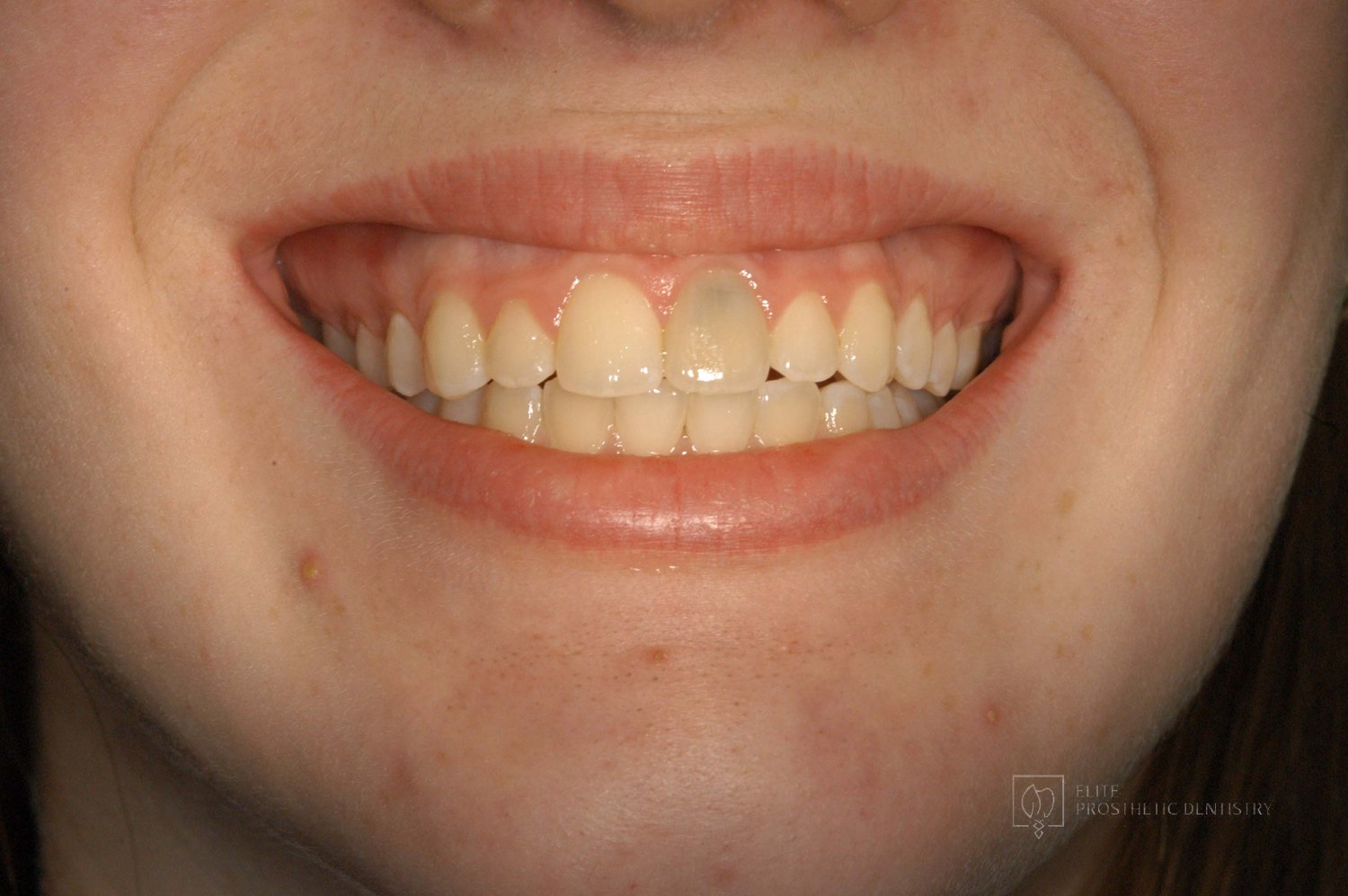
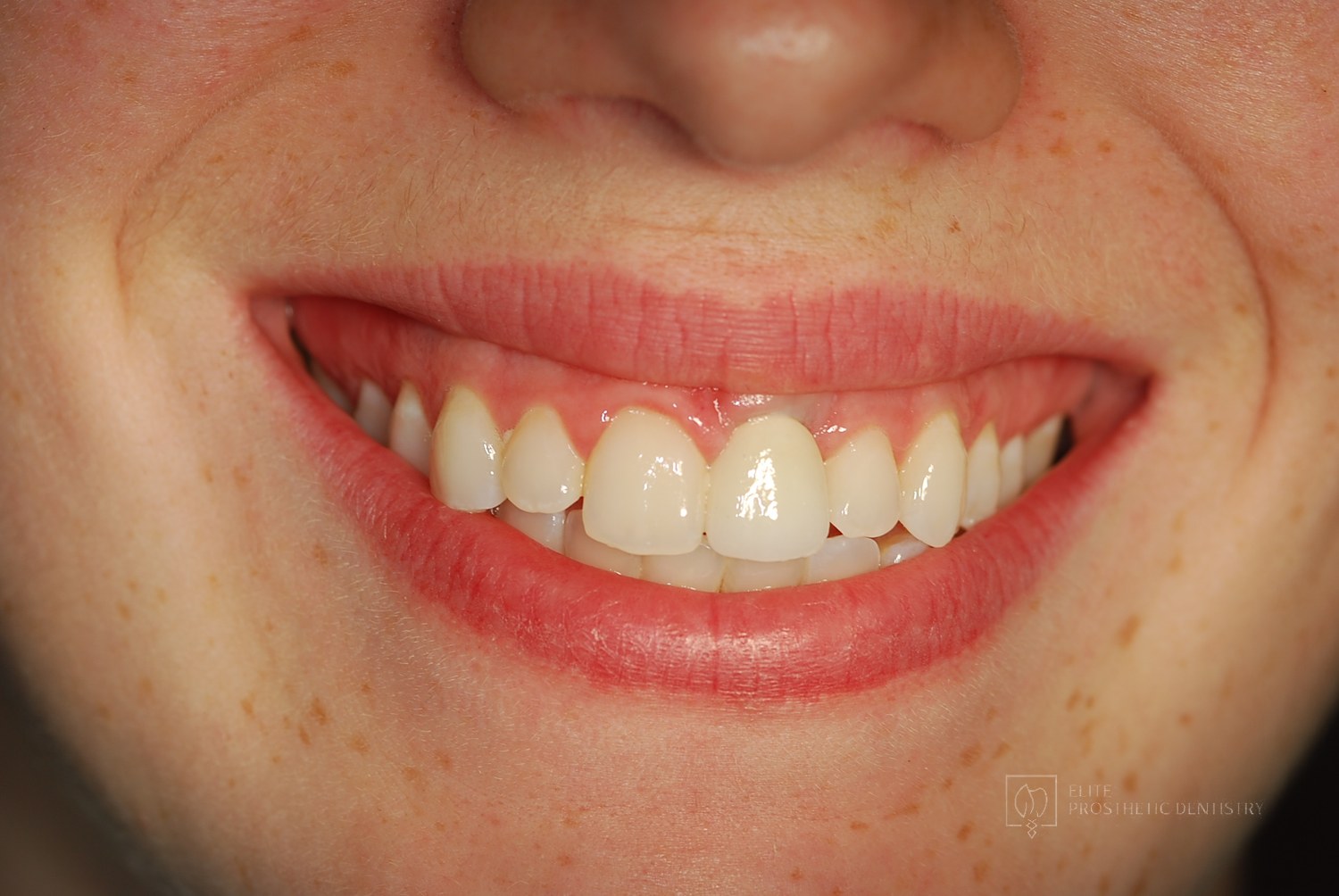
After How Older Implant Crowns Were Redesigned for a Better Bite and More Natural Appearance
The patient came in after years of living with implant-supported crowns placed more than twenty years earlier that no longer looked or functioned well. CBCT evaluation, reviewed with a radiologist colleague, showed the implants had been placed too far to the buccal in very thin bone and could not support a healthy long-term restoration.
 Before
  After
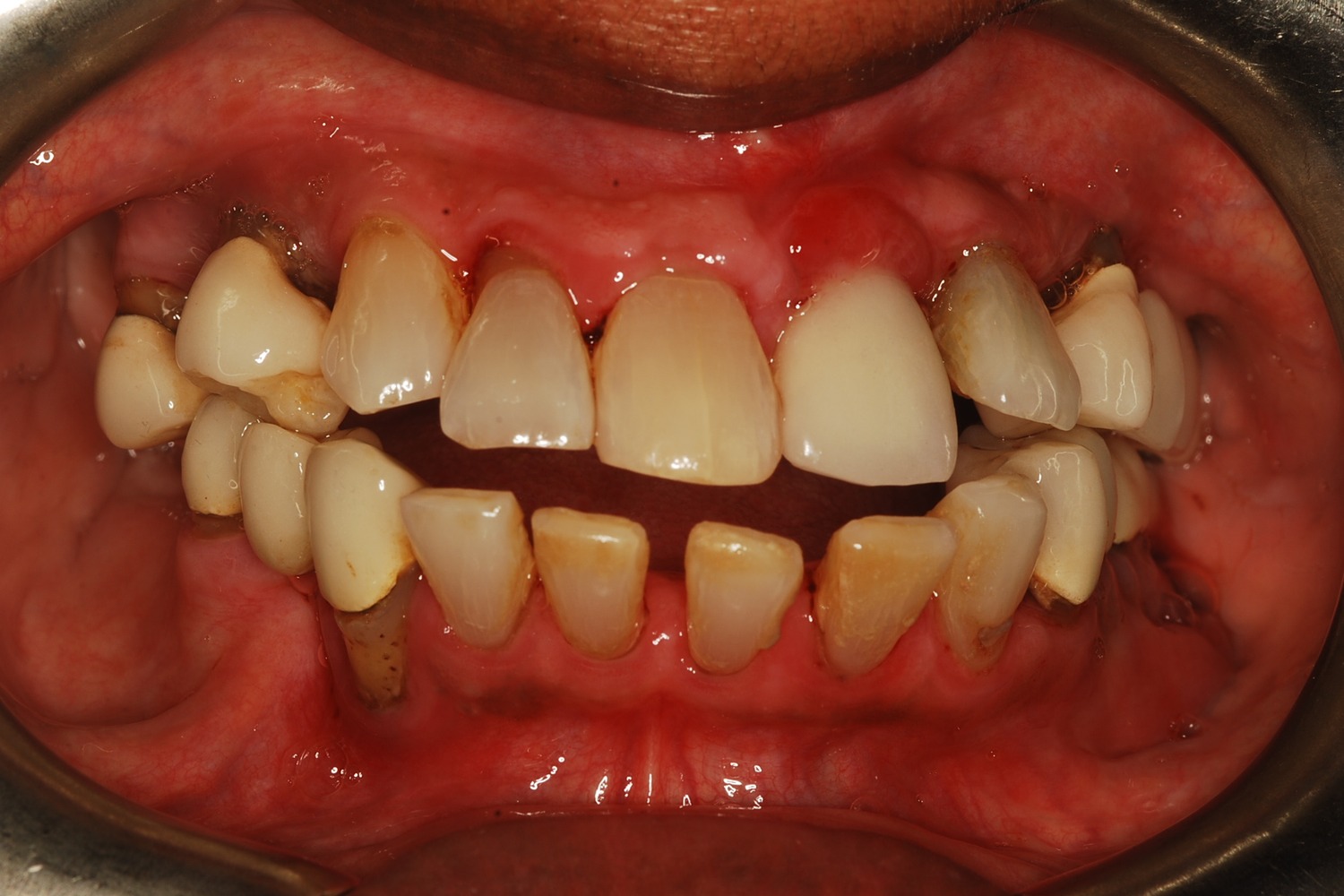
After How a Front Tooth Lost to Childhood Trauma Was Rebuilt with Bone Grafting and a Long-Lasting Implant
A teenager was referred by her father after earlier trauma left her upper left front tooth slowly failing from root resorption. She was still growing, so an immediate implant was the wrong move. The tooth had to be maintained to buy time, then replaced correctly once she reached skeletal maturity.
 Before
  After
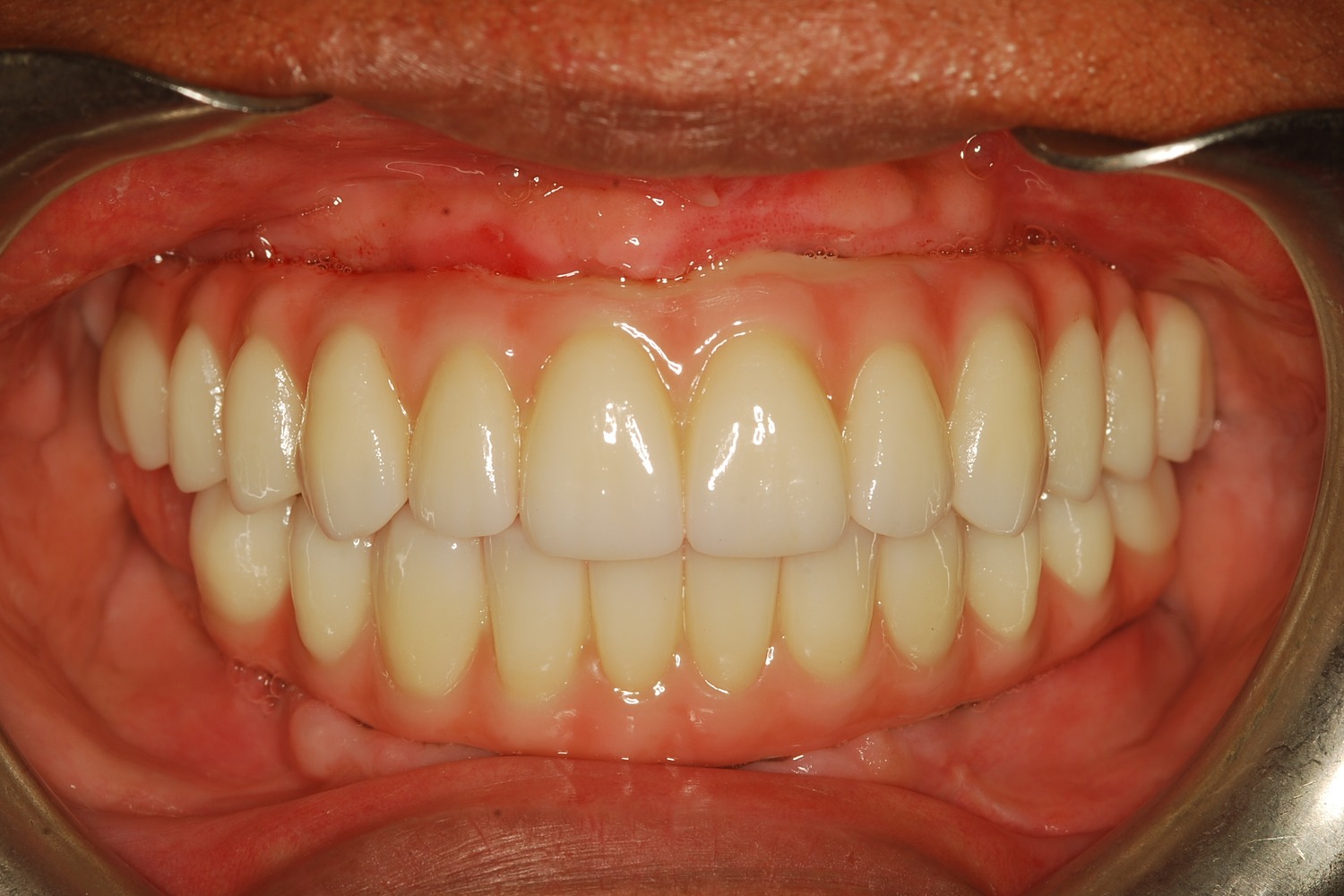
After How Severe Bone Loss and Bite Dysfunction Were Rebuilt with All-on-6 Implants and a Milled Zirconia Hybrid Prosthesis
The patient presented with severe bone loss, advanced periodontal disease, malocclusion, and a dysfunctional bite that required full-arch rebuilding.
Related Articles
Deepen your knowledge with additional insights on this topic.
 Dental Implants
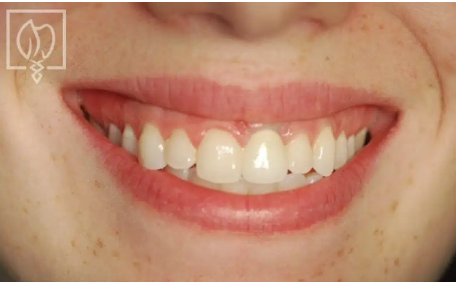
 If a Single Front Tooth Is Replaced with an Implant, Can It Look Natural?
Yes. See the four steps, with real case photos, that make a single front tooth implant indistinguishable from the natural tooth beside it. Washington, DC.
 Dental Implants
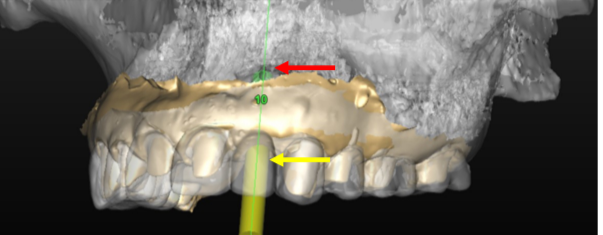
 What Is Precision Implant Placement (PIP)?
Precision Implant Placement plans each implant virtually on a CBCT scan, then delivers it with a custom surgical guide. See the three steps with real images.
 Dental Implants
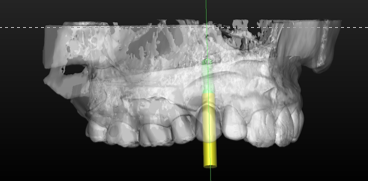
 What Is the Ideal Surgical Guide for Precision Implant Placement?
Not all surgical guides are equal. The gold standard is CBCT-based: planned virtually in 3D, 3D printed, and seated on your teeth. A DC prosthodontist explains.
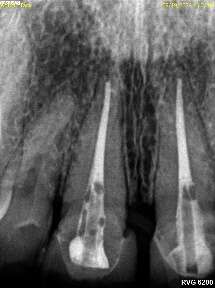 Dental Implants
 When Should an Implant Not Be Done?
Healthy roots, thin bone, steep bony angles: a DC prosthodontist shows a real case where refusing implants was the right call, and what was done instead.
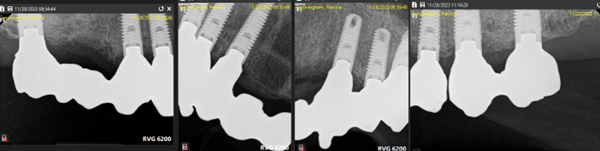 Dental Implants
 What Is Staged Implant Therapy?
Staged implant therapy replaces failing teeth in phases while you keep fixed teeth the entire time. A DC prosthodontist walks through a real case in stages.
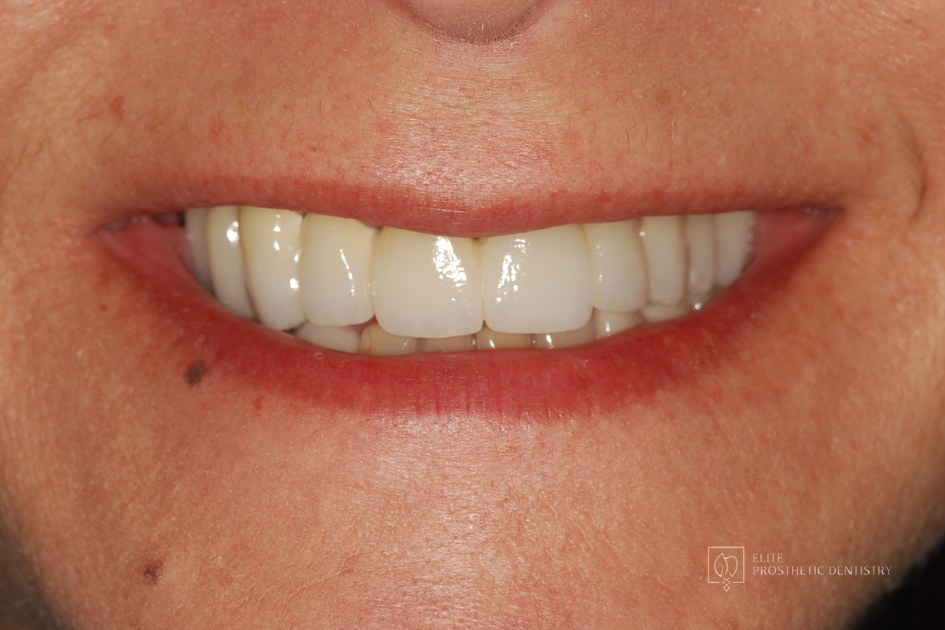 Dental Implants
 The Four Types of Dental Implants: Which One Is Right for You?
Endosteal, subperiosteal, zygomatic, and mini implants each solve a different problem. A DC prosthodontist explains the four types and who each one fits.
Deciding Who Should Treat You?
Our decision guide for Great Falls patients explains when implants, full mouth reconstruction, cosmetic work, or aging crowns and bridges call for a prosthodontist, and when another setting may serve you better.
Read the Great Falls decision guide →Our Services in Great Falls
Beyond Full Mouth Implants, Great Falls patients rely on Dr. Marlin for a full range of advanced dental care.
More services available in Great Falls:
Full Mouth Implants Near Great Falls
Dr. Marlin also provides full mouth implants services for patients in these neighboring communities.
Getting Here from Great Falls
Elite Prosthetic Dentistry is conveniently located near Great Falls, VA.
Take Georgetown Pike east to Chain Bridge Road, cross into DC on Chain Bridge, north on Arizona Avenue to Jenifer Street NW.
Address:
4400 Jenifer Street NW, Suite 220
Washington, DC 20015
Phone: (202) 244-2101
Request a ConsultationRequest a Specialist Consultation from Great Falls
Great Falls residents come to Dr. Marlin for specialist prosthodontic care. With 3,900+ implants placed over 40+ years, evaluation, planning, and execution are handled with the depth complex cases require.