
E.max Crowns in Washington, DC
E.max crowns are made from lithium disilicate ceramic, a durable all-ceramic material well-suited for back teeth, bruxism cases, and high-stress posterior positions. Lithium disilicate combines solid clinical performance with a metal-free, all-ceramic design.
40+
Years Experience
1985
In-House Lab Since
2026
Top Dentist List
9
U.S. Patents
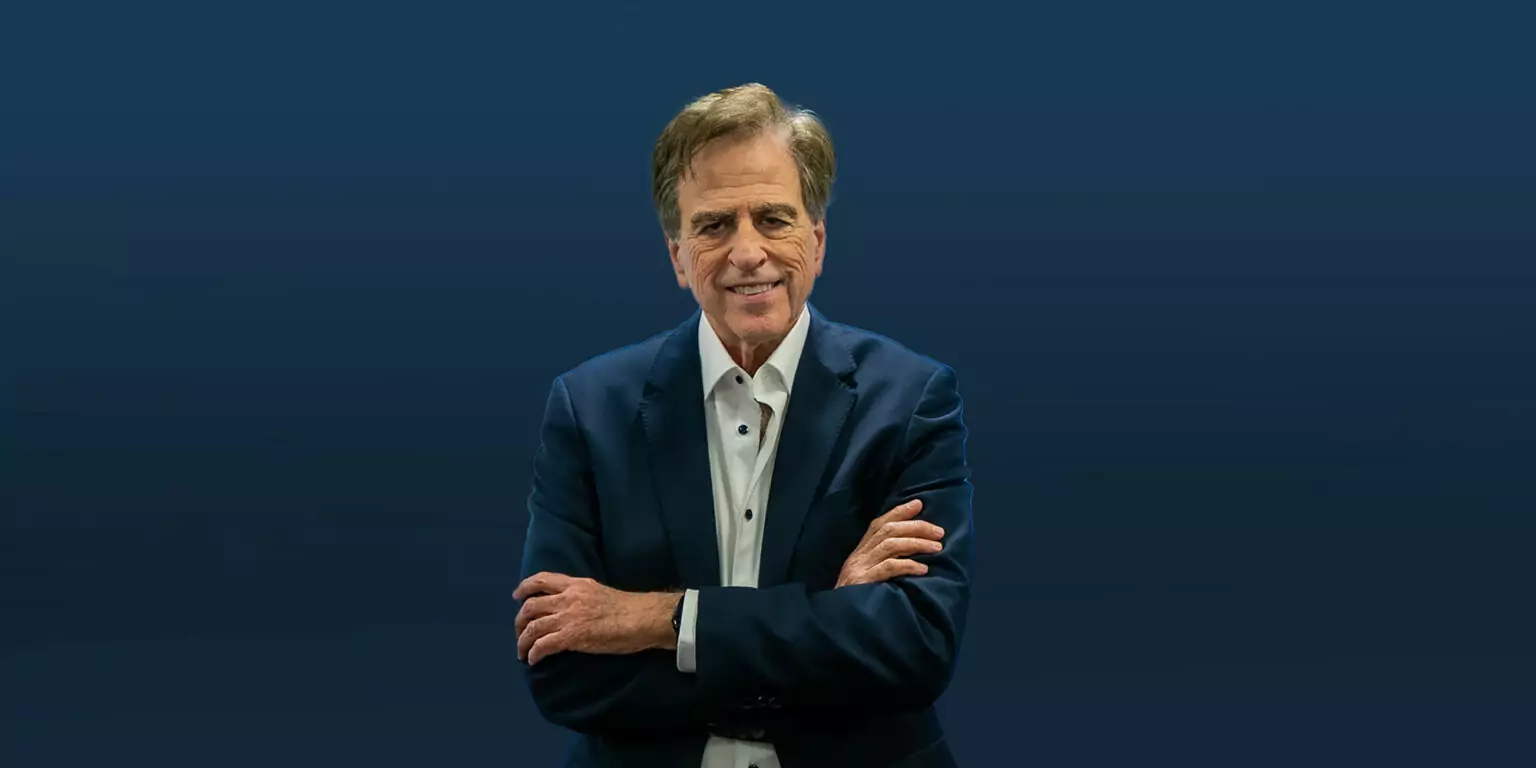
Gerald M. Marlin, DMD, MSD
Specialty-Trained Prosthodontist (DMD, MSD)
Washingtonian "Top Dentist" 2026 and Hall of Fame
Why Patients Choose a Specialist for E.max Crowns
- E.max crown design controlled by our in-house master ceramist
- Lithium disilicate is well-suited for back teeth, bruxism cases, and high-stress positions
- All-ceramic and metal-free with no dark gum-line margin
- Specialist evaluation determines whether e.max or zirconia is right for your case
- Real-time fit, bite, and shade refinement at the chair
Or call now: (202) 244-2101
What Is an E.max Crown?
E.max is the brand name for crowns made from lithium disilicate, a glass-ceramic material with a long clinical track record. Lithium disilicate crowns are well-suited for back teeth, bruxism cases, and high-stress posterior positions where a durable all-ceramic restoration is needed.
Well-Suited for Posterior and High-Stress Positions
Lithium disilicate is selected for back teeth, bruxism cases, and high-stress positions where a durable all-ceramic crown is appropriate. The material has a long clinical track record in posterior single-unit restorations.
Reliable Clinical Performance
E.max has flexural strength roughly twice that of older feldspathic porcelain. It performs reliably in posterior cases and high-stress positions where a metal-free restoration is preferred.
Metal-Free and Biocompatible
E.max is all-ceramic. No metal substructure means no dark margin at the gum line, no metal sensitivity concerns, and a uniformly natural appearance throughout the restoration.
How the E.max Crown Process Works
Crown placement is a planned multi-visit process. Clear expectations and a detailed plan before treatment begins are part of how a specialist practice approaches every case.
Examination and Material Selection
Clinical exam, imaging when indicated, and discussion of which material best fits your case. E.max is well-suited for back teeth, bruxism cases, and high-stress positions; modern high-translucency multilayered zirconia is often preferred for front teeth and visible aesthetic restorations.
Conservative Tooth Preparation
Tooth shaped to receive the crown with conservative removal of damaged structure. Detailed impressions captured for the laboratory.
Temporary Crown Placement
A temporary crown protects the prepared tooth while the final e.max crown is designed and fabricated in our in-house lab. Shade verification happens during this phase.
Final Placement and Bonding
E.max crowns are bonded rather than cemented for maximum strength. Bite and fit refined chairside. The result is a restoration that looks natural and performs reliably.
Why Specialist Training Matters for E.max
E.max crowns deliver their best clinical results when placed by a prosthodontist who understands preparation design, occlusal management, and bonding protocol. Posterior lithium disilicate restorations benefit from specialist control over every step of the process.
-
Master Ceramist On-Site
Our ceramist works directly with the clinician on every e.max case. Contour, fit, and surface character are refined in real time, often with the patient present for verification.
-
Specialist Bonding and Bite Control
E.max crowns are bonded rather than cemented for maximum strength in posterior positions. Specialist control over bonding protocol and occlusal adjustment directly affects long-term performance.
-
Specialist Material Selection
E.max is the right answer for some teeth and the wrong answer for others. Specialist consultation matches the material to tooth position, bite forces, and aesthetic priorities.
-
Longevity Through Specialist Technique
Mainstream patient guidance puts typical crown life at 5 to 15 years with proper care. Preparation precision, material handling, and bonding technique all influence how long an e.max crown lasts.

When E.max Is the Right Crown Material
E.max is one of several crown materials we use. Specialist consultation matches the material to your specific tooth and clinical situation.
Back Teeth and Posterior Restorations
Lithium disilicate is well-suited for molars and other posterior positions where a durable all-ceramic restoration is needed. E.max performs reliably in posterior single-unit applications.
Bruxism Cases and High-Stress Positions
Patients with documented grinding habits and teeth in high-stress positions benefit from e.max's clinical track record in demanding posterior cases.
Patients Replacing Aging Posterior Crowns
Old porcelain-fused-to-metal crowns with dark gum lines or older all-ceramic crowns that have failed can be replaced with modern e.max for a metal-free, all-ceramic posterior restoration.
Patients With Metal Sensitivities
E.max is all-ceramic. Patients with sensitivities or allergies to metals can use e.max in posterior positions without concern.
When E.max Is the Right Crown Choice
E.max is the right material for many cases and the wrong material for others. Specialist consultation matches the material to the specific tooth and clinical situation. Some general patterns:
- Back teeth (molars and posterior positions) are well-served by e.max’s all-ceramic design and reliable clinical performance.
- Bruxism cases and high-stress positions benefit from lithium disilicate’s track record in demanding posterior restorations.
- Front teeth, premolars, and visible aesthetic restorations are typically better served by modern high-translucency multilayered zirconia, which delivers exceptional aesthetics combined with strength.
- Patients replacing aging posterior porcelain-fused-to-metal crowns with dark gum-line margins benefit from e.max’s all-ceramic design.
- Patients with metal sensitivities can use e.max in posterior positions without concern.
E.max vs. Zirconia: How to Decide
The two materials are not interchangeable. Specialist evaluation matches the material to your specific tooth.
| Criterion | Zirconia (High-Translucency Multilayered) | E.max (Lithium Disilicate) |
|---|---|---|
| Aesthetics | Excellent | Excellent |
| Strength | Exceptional | Strong |
| Best position | Front teeth, premolars, visible areas | Back teeth, bruxism cases, high-stress positions |
| Preparation | Slightly less conservative | Conservative |
| Bonding | Cemented or bonded | Bonded (etched and silanated) |
| Aesthetic ceiling | Excellent with multilayered formulations | Strong all-ceramic option for posterior |
Selection happens at consultation. Many patients have a mix of zirconia (visible aesthetic positions) and e.max (posterior and high-stress) restorations.
The In-House Lab Difference for E.max
E.max crowns are pressed or milled from lithium disilicate, then customized for fit, contour, and surface character. Bonding protocol, occlusal management, and chairside refinement all benefit from on-site lab control.
Elite Prosthetic Dentistry has operated an in-house dental laboratory continuously since 1985. Our master ceramist works directly with the clinician on every e.max case. Fit verification, contour adjustment, and bite refinement happen in real time, often with the patient present for confirmation. Read more about our in-house laboratory.
E.max Crown Treatment for Washington DC Patients
Elite Prosthetic Dentistry serves e.max crown patients across the Washington DC metropolitan area, including Bethesda, Chevy Chase, Potomac, McLean, Great Falls, Arlington, Tysons, and surrounding communities. Our office is located in Friendship Heights, one block from the Red Line Metro station, with building parking.
For patients traveling from outside the DMV region, our travel for care and concierge dentistry services coordinate multi-appointment scheduling and lodging logistics.
Ready to Discuss Your Treatment Options With a Specialist?
Frequently Asked Questions
What is the difference between e.max and zirconia?
Modern high-translucency multilayered zirconia delivers exceptional aesthetics for front teeth, premolars, and visible aesthetic restorations. E.max (lithium disilicate) is well-suited for back teeth, bruxism cases, and high-stress posterior positions. Specialist consultation determines which is right for your specific tooth.
Are e.max crowns durable in posterior positions?
Yes. E.max has flexural strength roughly twice that of older feldspathic porcelain and has a long clinical track record in posterior single-unit restorations. Specialist preparation, bonding protocol, and bite control all contribute to long-term performance.
Will my e.max crown look natural?
E.max crowns are designed and finished by our in-house master ceramist for color, contour, and surface character that blends with adjacent teeth. Because the laboratory is inside the practice, the clinician and technician refine shade, contour, fit, and bite together.
How long do e.max crowns last?
E.max crowns can perform for many years. Mainstream patient guidance puts typical crown life at 5 to 15 years with proper care. The exact longevity depends on the bite, home care, preparation and bonding technique, and overall oral health.
Are e.max crowns more expensive than other materials?
E.max crowns are typically in the middle of the crown pricing range, generally similar to zirconia and porcelain-fused-to-metal, more than gold-alloy crowns, and slightly more than older feldspathic porcelain. Material cost is a small part of total crown cost; the larger factors are clinical and laboratory work.
Why see a prosthodontist for an e.max crown?
Preparation precision, bonding protocol, occlusal management, and lab control all affect the long-term performance of a posterior e.max crown. Prosthodontic training adds depth in all of these areas. Combined with our in-house lab, the specialist setup structurally changes the outcome.
Related Patient Success Stories
Explore similar patient success stories demonstrating our expertise in advanced prosthetic dentistry.
 Before
  After
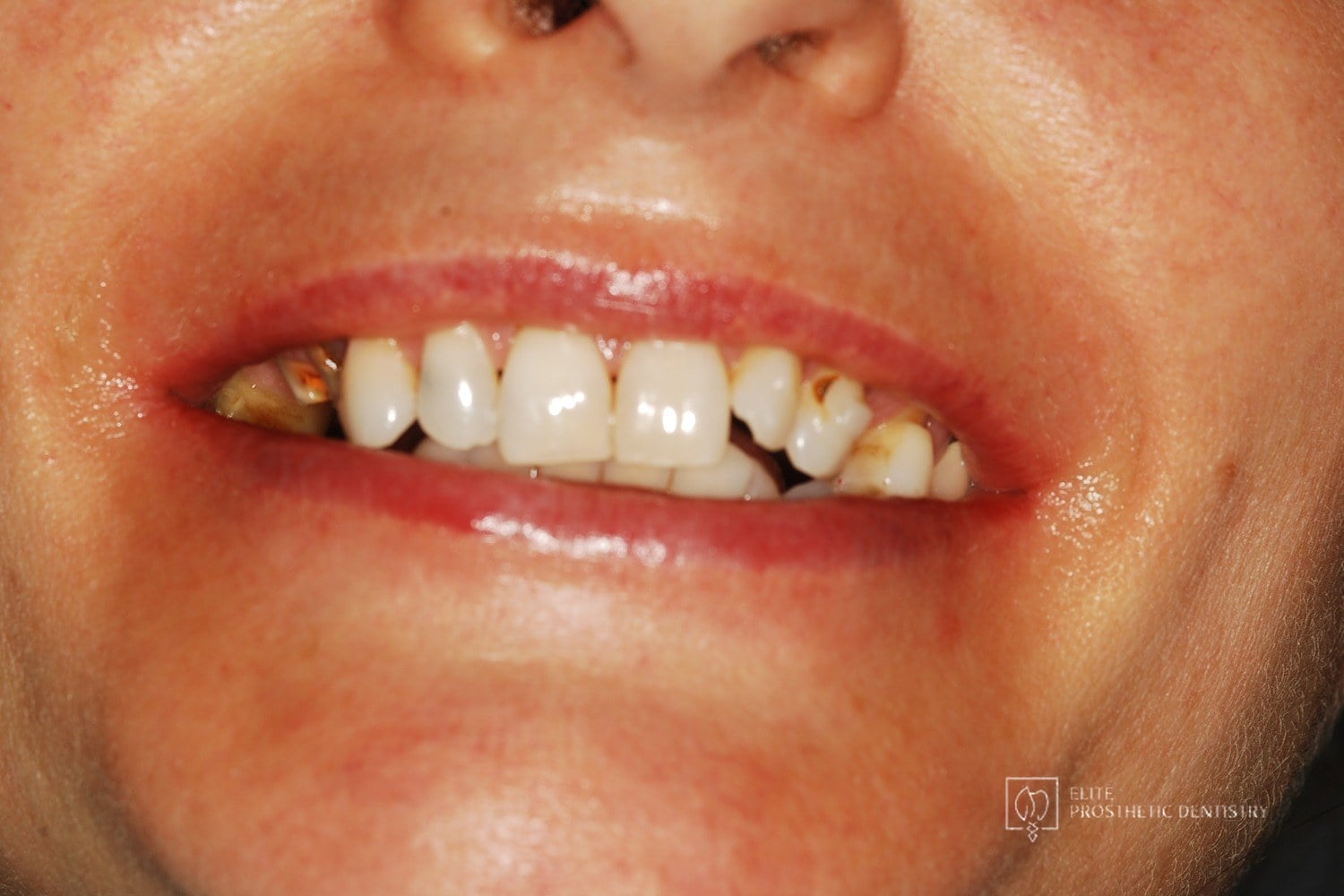
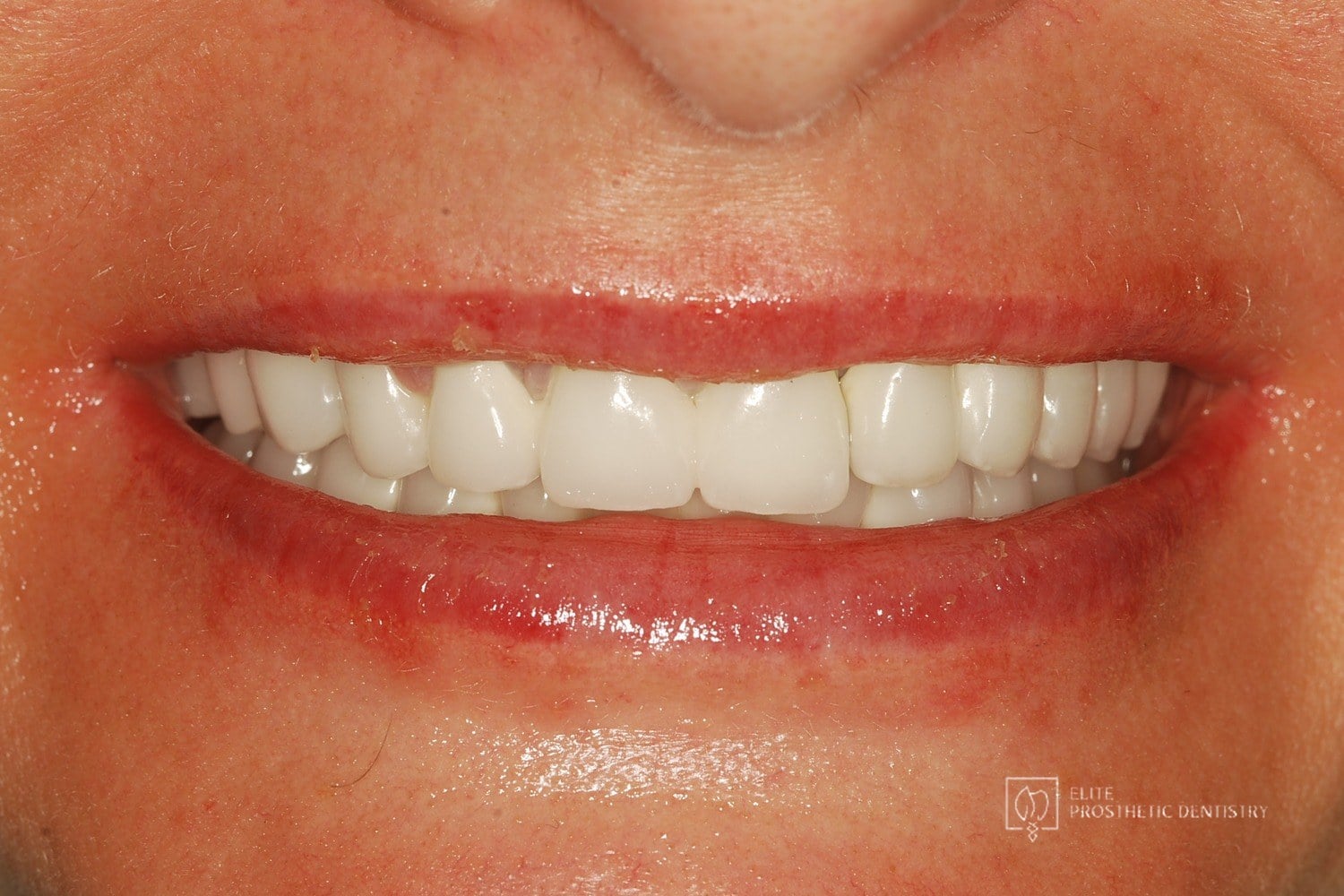
After How Aging, Failing Dentistry Was Replaced with a Coordinated Full-Mouth Implant and Crown Reconstruction
The patient presented with throbbing upper-molar pain, long-standing infections, multiple root canals and unfinished prior treatment, generalized sensitivity, and several hopeless teeth.
 Before
  After
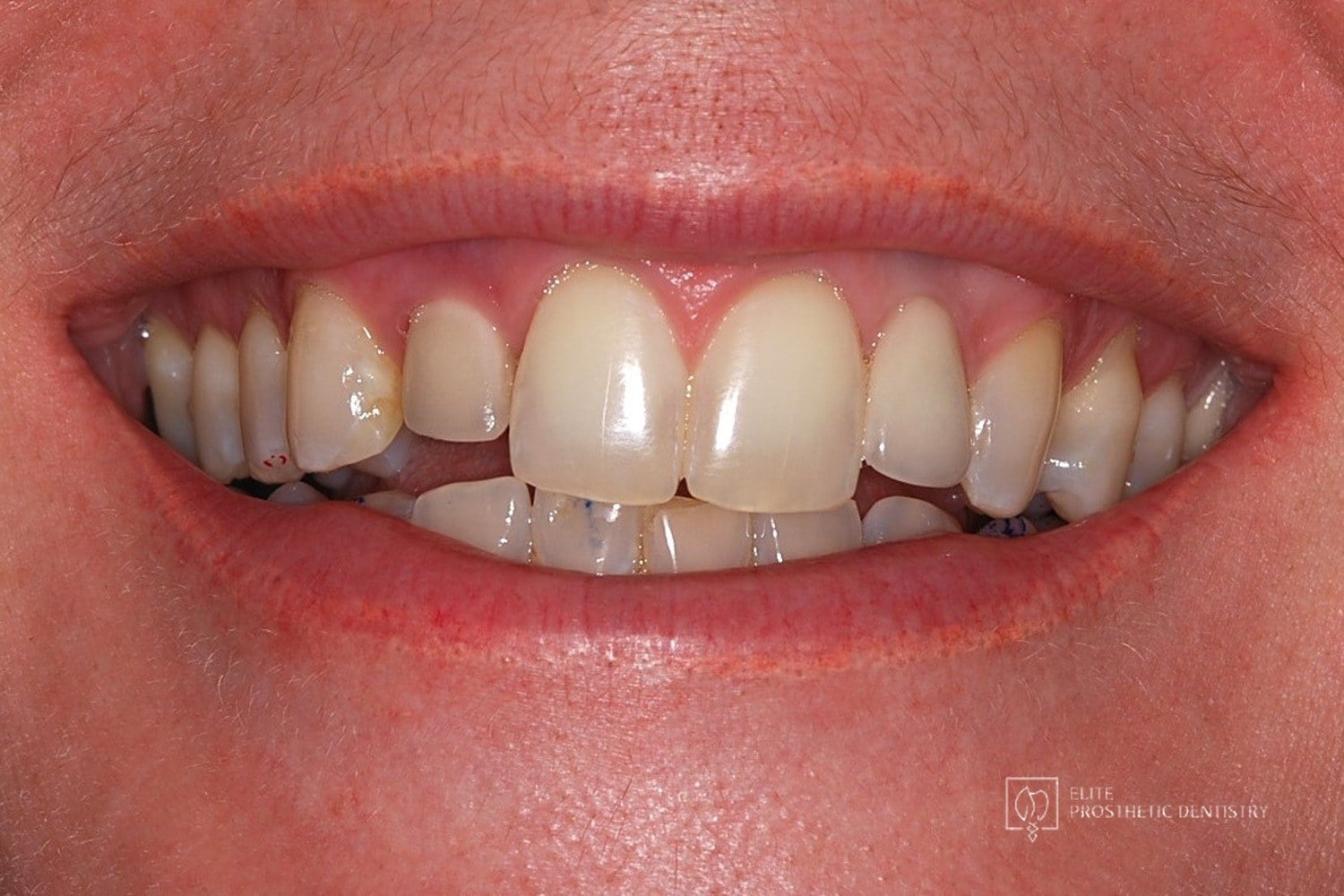
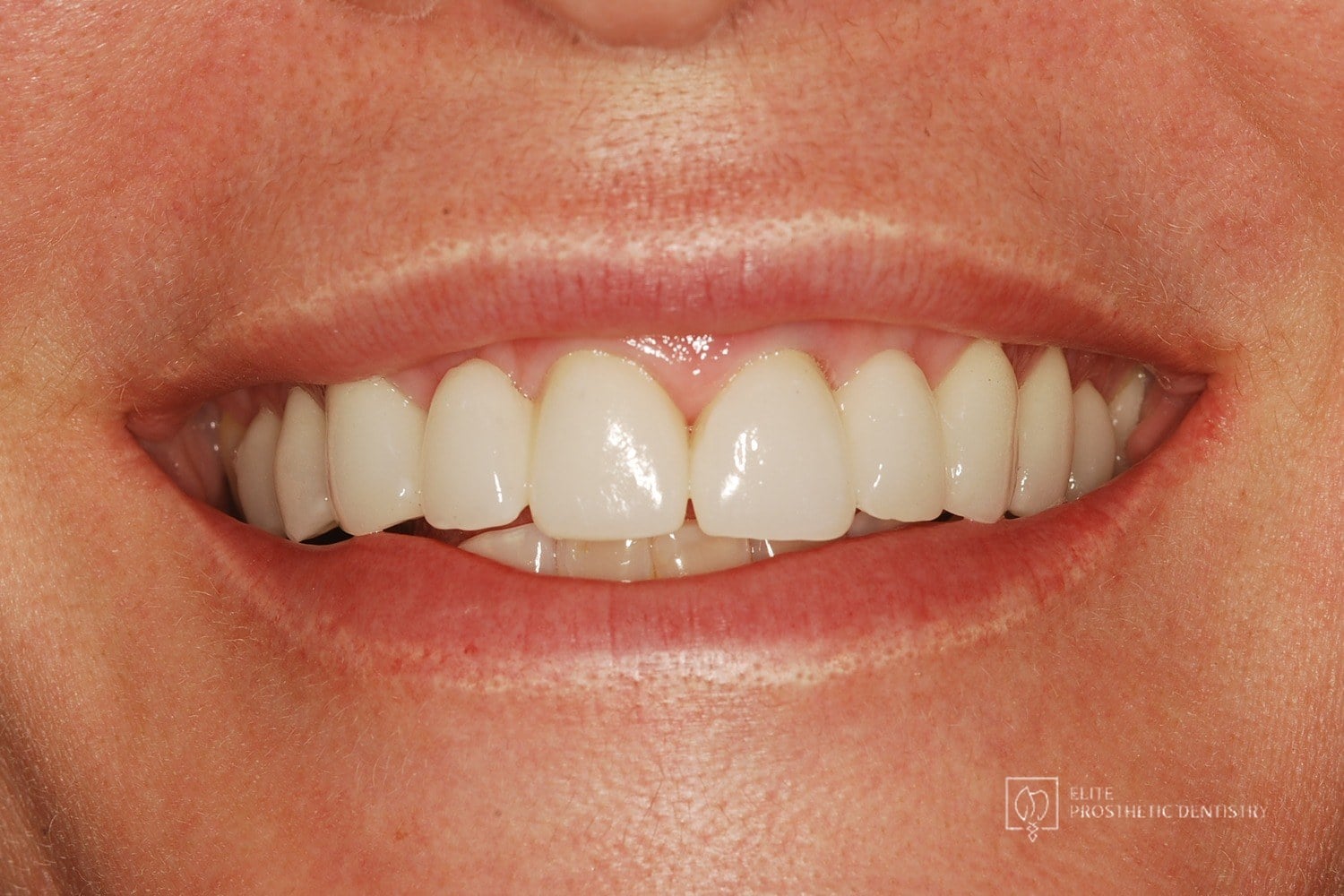
After How Failing Lateral Incisor Implants Were Replaced with Custom Zirconia Bridges After Severe Bone Loss Made Replacement Implants Impossible
Comprehensive examination including CBCT imaging revealed significant bone loss surrounding implants that were placed outside the buccal plate, most likely due to placement without a CBCT-generated surgical guide. The implants were determined non-salvageable, and the alveolar ridge was too narrow to support replacement implants without extensive reconstruction.
 Before
  After
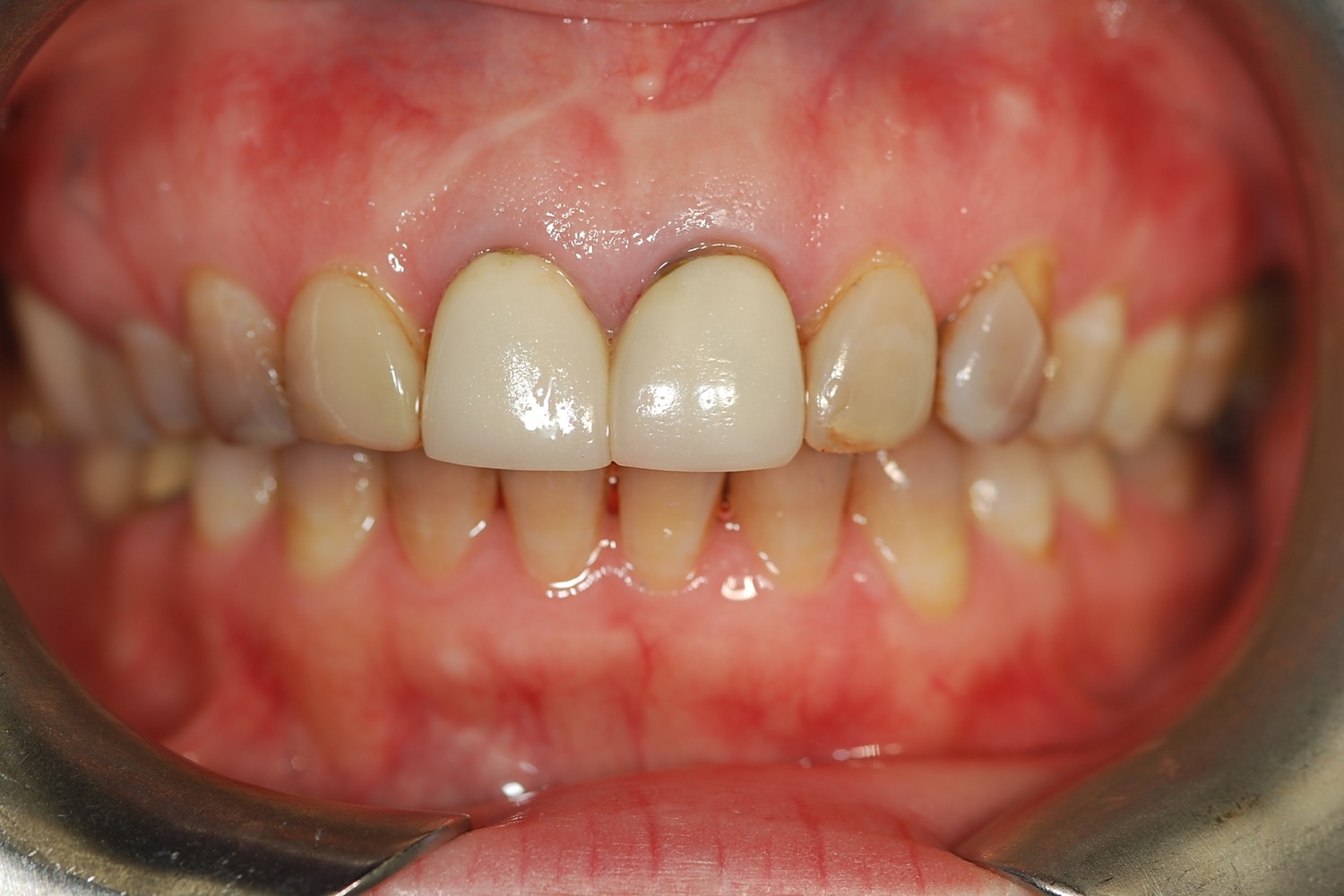
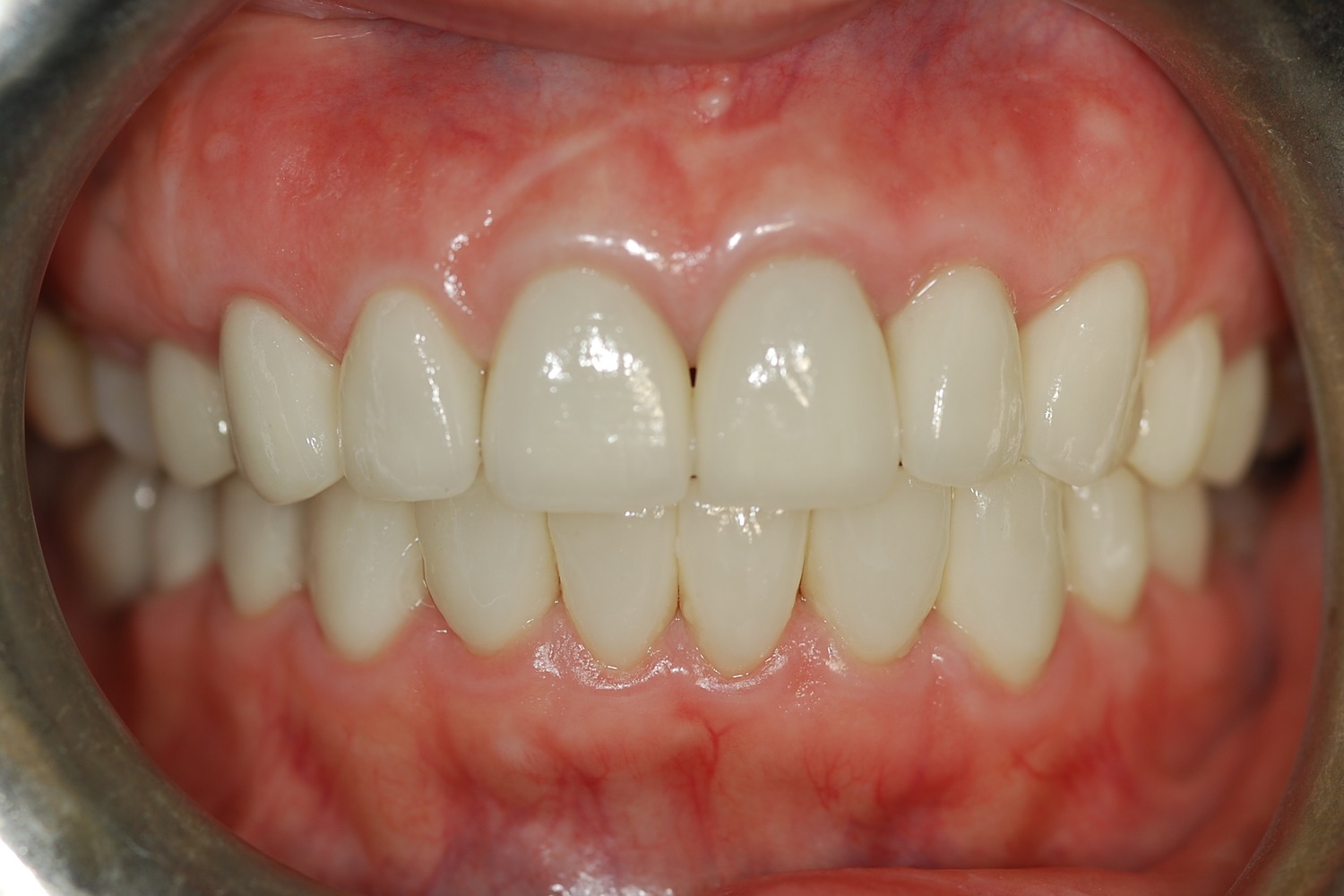
After How Aging, Opaque Restorations Were Replaced with Customized Ceramic Restorations Designed for Long-Term Natural Esthetics
The existing restorations appeared opaque, worn, and unnatural over time, affecting both confidence and overall smile harmony.
 Before
  After
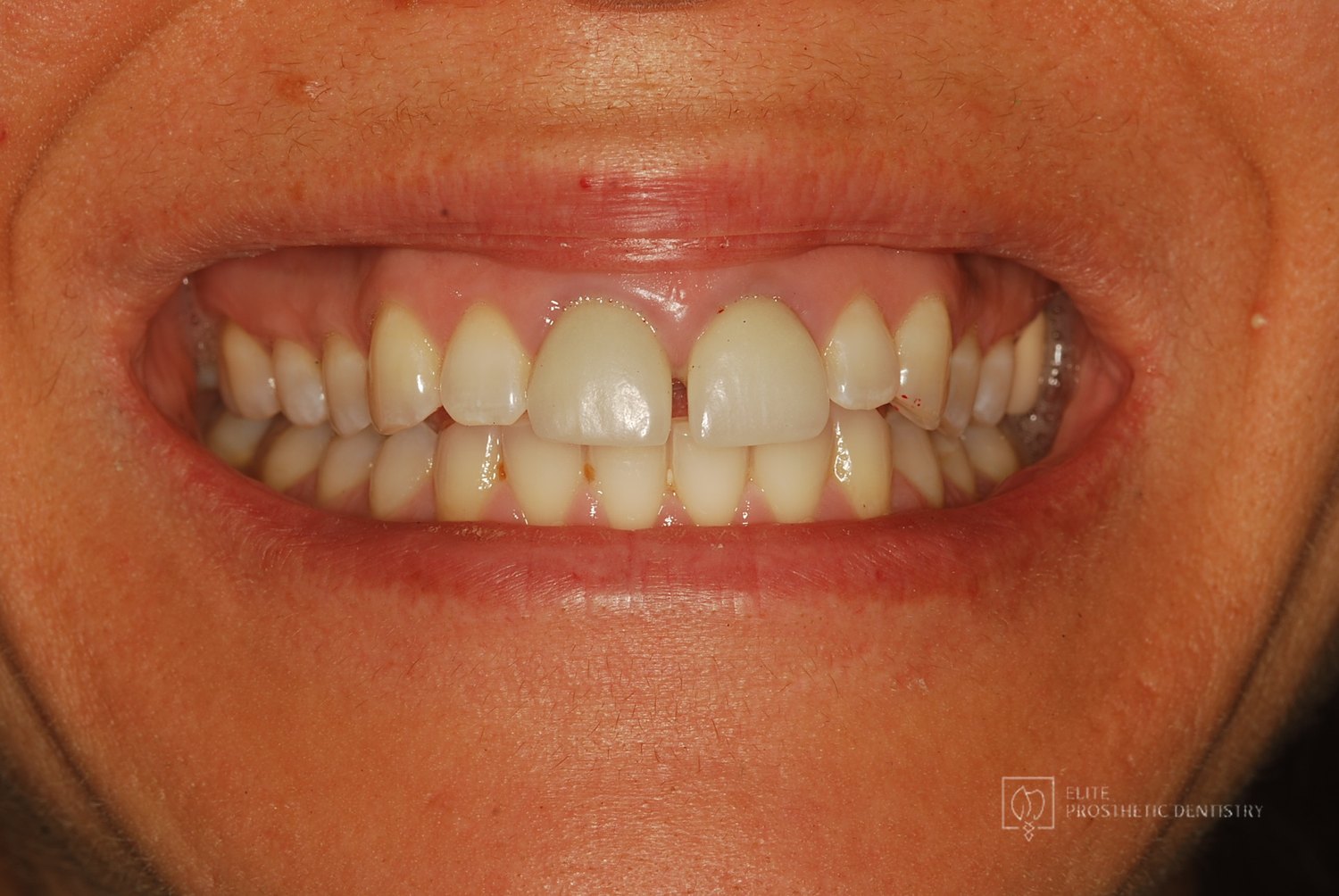
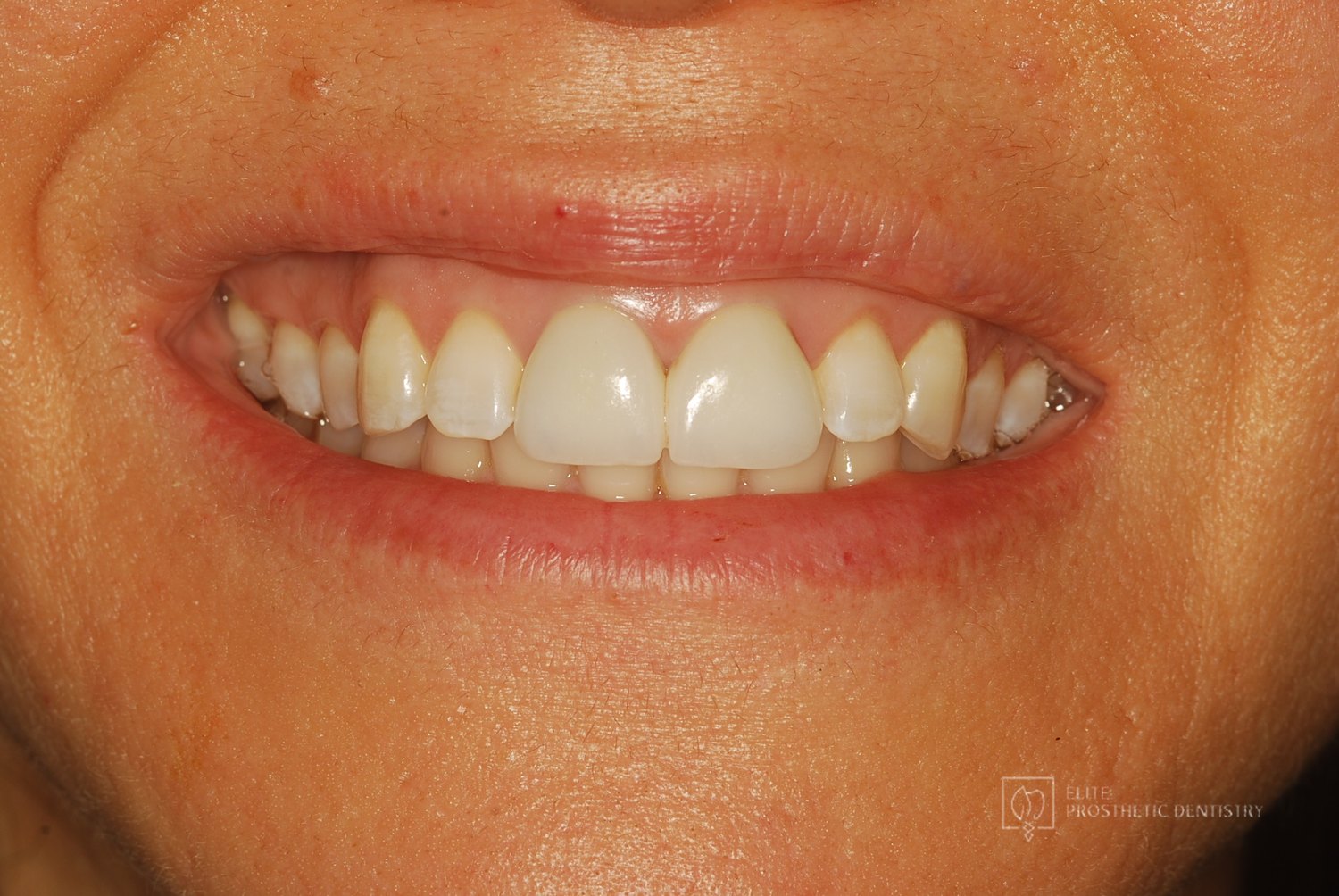
After Two Front Teeth Saved From Extraction: A Second Opinion, Custom Gold Posts, and Crowns Made to Last
Two upper central incisors with failed root canal treatment and recurrent decay had been recommended for extraction and implant replacement. A CBCT evaluation showed that removing the roots from their thin facial bone housing could create a visible esthetic defect in the gum and bone contour, made worse by the patient's high lip line.
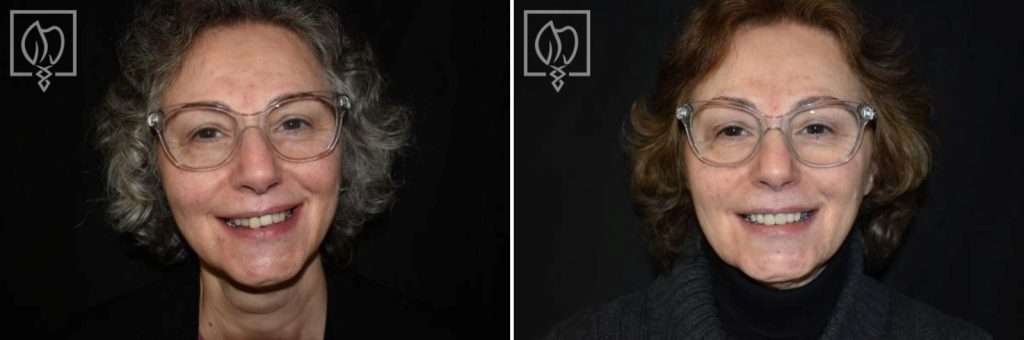
Temporary Crowns Restore a Patient's Smile in One Day with an Immediate Smile Makeover
A patient from Potomac, Maryland came to the practice in pain from a failing dental implant whose restoration was also compromising her appearance and her confidence.
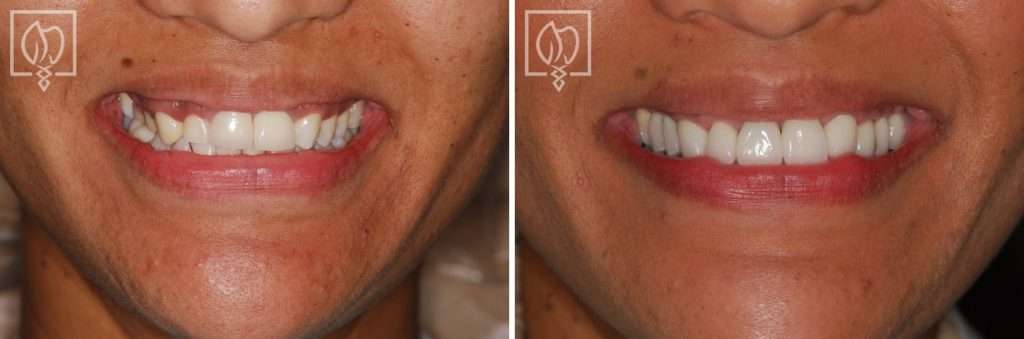
Multi-Faceted Treatment for a Patient Unhappy With the Appearance of Her Crowns, Teeth, and Gums
The patient was unhappy with how her teeth and gums affected her smile: front-tooth crowns that no longer blended with her natural teeth, a missing lateral incisor with the larger canine sitting in its space, and an uneven gum line.
Crown Material Resources
Custom Dental Crowns Overview
The complete crown service hub at Elite Prosthetic Dentistry.
Zirconia Crowns
Modern high-translucency multilayered zirconia for front teeth and visible aesthetic restorations.
Implant Crowns
Crowns supported by dental implants.
Porcelain Veneers
When a veneer is more appropriate than a crown.
Smile Makeover
Multi-tooth cosmetic cases involving multiple e.max restorations.
Our In-House Dental Lab
How fabrication in our own laboratory changes every crown that leaves the practice.
Conveniently Located in Friendship Heights
Serving Washington DC, Bethesda, Chevy Chase, McLean, Great Falls, Potomac, and surrounding communities. One block from the Friendship Heights Metro on the Red Line.
Request Your Specialist Consultation
Personally reviewed by Dr. Marlin or his team.
Hours
- Monday — Thursday8:00 AM — 5:00 PM
- Friday8:00 AM — 2:00 PM
- Saturday — SundayClosed