
Candidacy Assessment for Full-Arch Implants: A Kalorama Framework
Premium full-mouth dental implant restoration in Kalorama. Complete smile reconstruction by Dr. Marlin for Kalorama's distinguished residents.
Determining Full-Arch Implant Candidacy: The Clinical Assessment Framework
Not every patient with tooth loss is a full-arch implant candidate. Understanding the decision framework that determines candidacy helps patients appreciate why Dr. Marlin recommends implants, alternative approaches, or preparatory procedures for different individuals. This framework reflects decades of experience treating complex prosthodontic cases and understanding which clinical factors predict successful long-term outcomes.
The Bone Volume Assessment: Foundation First
The foundation for full-arch implant success is bone volume. Patients need adequate bone in their maxilla and mandible to support four to eight implants positioned strategically for optimal restoration.
Mandibular bone is typically adequate in anterior regions because bone volume remains relatively preserved even after tooth loss. Most patients have sufficient bone in the anterior mandible for implant placement without grafting. Posterior mandibular bone requires assessment on an individual basis, sometimes supporting implants without grafting, sometimes requiring augmentation.
Maxillary bone presents different challenges. Posterior maxilla is pneumatized (contains sinus), limiting vertical bone height. The sinus may extend low, sometimes leaving minimal bone thickness supporting posterior implants. Advanced resorption in posterior maxilla often requires sinus lifting or augmentation before implant placement.
Dr. Marlin assesses three-dimensional bone anatomy using cone-beam computed tomography imaging. This imaging reveals precisely where bone exists, bone density characteristics, and anatomical relationships with vital structures. The imaging allows surgical planning before any procedure occurs, determining whether patients are candidates with native bone or require bone reconstruction.
For patients with severely compromised bone, the assessment determines whether bone grafting can establish adequate volume. Some patients have resorption patterns where grafting is feasible and will create conditions for successful implants. Other patients have irreversible bone loss patterns where sufficient bone reconstruction is not achievable through standard augmentation procedures.
The Bone Density Assessment: Integration Potential
Even with adequate volume, bone density determines osseointegration quality and timeline. Dense bone (Hounsfield units greater than 850) allows rapid osseointegration and strong initial stability. Softer bone (Hounsfield units less than 600) integrates more slowly and may require extended healing time before restoration attachment.
Dr. Marlin assesses bone density through cone-beam computed tomography analysis, evaluating each region independently. Anterior mandible is typically dense. Posterior mandible is typically moderately dense. Posterior maxilla is typically less dense. Strategic implant positioning maximizes utilization of denser bone areas.
For patients with compromised bone density, extended osseointegration periods (5-6 months rather than 3-4 months) and conservative restoration timing sometimes improve long-term outcomes. For patients with exceptionally dense bone, implants may progress faster to restoration without compromising success.
The Systemic Health Assessment: Healing Capacity
Full-arch implant candidacy depends on overall healing capacity. Systemic diseases affecting bone metabolism, immune function, or vascular supply influence implant integration.
Diabetes affects implant success. Well-controlled diabetes (HbA1C less than 7%) carries minimal increased risk. Poorly controlled diabetes (HbA1C greater than 8%) substantially increases implant failure risk. Patients with suboptimal diabetic control should work with their internist optimizing control before implant surgery.
Bisphosphonate therapy (used for osteoporosis, cancer treatment) is discussed carefully. Patients on oral bisphosphonates typically proceed with implants without concern. Patients on high-dose intravenous bisphosphonates may require special consideration. Dr. Marlin coordinates with patients’ physicians regarding bisphosphonate therapy timing around implant surgery.
Smoking significantly impairs osseointegration. Patients who smoke have substantially higher implant failure rates. Ideally, patients will quit smoking before implant surgery or at minimum commit to abstinence during osseointegration (months 0-6). Dr. Marlin discusses smoking’s impact honestly, sometimes recommending deferral of treatment until smoking cessation is established.
Immunosuppression from medications or disease impairs healing. Patients on high-dose corticosteroids, or with active autoimmune disease, require careful assessment. Stable immunosuppression is often compatible with implants, but active disease may contraindicate surgery.
Uncontrolled hypertension, active cardiovascular disease, or recent myocardial infarction may require deferral until medical optimization. Dr. Marlin coordinates with patients’ physicians to confirm medical readiness before surgery.
Head/neck radiation history requires special consideration. Radiation damages bone blood supply, potentially compromising osseointegration. However, patients years removed from radiation may still be candidates, particularly in areas that received lower radiation doses. Dr. Marlin evaluates radiation history and dose distribution carefully, sometimes consulting radiation oncologists.
The Remaining Tooth Assessment: Extraction Planning
Patients with failing remaining teeth face decisions about timing. Some patients extract remaining teeth and immediately place implants (immediate placement). Others extract teeth, allow healing, and place implants months later (delayed placement).
Immediate implant placement preserves bone volume better than delayed placement, as bone resorption begins within days of tooth extraction. However, immediate placement succeeds best with excellent bone quality and no signs of infection at extraction sites.
Delayed placement (waiting 3-4 months after extraction) allows complete bone healing and elimination of any residual infection. This approach sometimes produces more predictable results for patients with compromised bone quality or significant dental infection history.
Dr. Marlin discusses extraction timing with each patient, recommending the approach that balances bone preservation with healing optimization.
The Periodontal Assessment: Infection Control
Periodontal disease compromises implant candidacy. Patients with active periodontal infection benefit from disease treatment and stabilization before implant placement. Some patients require extraction of additional teeth due to untreatable periodontal disease, expanding their restoration to include more tooth positions.
Dr. Marlin screens for periodontitis, sometimes recommending referral for periodontal evaluation and treatment before proceeding with implants.
The Esthetic Assessment: Restoration Complexity
Some patients have esthetic demands exceeding what straightforward implant restoration can achieve. Patients with severely compromised facial proportions may require supplementary procedures like bone grafting or soft tissue augmentation in addition to implant placement.
Dr. Marlin assesses esthetic demands and bone anatomy, determining whether standard implant techniques will achieve patient goals or whether additional augmentation procedures are necessary.
The Age Assessment: Chronological vs. Physiological
Chronological age alone does not determine candidacy. Patients in their 70s and 80s with good health and adequate bone are excellent candidates. Conversely, some younger patients with severe systemic disease may be poor candidates.
Bone growth completeness is considered in younger patients. Implant placement in patients whose facial bones are still maturing (typically before age 18-20) is generally avoided, as bone remodeling can alter implant position. However, skeletal maturity varies individually, sometimes requiring assessment with radiographic analysis.
The Timeline Assessment: Urgency vs. Complexity
Some patients require urgent full-arch restoration due to pain, active infection, or inability to function. These patients may proceed to implant surgery quickly if bone is adequate.
Other patients face complex cases requiring bone grafting, sinus augmentation, or multiple preparatory procedures. These patients require extended timelines accounting for bone reconstruction and integration before implant placement.
Dr. Marlin discusses timeline realistically, sometimes recommending phased treatment when multiple complex procedures are necessary.
The Commitment Assessment: Long-Term Care Capacity
Full-arch implants require lifelong commitment to excellent oral hygiene and regular professional maintenance. Patients unable or unwilling to maintain meticulous home care and regular professional visits may not be optimal candidates.
Dr. Marlin assesses patients’ realistic capacity for long-term compliance, sometimes recommending implant-supported dentures (which require less rigorous home care than fixed implants) for patients acknowledging potential compliance challenges.
The Overall Assessment Decision
Determining candidacy reflects synthesis of all these factors. Most Kalorama residents are candidates for full-arch implants. Some require preparatory procedures extending treatment timeline. Some are better served by alternative approaches.
Dr. Marlin presents his assessment clearly, explaining which factors support implant candidacy and which factors require modification or alternative approaches. His recommendations reflect what will deliver optimal outcomes for each patient’s specific circumstances, not preference for one approach over another.
Elite Prosthetic Dentistry 4400 Jenifer St NW, Suite 220 Washington, DC 20015 (202) 244-2101
Schedule your comprehensive candidacy evaluation at our office, just 15 minutes from Kalorama via Connecticut or Massachusetts Avenue. Dr. Marlin will assess your bone anatomy, medical status, and esthetic goals, determining the specific approach that will optimize your restoration outcomes.
Frequently Asked Questions
What bone volume is necessary for full-arch implant candidacy?
Minimum residual ridge height of 8-10mm is necessary for implant placement in posterior regions without bone augmentation. Anterior mandibular bone is typically adequate even with moderate resorption. Advanced implant angulation and bone grafting extend candidacy even when residual bone appears marginal. Dr. Marlin evaluates three-dimensional bone anatomy using cone-beam computed tomography, determining whether native bone supports implants or whether grafting will create adequate volume. Even patients with severe bone loss are often candidates after bone reconstruction.
How does diabetes affect implant candidacy?
Well-controlled diabetes does not contraindicate full-arch implants. However, poorly controlled diabetes increases implant failure risk substantially. Patients with HbA1C levels above 7% should work with their physician to improve control before implant surgery. Once glycemic control is optimized, diabetes alone is not a barrier to successful implant treatment. Dr. Marlin coordinates with patients' physicians to verify medical optimization before surgery.
Can patients with significant bone loss become candidates through grafting?
Yes. Severe bone loss from long-term denture wear does not eliminate candidacy. Dr. Marlin utilizes bone grafting, sinus augmentation, and ridge augmentation to reconstruct bone volume supporting implant placement. These procedures extend treatment timeline 4-6 months but establish conditions for successful long-term implant integration. Patients with severe resorption requiring extensive grafting remain excellent candidates, though they must understand extended timeline and additional procedures.
What medical conditions might contraindicate implant surgery?
Uncontrolled systemic disease, active chemotherapy, severe immunosuppression, and untreated bone diseases may contraindicate implants. Recent head/neck radiation sometimes requires special consideration. However, most patients with well-managed medical conditions are candidates. Dr. Marlin reviews your complete medical history and, when appropriate, coordinates with your physicians to verify that implant surgery is medically safe for your specific situation.
How important is bone density compared to bone volume for implant success?
Both factors matter. Adequate bone volume establishes the physical foundation for implant placement. Adequate bone density determines osseointegration quality and speed. Dense bone integrates rapidly (faster osseointegration), while soft bone integrates more slowly. Strategic implant positioning and occasionally extended osseointegration periods compensate for softer bone. Dr. Marlin evaluates both factors, recommending appropriate implant design and healing timeline for your bone characteristics.
Related Patient Success Stories
Explore similar patient success stories demonstrating our expertise in advanced prosthetic dentistry.
 Before
  After
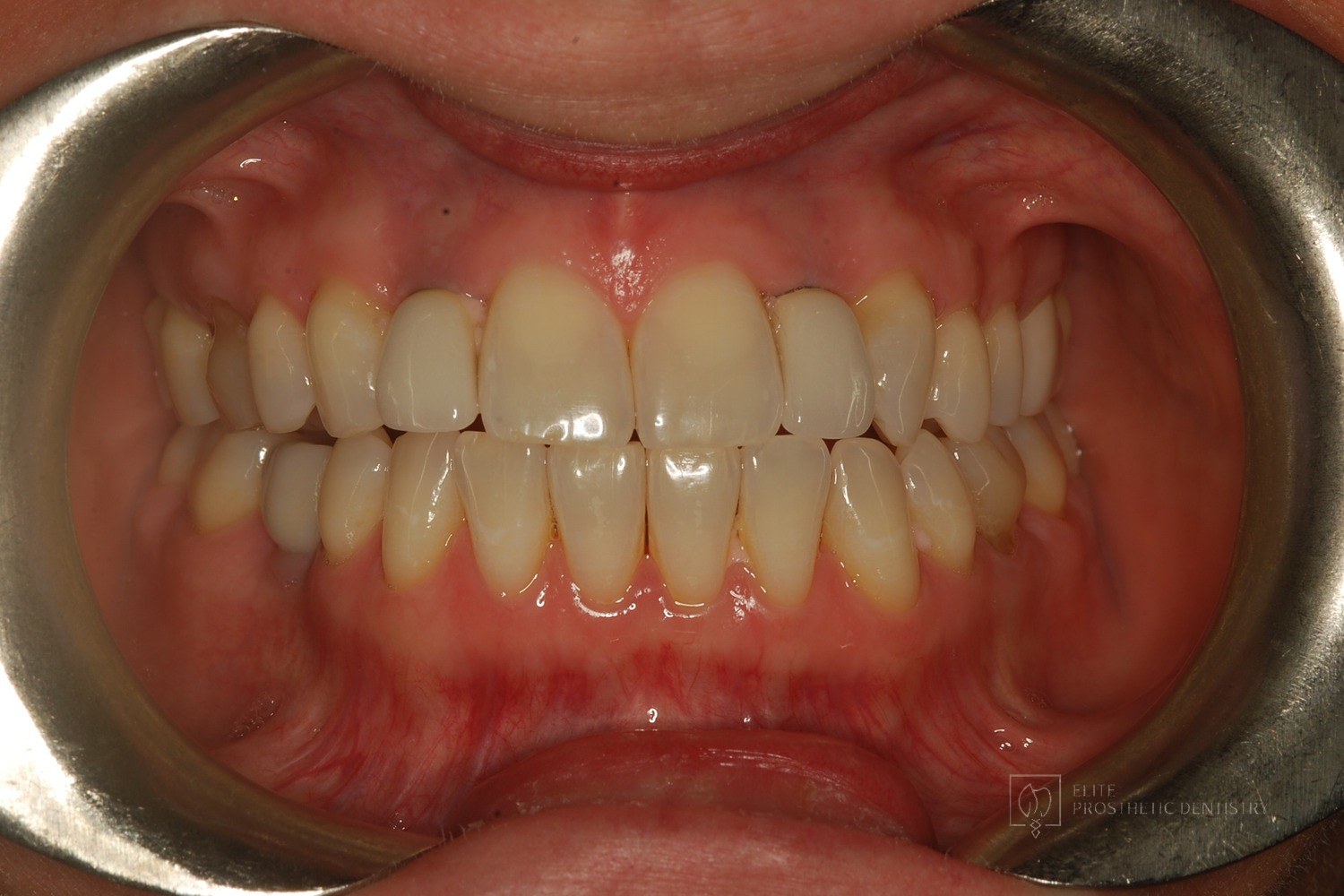
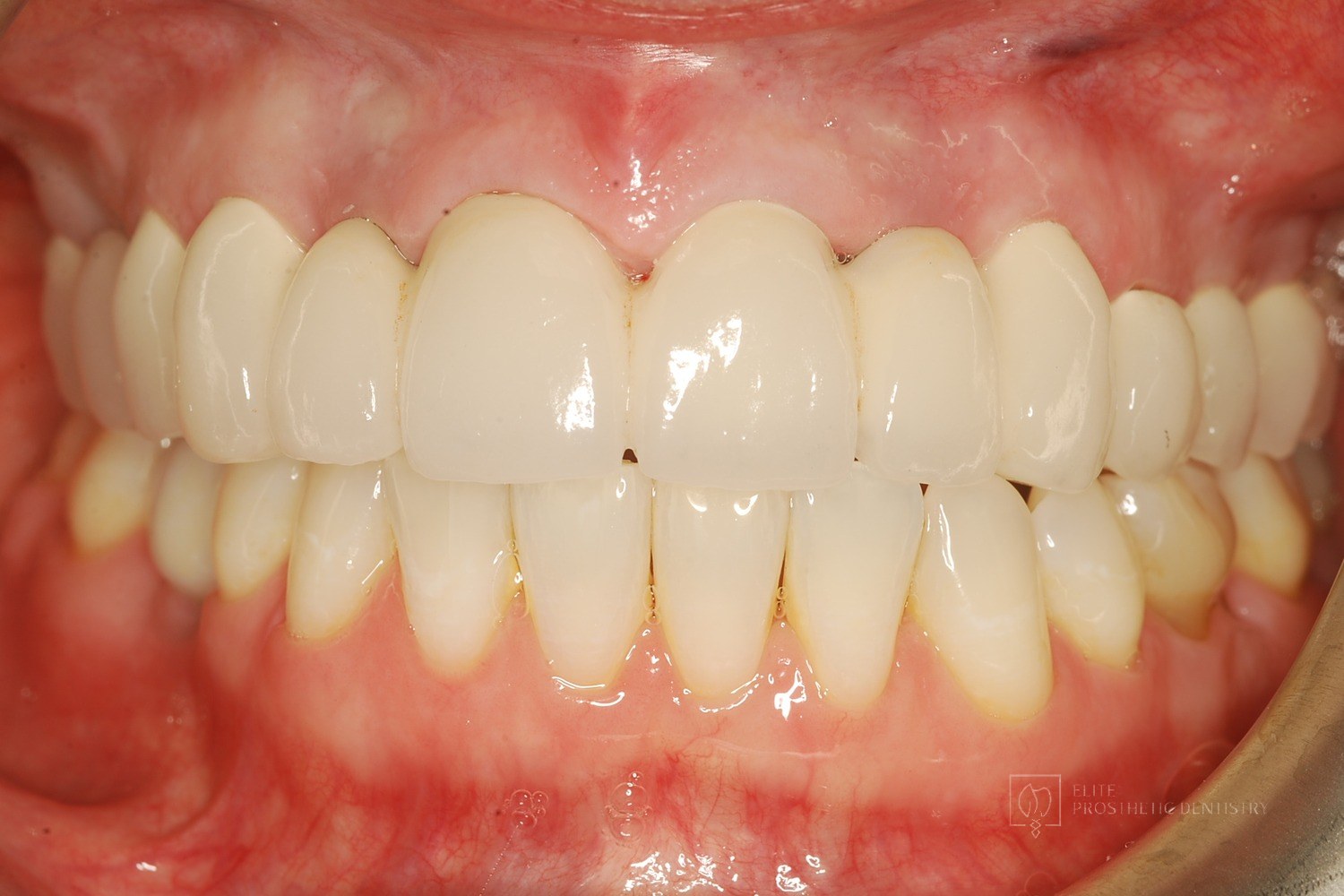
After How Older Implant Crowns Were Redesigned for a Better Bite and More Natural Appearance
The patient came in after years of living with implant-supported crowns placed more than twenty years earlier that no longer looked or functioned well. CBCT evaluation, reviewed with a radiologist colleague, showed the implants had been placed too far to the buccal in very thin bone and could not support a healthy long-term restoration.
 Before
  After
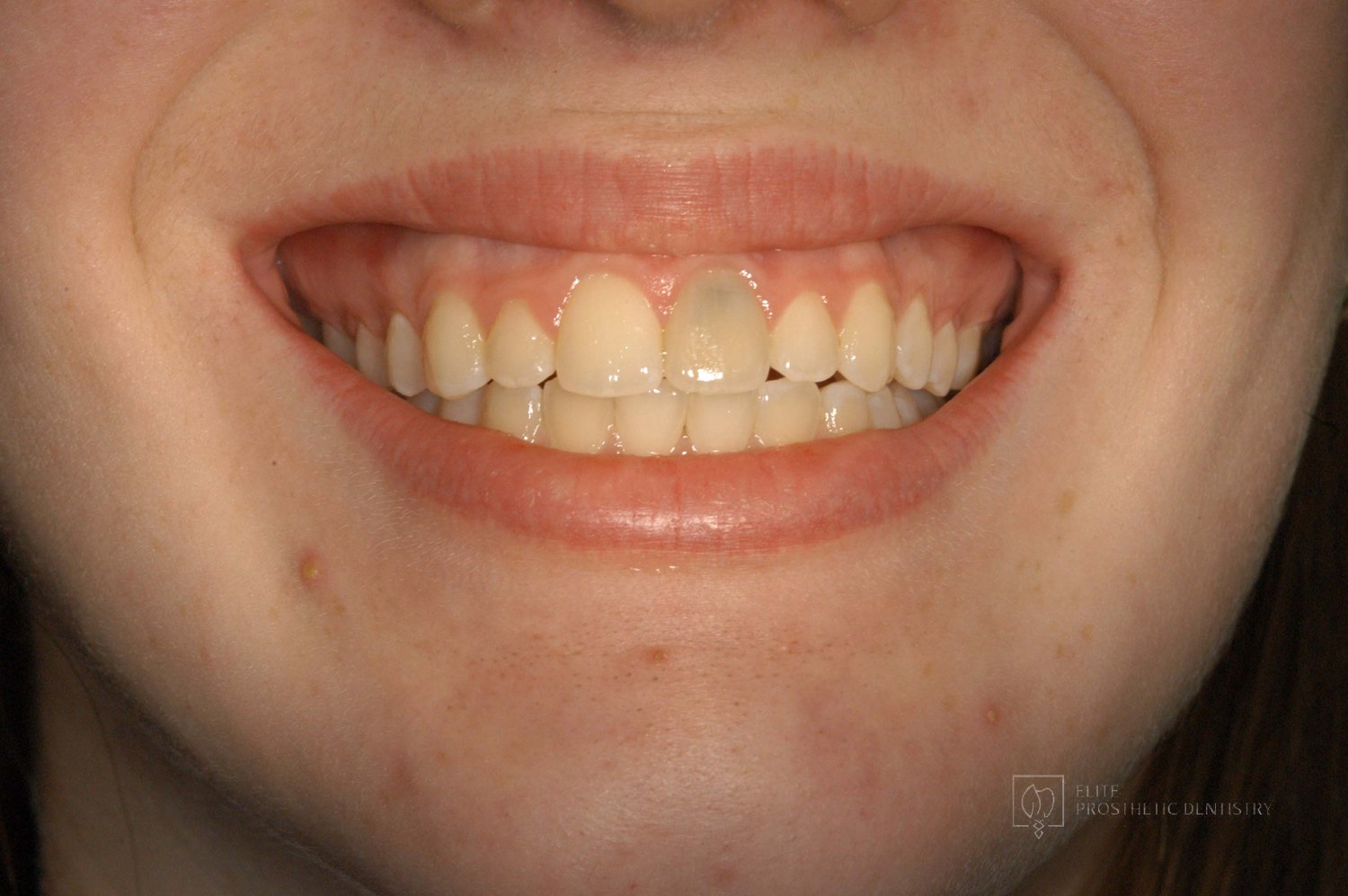
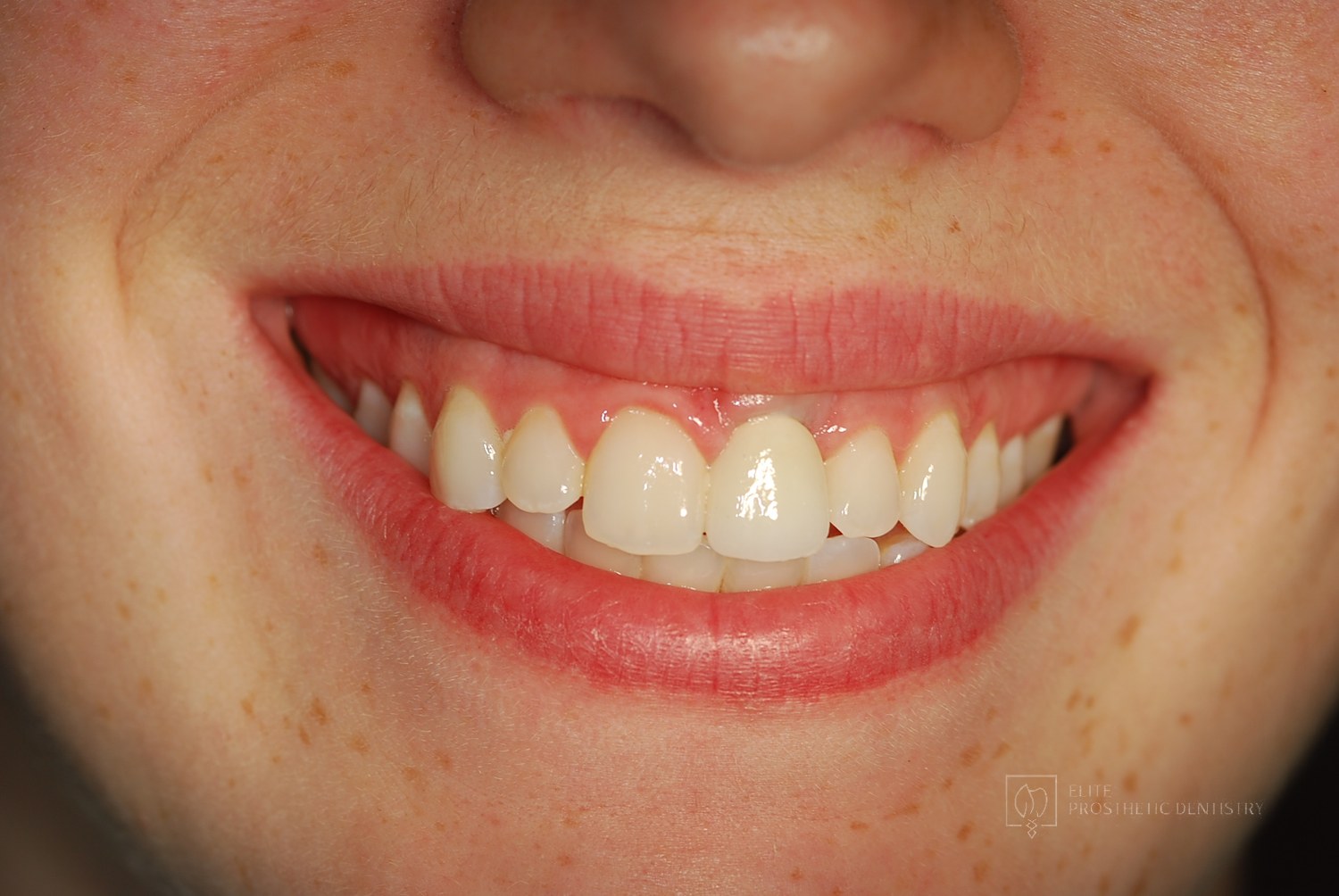
After How a Front Tooth Lost to Childhood Trauma Was Rebuilt with Bone Grafting and a Long-Lasting Implant
A teenager was referred by her father after earlier trauma left her upper left front tooth slowly failing from root resorption. She was still growing, so an immediate implant was the wrong move. The tooth had to be maintained to buy time, then replaced correctly once she reached skeletal maturity.
 Before
  After
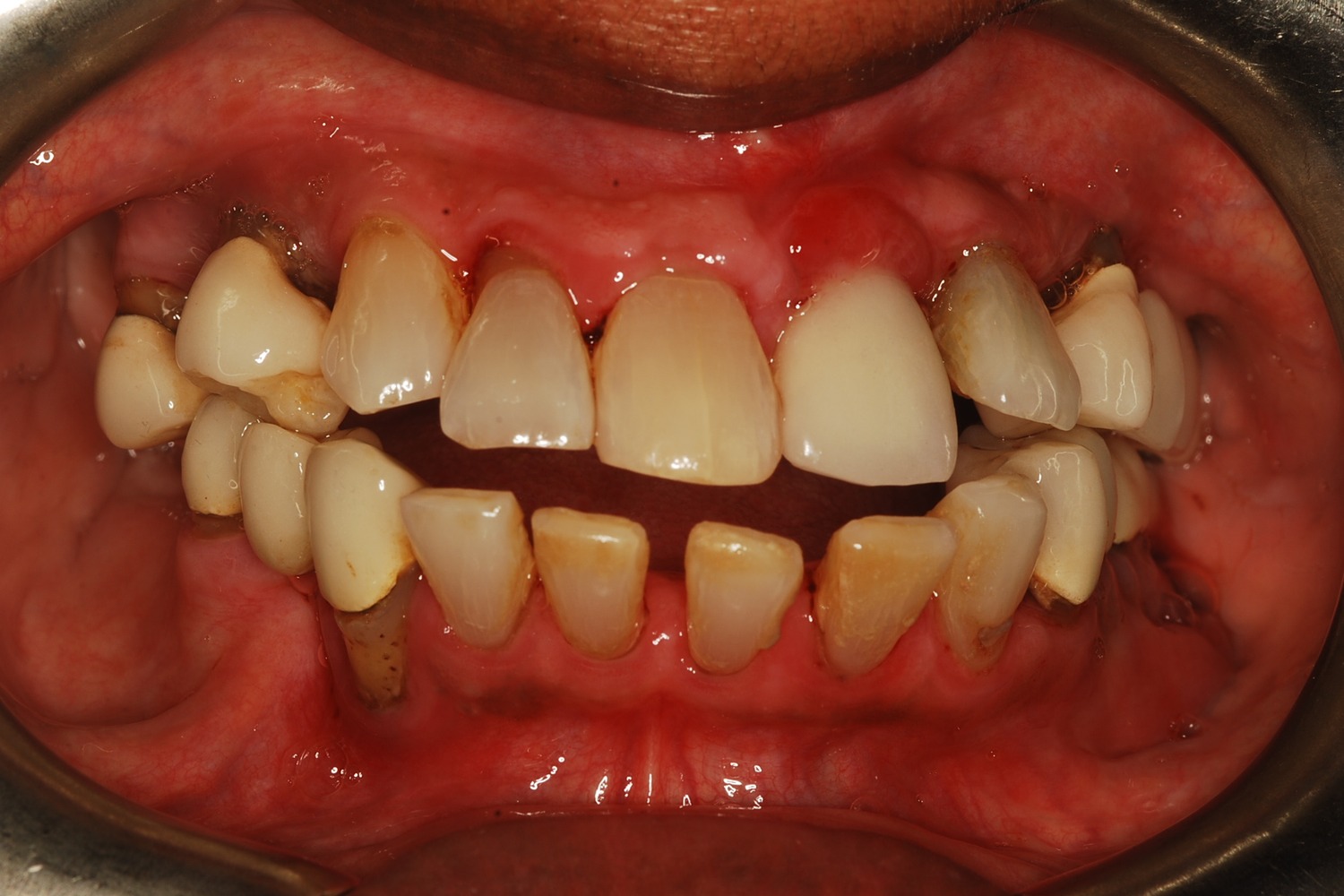
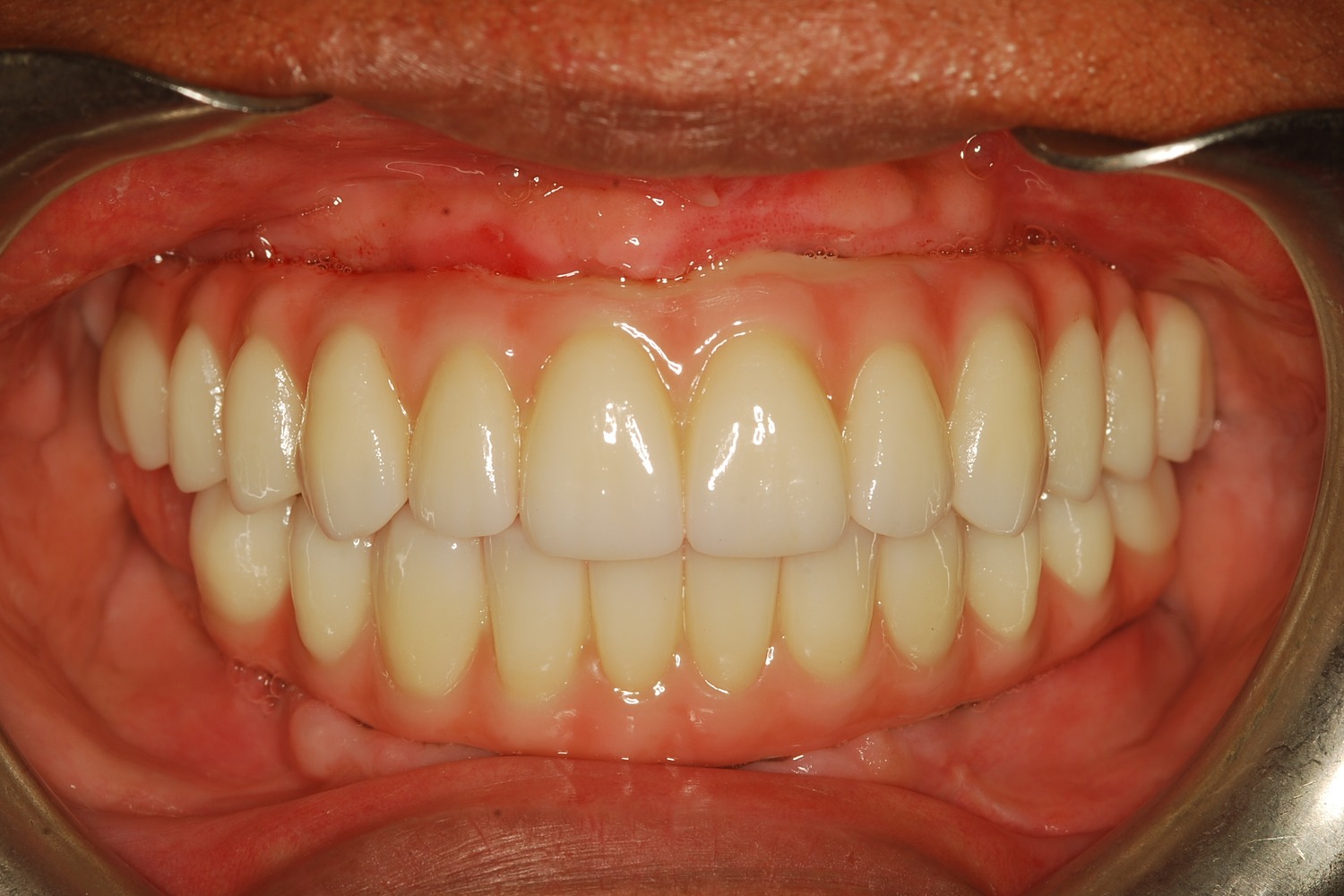
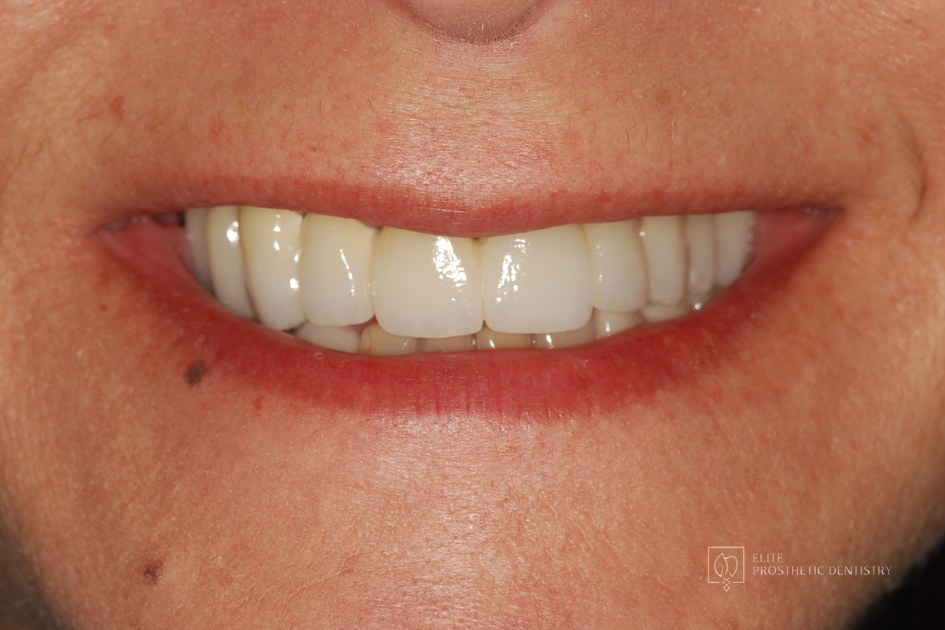
After How Severe Bone Loss and Bite Dysfunction Were Rebuilt with All-on-6 Implants and a Milled Zirconia Hybrid Prosthesis
The patient presented with severe bone loss, advanced periodontal disease, malocclusion, and a dysfunctional bite that required full-arch rebuilding.
 Before
  After
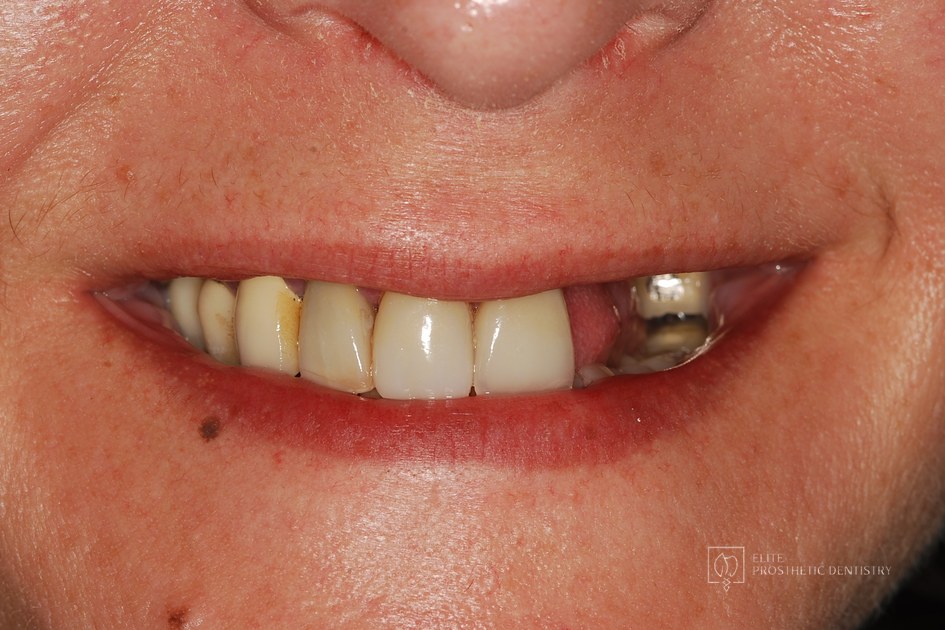
After Implant Supported Reconstruction: Failing Bridgework and Missing Back Teeth Rebuilt with Coordinated Specialist Care
Referred by another dental specialist with severe bone resorption on the upper left, multiple broken-down lower teeth requiring extraction, and failing lower back teeth that had left the bite without solid support. No single procedure, and no single provider working alone, could rebuild a situation this interconnected.
 Before
  After
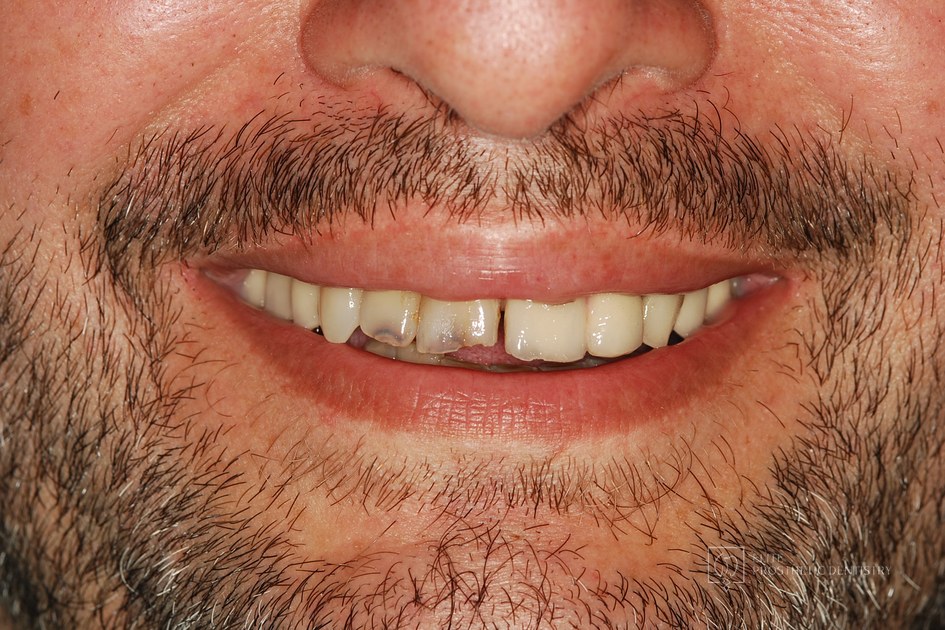
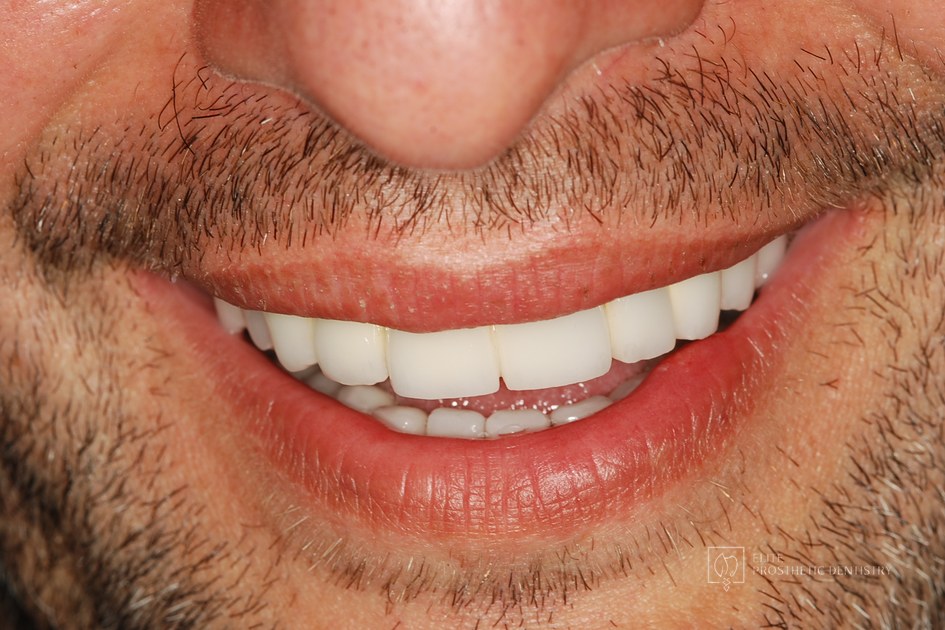
After How Worn Teeth Were Rebuilt for a Natural, Stable, Long-Lasting Smile
Decades of gradual wear had shortened, flattened, and darkened the teeth, changing the smile and quietly affecting the bite. The patient was not in crisis but wanted the dentistry planned and done correctly, with tooth proportions, esthetics, and bite stability handled as one system rather than patched a piece at a time.
 Before
  After
After Severe Restorative Breakdown Rebuilt with a Coordinated Full-Mouth Reconstruction
Multiple older restorations placed at different times over many years, broken-down teeth, a significant malocclusion, an asymmetrical smile, and two upper front teeth that could no longer be saved. No single repair could address a pattern this widespread.
Related Articles
Deepen your knowledge with additional insights on this topic.
 Dental Implants
 If a Single Front Tooth Is Replaced with an Implant, Can It Look Natural?
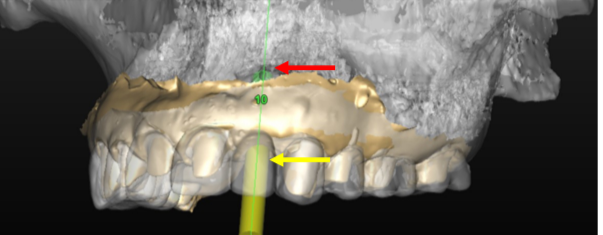
Yes. See the four steps, with real case photos, that make a single front tooth implant indistinguishable from the natural tooth beside it. Washington, DC.
 Dental Implants
 What Is Precision Implant Placement (PIP)?
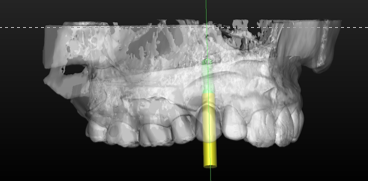
Precision Implant Placement plans each implant virtually on a CBCT scan, then delivers it with a custom surgical guide. See the three steps with real images.
 Dental Implants
 What Is the Ideal Surgical Guide for Precision Implant Placement?
Not all surgical guides are equal. The gold standard is CBCT-based: planned virtually in 3D, 3D printed, and seated on your teeth. A DC prosthodontist explains.
 Dental Implants
 When Should an Implant Not Be Done?
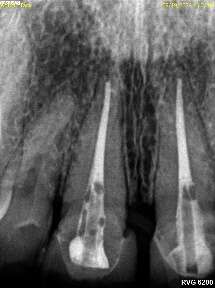
Healthy roots, thin bone, steep bony angles: a DC prosthodontist shows a real case where refusing implants was the right call, and what was done instead.
 Dental Implants
 What Is Staged Implant Therapy?
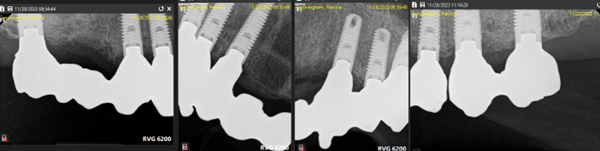
Staged implant therapy replaces failing teeth in phases while you keep fixed teeth the entire time. A DC prosthodontist walks through a real case in stages.
Dental Implants The Four Types of Dental Implants: Which One Is Right for You?
Endosteal, subperiosteal, zygomatic, and mini implants each solve a different problem. A DC prosthodontist explains the four types and who each one fits.
Full Mouth Implants Near Kalorama
Dr. Marlin also provides full mouth implants services for patients in these neighboring communities.
Getting Here from Kalorama
Elite Prosthetic Dentistry is conveniently located near Kalorama, DC.
Drive north on Connecticut Avenue or Massachusetts Avenue NW from Kalorama through Woodley Park to our Friendship Heights office.
Address:
4400 Jenifer Street NW, Suite 220
Washington, DC 20015
Phone: (202) 244-2101
Request a ConsultationRequest a Specialist Consultation from Kalorama
Kalorama residents come to Dr. Marlin for specialist prosthodontic care. With 3,900+ implants placed and restored over 40+ years, evaluation, planning, and execution are handled with the depth complex cases require.