
Comprehensive Dental Treatment on a Demanding Schedule: How Reconstruction Fits a Working Life in Washington, DC
How many visits a reconstruction or implant case actually takes, which steps can be consolidated under sedation, how provisional teeth keep you presentable between visits, and how the practice plans around a professional's calendar.
Practice clinician: Gerald M. Marlin, DMD, MSD, prosthodontist, Elite Prosthetic Dentistry, Friendship Heights, Washington, DC. Last updated .
For many of the patients who need comprehensive treatment, the obstacle is not the dentistry, the cost or the fear. It is the calendar. A lawyer in trial season, a physician on call, a consultant who travels three weeks in four, a parent running a household and a business, all ask the same question: how does a reconstruction fit into a life that has no slack in it? This guide explains how many visits the work actually takes, which steps can be consolidated, how provisional teeth keep you presentable between visits, and how the practice plans treatment around a working schedule.
The Honest Answer About Time
Comprehensive treatment takes months, not days, and anyone who promises otherwise is compressing steps that biology does not compress. Bone heals at its own pace after extraction, grafting or implant placement. A rebuilt bite needs to be worn in provisionals before it is made permanent. What a practice can control is the number of visits, the length of each, how they are grouped, and whether the patient is presentable and functional in between. Those are the variables that decide whether treatment fits a demanding life, and they are planning decisions made before the first procedure.
What the Visit Sequence Looks Like
Nearly every comprehensive case follows the same structure. The number of visits within it depends on the plan, and the plan should state it.
- Diagnostic visit. Examination, X-rays, CBCT scan, photographs, impressions or digital scan. One visit, no sedation needed, no decision required.
- Planning review. The findings, the design (shown on a diagnostic wax-up or digital design), the alternatives, the sequence, the fees. One visit, often the most valuable hour in the whole process.
- Stabilization and surgical phase. Treatment of disease, extractions, grafting, implant placement. Under intravenous sedation, these steps are frequently consolidated into one or two longer visits rather than a series of short ones. Provisional teeth are placed the same day.
- Healing intervals. Weeks to months, during which the patient wears provisionals and the practice checks healing at short visits. This is calendar time, not chair time.
- Restorative phase. Preparation of teeth, records for the laboratory, provisional refinement, trial of the final restorations, delivery. Grouped by arch or by region, with the laboratory on site to shorten the cycle.
- Follow-up and maintenance. Bite checks, a night guard if indicated, and a maintenance interval.
A patient’s total time in the chair over a reconstruction is far less than the elapsed months suggest, and most of the elapsed time is healing during which life proceeds normally.
Consolidation: Fewer, Longer Visits
Intravenous sedation, administered at the practice by a certified registered nurse anesthetist, is what makes consolidation possible. A surgical phase that might otherwise require four separate appointments, each with its own recovery, can often be completed in one. Long restorative visits, preparing an arch of teeth for crowns for instance, are comfortable under sedation and do not need to be split. Sedation visits require a companion to drive and a day without demanding commitments afterward, so they are placed where the calendar allows. Oral sedation and nitrous oxide serve shorter visits. The sedation plan is matched to the patient’s medical history; our guide on implants and your medical history covers the considerations.
Consolidation has limits that are clinical, not logistical. Healing intervals between phases are set by biology, and a practice that collapses them to suit a calendar is trading the result for convenience. The plan should say which steps are grouped and which are separated by healing, and why.
Being Presentable Between Visits
Patients in public-facing roles cannot be without teeth or with visibly temporary ones for months. Provisional restorations address this. In comprehensive work at Elite Prosthetic Dentistry, provisionals are made from the diagnostic design, placed the same day teeth are prepared or implants are placed, and refined over the following visits as the patient tests the bite, speech and appearance. They are made to be lived in: patients return to work, court, clinic and camera the next day. For front teeth, our guide on replacing a missing front tooth explains how the provisional also shapes the gum for the final result.
Why the On-Site Laboratory Matters to a Busy Patient
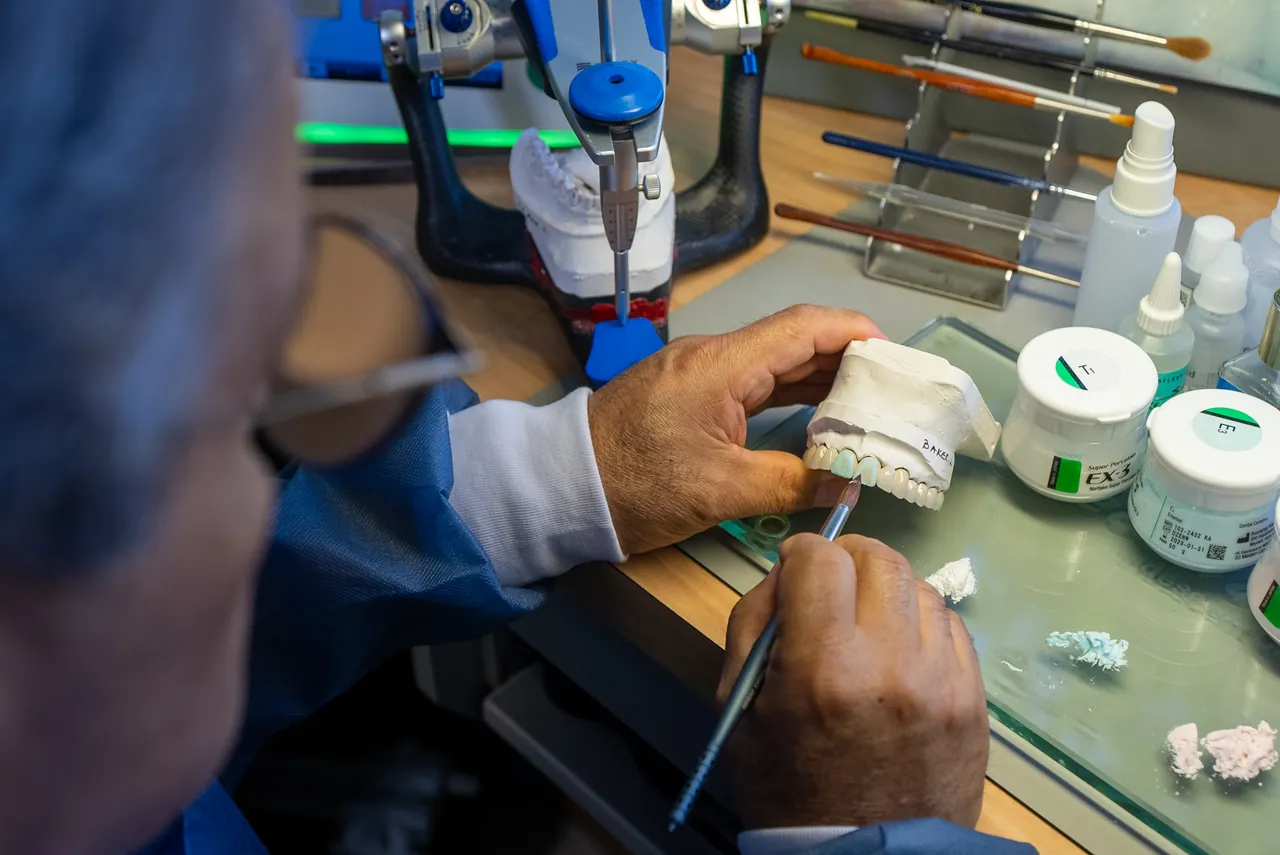
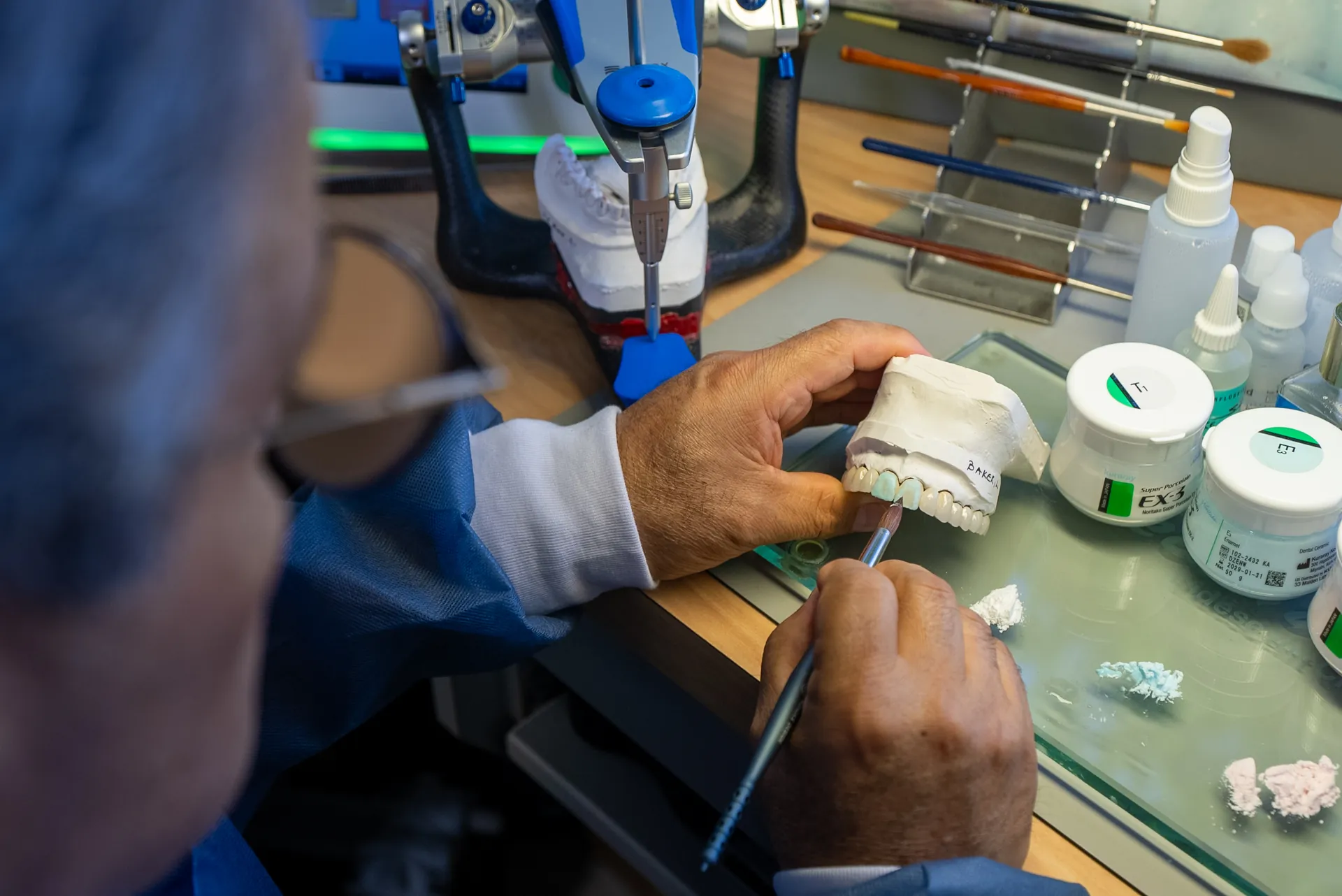
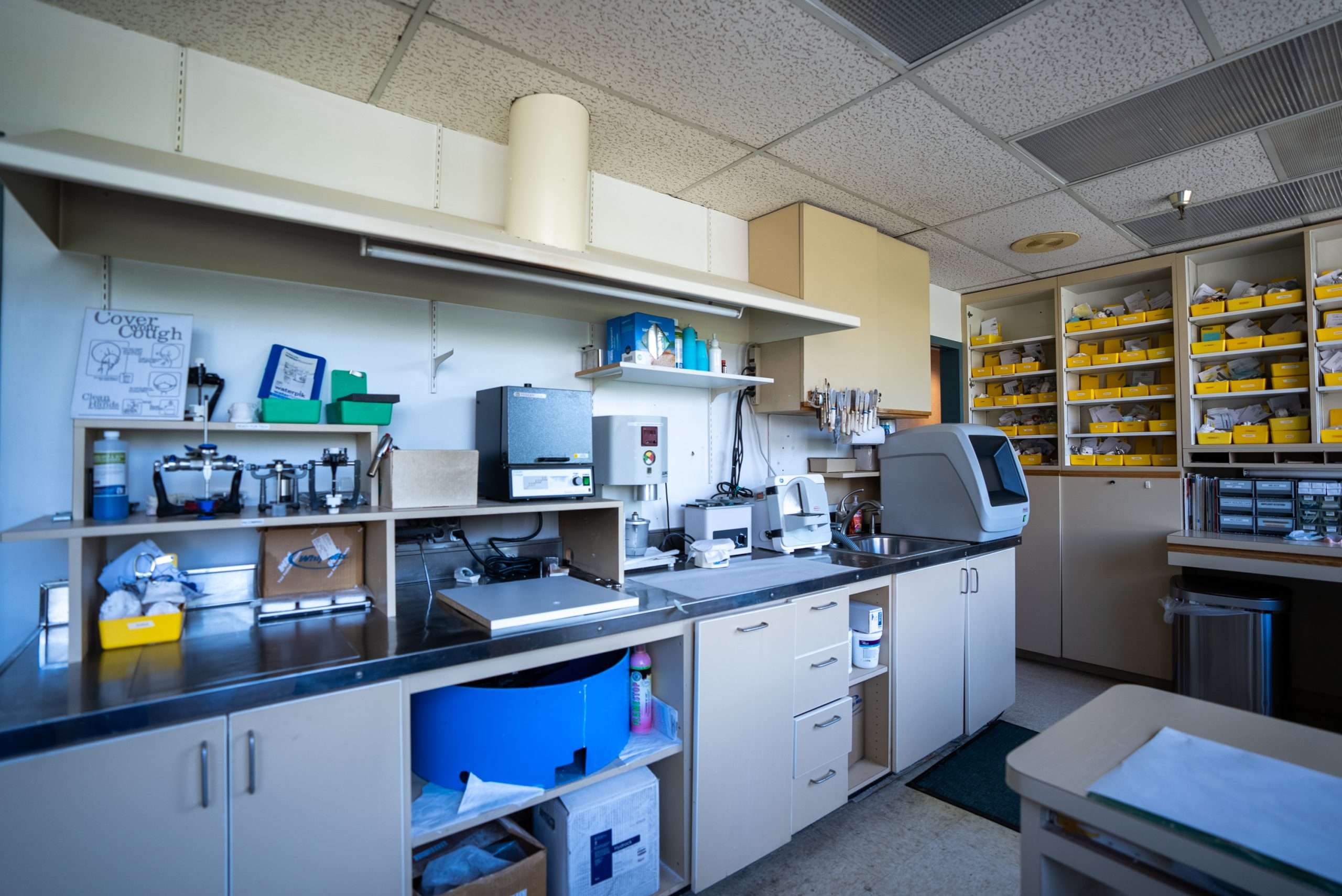
In a practice that sends work to an outside laboratory, a crown that comes back a shade off or a bite that needs reworking means another appointment after another shipping cycle. Elite Prosthetic Dentistry’s laboratory is in the building and has been since 1985. Shade matching is done with the patient present. Contour and bite adjustments are made during the visit. Provisionals and many final restorations are refined in hours rather than weeks. For a patient whose scarce resource is time, this is one of the larger practical differences between settings, and it is also where the quality of the result is decided.
Planning Around a Calendar
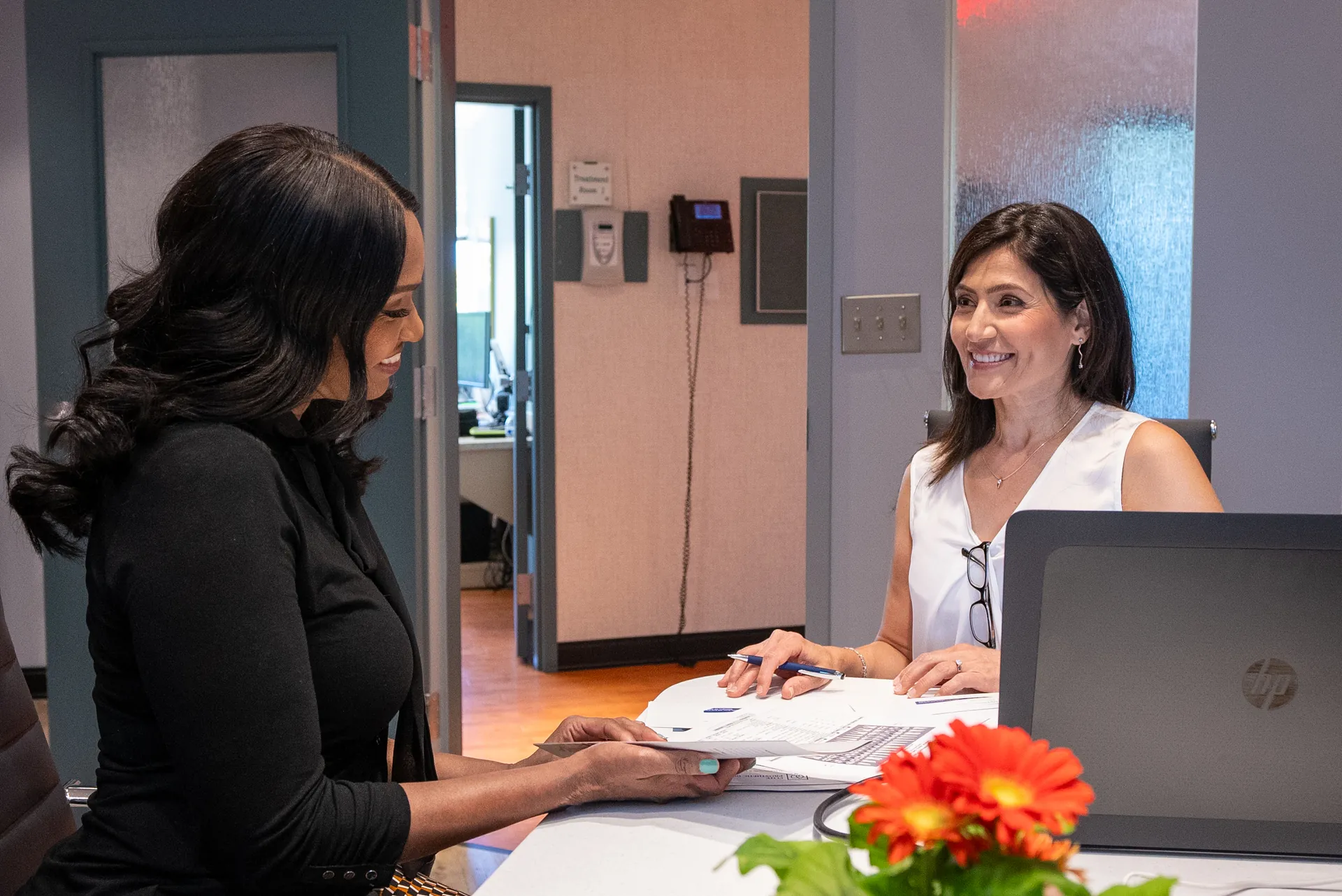
The sequence is set at the planning visit and placed on the calendar with the patient: surgical visits before a quiet week, restorative visits between trips, healing intervals over the busiest months, delivery before an event that matters. Office hours are Monday through Thursday, 8:00 AM to 5:00 PM, and Friday, 8:00 AM to 2:00 PM. The office is at 4400 Jenifer Street NW in Friendship Heights, one block from the Friendship Heights Metro station on the Red Line, with parking in the building. Patients who travel from outside the region can group visits into stays; the fly-in page covers logistics. Records are transferred from and to the patient’s regular dentist, and routine hygiene can remain with that dentist between phases.
Discretion
Treatment is planned and carried out in a private specialty office. Appointments are scheduled with time around them. Many of the practice’s patients hold positions in which a visible dental problem, or a visible dental treatment, is a professional liability, and the sequencing, the provisionals and the setting are planned with that in view.
How Elite Prosthetic Dentistry Approaches the Busy Patient
Dr. Gerald M. Marlin plans, places and restores implants and fabricates restorations in one office, which removes the coordination between a surgeon’s office, a restorative office and an outside laboratory that adds visits and delay in a split arrangement. The plan states the number of visits and the sequence before treatment begins. Sedation is used to consolidate surgical and long restorative steps where the patient’s health allows. Provisionals are designed to be lived in. The aim is a defined series of visits, each of which accomplishes a stated step, placed where the patient’s calendar can absorb them.
When Another Setting Fits Better
A patient who needs only routine care or a single uncomplicated restoration does not need comprehensive planning and is well served close to home or work. A patient whose medical condition requires general anesthesia in a hospital setting for the surgical phase is referred for that phase and restored in the practice afterward. A patient who cannot commit to the healing intervals a plan requires, for example before a fixed move abroad, may be better served by a limited plan now and a comprehensive one later, and the evaluation will say so.
Documented Cases
- A smile transformation completed in four months for a patient’s television series: a comprehensive case sequenced to a deadline.
- Temporary crowns that restored a patient’s smile in one day, ahead of the final makeover.
- A loose upper bridge and aging crowns rebuilt with staged implant reconstruction under IV sedation.
- Both arches rebuilt after advanced periodontal disease: extractions, grafting, sinus lifts and twelve guided implants in a planned sequence.
Related Decision Guides
- Where to start after years away from the dentist
- How to choose a prosthodontist for full mouth reconstruction
- Split-site implant care vs. integrated surgical-restorative planning
- Understanding your dental treatment plan
- Front teeth for people who speak for a living
Request a Plan With the Visit Count
If the calendar is what has kept you from addressing your teeth, request an appointment or call (202) 244-2101. The planning visit will produce a sequence with a visit count and the healing intervals stated, so you can see where it fits.
Your Best Smile Is Within Reach
Request a specialist consultation with Dr. Marlin to discuss your situation and the most appropriate path forward.
Frequently Asked Questions
How many appointments does a full mouth reconstruction take?
It depends on the plan, but the structure is consistent: a diagnostic visit, a planning review, one or more treatment phases, provisional adjustments, final delivery and follow-up. Surgical steps can often be consolidated into a single longer visit under sedation. Restorative steps are grouped by arch or by region. A patient should expect a defined series of visits set out in advance rather than an open-ended run of appointments, and the plan should state the number.
Will I look normal between visits?
Yes. Provisional restorations are made so that you leave each visit with presentable, functional teeth. In comprehensive cases the provisionals are also where the design is tested and refined, so they are made with care. Patients routinely return to work and public roles the day after a long visit.
Can the long steps be done while I am sedated?
Yes. Intravenous sedation, administered by a certified registered nurse anesthetist, allows extractions, grafting and implant placement to be consolidated into fewer, longer visits, and makes long restorative visits comfortable. Oral sedation and nitrous oxide are available for shorter visits. Sedation requires a companion to drive you home and a day with no demanding commitments.
Can I schedule around travel and work commitments?
The sequence is set at the planning visit, with healing intervals that biology sets and treatment visits that can be placed around travel, hearings, sessions, deadlines and holidays. Office hours are Monday through Thursday, 8:00 AM to 5:00 PM, and Friday, 8:00 AM to 2:00 PM. Patients traveling from outside the region can group visits; see the fly-in page.
Can the laboratory work be adjusted while I am there?
The practice's laboratory is on site, so shade, contour and bite adjustments that would otherwise mean a return visit after shipping to an outside laboratory can often be made during the same appointment. For a patient whose time is the scarce resource, this is one of the larger practical differences between settings.
Related Patient Success Stories
Explore similar patient success stories demonstrating our expertise in advanced prosthetic dentistry.
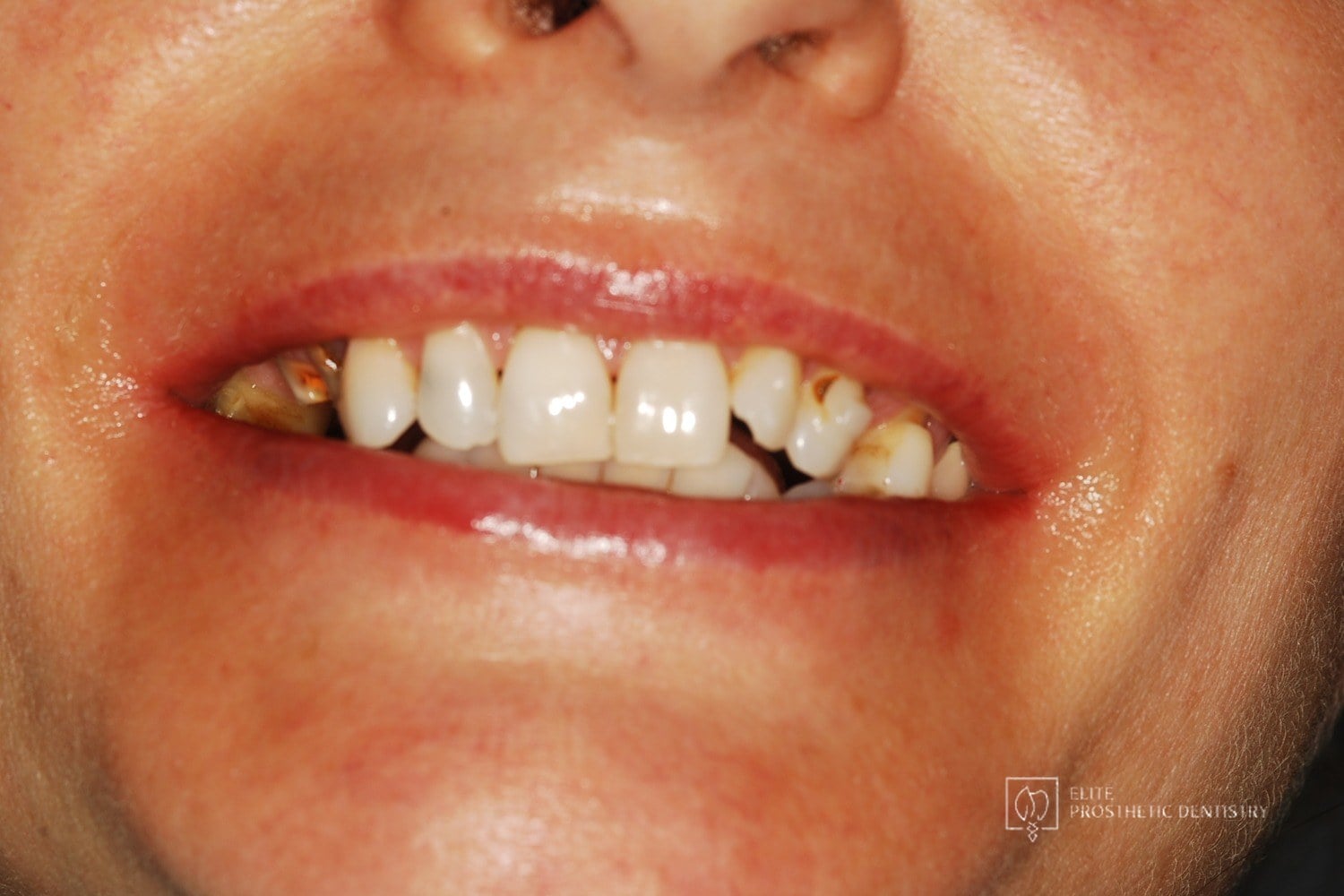 Before
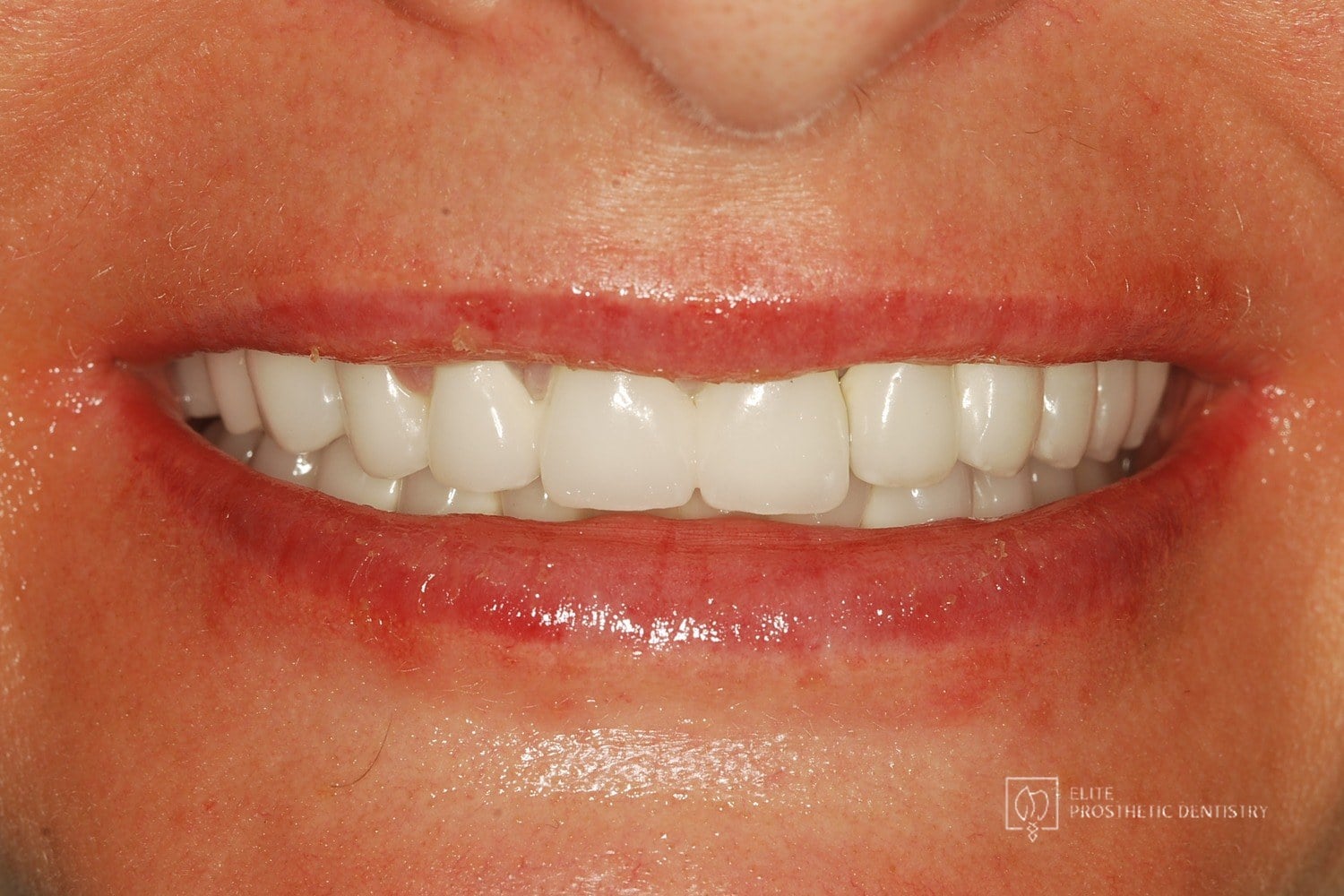 After
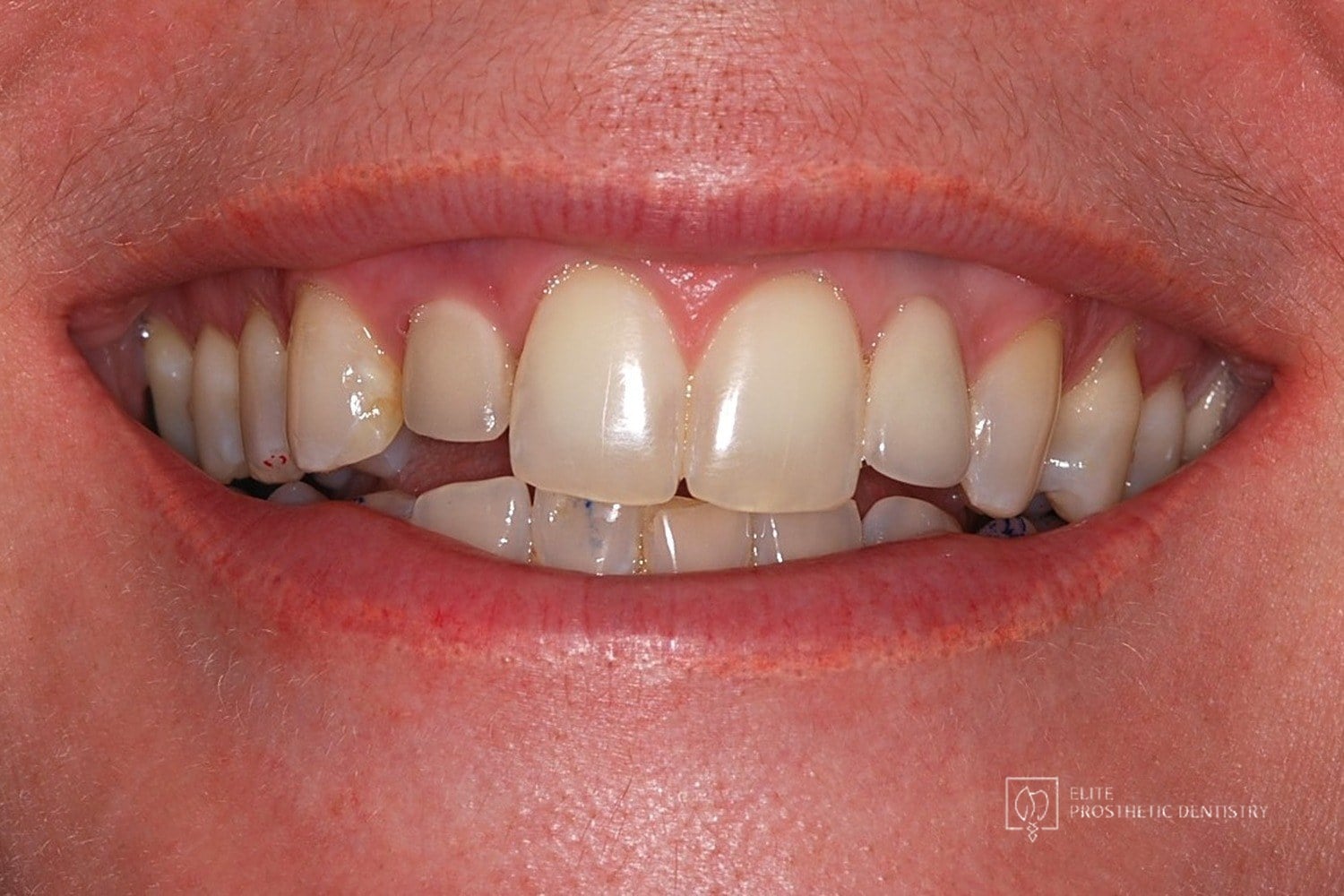
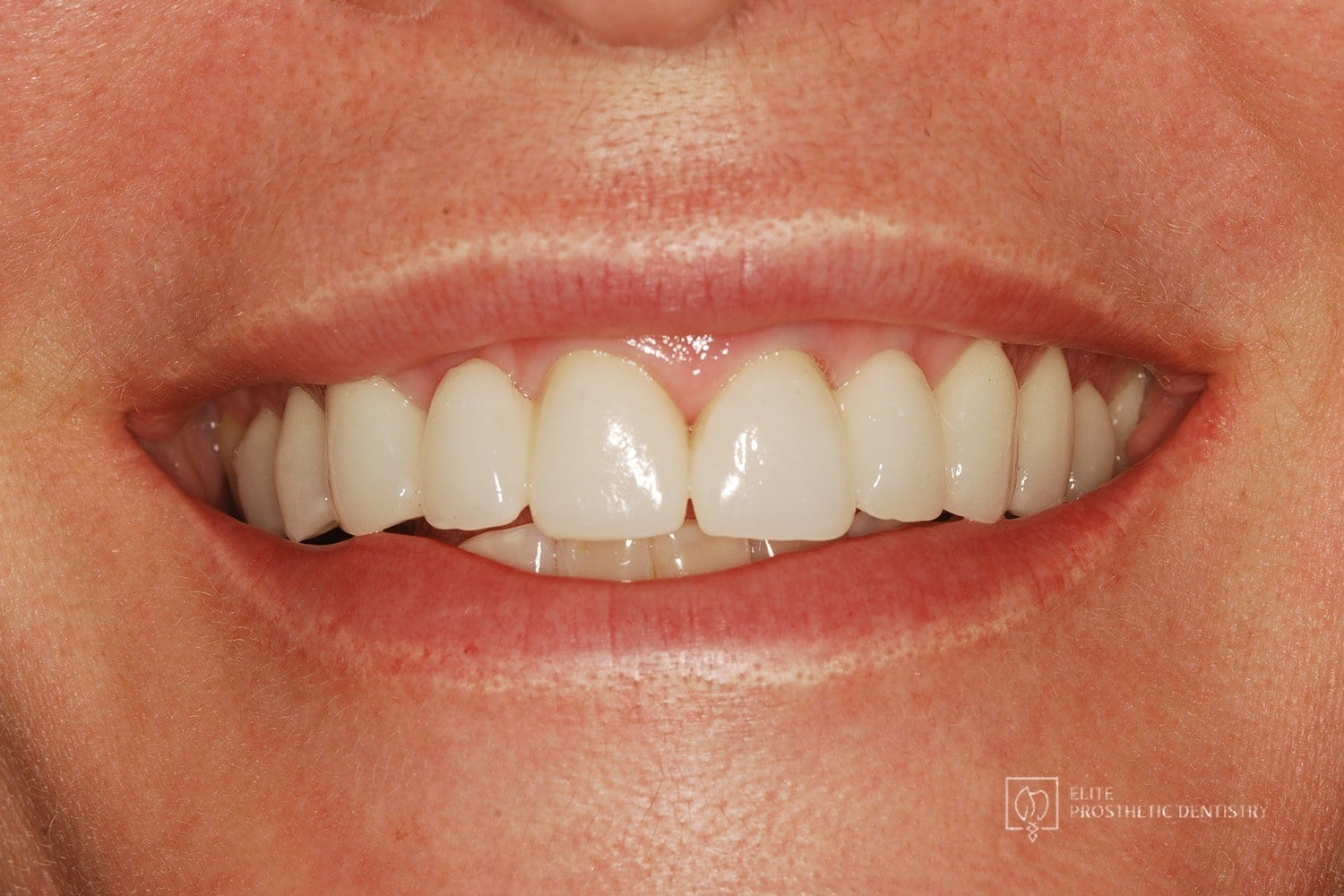
How Aging, Failing Dentistry Was Replaced with a Coordinated Full-Mouth Implant and Crown Reconstruction
The patient presented with throbbing upper-molar pain, long-standing infections, multiple root canals and unfinished prior treatment, generalized sensitivity, and several hopeless teeth.
 Before
 After
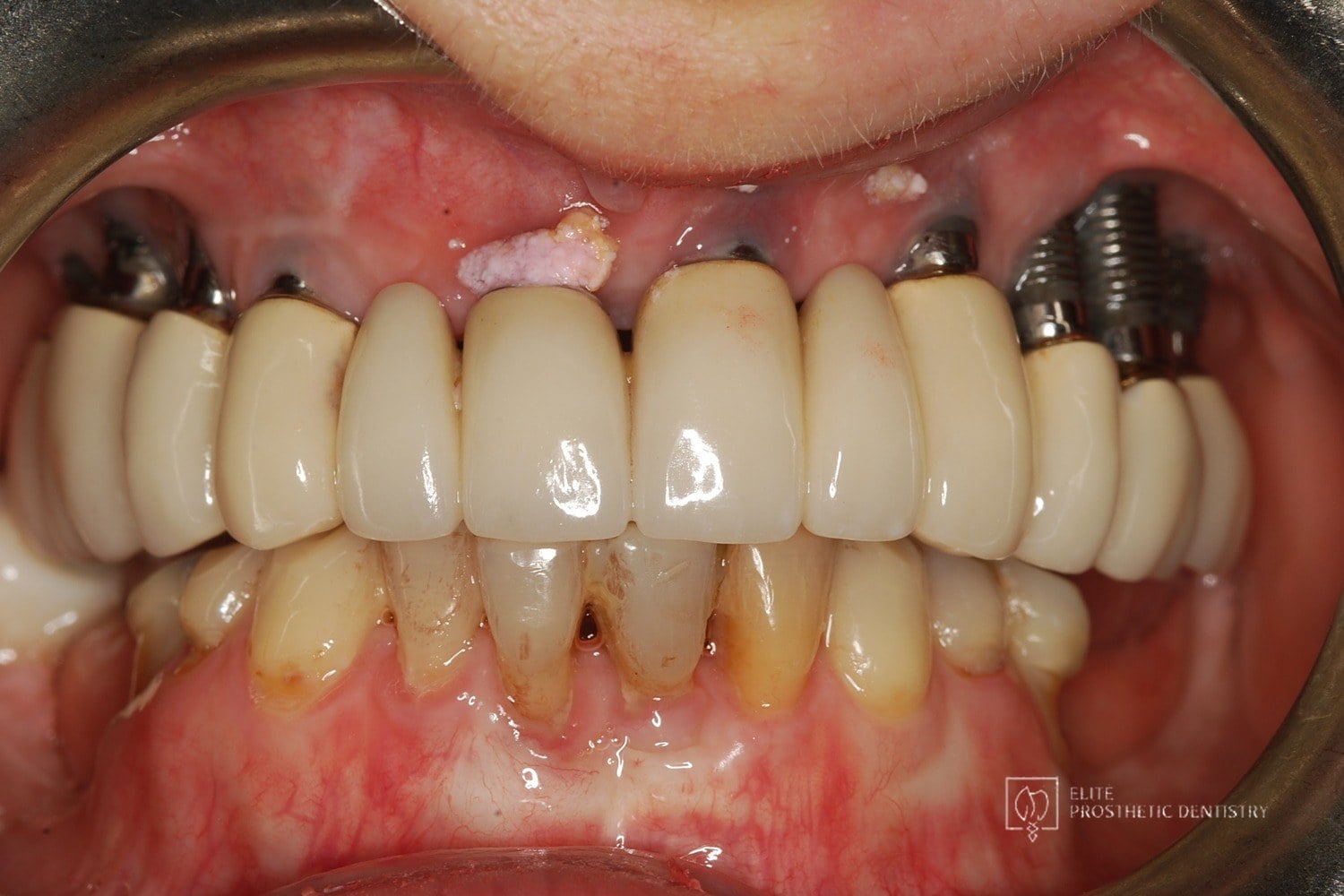
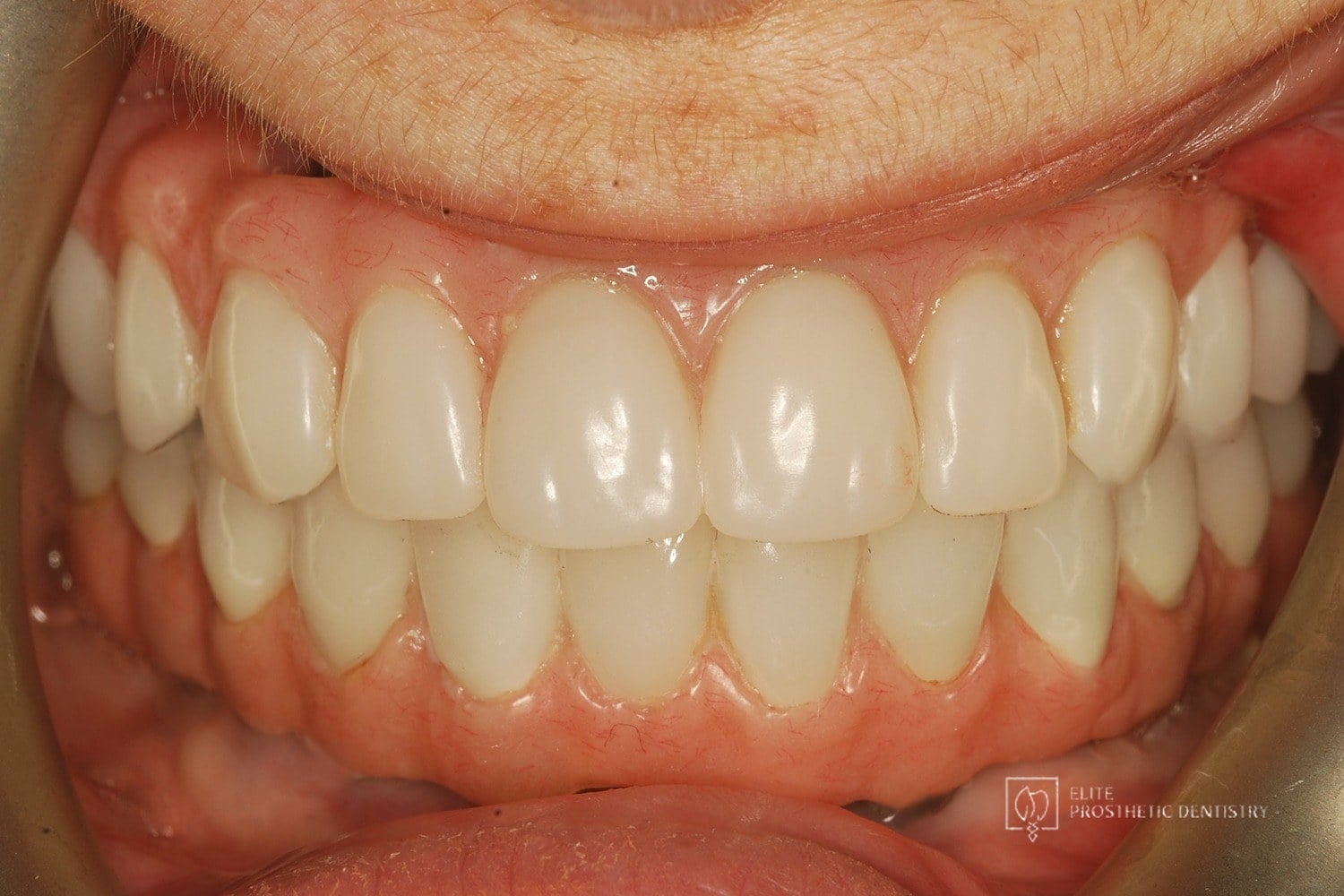
How Failing Implants and Severe Bone Loss Were Rebuilt Into a Stable Full-Arch Implant Reconstruction
The patient presented with significant complications from previously placed implants, severe bone loss, failing posterior implants, and an unesthetic full-arch bridge. Both arches required full reconstruction, with the upper arch showing the most advanced bone loss and instability.
 Before
 After
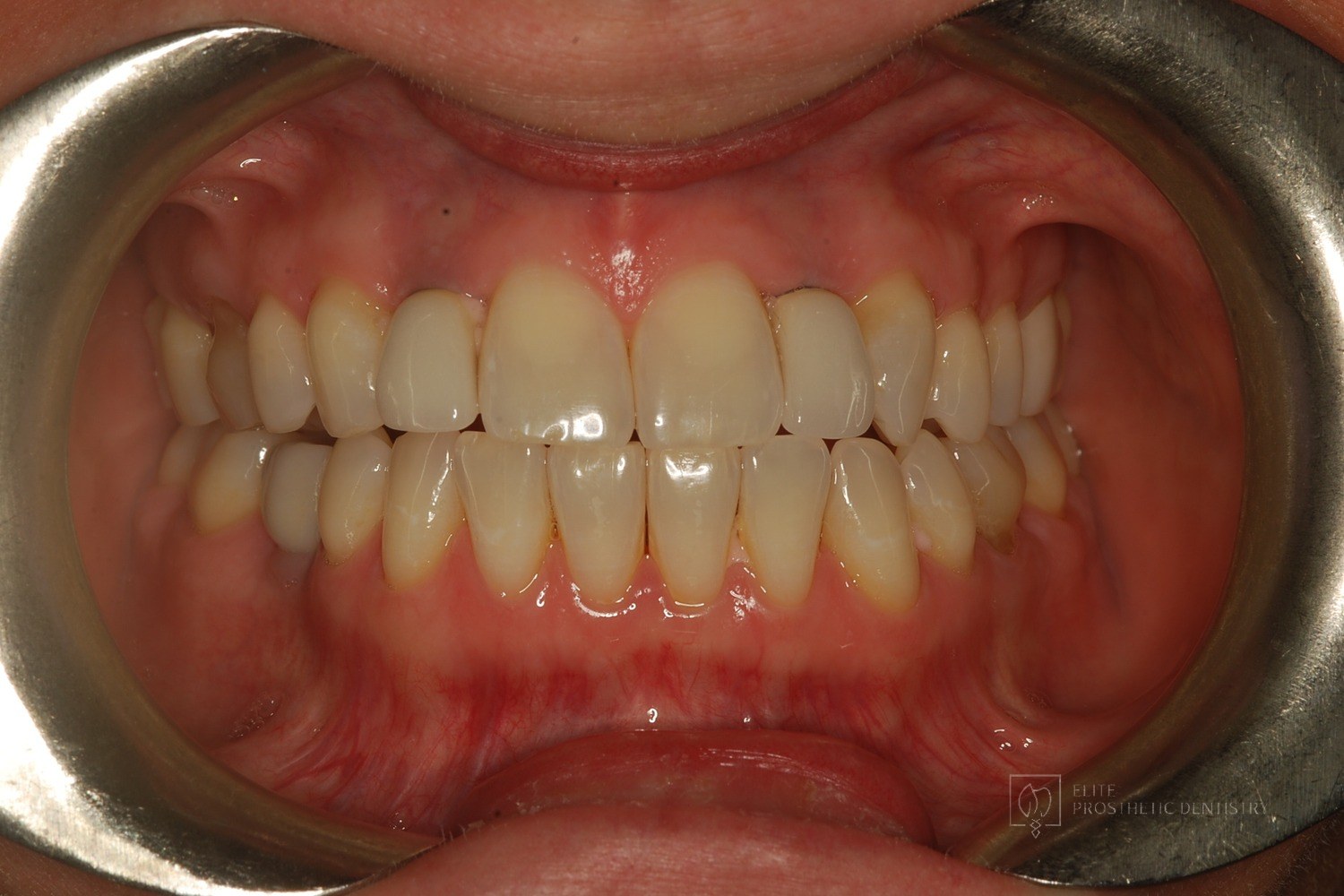
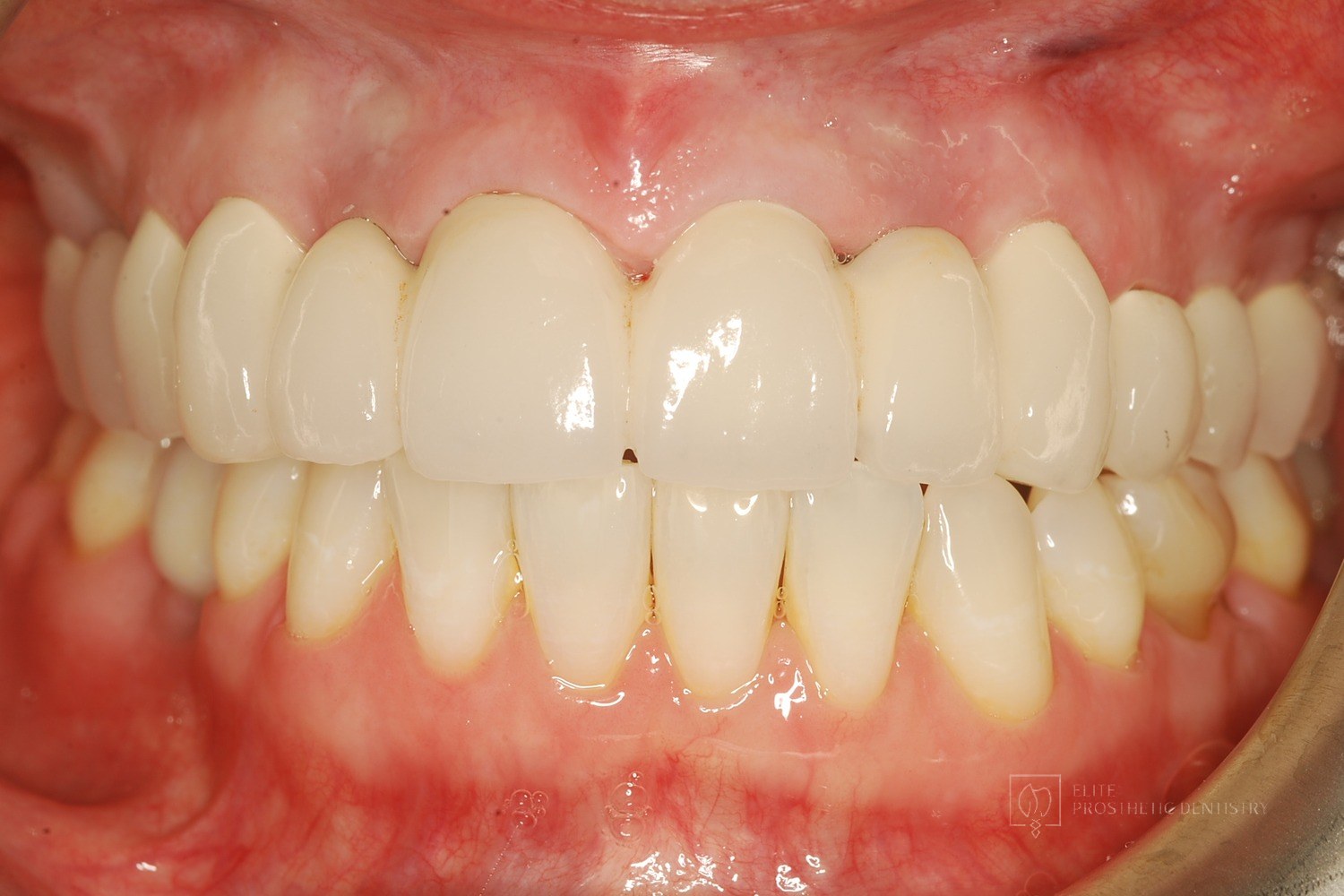
How Failing Lateral Incisor Implants Were Replaced with Custom Zirconia Bridges After Severe Bone Loss Made Replacement Implants Impossible
Comprehensive examination including CBCT imaging revealed significant bone loss surrounding implants that were placed outside the buccal plate, most likely due to placement without a CBCT-generated surgical guide. The implants were determined non-salvageable, and the alveolar ridge was too narrow to support replacement implants without extensive reconstruction.
 Before
 After
How Older Implant Crowns Were Redesigned for a Better Bite and More Natural Appearance
The patient came in after years of living with implant-supported crowns placed more than twenty years earlier that no longer looked or functioned well. CBCT evaluation, reviewed with a radiologist colleague, showed the implants had been placed too far to the buccal in very thin bone and could not support a healthy long-term restoration.
 Before
 After
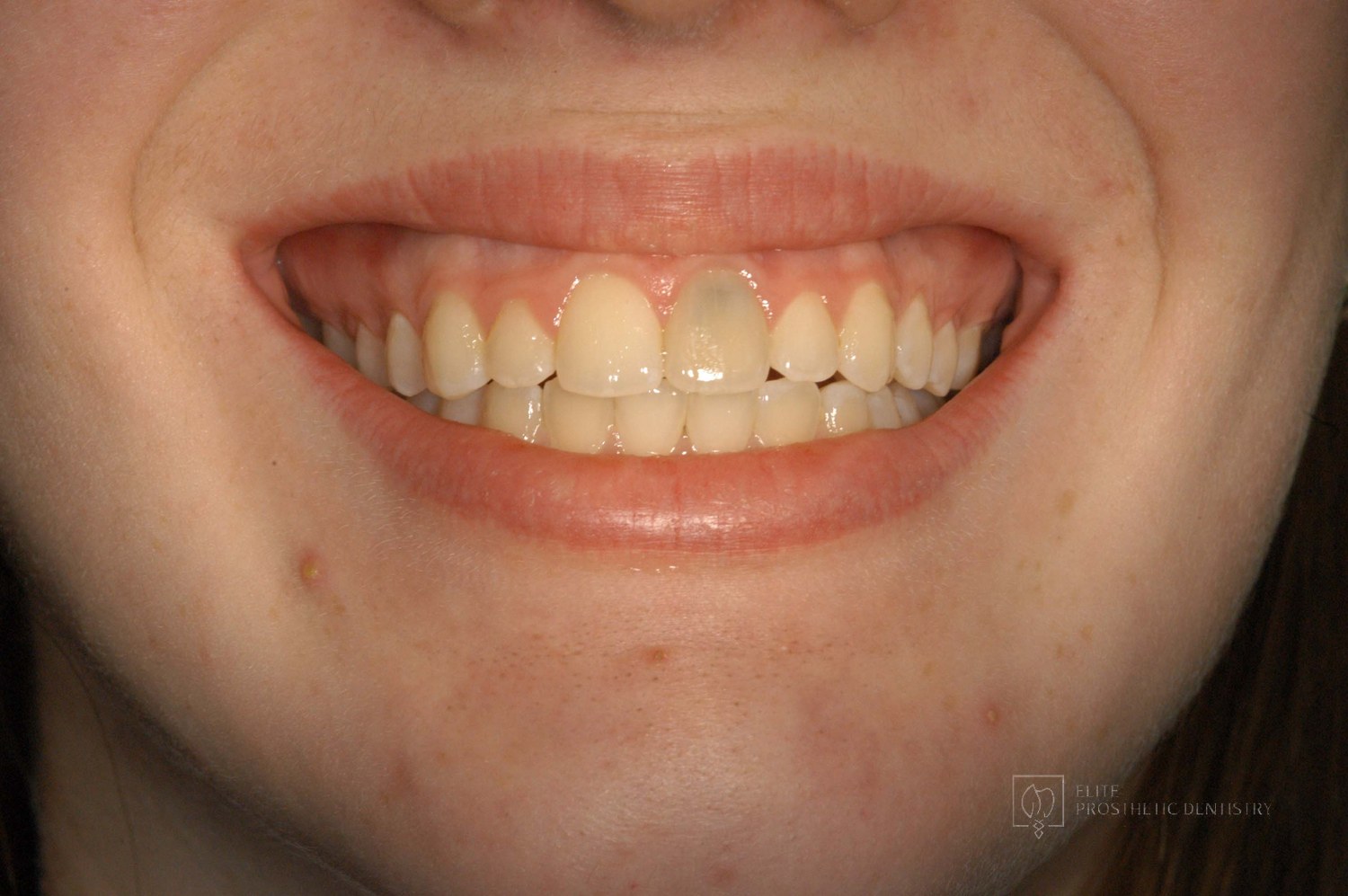
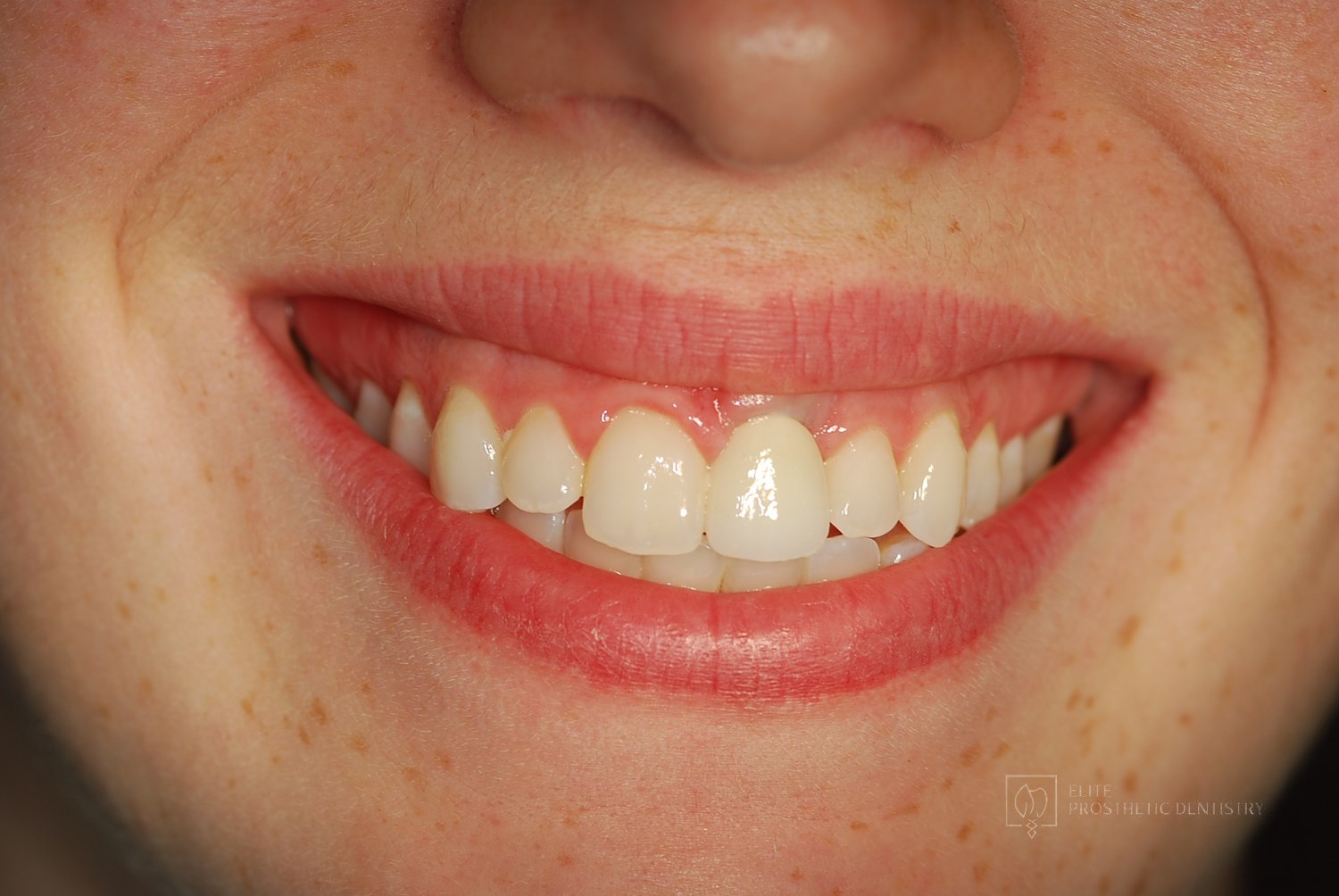
How a Front Tooth Lost to Childhood Trauma Was Rebuilt with Bone Grafting and a Long-Lasting Implant
A teenager was referred by her father after earlier trauma left her upper left front tooth slowly failing from root resorption. She was still growing, so an immediate implant was the wrong move. The tooth had to be maintained to buy time, then replaced correctly once she reached skeletal maturity.
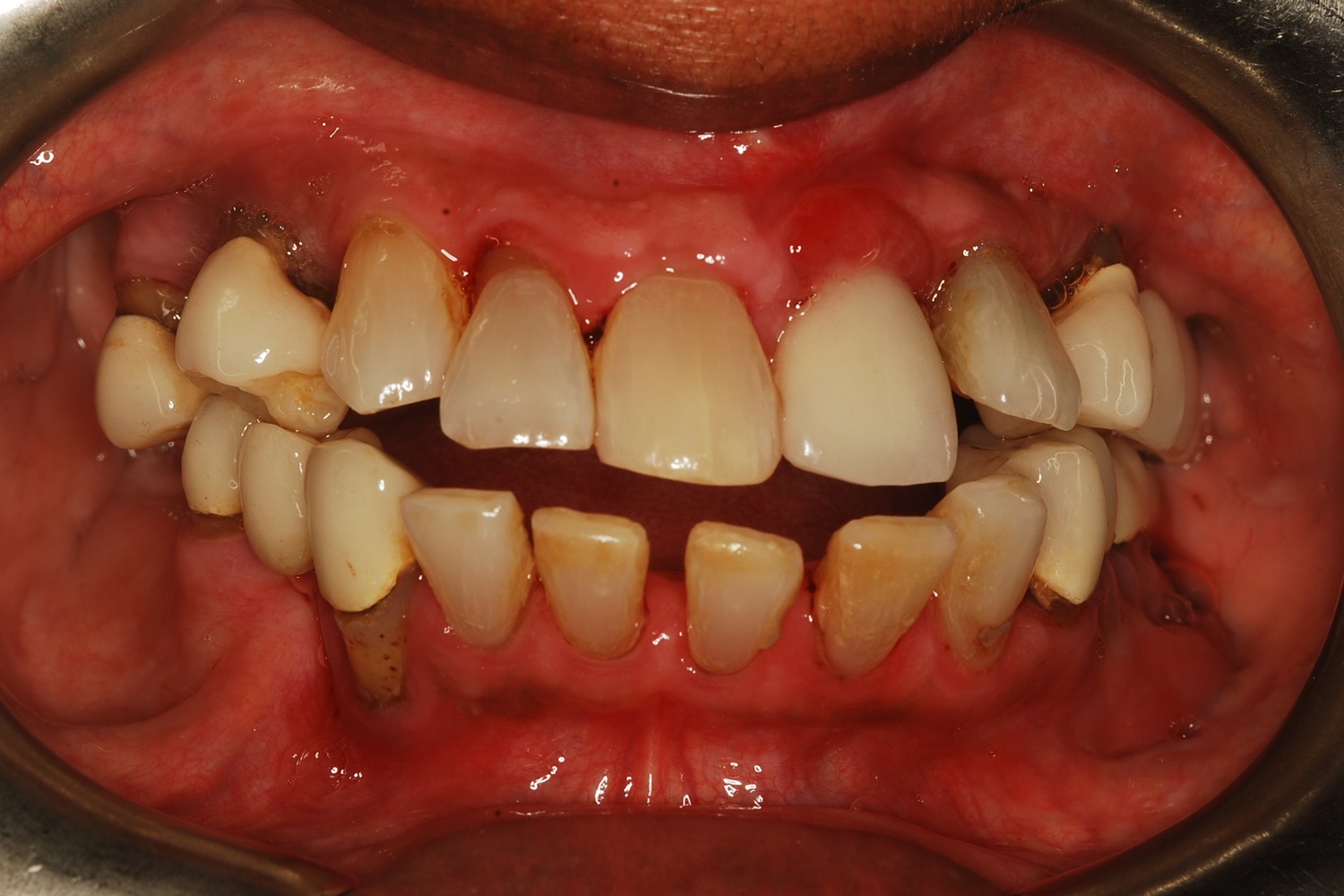 Before
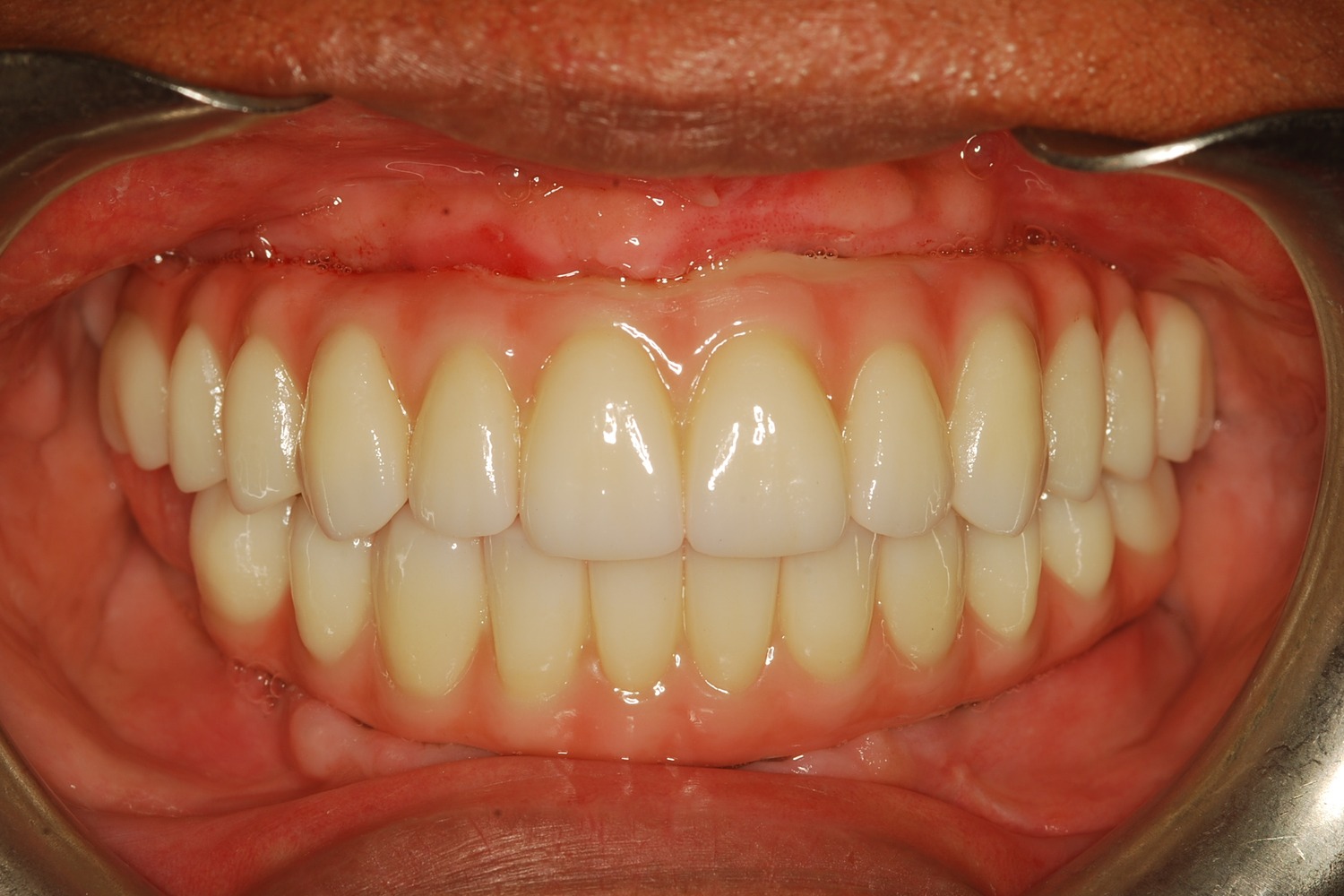 After
How Severe Bone Loss and Bite Dysfunction Were Rebuilt with All-on-6 Implants and a Milled Zirconia Hybrid Prosthesis
The patient presented with severe bone loss, advanced periodontal disease, malocclusion, and a dysfunctional bite that required full-arch rebuilding.
Related Articles
Deepen your knowledge with additional insights on this topic.
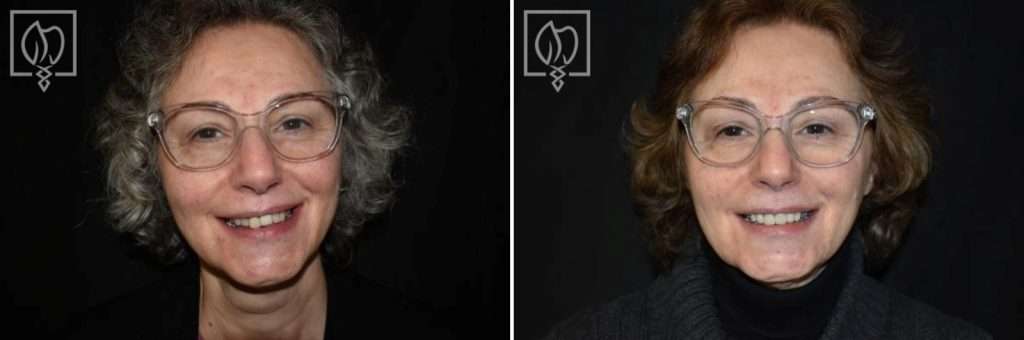 Choosing a Prosthodontist
The Patient's Guide to Implant, Cosmetic and Restorative Dentistry
How to judge quality in implant, cosmetic, and restorative dentistry: choosing a practitioner, why the lab matters, financing, and the questions to ask.
 Choosing a Prosthodontist
What is a Prosthodontist?
A prosthodontist is a dental specialist with advanced training in crowns, implants, dentures, and complex restorations. Washington, DC specialist.
 Choosing a Prosthodontist
4 Ways You Can Benefit from Our In-House Dental Lab
Custom aesthetics, precision fit, shorter waits, and fast repairs: four ways an in-house dental laboratory changes both your experience and your results.
 Choosing a Prosthodontist
What Is the Difference Between a Dentist and a Prosthodontist?
Every prosthodontist is a dentist, but with years of extra specialty training in restoring and replacing teeth. A DC prosthodontist explains who does what.
 Choosing a Prosthodontist
Don't Wait 'Til It's Too Late: Start with a Virtual Dental Consultation
A virtual consultation is a convenient first step: discuss your concerns, share records, and hear options from a DC prosthodontist before an in-person exam.
 Choosing a Prosthodontist
Emergency Dentistry: The Benefits of an In-House Laboratory
When a tooth or restoration breaks, an on-site dental lab can mean a natural-looking repair in a day instead of a week. How emergency fabrication works in DC.
Ready to Transform Your Smile?
With 40+ years of experience and 3,900+ dental implants placed, Dr. Marlin and the team deliver dentistry planned to last. Request a specialist consultation.