
Dental Work Abroad: What to Verify Before You Go, What to Bring Home, and What Happens When It Needs Care Here
Considering implants or a reconstruction overseas, or already had it done? What to verify about the clinician and the plan, the records to bring home, how healing and follow-up work across distance, and how work done elsewhere is evaluated and maintained in Washington, DC.
Practice clinician: Gerald M. Marlin, DMD, MSD, prosthodontist, Elite Prosthetic Dentistry, Friendship Heights, Washington, DC. Last updated .
Washington is a city of people who travel, and many of them have considered having major dental work done abroad, or have already done so. This is not a guide against it. It is a guide to the questions that matter wherever the work is done, the records to bring home, the part of treatment that distance makes hardest, and how work done elsewhere is evaluated, maintained and, when necessary, corrected at a practice in Washington, DC.
The Questions Are the Same Everywhere
The quality of implant and reconstructive dentistry depends on the clinician, the planning, the components and the follow-up, not on the country. A patient evaluating a practice abroad should ask exactly what they would ask at home, and our guides on how to compare implant and reconstruction quotes and what “dental implant specialist” means and how to verify it apply without change:
- Who will perform the surgery and who will make the restoration, and what is their training and case experience?
- Was the plan built from a CBCT scan and a restorative design, or from a visual examination?
- Which implant system, which components, which materials, and will I receive the specifications in writing?
- What is included: provisionals, follow-up, adjustments, a night guard?
- What happens, and who pays, if an implant does not integrate or a restoration fails early, and where does that care happen?
- How are healing intervals handled if I live far away?
A practice anywhere that answers these in writing is one a patient can evaluate. A practice that cannot, or whose plan is a package with a trip length attached, deserves the scrutiny our guide on when to seek a second opinion describes.
The Part Distance Makes Hardest
Surgery is one day. Healing is months. The implant placed on a Tuesday abroad needs its sutures checked, its provisional adjusted, its tissue examined, and its final restoration made only after the bone has accepted it. A rebuilt bite needs weeks in provisionals and adjustment visits before it is finalized. These steps are routine when the office is across town and difficult when it is across an ocean.
Patients manage this in three ways, each with a cost. They make several trips, which adds expense and time. They accept a compressed sequence, with the final restoration placed before healing is complete, which raises the risk of failure. Or they go home in provisionals with no arrangement for who will check and adjust them, which is the most common path and the one that produces the problems seen in evaluation. The honest question to ask any practice abroad is which of the three their plan involves.
What to Verify Before You Go
- The clinician’s identity, training and the number of cases like yours. Ask for the same verification you would ask for at home.
- A written plan with the sequence, the healing intervals, the number of trips and what happens between them.
- The implant system by name, and whether it is serviced in the United States. Major systems are; some regional ones are not.
- The laboratory that will make the restoration and the materials.
- The arrangement for follow-up at home: whether the practice will coordinate with a dentist here, and whether that dentist has agreed.
- The policy if something fails, and where the remedy happens.
What to Bring Home
The records determine whether the work can be maintained. Ask for, and do not leave without:
- The written plan and a record of every procedure performed, with dates.
- The CBCT scan and X-rays in a standard digital format, not just printed images.
- For every implant: brand, model, diameter, length and lot number. Most manufacturers supply a sticker card for the patient’s records.
- Abutment and screw specifications.
- Materials used in crowns, bridges or prostheses, and the laboratory’s name.
- The clinician’s direct contact for questions after you return.
A dentist at home who has these can service the work. One who does not may be reduced to guessing the implant system from an X-ray, and a screw or abutment that cannot be matched may force a remake.
When Work Done Abroad Needs Care Here
Elite Prosthetic Dentistry sees patients who had implants or reconstruction done elsewhere, abroad and domestically, for routine maintenance, for a problem, and for a second opinion on whether to continue a plan started somewhere else. The evaluation is the same in each case: identify the implant system and components from the records or from imaging, examine the implants, the restoration and the tissue, assess the bite, and set out what can be maintained as placed, what needs correction, and what cannot be serviced in its current form. Dr. Gerald M. Marlin plans, surgically places and restores implants in the practice, and the on-site laboratory can remake or modify restorations when the original components are unavailable. Our page on repairing failing implants describes the corrective side, and our guide on what kind of dentist should fix a failing implant explains who evaluates what.
Two points of candor. First, the practice does not pass judgment on the clinician abroad; it evaluates the work in front of it, and much of it is sound. Second, correcting work that was not planned from a restorative design, or that used components that cannot be matched, can be more involved than the original treatment, and the evaluation says so plainly before anything begins.
Traveling for Expertise Rather Than Price
The reverse is also common: patients travel to Washington for prosthodontic care from other states and countries. The practice’s fly-in page explains how multi-day visits are planned, and our guide on treatment on a demanding schedule covers sequencing. The same distance problems apply in reverse, and the practice addresses them by consolidating visits, coordinating with the patient’s home dentist for interval checks, and stating the trip count in the plan.
When Another Setting Fits Better
A patient with sound work done abroad and no problems needs routine maintenance, which a general dentist at home can provide when the records are available. A patient in acute distress after treatment abroad should be seen promptly by any qualified dentist, and by the emergency room for facial swelling, fever or uncontrolled bleeding. A patient whose main question is whether a plan abroad is fairly priced is asking a question this guide does not answer; it answers whether the plan is complete.
Documented Cases
The practice’s documented cases of corrective work describe clinical findings, not where the original treatment took place. Relevant examples of evaluating and correcting work done elsewhere:
- Replacing a dental implant that could not be properly restored.
- Restoring multiple old dental implants that had fractured or failed.
- Failing implants and severe bone loss rebuilt into a stable full-arch implant reconstruction.
- Older implant crowns redesigned for a better bite and more natural appearance.
More cases are organized in the corrective implant revision success story hub.
Related Decision Guides
- What determines the cost of implants and reconstruction, and how to compare two quotes
- Understanding your dental treatment plan
- What does “dental implant specialist” mean, and how to verify it
- When to seek a second opinion before dental implants, extraction or major treatment
- Life after reconstruction: maintenance over the years
Request an Evaluation of Work Done Elsewhere
If you had treatment abroad and want it checked, maintained or corrected, or you are weighing a plan abroad and want a second opinion on its completeness, request an appointment or call (202) 244-2101. Bring every record you have; the evaluation starts with them.
Your Best Smile Is Within Reach
Request a specialist consultation with Dr. Marlin to discuss your situation and the most appropriate path forward.
Frequently Asked Questions
Is dental work done abroad lower quality?
Not inherently. Excellent clinicians and laboratories exist in many countries, as do poor ones, exactly as in the United States. The questions are the same anywhere: who is the clinician, what is their training and experience with your kind of case, how was the plan made, what materials and components were used, and what happens if something goes wrong. The difference abroad is that follow-up, healing checks and adjustments happen thousands of miles from the office that did the work, and that is the part most patients underestimate.
What records should I bring home?
A written treatment plan listing every procedure; the CBCT scan and X-rays in a standard digital format; the implant brand, model, size and lot number for every implant placed (often on a sticker card); the abutment and screw specifications; the materials used in crowns or prostheses; the laboratory that made them; and the clinician's contact details. Without the implant specifications, a dentist at home may not be able to obtain the parts needed to service the restoration.
Can a dentist here maintain or repair implants placed abroad?
Usually, when the implant system is identifiable and the parts are available. Major implant systems are serviced worldwide; some regional systems are not, and a crown or screw that cannot be matched may mean the restoration has to be remade in a different way. The evaluation identifies the system from the records or from X-ray appearance, checks the implants and the restoration, and says what can be maintained, what needs attention, and what cannot be serviced as placed.
I had problems after treatment abroad. What should I do?
Have the work evaluated promptly, here, by a clinician who can examine the implants, the restoration and the tissue around them. Bring whatever records you have. Pain, swelling, bleeding, a loose component or a prosthesis that does not fit are reasons to be seen soon rather than to wait for a planned return trip. Many problems are component or tissue problems that can be corrected; some require more. The evaluation separates them.
Is it realistic to do a full reconstruction in one trip?
Rarely, for work that involves implants. Bone heals over months, and a final restoration placed before implants have integrated puts them at risk. Plans that compress healing to fit a trip either accept that risk or leave the patient wearing a provisional for a long interval between trips, with no one nearby to adjust it. A single trip can be realistic for crowns and veneers on sound teeth. Ask any practice how healing intervals are handled across distance.
Related Patient Success Stories
Explore similar patient success stories demonstrating our expertise in advanced prosthetic dentistry.
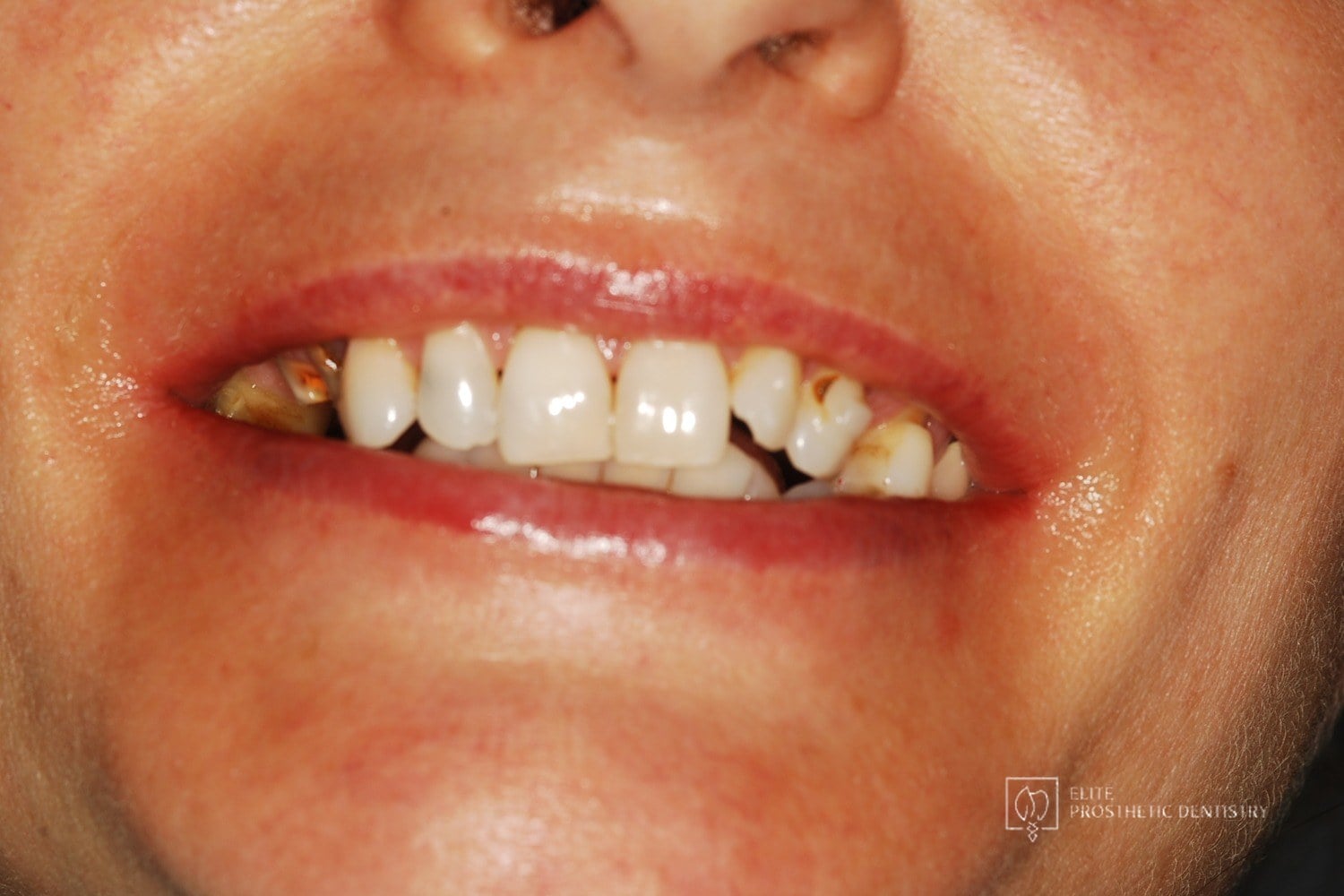 Before
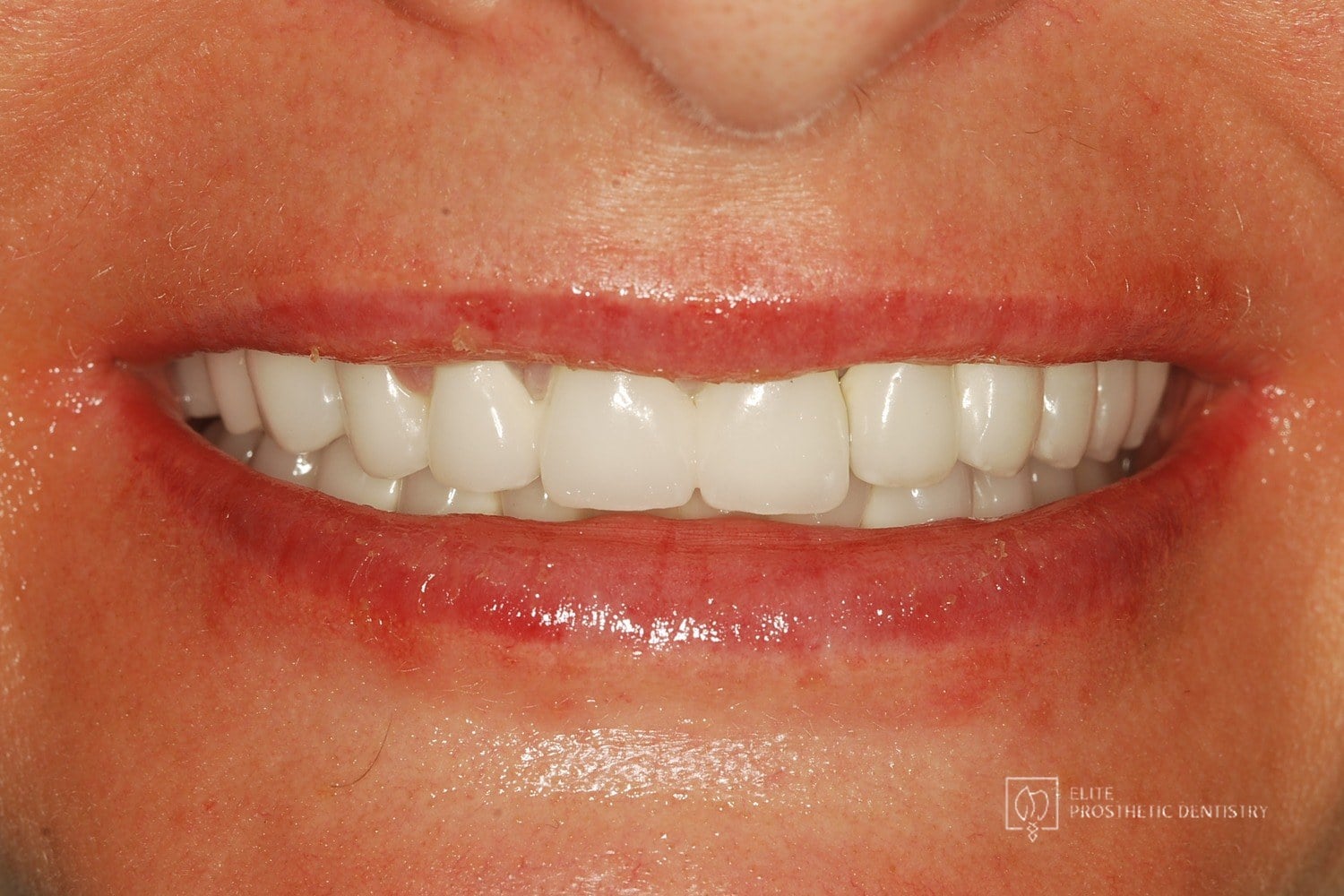 After
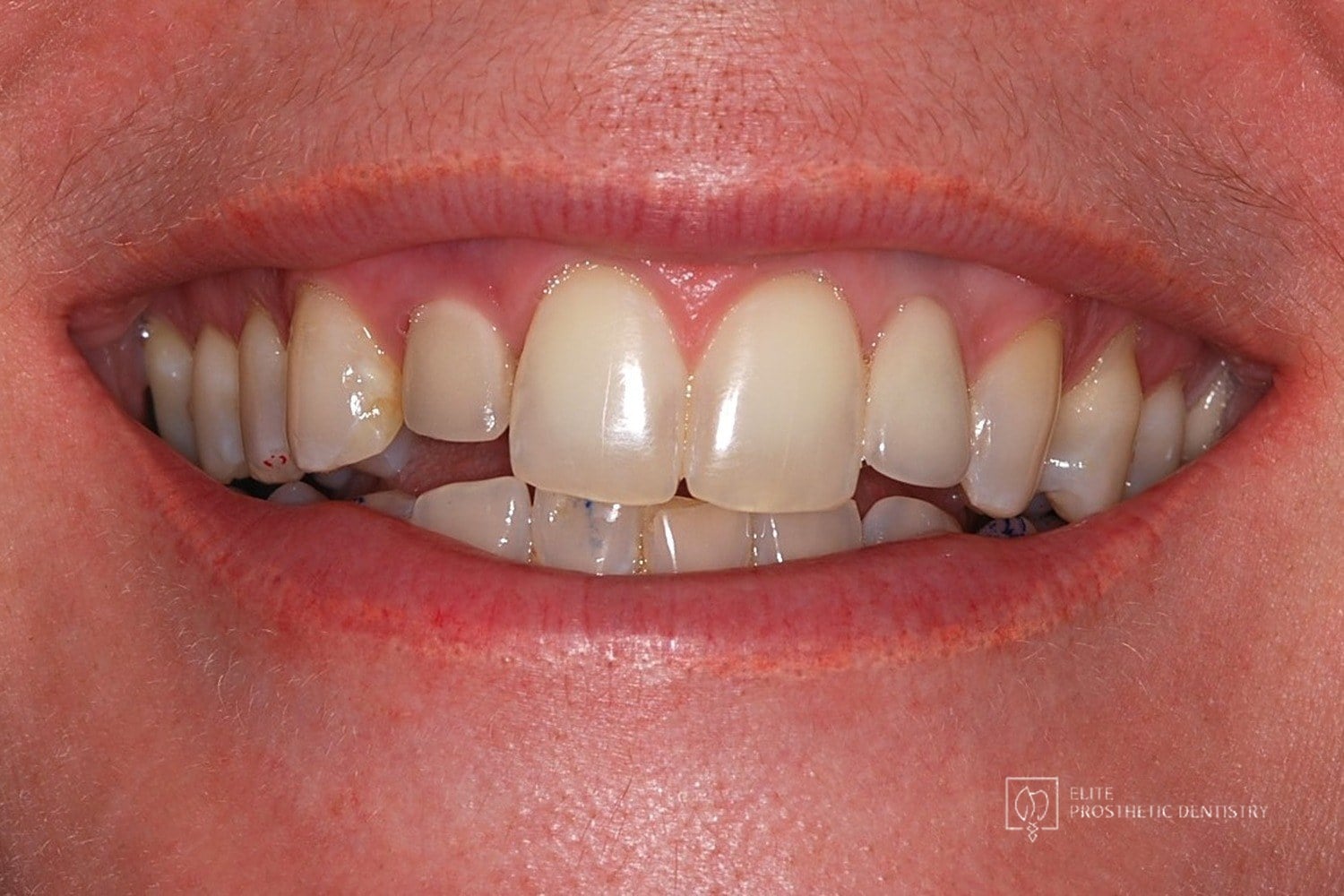
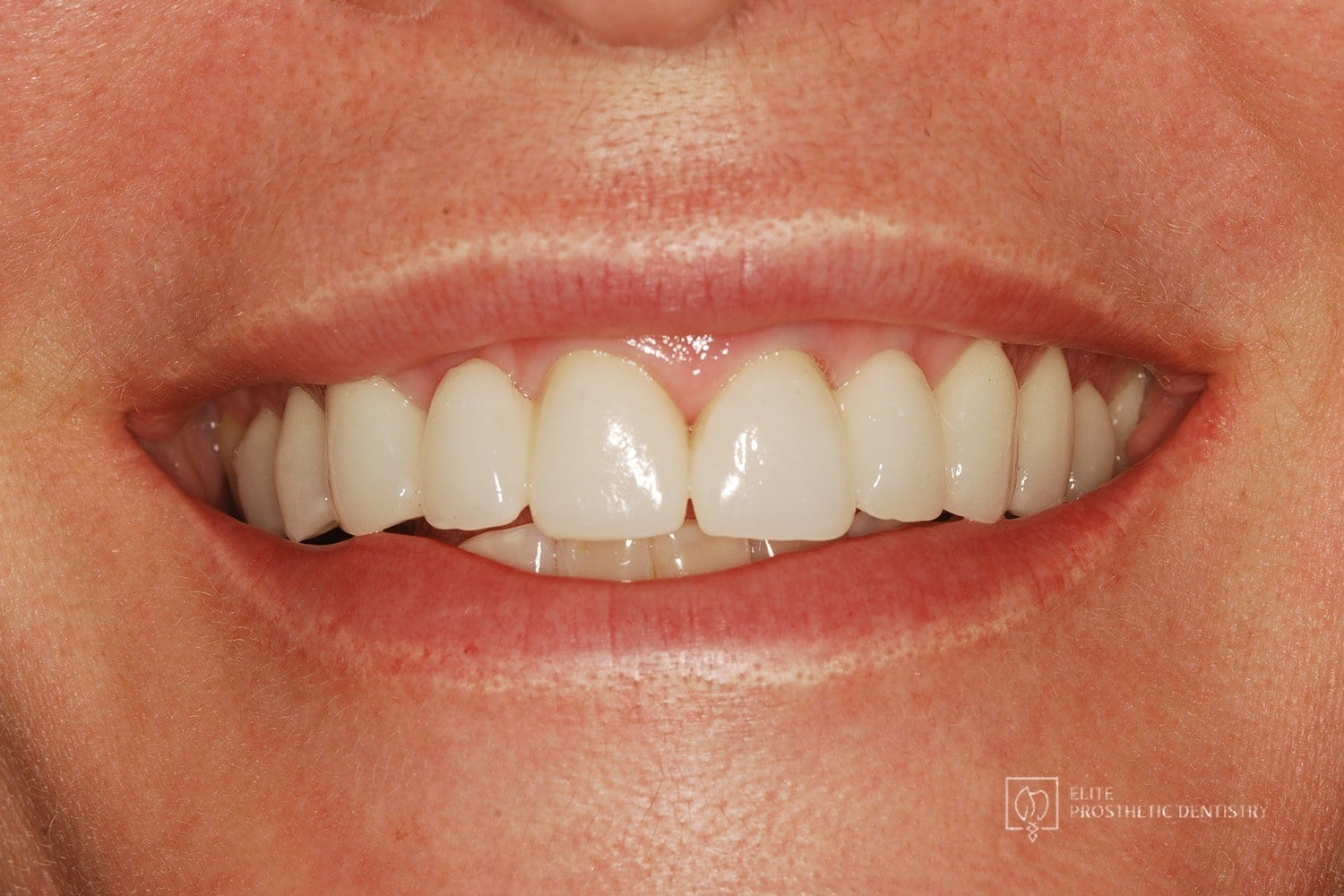
How Aging, Failing Dentistry Was Replaced with a Coordinated Full-Mouth Implant and Crown Reconstruction
The patient presented with throbbing upper-molar pain, long-standing infections, multiple root canals and unfinished prior treatment, generalized sensitivity, and several hopeless teeth.
 Before
 After
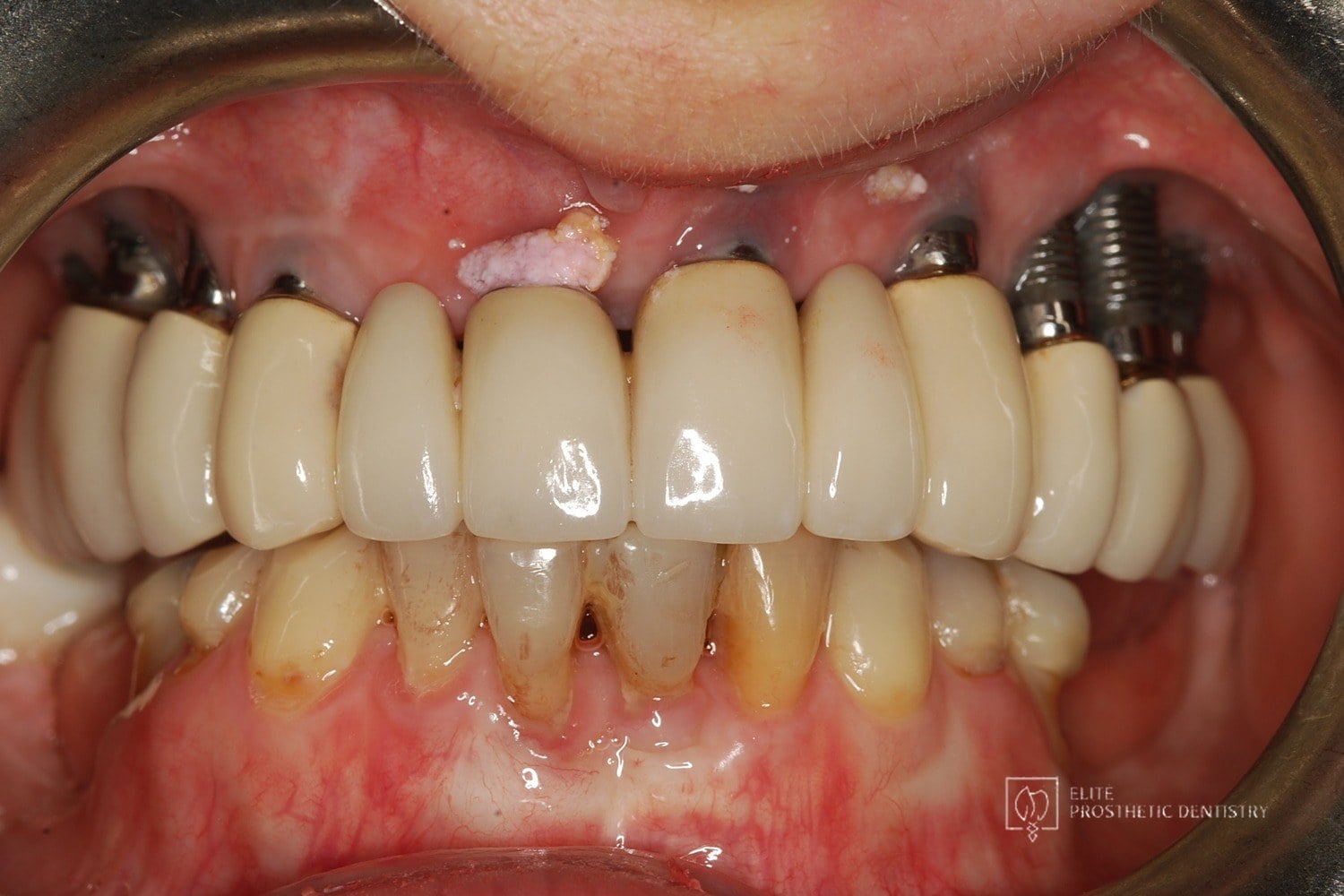
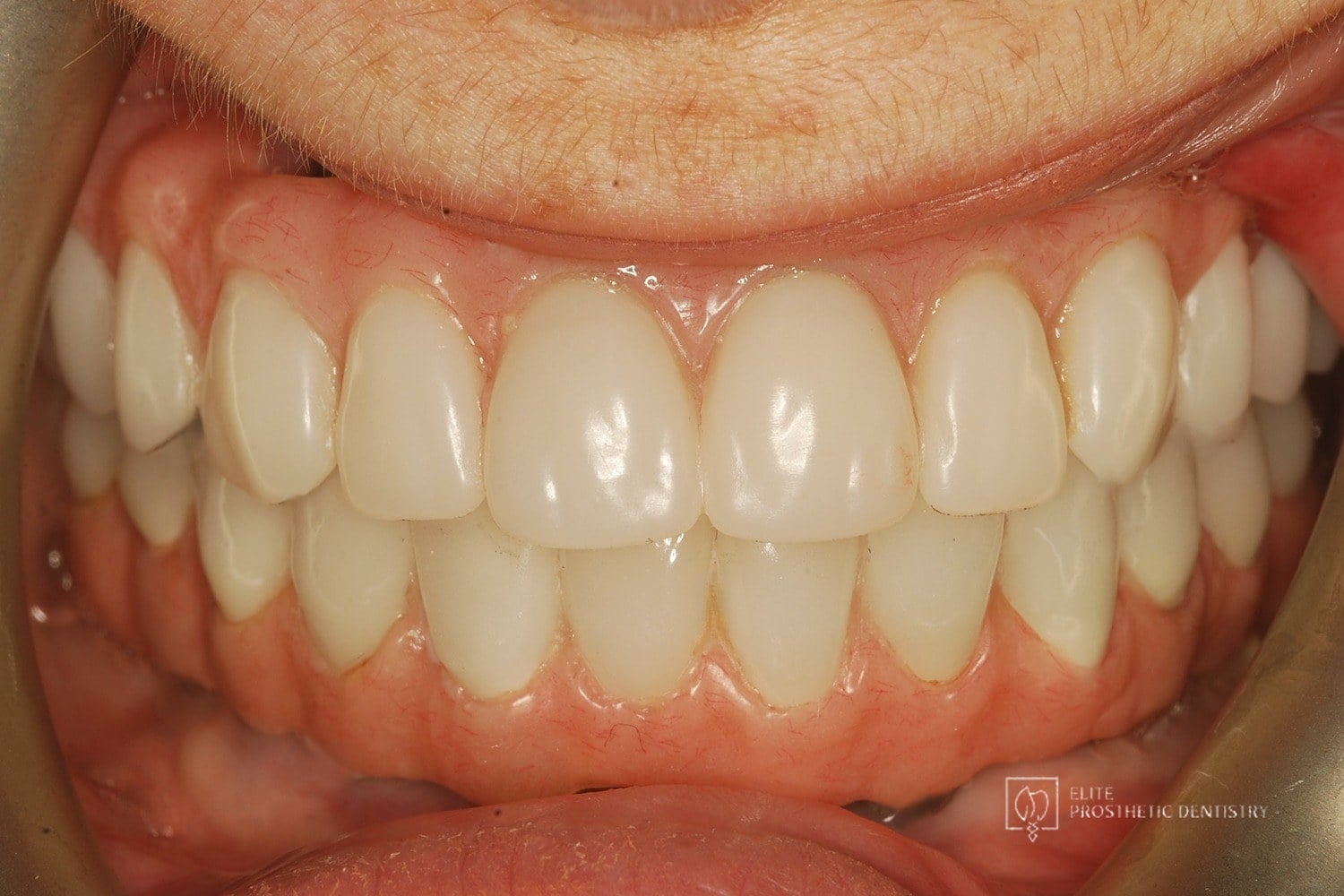
How Failing Implants and Severe Bone Loss Were Rebuilt Into a Stable Full-Arch Implant Reconstruction
The patient presented with significant complications from previously placed implants, severe bone loss, failing posterior implants, and an unesthetic full-arch bridge. Both arches required full reconstruction, with the upper arch showing the most advanced bone loss and instability.
 Before
 After
How Failing Lateral Incisor Implants Were Replaced with Custom Zirconia Bridges After Severe Bone Loss Made Replacement Implants Impossible
Comprehensive examination including CBCT imaging revealed significant bone loss surrounding implants that were placed outside the buccal plate, most likely due to placement without a CBCT-generated surgical guide. The implants were determined non-salvageable, and the alveolar ridge was too narrow to support replacement implants without extensive reconstruction.
 Before
 After
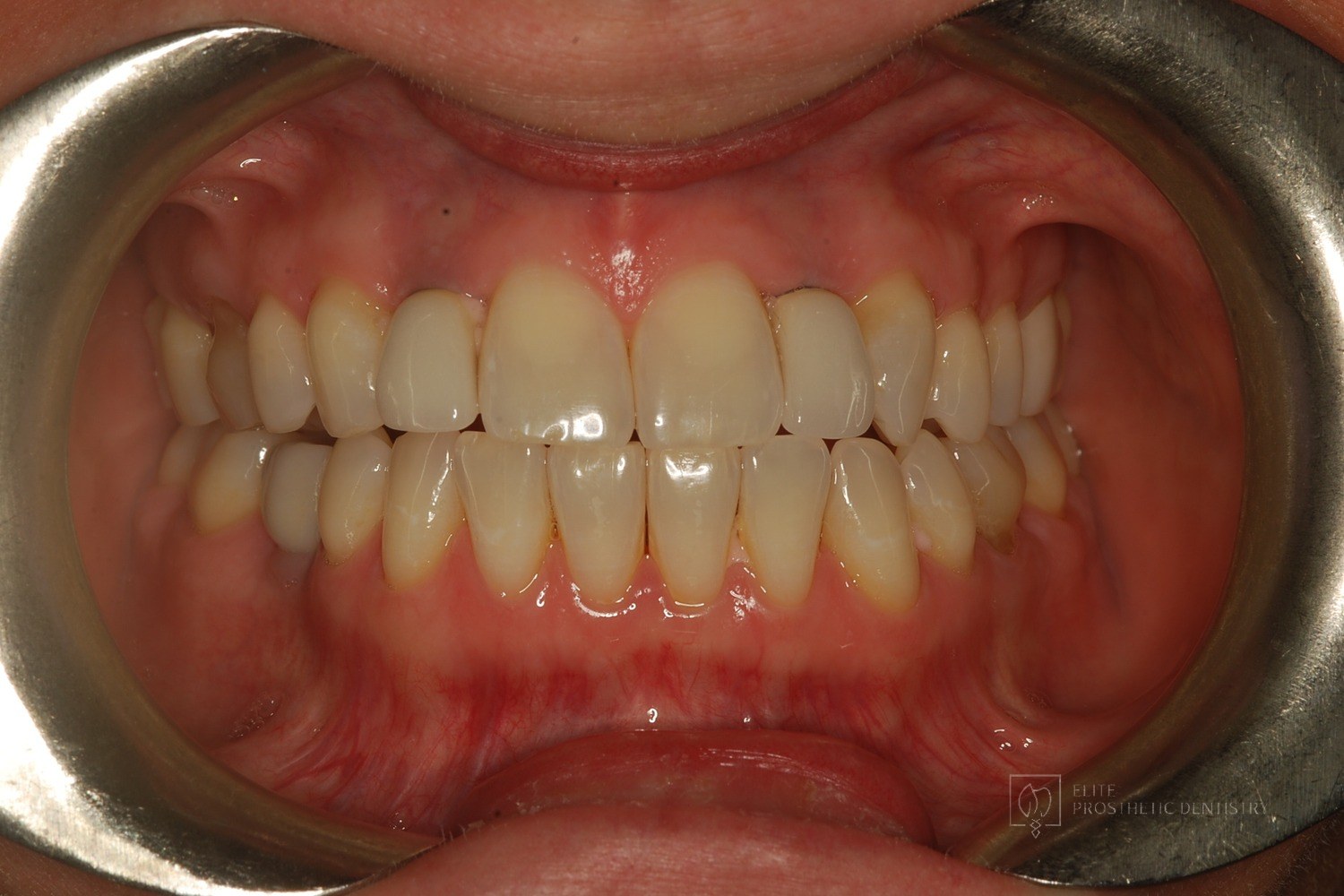
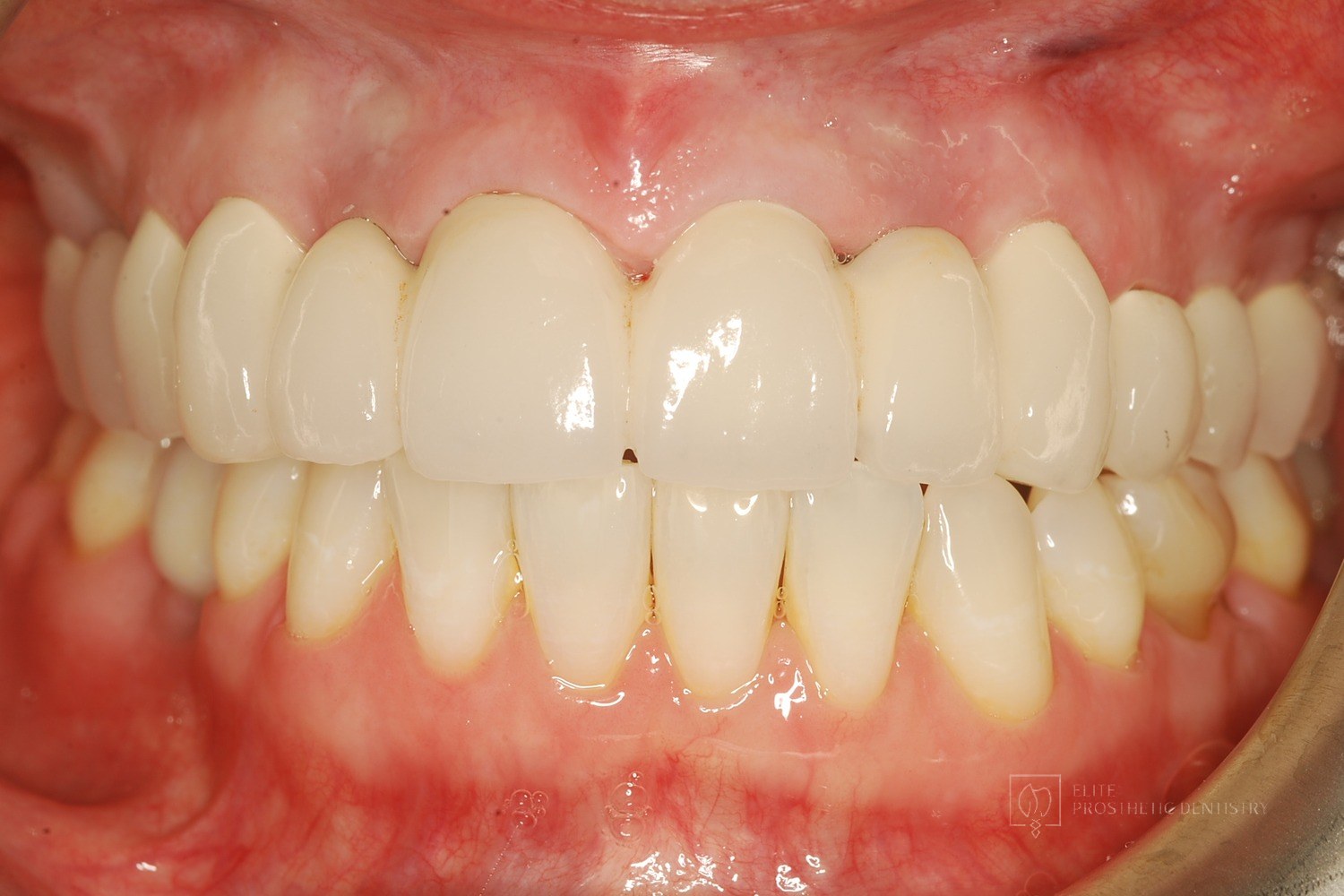
How Older Implant Crowns Were Redesigned for a Better Bite and More Natural Appearance
The patient came in after years of living with implant-supported crowns placed more than twenty years earlier that no longer looked or functioned well. CBCT evaluation, reviewed with a radiologist colleague, showed the implants had been placed too far to the buccal in very thin bone and could not support a healthy long-term restoration.
 Before
 After
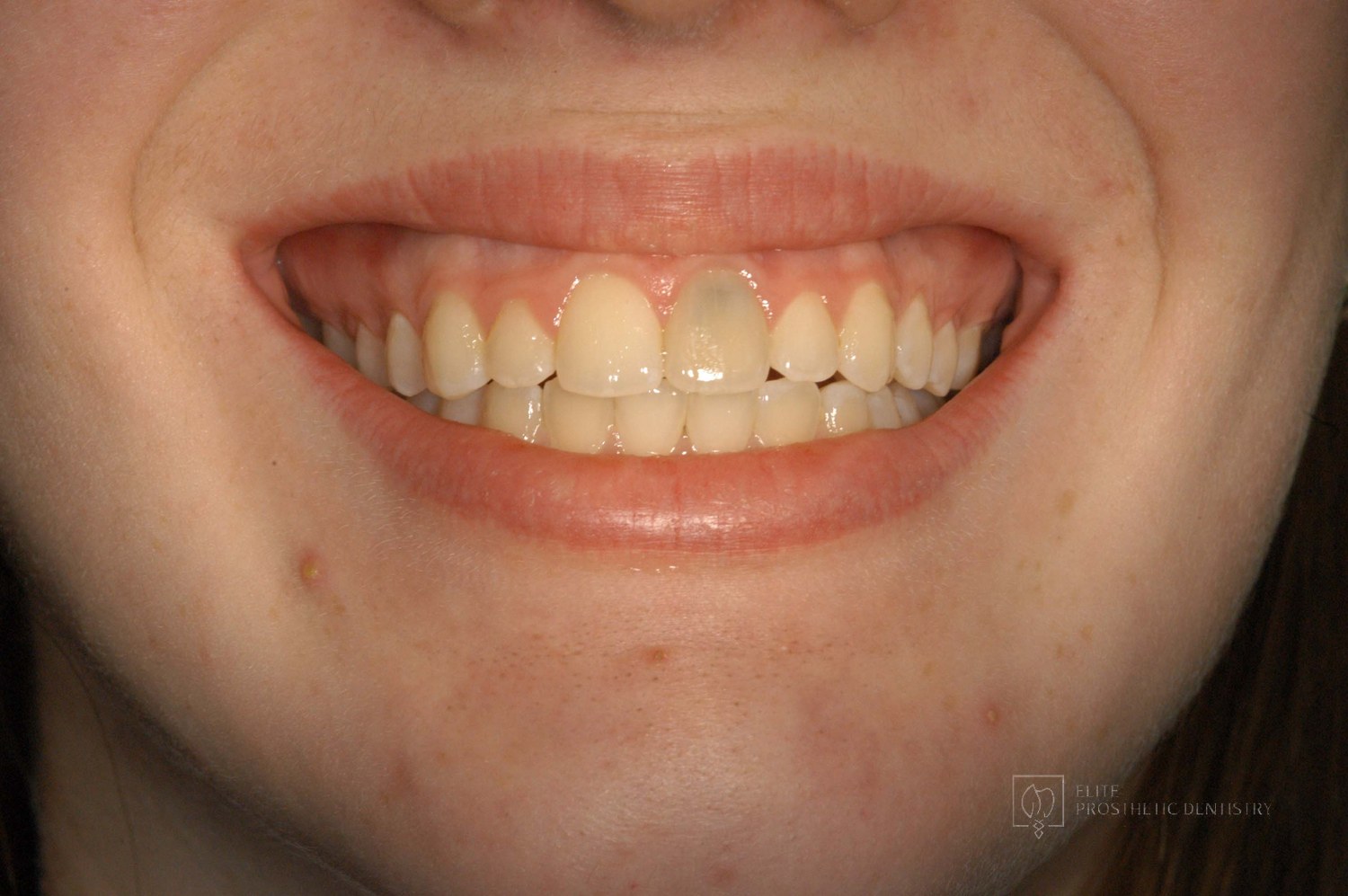
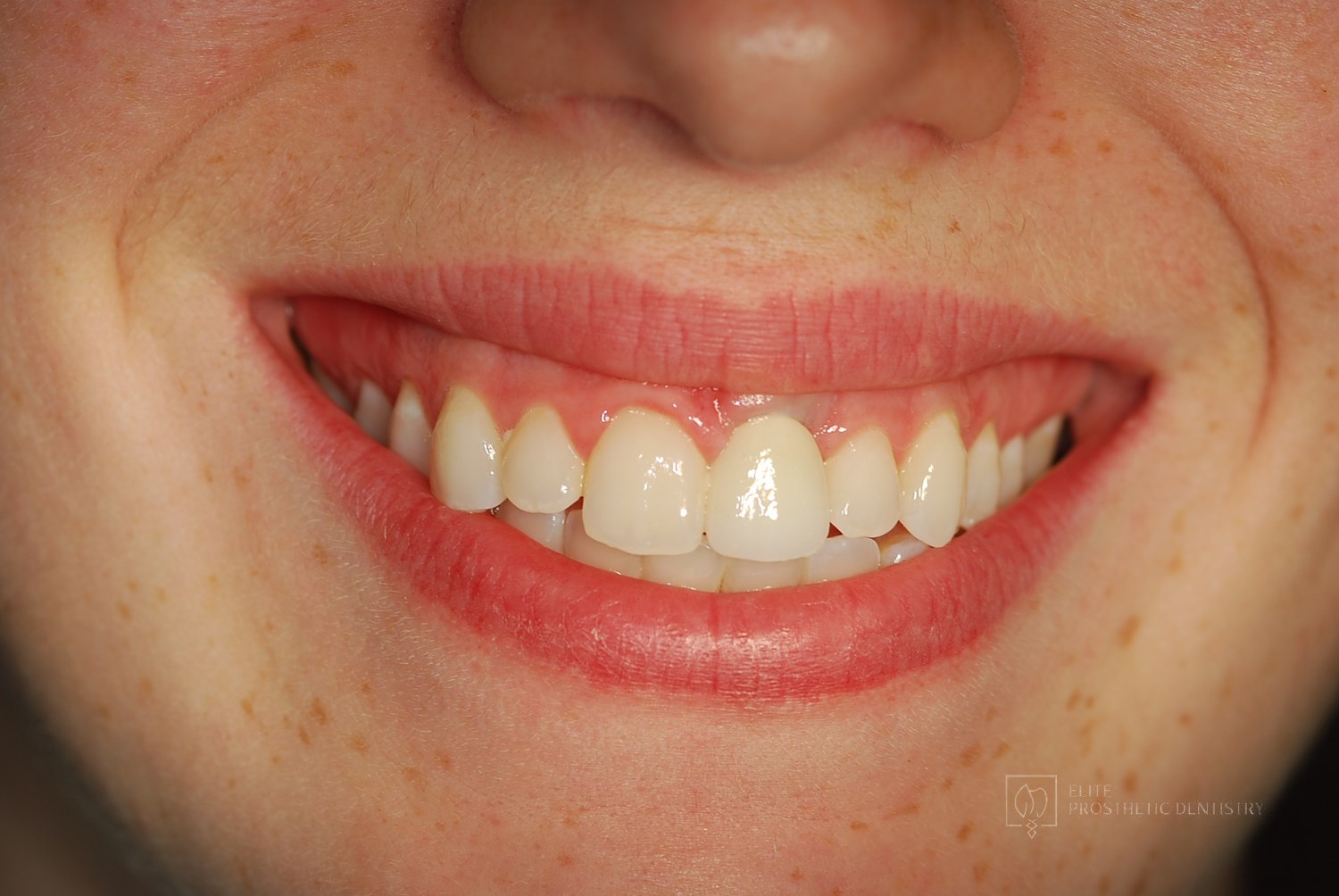
How a Front Tooth Lost to Childhood Trauma Was Rebuilt with Bone Grafting and a Long-Lasting Implant
A teenager was referred by her father after earlier trauma left her upper left front tooth slowly failing from root resorption. She was still growing, so an immediate implant was the wrong move. The tooth had to be maintained to buy time, then replaced correctly once she reached skeletal maturity.
 Before
 After
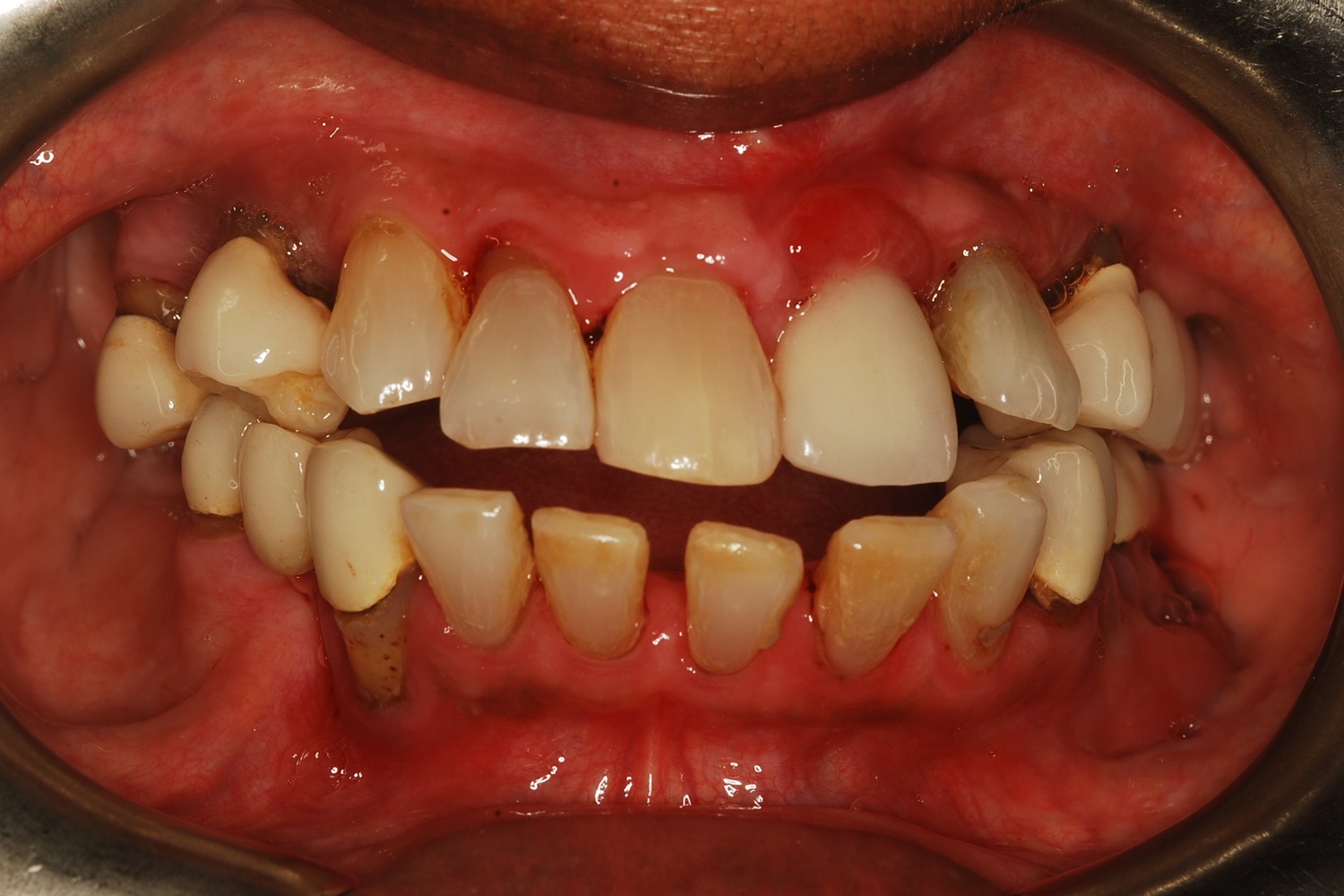
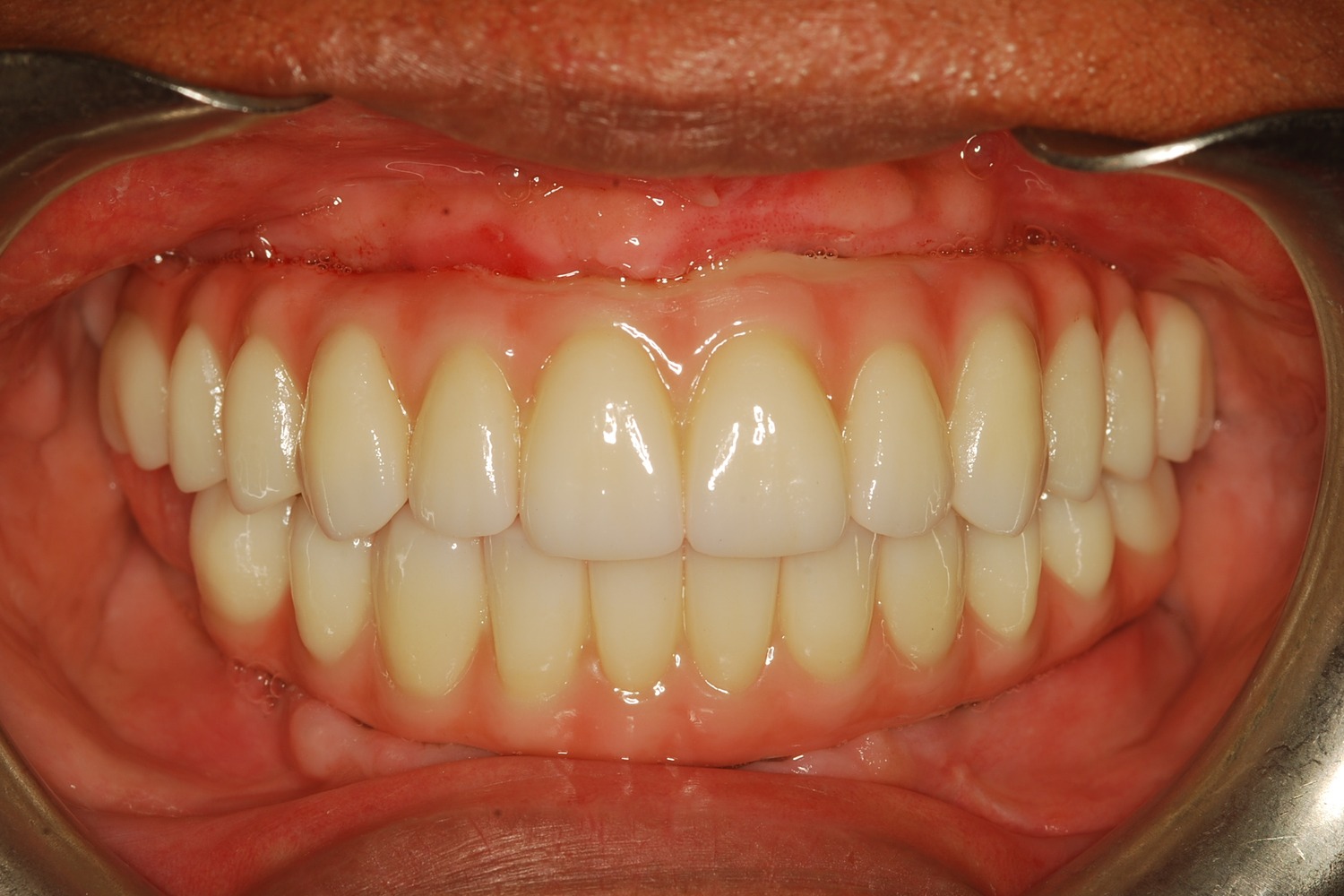
How Severe Bone Loss and Bite Dysfunction Were Rebuilt with All-on-6 Implants and a Milled Zirconia Hybrid Prosthesis
The patient presented with severe bone loss, advanced periodontal disease, malocclusion, and a dysfunctional bite that required full-arch rebuilding.
Related Articles
Deepen your knowledge with additional insights on this topic.
 Dental Implants
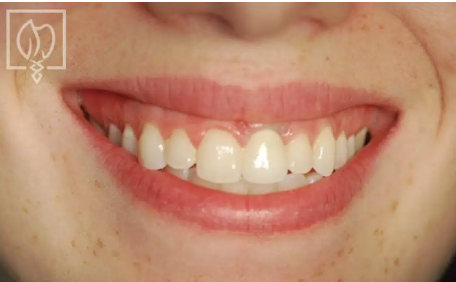
If a Single Front Tooth Is Replaced with an Implant, Can It Look Natural?
Yes. See the four steps, with real case photos, that make a single front tooth implant indistinguishable from the natural tooth beside it. Washington, DC.
 Dental Implants
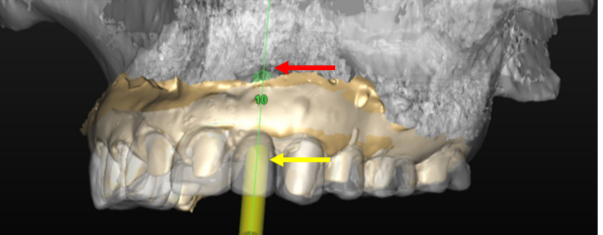
What Is Precision Implant Placement (PIP)?
Precision Implant Placement plans each implant virtually on a CBCT scan, then delivers it with a custom surgical guide. See the three steps with real images.
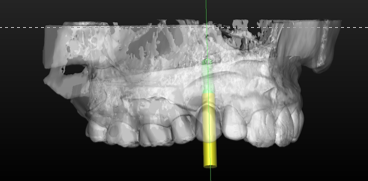 Dental Implants
What Is the Ideal Surgical Guide for Precision Implant Placement?
Not all surgical guides are equal. The gold standard is CBCT-based: planned virtually in 3D, 3D printed, and seated on your teeth. A DC prosthodontist explains.
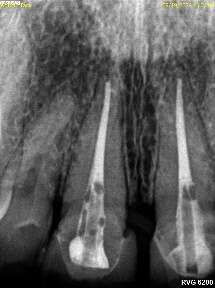 Dental Implants
When Should an Implant Not Be Done?
Healthy roots, thin bone, steep bony angles: a DC prosthodontist shows a real case where refusing implants was the right call, and what was done instead.
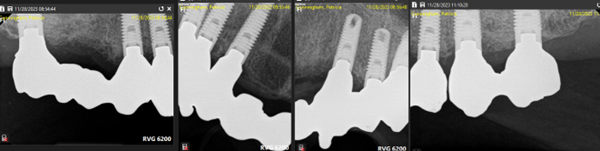 Dental Implants
What Is Staged Implant Therapy?
Staged implant therapy replaces failing teeth in phases while you keep fixed teeth the entire time. A DC prosthodontist walks through a real case in stages.
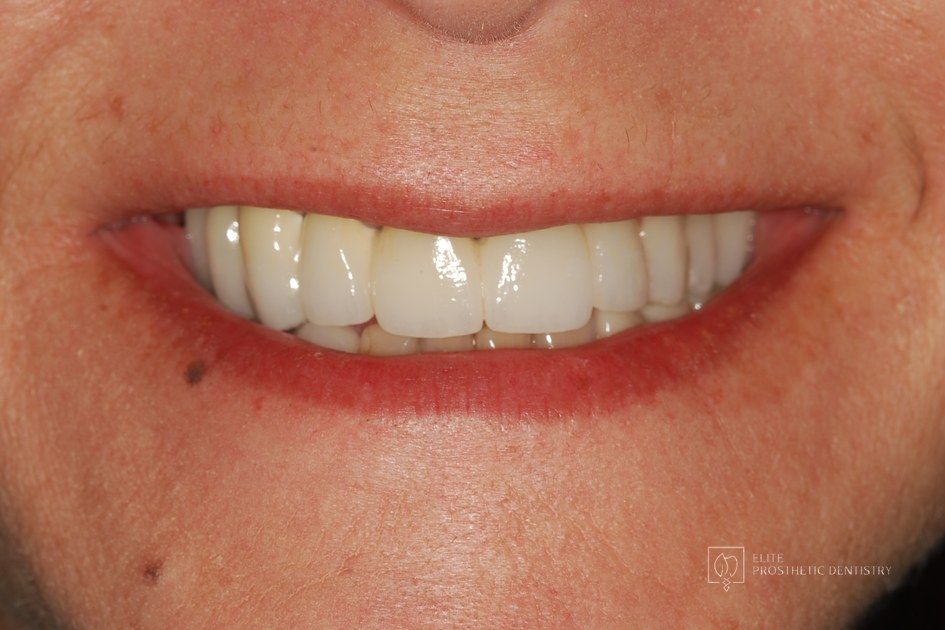 Dental Implants
The Four Types of Dental Implants: Which One Is Right for You?
Endosteal, subperiosteal, zygomatic, and mini implants each solve a different problem. A DC prosthodontist explains the four types and who each one fits.
Ready to Transform Your Smile?
With 40+ years of experience and 3,900+ dental implants placed, Dr. Marlin and the team deliver dentistry planned to last. Request a specialist consultation.