
Who Treats TMJ? How to Choose a TMJ Specialist in Washington, DC
Dentist, orofacial pain specialist, oral surgeon, physical therapist, or prosthodontist? Which provider should treat your TMJ, and when the bite matters.
TMJ disorders are treated by several kinds of providers because they have several possible causes. The right first step is an evaluation that looks at the joint, the jaw muscles, and the bite together, then sends you to the provider who matches the cause. Most patients improve with conservative care. When worn teeth, missing teeth, or existing dental work are part of the problem, a prosthodontist is the specialist trained to rebuild the bite.
“TMJ” is the temporomandibular joint, the hinge in front of each ear. When people say they have TMJ, they usually mean a temporomandibular disorder: jaw pain, clicking or popping, headaches, facial soreness, ear pressure, limited opening, or teeth that are wearing down. Many patients have already seen two or three providers by the time they search for a TMJ specialist, often with partial relief that does not last. Part of the reason is that “TMJ doctor” and “TMJ specialist” can mean several different kinds of providers, and each one treats a different piece of the problem.
What Kind of Doctor Treats TMJ?
| Provider | What they typically treat | When to start here |
|---|---|---|
| General dentist | Custom night guards, first-line care, bite screening | New or mild symptoms |
| Orofacial pain specialist | Chronic jaw and facial pain, a recognized dental specialty | Persistent pain without a clear dental cause |
| Oral and maxillofacial surgeon | Joint conditions that need imaging-guided or surgical treatment | Locking, joint damage, failed conservative care |
| Physical therapist | Muscle tension, posture, jaw mobility | Muscle-dominant symptoms, alongside dental care |
| Physician | Headaches, ear symptoms, conditions that mimic jaw pain | Symptoms that do not follow a jaw pattern |
| Prosthodontist | Worn, missing, or failing teeth and restorations affecting the bite | Wear, bite changes, or symptoms after dental work |
These roles overlap, and good providers refer to each other. Patients often ask whether an ENT can treat TMJ; that question, and when trigger point injections are used for the muscle component, is covered in trigger point injections for TMJ/TMD. Why the dental side matters is explained in why your dentist is well positioned to treat TMJ. Patients often ask whether an ENT can treat TMJ; that question, and when trigger point injections are used for the muscle component, is covered in trigger point injections for TMJ/TMD. Why the dental side matters is explained in why your dentist is well positioned to treat TMJ. The mistake to avoid is a single-track approach: an appliance that relieves symptoms while the teeth keep wearing, or surgery recommended before conservative care has been tried.
When the Bite Is Part of the Problem
Some signs point toward the teeth and bite rather than the joint alone:
- Front teeth that have become shorter, flatter, or chipped.
- Old crowns or bridges that wear, loosen, or feel high.
- Missing back teeth, so the front teeth carry the bite.
- Symptoms that began or worsened after new dental work or orthodontics.
- A night guard that helps, but the problem returns whenever you stop wearing it.
In these situations, relieving the symptoms is only half the job. The other half is a stable bite, which may mean a refined appliance, selective adjustment of specific contacts, or, when teeth are badly worn or restorations are failing, a planned reconstruction. The TMJ treatment page lays out the conservative and restorative options in order, and TMJ symptoms, causes, and treatment covers the condition itself. For daytime clenching, see whether to wear a night guard during the day.
Questions to Ask Any TMJ Provider
- What do you think is causing my symptoms: the joint, the muscles, the bite, or a combination?
- What will we try first, and how will we know whether it is working?
- How is the appliance designed and adjusted for my bite?
- Are my worn teeth or existing restorations part of the problem?
- At what point would you refer me to another specialist?
Where Elite Prosthetic Dentistry Fits
Elite Prosthetic Dentistry is a prosthodontic specialty practice. Prosthodontists complete three years of specialty training after dental school focused on the bite, tooth wear, and restoring and replacing teeth. The practice tends to be a strong fit when:
- Your jaw symptoms come with worn, chipped, or shortening teeth.
- You have older crowns, bridges, or implants and your bite has changed.
- Symptoms began or worsened after dental treatment.
- Night guards have helped only partially and you want to know why.
- A reconstruction is being considered and the bite must be planned first.
When Another Specialist Should Lead
If your main problem is joint locking, significant joint damage on imaging, or pain that persists without any dental cause, an oral and maxillofacial surgeon or an orofacial pain specialist is often the better lead, with dental care in a supporting role. Muscle-dominant pain often responds well to physical therapy. Headaches, ear symptoms, or facial numbness that do not follow a jaw pattern belong with a physician first. We would rather point you there than treat the wrong problem.
Bite and Wear Cases From Our Practice
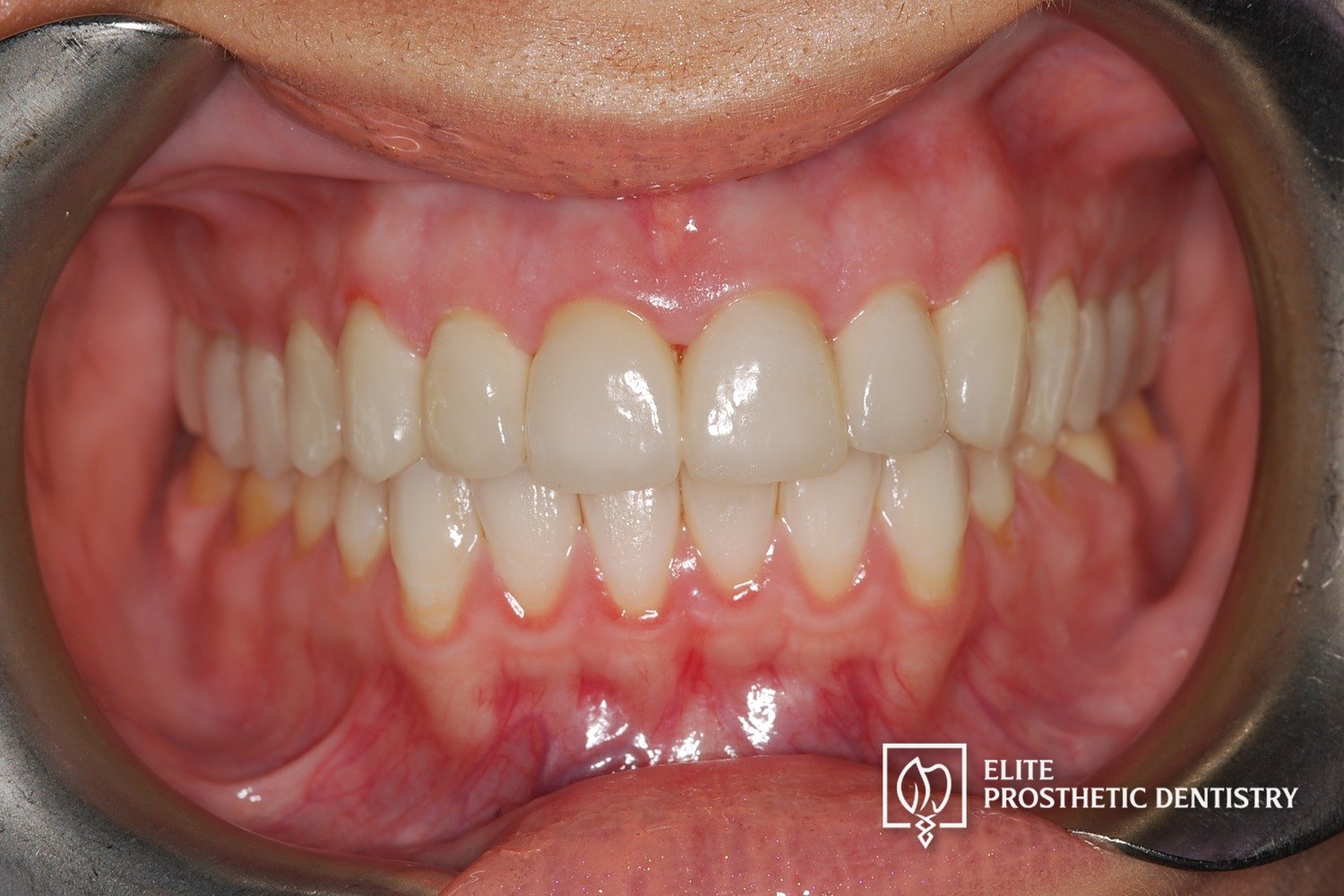
These cases show the restorative side of bite problems: teeth rebuilt so the bite is stable and protected. They are documented as restorative cases, not as TMJ treatment outcomes.
- Severely worn upper teeth and uneven bite relationships rebuilt for a more stable result
- Decades of wear rebuilt with custom crowns on a bite designed to protect the result
- A severe grinder’s collapsed bite height restored with full-mouth reconstruction
- Worn-down teeth: when they can be fixed and when they need to be rebuilt
Related Decision Guides
- How to Choose a Prosthodontist for Full Mouth Reconstruction
- How to Find the Best Dentist for Crowns
- General Dentist vs. Prosthodontist for Aging Crowns, Bridges, and Implant Restorations
Request a Bite and Jaw Evaluation
An evaluation should tell you what is driving your symptoms and who should treat each part. Request an evaluation or call (202) 244-2101. No pressure. Clear answers. A defined plan.
Your Best Smile Is Within Reach
Request a specialist consultation with Dr. Marlin to discuss your situation and the most appropriate path forward.
Frequently Asked Questions
What kind of doctor treats TMJ?
Several kinds, depending on the cause. Dentists commonly provide night guards and first-line care. Orofacial pain specialists focus on jaw and facial pain. Oral and maxillofacial surgeons treat joint conditions that need surgery. Physical therapists treat the muscle component. Prosthodontists address cases where worn teeth, missing teeth, or existing dental work are affecting the bite.
Should I see a dentist or a doctor for TMJ?
Most people start with a dentist, because the teeth, bite, and jaw muscles are usually involved and first-line care such as a custom appliance is dental. See a physician as well if you have symptoms such as numbness, unexplained facial pain, or headaches that do not fit a jaw pattern, so other causes can be ruled out.
Does TMJ go away on its own?
Many jaw pain episodes improve with time and conservative care such as rest, a softer diet, a custom appliance, and attention to clenching habits. Symptoms that persist or keep returning deserve an evaluation of the joint, the muscles, and the bite.
Can dental work cause TMJ problems?
Changes to the bite from new crowns, bridges, orthodontics, or extractions can contribute to jaw symptoms in some patients, and worn or missing teeth can do the same over time. A careful examination can determine whether the bite is part of your problem.
Related Patient Success Stories
Explore similar patient success stories demonstrating our expertise in advanced prosthetic dentistry.
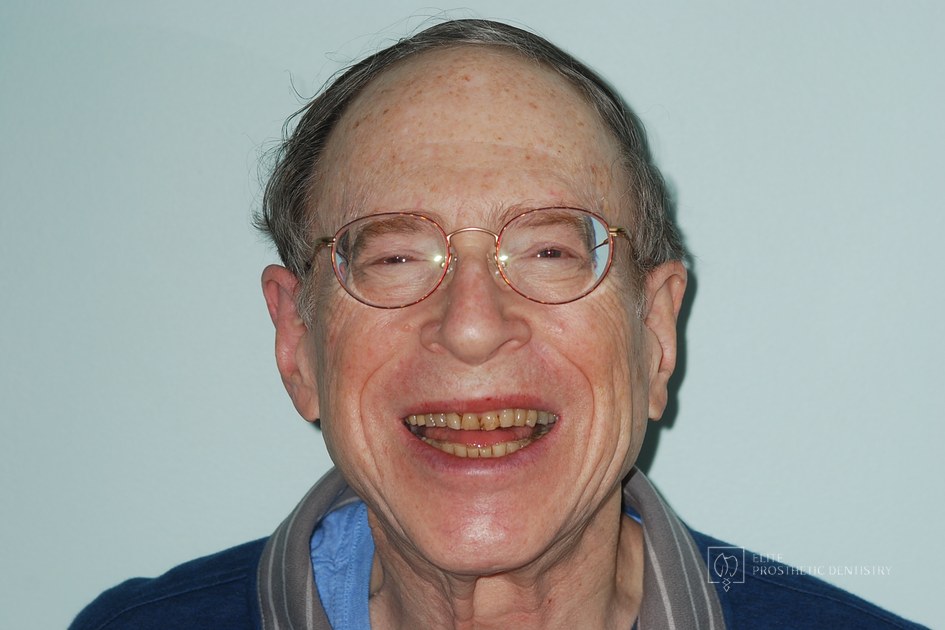 Before
 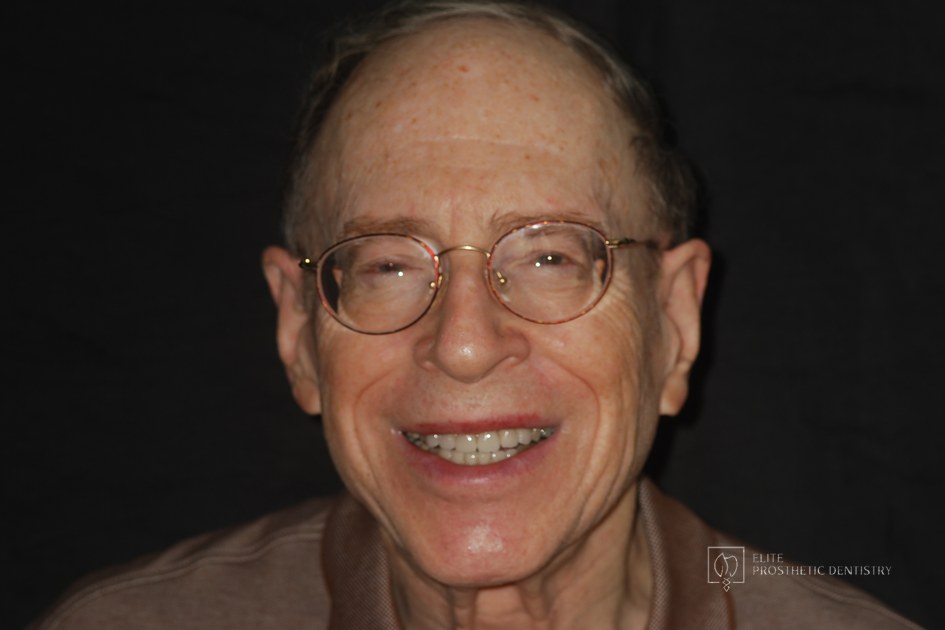 After
After How Worn Teeth Were Rebuilt for a Natural, Stable, Long-Lasting Smile
Decades of gradual wear had shortened, flattened, and darkened the teeth, changing the smile and quietly affecting the bite. The patient was not in crisis but wanted the dentistry planned and done correctly, with tooth proportions, esthetics, and bite stability handled as one system rather than patched a piece at a time.
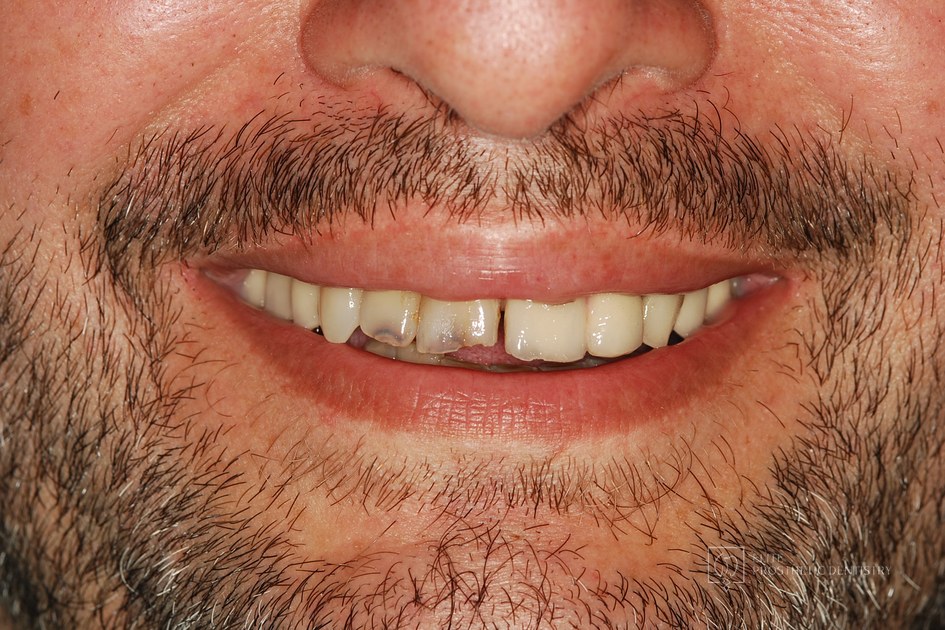 Before
 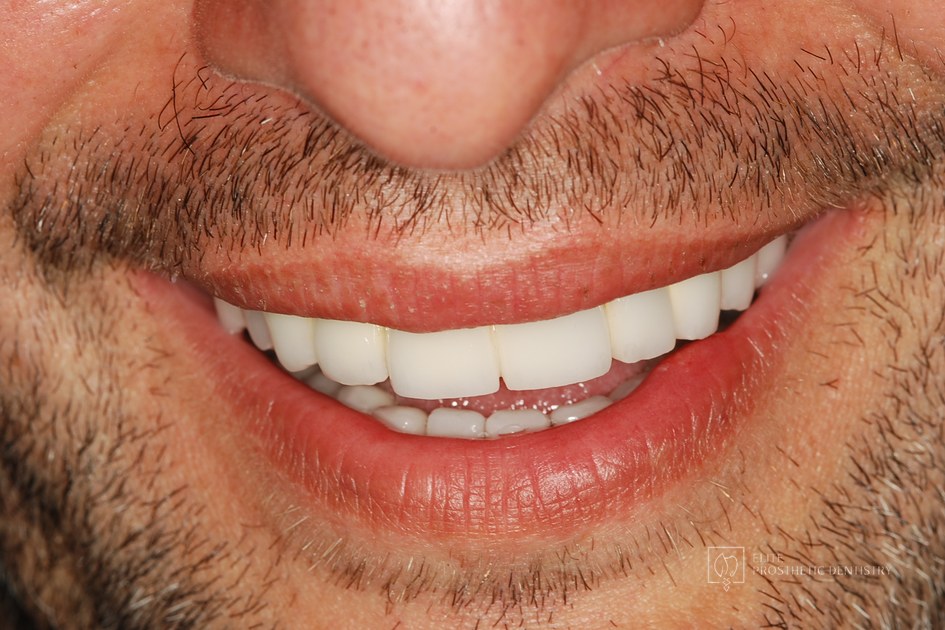 After
After Severe Restorative Breakdown Rebuilt with a Coordinated Full-Mouth Reconstruction
Multiple older restorations placed at different times over many years, broken-down teeth, a significant malocclusion, an asymmetrical smile, and two upper front teeth that could no longer be saved. No single repair could address a pattern this widespread.
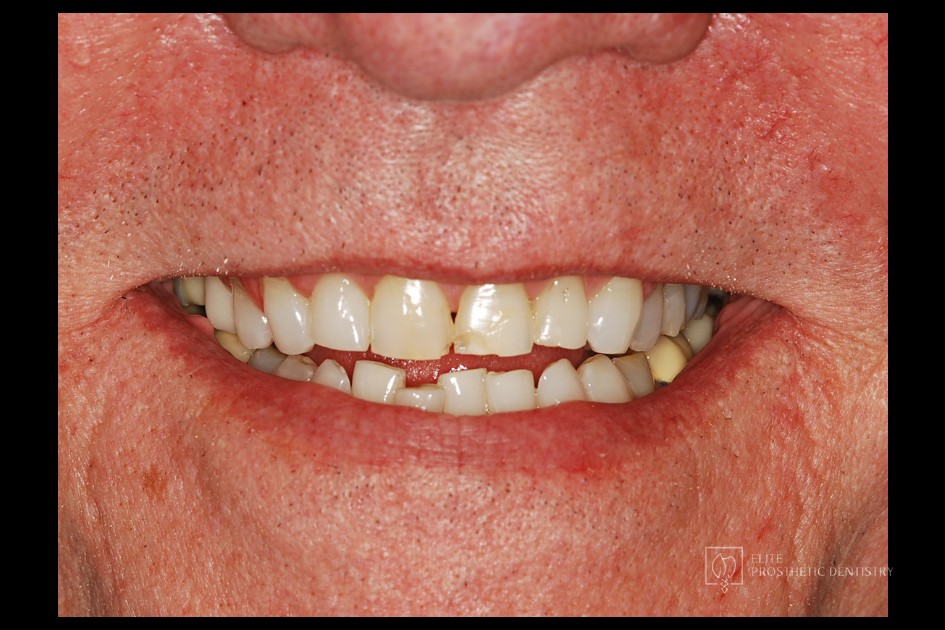 Before
 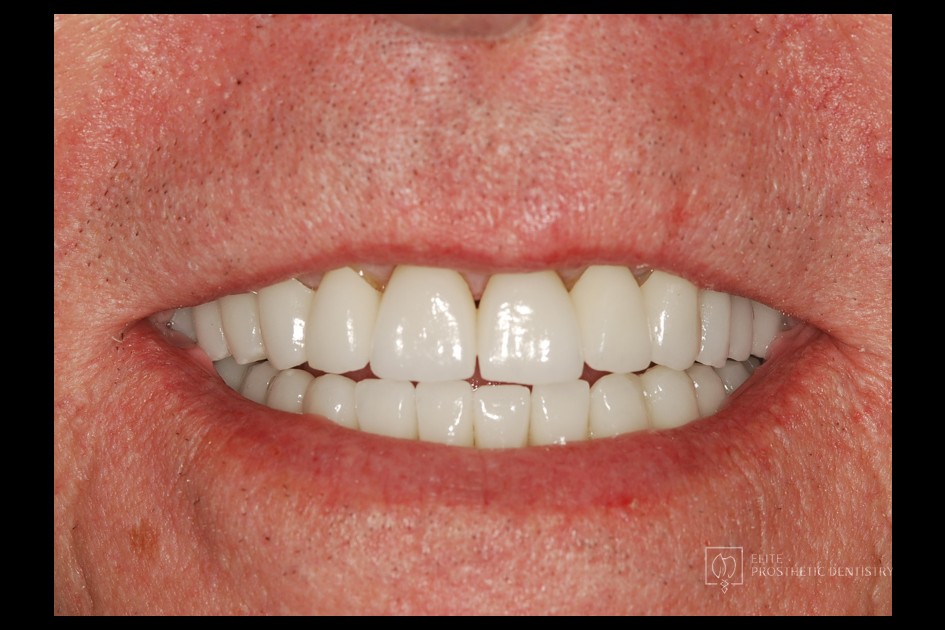 After
After How Aging Crowns and a Long-Standing Bridge Were Rebuilt with a Coordinated Restorative Plan
Existing crown work and a long-standing bridge that had aged together over many years. The restorations were not in acute failure, but the cumulative pattern was clear: older dental work approaching the point where conservative repair would no longer provide a predictable answer.
 Before
  After
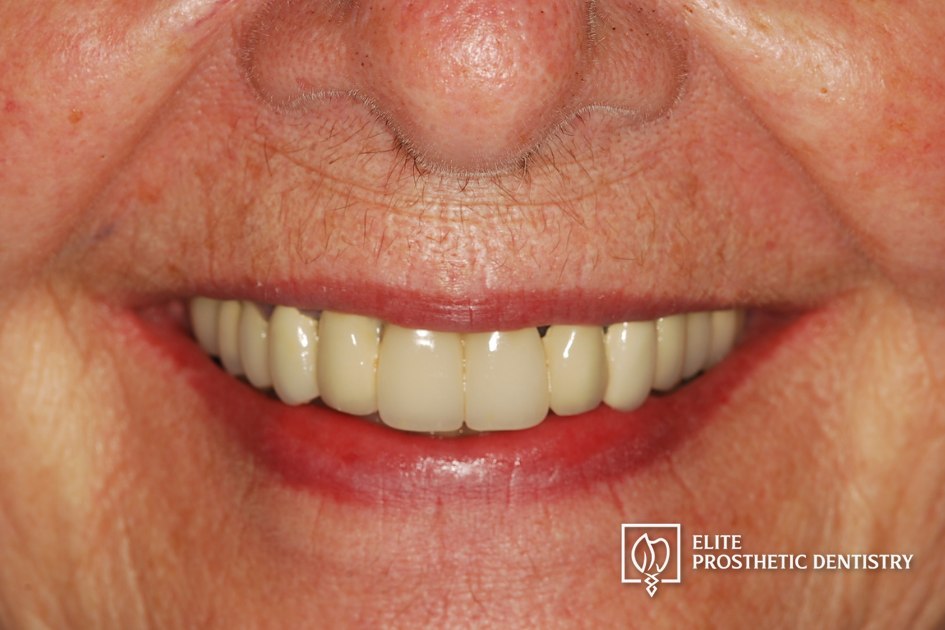
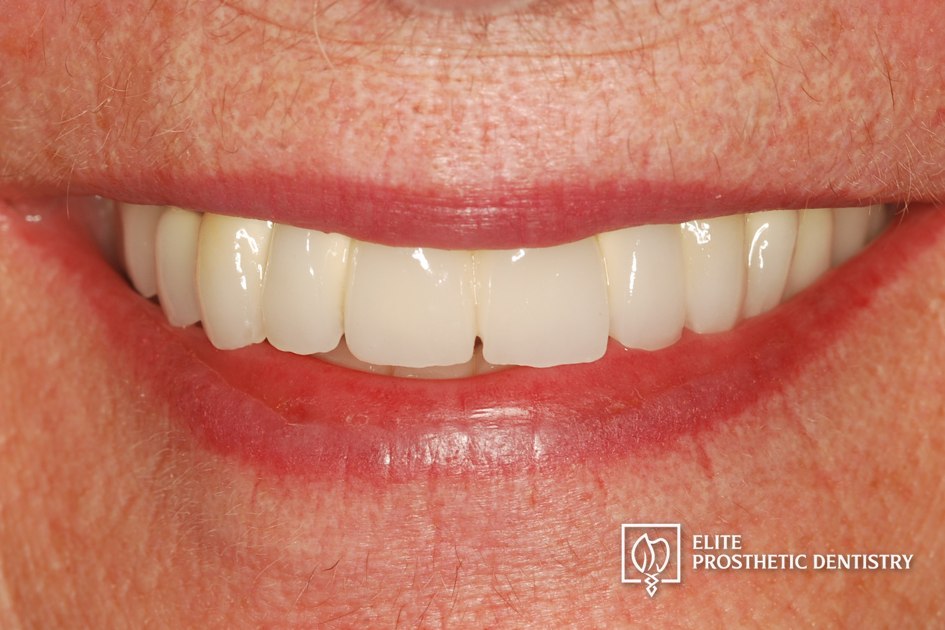
After How a Loose Upper Bridge and Aging Crowns Were Rebuilt with Staged Implant Reconstruction
A patient referred by her general dentist after years of aging dentistry no longer holding up. A loose upper bridge and crowns more than twenty years old, combined with the effects of advanced periodontal disease and severely compromised tooth abutments, required a staged surgical and restorative plan delivered with comfort planning at the same time.
 Before
  After
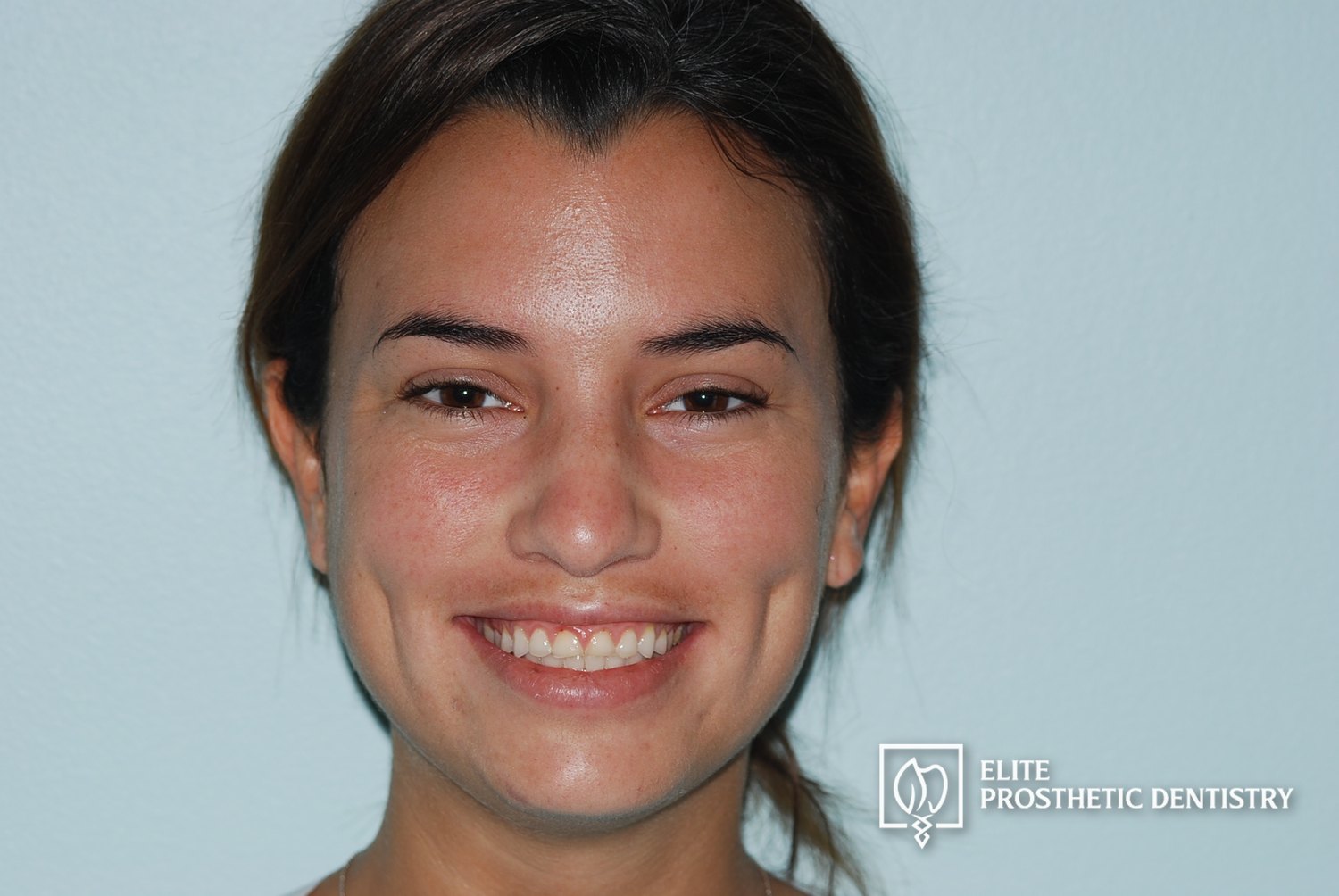
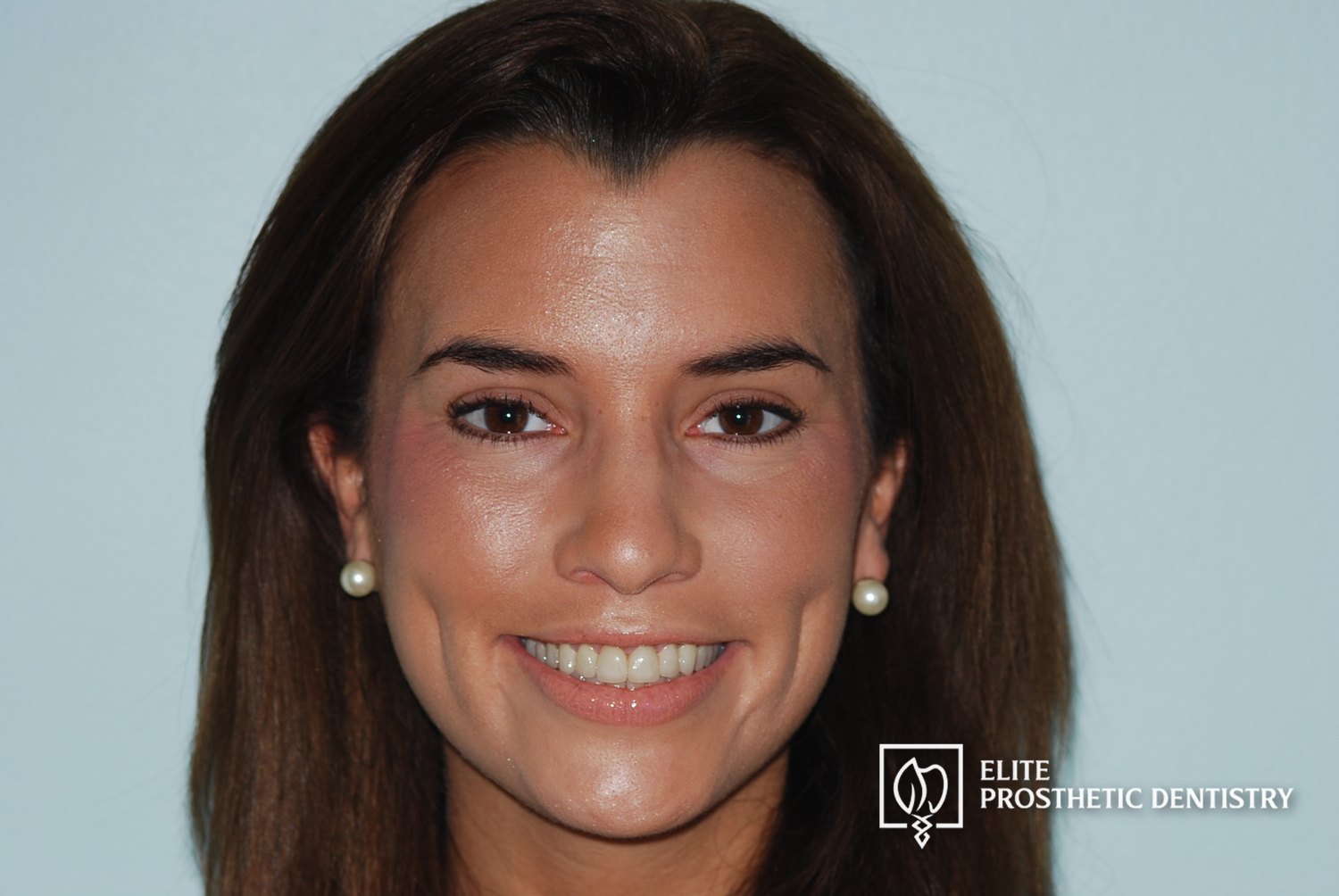
After How Severely Worn Upper Teeth Were Rebuilt Into a More Stable, Natural-Looking Result
The patient presented with severely worn upper teeth, significant enamel loss, uneven bite relationships, exposed margins, and posterior teeth requiring crown lengthening for proper restorative fit and function.
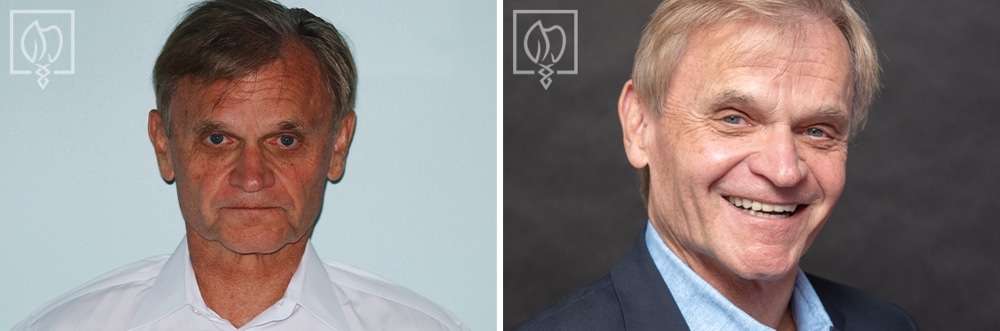
A Severe Teeth Grinder Has His Worn-Down Teeth Restored
Years of very severe grinding had worn down all of the patient's teeth and collapsed his bite height, aging his appearance in a way that clashed with his high-visibility professional life as a Washington, DC trial attorney.
Related Articles
Deepen your knowledge with additional insights on this topic.
 Choosing a Prosthodontist
 The Patient's Guide to Implant, Cosmetic and Restorative Dentistry
How to judge quality in implant, cosmetic, and restorative dentistry: choosing a practitioner, why the lab matters, financing, and the questions to ask.
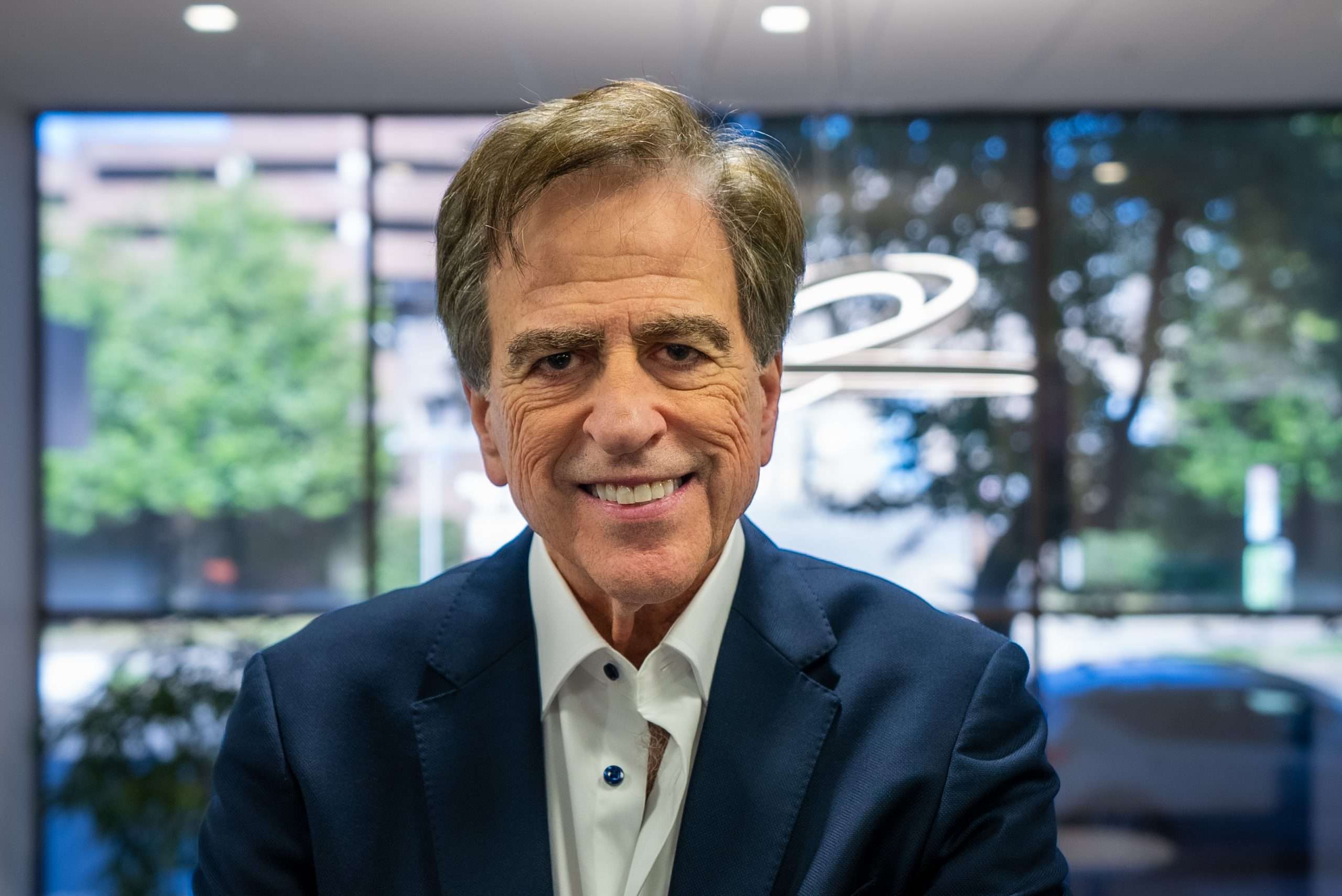 Choosing a Prosthodontist
 What is a Prosthodontist?
A prosthodontist is a dental specialist with advanced training in crowns, implants, dentures, and complex restorations. Washington, DC specialist.
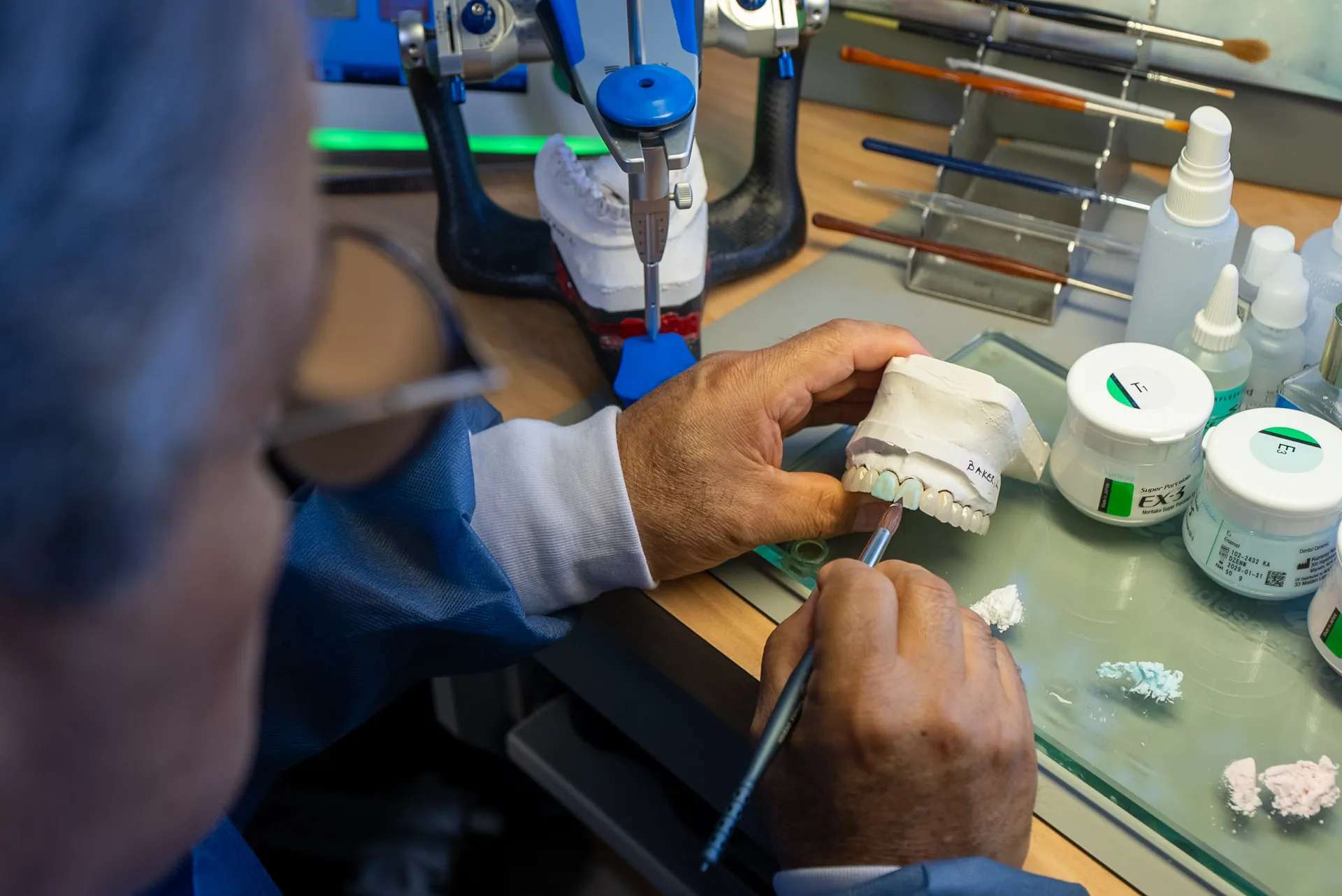 Choosing a Prosthodontist
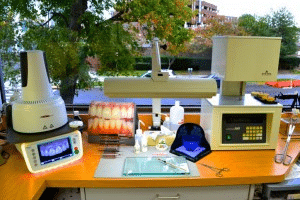
 4 Ways You Can Benefit from Our In-House Dental Lab
Custom aesthetics, precision fit, shorter waits, and fast repairs: four ways an in-house dental laboratory changes both your experience and your results.
 Choosing a Prosthodontist
 What Is the Difference Between a Dentist and a Prosthodontist?
Every prosthodontist is a dentist, but with years of extra specialty training in restoring and replacing teeth. A DC prosthodontist explains who does what.
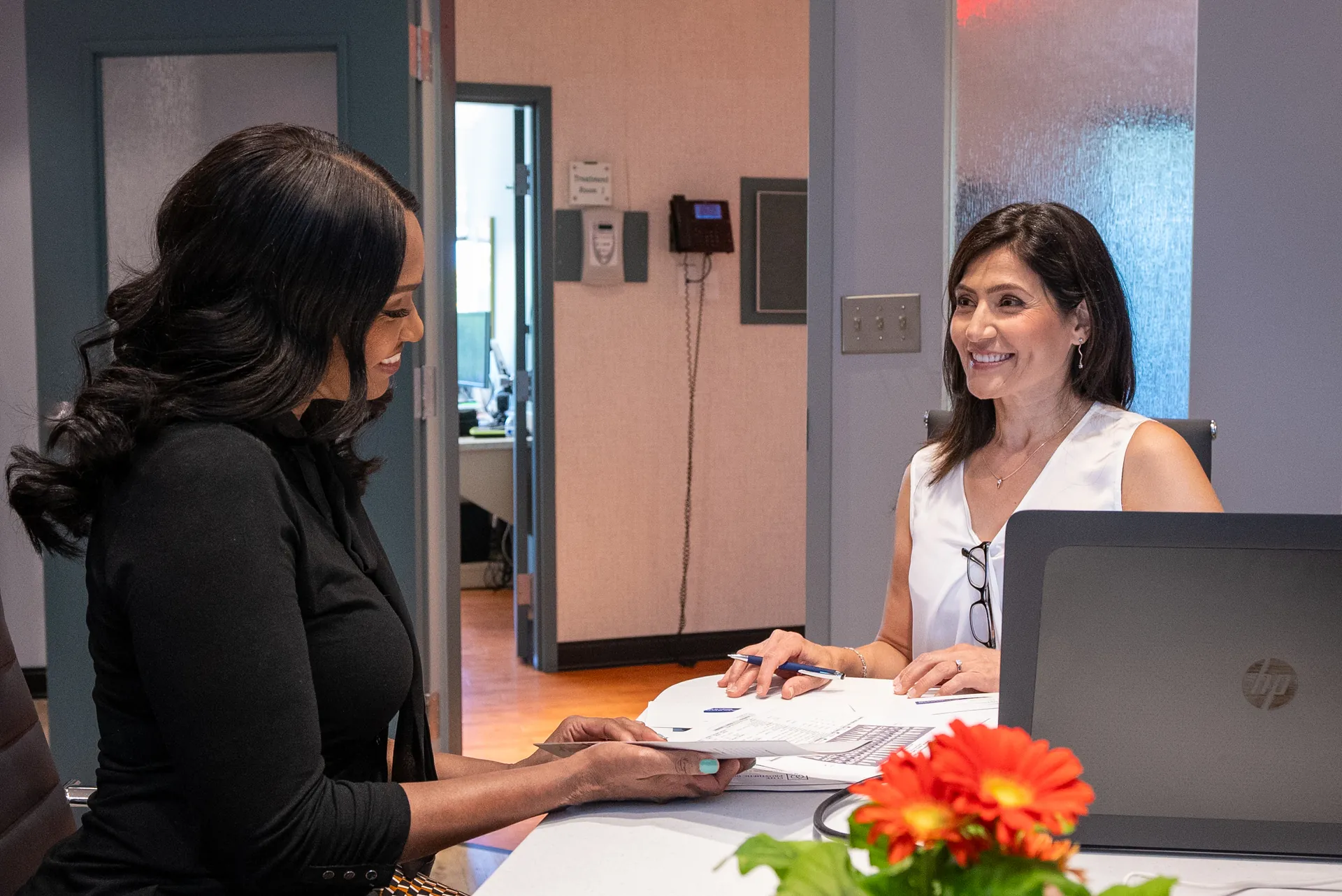 Choosing a Prosthodontist
 Don't Wait 'Til It's Too Late: Start with a Virtual Dental Consultation
A virtual consultation is a convenient first step: discuss your concerns, share records, and hear options from a DC prosthodontist before an in-person exam.
 Choosing a Prosthodontist
 Emergency Dentistry: The Benefits of an In-House Laboratory
When a tooth or restoration breaks, an on-site dental lab can mean a natural-looking repair in a day instead of a week. How emergency fabrication works in DC.
Ready to Transform Your Smile?
With 40+ years of experience and 3,900+ dental implants placed, Dr. Marlin and the team deliver dentistry planned to last. Request a specialist consultation.