
Restorative Dental Emergencies: What to Do When a Crown, Bridge, Veneer, Implant Crown, Denture or Front Tooth Breaks
When existing dental work breaks: the first-hour rules, when the emergency room is the right place instead, how Elite Prosthetic Dentistry triages emergency calls, why an emergency often reveals aging work, and six situation pages for crowns, bridges, front teeth, veneers, implant crowns and dentures.
Practice clinician: Gerald M. Marlin, DMD, MSD, prosthodontist, Elite Prosthetic Dentistry, Friendship Heights, Washington, DC. Last updated .
When existing dental work breaks, what you do in the first hour matters more than most people realize, and the right place to go is not always obvious. This hub covers the rules that apply to every restorative emergency, the signs that belong in the emergency room instead, how Elite Prosthetic Dentistry handles an emergency call, and why an emergency so often reveals a larger pattern. Six situation pages follow, one for each kind of failure.

Find Your Situation
- My crown came off or broke
- My bridge is loose, broken or failing
- I chipped, cracked or knocked out a front tooth
- A veneer came off or chipped before an event
- My implant crown is loose or fell off
- My denture broke, or my snap-in denture will not seat
Each page covers what to do in the next hour, when the emergency room is the right place instead, what can wait until office hours, what the visit involves, why it happened, and what the emergency often reveals.
The First-Hour Rules for Every Restorative Emergency
- Keep every piece. The crown, the veneer, the fragment of tooth, the denture tooth, the abutment screw. Rinse, dry, and put it in a container, not a tissue. A piece in hand is often reusable and always informative.
- No household glue. Superglue and repair kits damage the restoration and the tooth and often make proper repair impossible. Pharmacy temporary dental cement is acceptable only for an intact crown that seats fully without force, and only until the visit.
- Do not force anything. A crown that will not seat, a bridge attached at one end, an implant crown that moves, a snap-in denture that will not click: forcing them causes damage that is harder to undo than the original problem.
- Protect the area. Chew on the other side. Keep cold away from an exposed tooth. Cover a sharp edge with orthodontic wax from a pharmacy. Keep the area clean with gentle brushing.
- Manage discomfort sensibly. Over-the-counter pain relief as directed on the label and as approved by your physician. Do not place aspirin against the gum.
- Call. During office hours, (202) 244-2101; patients are triaged by urgency and same-day visits are arranged when the schedule allows. After hours, follow the voicemail prompts for urgent care instructions.
A knocked-out tooth is the one exception to “it can wait”: it has a chance of being saved only if it is handled correctly and seen within the hour. The front tooth page explains exactly what to do.
When the Emergency Room Is the Right Place Instead
Hospital emergency departments manage medical emergencies; they generally do not repair teeth or dental work. Go to the emergency room, or call 911, for:
- Difficulty breathing or swallowing.
- Facial swelling that is spreading, particularly toward the eye, under the jaw or into the neck.
- Fever together with facial swelling.
- Bleeding that cannot be controlled with firm pressure.
- Trauma to the face or jaw, a suspected jaw fracture, or a head injury with the dental injury.
- Loss of consciousness at the time of the injury.
Tell the office afterward so the dental side can be followed up. A broken crown, bridge, veneer or denture with none of these signs is a dental office problem, not a hospital one.
How Elite Prosthetic Dentistry Handles an Emergency Call
The office is open Monday through Thursday from 8 to 5 and Friday from 8 to 2, at 4400 Jenifer Street NW, Suite 220, in Friendship Heights, one block from the Friendship Heights Metro, with parking in the building. During those hours, call (202) 244-2101 and describe what happened; the team triages calls by urgency and arranges same-day visits when the schedule allows. After hours and on weekends, the voicemail prompts give urgent care instructions. The practice does not promise a same-day visit in every case, and it will say so on the phone rather than leave a patient waiting.
The visit treats the immediate problem: recementing, repairing, smoothing, replacing a component, fitting a provisional. Because the practice has operated its own laboratory on site since 1985, many repairs and provisionals that would otherwise wait on an outside laboratory can be done during the visit or soon after; the timing is confirmed once the problem has been examined. Dr. Gerald M. Marlin evaluates the broken piece together with the tooth or implant beneath it and the bite that loaded it, because fixing the piece without understanding why it failed is how the same emergency happens again.
What an Emergency Often Reveals
Dental work placed at the same time ages under the same conditions. The crown that came off is usually one of several of the same age; the bridge that loosened has supporting teeth that have been working harder for years; the veneer that chipped was bitten the same way as the ones beside it. The emergency visit is a good moment to examine the rest: X-rays, probing of margins, a check of the bite, and a classification of each restoration as sound, monitor, plan to replace, or replace now. Patients who do this plan the replacement of aging dentistry on their own schedule rather than one emergency at a time. Our guides on signs your dental work is wearing out and when to replace old crowns and bridges explain the judgment; patients come to us for both comprehensive reconstruction and proactive replacement of aging dentistry, and the second often begins with a phone call about the first.
When Another Setting Fits Better
A patient with a regular general dentist who can see them promptly is often best served there for a simple recement. The emergency room is the right place for the medical signs listed above. A knocked-out tooth should go to whichever dental office can see the patient within the hour. A patient whose implants were placed elsewhere and who can reach that surgeon should call them first about a moving implant; the practice sees patients who cannot. The practice will say on the phone when another route is faster.
Documented Cases
- Emergency repair of two fractured front teeth.
- Rapid repair of two fractured front teeth.
- Dental emergency solutions: how the practice approaches urgent restorative problems.
- Temporary crowns restore a patient’s smile in one day.
- A fractured filling that led to the discovery of generalized wear, a small emergency that revealed a larger pattern.
Related Reading
- Emergency dental care at Elite Prosthetic Dentistry
- Emergency contact and after-hours instructions
- Signs your dental work is wearing out
- When should old crowns and bridges be replaced?
- Warning signs after dental surgery: when to call
- All decision guides
Call the Office
During office hours, call (202) 244-2101 and describe what happened. After hours, follow the voicemail prompts for urgent care instructions. For the signs listed under the emergency room, go there first. For a non-urgent evaluation of dental work that has been repaired elsewhere, or of the restorations that have not yet failed, request an appointment or call (202) 244-2101.
Your Best Smile Is Within Reach
Request a specialist consultation with Dr. Marlin to discuss your situation and the most appropriate path forward.
Frequently Asked Questions
Does Elite Prosthetic Dentistry see dental emergencies?
Yes, for problems involving existing dental work and injured teeth. Calls are triaged by urgency, and same-day visits are arranged when the schedule allows. The office is open Monday through Thursday 8 to 5 and Friday 8 to 2; after hours, the voicemail prompts give urgent care instructions. The practice cannot promise a same-day visit in every case, and for the medical situations listed on this page the emergency room is the right first stop.
Should I go to the emergency room for a broken tooth or crown?
Usually not. Hospital emergency departments manage pain, infection and trauma but generally do not repair teeth or dental work. The emergency room is the right place for difficulty breathing or swallowing, facial swelling that is spreading, fever with swelling, uncontrolled bleeding, or trauma to the face or jaw. A broken crown, bridge, veneer or denture with none of those signs is a dental office problem.
Can I glue my crown, veneer or denture back myself?
No. Household glue and superglue damage the restoration and the tooth and often make a proper repair impossible. The one exception is pharmacy temporary dental cement for an intact crown that seats fully and easily, used only until the office can see you. Never force anything back into place, and never use any adhesive on an implant crown or a denture.
Why do emergencies seem to happen all at once?
Because dental work placed at the same time ages under the same conditions. A crown that comes off, a bridge that loosens or a veneer that chips is often the first visible event in a set of restorations that are all reaching the end of their service. The emergency visit is a good moment to examine the rest, so that the next one can be planned rather than endured.
What if my dental work was done by another dentist or in another country?
The practice evaluates and treats dental work regardless of where it was placed. Bring any records, X-rays or component information you have. Where the original office is reachable and the fix is simple, returning there may be quickest; where it is not, the emergency is treated here and a plan for the rest follows.
Related Patient Success Stories
Explore similar patient success stories demonstrating our expertise in advanced prosthetic dentistry.
 Before
 After
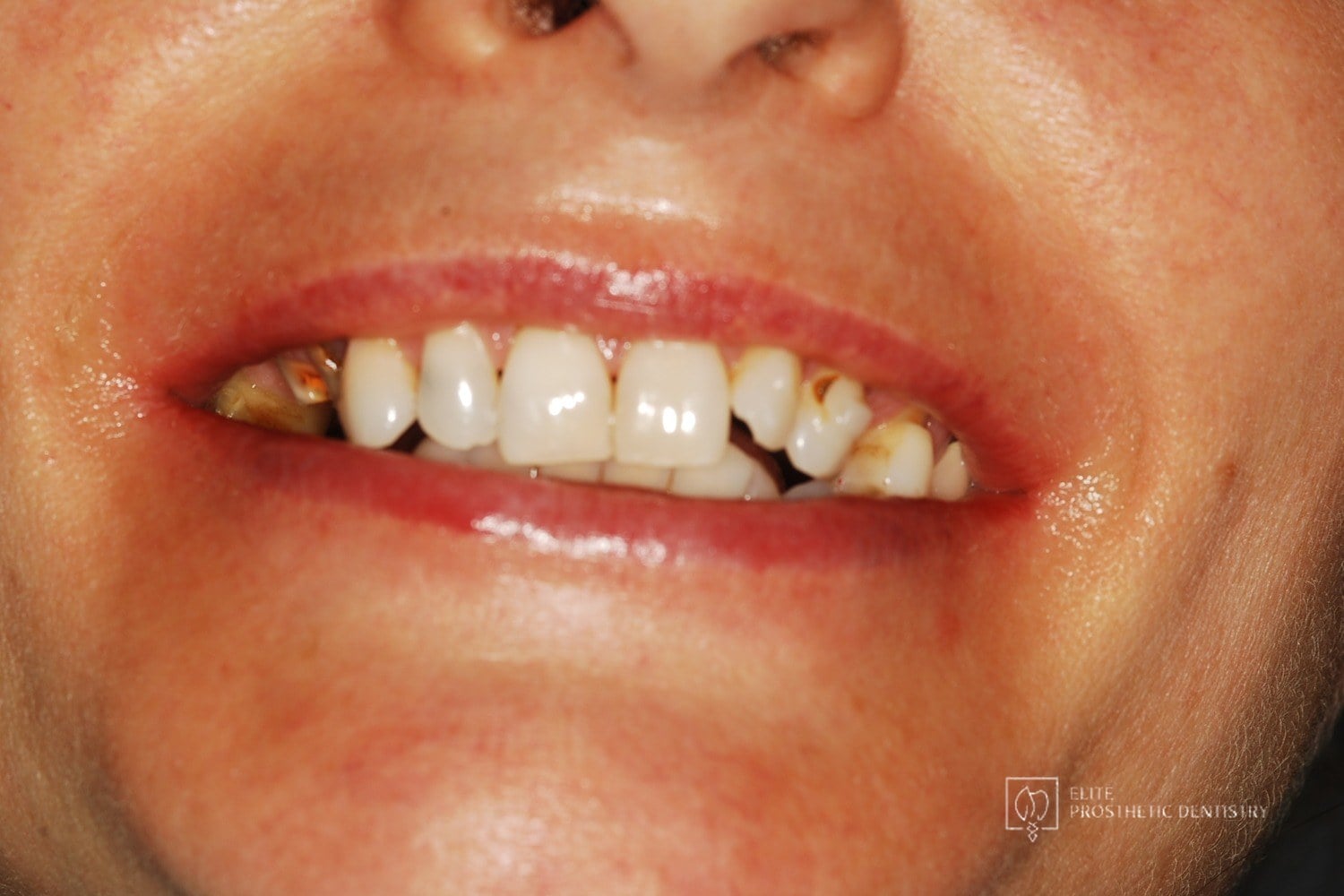
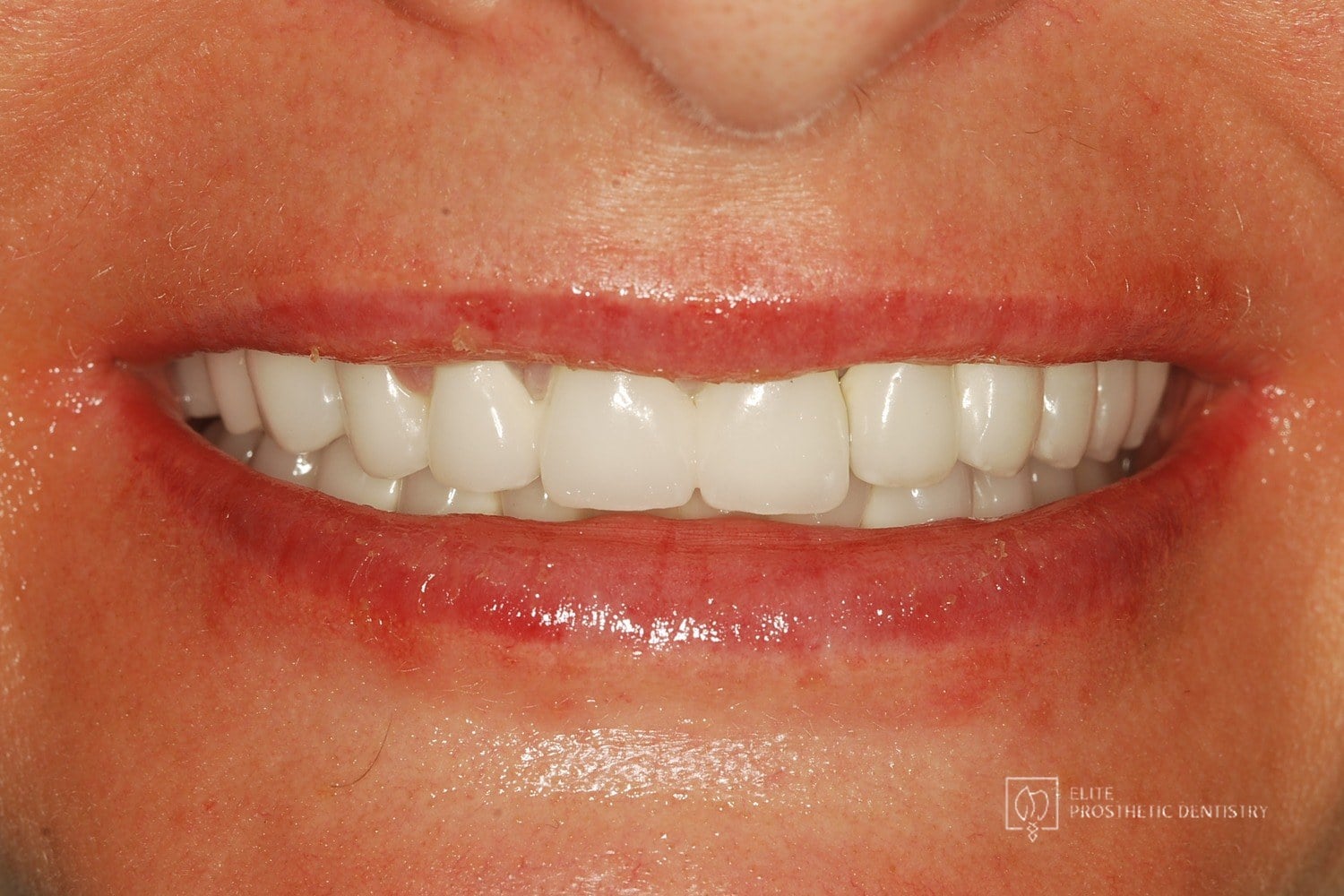
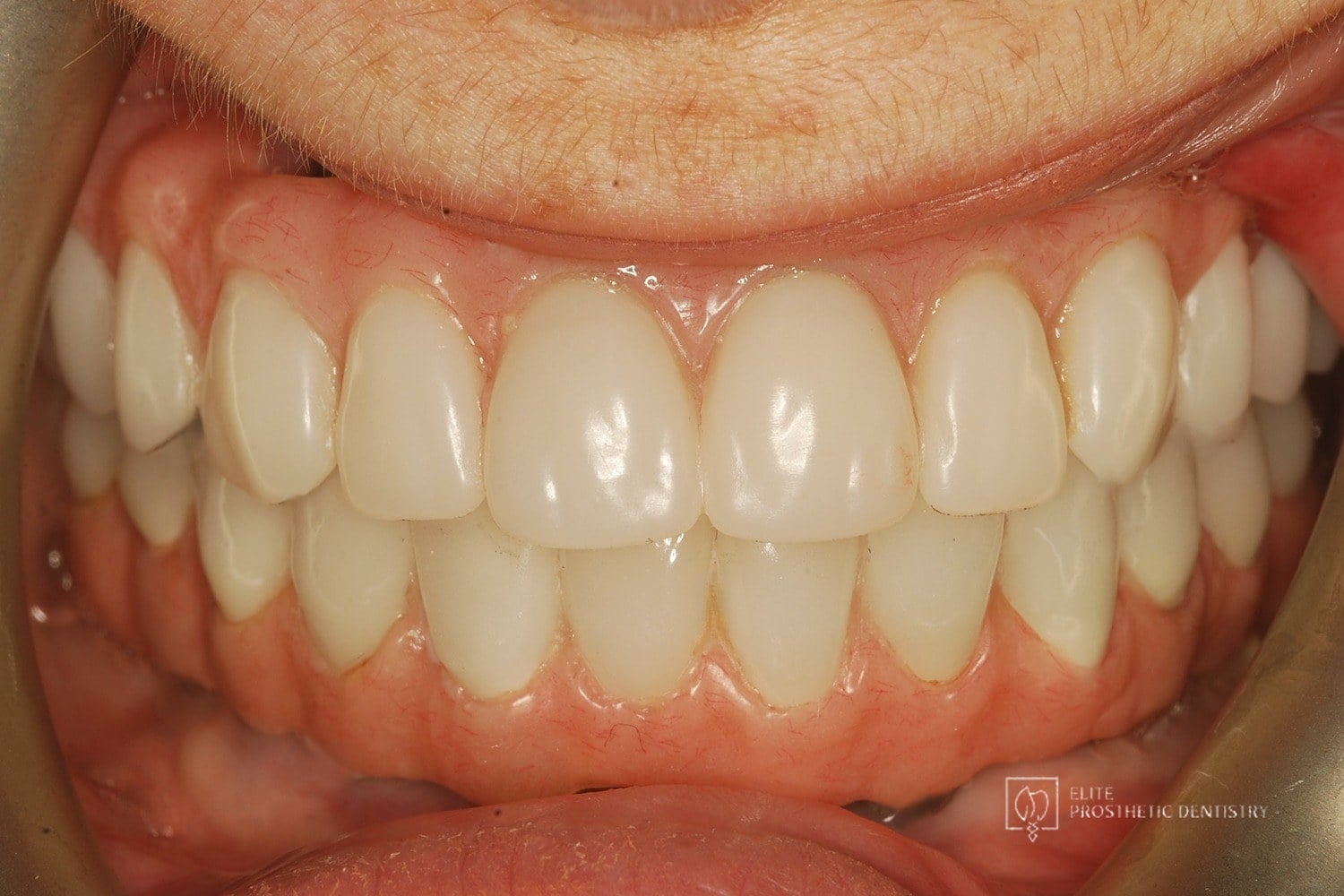
How Aging, Failing Dentistry Was Replaced with a Coordinated Full-Mouth Implant and Crown Reconstruction
The patient presented with throbbing upper-molar pain, long-standing infections, multiple root canals and unfinished prior treatment, generalized sensitivity, and several hopeless teeth.
 Before
 After
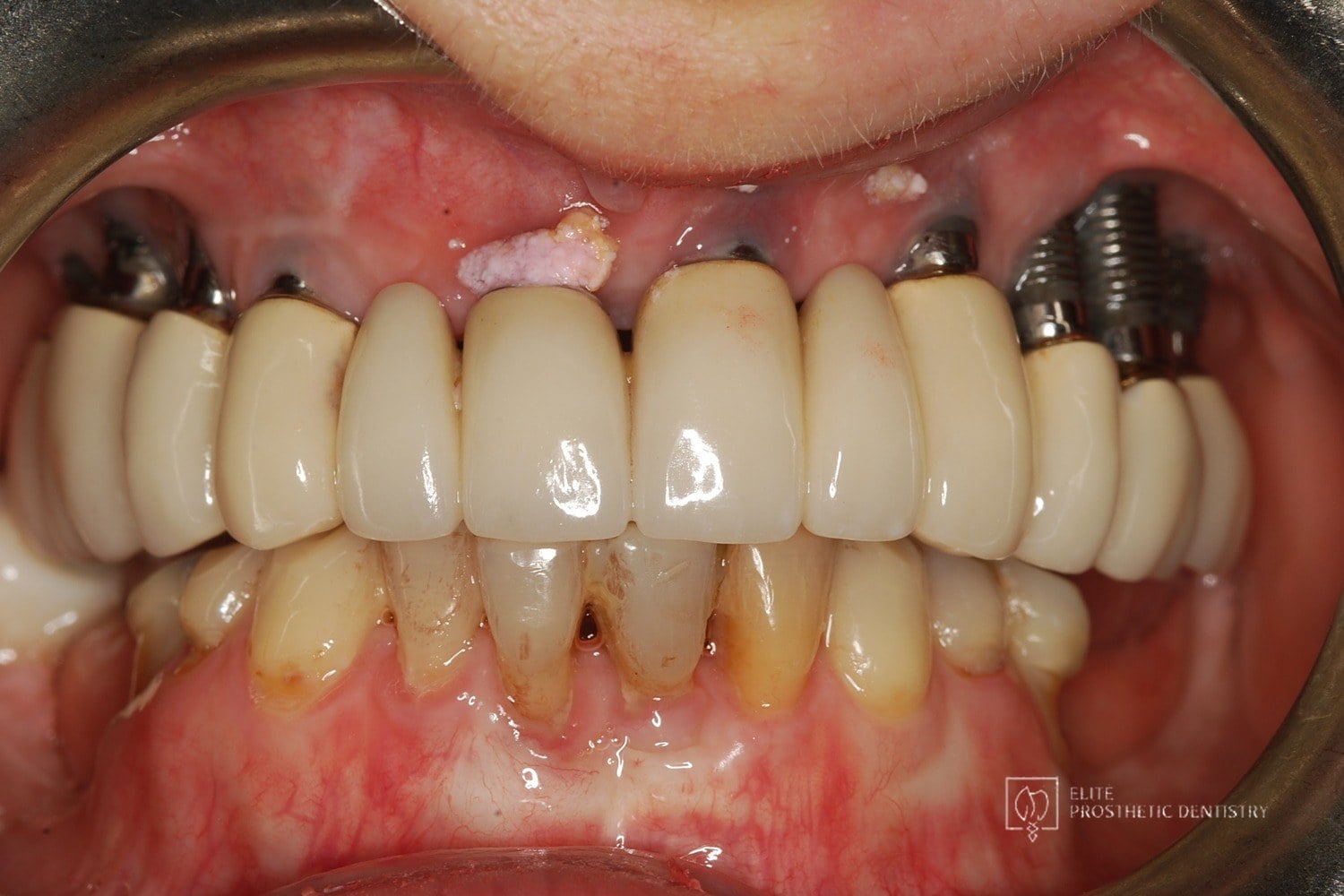
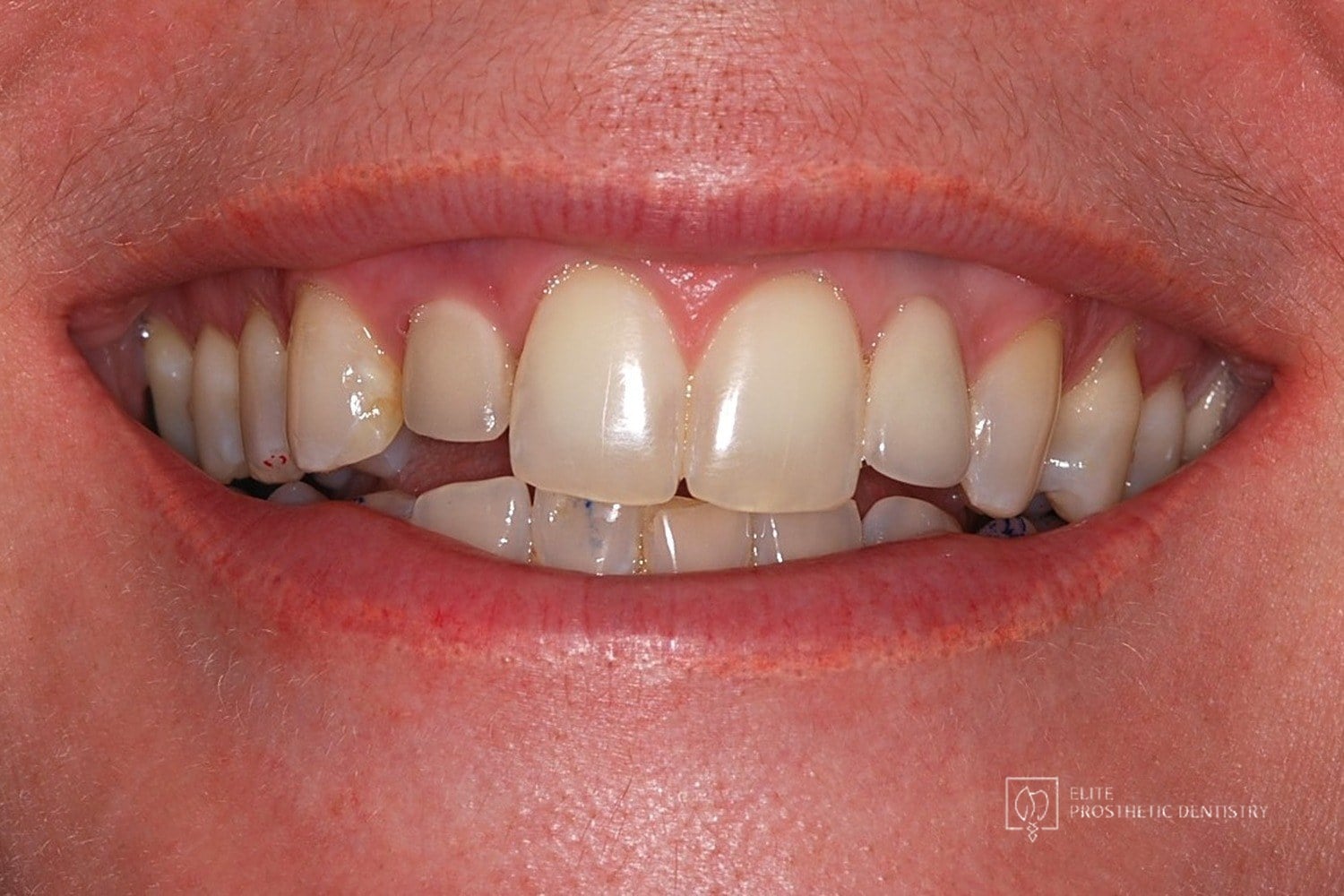
How Failing Implants and Severe Bone Loss Were Rebuilt Into a Stable Full-Arch Implant Reconstruction
The patient presented with significant complications from previously placed implants, severe bone loss, failing posterior implants, and an unesthetic full-arch bridge. Both arches required full reconstruction, with the upper arch showing the most advanced bone loss and instability.
 Before
 After
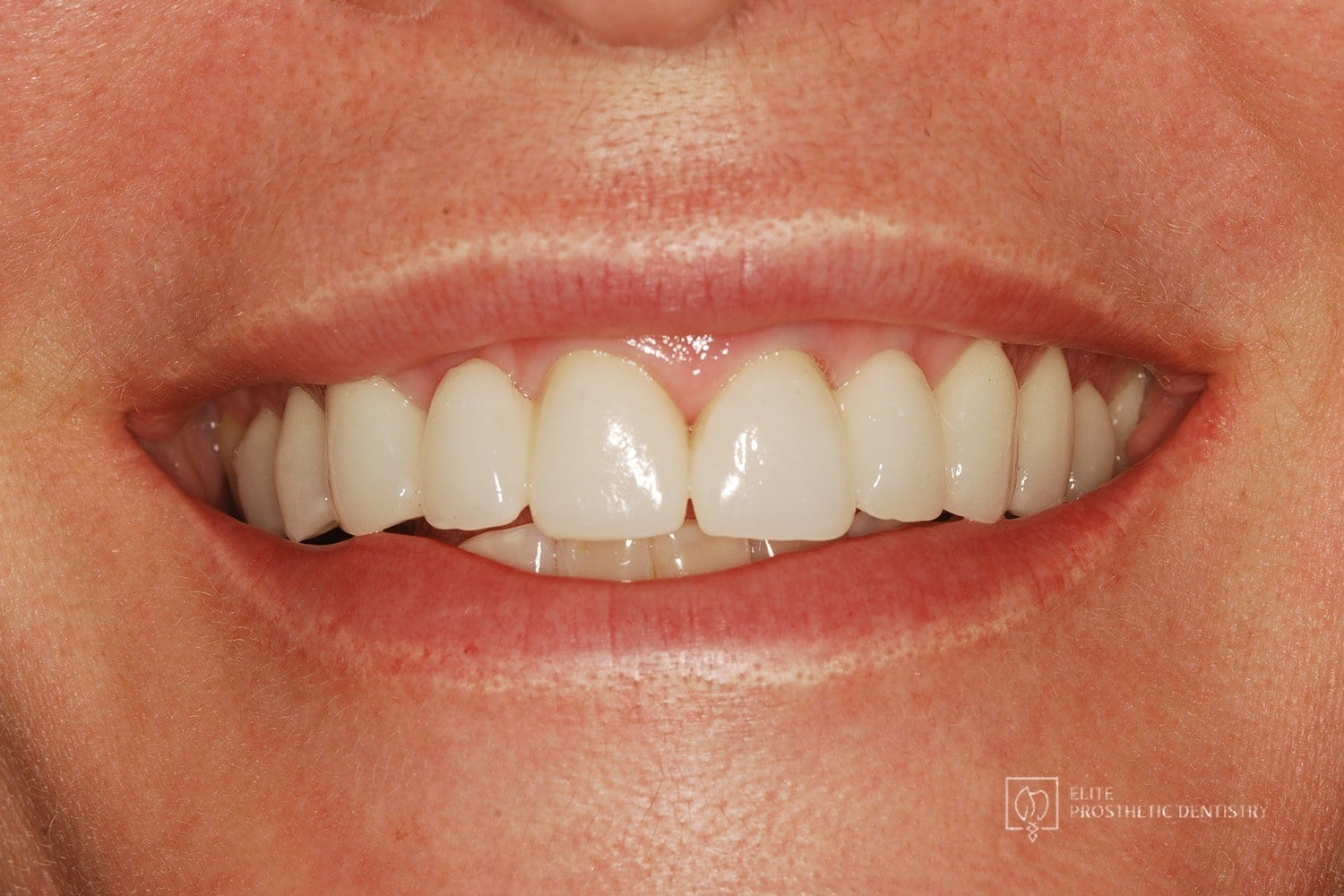
How Failing Lateral Incisor Implants Were Replaced with Custom Zirconia Bridges After Severe Bone Loss Made Replacement Implants Impossible
Comprehensive examination including CBCT imaging revealed significant bone loss surrounding implants that were placed outside the buccal plate, most likely due to placement without a CBCT-generated surgical guide. The implants were determined non-salvageable, and the alveolar ridge was too narrow to support replacement implants without extensive reconstruction.
 Before
 After
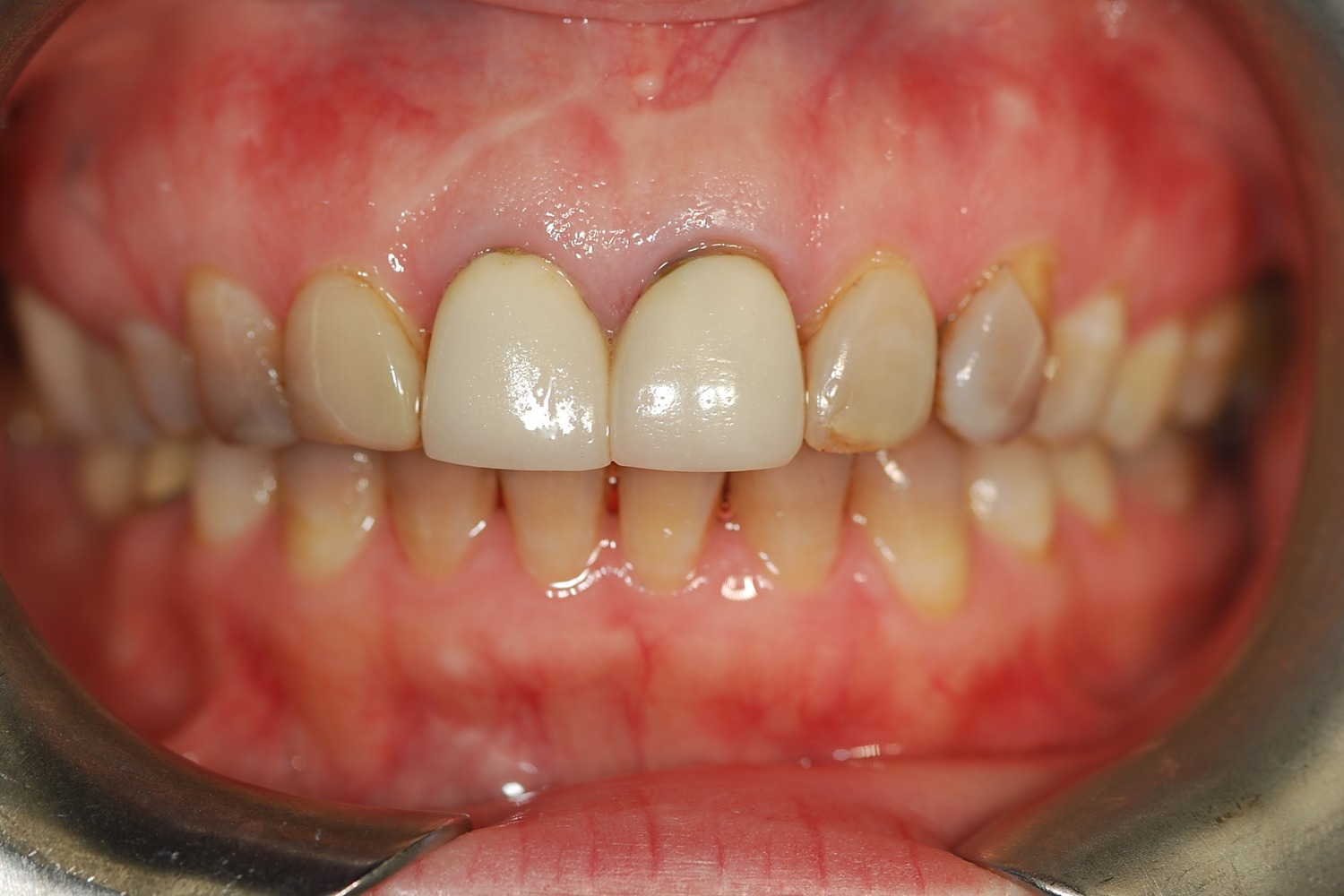
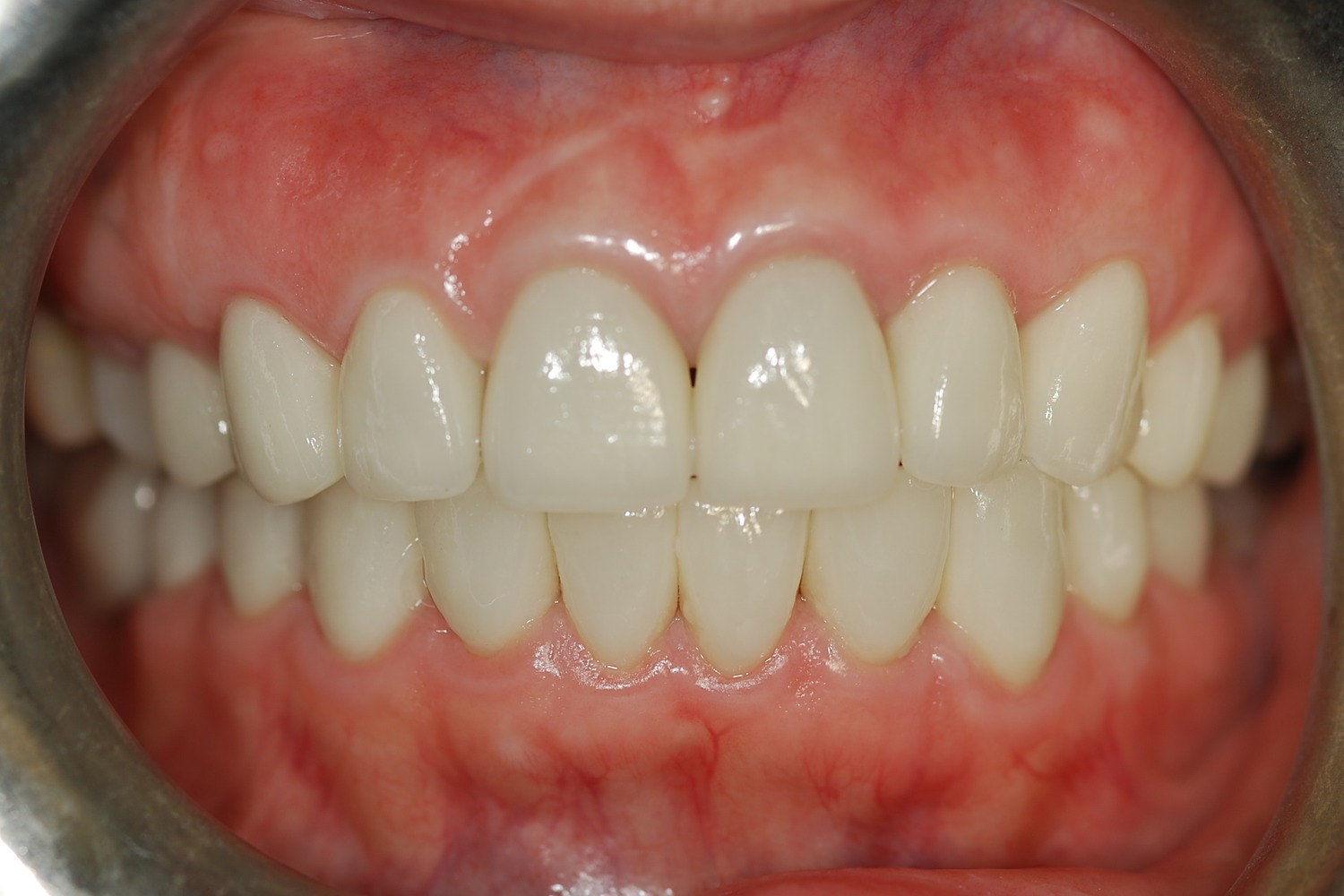
How Aging, Opaque Restorations Were Replaced with Customized Ceramic Restorations Designed for Long-Term Natural Esthetics
The existing restorations appeared opaque, worn, and unnatural over time, affecting both confidence and overall smile harmony.
 Before
 After
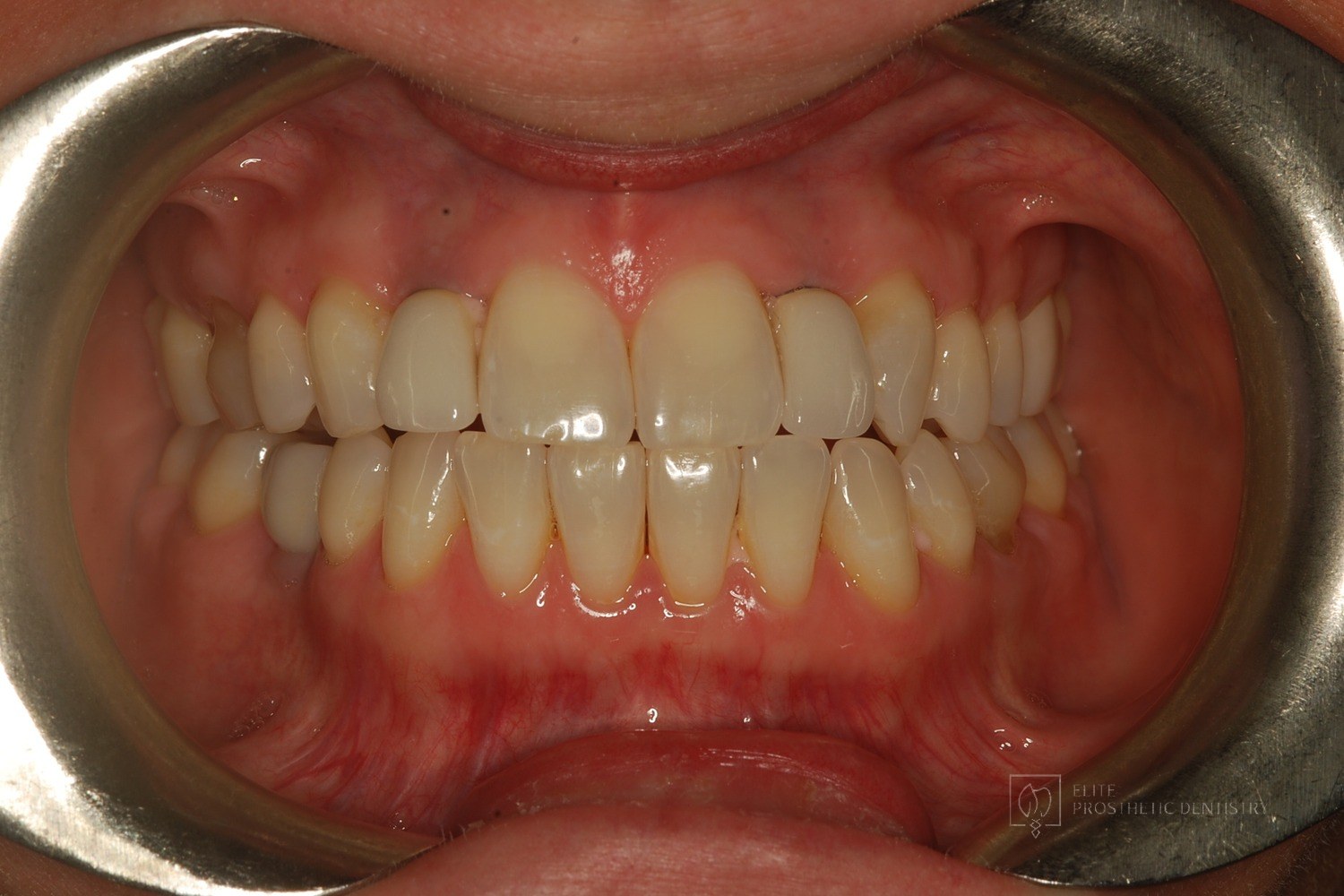
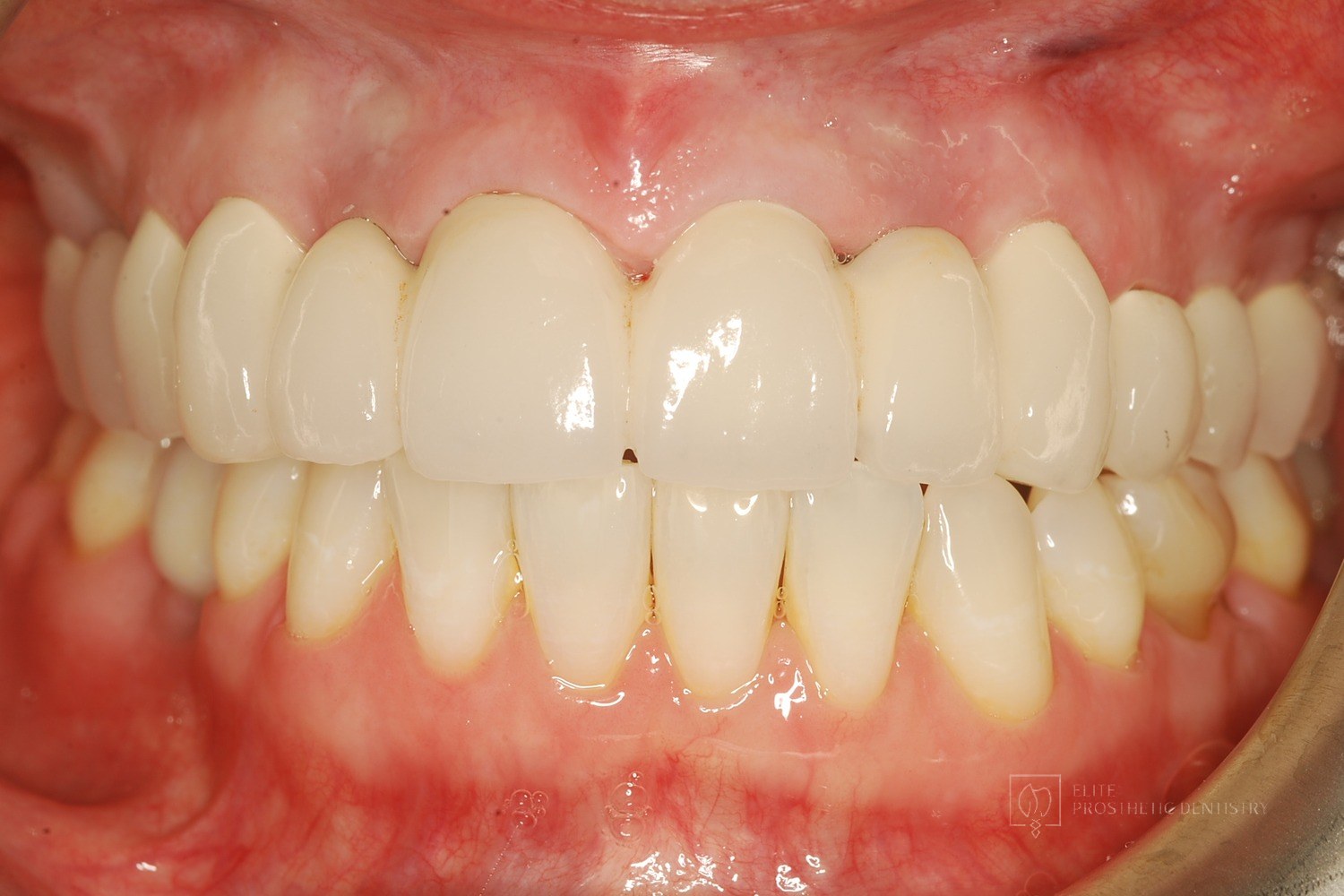
How Older Implant Crowns Were Redesigned for a Better Bite and More Natural Appearance
The patient came in after years of living with implant-supported crowns placed more than twenty years earlier that no longer looked or functioned well. CBCT evaluation, reviewed with a radiologist colleague, showed the implants had been placed too far to the buccal in very thin bone and could not support a healthy long-term restoration.
 Before
 After
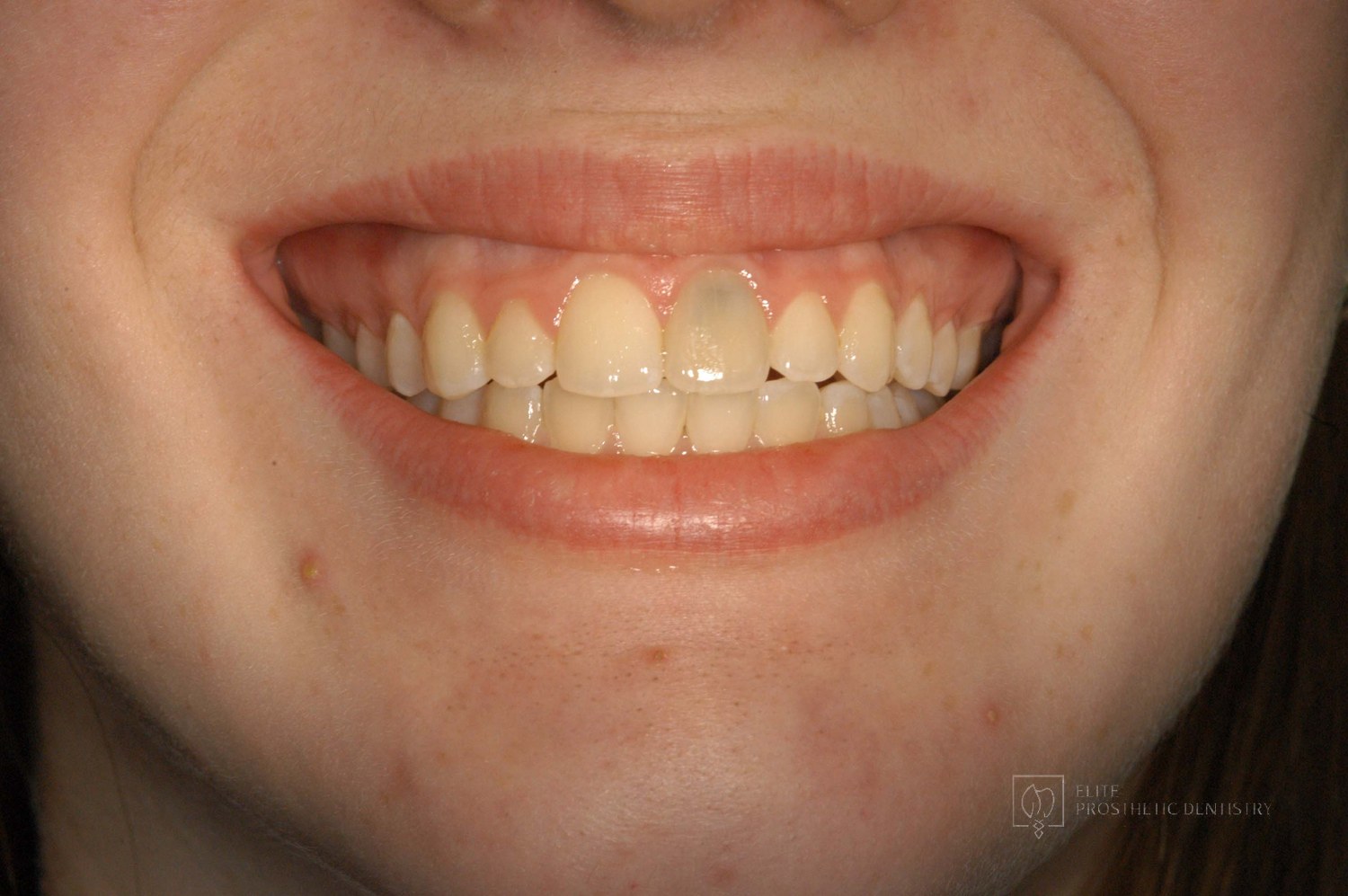
How a Front Tooth Lost to Childhood Trauma Was Rebuilt with Bone Grafting and a Long-Lasting Implant
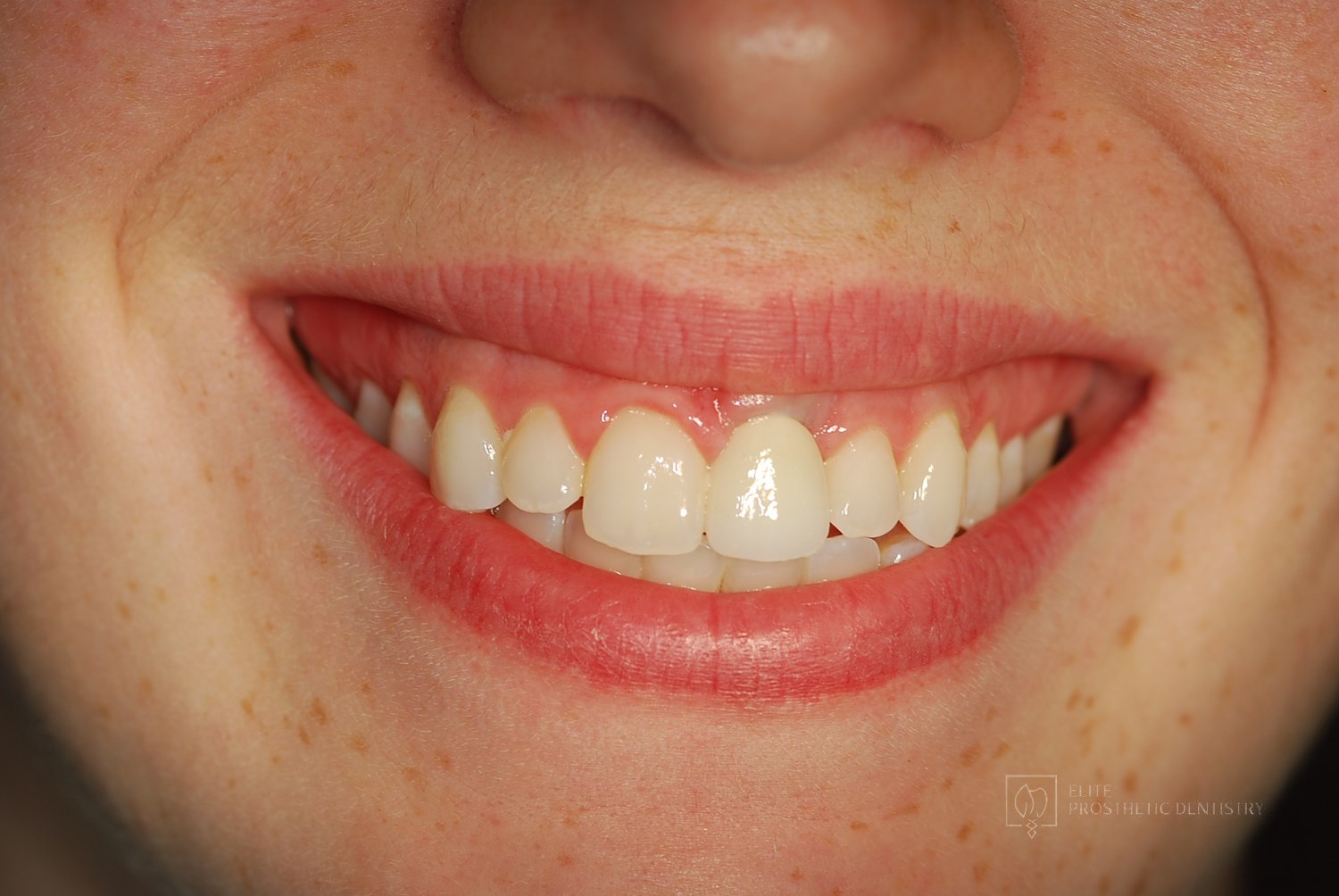
A teenager was referred by her father after earlier trauma left her upper left front tooth slowly failing from root resorption. She was still growing, so an immediate implant was the wrong move. The tooth had to be maintained to buy time, then replaced correctly once she reached skeletal maturity.
Ready to Transform Your Smile?
With 40+ years of experience and 3,900+ dental implants placed, Dr. Marlin and the team deliver dentistry planned to last. Request a specialist consultation.