
Full-Mouth Dental Implants in Kensington, MD
Follow the full-mouth implant patient journey from failing dentition through restoration delivery.
The journey from failing or missing teeth to a permanent, fixed implant restoration spans several months and involves multiple appointments and phases. We follow our Kensington patients through this entire process, explaining what happens at each milestone and what they should expect as they move through treatment.
This page walks through the patient experience from initial concern through delivery of the final restoration, using the timeline typical for most comprehensive cases. Understanding this progression helps Kensington residents prepare mentally, logistically, and emotionally for the transformation ahead.
The Starting Point: Why We Come to Dr. Marlin
Our journey typically begins with one of two scenarios. Some of us have endured dentures for years, managing the daily inconvenience of removal, cleaning, and storage, wrestling with denture movement during eating and speaking, and gradually accepting our changing appearance as bone resorption progresses. Others among us have natural teeth that failed progressively: a missing molar here, a fractured crown there, eventually reaching a point where extraction and replacement becomes unavoidable.
What unites us is the realization that we need a long-term solution. We’ve spent years managing compromises, and we’re ready to invest in restoration that will function normally for decades. We schedule consultation with Dr. Marlin because we understand that choosing the right specialist determines whether our restoration succeeds.
Month Zero to One: Initial Consultation and Bone Assessment
Our first appointment lasts approximately 90 minutes. We meet with Dr. Marlin for detailed clinical examination where he assesses our remaining teeth (if any), evaluates our overall oral structure, and documents our bone anatomy. He takes our complete medical history, understanding any conditions or medications that might influence treatment.
We undergo three-dimensional cone beam computed tomography imaging that reveals our bone volume, density, and precise anatomy. Dr. Marlin reviews these images with us, explaining our bone structure in detail. We learn exactly how much bone we have available and whether bone grafting will be necessary before implant placement.
We discuss our goals and concerns. Some of us want restoration that looks exactly like natural teeth. Others prioritize function and permanence above all else. We explain our eating preferences, our speaking concerns, our esthetic goals. Dr. Marlin listens carefully and uses this information to customize our treatment plan.
By the end of our first appointment, we understand our bone anatomy, our implant configuration options, our timeline, our cost estimate, and what to expect at each upcoming appointment. We leave with clarity and confidence about our decision to proceed.
Months One to Four (If Bone Grafting Is Required): Surgical Bone Reconstruction
Some of us require bone grafting before implant placement. Our bone has resorbed significantly from years of missing teeth or denture wear. Dr. Marlin has determined that preliminary bone grafting will create a stronger foundation for implant placement and long-term success.
The bone grafting appointment involves surgical placement of bone graft material in zones identified during our planning consultation. The graft material (sourced from our own bone, synthetic sources, or donor sources) stimulates new bone growth. Over the following 3 to 6 months, our own biology integrates the graft material, creating new bone volume where resorption had diminished it.
We follow detailed post-operative instructions: soft diet, limited activity for the first week, then gradual return to normal function. We return for monitoring appointments at specific intervals to track our healing progress. This patience and staged approach transforms our bone anatomy, creating the strong foundation necessary for implant integration and long-term success.
Month Four to Five (After Bone Grafting) or Month One (If No Grafting Needed): Tooth Extraction and Implant Placement
Once our bone anatomy is optimized (either through grafting or immediately if our bone was initially adequate), we schedule our implant placement appointment.
On the morning of surgery, we arrive at the office where our medical history is reviewed, our questions are answered, and we’re prepared for the procedure. We receive sedation or anesthesia, so we sleep through the surgical procedure.
While we’re sedated, Dr. Marlin places our implants with millimeter precision. He uses his three-dimensional surgical plan as a guide, positioning each implant at exactly the angle and depth determined during planning. The surgery typically requires 2.5 to 4 hours depending on our implant number and bone complexity.
When we wake, the surgery is complete. Our implants are in place. We receive a temporary restoration that looks like normal teeth and allows basic eating function. We receive detailed post-operative instructions and pain management prescriptions. We go home with teeth on the same day as surgery.
Months Five to Eight (or Months One to Four Post-Placement): The Integration and Healing Phase
Following implant placement, osseointegration begins. Our bone slowly grows directly against the implant surface, anchoring the implants firmly in place. This process requires 3 to 6 months and is absolutely critical to long-term success. We cannot rush this phase; attempting to do so compromises outcomes.
During integration, we wear our temporary restoration. This temporary solution looks natural and functions adequately for eating and speaking. We follow soft diet guidelines for the first 1 to 2 weeks post-surgery, then gradually advance our eating as we heal.
We return for appointments at 6 weeks post-placement, then again at 12 weeks, and again as osseointegration nears completion. At each visit, Dr. Marlin assesses our implant stability and confirms that healing is proceeding on schedule. We ask questions, voice any concerns, and receive reassurance that our progress is normal.
Many of us report that the temporary restoration functions better than we expected. We’ve adapted to eating with confidence. We’ve regained ability to eat foods we’ve missed for years. We’re sleeping with teeth in our mouth again, a normality we thought was permanent past.
Months Eight to Twelve (or Four to Eight Months Post-Placement): Abutment Connection and Permanent Restoration Design
Once osseointegration is complete (confirmed through clinical assessment and imaging), our permanent restoration phase begins. We schedule the abutment connection appointment where Dr. Marlin removes our temporary restoration and attaches abutments to our implants.
At this same appointment, Dr. Marlin takes detailed impressions of our implants and abutments in their final integrated position. He takes bite records and color specifications. This information goes to our on-site laboratory where fabrication of our permanent crowns begins.
We return home wearing a refined temporary restoration while the laboratory works. The laboratory technicians receive Dr. Marlin’s detailed specifications and begin designing our custom crowns. They design each crown individually, considering our tooth shape preferences, our color goals, our smile line, our facial features.
The design process takes weeks. The laboratory technician is not rushing; this is our restoration, and it deserves meticulous attention. Once design is approved, the technician mills our crown structures from high-quality materials and applies porcelain surfaces matching our specified color.
Months Twelve to Sixteen (or Eight to Twelve Months Post-Placement): Crown Placement and Refinement
Our permanent crowns are completed. Dr. Marlin schedules our crown placement appointment. We arrive excited and anxious. This is the moment our restoration becomes real.
Dr. Marlin removes our temporary restoration and begins the try-in process. He inserts our permanent crowns and checks their fit against our implants. He assesses how they look, evaluating color match, tooth shape, proportions. He checks our bite, ensuring forces distribute evenly across all implants.
If refinements are needed, we discuss them with Dr. Marlin. Some adjustments can be made at this appointment. Others may require returning to the laboratory for modification. Most of us find that our permanent restoration exceeds our expectations. The crowns look so natural that colleagues and friends cannot believe our teeth are completely restored.
Once Dr. Marlin is satisfied that the restoration fits perfectly and looks beautiful, he secures the crowns permanently to our implants. We have our final restoration installed.
Post-Restoration: Daily Life With Implants
Following permanent crown placement, our daily routine is remarkably simple. We brush our new teeth twice daily with a regular toothbrush and fluoride toothpaste. We floss daily using standard floss or an interdental cleaner. There is nothing special about our maintenance; we treat our implant teeth exactly like natural teeth.
We return for professional cleaning every 6 months and annual examination with Dr. Marlin to ensure all implants remain stable and integrated. We avoid chewing extremely hard objects (ice, hard candy) that might damage crowns, but otherwise we have no dietary restrictions.
Most of us report within weeks that we’ve stopped thinking about our teeth. They feel normal. They function normally. We eat what we want without conscious attention to restoration stability. We speak with complete confidence. We smile broadly without self-consciousness. This normalcy, this restoration of the life we had with natural teeth, is the reward for our patience through the months of treatment.
The Kensington Perspective
Kensington’s community of established residents values permanence and quality. The full-mouth implant restoration aligns perfectly with these values. We’ve invested months in treatment. We’ve invested financially in high-quality restoration. We know our implants will function for decades. We’ve invested in permanence.
Many of us report that receiving our restoration has changed our quality of life more profoundly than we anticipated. We’re eating foods we’d restricted ourselves from for years. We’re smiling confidently in situations where we previously felt self-conscious. We’re engaging socially with renewed confidence. The restoration of normalcy impacts our psychological well-being as much as it impacts our physical function.
Throughout Your Journey: Our Commitment to Your Success
We remain available to our patients throughout their entire journey and beyond. We explain what to expect at each phase. We answer questions thoroughly. We manage discomfort effectively. We monitor healing carefully. We provide the support necessary to navigate this significant treatment successfully.
We view our relationship with each patient as a partnership. You are investing in a meaningful restoration, and we are committed to ensuring that restoration succeeds and exceeds your expectations.
Beginning Your Journey
Kensington residents ready to begin their full-mouth restoration journey should start with consultation. Schedule your appointment with Dr. Marlin or call (202) 244-2101). During this appointment, Dr. Marlin will assess your bone anatomy, explain your specific pathway through treatment, and help you understand what your restoration will deliver. We’re here to guide you through this transformation.
Frequently Asked Questions
When do we first evaluate whether implants are right for our situation?
At the initial consultation, we examine your remaining teeth, assess bone structure through three-dimensional imaging, review medical history, and discuss your goals and concerns. We determine whether your bone anatomy supports direct implant placement or whether bone grafting should precede surgery. This evaluation typically takes 90 minutes and provides complete clarity about your specific pathway and timeline.
What happens during the months between implant placement and crown placement?
During the 3 to 6 month integration period, patients wear a temporary restoration that looks natural and functions reasonably well for eating and speaking. We see patients periodically to monitor healing and confirm implants are integrating properly. This waiting period allows bone to fuse with implants, creating the foundation for permanent restoration success. We maintain normal function throughout this phase.
How long does the permanent restoration process take once integration is complete?
Once osseointegration is confirmed, the on-site laboratory begins custom restoration fabrication, typically requiring 4 to 8 weeks. During this time, patients continue wearing the temporary restoration. Once the permanent restoration is completed, we schedule the crown placement appointment where the temporary restoration is removed and the permanent restoration is installed and verified for fit and bite.
Will we be able to eat normally during treatment?
Yes. After the initial healing period (typically 1 to 2 weeks post-surgery), patients can eat soft foods and gradually progress to more substantial foods. By the time the permanent restoration is placed, patients have been eating normally for several months and experience no dietary restrictions with the final restoration. We provide detailed dietary progression guidelines throughout treatment.
What maintenance will we need after the restoration is complete?
Permanent implant restorations require only normal oral hygiene: brushing twice daily and daily flossing. We recommend professional cleanings every 6 months and annual comprehensive examination by Dr. Marlin to ensure implants remain stable and bone levels are maintained. This simple routine preserves the restoration indefinitely. Most patients find implant maintenance significantly simpler than the daily care their previous dentures or failing natural teeth required.
Related Patient Success Stories
Explore similar patient success stories demonstrating our expertise in advanced prosthetic dentistry.
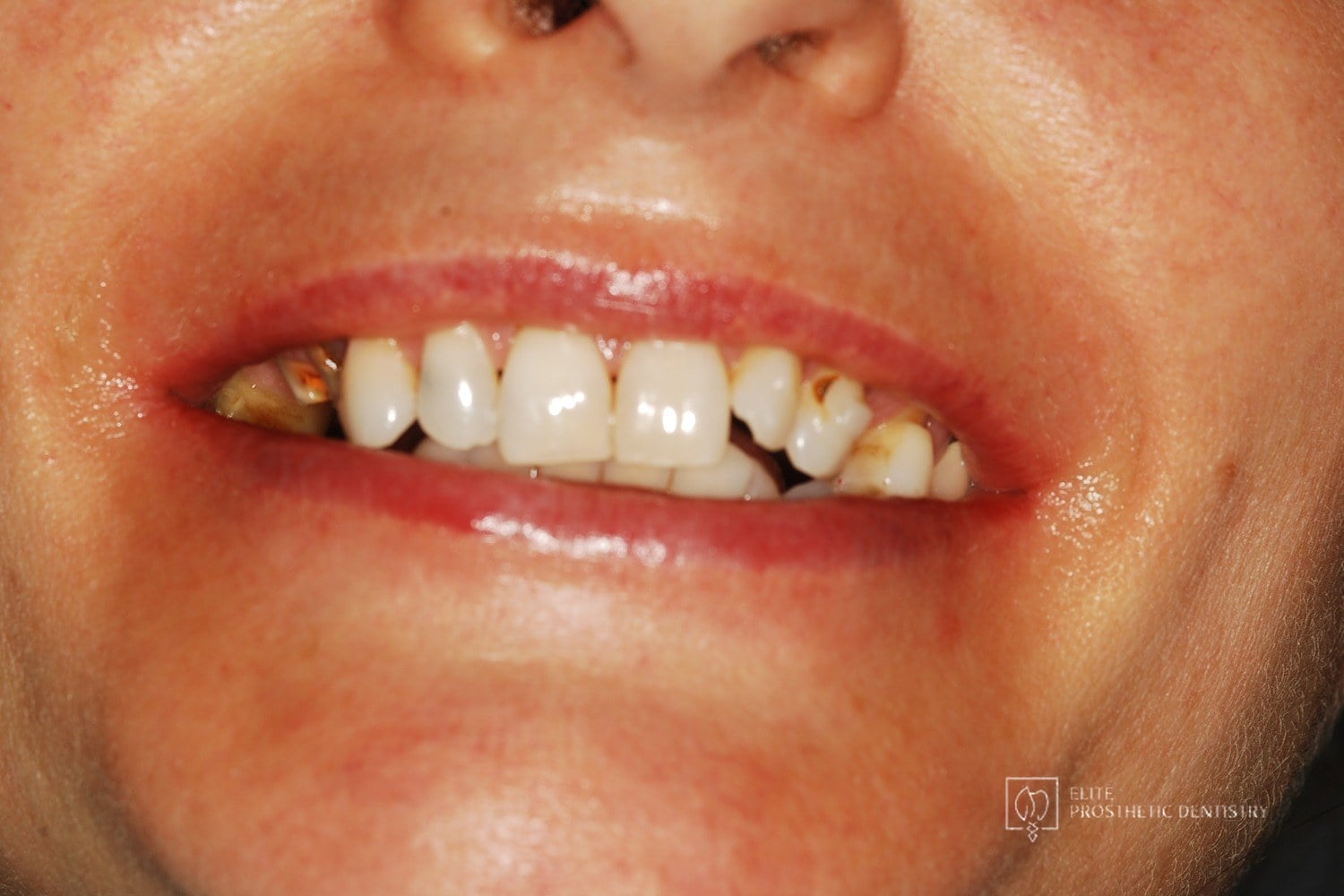 Before
 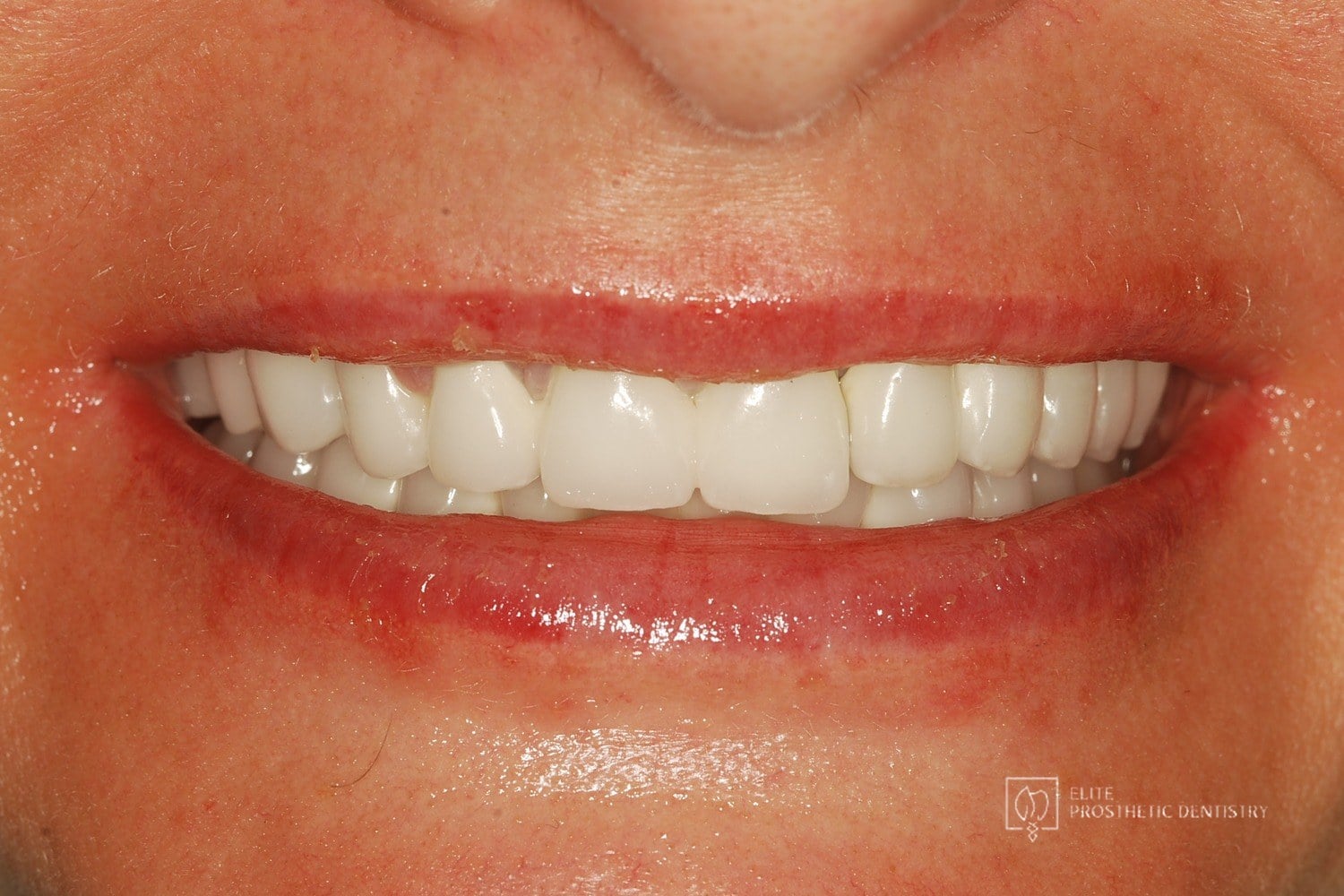 After
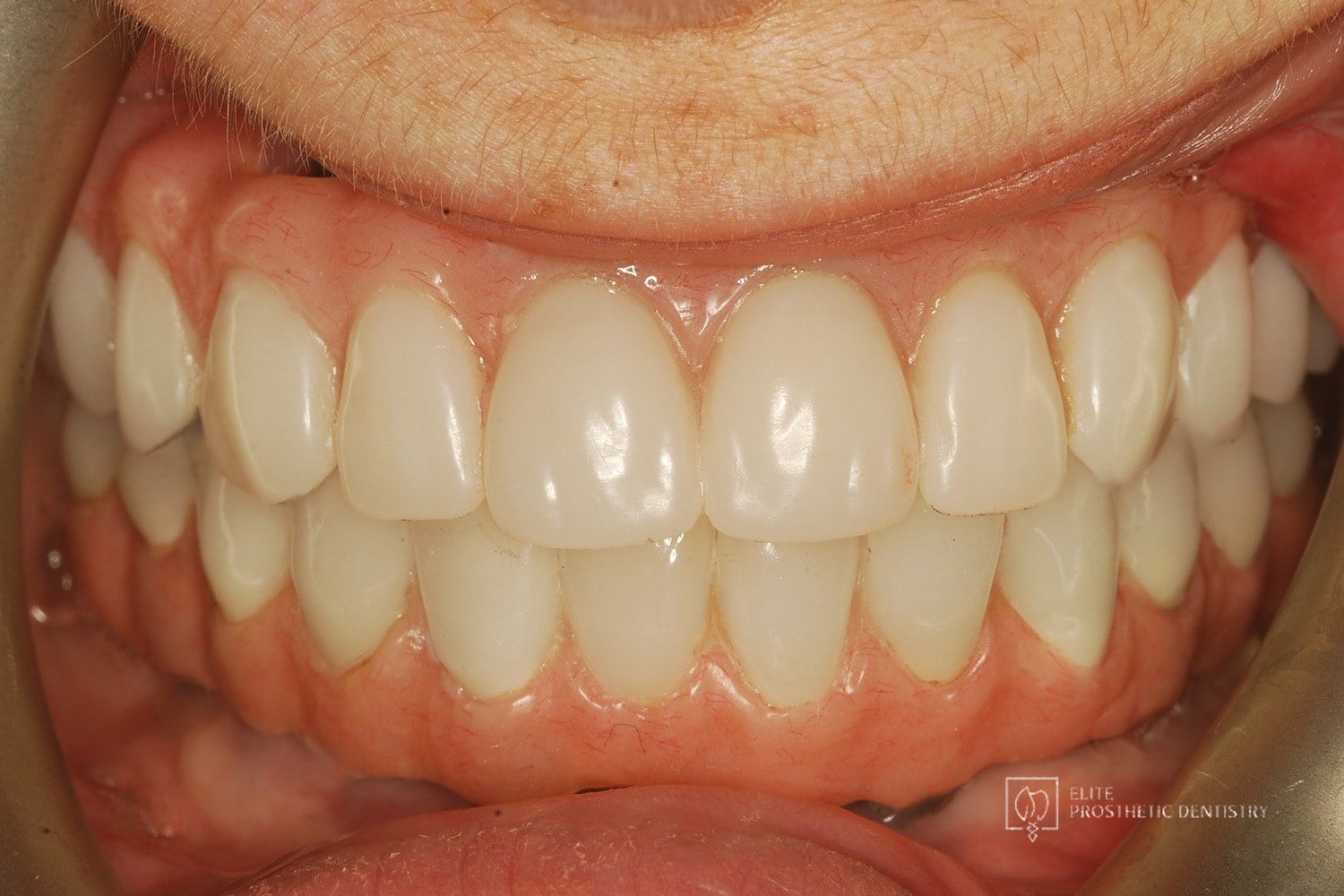
After How Aging, Failing Dentistry Was Replaced with a Coordinated Full-Mouth Implant and Crown Reconstruction
The patient presented with throbbing upper-molar pain, long-standing infections, multiple root canals and unfinished prior treatment, generalized sensitivity, and several hopeless teeth.
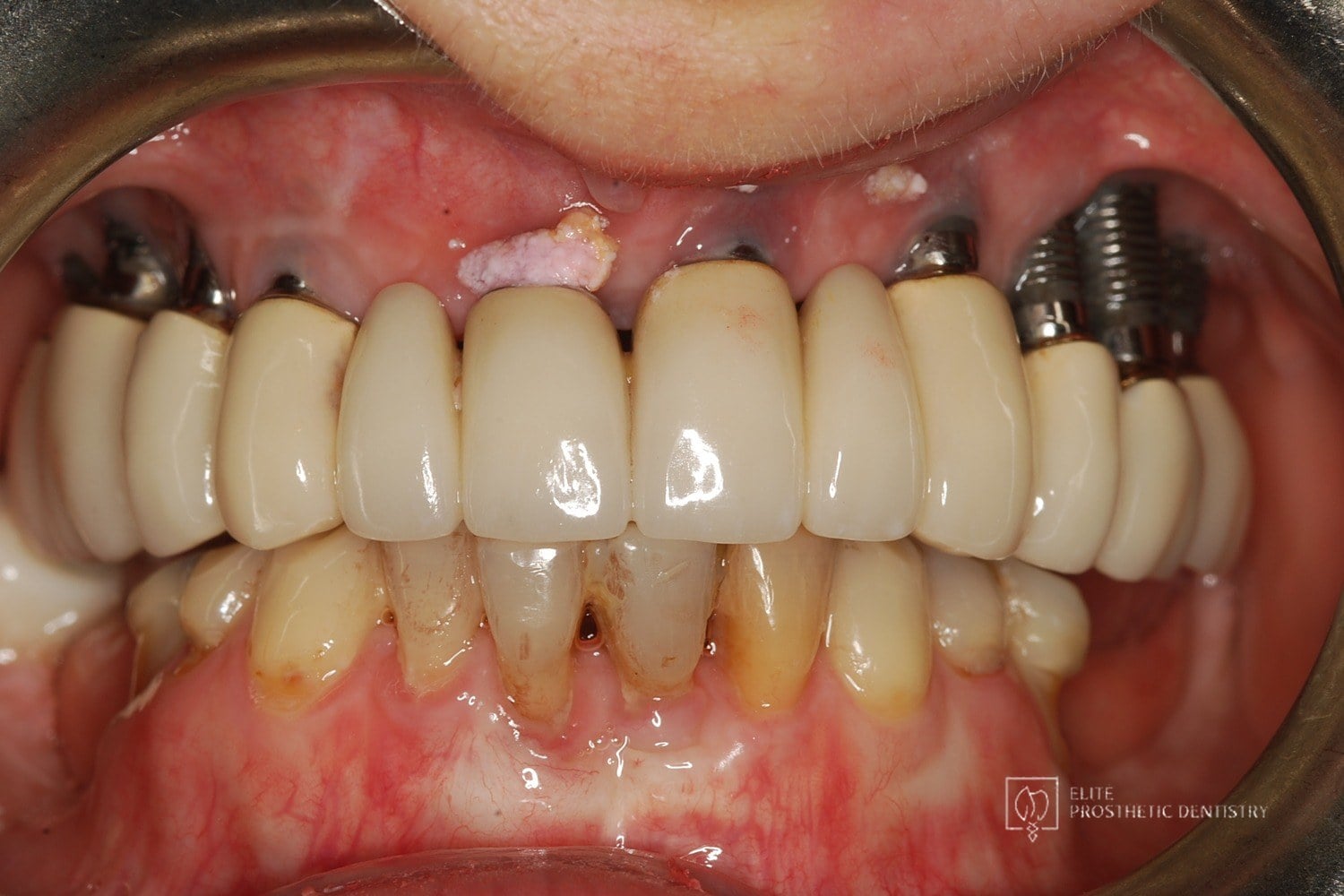 Before
  After
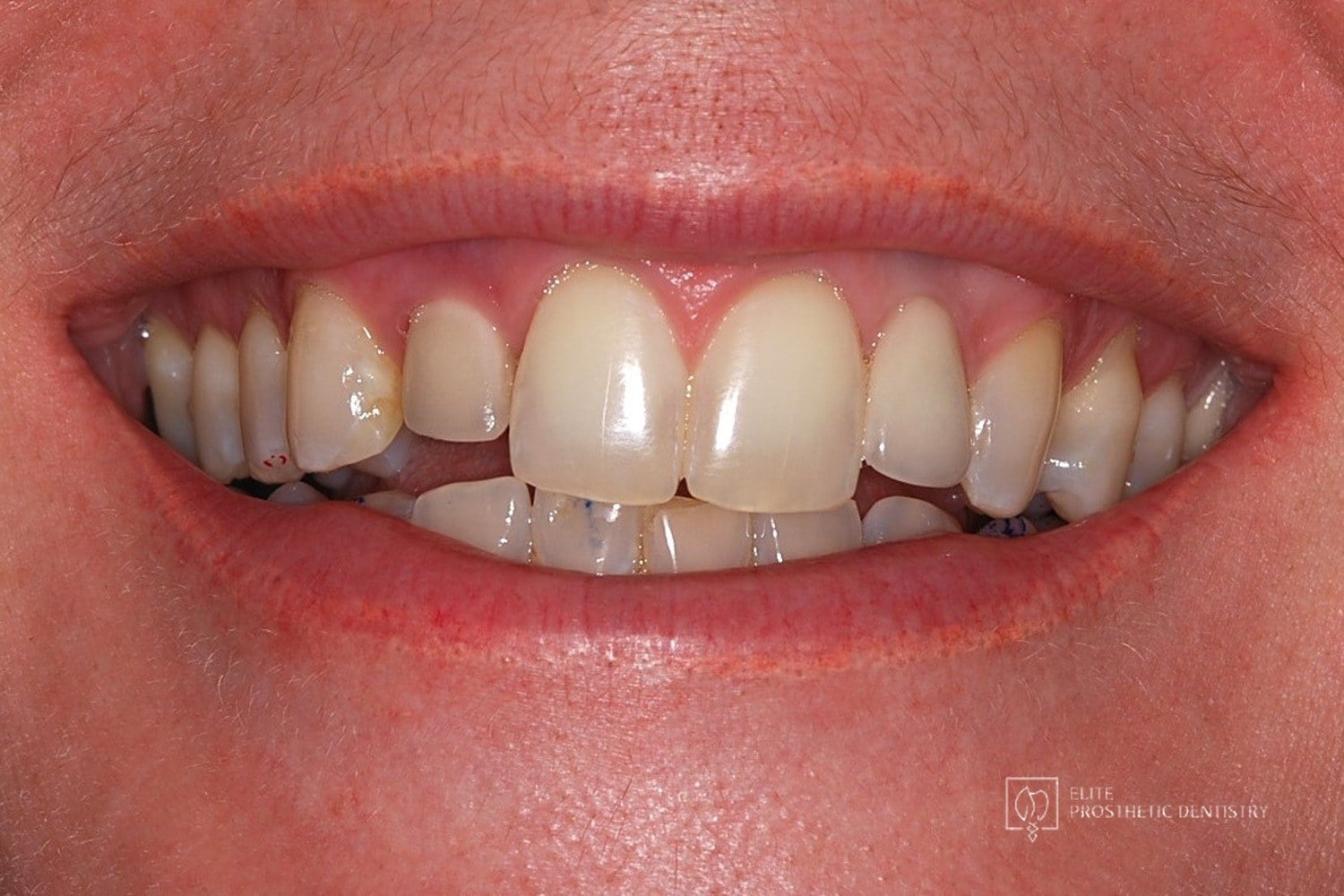
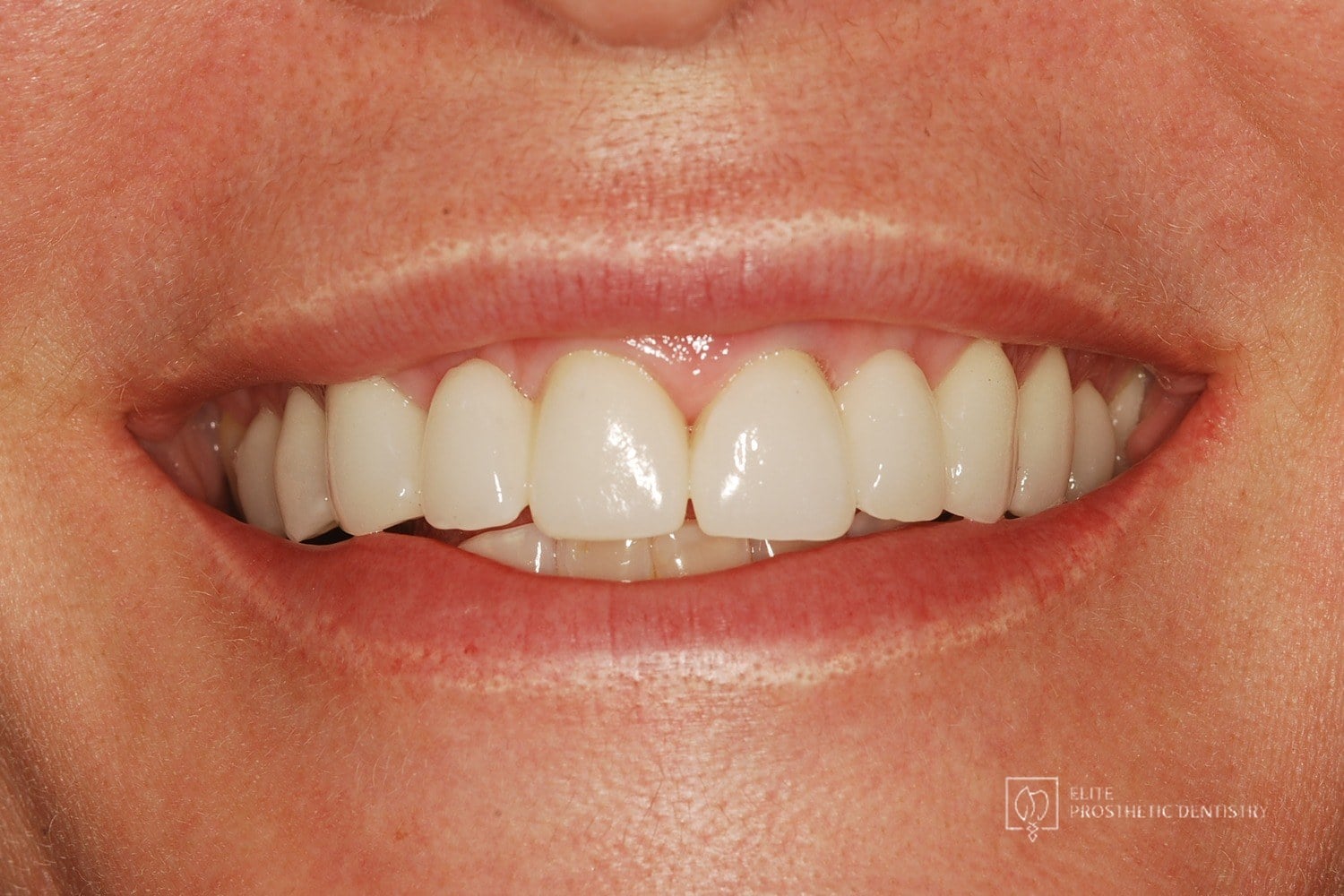
After How Failing Implants and Severe Bone Loss Were Rebuilt Into a Stable Full-Arch Implant Reconstruction
The patient presented with significant complications from previously placed implants, severe bone loss, failing posterior implants, and an unesthetic full-arch bridge. Both arches required full reconstruction, with the upper arch showing the most advanced bone loss and instability.
 Before
  After
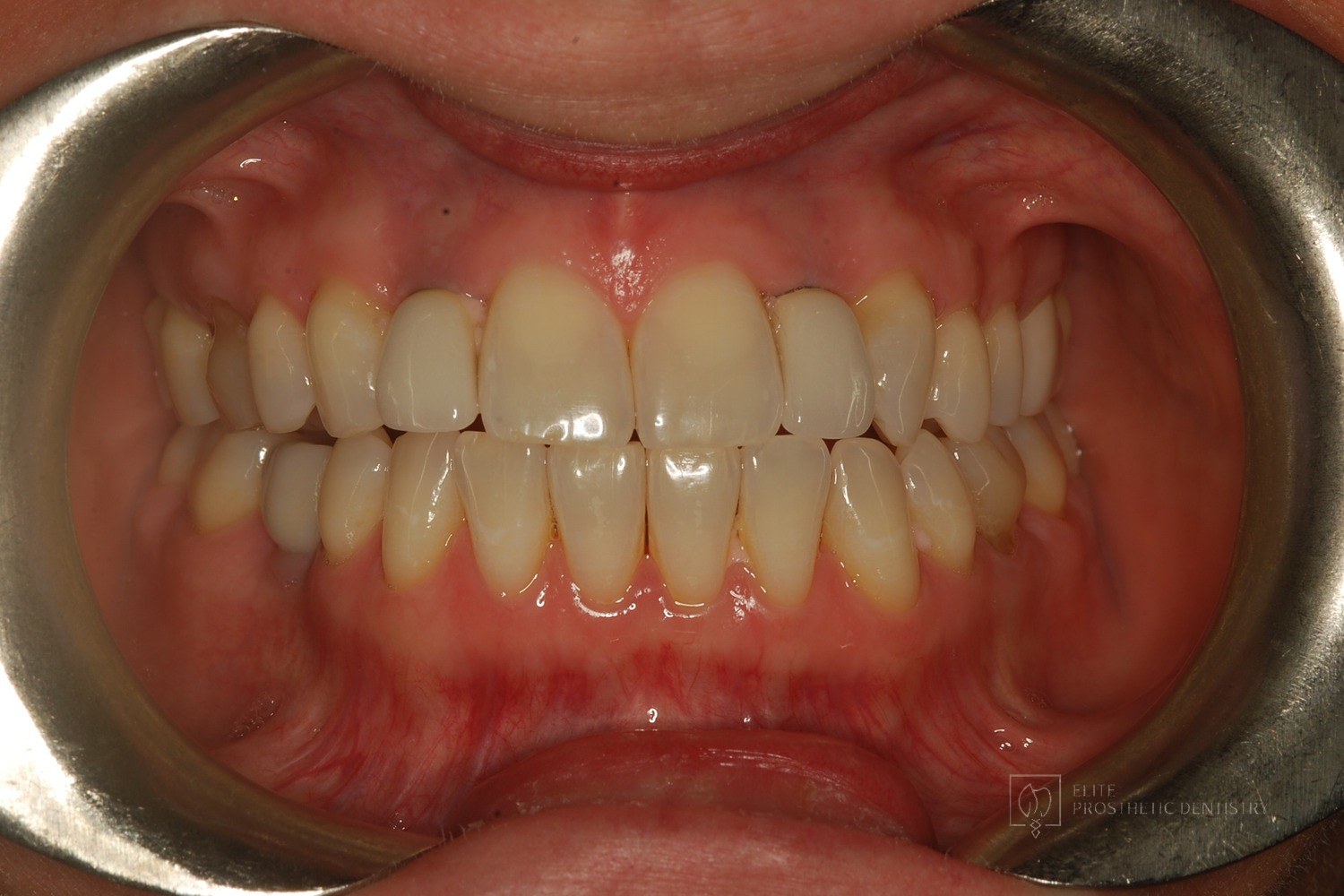
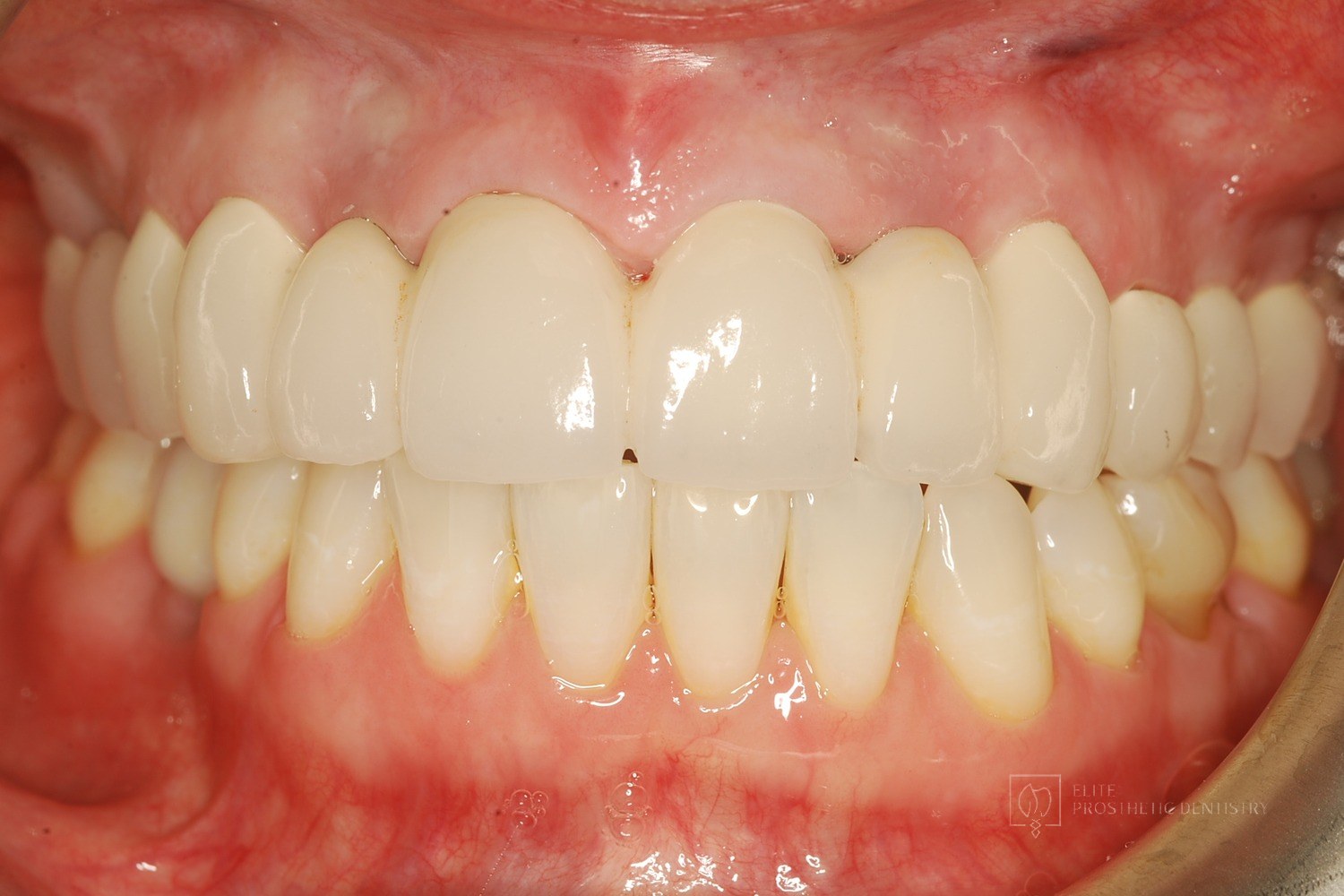
After How Failing Lateral Incisor Implants Were Replaced with Custom Zirconia Bridges After Severe Bone Loss Made Replacement Implants Impossible
Comprehensive examination including CBCT imaging revealed significant bone loss surrounding implants that were placed outside the buccal plate, most likely due to placement without a CBCT-generated surgical guide. The implants were determined non-salvageable, and the alveolar ridge was too narrow to support replacement implants without extensive reconstruction.
 Before
  After
After How Older Implant Crowns Were Redesigned for a Better Bite and More Natural Appearance
The patient came in after years of living with implant-supported crowns placed more than twenty years earlier that no longer looked or functioned well. CBCT evaluation, reviewed with a radiologist colleague, showed the implants had been placed too far to the buccal in very thin bone and could not support a healthy long-term restoration.
 Before
  After
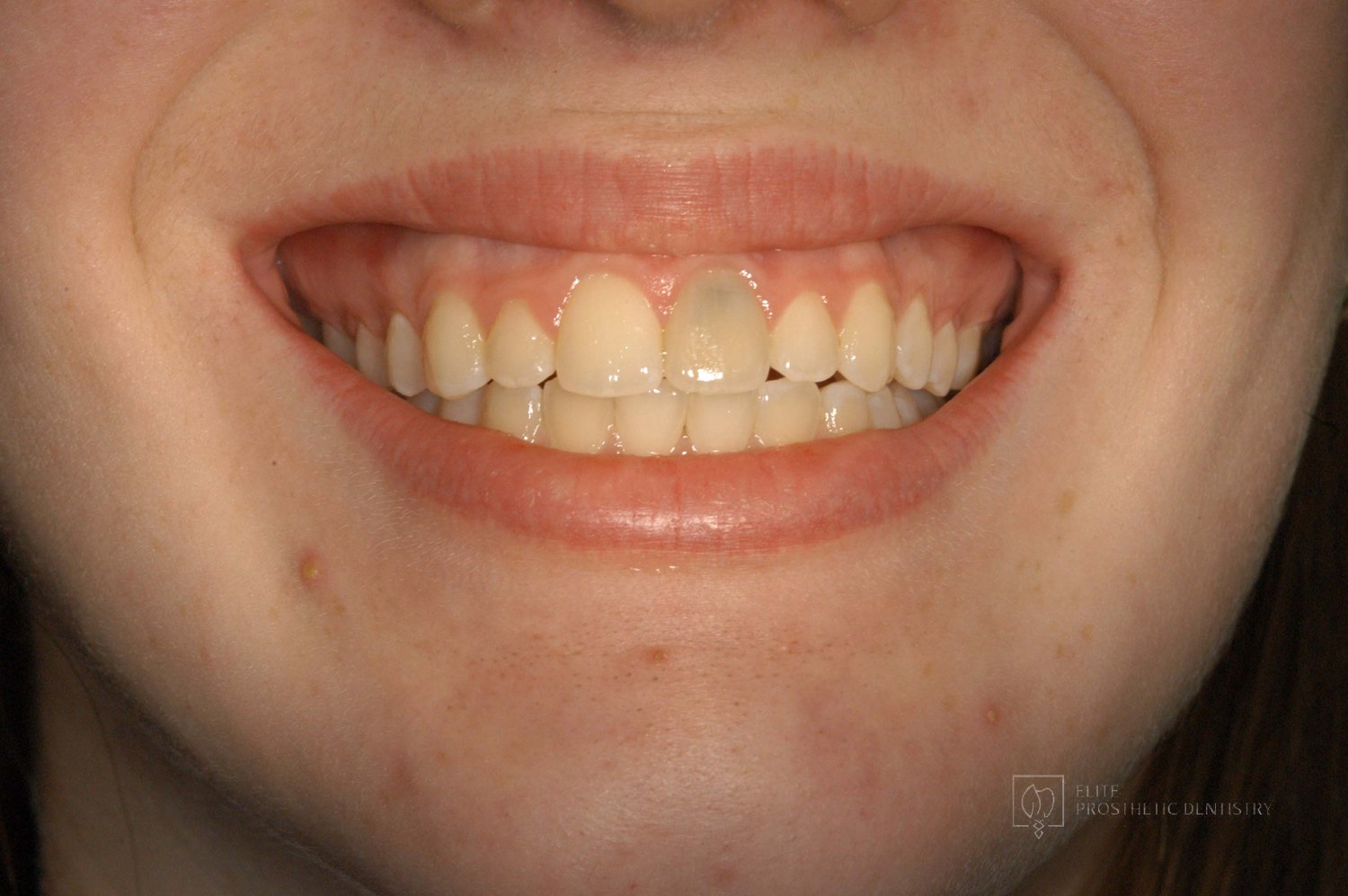
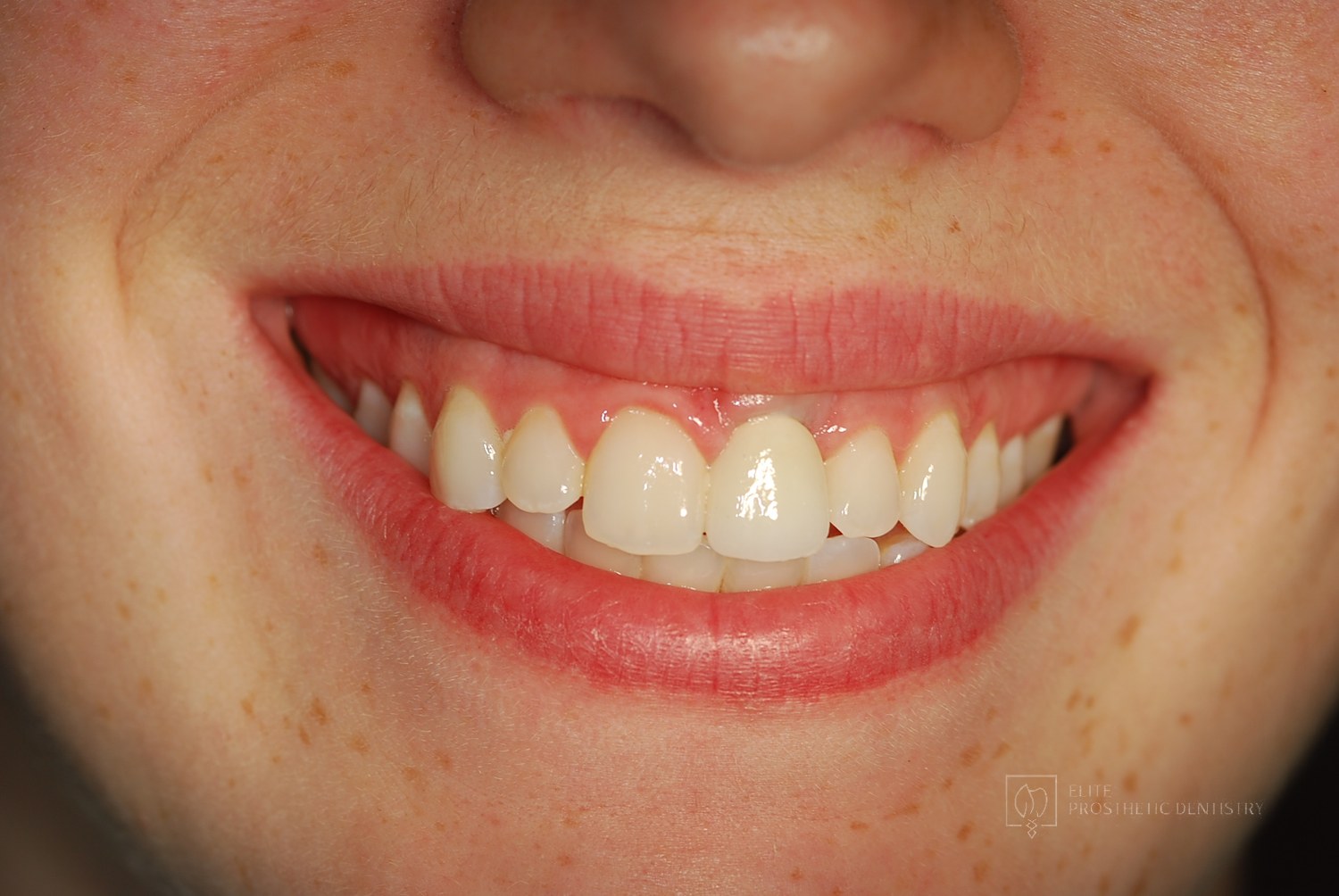
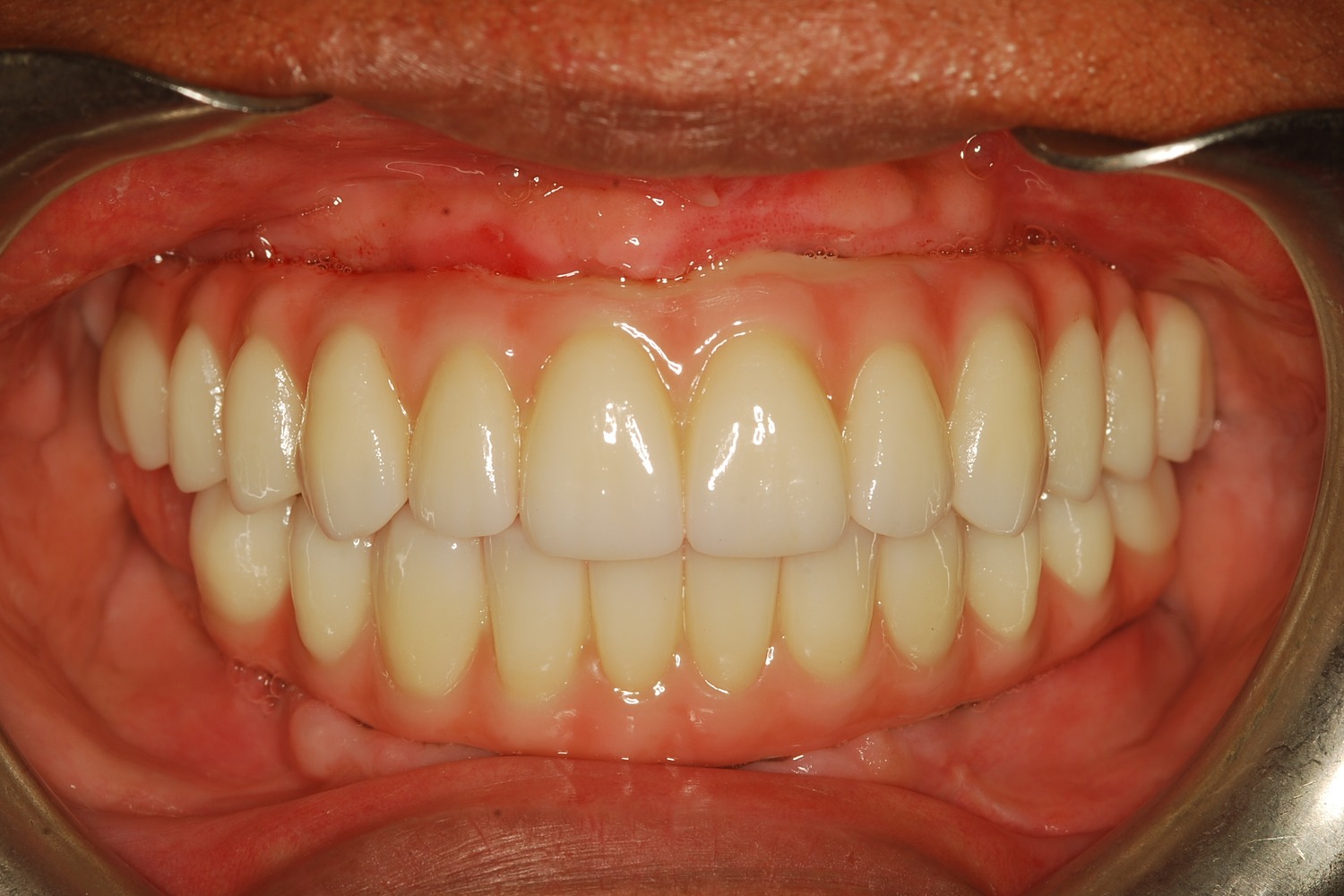
After How a Front Tooth Lost to Childhood Trauma Was Rebuilt with Bone Grafting and a Long-Lasting Implant
A teenager was referred by her father after earlier trauma left her upper left front tooth slowly failing from root resorption. She was still growing, so an immediate implant was the wrong move. The tooth had to be maintained to buy time, then replaced correctly once she reached skeletal maturity.
 Before
  After
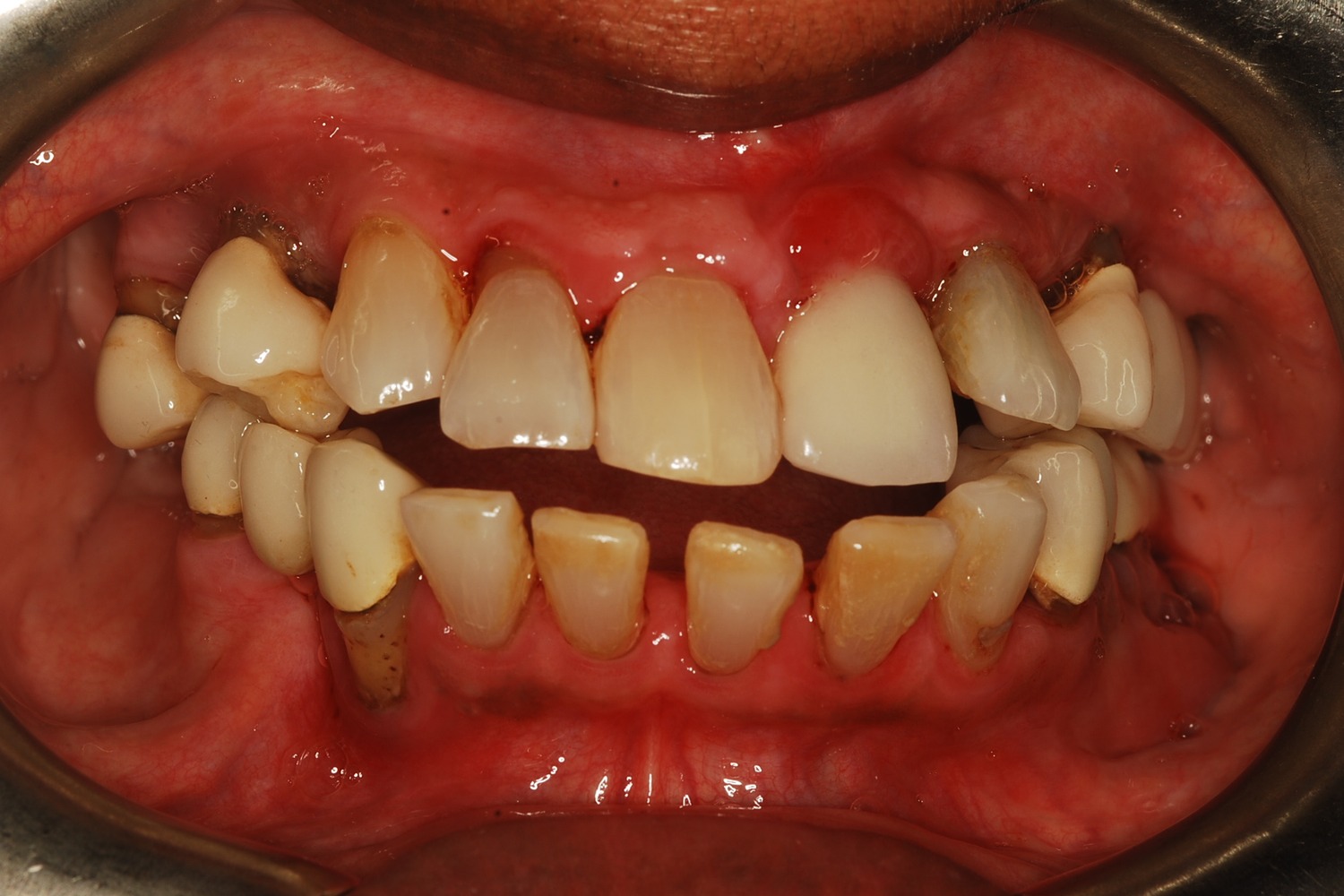
After How Severe Bone Loss and Bite Dysfunction Were Rebuilt with All-on-6 Implants and a Milled Zirconia Hybrid Prosthesis
The patient presented with severe bone loss, advanced periodontal disease, malocclusion, and a dysfunctional bite that required full-arch rebuilding.
Related Articles
Deepen your knowledge with additional insights on this topic.
 Dental Implants
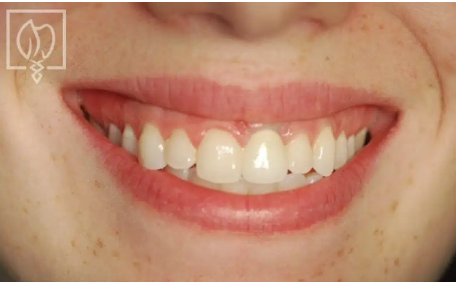
 If a Single Front Tooth Is Replaced with an Implant, Can It Look Natural?
Yes. See the four steps, with real case photos, that make a single front tooth implant indistinguishable from the natural tooth beside it. Washington, DC.
 Dental Implants
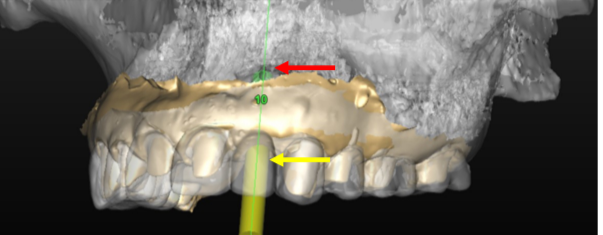
 What Is Precision Implant Placement (PIP)?
Precision Implant Placement plans each implant virtually on a CBCT scan, then delivers it with a custom surgical guide. See the three steps with real images.
 Dental Implants
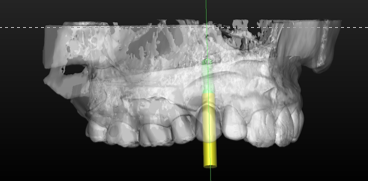
 What Is the Ideal Surgical Guide for Precision Implant Placement?
Not all surgical guides are equal. The gold standard is CBCT-based: planned virtually in 3D, 3D printed, and seated on your teeth. A DC prosthodontist explains.
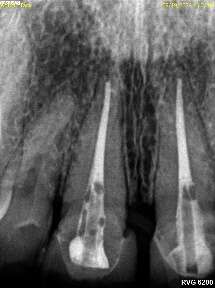 Dental Implants
 When Should an Implant Not Be Done?
Healthy roots, thin bone, steep bony angles: a DC prosthodontist shows a real case where refusing implants was the right call, and what was done instead.
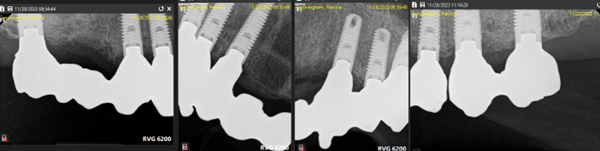 Dental Implants
 What Is Staged Implant Therapy?
Staged implant therapy replaces failing teeth in phases while you keep fixed teeth the entire time. A DC prosthodontist walks through a real case in stages.
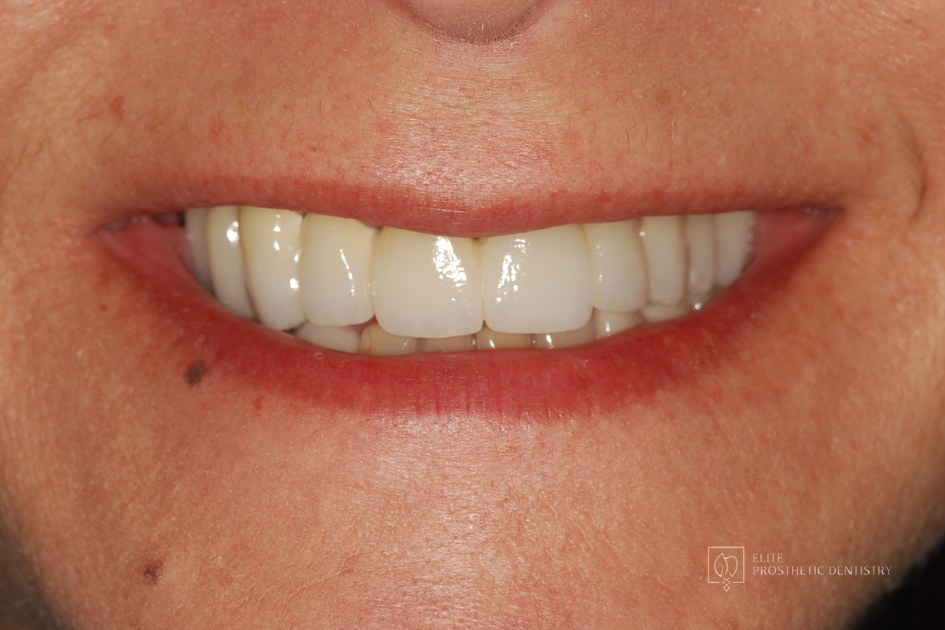 Dental Implants
 The Four Types of Dental Implants: Which One Is Right for You?
Endosteal, subperiosteal, zygomatic, and mini implants each solve a different problem. A DC prosthodontist explains the four types and who each one fits.
Our Services in Kensington
Beyond Full Mouth Implants, Kensington patients rely on Dr. Marlin for a full range of advanced dental care.
Full Mouth Implants Near Kensington
Dr. Marlin also provides full mouth implants services for patients in these neighboring communities.
Getting Here from Kensington
Elite Prosthetic Dentistry is conveniently located near Kensington, MD.
Drive south on Connecticut Avenue from Kensington toward Chevy Chase to Friendship Heights office.
Address:
4400 Jenifer Street NW, Suite 220
Washington, DC 20015
Phone: (202) 244-2101
Request a ConsultationRequest a Specialist Consultation from Kensington
Kensington residents come to Dr. Marlin for specialist prosthodontic care. With 3,900+ implants placed over 40+ years, evaluation, planning, and execution are handled with the depth complex cases require.