

Signs Your Dental Work Is Wearing Out: A Self-Check for Crowns, Bridges, Veneers, Implants and Dentures
Twelve signs that aging crowns, bridges, veneers, implant restorations or dentures are reaching the end of their service, what each one usually means, which need prompt attention, and which guide to read next.
Practice clinician: Gerald M. Marlin, DMD, MSD, prosthodontist, Elite Prosthetic Dentistry, Friendship Heights, Washington, DC. Last updated .
Dental work rarely fails all at once. It wears out over years, and it gives signs before it fails. Most patients notice one or two of them and decide they are not urgent, which is often true in the moment and expensive later. This page lists the signs that aging crowns, bridges, veneers, implant restorations and dentures give as they reach the end of their service, explains what each one usually means, says which need prompt attention, and points to the guide that covers the decision. It is a self-check, not a diagnosis; the examination is what turns a sign into a finding.

Crowns and Bridges
1. A dark line at the gum. On an older porcelain-fused-to-metal crown, the metal edge shows as the gum recedes. By itself it is an appearance problem and a signal that the margin is now exposed and harder to keep clean. If the line is soft, stains, or the gum bleeds around it, the margin may be open. Read when to replace old crowns and bridges.
2. A crown that feels different. High, loose, sensitive to cold or biting, or catching floss where it did not before. The cement has failed, the tooth has cracked, there is decay beneath, or the bite has shifted. Prompt attention. Read pain under a dental crown and loose dental crown.
3. Chipped or worn porcelain. A chipped edge on one crown can be a one-off. Chipped or flattened porcelain on several, or a crown that has fractured more than once, is a force problem. Read why crowns keep breaking.
4. Food packing under a bridge. The gum and bone under the bridge have receded, leaving a space, or one end of the bridge has loosened. New or worsening packing, a bad taste or bleeding at the site need examination. Read bridge problems.
5. New decay found under crowns. One is ordinary. Several within a few years means the conditions in the mouth have changed, usually dry mouth from medications or recession. Read why am I getting decay under my crowns.
6. Crowns that no longer match. Natural teeth change color over the years; crowns do not. Older crowns also become opaque as the porcelain ages. This is a legitimate reason to plan replacement and an opportunity to correct the bite and the design at the same time. Read unnatural-looking dental crowns.
Veneers
7. Veneers with a line at the gum, a chip, or a changed color. Recession exposes the veneer’s edge and the root beneath it; composite veneers stain and wear; porcelain veneers chip at the edges under grinding or an uneven bite. Veneers placed twenty years ago on teeth that have since shifted or worn are commonly ready for replacement, and the replacement decision includes whether veneers are still the right restoration for the tooth. Read veneer discoloration and how to choose a veneer dentist.
Implants and Implant Restorations
8. A loose implant crown, or an implant that feels loose. These are different problems. A loose crown or abutment screw is a component problem, corrected without touching the implant. An implant that itself moves has lost its attachment to bone and needs an urgent decision about treatment or removal. The patient usually cannot tell which it is; the examination can. Prompt attention. Read loose dental implant.
9. Bleeding, swelling or a bad taste around an implant. Signs of inflammation around the implant, which can progress to bone loss. Early treatment preserves the implant; late treatment may not. Prompt attention. Read bone loss around dental implants.
10. An implant crown that looks wrong. The gum has receded to show metal, the crown looks long, or it never matched the neighbors. The implant may be sound and the restoration redesigned. Read implant crown doesn’t match.
Dentures and Implant Dentures
11. A denture that needs more adhesive, moves when eating, or has made the face look older. The bone under the denture has changed and the denture no longer fits it; the bite height may have been lost. Relining, remaking, or adding implant support are the options, in that order of scale. Read dentures that don’t fit or feel right and fixed implant teeth versus a removable implant denture.
12. A snap-in denture that no longer snaps. Usually worn attachment inserts, a worn base, or a changed bite; occasionally an implant problem. Read loose snap-in denture.
Whole-Mouth Signs
Some signs are not about one restoration but about the mouth as a system: teeth that look shorter than they used to, a bite that no longer meets evenly, jaw fatigue or sore muscles on waking, a face that looks older around the mouth, chewing that has become selective. These point to wear and a changed bite rather than to a single failing crown, and they are the signs most often dismissed until something breaks. Read bite collapse and how to choose a prosthodontist for full mouth reconstruction.
What Needs Prompt Attention
Pain on biting, swelling, a bad taste or odor from one site, a loose implant or implant crown, a cracked tooth, bleeding around an implant, or a restoration that has come off. These involve infection, fracture or an exposed tooth and they get worse quickly. Appearance and fit signs can wait for a scheduled examination, but a year of waiting is usually too long: the sign that was cosmetic in January is often structural by December.
What the Examination Does With These Signs
A prosthodontic examination turns each sign into a finding: X-rays and probing of every margin, a check of each implant and its components, assessment of the bite and wear, the condition of the gums and bone, and the medications and saliva situation that explain a pattern. Each restoration is classified as sound, monitor, plan to replace, or replace now, with the reason stated, so that the patient can decide on a plan rather than react to the next failure. Our guide on when to replace old crowns and bridges explains the classification, and our guide on general dentist versus prosthodontist for aging dentistry explains who is suited to it.
How Elite Prosthetic Dentistry Approaches Aging Dental Work
Patients come to the practice for both comprehensive reconstruction and proactive replacement of aging dentistry. Dr. Gerald M. Marlin examines existing work with imaging and probing, identifies the cause behind a pattern rather than treating one restoration at a time, and sets out a plan that distinguishes what must be done now from what can be scheduled. Many patients simply want dentistry that looks natural, functions properly and lasts; the examination tells them how close their current work is to that, and what it would take to get there.
Related Decision Guides
- When should old crowns and bridges be replaced?
- Why am I getting decay under my crowns?
- Why do my crowns keep breaking?
- What kind of dentist should fix a failing dental implant?
- Life after reconstruction: what the next twenty years look like
Request an Examination of Your Existing Work
If you recognized more than one of these signs, request an appointment or call (202) 244-2101. Recent X-rays and a list of when your restorations were placed are useful; the examination will tell you which signs are findings.
Your Best Smile Is Within Reach
Request a specialist consultation with Dr. Marlin to discuss your situation and the most appropriate path forward.
Frequently Asked Questions
Is a dark line at the gum above a crown a problem?
It is a sign, not always a problem. On an older porcelain-fused-to-metal crown it is usually the metal edge showing as the gum recedes, which is an appearance issue and a signal that the margin is now exposed. If the line is soft when probed, stains food, or the gum around it bleeds, it may indicate an open margin or decay, which needs evaluation. Either way it is worth an examination with an X-ray.
My crown feels different when I bite. Should I wait and see?
No. A crown that suddenly feels high, loose or sensitive on biting is telling you something changed: the cement has failed, the tooth has cracked, there is decay beneath it, or the bite has shifted. Most of these are simple to address early and expensive to address late. Have it examined within a week or two, sooner if there is pain.
Food keeps packing between my bridge and the gum. Is that normal?
It usually means the space under the bridge has changed, because the gum and bone beneath it have receded, or the bridge has loosened at one end. Occasional food trapping that cleans away easily is common; new or worsening packing, bad taste or bleeding at the site are signs the bridge or its supporting teeth need to be checked.
How often should old dental work be examined?
At least annually with bitewing X-rays, and more often for patients with dry mouth, gum recession, grinding, or many older restorations. The purpose of the examination is to find the problems this page describes before they are felt, because by the time an aging restoration hurts, the options have usually narrowed.
Which of these signs mean I should call right away?
Pain on biting, swelling, a bad taste or odor from one site, a loose implant or implant crown, a cracked tooth, or a restoration that has come off. These involve infection, fracture or an exposed tooth and get worse quickly. The appearance and fit signs can wait for a scheduled examination but should not be ignored for a year.
Related Patient Success Stories
Explore similar patient success stories demonstrating our expertise in advanced prosthetic dentistry.
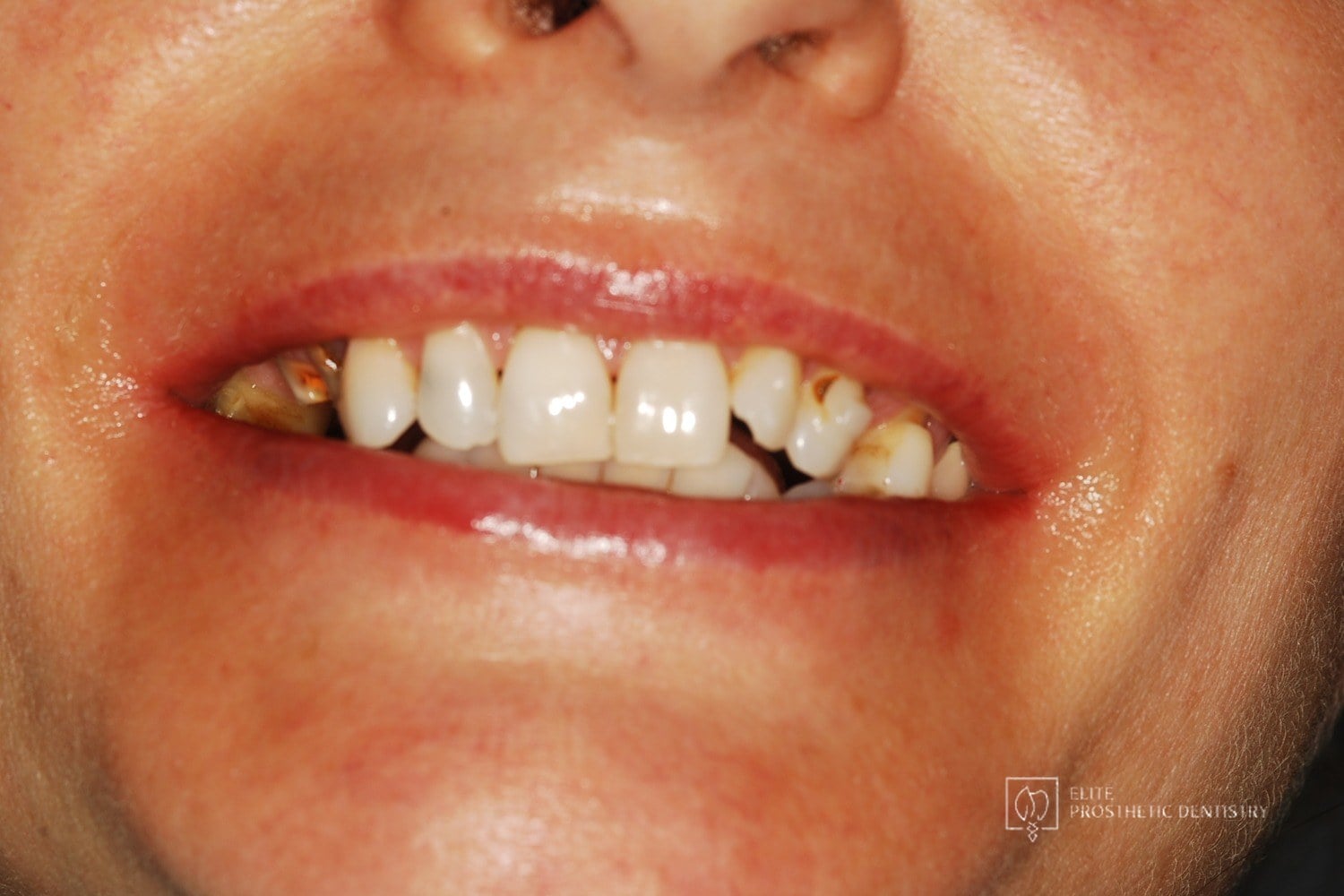 Before
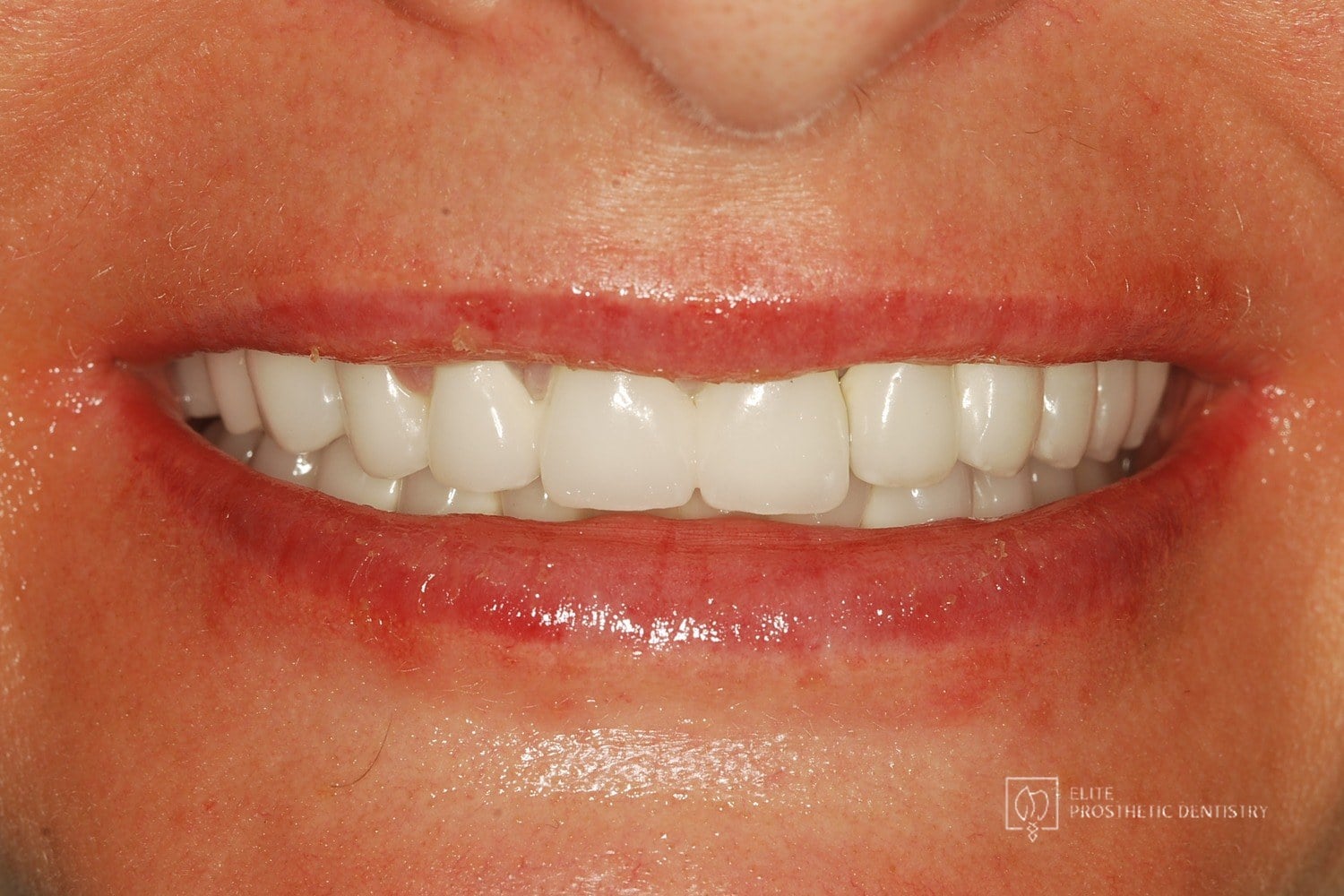 After
How Aging, Failing Dentistry Was Replaced with a Coordinated Full-Mouth Implant and Crown Reconstruction
The patient presented with throbbing upper-molar pain, long-standing infections, multiple root canals and unfinished prior treatment, generalized sensitivity, and several hopeless teeth.
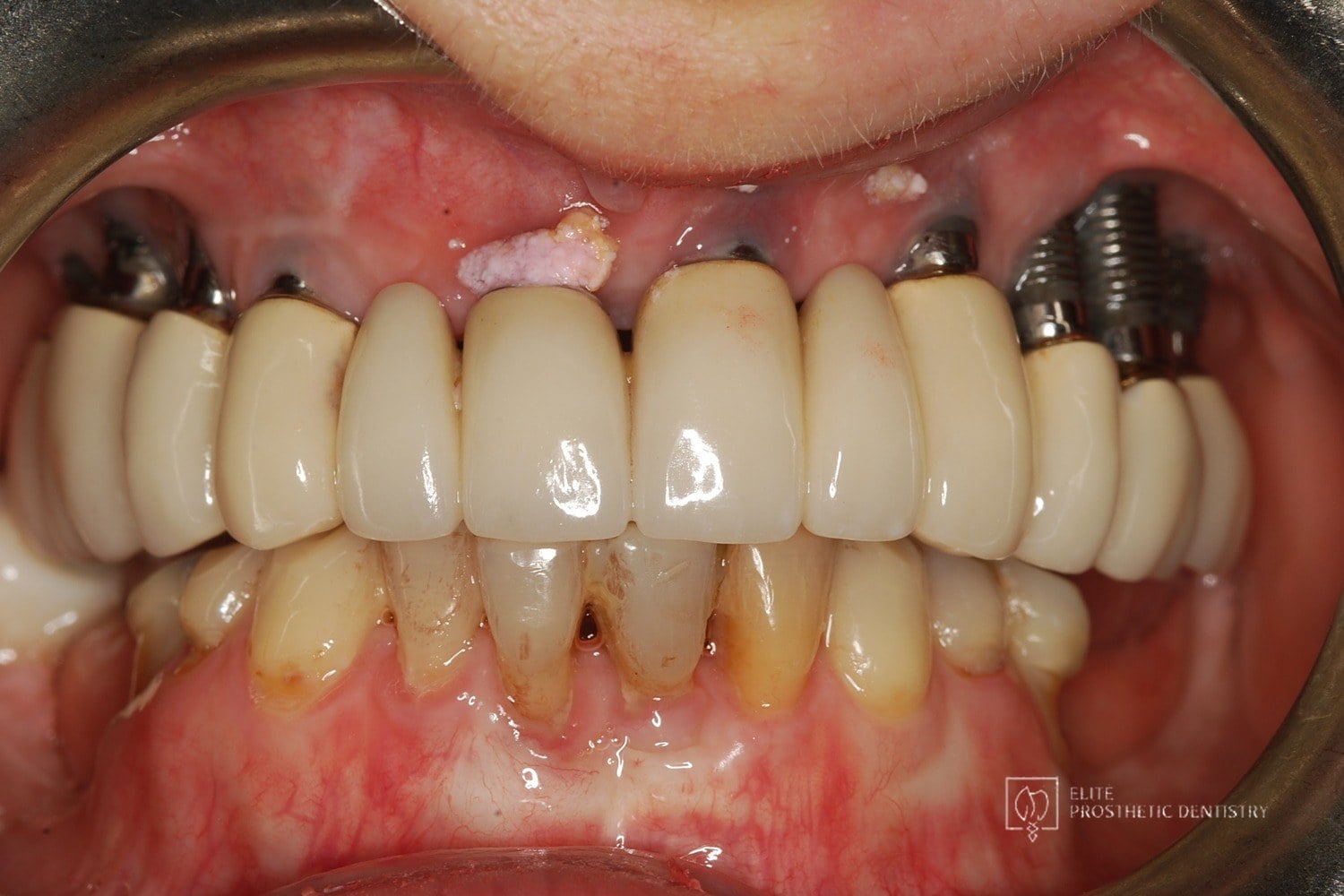 Before
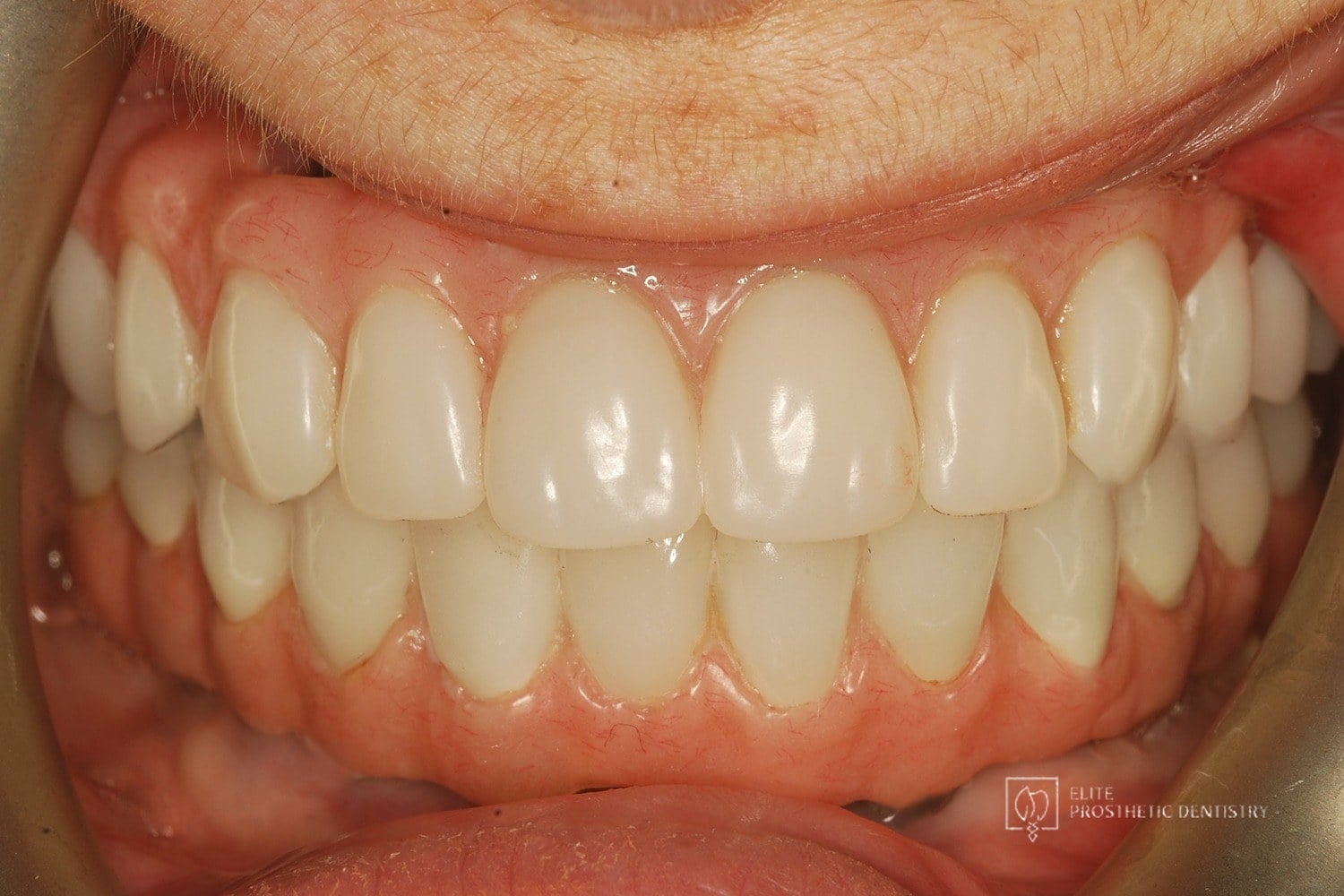 After
How Failing Implants and Severe Bone Loss Were Rebuilt Into a Stable Full-Arch Implant Reconstruction
The patient presented with significant complications from previously placed implants, severe bone loss, failing posterior implants, and an unesthetic full-arch bridge. Both arches required full reconstruction, with the upper arch showing the most advanced bone loss and instability.
 Before
 After
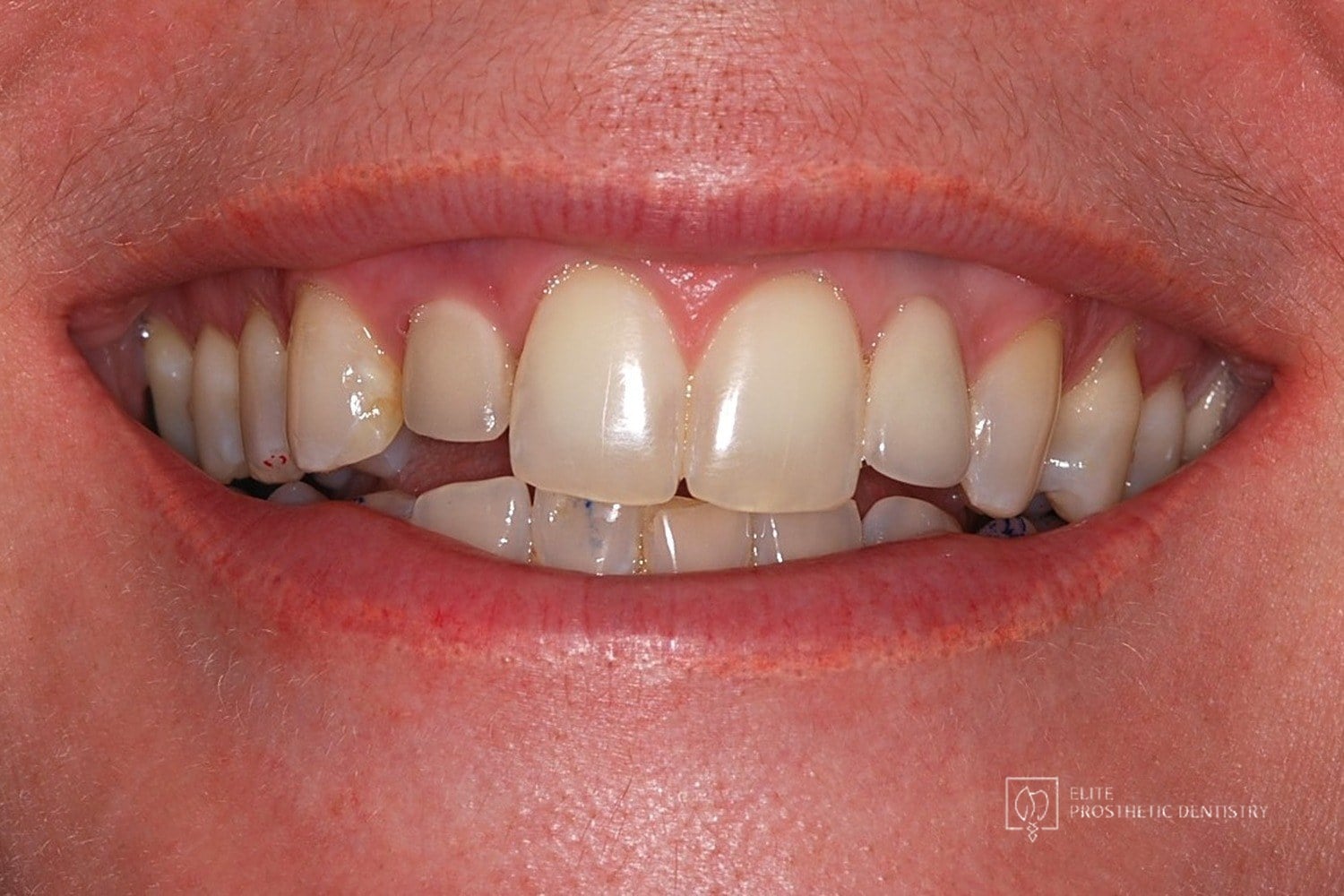
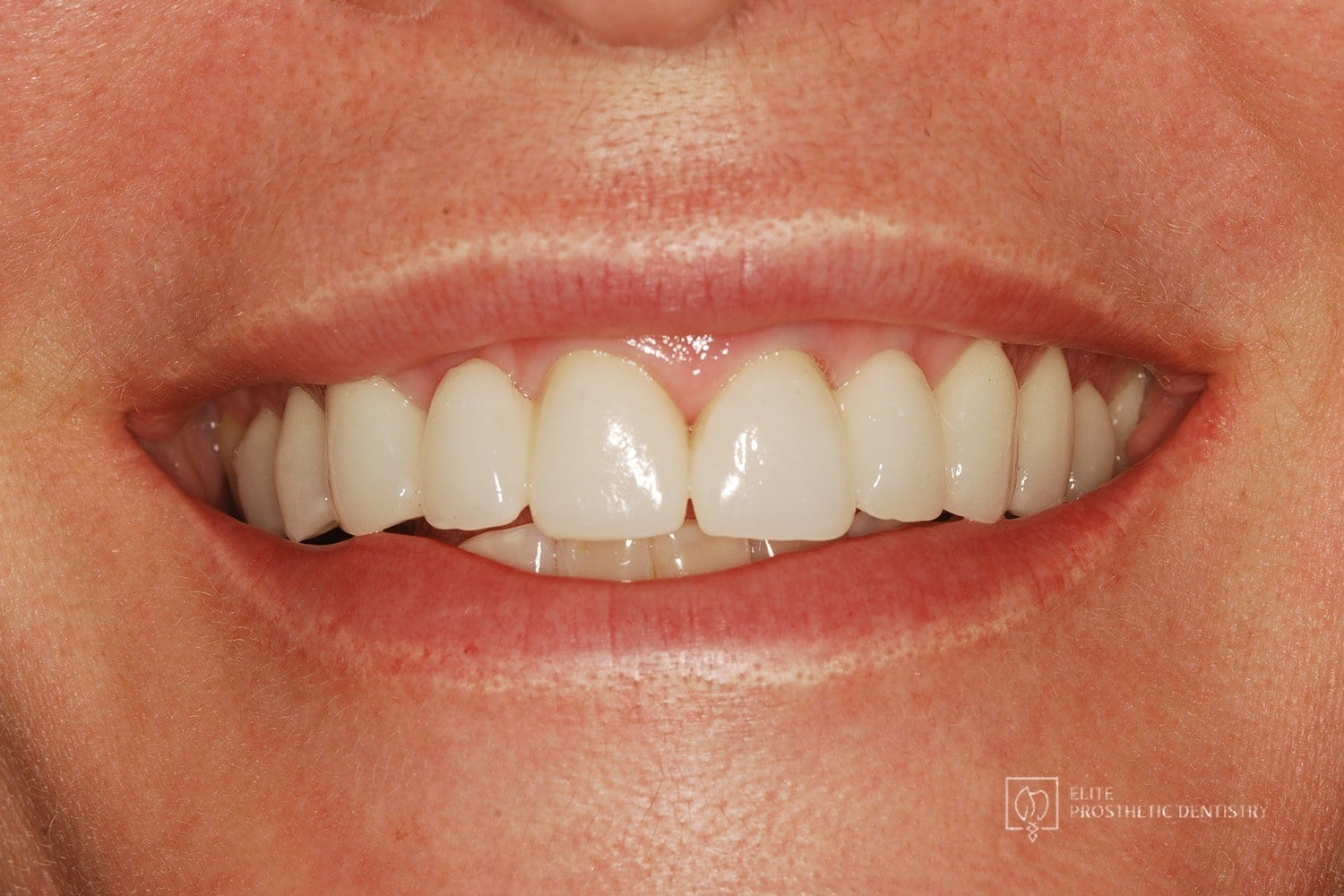
How Failing Lateral Incisor Implants Were Replaced with Custom Zirconia Bridges After Severe Bone Loss Made Replacement Implants Impossible
Comprehensive examination including CBCT imaging revealed significant bone loss surrounding implants that were placed outside the buccal plate, most likely due to placement without a CBCT-generated surgical guide. The implants were determined non-salvageable, and the alveolar ridge was too narrow to support replacement implants without extensive reconstruction.
 Before
 After
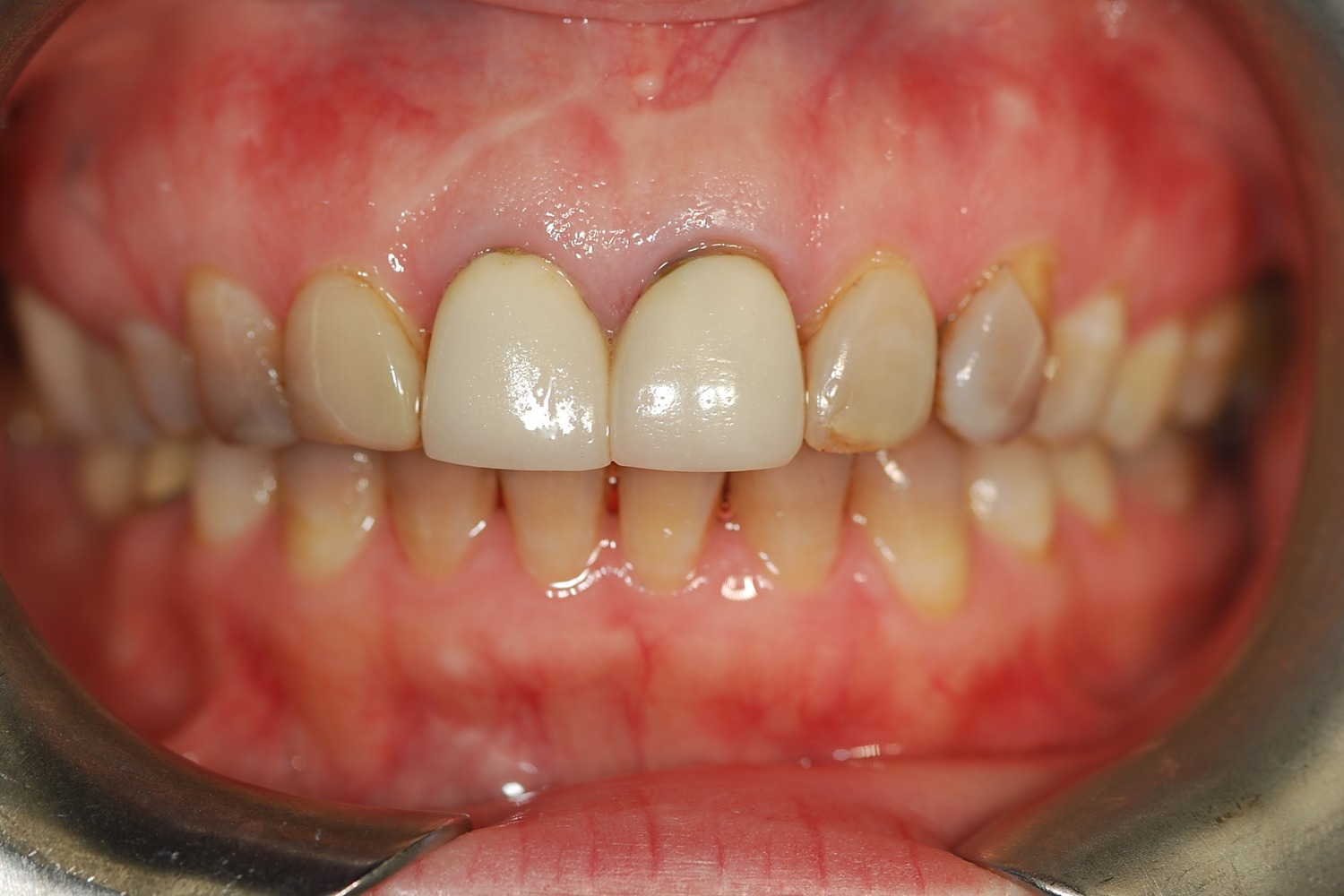
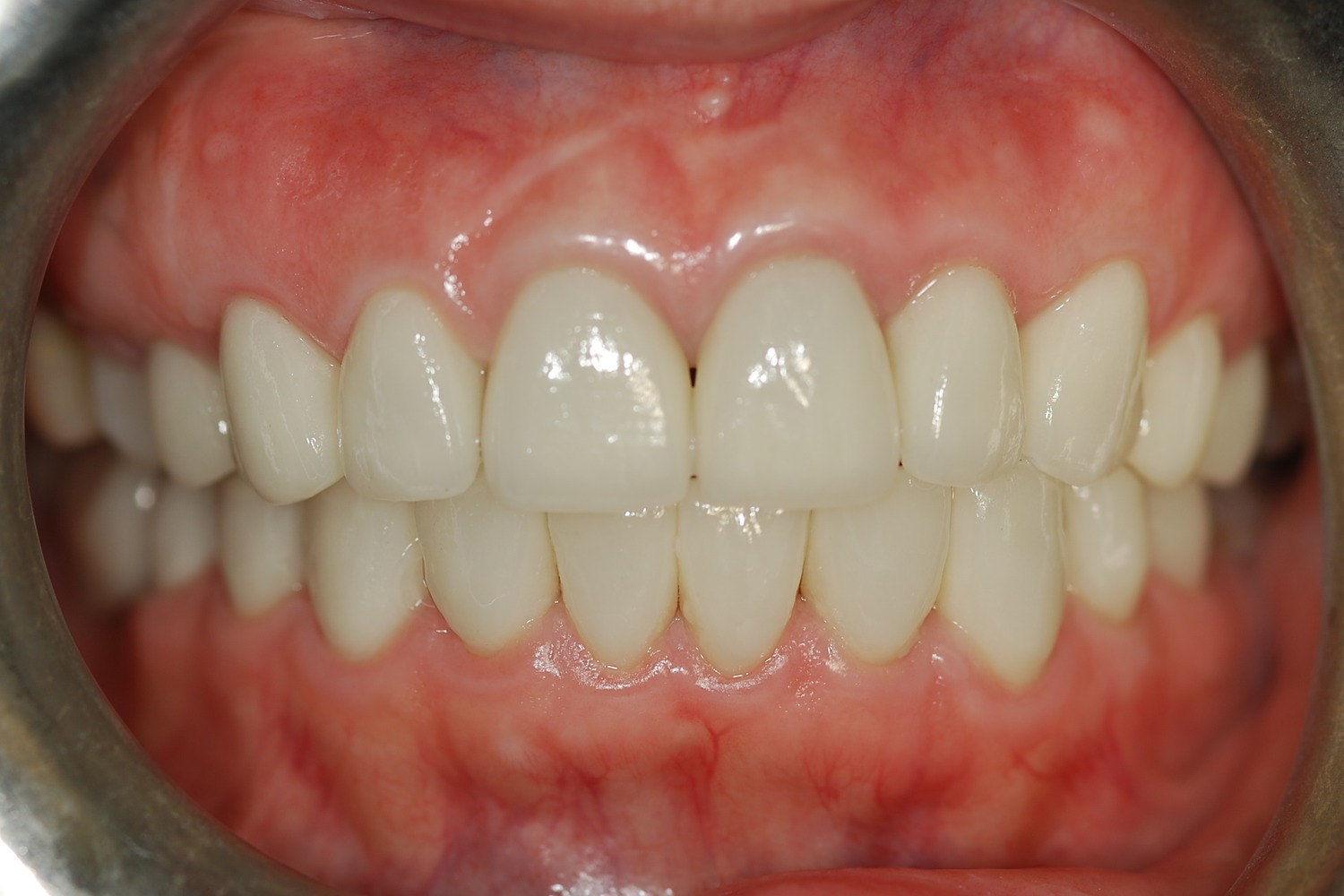
How Aging, Opaque Restorations Were Replaced with Customized Ceramic Restorations Designed for Long-Term Natural Esthetics
The existing restorations appeared opaque, worn, and unnatural over time, affecting both confidence and overall smile harmony.
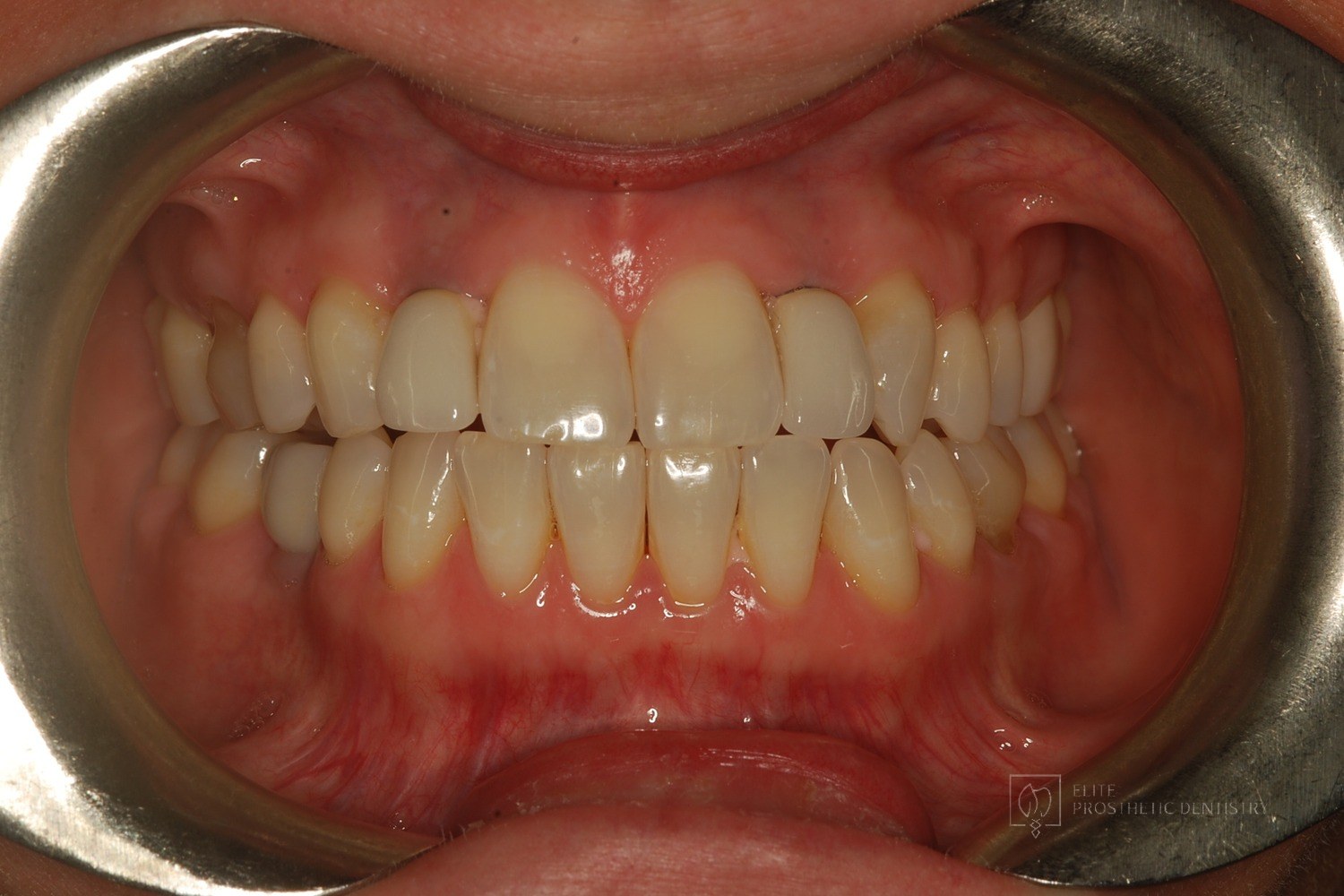 Before
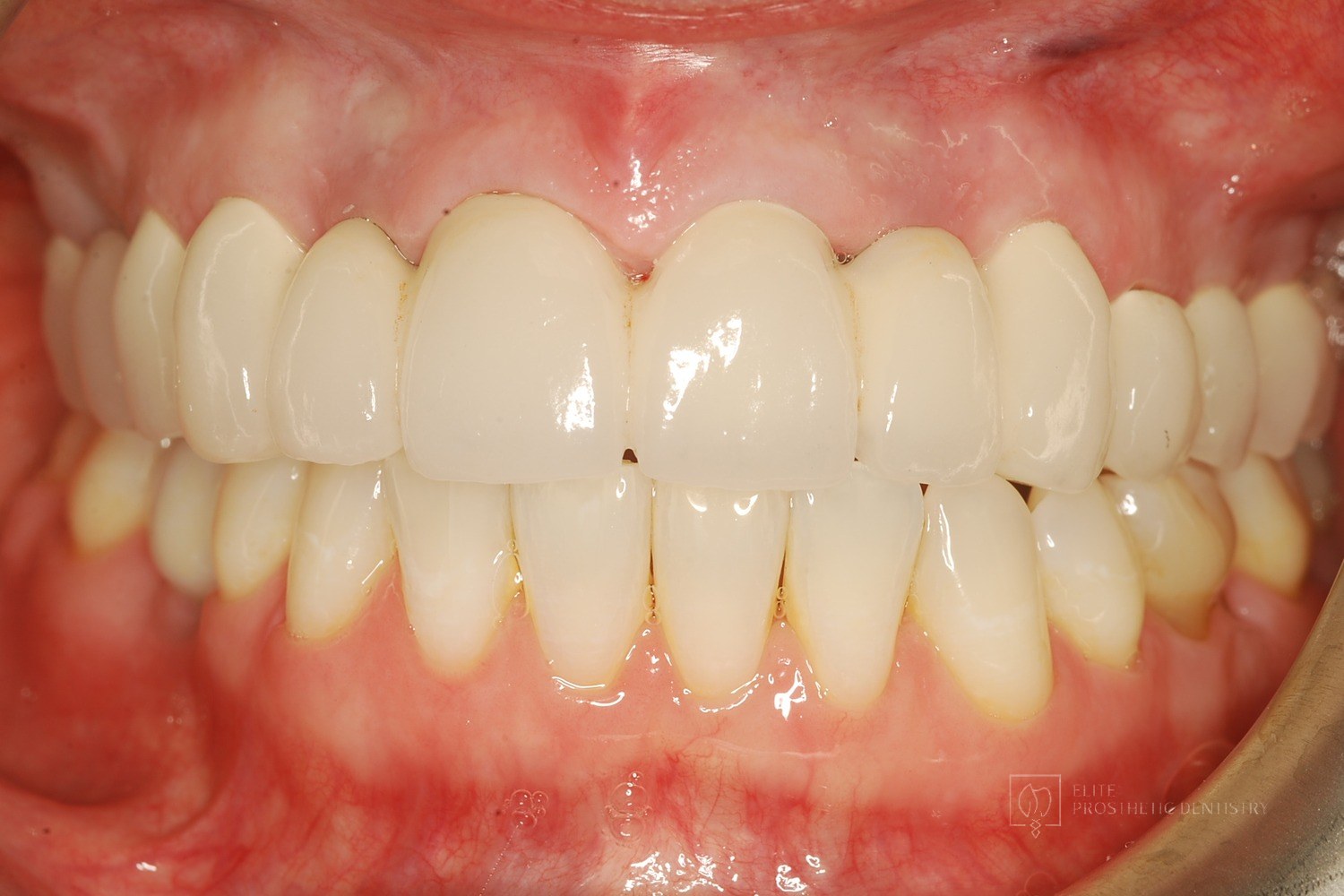 After
How Older Implant Crowns Were Redesigned for a Better Bite and More Natural Appearance
The patient came in after years of living with implant-supported crowns placed more than twenty years earlier that no longer looked or functioned well. CBCT evaluation, reviewed with a radiologist colleague, showed the implants had been placed too far to the buccal in very thin bone and could not support a healthy long-term restoration.
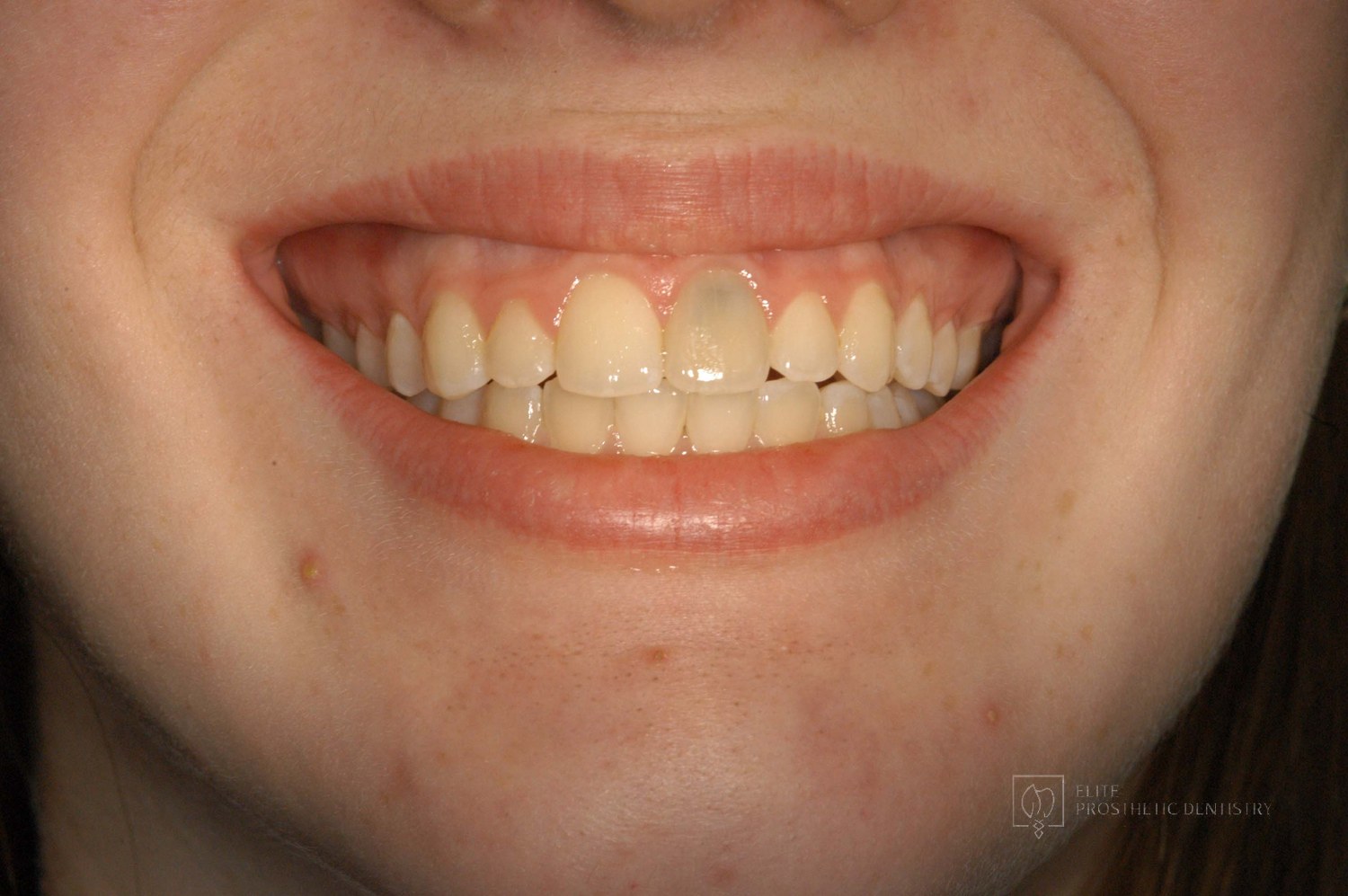 Before
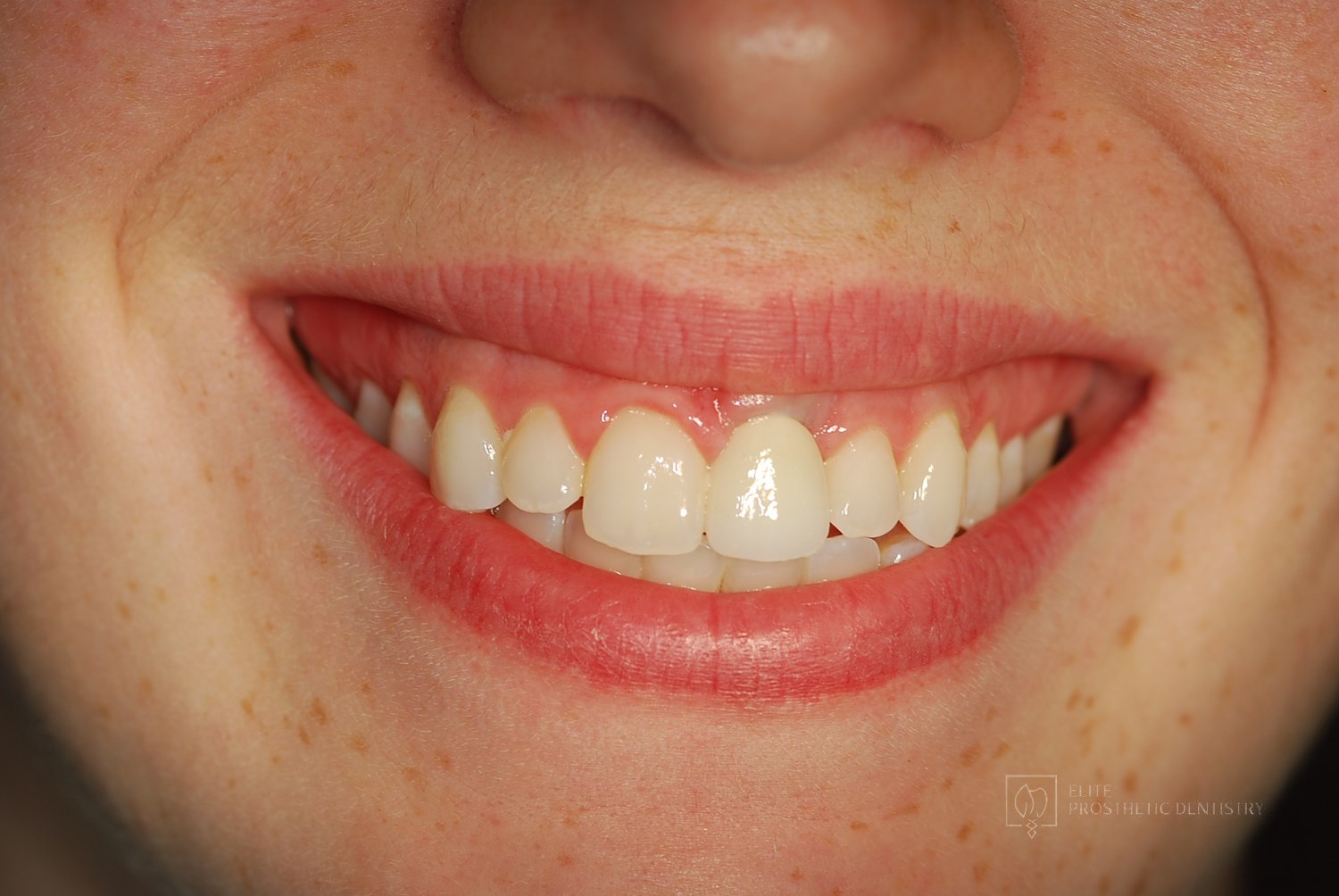 After
How a Front Tooth Lost to Childhood Trauma Was Rebuilt with Bone Grafting and a Long-Lasting Implant
A teenager was referred by her father after earlier trauma left her upper left front tooth slowly failing from root resorption. She was still growing, so an immediate implant was the wrong move. The tooth had to be maintained to buy time, then replaced correctly once she reached skeletal maturity.
Ready to Transform Your Smile?
With 40+ years of experience and 3,900+ dental implants placed, Dr. Marlin and the team deliver dentistry planned to last. Request a specialist consultation.