

A Failing Bridge: Replace It With a New Bridge or With Implants? A Washington, DC Decision Guide
When a bridge from the 1990s or 2000s loosens, breaks or loses a supporting tooth, the replacement decision rests on the supporting teeth, the bone under the missing teeth and the bite. How each option is judged, what can be staged, and documented cases both ways.
Practice clinician: Gerald M. Marlin, DMD, MSD, prosthodontist, Elite Prosthetic Dentistry, Friendship Heights, Washington, DC. Last updated .
Bridges placed in the 1990s and 2000s are reaching the end of their service on schedule, and the patients who have them are in their fifties and sixties. When a bridge loosens, fractures or loses a supporting tooth, the replacement decision is not bridge versus implant in the abstract. It is a judgment about three things: the condition of the teeth that held the old bridge, the bone where the missing teeth were, and the bite the new restoration will live in. This guide explains how each option is judged, what can be staged, and shows documented cases in which each answer was the right one.
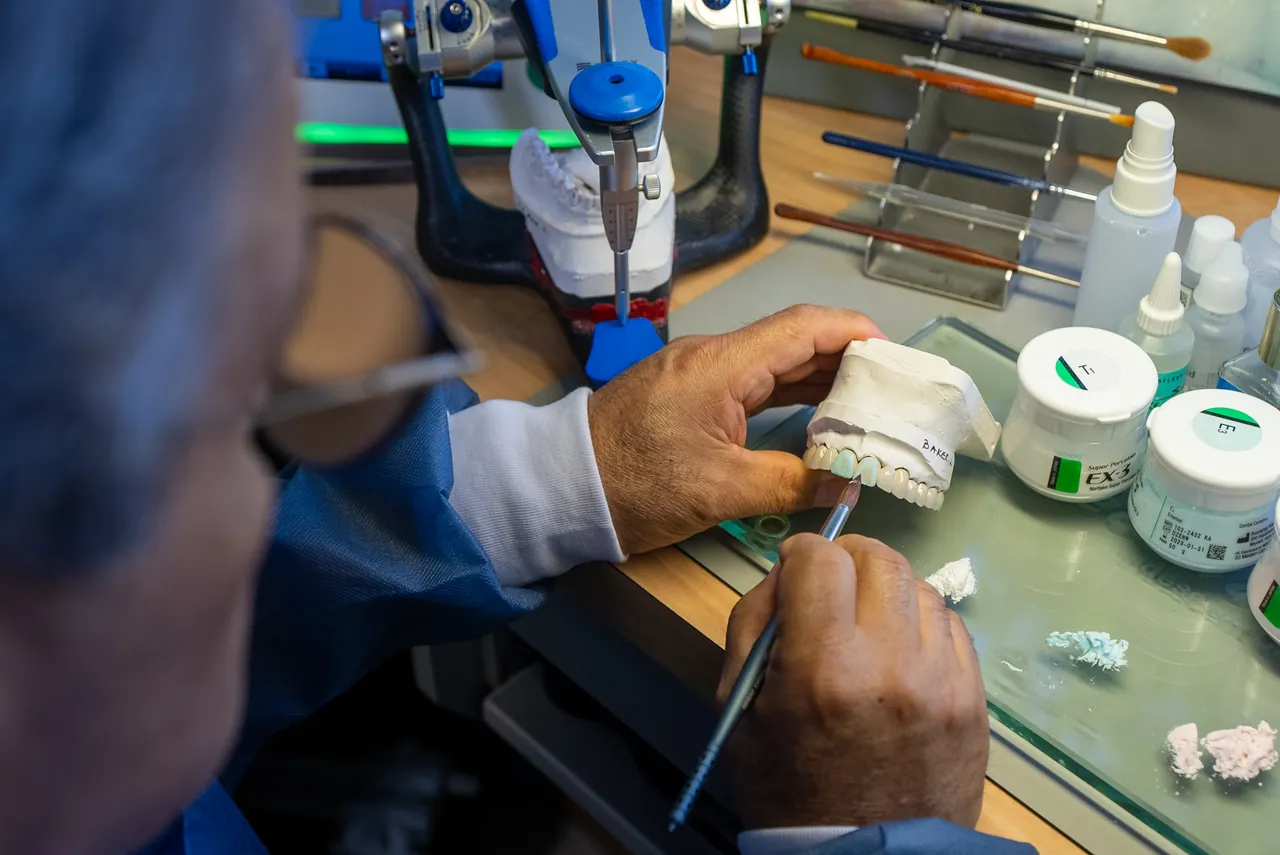
How a Bridge Fails
A bridge is replacement teeth carried by crowns on the teeth either side of the gap. It can fail in only a few ways, and the way it fails points to the answer:
- A supporting tooth decays under its crown. The most common failure, and the most invisible. The bridge may still feel firm while the tooth beneath one end is being hollowed out.
- A supporting tooth fractures. Teeth that carry a bridge carry more load than they were built for, and a tooth that has had a root canal is more brittle than a living one.
- The cement fails at one end. The bridge rocks or lifts. Food packs under it. Sometimes the tooth beneath is sound and the bridge can be recemented; often the loose end is loose because the tooth has changed.
- The porcelain chips or the framework breaks. Material failure, usually under grinding or an uneven bite.
- Bone and gum recede beneath the replacement teeth. A space opens under the bridge, food collects, and the appearance changes. The bridge may be intact but no longer fits the ridge it was made for.
- Gum disease around the supporting teeth. Bone loss loosens the support, and the bridge with it.
Our page on bridge problems describes the failure modes in more detail. This guide concerns what to do once a bridge has failed.
The Three Things That Decide the Replacement
The supporting teeth. Each tooth that held the old bridge is examined and imaged: decay, fracture, remaining structure above the bone, root condition, and bone around the root. A tooth that is sound once the old crown is removed can carry a new bridge. A tooth that has decayed below the bone, fractured through the root, or lost most of its support cannot, and a new bridge built on it will fail with it. Our guide on saving a tooth versus replacing it with an implant explains the classification tooth by tooth.
The bone where the teeth are missing. Bone under a bridge changes over years because nothing in it is being loaded. A CBCT scan shows whether there is enough bone, in the right position, to place implants where the replacement teeth need to be, or whether grafting would be required first. Where bone has been lost extensively and the patient does not want grafting, a new bridge may be the more practical answer.
The bite. The new restoration has to survive the forces that broke the old one. Wear, missing back teeth, grinding and a bite that no longer meets evenly are assessed before the design is chosen, and corrected where they would otherwise load the replacement unevenly. Our guide on why crowns keep breaking covers that assessment.
When a New Bridge Is the Right Answer
- The supporting teeth are sound, or can be made sound with new crowns, a post and core, or endodontic treatment.
- The span is short enough that the supporting teeth can carry it; a bridge replacing many teeth on few supports is a design the practice avoids.
- Bone under the missing teeth has been lost and the patient prefers not to graft, or implants are not advisable for medical reasons.
- The patient wants a fixed result without surgery and healing time.
A well-designed bridge on sound teeth, made in a laboratory that can refine it with the patient present, can serve for many years. It is not a lesser answer; it is the right answer for the right teeth.
When Implants Are the Right Answer
- One or more supporting teeth are lost or cannot be made sound, so a new bridge would need new, longer supports or would have no support at one end.
- The remaining neighboring teeth are healthy and would otherwise have to be cut down to carry a bridge.
- There is adequate bone, or bone that can be rebuilt, where the missing teeth were.
- The patient wants each tooth replaced independently, so that a problem with one does not affect the others.
Implants replace the missing teeth without loading the neighbors and maintain the bone around them. They require surgery, healing time and, where bone has been lost, grafting. Our guide on who should place your dental implant explains how the restorative design should determine the implant position.
When the Answer Is Both
Many failed bridges in patients over fifty are replaced with a combination: implants where supporting teeth were lost or where the span is too long, and crowns or a shorter bridge on the teeth that remain sound. This is the most demanding plan to design, because teeth and implants carry force differently and the bite has to work as one system, and it is the plan that most often preserves what can be preserved. Our guide on keeping your teeth or replacing them explains how the mixed plan is built.
What Can Be Staged
The replacement of a failed bridge is rarely one visit, and it does not have to be one phase:
- Stabilize. The old bridge is removed if it can be, supporting teeth are treated or extracted, infection is addressed, and a provisional bridge restores appearance and chewing.
- Decide. With the teeth examined and the scan reviewed, the design is set: new bridge, implants, or both, and in what sequence.
- Build the foundation. Grafting where implants need bone; endodontic treatment, posts and crown lengthening where teeth are being kept; implant placement; healing.
- Restore. Provisionals refined, then the final restoration from the on-site laboratory.
Phases can be placed around insurance years and the patient’s calendar. The order cannot be changed. Our guide on what determines the cost of implants and reconstruction explains how phasing interacts with benefits.
How Elite Prosthetic Dentistry Approaches a Failing Bridge
Dr. Gerald M. Marlin examines the supporting teeth and the bone on a CBCT scan, assesses the bite, and sets out the options with the reason for each. The practice provides all three answers, new bridge, implants, or a combination, and Dr. Marlin plans, surgically places and restores implants in the same office, so the recommendation is not shaped by what the office is able to do. Provisionals are made at the first treatment visit and refined as the design is tested; the final restorations are fabricated in the practice’s on-site laboratory, which has operated since 1985. Patients come to us for both comprehensive reconstruction and proactive replacement of aging dentistry, and a failing bridge is often the first visible sign that the second is due.
When Another Setting Fits Better
A short bridge with sound supporting teeth and a simple cement failure can be recemented or remade by a general dentist, especially one who already knows the patient. A patient with active gum disease across the mouth needs that treated first. A patient who needs extensive grafting under general anesthesia may be better served in an oral-surgical or hospital setting for that phase, with the restoration completed in the practice.
Documented Cases
A new bridge was the answer:
- Aging crowns and a long-standing bridge replaced as one coordinated plan, verified with provisionals and fabricated in the in-house laboratory.
- Loose, failing crowns and recurrent decay, with strategic teeth preserved and both arches rebuilt with customized bridges.
- Failing lateral incisor implants replaced with custom zirconia bridges after bone loss ruled out replacement implants.
Implants, or a combination, were the answer:
- A loose upper bridge and aging crowns rebuilt with staged implant reconstruction.
- Failing bridgework and severe bone loss rebuilt with a coordinated reconstruction: a custom long-span bridge rebuilding the upper arch and implants with crowns restoring the lower.
- A failing upper bridge and a breaking-down lower arch rebuilt with coordinated specialist care.
More cases are organized in the replacing aging dentistry and implant reconstruction success story hubs.
Related Decision Guides
- Should I save the tooth or replace it with an implant?
- When should old crowns and bridges be replaced?
- Keep your teeth or replace them? Selective implants vs. full-arch extraction
- Who should place your dental implant in Washington, DC?
- A broken, loose or failing bridge: what to do right now
Request a Bridge Evaluation
If a bridge has loosened, broken or lost a supporting tooth, request an appointment or call (202) 244-2101. Bring any X-rays; the evaluation will examine the supporting teeth, image the bone and set out the options with the reason for each.
Your Best Smile Is Within Reach
Request a specialist consultation with Dr. Marlin to discuss your situation and the most appropriate path forward.
Frequently Asked Questions
My bridge is loose at one end. Can it just be recemented?
Sometimes, if the supporting tooth under the loose end is sound and the bridge itself is intact. Often a bridge loosens because the tooth beneath that end has decayed or fractured, and recementing seals the problem in. The bridge is removed if it can be, the supporting teeth are examined and imaged, and the answer follows from what is found. A bridge that has loosened more than once is usually telling you the support has changed.
If one supporting tooth is lost, does the whole bridge have to go?
Usually, yes, because a bridge depends on every tooth that holds it. When one abutment is lost, the options are a new bridge on different teeth, implants to replace the lost tooth and the missing teeth, or a combination. Which is sound depends on the remaining teeth and the bone. A longer bridge spanning more missing teeth is not always a good answer; it places more load on fewer teeth.
Is replacing a failed bridge with implants always better?
No. Implants avoid loading the neighboring teeth and preserve the bone where the teeth are missing, and for many failed bridges they are the sounder replacement. But they need enough bone in the right position, healthy adjacent tissue, and healing time. When the supporting teeth are sound and bone has been lost under the missing teeth, a new bridge can be the better choice. The decision is made from the scan and the teeth, not from a preference.
How long will I be without the bridge during treatment?
You should not be. A provisional bridge is made at the first treatment visit so that appearance and chewing are maintained while supporting teeth are treated or implants heal. In a staged plan the provisional may be worn for months; it is made to be lived in, and it is where the design of the final restoration is tested.
Can an old bridge be replaced in phases?
Yes, when the plan is decided first. Infected or hopeless teeth are addressed, a provisional restores function, implants are placed and heal, and the final restoration follows. The phases can be scheduled around insurance years and the patient's calendar; what cannot be rearranged is the order, because each phase depends on the one before it.
Related Patient Success Stories
Explore similar patient success stories demonstrating our expertise in advanced prosthetic dentistry.
 Before
 After
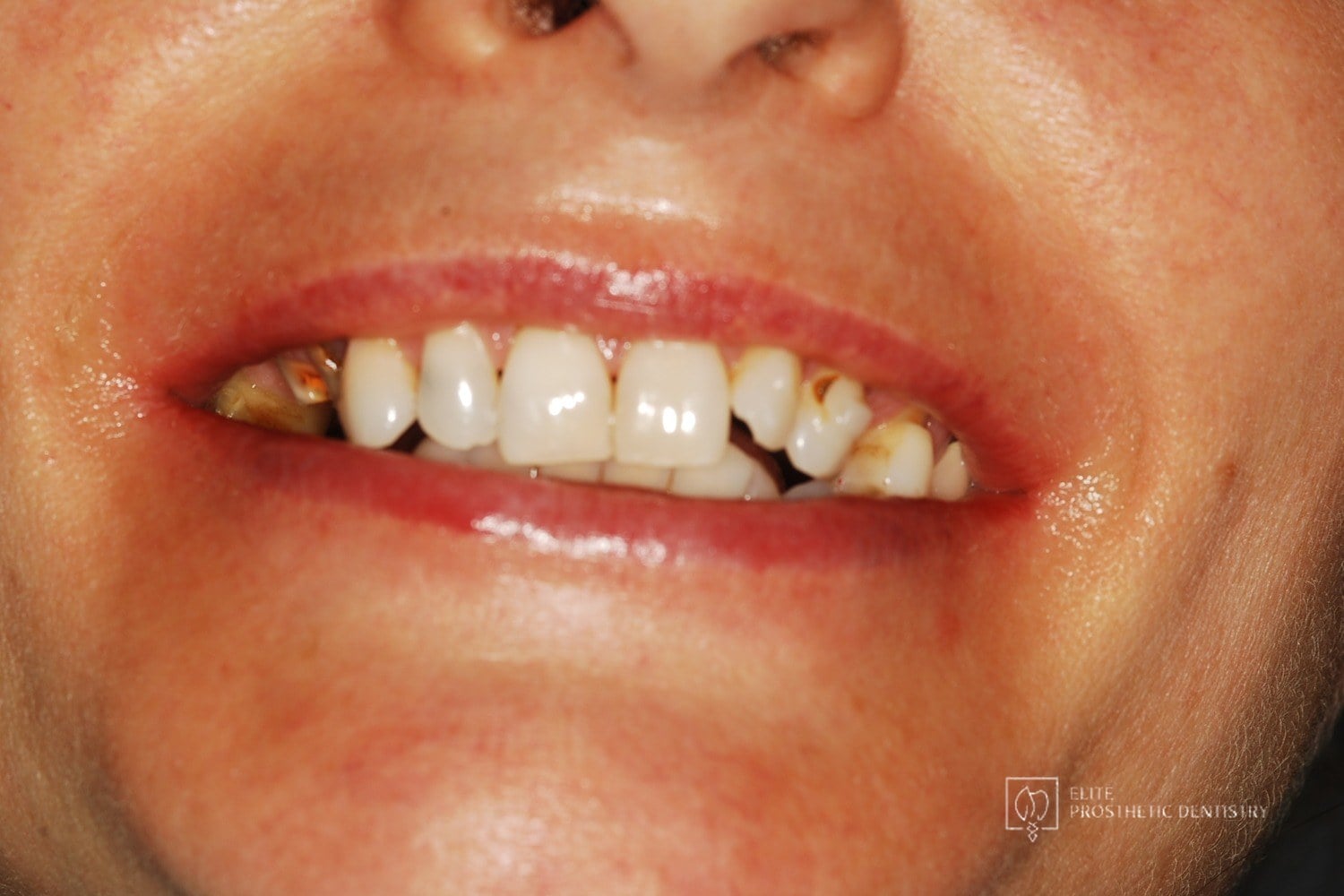
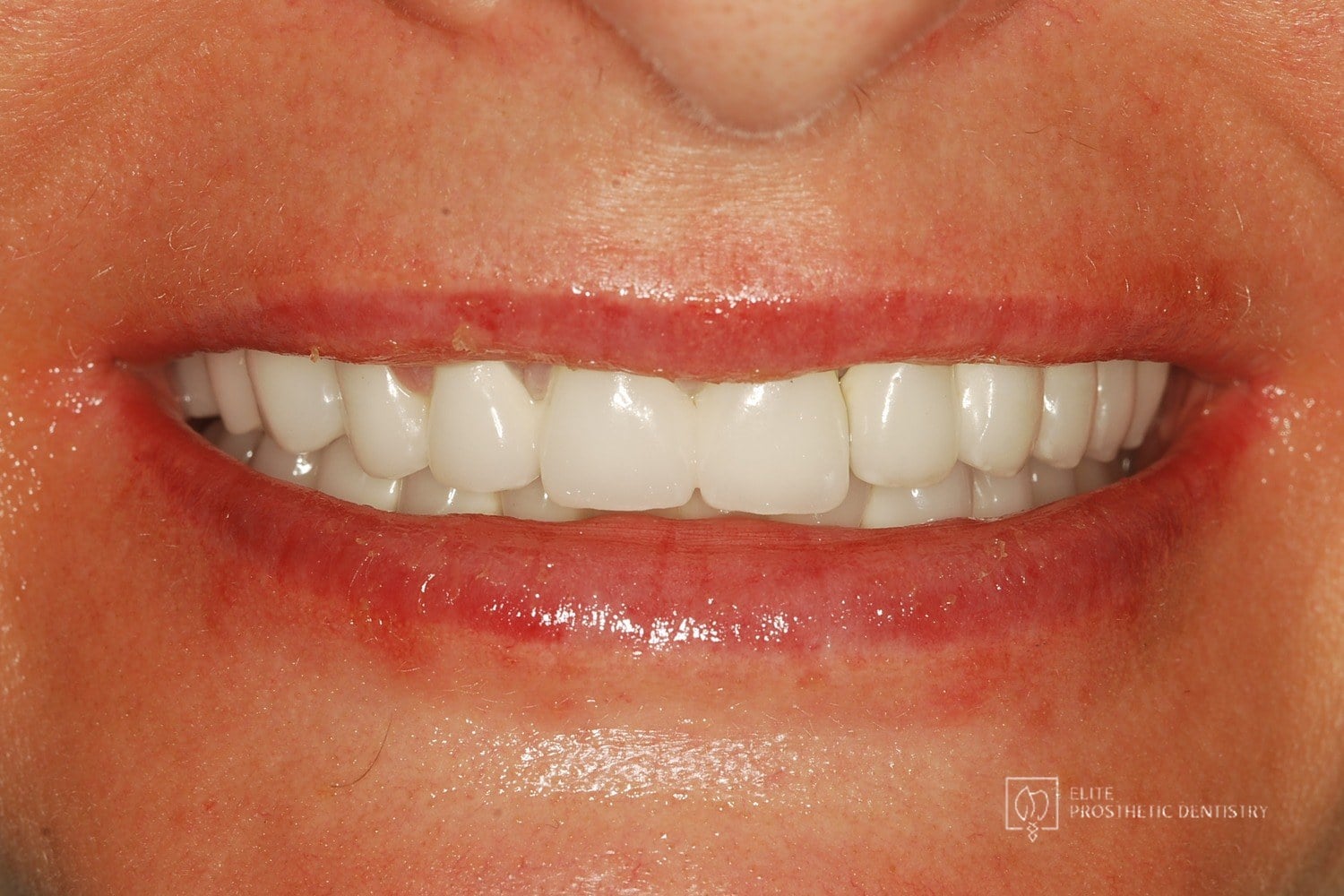
How Aging, Failing Dentistry Was Replaced with a Coordinated Full-Mouth Implant and Crown Reconstruction
The patient presented with throbbing upper-molar pain, long-standing infections, multiple root canals and unfinished prior treatment, generalized sensitivity, and several hopeless teeth.
 Before
 After
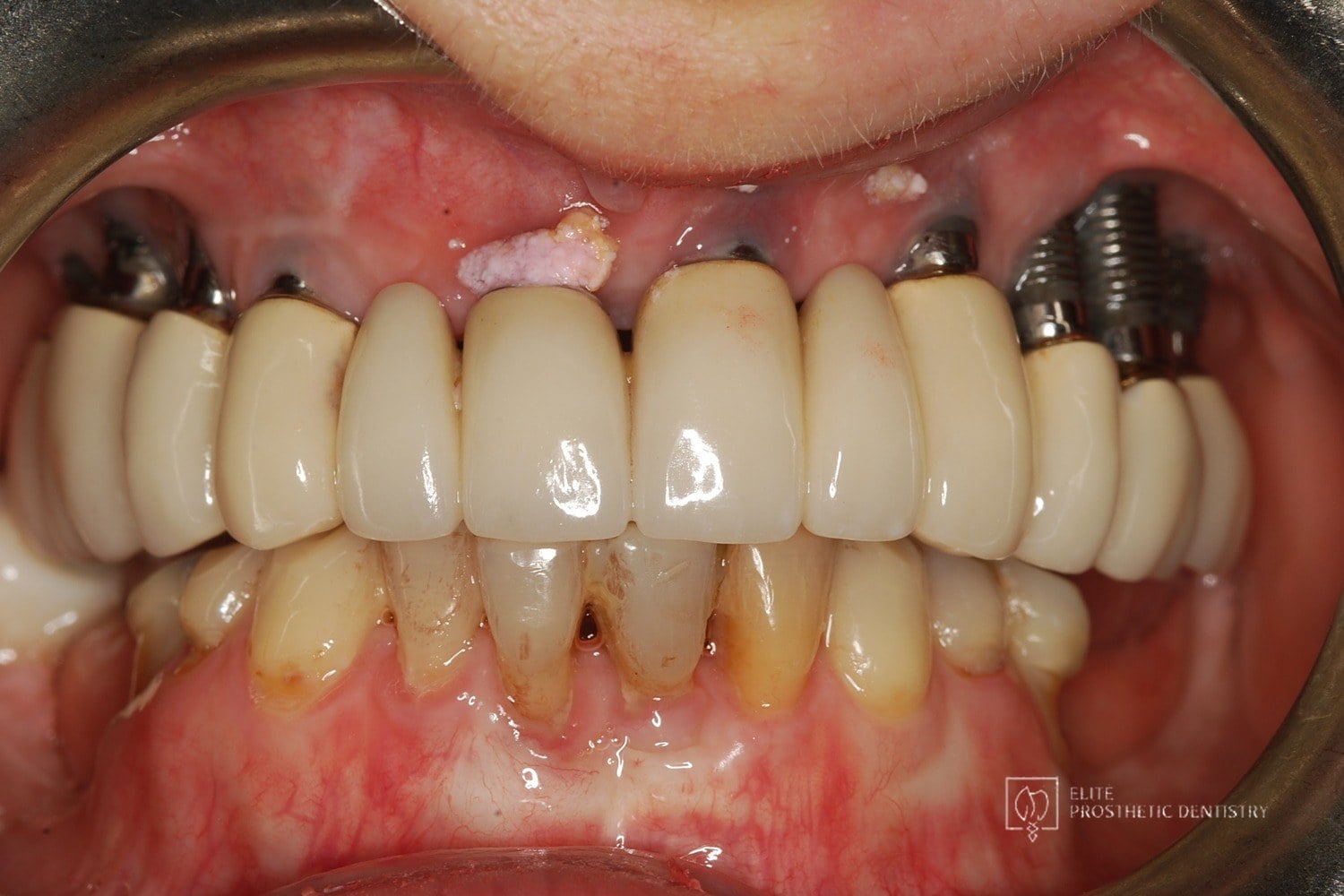
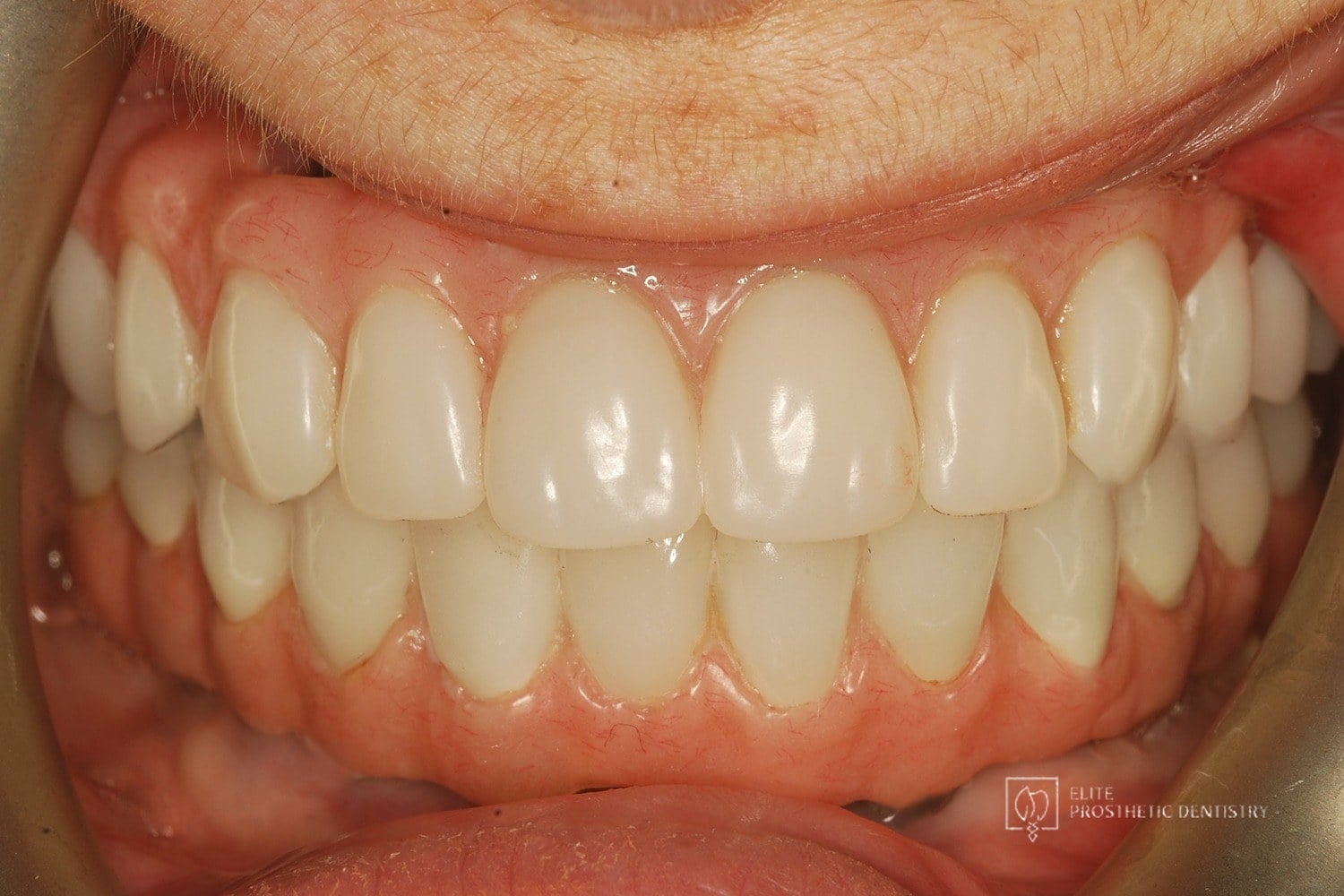
How Failing Implants and Severe Bone Loss Were Rebuilt Into a Stable Full-Arch Implant Reconstruction
The patient presented with significant complications from previously placed implants, severe bone loss, failing posterior implants, and an unesthetic full-arch bridge. Both arches required full reconstruction, with the upper arch showing the most advanced bone loss and instability.
 Before
 After
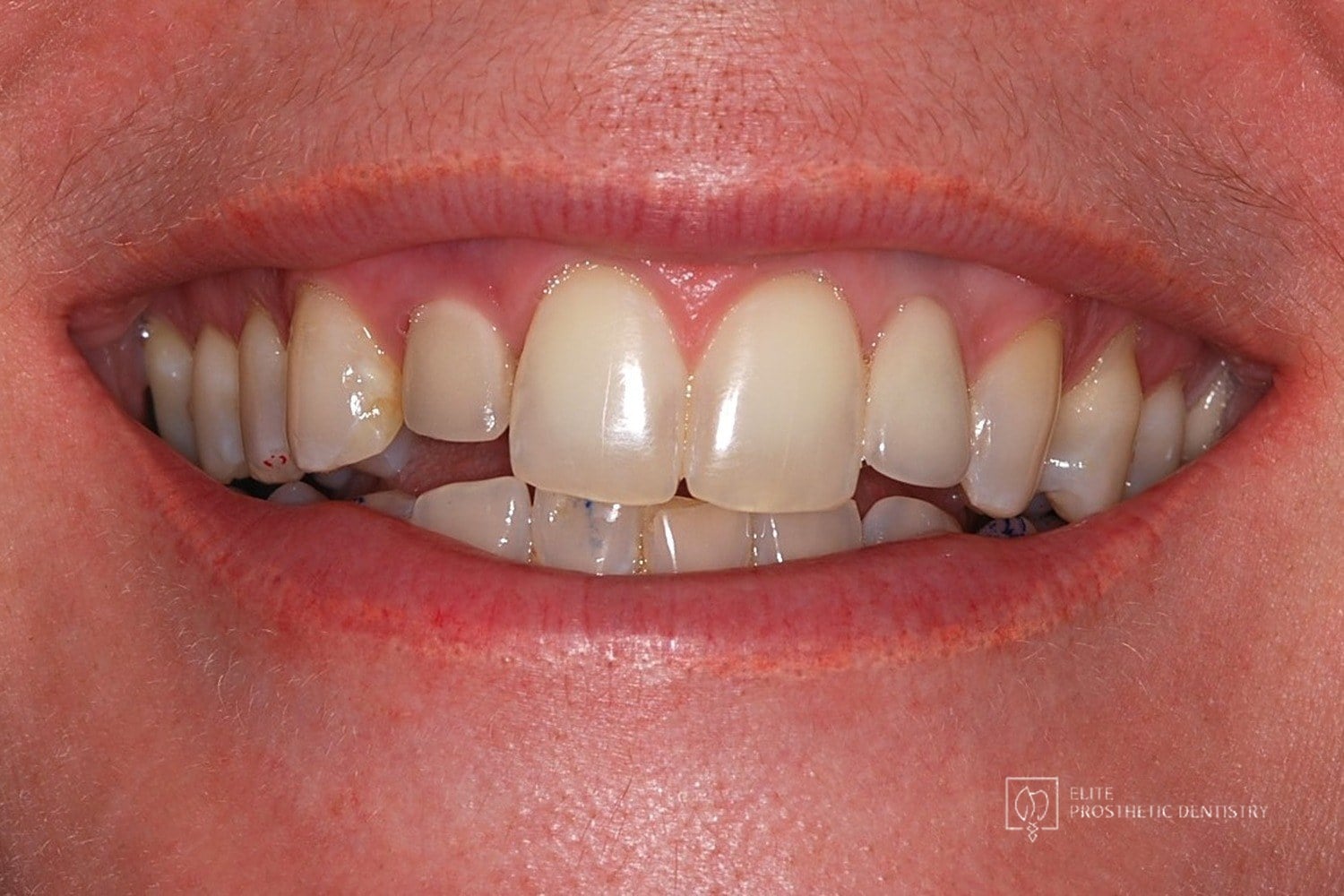
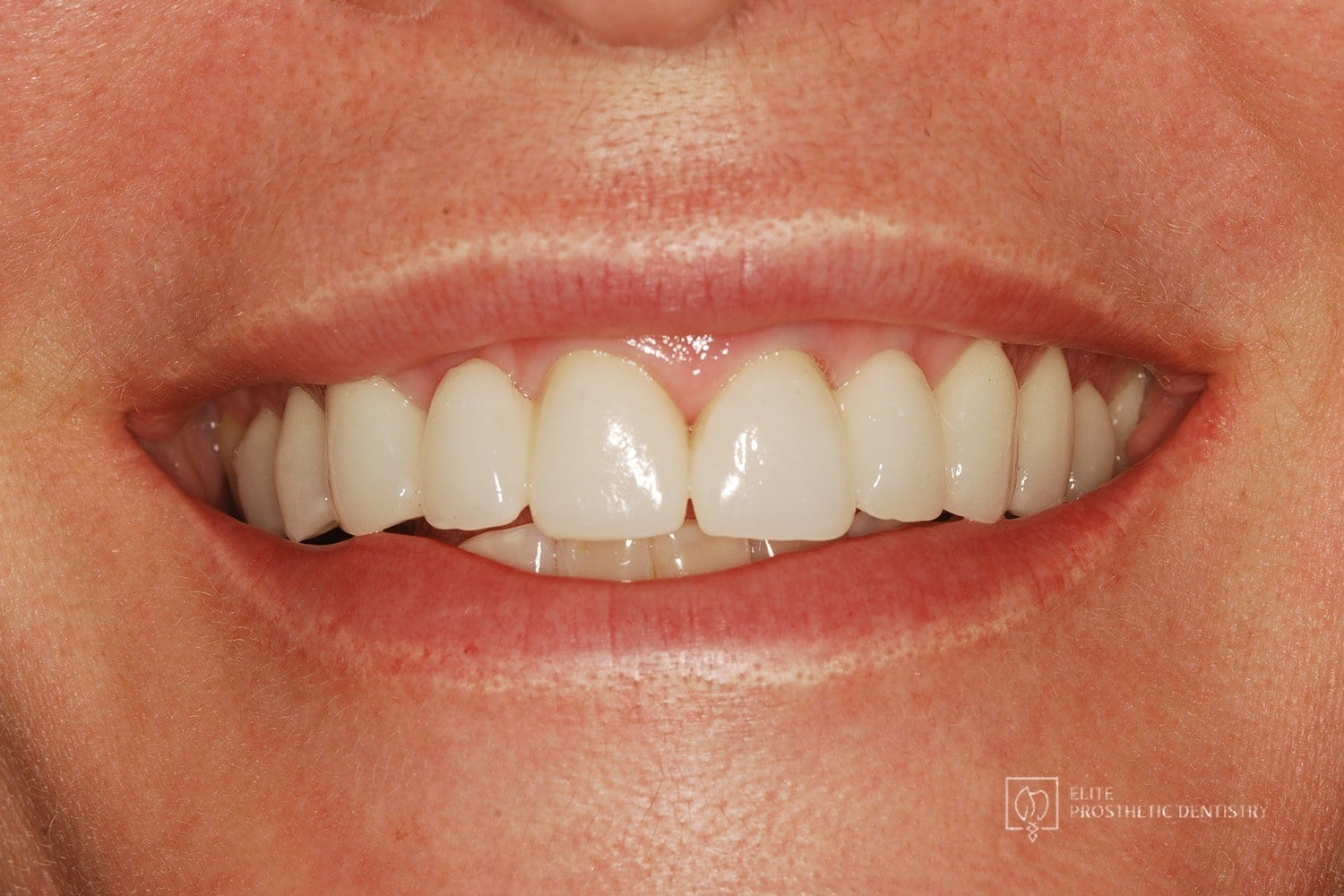
How Failing Lateral Incisor Implants Were Replaced with Custom Zirconia Bridges After Severe Bone Loss Made Replacement Implants Impossible
Comprehensive examination including CBCT imaging revealed significant bone loss surrounding implants that were placed outside the buccal plate, most likely due to placement without a CBCT-generated surgical guide. The implants were determined non-salvageable, and the alveolar ridge was too narrow to support replacement implants without extensive reconstruction.
 Before
 After
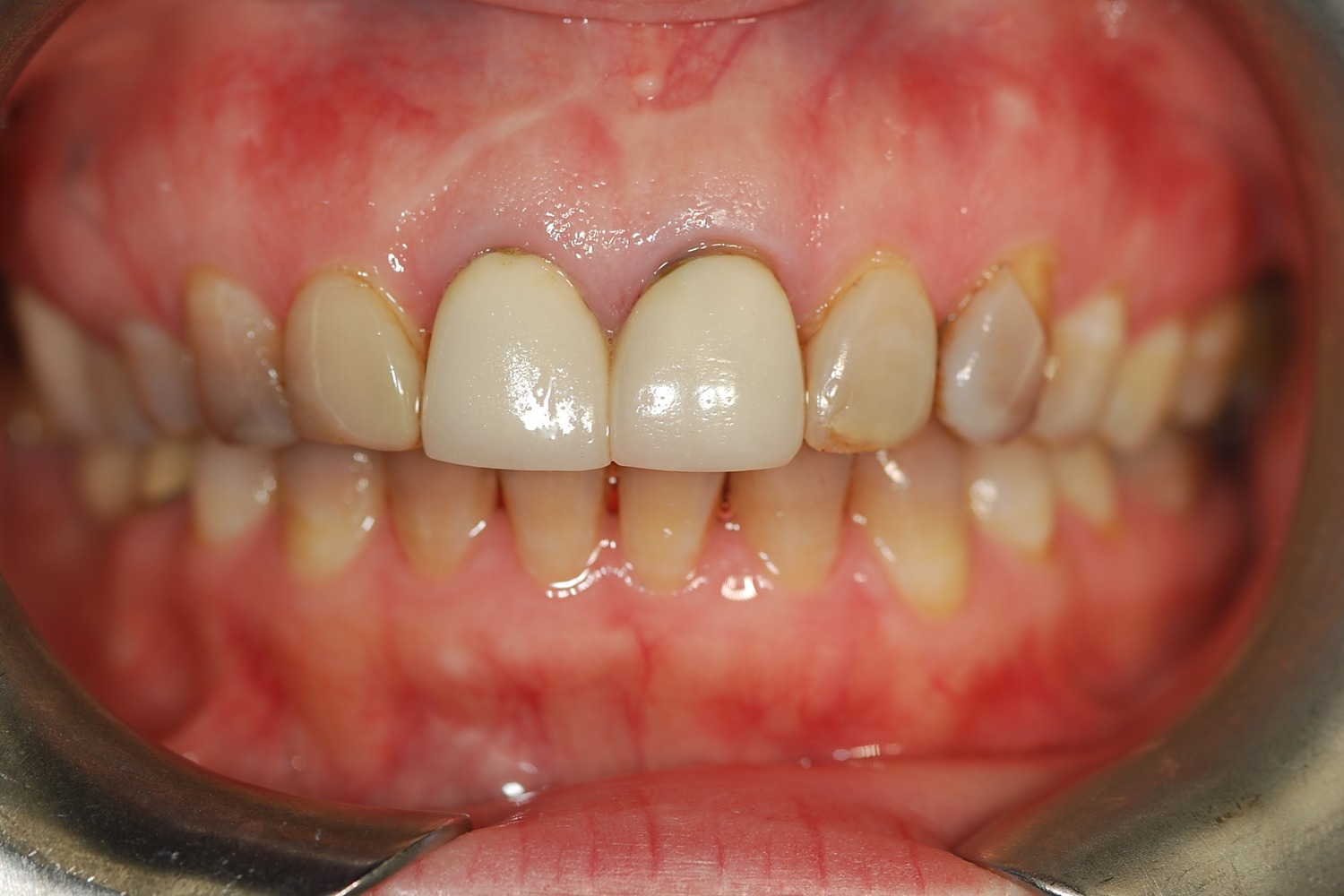
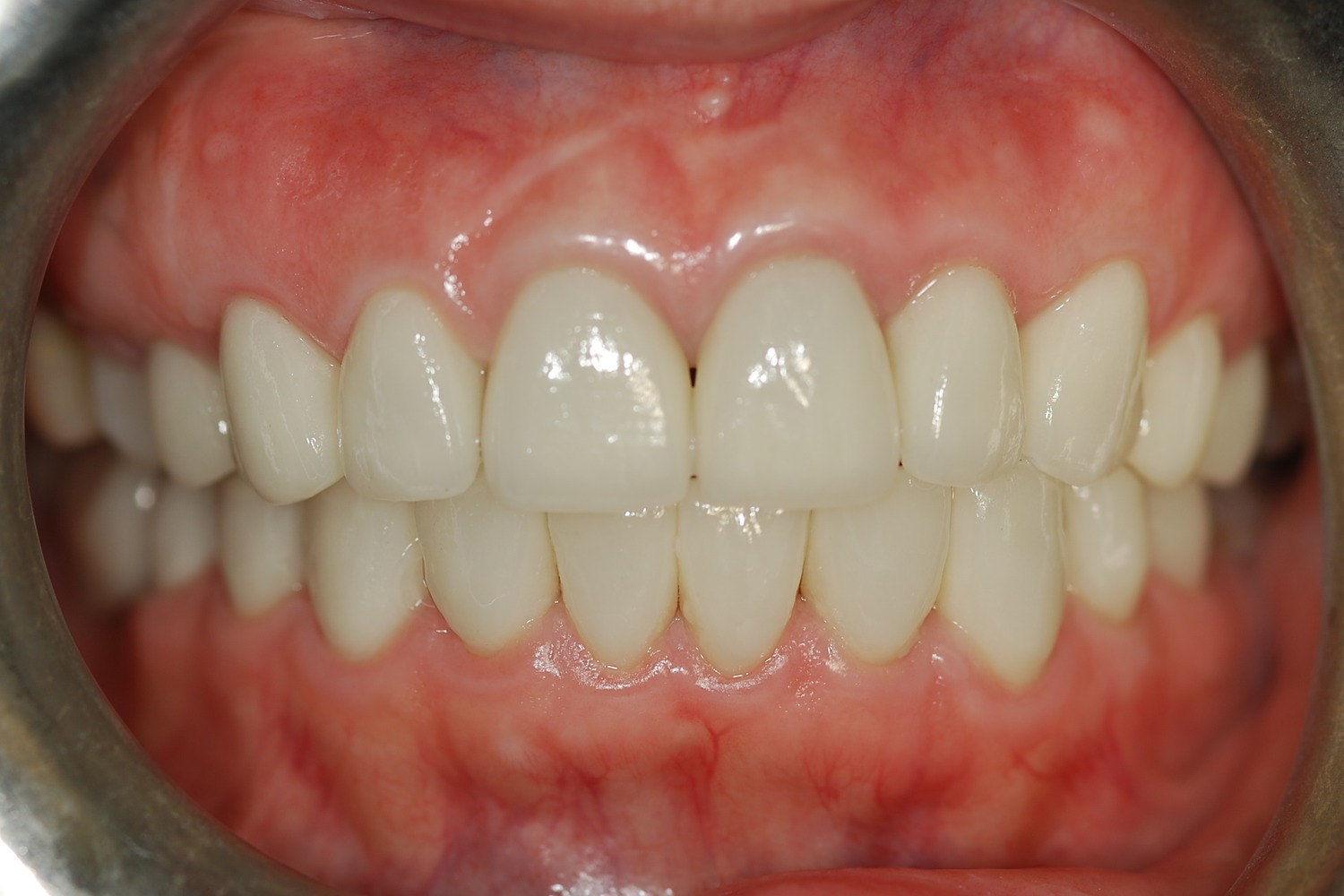
How Aging, Opaque Restorations Were Replaced with Customized Ceramic Restorations Designed for Long-Term Natural Esthetics
The existing restorations appeared opaque, worn, and unnatural over time, affecting both confidence and overall smile harmony.
 Before
 After
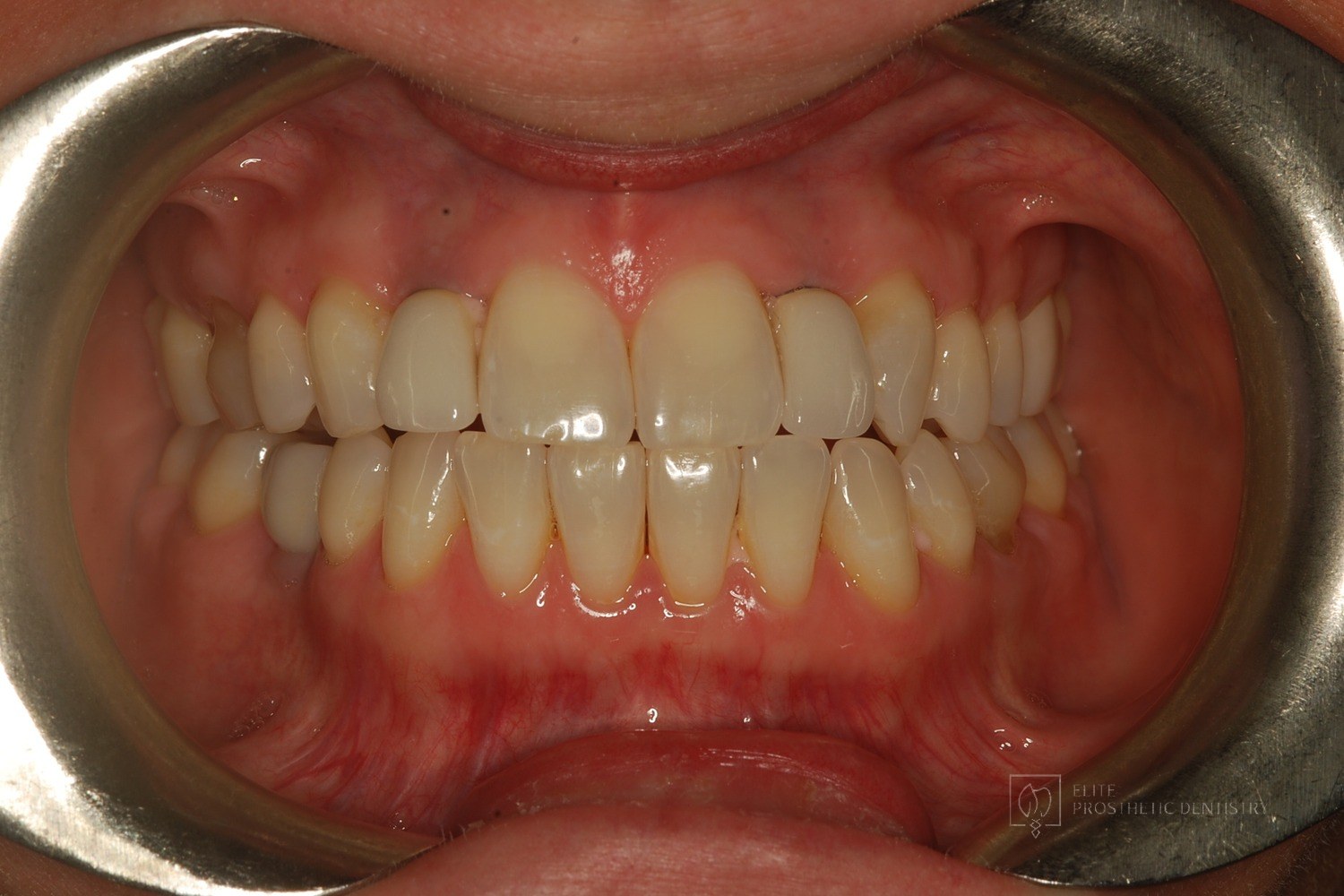
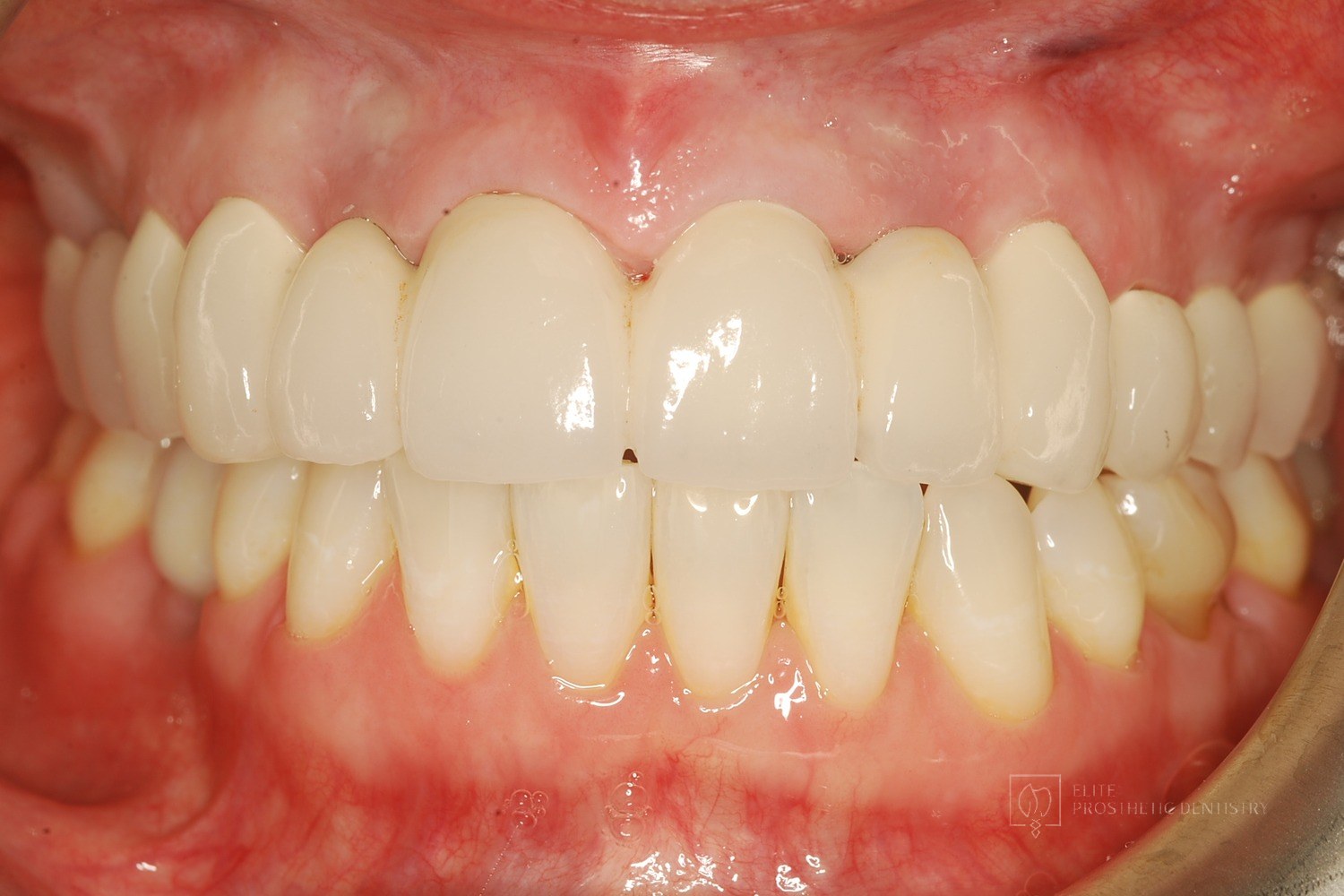
How Older Implant Crowns Were Redesigned for a Better Bite and More Natural Appearance
The patient came in after years of living with implant-supported crowns placed more than twenty years earlier that no longer looked or functioned well. CBCT evaluation, reviewed with a radiologist colleague, showed the implants had been placed too far to the buccal in very thin bone and could not support a healthy long-term restoration.
 Before
 After
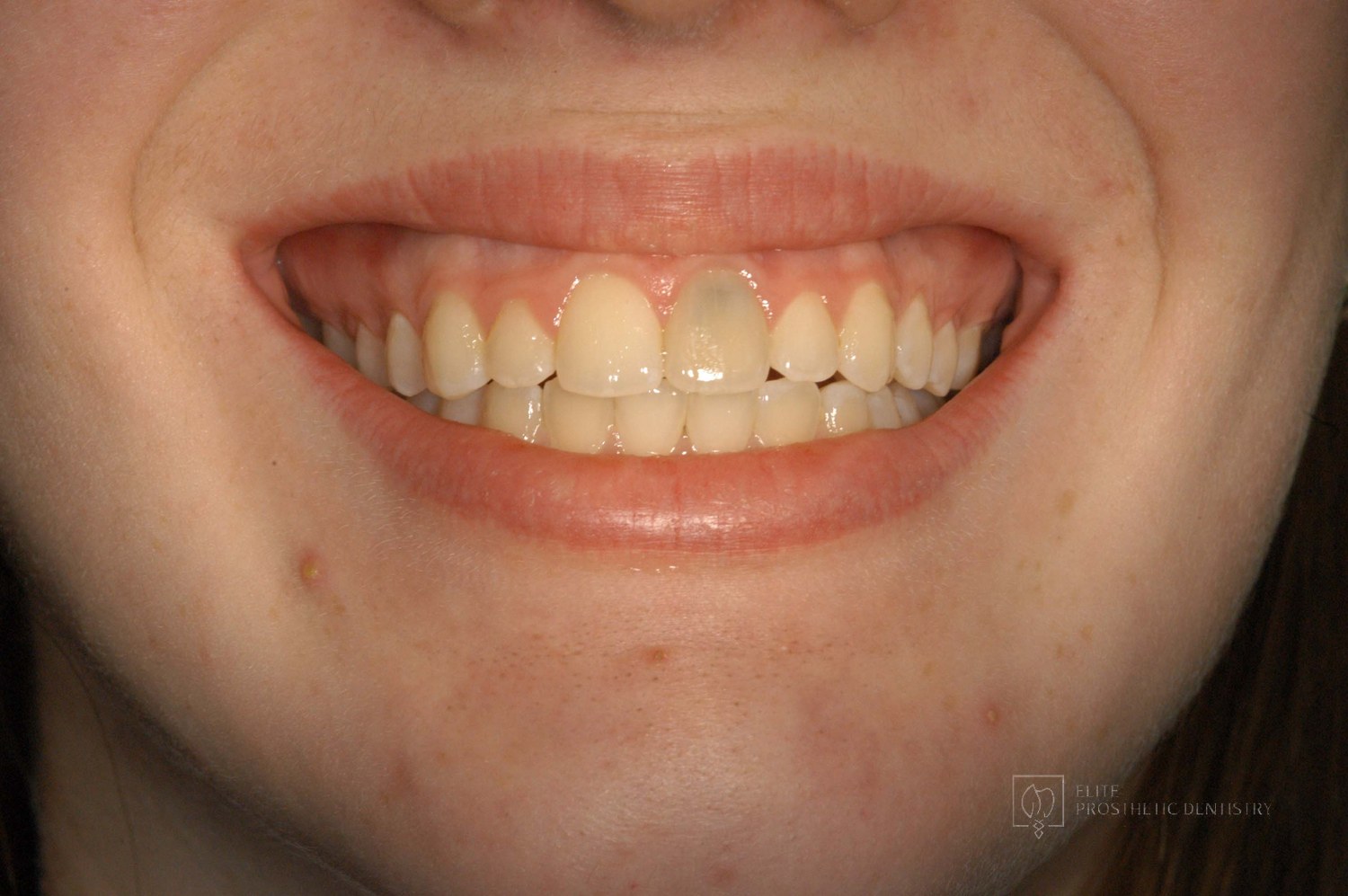
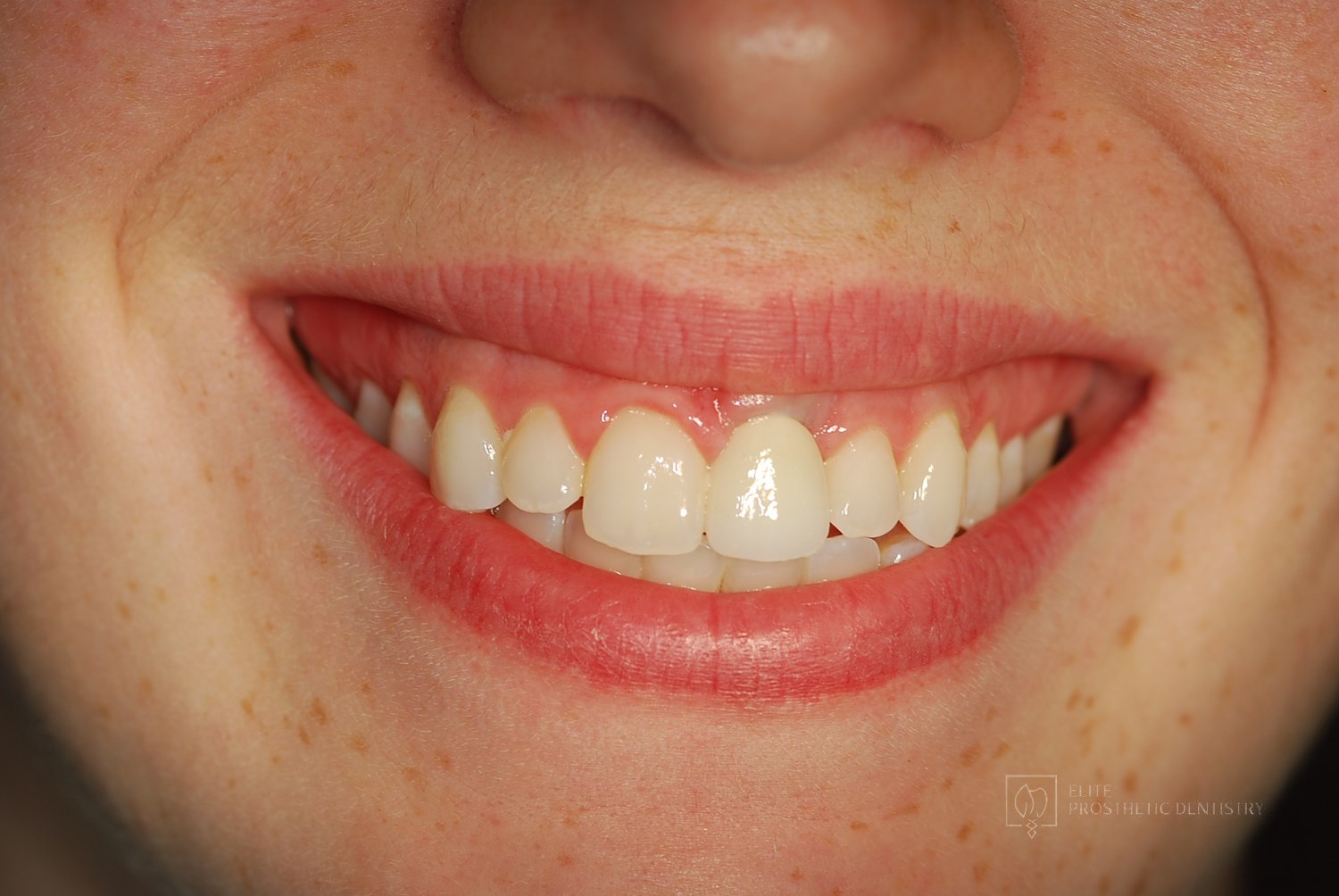
How a Front Tooth Lost to Childhood Trauma Was Rebuilt with Bone Grafting and a Long-Lasting Implant
A teenager was referred by her father after earlier trauma left her upper left front tooth slowly failing from root resorption. She was still growing, so an immediate implant was the wrong move. The tooth had to be maintained to buy time, then replaced correctly once she reached skeletal maturity.
Ready to Transform Your Smile?
With 40+ years of experience and 3,900+ dental implants placed, Dr. Marlin and the team deliver dentistry planned to last. Request a specialist consultation.