
What Is Staged Implant Therapy?
Many patients facing a failing upper or lower arch want two things that seem to conflict: a fixed, permanent result on implants, and a firm refusal to wear a denture or lose all their teeth in one dramatic appointment. Staged implant therapy is how both get honored.
The concept: your existing teeth, even failing ones, are put to work as scaffolding. They hold a fixed temporary bridge while implants are placed and integrate in phases, and as the implants come online, they take over. You are never without fixed teeth for a single day.
A Real Case, Stage by Stage
One of our patients arrived with every upper tooth decaying and at risk of breaking. She was emphatic: no denture, under any circumstances, and no all-at-once All-on-X conversion. She wanted the security of fixed teeth throughout. We proposed staged therapy.
Stage I. All remaining upper teeth were cleaned of decay and prepared (Fig. 1), and an aesthetic full-arch temporary splint was seated on them (Fig. 2). Then, strategically selected teeth were extracted and replaced with implants, while the remaining teeth continued to hold the temporary (Fig. 3).
Stage II. Abutments were seated on the integrated implants and connected to the temporary splint (Fig. 4). With the implants now sharing the load, the remaining teeth were extracted and replaced with implants of their own.
Stage III. With all implants integrated, the final abutments were placed and the permanent fixed splint was secured (Figs. 5 and 6), custom fabricated in our in-house laboratory.
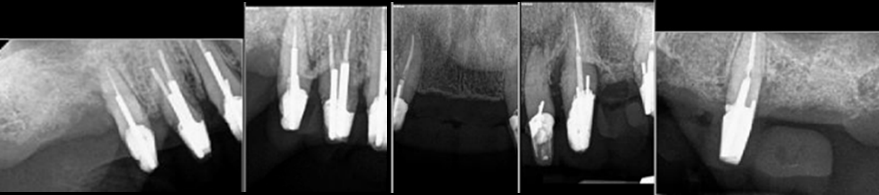
Fig. 1: Failing Teeth Briefly Used to Hold a Temporary Splint
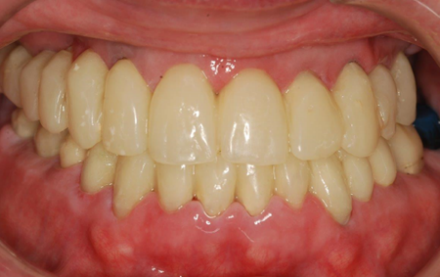
Fig. 2: Stage Ia Temporary Splint Providing Aesthetics and Function
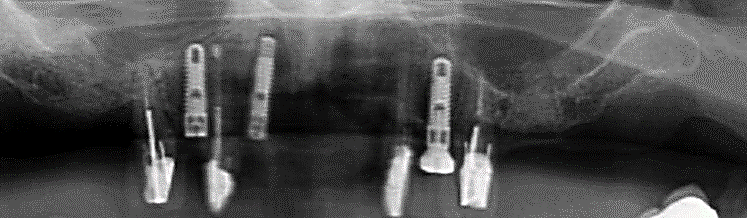
Fig. 3: Stage Ib Three Teeth Extracted and Replaced with Implants

Fig. 4: Stage II Abutments Seated in Implants to Hold the Temporary, Remaining Teeth Extracted and Replaced
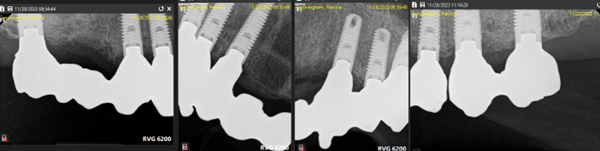
Fig. 5: Stage III All Implants Restored with a Permanently Fixed Final Splint
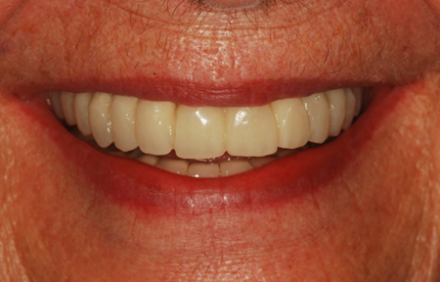
Fig. 6: Final Splint in Place Over Full Arch Implants
Why Stage Instead of Rushing?
Staging is not slowness for its own sake. Each phase is verified before the next proceeds: implants prove their integration before they are asked to carry load, aesthetics are rehearsed in the temporaries before anything is final, and the patient keeps fixed teeth and a normal life throughout. It also preserves options in a way single-event extractions cannot, a caution explained in when same-day implant treatment fits and when it does not.
This philosophy, sequencing reconstruction deliberately rather than dramatically, runs through our practice’s approach to complex work, from aging bridges rebuilt in planned phases to complete full-mouth reconstruction.
If your teeth are failing and you want a fixed result without a denture and without an all-at-once gamble, staged therapy may be built for you. Call 202-244-2101 or book a consultation with Dr. Gerald Marlin at Elite Prosthetic Dentistry in Friendship Heights, Washington, DC.
See How We Resolve These Problems
Our patient success stories show real cases and real results. Browse outcomes from a specialist prosthodontist with decades of experience and 3,900+ implants placed.
Key Takeaways
- ✓ Staged implant therapy replaces a failing arch in deliberate phases, using your existing teeth to hold fixed temporaries while implants are placed and integrate.
- ✓ You are never without fixed teeth: no denture, no removable anything, at any point in treatment.
- ✓ Select teeth are extracted and replaced in each stage while the remaining teeth carry the temporary splint, until implants take over entirely.
- ✓ It is the deliberate alternative to extracting everything at once, preserving options and controlling risk at each step.
- ✓ The final result is a permanently fixed, custom-fabricated full-arch restoration on implants.
Frequently Asked Questions
What is staged implant therapy in simple terms?
It is full-arch implant reconstruction done in phases instead of all at once. Your existing teeth, even failing ones, are put to work holding a fixed temporary bridge while implants are placed and heal in stages. As implants become ready, they take over the load, until the final fixed restoration rests entirely on implants.
Will I have teeth during the whole process?
Yes, fixed ones. That is the defining promise of staging: a temporary splint remains anchored on natural teeth and then on implants throughout treatment. You never wear a removable denture at any point.
How is this different from All-on-X treatment?
All-on-X typically extracts the remaining teeth and places a fixed provisional on four to six implants in one surgical event. Staged therapy spreads the transition across phases, using your teeth as scaffolding along the way. It suits patients who want a fixed result without a single all-at-once surgery, and cases where staging controls risk better.
How long does staged implant therapy take?
Longer than a one-day conversion, by design: months across the stages, depending on healing, imaging, and fabrication. The schedule buys certainty, since each stage is verified before the next proceeds, and you live comfortably on fixed temporaries throughout.
Related Patient Success Stories
Explore similar patient success stories demonstrating our expertise in advanced prosthetic dentistry.
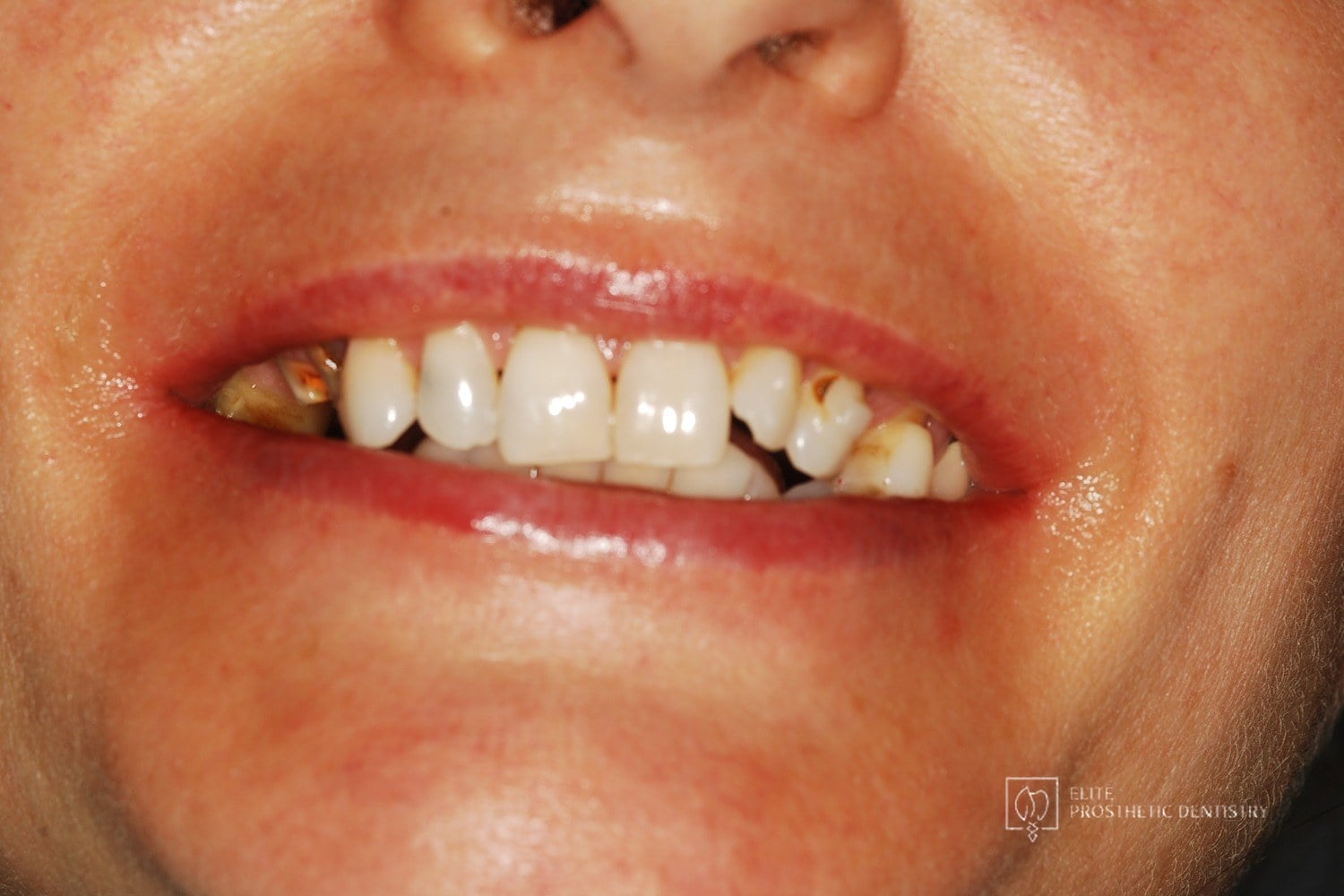 Before
 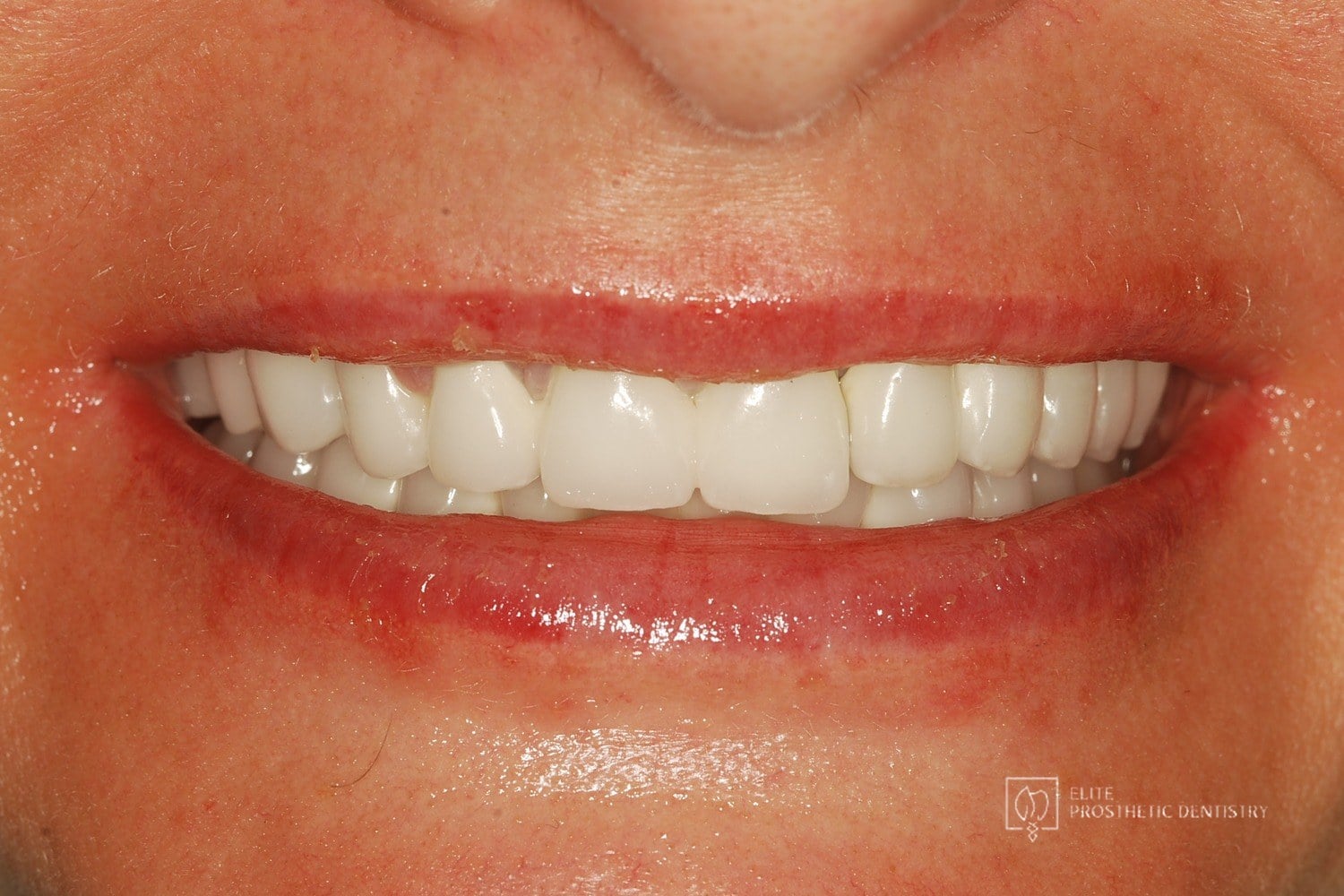 After
After How Aging, Failing Dentistry Was Replaced with a Coordinated Full-Mouth Implant and Crown Reconstruction
The patient presented with throbbing upper-molar pain, long-standing infections, multiple root canals and unfinished prior treatment, generalized sensitivity, and several hopeless teeth.
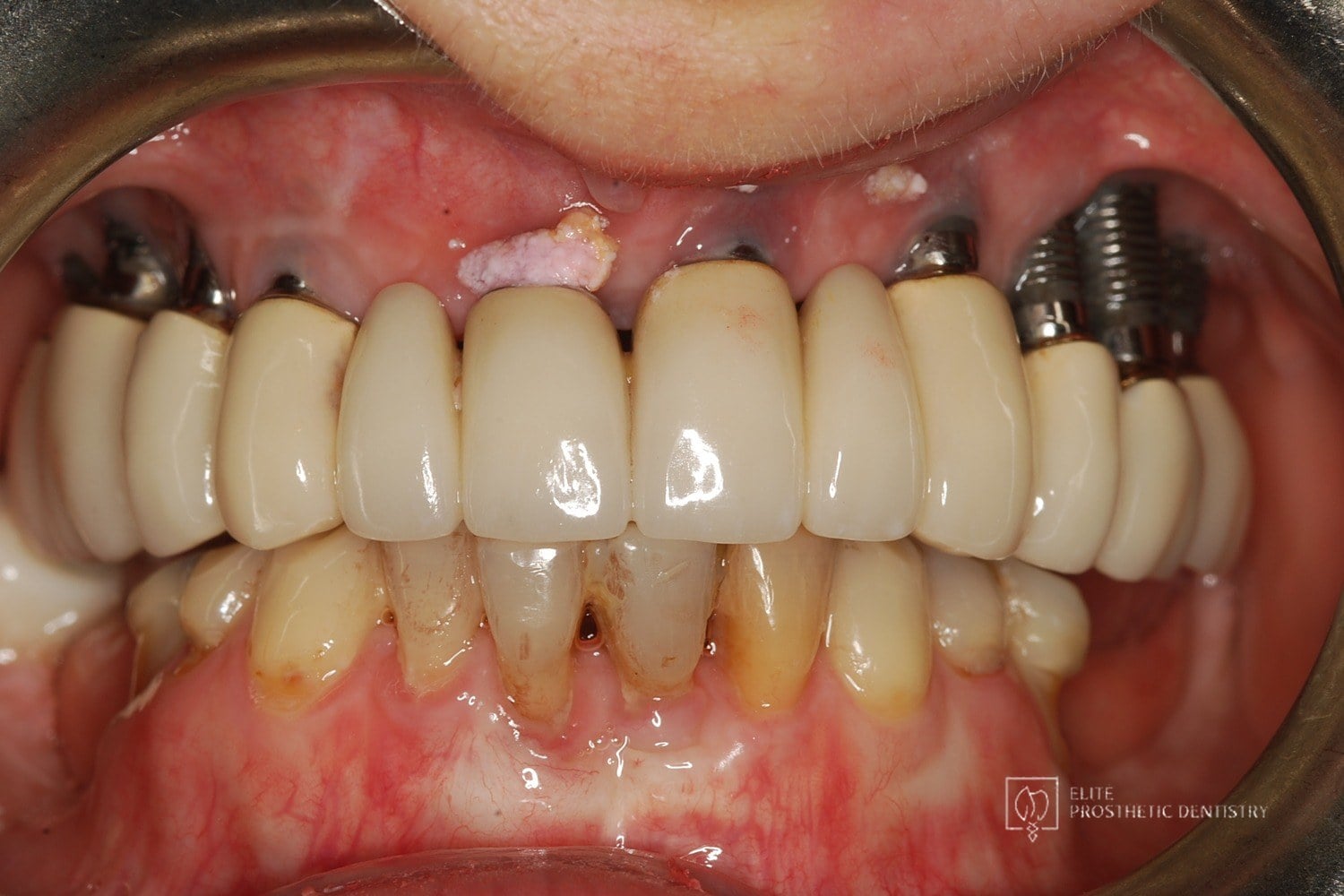 Before
 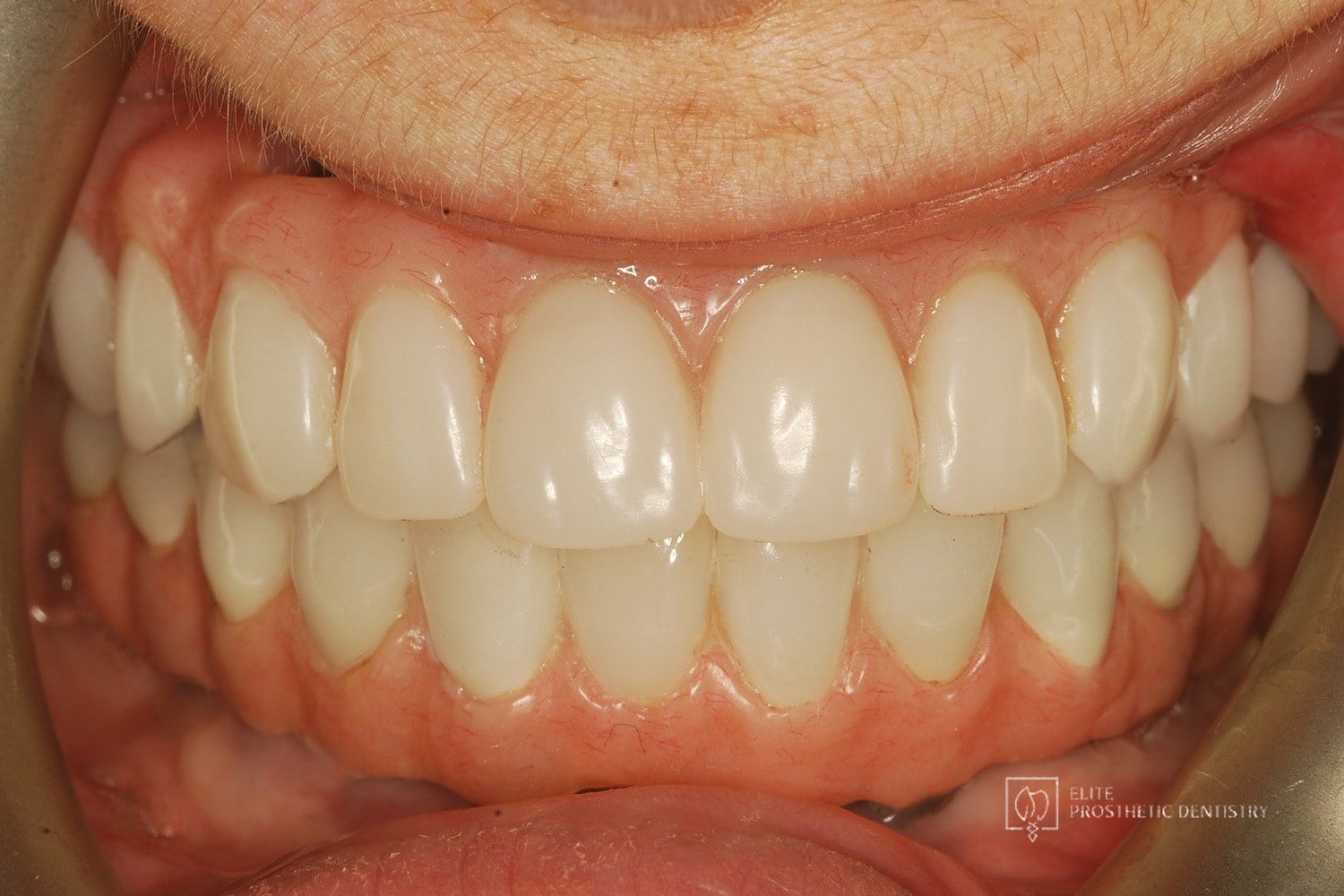 After
After How Failing Implants and Severe Bone Loss Were Rebuilt Into a Stable Full-Arch Implant Reconstruction
The patient presented with significant complications from previously placed implants, severe bone loss, failing posterior implants, and an unesthetic full-arch bridge. Both arches required full reconstruction, with the upper arch showing the most advanced bone loss and instability.
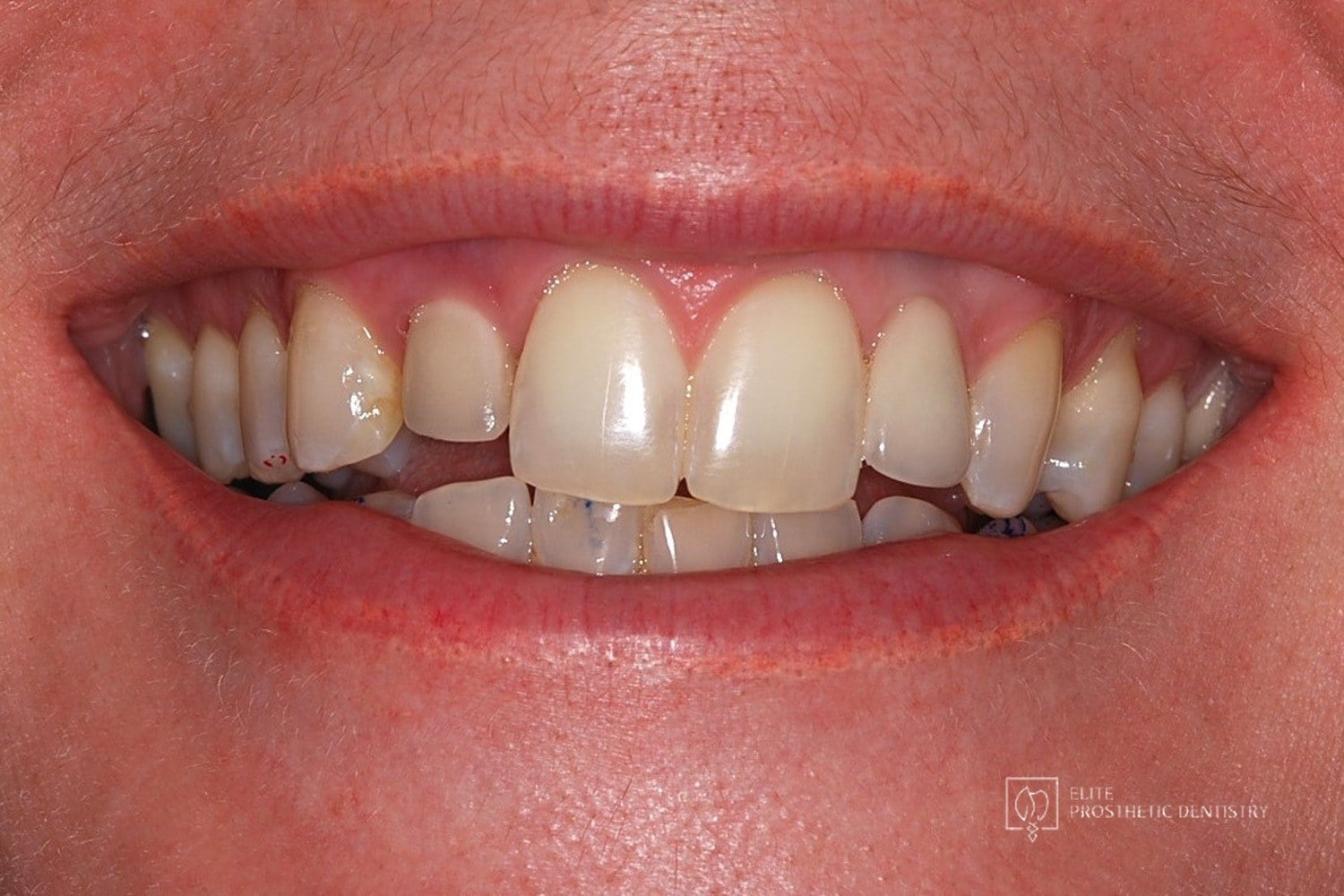 Before
 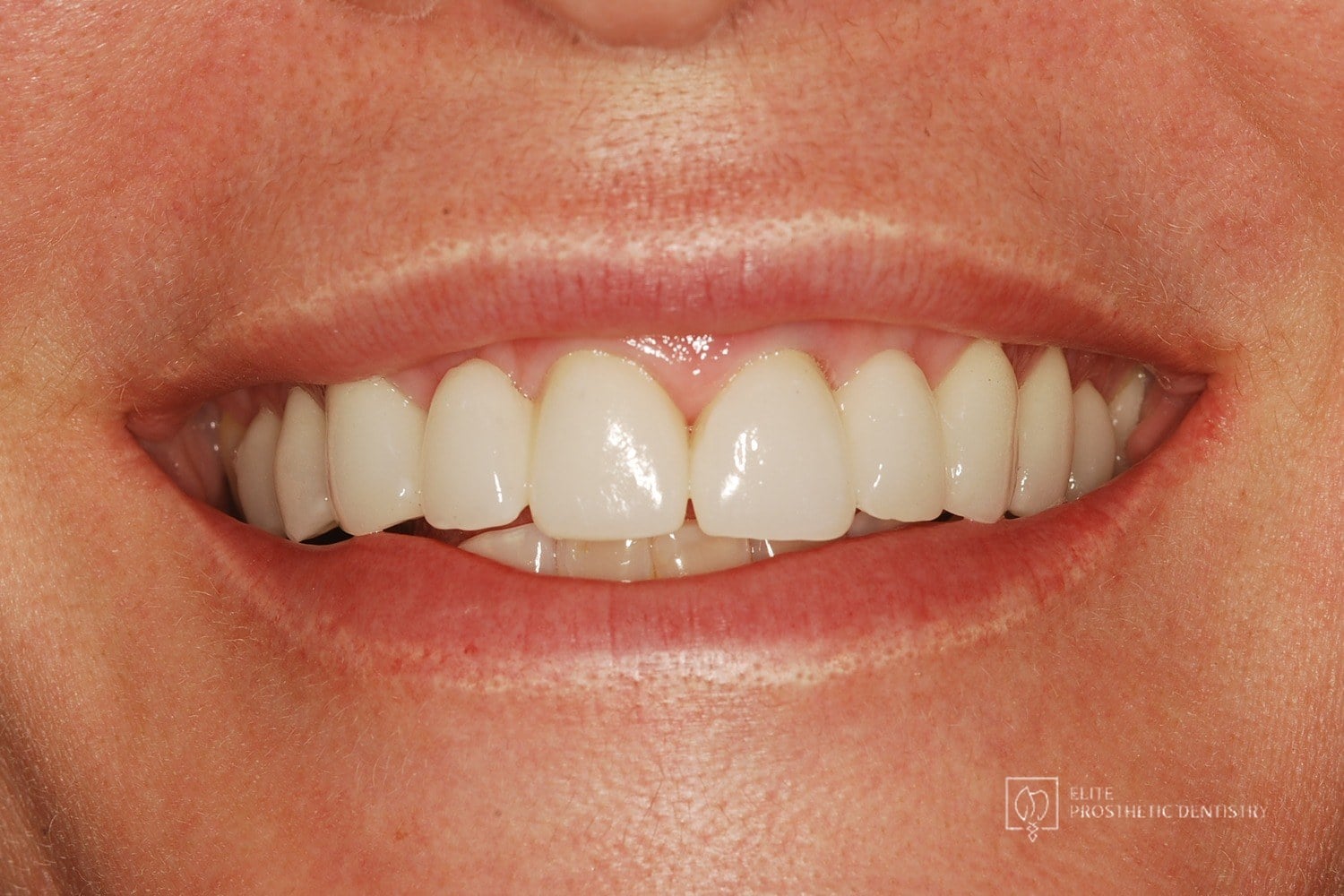 After
After How Failing Lateral Incisor Implants Were Replaced with Custom Zirconia Bridges After Severe Bone Loss Made Replacement Implants Impossible
Comprehensive examination including CBCT imaging revealed significant bone loss surrounding implants that were placed outside the buccal plate, most likely due to placement without a CBCT-generated surgical guide. The implants were determined non-salvageable, and the alveolar ridge was too narrow to support replacement implants without extensive reconstruction.
Related Articles
Deepen your knowledge with additional insights on this topic.
 Dental Implants
 If a Single Front Tooth Is Replaced with an Implant, Can It Look Natural?
Yes. See the four steps, with real case photos, that make a single front tooth implant indistinguishable from the natural tooth beside it. Washington, DC.
 Dental Implants
 What Is Precision Implant Placement (PIP)?
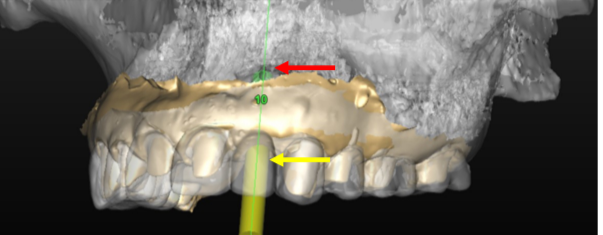
Precision Implant Placement plans each implant virtually on a CBCT scan, then delivers it with a custom surgical guide. See the three steps with real images.
 Dental Implants
 What Is the Ideal Surgical Guide for Precision Implant Placement?
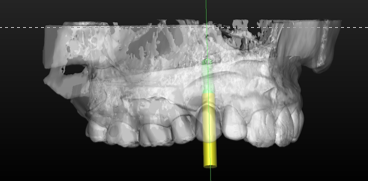
Not all surgical guides are equal. The gold standard is CBCT-based: planned virtually in 3D, 3D printed, and seated on your teeth. A DC prosthodontist explains.