
How to Choose a Dental Specialist in Potomac, MD
A decision guide for Potomac patients considering implants, full mouth reconstruction, or replacement of aging dental work: what to evaluate, and when the drive to a prosthodontist is worth it.
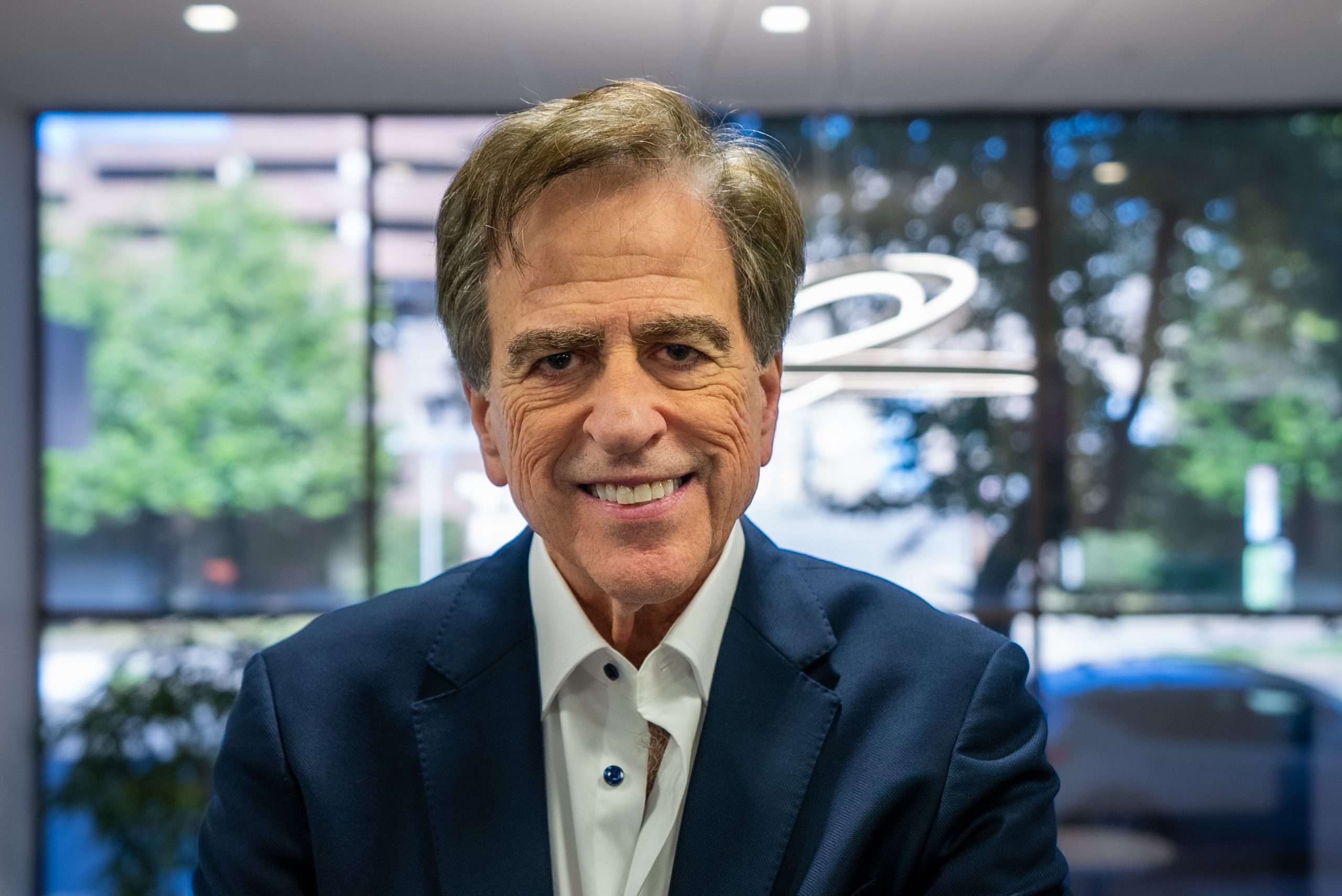
Practice clinician: Gerald M. Marlin, DMD, MSD, prosthodontist, Elite Prosthetic Dentistry, Friendship Heights, Washington, DC. Last updated .
Patients who come to us from Potomac usually already have a general dentist they trust. What they are looking for is a different service: a specialist evaluation of existing dental work, implants, crowns, bridges, veneers, and a plan for whatever needs attention, whether that is one restoration or a coordinated sequence. That is prosthodontics. Elite Prosthetic Dentistry does not have a Potomac office; the practice is in Friendship Heights, Washington DC, roughly fifteen to twenty minutes down River Road depending on traffic.
A large dental case deserves a clear plan, a qualified team, and decisions made in the right order. That matters most when restorations placed at different times, by different offices, now have to work together.
The Decision: Repair Piece by Piece or Evaluate the Whole
A common situation is restorations placed over many years that no one has evaluated as a set. A crown margin has opened, a bridge has been recemented more than once, an implant crown no longer matches the gumline beside it, or the bite has shifted so that some teeth take more load than they were designed for. None of it is an emergency, which is exactly when the choice is open.
The decision is whether to keep repairing individual pieces as they fail or to evaluate everything at once and decide, tooth by tooth, what is sound, what needs attention now, and what can wait. Both can be reasonable answers. Our decision guides map that choice by situation: what comprehensive reconstruction involves and who should lead it; how implant treatment gets planned when it must fit existing work; the repair-or-renew question for aging crowns and bridgework; rebuilding appearance and function together; and, before signing anything large, the case for an independent second opinion plus an honest comparison with implant centers.
How a Comprehensive Case Is Planned and Scheduled
A well-run reconstruction has defined phases, a responsible clinician, and decisions made in the right order. For a patient driving in from Potomac, it also has a visit plan.
Records first. Before the first visit, we ask for existing X-rays, prior treatment records, and any treatment plan you have been given. Your general dentist’s office can send these directly, and we can help request them. Arriving with records means the diagnostic visit is spent on examination and discussion rather than on gathering history.
Diagnosis. The workup covers every restoration, the bite, the supporting bone and gums, and imaging appropriate to the case, including a CBCT scan for every implant case. The output is a prognosis for each tooth and restoration, with the reasoning visible, and a clear statement of the alternatives, including limited repair.
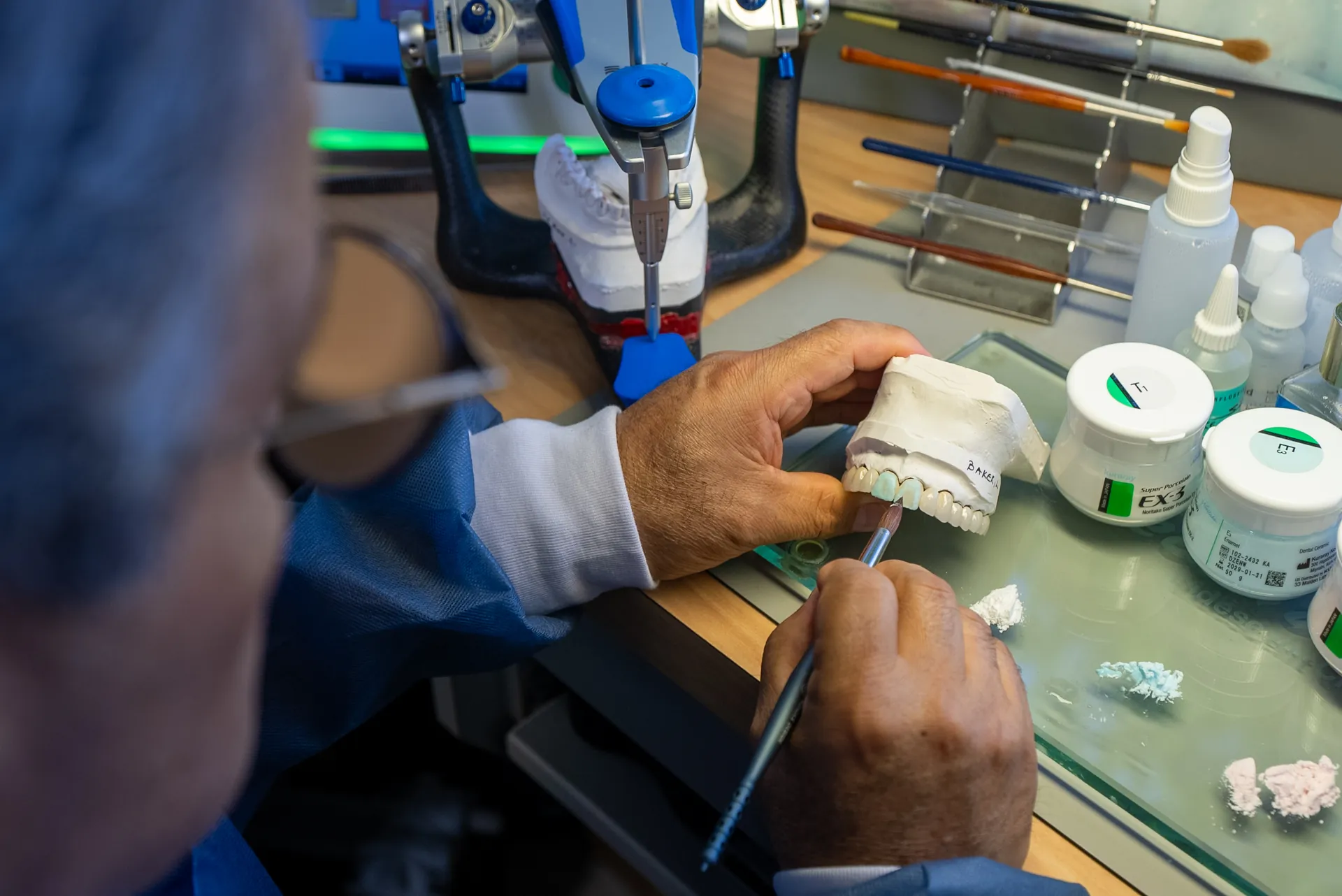
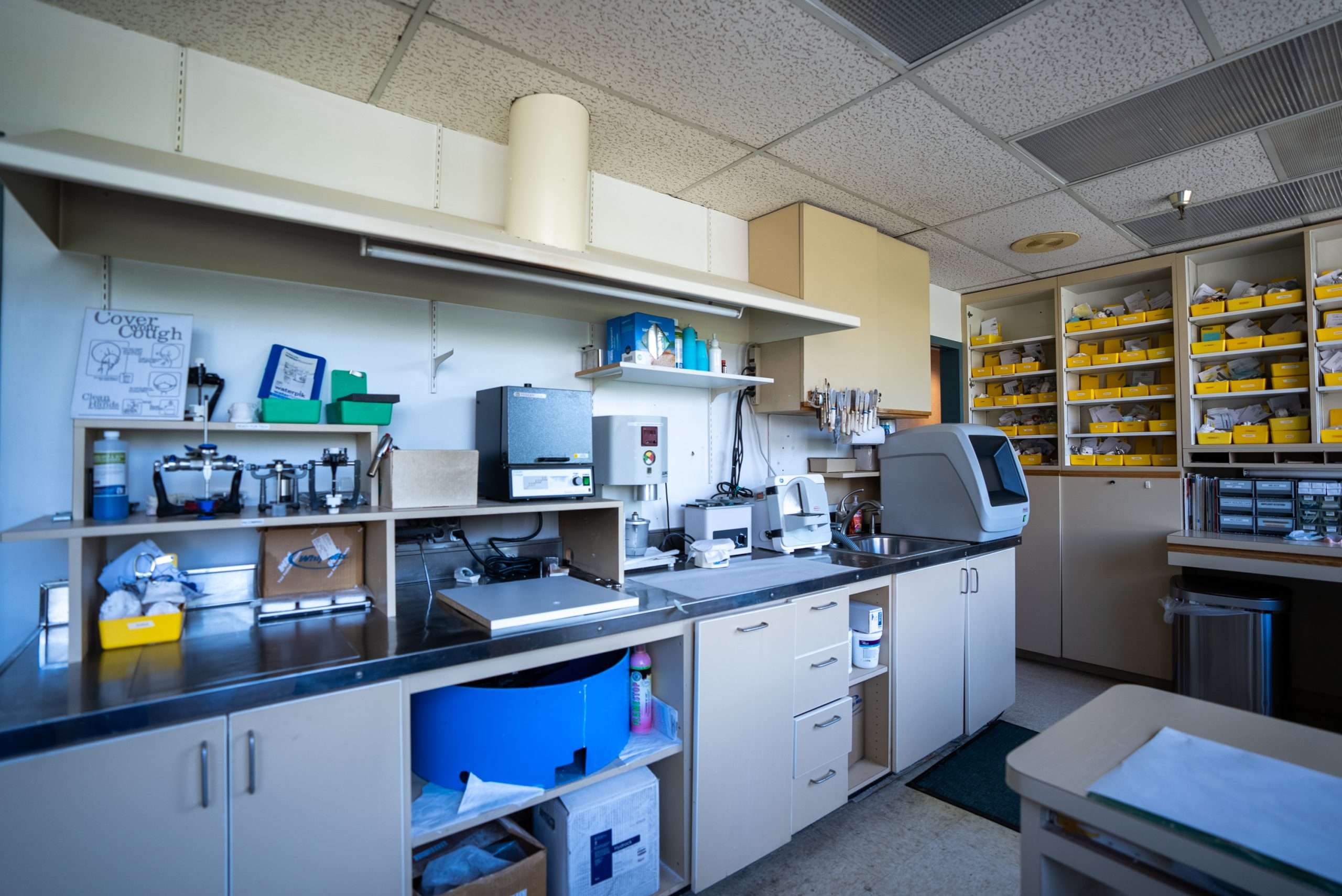
Design and sequence. For cases that go beyond a single restoration, the intended result is planned before treatment starts: which teeth are kept, whether implants serve the plan, what materials go where, and how the bite will function. The sequence is written down, with the order of phases, what each accomplishes, and what you will wear between them. In our practice the in-house laboratory joins at this stage.
Staged treatment. Work proceeds in a deliberate order, usually foundation first, with provisional restorations maintaining appearance and function between phases. Interim results are checked against the design, and the plan is adjusted while adjustment is still simple. Visits are grouped where healing allows so each trip accomplishes a defined step.
Coordination with your dentist. Routine hygiene and checkups can stay with your general dentist in or near Potomac. We share records and the completed plan with that office when you want them involved, so the restorative work and your routine care are not managed in isolation.
Delivery and maintenance. Final restorations are seated and the bite is verified. A maintenance interval is set, and the plan states which items we monitor and which your general dentist can follow. Implants and restorations need ongoing care; how long they serve depends on the bite, hygiene, and follow-through, not on the day they were seated.
A proposal that cannot be described in those terms, phases, sequence, alternatives, and follow-up, is not a plan yet. That is true wherever you take your care.
Two Decisions Potomac Patients Bring Across the Line
Reconstruction that keeps usable teeth. Patients offered a full-arch implant plan often have teeth that could be kept. The evaluation classifies every tooth as hopeless, treatable or sound, with the reason stated, and builds the plan around the teeth that stay; where nothing can be saved, it says so and explains the full-arch alternative. Our guide on keeping your teeth or replacing them explains the method, and two documented cases show it: loose, failing crowns and hidden decay, with strategic teeth saved and both arches rebuilt and two front teeth saved after extraction and implants had been recommended.
Crowns that keep fracturing. Repeated fractures are a force problem, usually grinding, an uneven bite or lost back teeth, and replacing the crown the same way produces the same result. Our guide on why crowns keep breaking explains what a bite evaluation looks for. Documented cases: a fractured filling that revealed generalized wear and a collapsed bite and a severe grinder’s worn teeth restored. Jaw symptoms are evaluated and reported separately from the restorative findings; see who treats TMJ.
Coordinating With Your Dentist in Potomac
Before a first visit, ask your dentist to send existing X-rays and any CBCT scan, or let us request them. After treatment, routine hygiene can stay with your dentist in Potomac; we send the records, the materials used and the maintenance schedule. If a restoration we made needs attention, call us first.
When Elite Prosthetic Dentistry Is a Strong Fit for Potomac Patients
- Restorations placed at different times by different offices need a single evaluation and, if warranted, one coordinated plan.
- You are considering implants, implant bridges, or replacement of failing bridgework, and want planning that starts from the final restoration.
- You want a written sequence you can schedule around, with a clear statement of alternatives and of what maintenance will involve.
- You are willing to drive into Washington DC for a specialty practice built around comprehensive diagnosis.
When Another Setting May Serve You Better
- Routine maintenance and single straightforward restorations are well handled by general dentists in Potomac, and we are glad to coordinate with them.
- If a standardized same-week full-arch package is what you want, a volume implant center model may suit you better than a diagnostic practice. Our implant center comparison explains the tradeoffs honestly.
Proof Worth Reviewing
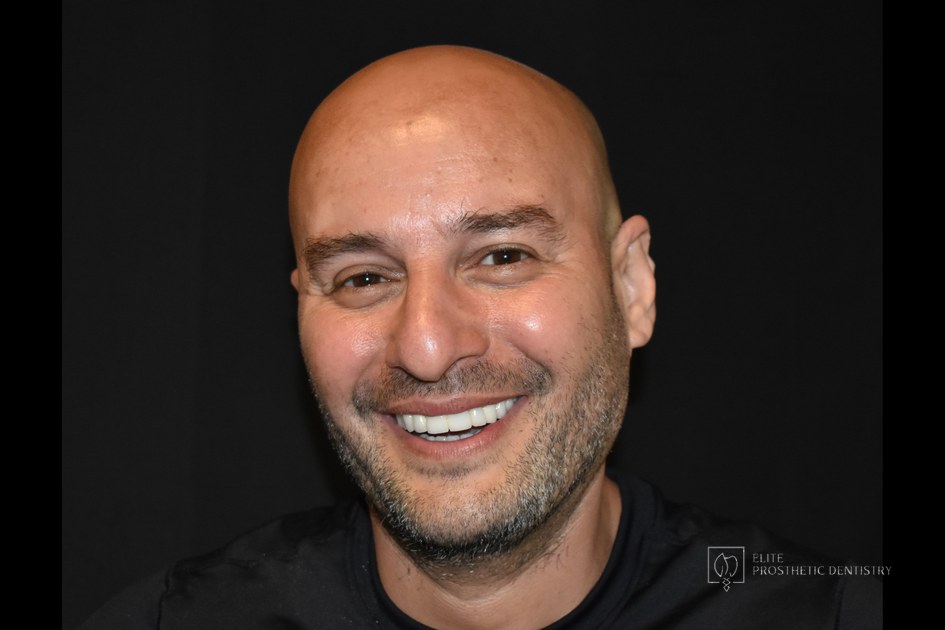
Two documented cases show what phased, restoration-driven planning looks like in practice: severe restorative breakdown rebuilt with a coordinated full-mouth reconstruction and extensive bone grafting rebuilding the foundation for dental implants. The full library, organized by situation, lives in our success story hubs.
Getting Here from Potomac
The practice is in Friendship Heights, Washington DC, not in Potomac. Take River Road or Falls Road south through Bethesda to 4400 Jenifer Street NW, Suite 220; allow roughly fifteen to twenty minutes from Potomac Village depending on traffic. On-site parking is available in the building, and visits for staged cases are grouped where healing allows so each trip accomplishes a defined step. Request a consultation or call (202) 244-2101. No pressure. Clear answers. A defined plan.
Frequently Asked Questions
Is a practice in Friendship Heights practical for a Potomac patient with a multi-visit plan?
For most patients, yes. The office is in Friendship Heights, Washington DC, not in Potomac. River Road runs nearly door to door, roughly fifteen to twenty minutes from Potomac Village depending on traffic, with on-site parking. Comprehensive treatment is organized into a planned sequence of visits, and the number and length of those visits depends on the case.
What does it mean to consolidate dental work?
Some patients have restorations placed at different times by different offices: crowns from one, an implant from another, a bridge from a third. Consolidation means one practice evaluates how all of it works together, assigns a prognosis to each tooth and restoration, and plans any renewal as a coordinated sequence instead of unrelated repairs. Sometimes the conclusion is that most of the existing work is sound and only limited treatment is needed.
Can large cases be scheduled around travel?
Usually. Staged reconstruction follows a sequence, and the timing of each phase can be planned around your calendar within the limits healing sets. Provisional restorations are designed to maintain appearance and function between phases, and the plan states what you will wear and what to watch for while you are away.
What should a written treatment sequence actually contain?
Phases in order, what each phase accomplishes, roughly how long each takes, what you will wear or feel between phases, and which decisions stay open until interim results are evaluated. If a proposal cannot be written down that way, the planning is not finished.
Related Patient Success Stories
Explore similar patient success stories demonstrating our expertise in advanced prosthetic dentistry.
 Before
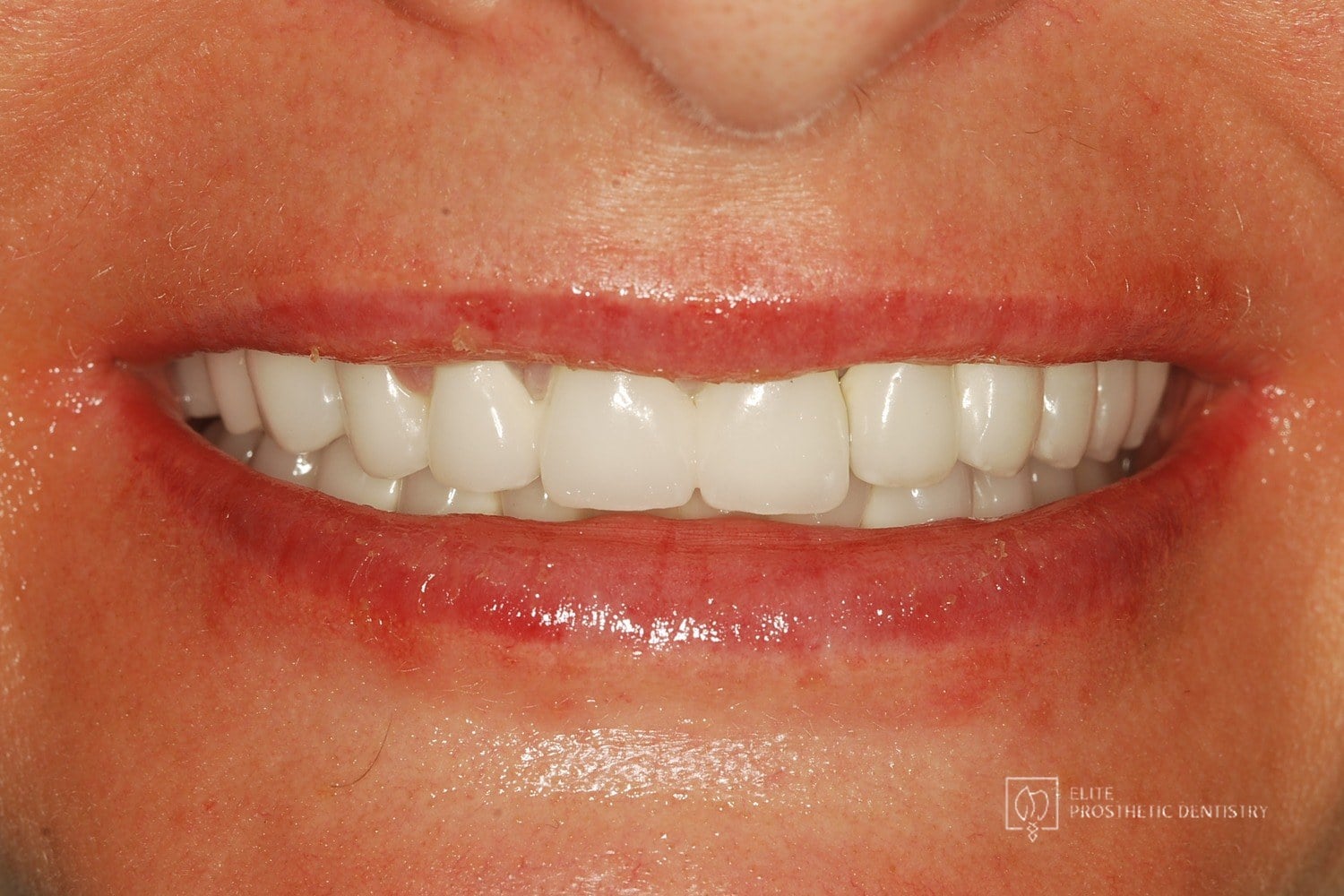 After
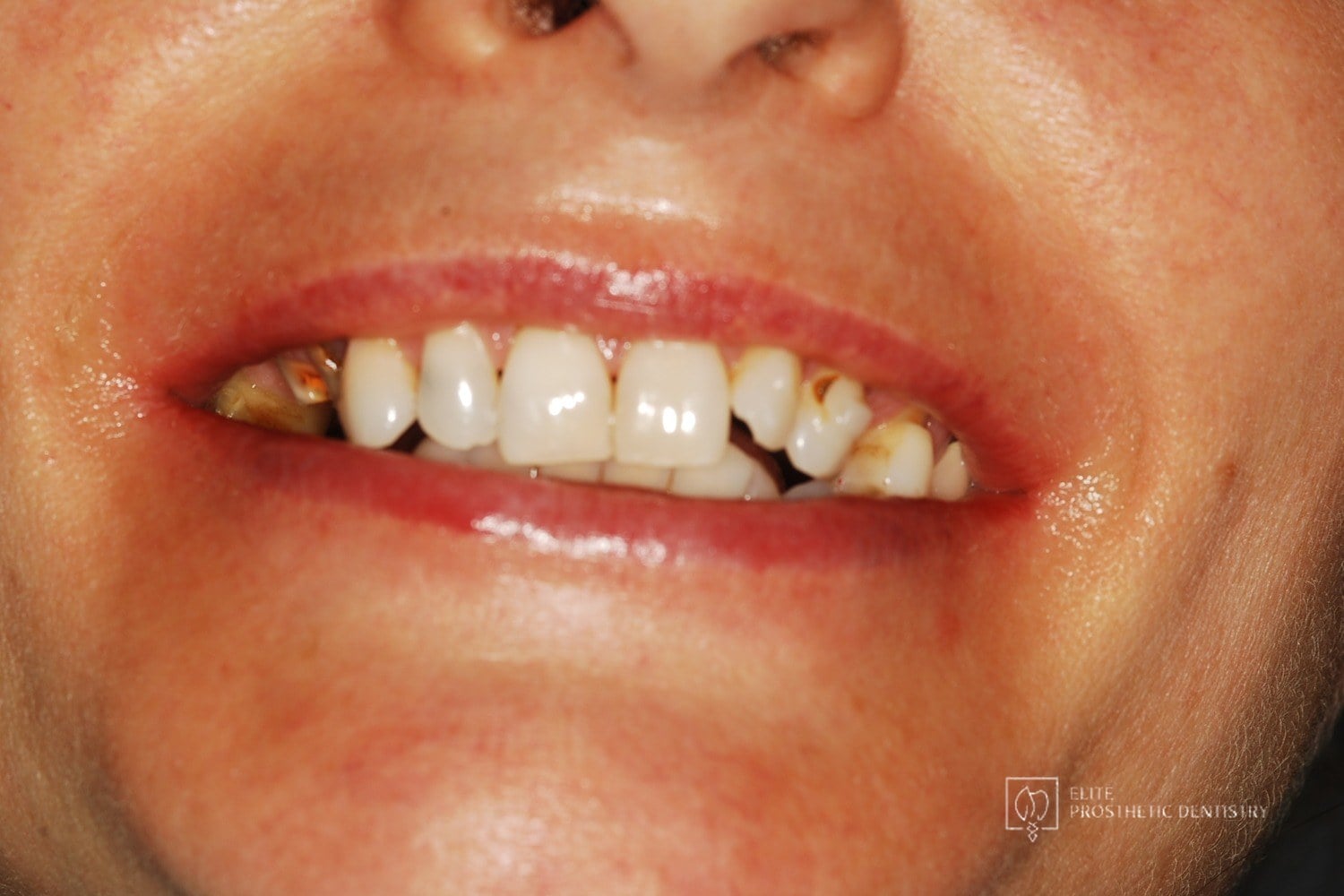
How Aging, Failing Dentistry Was Replaced with a Coordinated Full-Mouth Implant and Crown Reconstruction
The patient presented with throbbing upper-molar pain, long-standing infections, multiple root canals and unfinished prior treatment, generalized sensitivity, and several hopeless teeth.
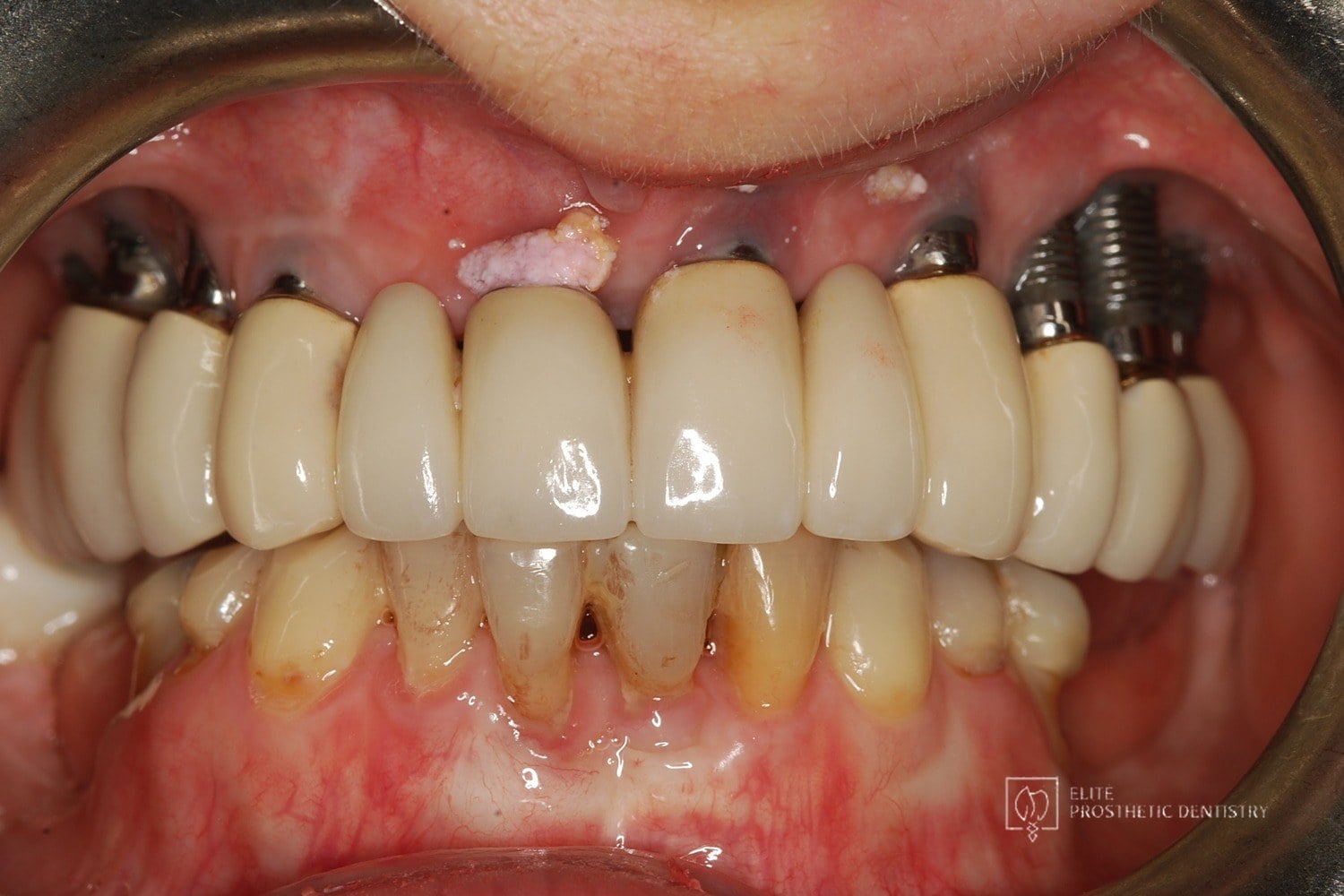 Before
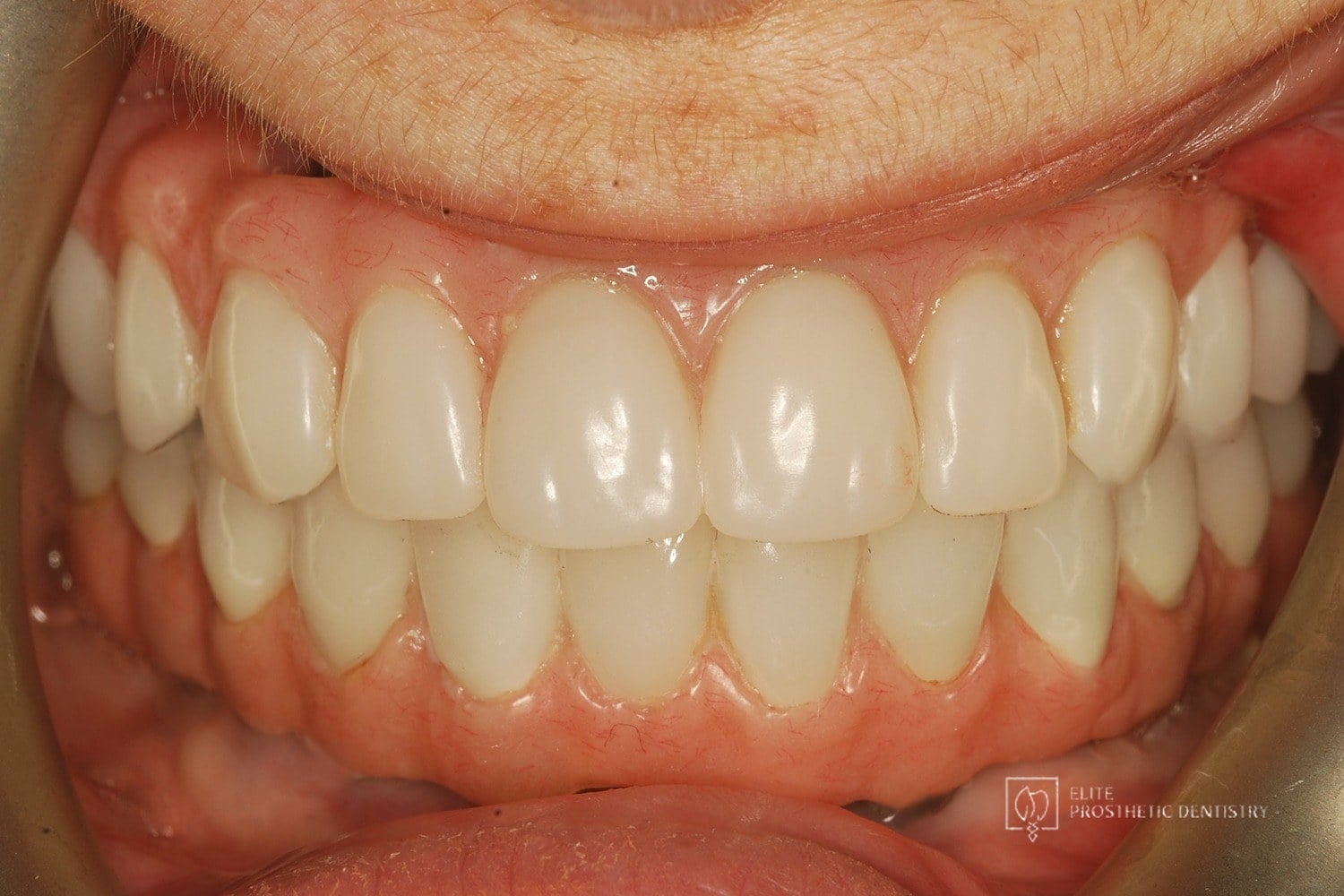 After
How Failing Implants and Severe Bone Loss Were Rebuilt Into a Stable Full-Arch Implant Reconstruction
The patient presented with significant complications from previously placed implants, severe bone loss, failing posterior implants, and an unesthetic full-arch bridge. Both arches required full reconstruction, with the upper arch showing the most advanced bone loss and instability.
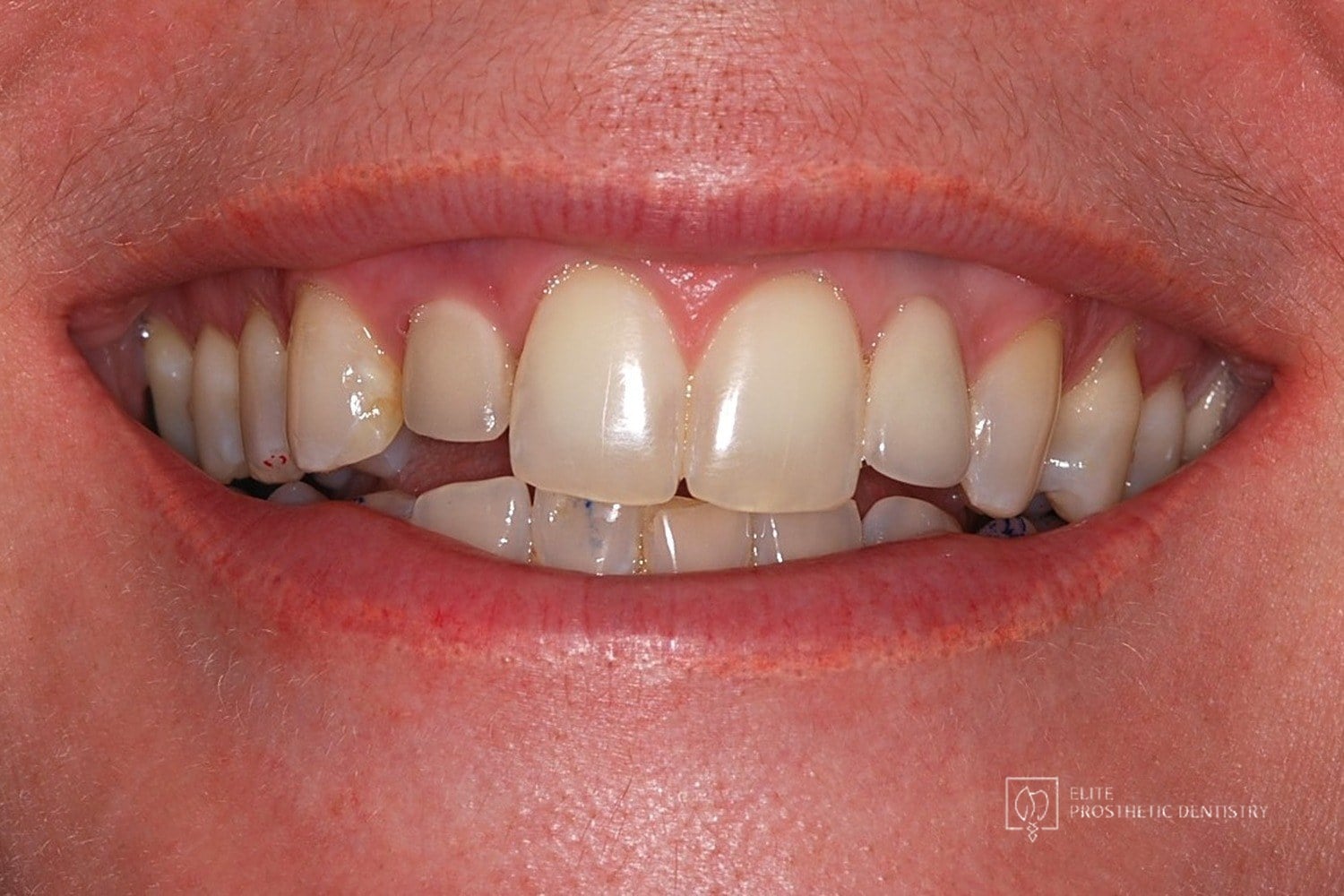 Before
 After
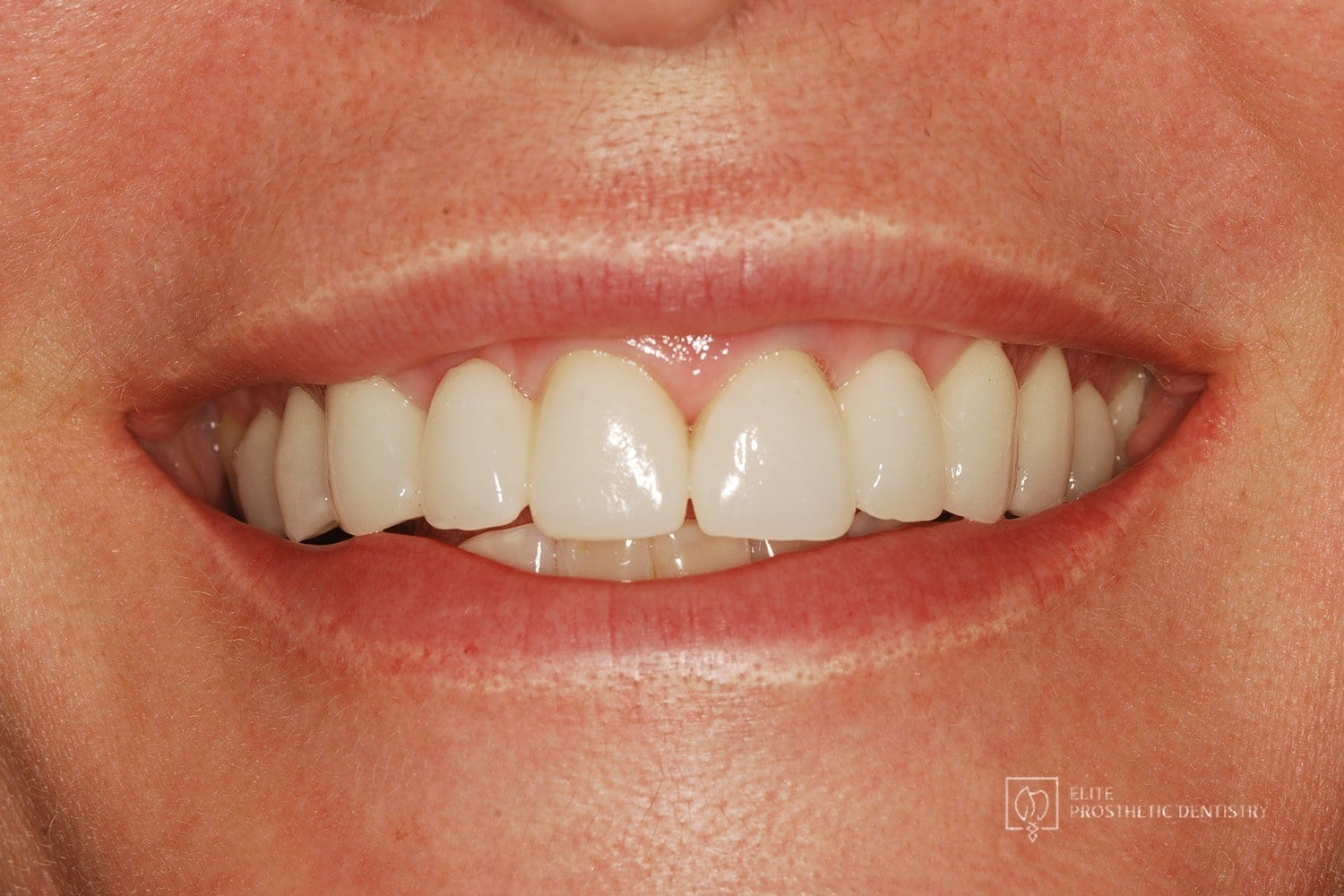
How Failing Lateral Incisor Implants Were Replaced with Custom Zirconia Bridges After Severe Bone Loss Made Replacement Implants Impossible
Comprehensive examination including CBCT imaging revealed significant bone loss surrounding implants that were placed outside the buccal plate, most likely due to placement without a CBCT-generated surgical guide. The implants were determined non-salvageable, and the alveolar ridge was too narrow to support replacement implants without extensive reconstruction.
 Before
 After
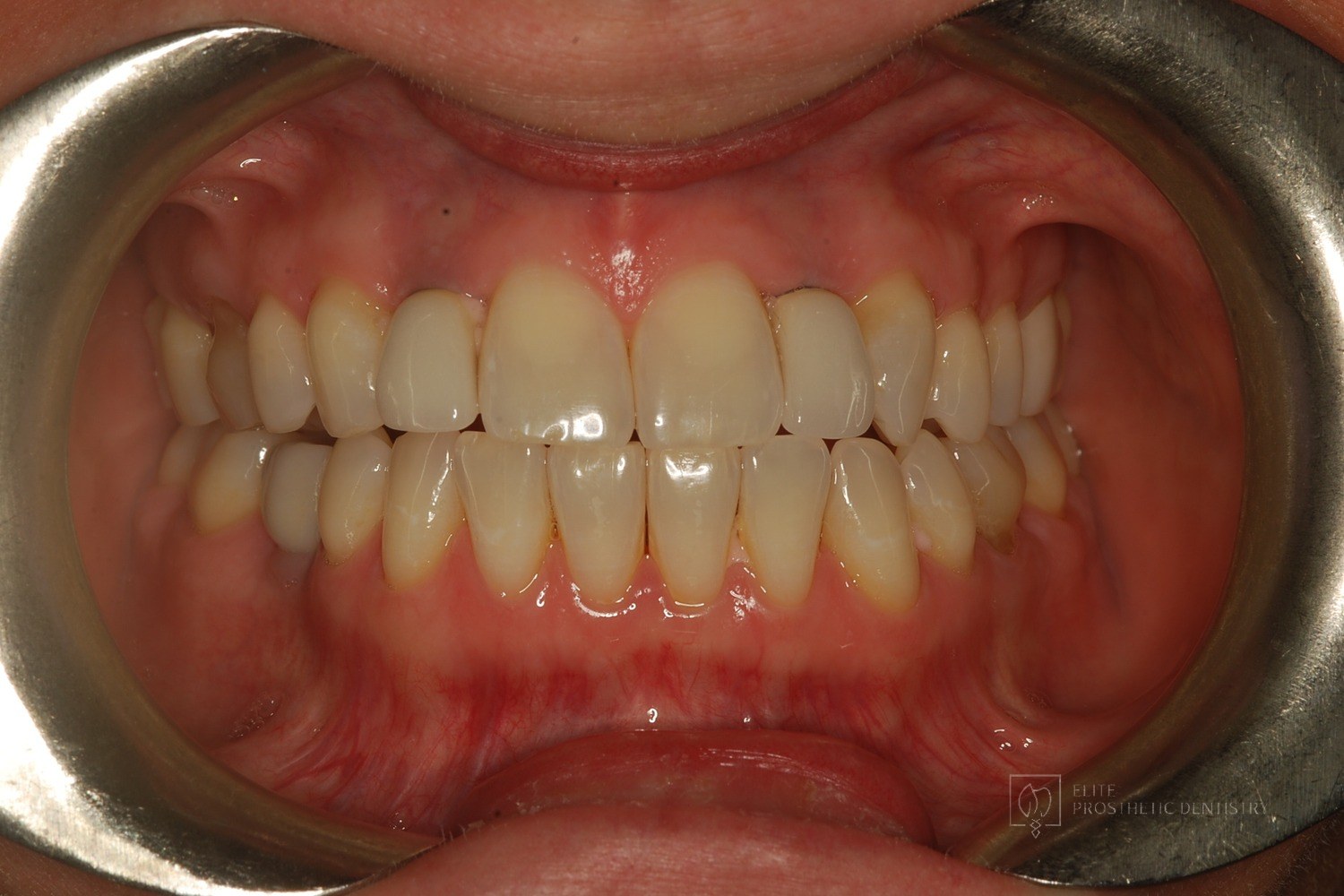
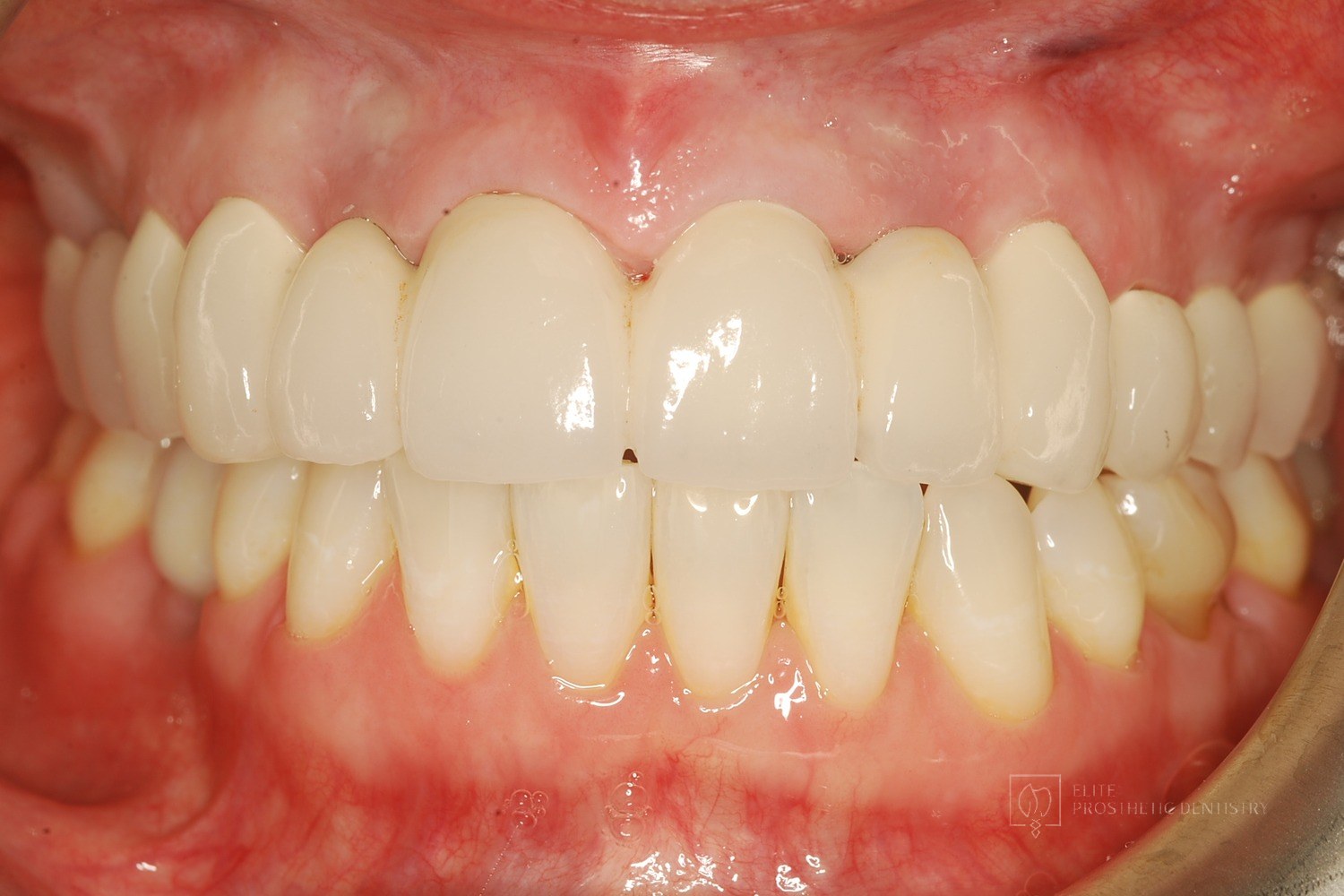
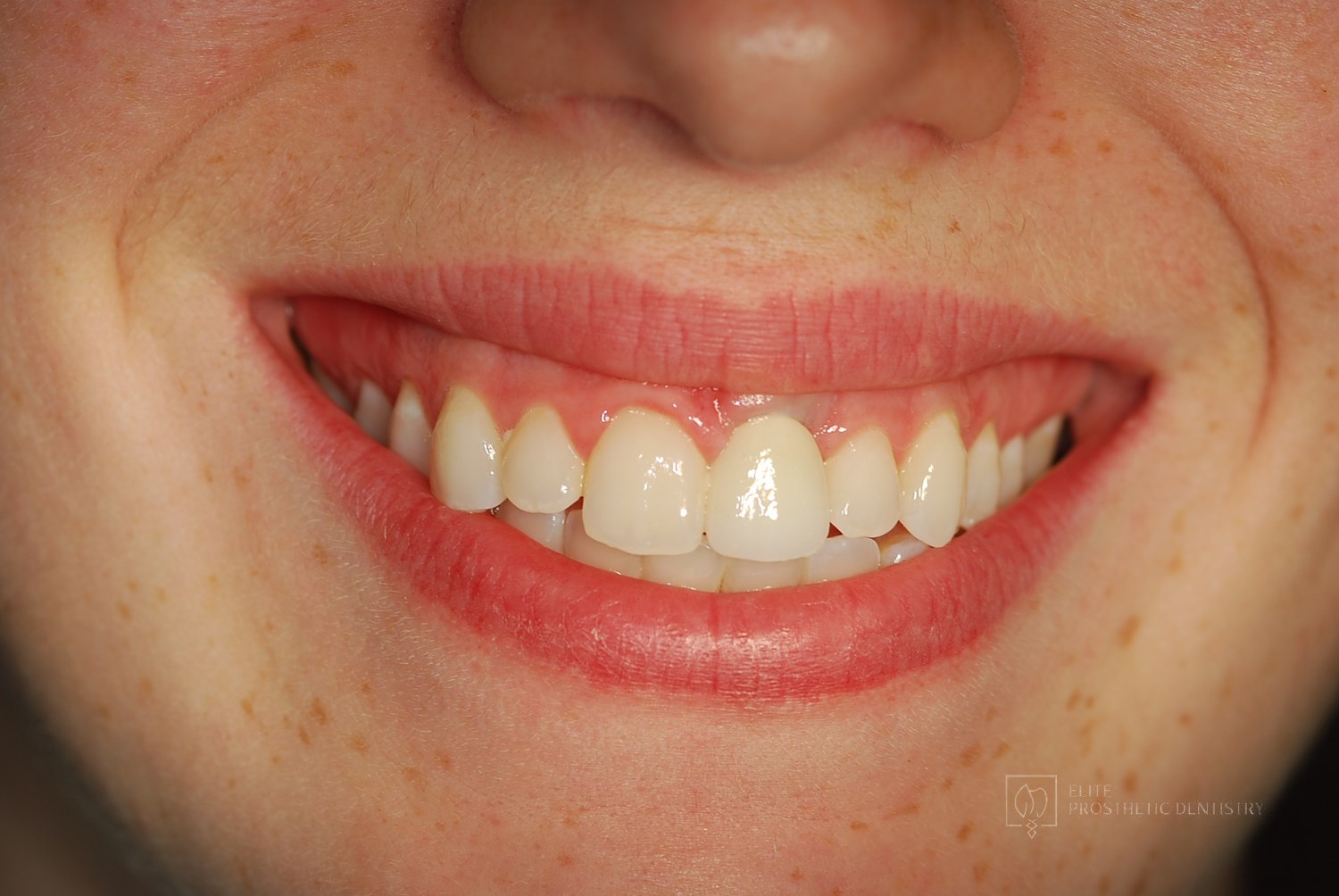
How Older Implant Crowns Were Redesigned for a Better Bite and More Natural Appearance
The patient came in after years of living with implant-supported crowns placed more than twenty years earlier that no longer looked or functioned well. CBCT evaluation, reviewed with a radiologist colleague, showed the implants had been placed too far to the buccal in very thin bone and could not support a healthy long-term restoration.
 Before
 After
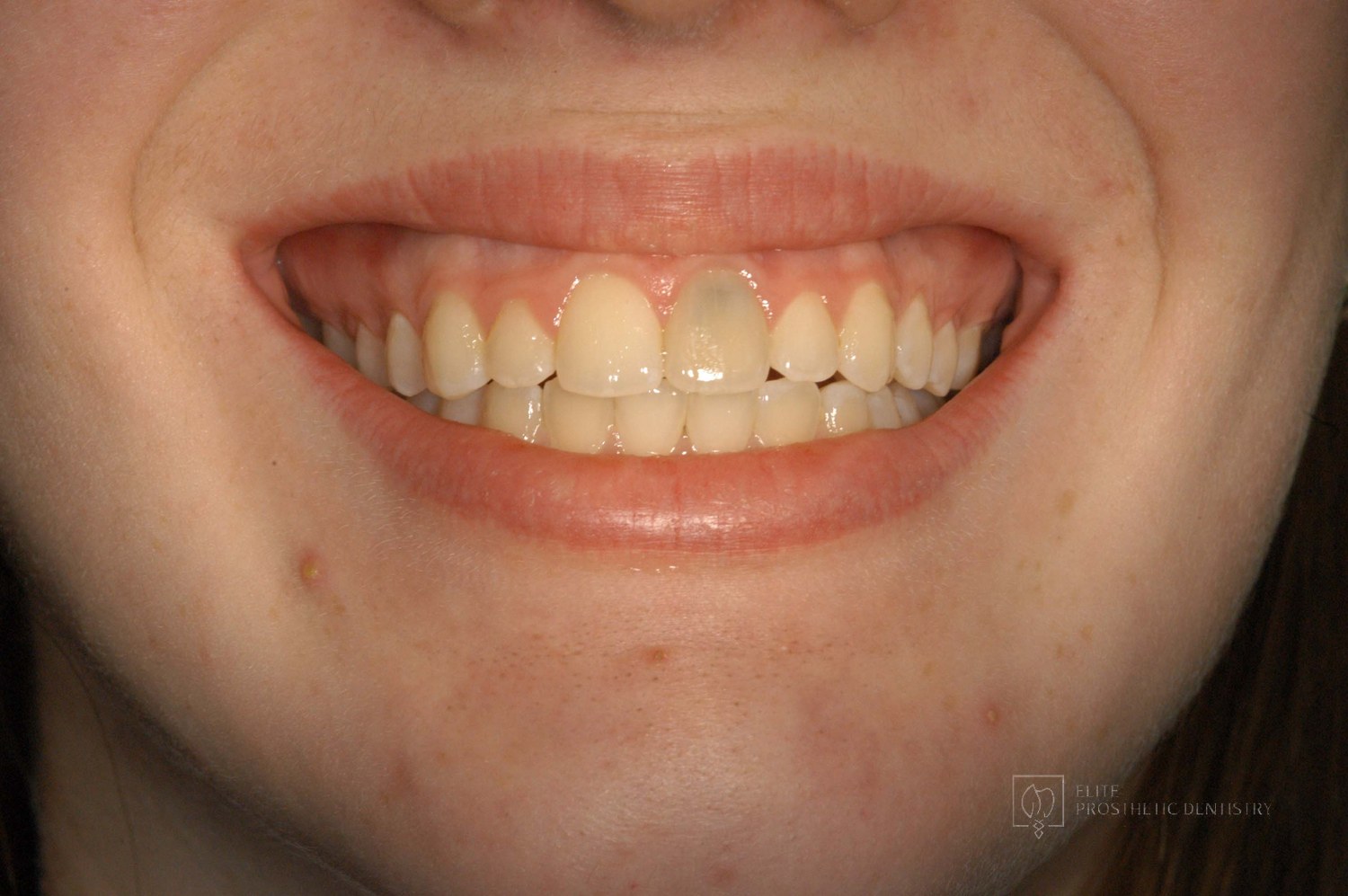
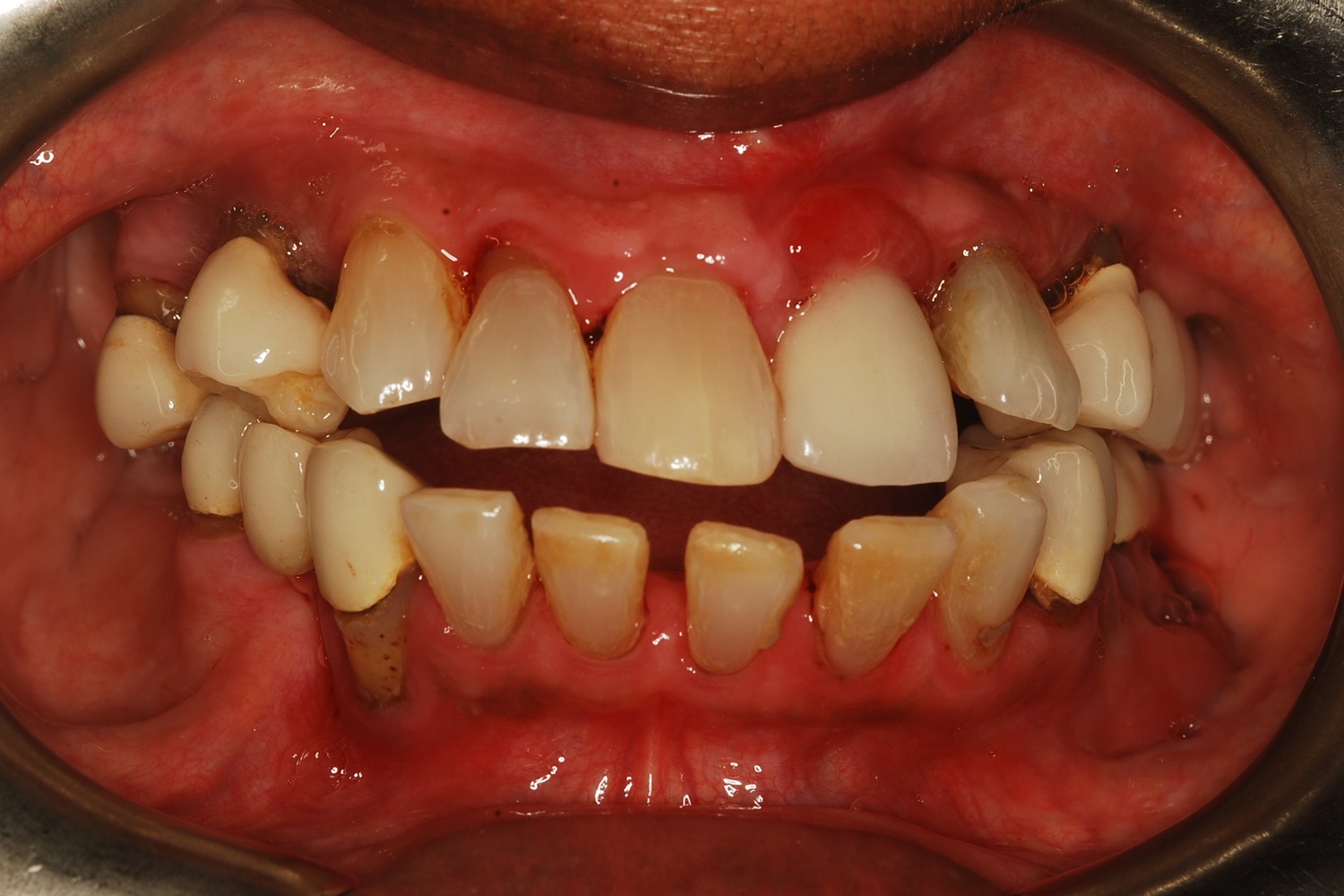
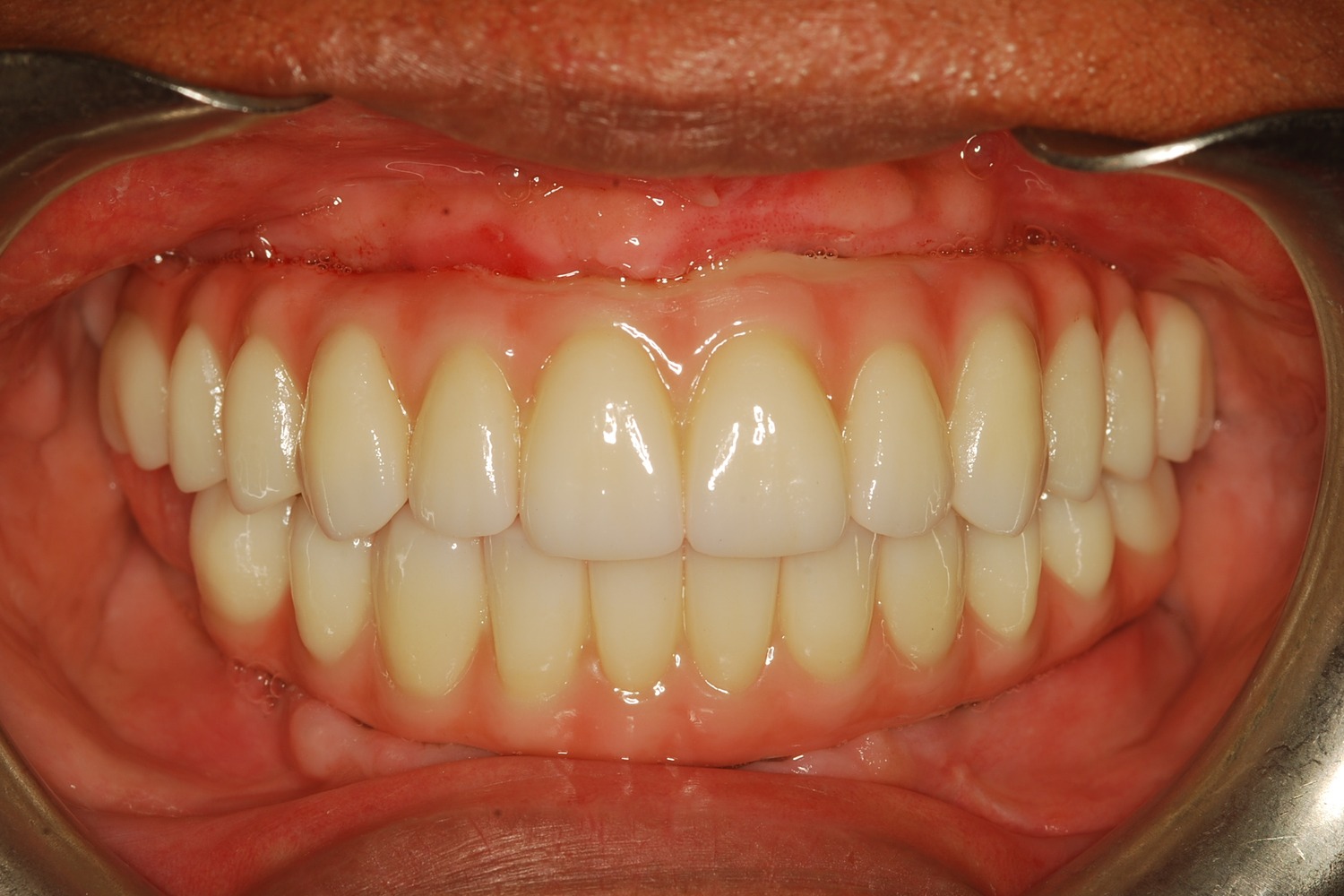
How a Front Tooth Lost to Childhood Trauma Was Rebuilt with Bone Grafting and a Long-Lasting Implant
A teenager was referred by her father after earlier trauma left her upper left front tooth slowly failing from root resorption. She was still growing, so an immediate implant was the wrong move. The tooth had to be maintained to buy time, then replaced correctly once she reached skeletal maturity.
 Before
 After
How Severe Bone Loss and Bite Dysfunction Were Rebuilt with All-on-6 Implants and a Milled Zirconia Hybrid Prosthesis
The patient presented with severe bone loss, advanced periodontal disease, malocclusion, and a dysfunctional bite that required full-arch rebuilding.
Related Articles
Deepen your knowledge with additional insights on this topic.
 Choosing a Prosthodontist
The Patient's Guide to Implant, Cosmetic and Restorative Dentistry
How to judge quality in implant, cosmetic, and restorative dentistry: choosing a practitioner, why the lab matters, financing, and the questions to ask.
 Choosing a Prosthodontist
What is a Prosthodontist?
A prosthodontist is a dental specialist with advanced training in crowns, implants, dentures, and complex restorations. Washington, DC specialist.
 Choosing a Prosthodontist
4 Ways You Can Benefit from Our In-House Dental Lab
Custom aesthetics, precision fit, shorter waits, and fast repairs: four ways an in-house dental laboratory changes both your experience and your results.
 Choosing a Prosthodontist
What Is the Difference Between a Dentist and a Prosthodontist?
Every prosthodontist is a dentist, but with years of extra specialty training in restoring and replacing teeth. A DC prosthodontist explains who does what.
 Choosing a Prosthodontist
Don't Wait 'Til It's Too Late: Start with a Virtual Dental Consultation
A virtual consultation is a convenient first step: discuss your concerns, share records, and hear options from a DC prosthodontist before an in-person exam.
 Choosing a Prosthodontist
Emergency Dentistry: The Benefits of an In-House Laboratory
When a tooth or restoration breaks, an on-site dental lab can mean a natural-looking repair in a day instead of a week. How emergency fabrication works in DC.
Our Services in Potomac
Beyond Choosing a Specialist, Potomac patients rely on Dr. Marlin for a full range of advanced dental care.
More services available in Potomac:
Choosing a Specialist Near Potomac
Dr. Marlin also provides choosing a specialist services for patients in these neighboring communities.
Getting Here from Potomac
Elite Prosthetic Dentistry is conveniently located near Potomac, MD.
Potomac residents drive south on River Road or Falls Road through Bethesda to reach our office at 4400 Jenifer Street NW, Suite 220 in Friendship Heights. Building parking is available.
Address:
4400 Jenifer Street NW, Suite 220
Washington, DC 20015
Phone: (202) 244-2101
Request a ConsultationRequest a Specialist Consultation from Potomac
Potomac residents come to Dr. Marlin for specialist prosthodontic care. With 3,900+ implants placed over 40+ years, evaluation, planning, and execution are handled with the depth complex cases require.