
The Four Types of Dental Implants: Which One Is Right for You?
Dental implants function as artificial tooth roots: a foundation for replacement teeth that look, feel, and work like your own, while preventing the bone loss that follows tooth extraction. But “implant” is a category, not a single device, and as the field has matured, four distinct types have emerged for different anatomical situations.
Here are the four, what each is actually for, and how the right one gets chosen.
Endosteal Implants: The Modern Standard
Endosteal implants, titanium posts shaped like small screws and placed directly into the jawbone, are what nearly everyone means by “dental implant.” They carry the longest clinical track record, the deepest evidence base, and the highest predictability of any type, anchoring everything from a single front tooth to a full arch.
Their one requirement is adequate healthy bone to anchor in. That requirement drives the existence of every other type on this list, and, importantly, it is often solvable directly: bone grafting can rebuild a deficient site so a standard implant becomes possible.
Subperiosteal Implants: The Legacy Workaround
Subperiosteal implants rest on top of the jawbone, beneath the gum tissue, on a custom metal framework. They were developed for patients with severe bone loss in an era with fewer alternatives. Today they are rarely the best answer: grafting techniques and other placement strategies usually offer more predictable long-term results. They persist mostly in specific edge cases, and any recommendation for one deserves a second opinion.
Zygomatic Implants: Anchoring in the Cheekbone
The least common type, zygomatic implants bypass a severely deficient upper jaw entirely by anchoring in the zygoma, the cheekbone. They are a genuine solution for extreme upper-jaw bone loss, and they involve substantially more complex surgery with its own risk profile. For most patients in this situation, the practical question is whether sinus lift and grafting procedures can rebuild the natural site first, reserving zygomatic anchorage for cases where rebuilding truly is not viable.
Mini Implants: A Specific Tool, Not a Shortcut
Mini implants are narrow-diameter endosteal implants. Their legitimate uses are real but narrow: very tight spaces, small teeth, and stabilizing loose dentures. Their limitation is physics: reduced diameter means reduced surface area for bone integration and reduced tolerance for chewing forces, which constrains their durability under full load. Marketed as a cheaper, faster route to implant results, they tend to disappoint; used for what they are, they serve well. Our deeper dive, What Are Mini Dental Implants?, covers the honest math.
How the Right Type Actually Gets Chosen
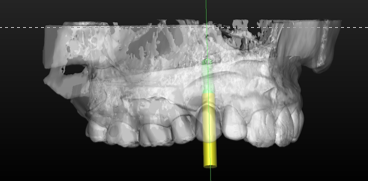
Notice the pattern: three of the four types exist to answer one question, “what if the bone is not there?” Which means the real decision process starts with a three-dimensional look at your bone. Cone beam CT imaging shows exactly what volume and quality exist at each site, and from there the logic is straightforward: use the standard, proven option wherever possible; rebuild the site with grafting when that unlocks it; and reserve the specialized types for the situations they were invented for.
That is a clinical conclusion, not a menu choice, and it benefits from specialist judgment. Dr. Gerald Marlin, a specialty-trained prosthodontist with more than 3,900 dental implants placed over a career of more than 40 years, evaluates your anatomy and walks you through which type your case actually supports, and why. For full-arch situations, the strategy conversation extends to how many implants should carry an arch.
Ready to find out what your bone allows? Call 202-244-2101 or schedule a consultation at Elite Prosthetic Dentistry in Friendship Heights, Washington, DC.
See How We Resolve These Problems
Our patient success stories show real cases and real results. Browse outcomes from a specialist prosthodontist with decades of experience and 3,900+ implants placed.
Key Takeaways
- ✓ The four implant types are endosteal (in the jawbone), subperiosteal (on the bone under the gum), zygomatic (anchored in the cheekbone), and mini implants.
- ✓ Endosteal titanium implants are the modern standard, with the longest track record and the strongest evidence.
- ✓ The alternatives exist mainly to solve bone-deficiency problems, and bone grafting often lets patients qualify for the standard option instead.
- ✓ Mini implants have narrow legitimate uses and meaningful limitations. They are not a shortcut to full-size results.
- ✓ The right type is a clinical conclusion drawn from 3D imaging of your bone, not a menu choice.
Frequently Asked Questions
What are the four types of dental implants?
Endosteal implants, titanium posts placed directly in the jawbone, are the modern standard. Subperiosteal implants rest on top of the bone beneath the gum, a legacy approach for severe bone loss. Zygomatic implants anchor in the cheekbone when the upper jaw lacks bone. Mini implants are narrow-diameter versions used in tight spaces or to stabilize dentures.
Which type of implant is best?
For the overwhelming majority of patients, endosteal titanium implants: they have decades of evidence, the highest predictability, and the best long-term performance. The other types are situational answers to bone problems, and modern grafting often makes the standard option available instead.
What if I have been told I lack the bone for regular implants?
Get a specialist evaluation before accepting an alternative implant type. Bone grafting and sinus lift procedures can rebuild deficient sites so standard implants become possible, which usually produces a more predictable long-term result than working around the deficiency.
Are mini dental implants as good as regular ones?
No, and they are not meant to be. Their reduced diameter limits the forces they can carry and their long-term durability under full chewing loads. They have legitimate roles, small spaces and denture stabilization among them, but they are a specific tool, not a discount version of standard treatment.
Related Patient Success Stories
Explore similar patient success stories demonstrating our expertise in advanced prosthetic dentistry.
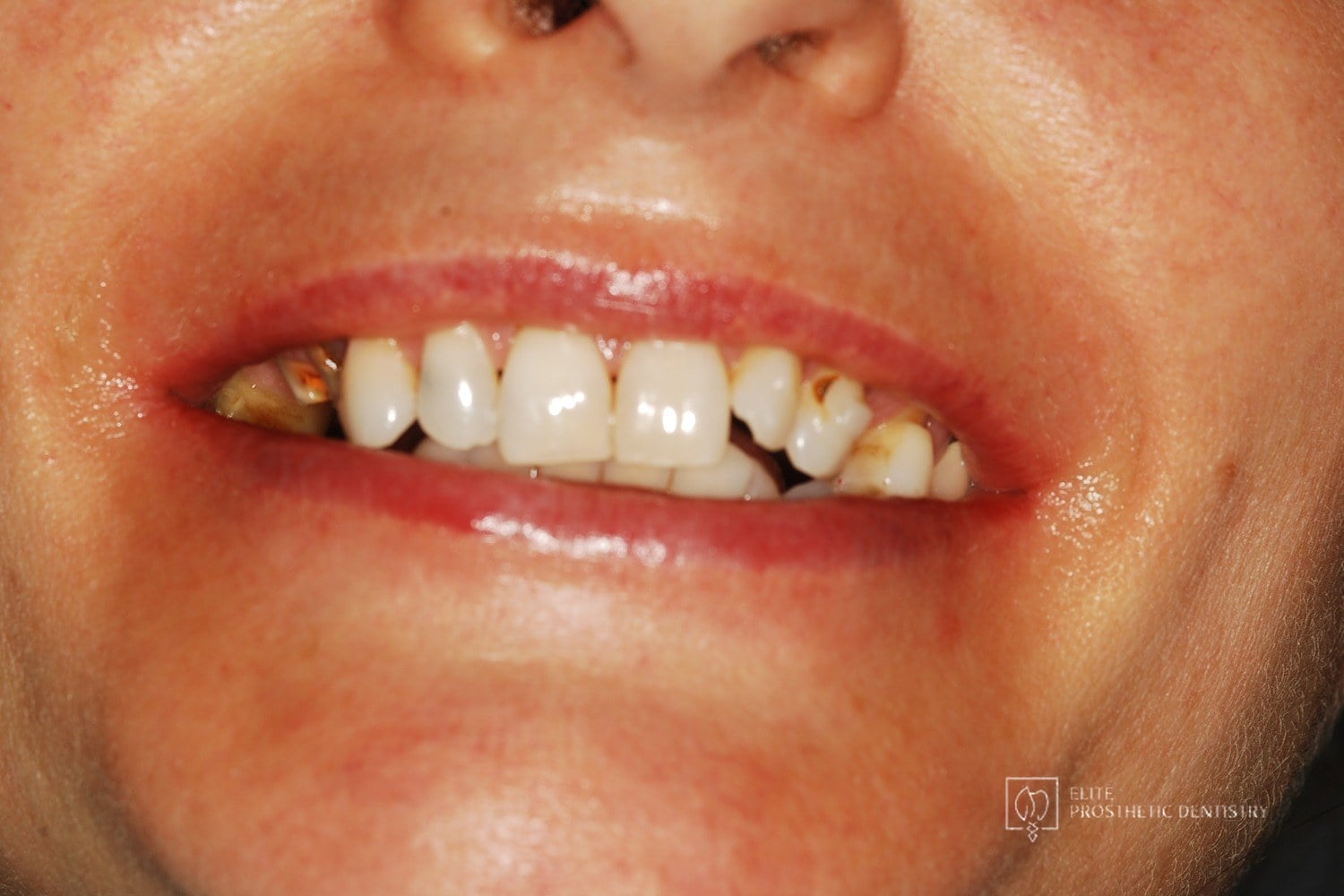 Before
 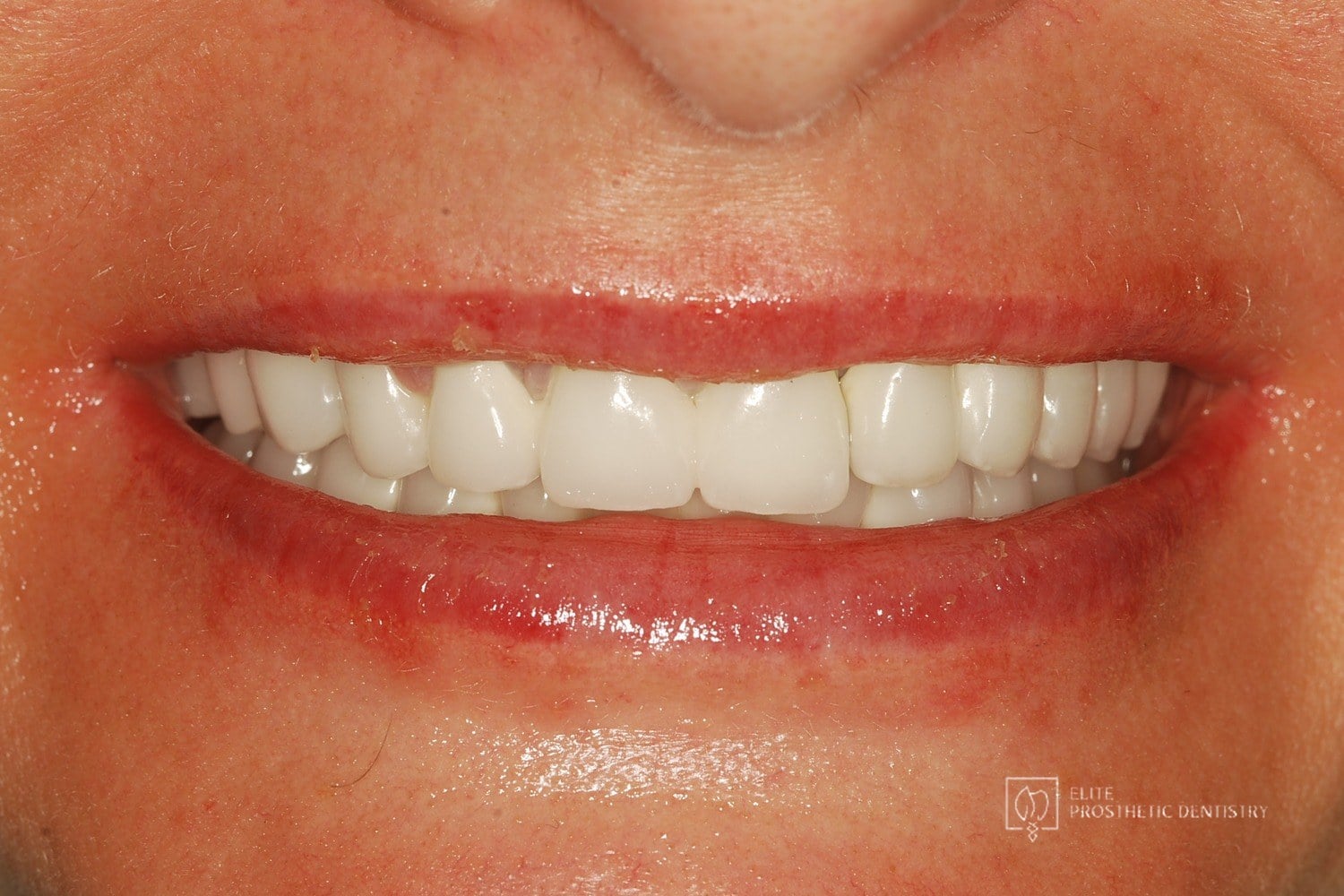 After
After How Aging, Failing Dentistry Was Replaced with a Coordinated Full-Mouth Implant and Crown Reconstruction
The patient presented with throbbing upper-molar pain, long-standing infections, multiple root canals and unfinished prior treatment, generalized sensitivity, and several hopeless teeth.
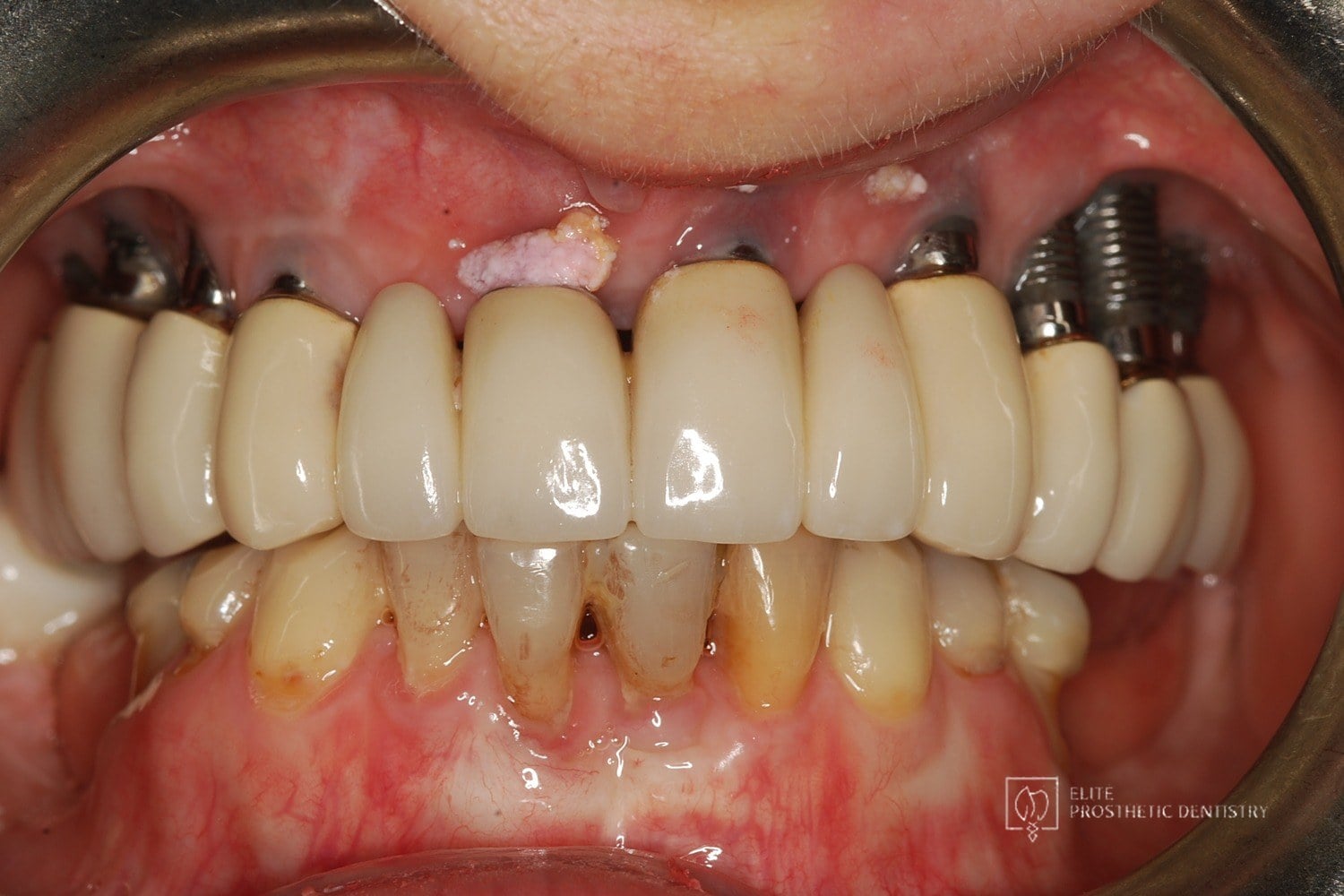 Before
 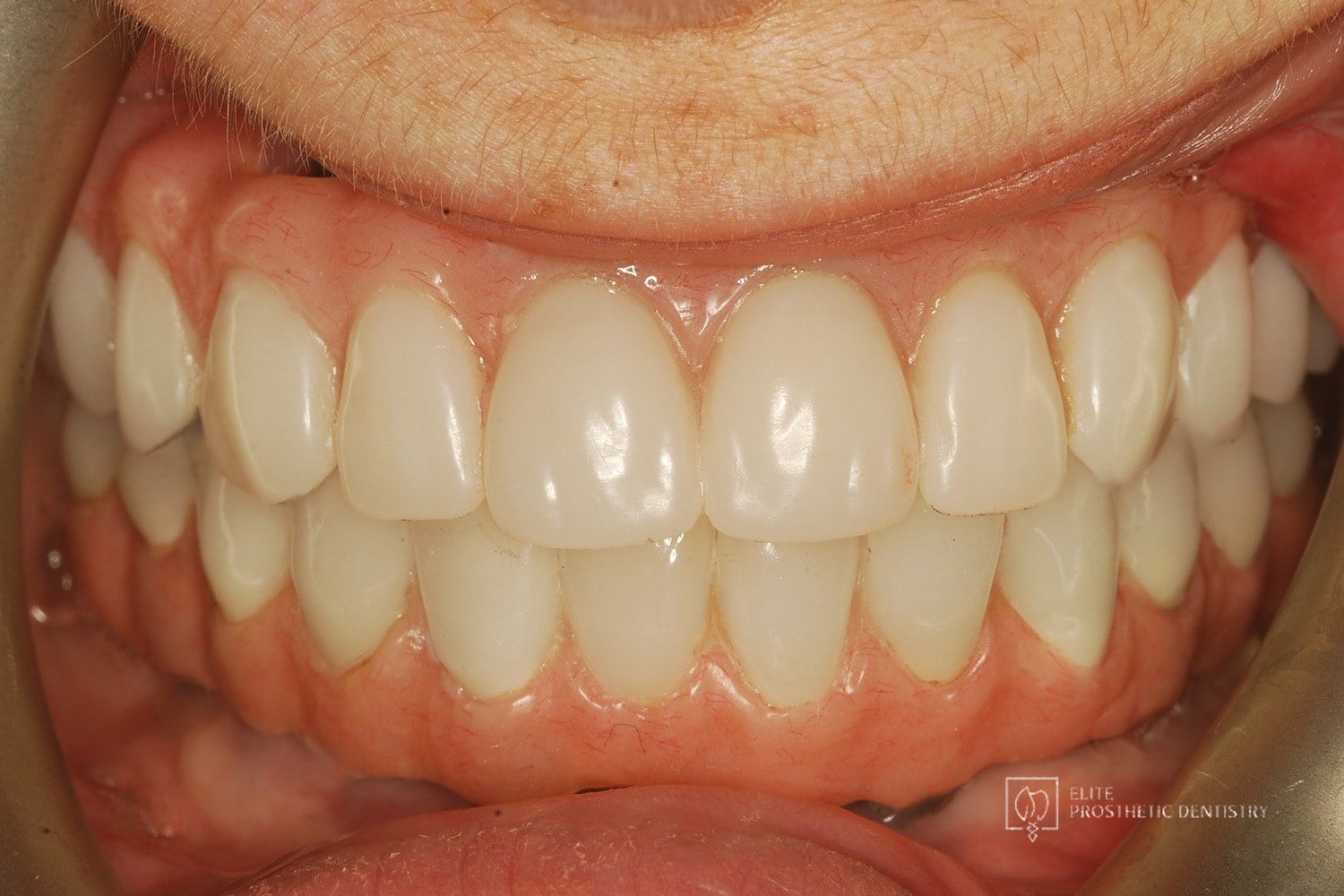 After
After How Failing Implants and Severe Bone Loss Were Rebuilt Into a Stable Full-Arch Implant Reconstruction
The patient presented with significant complications from previously placed implants, severe bone loss, failing posterior implants, and an unesthetic full-arch bridge. Both arches required full reconstruction, with the upper arch showing the most advanced bone loss and instability.
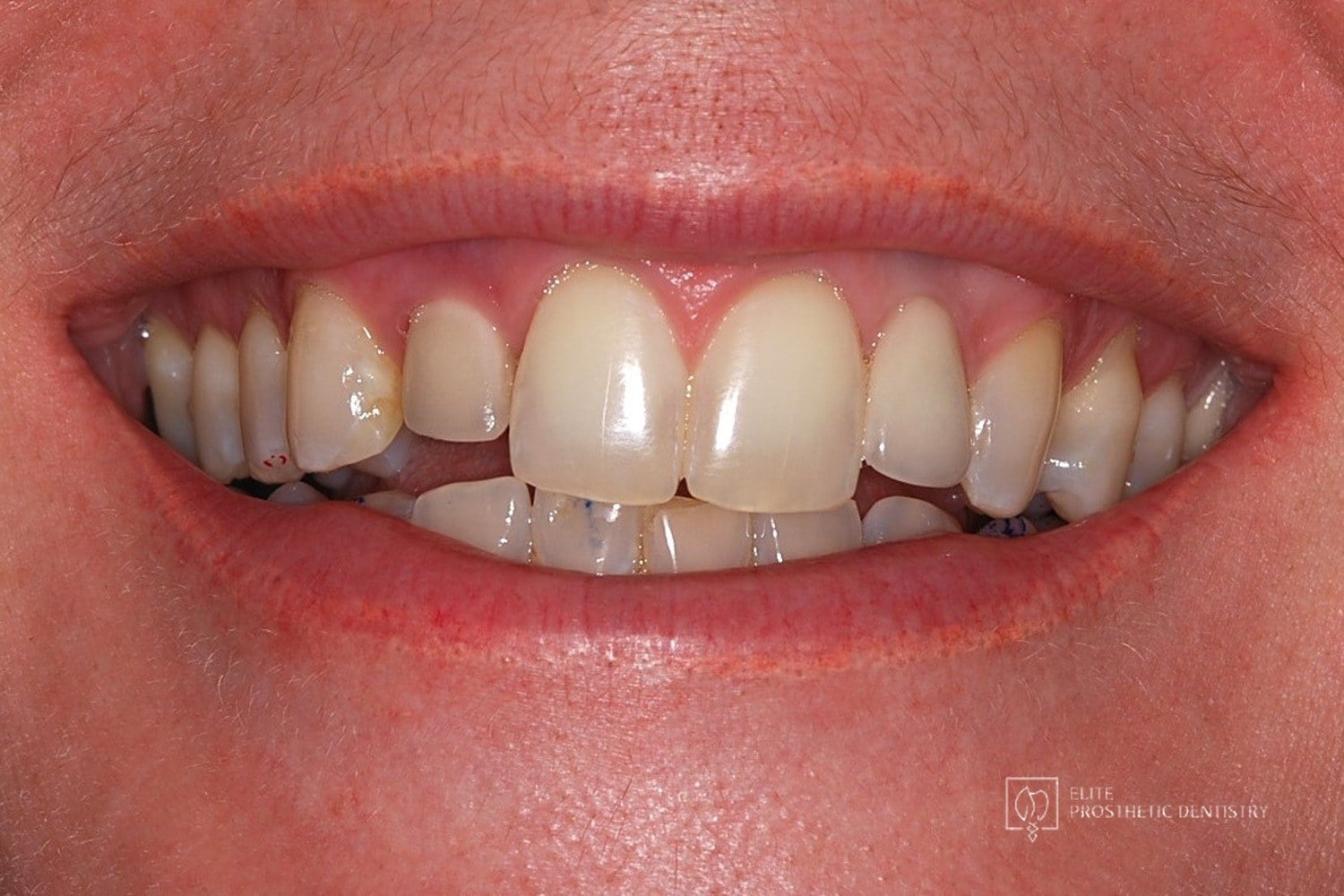 Before
 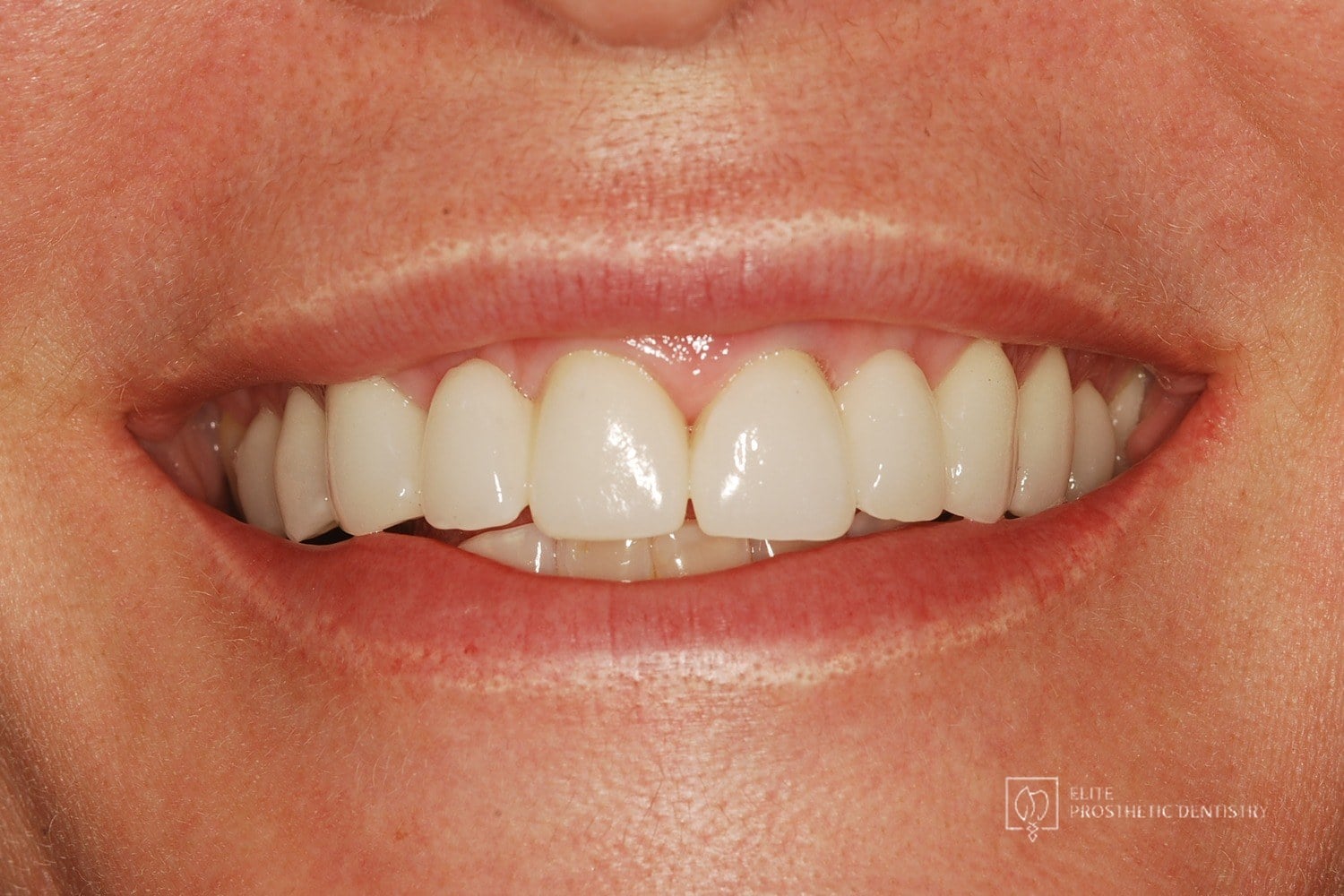 After
After How Failing Lateral Incisor Implants Were Replaced with Custom Zirconia Bridges After Severe Bone Loss Made Replacement Implants Impossible
Comprehensive examination including CBCT imaging revealed significant bone loss surrounding implants that were placed outside the buccal plate, most likely due to placement without a CBCT-generated surgical guide. The implants were determined non-salvageable, and the alveolar ridge was too narrow to support replacement implants without extensive reconstruction.
Related Articles
Deepen your knowledge with additional insights on this topic.
 Dental Implants
 If a Single Front Tooth Is Replaced with an Implant, Can It Look Natural?
Yes. See the four steps, with real case photos, that make a single front tooth implant indistinguishable from the natural tooth beside it. Washington, DC.
 Dental Implants
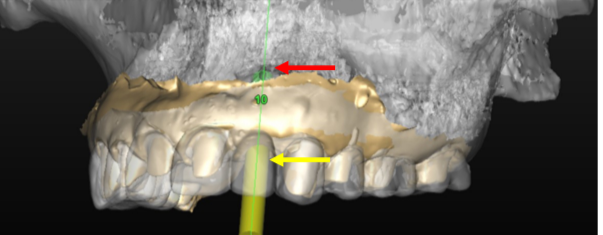
 What Is Precision Implant Placement (PIP)?
Precision Implant Placement plans each implant virtually on a CBCT scan, then delivers it with a custom surgical guide. See the three steps with real images.
 Dental Implants
 What Is the Ideal Surgical Guide for Precision Implant Placement?
Not all surgical guides are equal. The gold standard is CBCT-based: planned virtually in 3D, 3D printed, and seated on your teeth. A DC prosthodontist explains.