
Am I a Candidate for All-on-X? | Full-Arch Implant Candidacy
Most patients with significant tooth loss qualify for All-on-X with appropriate planning. Bone availability, health status, and lifestyle factors are evaluated during the consultation. Few medical conditions are absolute disqualifiers when timing and coordination are managed properly.
3,900+
Implants Placed
97%+
Success at 20+ Yrs
40+
Years in Practice
9
U.S. Patents
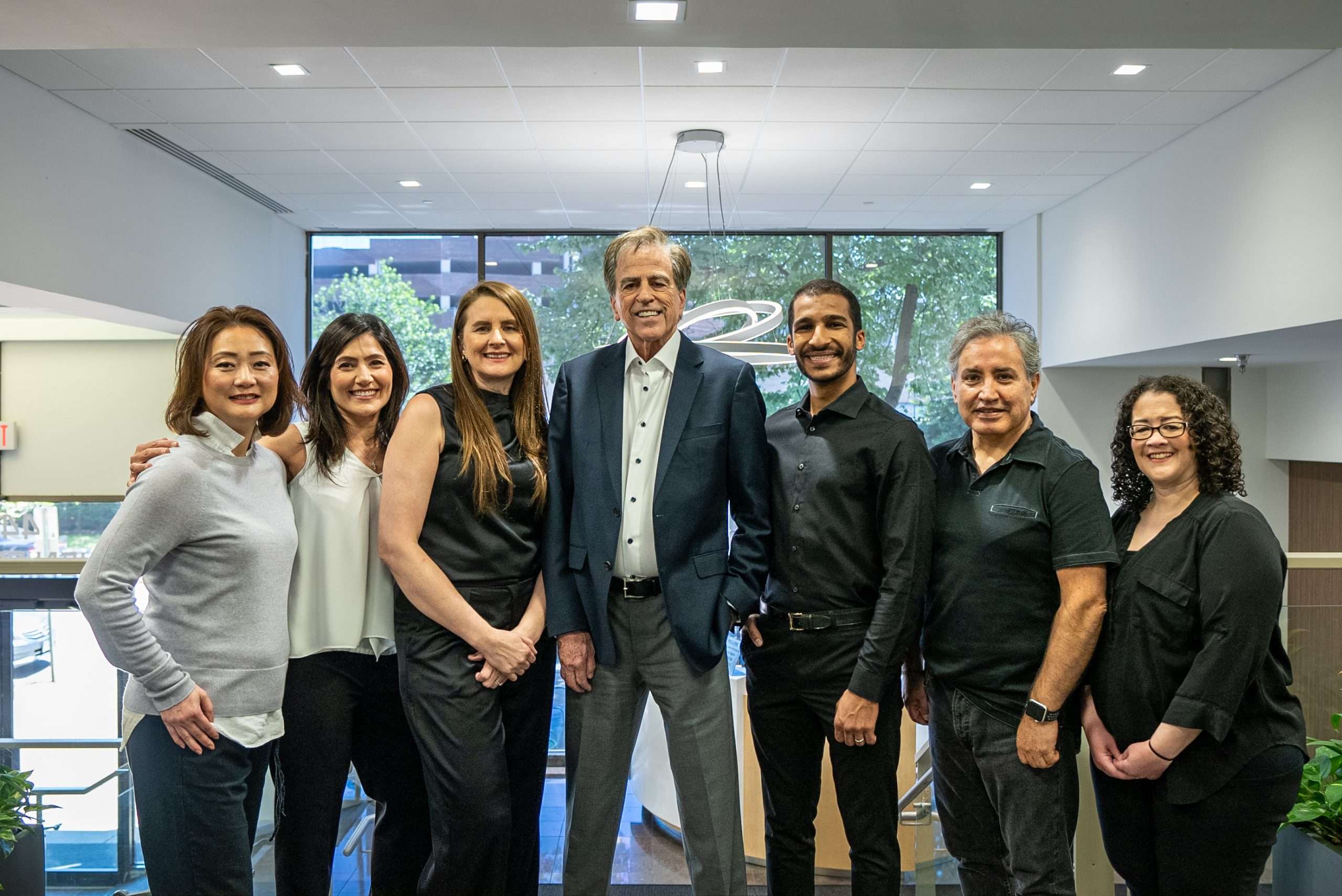
Gerald M. Marlin, DMD, MSD
Specialty-Trained Prosthodontist (DMD, MSD)
- Washingtonian "Top Dentist" 2026 and Hall of Fame
- Surgical and restorative care planned together, in one practice
- In-house dental laboratory since 1985
Or call (202) 244-2101
Full-arch implant treatment is appropriate for a wider range of patients than many people realize. Severe tooth loss, failing dentition, long-time denture wear, posterior bone loss, and many medical conditions that historically were considered contraindications are now manageable with appropriate planning and preparatory work.
This page walks through the major candidacy factors so patients can understand whether All-on-X is likely to be a viable option for their situation. The definitive answer always comes from a clinical exam, CBCT 3D imaging, and a planning consultation. The information below is general guidance.
Request a Candidacy Evaluation Call (202) 244-2101
The Patient Situations That Typically Indicate All-on-X
Full-arch implant treatment is typically appropriate for one of the following situations:
Missing Most or All Teeth in One or Both Arches
Patients who have already lost most or all of the teeth in one or both arches and are currently using removable dentures or planning for the loss of remaining teeth are the core All-on-X population. The treatment converts a removable, less stable situation into a fixed, stable, long-term solution.
Failing Teeth That Cannot Be Reliably Restored
Patients whose remaining teeth have a poor long-term prognosis (severe periodontal disease, multiple endodontic failures, extensive decay, fractured tooth roots) frequently benefit from extracting the failing teeth and replacing the arch with implant-supported teeth rather than continuing to invest in restorations on compromised structures.
Long-Time Denture Wearers Wanting a Fixed Solution
Patients who have worn traditional removable dentures for years and are frustrated by movement, ill-fit, dietary limitations, or the daily removal-and-cleaning routine are excellent candidates for the fixed solution that All-on-X provides.
Patients Comparing Treatment Plans From Other Providers
Patients who have received a full-arch treatment plan from another practice (often a corporate chain) and want a specialist evaluation before committing are a meaningful portion of Elite Prosthetic Dentistry’s All-on-X population. Second opinions clarify whether the proposed treatment is appropriate, whether the protocol is the right choice, and whether the cost is in line with the case complexity.
Bone: The Single Biggest Clinical Factor
Bone availability is the primary clinical factor in All-on-X candidacy. The good news for most patients: even significant bone loss can typically be managed.
Adequate Bone Throughout the Arch
The straightforward candidates have adequate bone height, width, and density across the arch. These patients are typically candidates for All-on-6 or larger implant counts, with placement that does not require tilted geometry or extensive grafting.
Posterior Bone Loss, Adequate Anterior Bone
Many patients who have been missing posterior teeth for years have significant resorption in the back of the jaw but adequate bone in the front. The All-on-4 protocol is specifically designed for this situation. The tilted posterior implants take advantage of dense anterior bone, avoiding the resorbed posterior areas. Most patients in this category can be treated with All-on-4 without bone grafting.
Severe Bone Loss
Patients with severe bone loss throughout the arch are still typically candidates for All-on-X, but preparatory work is often required:
- Bone grafting to rebuild lost bone volume.
- Sinus augmentation for upper jaw cases where the sinus has expanded into the implant zone.
- Ridge augmentation for cases where both height and width need restoration.
Preparatory work adds three to six months to the treatment timeline but expands the universe of patients who can receive fixed full-arch implants.
Zygomatic Implants for Very Severe Bone Loss
In rare cases of very severe upper jaw bone loss where conventional grafting is impractical, zygomatic implants (longer implants anchored in the cheekbone) can be considered. This is a specialized approach for select cases.
Health and Medical Considerations
Conditions That Require Coordination but Usually Allow Treatment
- Controlled diabetes. Patients with well-controlled blood sugar typically heal normally. Tight glycemic control during the healing period is essential.
- Cardiovascular conditions. Most are manageable with appropriate coordination with the patient’s cardiologist. Anticoagulant management may require adjustment around surgery.
- Hypertension. Should be well controlled before surgery. Most patients on stable antihypertensive medication can proceed.
- History of cancer (in remission). Generally not a contraindication, though specific cases require evaluation.
- Osteoporosis (without bisphosphonate treatment). Generally not a contraindication.
Conditions That Require Careful Evaluation
- Bisphosphonate or related bone-density medications. Risk of medication-related osteonecrosis of the jaw. The risk depends on the specific medication, dose, duration, and route of administration. Many patients on these medications can still receive implants with appropriate evaluation and planning.
- Uncontrolled diabetes. Significantly increases implant failure risk. Treatment is typically deferred until glycemic control is improved.
- Active cancer treatment. Treatment is usually deferred until the active treatment phase is complete.
- Recent head and neck radiation. Specific protocols and timing considerations apply.
- Immune suppression. Depends on cause and severity.
- Active periodontal disease. Should be controlled before or as part of the implant treatment plan.
Conditions That Are Generally Not Disqualifying
- Age (even into the 80s and beyond for healthy patients).
- Stable autoimmune conditions.
- Most managed chronic conditions.
- Most prescription medications.
A complete medical history review is part of the planning consultation. In rare cases, medical clearance from the patient’s physician is requested before surgery.
Lifestyle Factors
Smoking
Smoking is the single biggest patient-controlled risk factor for implant complications. Nicotine impairs healing, increases the risk of implant failure, and accelerates long-term bone loss around implants. Patients are strongly advised to:
- Stop smoking for at least 10 days before and after surgery as a minimum.
- Reduce or quit smoking long-term for best implant outcomes.
Implants can still be placed in patients who smoke, but the failure rate is meaningfully higher and the patient should understand that before deciding.
Alcohol and Substance Use
Heavy alcohol use impairs healing and interferes with medications. Patients are advised to abstain for the immediate post-surgical period and limit chronic heavy use.
Bruxism (Clenching and Grinding)
Severe bruxism increases load on implants and the prosthesis, accelerating wear and increasing the risk of mechanical complications. Patients with significant bruxism are generally still candidates but may benefit from:
- Larger numbers of implants (All-on-6 over All-on-4).
- More durable prosthesis materials (zirconia over acrylic-hybrid, reviewed on the material comparison page).
- A protective nightguard.
Oral Hygiene Habits
Patients with a history of neglected oral hygiene have higher rates of long-term peri-implantitis (gum disease around implants). Improving home care habits is part of the long-term success plan.
Age Considerations
Age alone is not a disqualifier for All-on-X. The relevant questions are:
- Is the patient healthy enough to tolerate the surgical procedure?
- Does the patient have realistic expectations and the ability to follow the post-operative protocol?
- Is the long-term lifespan of the prosthesis a meaningful factor in the cost-benefit analysis?
Many Elite Prosthetic Dentistry full-arch patients are in their 60s, 70s, and 80s. For these patients, the lifetime cost of continued dental work on failing teeth, repeated denture relines, and progressive bone loss typically exceeds the cost of one well-planned full-arch case.
Younger patients (in their 30s and 40s) require even more careful planning because they will live with the prosthesis for many decades. Material durability and long-term maintenance planning matter more for younger patients.
What the Candidacy Evaluation Looks Like
The candidacy evaluation at Elite Prosthetic Dentistry typically includes:
- Comprehensive clinical exam. Existing teeth, gums, soft tissues, occlusion, TMJ.
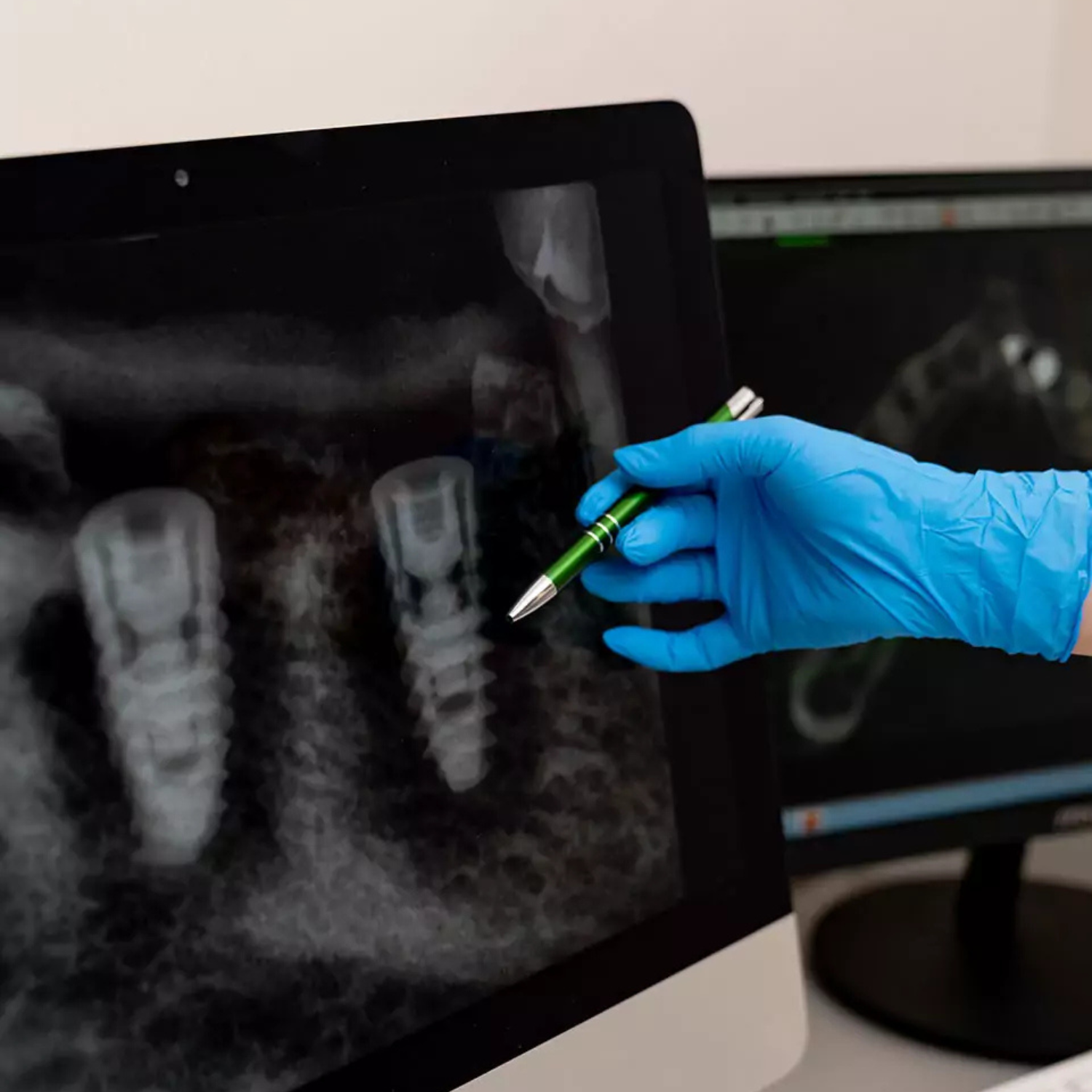
- CBCT 3D imaging. Every implant case at Elite Prosthetic Dentistry, from a single implant through full-mouth reconstruction, is planned on a CBCT (cone beam CT) scan. The scan shows bone volume and density, nerve and sinus anatomy, the space available for the restoration, and where the implant must sit to support the planned final tooth.
- Photographic documentation. For planning and comparison.
- Medical and dental history review. Including current medications and prior treatments.
- Discussion of goals, concerns, and constraints.
- Treatment options review. Including All-on-4, All-on-6, customized All-on-X, and alternatives (such as implant overdentures or staged treatment).
- Written treatment plan with itemized estimates if the patient decides to proceed.
The evaluation typically requires one to two visits depending on case complexity. The patient leaves with clear information about whether they are a candidate, which protocol is recommended, what preparatory work (if any) is needed, what the total timeline looks like, and what the case will cost.
When All-on-X Is Not the Right Answer
Some patients who consider All-on-X are better served by different treatments:
- Patients with a few salvageable teeth. Selective extraction and partial implant treatment may preserve healthy teeth while replacing failing ones, avoiding full-arch removal.
- Patients with budgetary constraints. Implant-supported overdentures (using fewer implants to retain a removable prosthesis) provide many of the benefits of full-arch implants at lower cost.
- Patients with severe medical contraindications. May need to defer implant treatment or pursue alternative restorative paths.
- Patients with unrealistic expectations. Full-arch implants are excellent restorations but they are not natural teeth. Patients who expect identical sensation, function, or feel may benefit from more thorough pre-treatment education before committing.
The output of the candidacy evaluation is not always “yes.” Sometimes the answer is “yes, with these modifications,” and sometimes the answer is “this alternative would serve you better.” Honest evaluation is part of specialist care.
Ready to Discuss Your Treatment Options With a Specialist?
Frequently Asked Questions
Am I too old for All-on-X dental implants?
Age alone is not a disqualifier. Many All-on-X patients are in their 70s and 80s. The clinical questions are health status, bone availability, and the patient's ability to tolerate the surgical procedure. Healthy patients of any adult age can typically receive full-arch implants if other criteria are met.
Can I get All-on-X if I have bone loss?
In most cases, yes. The All-on-4 protocol specifically uses tilted posterior implants to take advantage of dense anterior bone, often eliminating the need for grafting. Patients with more severe bone loss may need bone grafting, sinus augmentation, or ridge augmentation before placement, all of which are performed within the practice.
What medical conditions disqualify me from All-on-X?
Few medical conditions are absolute disqualifiers. Uncontrolled diabetes, active cancer treatment, recent radiation to the jaw, certain bone-density medications, and severe immune suppression require careful evaluation. Many patients with these conditions can still receive implants with appropriate medical coordination and timing.
Will my insurance cover All-on-X?
Most dental insurance plans cover only a fraction of full-arch case cost due to annual maximums. Coverage details are reviewed during planning, and financing options are available. Medical insurance occasionally applies when there is a qualifying medical basis (trauma, cancer treatment, congenital conditions). See the [implant insurance and financing page](/dental-implants/insurance/) for details.
How do I know if I should choose All-on-4, All-on-6, or something different?
The decision is made during the planning consultation based on bone availability, bite forces, aesthetic goals, and budget. A direct comparison is on the [All-on-4 vs. All-on-6 page](/all-on-4-vs-all-on-6/). Some patients are better served by a customized implant count.
Conveniently Located in Friendship Heights
Serving Washington DC, Bethesda, Chevy Chase, McLean, Great Falls, Potomac, and surrounding communities. One block from the Friendship Heights Metro on the Red Line.
Request Your Specialist Consultation
Personally reviewed by Dr. Marlin or his team.
Hours
- Monday — Thursday8:00 AM — 5:00 PM
- Friday8:00 AM — 2:00 PM
- Saturday — SundayClosed
All-on-4® and All-on-6® are registered trademarks of their respective owners and are referenced here for descriptive purposes only. Elite Prosthetic Dentistry is not affiliated with, endorsed by, or sponsored by the trademark holders.