
Dental Implants vs. Bridges | Which Is the Better Long-Term Choice?
For most patients missing a tooth, an implant is the better long-term decision than a traditional fixed bridge. The implant preserves the adjacent teeth, stimulates the underlying bone, and typically lasts decades. Bridges still have a role in specific clinical situations.
3,900+
Implants Placed
97%+
Success at 20+ Yrs
35+
Yrs Documented Crown Service
9
U.S. Patents

Gerald M. Marlin, DMD, MSD
Specialty-Trained Prosthodontist (DMD, MSD)
- Washingtonian "Top Dentist" 2026 and Hall of Fame
- Surgical and restorative care planned together, in one practice
- In-house dental laboratory since 1985
Or call (202) 244-2101
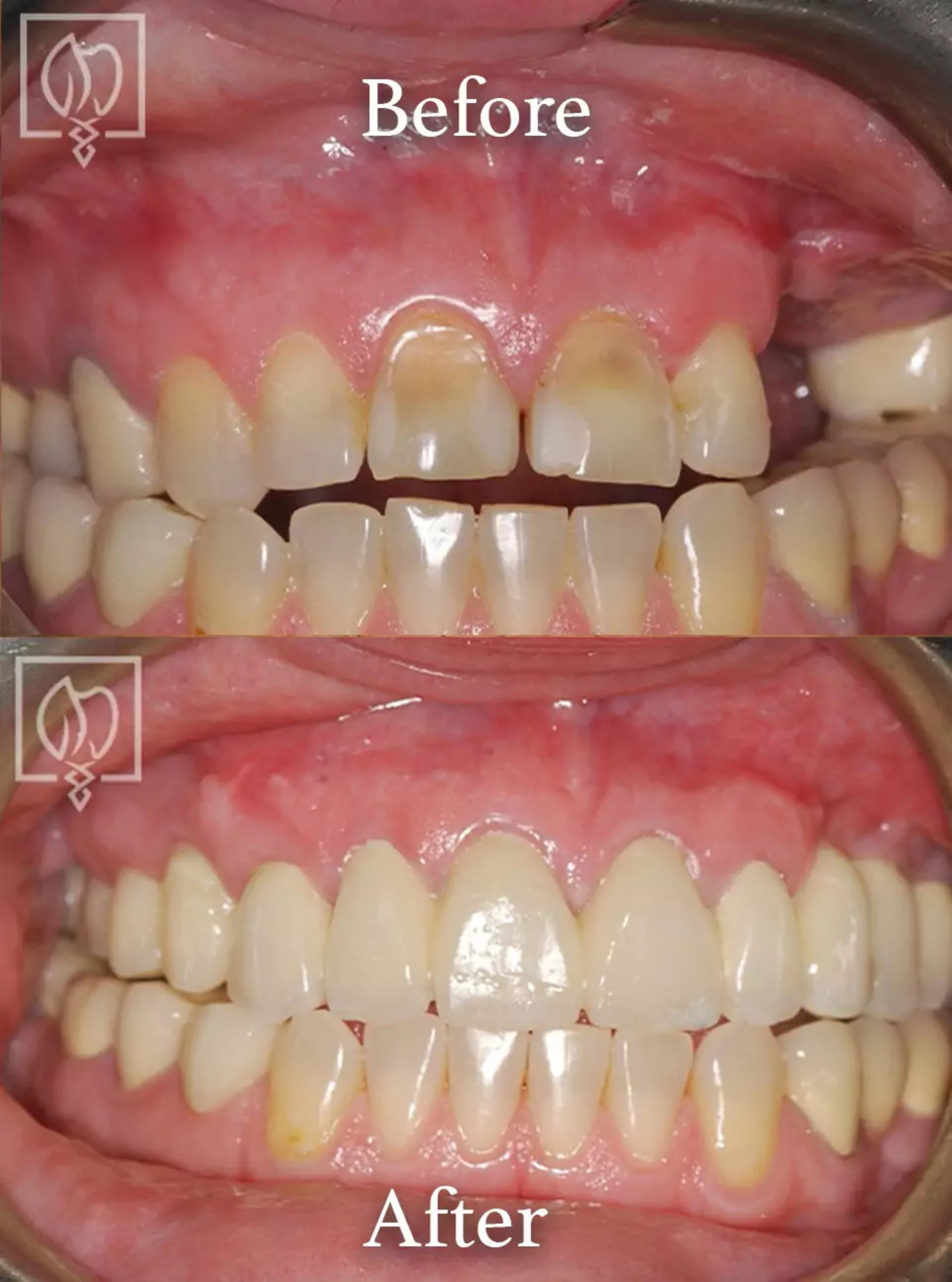
For patients missing one or more teeth, two replacement options dominate the conversation: a dental implant or a traditional fixed bridge. Both restore appearance and chewing function. Both have a long history in dentistry. They are, however, structurally different solutions with different long-term consequences.
This page is a direct, criterion-by-criterion comparison written from the perspective of a specialty-trained prosthodontist. The goal is clarity, not a sales pitch. There are still cases where a bridge is the right answer, and they are documented here. In the majority of cases, however, an implant is the better long-term decision for the reasons that follow.
Request a Specialist Consultation Call (202) 244-2101
Quick Reference: Implant vs. Bridge
| Criterion | Dental Implant | Traditional Fixed Bridge |
|---|---|---|
| Adjacent teeth affected | No, untouched | Yes, ground down for crowns |
| Bone preservation | Yes, implant stimulates bone | No, bone resorbs in gap area |
| Typical lifespan | Decades, often lifetime | 10 to 15 years |
| Upfront cost | Higher | Lower |
| 20-year cost | Often lower (no replacement) | Often higher (replacements) |
| Aesthetic predictability | Excellent in trained hands | Good initially, can decline with bone loss |
| Gum line appearance over time | Stable | Can recede, creating dark margins |
| Risk to other teeth | None | Adjacent teeth become more vulnerable |
| Treatment timeline | 4 to 6 months | 2 to 3 weeks |
| Hygiene complexity | Same as natural teeth | Requires floss threading under the pontic |
How Each Option Actually Works
How a Dental Implant Works
A dental implant is a biocompatible titanium post surgically placed into the jawbone, replacing the missing tooth root. Over three to six months, the implant fuses with the surrounding bone through a biological process called osseointegration. Once integrated, the implant is structurally part of the jaw. A custom abutment is attached, and a custom crown is placed on top, restoring the visible tooth.
The implant stands independently. The teeth on either side of the missing tooth are not touched.
How a Traditional Bridge Works
A traditional fixed bridge spans the gap of a missing tooth using two adjacent teeth as supports. The two supporting teeth (called abutments) are ground down to a smaller shape that can be capped with crowns. A false tooth (called a pontic) is suspended between the two crowns. The entire three-unit (or longer) bridge is cemented in place.
The bridge depends entirely on the long-term health of the two supporting teeth. If either supporting tooth develops a problem, the entire bridge typically has to come off.
What Happens to the Adjacent Teeth
The single biggest difference between an implant and a bridge is what happens to the teeth on either side of the missing tooth.
With an implant: Nothing. The adjacent teeth are untouched and continue to function as before. If they were healthy before, they remain healthy. If they were unrestored, they stay unrestored.
With a bridge: Both adjacent teeth are permanently and irreversibly altered. Enamel is removed, and the teeth are now under crowns. Once enamel is removed, it cannot be replaced. The supporting teeth are now more susceptible to:
- Decay at the crown margins.
- Endodontic problems (root canal issues) due to the trauma of preparation.
- Long-term structural failure under the increased load of supporting a bridge.
If either supporting tooth eventually fails, the entire bridge typically has to be redone, often with additional teeth involved.
For patients with otherwise healthy adjacent teeth, this is the single most significant long-term advantage of an implant. The bridge gives up healthy tooth structure to solve the missing-tooth problem, and that structure cannot be recovered.
What Happens to the Underlying Bone
When a tooth is lost, the bone that previously supported the tooth root begins to resorb. The jawbone shrinks both horizontally and vertically in the gap area. This process continues for years and changes the appearance of the gum line, the contour of the jaw, and eventually the support of the surrounding tissues.
With an implant: The titanium post stimulates the bone the way a natural tooth root does. Bone volume is preserved. The gum line in the implant area stays stable over time.
With a bridge: The bone in the gap area continues to resorb because nothing is replacing the missing root. Over time, this can produce a visible gap between the gum and the bridge pontic, requiring esthetic compromises in the prosthesis or eventual replacement of the bridge. In the long term, the gum line can recede and the bridge can begin to look obviously different from natural teeth.
For anterior (front-of-mouth) cases where aesthetics matter most, bone preservation is a significant factor in the long-term result.
Cost Comparison Over 20 Years
Upfront, a traditional three-unit bridge typically costs less than a single implant with crown. Over a 20- to 30-year horizon, the comparison usually reverses:
Implant scenario: Placed once. Designed to last decades. Some patients require eventual replacement of the crown after 15 to 25 years, but the implant itself typically remains. Total long-term cost: implant + crown, with possible crown replacement.
Bridge scenario: Initial bridge lasts 10 to 15 years. Replaced once during a 20-year window. Each replacement cycle adds risk to the supporting teeth and may eventually convert into a more extensive restoration if a supporting tooth fails. Total long-term cost: original bridge + at least one replacement, possibly plus more extensive treatment if a supporting tooth fails.
The actual numbers depend on materials selected, geographic market, and case complexity. For most patients, the 20-year cost analysis favors the implant. Insurance coverage rules and financing options are reviewed on the implant insurance and financing page.
Aesthetic Outcomes
Both options can produce excellent aesthetic results initially. The difference is what happens over time.
Implant aesthetics over 10 to 20 years: Stable. The crown shade may need refreshing eventually, but the gum line, tooth position, and overall appearance remain consistent because the underlying bone is preserved.
Bridge aesthetics over 10 to 20 years: Can decline. As the bone underneath resorbs, the gum line may recede. The pontic (false tooth) may begin to show a dark line at the gum margin, especially if metal substructures are used. The bridge may look obviously different from natural teeth as the patient ages.
For aesthetic-zone cases (front teeth), the implant’s long-term aesthetic stability is a significant advantage.
When a Bridge Is Still the Right Answer
There are specific clinical situations where a traditional bridge is still appropriate:
- The adjacent teeth already need crowns for other reasons. If the teeth on either side of the gap have large existing fillings, fractures, or decay that would require crowns regardless, the marginal cost of converting those crowns into a bridge is much smaller than placing an implant. In this scenario, the bridge does not damage healthy teeth, because the teeth were already going to be crowned.
- Severe bone loss with no grafting option. When the bone volume in the gap area is severely compromised and the patient cannot or does not want to undergo bone grafting, an implant may not be feasible. A bridge can still bridge the gap.
- Medical contraindications to implant surgery. Some medical conditions (certain cancers under treatment, uncontrolled diabetes, immunocompromise, certain bone-density medications) increase implant risk. A bridge may be the safer option.
- Budget and timeline constraints that rule out implants. When upfront cost or treatment timeline is the decisive factor, a bridge can deliver an acceptable shorter-term solution.
- Patient preference after informed comparison. Some patients, after understanding the trade-offs, prefer the bridge. That decision is appropriate when made with full information.
For most other cases, including most single-tooth replacements where the adjacent teeth are healthy, the implant is the better long-term decision.
What a Specialist Consultation Looks At
Dr. Marlin’s consultations for missing-tooth replacement evaluate the same set of factors regardless of which solution the patient is leaning toward:
- Condition of the adjacent teeth (decay, restorations, fractures, prognosis).
- Bone volume at the missing-tooth site (CBCT 3D imaging).
- Periodontal health and history.
- Bite forces and parafunctional habits.
- Aesthetic priorities and visibility of the area.
- Medical history relevant to implant candidacy.
- Long-term goals and constraints.
The output is a defined treatment plan with a recommended approach and the alternative options the patient should understand before deciding.
Ready to Discuss Your Treatment Options With a Specialist?
Frequently Asked Questions
Are dental implants better than bridges?
In most cases, for long-term outcomes, yes. Implants preserve the adjacent teeth, stimulate the underlying bone, and typically last decades. Bridges require permanent reduction of the adjacent teeth, do not prevent bone resorption, and typically need replacement every 10 to 15 years. There are specific situations where a bridge is still the right answer, which are reviewed on this page.
How long does a bridge last compared to an implant?
Traditional fixed bridges typically last 10 to 15 years before requiring replacement. Properly placed and restored dental implants are designed to last decades, often a lifetime. Dr. Marlin has placed more than 3,900 dental implants, with a documented in-practice implant success rate above 97% for implants placed more than 20 years ago.
Is a bridge cheaper than an implant?
Upfront, yes. A traditional three-unit bridge typically costs less than a single implant with crown. Over a 20 to 30 year horizon, the implant is usually less expensive because bridges typically need to be replaced one or more times and may damage the supporting teeth in the process. Insurance coverage also differs.
Can a bridge be converted to an implant later?
Yes, but it is more complex than placing an implant initially. The bridge is removed, the supporting teeth are evaluated for retention, and the bone in the original gap area may have resorbed and require grafting before implant placement. Starting with an implant avoids this conversion.
When is a bridge still the right choice over an implant?
Bridges may still be appropriate when the adjacent teeth already need crowns for other reasons, when bone volume is severely compromised and grafting is not feasible, when the patient has medical contraindications to implant surgery, or when budget and timeline considerations rule out implant treatment.
Conveniently Located in Friendship Heights
Serving Washington DC, Bethesda, Chevy Chase, McLean, Great Falls, Potomac, and surrounding communities. One block from the Friendship Heights Metro on the Red Line.
Request Your Specialist Consultation
Personally reviewed by Dr. Marlin or his team.
Hours
- Monday — Thursday8:00 AM — 5:00 PM
- Friday8:00 AM — 2:00 PM
- Saturday — SundayClosed