
Dental Implant Recovery Timeline | What to Expect After Surgery
Surface-level recovery from dental implant surgery is typically 7 to 14 days. Full osseointegration takes three to six months. This page documents what to expect at each stage, from the day of surgery through long-term maintenance.
3,900+
Implants Placed
97%+
Success at 20+ Yrs
40+
Years in Practice
1985
In-House Lab Since
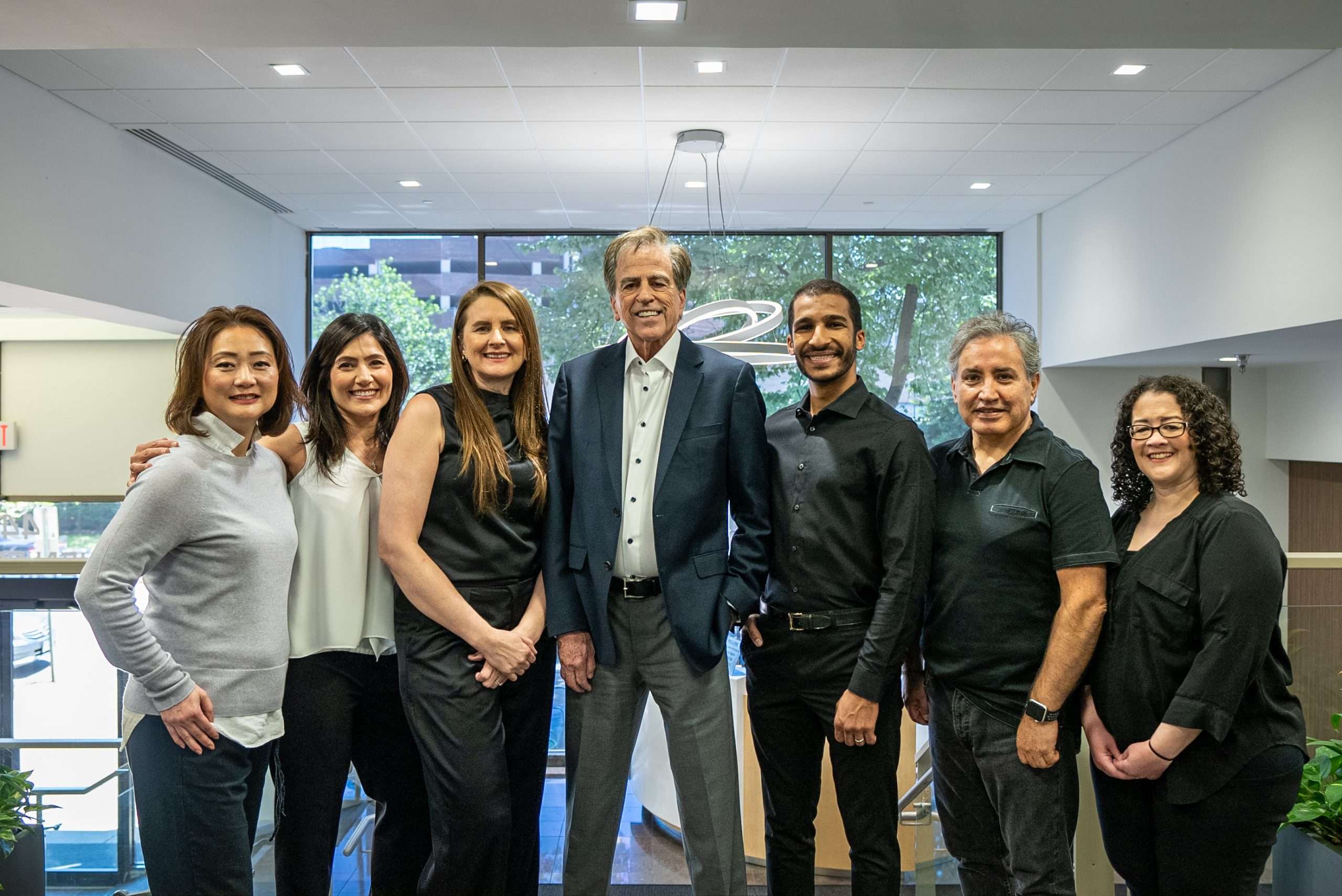
Gerald M. Marlin, DMD, MSD
Specialty-Trained Prosthodontist (DMD, MSD)
- Washingtonian "Top Dentist" 2026 and Hall of Fame
- Surgical and restorative care planned together, in one practice
- In-house dental laboratory since 1985
Or call (202) 244-2101
Dental implant recovery happens in two parallel tracks. The surface-level surgical recovery, soft tissue healing, comfort, and return to normal activities, takes roughly one to two weeks. The biological recovery, osseointegration of the implant with the surrounding bone, takes three to six months. Both matter. This page documents what to expect at each stage.
The information below covers single and multi-unit implant cases. Full-arch (All-on-4, All-on-6, or All-on-X) recovery has a longer initial recovery phase and a more involved aftercare protocol; full-arch patients should review the All-on-X page for treatment details.
Day 0: The Day of Surgery
The implant surgery itself is typically performed under local anesthesia. Sedation options are available for patients with dental anxiety or for longer procedures. After surgery, the patient rests in the office until the immediate effects of sedation wear off. A responsible adult should drive the patient home.
Expectations for the rest of the day:
- Mild to moderate bleeding at the surgical site. Gauze is provided to control it.
- Numbness from the local anesthetic, typically lasting two to four hours.
- The beginning of swelling, which peaks at 48 to 72 hours.
- Prescribed pain medication, antibiotics, and antiseptic mouth rinse to begin per instructions.
Soft, cool foods only. No carbonated drinks. No drinking through straws. No smoking. No spitting forcefully.
Day 1 to 3: The First 72 Hours
The first three days are the peak of the inflammatory response. Swelling reaches its maximum at 48 to 72 hours and then begins to subside. Bruising may appear on the face or neck and is normal. Discomfort is most pronounced during this window and is managed with the prescribed pain regimen.
Diet during this phase:
- Recommended. Smoothies, yogurt, applesauce, mashed potatoes, scrambled eggs, soft fish, well-cooked pasta, oatmeal, broth-based soups (warm, not hot).
- Avoid. Crunchy or hard foods (chips, nuts, raw vegetables), spicy foods, very hot foods or drinks, sticky foods (caramel, taffy), chewing directly on the surgical site.
Activity during this phase:
- Sleep with the head slightly elevated to reduce swelling.
- Apply cold compresses to the outside of the face for the first 24 hours to reduce swelling (20 minutes on, 20 minutes off).
- Switch to warm compresses after 48 hours to help resolve any residual swelling.
- No strenuous activity.
- Continue prescribed antibiotics through the full course.
When to call the practice: heavy bleeding that does not stop after 30 minutes of pressure, swelling that worsens after day 3, pain that intensifies rather than fades, signs of infection (fever, pus, increasing redness around the surgical site).
Day 4 to 7: The First Week
By the end of the first week, most patients have returned to work and feel close to normal. Swelling has substantially resolved. Bruising, if any, is fading. Discomfort is usually managed with over-the-counter pain medication only.
Diet during this phase:
- Continue with soft foods. Introduce slightly firmer textures: well-cooked vegetables, soft bread, soft pasta, soft meatballs.
- Continue to avoid chewing on the implant site directly.
- No hard, crunchy, or sticky foods.
Activity during this phase:
- Resume normal work and most daily activities.
- Light exercise is acceptable. Avoid heavy lifting, intense cardio, or anything that significantly raises blood pressure.
- Continue gentle oral hygiene, avoiding the surgical site directly. Salt water rinses help.
The first post-operative check is typically scheduled around day 7 to 10. The surgical site is examined, sutures are removed if necessary, and healing is confirmed.
Week 2 to 4: Early Healing
Soft tissue healing continues throughout the second and third weeks. By the end of week three or four, the surgical site is typically fully closed and external evidence of surgery has resolved. The implant is now well into the osseointegration phase.
Diet during this phase:
- Continue cautious eating on the implant site. Chew on the opposite side when possible.
- Gradually reintroduce firmer foods over weeks two to four.
- No hard candies, ice chewing, popcorn kernels, or other foods that could deliver concentrated force to the implant site.
Activity during this phase:
- Full return to normal exercise and activities.
- Maintain meticulous oral hygiene around the surgical site.
Month 1 to 6: Osseointegration
The implant is biologically integrating with the surrounding bone during this period. Externally, the patient feels normal and the surgical site looks normal. Internally, the bone is forming a direct attachment to the titanium implant surface.
During this phase:
- Periodic check-ups every 4 to 8 weeks (frequency depends on the case).
- A radiograph may be taken to confirm integration is progressing.
- The patient typically continues with a temporary tooth replacement (a flipper, a temporary crown, or a fixed temporary in full-arch cases) during this period.
- Normal diet, normal activity, normal oral hygiene.
The osseointegration period is typically three to six months. Patients with denser bone, simpler cases, or implants in the lower jaw often integrate at the shorter end of the range. Patients with grafted bone, upper jaw implants near the sinus, or compromised bone integration factors (diabetes, smoking, certain medications) typically integrate at the longer end.
Month 3 to 6: Final Restoration
Once osseointegration is confirmed, the final crown, bridge, or full-arch prosthesis is fabricated in the in-house lab and delivered. This visit involves no surgery, only restoration.
After delivery of the final restoration, dietary restrictions lift. The patient can eat normally. Long-term maintenance becomes the same as for natural teeth: brushing, flossing, regular cleanings, and periodic professional examination.
Long-Term Recovery: The First Year and Beyond
Dental implants do not develop decay. They do, however, require maintenance of the surrounding bone and gum tissue. The implant is functionally permanent when properly maintained. Risk factors for long-term implant complications include:
- Untreated periodontal disease.
- Heavy smoking.
- Uncontrolled diabetes.
- Bruxism or clenching without protective therapy.
- Neglected hygiene.
Regular professional cleanings and periodic radiographs monitor implant health over time. Patients with implants typically see Dr. Marlin or their general dentist every six months for cleanings and at least annually for an implant-specific evaluation.
Pain Management: What’s Normal and What’s Not
Normal post-operative discomfort:
- Mild to moderate ache or throbbing at the surgical site.
- Tenderness when pressing on the surrounding gum.
- Some sensitivity to temperature.
- Peak intensity at 24 to 72 hours, then gradually fading.
- Manageable with prescribed or over-the-counter pain medication.
Call the practice if:
- Pain intensifies after day 3 rather than fading.
- Bleeding does not stop after 30 minutes of firm pressure.
- Significant swelling or redness develops after day 4.
- Fever, chills, or pus develop.
- The implant feels mobile or loose at any point.
- Numbness in the lip, tongue, or chin persists beyond 24 hours.
Most patients never need to make these calls. The implant procedure is well-tolerated and recovery is typically smooth, especially when surgery is planned on a CBCT scan and executed precisely.
Smoking, Drinking, and Other Factors That Affect Recovery
Smoking. Nicotine constricts blood vessels and reduces blood flow to the surgical site, impairing healing and increasing implant failure rates. Patients are strongly advised not to smoke for at least 7 to 10 days after surgery, and reducing or quitting altogether is the recommendation for long-term implant success.
Alcohol. Alcohol thins the blood and interferes with prescribed medications. Avoid alcohol for at least 72 hours after surgery, and longer if antibiotics or pain medication are in use.
Caffeine. Hot beverages should be avoided for the first 48 hours. Moderate caffeine after that is fine.
Diabetes and blood sugar control. Diabetic patients should maintain tight glycemic control during the healing period. Uncontrolled diabetes significantly impairs osseointegration.
Bone-density medications. Patients on bisphosphonates or related medications should disclose this during consultation. Most can still receive implants, but planning may differ.
Recovery Timeline at a Glance
| Phase | Timeframe | What to Expect |
|---|---|---|
| Day 0 | Surgery day | Mild bleeding, numbness, beginning swelling |
| Day 1-3 | Acute phase | Peak swelling, peak discomfort, soft diet, rest |
| Day 4-7 | Early recovery | Return to work, swelling resolving, soft diet |
| Week 2-4 | Soft tissue healing | Normal activity, gradual diet expansion |
| Month 1-6 | Osseointegration | Normal life, periodic check-ups, temporary tooth in place |
| Month 3-6 | Final restoration | Crown or prosthesis delivered, normal eating resumes |
| 1 year + | Long-term maintenance | Routine cleanings, periodic radiographs, normal oral hygiene |
Ready to Discuss Your Treatment Options With a Specialist?
Frequently Asked Questions
How long does it take to recover from dental implant surgery?
Surface-level recovery from the surgical procedure typically takes 7 to 14 days. Full osseointegration, when the implant fuses with the bone, takes three to six months. Most patients return to work within 24 to 72 hours after surgery, depending on the extent of the procedure and the demands of their job.
How long does the pain last after a dental implant?
Most patients describe the discomfort as mild to moderate and manageable with prescribed or over-the-counter pain medication. Significant discomfort typically lasts two to four days. Pain past one week or pain that intensifies (rather than fades) warrants a call to the practice.
When can I eat normally after dental implant surgery?
A soft diet is required for the first week to ten days, with gradual reintroduction of firmer foods over the following two to three weeks. Full dietary normalization typically occurs after the final restoration is delivered, which is three to six months after surgery.
When can I exercise after dental implant surgery?
Light activity is fine within 24 hours. Strenuous exercise, weightlifting, and contact sports should be avoided for the first 7 to 10 days. Increased blood pressure from intense exercise during the early healing phase can cause bleeding and disrupt clot formation.
What does a dental implant recovery look like for full-arch (All-on-X) cases?
Recovery from full-arch implant surgery is more involved than a single implant, with longer initial discomfort (typically 3 to 5 days), more swelling, and a more restricted diet for several weeks. Patients considering full-arch treatment can learn more on the [All-on-X page](/all-on-x/).
Conveniently Located in Friendship Heights
Serving Washington DC, Bethesda, Chevy Chase, McLean, Great Falls, Potomac, and surrounding communities. One block from the Friendship Heights Metro on the Red Line.
Request Your Specialist Consultation
Personally reviewed by Dr. Marlin or his team.
Hours
- Monday — Thursday8:00 AM — 5:00 PM
- Friday8:00 AM — 2:00 PM
- Saturday — SundayClosed