
How Severe Bone Loss and Bite Dysfunction Were Rebuilt with All-on-6 Implants and a Milled Zirconia Hybrid Prosthesis
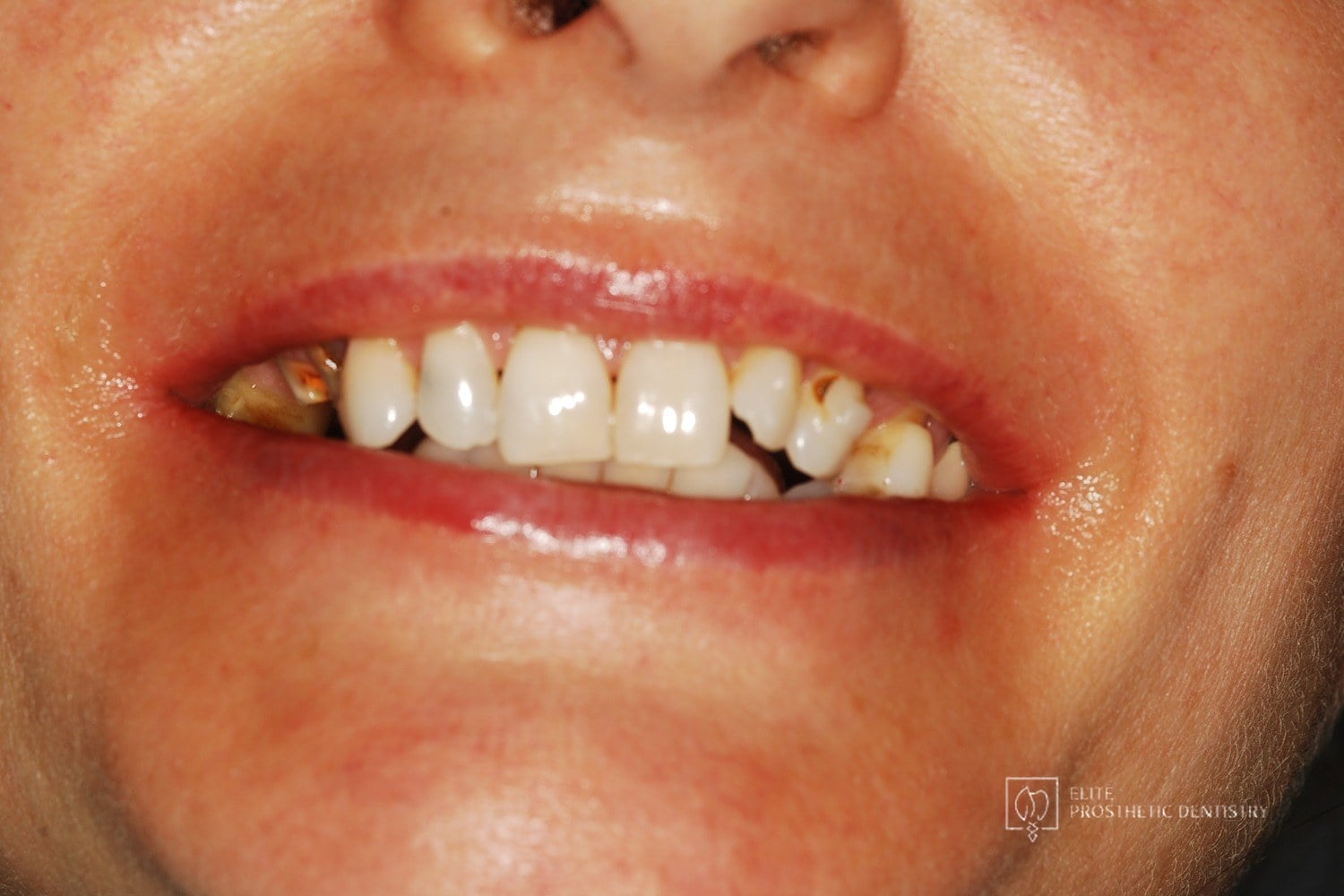
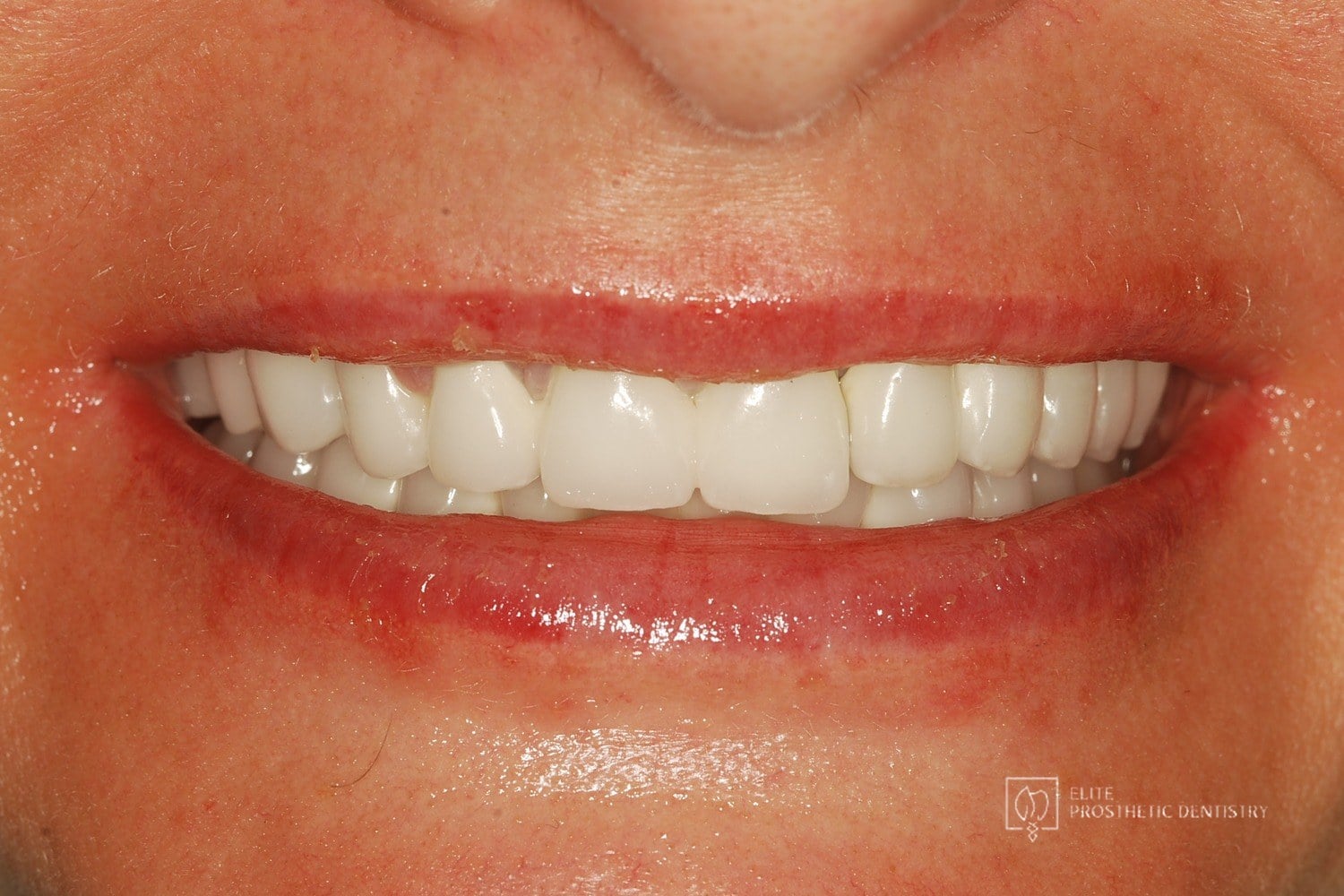
Close-up smile view
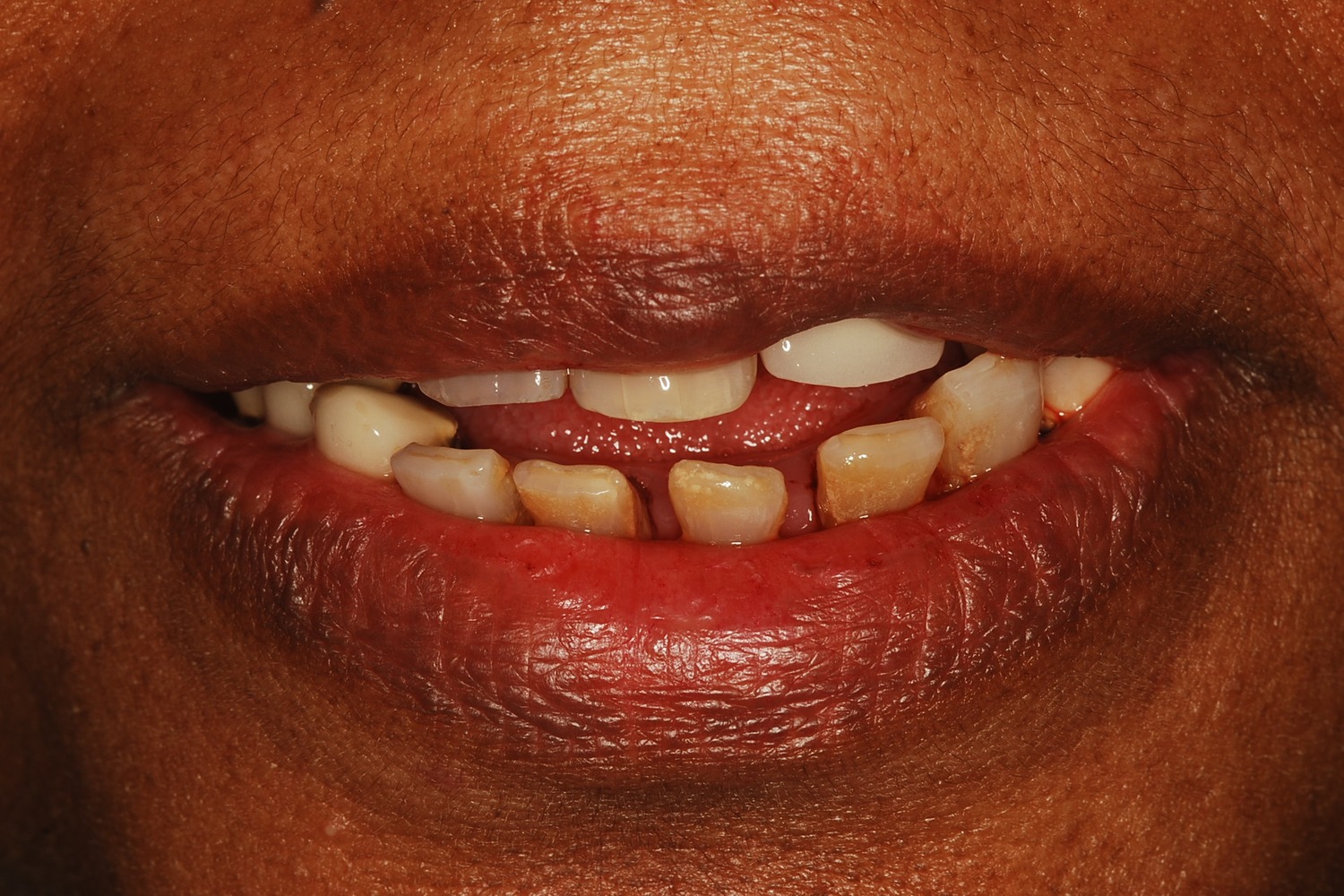 Before
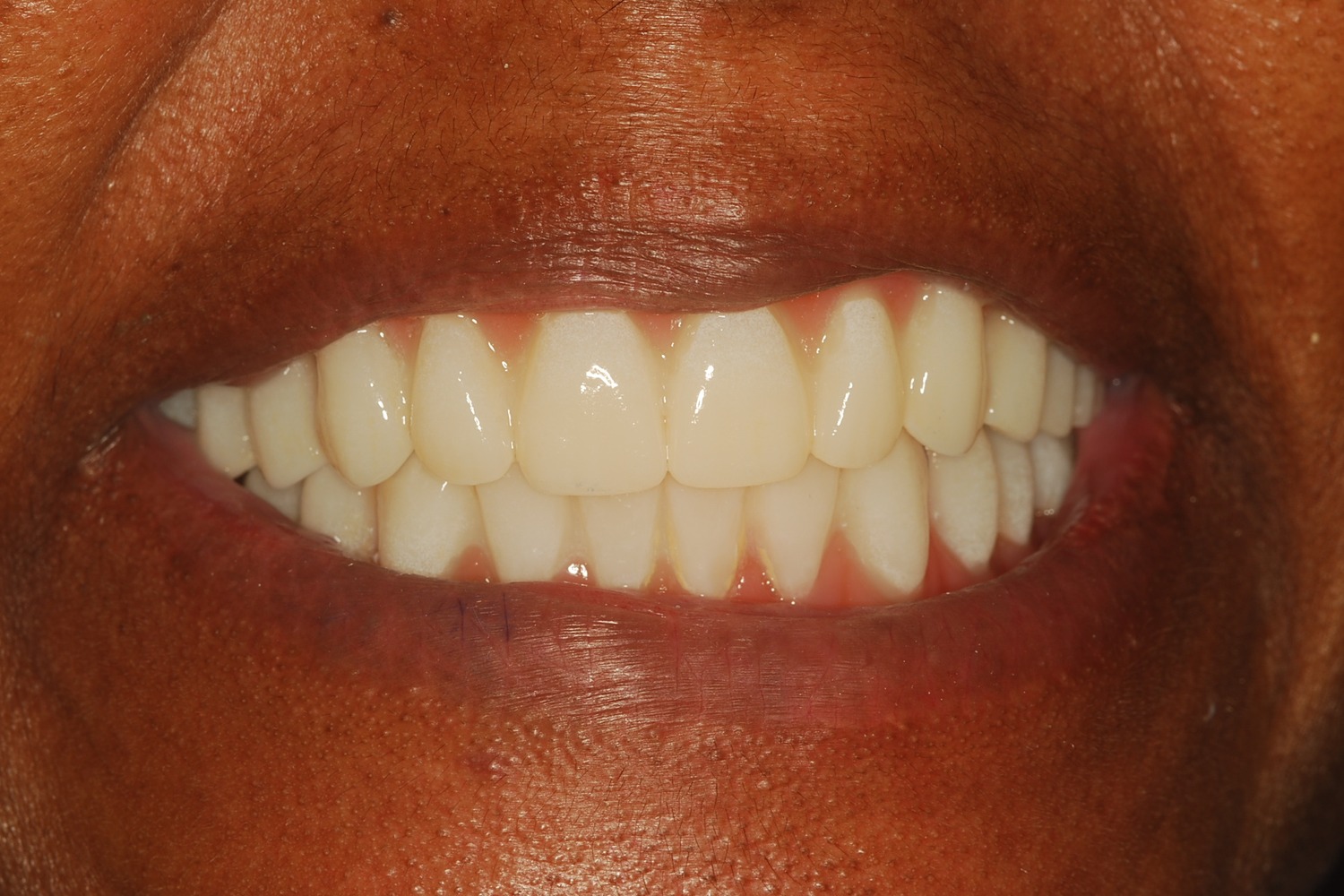 After
After
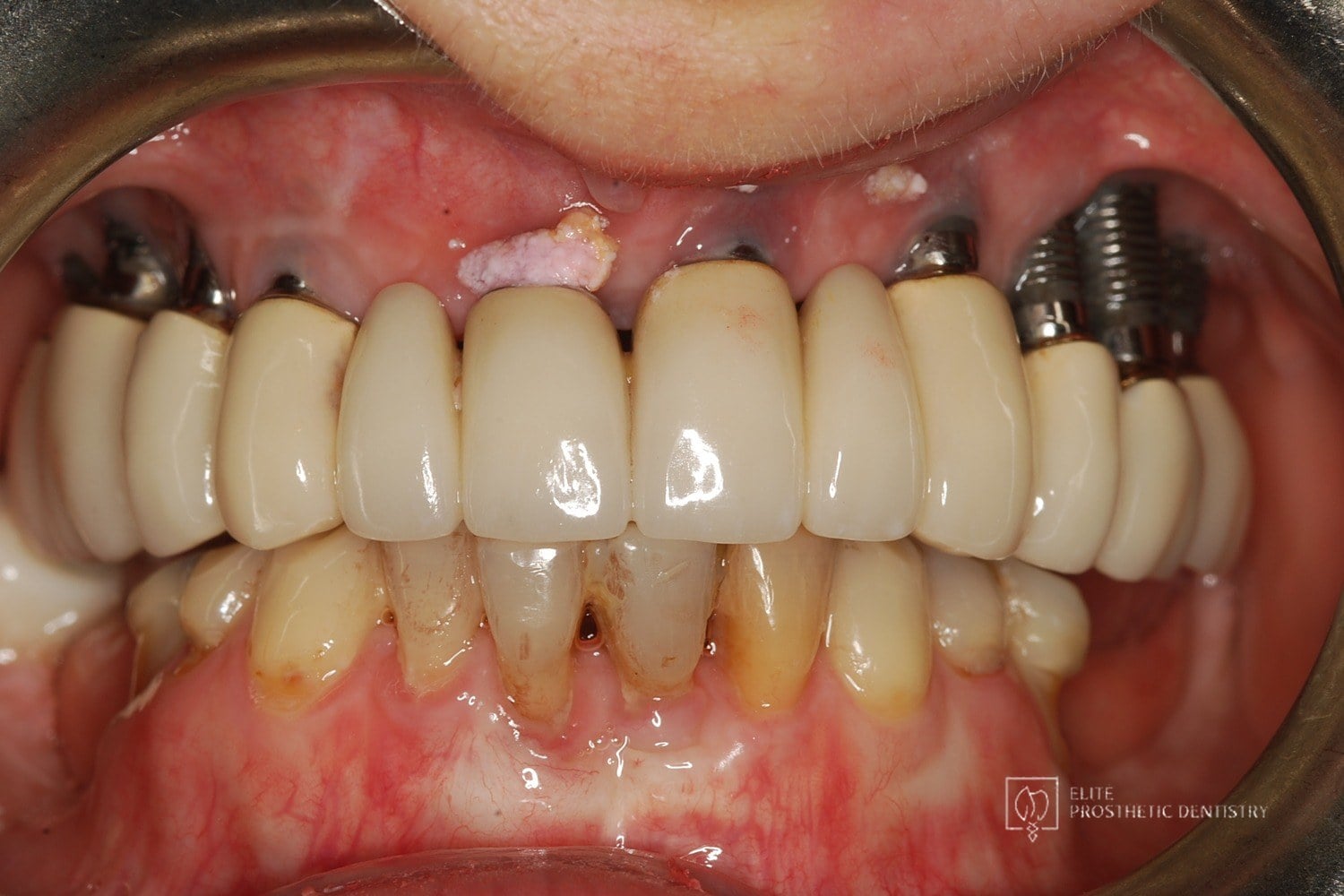
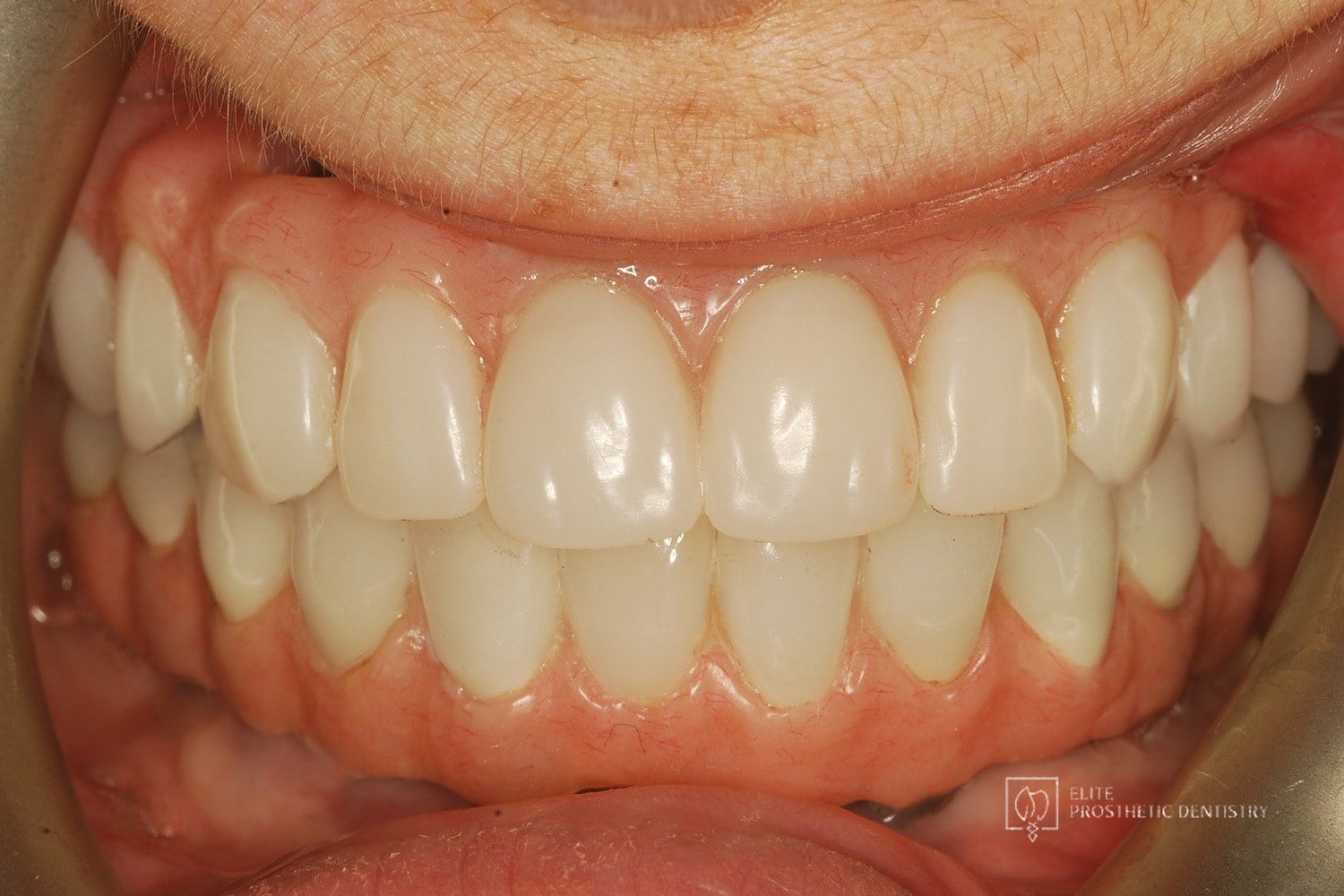
Intraoral retracted view
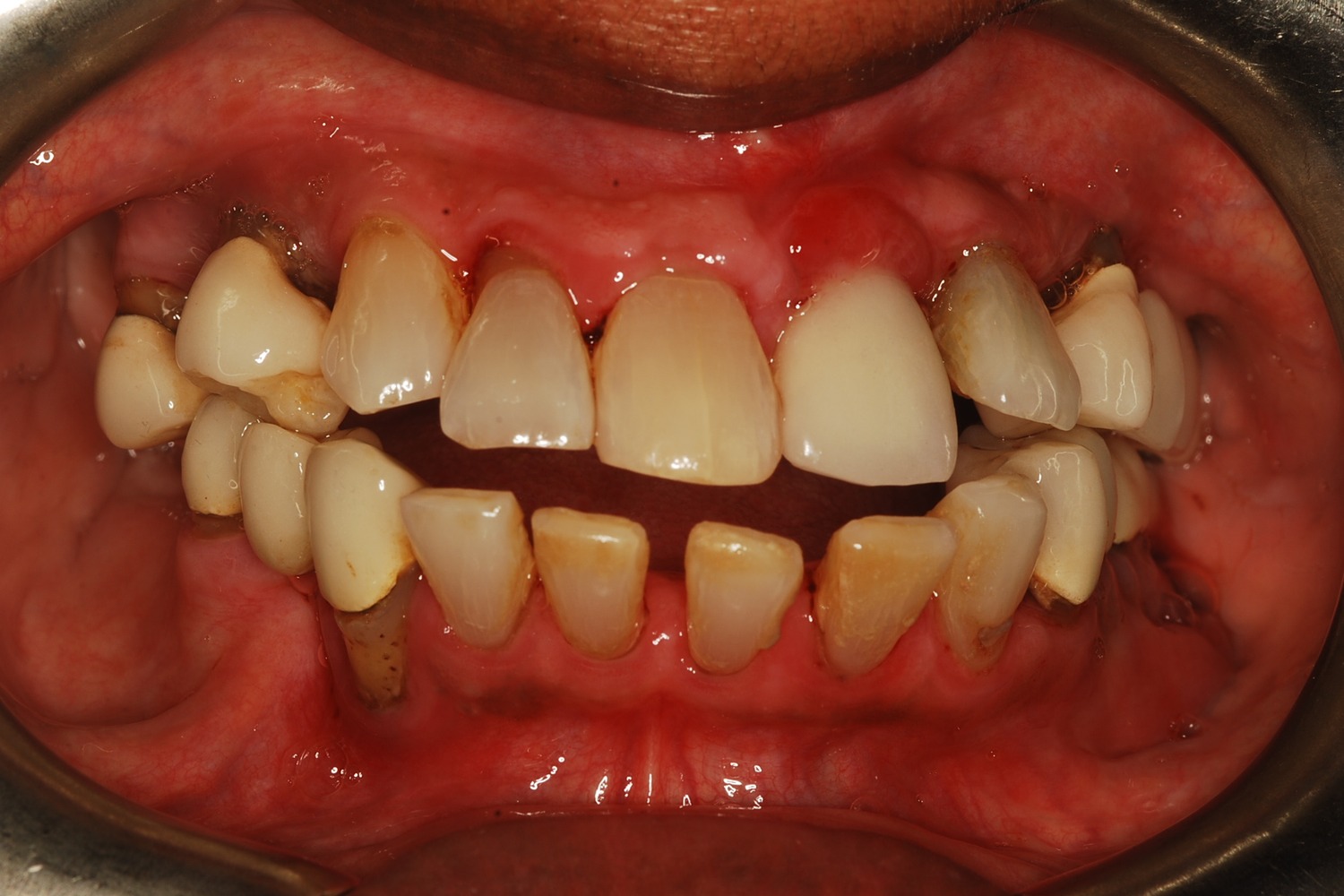 Before
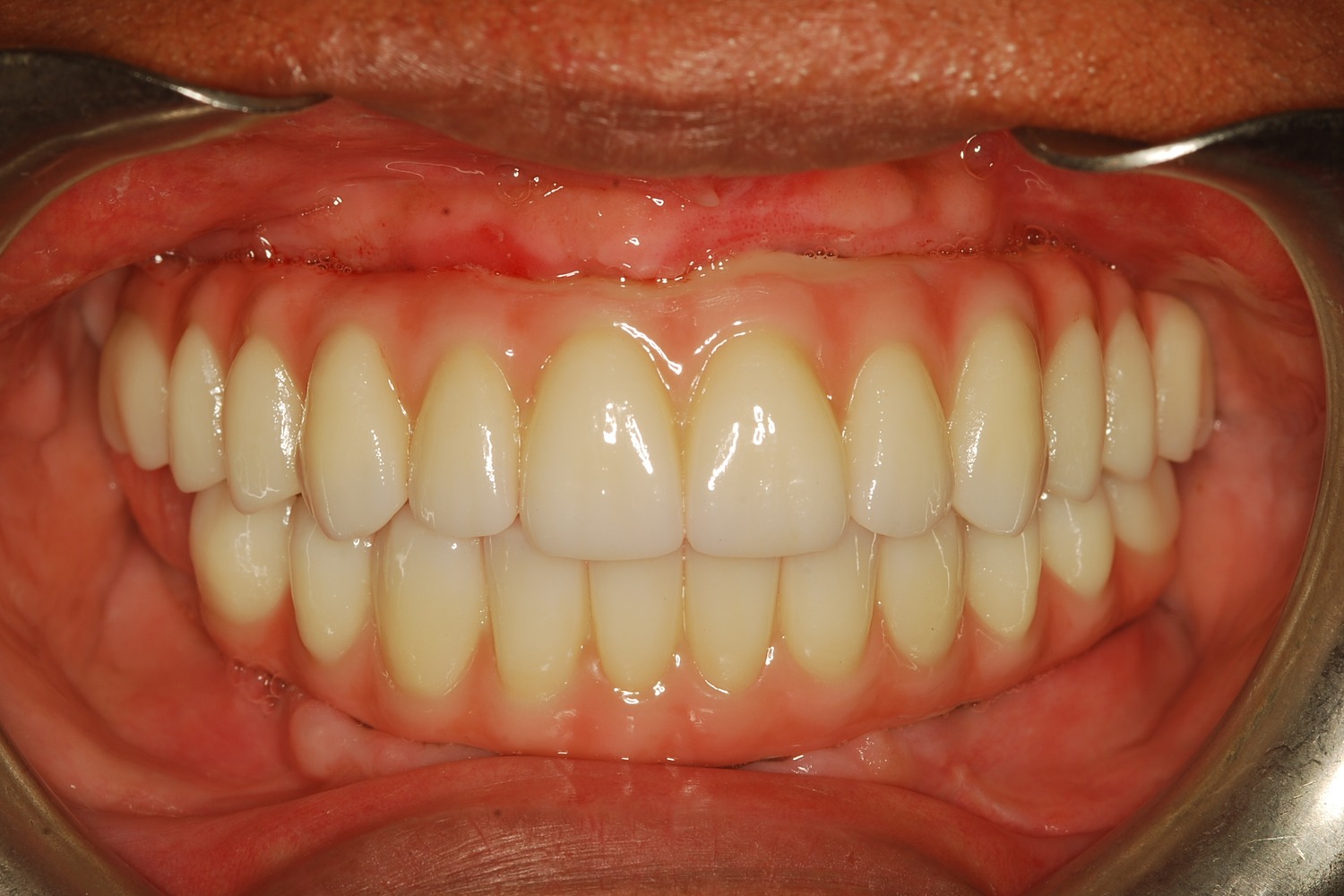 After
After
Surgical planning and implant placement
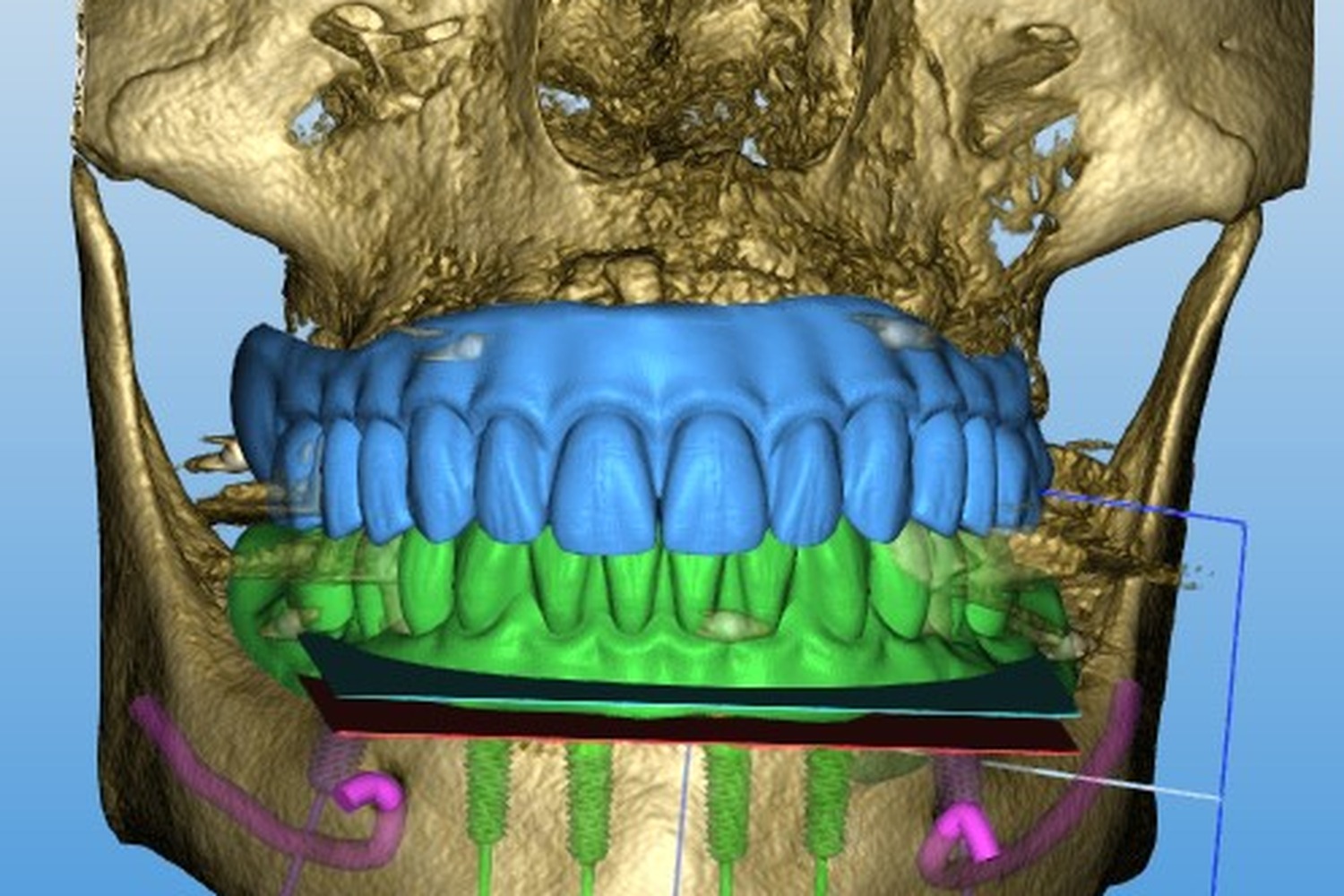 Preplanning using CBCT scan
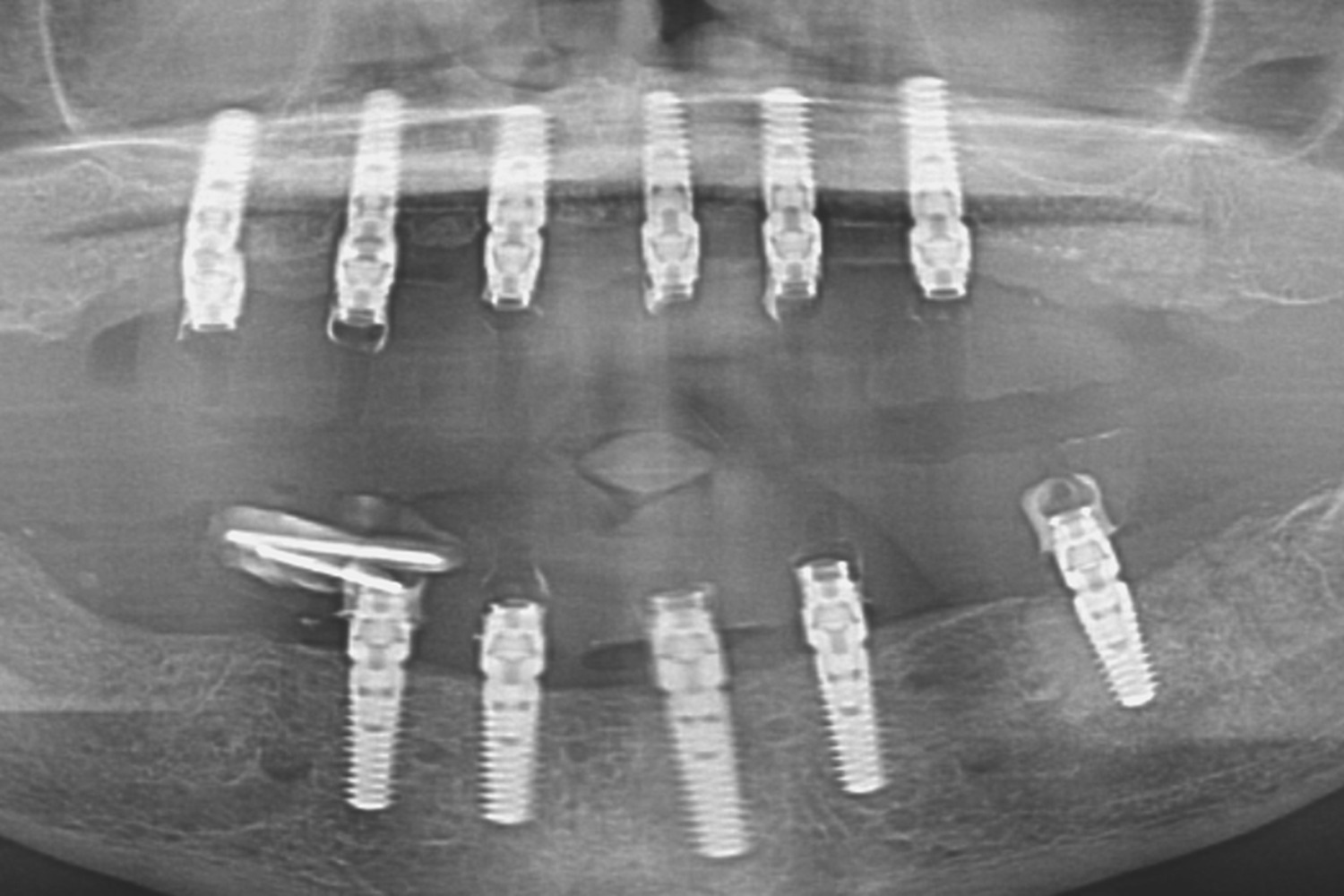 Implants placed
Masterpiece prosthesis on titanium bar
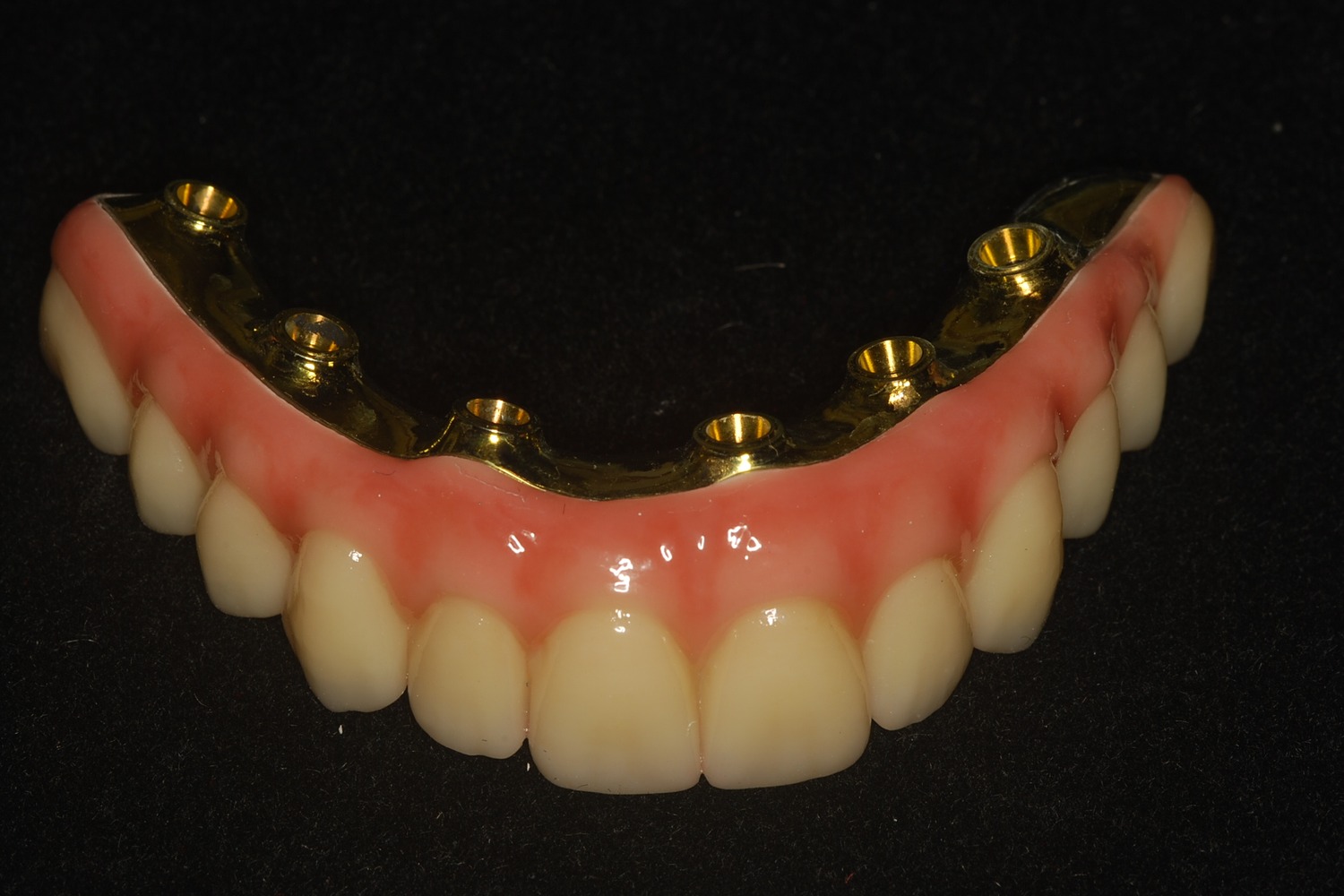 Upper Appliance
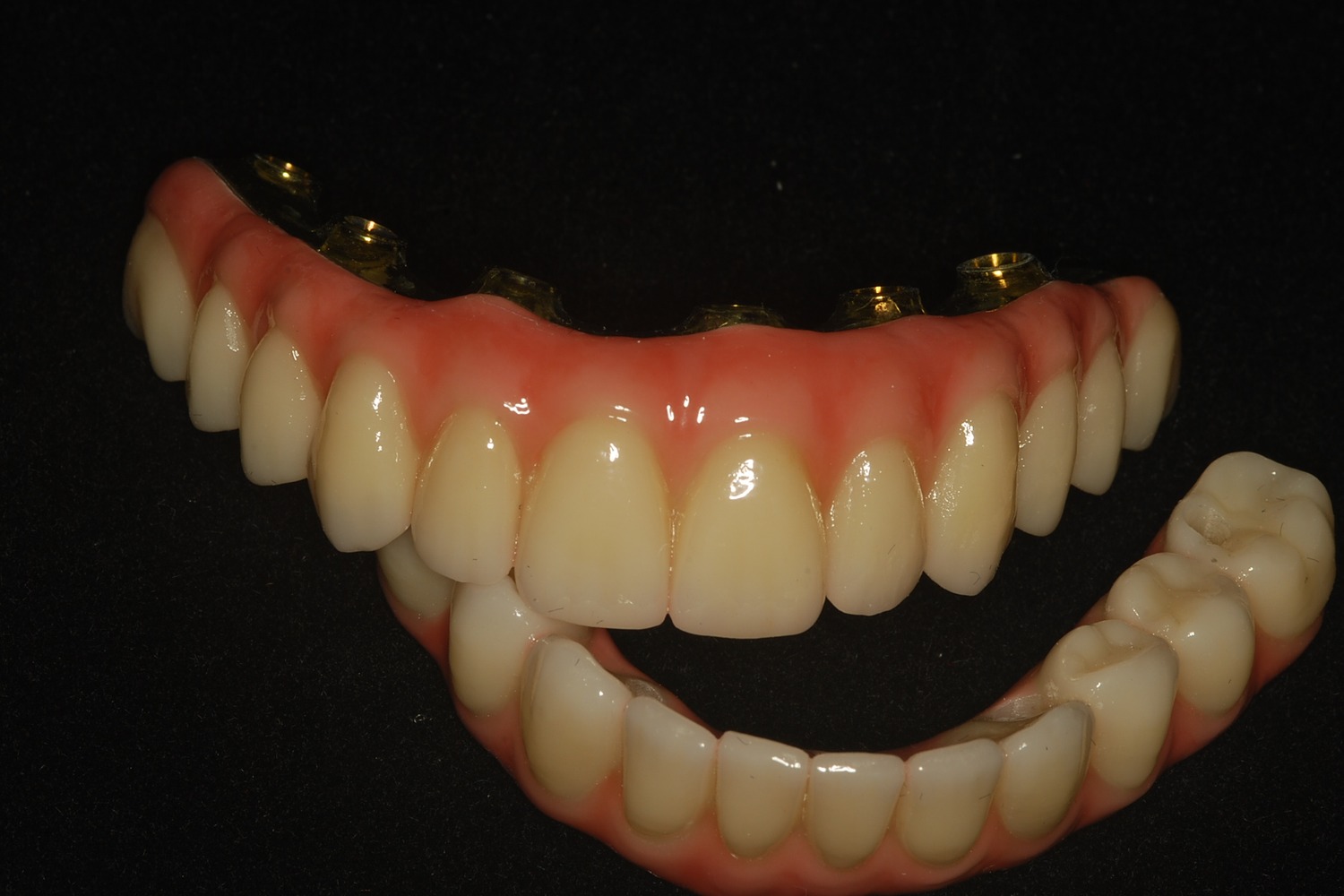 Upper and Lower Appliances
Final intraoral retracted view
Long-term follow-up
A fully digital All-on-6 reconstruction with a milled zirconia hybrid prosthesis
Comprehensive full-arch implant reconstruction in Washington, DC combining a sophisticated surgical process with a fully digital workflow and a milled zirconia hybrid prosthesis on a titanium bar. This documented case at Elite Prosthetic Dentistry rebuilt both arches with All-on-6 implant support carrying the practice’s Masterpiece prosthesis. Treatment was planned, surgically performed, and completed by Dr. Gerald Marlin, D.M.D., M.S.D., a prosthodontist focused on complex implant reconstruction.
Case at a Glance
- Treatment
- All-on-6 full-arch implant reconstruction, both arches
- Approach
- Digital workflow, milled zirconia on titanium bar
- Case Type
- Implant reconstruction / Full mouth reconstruction
- Patient Concern
- The patient's teeth had broken down from severe bone loss and advanced gum disease, leaving a dysfunctional, poorly aligned bite that could no longer be saved with repairs.
- Decision Point
- Attempt immediate-load implants in a single procedure despite active infection and extensive bone loss, or first rebuild the bone and stage the reconstruction for a more predictable result.
- Outcome
- The result is a strong, precise, full-arch implant restoration with a natural-looking appearance, designed for long-term function across both arches.
- Why It Matters
- The case shows that when existing teeth cannot be predictably saved, staging bone reconstruction before implant placement, rather than loading implants immediately, is what determines how the restoration performs years later.
When severe bone loss, advanced periodontal disease, and bite dysfunction reach the point where the existing dentition cannot be salvaged in any predictable way, full-arch implant reconstruction becomes the most reliable path back to function and esthetics. The decisions that follow are about how many implants, what material, and which workflow. Those choices determine how the case will perform a decade out, not just a year out.
This case was rebuilt at the high end of those decisions. All-on-6 implant support in both arches. Fully digital prosthetic planning. Milled zirconia on a titanium bar. In-house laboratory control over every step.
The presenting condition
The patient presented with the kind of structural breakdown that no longer responds to repair. The decisions in front of the practice were not whether to rebuild, but how to rebuild in a way that would still perform a decade out.
Clinical Findings
- →Severe bone loss across both arches
- →Advanced periodontal disease with active abscesses throughout both jaws
- →Malocclusion and a dysfunctional bite
- →Existing dentition not salvageable in a predictable way
- →Full-arch implant reconstruction the most reliable path to lasting function
The staged surgical approach
To achieve the most predictable long-term result with implants in a situation this severe, with active periodontal abscesses and extensive bone loss throughout both the upper and lower jaws, the treatment had to be carried out in stages rather than in a single procedure. With that degree of infection and bone destruction, placing immediate-load implants in a one-stage All-on-4 or All-on-6 protocol would have been far less reliable than first rebuilding the supporting bone. Extracting every tooth at once, grafting the empty sockets, and seating immediate dentures was equally unwise, because the pressure those appliances place on healing graft sites tends to compromise the very bone the implants would later depend on.
Instead, Dr. Marlin retained a few strategically chosen teeth in each arch to support treatment partial dentures with replacement teeth. That kept the patient in function and appearance while the graft sites healed without being loaded. Ridge augmentation rebuilt the deficient bone, and the grafting was successful enough that the regenerated ridge had to be reshaped to leave room for a well-fitting prosthesis.
Once the foundation was sound, six implants were placed in the upper arch and five in the lower, and load-bearing transitional prostheses were connected to them immediately, re-establishing a solid bite and a rejuvenated smile line in a single stage of placement. Four months later, after the implants had fully integrated, the final milled zirconia prostheses were fabricated and delivered.
Why All-on-6 over All-on-4
All-on-4 and All-on-6 refer to the number of implants supporting a full-arch fixed prosthesis. All-on-6 provides additional implant support distributed across the arch, which becomes the preferred configuration in cases with significant bone loss, heavy bite forces, or more complex prosthetic designs.
For this case, the bone deficit and the dysfunctional bite both argued for the extra support. All-on-6 in both arches gave the new prosthesis the structural foundation it needed to deliver long-term function under load.
The digital treatment plan
This case was rebuilt at the high end of the decisions that define a full-arch reconstruction: All-on-6 implant support in both arches, fully digital prosthetic planning, milled zirconia on a titanium bar, and in-house laboratory control over every step.
-
1
All-on-6 implant planning in both arches
Six implants were planned for the upper arch and five for the lower, positioned to distribute occlusal forces far more effectively than a four-implant design and to use the available and grafted bone predictably. See more on All-on-X protocols.
-
2
Digital prosthetic design
Prosthetic geometry, occlusion, and tooth position were planned in a fully digital workflow, so the final prosthesis was engineered before any implant was placed.
-
3
Implant placement
Implants were placed according to the digital plan and given adequate healing time to integrate into the existing and reconstructed bone.
-
4
In-house milling of the Masterpiece prosthesis
The final prosthesis was milled from a single block of zirconia at the practice's in-house laboratory, bonded to a titanium bar for structural support.
-
5
Delivery and bite calibration
The milled zirconia hybrid was delivered and adjusted to a balanced occlusion across both arches, finishing a fully digital, in-house-controlled full-arch rebuild.
Why milled zirconia on titanium
The material choice matters at this level of case. The combination of milled zirconia and a titanium bar delivers strength, precision, and natural esthetics in proportions that acrylic-only prostheses cannot match.
The titanium bar provides the structural backbone. Milled zirconia provides the wear resistance, the precise fit, and the long-term esthetic stability. The combination tends to outperform acrylic-only full-arch prostheses on every dimension that matters for a case meant to function for many years.
The work was completed under the practice’s in-house laboratory control. That keeps the shade selection, contour decisions, and occlusal precision under the same roof as the clinical planning, which is one of the reasons cases at this level perform the way they do.
The outcome
The case moved from severe bone loss, advanced periodontal failure, and bite dysfunction to a strong, precise, and naturally esthetic full-arch implant restoration. Function is restored. The smile looks natural. The prosthetic design is built to last.
Result Highlights
- ✓Strong, milled zirconia restoration designed for long-term function
- ✓Both arches reconstructed under a unified digital plan
- ✓Bite dysfunction resolved across the full mouth
- ✓Naturally esthetic prosthesis bonded to a titanium bar
- ✓End-to-end planning and laboratory control inside one practice
A documented long-term follow-up
One of the values of a case like this is what it shows over time. The follow-up image at the top of this page was taken months after the final prosthesis was delivered. It documents the stability of the result.
Who this case may sound familiar to
This story tends to resonate with patients in a few recognizable situations:
- Your existing teeth are failing across both arches and you have been told that preserving them piece by piece is no longer realistic.
- You have been considering full-arch implant reconstruction and want to understand the material choices that determine long-term performance.
- You want the kind of digital workflow and in-house laboratory control that high-end full-arch cases require.
- You have been quoted on All-on-4 and want to understand whether All-on-6 would be a better fit for your specific bone and bite.
- You want the work done once at the right level rather than redone several years later.
If any of those describe where you are, a consultation with Dr. Marlin can give you the diagnostic picture and the specific options for your case.
Frequently asked questions
What is the difference between All-on-4 and All-on-6 implant reconstruction?
All-on-4 and All-on-6 refer to the number of implants supporting a full-arch fixed prosthesis. All-on-6 provides additional support, which is preferred in cases with severe bone loss, heavy bite forces, or more complex prosthetic designs. The right choice depends on the available bone and the case-specific functional and esthetic requirements.
Why use milled zirconia on a titanium bar rather than acrylic for a full-arch prosthesis?
Milled zirconia mounted on a titanium bar combines exceptional strength with a natural appearance and precise fit. The titanium bar provides structural support; the milled zirconia provides esthetics and wear resistance. This combination tends to outperform acrylic-only prostheses in long-term durability and esthetic stability.
How does an in-house dental laboratory change the outcome of a full-arch case?
An in-house laboratory keeps fit, shade, contour, and occlusal precision under the same roof as the clinical planning. Communication between the prosthodontist and the laboratory technician is direct, adjustments are immediate, and quality control sits with one team. The result is better-fitting prostheses with more refined esthetics.
Can severe bone loss and bite dysfunction be corrected together in one coordinated plan?
Yes. A coordinated plan addresses the bone deficit through grafting where required, restores the bite through implant placement and a properly designed prosthesis, and corrects function and esthetics together rather than in sequence. This is the prosthodontic approach to comprehensive full-arch cases.
What is the difference between a hybrid prosthesis and a traditional denture?
A traditional denture rests on the gums and is removable. A hybrid prosthesis is fixed to dental implants and remains in place. The fixed connection to implants restores chewing function comparable to natural teeth, eliminates the slippage and bone-loss issues associated with conventional dentures, and is removed only by a dental professional for maintenance.
More about the work behind this case
This case combines full mouth dental implants using the All-on-6 configuration, full mouth reconstruction principles, and the practice’s in-house laboratory control over the final prosthesis.
Elite Prosthetic Dentistry treats patients from across the DMV including Bethesda, Chevy Chase, McLean, Arlington, Potomac, and Great Falls.
Related Services
Related Patient Success Stories
Explore similar patient success stories demonstrating our expertise in advanced prosthetic dentistry.
 Before
  After
After How Aging, Failing Dentistry Was Replaced with a Coordinated Full-Mouth Implant and Crown Reconstruction
The patient presented with throbbing upper-molar pain, long-standing infections, multiple root canals and unfinished prior treatment, generalized sensitivity, and several hopeless teeth.
 Before
  After
After How Failing Implants and Severe Bone Loss Were Rebuilt Into a Stable Full-Arch Implant Reconstruction
The patient presented with significant complications from previously placed implants, severe bone loss, failing posterior implants, and an unesthetic full-arch bridge. Both arches required full reconstruction, with the upper arch showing the most advanced bone loss and instability.
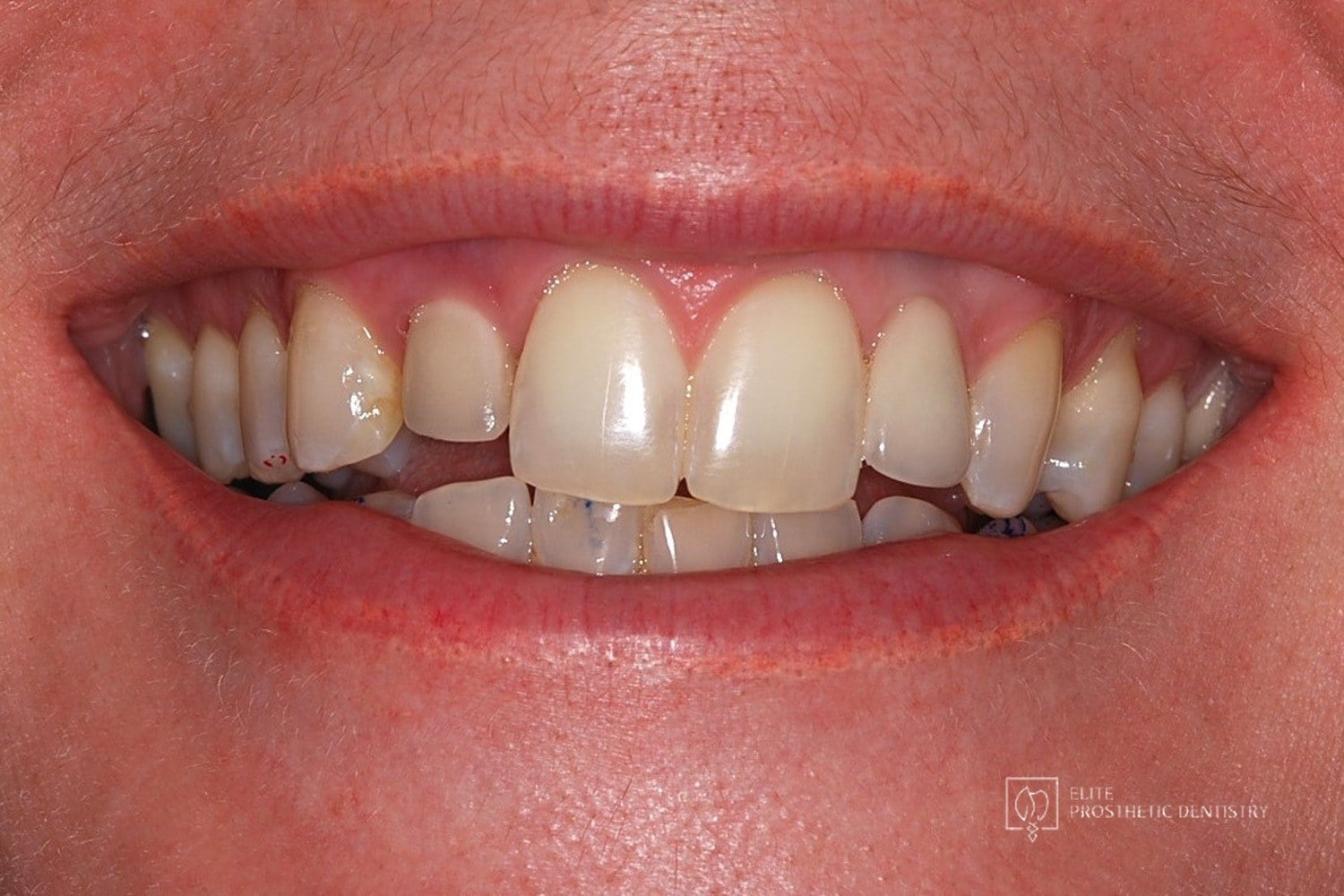 Before
 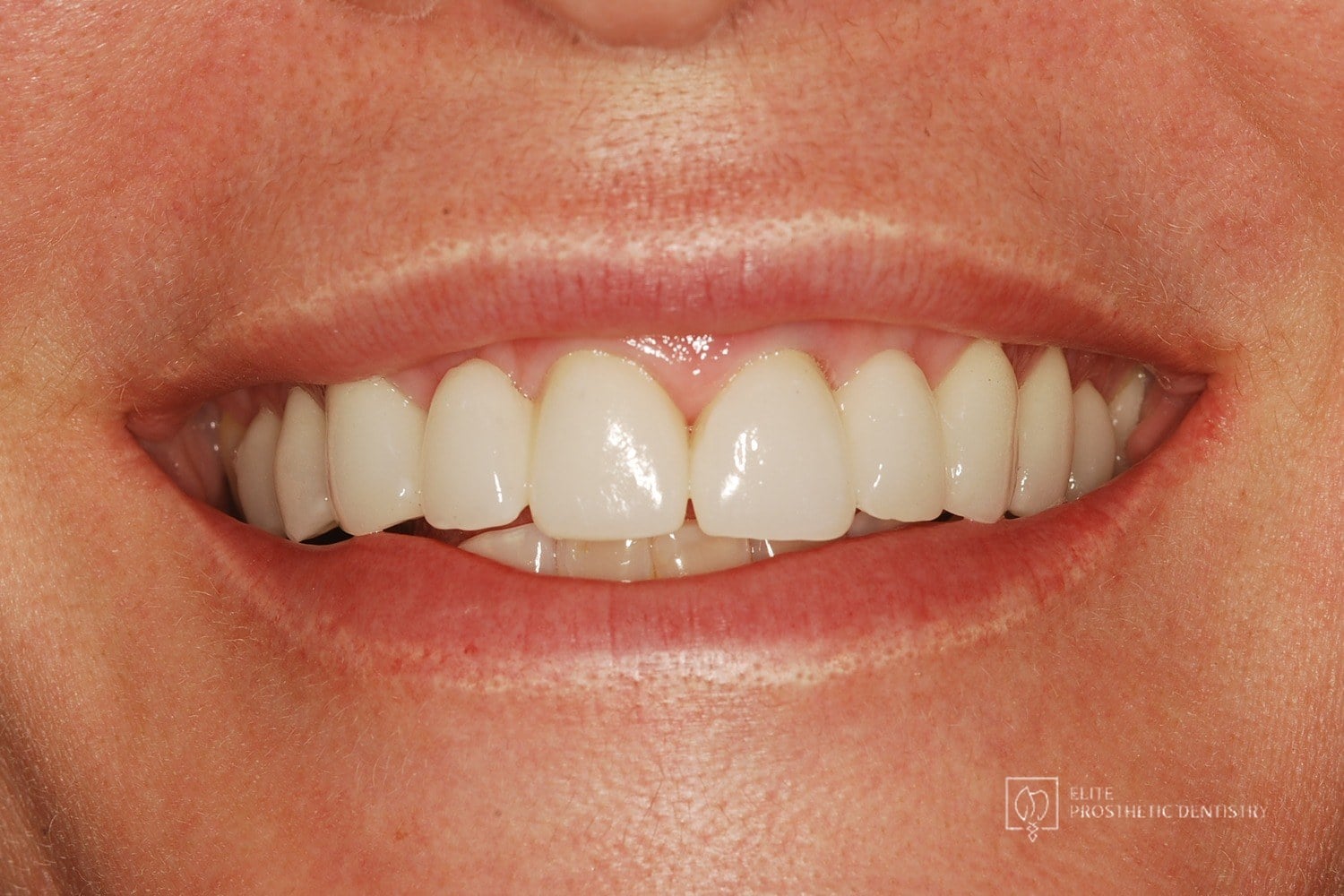 After
After How Failing Lateral Incisor Implants Were Replaced with Custom Zirconia Bridges After Severe Bone Loss Made Replacement Implants Impossible
Comprehensive examination including CBCT imaging revealed significant bone loss surrounding implants that were placed outside the buccal plate, most likely due to placement without a CBCT-generated surgical guide. The implants were determined non-salvageable, and the alveolar ridge was too narrow to support replacement implants without extensive reconstruction.