

What to Expect After Crowns, Veneers and a Rebuilt Bite: Sensitivity, Speech, Provisionals and Adjustments
The restorative side of recovery: sensitivity after preparation, living in provisionals, what settles after final crowns and veneers, how a changed bite height feels and adapts, speech, the night guard, and the signs that need a call.
Practice clinician: Gerald M. Marlin, DMD, MSD, prosthodontist, Elite Prosthetic Dentistry, Friendship Heights, Washington, DC. Last updated .
Recovery pages usually describe surgery. The restorative side has its own course: teeth that are sensitive after preparation, weeks spent in provisional restorations, a bite that has been rebuilt to a height the jaw has not used for years, speech that has to adapt to new front teeth, adjustment visits, and the start of a night guard. None of it is dramatic, and all of it is easier when the patient knows what is coming. This page explains what to expect after crowns, veneers and a rebuilt bite, what is normal, and the signs that need a call.
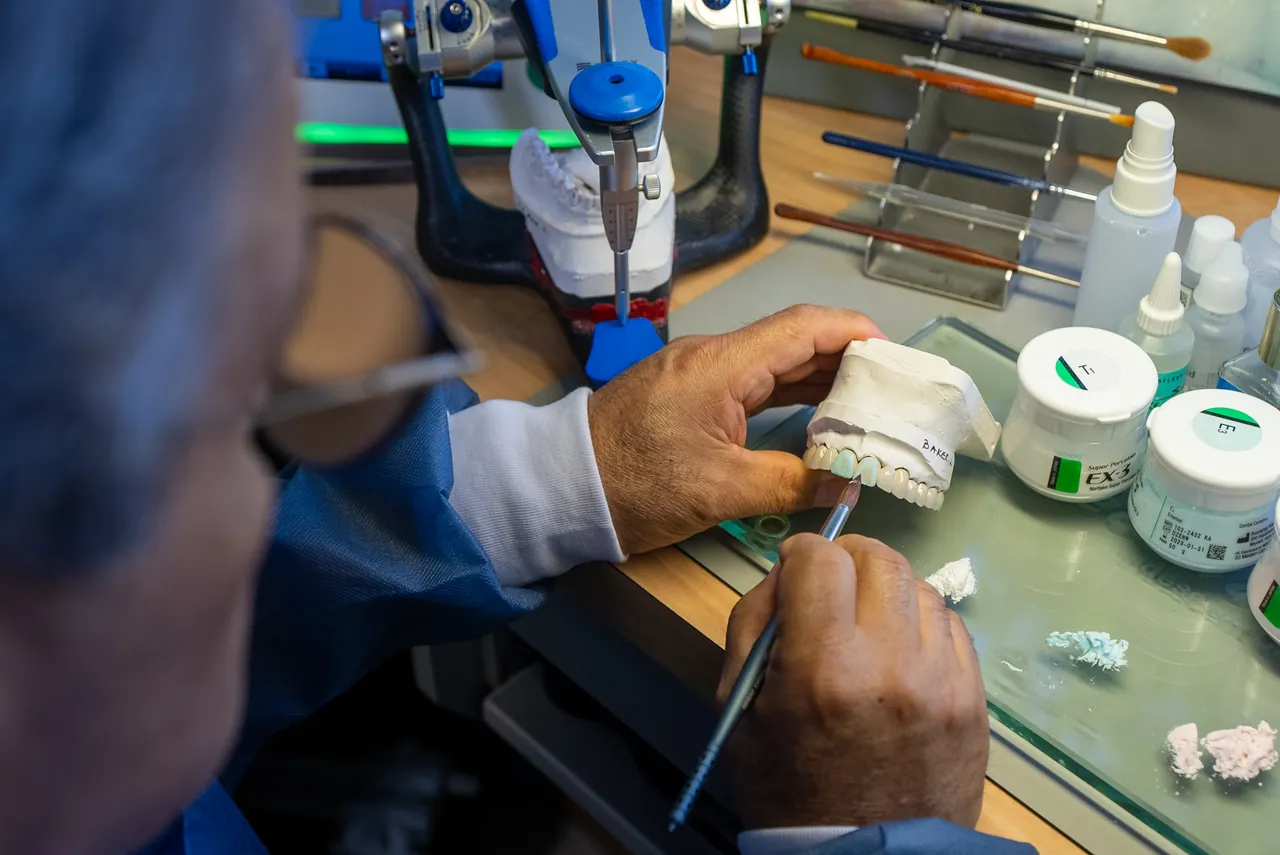
After Tooth Preparation and Provisionals
Preparing a tooth for a crown or veneer removes a layer of enamel and, for crowns, some dentin. The tooth is then covered by a provisional restoration while the final is made. In the first days:
- Sensitivity to cold and pressure is common and usually settles over days to a few weeks. It is the tooth responding to preparation and to a provisional that seals less perfectly than the final will.
- Gum tenderness around the margin, especially where the gum was retracted during impressions, settles within days.
- The provisional is made of a resin that is softer than the final material. Avoid very hard, sticky or chewy foods on it; floss by pulling the floss out sideways rather than lifting it, so the provisional is not dislodged; brush gently at the gum line.
- A provisional that comes off should be kept, and the office called that day. A prepared tooth without its cover can become sensitive and can shift slightly.
- Appearance of a provisional is close to, but not the same as, the final. In comprehensive cases it is deliberately a draft.
Living in Provisionals During Comprehensive Work
When several teeth, an arch or the whole bite is being rebuilt, the provisionals are worn for weeks and sometimes months, and they are the test of the design. The practice wants to hear about them:
- How the bite feels: even, high on one side, anything that catches.
- How the teeth look: length, shape, shade, how much shows when you speak.
- How the lips feel: supported, too full, catching on an edge.
- Speech: any sound that is not right after the first days.
- Comfort: anything that rubs, anything that traps food.
What is reported in the provisionals is adjusted in the provisionals, and the final restorations copy what was proven. A patient who says nothing because they assume the provisionals do not matter loses the chance to shape the result.
After Final Crowns and Veneers
The finals are cemented or bonded, the bite is checked and adjusted, and the patient goes home with teeth that feel slightly new. Over the following days: mild sensitivity settles; the tongue stops noticing the new contours; a bite that felt slightly different stops feeling different. Avoid very hard foods for the first day while cements and bonding reach full strength, then eat normally. A follow-up visit checks the bite, the gum response and the contacts between teeth, and adjusts anything that has not settled.
After a Rebuilt Bite
Re-establishing lost bite height is the part of restorative recovery that surprises patients most. The jaw closes in a position it has not used for years. The muscles, which had adapted to the collapsed height, now work at a new length. For days to a few weeks the bite feels unfamiliar, the muscles may be tired, and the patient is very aware of their teeth. This is expected, and it is why the new height is tested in provisionals before the finals are made.
What should happen: the awareness fades, the muscles adapt, and chewing becomes natural. What should not happen: a bite that stays high on one tooth or one side, a tooth that hurts on biting, jaw muscle soreness that is worsening rather than easing, or a clicking that is new. Each of these is a reason for an adjustment visit, which is part of the plan and is usually brief. Jaw joint symptoms are evaluated separately from the restorations, as our guide on who treats TMJ explains.
Speech Changes and How They Resolve
Several consonants are formed against the back of the upper front teeth or between the front teeth, so new front restorations change speech briefly. Most patients adapt within days to a couple of weeks. Reading aloud, phone calls and ordinary conversation speed it. A sound that has not settled after that is usually a contour that can be adjusted, and the practice would rather adjust it than have the patient compensate. Patients whose work is speaking will find more detail in our guide on front teeth for people who speak for a living.
The Night Guard
For patients who clench or grind, a custom night guard is made once the final restorations are delivered and the bite has been checked. It is worn every night. The forces that wore down the original teeth do not stop because the teeth were rebuilt; they now act on the restorations, and the guard is what absorbs them. It is inspected at maintenance visits and replaced when worn. Our guide on why crowns keep breaking explains what happens without it.
Signs That Need a Call
- A crown, veneer or provisional that comes off or breaks.
- Pain on biting on one tooth.
- A bite that feels high on one spot and has not settled within a few days.
- Sensitivity that is worsening rather than easing, or pain that wakes you at night.
- A chip in porcelain.
- Gum that is bleeding, swollen or receding around a new restoration.
- Jaw muscle soreness that is increasing, or new clicking.
Call during office hours, or follow the after-hours voicemail prompts. Facial swelling, fever or uncontrolled bleeding belong in the emergency room, though they are rare after restorative work.
Maintenance Begins at Delivery
The day the final restorations are delivered is the first day of their maintenance. The practice sets the examination and cleaning interval, provides the night guard where indicated, teaches cleaning around the new work, and sends records to the patient’s general dentist where routine hygiene will stay there. Our guide on life after reconstruction explains what the years that follow involve.
How Elite Prosthetic Dentistry Handles the Weeks After Delivery
Follow-up visits are scheduled before the patient leaves with the finals. Adjustments to bite, contour and contacts are made in the practice’s on-site laboratory, usually during the visit at which they are reported. The provisional phase is treated as the design phase, and the patient’s feedback during it is what the finals are built from. Dr. Gerald M. Marlin plans the restorations and reviews them at delivery and at follow-up; the practice’s goal is dentistry that looks natural, functions properly and lasts, and the weeks after delivery are where “functions properly” is confirmed.
When Another Setting Fits Better
A single crown placed by a general dentist should be followed up by that dentist, who has the records and the laboratory relationship. A patient with jaw pain that predates the restorative work, or that is unrelated to the bite, may be better served by an orofacial pain evaluation. Routine hygiene after delivery can stay with the patient’s general dentist, with the records sent.
Documented Cases
- A fractured filling that led to the discovery of generalized wear: crown lengthening, a diagnostic wax-up, zirconia-ceramic crowns and a night guard.
- Worn teeth rebuilt for a stable, natural, long-lasting result.
- Aging crowns and a long-standing bridge replaced as one plan, verified in provisionals.
- A smile transformation completed in four months for a patient’s television series.
Related Reading
- Warning signs after dental surgery: when to call
- Home care instructions by procedure
- Life after reconstruction: maintenance over the years
- Why do my crowns keep breaking?
- Comprehensive dental treatment on a demanding schedule
Questions After Delivery
If something about new restorations does not feel right, request an appointment or call (202) 244-2101. Adjustment is part of the plan, and the practice would rather adjust early than have a patient adapt around a problem.
Your Best Smile Is Within Reach
Request a specialist consultation with Dr. Marlin to discuss your situation and the most appropriate path forward.
Frequently Asked Questions
How long will my teeth be sensitive after crowns?
Sensitivity to cold and to pressure after a tooth is prepared is common and usually settles over days to a few weeks as the tooth calms down beneath the provisional or the final crown. Sensitivity that is getting worse rather than better, pain on biting on one tooth, or pain that wakes you at night is not the normal pattern and needs a call, because it can indicate that the nerve is involved or the bite is high.
Why does my new bite feel strange?
Because it is different. When a worn bite is rebuilt to its correct height, the jaw closes in a position it has not used for years, the muscles adapt over days to weeks, and the teeth meet in a way that feels unfamiliar at first. This is expected and is why provisionals are worn and tested before the finals are made. A bite that feels high on one tooth, or that does not settle, is adjusted at a follow-up visit; it is not something to live with.
Will my speech change with new front teeth?
Briefly, for most people, because several sounds are formed against the front teeth and a change in their length or thickness is noticed. Most patients adapt within days to a couple of weeks, faster when speech was tested in the provisionals. Reading aloud speeds adaptation. A sound that does not settle is a reason to come in; the shape can be adjusted.
What if a provisional comes off?
Keep it, keep the tooth clean, avoid chewing on that side, and call the office that day so it can be recemented. A prepared tooth without its provisional can become sensitive and can shift slightly, which affects the fit of the final restoration. Do not use household glue. If it is after hours, follow the voicemail prompts, and pharmacy temporary cement can hold a provisional overnight if it seats fully without force.
When do I start wearing the night guard?
Once the final restorations are delivered and the bite has been checked, the night guard is made to fit them, and it is worn every night from then on by patients who grind or clench. It protects the restorations from the forces that damaged the original teeth. Wearing it is part of the plan, not an optional extra.
Related Patient Success Stories
Explore similar patient success stories demonstrating our expertise in advanced prosthetic dentistry.
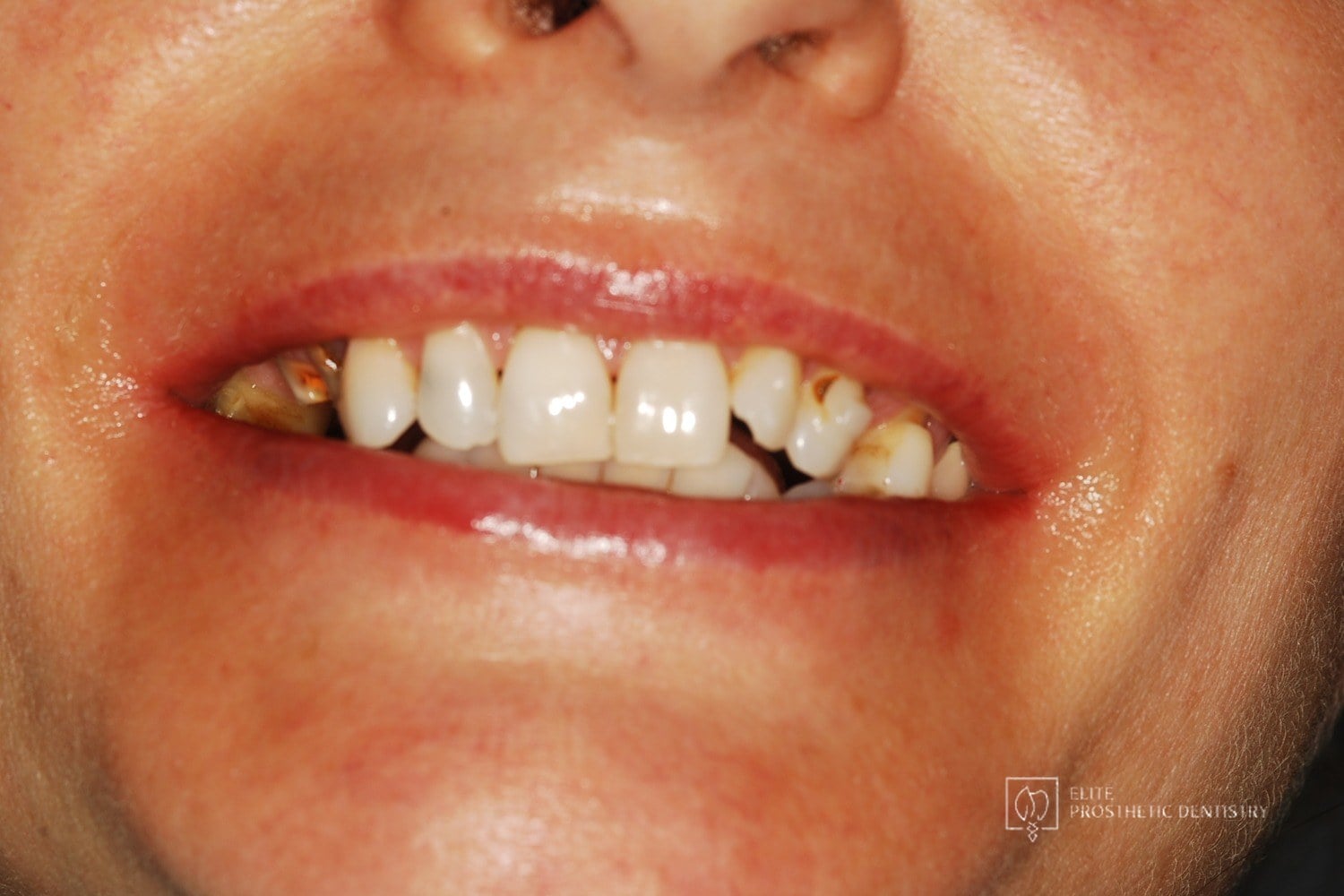 Before
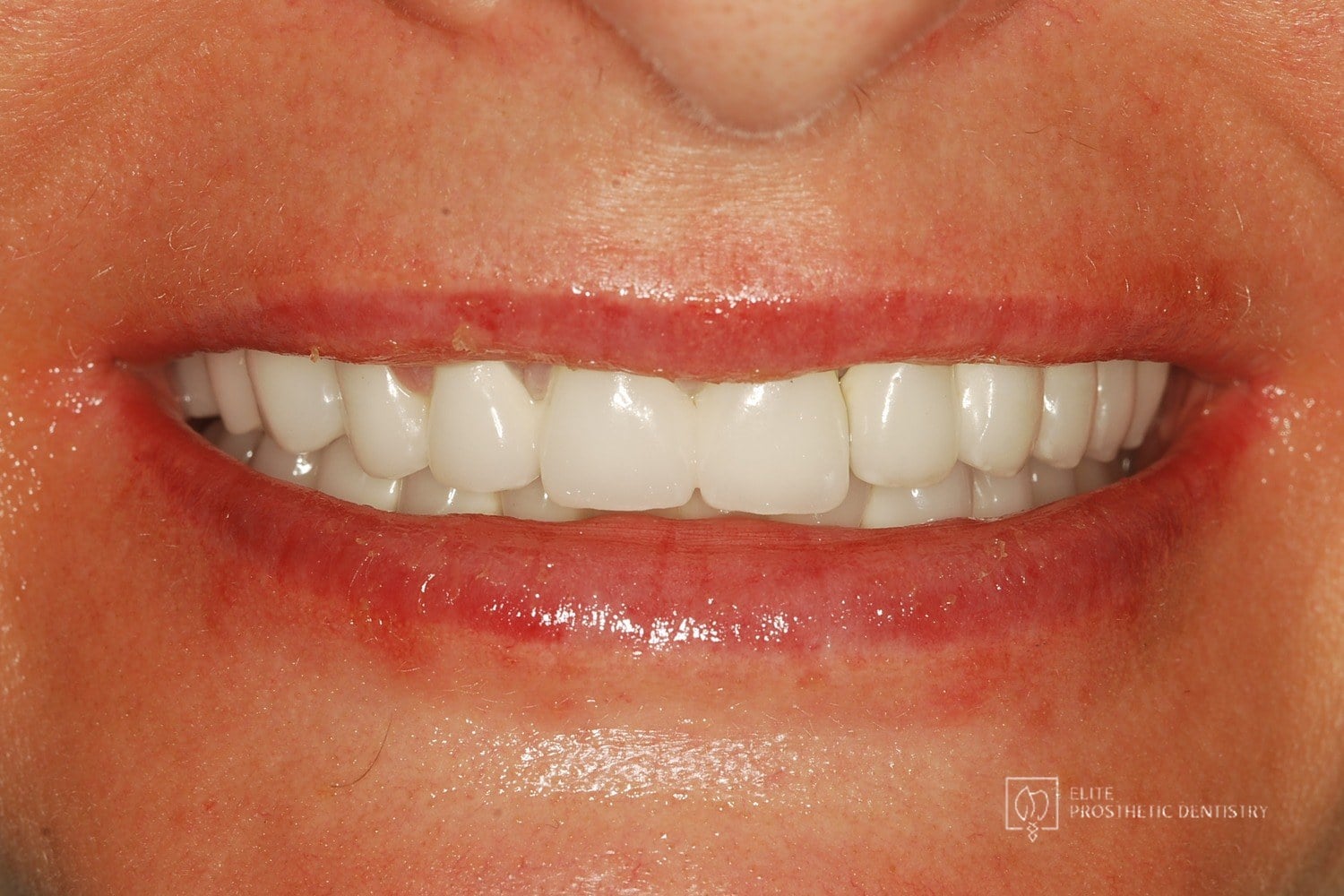 After
How Aging, Failing Dentistry Was Replaced with a Coordinated Full-Mouth Implant and Crown Reconstruction
The patient presented with throbbing upper-molar pain, long-standing infections, multiple root canals and unfinished prior treatment, generalized sensitivity, and several hopeless teeth.
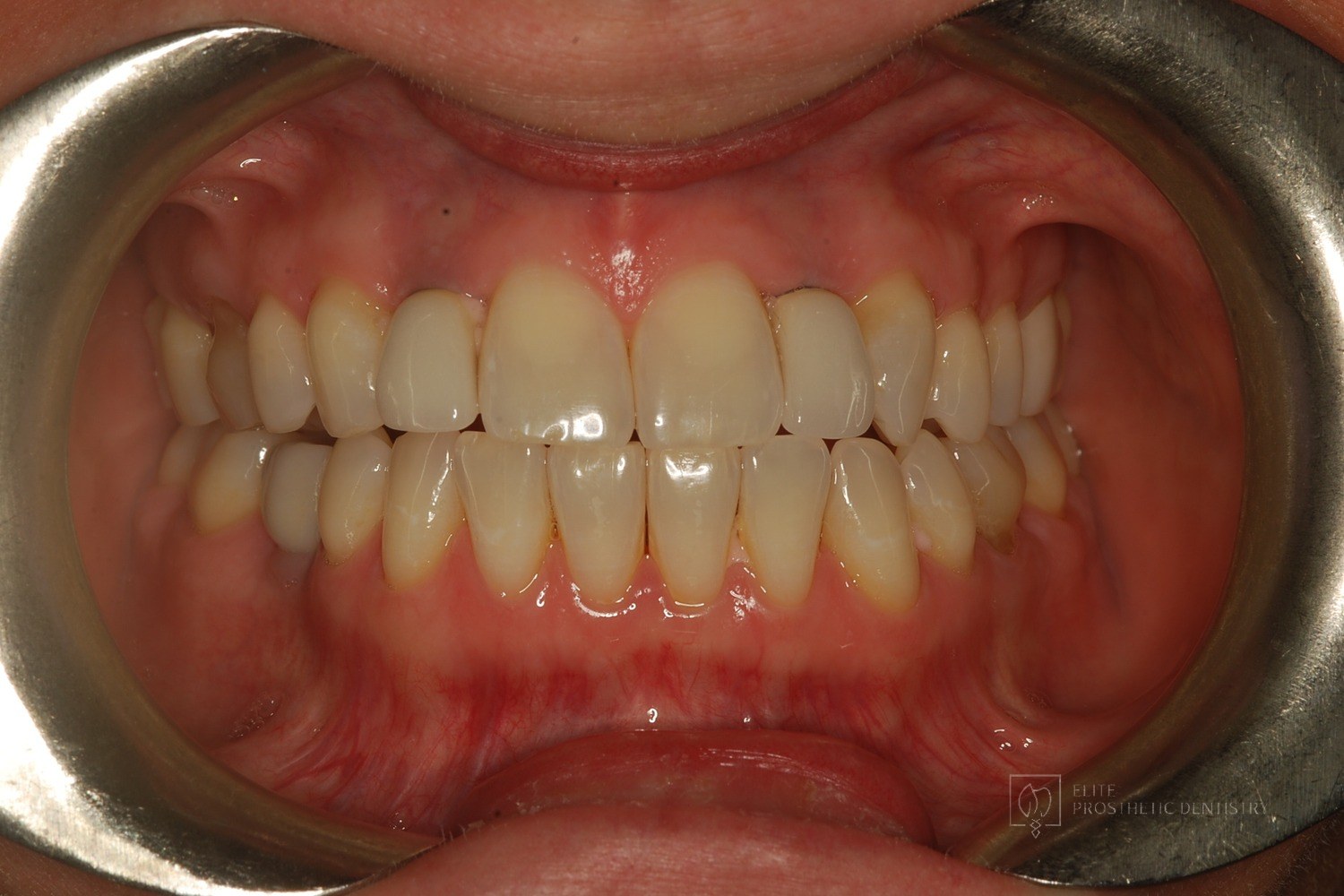 Before
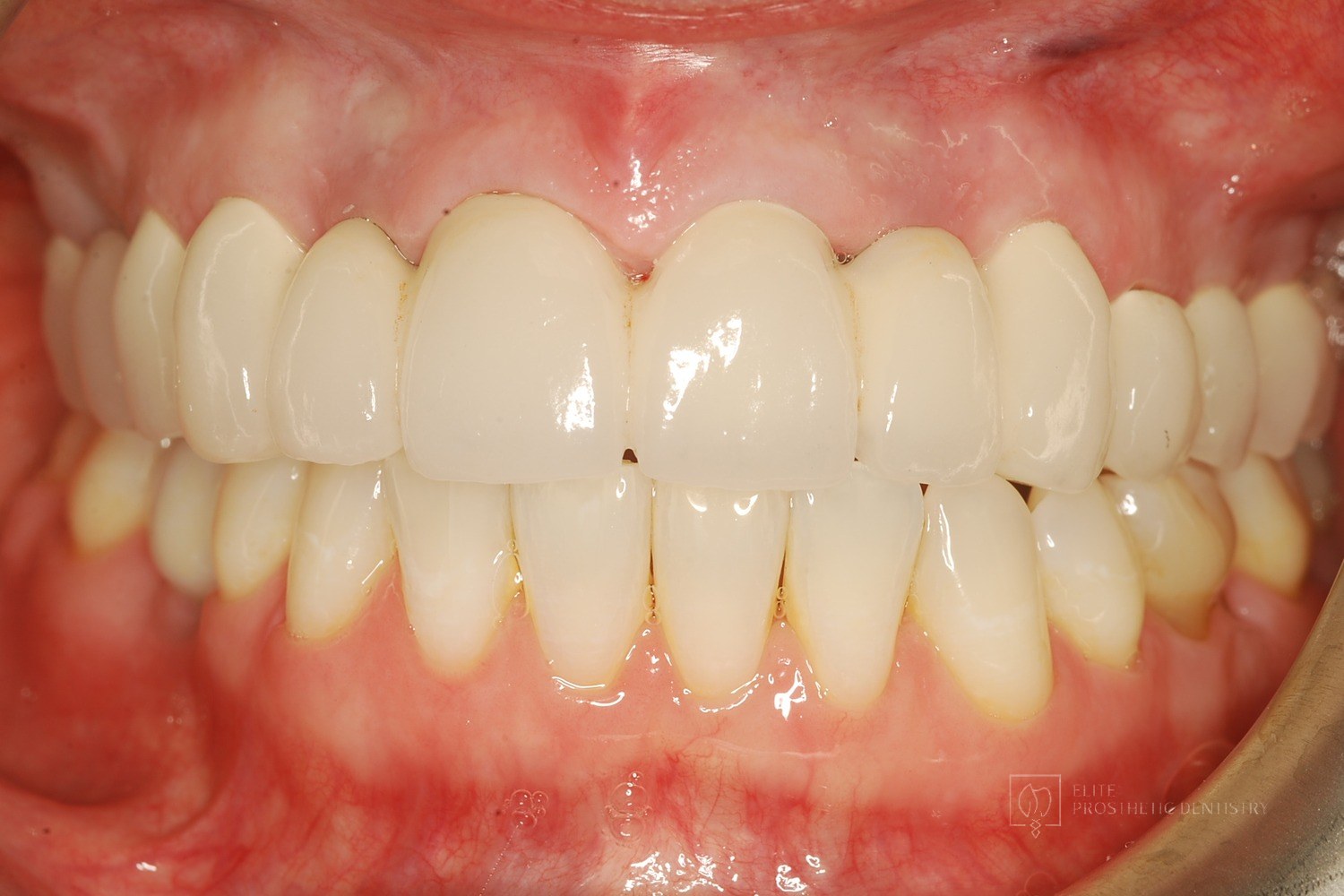 After
How Older Implant Crowns Were Redesigned for a Better Bite and More Natural Appearance
The patient came in after years of living with implant-supported crowns placed more than twenty years earlier that no longer looked or functioned well. CBCT evaluation, reviewed with a radiologist colleague, showed the implants had been placed too far to the buccal in very thin bone and could not support a healthy long-term restoration.
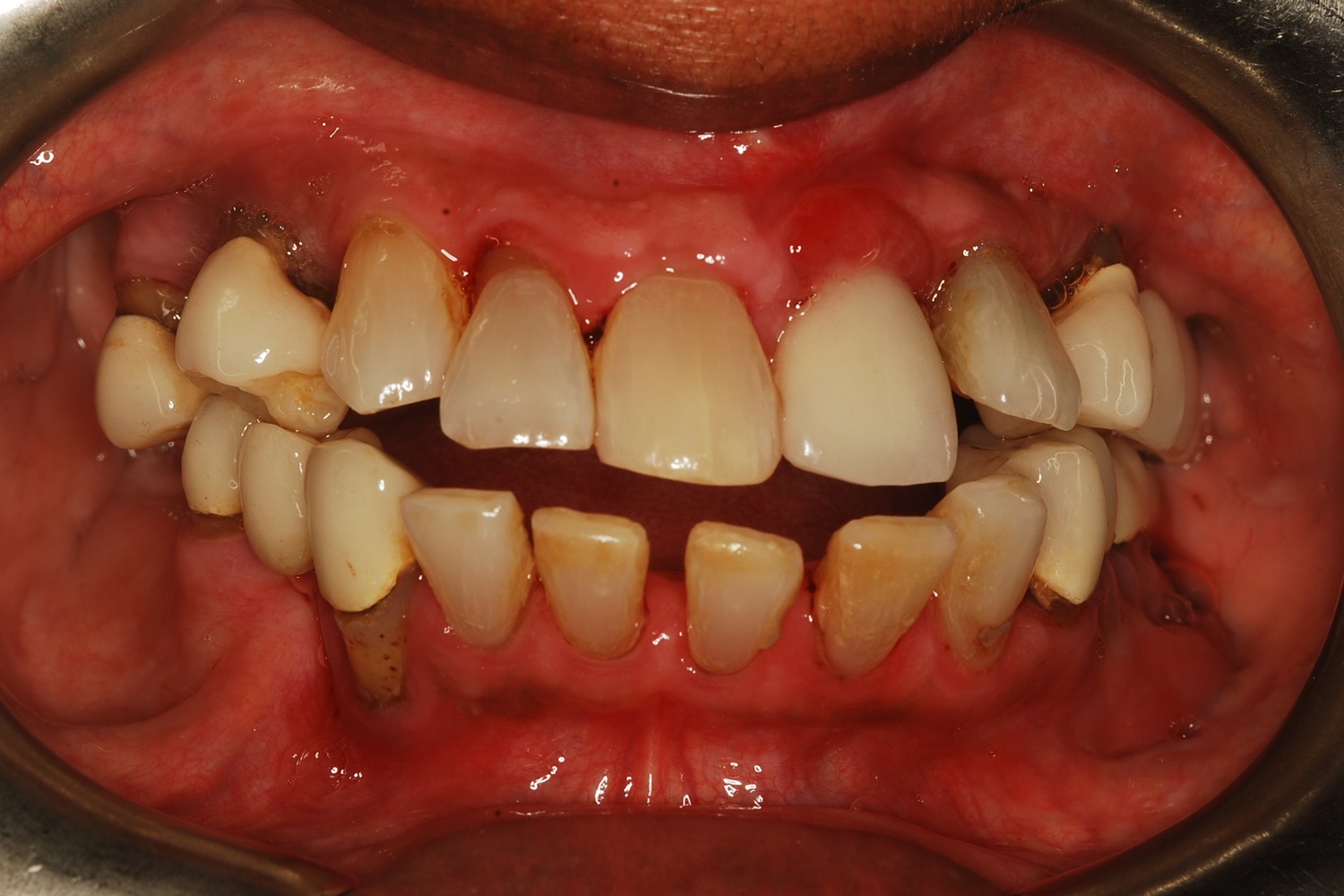 Before
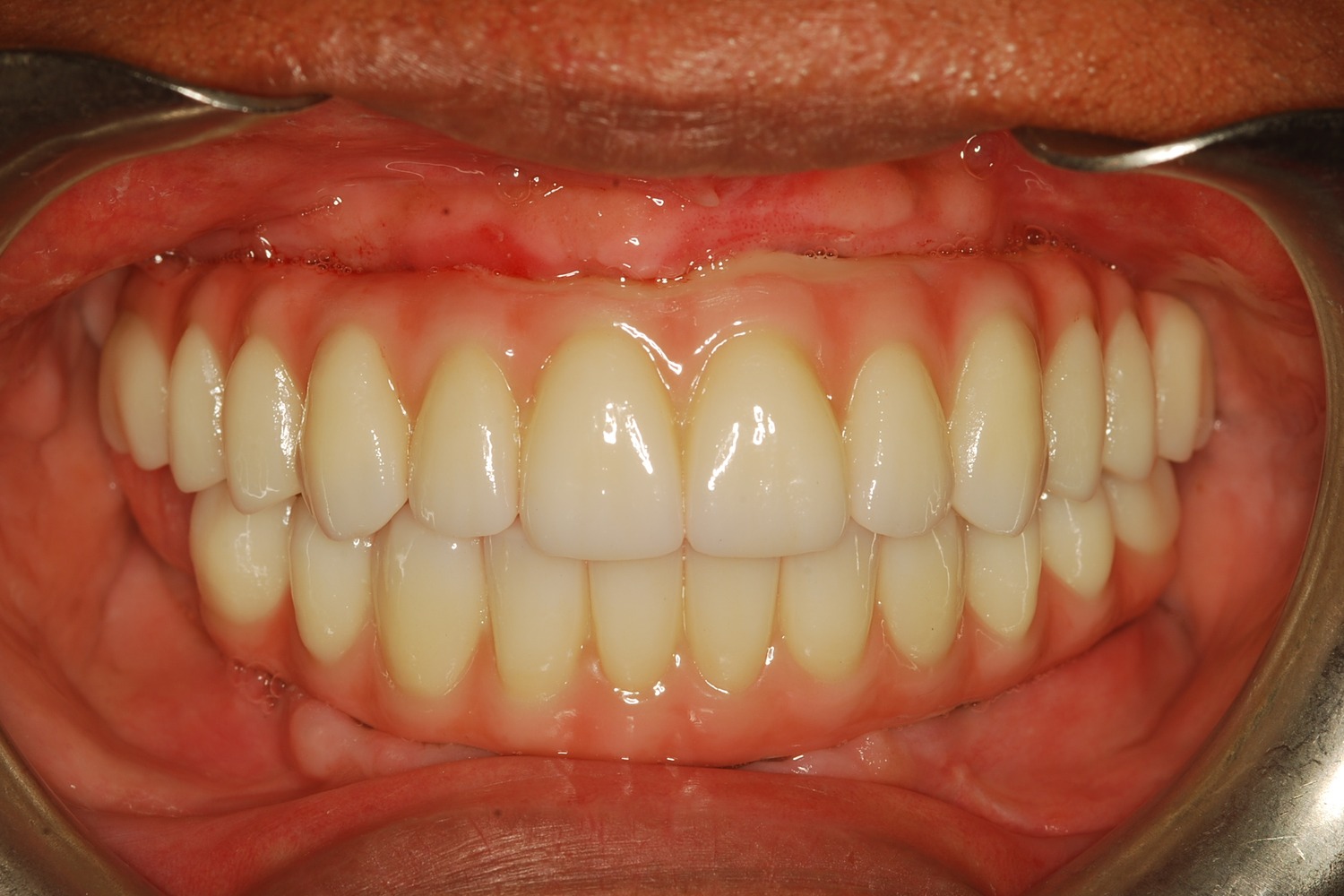 After
How Severe Bone Loss and Bite Dysfunction Were Rebuilt with All-on-6 Implants and a Milled Zirconia Hybrid Prosthesis
The patient presented with severe bone loss, advanced periodontal disease, malocclusion, and a dysfunctional bite that required full-arch rebuilding.
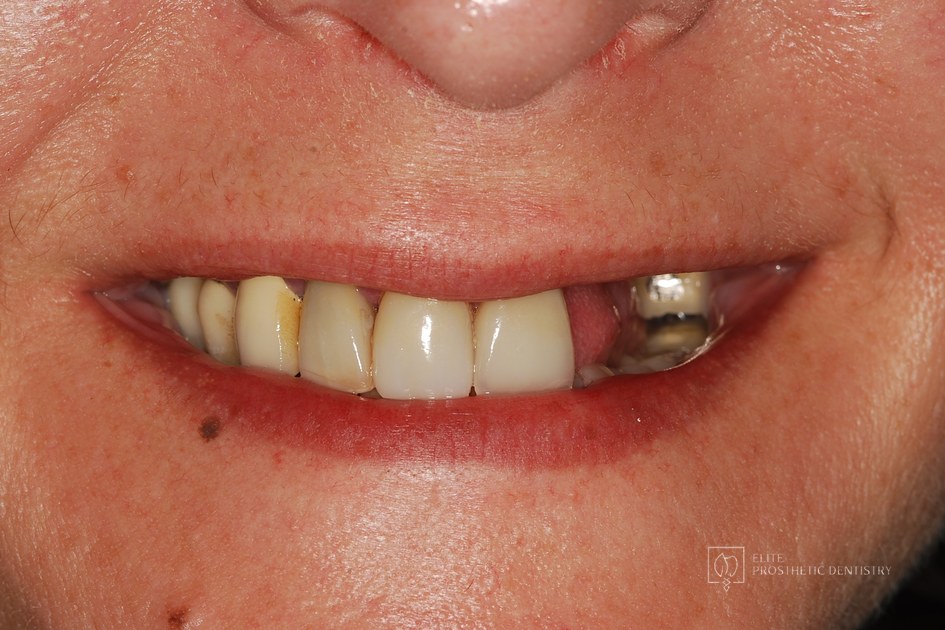 Before
 After
Implant Supported Reconstruction: Failing Bridgework and Missing Back Teeth Rebuilt with Coordinated Specialist Care
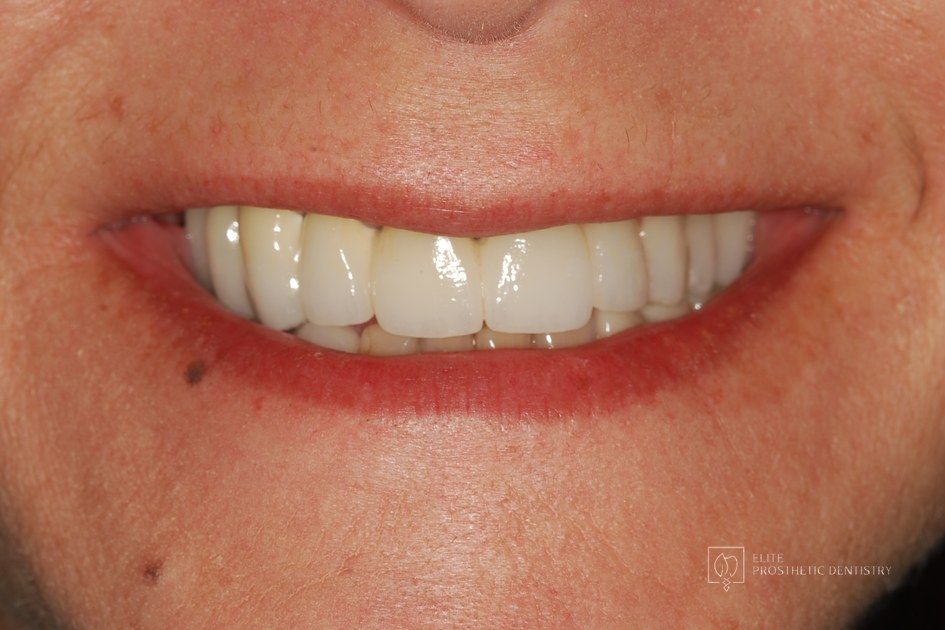
Referred by another dental specialist with severe bone resorption on the upper left, multiple broken-down lower teeth requiring extraction, and failing lower back teeth that had left the bite without solid support. No single procedure, and no provider working in isolation, could rebuild a situation this interconnected.
 Before
 After
How Worn Teeth Were Rebuilt for a Natural, Stable, Long-Lasting Smile
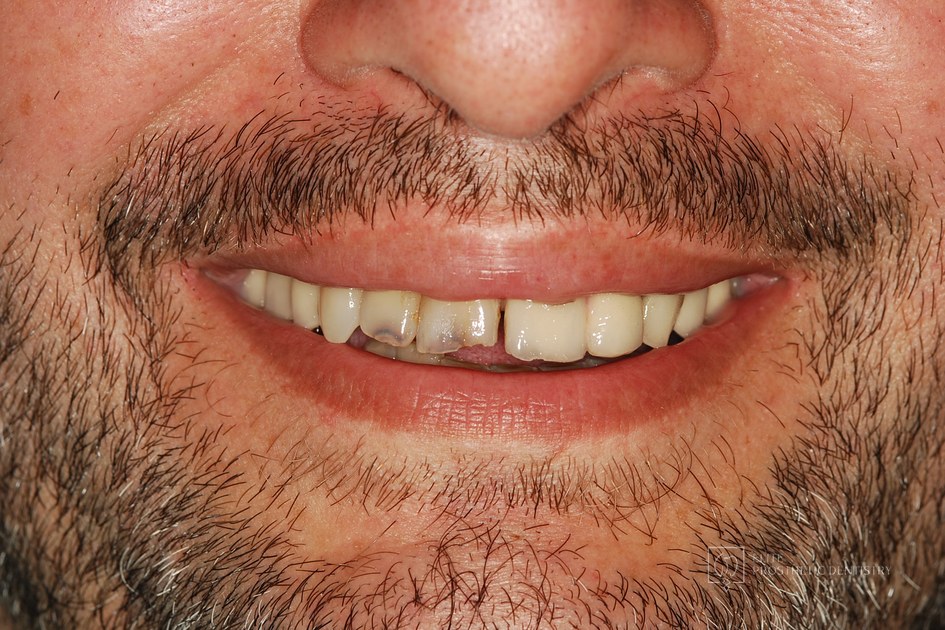
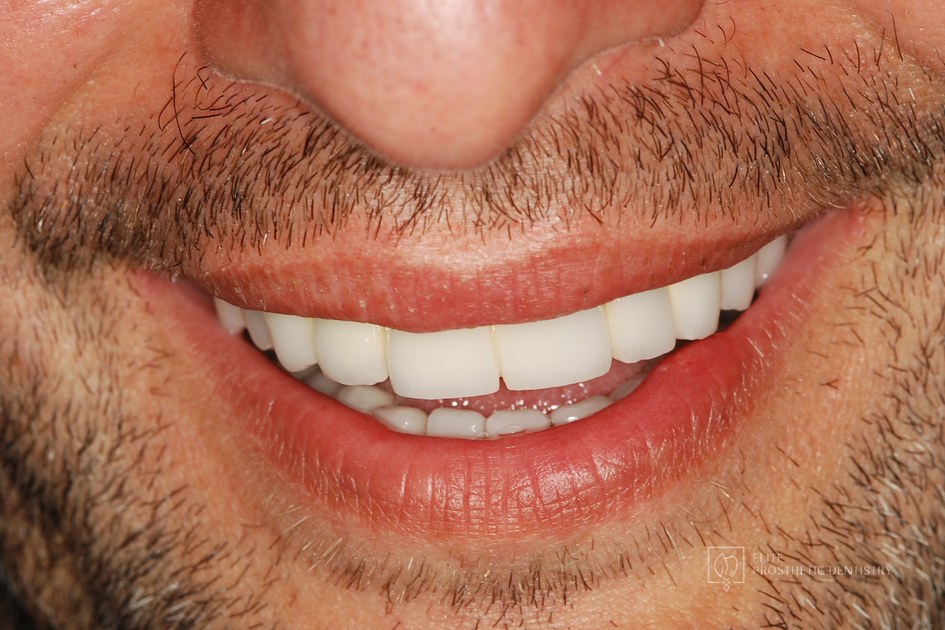
Decades of gradual wear had shortened, flattened, and darkened the teeth, changing the smile and quietly affecting the bite. The patient was not in crisis but wanted the dentistry planned and done correctly, with tooth proportions, esthetics, and bite stability handled as one system rather than patched a piece at a time.
 Before
 After
Severe Restorative Breakdown Rebuilt with a Coordinated Full-Mouth Reconstruction
Multiple older restorations placed at different times over many years, broken-down teeth, a significant malocclusion, an asymmetrical smile, and two upper front teeth that could no longer be saved. No single repair could address a pattern this widespread.
Ready to Transform Your Smile?
With 40+ years of experience and 3,900+ dental implants placed, Dr. Marlin and the team deliver dentistry planned to last. Request a specialist consultation.