
I Have Not Seen a Dentist in Years. Where Do I Start? A Washington, DC Guide
How a mouth with many problems becomes a plan with a few phases: what the first visit does, what is stabilized first, what can wait, how sedation fits, and how to choose where to go back.
Practice clinician: Gerald M. Marlin, DMD, MSD, prosthodontist, Elite Prosthetic Dentistry, Friendship Heights, Washington, DC. Last updated .
Returning to dental care after five, ten or twenty years is one of the most common ways a comprehensive case begins, and one of the hardest first steps for the patient to take. The difficulty is rarely the dentistry. It is not knowing what you will be told, what it will involve, and where to go. This guide explains how a mouth with many problems becomes a plan with a few phases, what the first visit does, what is addressed first and what can wait, and how to choose where to go back.

The Situation Is More Common Than You Think
Patients return after years away for ordinary reasons. A painful or embarrassing experience earlier in life. A move, a divorce, a demanding decade of work or family. Dental coverage that lapsed. A dentist who retired. Fear that compounded each year it was avoided. By the time they return, something has usually forced the question: a tooth has broken, a crown has come off, a front tooth has darkened, chewing has become selective, or a family member has said something. Many of these patients are successful in every other area of their lives and are embarrassed to be in this one. The embarrassment is the main obstacle, and it is misplaced. A prosthodontic practice sees this situation constantly.
What the First Visit Does
The first visit establishes the facts. It is not a treatment visit and it does not require a decision.
- A complete examination of every tooth, the gums, the bite, the jaw joints and the soft tissues.
- Imaging. X-rays, and for most returning patients a CBCT scan, which shows bone levels, infections, cracked roots and the condition under old restorations that a visual examination cannot see.
- Records. Photographs and impressions or a digital scan, so that the bite and the teeth can be studied outside the mouth.
- A conversation about what has happened, what hurts, what worries you most, and what you want at the end: comfortable chewing, a presentable smile, no more emergencies, or all three.
- Immediate relief if something is infected or painful, which is handled before any planning begins.
You leave with findings, usually with a second visit scheduled to review a plan built from them.
How Many Problems Become a Few Phases
A mouth that has gone without care often has a long list of findings: decay under several crowns, a few teeth beyond saving, gum disease, worn or shifted teeth, a bite that no longer meets evenly. The list is overwhelming only when it is treated as a list. A prosthodontic plan sorts it into an order that is the same for nearly every comprehensive case:
- Stabilize. Pain, infection and active disease are treated first: emergency care, gum treatment, extraction of hopeless teeth, root canal treatment where a tooth can be kept. Nothing durable is built on an unstable foundation.
- Decide the design. With the mouth stable, the end result is designed before any permanent work: which teeth stay, which are replaced and how, where the bite will sit, what the teeth will look like. Mounted models and a diagnostic wax-up make this visible. This is the step most often skipped in piecemeal care, and it is the one that decides whether the result lasts.
- Build the foundation. Grafting where implants need bone, crown lengthening where crowns need structure, implant placement, orthodontic movement where it helps.
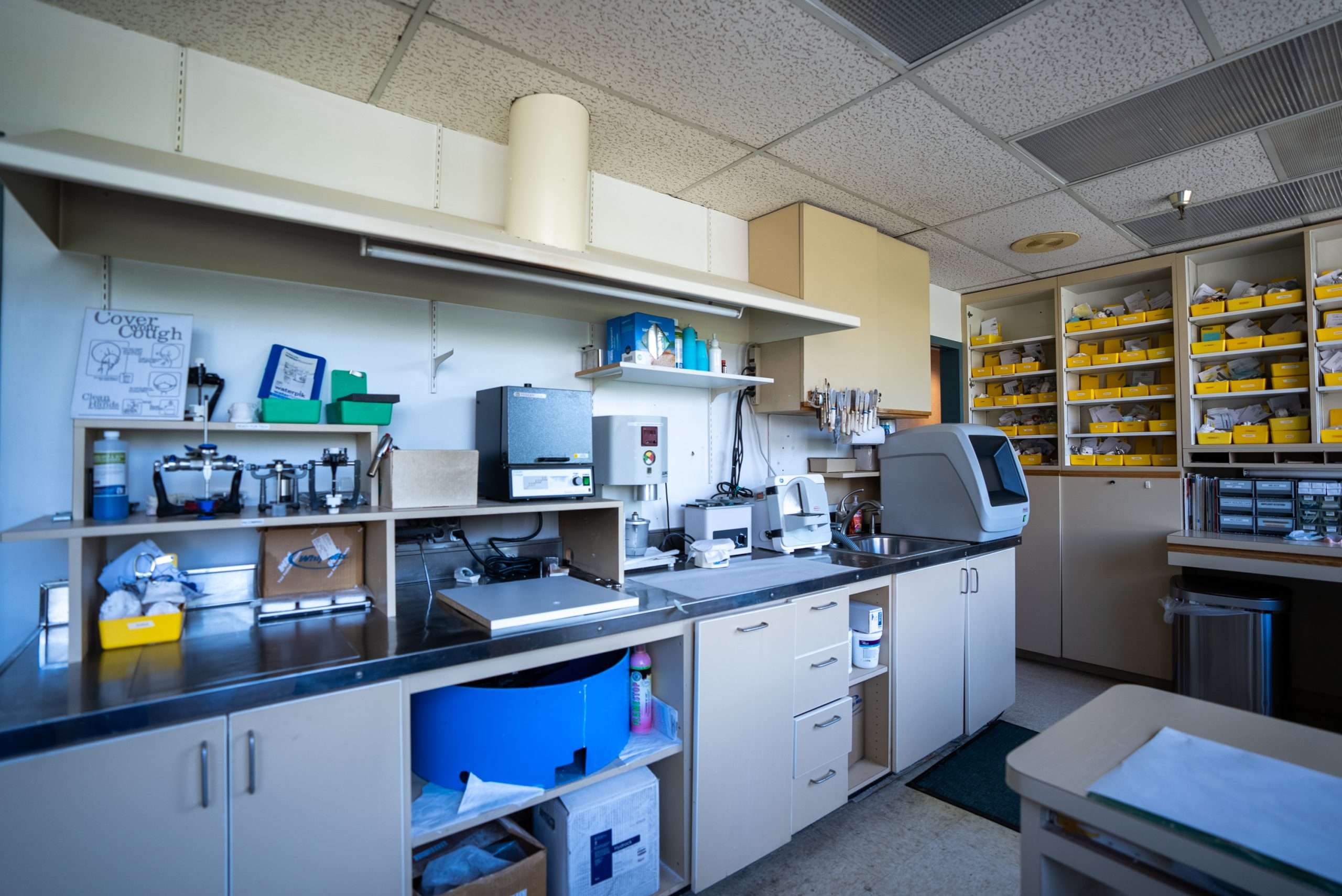
- Restore. Provisional restorations first, worn and adjusted until the bite and the appearance are right, then the final crowns, bridges or prostheses from the practice’s on-site laboratory.
- Maintain. A schedule for cleaning, examination and protection of the result, which is where the next twenty years are decided.
Within that order, the plan is paced to the patient. Stable problems can wait a season or a year. Phases can be matched to insurance years and budgets. What cannot be rearranged is the order itself: design before building, foundation before restoration.
What Can Wait, and What Cannot
Cannot wait: infection, a cracked tooth that is still restorable, a loose tooth with treatable bone loss, active gum disease. Each gets worse and more expensive with time, and some close the door on options.
Can usually wait: an old crown that is intact but unattractive, a missing back tooth that has been missing for years without the neighbors shifting, worn teeth that are not sensitive and not fracturing, cosmetic concerns. These are planned, not ignored, but they are scheduled rather than rushed.
The evaluation puts each finding in one of these two groups with the reason stated, so that the first phase is as small as it responsibly can be.
Fear, Sedation and Long Visits
Many returning patients stayed away because of fear, and some because of a specific experience with a specific procedure. Both are addressed directly. The examination itself usually needs no sedation and most patients find it easier than they expected. For treatment, the practice offers nitrous oxide, oral sedation and intravenous sedation administered by a certified registered nurse anesthetist. Sedation also makes it possible to consolidate long treatment steps into fewer visits, which matters to patients who want the work done without it taking over their calendar. Our pages on sedation dentistry and dental anxiety cover the options.
Where to Go Back
If you expect your mouth is mostly healthy and needs cleaning and small repairs, a general dentist is the right place to start, and the practice will say so if that is what the examination finds. If several teeth are broken or missing, crowns are failing together, teeth are loose, or the bite has changed, a prosthodontist’s comprehensive evaluation gives you one plan for all of it instead of a series of separate repairs made over time without an overall design. The difference is explained in our guide on choosing a prosthodontist for full mouth reconstruction. If you are not sure which situation you are in, the examination answers the question, and the practice coordinates with a general dentist for ongoing routine care afterward.
How Elite Prosthetic Dentistry Approaches Returning Patients
Dr. Gerald M. Marlin examines, images and records the mouth before proposing anything, and the plan that follows states what is urgent, what can wait, what the end result will be and the phases that get there. The practice treats both the problem-solving patient and the patient who wants aging dentistry replaced before it fails; many returning patients are both. Crowns, bridges and prostheses are made in the on-site laboratory, implants are placed and restored in the same office, and the written plan includes fees before anything begins. Patients come to us for both comprehensive reconstruction and proactive replacement of aging dentistry, and the returning patient is usually somewhere on that spectrum.
When Another Setting Fits Better
A patient whose examination shows a healthy mouth with routine needs is directed to a general dentist, with the findings sent along. A patient with severe, generalized gum disease may need a periodontist’s treatment before any restorative plan. A patient whose anxiety requires general anesthesia for even routine care may be better served in a hospital-based setting for the surgical phase.
Documented Cases
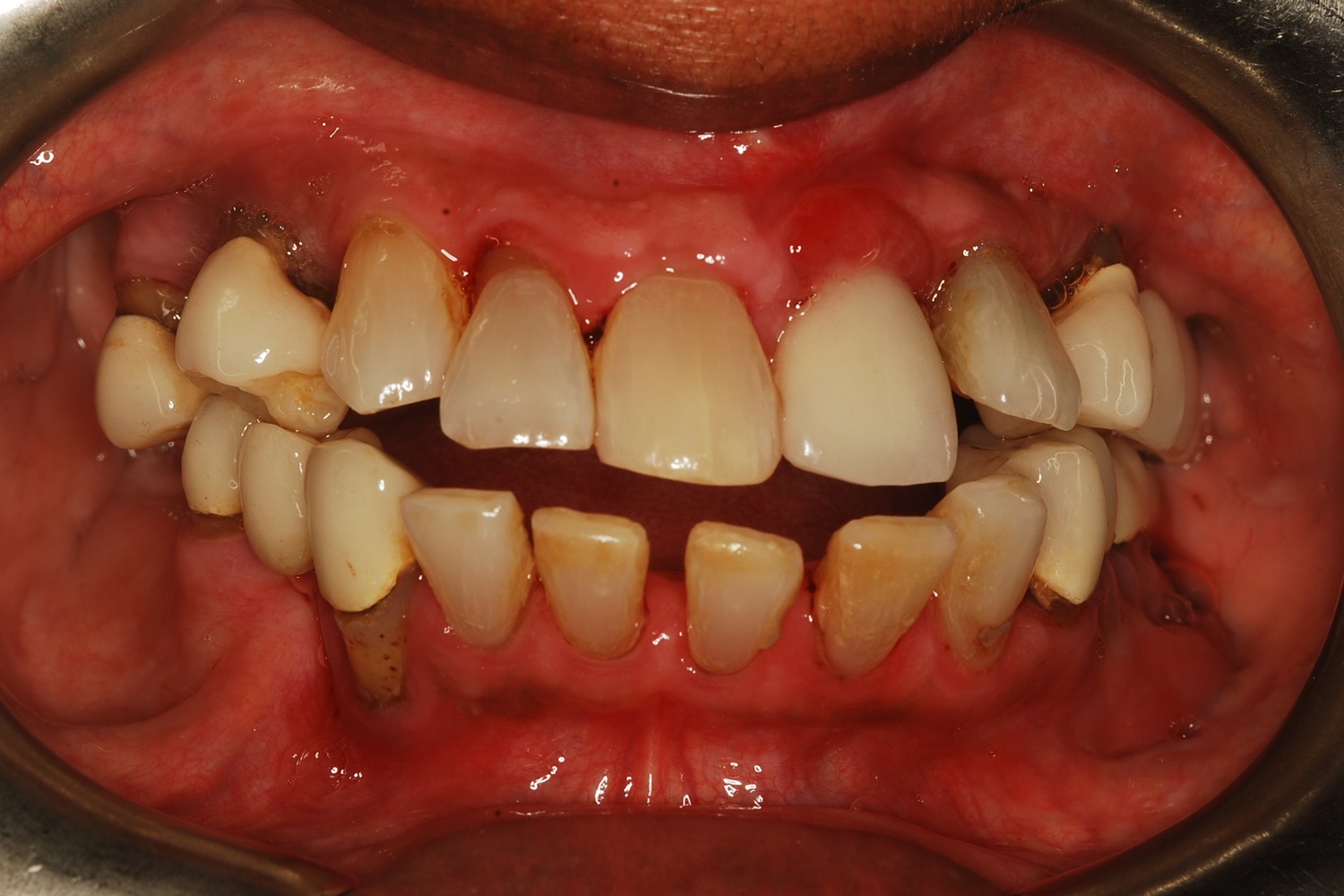
- A patient whose teeth were neglected and broken down as he avoided dental appointments, rebuilt with a comprehensive full mouth reconstruction.
- Loose, failing crowns, hidden decay and abscesses: one hopeless tooth removed, strategic teeth saved, both arches rebuilt.
- Severely broken-down upper and lower teeth salvaged from gum and bone disease.
- Both arches rebuilt after years of neglect and heavy grinding.
More cases are organized in the full mouth reconstruction success story hub.
Related Decision Guides
- Keep your teeth or replace them? Selective implants vs. full-arch extraction
- How to choose a prosthodontist for full mouth reconstruction
- What determines the cost of implants and reconstruction, and how to compare two quotes
- Understanding your dental treatment plan
- Comprehensive dental treatment on a demanding schedule
Take the First Step
The first visit is an examination and a conversation. Request an appointment or call (202) 244-2101. If it has been a long time, say so when you call; it changes nothing about how you will be treated, and it helps the team plan enough time.
Your Best Smile Is Within Reach
Request a specialist consultation with Dr. Marlin to discuss your situation and the most appropriate path forward.
Frequently Asked Questions
Will I be judged for how long it has been?
Not here. Patients who return after many years are among the most common patients in a prosthodontic practice, and the reasons they stayed away, a bad experience, fear, cost, a move, a busy decade, are ordinary. The first visit is an examination and a conversation, not a lecture. What matters is the condition of the mouth now and the plan from here.
What happens at the first visit?
A full examination, X-rays, and for most returning patients a CBCT scan, so the condition of every tooth, the bone and the bite is known before anything is proposed. Photographs and impressions or a digital scan are taken for planning. If something hurts or is infected, that is addressed first. You leave with findings, not with pressure to decide.
Do I have to do everything at once?
No. A comprehensive plan is decided once and carried out in phases. Urgent problems first, then the foundation, then the rebuilding. Stable problems can wait, and the schedule is matched to your calendar and your budget. What should not happen is improvised one-tooth-at-a-time treatment with no overall design.
Can I be sedated for the first appointment?
The first visit is an examination and usually does not need sedation; many anxious patients find that the examination itself is the hardest part and goes better than expected. For treatment, nitrous oxide, oral sedation and intravenous sedation administered by a certified registered nurse anesthetist are available, and long treatment visits can be consolidated under sedation so that fewer appointments are needed.
Should I go to a general dentist or a specialist to start?
If you expect the mouth is mostly healthy with some cleaning and small repairs needed, a general dentist is the right first stop. If you know or suspect that several teeth are broken, crowns are failing, teeth are loose or missing, or the bite has changed, a prosthodontist's comprehensive evaluation gives you one plan for all of it rather than a series of separate repairs. If you are not sure, either can start with the examination and refer as needed.
Related Patient Success Stories
Explore similar patient success stories demonstrating our expertise in advanced prosthetic dentistry.
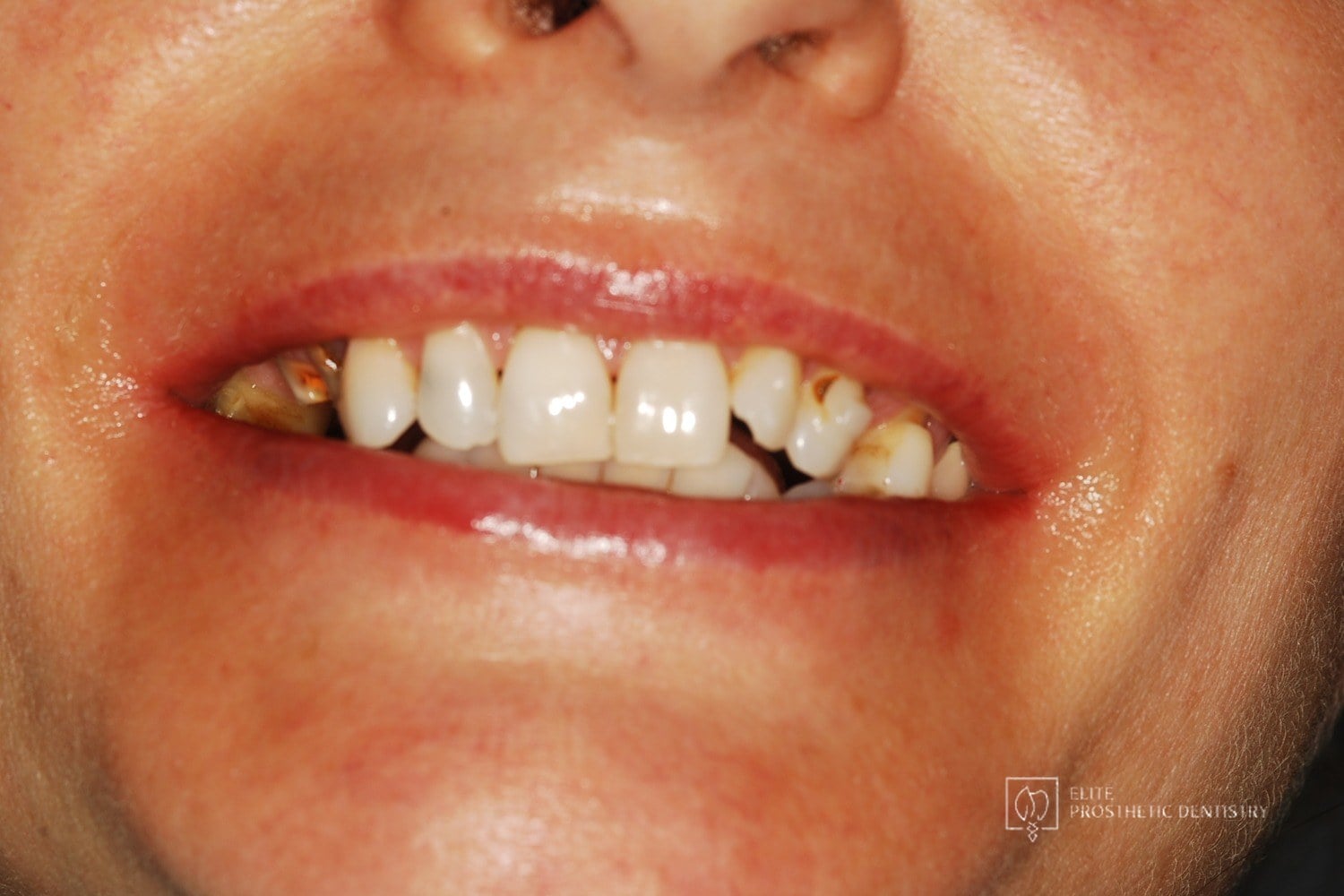 Before
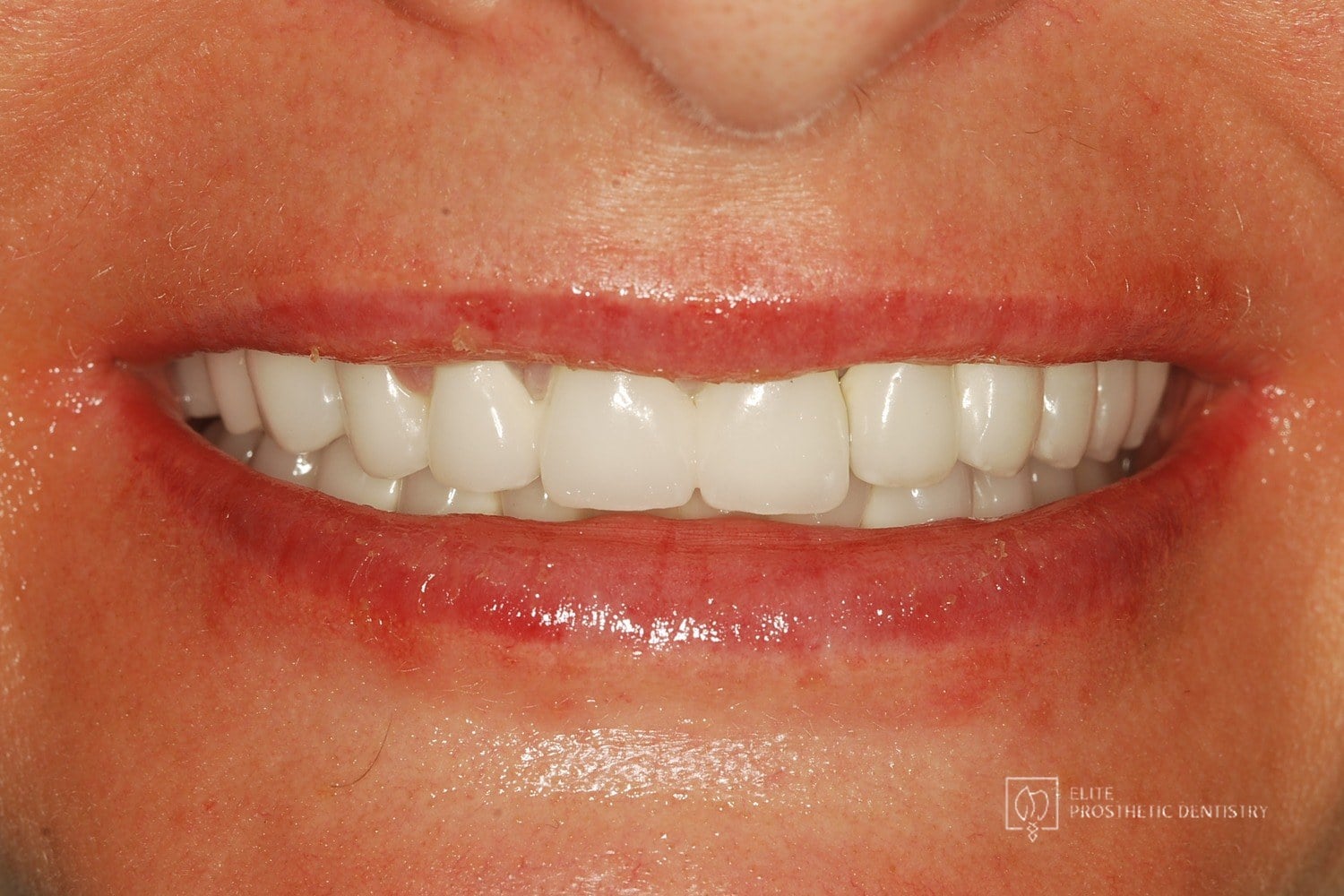 After
How Aging, Failing Dentistry Was Replaced with a Coordinated Full-Mouth Implant and Crown Reconstruction
The patient presented with throbbing upper-molar pain, long-standing infections, multiple root canals and unfinished prior treatment, generalized sensitivity, and several hopeless teeth.
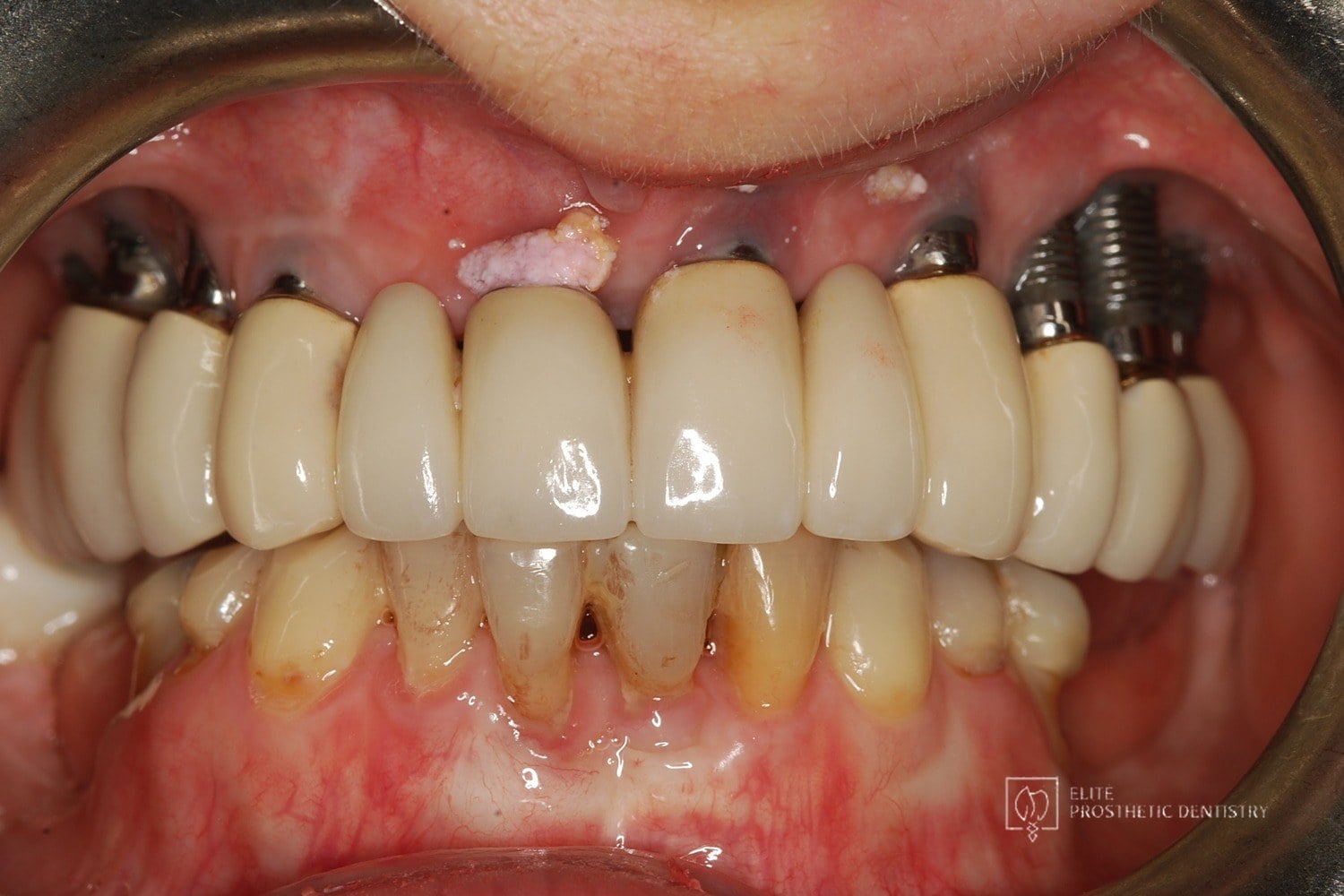 Before
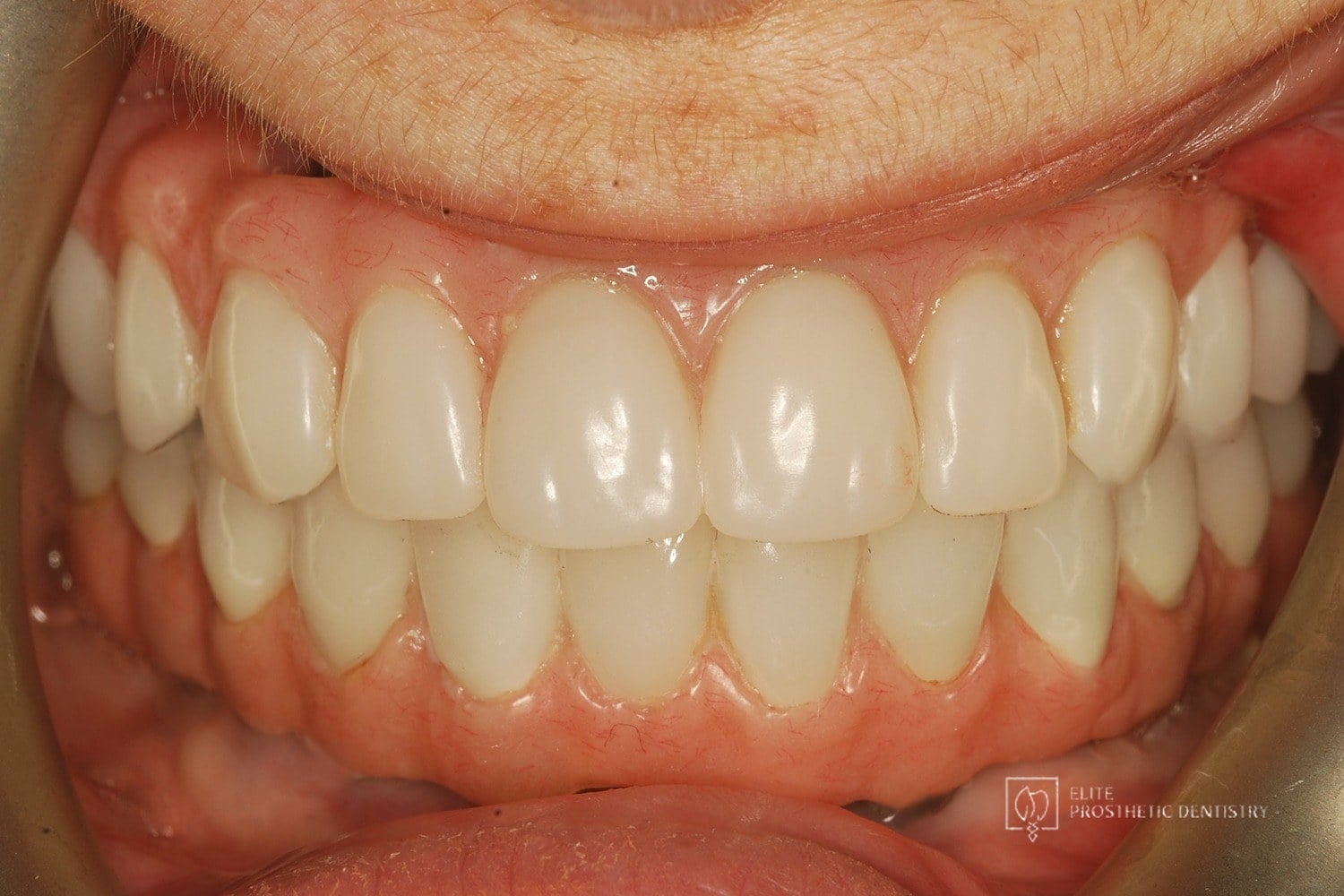 After
How Failing Implants and Severe Bone Loss Were Rebuilt Into a Stable Full-Arch Implant Reconstruction
The patient presented with significant complications from previously placed implants, severe bone loss, failing posterior implants, and an unesthetic full-arch bridge. Both arches required full reconstruction, with the upper arch showing the most advanced bone loss and instability.
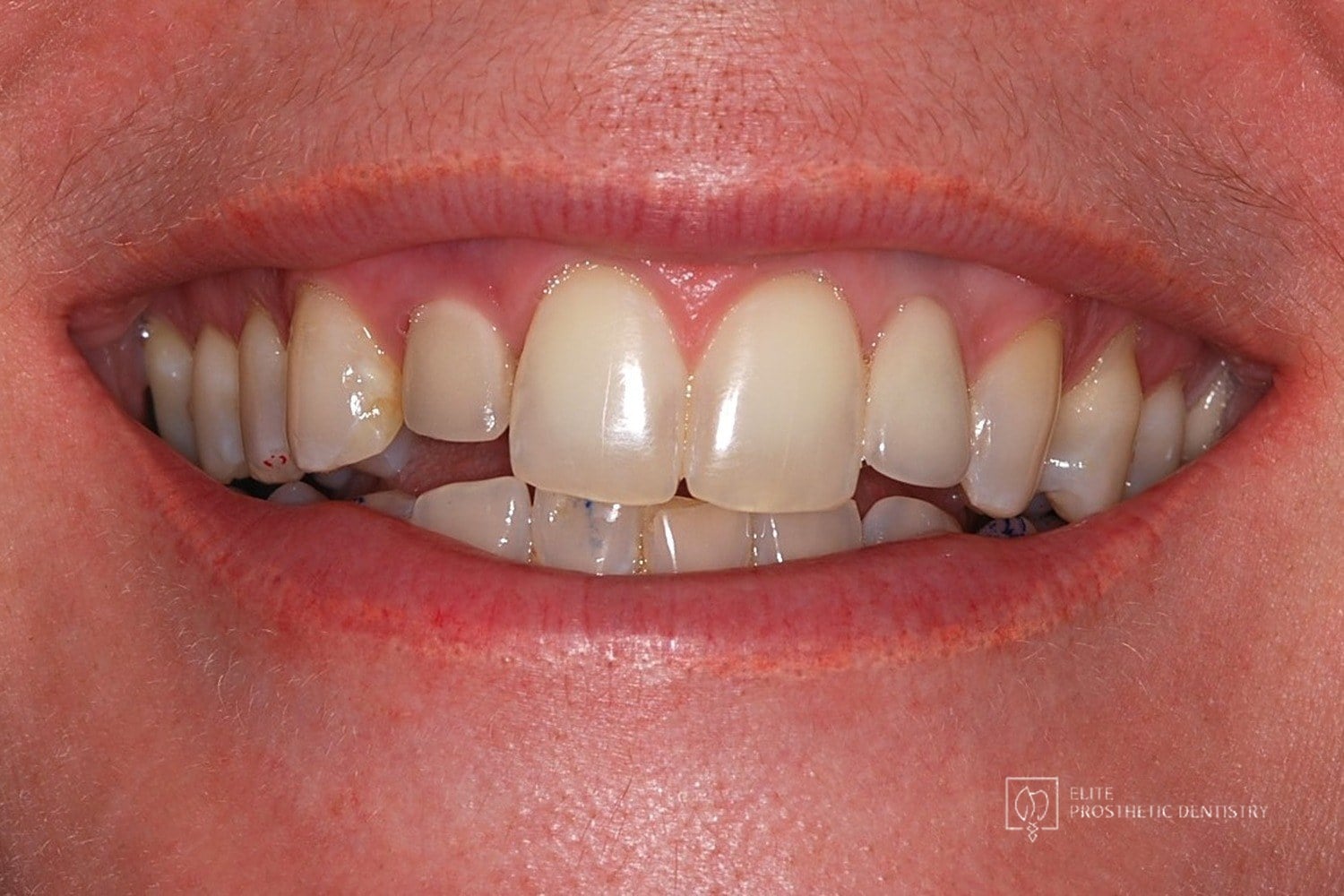 Before
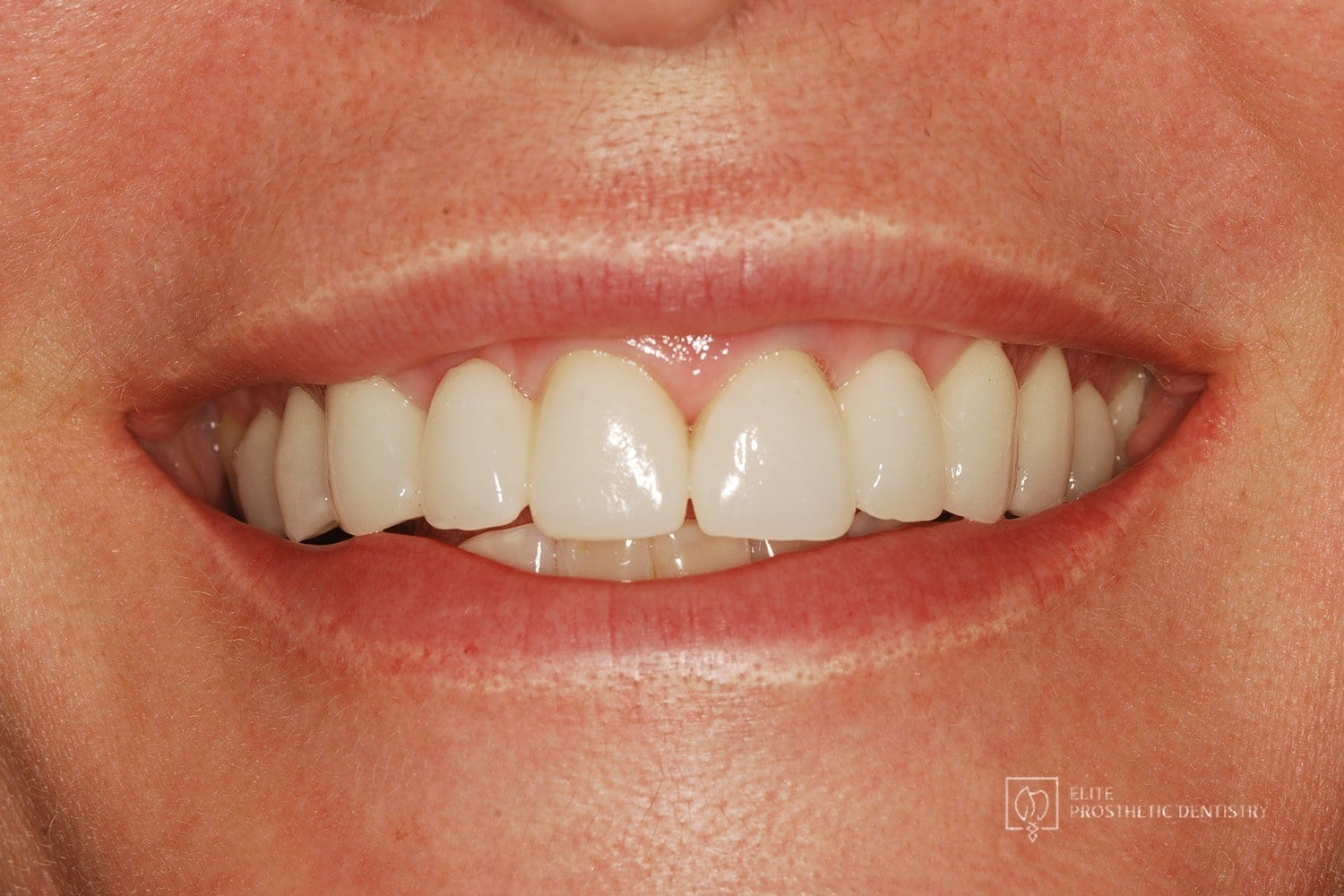 After
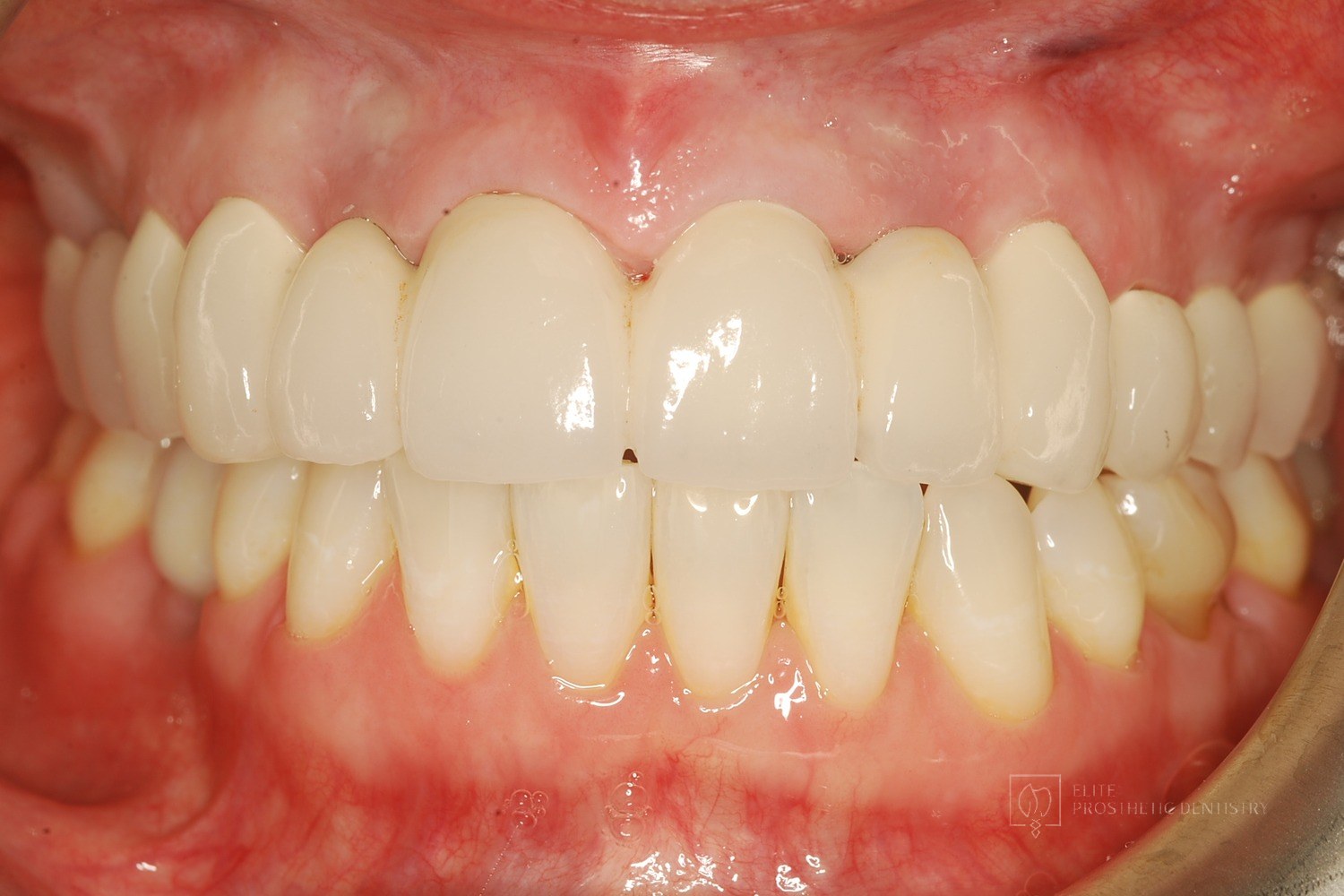
How Failing Lateral Incisor Implants Were Replaced with Custom Zirconia Bridges After Severe Bone Loss Made Replacement Implants Impossible
Comprehensive examination including CBCT imaging revealed significant bone loss surrounding implants that were placed outside the buccal plate, most likely due to placement without a CBCT-generated surgical guide. The implants were determined non-salvageable, and the alveolar ridge was too narrow to support replacement implants without extensive reconstruction.
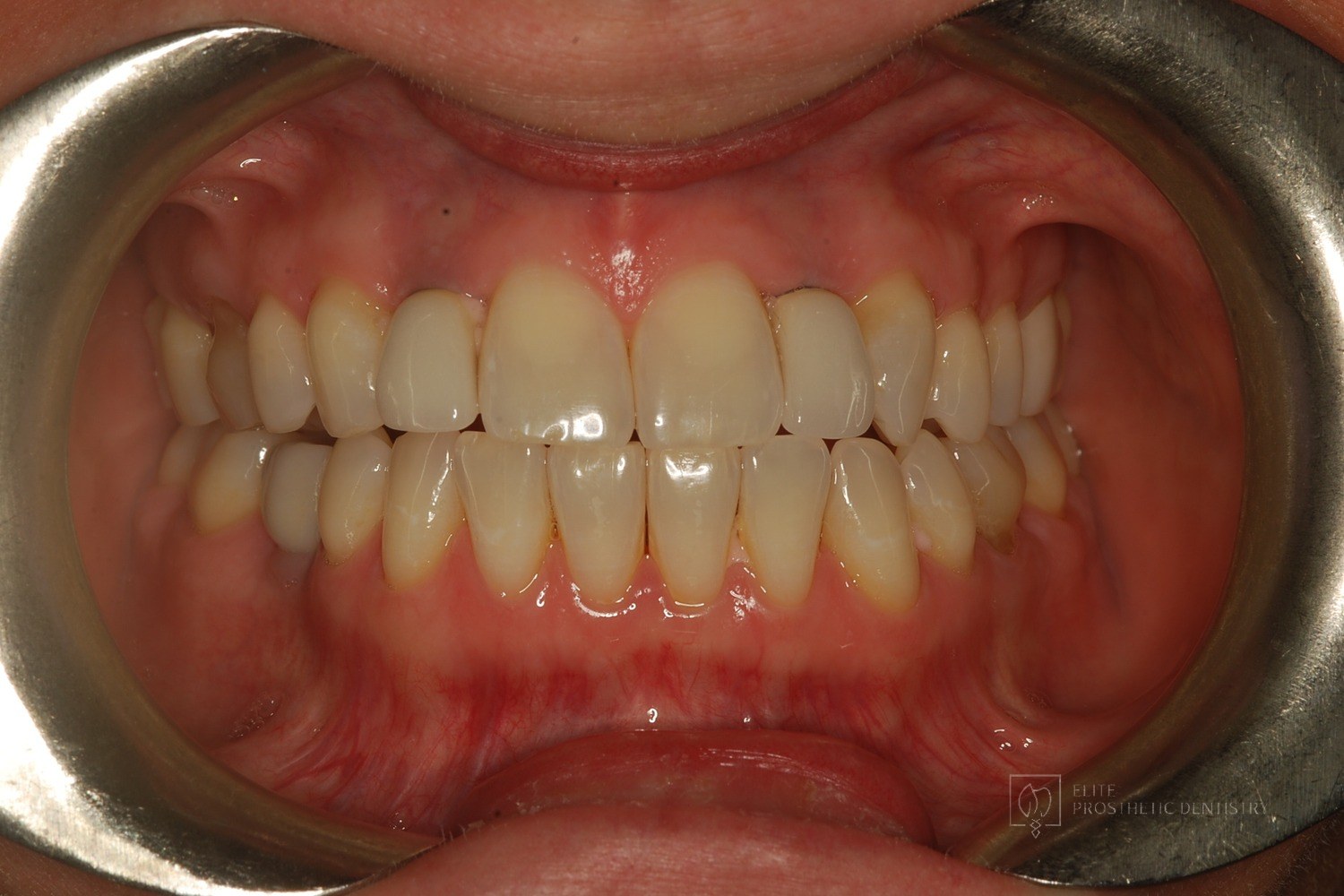 Before
 After
How Older Implant Crowns Were Redesigned for a Better Bite and More Natural Appearance
The patient came in after years of living with implant-supported crowns placed more than twenty years earlier that no longer looked or functioned well. CBCT evaluation, reviewed with a radiologist colleague, showed the implants had been placed too far to the buccal in very thin bone and could not support a healthy long-term restoration.
 Before
 After
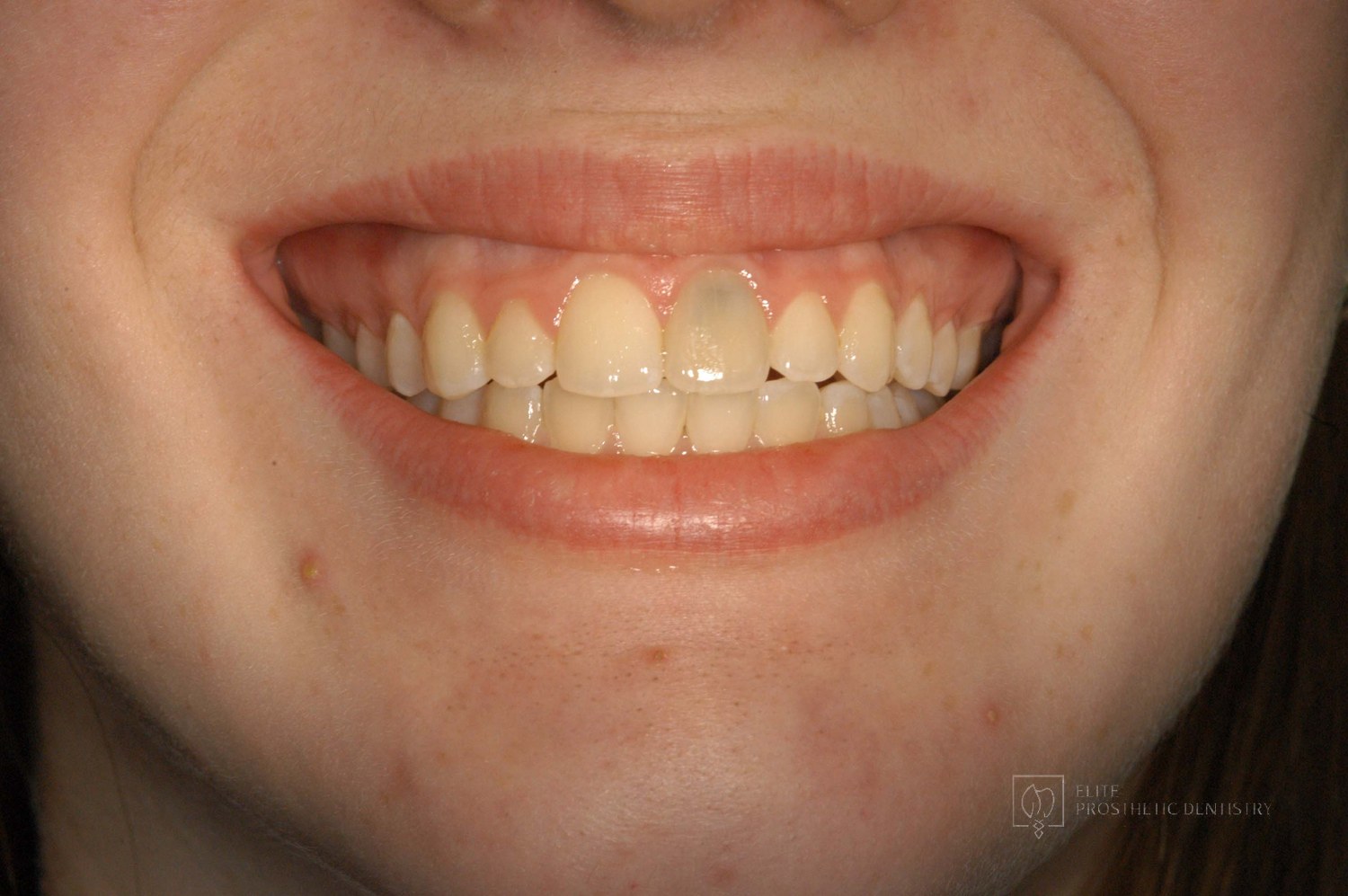
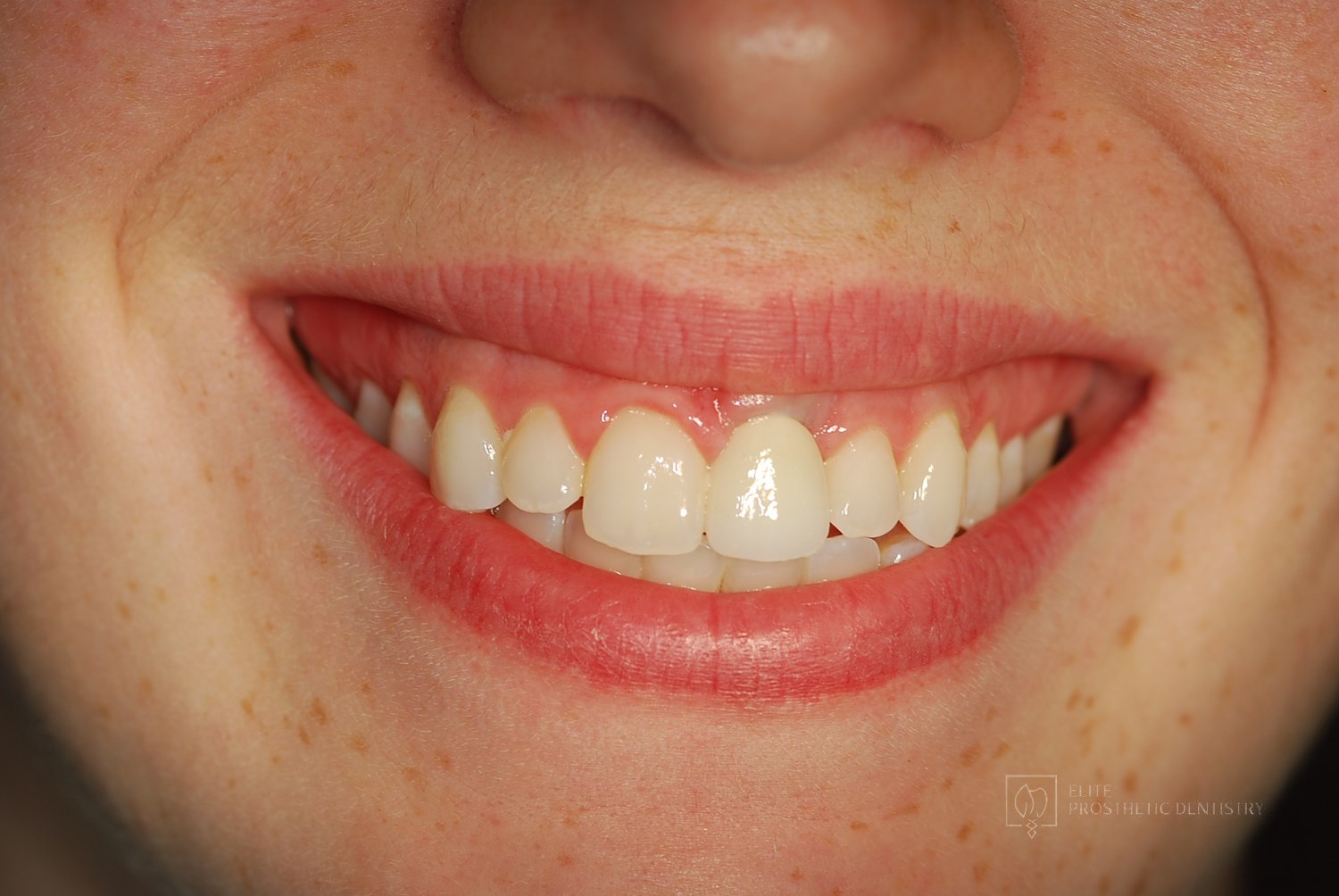
How a Front Tooth Lost to Childhood Trauma Was Rebuilt with Bone Grafting and a Long-Lasting Implant
A teenager was referred by her father after earlier trauma left her upper left front tooth slowly failing from root resorption. She was still growing, so an immediate implant was the wrong move. The tooth had to be maintained to buy time, then replaced correctly once she reached skeletal maturity.
 Before
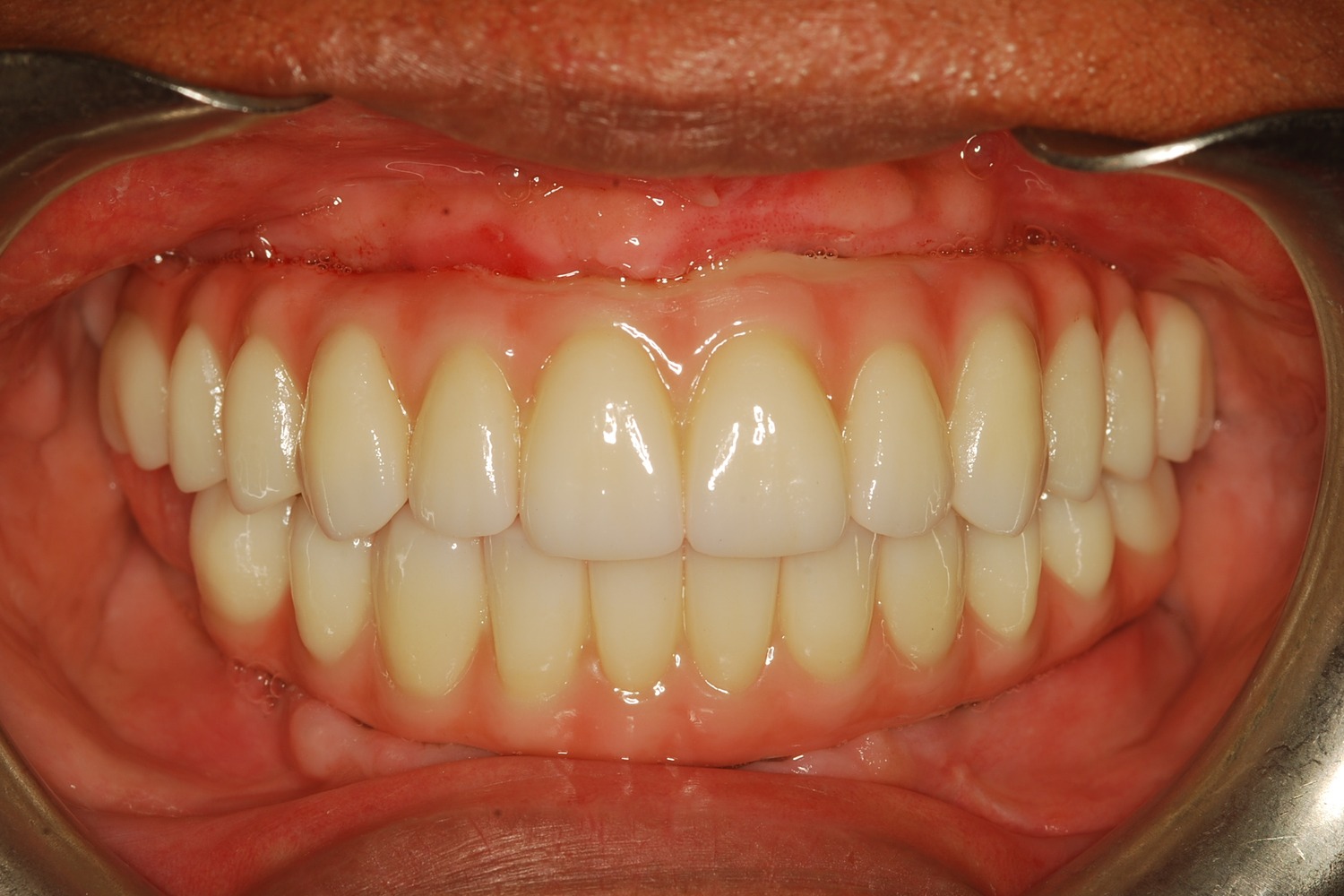 After
How Severe Bone Loss and Bite Dysfunction Were Rebuilt with All-on-6 Implants and a Milled Zirconia Hybrid Prosthesis
The patient presented with severe bone loss, advanced periodontal disease, malocclusion, and a dysfunctional bite that required full-arch rebuilding.
Related Articles
Deepen your knowledge with additional insights on this topic.
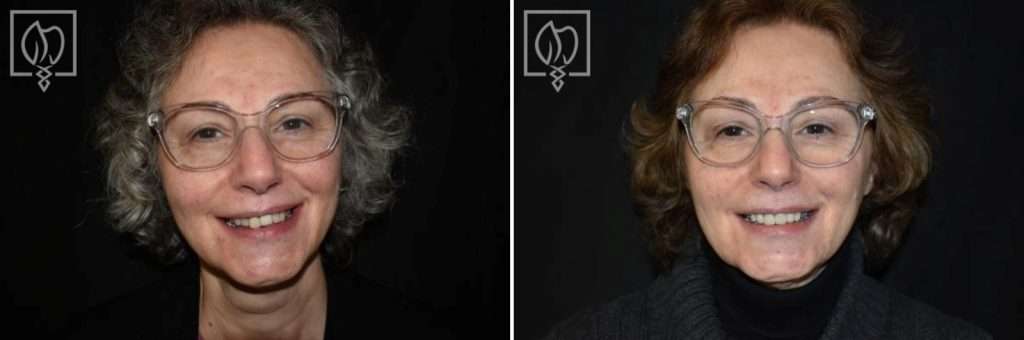 Choosing a Prosthodontist
The Patient's Guide to Implant, Cosmetic and Restorative Dentistry
How to judge quality in implant, cosmetic, and restorative dentistry: choosing a practitioner, why the lab matters, financing, and the questions to ask.
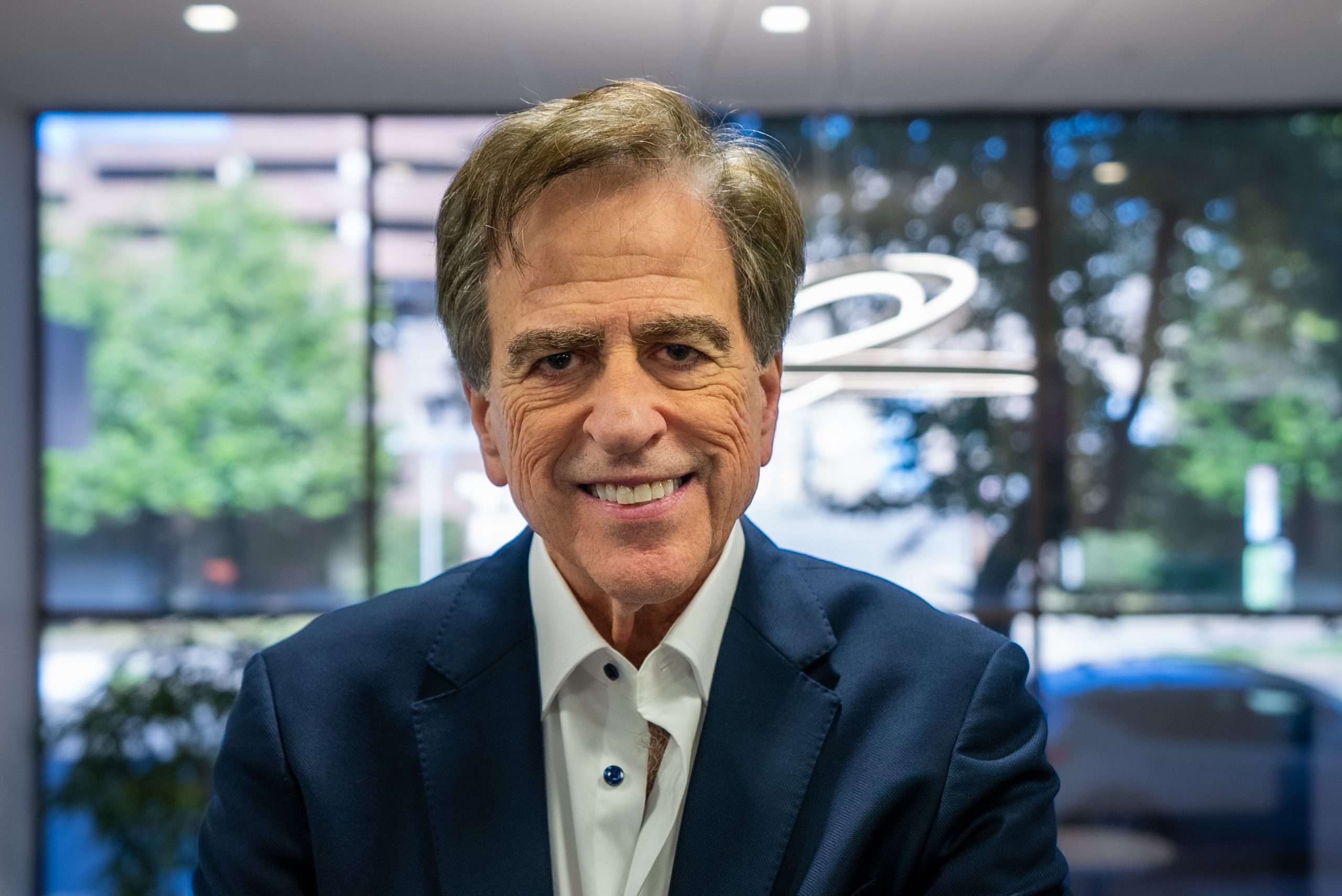 Choosing a Prosthodontist
What is a Prosthodontist?
A prosthodontist is a dental specialist with advanced training in crowns, implants, dentures, and complex restorations. Washington, DC specialist.
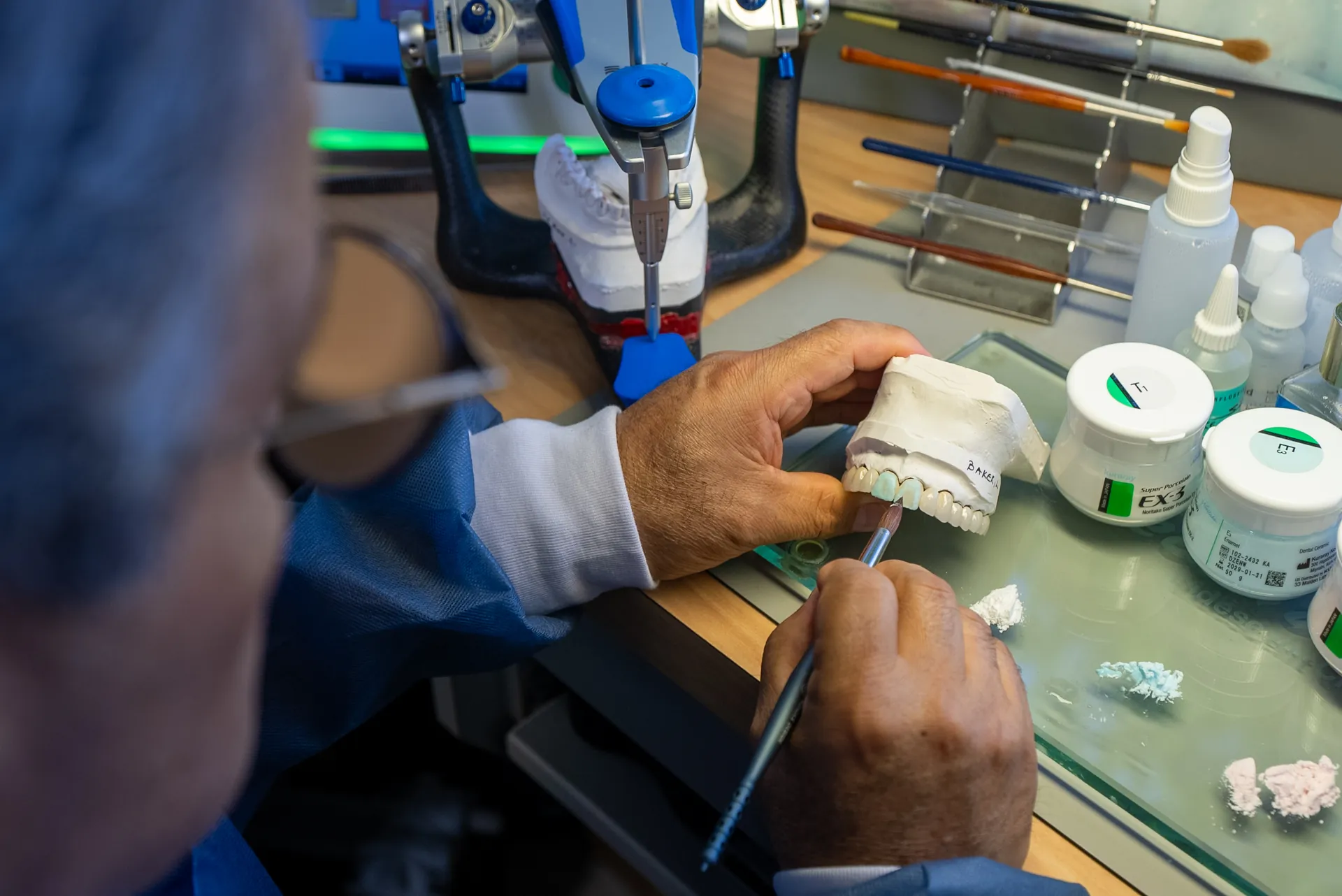 Choosing a Prosthodontist
4 Ways You Can Benefit from Our In-House Dental Lab
Custom aesthetics, precision fit, shorter waits, and fast repairs: four ways an in-house dental laboratory changes both your experience and your results.
 Choosing a Prosthodontist
What Is the Difference Between a Dentist and a Prosthodontist?
Every prosthodontist is a dentist, but with years of extra specialty training in restoring and replacing teeth. A DC prosthodontist explains who does what.
 Choosing a Prosthodontist
Don't Wait 'Til It's Too Late: Start with a Virtual Dental Consultation
A virtual consultation is a convenient first step: discuss your concerns, share records, and hear options from a DC prosthodontist before an in-person exam.
 Choosing a Prosthodontist
Emergency Dentistry: The Benefits of an In-House Laboratory
When a tooth or restoration breaks, an on-site dental lab can mean a natural-looking repair in a day instead of a week. How emergency fabrication works in DC.
Ready to Transform Your Smile?
With 40+ years of experience and 3,900+ dental implants placed, Dr. Marlin and the team deliver dentistry planned to last. Request a specialist consultation.