

Why Do My Crowns Keep Breaking? Finding the Cause Before Replacing Them Again in Washington, DC
Repeated crown fractures, chipped porcelain and worn teeth usually share a cause: the bite, grinding or the design of the last restorations. How a prosthodontist finds it before you pay to replace the same crowns again.
Practice clinician: Gerald M. Marlin, DMD, MSD, prosthodontist, Elite Prosthetic Dentistry, Friendship Heights, Washington, DC. Last updated .
A crown that breaks once may be bad luck. Crowns that keep breaking, chipping or coming loose are a pattern, and the pattern has a cause. Replacing each one as it fails, with the same design and the same material, treats the symptom. This guide explains what a prosthodontist looks for when crowns repeatedly fail, why the bite is usually at the center of it, and what to ask before you pay to rebuild the same teeth again.

Patients who come to Elite Prosthetic Dentistry with this problem have usually already spent considerable time and money. A crown fractured and was replaced. A different crown chipped. A bridge came loose, was recemented, and came loose again. Each repair was reasonable on its own. Together they describe a mouth in which the forces are not under control, and until that is understood, every new restoration is placed into the same conditions that broke the last one.
Why Crowns Fracture: The Usual Causes
Clenching and grinding (bruxism). The jaw muscles can generate forces during sleep far beyond those used in chewing. Porcelain, which performs well under normal loads, chips and fractures under repeated heavy loading, especially at edges and where it is thin. Worn, flattened teeth, flattened edges on crowns, and muscle soreness on waking are common signs.
An uneven bite. When the teeth do not meet evenly, a few teeth carry the load that should be shared by many. Those teeth, and their restorations, fail first. An uneven bite can result from the original restorations being made without a careful bite record, from teeth shifting after a tooth was lost, or from wear that changed the way the jaw closes.
Lost or shortened back teeth. Back teeth absorb most chewing force. When they are missing, worn down or restored too short, the front teeth and their restorations take force they were never designed to carry. Front crowns that keep chipping often point to a problem at the back of the mouth.
Loss of bite height. Years of wear can reduce the vertical height of the bite. Restorations made at that collapsed height are compromised from the start, and the jaw position that results can concentrate force in ways that break them.
Design and material. A crown made too thin to fit without adjusting the bite, porcelain layered over a framework in a way that leaves it unsupported, or a material selected for appearance in a mouth that needs strength, will fail even in a reasonable bite. A crown designed for a patient who grinds is a different object from one designed for a patient who does not.
Problems beneath the crown. Decay at the margin, a cracked root or a tooth that has lost structure can cause a crown to loosen or fracture. These need to be ruled out, because they change the plan for the tooth itself.
Most patients with repeated fractures have more than one of these at work. The evaluation’s job is to identify which, and in what proportion.
Why the Same Replacement Produces the Same Result
A crown is designed for the conditions it will live in. If the conditions are heavy grinding, an uneven bite and missing back teeth, a crown made exactly like the one that just broke will meet the same forces and fail the same way, usually faster, because the tooth beneath it has lost more structure with each replacement. The useful question is not “what crown should replace this one” but “what is breaking my crowns, and what has to change so the next restoration survives.”
Sometimes the answer is modest: adjust the bite, make a night guard, and replace the one crown in a material and design suited to the forces. Sometimes the answer is that the bite as a whole needs to be rebuilt, because the pattern of wear and failure has gone too far for single-tooth repairs to hold. Our guide on full mouth reconstruction covers that decision. The evaluation is what tells you which situation you are in.
What a Prosthodontic Bite Evaluation Looks At
- Wear patterns on natural teeth and restorations, which show where force is concentrated and in what direction the jaw moves.
- How the teeth meet when the jaw is seated, and whether that differs from how they meet when the patient bites down habitually.
- Which teeth are missing, shortened or heavily restored, and what that does to load distribution.
- The vertical height of the bite and whether it has been lost to wear.
- The jaw joints and muscles, assessed separately from the teeth, so that joint symptoms are not assumed to be caused or cured by restorations.
- Each existing restoration: material, thickness, margins, and the condition of the tooth beneath it, with imaging where indicated.
- Mounted models and, where the case warrants, a diagnostic wax-up that shows what a rebuilt bite would look like before anything is done.
The result is a diagnosis of the force problem, not just a list of broken crowns.
How Elite Prosthetic Dentistry Approaches Repeated Fractures
The practice treats repeated restoration failure as a bite problem first. Dr. Gerald M. Marlin examines the wear pattern, the jaw function and the existing restorations before recommending replacement of anything. Where a limited correction is sufficient, that is the recommendation. Where the bite needs to be rebuilt, the plan is developed on mounted models and a diagnostic wax-up, verified in provisional restorations the patient wears and tests, and then completed in the practice’s on-site laboratory in materials chosen for the patient’s forces. A night guard is made for patients who grind, as protection for the result rather than as a substitute for the diagnosis.
Jaw pain, clicking or headaches are evaluated and reported separately from the restorative findings. Rebuilding the bite is undertaken to restore the teeth and their function; it is not promised as a treatment for joint or muscle symptoms, which have their own evaluation. Our guide on who treats TMJ explains that distinction.
When Another Setting Fits Better
A single fractured crown in a mouth with an even bite, intact back teeth and no history of grinding is a routine repair that a general dentist can handle well. A patient whose primary complaint is jaw pain without significant tooth wear or restoration failure is better served by an orofacial pain evaluation first. A patient with active decay or periodontal disease across the mouth needs that disease controlled before restorations are planned. The evaluation will say which applies.
Documented Cases That Show the Decision
- A fractured filling led to the discovery of generalized wear and a collapsed bite: crown lengthening, a diagnostic wax-up, upper and lower zirconia-ceramic crowns and a night guard.
- A severe teeth grinder has his worn-down teeth restored: the bite rebuilt for the forces that destroyed the original teeth.
- Worn teeth rebuilt for a stable, natural, long-lasting result.
- Older implant crowns redesigned for a better bite and more natural appearance: restoration design corrected rather than simply replaced.
- Both arches rebuilt after years of heavy grinding destroyed the teeth: a case in which the teeth were past saving and the plan had to account for the same forces.
More cases are organized in the full mouth reconstruction success story hub.
Related Reading
- Can worn-down teeth be fixed, or do they have to be replaced?
- Should you wear your dental night guard during the day?
- When multiple restorations start failing at once
- When to replace old crowns and bridges
- How to choose a dentist for crowns in Washington, DC
Request a Bite Evaluation
If your crowns, veneers or bridges keep failing, request an appointment or call (202) 244-2101. Bring any broken pieces, previous X-rays and a list of what has been replaced and when; the history is part of the diagnosis.
Your Best Smile Is Within Reach
Request a specialist consultation with Dr. Marlin to discuss your situation and the most appropriate path forward.
Frequently Asked Questions
Is it normal for a crown to break?
An occasional fracture after many years of service can happen. A crown that fractures within a few years, or a second and third crown fracturing in the same mouth, is not normal wear. It is a sign that the forces on the teeth exceed what the restorations were designed for, or that the design itself is contributing. Replacing the crown the same way usually produces the same result.
Does grinding my teeth cause crowns to break?
Heavy clenching and grinding is one of the most common causes. It concentrates force on restorations, especially at night when there is no conscious control. But grinding is not the only cause, and not every patient who breaks crowns grinds. A bite that meets unevenly, a lost back tooth that shifted load forward, worn opposing teeth, or a material chosen for appearance rather than strength can each produce the same pattern.
Will a night guard stop my crowns from breaking?
A properly made night guard protects teeth and restorations from nighttime grinding forces and is often part of the answer. It does not correct an uneven bite, replace missing back teeth or fix a restoration that was designed too thin. If the guard is the whole plan, ask what else was ruled out.
Should a broken crown just be replaced with a stronger material?
A stronger material such as monolithic zirconia can be the right choice, but material alone does not solve a force problem. If the bite loads one tooth excessively, a stronger crown may survive while the tooth root beneath it, the opposing tooth or the next restoration takes the damage instead. The design of the bite has to be addressed along with the material.
What does a bite evaluation involve?
A record of how the teeth meet in the jaw's seated position and in function, an examination of wear patterns on teeth and restorations, assessment of the jaw joints and muscles, a review of which teeth are missing or shortened, and imaging where indicated. Models are often mounted on an articulator so the bite can be studied outside the mouth. The findings explain where the force is going and why.
Related Patient Success Stories
Explore similar patient success stories demonstrating our expertise in advanced prosthetic dentistry.
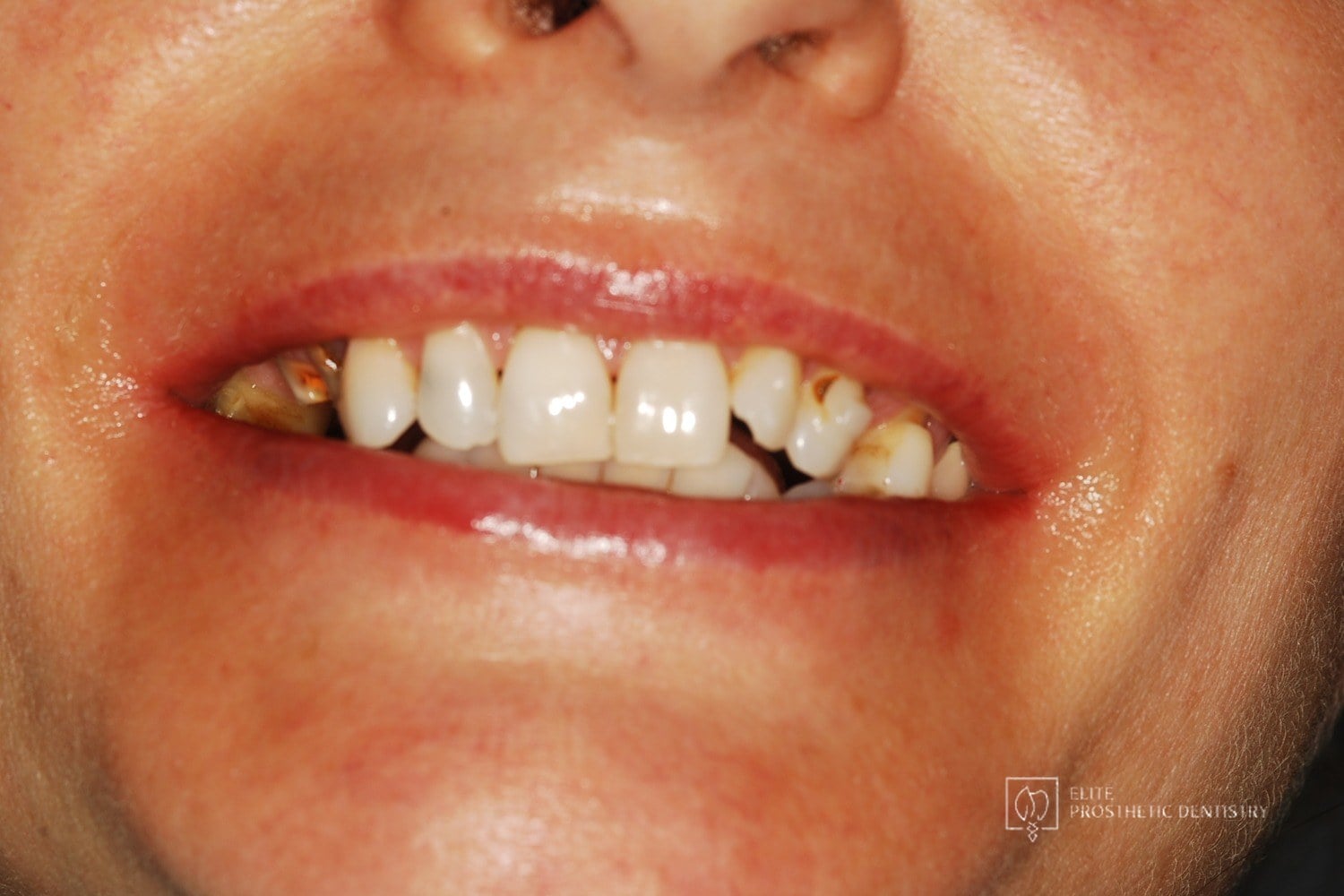 Before
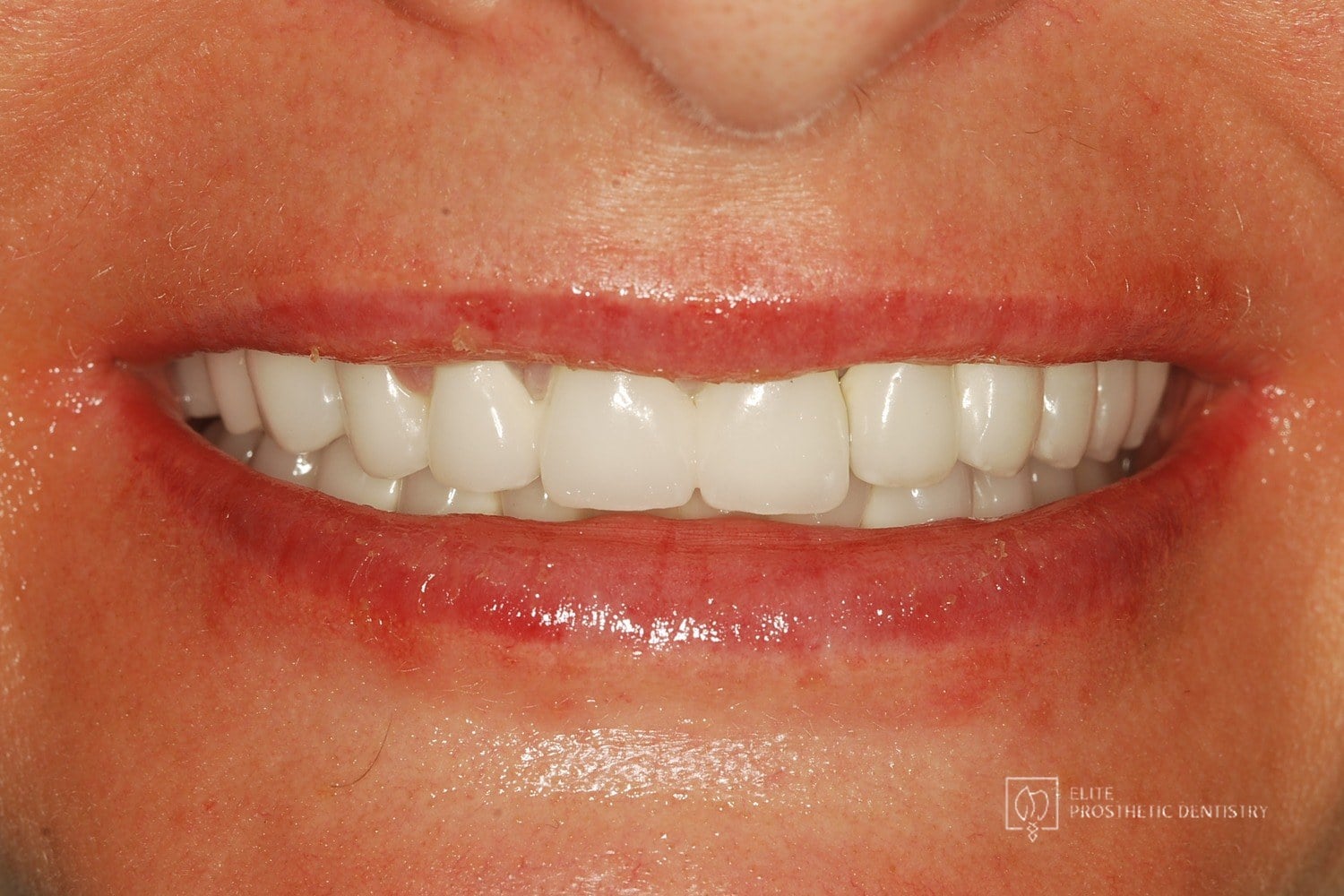 After
How Aging, Failing Dentistry Was Replaced with a Coordinated Full-Mouth Implant and Crown Reconstruction
The patient presented with throbbing upper-molar pain, long-standing infections, multiple root canals and unfinished prior treatment, generalized sensitivity, and several hopeless teeth.
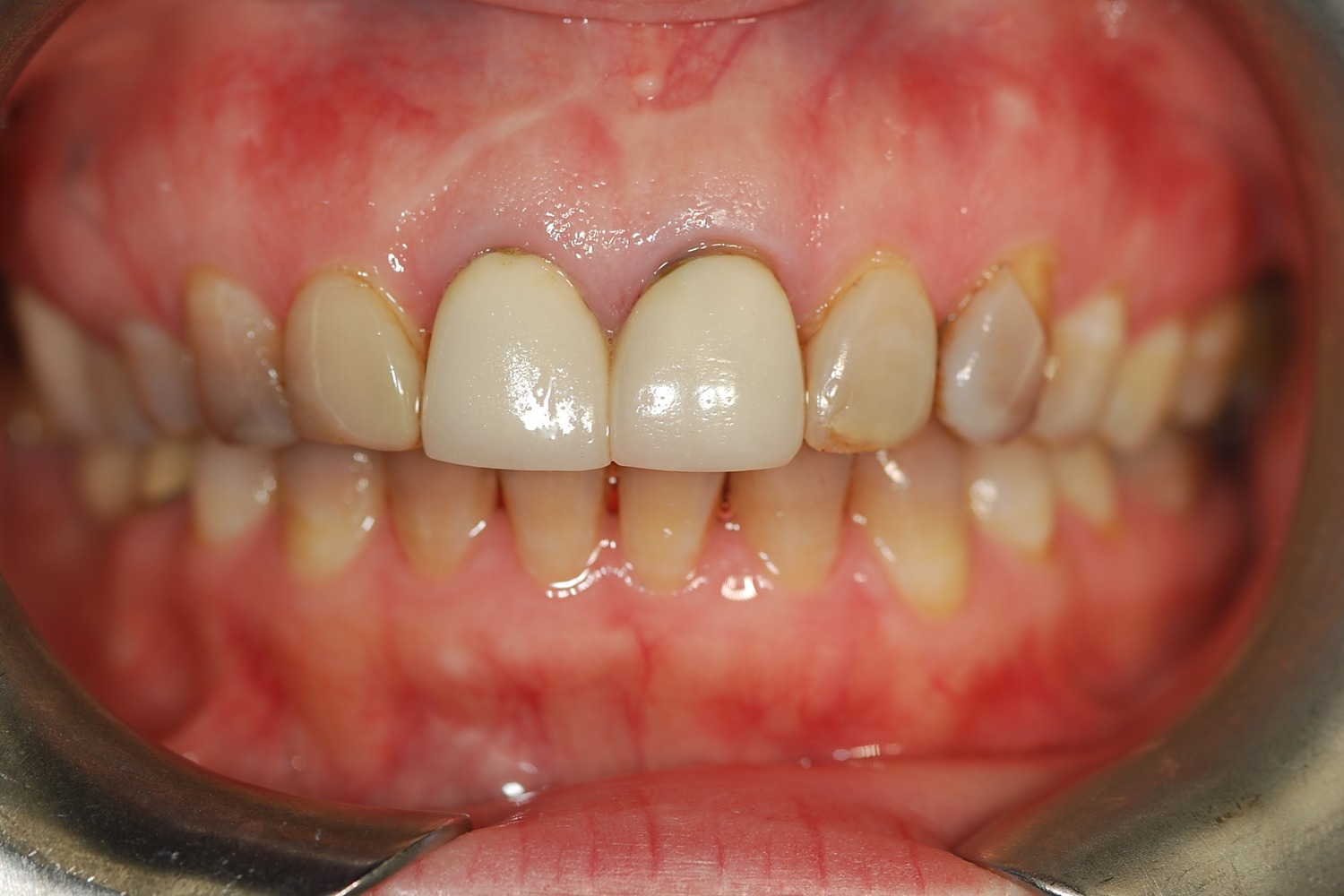 Before
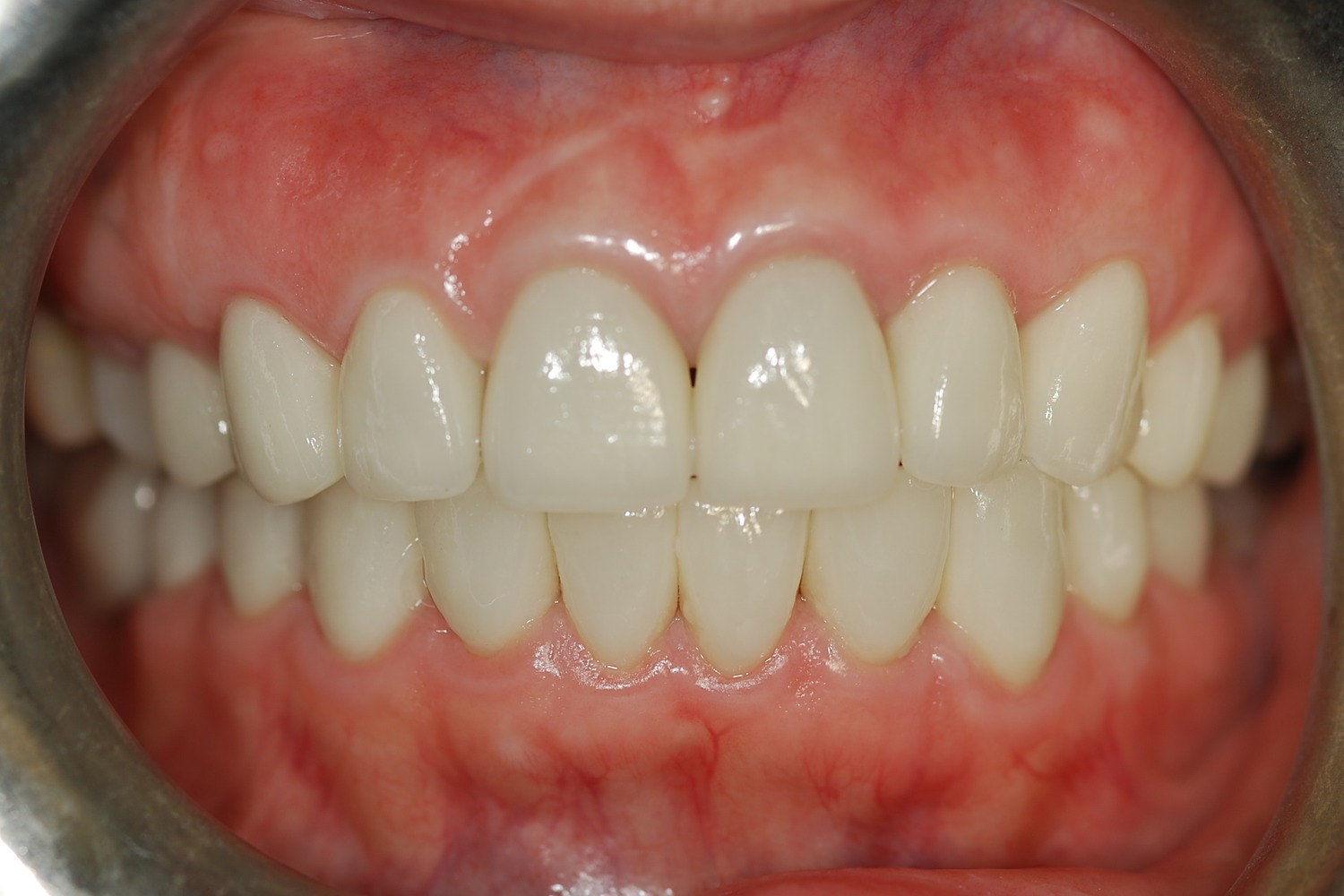 After
How Aging, Opaque Restorations Were Replaced with Customized Ceramic Restorations Designed for Long-Term Natural Esthetics
The existing restorations appeared opaque, worn, and unnatural over time, affecting both confidence and overall smile harmony.
 Before
 After
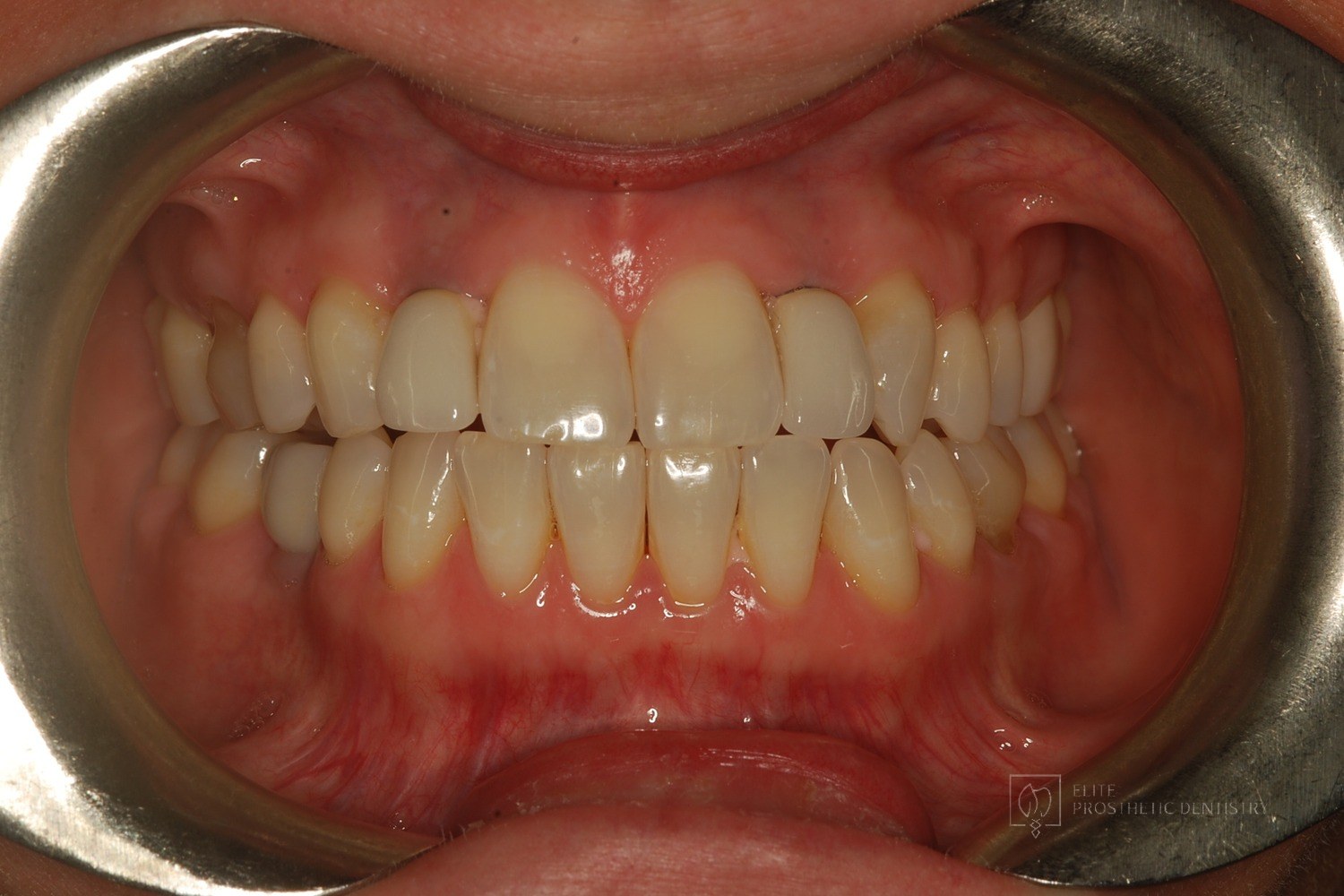
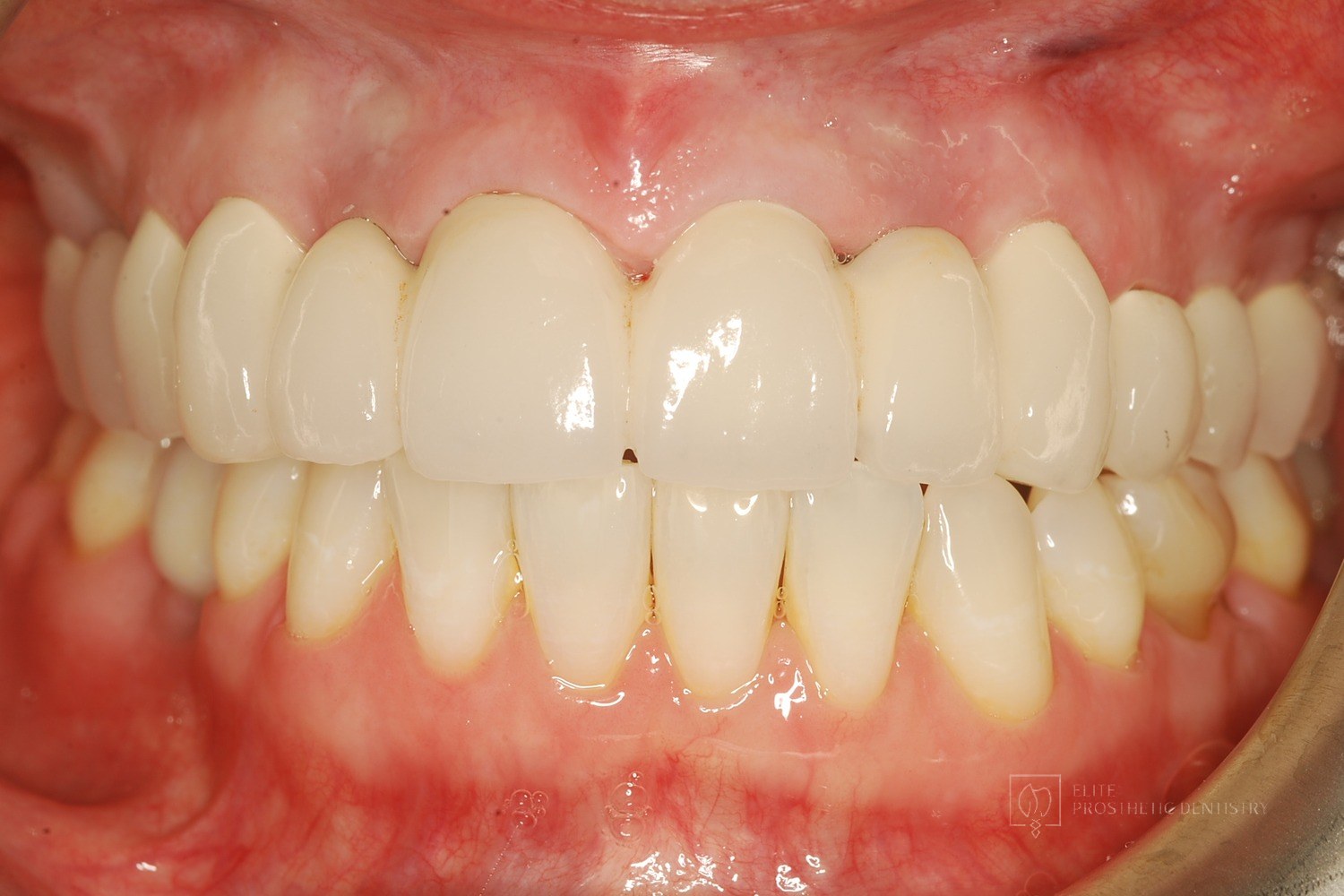
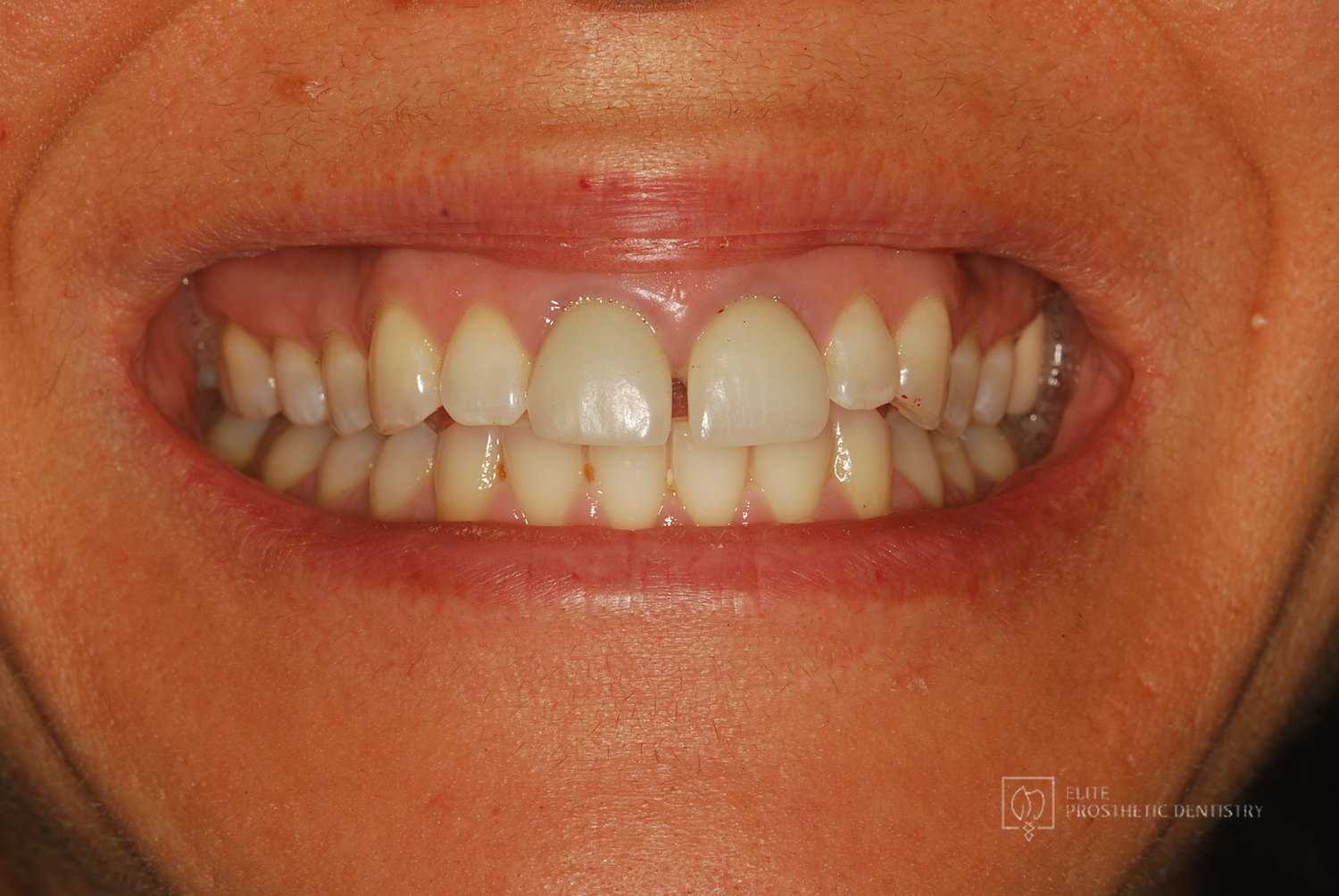
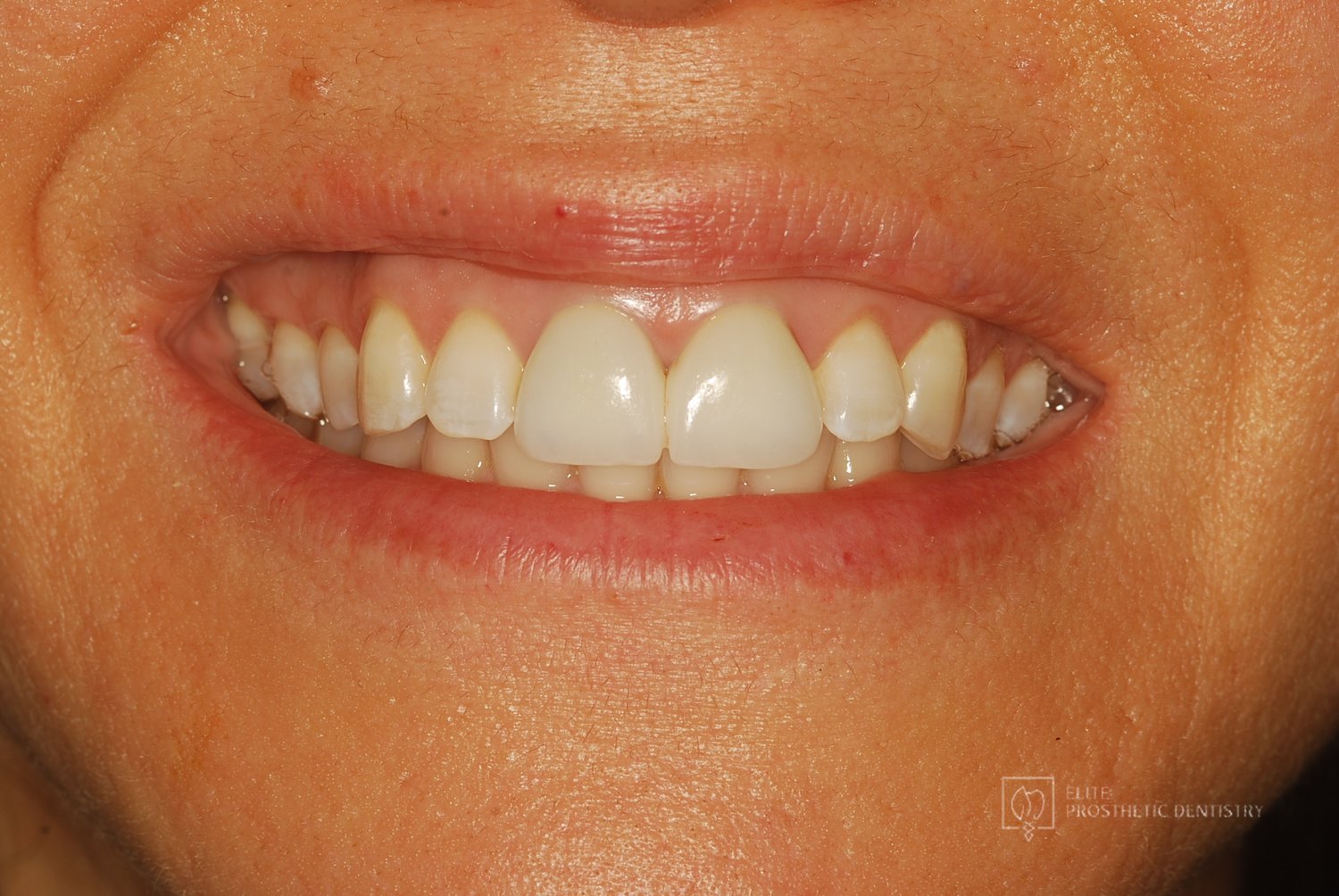
How Older Implant Crowns Were Redesigned for a Better Bite and More Natural Appearance
The patient came in after years of living with implant-supported crowns placed more than twenty years earlier that no longer looked or functioned well. CBCT evaluation, reviewed with a radiologist colleague, showed the implants had been placed too far to the buccal in very thin bone and could not support a healthy long-term restoration.
 Before
 After
Two Front Teeth Saved From Extraction: A Second Opinion, Custom Gold Posts, and Crowns Made to Last
Two upper central incisors with failed root canal treatment and recurrent decay had been recommended for extraction and implant replacement. A CBCT evaluation showed that removing the roots from their thin facial bone housing could create a visible esthetic defect in the gum and bone contour, made worse by the patient's high lip line.
 Before
 After
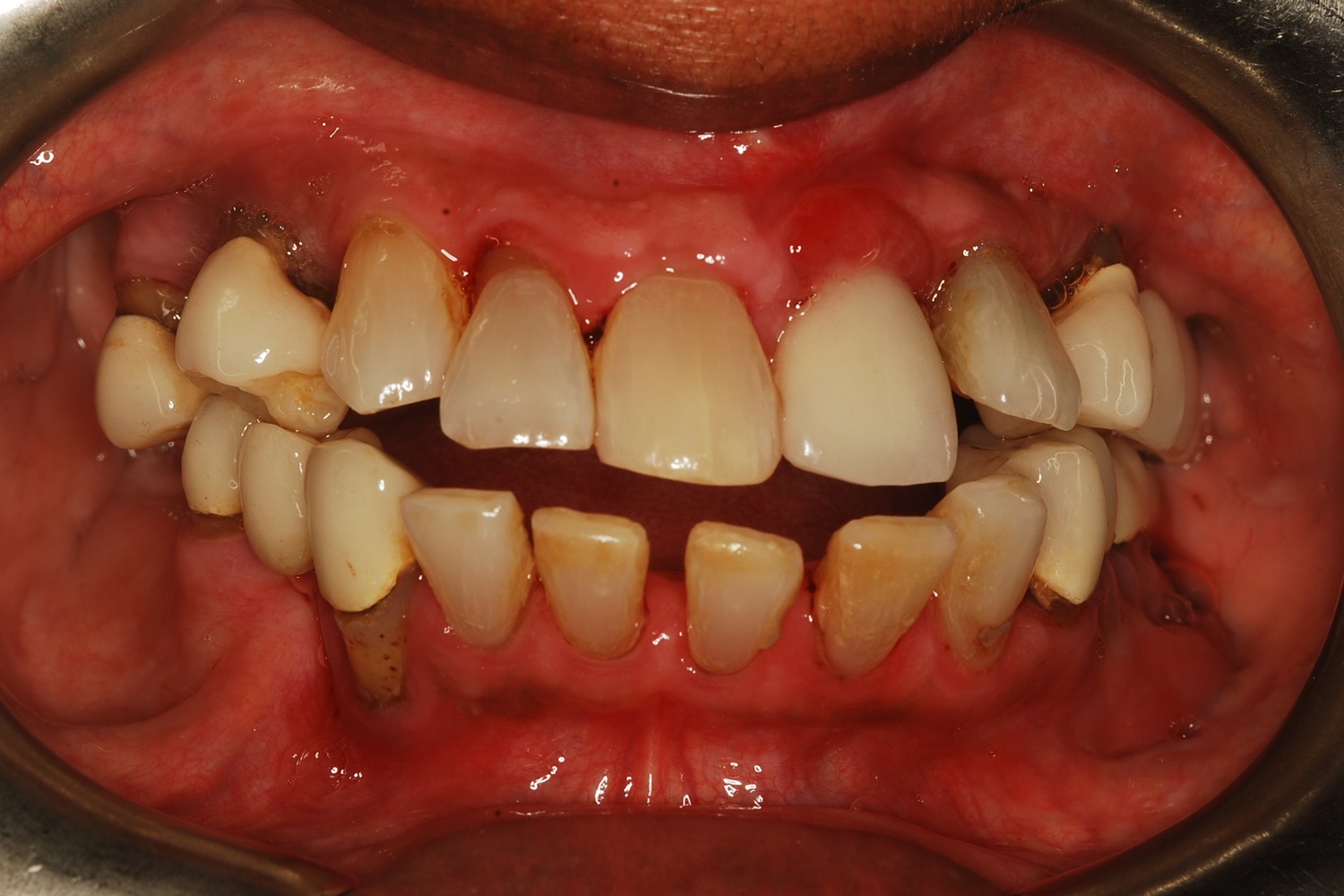
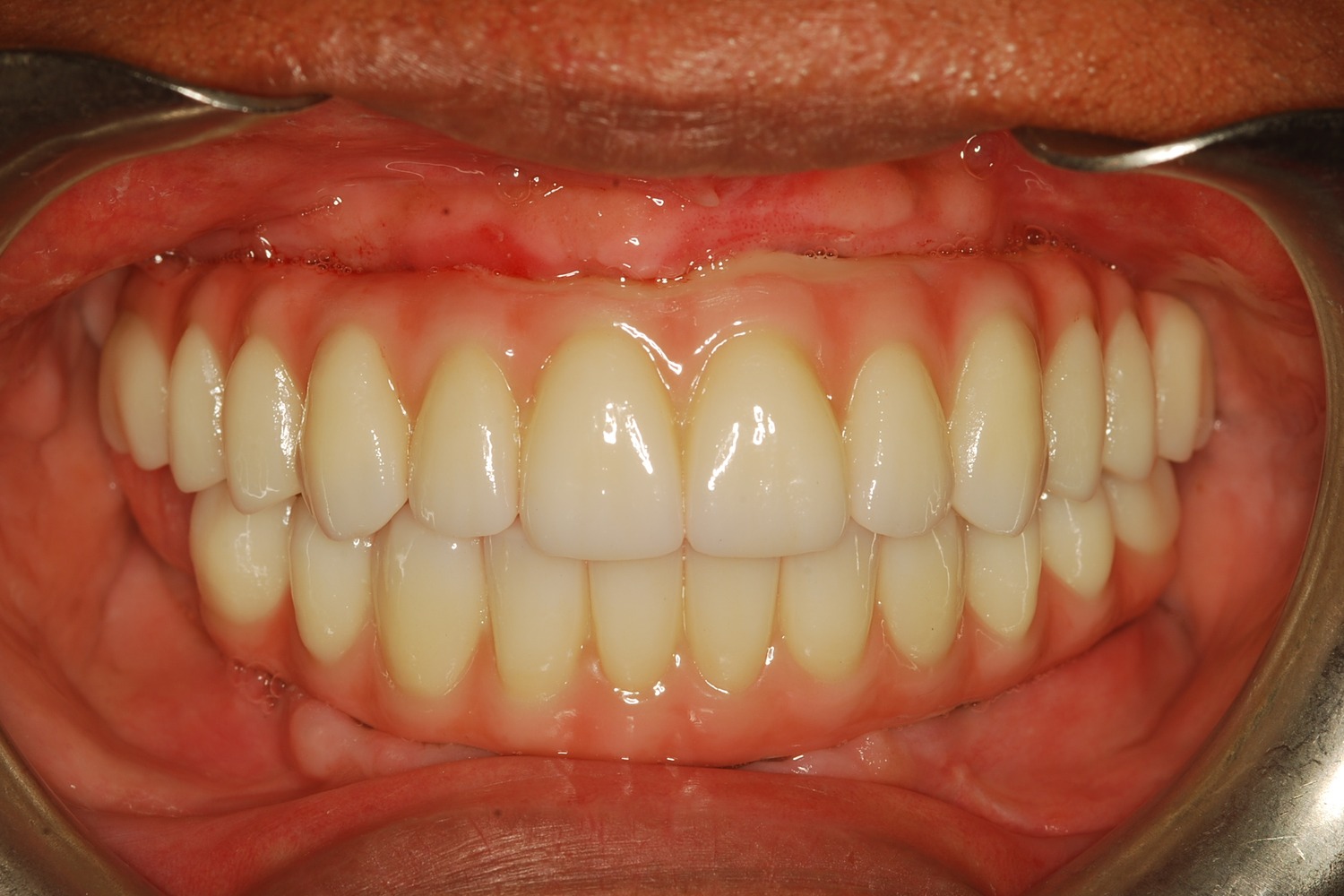
How Severe Bone Loss and Bite Dysfunction Were Rebuilt with All-on-6 Implants and a Milled Zirconia Hybrid Prosthesis
The patient presented with severe bone loss, advanced periodontal disease, malocclusion, and a dysfunctional bite that required full-arch rebuilding.
 Before
 After
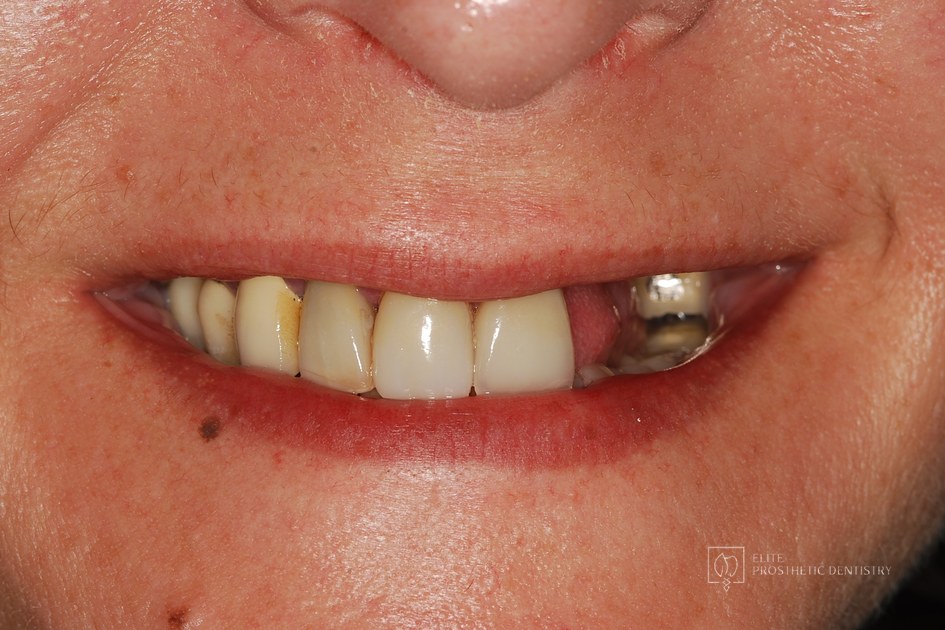
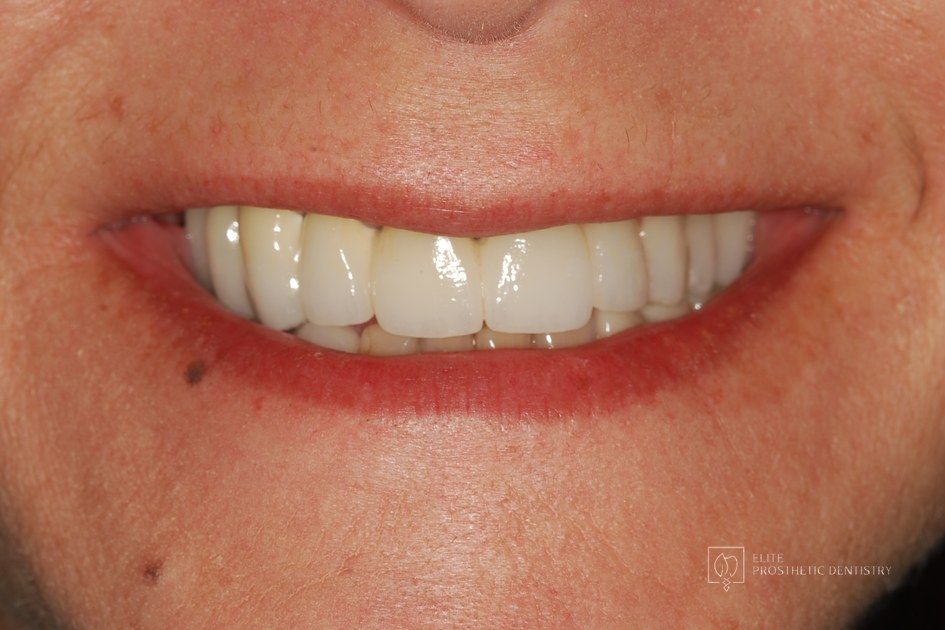
Implant Supported Reconstruction: Failing Bridgework and Missing Back Teeth Rebuilt with Coordinated Specialist Care
Referred by another dental specialist with severe bone resorption on the upper left, multiple broken-down lower teeth requiring extraction, and failing lower back teeth that had left the bite without solid support. No single procedure, and no provider working in isolation, could rebuild a situation this interconnected.
Ready to Transform Your Smile?
With 40+ years of experience and 3,900+ dental implants placed, Dr. Marlin and the team deliver dentistry planned to last. Request a specialist consultation.