
Full-Mouth Dental Implants in Dupont Circle, DC
Is full-mouth implant restoration right for you? Evaluate candidacy criteria, success predictors, and contraindications with Dr. Marlin.
Dupont Circle residents evaluating full-mouth implant restoration need a clear framework for assessing candidacy. This page explains what factors predict implant success and what contraindications might limit your options. Understanding these criteria helps you make an informed decision about whether implants are right for your situation.
Full-mouth implant restoration succeeds when specific conditions align. Your bone must be adequate. Your general health must support osseointegration. Your commitment to home care must be genuine. Your expectations must align with realistic outcomes. When these factors converge, implant restoration delivers exceptional results. When they don’t align, alternative approaches may be more prudent.
Bone Volume: The Critical Foundation
Adequate bone is the single most important success predictor. Implants require bone height of at least 10-12 millimeters and bone width of at least 6-8 millimeters to integrate reliably. Your jawbone dimensions determine whether direct implant placement is possible or whether preliminary bone grafting is necessary.
The bone assessment begins with three-dimensional cone beam imaging. This technology reveals your exact bone volume, identifying areas where bone is adequate and areas where grafting would improve outcomes. Dr. Marlin uses this imaging to evaluate whether your bone supports direct implant placement or whether bone grafting should precede implant surgery.
If you’ve experienced significant tooth loss or worn dentures for many years, your bone has resorbed substantially. This resorption is predictable and treatable. Bone grafting using donor bone material rebuilds bone volume over 3 to 6 months. Once new bone is established, implant placement proceeds with superior integration and longevity.
Many Dupont Circle patients with extensive bone loss are excellent candidates for implant restoration after appropriate bone grafting. The additional waiting period represents an investment in long-term success.
Bone Density and Quality
Beyond volume, bone density matters. Dense bone integrates implants reliably. Thin, sparse bone presents challenges. Your imaging reveals bone density, and Dr. Marlin uses this information to adjust surgical technique and select implant designs optimizing integration in your specific bone type.
Paradoxically, patients who have worn dentures successfully for many years may have denser bone in certain areas despite overall resorption. The pressure from denture wearing stimulates localized bone maintenance. This residual density is useful and influences implant positioning strategy.
Systemic Health and Medical History
Your general health substantially influences implant success. Patients with well-controlled diabetes, managed hypertension, or adequately treated thyroid disease typically achieve implant success comparable to healthy patients. Patients with uncontrolled diabetes face significantly elevated failure risk and should achieve better glycemic control before implant placement.
Certain medications require consideration. Bisphosphonates (used for osteoporosis or cancer treatment) carry small risk of jaw bone complications. Immunosuppressive medications from organ transplantation or autoimmune disease management require careful evaluation. Your oncologist or transplant team should be consulted if you’ve received bone-altering or immune-altering medications.
Smoking is a significant risk factor. Smokers have dramatically higher implant failure rates and complications. If you smoke, quitting before implant placement substantially improves outcomes. Some smokers achieve excellent results; others experience failures despite excellent surgical and prosthetic execution. Your smoking history influences outcome probability.
Age Considerations
There is no maximum age for implant placement. Patients in their 80s and 90s achieve successful implants if they meet other candidacy criteria. Bone quality and systemic health matter more than chronological age. Many older Dupont Circle patients experience implant success superior to younger patients with poor bone or systemic health.
For younger patients, implant placement should generally wait until jaw growth is complete, typically by age 17 to 18. Placing implants in young patients with still-growing jaws can create esthetic problems as surrounding bone changes.
Oral Hygiene Commitment and Habits
Your home care habits predict long-term implant success. Patients with excellent brushing and flossing habits achieve high implant success rates documented in clinical literature. Patients with poor home care habits experience substantially higher failure rates and complications including bone loss around implants.
If you’ve had difficulty maintaining good dental habits in the past, implant restoration requires genuine commitment to improvement. The good news: many patients find that receiving high-quality implant restoration provides strong motivation to maintain excellent home care going forward.
Professional cleanings every 6 months and annual examination by Dr. Marlin ensure any early warning signs are detected. If you’re willing to attend these appointments and maintain home care diligently, you’re likely a good implant candidate.
Functional and Esthetic Expectations
Your expectations must align with realistic outcomes. Implants function like natural teeth; they don’t function better. You will not be able to eat harder foods than you could with natural teeth. You will not have perfect sensation like natural teeth. Some patients experience mild sensations around implants; most experience no unusual sensations within months of placement.
Esthetically, modern implant restorations appear natural. Your restorations will match surrounding natural teeth if any remain. If you’re replacing all teeth, your new smile matches natural tooth color and shape characteristics typical in your age group. You won’t have a movie-star smile unless movie-star teeth were your natural starting point.
Many patients report that implants exceed their expectations. They function so naturally that patients forget they have implants. This normalcy, combined with elimination of denture movement and care requirements, creates profound quality-of-life improvement.
Decision Points: Direct Placement vs. Bone Grafting
Your first major decision: does your bone anatomy support direct implant placement, or should bone grafting precede surgery? This decision emerges from your imaging evaluation. Dr. Marlin will explain his recommendation clearly and the rationale behind it.
Bone grafting adds 3 to 6 months to your timeline but creates superior long-term foundation. If Dr. Marlin recommends grafting, his decades of experience suggest this staged approach optimizes your specific anatomy.
Decision Points: All-on-4 vs. All-on-6 vs. Greater Implant Numbers
Your second major decision: how many implants should support your restoration? Four strategically positioned implants provide strong support with shorter surgical time and lower cost. Six implants distribute forces more evenly and typically provide superior long-term stability. Eight or more implants provide maximum support.
If your bone anatomy is ideal and you prioritize cost and timeline, All-on-4 restorations are excellent. If your bone is marginal or you prioritize maximum long-term stability, All-on-6 or greater implant numbers offer advantages. Dr. Marlin will present options, explaining trade-offs clearly.
Candidacy Contraindications: When Implants May Not Be Appropriate
Absolute contraindications are rare. Untreated cancer, uncontrolled diabetes requiring insulin adjustment, and severe immunosuppression present challenges. Patients with these conditions require medical optimization before implant consideration.
Relative contraindications require careful consideration. Bisphosphonate therapy for osteoporosis requires conversation with your physician about medication modification if possible. Smoking requires genuine commitment to cessation. Heavy alcohol use requires medical evaluation. Previous radiation therapy to the jaw requires careful planning but doesn’t prevent implants.
No condition is universally prohibitive without evaluation. Dr. Marlin’s prosthodontic training and extensive experience enable him to assess complex medical histories and determine whether you’re a viable candidate despite complicating factors.
The Dupont Circle Patient Profile
Dupont Circle residents seeking full-mouth implant restoration typically value permanence, stability, and normality. They work demanding professional jobs and need solutions not requiring daily maintenance. They value being able to smile confidently, eat normally, and forget their teeth exist. This profile aligns perfectly with what implants deliver.
Dupont Circle’s professional community benefits from full-mouth implant restoration’s elimination of denture-related social anxiety and its restoration of complete normalcy.
Moving Forward: Your Consultation
Your first step is evaluation. Dr. Marlin performs clinical examination and orders three-dimensional imaging if not previously obtained. He assesses your bone anatomy, reviews your medical history, and evaluates your candidacy thoroughly.
At your consultation, you’ll understand whether you’re an excellent candidate, a good candidate requiring bone grafting, or a candidate requiring medical optimization before proceeding. You’ll know your implant options, timeline, and what to expect at each appointment.
Schedule your consultation or call (202) 244-2101. Within one appointment, you’ll have clarity about whether full-mouth implants are right for your situation and what success probability looks like for your anatomy and health profile. Dupont Circle residents ready to evaluate their implant candidacy should start here.
Frequently Asked Questions
What is the most important factor in full-mouth implant success?
Adequate bone volume is the single most critical success predictor. Implants require sufficient bone height and width to integrate and bear function. If bone is marginal or deficient, bone grafting before implant placement dramatically improves outcomes. Dr. Marlin uses three-dimensional imaging to assess your specific bone anatomy and determines whether preliminary bone grafting is necessary for optimal long-term success.
Are you a good candidate if you have significant bone loss from previous tooth loss?
Yes. Significant bone loss is manageable. Dr. Marlin's bone grafting expertise enables him to rebuild bone in nearly all situations, even after severe resorption. The bone grafting phase adds 3 to 6 months to the overall timeline, but it creates a superior foundation for implant integration and long-term stability. You are likely a candidate even with extensive bone loss.
What medical conditions prevent full-mouth implant placement?
Uncontrolled diabetes, immunosuppressive medications, and active cancer treatment are significant contraindications. Well-controlled diabetes is not a contraindication. Medications like bisphosphonates require careful consideration. Smoking substantially increases failure risk but is not an absolute contraindication. Dr. Marlin reviews your complete medical history and current medications to assess whether implants are appropriate for your situation.
How important is oral hygiene in predicting implant success?
Oral hygiene is crucial. Patients with poor home care habits have significantly higher implant failure and complications. You must be willing to brush, floss, and attend professional cleanings regularly. If you have a history of poor dental care, committing to excellent home care is essential before implant placement. Many patients find this motivation helpful in improving their long-term dental habits.
Can you get full-mouth implants if you still have remaining natural teeth?
Yes. You can receive full-mouth implants even with some remaining natural teeth. Remaining teeth can be extracted at the implant placement appointment or at a preliminary appointment if bone grafting is needed. The decision depends on your specific situation. Dr. Marlin evaluates whether retaining any remaining teeth would compromise your implant restoration or whether extraction and full implant replacement offers superior long-term results.
Related Patient Success Stories
Explore similar patient success stories demonstrating our expertise in advanced prosthetic dentistry.
 Before
  After
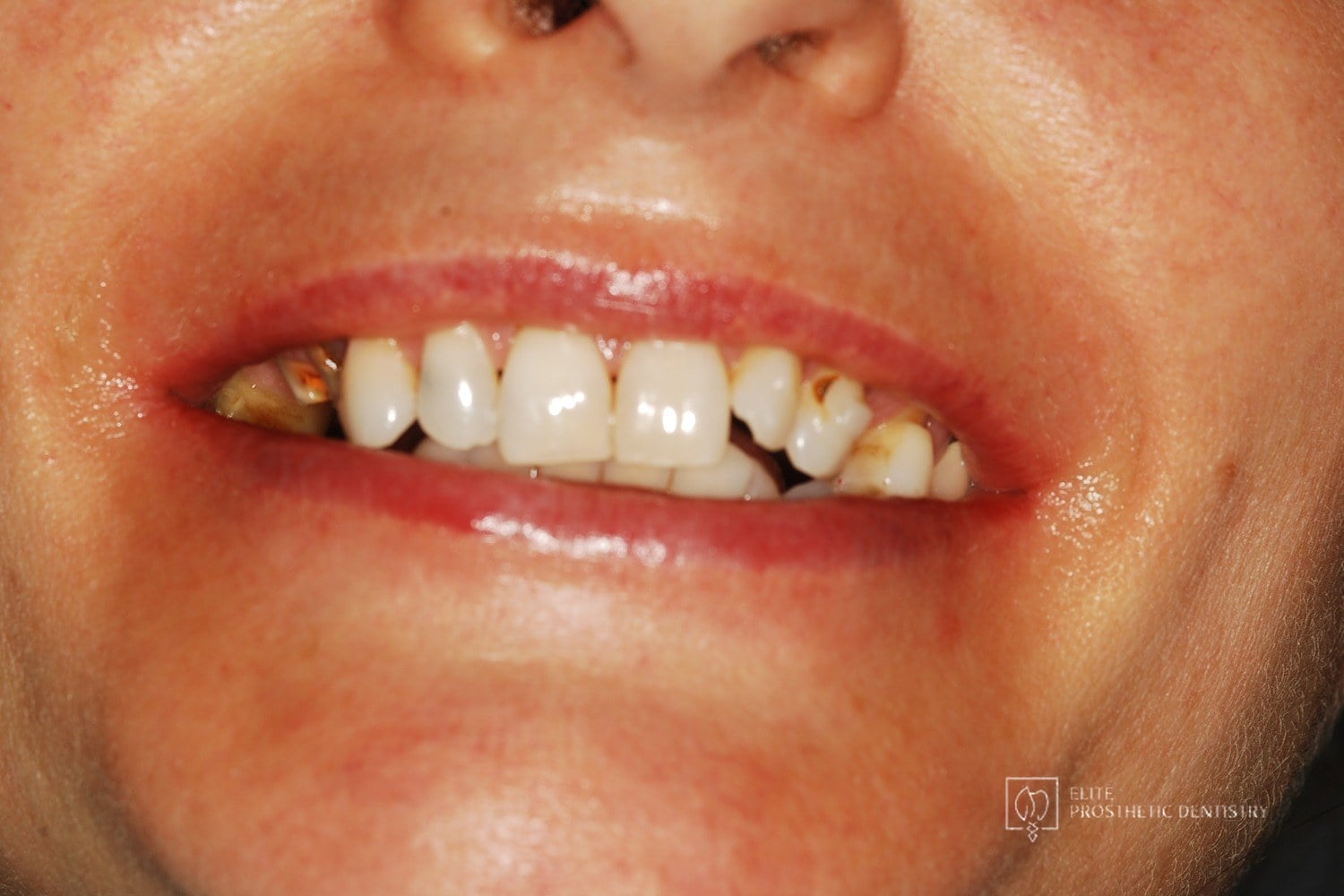
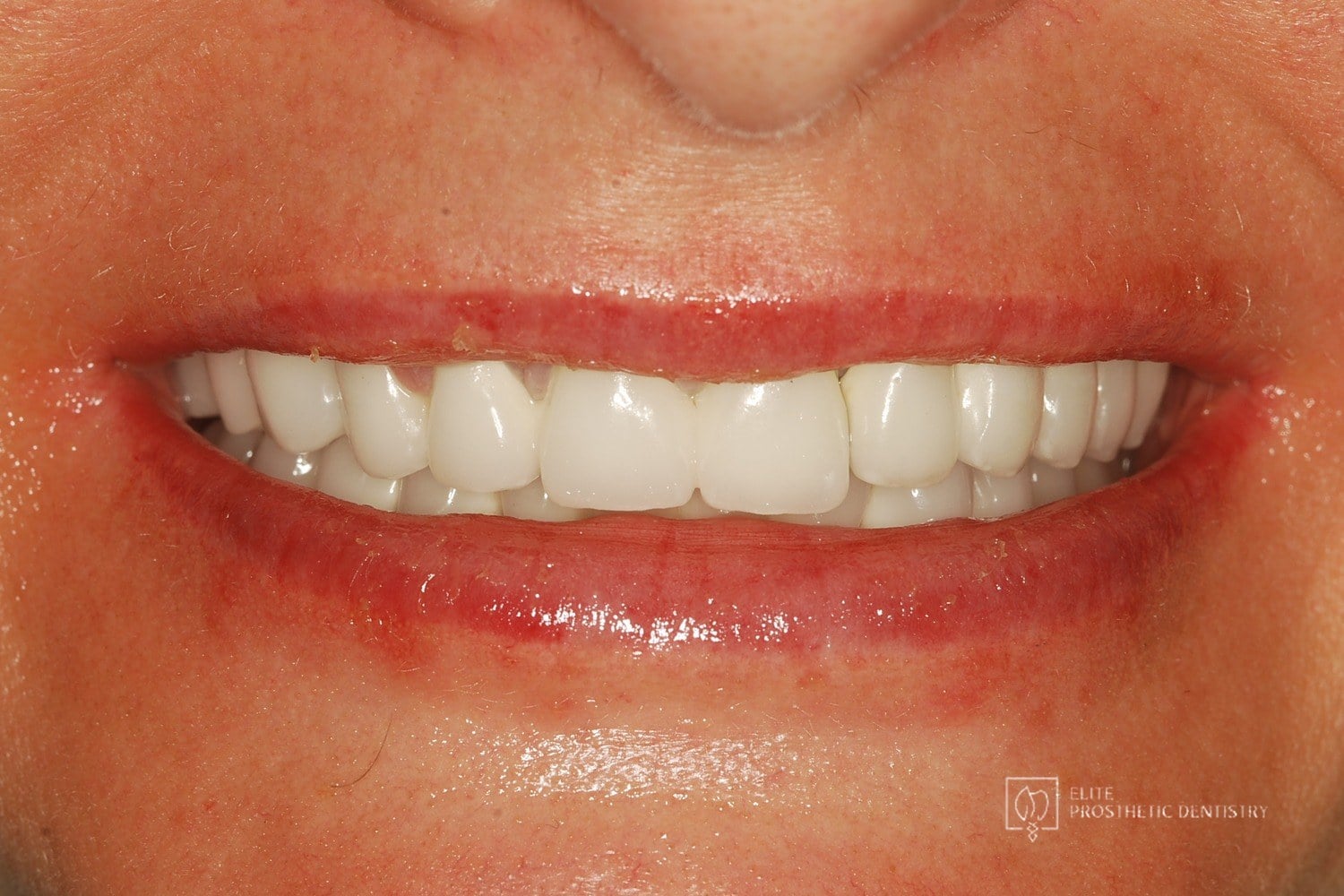
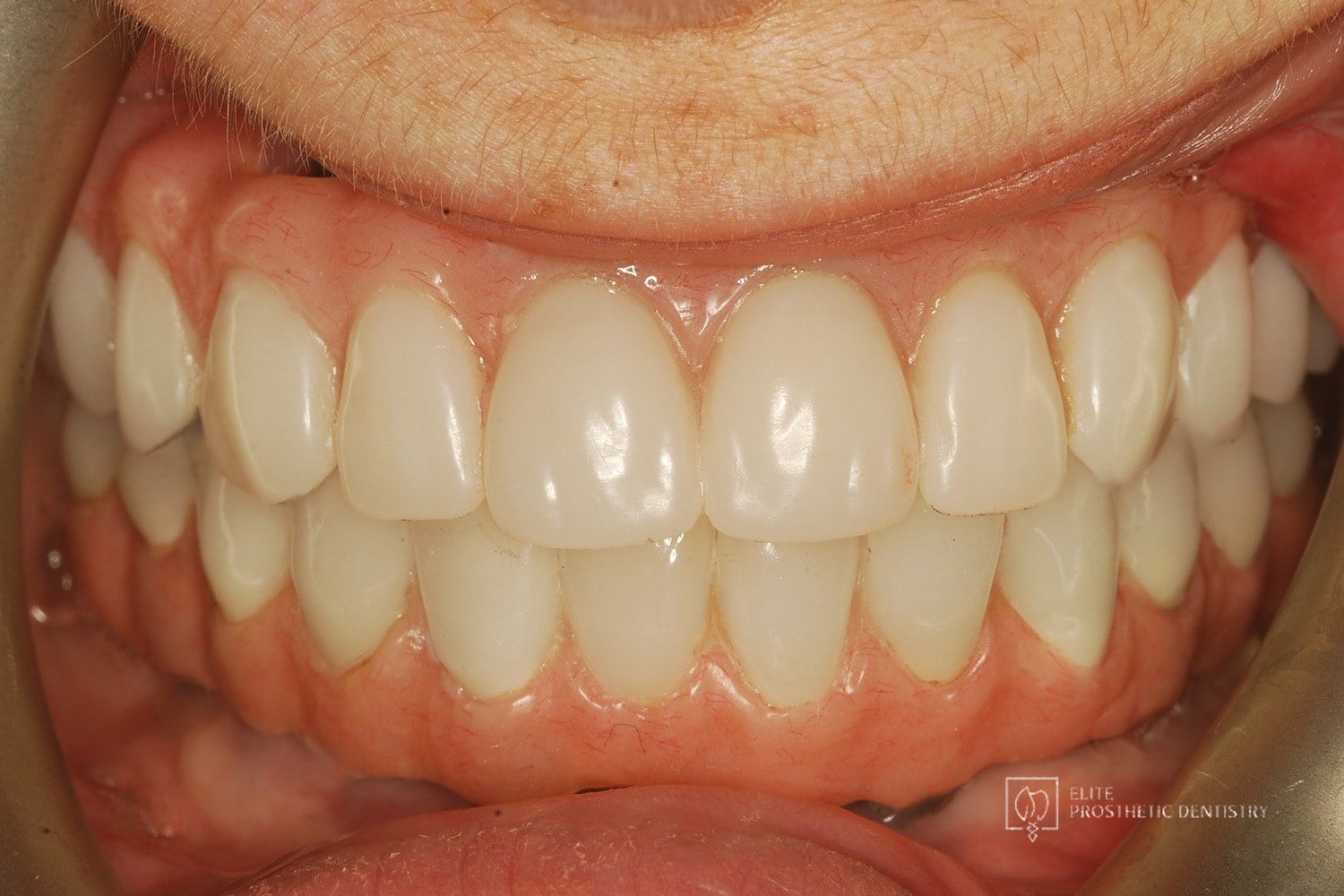
After How Aging, Failing Dentistry Was Replaced with a Coordinated Full-Mouth Implant and Crown Reconstruction
The patient presented with throbbing upper-molar pain, long-standing infections, multiple root canals and unfinished prior treatment, generalized sensitivity, and several hopeless teeth.
 Before
  After
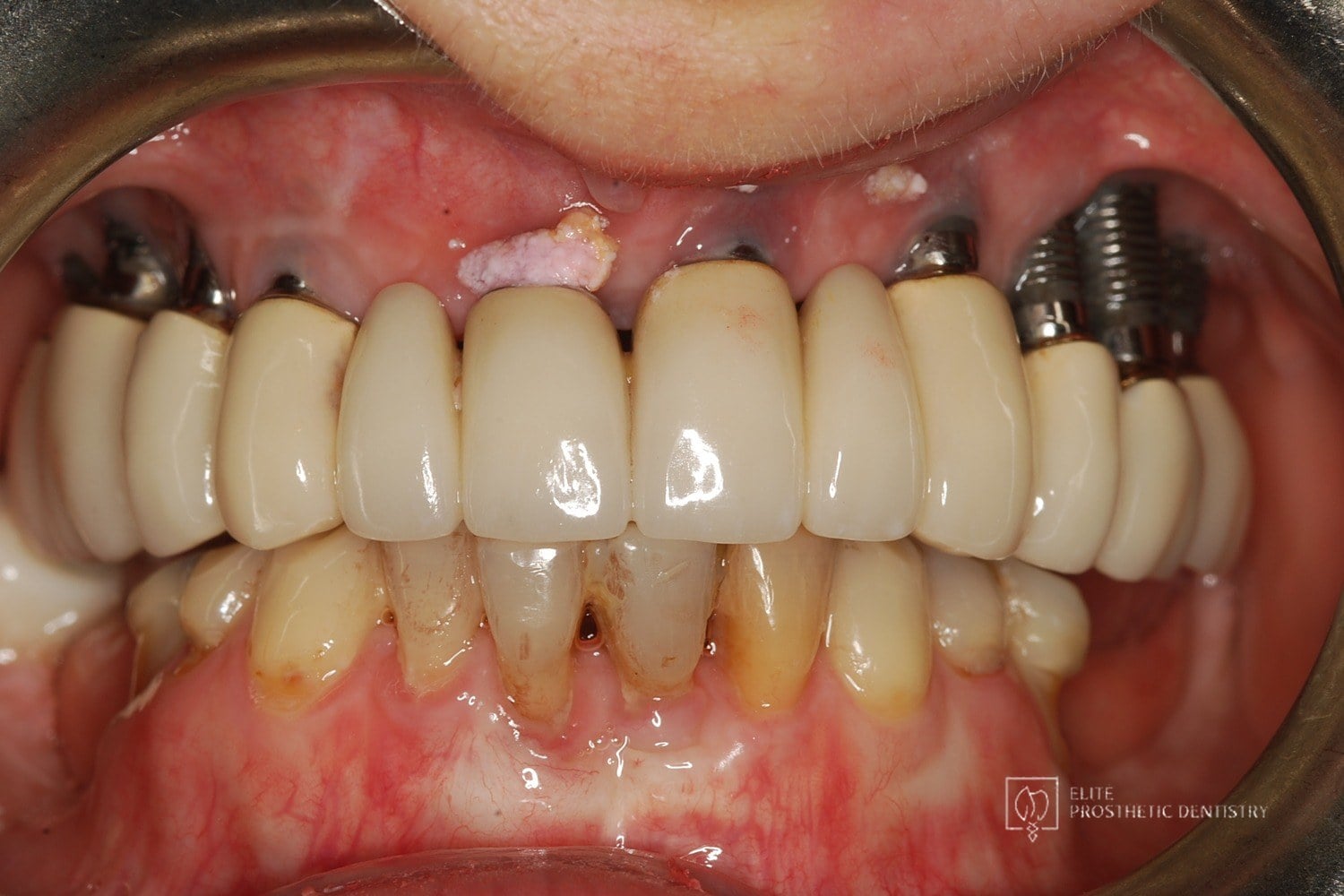
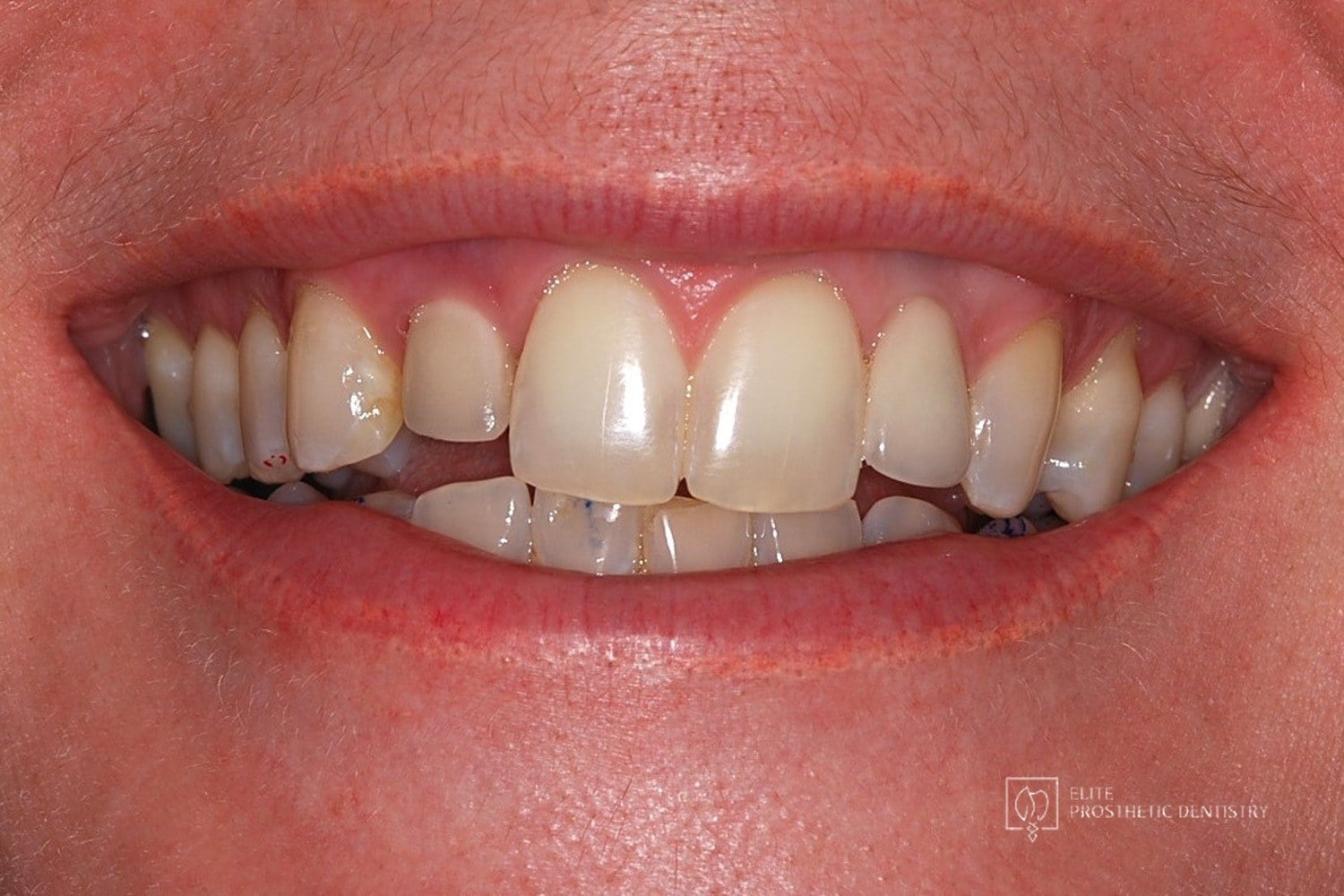
After How Failing Implants and Severe Bone Loss Were Rebuilt Into a Stable Full-Arch Implant Reconstruction
The patient presented with significant complications from previously placed implants, severe bone loss, failing posterior implants, and an unesthetic full-arch bridge. Both arches required full reconstruction, with the upper arch showing the most advanced bone loss and instability.
 Before
  After
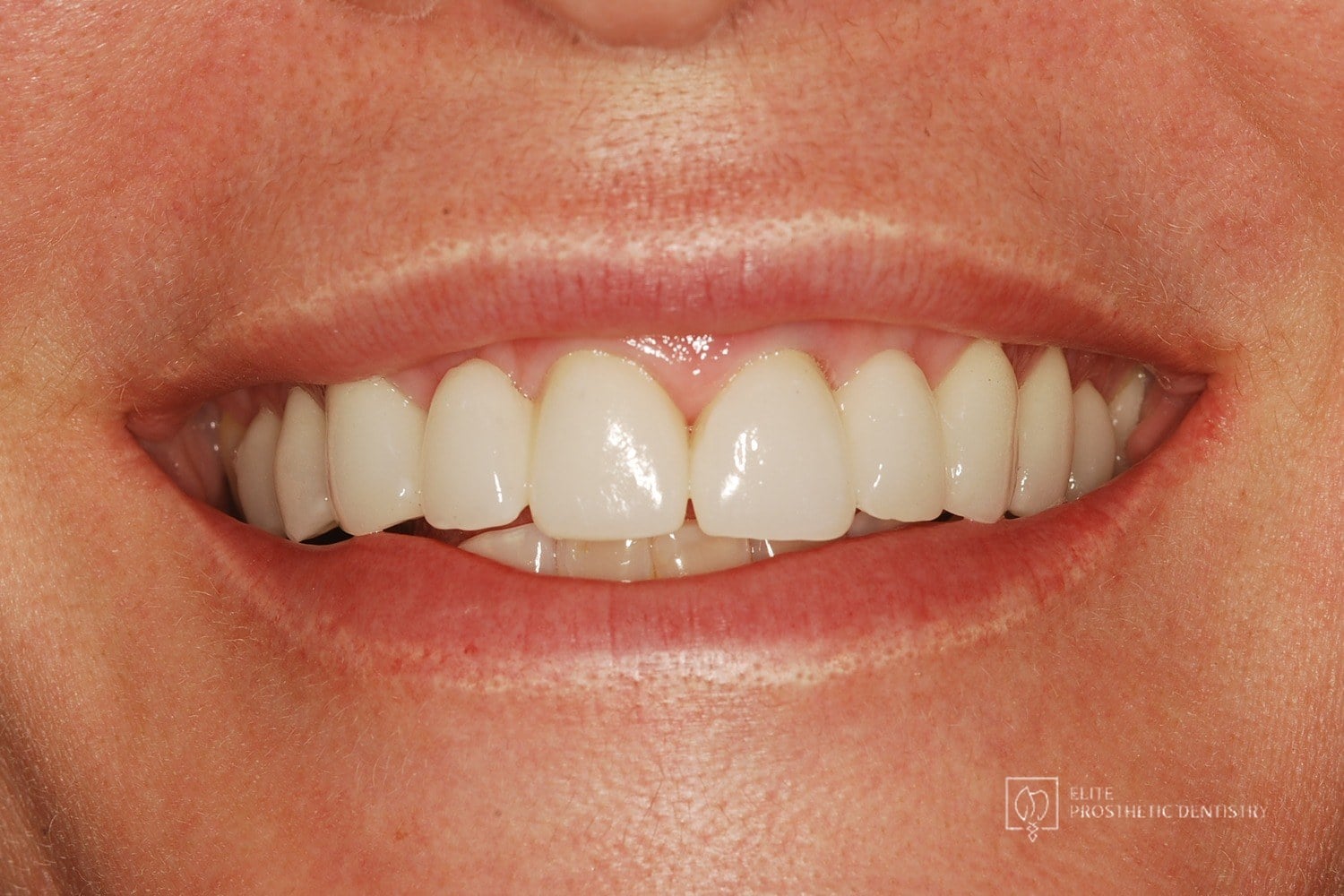
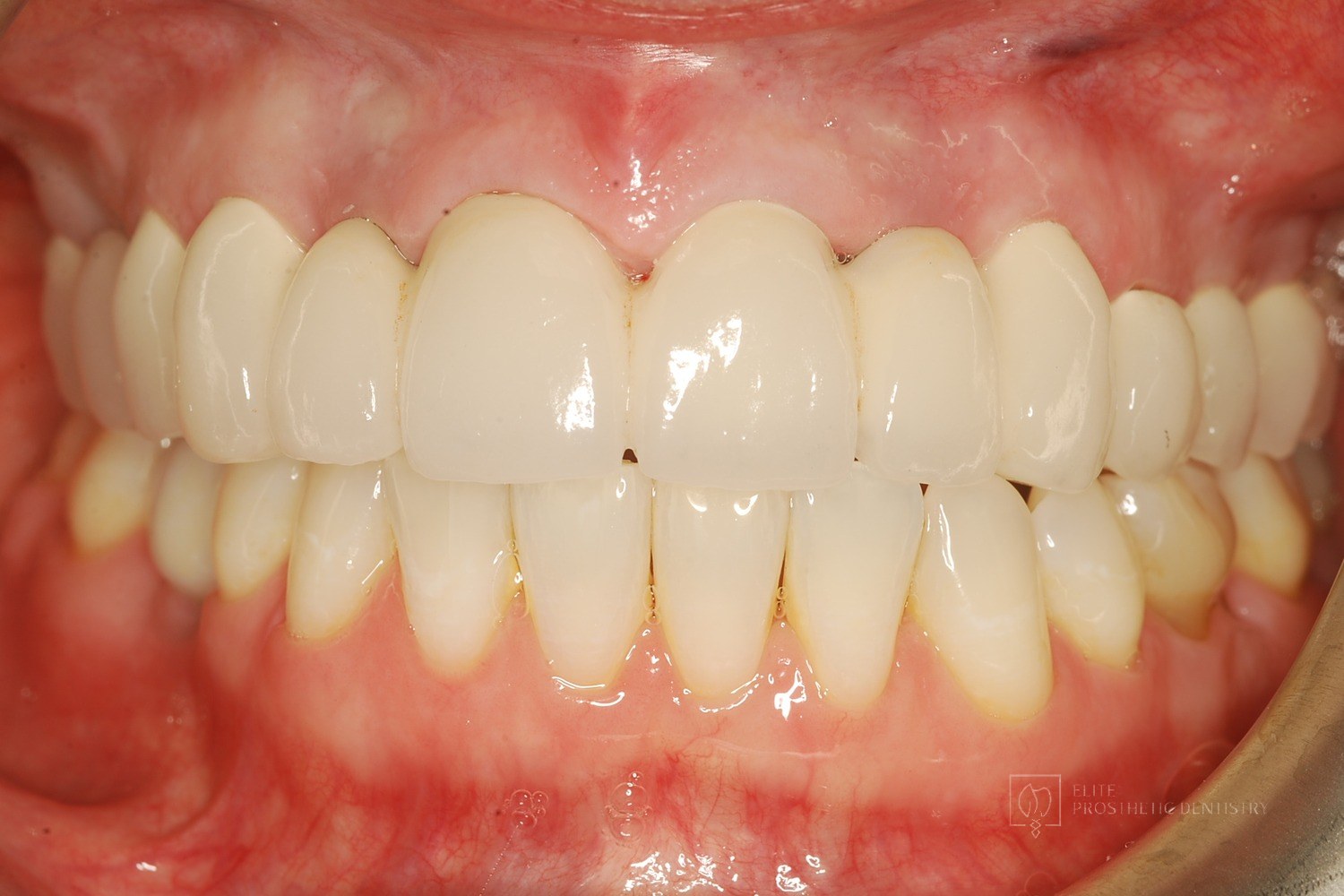
After How Failing Lateral Incisor Implants Were Replaced with Custom Zirconia Bridges After Severe Bone Loss Made Replacement Implants Impossible
Comprehensive examination including CBCT imaging revealed significant bone loss surrounding implants that were placed outside the buccal plate, most likely due to placement without a CBCT-generated surgical guide. The implants were determined non-salvageable, and the alveolar ridge was too narrow to support replacement implants without extensive reconstruction.
 Before
  After
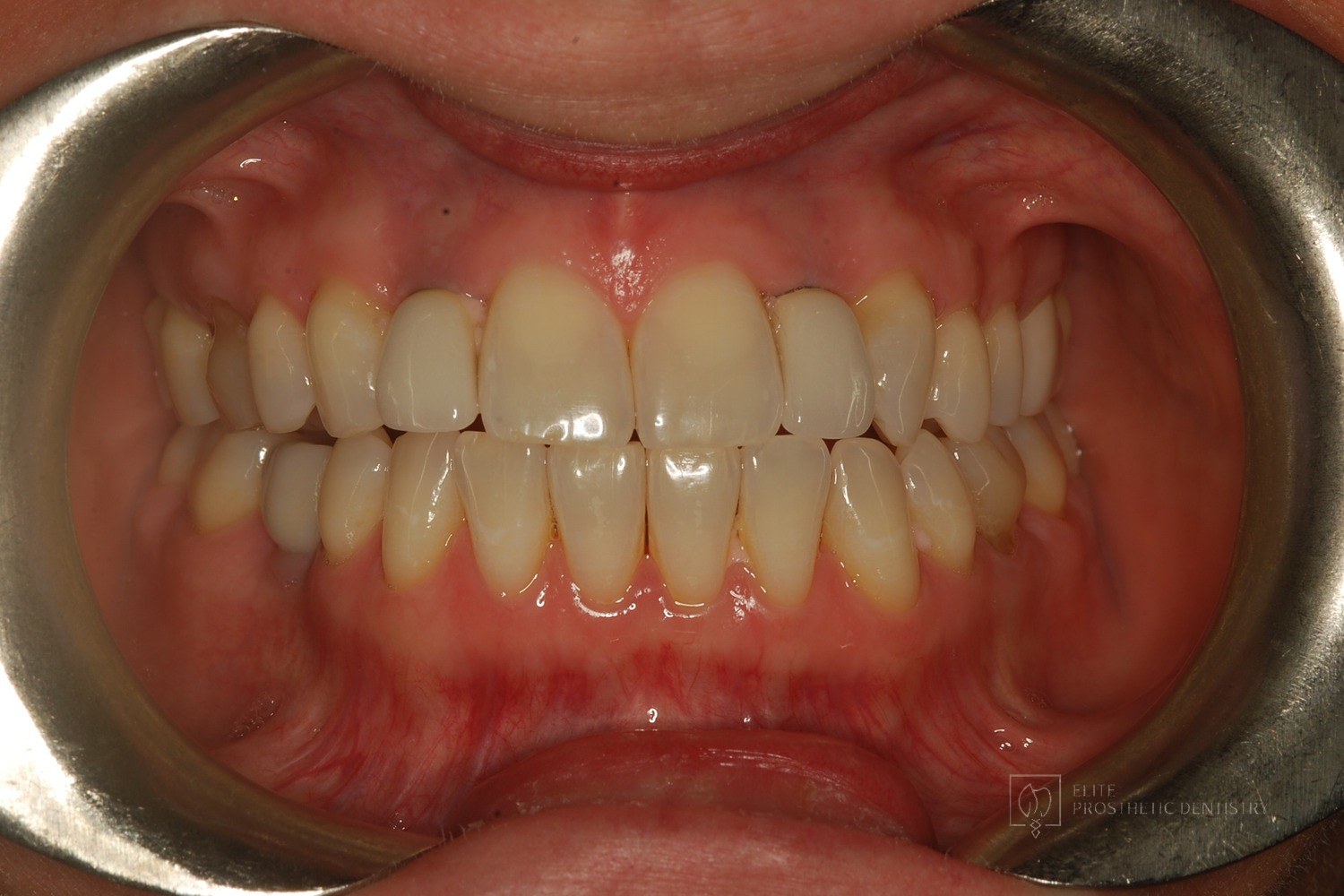
After How Older Implant Crowns Were Redesigned for a Better Bite and More Natural Appearance
The patient came in after years of living with implant-supported crowns placed more than twenty years earlier that no longer looked or functioned well. CBCT evaluation, reviewed with a radiologist colleague, showed the implants had been placed too far to the buccal in very thin bone and could not support a healthy long-term restoration.
 Before
  After
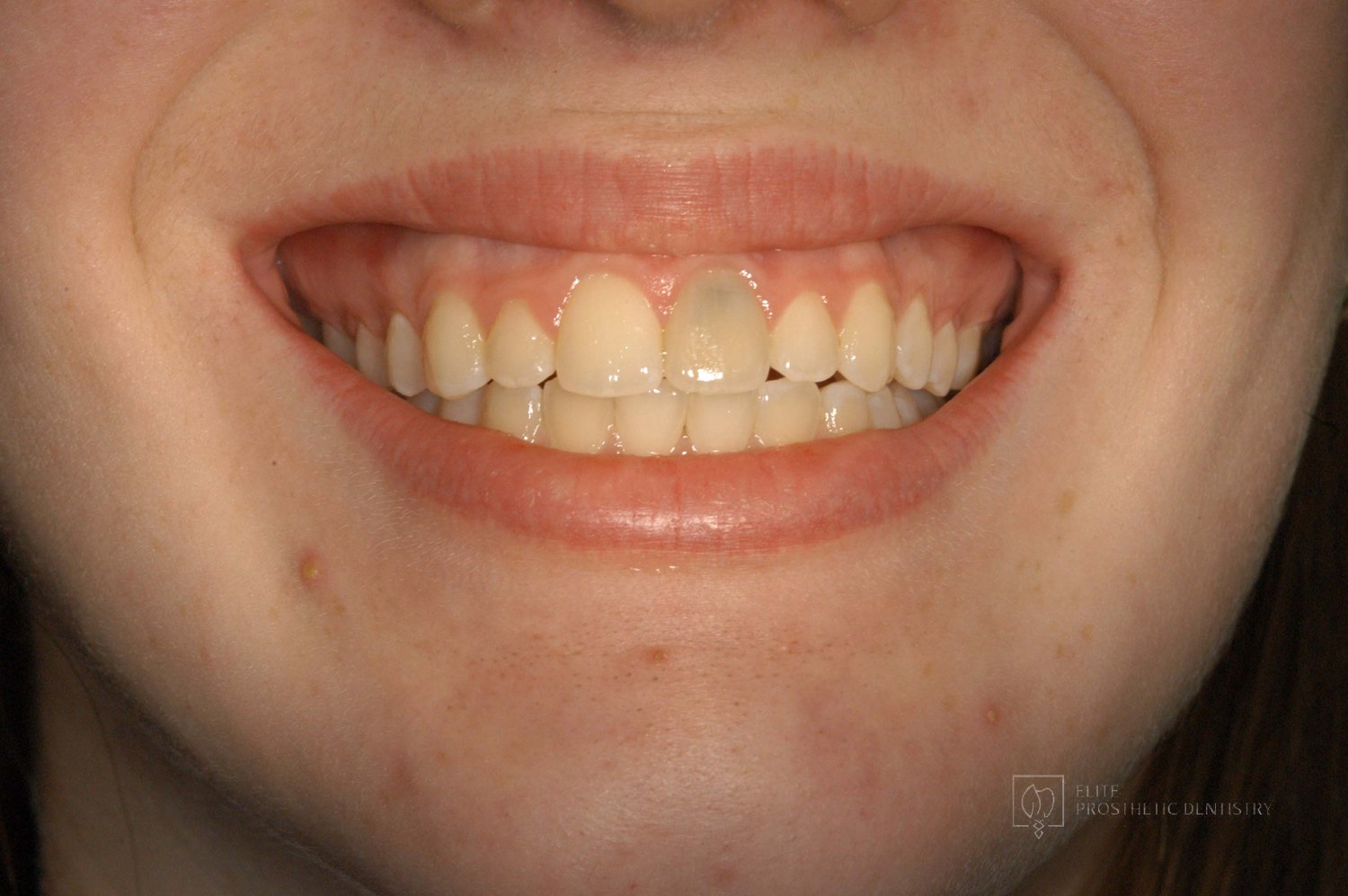
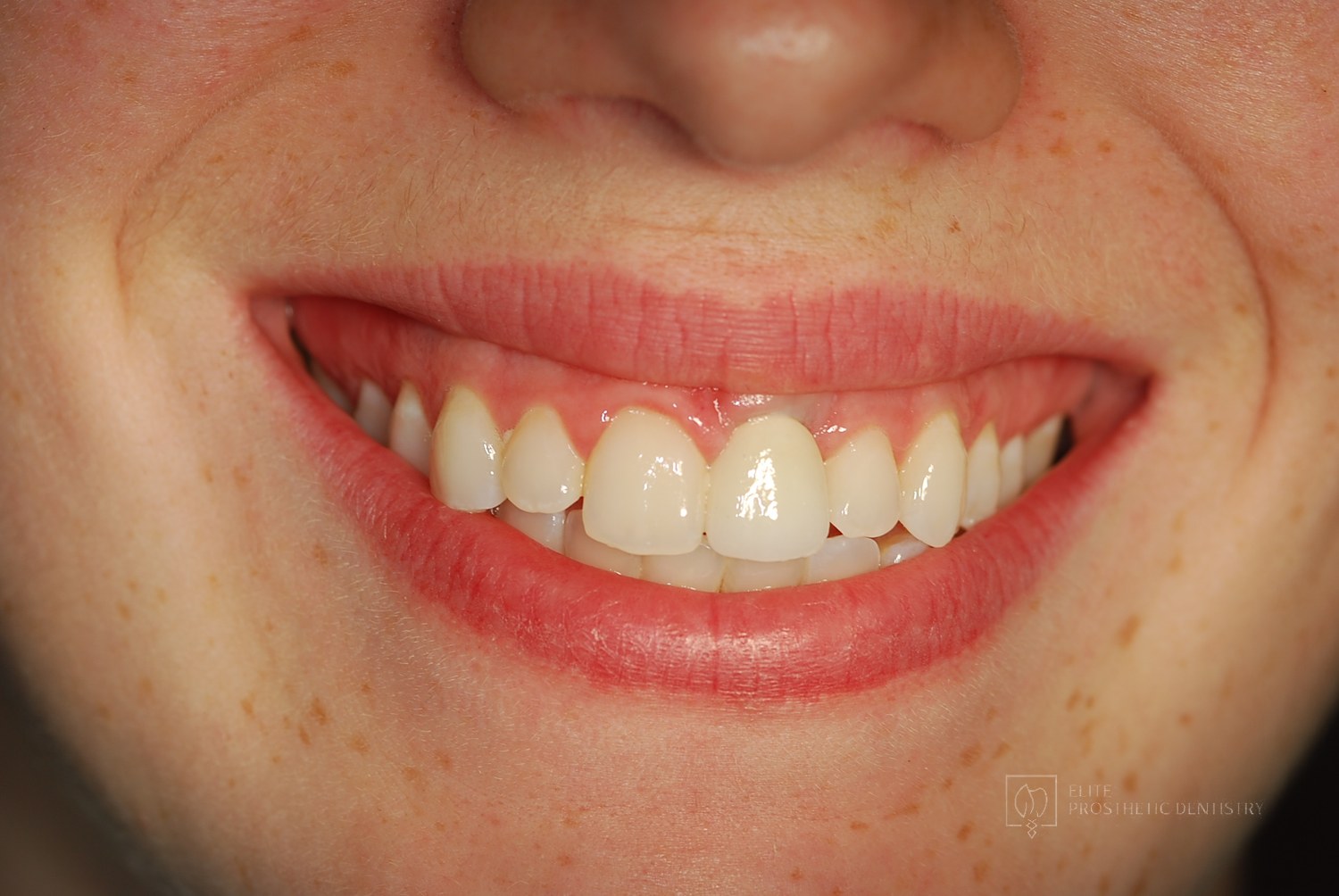
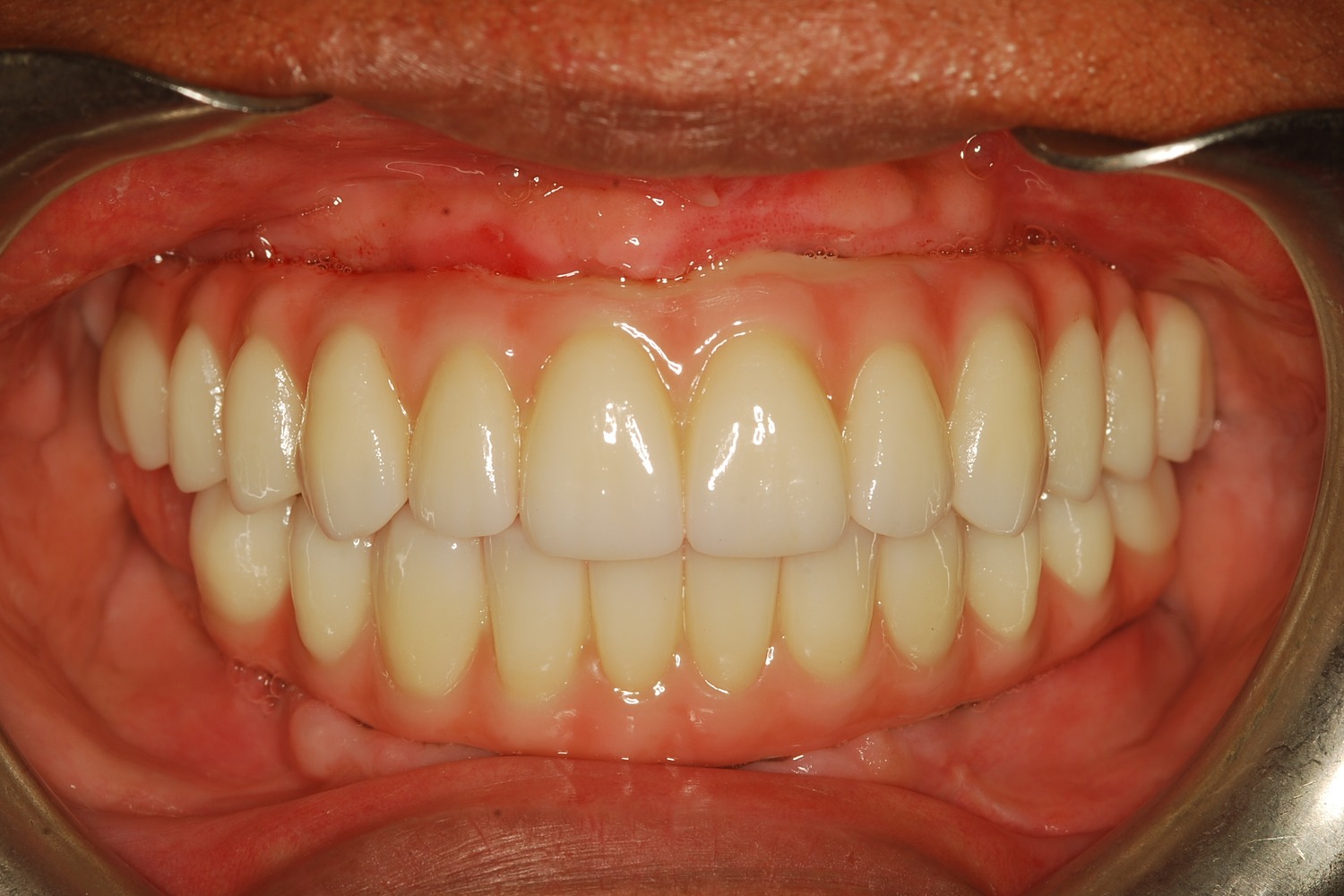
After How a Front Tooth Lost to Childhood Trauma Was Rebuilt with Bone Grafting and a Long-Lasting Implant
A teenager was referred by her father after earlier trauma left her upper left front tooth slowly failing from root resorption. She was still growing, so an immediate implant was the wrong move. The tooth had to be maintained to buy time, then replaced correctly once she reached skeletal maturity.
 Before
  After
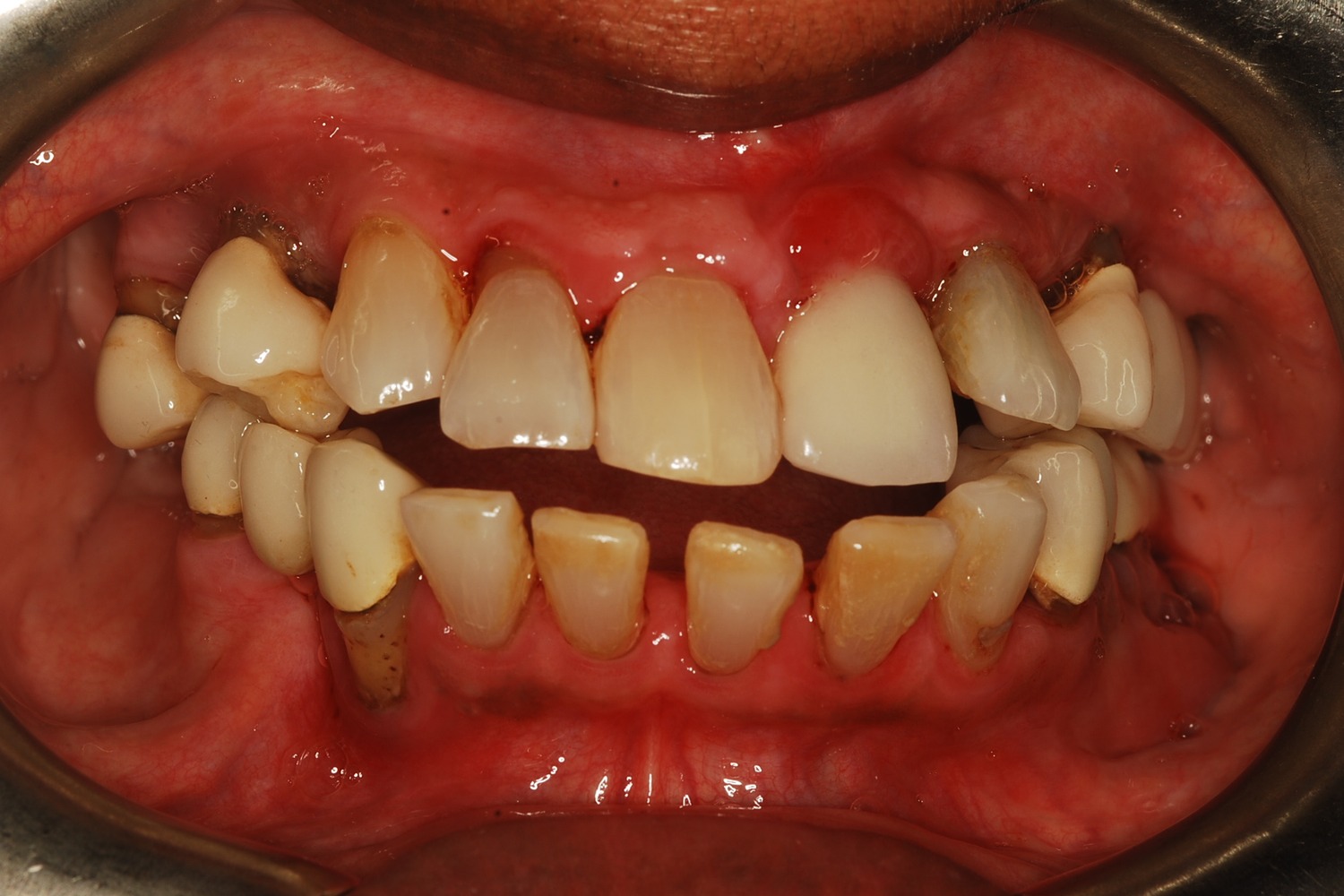
After How Severe Bone Loss and Bite Dysfunction Were Rebuilt with All-on-6 Implants and a Milled Zirconia Hybrid Prosthesis
The patient presented with severe bone loss, advanced periodontal disease, malocclusion, and a dysfunctional bite that required full-arch rebuilding.
Related Articles
Deepen your knowledge with additional insights on this topic.
 Dental Implants
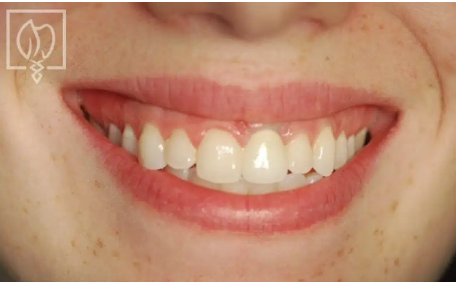
 If a Single Front Tooth Is Replaced with an Implant, Can It Look Natural?
Yes. See the four steps, with real case photos, that make a single front tooth implant indistinguishable from the natural tooth beside it. Washington, DC.
 Dental Implants
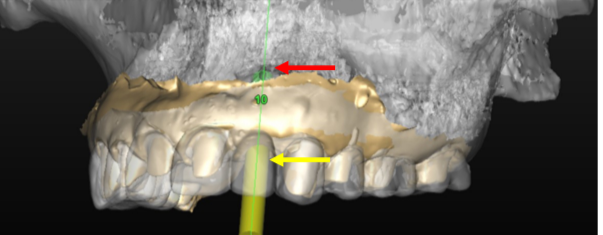
 What Is Precision Implant Placement (PIP)?
Precision Implant Placement plans each implant virtually on a CBCT scan, then delivers it with a custom surgical guide. See the three steps with real images.
 Dental Implants
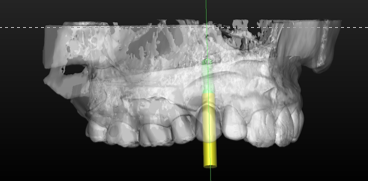
 What Is the Ideal Surgical Guide for Precision Implant Placement?
Not all surgical guides are equal. The gold standard is CBCT-based: planned virtually in 3D, 3D printed, and seated on your teeth. A DC prosthodontist explains.
 Dental Implants
 When Should an Implant Not Be Done?
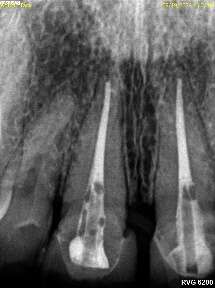
Healthy roots, thin bone, steep bony angles: a DC prosthodontist shows a real case where refusing implants was the right call, and what was done instead.
 Dental Implants
 What Is Staged Implant Therapy?
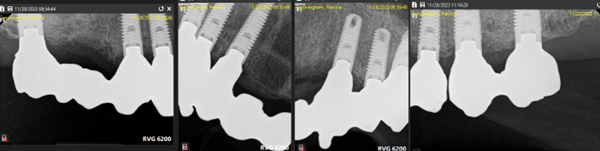
Staged implant therapy replaces failing teeth in phases while you keep fixed teeth the entire time. A DC prosthodontist walks through a real case in stages.
 Dental Implants
 The Four Types of Dental Implants: Which One Is Right for You?
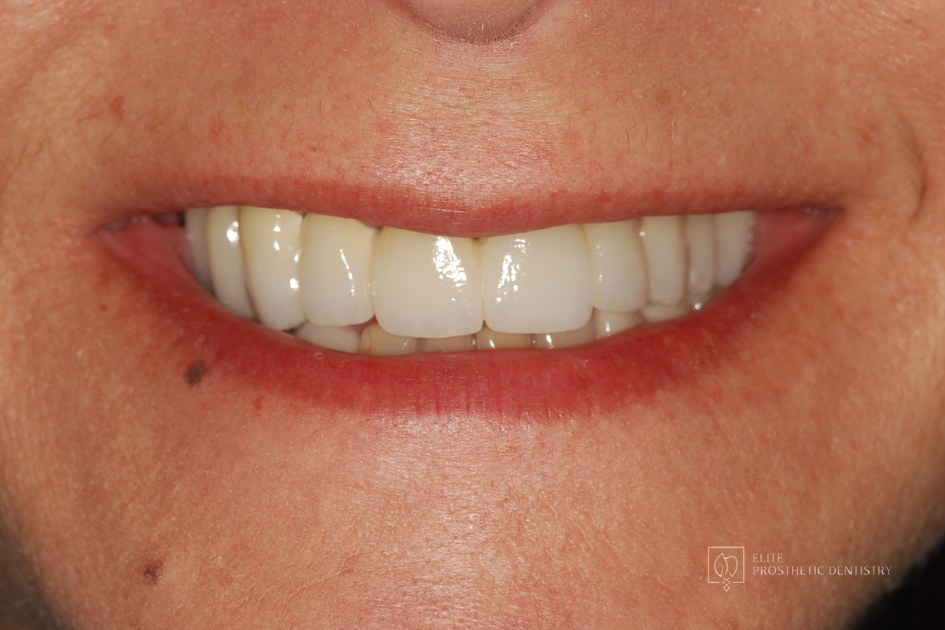
Endosteal, subperiosteal, zygomatic, and mini implants each solve a different problem. A DC prosthodontist explains the four types and who each one fits.
Our Services in Dupont Circle
Beyond Full Mouth Implants, Dupont Circle patients rely on Dr. Marlin for a full range of advanced dental care.
Full Mouth Implants Near Dupont Circle
Dr. Marlin also provides full mouth implants services for patients in these neighboring communities.
Getting Here from Dupont Circle
Elite Prosthetic Dentistry is conveniently located near Dupont Circle, DC.
Drive north on Connecticut Avenue NW from Dupont Circle toward Friendship Heights. Friendship Heights Red Line station 2 blocks away.
Address:
4400 Jenifer Street NW, Suite 220
Washington, DC 20015
Phone: (202) 244-2101
Request a ConsultationRequest a Specialist Consultation from Dupont Circle
Dupont Circle residents come to Dr. Marlin for specialist prosthodontic care. With 3,900+ implants placed over 40+ years, evaluation, planning, and execution are handled with the depth complex cases require.