
Who Should Place Your Dental Implant in Washington, DC?
Oral surgeon, periodontist or prosthodontist: who should place your dental implant in Washington DC, what to verify about the clinician, and how the restoration should drive the surgery.
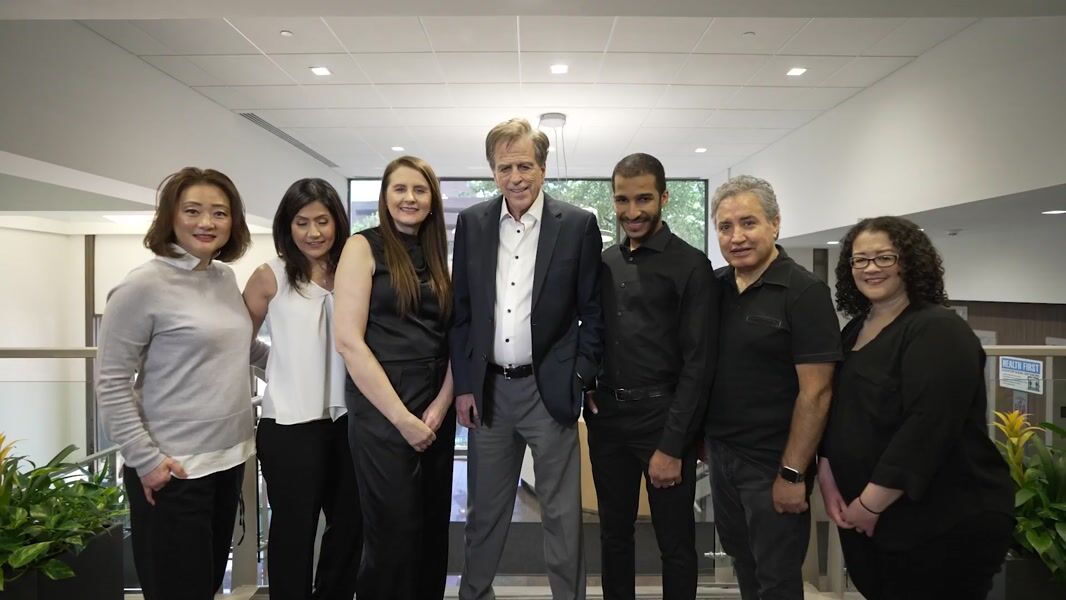
Practice clinician: Gerald M. Marlin, DMD, MSD, prosthodontist, Elite Prosthetic Dentistry, Friendship Heights, Washington, DC. Last updated .
Dental implant placement can be performed by clinicians with different training backgrounds: oral and maxillofacial surgeons, periodontists, prosthodontists with surgical training, and general dentists with implant coursework. The appropriate choice depends on the planned restoration, the anatomy, the patient’s medical needs and the individual clinician’s surgical experience. A prosthodontic qualification establishes specialty training in the restoration and replacement of teeth; the clinician’s implant surgical preparation and case experience should be verified in addition to the title.

Patients in Washington, DC usually meet this question in one of two ways. A general dentist recommends an implant and refers out for the surgery, and the patient wants to know who should do it. Or the patient has been researching on their own, sees practices described as surgeons, periodontists, implant centers and prosthodontists, and cannot tell which description fits their situation. This guide explains what each training path prepares a clinician to do, why the final tooth should decide the surgery, and what to ask the person who will actually hold the handpiece.
Three Specialties, and the Individual Behind the Title
- Oral and maxillofacial surgeons complete a hospital-based surgical residency. Their training covers extractions, bone grafting, sinus procedures, implant placement, anesthesia and management of medically complex patients. Most do not design or make the final teeth; a restorative dentist does that.
- Periodontists specialize in the gums and the bone that support teeth and implants. Their training covers implant placement, grafting, soft-tissue procedures and the treatment of disease around implants. Like surgeons, most periodontists refer the restoration to another dentist.
- Prosthodontists specialize in the replacement and restoration of teeth: crowns, bridges, dentures, implant restorations and full-mouth reconstruction. The residency is restorative in focus. Some prosthodontists also place implants, having added surgical training and experience to the specialty; many do not.
- General dentists may place implants after continuing-education courses. Experience varies widely from one practice to another.
The title tells you what the residency covered. It does not tell you how many implants that particular person has placed in bone like yours, in a position like yours, or how they handle the case when the bone is thinner than the scan suggested. Those are questions for the individual.
The Restoration Comes Before the Operation
An implant is a root for a tooth that does not exist yet. Its position, depth and angle decide whether the final crown can look like a tooth, whether the gum will sit where it should, whether the area can be cleaned, and how bite forces will load it. For that reason, the plan should begin with the final restoration and work backward to the surgery, not the other way around.
This is the practical reason the surgical and restorative roles need to be connected. When one office places and another restores, the connection has to be built deliberately: a shared CBCT plan, an agreed implant position, a surgical guide where the anatomy calls for one, and a clear understanding of what happens if the surgeon has to deviate from the plan. When the same practice does both, that coordination is structural, but it still has to be done well. Neither model guarantees a good result; both can produce one.
Anatomy and Medical Complexity
Some situations weigh toward a surgeon or a hospital setting regardless of who will restore the implant: extensive grafting, procedures near the nerve or the sinus that require advanced surgical management, patients with significant medical conditions, and cases that need general anesthesia rather than sedation. Other situations, such as an implant in the visible front of the mouth where a few degrees of angulation decide how the tooth looks, weigh toward restorative control of the position, whoever performs the surgery. A good evaluation says which of these applies to you.
One Practice, or a Coordinated Team
Both arrangements work. What matters is a single plan that someone is accountable for. In a team arrangement, ask which office owns the plan, how the surgeon receives the restorative design, and who you call if the crown does not fit. In an arrangement where one practice places and restores, ask the same questions about what the practice does when a case needs a procedure outside its scope.
Questions to Ask the Person Who Will Operate
- Who is placing the implant, and what training and experience support that?
- How was the implant position decided, and by whom? Was it planned from the final tooth?
- Was a CBCT scan taken, and will a surgical guide be used? Why or why not?
- What alternatives were considered: keeping the tooth, a bridge, a different number of implants?
- If the bone is not what the scan suggested, what changes, and who decides?
- Who restores the implant, and have the surgeon and restoring dentist agreed on the plan?
- What is the maintenance plan after the final tooth, and who is responsible if a component loosens?
How Elite Prosthetic Dentistry Approaches It
Elite Prosthetic Dentistry is a prosthodontic specialty practice in Friendship Heights, Washington, DC. Dr. Gerald M. Marlin plans, surgically places and restores dental implants in the practice. He has placed more than 3,900 dental implants, holds 9 U.S. patents in dental implant restoration methodology, and works with the practice’s in-house dental laboratory, operating since 1985, on the final restoration. Every implant case is planned on a CBCT scan, with surgical guides where the anatomy, esthetics or nerve and sinus proximity call for them. The surgical position and the final restoration are planned together, so the implant is placed where the tooth needs it.
The practice tends to be a strong fit when the implant must coordinate with existing crowns, bridges or a bite that needs rebuilding; when the implant sits in a visible area; when a previous implant has failed and the cause has to be understood before anything is placed again; and when the patient wants the planning, surgery and restoration under one accountable plan.
When Another Setting Fits Better
A straightforward single implant in a patient with a trusted general dentist and a reliable surgical colleague is often well served by that team. Major surgical or anesthesia needs may favor an oral-surgical or hospital setting. Active periodontal disease may require a periodontist’s treatment before any implant is considered. Elite Prosthetic Dentistry does not handle every circumstance internally, and the evaluation will say so when another setting is the better choice.
Documented Cases That Show the Decision
- A front tooth lost to childhood trauma rebuilt with bone grafting and a single implant, where the crown design determined the implant position.
- A surgical plan carried out with minimal trauma, illustrating how planning before surgery shapes the operation itself.
- Failing lateral incisor implants replaced with custom zirconia bridges, a case where another implant was not the chosen answer.
More cases are collected in the implant reconstruction success story hub.
Related Decision Guides
- Dental Implants and Your Medical History
- What Determines the Cost, and How to Compare Two Quotes
- What does “dental implant specialist” mean, and how do you verify it?
- How to choose a dental implant provider for a complex case
- Split-site implant care vs. integrated surgical-restorative planning
- What kind of dentist should fix a failing dental implant?
Request an Implant Evaluation
If you would like an evaluation that begins with the tooth you need and works back to the surgery, request an appointment or call (202) 244-2101. Bring any existing scans, X-rays or treatment plans; they are part of the evaluation.
Your Best Smile Is Within Reach
Request a specialist consultation with Dr. Marlin to discuss your situation and the most appropriate path forward.
Frequently Asked Questions
Is one specialty always the best choice to place a dental implant?
No. The case and the individual clinician's relevant skills matter more than the title. A specialty designation tells you what the clinician was trained to do during residency; it does not by itself establish experience with every operation, every bone situation or every restorative problem. Ask the person who will operate what they have done in cases like yours.
Can a prosthodontist do the implant surgery?
Some prosthodontists place implants, with surgical training and experience beyond the restorative focus of the specialty. At Elite Prosthetic Dentistry, implant placement and restoration are both provided in the practice. Ask any clinician who will operate what preparation supports that role, how many cases of your kind they have treated, and how complications are managed.
Is having a separate surgeon a disadvantage?
Not inherently. A coordinated surgeon, restorative dentist and laboratory can provide excellent care. The questions that matter are whether the two offices share one written plan, who decides the implant position, how changes during surgery are communicated, and who is responsible if the final tooth does not fit the implant that was placed.
What should I ask before agreeing to implant surgery?
Ask who plans, who places, who restores and who maintains the implant; how the final tooth determined the implant position; what alternatives were considered, including keeping a tooth or using a bridge; which findings could change the sequence; and what happens, and who pays, if the implant fails to integrate.
Related Patient Success Stories
Explore similar patient success stories demonstrating our expertise in advanced prosthetic dentistry.
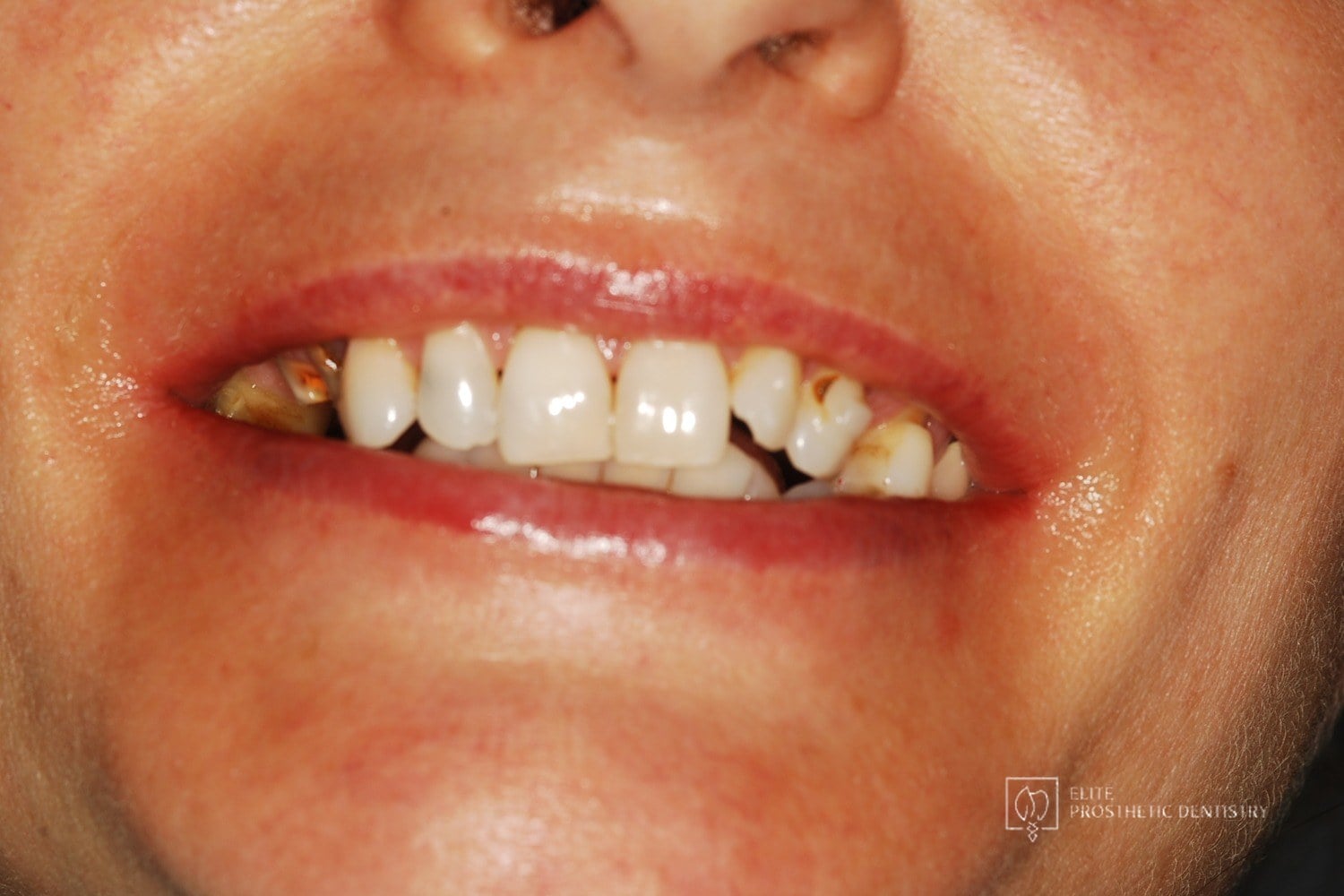 Before
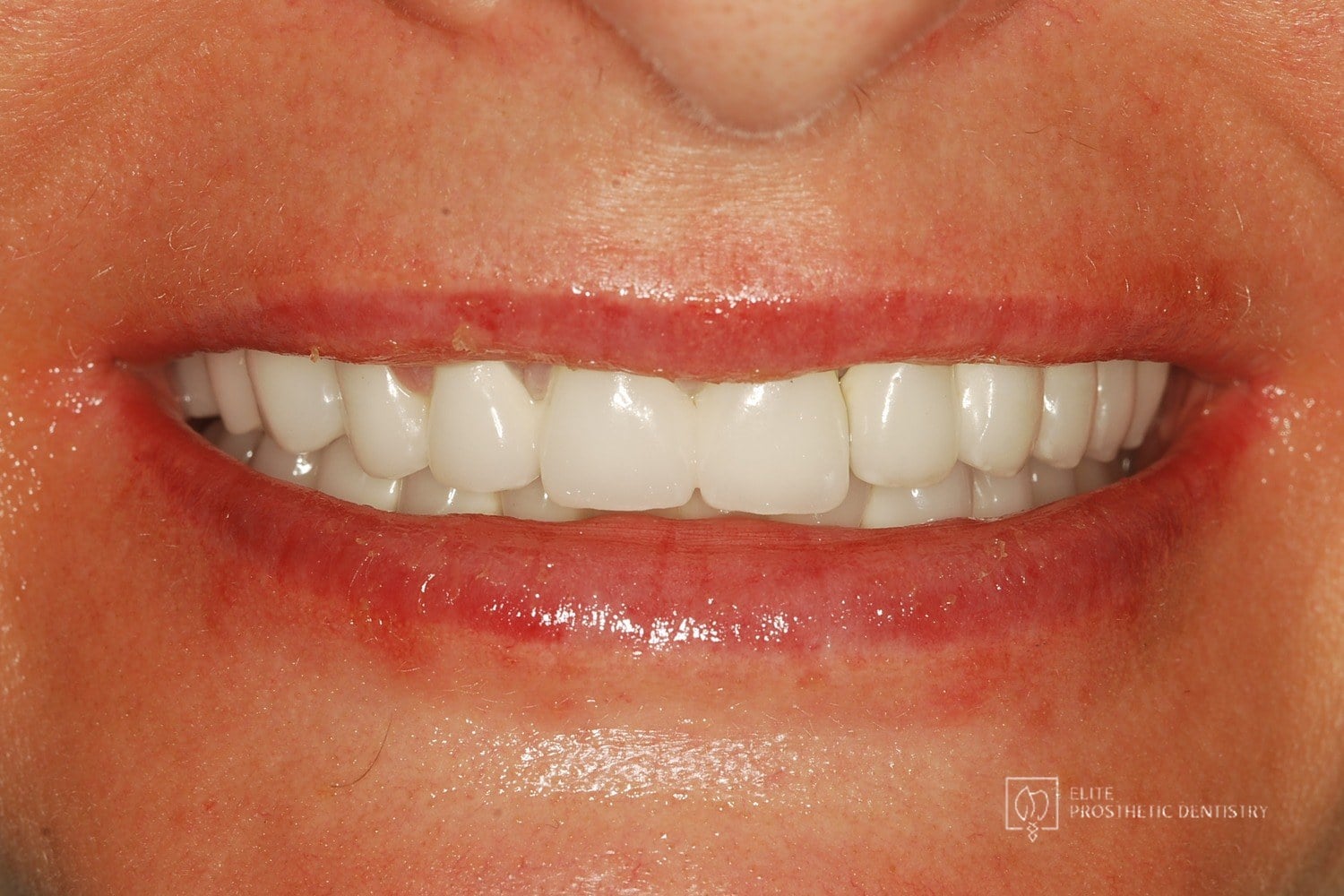 After
How Aging, Failing Dentistry Was Replaced with a Coordinated Full-Mouth Implant and Crown Reconstruction
The patient presented with throbbing upper-molar pain, long-standing infections, multiple root canals and unfinished prior treatment, generalized sensitivity, and several hopeless teeth.
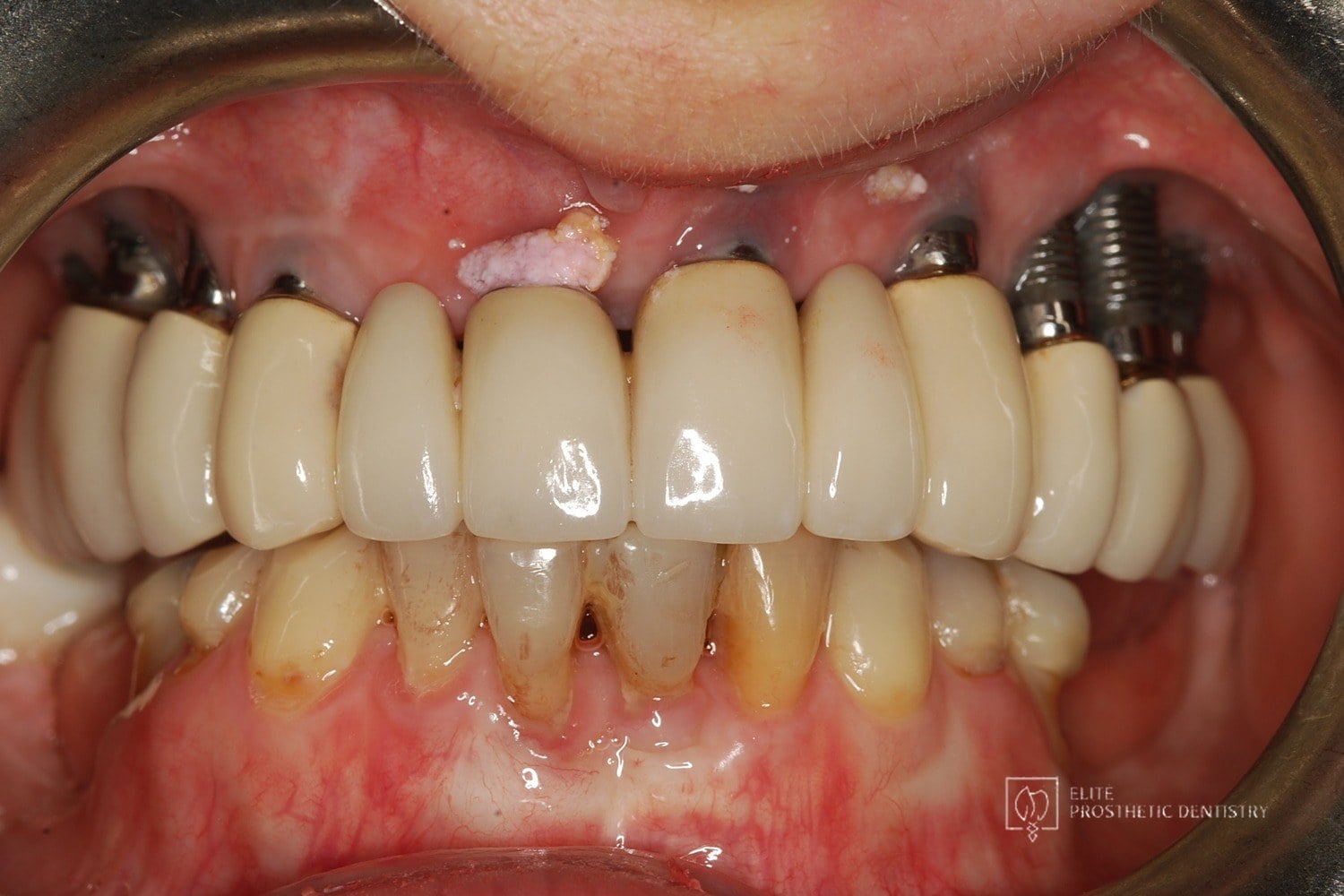 Before
 After
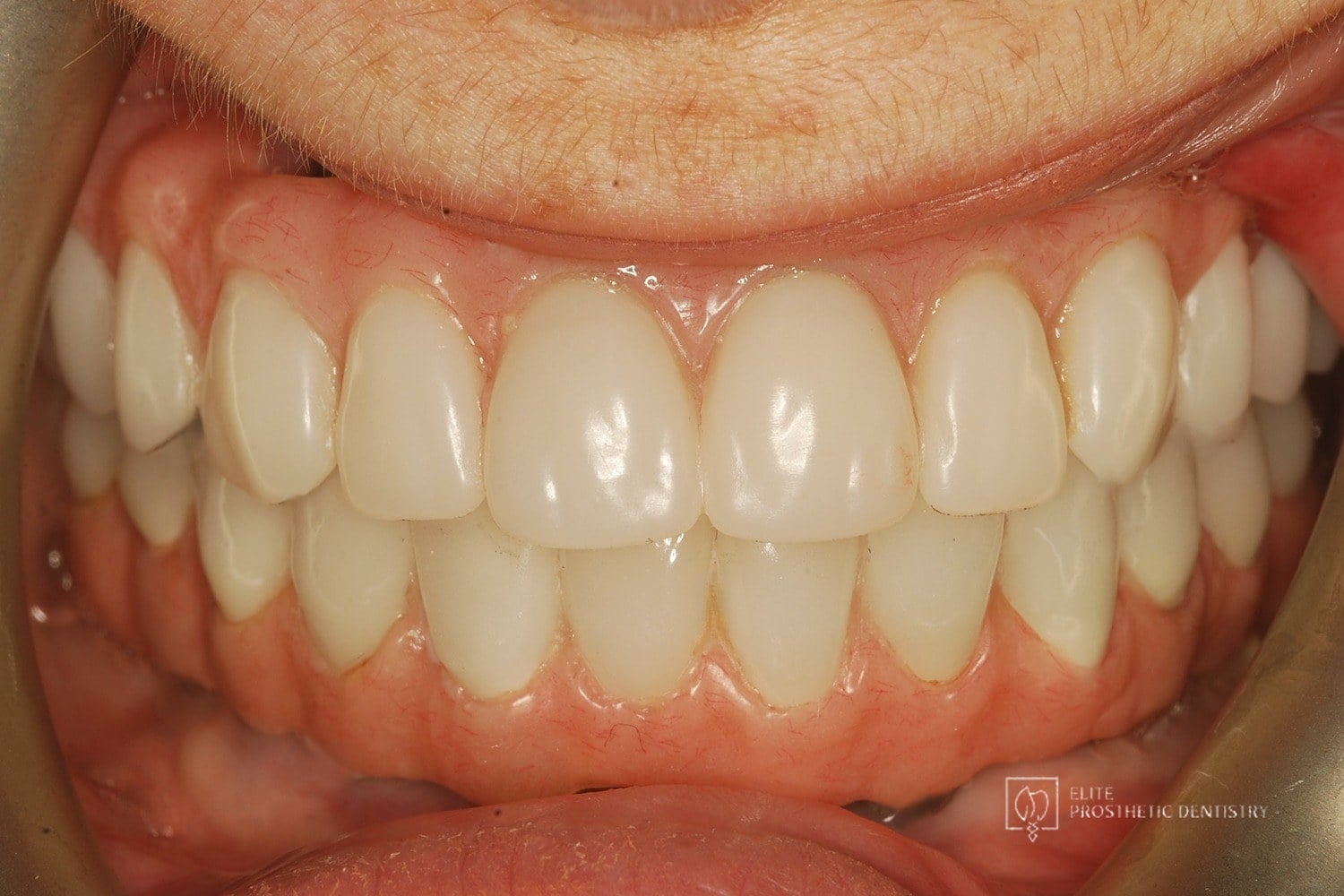
How Failing Implants and Severe Bone Loss Were Rebuilt Into a Stable Full-Arch Implant Reconstruction
The patient presented with significant complications from previously placed implants, severe bone loss, failing posterior implants, and an unesthetic full-arch bridge. Both arches required full reconstruction, with the upper arch showing the most advanced bone loss and instability.
 Before
 After
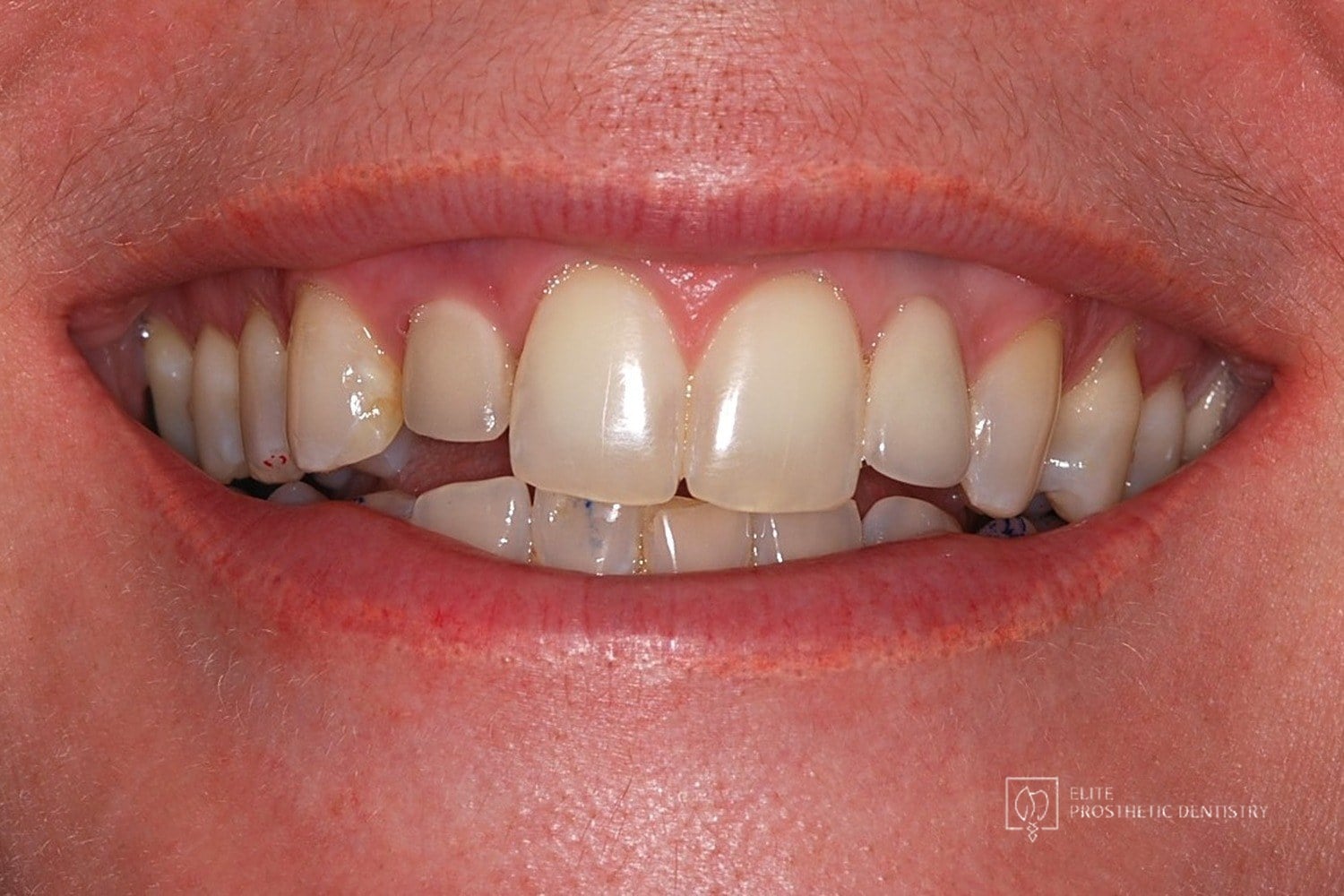
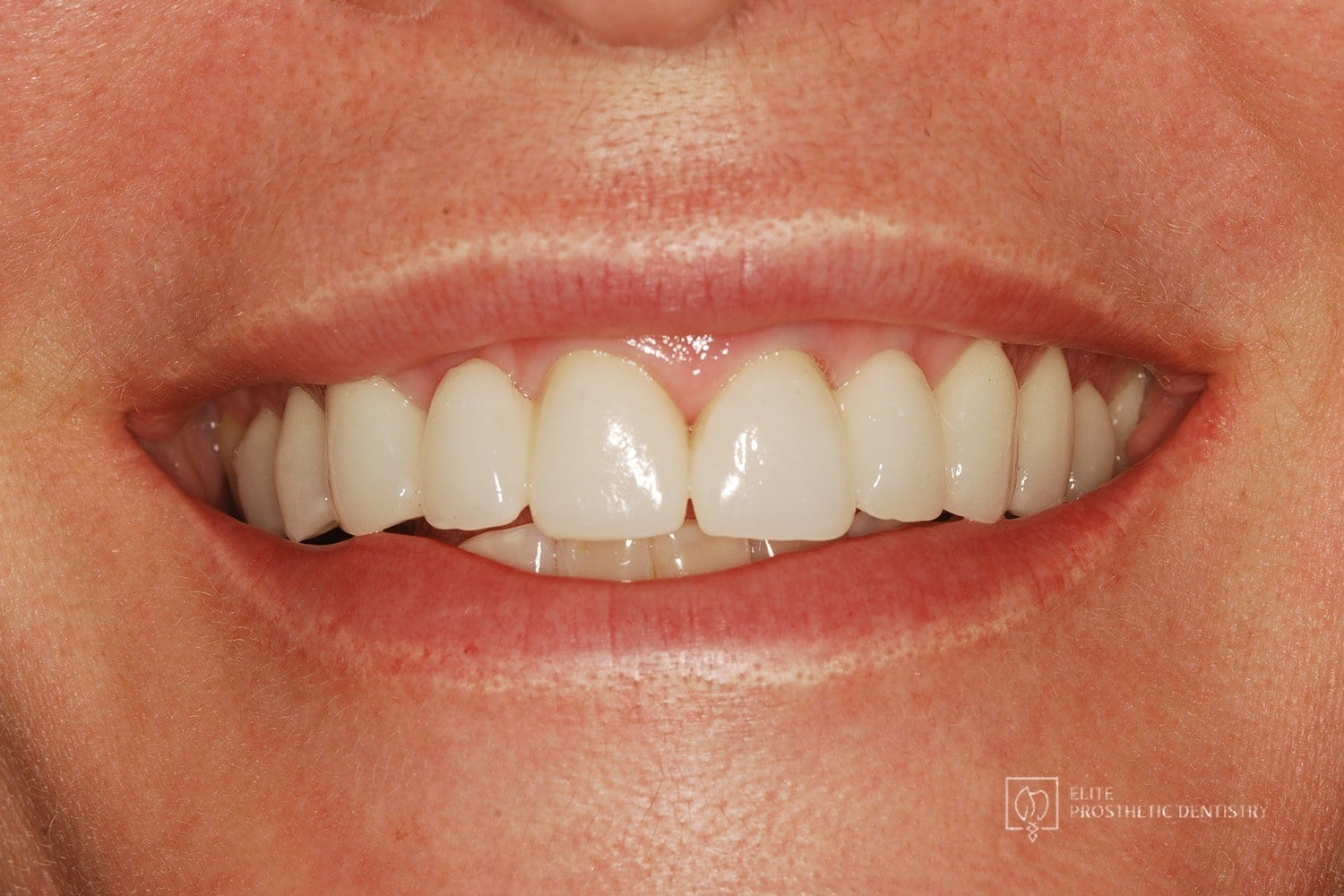
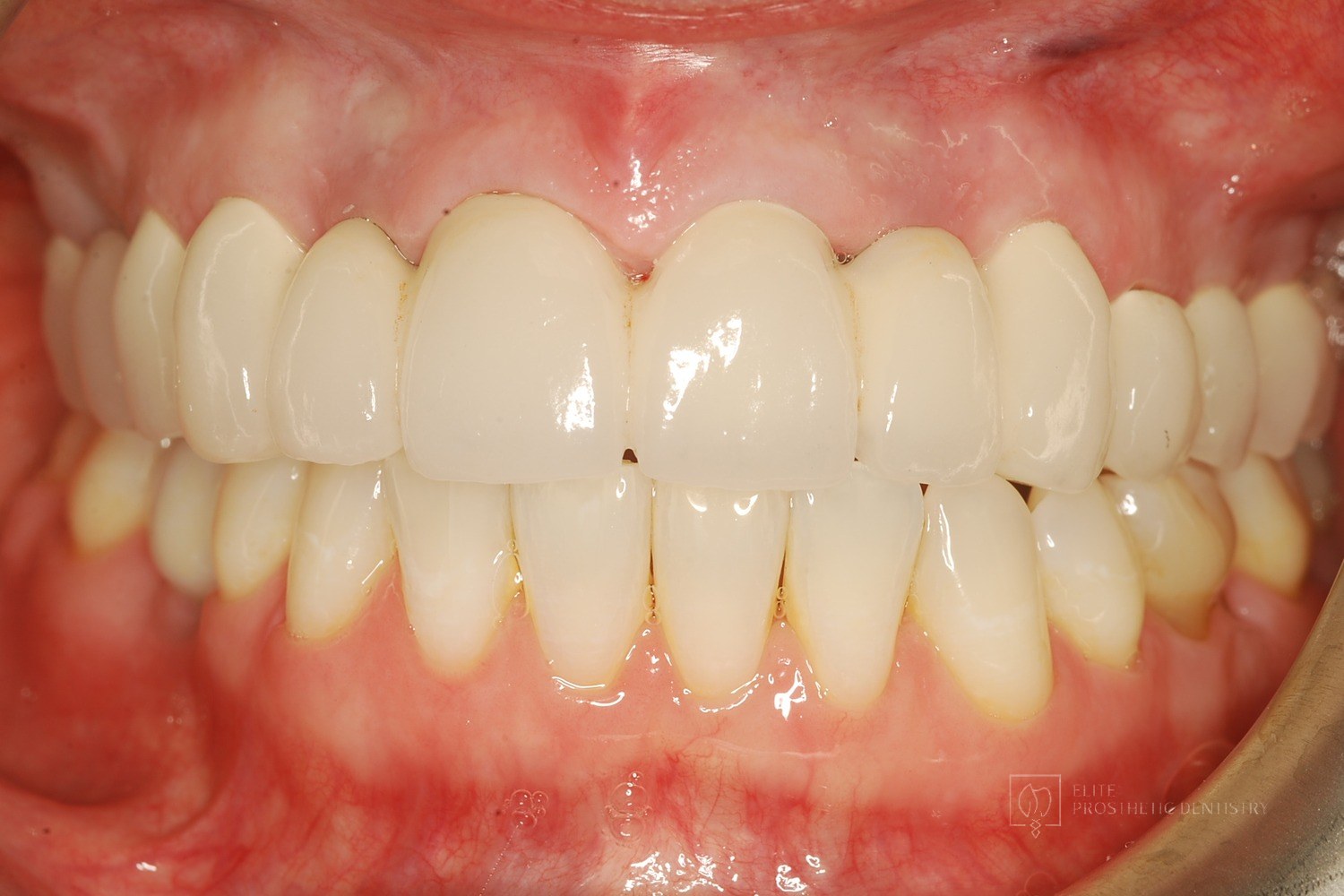
How Failing Lateral Incisor Implants Were Replaced with Custom Zirconia Bridges After Severe Bone Loss Made Replacement Implants Impossible
Comprehensive examination including CBCT imaging revealed significant bone loss surrounding implants that were placed outside the buccal plate, most likely due to placement without a CBCT-generated surgical guide. The implants were determined non-salvageable, and the alveolar ridge was too narrow to support replacement implants without extensive reconstruction.
 Before
 After
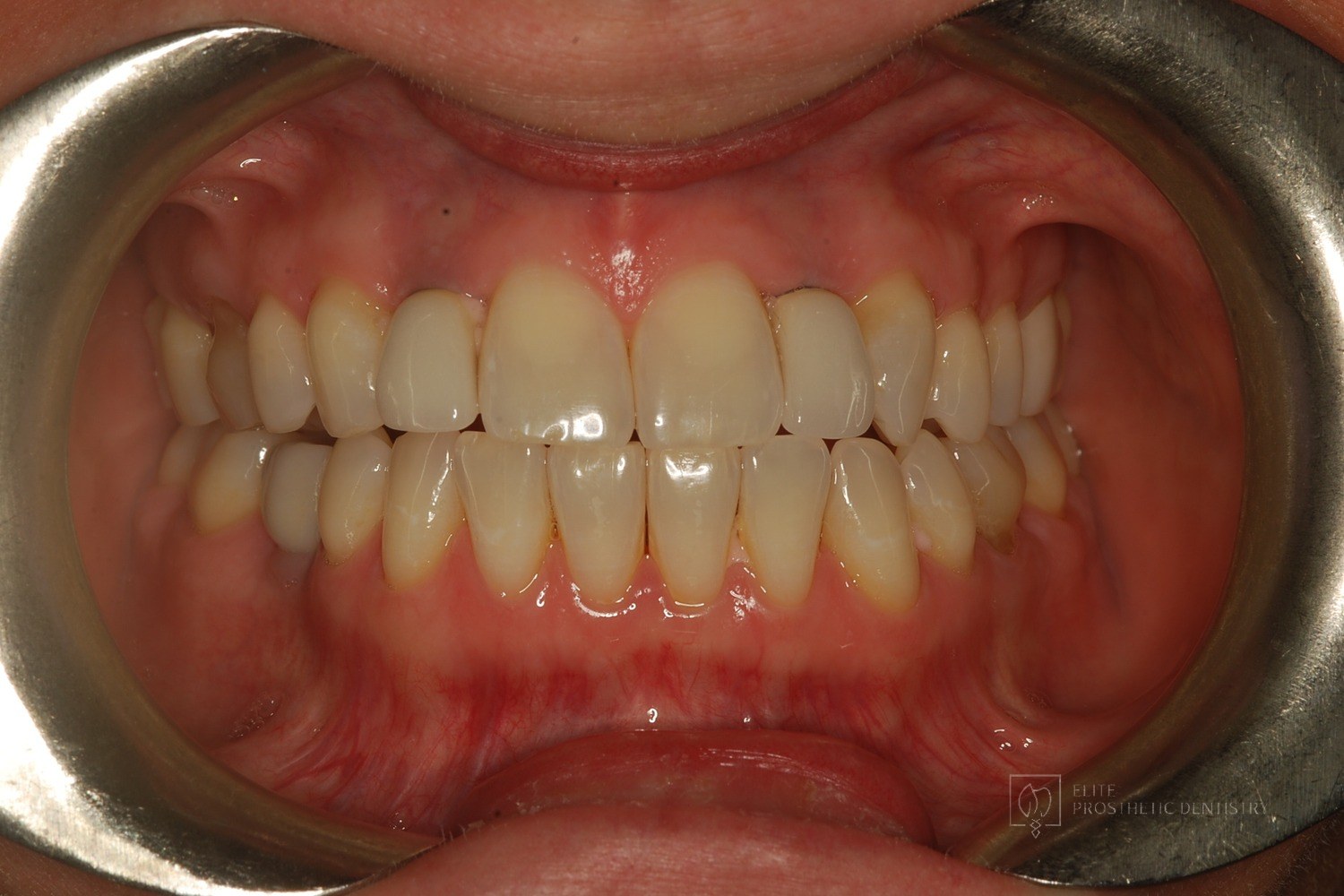
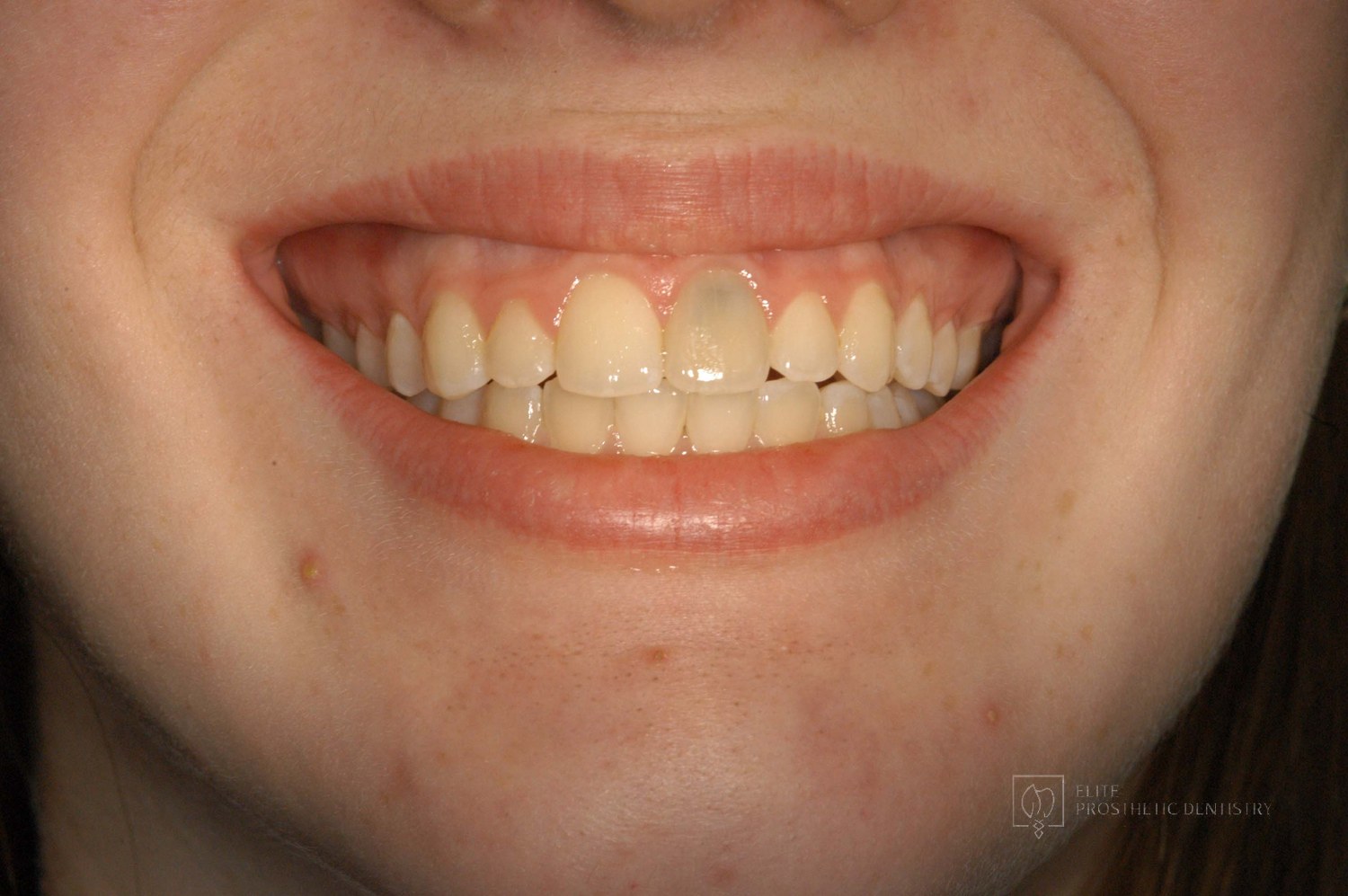
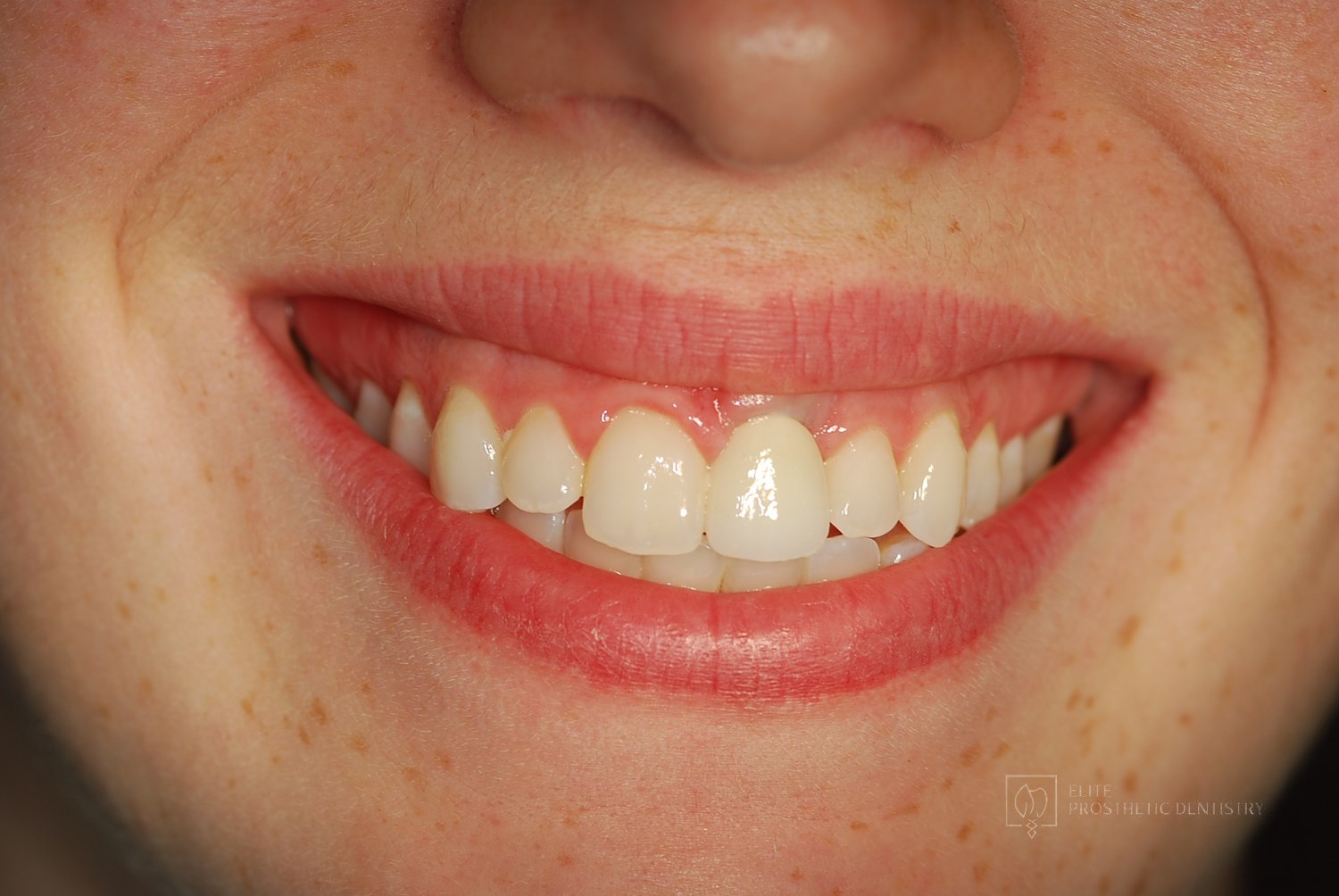
How Older Implant Crowns Were Redesigned for a Better Bite and More Natural Appearance
The patient came in after years of living with implant-supported crowns placed more than twenty years earlier that no longer looked or functioned well. CBCT evaluation, reviewed with a radiologist colleague, showed the implants had been placed too far to the buccal in very thin bone and could not support a healthy long-term restoration.
 Before
 After
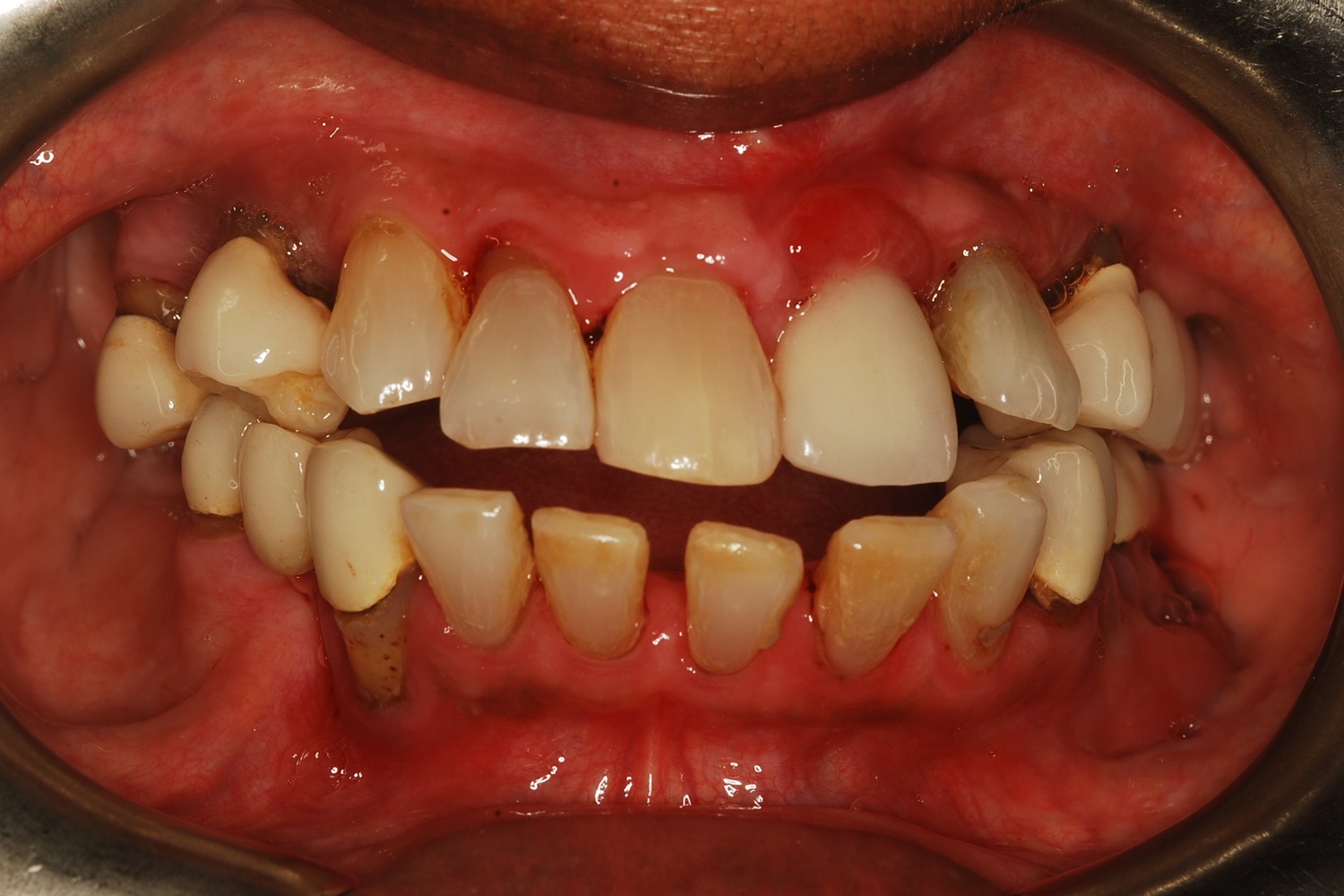
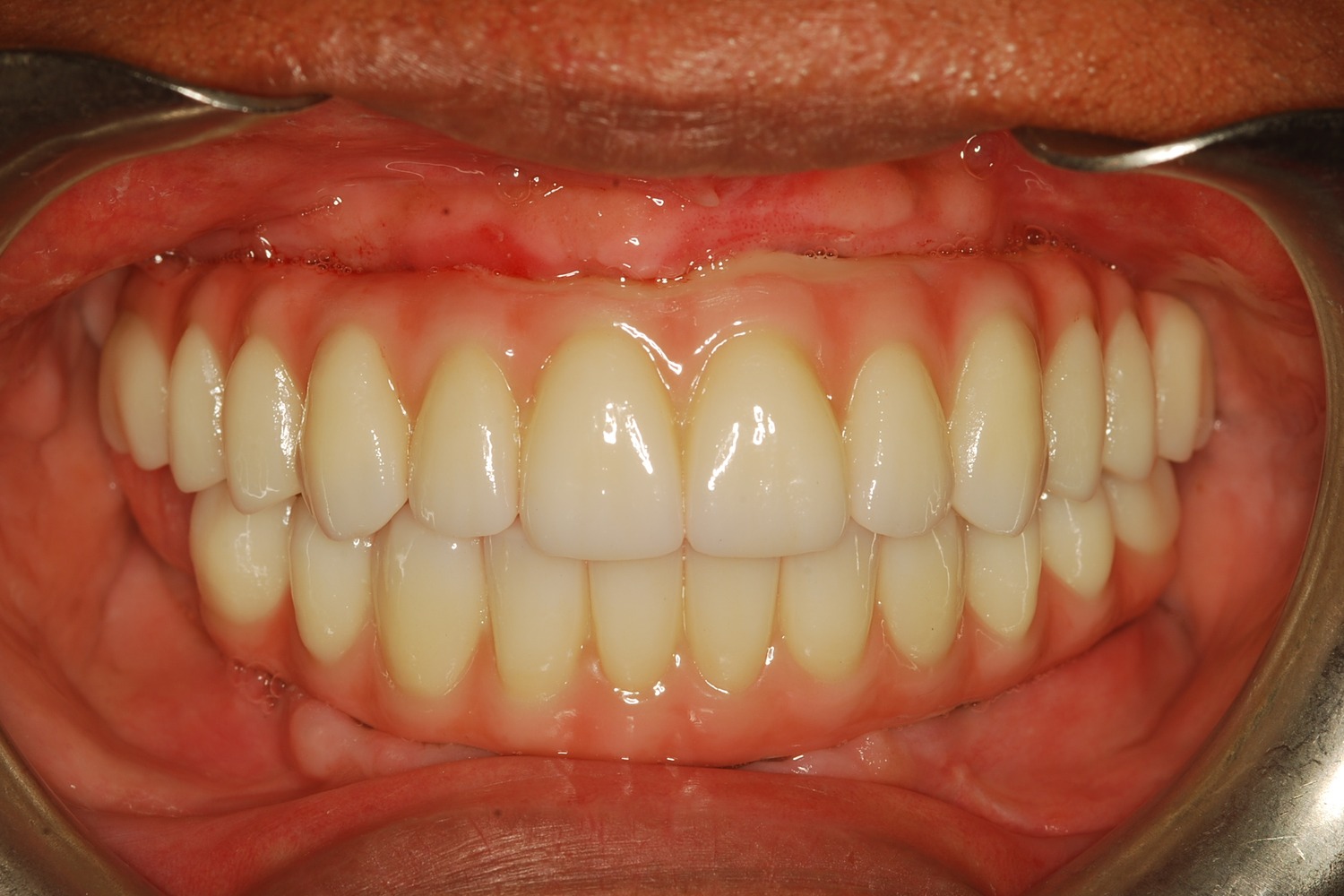
How a Front Tooth Lost to Childhood Trauma Was Rebuilt with Bone Grafting and a Long-Lasting Implant
A teenager was referred by her father after earlier trauma left her upper left front tooth slowly failing from root resorption. She was still growing, so an immediate implant was the wrong move. The tooth had to be maintained to buy time, then replaced correctly once she reached skeletal maturity.
 Before
 After
How Severe Bone Loss and Bite Dysfunction Were Rebuilt with All-on-6 Implants and a Milled Zirconia Hybrid Prosthesis
The patient presented with severe bone loss, advanced periodontal disease, malocclusion, and a dysfunctional bite that required full-arch rebuilding.
Related Services
Dental Implants and Your Medical History
Learn more →Dental Implants in Washington, DC
Learn more →Precision Implant Placement
Learn more →What Does Dental Implant Specialist Mean?
Learn more →How to Choose a Dental Implant Provider for a Complex Case
Learn more →All Decision Guides
Learn more →Related Articles
Deepen your knowledge with additional insights on this topic.
 Dental Implants
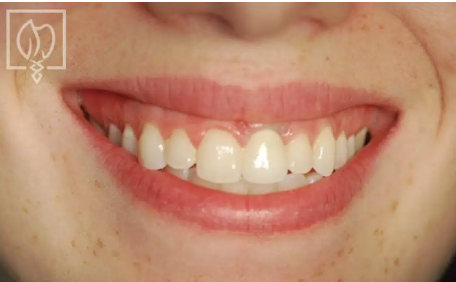
If a Single Front Tooth Is Replaced with an Implant, Can It Look Natural?
Yes. See the four steps, with real case photos, that make a single front tooth implant indistinguishable from the natural tooth beside it. Washington, DC.
 Dental Implants
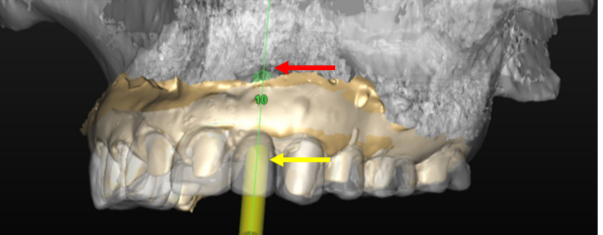
What Is Precision Implant Placement (PIP)?
Precision Implant Placement plans each implant virtually on a CBCT scan, then delivers it with a custom surgical guide. See the three steps with real images.
 Dental Implants
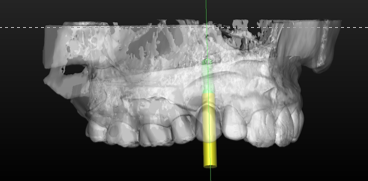
What Is the Ideal Surgical Guide for Precision Implant Placement?
Not all surgical guides are equal. The gold standard is CBCT-based: planned virtually in 3D, 3D printed, and seated on your teeth. A DC prosthodontist explains.
 Dental Implants
When Should an Implant Not Be Done?
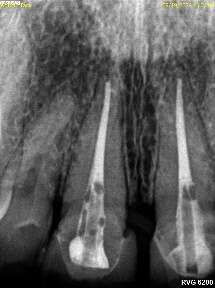
Healthy roots, thin bone, steep bony angles: a DC prosthodontist shows a real case where refusing implants was the right call, and what was done instead.
 Dental Implants
What Is Staged Implant Therapy?
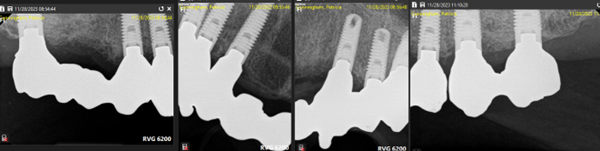
Staged implant therapy replaces failing teeth in phases while you keep fixed teeth the entire time. A DC prosthodontist walks through a real case in stages.
 Dental Implants
The Four Types of Dental Implants: Which One Is Right for You?
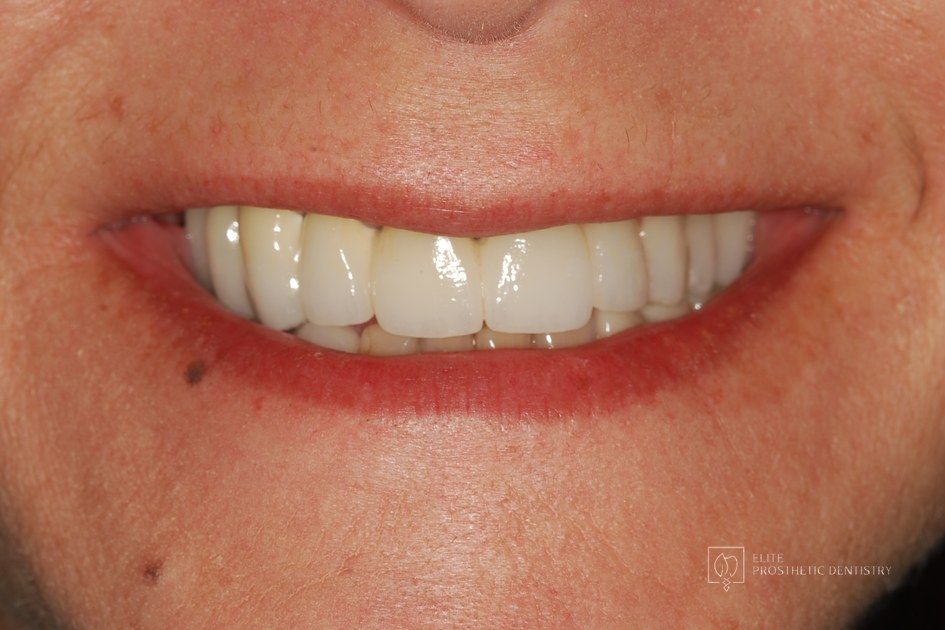
Endosteal, subperiosteal, zygomatic, and mini implants each solve a different problem. A DC prosthodontist explains the four types and who each one fits.
Ready to Transform Your Smile?
With 40+ years of experience and 3,900+ dental implants placed, Dr. Marlin and the team deliver dentistry planned to last. Request a specialist consultation.