
What Is Precision Implant Placement (PIP)?
Precision Implant Placement (PIP) is the discipline that separates implants positioned by design from implants positioned by estimation. The concept fits in one sentence: plan the implant virtually on a 3D scan, centered beneath the future crown and in the best available bone, then use a custom guide to deliver exactly that plan during surgery.
Here is the process in its three steps, illustrated with real planning images.
Step 1: Virtual Placement on the CBCT Scan
Every case begins with a CBCT scan, a three-dimensional image of your jaw. In dedicated implant-planning software, Dr. Marlin “inserts” the implant virtually, positioning it so it centers beneath the future crown while sitting in optimal bone (Fig. 1). This is restoration-driven logic: the tooth is designed first, and the implant serves it.
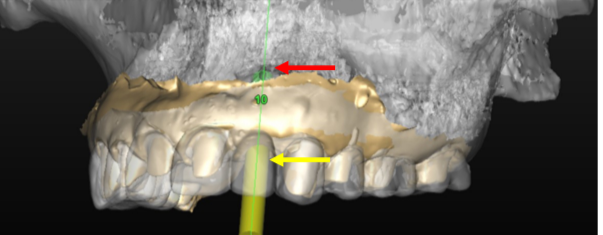
Fig. 1: Virtual Implant Placement on the CT Scan Under the Temporary Crown
Step 2: A Custom Surgical Guide, Fabricated from the Plan
From the approved virtual plan, a custom surgical guide is designed and fabricated (Fig. 2). The guide is built to seat precisely on your teeth, and it physically dictates the drill’s angulation, position, and depth. What separates an adequate guide from an ideal one is covered in our article on ideal surgical guides.
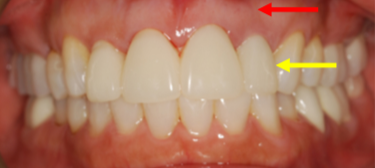
Fig. 2: Design of the Custom Surgical Guide from the Virtual Plan
Step 3: Guided Surgery That Delivers the Plan
At surgery, the guide seats on your teeth and the implant is placed through it (Fig. 3), landing where the plan, not the moment, decided. The payoff is double: optimal bone support for the implant’s longevity, and prosthetic alignment so the final abutment and crown emerge naturally. Because nothing is improvised, the surgery is also typically shorter and gentler than patients expect.
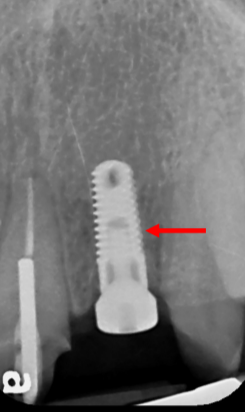
Fig. 3: Surgical Guide Seated on the Teeth to Guide Implant Drills
Why This Standard Exists
An implant cannot be repositioned after placement, and everything built on it inherits its position: the crown’s emergence from the gum, the bite forces it carries, the tissue around it, and how cleanable it is for the next few decades. PIP is how that one-time decision gets made with full information. At Elite Prosthetic Dentistry, where Dr. Gerald Marlin has placed more than 3,900 dental implants, every implant case is planned on a CBCT scan, and surgical guides generated from the scan are used where bone anatomy, esthetic demands, or proximity to nerves and sinuses call for them.
The complete clinical protocol lives on our Precision Implant Placement service page. To find out what it means for your case, book a consultation or call 202-244-2101. Elite Prosthetic Dentistry, Friendship Heights, Washington, DC.
See How We Resolve These Problems
Our patient success stories show real cases and real results. Browse outcomes from a specialist prosthodontist with decades of experience and 3,900+ implants placed.
Key Takeaways
- ✓ Precision Implant Placement (PIP) is a three-step discipline: virtual placement on a CBCT scan, a custom surgical guide fabricated from that plan, and guided surgery that delivers it exactly.
- ✓ The implant is positioned beneath the future crown first, so the restoration drives the surgery rather than inheriting it.
- ✓ CBCT-based guides routinely achieve sub-millimeter accuracy in implant positioning.
- ✓ Planning upfront shortens the surgery itself and makes it gentler and more predictable.
Frequently Asked Questions
What does Precision Implant Placement mean?
PIP is the protocol of planning each implant virtually on a CBCT scan, centered beneath the future crown and in the best available bone, then fabricating a custom surgical guide from that plan and placing the implant through it. The result is an implant positioned by design rather than estimation.
Why is virtual planning important?
Because it lets the implant be evaluated against everything that matters, bone volume, nerves, sinus anatomy, and the future restoration, before any surgery happens. Problems get solved on the screen, where they are cheap, instead of in the mouth, where they are permanent.
How accurate are CBCT-based surgical guides?
Routinely sub-millimeter. The guide is fabricated to fit your teeth or anatomy precisely and dictates the drill's angle, position, and depth, transferring the virtual plan into the mouth with an accuracy that is difficult to reproduce freehand.
Does guided surgery take longer?
No. The time investment moves to the planning phase, and the surgery itself typically becomes shorter, gentler, and more predictable. Smaller incisions and less improvisation also mean easier healing.
Related Patient Success Stories
Explore similar patient success stories demonstrating our expertise in advanced prosthetic dentistry.
 Before
 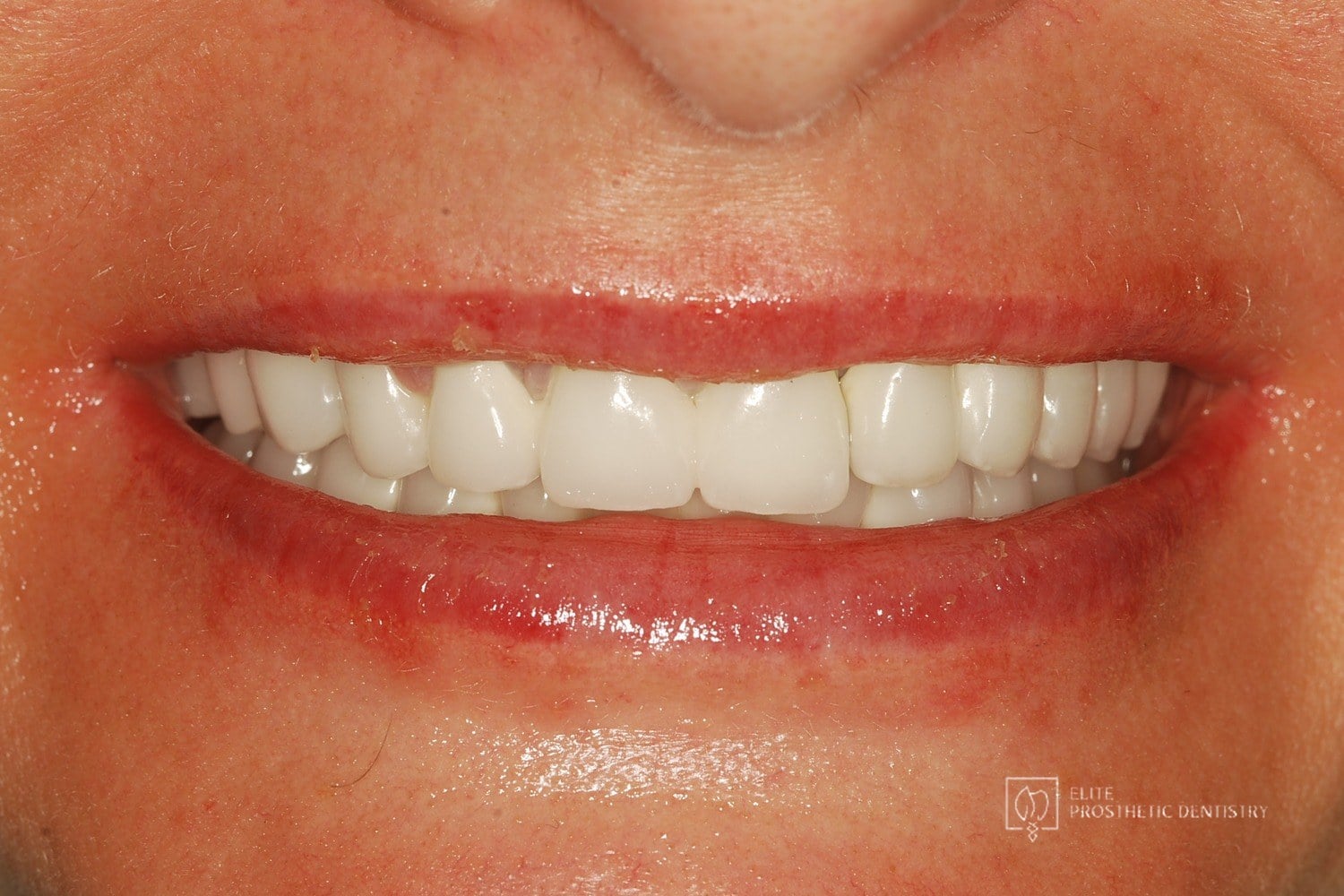 After
After How Aging, Failing Dentistry Was Replaced with a Coordinated Full-Mouth Implant and Crown Reconstruction
The patient presented with throbbing upper-molar pain, long-standing infections, multiple root canals and unfinished prior treatment, generalized sensitivity, and several hopeless teeth.
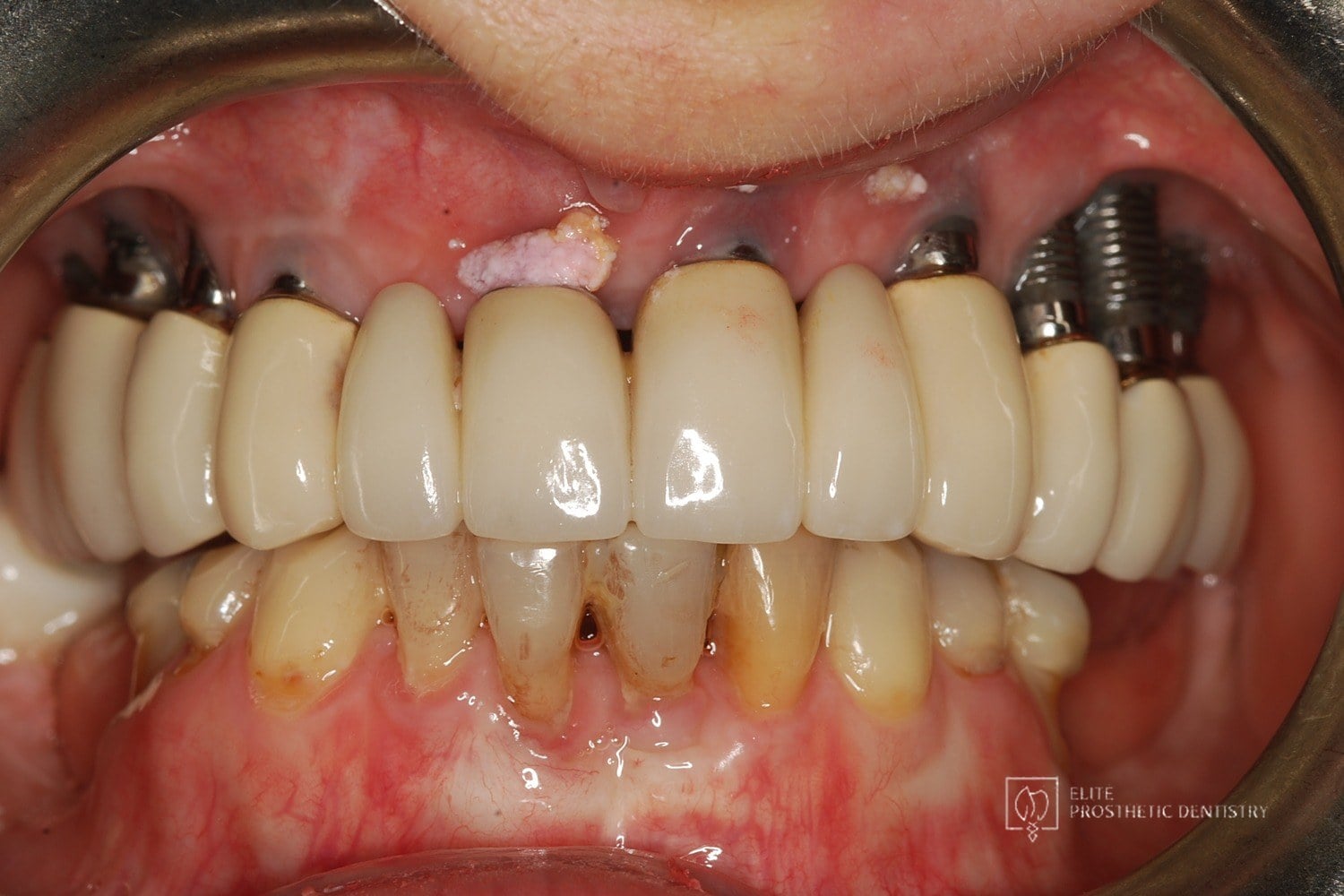 Before
 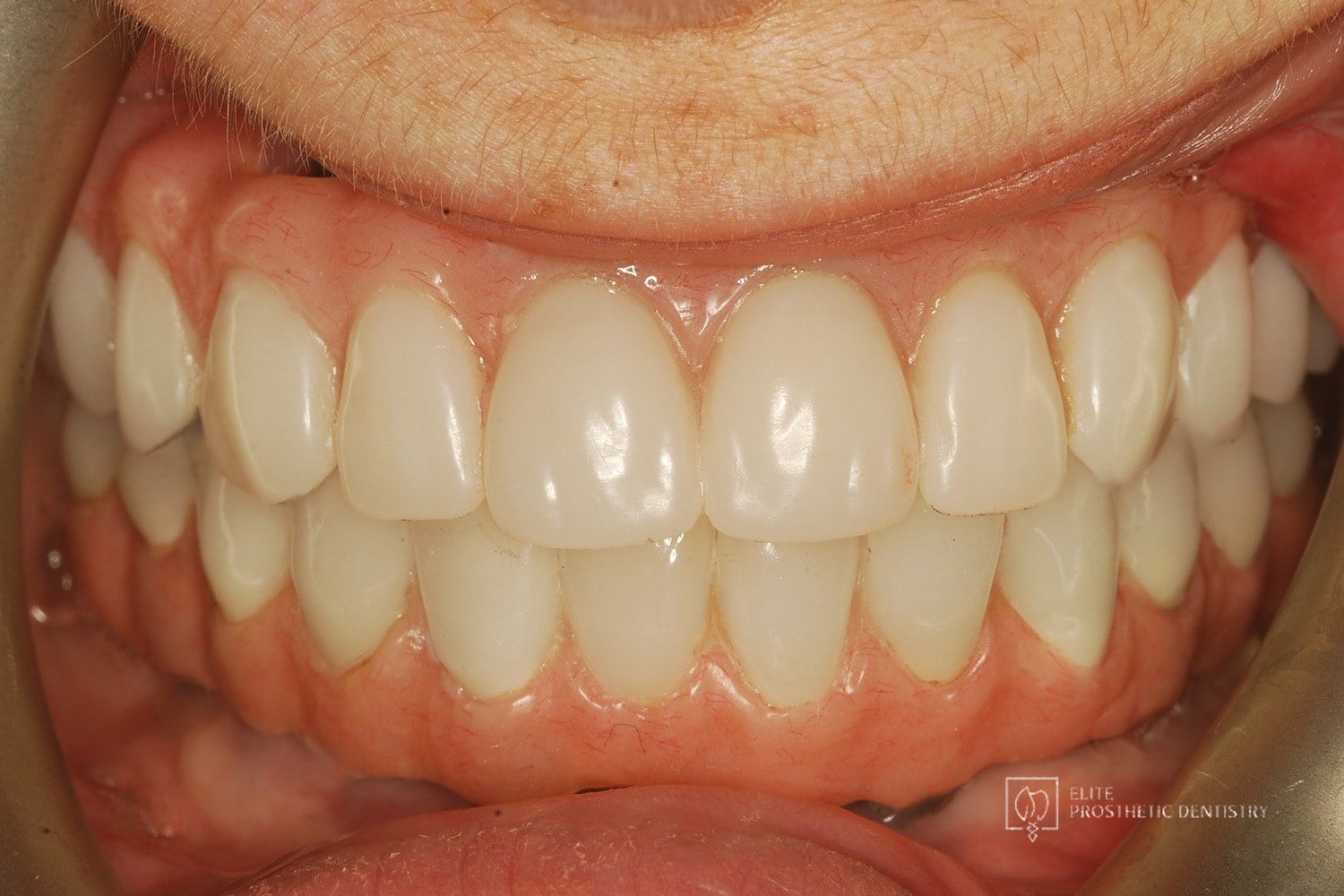 After
After How Failing Implants and Severe Bone Loss Were Rebuilt Into a Stable Full-Arch Implant Reconstruction
The patient presented with significant complications from previously placed implants, severe bone loss, failing posterior implants, and an unesthetic full-arch bridge. Both arches required full reconstruction, with the upper arch showing the most advanced bone loss and instability.
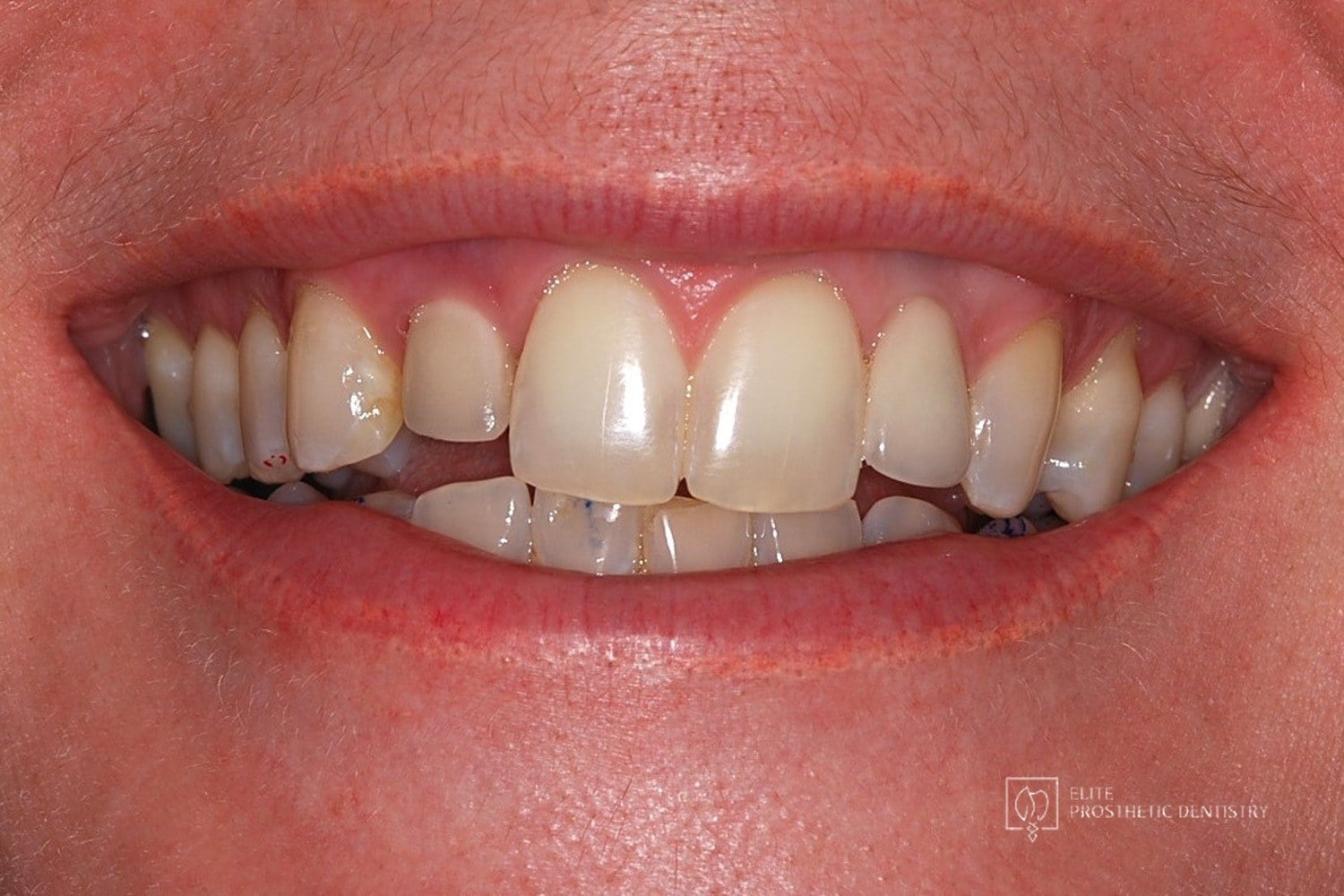 Before
  After
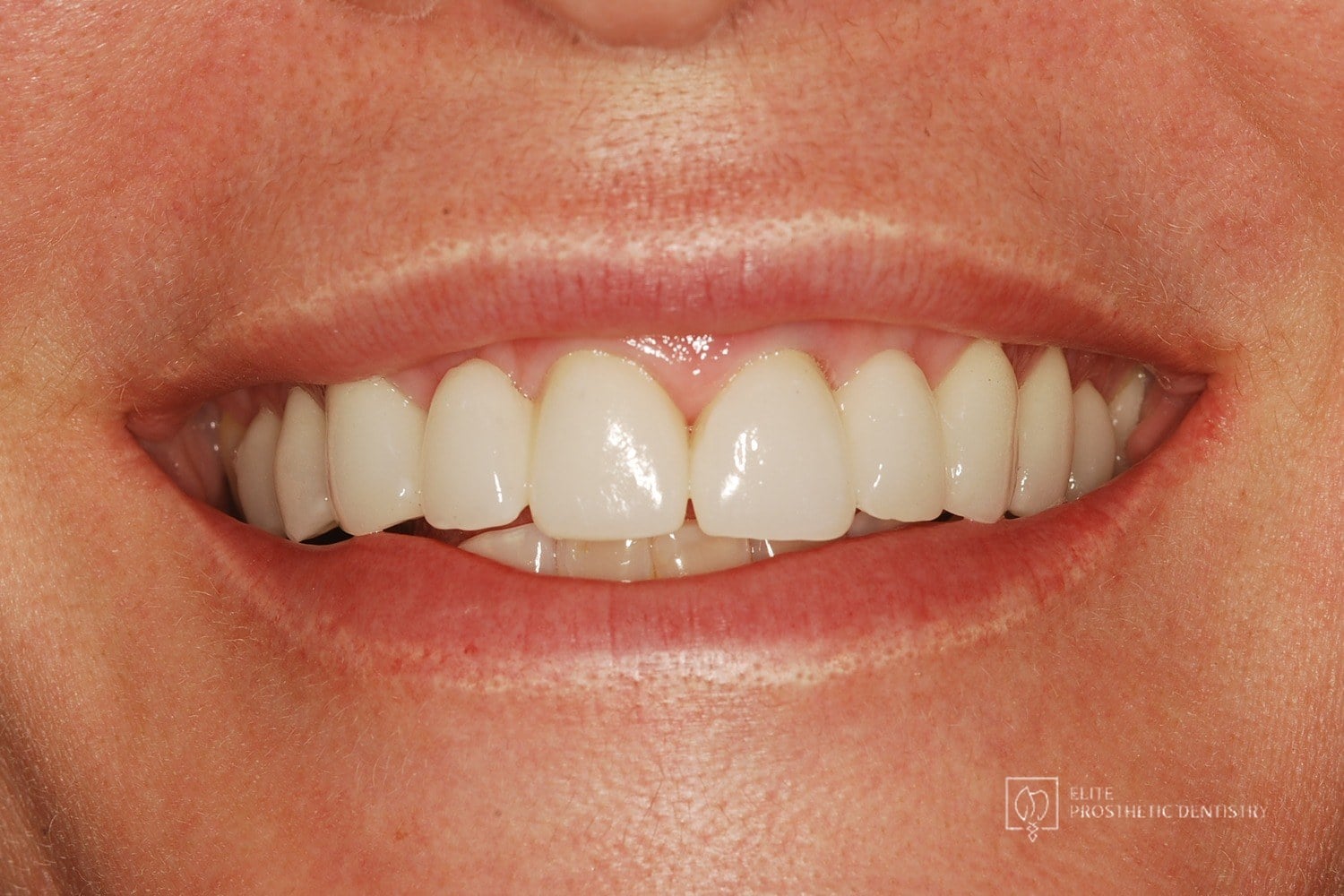
After How Failing Lateral Incisor Implants Were Replaced with Custom Zirconia Bridges After Severe Bone Loss Made Replacement Implants Impossible
Comprehensive examination including CBCT imaging revealed significant bone loss surrounding implants that were placed outside the buccal plate, most likely due to placement without a CBCT-generated surgical guide. The implants were determined non-salvageable, and the alveolar ridge was too narrow to support replacement implants without extensive reconstruction.
Related Articles
Deepen your knowledge with additional insights on this topic.
 Dental Implants
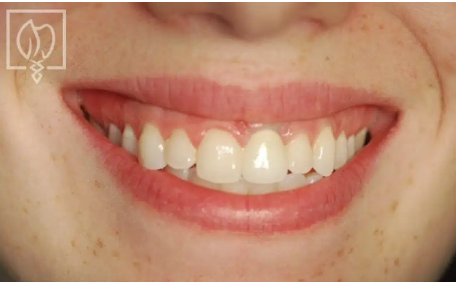
 If a Single Front Tooth Is Replaced with an Implant, Can It Look Natural?
Yes. See the four steps, with real case photos, that make a single front tooth implant indistinguishable from the natural tooth beside it. Washington, DC.
Dental Implants What Is Precision Implant Placement (PIP)?
Precision Implant Placement plans each implant virtually on a CBCT scan, then delivers it with a custom surgical guide. See the three steps with real images.
 Dental Implants
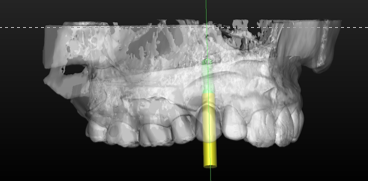
 What Is the Ideal Surgical Guide for Precision Implant Placement?
Not all surgical guides are equal. The gold standard is CBCT-based: planned virtually in 3D, 3D printed, and seated on your teeth. A DC prosthodontist explains.