

A Broken Denture, or a Snap-In Denture That Will Not Seat: What to Do and What It Signals
A cracked denture base, a broken denture tooth or clasp, or a snap-in implant denture that no longer snaps: what to do, why household glue ruins a repair, what the on-site laboratory can fix and how quickly, and when a repair is a signal that a reline, a remake or implant support is due.
Practice clinician: Gerald M. Marlin, DMD, MSD, prosthodontist, Elite Prosthetic Dentistry, Friendship Heights, Washington, DC. Last updated .
A broken denture is one of the few dental problems that leaves a patient unable to eat, speak or appear in public until it is fixed, and a snap-in denture that suddenly will not seat is nearly as disabling. Both are usually repairable, often quickly, as long as nothing is glued and nothing is forced. This page covers what to do now, what the on-site laboratory can repair and how fast, why dentures break and snap-in dentures stop seating, and when a repair is the signal that something larger is due.
In the Next Hour
- Keep every piece. The halves of a cracked base, the tooth that came out, the broken clasp, the small attachment insert that fell out of a snap-in denture. Rinse them, dry them, and put them in a container. Missing pieces make a repair slower or impossible.
- No glue of any kind. Not superglue, not household glue, not a drugstore denture repair kit. These are unsafe in the mouth and they ruin the fracture surfaces for a proper repair.
- Do not wear a broken denture if the break leaves a sharp edge or if the pieces move against each other; a sharp acrylic edge cuts the gum quickly. A denture with a single missing tooth and no sharp edge can usually be worn until the visit.
- Do not force a snap-in denture that will not seat. Remove it, rinse it, look inside for debris or a missing insert, rinse your mouth and check the implant attachments for anything caught around them, and try once more gently. If it does not click in, leave it out or wear it without the snap only if it is stable enough to be safe, and call.
- Keep the denture moist in water or denture solution when it is out of the mouth, so the acrylic does not distort. Keep broken pieces dry only if you have been told to; otherwise, in water with the rest.
- Call the office. During hours, (202) 244-2101; patients are triaged by urgency and same-day visits are arranged when the schedule allows. After hours, follow the voicemail prompts.
When to Go to the Emergency Room Instead
A broken denture is not an emergency room situation. Go to the emergency room, or call 911, if a piece of denture has been swallowed or inhaled with any choking, breathing difficulty or chest symptoms, or for a deep cut from a broken edge that will not stop bleeding. Tell the office afterward.
What Can Wait Until Office Hours
Almost everything on this page can wait until the next office day without harm to the mouth; the urgency is the patient’s ability to function, which the practice takes seriously. A snap-in denture that will not seat can be left out overnight. A sore spot from a broken edge should be kept clean and the denture left out until it is repaired.
What the Visit Involves
The denture, the ridge or the implants beneath it, and the bite are examined. The common findings and what is done:
- A clean fracture of the base with all pieces present. The pieces are reassembled and the fracture is repaired in the laboratory, often during the visit. The fit is then checked, because a base that broke without being dropped usually broke because it no longer fits.
- A broken or lost denture tooth. A matching tooth is set and processed into the base, usually quickly.
- A broken clasp on a partial denture. The clasp is remade or replaced, which takes longer than a base repair and sometimes requires an impression.
- A snap-in denture that will not seat. The attachments are inspected. Worn inserts are replaced with new ones, a loosened housing is re-secured, debris is cleared, a loose or worn part on the implant is tightened or replaced. Most of these are completed in a short visit.
- A denture that is cracked because it no longer fits. It is repaired, and a reline is recommended so it stops flexing, or, where the base is old or the ridge has changed a great deal, a remake is planned.
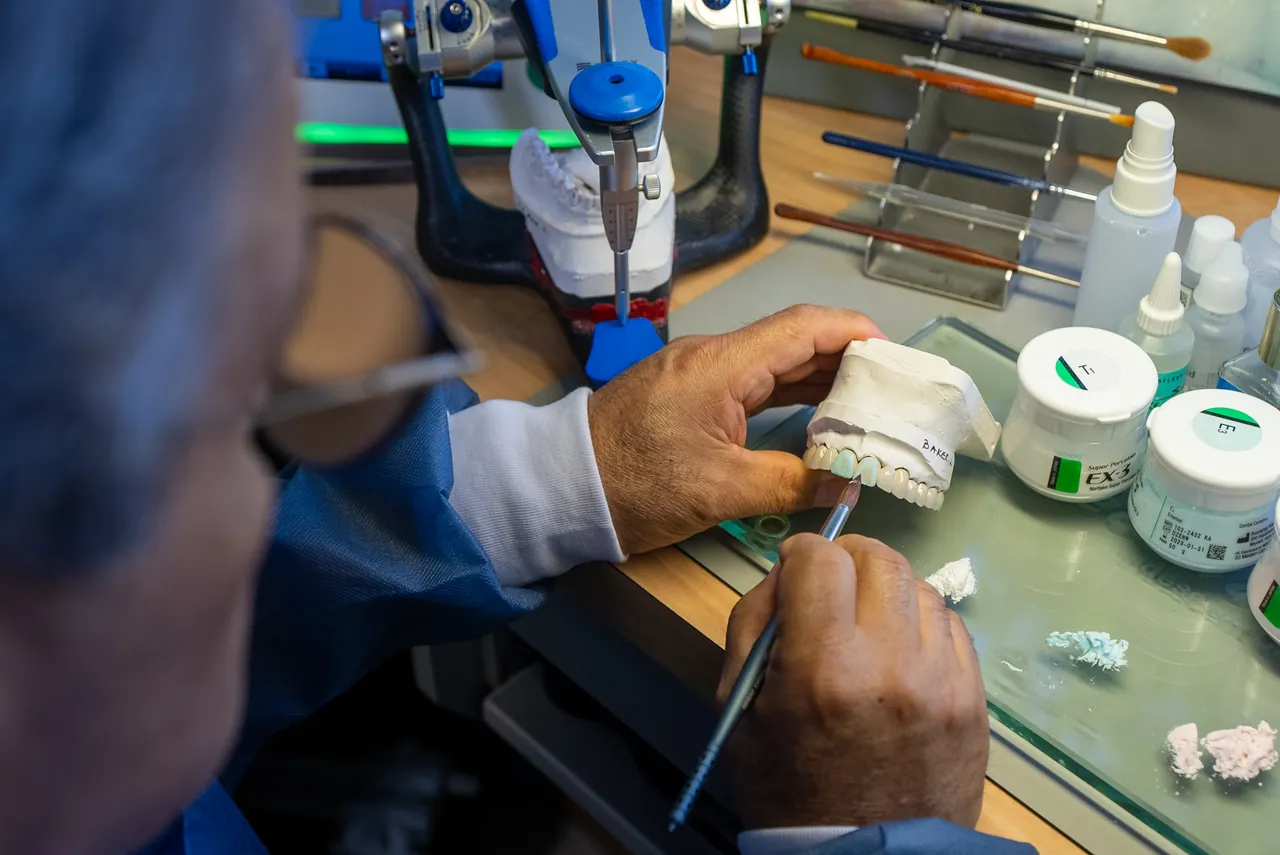
The practice’s on-site laboratory, operating since 1985, carries out these repairs without sending the denture away, which is the difference between a same-visit repair and days without teeth. The timing is confirmed once the denture has been examined.
Why It Happened
Dentures. A dropped denture breaks on impact, usually at a tooth or a thin section. A denture that breaks without a drop broke from flexing: the ridge beneath it has shrunk, the denture rocks, and acrylic that flexes thousands of times a day cracks, typically down the middle of an upper. Teeth wear and loosen from the base with age. Partial denture clasps fatigue from being flexed on and off the teeth for years.
Snap-in dentures. The attachment inserts inside the denture are designed to wear and be replaced; how often depends on the system and the patient. Food and plaque accumulate in and around the attachments. A housing bonded into the denture can work loose. The part on the implant can loosen from the implant or wear. And, as the ridge beneath the denture shrinks, the denture bears down differently on the implants, which accelerates wear and can make seating unreliable. Our page on implant denture problems covers the full range.
What an Emergency Often Reveals
A denture that broke because it no longer fits will break again after repair unless the fit is addressed, and the fit will continue to change as the ridge shrinks beneath a conventional denture. A repair is the moment to ask whether a reline will hold things for a while, whether the denture is due to be remade, or whether implant support would stop the cycle. For a patient already wearing a snap-in denture, repeated insert replacement or an unstable fit may be the signal to look at a fixed prosthesis instead. Our guide on fixed implant teeth versus a removable implant denture lays out that decision, and our page on being tired of loose dentures describes the implant options.
How Elite Prosthetic Dentistry Handles a Broken Denture
Call the office; patients are triaged by urgency and same-day visits are arranged when the schedule allows. The denture is repaired in the on-site laboratory, usually during the visit when the pieces are complete, and the fit is checked so the repair lasts. Dr. Gerald M. Marlin examines the ridge or the implants beneath the denture and explains whether the break was accidental or a fit problem, and what each implies. For patients who are ready to consider implant support, the practice places and restores implants in one office and designs implant-supported dentures and fixed prostheses in its own laboratory.
When Another Setting Fits Better
A denture made recently by another dentist is often best repaired by that office, which has the records and may have the original molds. A snap-in denture on implants placed and restored elsewhere may be quickest to fix at the office that knows the attachment system, when that office can see the patient. Choking or breathing difficulty from a swallowed or inhaled fragment is a medical emergency first. The practice sees patients in all of these situations when the original office cannot be reached.
Documented Cases
- Rejuvenating severely worn-down implant overdentures.
- Treating a collapsed bite with a complete smile makeover and new dentures.
- Both arches rebuilt after years of heavy grinding with a fixed implant prosthesis, the fixed alternative to a removable denture.
Related Reading
- Restorative dental emergencies: all situations
- Denture relines and repairs
- Implant denture problems
- Fixed implant teeth vs. a removable implant denture
- Tired of loose dentures?
Call the Office
During office hours, call (202) 244-2101 and describe the break or the seating problem. After hours, follow the voicemail prompts for urgent care instructions. For a planned evaluation of a denture that keeps breaking or loosening, or of implant support, request an appointment or call (202) 244-2101.
Your Best Smile Is Within Reach
Request a specialist consultation with Dr. Marlin to discuss your situation and the most appropriate path forward.
Frequently Asked Questions
Can I glue my broken denture back together?
No. Household glue and superglue are not safe in the mouth, they do not hold under chewing, and they contaminate the fracture surfaces so that a proper laboratory repair becomes difficult or impossible. A denture repaired with the wrong adhesive often has to be remade rather than repaired. Keep all the pieces dry and safe, and bring them to the office.
How fast can a denture be repaired?
A clean fracture of the base or a broken denture tooth can often be repaired quickly in the practice's on-site laboratory, sometimes while the patient waits, when all the pieces are present and fit together. A repair involving a missing piece, a distorted base, or a broken clasp takes longer. The timing is confirmed once the denture has been examined.
My snap-in denture used to click into place and now it does not. Why?
Snap-in dentures hold by small attachments inside the denture that grip matching parts on the implants. The attachments wear and are designed to be replaced periodically; debris or hardened food under the denture can block seating; a housing in the denture can loosen; and a part on the implant can loosen or wear. Most of these are corrected in a short visit by replacing the inserts or cleaning and reseating. A denture that will not seat should not be forced down.
Why did my denture break in the first place?
Dentures break because they were dropped, or because they no longer fit. A denture that rocks on a ridge that has shrunk beneath it flexes with every bite, and acrylic that flexes repeatedly eventually cracks, usually down the middle of an upper denture. A break with no drop is almost always a fit problem, and repairing the crack without addressing the fit means it will crack again.
Is this the moment to consider implants?
Often it is the moment to ask. A denture that has broken because of a shrinking ridge will keep loosening as the ridge shrinks further. Implant support, either a snap-in denture or fixed implant teeth, stops that cycle for many patients. The repair comes first so the patient has teeth; the conversation about the longer term follows at the next visit.
Related Articles
Deepen your knowledge with additional insights on this topic.
 Dental Implants
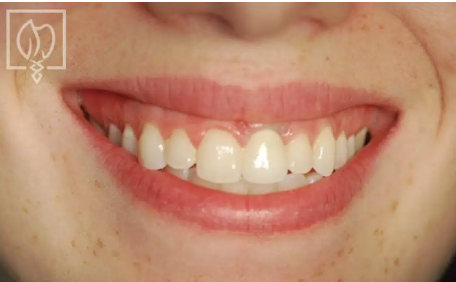
If a Single Front Tooth Is Replaced with an Implant, Can It Look Natural?
Yes. See the four steps, with real case photos, that make a single front tooth implant indistinguishable from the natural tooth beside it. Washington, DC.
 Dental Implants
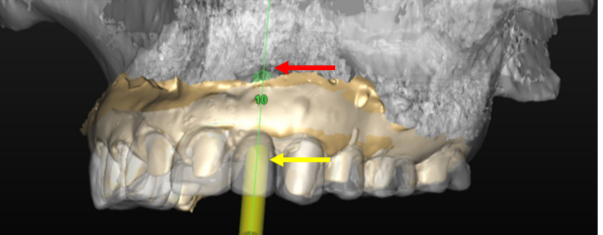
What Is Precision Implant Placement (PIP)?
Precision Implant Placement plans each implant virtually on a CBCT scan, then delivers it with a custom surgical guide. See the three steps with real images.
 Dental Implants
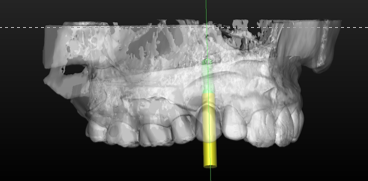
What Is the Ideal Surgical Guide for Precision Implant Placement?
Not all surgical guides are equal. The gold standard is CBCT-based: planned virtually in 3D, 3D printed, and seated on your teeth. A DC prosthodontist explains.
 Dental Implants
When Should an Implant Not Be Done?
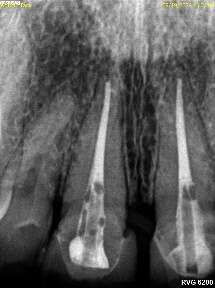
Healthy roots, thin bone, steep bony angles: a DC prosthodontist shows a real case where refusing implants was the right call, and what was done instead.
 Dental Implants
What Is Staged Implant Therapy?
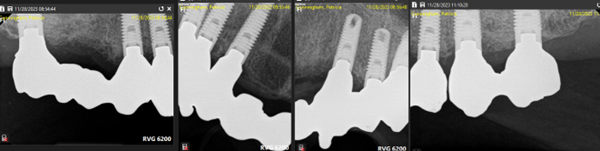
Staged implant therapy replaces failing teeth in phases while you keep fixed teeth the entire time. A DC prosthodontist walks through a real case in stages.
 Dental Implants
The Four Types of Dental Implants: Which One Is Right for You?
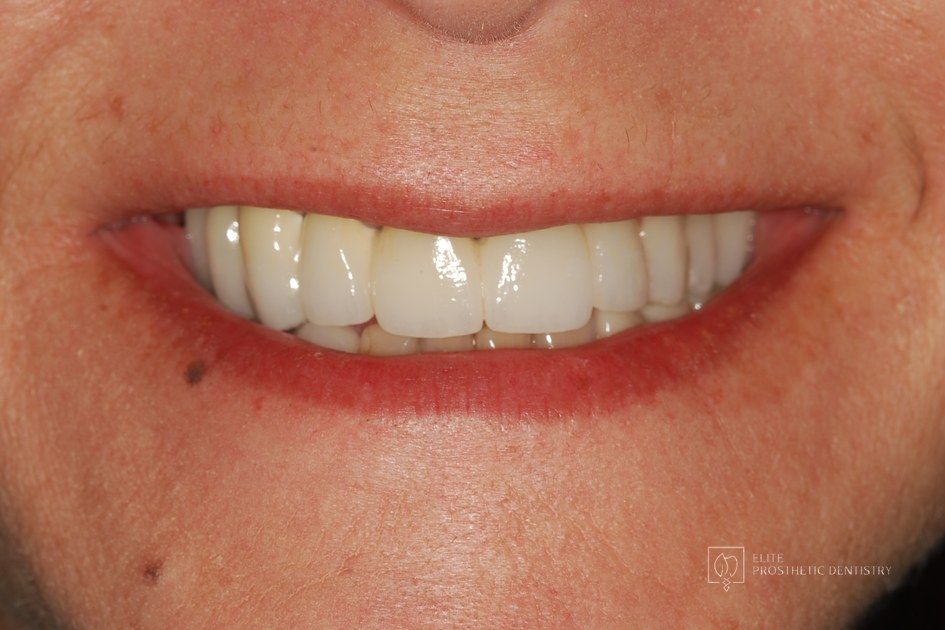
Endosteal, subperiosteal, zygomatic, and mini implants each solve a different problem. A DC prosthodontist explains the four types and who each one fits.
Ready to Transform Your Smile?
With 40+ years of experience and 3,900+ dental implants placed, Dr. Marlin and the team deliver dentistry planned to last. Request a specialist consultation.