
TMJ Treatment in Washington, DC
TMJ disorders affect the joints, muscles, and bite system that move your jaw. Symptoms range from headaches and jaw pain to clicking, locking, and tooth wear. At Elite Prosthetic Dentistry, TMJ evaluation and treatment are delivered by a specialty-trained prosthodontist with decades of experience in bite-related disorders.
40+
Years Experience
1985
In-House Lab Since
2026
Top Dentist List
9
U.S. Patents

Gerald M. Marlin, DMD, MSD
Specialty-Trained Prosthodontist (DMD, MSD)
Washingtonian "Top Dentist" 2026 and Hall of Fame
Why Patients Choose a Prosthodontist for TMJ Care
- Specialty training in occlusion, bite reconstruction, and jaw function
- In-house lab fabricates custom night guards and splints since 1985
- Diagnosis grounded in clinical exam, not a one-size-fits-all device
- When TMJ symptoms point to a bite or restorative issue, we plan that comprehensively
- Specialist-led care within one practice, from consultation through follow-up
Or call now: (202) 244-2101
What Is TMJ Disorder?
TMJ stands for temporomandibular joint, the hinge joint that connects your lower jaw to your skull. "TMJ disorder" (or TMD) refers to dysfunction in the joint, the muscles that move the jaw, the bite, or all three. Specialist diagnosis identifies which components are involved.
Joint-Based TMJ Pain
Pain, clicking, or locking originating in the temporomandibular joint itself. Often related to disc displacement, arthritis, or trauma history.
Muscle-Based TMD
Pain originating in the muscles of mastication, often presenting as headaches, jaw fatigue, or facial soreness. Frequently associated with bruxism.
Bite and Occlusion Issues
Symptoms driven by how the upper and lower teeth come together. Worn dentition, missing teeth, and uneven restorations can stress the entire system.
How TMJ Diagnosis and Treatment Works
TMJ is a diagnosis category, not a single condition. The right treatment depends on what is actually causing the symptoms. Specialist evaluation identifies the source before recommending a treatment plan.
Comprehensive TMJ Evaluation
Clinical exam of the joints, muscles, and bite. Detailed history of symptoms, triggers, and medical context. Imaging when indicated to evaluate joint anatomy.
Diagnostic Trial
When appropriate, a custom night guard or splint is fabricated to relieve muscle tension, protect the teeth, and clarify how the bite is contributing to symptoms.
Conservative Management
Most TMJ cases respond to conservative care: custom appliances, behavior modification, targeted physical therapy, and selective bite adjustment when indicated.
Definitive Treatment When Needed
Cases involving worn dentition, failing restorations, or significant tooth loss may benefit from coordinated restorative treatment that rebuilds the bite to a stable, functional position.
Why Prosthodontic Training Matters for TMJ Care
TMJ overlaps with multiple specialties. Prosthodontic training is uniquely positioned to address the bite and restorative side of TMD, which is often the missing piece in treatment that has not produced lasting relief.
-
Occlusion and Bite Specialty Training
Three additional years of residency training focused on occlusion, bite reconstruction, and how restorations affect the jaw system. The training is structurally relevant to bite-driven TMD.
-
Custom Appliances Made In-House
Night guards, splints, and occlusal devices are designed by our prosthodontist and fabricated in our on-site lab. Fit, occlusal contact, and adjustments are controlled by the same team.
-
Integrated Diagnostic Approach
Many TMJ patients have been seen by multiple providers without a clear diagnosis. Specialist evaluation considers joint, muscle, bite, and restorative factors as one problem.
-
Continuity Across Treatment
When TMJ leads to a recommendation for restorative work or bite reconstruction, the entire case is planned and delivered within one specialist practice. No transfers between practices.

Who Should Consider a TMJ Evaluation?
TMJ symptoms vary widely. Some are obvious; others are easy to attribute to other causes. Specialist evaluation determines whether your symptoms are TMJ-related and what treatment is appropriate.
Jaw Pain or Tension
Persistent or recurring jaw pain, tightness, or fatigue, particularly worse in the morning or after stress. Frequently associated with nighttime grinding.
Headaches and Facial Pain
Recurring tension headaches, temple pain, or facial soreness that has not responded to other treatments. TMJ-driven headaches often have a muscular component.
Jaw Clicking or Locking
Audible clicking, popping, or grinding sounds when opening or chewing. Episodes of the jaw catching or locking briefly during normal movement.
Worn or Damaged Teeth
Visible wear, chipping, or fracturing of teeth, particularly molars, that may indicate sustained grinding or a bite problem driving the TMD symptoms.
When TMJ Symptoms Point to a Bigger Problem
TMJ symptoms are sometimes a standalone issue managed with conservative care. They are also frequently a signal of an underlying bite or restorative problem that has not been diagnosed. Worn dentition, failing restorations, missing teeth, and uneven previous dental work can all stress the jaw system over years and produce symptoms that present as TMJ.
When TMJ evaluation identifies an underlying restorative issue, the right treatment is to address both: appliance therapy to relieve immediate symptoms, and a planned approach to rebuild the dentition into a stable bite. This is one of the reasons specialist evaluation matters. A purely symptomatic approach can produce temporary relief without resolving the underlying cause.
Conservative Care vs. Restorative Treatment
Most TMJ cases respond to conservative care alone. Treatment that escalates to restorative work is reserved for cases where the underlying bite or dental structure is part of the problem.
| Approach | When It Is Used | What It Looks Like |
|---|---|---|
| Custom Night Guard or Splint | Most common starting point | Custom appliance worn during sleep or briefly during the day |
| Behavior Modification | Stress, posture, and habit factors | Targeted changes to grinding triggers, jaw posture, daytime clenching |
| Physical Therapy | Muscle component is significant | Targeted therapy from a TMJ-experienced practitioner |
| Trigger Point Injections | Localized muscle pain | Local injections in muscle pain areas |
| Selective Occlusal Adjustment | Specific high contacts identified | Conservative reshaping of specific tooth contacts |
| Full Mouth Reconstruction | Underlying bite or restorative cause | Coordinated restoration to rebuild the bite |
The right starting point for any TMJ case comes from a clinical exam, not from a generic protocol.
Specialist Diagnosis Matters
TMJ patients have often been to multiple providers without a clear diagnosis. The pattern is recognizable: a general dentist fits a night guard and the symptoms partially improve but return. A physical therapist treats the muscles and the muscles relax but the bite issue continues. A different provider recommends surgery before conservative approaches have been exhausted.
Specialist evaluation begins with a complete diagnostic workup that considers the joint, the muscles, the bite, the restorative state of the teeth, and the patient’s history together. When previous treatment has not produced lasting relief, this comprehensive view frequently identifies factors that were missed in prior care. The answer is sometimes a refined appliance, sometimes a behavior change, sometimes targeted restorative work, and sometimes a combination.
Common Concerns Patients Raise About TMJ
“My headaches have been blamed on stress for years.” Some headaches are stress-driven. Others are driven by sustained muscle tension from grinding or bite issues that present as stress symptoms. A specialist evaluation distinguishes between the two and identifies whether your headaches have a TMJ component.
“I have tried multiple night guards and they did not work.” Night guard quality varies significantly. An over-the-counter or stock appliance fits approximately. A specialist-fabricated appliance is designed for your specific bite, adjusted to optimize fit and function, and refined over follow-up visits. The clinical difference is structural.
“My dentist said my worn teeth are fine.” Worn dentition is sometimes cosmetic only and sometimes a marker of an active bite problem that will continue to damage teeth over time. Specialist evaluation determines which category your case is in. When wear is active, treatment that does not address the underlying cause results in continued damage to natural teeth or restorations.
“I want to know if my TMJ is connected to my dental work.” Bite-related TMD often emerges or worsens after dental treatment that changed how the teeth come together. Crowns, bridges, orthodontics, or extractions can all influence the bite. A specialist evaluation determines whether your symptoms have a restorative component and what coordinated treatment would address it.
TMJ Treatment for Washington DC Patients
Elite Prosthetic Dentistry serves TMJ patients across the Washington DC metropolitan area, including Bethesda, Chevy Chase, Potomac, McLean, Great Falls, and surrounding communities. Our office is located in Friendship Heights, one block from the Red Line Metro station, with building parking.
For patients traveling from outside the DMV region for TMJ care, our travel for care and concierge dentistry services coordinate appointment scheduling and lodging logistics so out-of-town consultations and treatment can be efficient.
Ready to Discuss Your Treatment Options With a Specialist?
Real Patient Results
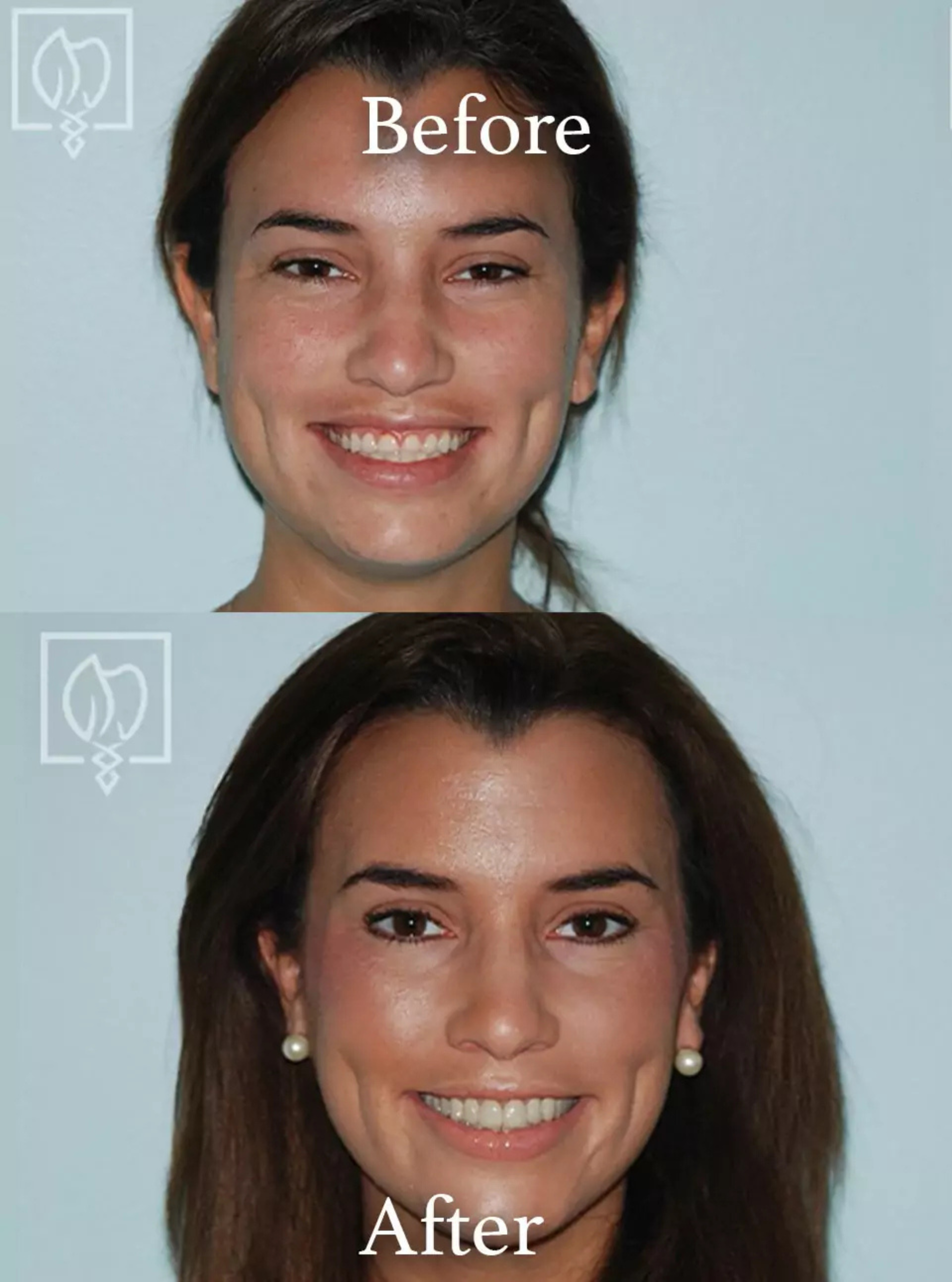
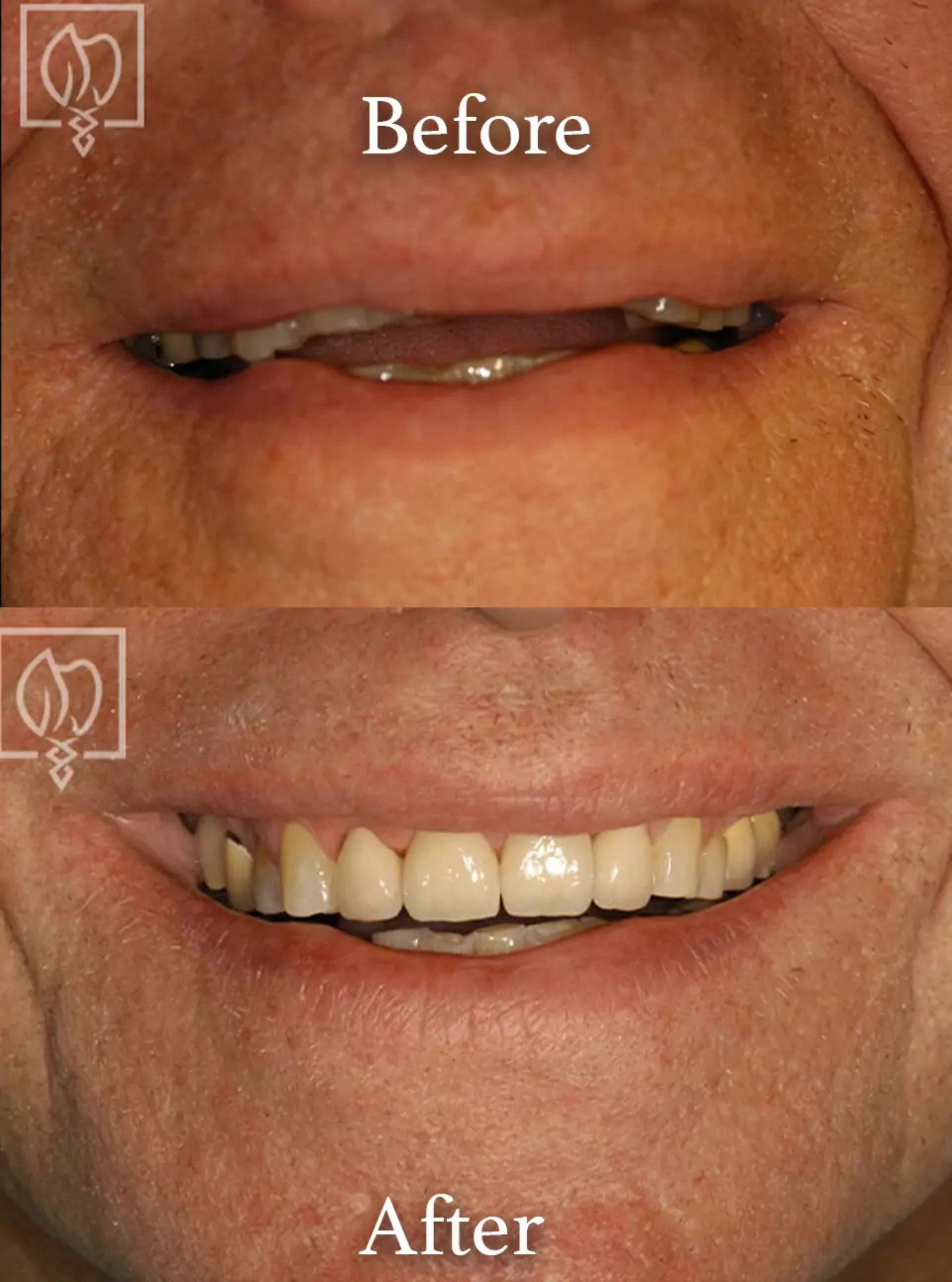
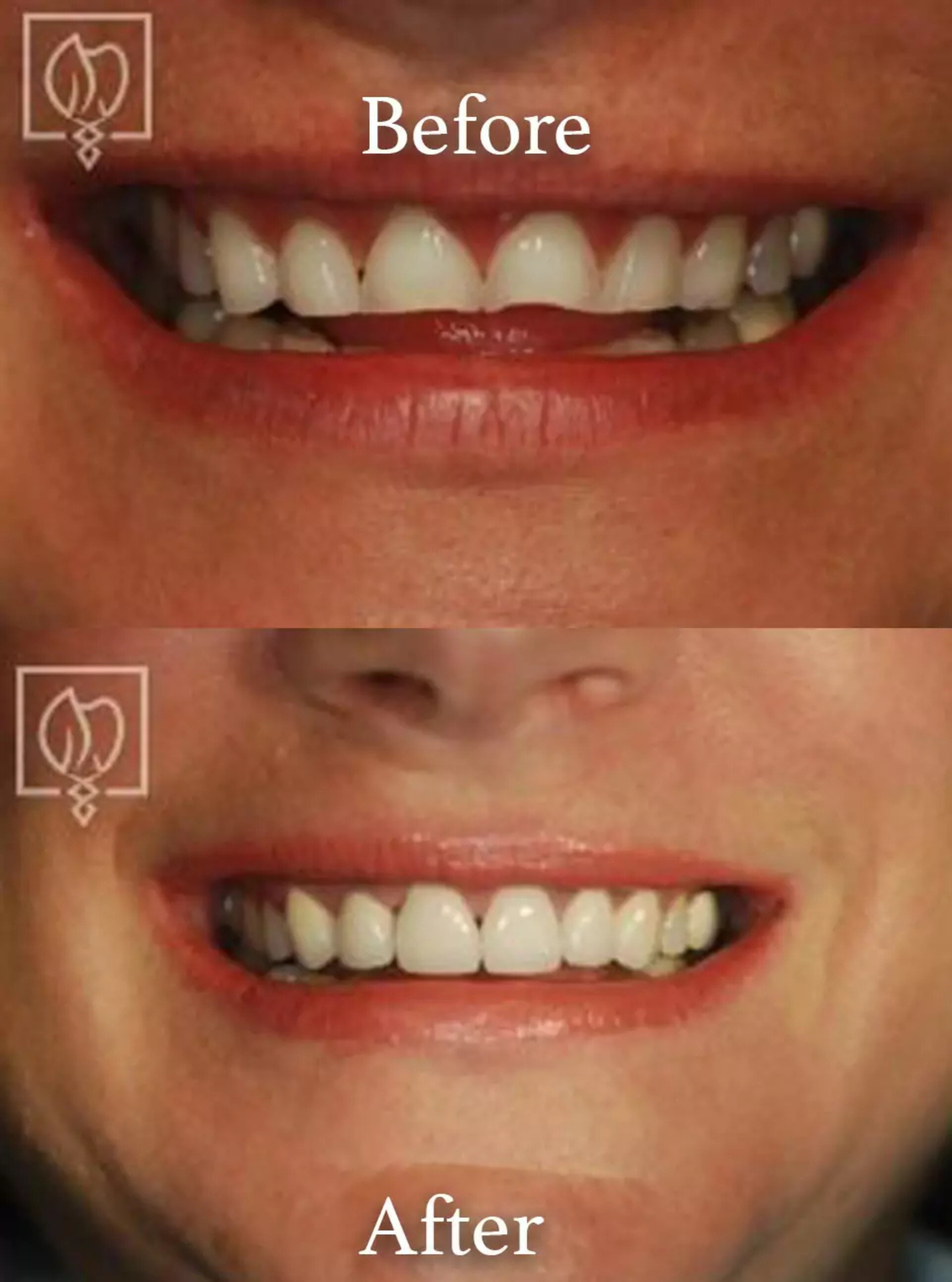
Some TMJ cases resolve with conservative appliance therapy alone. Others involve coordinated restorative treatment to address the underlying bite issue. Results below show TMJ-related restorative work performed by Dr. Marlin.
Frequently Asked Questions
What are the most common TMJ symptoms?
Jaw pain, jaw clicking or popping, headaches, facial soreness, ear pressure, limited jaw opening, and tooth wear are the most frequently reported. Symptoms vary considerably between patients and a clinical exam is required to identify the underlying cause. Many TMJ patients have multiple overlapping issues that need to be evaluated together.
Will I need surgery for TMJ?
Most TMJ cases respond to conservative care including custom appliances, behavior modification, targeted physical therapy, and selective bite adjustment. Surgery is reserved for the small percentage of cases with significant joint pathology that has not responded to conservative treatment. Specialist evaluation determines whether surgery is appropriate.
How is TMJ related to dental work or restorations?
The bite is part of the TMJ system. Missing teeth, worn dentition, uneven restorations, and previous orthodontic work can all influence how the jaw functions. TMJ symptoms sometimes reflect a need for coordinated restorative treatment that rebuilds the bite to a stable position. Specialist evaluation determines whether this is the case for you.
What is a night guard and do I need one?
A night guard is a custom appliance worn during sleep to protect the teeth from grinding and reduce muscle tension. Quality varies significantly between over-the-counter, generic dental office, and specialist-fabricated appliances. A properly designed night guard accounts for your specific bite and is adjusted to optimize fit and function. Whether you need one depends on clinical findings.
I have had TMJ treatment elsewhere without lasting relief. What is different about a specialist evaluation?
TMJ patients frequently see multiple providers without a clear diagnosis. Specialist evaluation considers the joint, the muscles, the bite, and the restorative state of the teeth as one integrated problem. When previous treatment focused only on one component, the others may be driving continued symptoms. A complete diagnostic workup often identifies factors that were not addressed in prior care.
Is TMJ permanent or can it be cured?
Many TMJ cases are managed successfully with conservative care and lifestyle adjustments rather than cured outright. Some cases driven by reversible factors can be fully resolved. Cases with significant joint pathology may require ongoing management. Realistic expectations are part of how a specialist practice approaches every case.
Why see a prosthodontist for TMJ instead of a general dentist?
Prosthodontists complete three additional years of specialty training beyond dental school focused on occlusion, bite reconstruction, and complex restorative cases. TMJ that involves the bite or the restorative state of the teeth falls squarely within prosthodontic expertise. When TMJ treatment is going to involve appliances, restorations, or bite adjustment, specialist training structurally changes the outcome.
Related Patient Success Stories
Explore similar patient success stories demonstrating our expertise in advanced prosthetic dentistry.
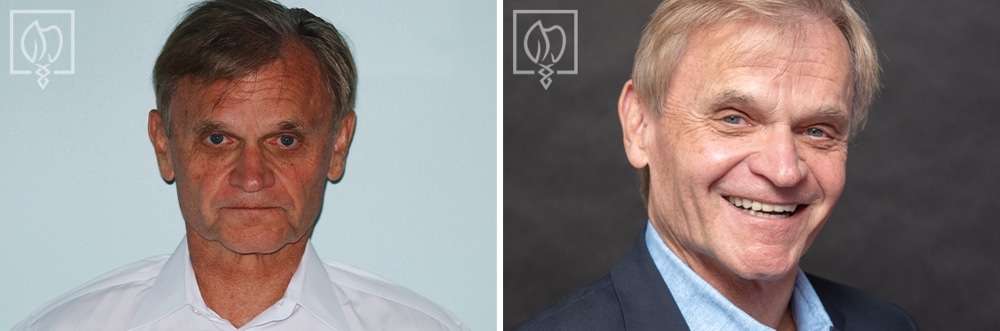
A Severe Teeth Grinder Has His Worn-Down Teeth Restored
Years of very severe grinding had worn down all of the patient's teeth and collapsed his bite height, aging his appearance in a way that clashed with his high-visibility professional life as a Washington, DC trial attorney.
 Before
  After
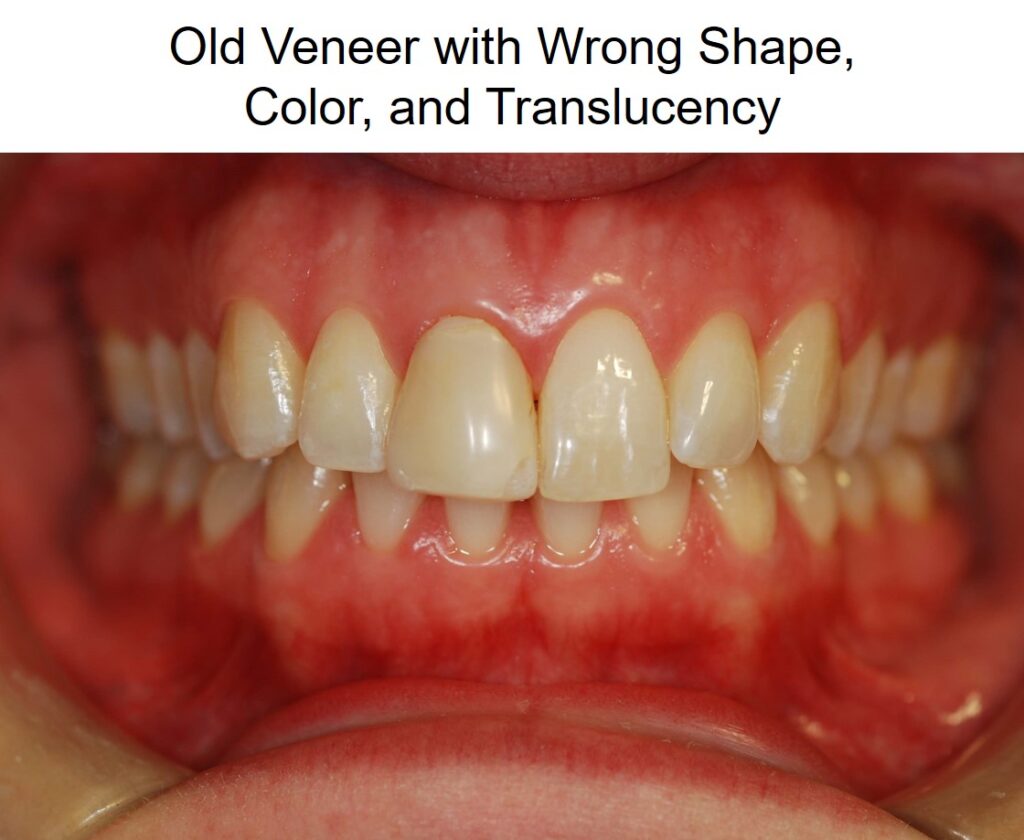
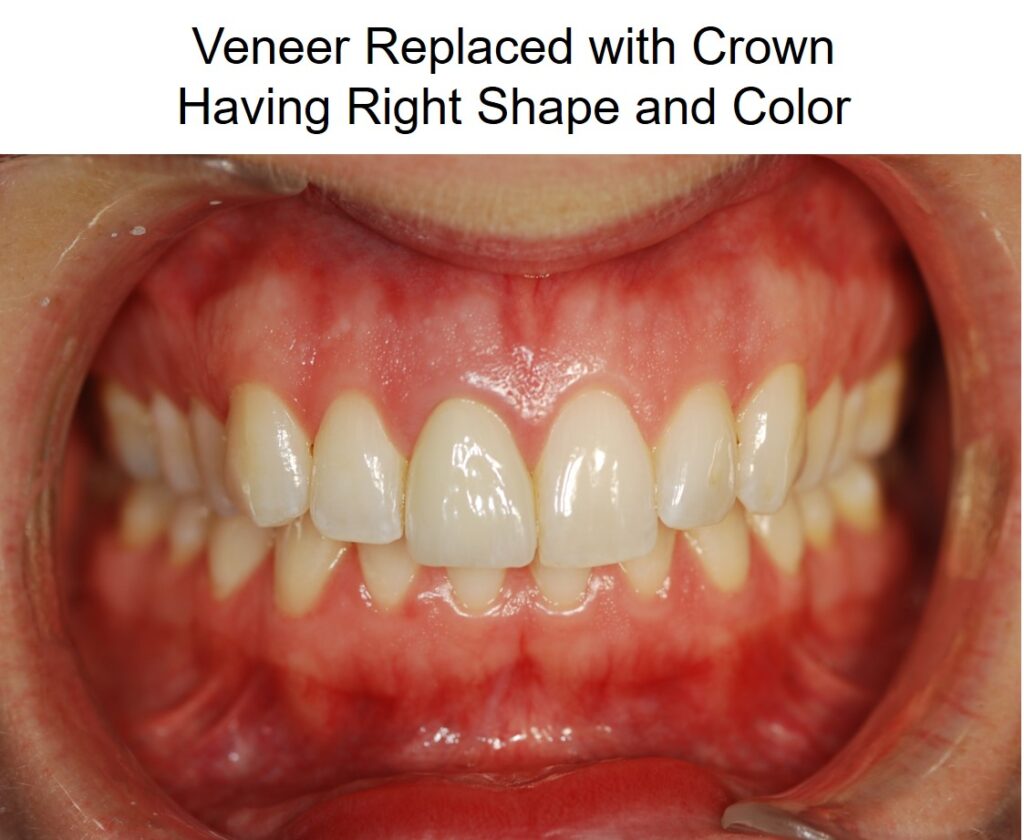
After Can Dental Crowns Closely Match My Existing Teeth Color and Shape?
A crown planned for a single visible front tooth had to match the color, translucency, and shape of the surrounding natural teeth closely enough to go unnoticed in the smile.
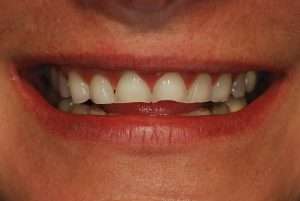 Before
 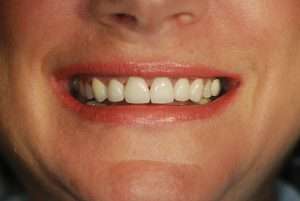 After
After Can Worn-Down Teeth Be Fixed or Do They Have to Be Replaced?
The patient presented with a severely worn dentition that was marring an otherwise great smile line.
TMJ and Bite Patient Stories
Severe Grinder, Restored
A patient with significant wear from grinding has the dentition rebuilt with coordinated restorative treatment.
TMJ and Headaches
When jaw dysfunction drives recurrent headaches and how the diagnosis is made.
Dr. Marlin on TMJ Therapy
Clinical perspective on TMJ treatment that produces lasting results.
Related Articles
Deepen your knowledge with additional insights on this topic.
 TMJ & Jaw Pain
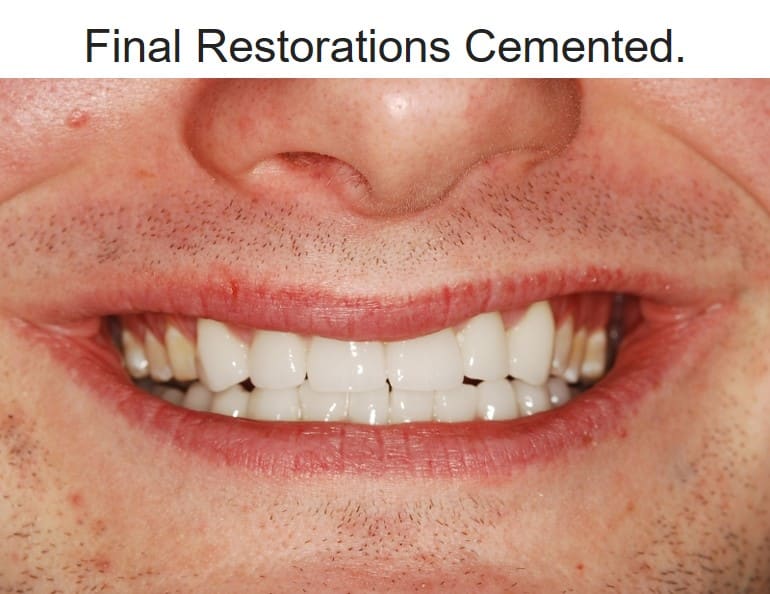
 The Benefits of Early Diagnosis and Treatment of Bruxism (Teeth Grinding) in Children
Teeth grinding affects children as well as adults. Learn the signs of bruxism, why early diagnosis protects growing smiles, and how occlusal guards help.
 TMJ & Jaw Pain
 Can TMJ Be the Cause of Migraine or Severe Headaches?
Headache is one of the most common complaints in TMJ disorders. Learn how jaw dysfunction can contribute to head pain and how the connection is diagnosed.
 TMJ & Jaw Pain
 TMJ Disorders: Symptoms, Causes, and Treatment
What TMJ dysfunction is, the symptoms it causes from jaw pain to headaches and ear fullness, what drives it, and how a DC prosthodontist treats the cause.
 TMJ & Jaw Pain
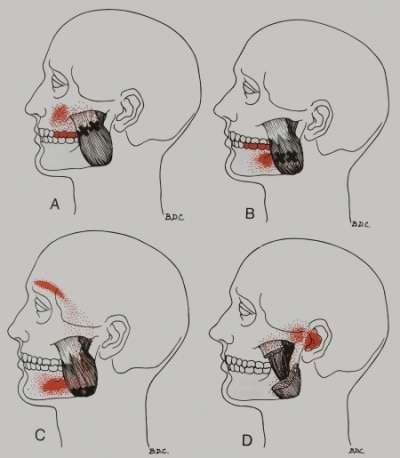
 How Trigger Point Injections Relieve Pain from the TMJ Syndrome
TMJ pain usually refers from muscle trigger points, not the joint. Learn what trigger points are and how injections interrupt the referred-pain cycle.
TMJ & Jaw Pain Trigger Point Injections to Treat TMJ/TMD: When They Are Used
When are trigger point injections the right TMJ treatment? Candidacy, what to expect, and why bite correction usually comes first. Washington, DC.
 TMJ & Jaw Pain
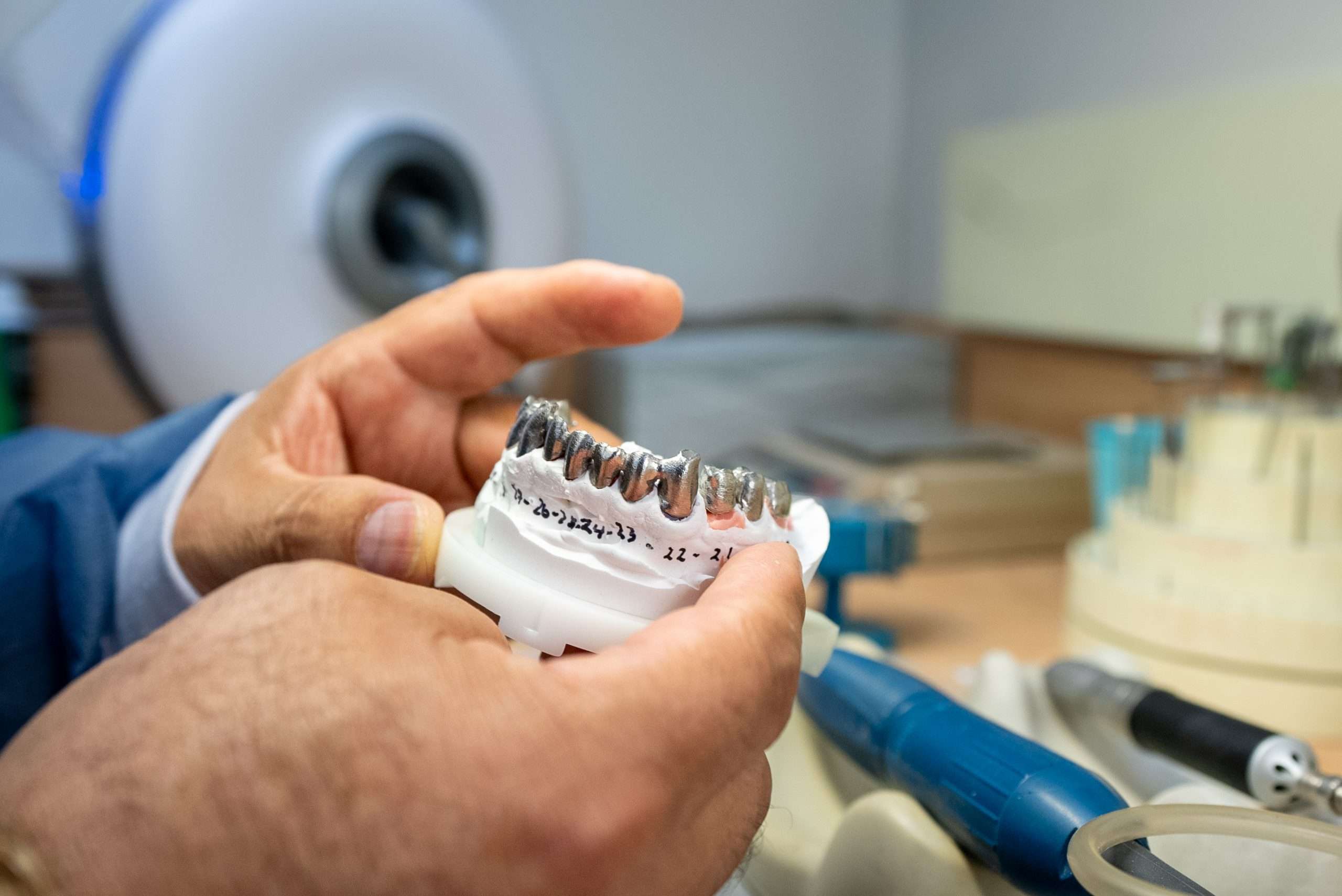
 5 Tips for Jaw Surgery Recovery
Practical tips for a smoother orthognathic jaw surgery recovery: rest, routine, swelling control, meal prep, and hydration, plus when to involve your dentist.
TMJ and Related Resources
Full Mouth Reconstruction
When TMJ symptoms reflect a need for comprehensive bite reconstruction.
Custom Dental Crowns
How crowns address teeth damaged by bruxism.
Sedation Dentistry
Comfort options for longer TMJ-related restorative appointments.
Trigger Point Injections for TMJ
When local injections support TMJ pain management.
Night Guard Wear Patterns
When to wear a TMJ appliance and for how long.
Choosing a TMJ Provider
Why specialist training matters for TMJ care.
TMJ Treatment in Washington, DC Near You
Dr. Marlin provides specialty care to patients throughout the Washington, DC metropolitan area. Select your community to learn more.
Conveniently Located in Friendship Heights
Serving Washington DC, Bethesda, Chevy Chase, McLean, Great Falls, Potomac, and surrounding communities. One block from the Friendship Heights Metro on the Red Line.
Request Your Specialist Consultation
Personally reviewed by Dr. Marlin or his team.
Hours
- Monday — Thursday8:00 AM — 5:00 PM
- Friday8:00 AM — 2:00 PM
- Saturday — SundayClosed