
Single Tooth Dental Implant in Washington, DC | Prosthodontist Specialist
A single tooth dental implant is the most natural-looking and longest-lasting solution available for replacing one missing tooth. The implant replaces the tooth root with a biocompatible titanium post, and a custom in-house crown replaces the visible tooth above the gum line.
3,900+
Implants Placed
97%+
Success at 20+ Yrs
1985
In-House Lab Since
35+
Yrs Documented Crown Service
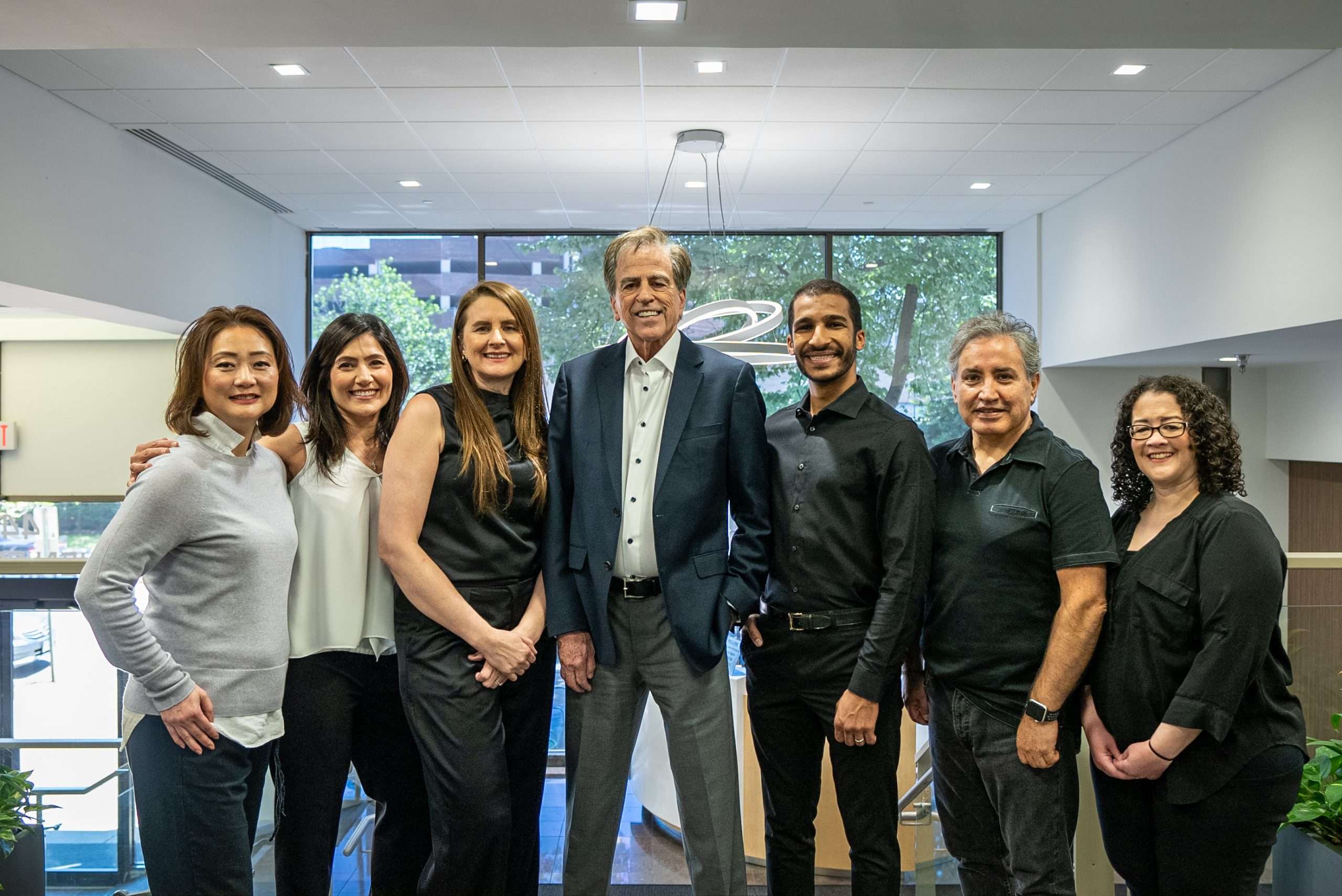
Gerald M. Marlin, DMD, MSD
Specialty-Trained Prosthodontist (DMD, MSD)
- Washingtonian "Top Dentist" 2026 and Hall of Fame
- Surgical and restorative care planned together, in one practice
- In-house dental laboratory since 1985
Or call (202) 244-2101
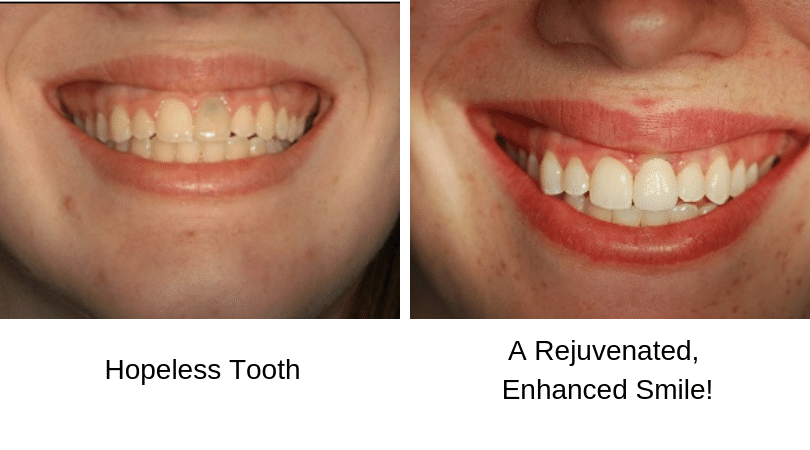
A single tooth dental implant is the most natural-looking and long-lasting solution available for replacing one missing tooth. The implant replaces the tooth root with a biocompatible titanium post, and a custom-crafted crown replaces the visible tooth above the gum line. For most patients, the final result is indistinguishable from a natural tooth in appearance, function, and feel.
At Elite Prosthetic Dentistry, single tooth implants are planned, surgically placed, and restored under one specialist-led treatment plan directed by Dr. Gerald Marlin, a specialty-trained prosthodontist with more than 40 years of clinical practice. The custom crown is designed and fabricated in the in-house dental laboratory, working directly with the master ceramist.
Request a Single Tooth Implant Consultation Call (202) 244-2101
Why a Single Implant Outperforms a Traditional Bridge
For decades, the standard of care for a missing single tooth was a traditional fixed bridge. The bridge requires the two adjacent teeth to be ground down so they can be capped with crowns that support a false tooth between them. This approach works, but it has structural drawbacks that become clearer over time:
- Healthy adjacent teeth are permanently altered. Once enamel is removed, it cannot be replaced. Both supporting teeth now require crowns and become more susceptible to decay at the margins and to eventual structural failure.
- The underlying jawbone resorbs. Without a tooth root stimulating the bone, the bone in the gap area shrinks over time. This can affect the appearance of the gum line, the fit of the bridge, and the long-term aesthetics of the area.
- Bridges have a finite lifespan. Most traditional bridges last 10 to 15 years before requiring replacement. Each replacement cycle puts the abutment teeth at further risk.
A single tooth implant avoids all three of these issues. The adjacent teeth are left completely untouched. The implant stimulates the bone the way a natural tooth root does, preventing resorption. And properly placed and restored implants are designed to last decades.
A direct, criterion-by-criterion comparison is available on the dental implants vs. bridges page.
The Single Tooth Implant Process
Step 1: Consultation and Diagnostic Workup
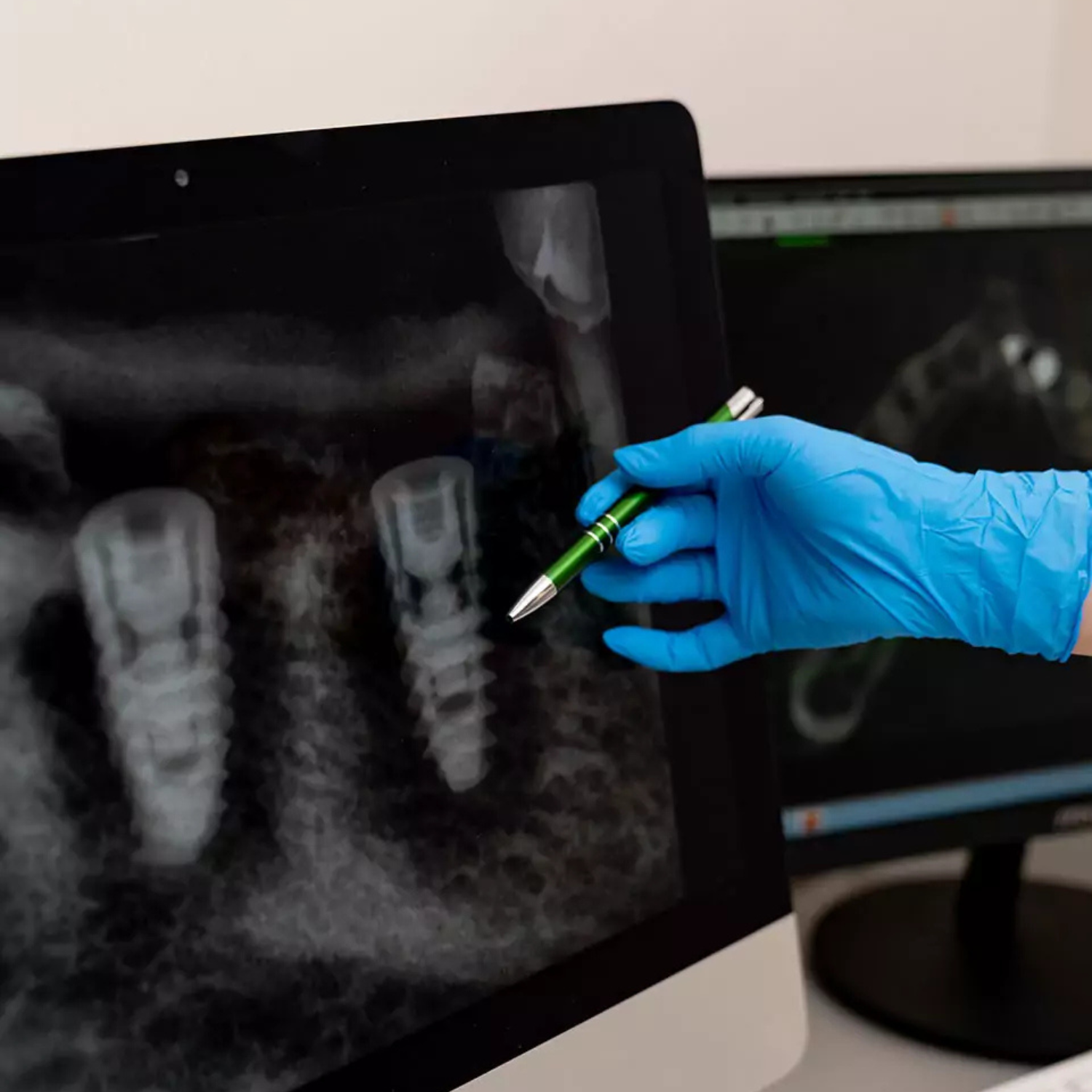
The first visit includes a clinical exam, digital imaging, and CBCT 3D scan of the implant site. Every implant case at Elite Prosthetic Dentistry, from a single implant through full-mouth reconstruction, is planned on a CBCT (cone beam CT) scan. The scan shows bone volume and density, nerve and sinus anatomy, the space available for the restoration, and where the implant must sit to support the planned final tooth. The treatment plan is built from this data.
If bone volume is insufficient at the implant site, bone grafting may be recommended before implant placement. For implants in the upper posterior region, sinus augmentation may be required.
Step 2: Implant Placement
The implant is surgically placed at the precise angle, depth, and position determined during planning. The procedure is performed under local anesthesia, with sedation options available for anxious patients. Surgical guides generated from the scan are used where bone anatomy, esthetic demands, or proximity to nerves and sinuses call for them.
Most patients return to normal activity within a day or two after implant placement. Discomfort is typically manageable with over-the-counter pain medication.
Step 3: Osseointegration
Over the next three to six months, the titanium implant fuses with the surrounding bone in a process called osseointegration. During this period, the implant site is left to heal under the gum or with a small healing abutment. A temporary tooth replacement may be provided during this period, depending on the location of the implant and aesthetic considerations.
Step 4: Custom Crown Fabrication
Once osseointegration is complete, an impression is taken and the custom crown is designed and fabricated in the in-house lab. The master ceramist works directly with the clinician to match the shade, shape, translucency, and bite of the surrounding teeth. The result is a crown that blends indistinguishably with the patient’s natural dentition.
Step 5: Crown Placement
The final crown is fitted to the implant, bite is checked and refined, and the restoration is permanently secured. The patient leaves with a fully functional replacement tooth.
Materials and Restoration Options
The visible portion of a single tooth implant is the crown. Several material options exist, each with appropriate clinical indications:
- Zirconia. Modern high-translucency multilayered zirconia delivers exceptional aesthetics for anterior implant crowns, premolars, and other visible restorations, combined with the highest strength of available crown materials.
- Lithium disilicate (e.max). A glass-ceramic well-suited for posterior implant crowns, bruxism cases, and high-stress positions where a durable all-ceramic restoration is needed.
- Porcelain-fused-to-metal. Time-tested combination of strength and aesthetics, still appropriate in selected cases.
Material selection is made during the planning conversation based on the location of the implant, bite forces, and aesthetic priorities.
When Bone Grafting Is Needed Before a Single Implant
Implants require sufficient bone volume to support them. When a tooth has been missing for an extended period, the surrounding bone resorbs. When the missing tooth is in the upper jaw near the sinus, sinus pneumatization may have reduced the available bone height. In both situations, grafting can rebuild the foundation before implant placement.
Common preparatory procedures include:
- Bone grafting to rebuild lost bone volume at the implant site.
- Ridge augmentation when both width and height of the bone need restoration.
- Sinus augmentation when the maxillary sinus has expanded into space needed for upper posterior implants.
Grafting typically requires three to six additional months of healing before implant placement. All preparatory procedures are performed in-house.
Recovery and Aftercare for a Single Tooth Implant
Single tooth implant recovery is generally less involved than full-arch surgery. Most patients are back to work within one to two days. Swelling and minor discomfort are normal for the first 48 to 72 hours and respond to standard pain management. Soft diet is recommended for the first week.
Long-term care of a single tooth implant is nearly identical to care of a natural tooth: brushing, flossing, and regular professional cleanings. The crown itself cannot develop decay, but the gum and bone around the implant still require attention. Periodic radiographs at recall visits monitor the long-term health of the implant and surrounding tissues.
The full implant recovery timeline is detailed on the dental implants recovery page.
Why Specialist Care for a Single Tooth Implant?
For straightforward anterior single implants in patients with good bone, many providers can produce an acceptable result. The value of specialist prosthodontic care becomes clear in three situations:
- Aesthetic-zone single implants. Front teeth are visually exposed and adjacent to other visible teeth. The crown must match in shade, shape, translucency, and gum line height. Specialist training in restorative dentistry, combined with in-house lab control, produces measurably better aesthetic outcomes.
- Implants requiring grafting. When bone is compromised, the implant must be planned not just for placement but for the long-term relationship between the implant, the surrounding bone, and the final crown. Specialist planning accounts for this.
- Patients replacing prior implant work. When a single tooth implant has failed or produces a poor cosmetic result, the corrective case is significantly more complex than the original. Specialist evaluation is appropriate.
Conveniently Located in Friendship Heights
Elite Prosthetic Dentistry serves patients across Washington DC, Bethesda, Chevy Chase, McLean, Great Falls, Potomac, Arlington, and surrounding communities. The office is one block from the Friendship Heights Metro on the Red Line.
Request a Single Tooth Implant Consultation Call to Discuss Your Situation
Ready to Discuss Your Treatment Options With a Specialist?
Frequently Asked Questions
How long does a single tooth implant take from start to finish?
Typical timeline is four to six months from initial implant placement to delivery of the final crown. The implant requires three to six months of osseointegration before the final crown is fabricated and seated. In select cases with adequate bone and primary stability, a temporary crown may be placed sooner.
Does a single tooth implant feel like a natural tooth?
Yes. Once integrated and restored with a custom crown, most patients report that they forget they have an implant. The titanium root replaces the natural tooth root structurally, and the custom crown matches surrounding teeth in shade, shape, translucency, and bite.
Will a single implant damage neighboring teeth?
No. Unlike a traditional bridge, which requires reduction of the adjacent teeth to support the bridge, a single implant stands independently. The neighboring teeth are untouched and uncompromised. This is one of the primary clinical advantages of an implant over a fixed bridge for replacing a single tooth.
What does a single tooth implant cost in Washington, DC?
Single tooth implant cost depends on whether bone grafting is required, the type of crown selected, the complexity of the case, and any preparatory work needed. The implant itself, abutment, and crown are typically itemized in the treatment plan. Insurance coverage and financing options are reviewed during consultation. See the [implant insurance and financing page](/dental-implants/insurance/) for details.
Is a single tooth implant better than a bridge?
For the long term, yes, in most situations. The implant preserves the surrounding teeth, stimulates the bone (preventing the resorption that occurs when a tooth root is missing), and typically lasts longer than a bridge. There are still cases where a traditional bridge is the right answer, which are reviewed on the [implant vs. bridge comparison page](/dental-implants/vs-bridges/).
Conveniently Located in Friendship Heights
Serving Washington DC, Bethesda, Chevy Chase, McLean, Great Falls, Potomac, and surrounding communities. One block from the Friendship Heights Metro on the Red Line.
Request Your Specialist Consultation
Personally reviewed by Dr. Marlin or his team.
Hours
- Monday — Thursday8:00 AM — 5:00 PM
- Friday8:00 AM — 2:00 PM
- Saturday — SundayClosed