

Dental Implants and Your Medical History: Diabetes, Bone Medications, Blood Thinners, Heart Conditions and More
Diabetes, osteoporosis medications, blood thinners, heart conditions, radiation, autoimmune disease, smoking and age: what each means for dental implant candidacy, what is coordinated with your physician, and what the evaluation looks at.
Practice clinician: Gerald M. Marlin, DMD, MSD, prosthodontist, Elite Prosthetic Dentistry, Friendship Heights, Washington, DC. Last updated .
Most patients asking whether they can have dental implants are not asking about their teeth. They are asking about their diabetes, the bone medication their physician prescribed, the blood thinner they cannot stop, the stent placed two years ago, or the radiation treatment they completed. This guide explains what each of the common medical situations means for implant treatment, which ones change the plan, which ones change the timing, and how the practice coordinates with your physicians. It is general information; the answer for you comes from an evaluation of your own history.

The Principle: Most Conditions Change the Plan, Not the Answer
Very few medical conditions rule out dental implants outright. Most of them change one of three things: the timing (surgery waits until a condition is controlled or a treatment is complete), the preparation (a physician’s clearance, a medication plan, an antibiotic protocol, a modified surgical approach), or the design (fewer surgical steps, a removable prosthesis instead of a fixed one, staged healing). A good evaluation tells you which of these applies to you and why. A plan that ignores your medical history, or one that refuses treatment without explaining the specific risk, deserves a second look.
Diabetes
Blood sugar affects healing. Elevated glucose impairs the immune response and the small blood vessels that bone and gum depend on, which slows integration of an implant and increases the risk of infection around it. For patients whose diabetes is well controlled, implant treatment proceeds in the usual way, sometimes with additional attention to infection prevention and follow-up. For patients whose control is poor, the responsible step is to work with the physician to improve it before elective surgery. Recent control, usually discussed in terms of the measure your physician tracks, is part of the evaluation, and long-term maintenance of the implants depends on the same control.
Osteoporosis and Bone Medications
Osteoporosis itself is not a reason to avoid implants; many patients with reduced bone density have successful implant treatment, and the CBCT scan shows the bone that is actually available at the site. The medications matter more than the diagnosis. Bisphosphonates and certain other bone-modifying drugs reduce the bone’s ability to remodel, which in a small number of patients can lead to a healing complication in the jaw after surgery. The risk depends on the drug, whether it is taken by mouth or by infusion, the dose, and how long it has been taken; intravenous forms used for cancer carry substantially higher risk than oral forms used for osteoporosis.
What the evaluation does: records the exact medication, route and duration; consults the prescribing physician; weighs the risk against the benefit of the specific procedure; and, where appropriate, plans a less invasive approach or a different prosthesis. What the patient should not do is stop the medication without the prescriber’s direction. The decision is made with your physician, not around them.
Blood Thinners and Antiplatelet Medication
Patients on warfarin, newer oral anticoagulants, or antiplatelet medication such as those prescribed after a stent often assume they must stop the drug before dental surgery. In most cases they should not. Stopping an anticoagulant can expose the patient to a clot risk that is far more serious than bleeding from an implant site, and most implant procedures can be carried out with the medication continued, using local measures to control bleeding and a surgical approach planned for it. Where the prescribing physician judges that a temporary adjustment is appropriate, it is their decision and the surgery is scheduled around it. The evaluation records every blood-affecting medication, including over-the-counter products and supplements that affect clotting.
Heart Conditions
A history of heart disease does not by itself prevent implant treatment. What matters is the specific condition and its stability. Under current cardiology guidance, a defined group of conditions, such as certain prosthetic heart valves and some congenital conditions, calls for antibiotics before dental procedures that involve the gums; the evaluation identifies whether you are in that group and coordinates with your cardiologist. A recent cardiac event, recent stent placement or valve surgery, or uncontrolled blood pressure generally means elective surgery waits for a period your physician sets. Patients with stable, managed heart disease receive implants routinely, often with sedation planned in consultation with their physician.
Radiation to the Head and Neck
Radiation treatment that included the jaws reduces the bone’s blood supply and its capacity to heal, sometimes permanently. Implant treatment in irradiated bone is possible in selected cases but carries a serious risk of a healing complication, and the decision requires the radiation oncologist’s input, knowledge of the dose and the field, and often a modified approach. This is one of the few situations in which the answer may be that implants are not the right choice, and a removable prosthesis designed for the patient’s anatomy serves better. The evaluation will say so plainly if that is the case.
Autoimmune Disease and Immunosuppressive Medication
Conditions such as rheumatoid arthritis, lupus or inflammatory bowel disease, and the medications used to treat them, can affect healing and infection resistance. Most patients with controlled autoimmune disease are candidates, with attention to the medication schedule, healing time and infection prevention. Long-term corticosteroid use and certain immunosuppressants are reviewed with the prescribing physician. Dry mouth, which accompanies some autoimmune conditions, affects the health of the gum around implants and the teeth that remain, and it changes the maintenance plan.
Smoking
Smoking reduces blood flow to the gums and bone, slows healing, and is associated with a higher rate of implant complications and of inflammation around implants over the years. Smokers are not excluded, but the risk is real and the evaluation says so. Patients who can stop before surgery and through healing improve their odds; patients who cannot are counseled on the risk and on a maintenance plan that reflects it.
Age, and Adolescents
There is no upper age limit for implants. Health, bone, healing capacity and the ability to maintain the result matter; the number does not. Patients in their seventies and eighties receive implants routinely when their health supports it, and implant-supported dentures are often the treatment that returns function to a patient who has struggled with loose dentures for years.
The limit is at the other end. Implants do not move with a growing jaw, so an implant placed before growth is complete can end up out of line with the teeth around it. Treatment in adolescents and young adults is timed to growth, with an interim solution planned for the gap.
Other Situations the Evaluation Reviews
Pregnancy (elective surgery is usually deferred); a history of gum disease (treated and stabilized first, with a maintenance plan, because the same bacteria affect implants); bleeding disorders; medications that cause dry mouth; a history of jaw-joint problems; and any previous difficulty with anesthesia or sedation. None of these is unusual, and each is addressed in the plan rather than left for the surgery day.
What the Evaluation Involves
- A complete medical history, including every medication, supplement and recent change.
- Contact with your physician, cardiologist or oncologist where a condition or medication bears on the plan. The practice does not make medical decisions for you; it coordinates with the people who do.
- A CBCT scan to see the bone that is actually available, which often answers the question that the diagnosis raised.
- A plan that states what, if anything, your history changes: timing, preparation, surgical approach, prosthesis design or maintenance.
- A sedation plan appropriate to your health. The practice offers nitrous oxide, oral sedation and intravenous sedation administered by a certified registered nurse anesthetist, chosen with your medical history in view.
How Elite Prosthetic Dentistry Approaches Medically Complex Patients
Dr. Gerald M. Marlin plans, surgically places and restores dental implants in the practice, and the medical review is part of his planning rather than a form at the front desk. Where a condition calls for a less invasive approach, a staged plan, or a removable rather than fixed prosthesis, that is the recommendation. Where the responsible answer is that implants are not the right choice for a patient, the practice says so and designs the alternative. Dr. Marlin has placed more than 3,900 dental implants over a career that has included many patients whose medical histories required coordination with their physicians.
When Another Setting Fits Better
Patients with complex medical conditions who need general anesthesia, or whose surgery would be safer in a hospital setting, are referred for the surgical phase and restored in the practice afterward. Patients with active, uncontrolled medical conditions are directed to their physicians before elective dental surgery is planned. Patients with a history of head and neck radiation are evaluated jointly with their oncology team.
Documented Cases
The practice’s documented cases describe clinical decisions rather than medical histories, which remain private. The implant reconstruction success story hub collects cases in which bone loss, grafting and staged healing shaped the plan, and a full-arch reconstruction after advanced periodontal disease shows how disease is stabilized before implants are placed.
Related Decision Guides
- Am I a candidate for dental implants?
- Do you need a bone graft before dental implants?
- Who should place your dental implant in Washington, DC?
- Fixed implant teeth vs. a removable implant denture
- Sedation dentistry for complex treatment
Request a Medical and Implant Evaluation
If a medical condition or medication is the reason you have not pursued implants, request an appointment or call (202) 244-2101. Bring your medication list and your physicians’ contact information; the evaluation will tell you what your history changes, and what it does not.
Your Best Smile Is Within Reach
Request a specialist consultation with Dr. Marlin to discuss your situation and the most appropriate path forward.
Frequently Asked Questions
Can I get dental implants if I have diabetes?
Usually, when the diabetes is well controlled. Elevated blood sugar slows healing and raises infection risk, which affects how an implant integrates with bone and how the gum around it stays healthy. The evaluation asks about your recent control, often with your physician's input, and may time surgery to a period of good control. Uncontrolled diabetes is a reason to stabilize first, not a permanent reason to rule implants out.
I take medication for osteoporosis. Is implant surgery safe?
It depends on the medication, how it is taken and for how long. Oral bisphosphonates taken for a few years carry a low risk of a jaw-healing complication; intravenous forms, long-term use, and certain injectable bone medications carry higher risk and may change the recommendation. Never stop a bone medication on your own. The evaluation reviews the drug, dose, route and duration with your prescribing physician before any surgical decision.
Do I have to stop my blood thinner for implant surgery?
Do not stop or adjust an anticoagulant or antiplatelet medication on your own; the risk of a clot can far outweigh the risk of bleeding from a dental procedure. Many implant procedures can be performed with the medication continued and local measures to control bleeding. Where a change is considered, it is made by your prescribing physician, not by the dental office, and the surgery is scheduled around it.
Does a heart condition rule out implants?
Rarely by itself. Certain heart conditions call for antibiotics before dental procedures under current cardiology guidance, and a recent heart attack, stent, valve surgery or uncontrolled blood pressure may mean elective surgery waits. The evaluation collects your cardiac history and coordinates with your cardiologist where indicated.
Is there an age limit for dental implants?
There is a lower limit, not an upper one. Implants are placed after jaw growth is complete, which is why they are usually deferred in adolescents. There is no upper age limit; overall health, bone, healing capacity and the patient's ability to maintain the result matter more than the number. Patients in their seventies and eighties receive implants routinely when their health supports it.
Related Patient Success Stories
Explore similar patient success stories demonstrating our expertise in advanced prosthetic dentistry.
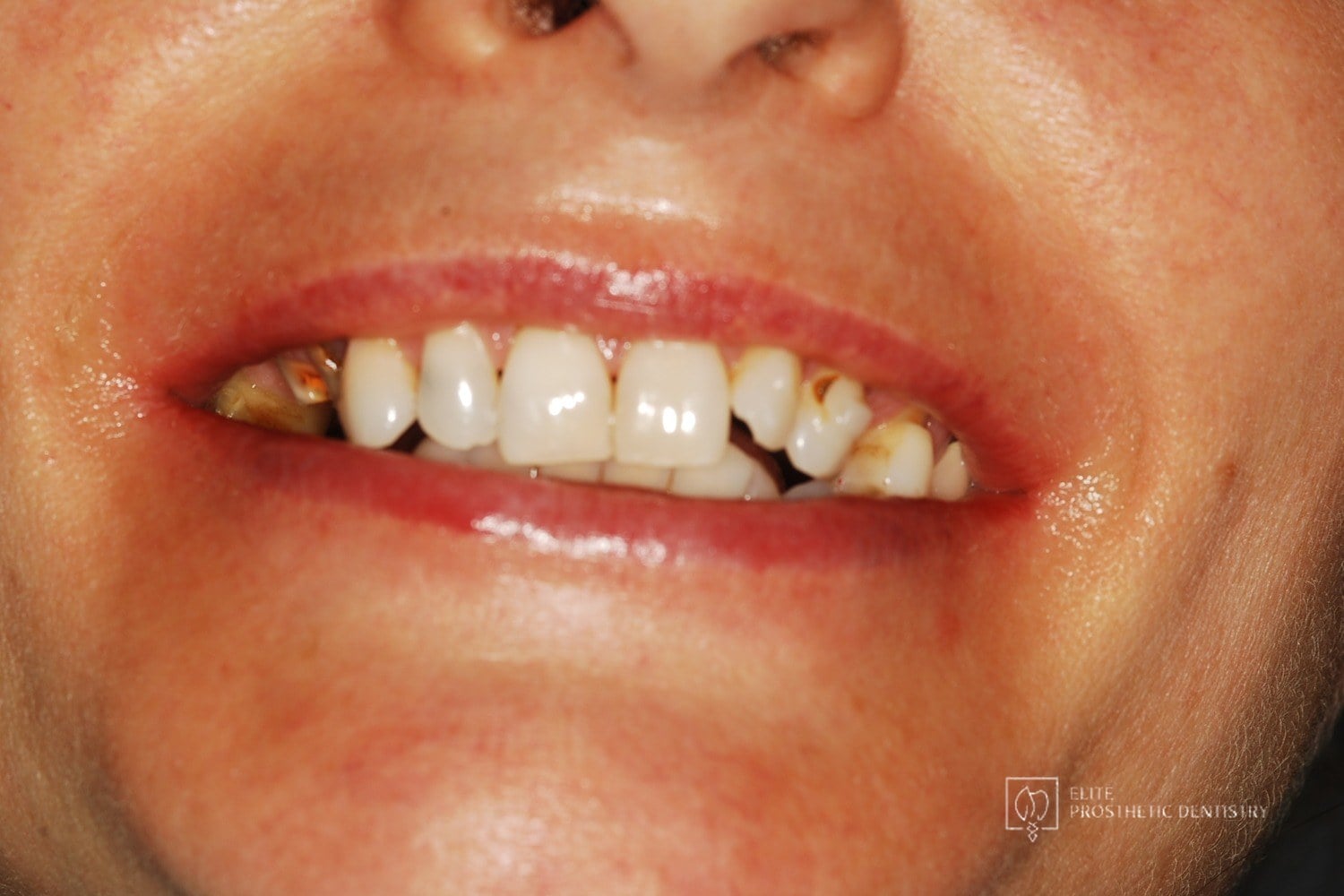 Before
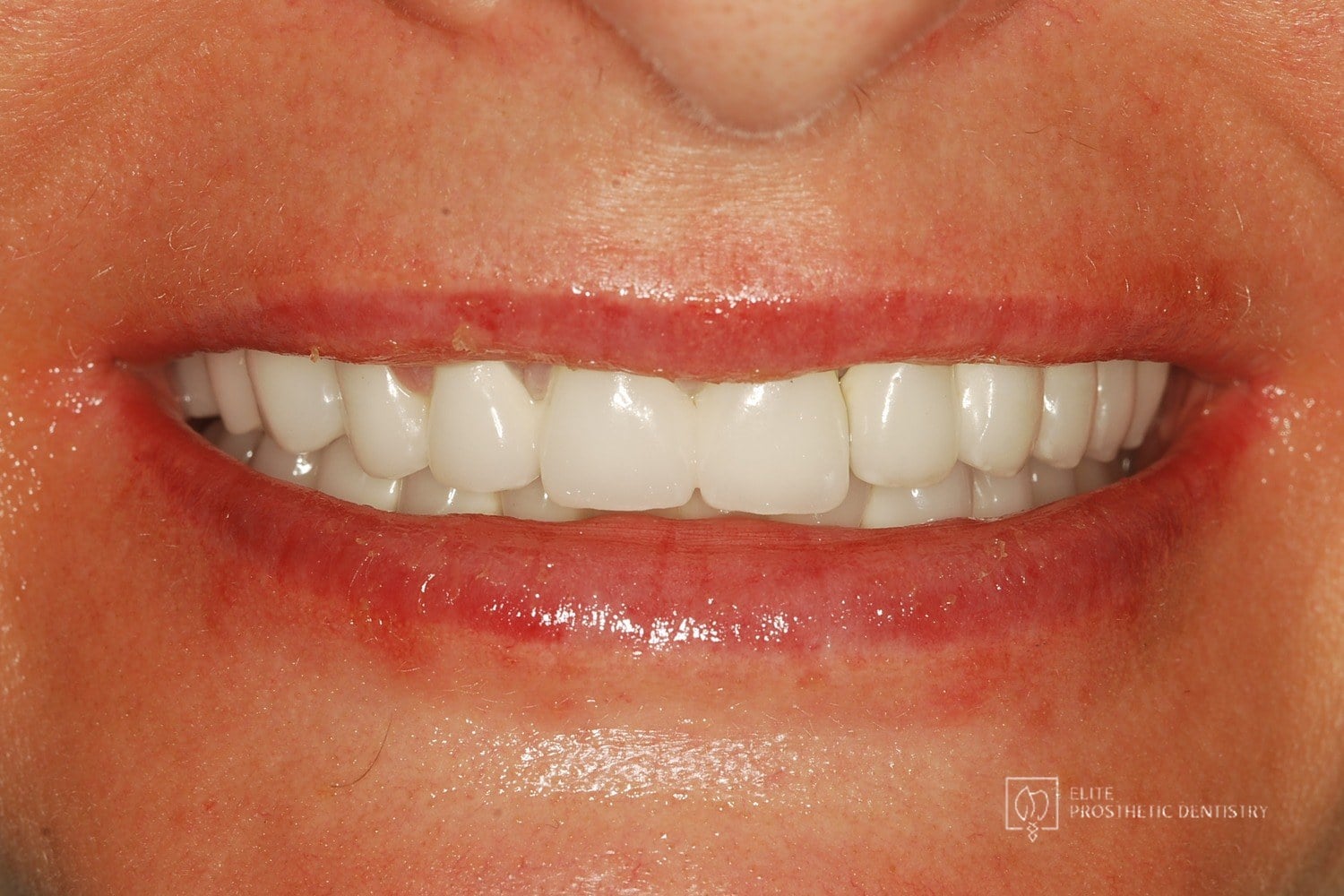 After
How Aging, Failing Dentistry Was Replaced with a Coordinated Full-Mouth Implant and Crown Reconstruction
The patient presented with throbbing upper-molar pain, long-standing infections, multiple root canals and unfinished prior treatment, generalized sensitivity, and several hopeless teeth.
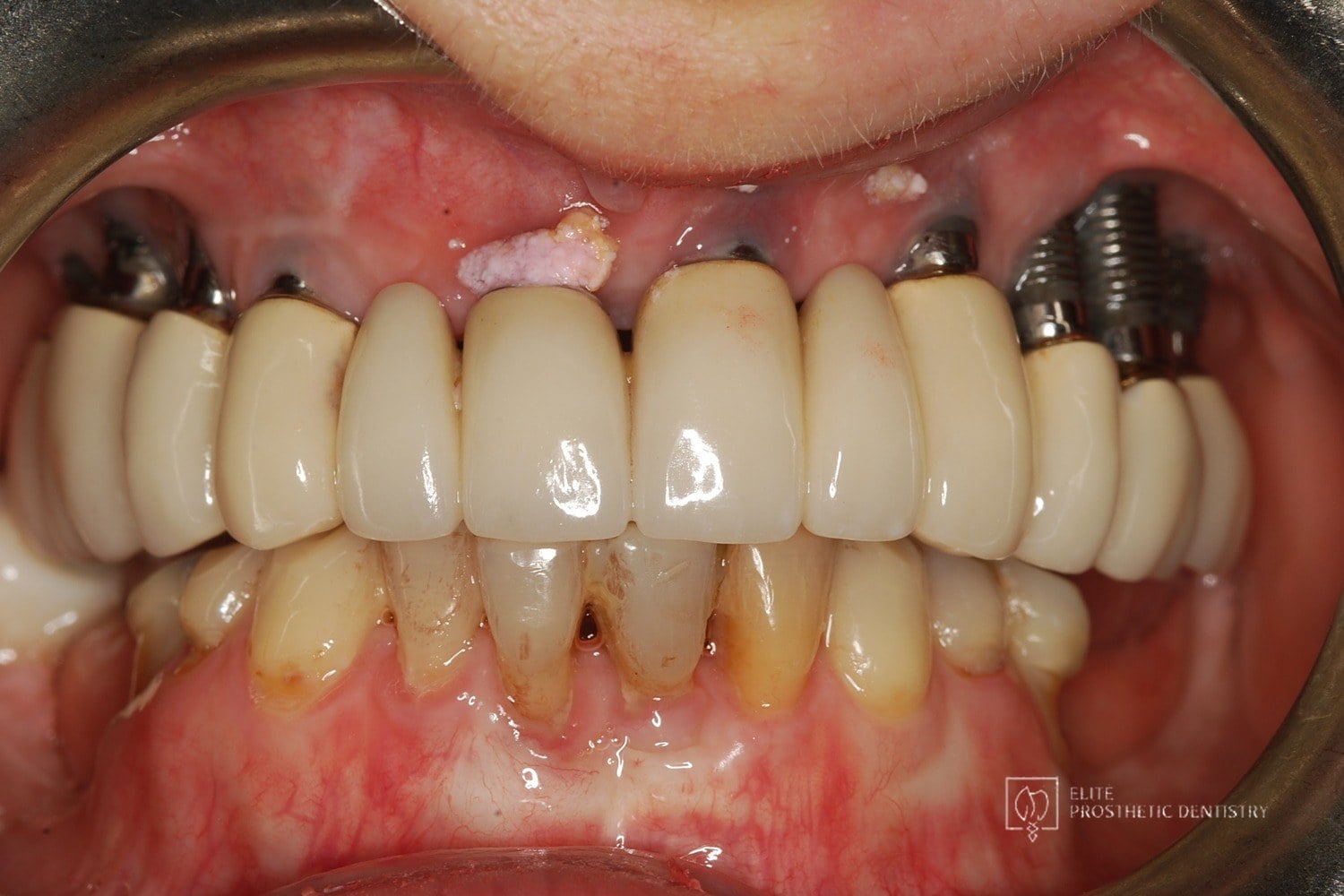 Before
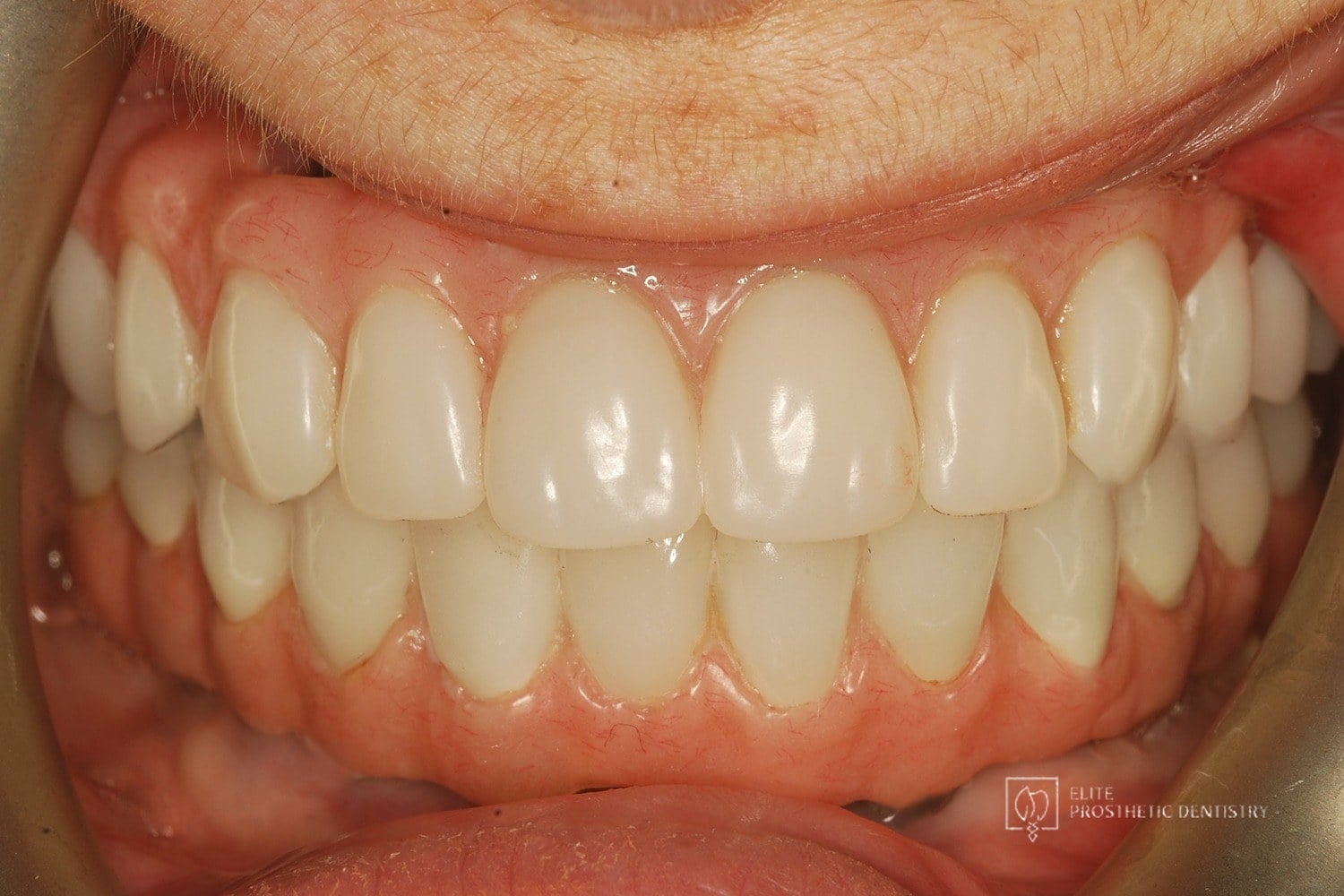 After
How Failing Implants and Severe Bone Loss Were Rebuilt Into a Stable Full-Arch Implant Reconstruction
The patient presented with significant complications from previously placed implants, severe bone loss, failing posterior implants, and an unesthetic full-arch bridge. Both arches required full reconstruction, with the upper arch showing the most advanced bone loss and instability.
 Before
 After
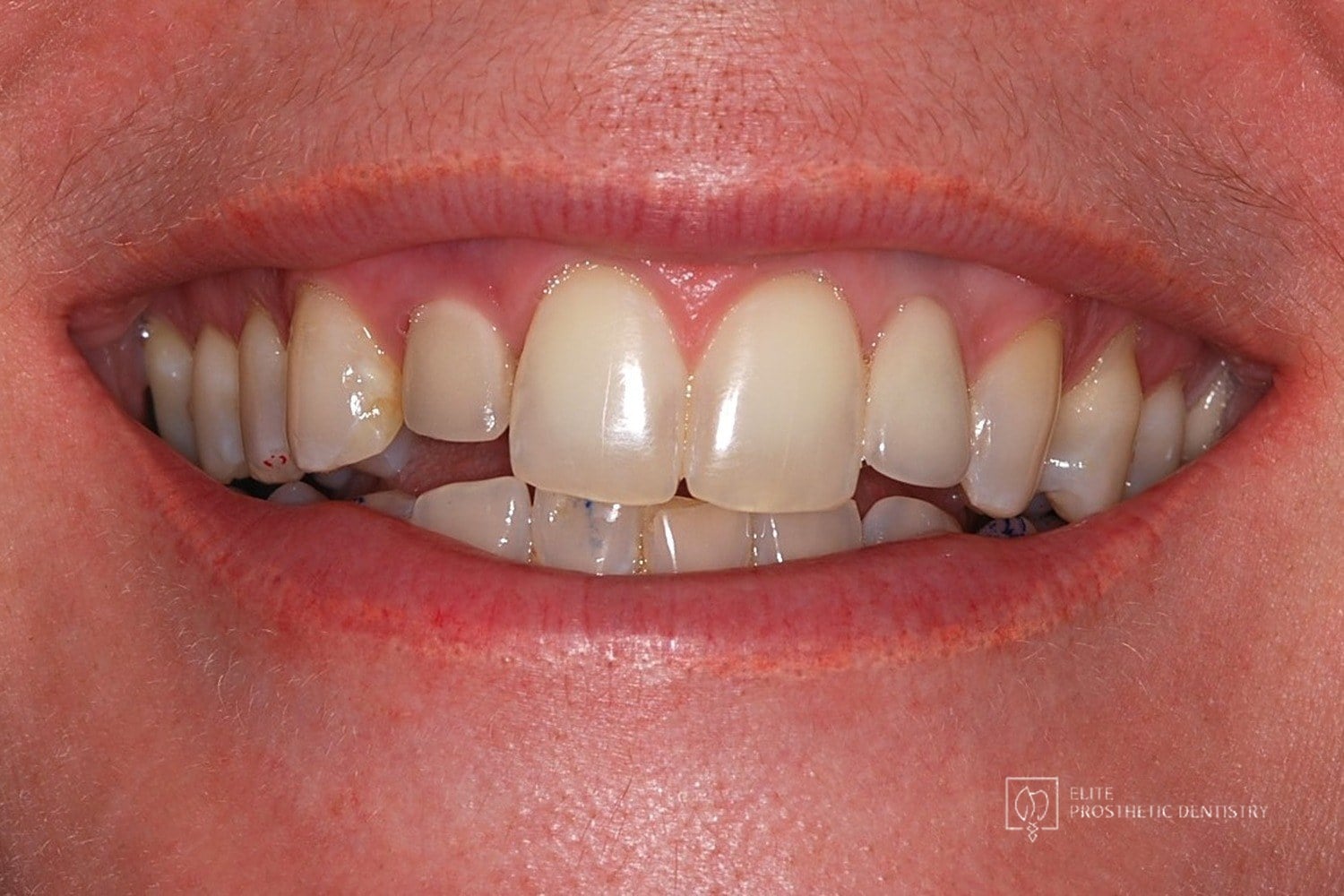
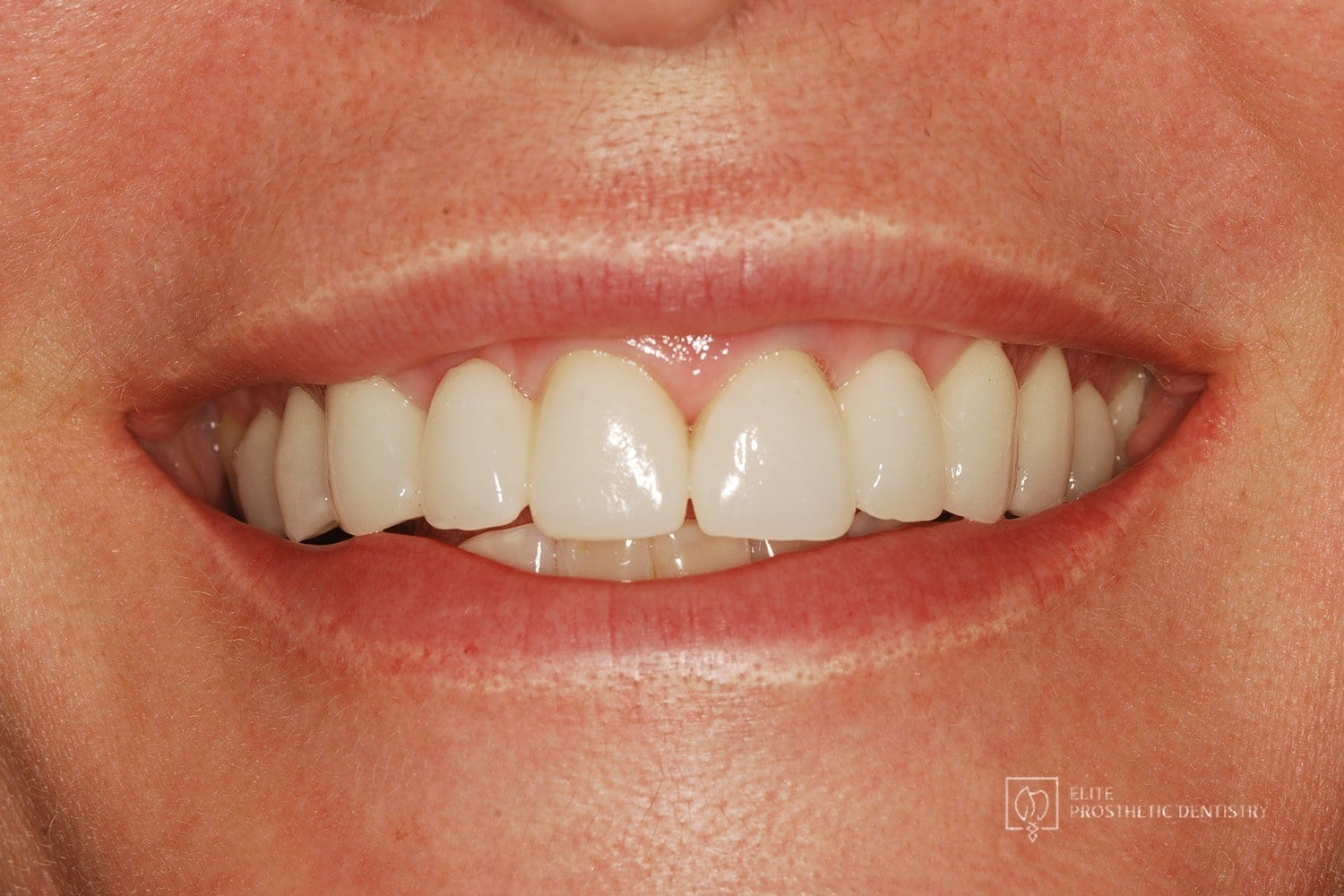
How Failing Lateral Incisor Implants Were Replaced with Custom Zirconia Bridges After Severe Bone Loss Made Replacement Implants Impossible
Comprehensive examination including CBCT imaging revealed significant bone loss surrounding implants that were placed outside the buccal plate, most likely due to placement without a CBCT-generated surgical guide. The implants were determined non-salvageable, and the alveolar ridge was too narrow to support replacement implants without extensive reconstruction.
 Before
 After
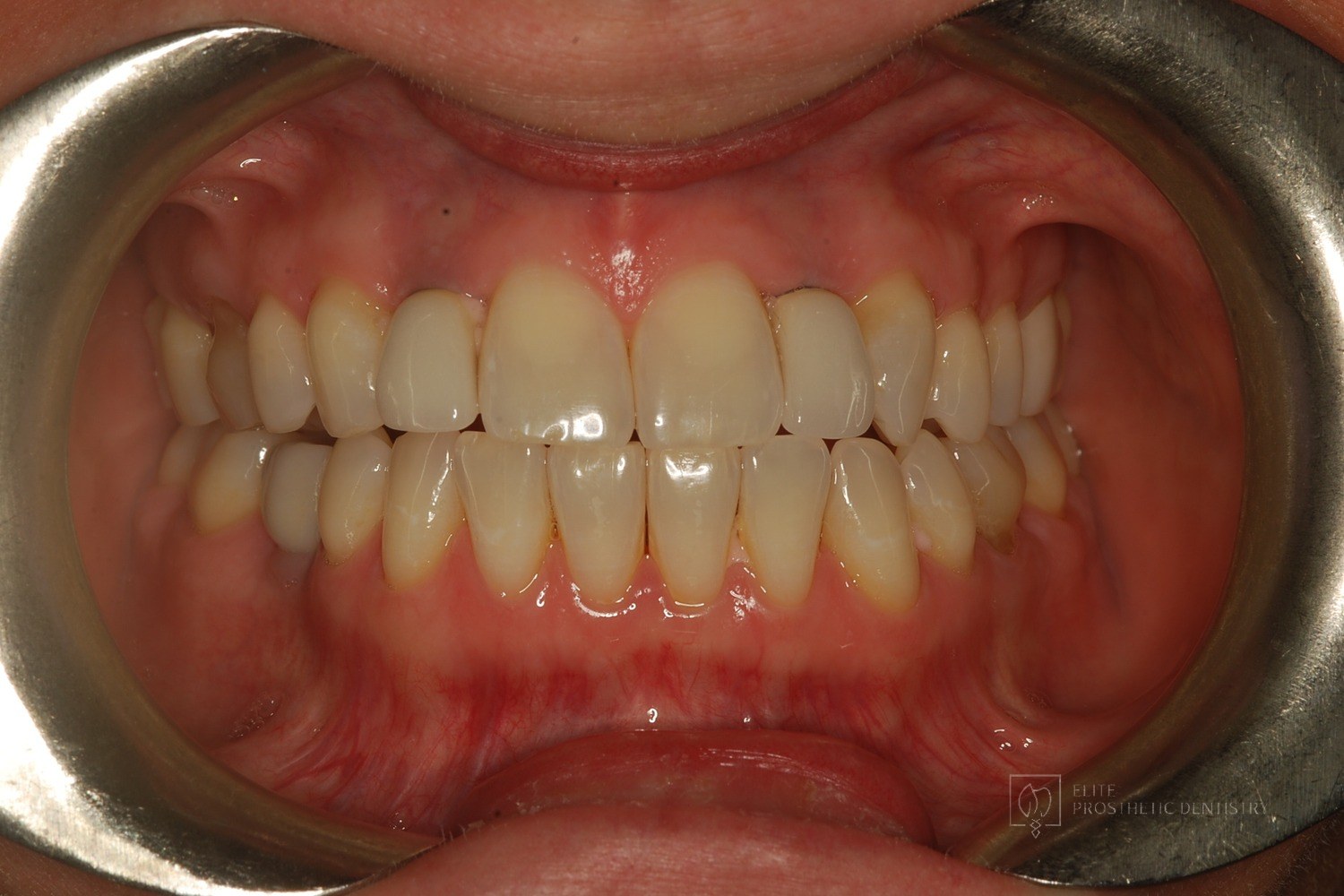
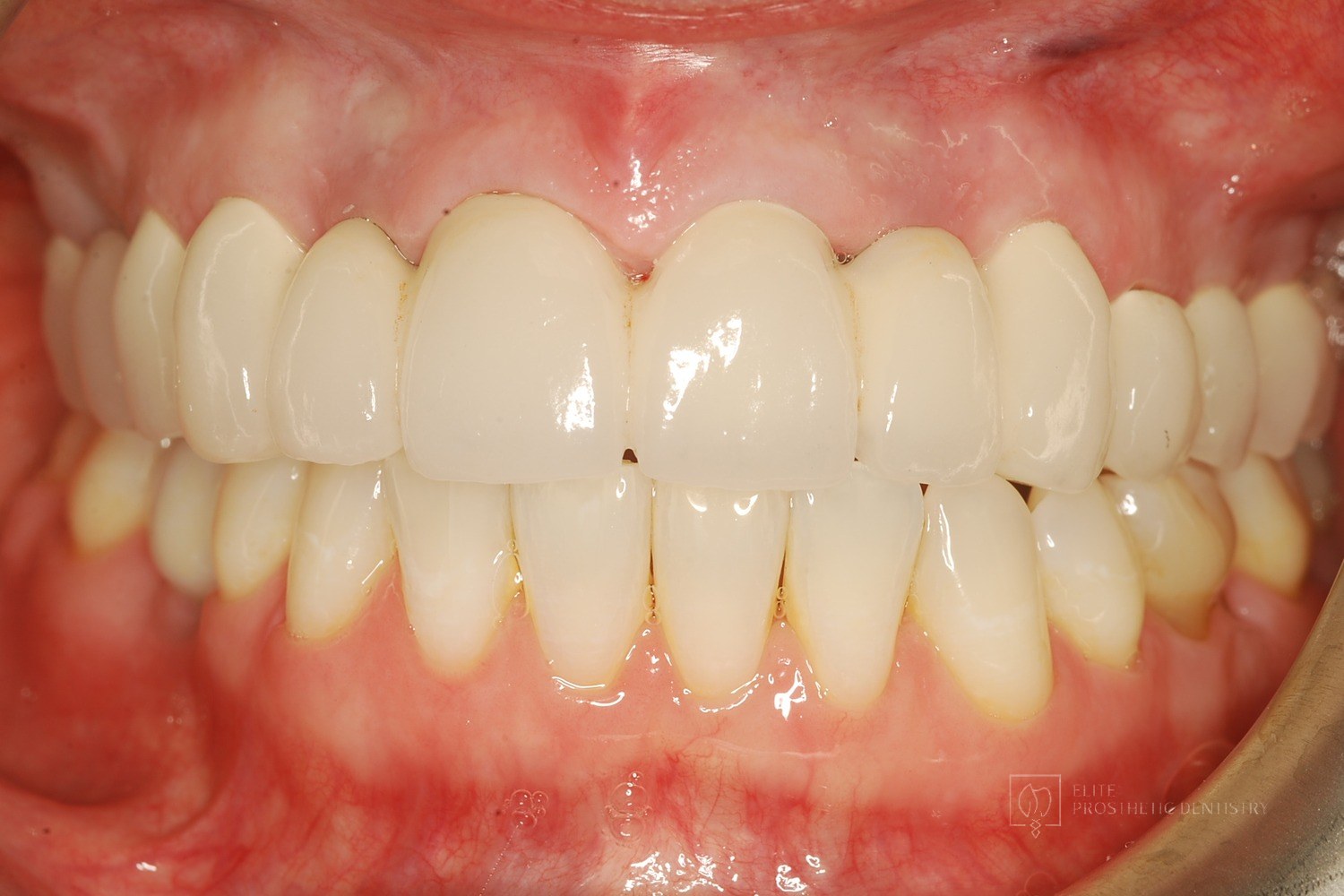
How Older Implant Crowns Were Redesigned for a Better Bite and More Natural Appearance
The patient came in after years of living with implant-supported crowns placed more than twenty years earlier that no longer looked or functioned well. CBCT evaluation, reviewed with a radiologist colleague, showed the implants had been placed too far to the buccal in very thin bone and could not support a healthy long-term restoration.
 Before
 After
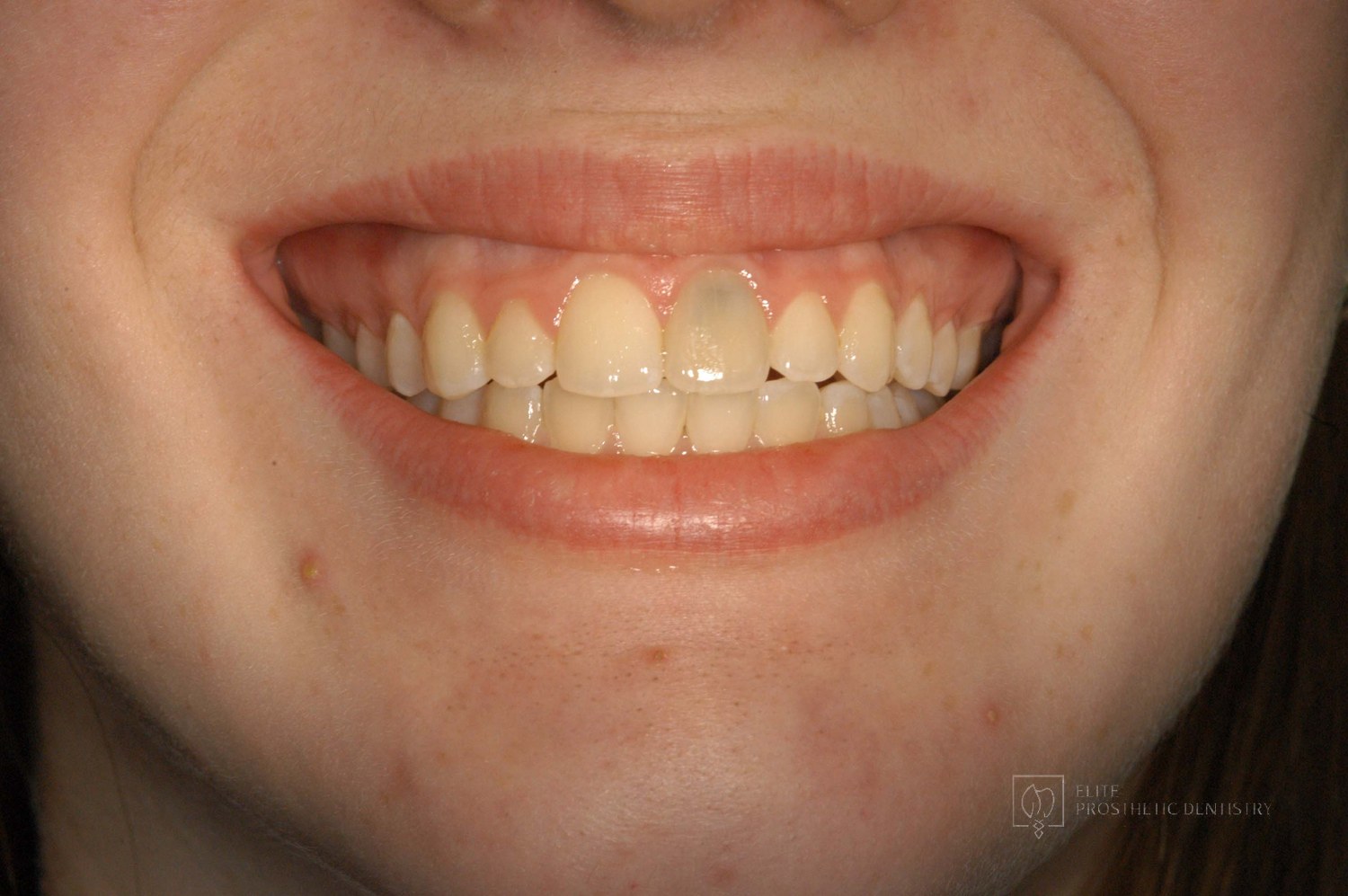
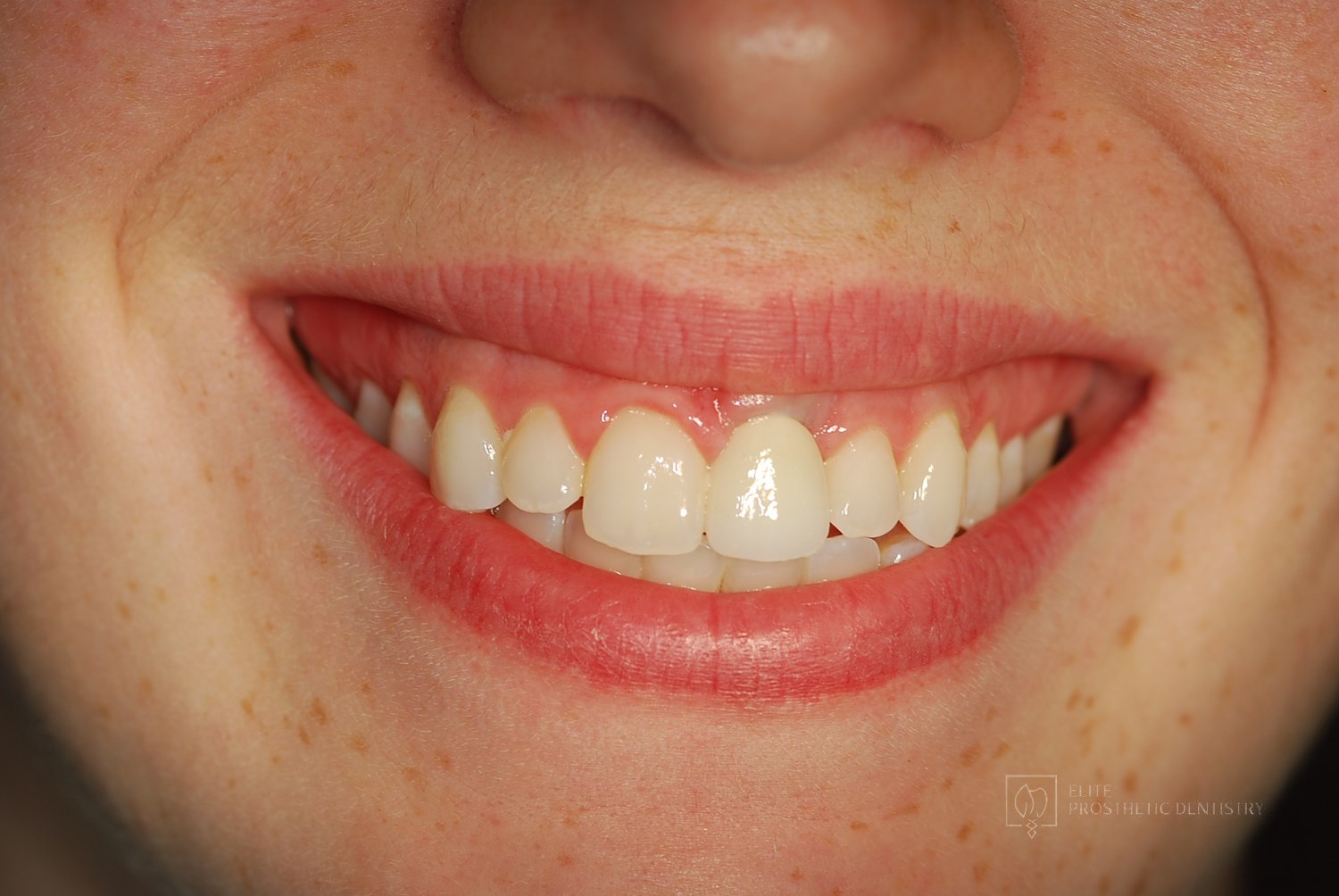
How a Front Tooth Lost to Childhood Trauma Was Rebuilt with Bone Grafting and a Long-Lasting Implant
A teenager was referred by her father after earlier trauma left her upper left front tooth slowly failing from root resorption. She was still growing, so an immediate implant was the wrong move. The tooth had to be maintained to buy time, then replaced correctly once she reached skeletal maturity.
 Before
 After
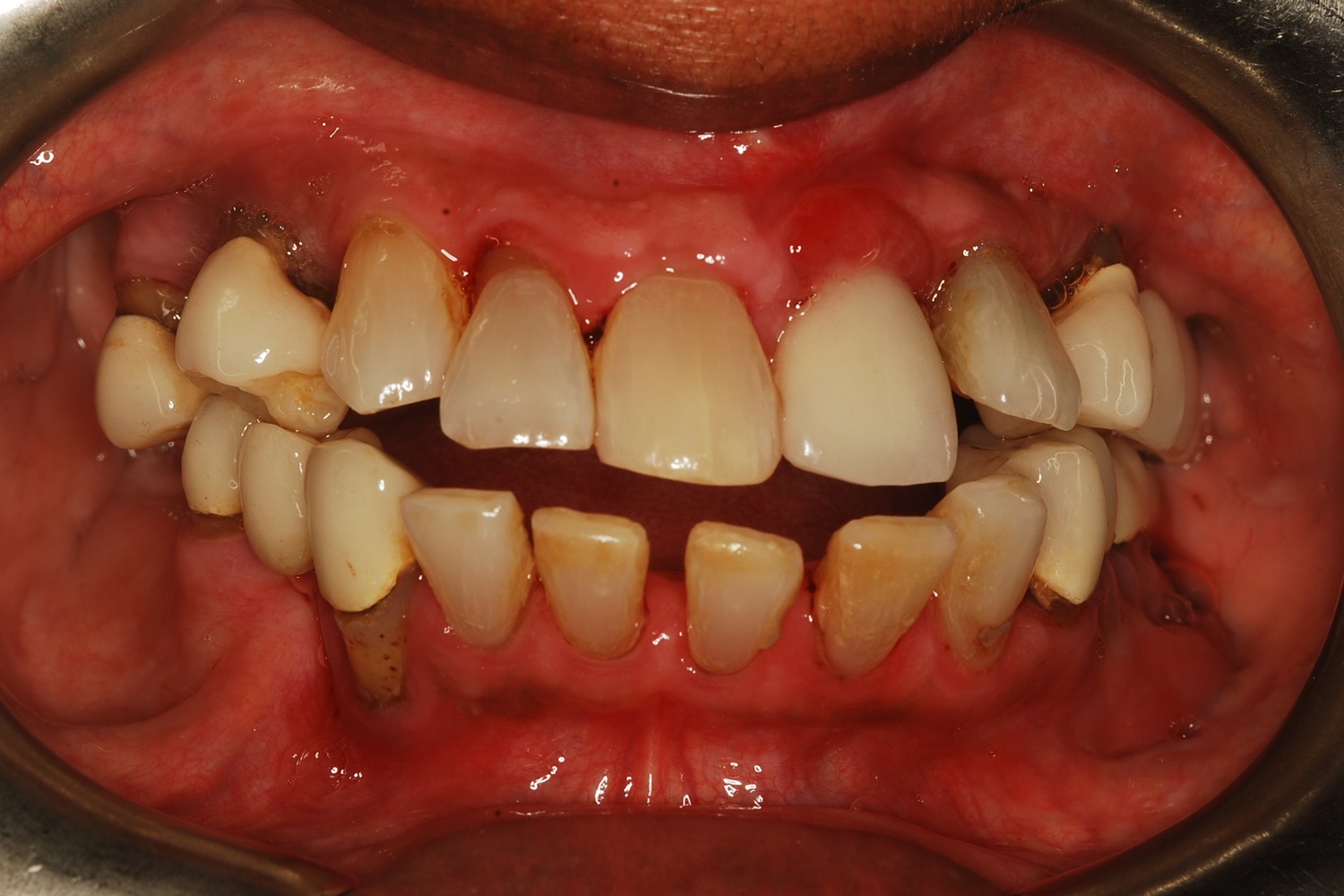
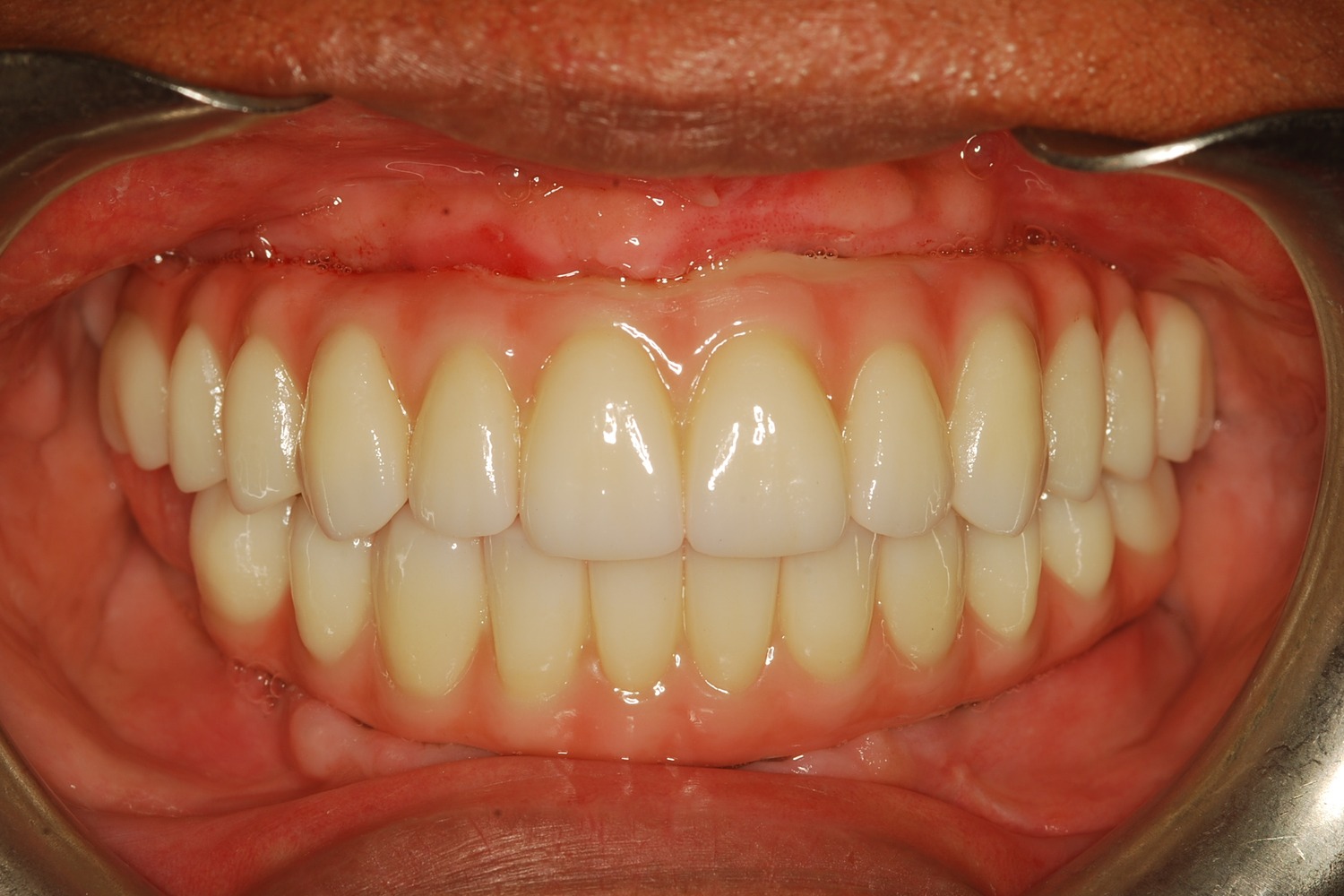
How Severe Bone Loss and Bite Dysfunction Were Rebuilt with All-on-6 Implants and a Milled Zirconia Hybrid Prosthesis
The patient presented with severe bone loss, advanced periodontal disease, malocclusion, and a dysfunctional bite that required full-arch rebuilding.
Related Services
Related Articles
Deepen your knowledge with additional insights on this topic.
 Dental Implants
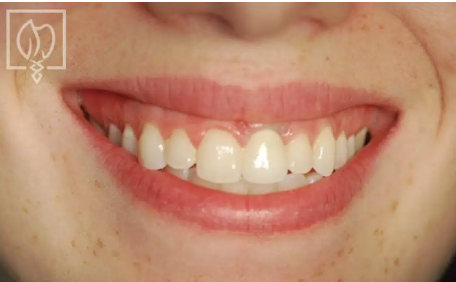
If a Single Front Tooth Is Replaced with an Implant, Can It Look Natural?
Yes. See the four steps, with real case photos, that make a single front tooth implant indistinguishable from the natural tooth beside it. Washington, DC.
 Dental Implants
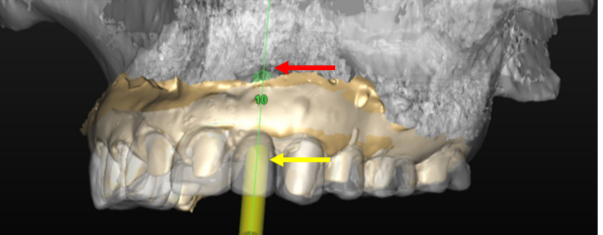
What Is Precision Implant Placement (PIP)?
Precision Implant Placement plans each implant virtually on a CBCT scan, then delivers it with a custom surgical guide. See the three steps with real images.
 Dental Implants
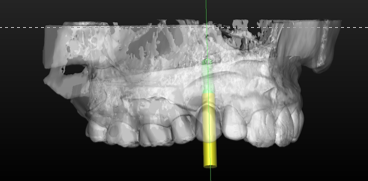
What Is the Ideal Surgical Guide for Precision Implant Placement?
Not all surgical guides are equal. The gold standard is CBCT-based: planned virtually in 3D, 3D printed, and seated on your teeth. A DC prosthodontist explains.
 Dental Implants
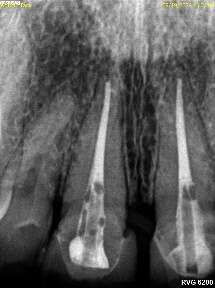
When Should an Implant Not Be Done?
Healthy roots, thin bone, steep bony angles: a DC prosthodontist shows a real case where refusing implants was the right call, and what was done instead.
 Dental Implants
What Is Staged Implant Therapy?
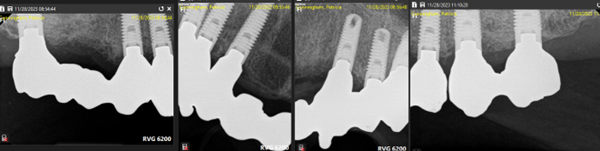
Staged implant therapy replaces failing teeth in phases while you keep fixed teeth the entire time. A DC prosthodontist walks through a real case in stages.
 Dental Implants
The Four Types of Dental Implants: Which One Is Right for You?
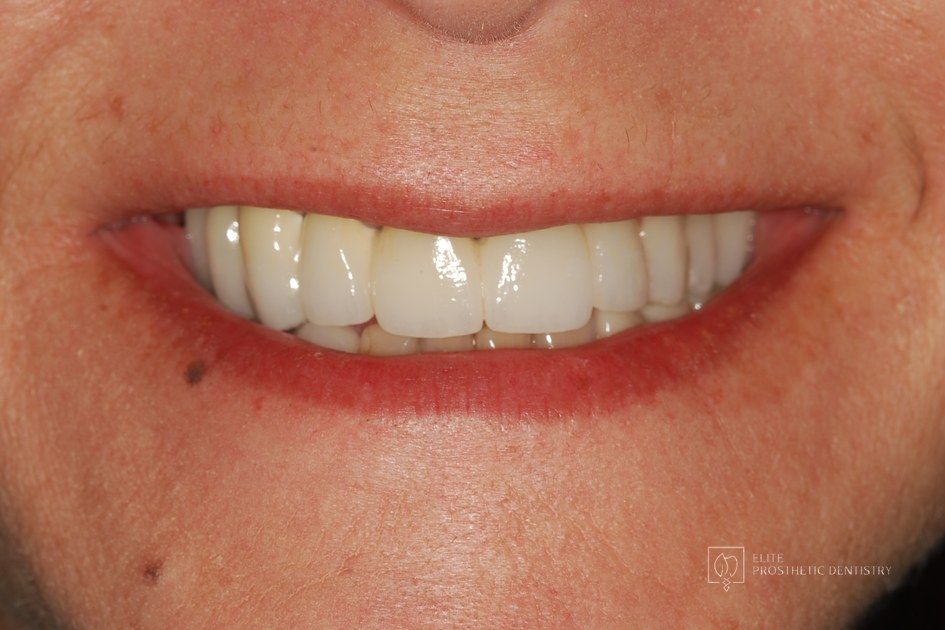
Endosteal, subperiosteal, zygomatic, and mini implants each solve a different problem. A DC prosthodontist explains the four types and who each one fits.
Ready to Transform Your Smile?
With 40+ years of experience and 3,900+ dental implants placed, Dr. Marlin and the team deliver dentistry planned to last. Request a specialist consultation.