
Full-Mouth Dental Implants in North Bethesda, MD
North Bethesda patients ask about implant cost, how long they last, and what 'permanent' restoration means. Dr. Marlin answers 13 key questions.
North Bethesda residents considering full-mouth implant restoration often have specific questions about cost, longevity, maintenance, and what the word “permanent” actually means. We’ve compiled detailed answers to the questions we hear most frequently from North Bethesda patients evaluating full-mouth restoration options.
What Is the Actual Cost of Full-Mouth Implants?
Full-mouth implant restoration cost varies based on several factors. The number of implants needed (typically 4 to 8 per arch) influences cost substantially. Cases requiring bone grafting add to the treatment cost. The complexity of your restoration design and the specific materials selected modify the final price.
We provide detailed written treatment estimates before any work begins, so you know exactly what treatment will cost. This estimate includes all surgical and prosthetic phases from consultation through final crown placement. Please contact our office to schedule a consultation for accurate pricing.
How Does Implant Cost Compare to Denture Cost Over Time?
Traditional dentures have lower upfront cost but require replacement every 5 to 10 years. Over a 20-year period, most patients purchase 2 to 4 new denture sets. Adjustments, repairs, and relines add to the cumulative cost, and total 20-year denture cost often approaches or exceeds implant restoration cost.
Implant-supported overdentures cost more upfront than traditional dentures, but the denture attachment eventually requires replacement within 10 to 15 years.
Fixed implant restorations have higher upfront cost. The implants function indefinitely; the restoration crown typically functions 15 to 20 years before replacement due to normal wear. Total cost over 30 years is often comparable to or less than cumulative denture costs despite higher upfront investment.
When viewed from a long-term cost-per-year-of-function perspective, implant restoration is frequently the most economical option for patients planning decades of use.
Do I Need to Worry About Implant Failure?
Implant failure is uncommon in healthy patients receiving quality surgical and prosthetic care. Success rates documented in clinical literature remain favorable in most patient populations. Failure rates are highest in patients with uncontrolled diabetes, significant smoking, or poor oral hygiene. For North Bethesda patients with adequate bone, good health, and commitment to proper home care, failure risk is very low.
Even if an implant were to fail after years of successful function, the situation is manageable. The failed implant can be replaced, or the restoration can be redesigned to function without the failed implant. Failure is not catastrophic; it’s a complication we address effectively.
How Long Do Implants Actually Last?
The implants themselves, once integrated into bone and maintained with good oral hygiene, function indefinitely. We have patients who placed implants 20, 25, and even 30+ years ago whose implants remain stable and functional today. There is no maximum lifespan for implants themselves.
The restoration crowns or bridges attached to implants typically require replacement after 15 to 20 years due to normal wear and tear, porcelain chipping, or tooth-colored composite surface degradation. However, many restorations last much longer, especially with meticulous care.
When we replace an aging restoration, we simply remove the old crowns and place new ones on the stable, integrated implants. The implants themselves don’t require replacement. This is fundamentally different from dentures, which eventually become unusable as bone resorbs beneath them.
What Does “Permanent” Restoration Really Mean?
“Permanent” means your restoration remains fixed in your mouth continuously and does not require daily removal. It does not mean the restoration never requires any maintenance or eventually requires replacement. It means that properly maintained, your restoration functions normally for decades and the implants remain stable indefinitely.
Your implants are permanent; your crowns are long-term but eventually replaceable. This is actually an advantage: if your esthetic preferences change after 15 years, or if normal wear requires crown replacement, you can update your restoration while keeping your stable implant foundation.
How Often Do I Need Professional Care?
We recommend professional cleanings every 6 months and annual comprehensive examination by Dr. Marlin to ensure all implants remain stable and bone levels are maintained. This frequency is similar to care for natural teeth.
At these appointments, we assess implant stability, evaluate bone levels with imaging, clean around implants professionally, and address any concerns. This regular monitoring enables early detection of any issues.
What Maintenance Is Required at Home?
Daily maintenance is straightforward and requires no special supplies. Brush your implant restoration twice daily with a regular toothbrush and fluoride toothpaste using normal brushing technique. Floss daily using standard floss or an interdental cleaner. Avoid chewing extremely hard objects like ice, hard candy, or bones.
That’s it. No special solutions, no nightly denture soaking, no adhesive powders, no denture cups. You treat your implant restoration exactly like natural teeth.
Can Implants Develop Problems Like Natural Teeth?
Implants don’t decay like natural teeth because they’re not made of tooth structure. However, they can develop bone loss around them if you don’t maintain excellent oral hygiene. This condition, called peri-implantitis, is caused by bacterial plaque accumulation similar to the gum disease that affects natural teeth.
The good news: peri-implantitis is preventable with proper home care and professional cleaning. It’s manageable if it develops. The implants themselves don’t decay, making them lower-maintenance than natural teeth despite requiring diligent cleaning.
Will Implants Feel Like Natural Teeth?
Most North Bethesda patients report that implants feel remarkably like natural teeth. You’ll have sensation in your gums and jawbone (so you can detect food temperature and texture), but the crown itself won’t have nerve sensation like a natural tooth.
This trade-off is worthwhile for most patients. You gain stability, permanence, and the ability to eat confidently. You lose the precise sensation in the tooth itself, but this minimal loss is far outweighed by the functional advantages.
Can Implants Be Placed if I’m Missing Most of My Teeth?
Yes. In fact, patients missing most or all of their teeth are ideal implant candidates if their bone is adequate. Full-mouth implant restoration is specifically designed for this situation.
If you’ve had missing teeth for many years, your bone may have resorbed substantially. However, bone grafting can rebuild bone volume in most situations. Dr. Marlin evaluates your specific bone anatomy and determines whether direct implant placement or staged bone grafting is optimal for your situation.
What If My Bite Changes After Implants Are Placed?
Dr. Marlin carefully designs your restoration to achieve optimal bite alignment before placing the crowns. However, some bite adjustment is normal in the weeks following placement as your muscles adapt to the new restoration.
If your bite feels uncomfortable or unbalanced after placement, contact us. Minor adjustments can be made quickly to optimize your comfort and force distribution. Proper bite alignment is important for long-term implant success.
Can I Still Have Regular Dental Care with Implants?
Yes, absolutely. In fact, regular dental care is essential. You should continue seeing your general dentist for regular cleanings and examinations. Your general dentist can provide preventive care and treat any dental issues with your remaining natural teeth.
Dr. Marlin manages your implant restorations specifically. This team approach ensures comprehensive care: your general dentist maintains your overall oral health, and Dr. Marlin ensures your implants remain stable and your restoration functions optimally.
What Happens If I Decide to Stop Care and Neglect My Implants?
If you stop maintaining your implants, bone loss can occur, and the implants may eventually fail. However, this requires severe, prolonged neglect. Most North Bethesda patients find that once they experience the normalcy of implant function, they’re motivated to maintain proper care.
Unlike dentures that become uncomfortable and unusable as bone resorbs, implants can tolerate periods of neglect without becoming suddenly unusable. However, we strongly recommend maintaining proper care throughout your lifetime to preserve your restoration.
How Does Dr. Marlin’s Expertise Influence Long-Term Implant Success?
Dr. Marlin’s specialty-trained prosthodontic training and decades of experience influence success profoundly. He designs implant positions considering not just surgical simplicity but long-term bone preservation and restoration function.
His on-site laboratory enables real-time quality control during restoration fabrication. His understanding of bite mechanics and force distribution ensures your restoration is designed for long-term success. These factors combined contribute to consistently favorable implant success rates documented in the literature.
Beginning Your Evaluation
North Bethesda residents considering full-mouth implant restoration should schedule a consultation with Dr. Marlin. During this appointment, he will answer all your questions, assess your bone anatomy, and explain exactly what implant treatment will deliver for your situation.
Schedule your consultation or call (202) 244-2101. Understanding your options clearly will enable you to make an informed decision about whether full-mouth implant restoration is right for you.
Frequently Asked Questions
How much do full-mouth dental implants cost?
Full-mouth implant restoration cost varies based on the number of implants, complexity of bone grafting, and restoration design. We provide detailed treatment estimates before any work begins. We offer financing options to make treatment accessible without compromising quality. When compared to cumulative denture costs over 20+ years, implants are often cost-comparable long-term while delivering superior function and bone preservation. Please contact our office to schedule a consultation for accurate pricing.
How long do full-mouth implants actually last?
The implants themselves, once integrated into bone and properly maintained, function indefinitely. The restoration crowns typically require replacement after 15 to 20 years due to normal wear and tear, though many restorations last longer. Most patients never experience implant failure if they maintain excellent oral hygiene and attend regular professional care. Many North Bethesda patients have maintained their full-mouth implants successfully for 20+ years.
What does 'permanent' restoration really mean?
Permanent means the restoration remains fixed in your mouth continuously, unlike dentures that you remove daily. It does not mean the restoration never requires any maintenance or adjustment. It means that with proper home care and professional maintenance, your restoration functions for decades without requiring replacement. The implants remain stable indefinitely; the crowns may eventually require replacement due to normal wear.
Will insurance cover full-mouth implant restoration?
Most dental insurance plans do not cover implants or cover them only partially. Coverage varies significantly by plan and employer. We recommend contacting your insurance provider to understand your specific coverage. We bill insurance on your behalf and work with you to maximize any available benefits. Many North Bethesda patients find financing options more cost-effective than relying on insurance coverage.
How do I care for implants daily?
Daily care is straightforward: brush your restoration twice daily with a regular toothbrush and fluoride toothpaste, floss daily using standard floss or an interdental cleaner, and avoid chewing extremely hard objects. You clean implant restorations exactly like natural teeth. No special solutions, no nightly soaking, no adhesives. This simplicity is one reason North Bethesda professionals prefer implants to dentures.
Related Patient Success Stories
Explore similar patient success stories demonstrating our expertise in advanced prosthetic dentistry.
 Before
  After
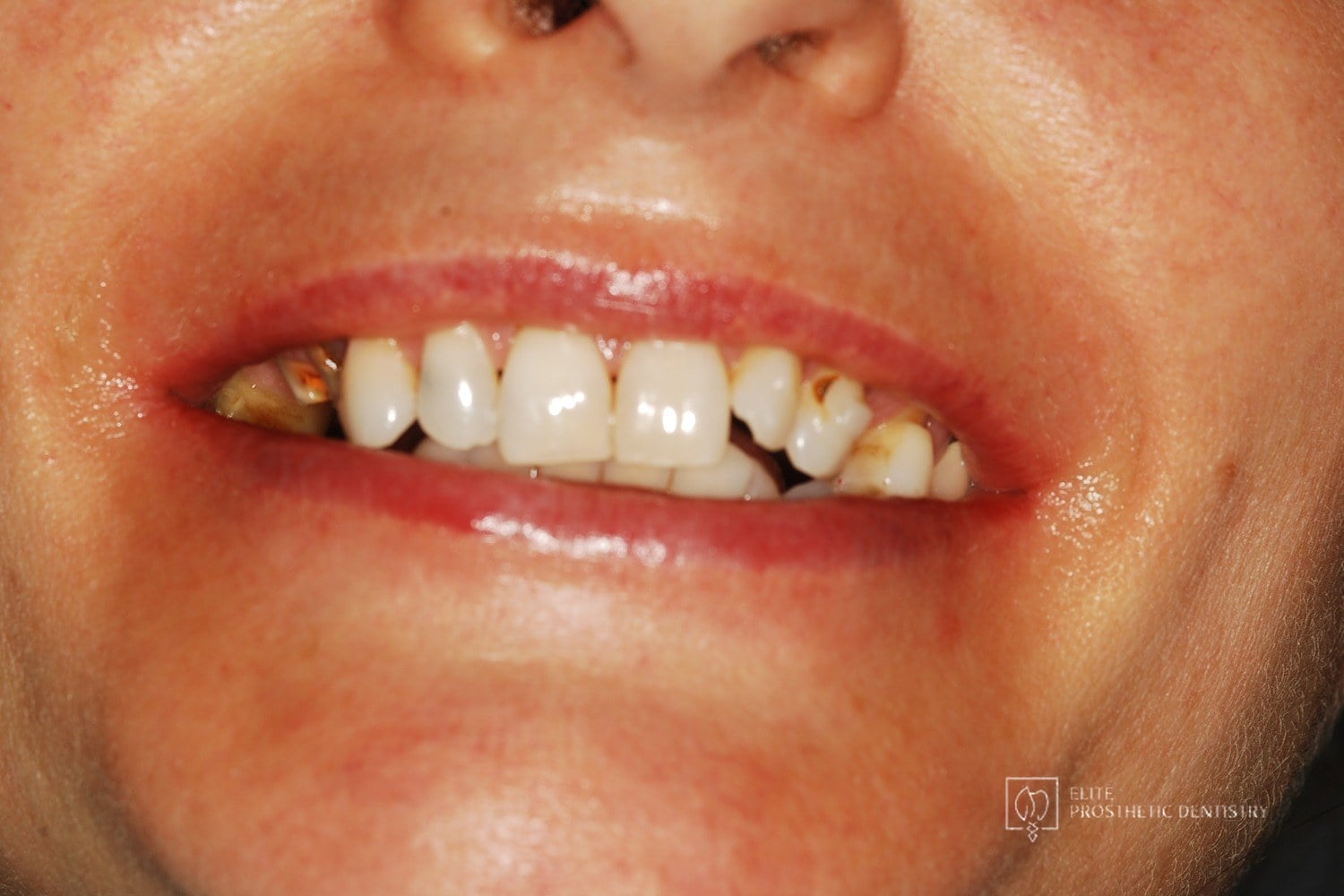
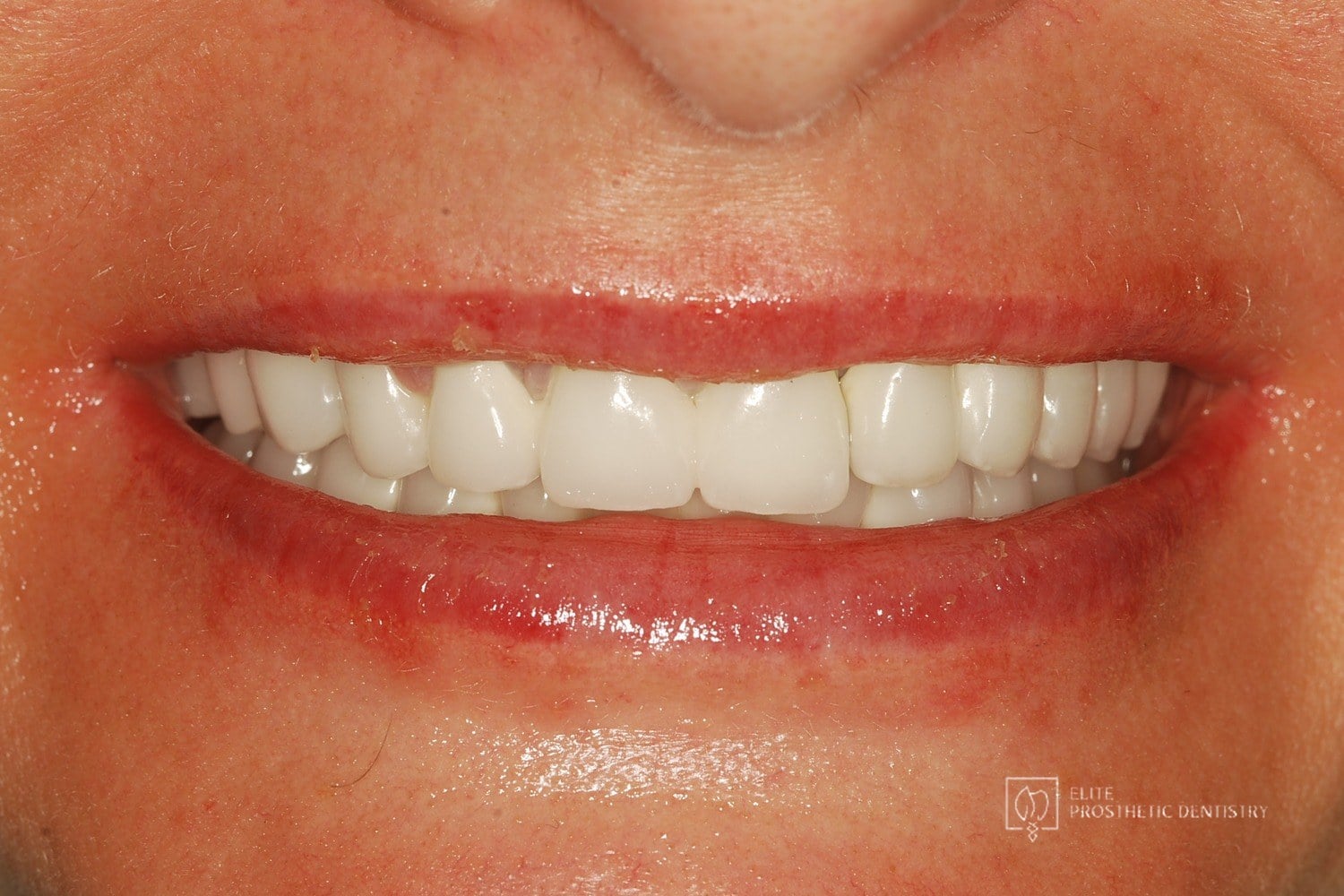
After How Aging, Failing Dentistry Was Replaced with a Coordinated Full-Mouth Implant and Crown Reconstruction
The patient presented with throbbing upper-molar pain, long-standing infections, multiple root canals and unfinished prior treatment, generalized sensitivity, and several hopeless teeth.
 Before
 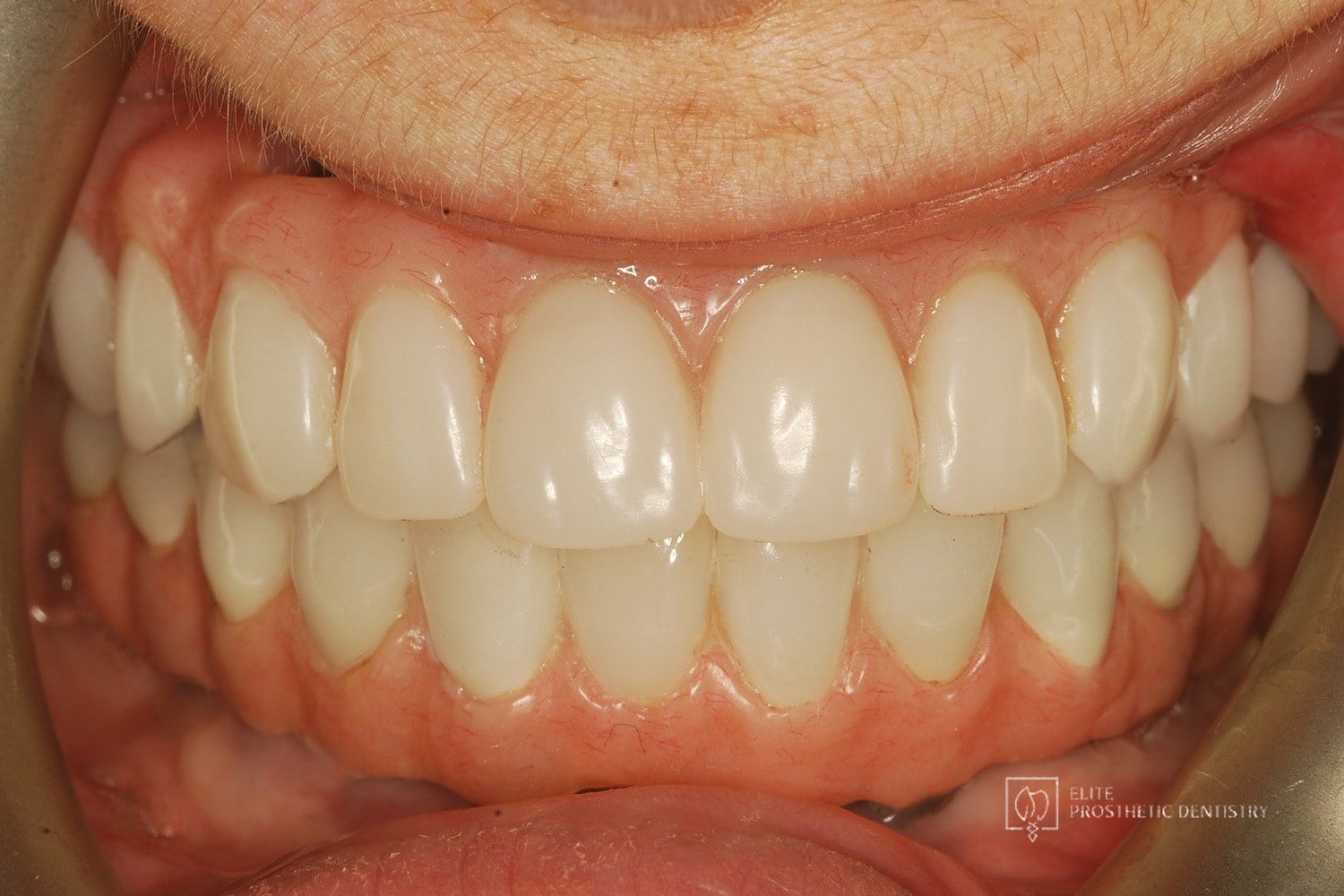 After
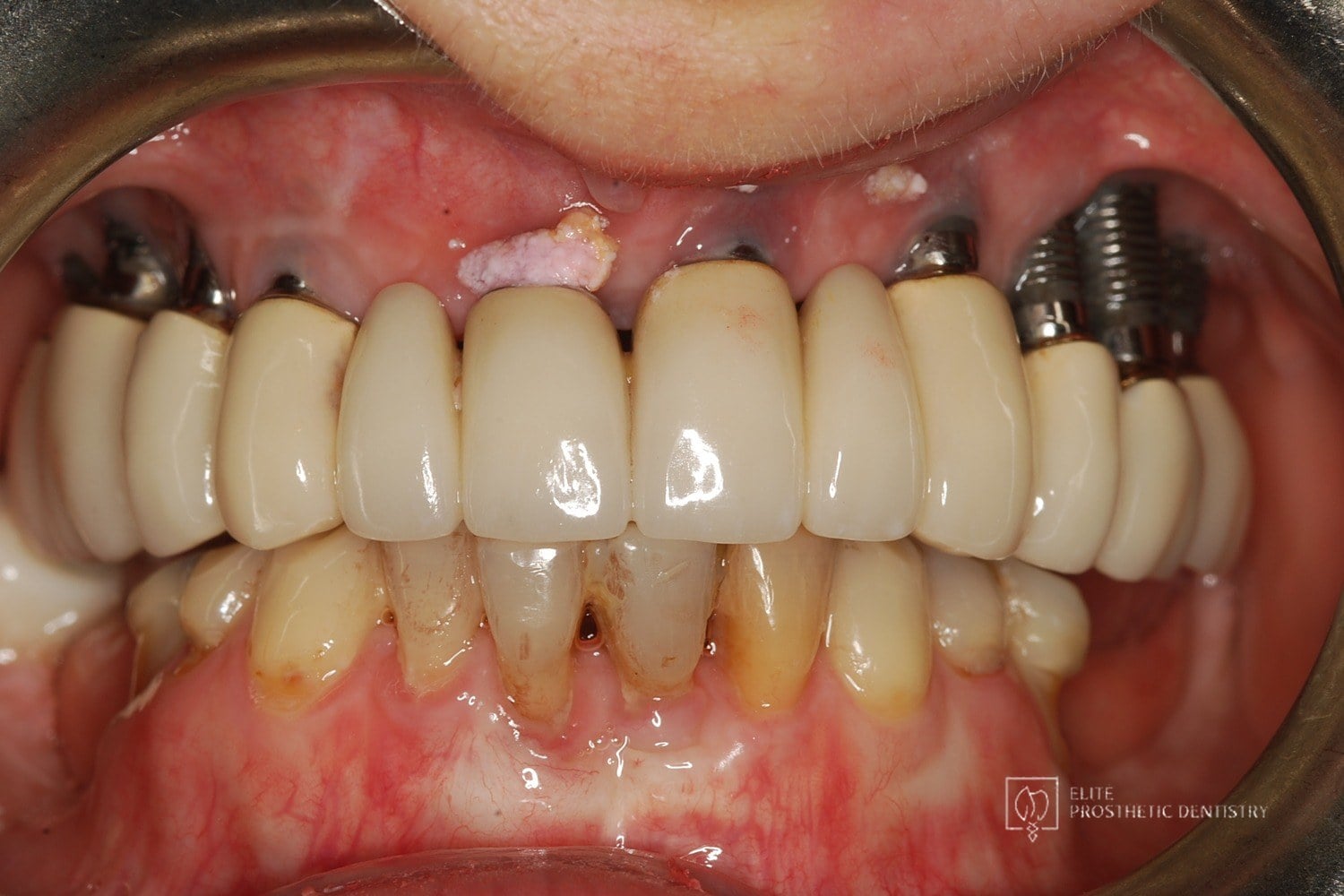
After How Failing Implants and Severe Bone Loss Were Rebuilt Into a Stable Full-Arch Implant Reconstruction
The patient presented with significant complications from previously placed implants, severe bone loss, failing posterior implants, and an unesthetic full-arch bridge. Both arches required full reconstruction, with the upper arch showing the most advanced bone loss and instability.
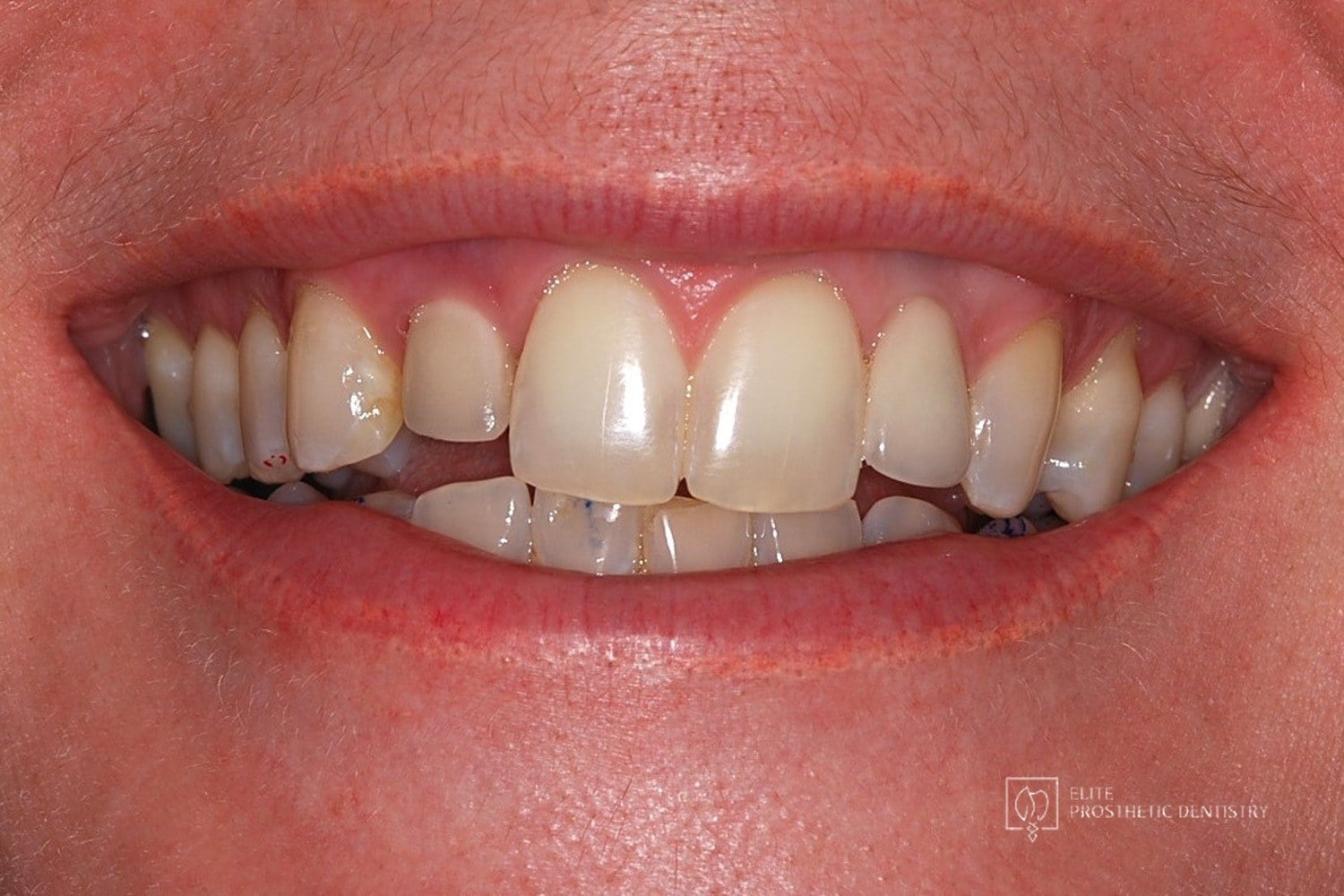 Before
 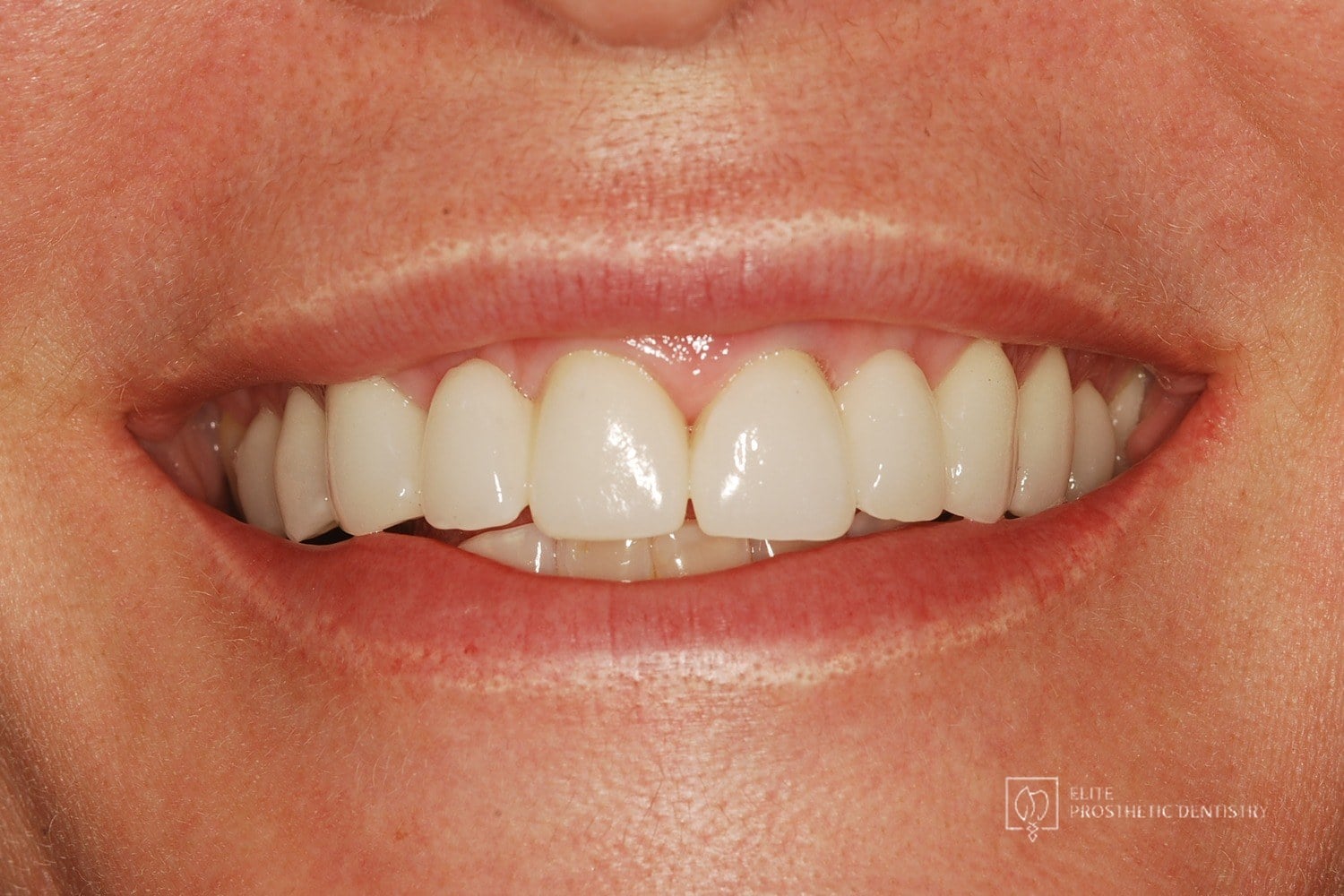 After
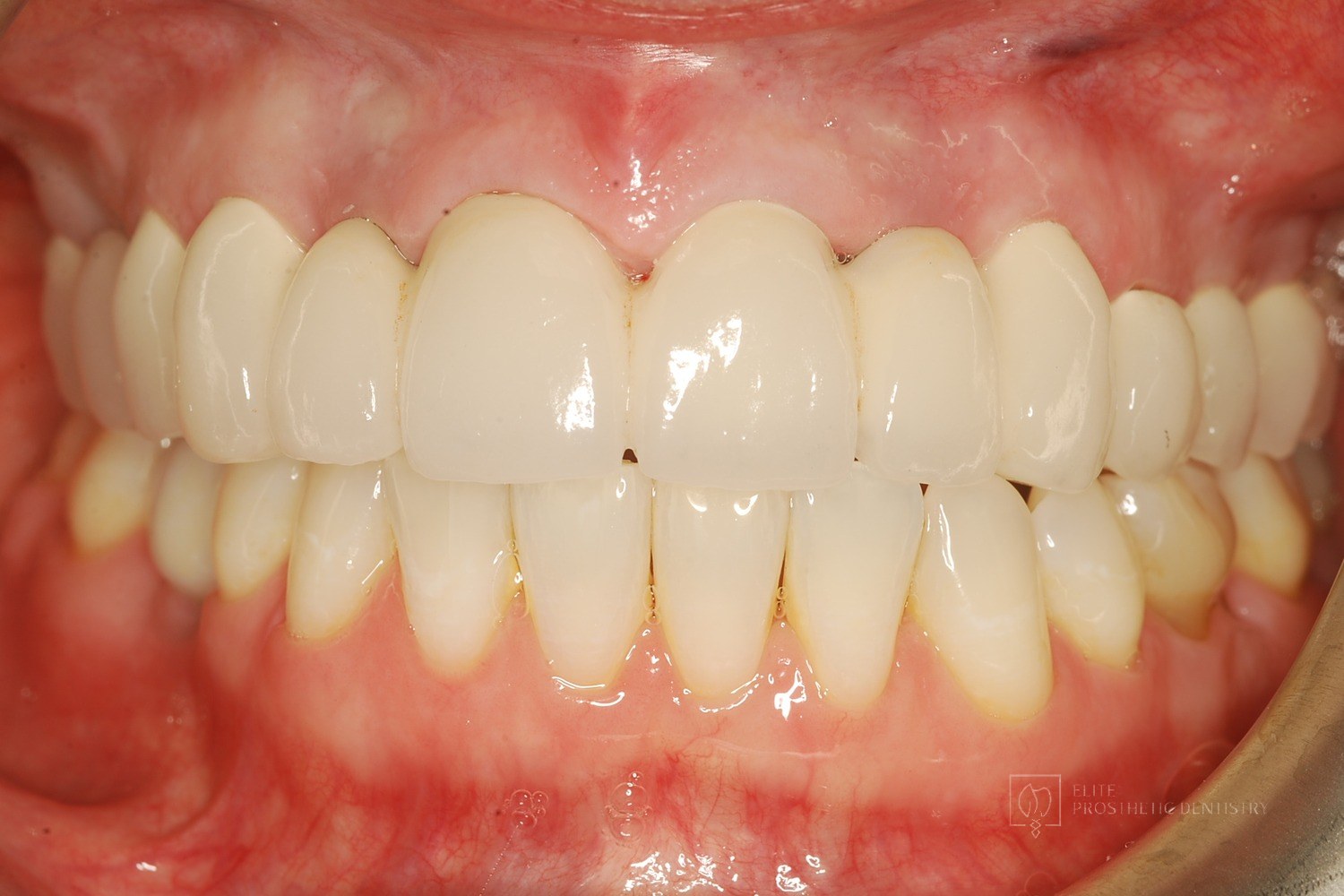
After How Failing Lateral Incisor Implants Were Replaced with Custom Zirconia Bridges After Severe Bone Loss Made Replacement Implants Impossible
Comprehensive examination including CBCT imaging revealed significant bone loss surrounding implants that were placed outside the buccal plate, most likely due to placement without a CBCT-generated surgical guide. The implants were determined non-salvageable, and the alveolar ridge was too narrow to support replacement implants without extensive reconstruction.
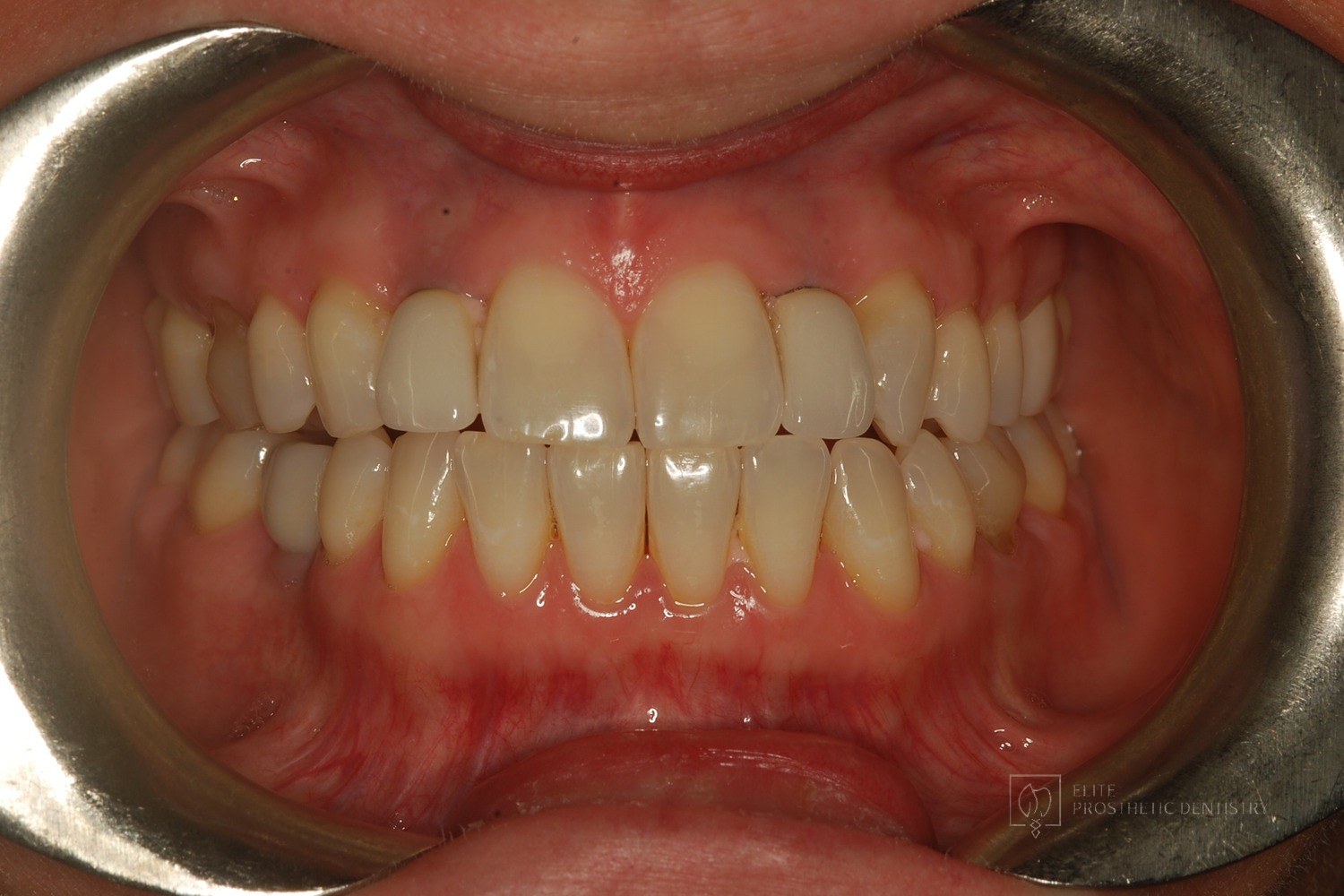 Before
  After
After How Older Implant Crowns Were Redesigned for a Better Bite and More Natural Appearance
The patient came in after years of living with implant-supported crowns placed more than twenty years earlier that no longer looked or functioned well. CBCT evaluation, reviewed with a radiologist colleague, showed the implants had been placed too far to the buccal in very thin bone and could not support a healthy long-term restoration.
 Before
  After
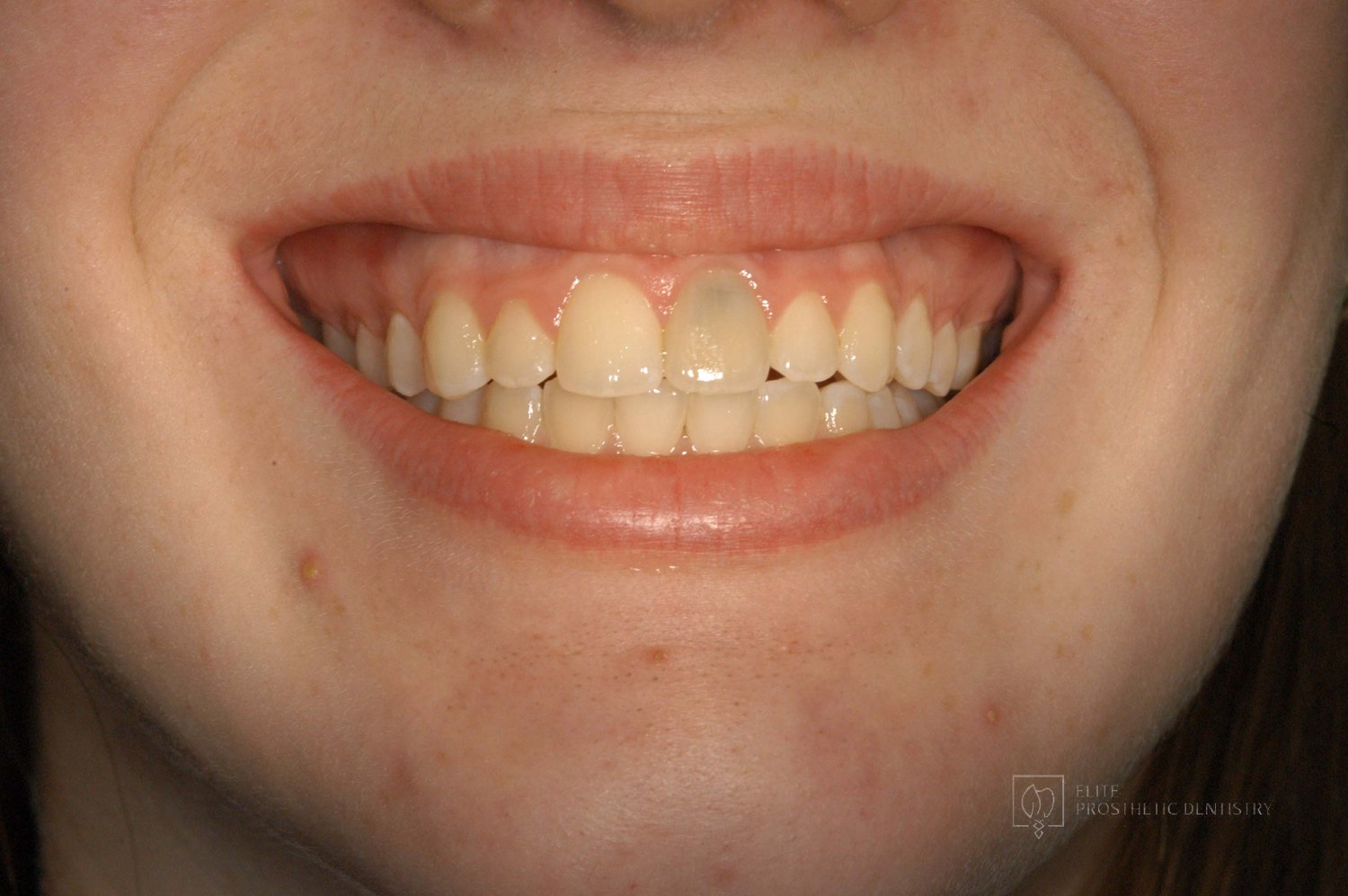
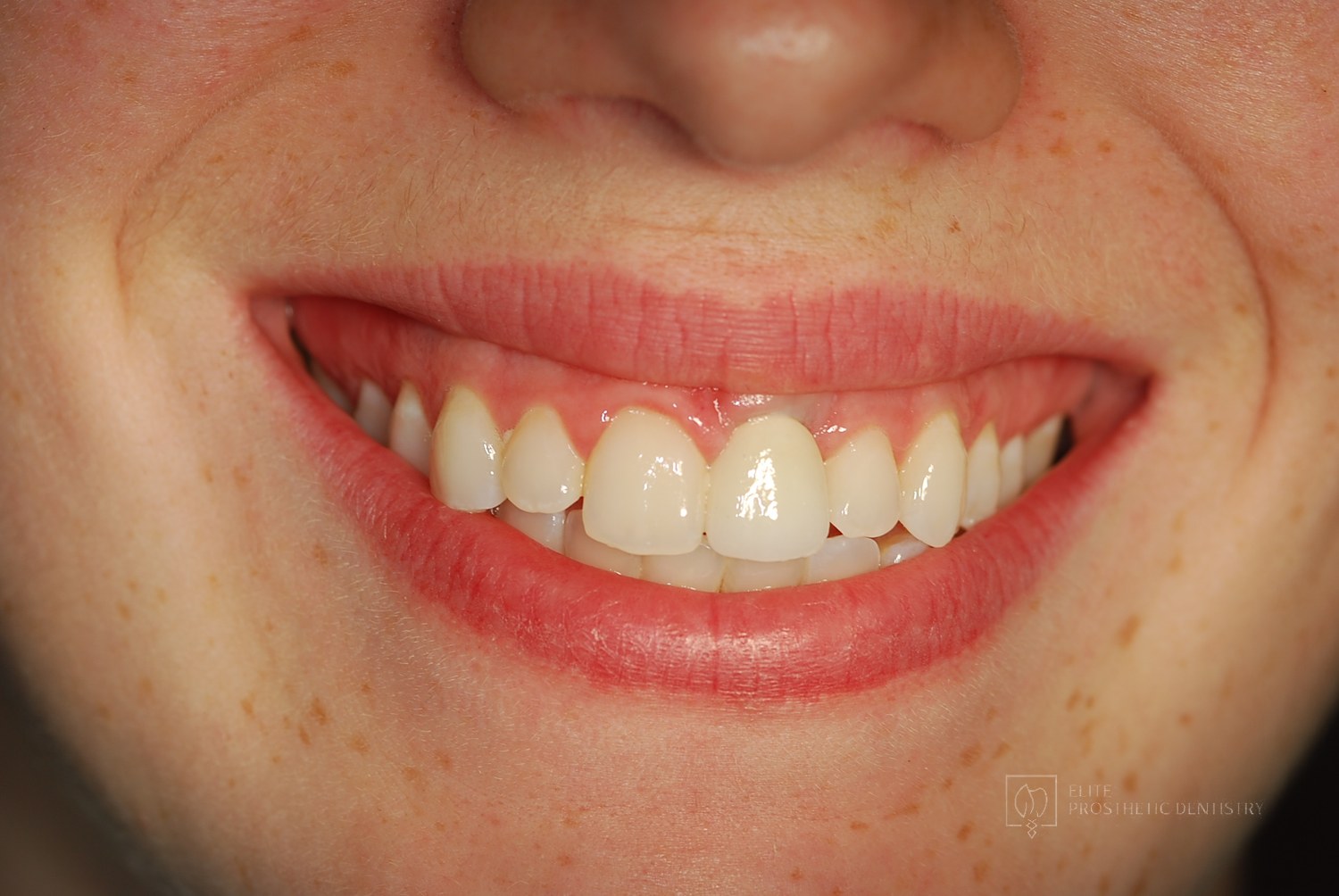
After How a Front Tooth Lost to Childhood Trauma Was Rebuilt with Bone Grafting and a Long-Lasting Implant
A teenager was referred by her father after earlier trauma left her upper left front tooth slowly failing from root resorption. She was still growing, so an immediate implant was the wrong move. The tooth had to be maintained to buy time, then replaced correctly once she reached skeletal maturity.
 Before
  After
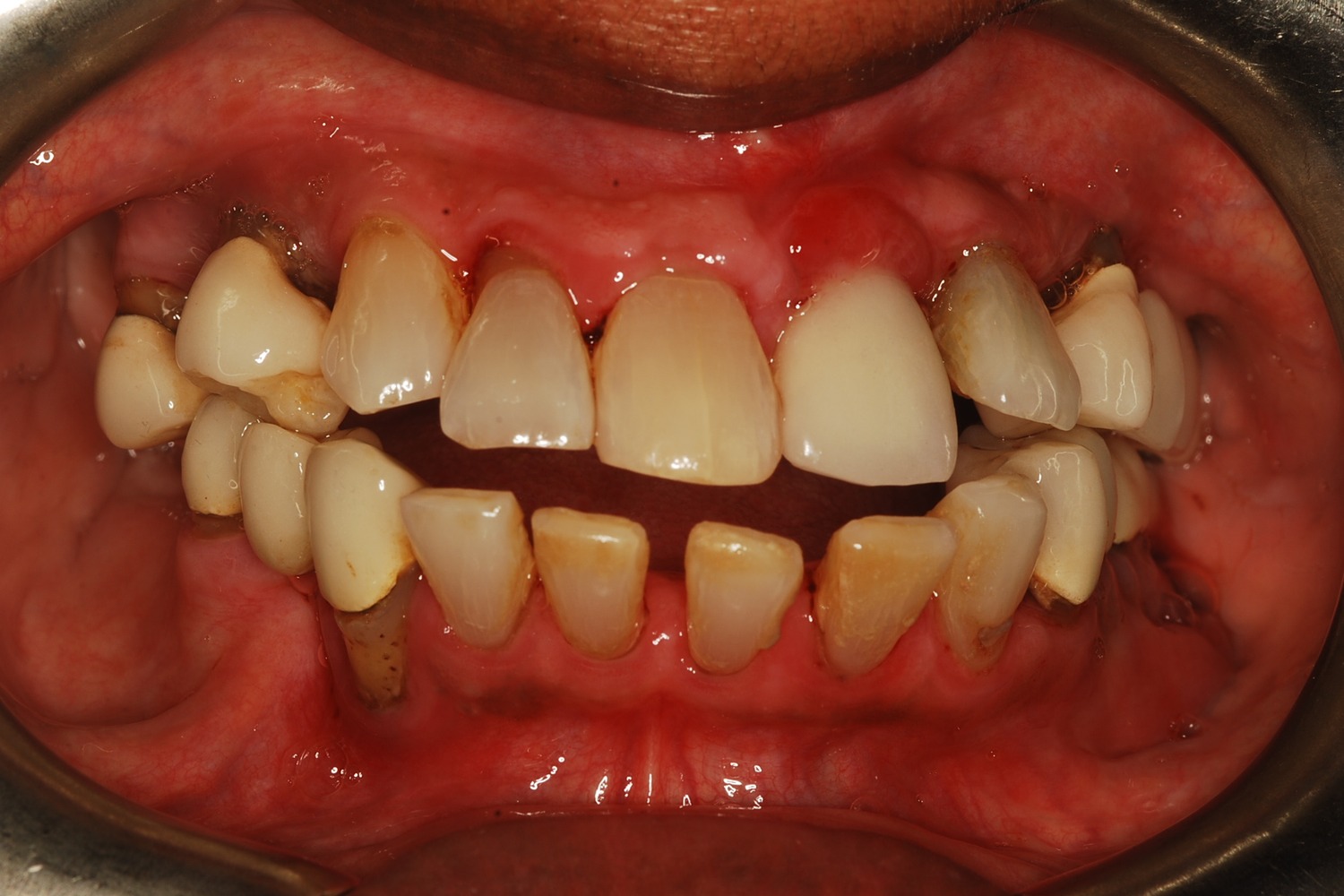
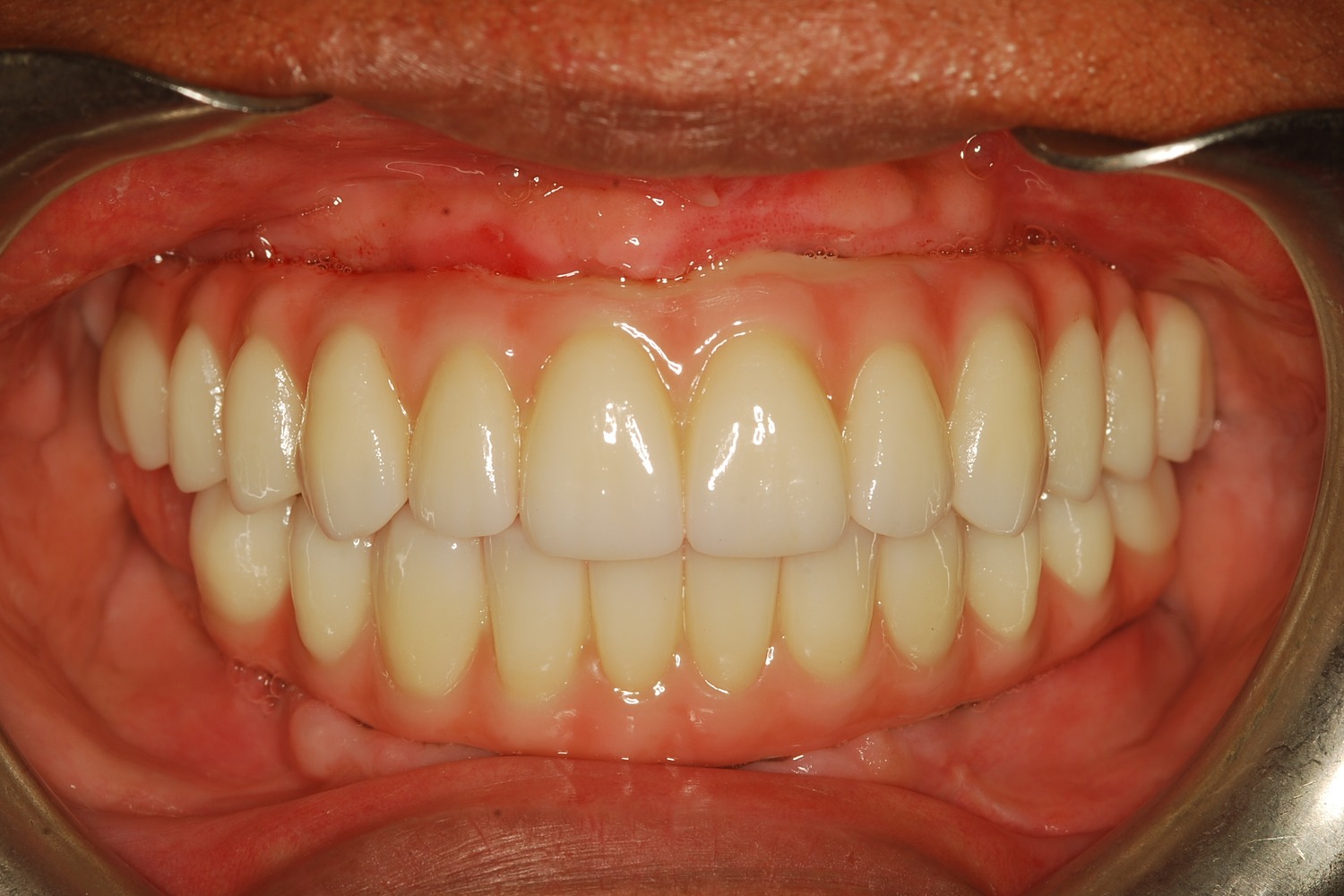
After How Severe Bone Loss and Bite Dysfunction Were Rebuilt with All-on-6 Implants and a Milled Zirconia Hybrid Prosthesis
The patient presented with severe bone loss, advanced periodontal disease, malocclusion, and a dysfunctional bite that required full-arch rebuilding.
Related Articles
Deepen your knowledge with additional insights on this topic.
 Dental Implants
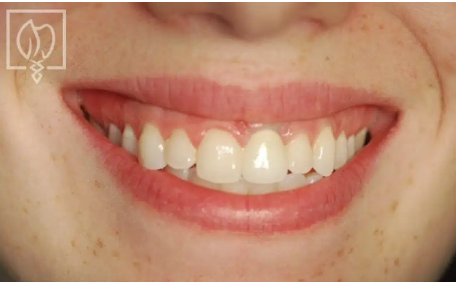
 If a Single Front Tooth Is Replaced with an Implant, Can It Look Natural?
Yes. See the four steps, with real case photos, that make a single front tooth implant indistinguishable from the natural tooth beside it. Washington, DC.
 Dental Implants
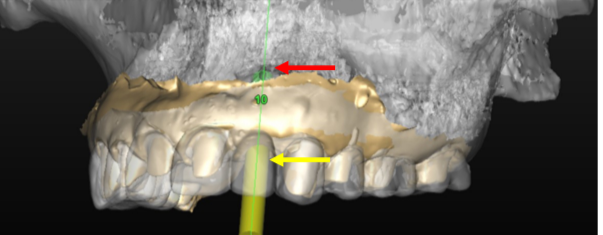
 What Is Precision Implant Placement (PIP)?
Precision Implant Placement plans each implant virtually on a CBCT scan, then delivers it with a custom surgical guide. See the three steps with real images.
 Dental Implants
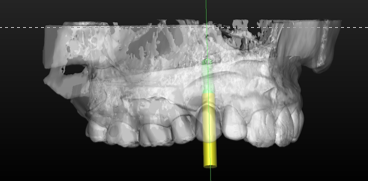
 What Is the Ideal Surgical Guide for Precision Implant Placement?
Not all surgical guides are equal. The gold standard is CBCT-based: planned virtually in 3D, 3D printed, and seated on your teeth. A DC prosthodontist explains.
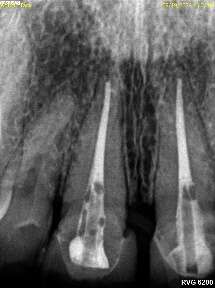 Dental Implants
 When Should an Implant Not Be Done?
Healthy roots, thin bone, steep bony angles: a DC prosthodontist shows a real case where refusing implants was the right call, and what was done instead.
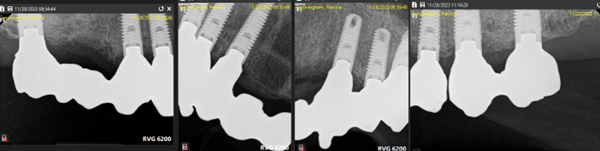 Dental Implants
 What Is Staged Implant Therapy?
Staged implant therapy replaces failing teeth in phases while you keep fixed teeth the entire time. A DC prosthodontist walks through a real case in stages.
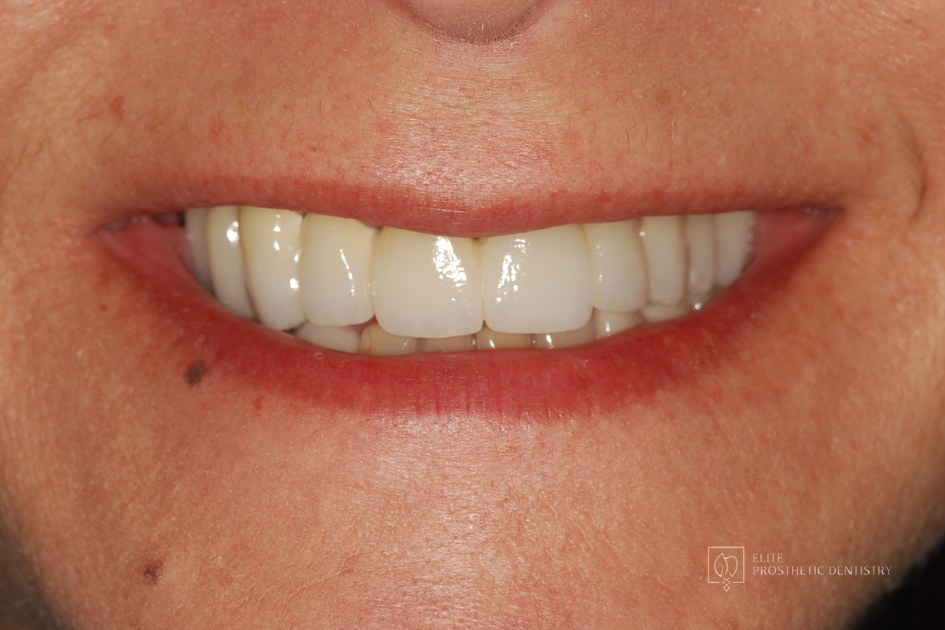 Dental Implants
 The Four Types of Dental Implants: Which One Is Right for You?
Endosteal, subperiosteal, zygomatic, and mini implants each solve a different problem. A DC prosthodontist explains the four types and who each one fits.
Our Services in North Bethesda
Beyond Full Mouth Implants, North Bethesda patients rely on Dr. Marlin for a full range of advanced dental care.
Full Mouth Implants Near North Bethesda
Dr. Marlin also provides full mouth implants services for patients in these neighboring communities.
Getting Here from North Bethesda
Elite Prosthetic Dentistry is conveniently located near North Bethesda, MD.
Drive south on Rockville Pike/Wisconsin Avenue from North Bethesda directly to Friendship Heights office.
Address:
4400 Jenifer Street NW, Suite 220
Washington, DC 20015
Phone: (202) 244-2101
Request a ConsultationRequest a Specialist Consultation from North Bethesda
North Bethesda residents come to Dr. Marlin for specialist prosthodontic care. With 3,900+ implants placed over 40+ years, evaluation, planning, and execution are handled with the depth complex cases require.