

An Implant Crown That Is Loose or Fell Off: Three Different Problems, and What to Do About Each
A loose or lost implant crown can be a crown problem, an abutment screw problem, or an implant that itself moves. How to tell them apart, why nothing should be forced back on, which need prompt evaluation, the signs of infection around an implant, and what the visit involves.
Practice clinician: Gerald M. Marlin, DMD, MSD, prosthodontist, Elite Prosthetic Dentistry, Friendship Heights, Washington, DC. Last updated .
A loose or lost implant crown is not one problem but three, and they are treated very differently. It may be the crown that has come loose from its abutment, which is a nuisance. It may be the screw holding the abutment or crown to the implant that has loosened, which is a repair. Or it may be the implant itself that moves, which is a different matter and needs prompt evaluation. This page explains how to tell them apart, what to do and not do in the meantime, the signs that indicate infection around an implant, and what the visit involves.

In the Next Hour
- Keep every part. The crown, and any small screw that came with it. Implant screws are specific to the system and are not interchangeable. Rinse, dry, container, not tissue.
- Do not force anything back on. Not the crown, not the screw. Pressing a cemented crown back can seat it wrongly; pressing on a loose screw can damage it; pressing on a loose implant can make it worse.
- Do not use any adhesive. Glue in the connection between an implant and its crown can ruin the components.
- Avoid chewing on that side. If the crown is still in the mouth but loose, be careful not to swallow or inhale it; remove it gently if it is about to come out on its own, and keep it.
- Look and note. Is there a metal post standing where the crown was? Does the gum around it look swollen or red? Is there a bad taste? Does the post itself move when you touch it lightly with a clean finger? The clinician will ask.
- Call the office. During hours, (202) 244-2101; patients are triaged by urgency and same-day visits are arranged when the schedule allows. After hours, follow the voicemail prompts.
When to Go to the Emergency Room Instead
A loose implant crown is not an emergency room situation on its own. Go to the emergency room, or call 911, for facial swelling that is spreading, fever with swelling, uncontrolled bleeding, difficulty swallowing or breathing, or if a crown has been inhaled with any breathing or chest symptoms. Tell the office afterward.
What Can Wait Until Office Hours
A crown that has come off cleanly, leaving a firm post or a clean implant opening, with no pain or swelling, can wait until office hours with the parts kept safe and the area kept clean. A crown that is loose but still in place should be seen within days; do not keep chewing on it. An implant that itself moves, or an implant with swelling, pus, a bad taste or increasing pain around it, should be seen promptly, and the same day where the schedule allows.
The Three Problems
The crown has come loose from the abutment. A cemented implant crown is held to its abutment by cement, and cement can let go after years, leaving the abutment, a metal or ceramic post, standing in the gum. This is the least serious of the three. The crown is cleaned, the abutment is checked, and the crown is recemented, or, where it has come loose repeatedly, remade as a screw-retained crown.
The screw has loosened. Implant crowns and abutments are held to the implant by a small screw torqued to a precise value. Screws loosen under bite forces, especially where the bite loads the crown unevenly or the patient grinds. The crown may rotate or rock, or come off with the screw. The screw is removed, inspected, replaced if worn, and retightened to the correct torque, and the bite is checked so it does not loosen again. A screw that has loosened more than once is a sign of a bite or design problem rather than a screw problem.
The implant itself moves. This is different. An implant that is integrated with the bone does not move at all. If the whole unit, abutment and all, moves in the gum, or if there is swelling, pus, a bad taste or deepening pockets around the implant, the implant may have lost its bone support or may never have integrated. This needs prompt evaluation, X-rays, and a conversation about whether the implant can be treated or should be removed and the site rebuilt. Our pages on a loose dental implant and failed implant integration go into detail.
Signs of Infection Around an Implant
Red, swollen or tender gum around the implant; bleeding when brushing it; pus or a bad taste at the gum line; a pocket that a probe sinks into; bone loss visible on an X-ray; and in later stages, movement. The gum can be inflamed without bone loss, which is treatable, or bone can be lost around the implant, which is treated more seriously and is better caught early. Any of these signs is a reason for an evaluation even if the crown is firmly in place.
What the Visit Involves
The implant, the components and the surrounding gum and bone are examined and X-rayed. The X-ray shows whether the crown has separated from the abutment, whether a screw has backed out, and whether the bone around the implant is intact. The components are removed as needed, inspected, cleaned and reassembled to the correct torque, or the crown is recemented; worn or damaged components are replaced with the correct parts for the system. The bite is checked and adjusted where it has been loading the crown unevenly. Where the implant itself has moved or lost bone, the findings are explained and the options are set out, which may include treatment of the tissue around the implant, or removal and rebuilding of the site before a new implant. Where a crown has to be remade, the practice’s on-site laboratory makes it.
Why It Happened
- Cement fatigue over years on a cemented crown.
- Screw loosening under uneven bite forces or grinding, or because the screw was not torqued correctly or has worn.
- A bite that overloads the implant, often because other teeth have worn down or been lost and the implant crown has become a high spot.
- Component wear or fracture, more common in older systems and in implants that have carried a heavy load for many years.
- Loss of bone around the implant from inflammation, which loosens the implant itself.
What an Emergency Often Reveals
An implant crown that loosens is frequently the implant that has been working hardest, and the reason it has been working hardest is usually elsewhere in the mouth: worn teeth, missing teeth, a bite that has shifted. The visit corrects the component; the follow-up examines the bite and the other implants and restorations of the same age. Patients with several older implants will find our guide on older implant crowns and bites relevant, and signs your dental work is wearing out is a quick self-check.
How Elite Prosthetic Dentistry Handles a Loose Implant Crown
Call the office; patients are triaged by urgency and same-day visits are arranged when the schedule allows. The visit distinguishes a component problem from an implant problem, corrects the component with the correct parts, and checks the bite that loosened it. Dr. Gerald M. Marlin has placed more than 3,900 implants and holds 9 U.S. patents in dental implant restoration methodology; the practice restores implants from many systems and can usually identify an unfamiliar one from the X-ray. The on-site laboratory, operating since 1985, remakes crowns without an outside laboratory in the chain. Where the implant itself has failed, the practice evaluates the site and plans the rebuilding and replacement in one office.
When Another Setting Fits Better
A patient whose implant was placed and restored recently by another office should contact that office first; it has the component records and the responsibility for the work. A patient who can reach the surgeon who placed a moving implant should call them. The emergency room is the right place for the signs listed above. The practice sees patients who cannot reach the original office, and patients whose implants are old enough that the original office no longer exists.
Documented Cases
- Restoring multiple old dental implants that had fractured or failed.
- Older implant crowns redesigned for a better bite and natural appearance.
- Rejuvenating severely worn-down implant overdentures.
- Both arches rebuilt after advanced periodontal disease, where bone loss had reached the point of replacing the teeth.
Related Reading
- Restorative dental emergencies: all situations
- Loose dental implant
- Failed implant integration
- Implant crowns
- Why do some dental implants last longer than others?
Call the Office
During office hours, call (202) 244-2101 and describe what came loose, whether a post is visible, and whether anything moves. After hours, follow the voicemail prompts for urgent care instructions. For a planned evaluation of older implants, or of an implant crown that has loosened more than once, request an appointment or call (202) 244-2101.
Your Best Smile Is Within Reach
Request a specialist consultation with Dr. Marlin to discuss your situation and the most appropriate path forward.
Frequently Asked Questions
My implant crown is loose. Does that mean the implant failed?
Usually not. Most loose implant crowns are component problems: the cement holding the crown to the abutment has let go, or the small screw holding the abutment or crown to the implant has loosened. Both are corrected without touching the implant. An implant that has itself failed feels different: the whole unit moves, often with soreness or swelling of the gum around it. The examination tells the two apart, which is why a loose implant crown should be evaluated rather than pushed back on.
The crown came off and there is a metal post sticking out. What is it?
That is most likely the abutment, the connector between the implant and the crown, which stays attached when a cemented crown comes off. Do not touch or try to unscrew it, keep it clean, keep the crown safe, and call the office. If a small screw came out with the crown, keep that too; it is specific to the implant system and may be reusable.
Can I push the crown back on?
No. If the crown is cemented and has come off, pressing it back on can seat it crookedly or trap debris. If the problem is a loose screw, pressing the crown does nothing and can bend or damage the screw. If the implant itself is loose, pressing on it can worsen the situation. Keep the parts, avoid chewing on that side, and have it evaluated.
How urgent is a loose implant crown?
A loose crown or screw should be seen soon, within days, because a loose component wears the connection and can let bacteria in, and because a crown that falls out during a meal can be swallowed. An implant that itself moves, or an implant with swelling, pus or a bad taste around it, should be seen promptly. Call the office; patients are triaged by urgency and same-day visits are arranged when the schedule allows.
My implants were placed by another dentist. Can the practice fix the crown?
Yes, in most cases. Implant components are specific to the system that was used, so any information about the implant brand or the original records helps, and the practice can often identify the system from an X-ray. Dr. Marlin holds 9 U.S. patents in dental implant restoration methodology and has restored implants from many systems over many years.
Related Patient Success Stories
Explore similar patient success stories demonstrating our expertise in advanced prosthetic dentistry.
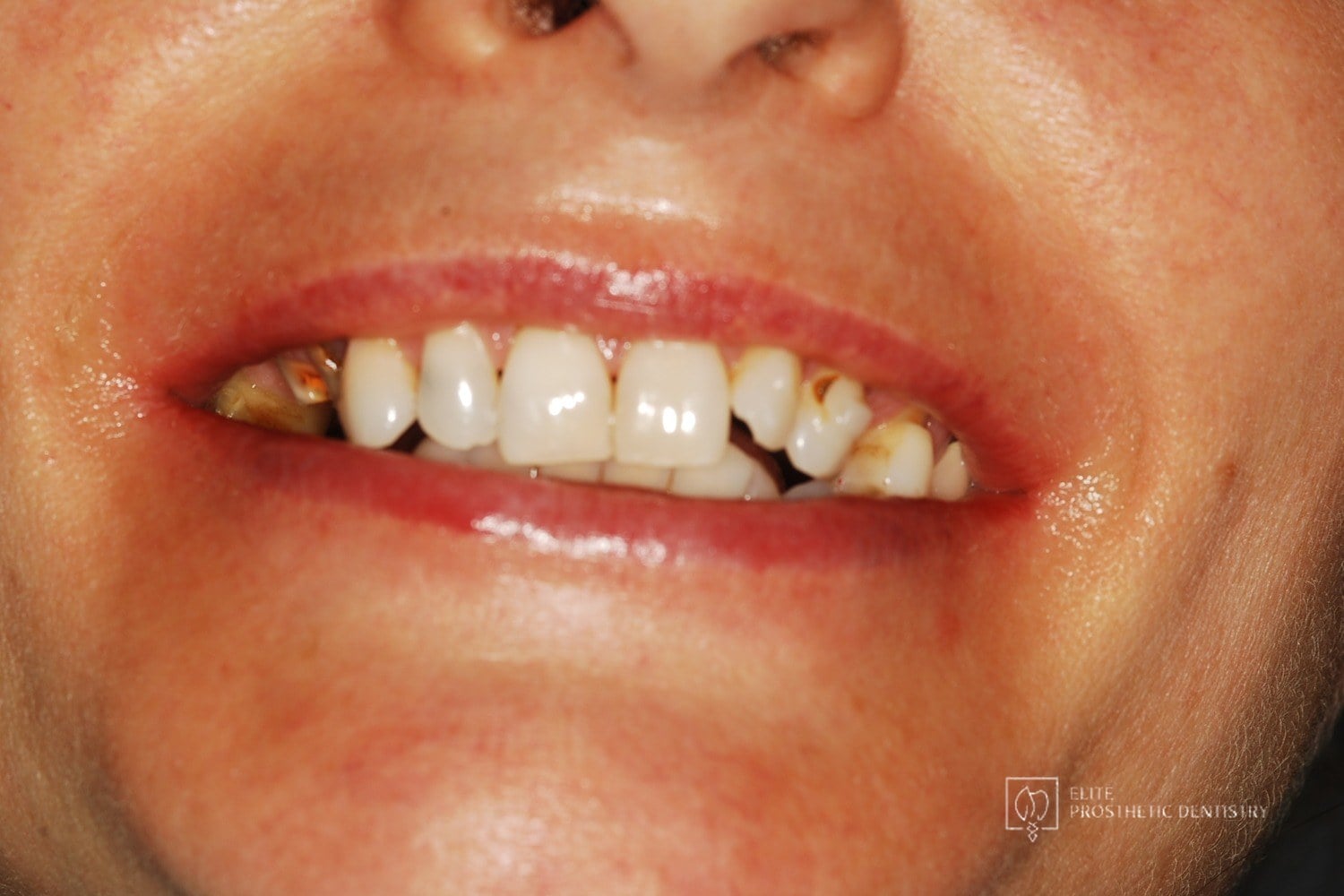 Before
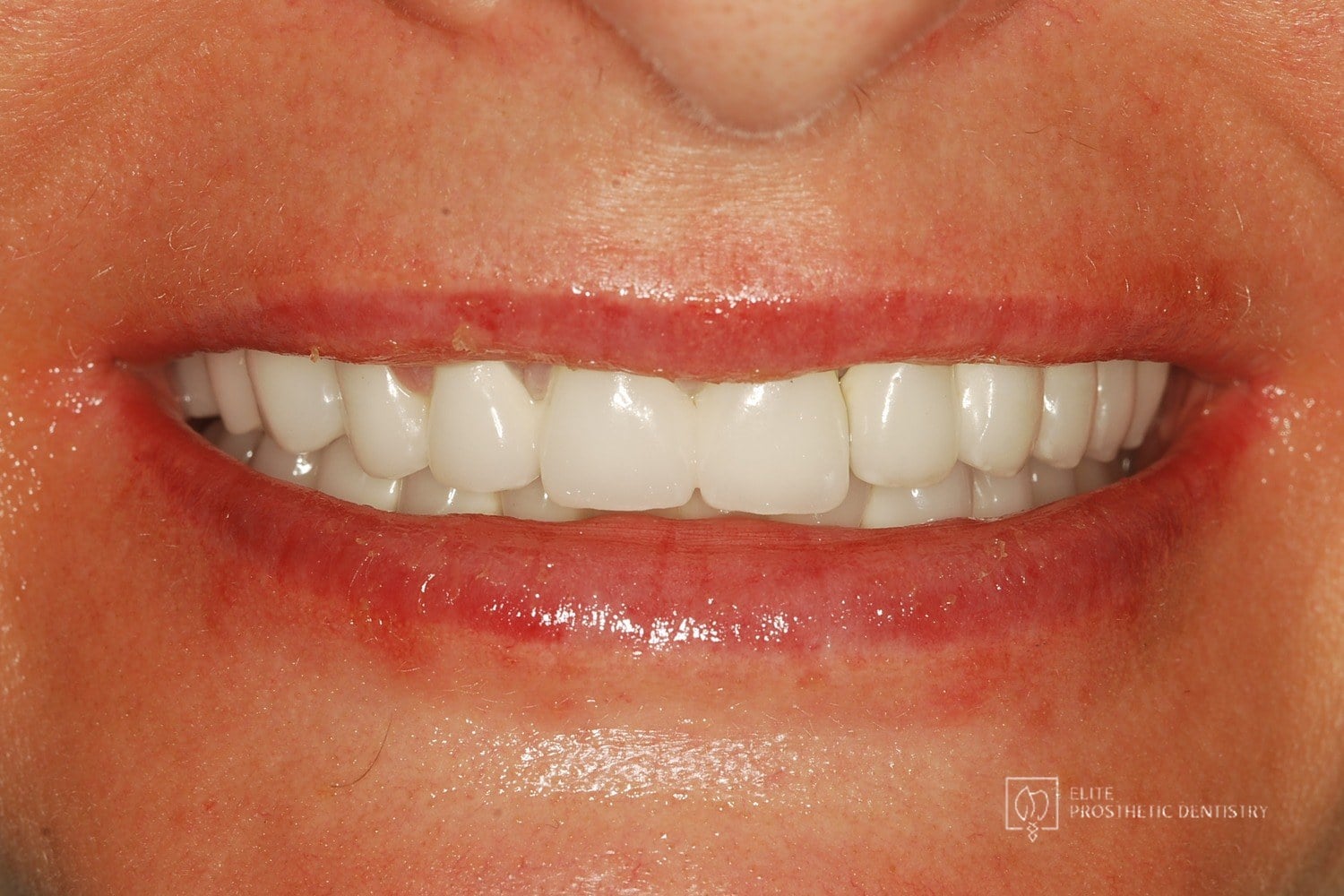 After
How Aging, Failing Dentistry Was Replaced with a Coordinated Full-Mouth Implant and Crown Reconstruction
The patient presented with throbbing upper-molar pain, long-standing infections, multiple root canals and unfinished prior treatment, generalized sensitivity, and several hopeless teeth.
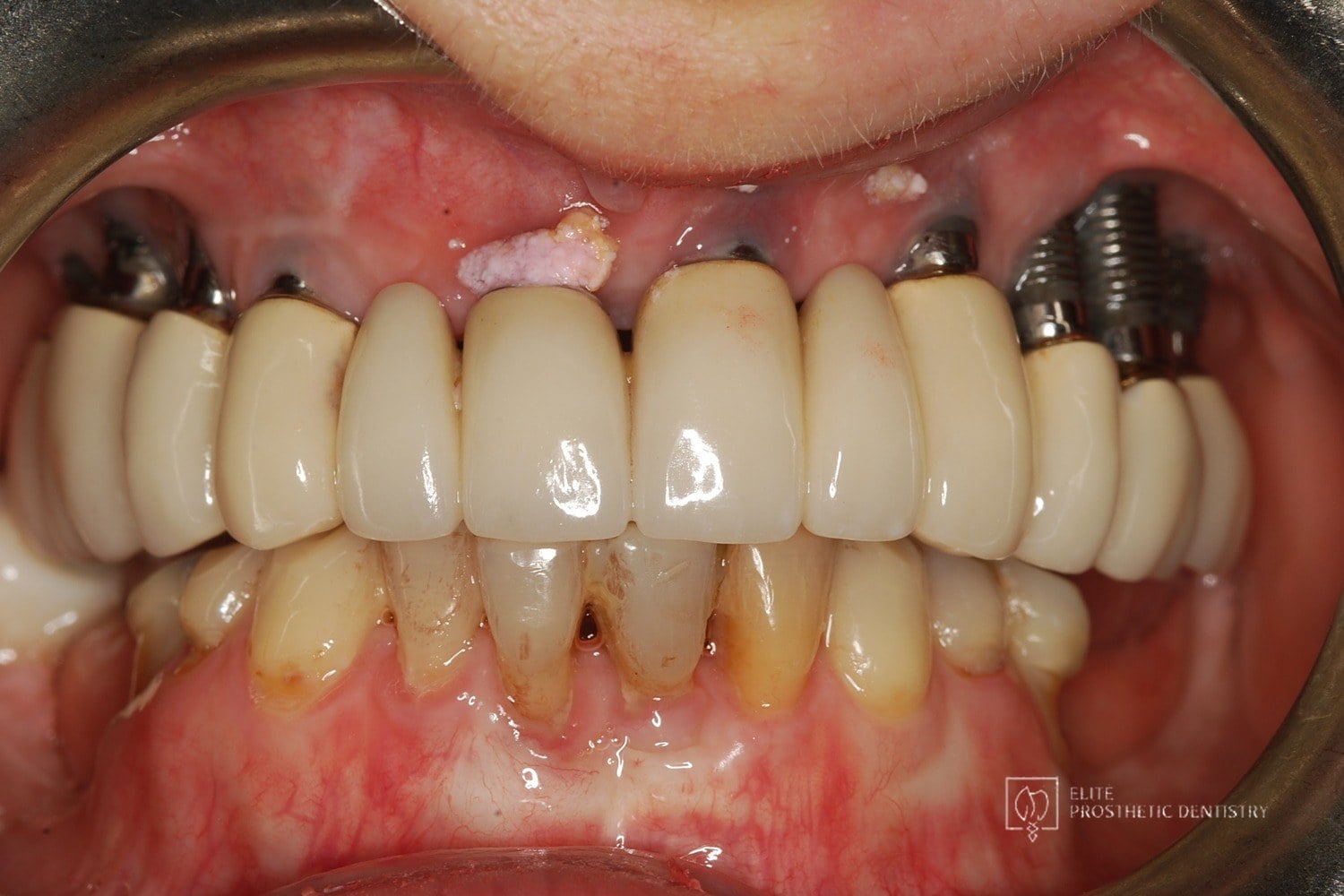 Before
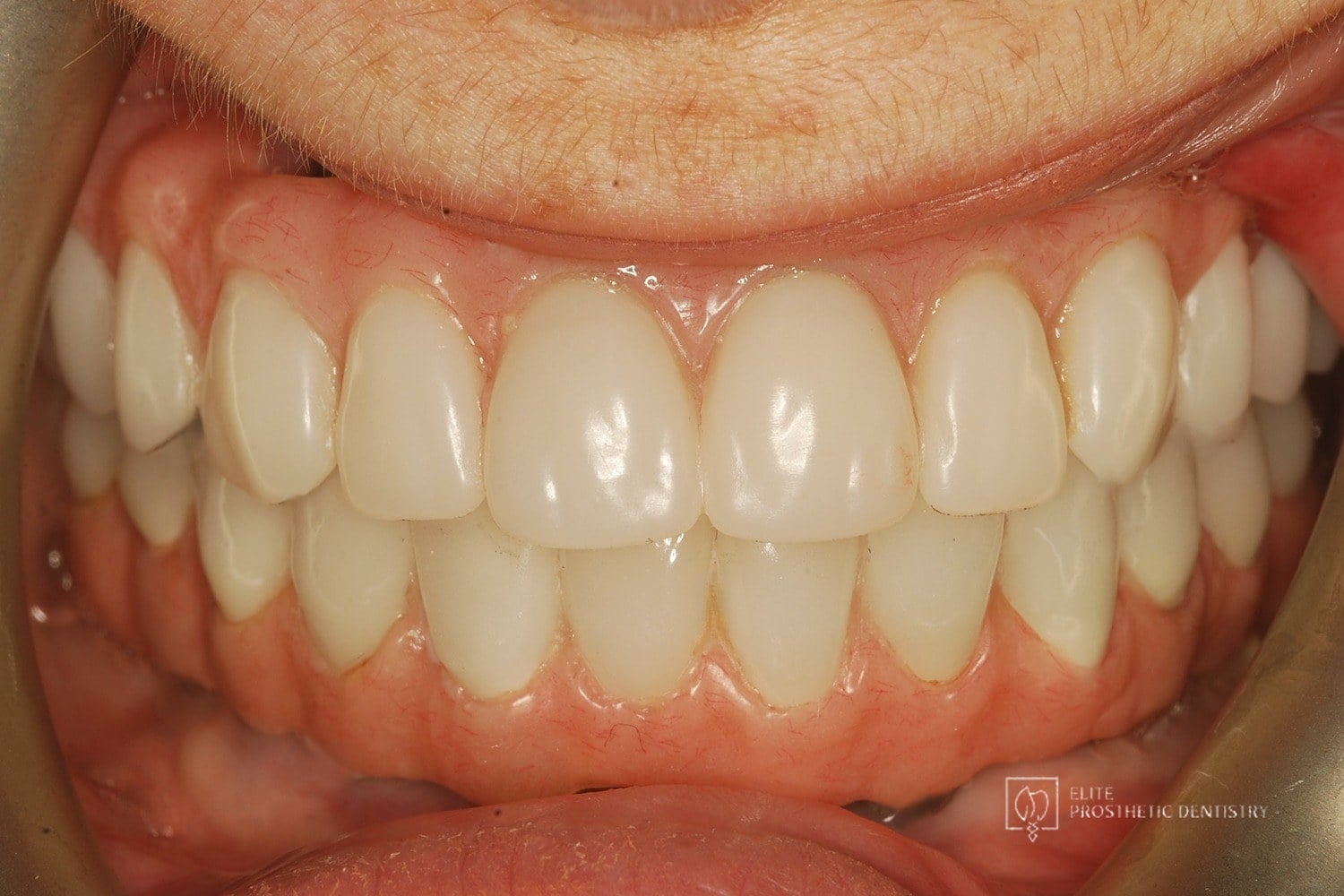 After
How Failing Implants and Severe Bone Loss Were Rebuilt Into a Stable Full-Arch Implant Reconstruction
The patient presented with significant complications from previously placed implants, severe bone loss, failing posterior implants, and an unesthetic full-arch bridge. Both arches required full reconstruction, with the upper arch showing the most advanced bone loss and instability.
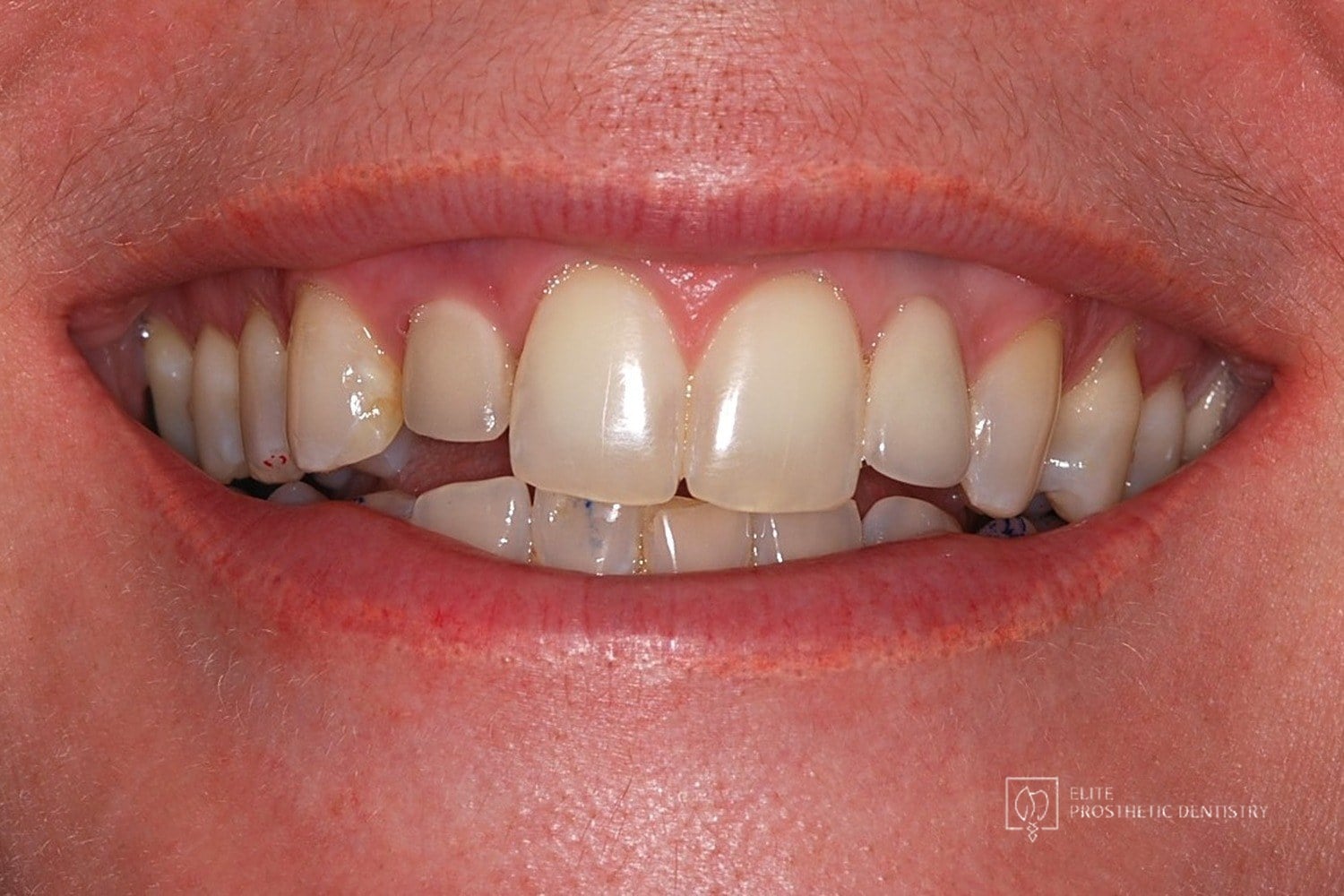 Before
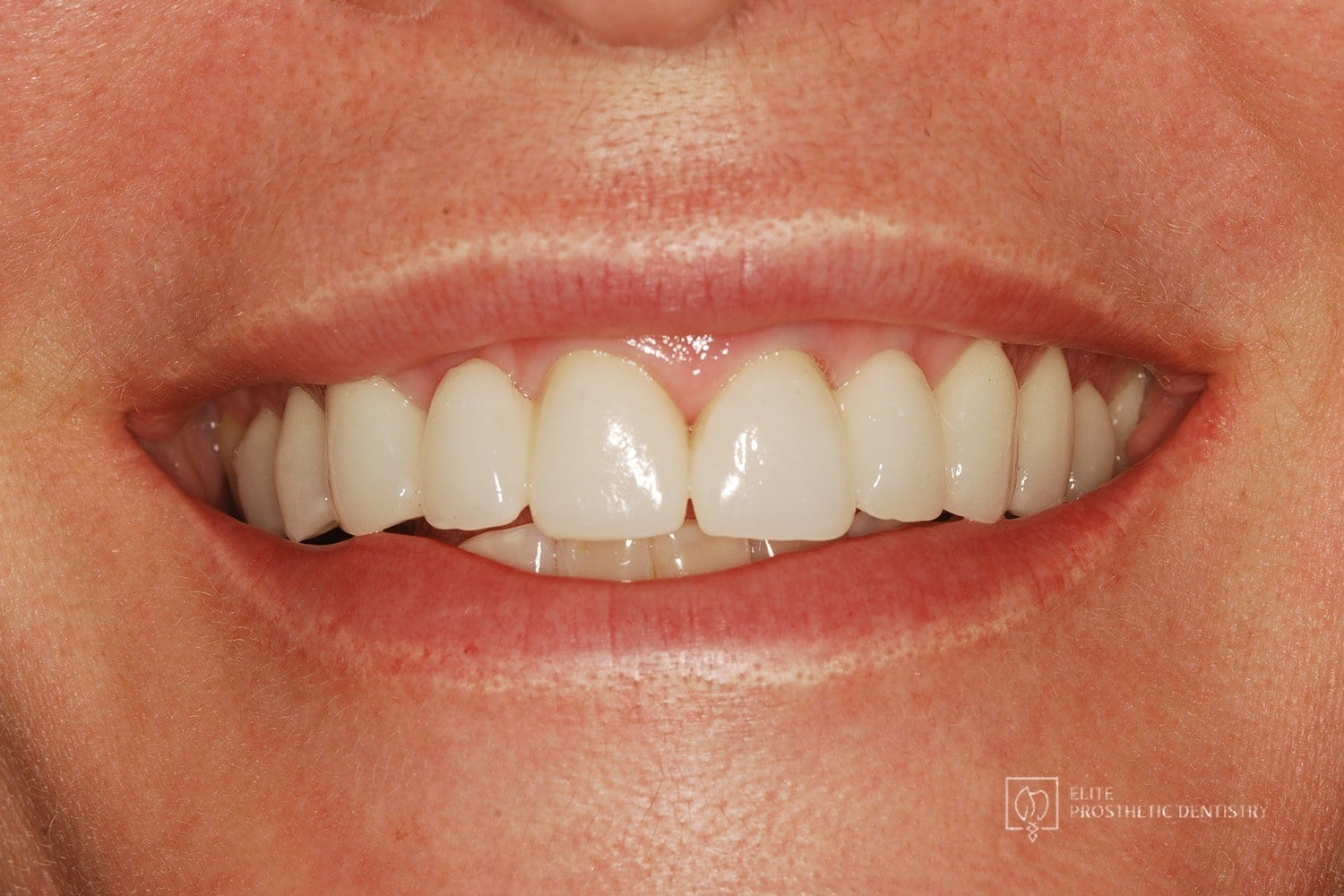 After
How Failing Lateral Incisor Implants Were Replaced with Custom Zirconia Bridges After Severe Bone Loss Made Replacement Implants Impossible
Comprehensive examination including CBCT imaging revealed significant bone loss surrounding implants that were placed outside the buccal plate, most likely due to placement without a CBCT-generated surgical guide. The implants were determined non-salvageable, and the alveolar ridge was too narrow to support replacement implants without extensive reconstruction.
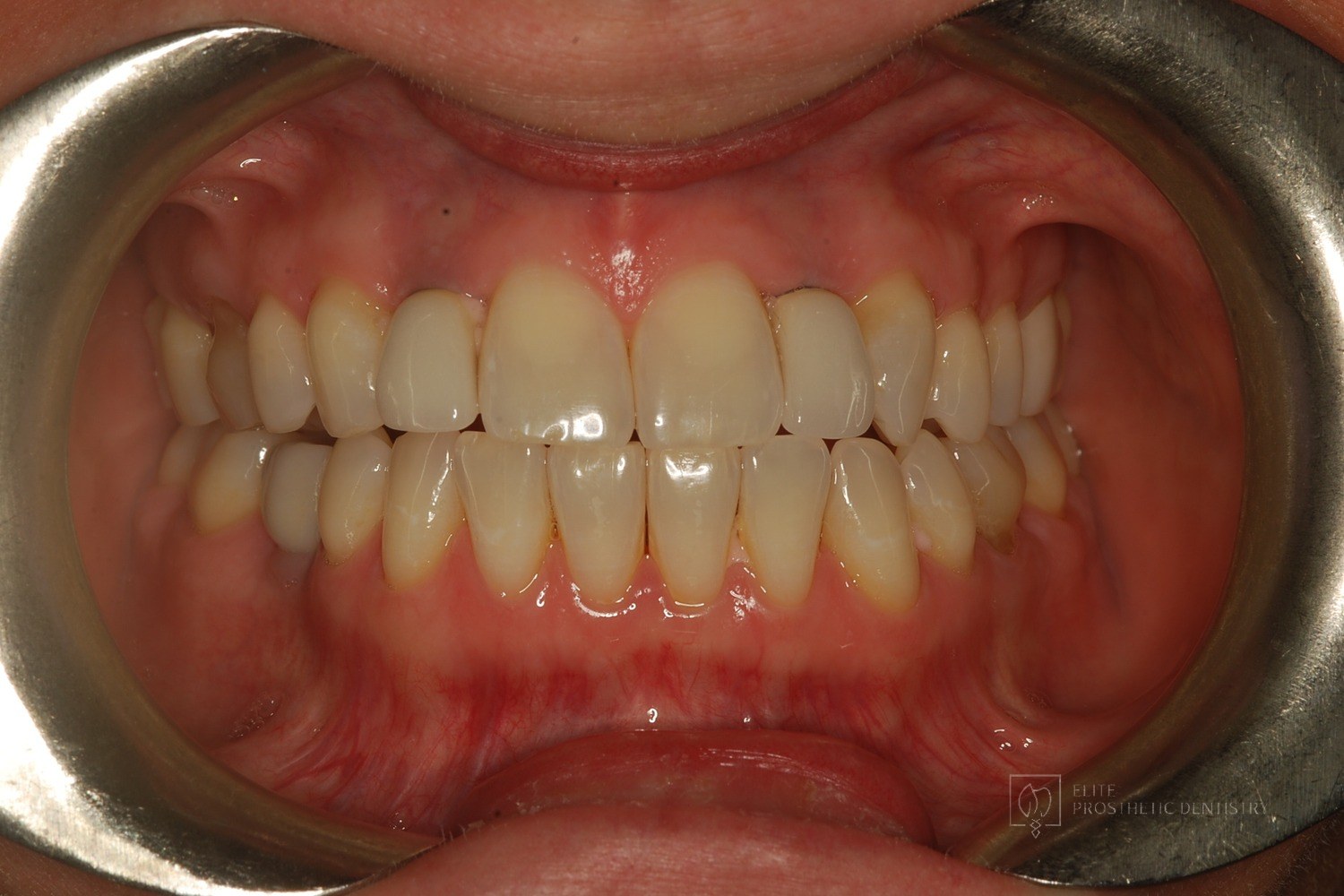 Before
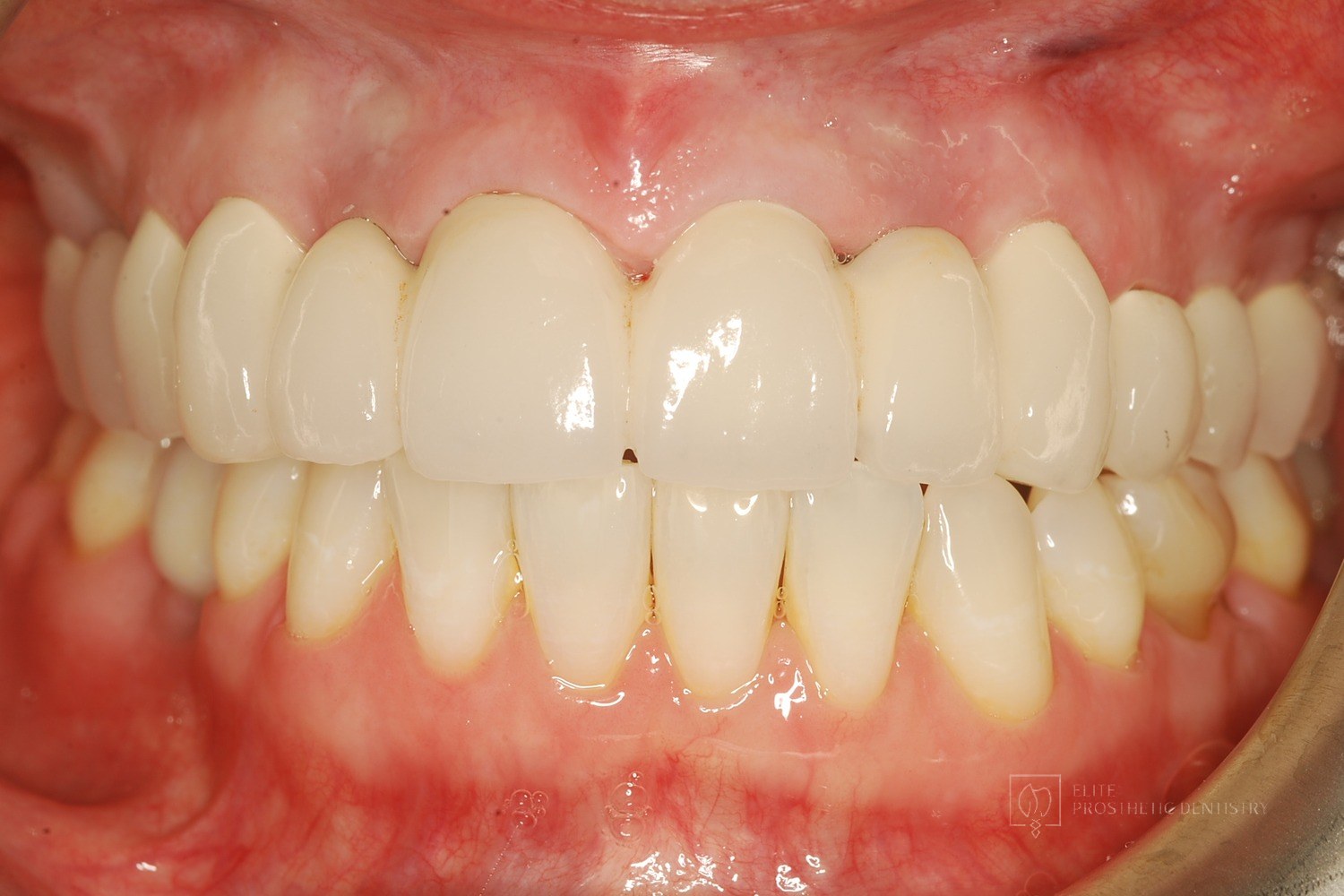 After
How Older Implant Crowns Were Redesigned for a Better Bite and More Natural Appearance
The patient came in after years of living with implant-supported crowns placed more than twenty years earlier that no longer looked or functioned well. CBCT evaluation, reviewed with a radiologist colleague, showed the implants had been placed too far to the buccal in very thin bone and could not support a healthy long-term restoration.
 Before
 After
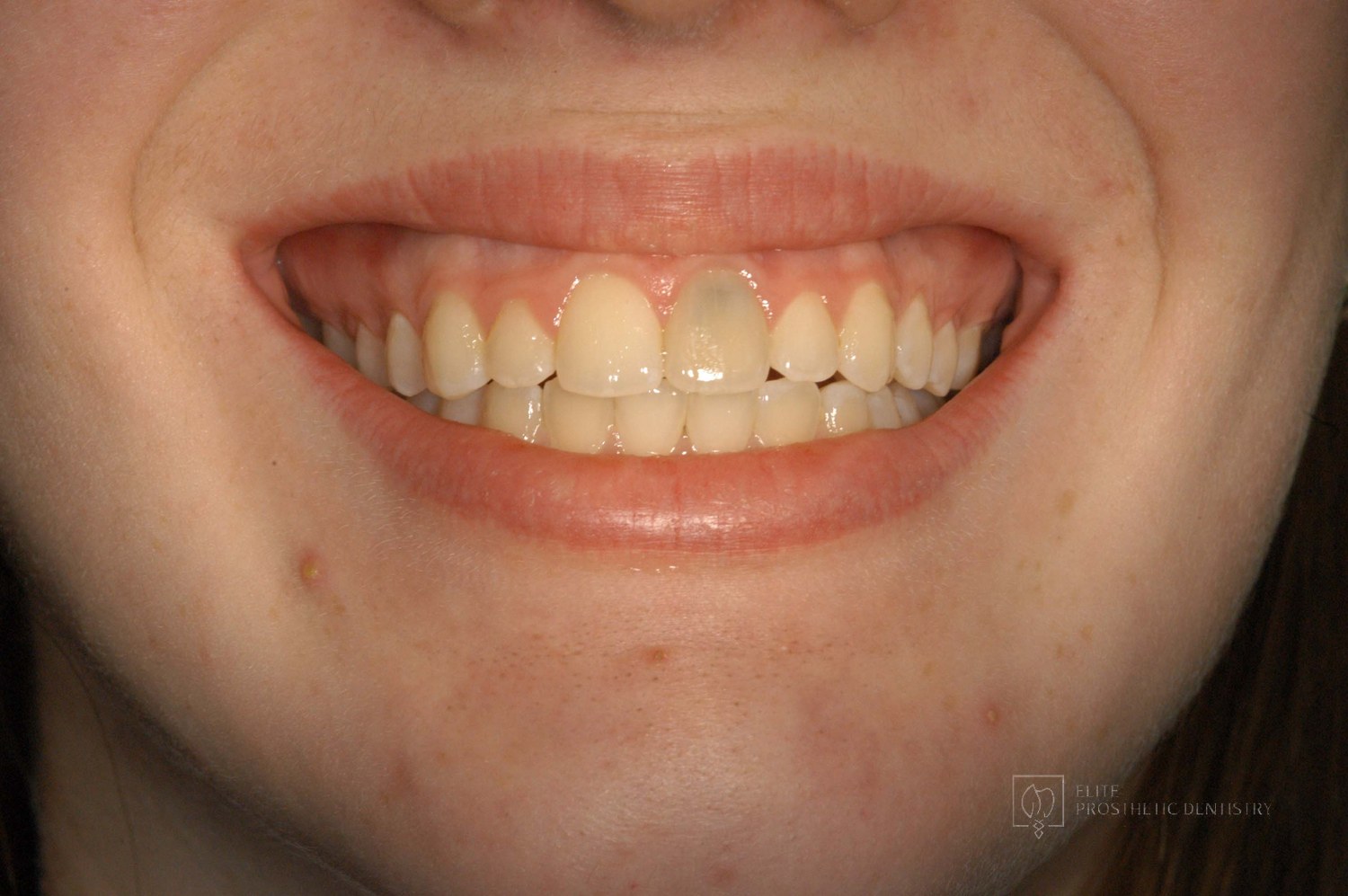
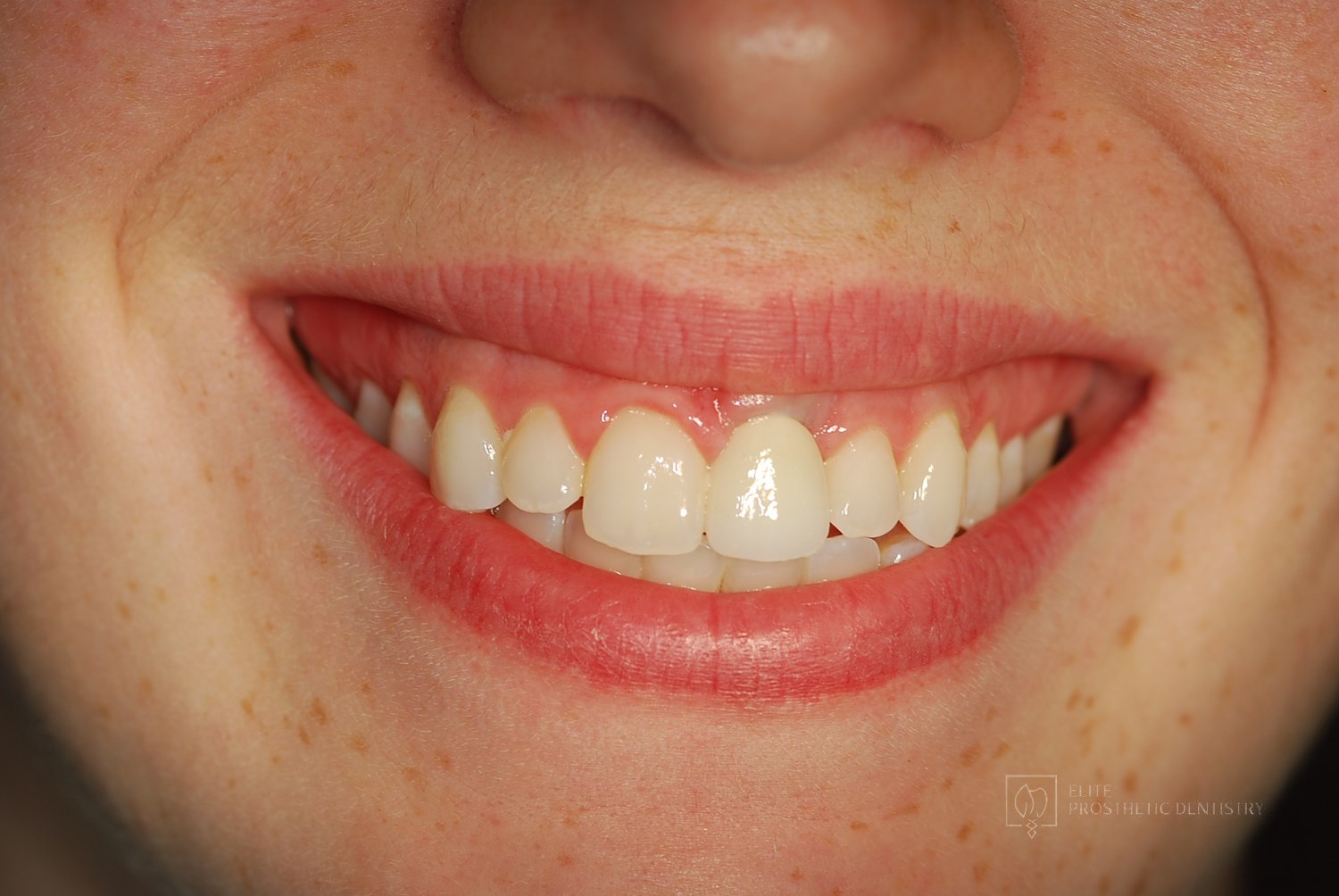
How a Front Tooth Lost to Childhood Trauma Was Rebuilt with Bone Grafting and a Long-Lasting Implant
A teenager was referred by her father after earlier trauma left her upper left front tooth slowly failing from root resorption. She was still growing, so an immediate implant was the wrong move. The tooth had to be maintained to buy time, then replaced correctly once she reached skeletal maturity.
 Before
 After
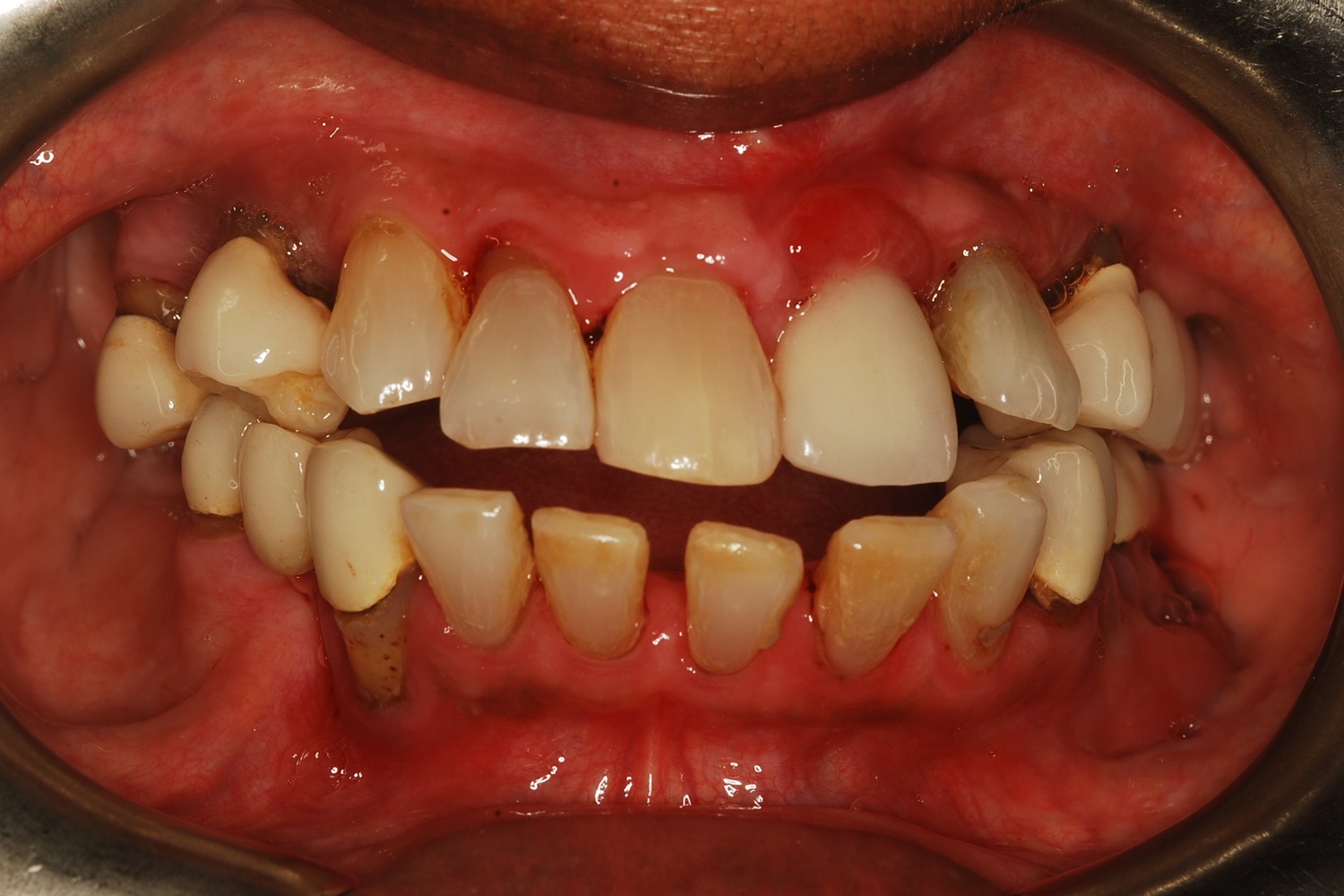
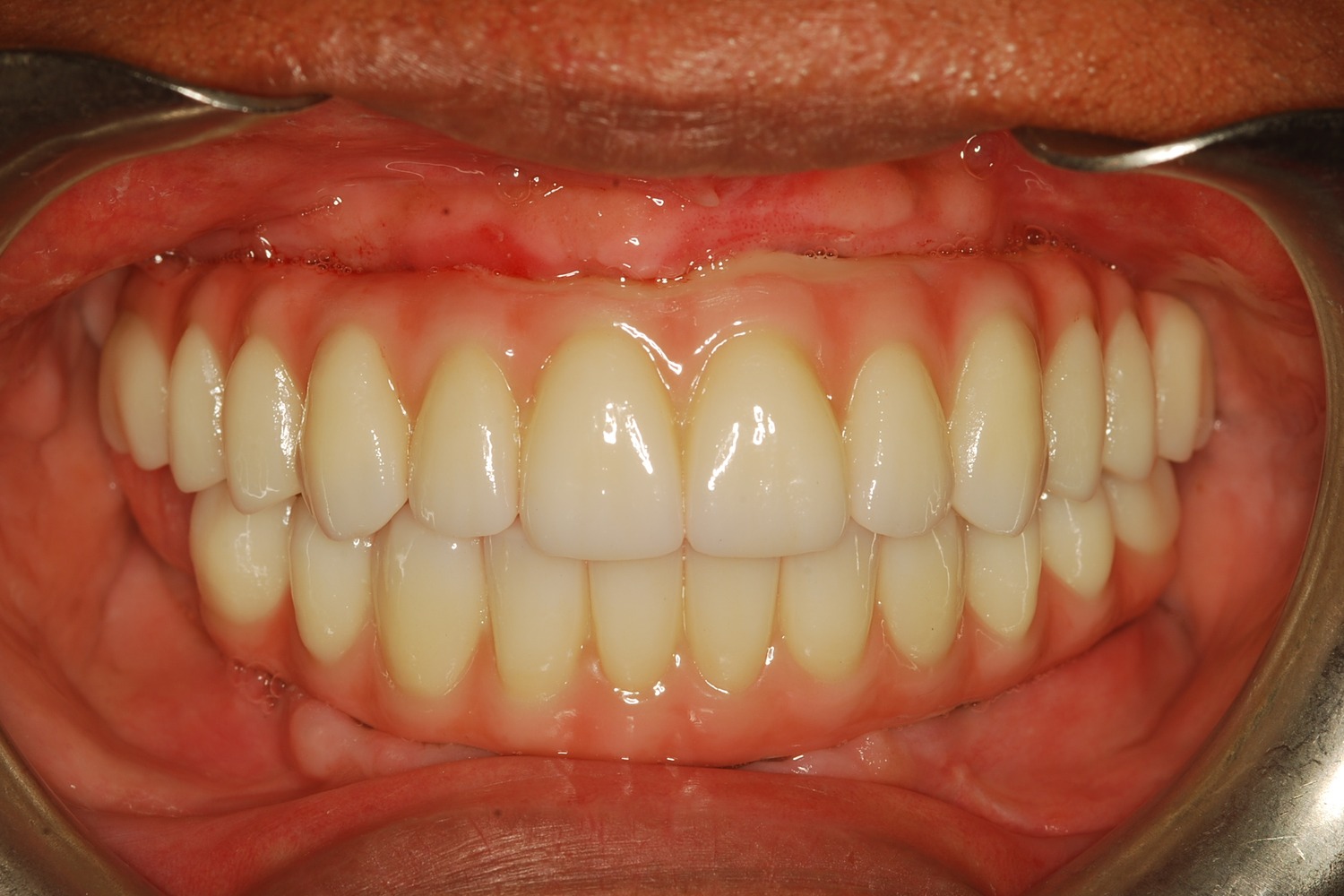
How Severe Bone Loss and Bite Dysfunction Were Rebuilt with All-on-6 Implants and a Milled Zirconia Hybrid Prosthesis
The patient presented with severe bone loss, advanced periodontal disease, malocclusion, and a dysfunctional bite that required full-arch rebuilding.
Related Articles
Deepen your knowledge with additional insights on this topic.
 Dental Implants
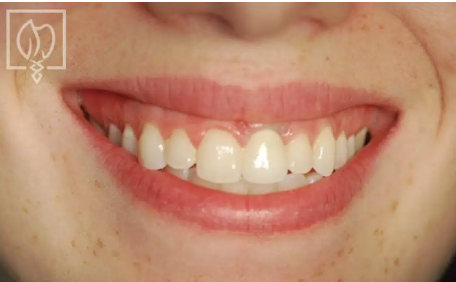
If a Single Front Tooth Is Replaced with an Implant, Can It Look Natural?
Yes. See the four steps, with real case photos, that make a single front tooth implant indistinguishable from the natural tooth beside it. Washington, DC.
 Dental Implants
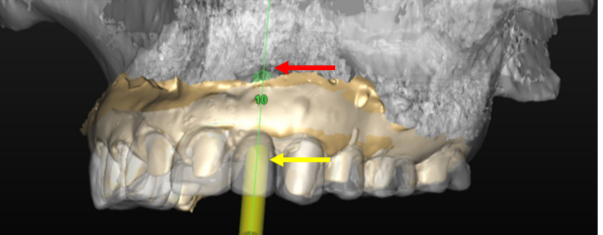
What Is Precision Implant Placement (PIP)?
Precision Implant Placement plans each implant virtually on a CBCT scan, then delivers it with a custom surgical guide. See the three steps with real images.
 Dental Implants
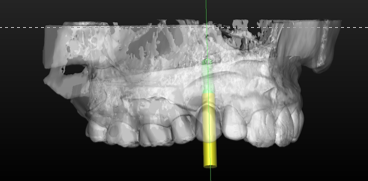
What Is the Ideal Surgical Guide for Precision Implant Placement?
Not all surgical guides are equal. The gold standard is CBCT-based: planned virtually in 3D, 3D printed, and seated on your teeth. A DC prosthodontist explains.
 Dental Implants
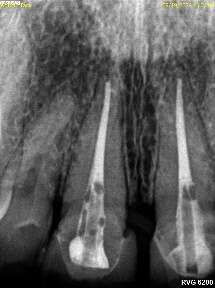
When Should an Implant Not Be Done?
Healthy roots, thin bone, steep bony angles: a DC prosthodontist shows a real case where refusing implants was the right call, and what was done instead.
 Dental Implants
What Is Staged Implant Therapy?
Staged implant therapy replaces failing teeth in phases while you keep fixed teeth the entire time. A DC prosthodontist walks through a real case in stages.
 Dental Implants
The Four Types of Dental Implants: Which One Is Right for You?
Endosteal, subperiosteal, zygomatic, and mini implants each solve a different problem. A DC prosthodontist explains the four types and who each one fits.
Ready to Transform Your Smile?
With 40+ years of experience and 3,900+ dental implants placed, Dr. Marlin and the team deliver dentistry planned to last. Request a specialist consultation.