
Specialist prosthodontic support for complex restorative, implant, and full-mouth cases
When a case requires more than routine restorative dentistry, we provide specialist-level diagnosis, planning, and execution. Led by Dr. Gerald M. Marlin, a specialty-trained prosthodontist in Friendship Heights, Washington, DC, our team works with general dentists, periodontists, endodontists, oral surgeons, orthodontists, and physicians across the DMV on complex restorative, implant, esthetic, bite, and full-mouth cases. We solve the clinical problem while protecting the patient's relationship with your office.
3,900+
Implants Placed
40+
Years Experience
9
U.S. Patents
1985
In-House Lab Since
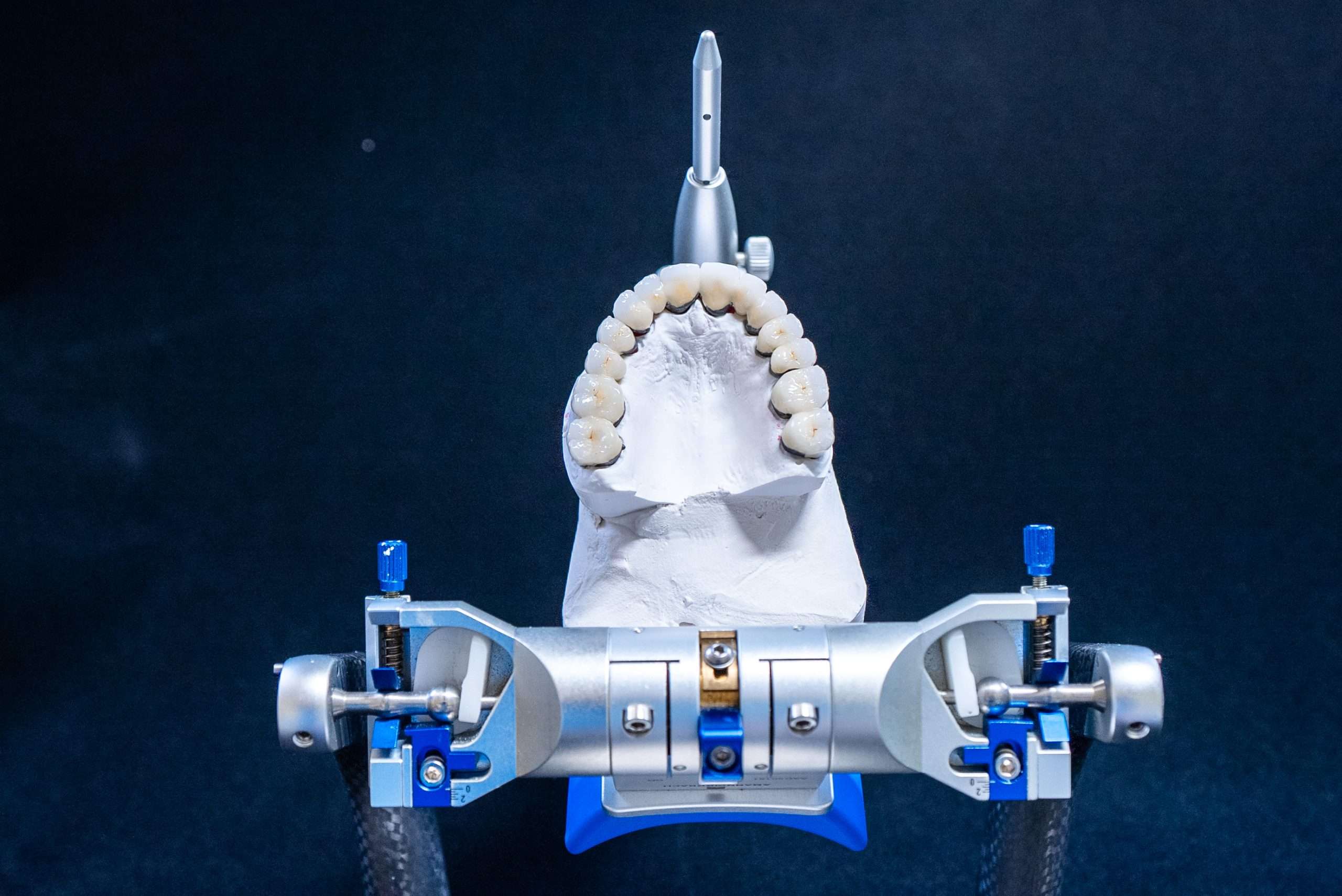
A partner, not a hand-off
"We complete the dentistry you trusted us with, then your patient comes back to you. That is how it should work."
Dr. Gerald M. Marlin, DMD, MSD
Specialty-Trained Prosthodontist
Built to protect your patient, your reputation, and your relationship
When a dentist or specialist needs a referral destination for a complex implant, esthetic, or full-mouth reconstruction case in Washington, DC, Elite Prosthetic Dentistry provides specialist prosthodontic diagnosis, coordinated surgical-restorative planning, in-house laboratory support, and defined communication back to the referring office. A referral here should feel safe: no lost patients, no criticism of prior care, no communication gaps.
Your patient stays your patient
We treat what you refer and return the patient to your practice for their ongoing care. We do not compete for your patients, and we say so to the patient directly. The referral relationship is the foundation of this practice, and we protect it.
Specialist care for the difficult cases
Dr. Gerald M. Marlin is a specialty-trained prosthodontist with more than 40 years of clinical practice in complex restorative and implant dentistry, more than 3,900 dental implants placed, and 9 U.S. patents in dental implant restoration methodology.
Integrated care and an in-house lab
Each case stays within one specialist practice and one treatment plan from consultation through final restoration, supported by an in-house dental laboratory that has been part of the practice since 1985. Fewer hand-offs, tighter control of fit and esthetics, and accountability that stays in one place.
You stay informed at every step
You receive a report after the initial consultation, the proposed treatment plan, updates at major milestones, and a completion summary when the patient returns to you. If you want to discuss a case before referring, call and ask for the doctor.
Dentists, specialists, and physicians across the DMV
Patients come to us by referral for both comprehensive reconstruction and proactive replacement of aging dentistry. Whatever brings them here, they are treated as a reflection of your judgment.
General Dentists
When a case calls for full-mouth reconstruction, complex implant restoration, or the replacement of extensive older dentistry, we complete the specialist phase and send the patient back to your chair for ongoing care. If you want to stay involved in the restorative plan, we structure the case around what works for you.
When to refer a patient →Dental Specialists
Periodontists, oral surgeons, endodontists, and orthodontists refer patients who need advanced prosthodontic planning or restoration. Whether the case needs a restorative partner for surgical work you are completing or a full prosthodontic workup, we collaborate around your role in the case.
How co-treatment works →Physicians & Cosmetic Surgeons
A rejuvenated face reads as complete only when the smile matches it. Cosmetic and plastic surgeons refer patients whose worn, dark, or collapsed teeth undercut an excellent surgical result, and physicians refer patients whose failing dentition affects chewing, nutrition, or confidence.
Referral page for surgeons →From a single implant crown to a full-mouth reconstruction
Many referred patients simply want dentistry that looks natural, functions properly, and lasts. Others need staged reconstruction across every tooth. Both belong here.
Anxious or medically complex patient? CRNA-administered IV sedation is available for appropriate cases. Learn about sedation options.
From consultation only to comprehensive care, the scope is set up front
We help solve what requires specialist training, then support the patient's ongoing relationship with your office. Every referral begins by defining what you want from us, and that boundary is respected for the life of the case.
Diagnostic consultation only
A focused evaluation with written findings and recommendations sent back to your office. The patient returns to you for treatment.
Second opinion
An honest, unhurried assessment of an existing treatment plan before irreversible steps are taken. When the plan is sound, we say so.
CBCT and restorative evaluation
Three-dimensional imaging and a prosthodontic workup that answers a specific clinical question, such as implant feasibility or restorability.
Treatment planning and sequencing
A complete surgical-restorative plan you can execute in your practice, co-treat with us, or hand off, with the division of labor defined up front.
Implant placement and restoration
Restoration-driven implant planning, placement, provisionalization, and the final prosthetics, coordinated within one practice as a single system.
Comprehensive prosthodontic care
Full-mouth and staged reconstruction completed in-house, with laboratory support on site and the patient returned to you for maintenance.
Simple for your office, seamless for your patient
Submit the referral
Use the secure referral form, or call the practice if you would rather talk the case through first. Send the concern, radiographs, photos, or treatment notes; records can also follow separately.
Case triage
We review what you sent and confirm the right pathway for the patient: diagnostic consultation, prosthodontic planning, surgical-restorative care, or coordinated treatment. Your office receives confirmation the referral arrived.
Specialist evaluation
Our concierge contacts the patient within one business day to schedule. The patient is evaluated with the appropriate records, imaging, and diagnostic review, and treated the way you would want your own patient treated.
Communication back to your office
You receive a clear consultation summary with findings, recommendations, and next steps, plus the proposed treatment plan before any work begins.
Treatment and follow-up
When treatment is accepted, we update you at meaningful milestones and send a completion summary when the patient returns to your practice for ongoing care.
Documented cases, organized the way clinicians think
Every category below links to photographed, consent-cleared cases treated in this practice, with the diagnostic reasoning and treatment sequence described. Review the kind of case you are considering referring before you send it.
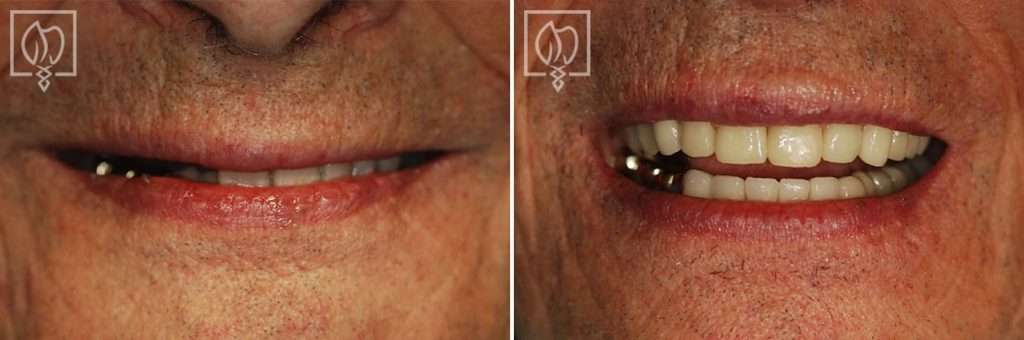
Failing implant restorations
Prosthodontic redesign and correction of restoration, bite, or esthetic failure around existing implants.
See documented cases →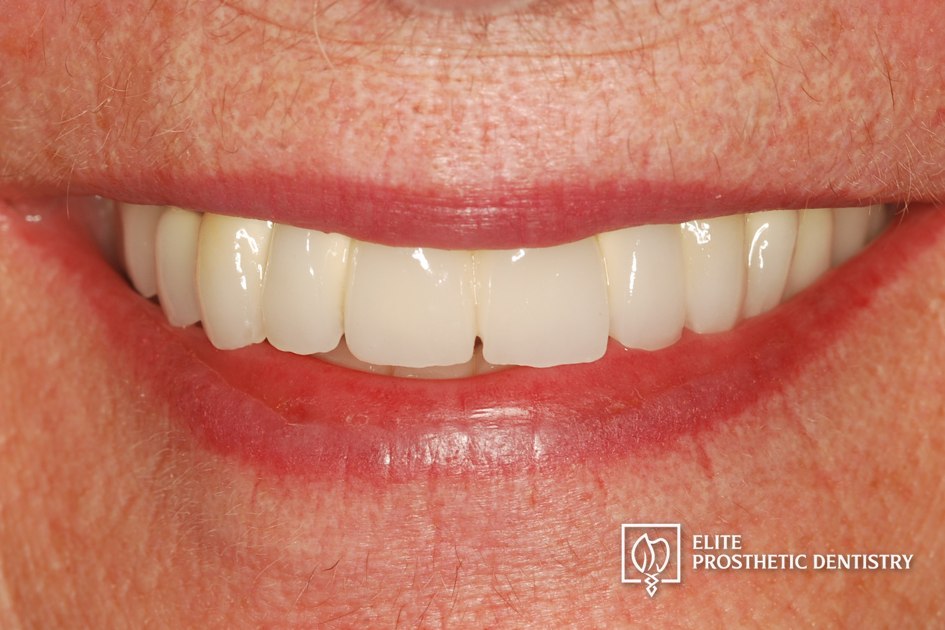
Staged implant reconstruction
Failing bridgework converted to implant-supported reconstruction through planned sequencing.
See documented cases →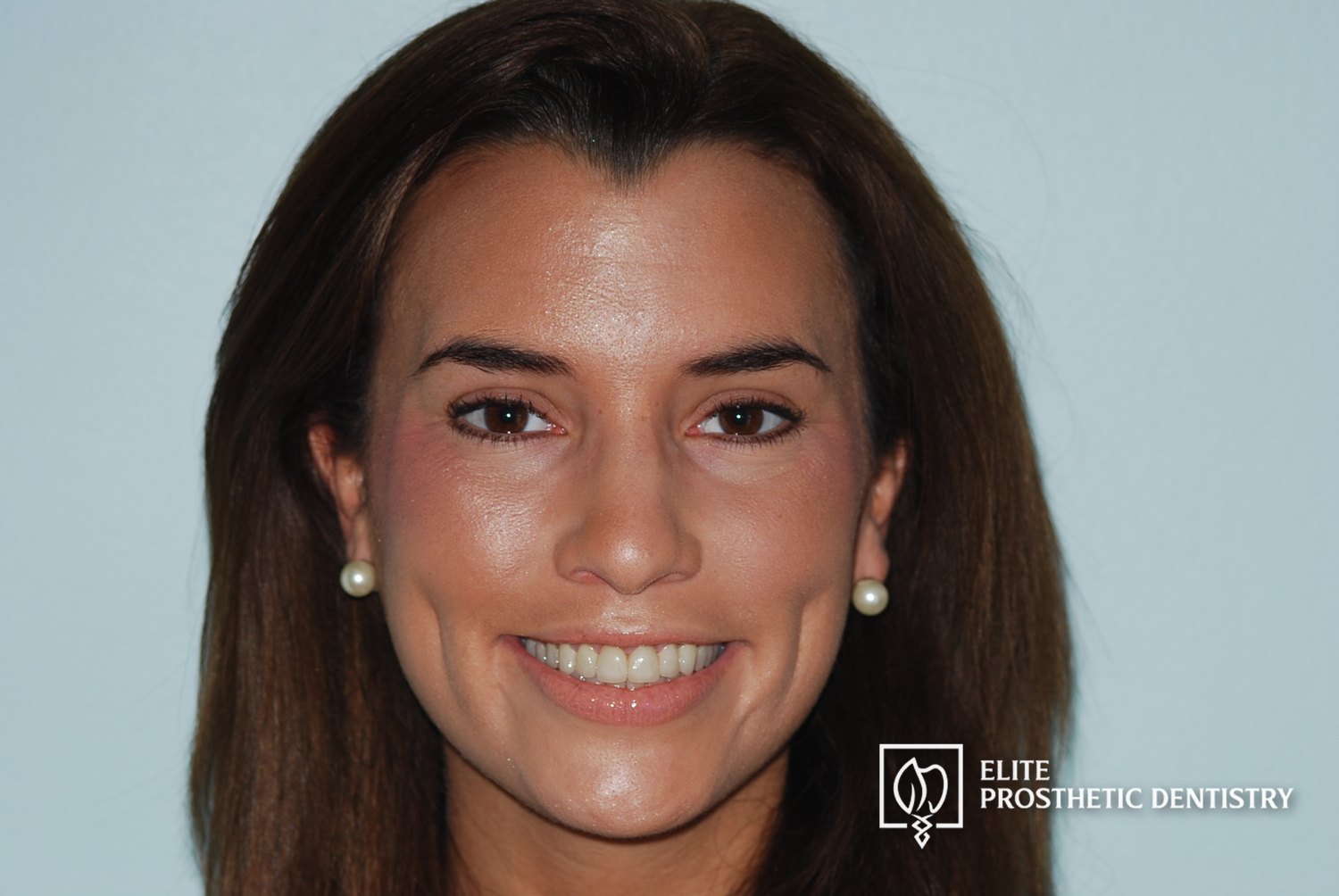
Severe wear and bite collapse
Systems-level diagnosis and rebuilding of vertical dimension, function, and esthetics.
See documented cases →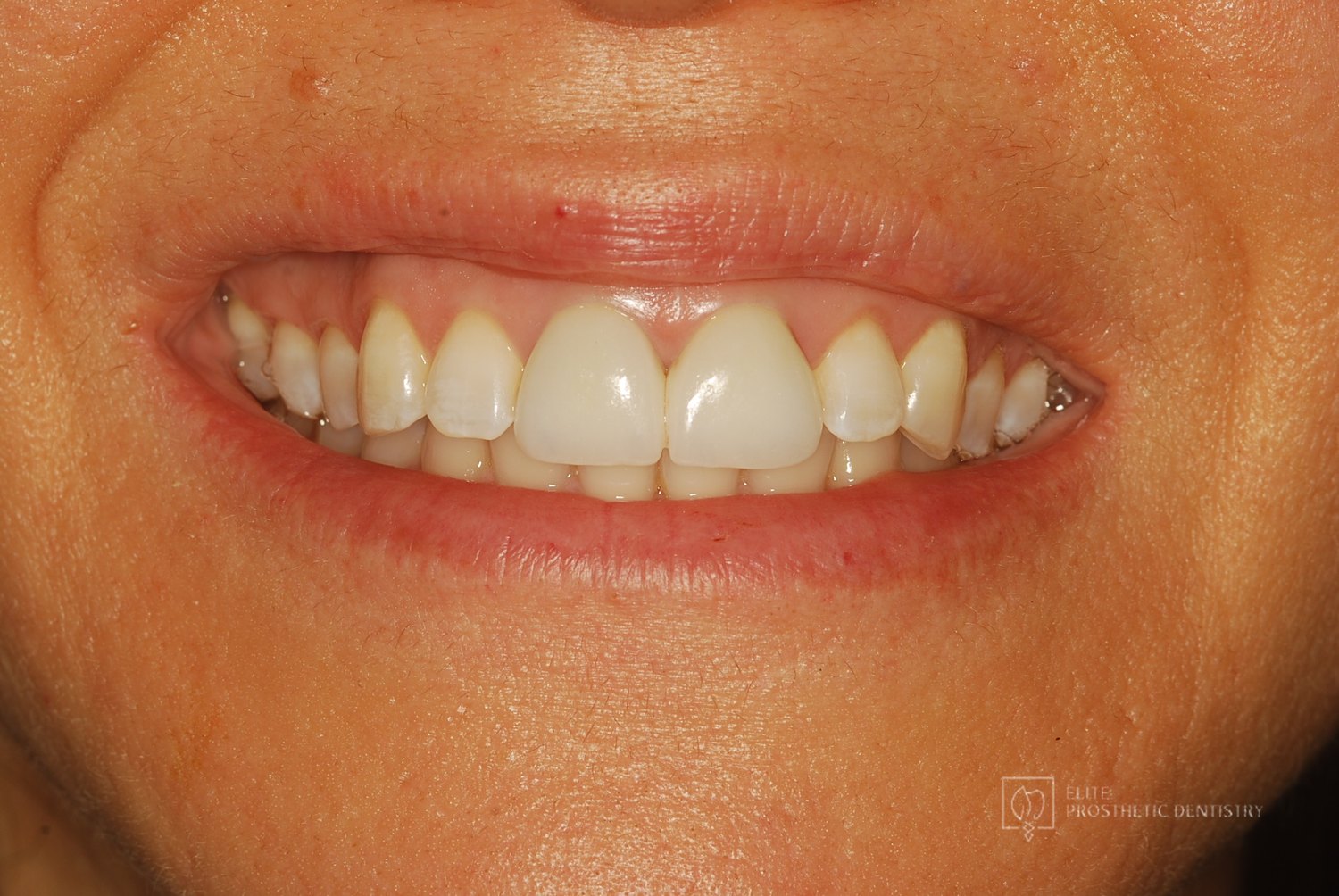
Tooth preservation and second opinions
Second-opinion decision-making where preservation protects bone, tissue, and esthetics.
See documented cases →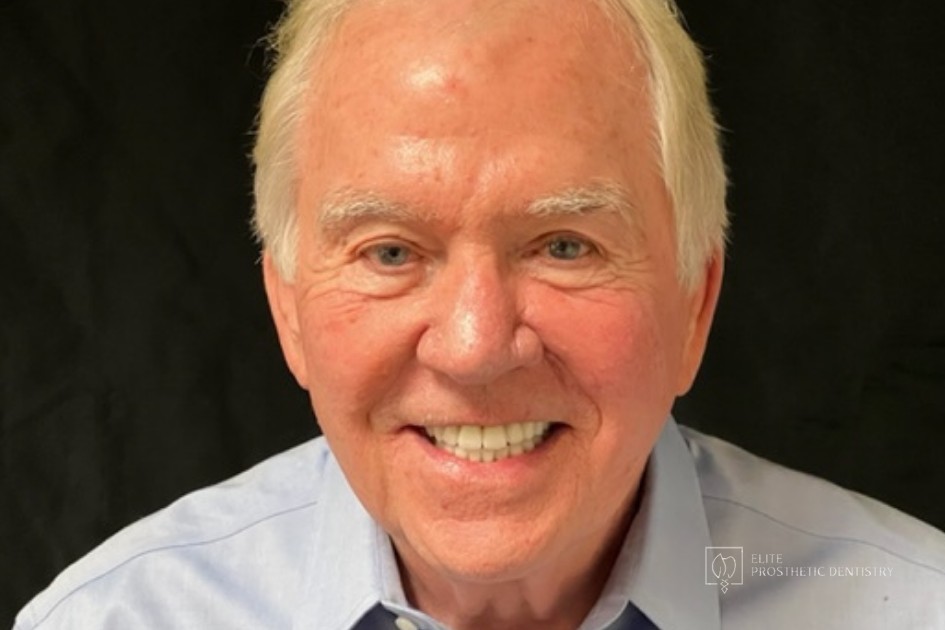
Aging crowns and bridgework
Planned replacement before catastrophic failure, for patients who want restorative care that lasts.
See documented cases →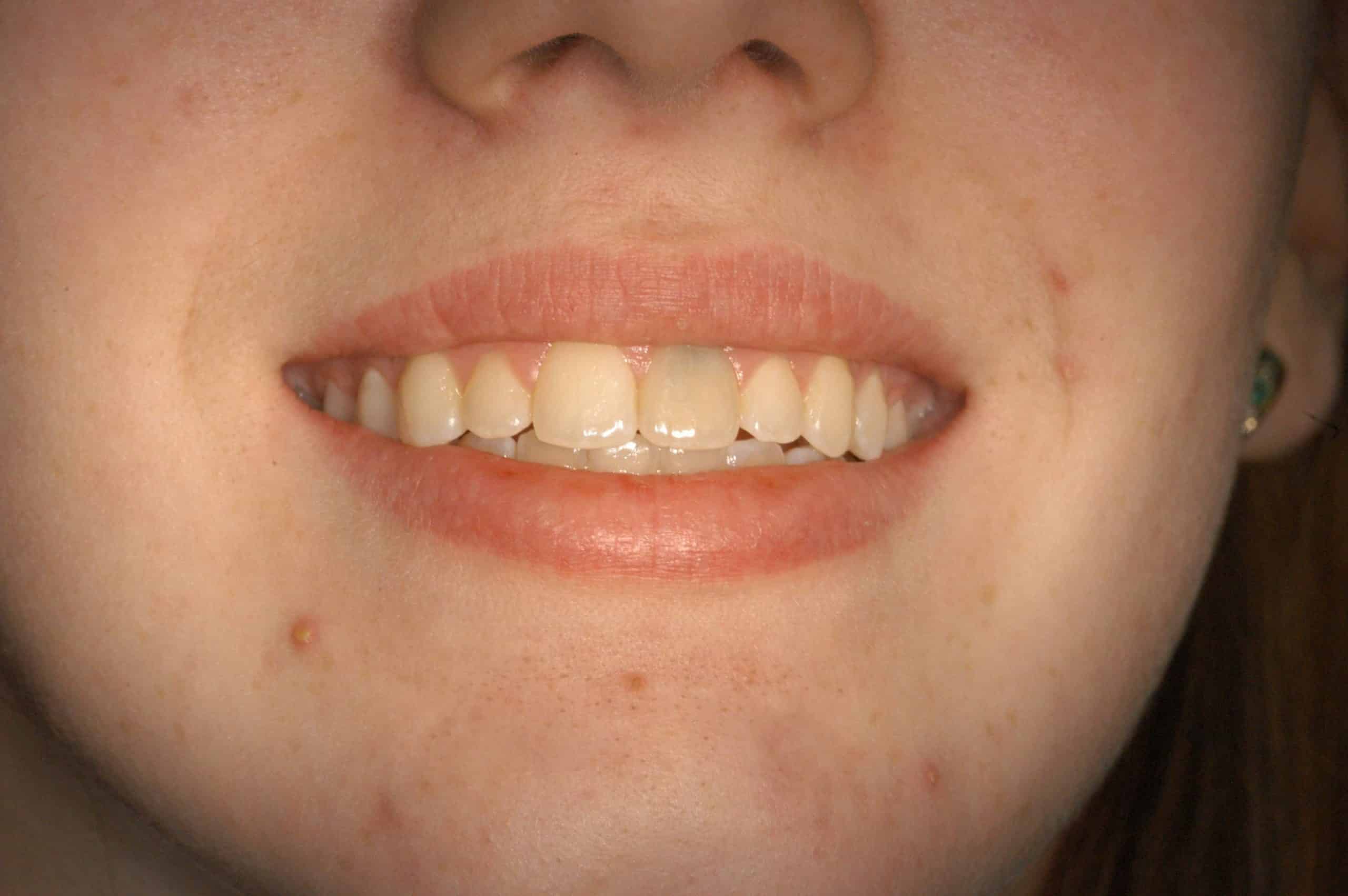
Anterior esthetic reconstruction
Lab-driven shade, contour, tissue architecture, and restorative design in the esthetic zone.
See documented cases →Practical references for referring offices
Referral decision guide: when to refer a prosthodontic case
Full-mouth reconstruction, complex or failing implant work, aging restorations approaching end of service life, anterior esthetic risk, tooth preservation versus extraction decisions, complex provisionalization, TMJ and occlusal instability, sedation cases, and second opinions. Our scenario-by-scenario guide describes how each presents and why it benefits from prosthodontic referral.
Read the full when-to-refer guide →What to send with a referral
The patient's name and contact information, the reason for the referral, and whatever current records you have: recent radiographs, CBCT scans if available, intraoral photos, existing treatment plans, periodontal records, and implant information such as system and platform when known. A short summary of your concern is more valuable than a complete record set, and an incomplete set should never delay a referral. Imaging can be obtained here.
CBCT and records: how the transfer works
Attach records to the secure referral form, email them to [email protected], or ask our team to coordinate the transfer directly with your office. DICOM exports of CBCT volumes are welcome. If imaging is unavailable or outdated, we take what the diagnosis requires here and share it back with your office along with our findings.
Questions doctors ask before their first referral
Do you accept referrals from general dentists and specialists?
Yes. Elite Prosthetic Dentistry works with general dentists, periodontists, endodontists, oral surgeons, orthodontists, and physicians who need prosthodontic specialty input for complex restorative, implant, esthetic, bite, or full-mouth cases across Washington, DC and the DMV.
Can I discuss a case before formally referring?
Yes. Call the practice at (202) 244-2101 and talk the case through with Dr. Marlin doctor to doctor before any formal referral is made. A short conversation over a radiograph usually settles whether a patient is appropriate for prosthodontic evaluation, and there is no obligation attached to asking.
Will my patient return to my practice?
Yes. We treat what you referred and return the patient to your practice for ongoing care. If we identify a need outside the referral scope, we discuss it with you before anything else happens. Keeping the patient relationship where it belongs is a core commitment of this practice.
What should I send with a referral?
The patient's name and contact information, the reason for the referral, and any current records you have, such as radiographs, CBCT imaging, charting, or photos. Records can be emailed to the practice or our team will coordinate the transfer with your office. An incomplete record set should never delay a referral; we can obtain imaging here.
How quickly will my patient be contacted?
Our concierge reaches out to the patient within one business day of receiving the referral. For an urgent case, call the practice directly at (202) 244-2101 and we will prioritize accordingly.
Can I refer a patient for a single procedure rather than a full plan?
Yes. Treatment ranges from replacing older crowns to full-mouth reconstruction depending on each patient's needs. We treat the referred need, and our goal is to help patients make thoughtful long-term decisions, whether treatment is limited or comprehensive.
What types of cases are most appropriate to refer?
Cases involving full-mouth reconstruction, failing implants or implant restorations, complex crown and bridge treatment, severe wear and bite collapse, anterior esthetic risk, tooth preservation versus extraction decisions, complex provisionalization, sedation-supported treatment, and multidisciplinary planning are especially appropriate. When in doubt, call and ask.
Refer With Confidence
Send a secure referral in under a minute, or call the practice to discuss a case doctor to doctor. Your patient will be cared for, and your patient stays yours.