

Replacing a Missing Front Tooth in Washington, DC: Implant, Bridge, or Saving the Tooth
A front tooth is the hardest tooth to replace well. When an implant is the right answer, when a bridge or saving the tooth is better, what decides whether the result looks natural, and who should plan it.
Practice clinician: Gerald M. Marlin, DMD, MSD, prosthodontist, Elite Prosthetic Dentistry, Friendship Heights, Washington, DC. Last updated .
A missing front tooth is the most visible problem in dentistry and the least forgiving to treat. A back tooth replaced a millimeter off position still chews. A front tooth replaced a millimeter off position is seen every time you speak. This guide explains the three real options when a front tooth is failing or gone, what decides between them, and what separates a replacement that looks like a tooth from one that looks like dental work.
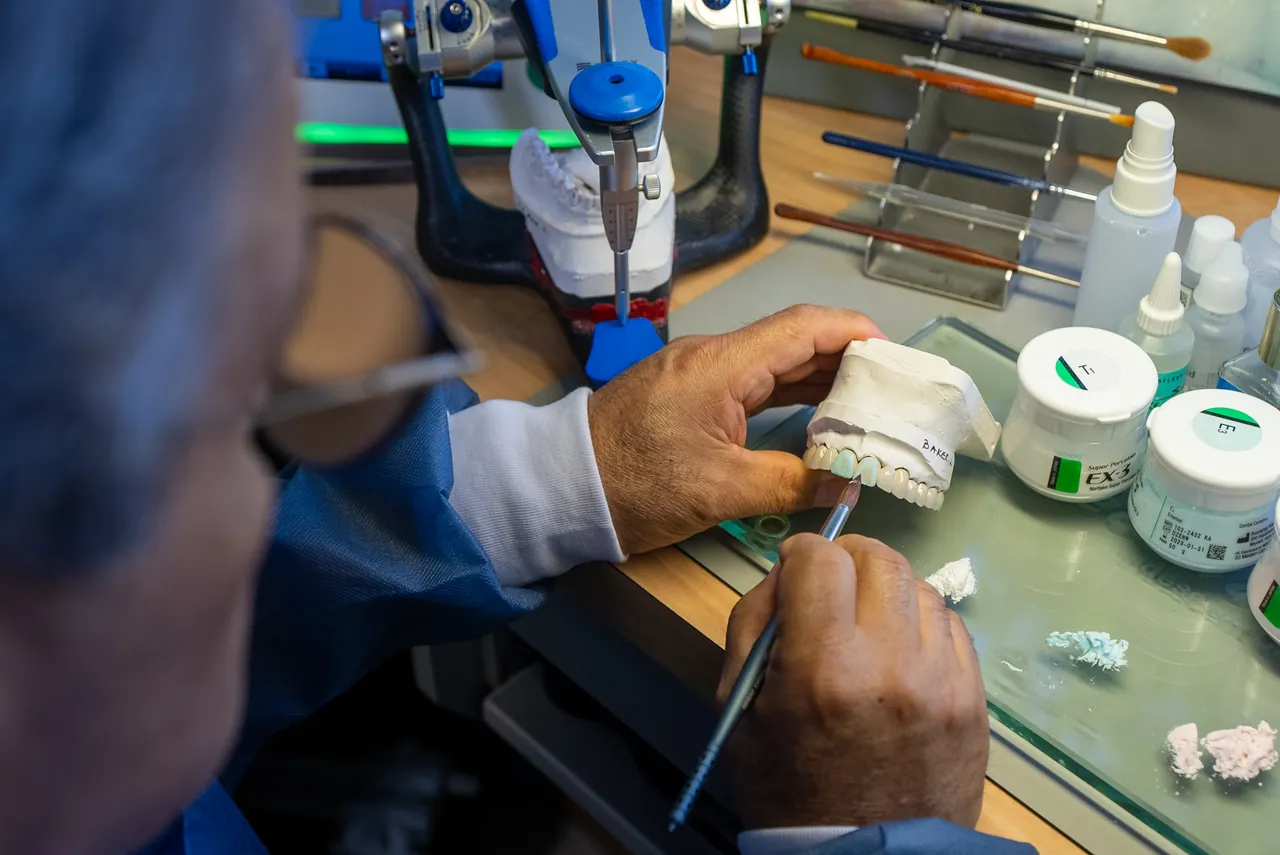
Patients reach this decision after an accident, after a tooth that was treated years ago finally gives out, after a childhood injury left a gap that was never properly addressed, or after being told that a discolored or failing front tooth should be pulled. Each situation starts with the same question: can the tooth be kept, and if not, what replaces it?
Option One: Save the Tooth
Before any replacement is discussed, the tooth itself should be evaluated. A front tooth with an intact root can often be kept even when it has had a root canal, carries an old crown, is discolored, or has decay at the margin. Retreatment, a new post and core, and a well-designed crown can give a natural tooth many more years of service, and no implant reproduces the way a natural root supports the gum around it.
The teeth that generally cannot be kept are those with a vertical root fracture, resorption or decay extending below the bone, or bone loss that has left the root without adequate support. The finding should be specific and visible on imaging. A patient told to extract a front tooth deserves a tooth-specific explanation, and when the explanation is general, a second opinion before extraction is reasonable. One of the documented cases below is exactly that: two front teeth recommended for extraction and implants, kept after a prosthodontic evaluation.
Option Two: A Dental Implant
An implant replaces the root as well as the tooth. Its advantages are real: the neighboring teeth are left untouched, the bone around the implant is maintained rather than lost, and a well-placed implant with a well-designed crown is the closest thing to the tooth that was there.
Its demands are equally real. The implant must sit in a precise three-dimensional position dictated by the crown it will carry, not by where bone happens to remain. The bone on the lip side of a front tooth is thin and is often lost with the tooth, so grafting is frequently needed before or during placement. The gum has to be shaped by a provisional crown so that the final crown emerges from tissue that matches the neighboring tooth. And the patient’s growth must be complete; implants placed in adolescents can end up out of line as the jaw continues to develop.
When these conditions are met, the implant is usually the recommendation. When bone cannot be rebuilt adequately, when the adjacent teeth already need crowns, or when the patient’s situation does not favor surgery, one of the other options may be better. Our guide on who should place your dental implant explains how the restoration should drive the surgical plan.
Option Three: A Bridge
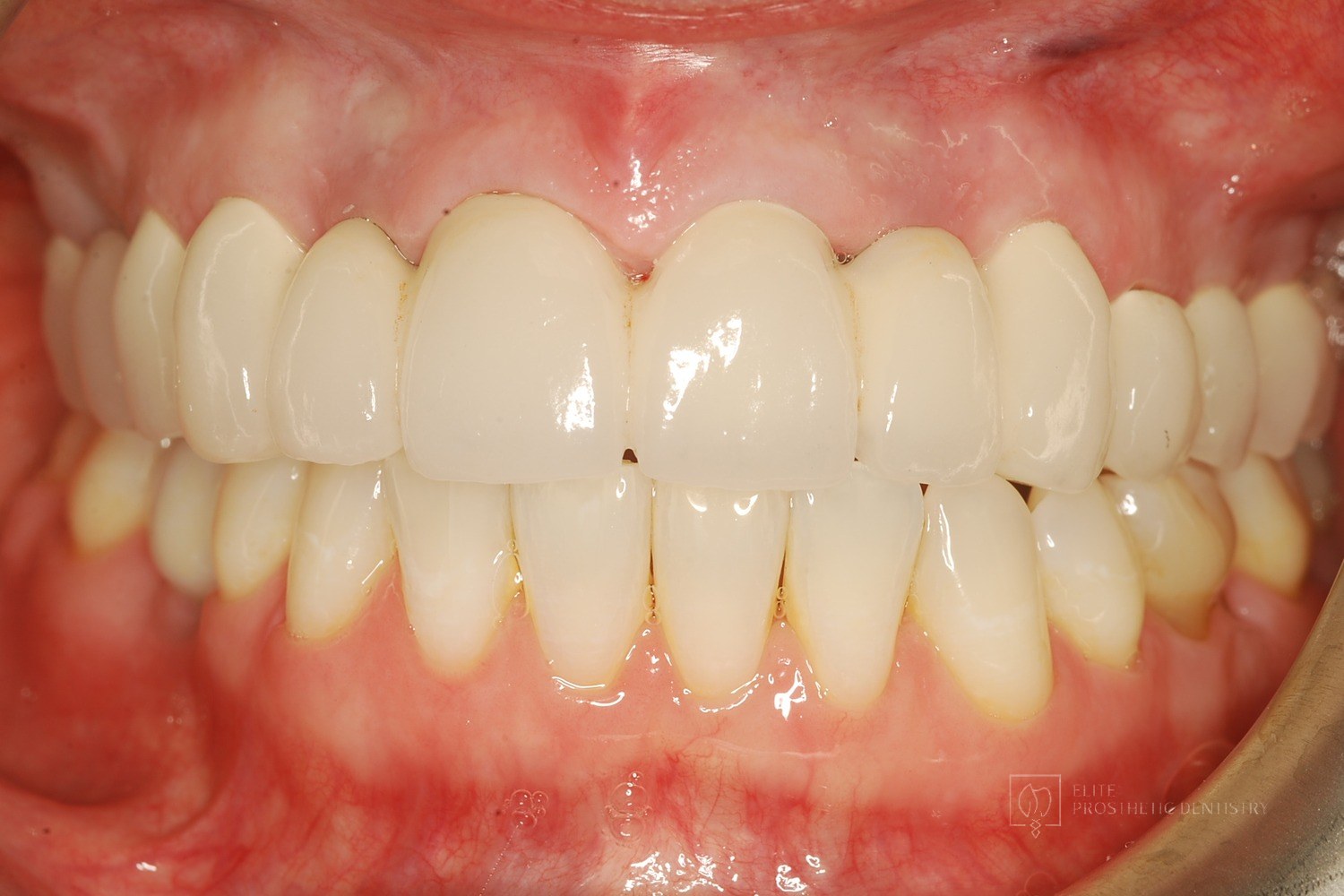
A bridge uses the neighboring teeth to carry a replacement tooth. It is the right answer in specific situations: when the adjacent teeth already have or need crowns, when bone loss rules out an implant in the correct position and grafting is not feasible or not wanted, when the patient is too young for an implant, or when a previous implant in the site has failed and the bone cannot support another. A well-made bridge on sound supporting teeth can serve for many years.
Its cost is borne by the neighboring teeth, which must be reshaped to carry it, and by the bone beneath the missing tooth, which continues to change without a root or implant to maintain it. For a patient with two healthy adjacent teeth and adequate bone, an implant is usually preferred for those reasons. Our comparison of implants versus bridges covers the general trade-offs; this page concerns the front of the mouth, where the appearance of the gum line weighs more heavily than anywhere else.
What Decides Whether the Result Looks Natural
Whichever option is chosen, four things determine whether a replaced front tooth looks like a tooth:
- The gum line. The replacement must emerge from gum at the same height and with the same shape as the neighboring tooth. This depends on bone volume, on the position of the implant or the design of the bridge, and on how the provisional restoration shapes the tissue during healing.
- The position. A front tooth implant a few degrees off angle produces a crown that is too long, too flat or shows gray at the gum. Position is set in the plan, verified with a surgical guide where indicated, and cannot be corrected afterward without starting over.
- The crown. Shade, translucency, surface texture and shape have to match one specific neighboring tooth, not a shade tab. This is laboratory work, and it is far more reliable when the technician can see the patient.
- The sequence. Grafting, healing, provisional shaping and final fabrication each take time, and compressing them to save weeks usually costs the result. The plan should state the sequence and the reason for it.
How Elite Prosthetic Dentistry Approaches a Missing Front Tooth
The evaluation begins with whether the tooth can be kept. If it cannot, a CBCT scan establishes the bone that remains, and the final crown is designed first; the implant position, the need for grafting and the shape of the provisional follow from that design. Dr. Gerald M. Marlin plans, surgically places and restores the implant in the same office, so the position decided in the plan is the position the crown receives. The practice’s on-site laboratory fabricates the provisional and the final crown with the patient available for shade and contour matching, which is the step that most often separates a convincing front tooth from an obvious one.
Where a bridge or saving the tooth is the better answer, that is the recommendation. The practice provides all three options, so the advice is not shaped by what the office is able to do. Dr. Marlin has placed more than 3,900 dental implants and holds 9 U.S. patents in dental implant restoration methodology.
When Another Setting Fits Better
A straightforward front tooth replacement in a patient with a trusted general dentist and a reliable surgical colleague can be well served by that team, provided the two offices share one plan for the implant position. A patient with active periodontal disease needs it treated first. Adolescents and young adults whose growth is not complete should have the timing of any implant evaluated, and an interim solution planned, rather than proceeding early.
Documented Cases That Show the Decision
Implant cases:
- A front tooth lost to childhood trauma, rebuilt with bone grafting and a single implant, where the crown design determined the implant position.
- A front tooth broken at the gum line in a bike accident: CBCT planning, extraction with grafting, repair of the thin facial bone, implant and custom crown.
- A front tooth missing for more than ten years, after the patient had been told there was not enough bone: two grafts, ridge augmentation, a guided implant and a custom crown.
- A discolored front tooth replaced with a precision-placed implant and crown.
Cases in which the tooth was kept or a bridge was chosen:
- Two front teeth saved after another dentist and surgeon recommended extraction and implants.
- A single front tooth crown matched to its natural neighbor, and a second single front crown matched in the in-house laboratory.
- Failing lateral incisor implants replaced with custom zirconia bridges, after bone loss ruled out replacement implants in that site.
More cases are organized in the implant reconstruction and natural-looking cosmetic success story hubs.
Related Decision Guides
- Front Teeth for People Who Speak for a Living
- Should I save the tooth or replace it with an implant?
- Who should place your dental implant in Washington, DC?
- Do you need a bone graft before dental implants?
- What does “dental implant specialist” mean?
- When to seek a second opinion before extraction
- How to choose a dentist for crowns
Request a Front Tooth Evaluation
If a front tooth is failing, missing or has been recommended for extraction, request an appointment or call (202) 244-2101. Bring any X-rays or scans; the evaluation starts with whether the tooth can be kept.
Your Best Smile Is Within Reach
Request a specialist consultation with Dr. Marlin to discuss your situation and the most appropriate path forward.
Frequently Asked Questions
Is an implant always the best way to replace a front tooth?
Not always. An implant preserves the neighboring teeth and, with good planning, gives the most tooth-like result. But it requires enough bone and gum in the right place, a healthy site and a patient whose growth is complete. When the adjacent teeth already need crowns, when bone cannot be rebuilt adequately, or when the patient is too young, a bridge may be the better answer. And when the tooth itself can be saved, saving it is usually preferable to replacing it.
Can a front tooth be saved instead of extracted?
Often, when the root is intact and the problem is decay, a failed filling, an old crown or a treatable root canal issue. A fractured root, resorption below the bone or advanced bone loss usually mean the tooth cannot be kept. The finding should be specific to the tooth and visible on the imaging; a general recommendation to extract and place an implant deserves a tooth-specific explanation.
Why do some front tooth implants look obvious?
Usually because the implant was placed where the bone happened to be rather than where the crown needed it, or because bone and gum were lost before or during treatment and not rebuilt. The gum line sits higher than the neighboring tooth, the crown looks long or the metal shows through thin tissue. These are planning problems, and they are far easier to prevent than to correct.
Will I need a bone graft for a front tooth implant?
Frequently, yes. The bone on the lip side of the front teeth is thin and is often lost with the tooth, especially after trauma or infection, or when the tooth has been missing for years. Grafting rebuilds the volume needed to place the implant in the correct position and to support the gum that frames the crown. Whether and how to graft is decided from the CBCT scan.
How long will I be without a front tooth?
Patients are not left with a gap. Depending on the case, a bonded temporary tooth, a removable provisional or a temporary crown on the implant is provided while the site heals. The provisional also serves a purpose: it shapes the gum so the final crown emerges from tissue that looks natural.
Related Patient Success Stories
Explore similar patient success stories demonstrating our expertise in advanced prosthetic dentistry.
 Before
 After
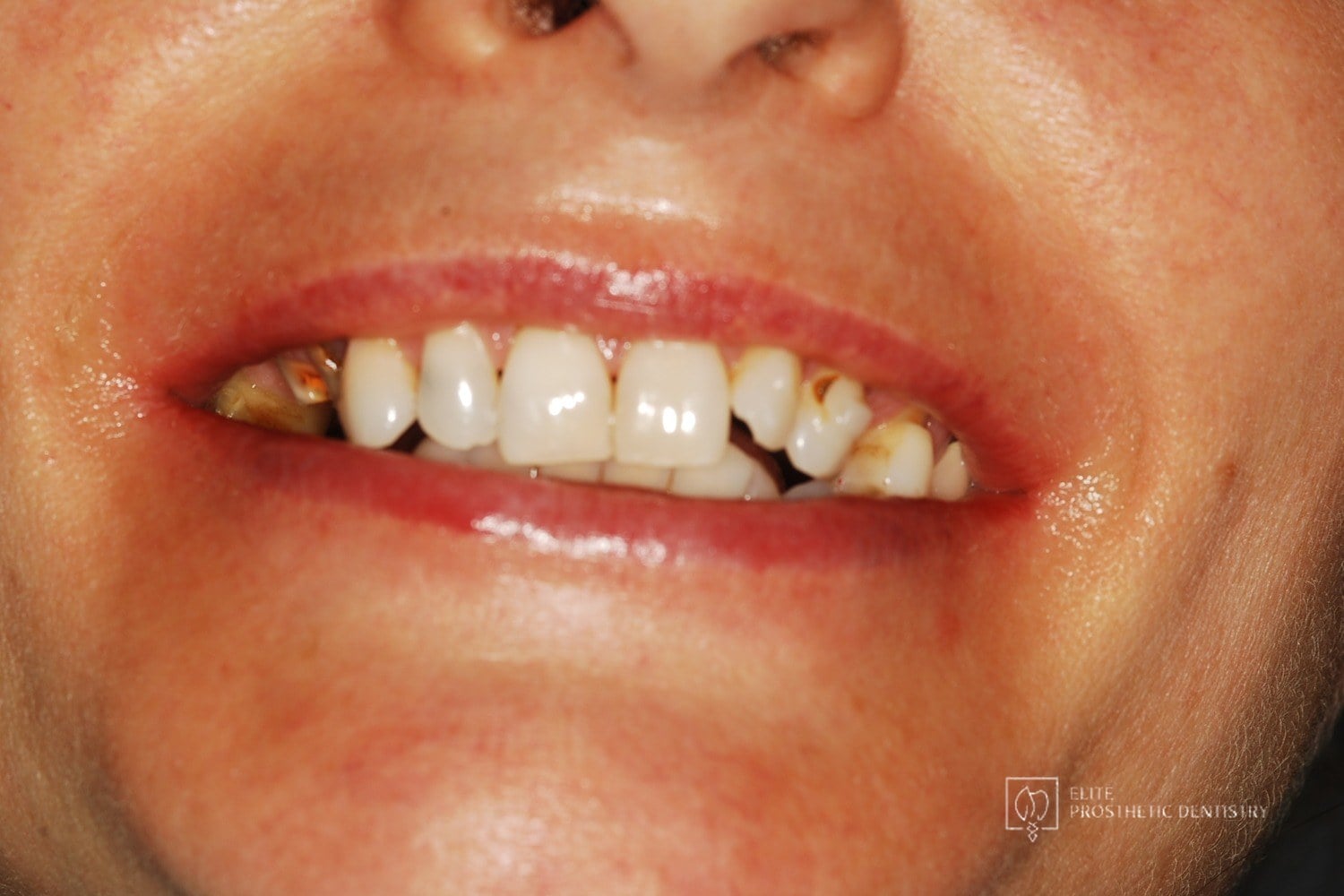
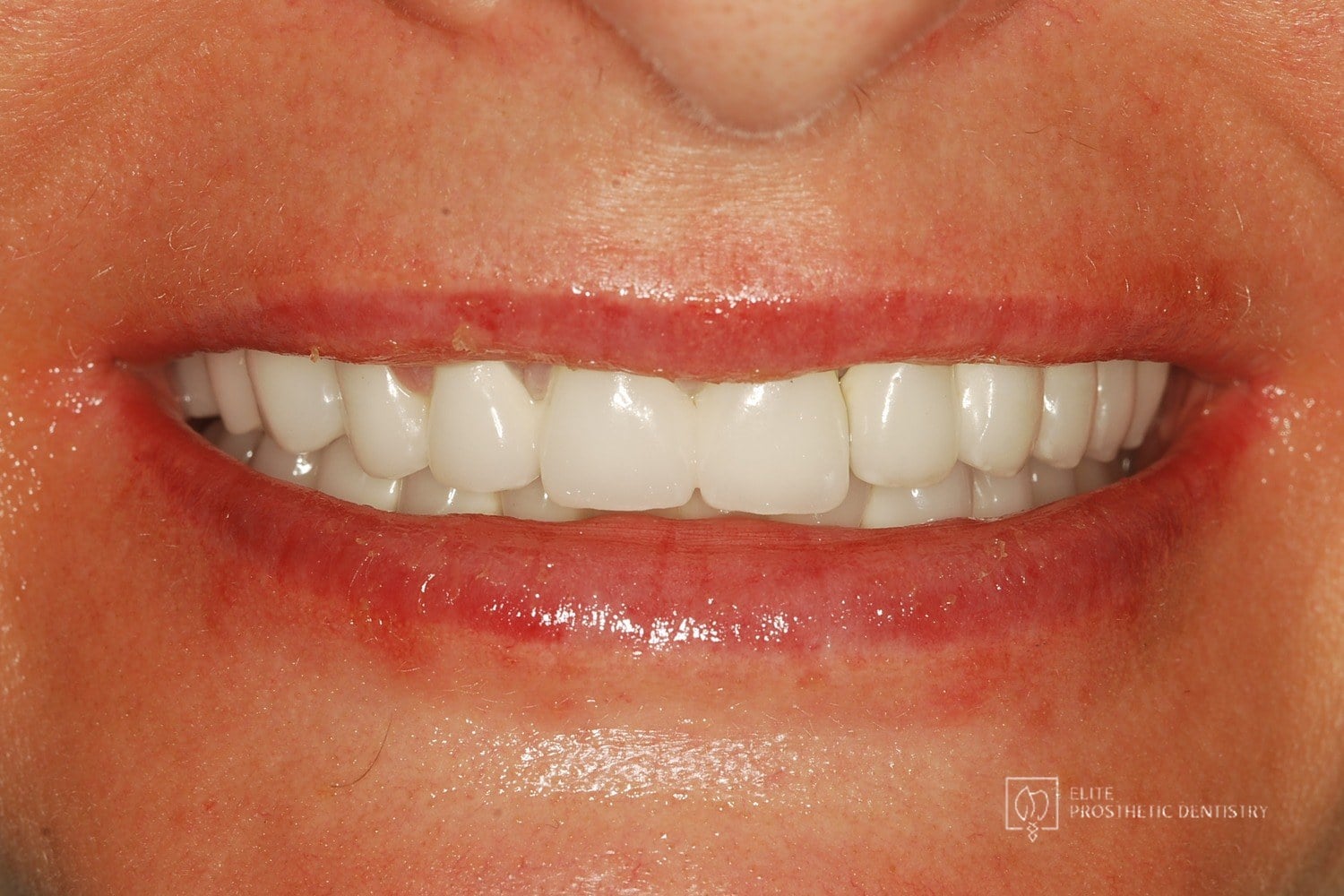
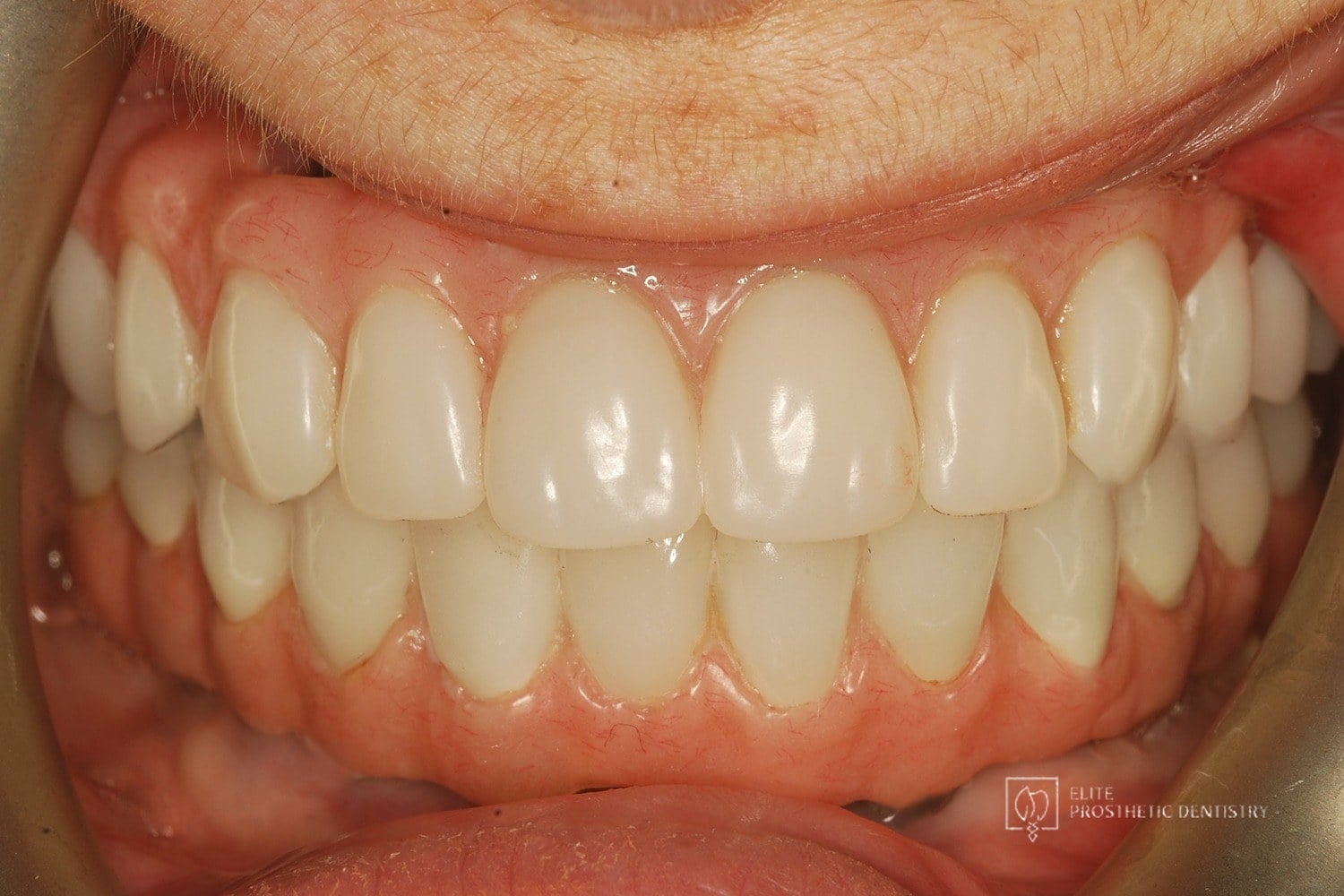
How Aging, Failing Dentistry Was Replaced with a Coordinated Full-Mouth Implant and Crown Reconstruction
The patient presented with throbbing upper-molar pain, long-standing infections, multiple root canals and unfinished prior treatment, generalized sensitivity, and several hopeless teeth.
 Before
 After
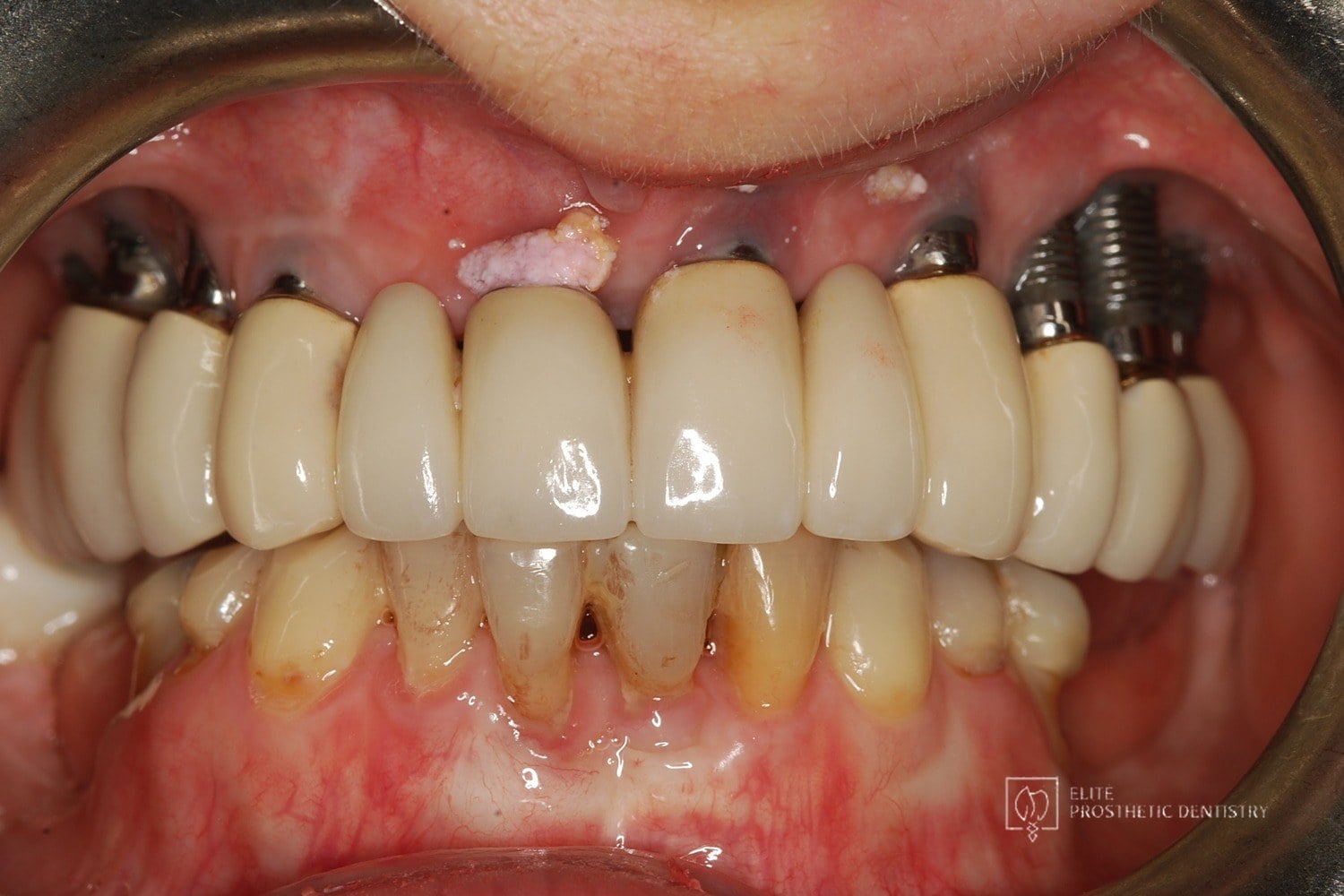
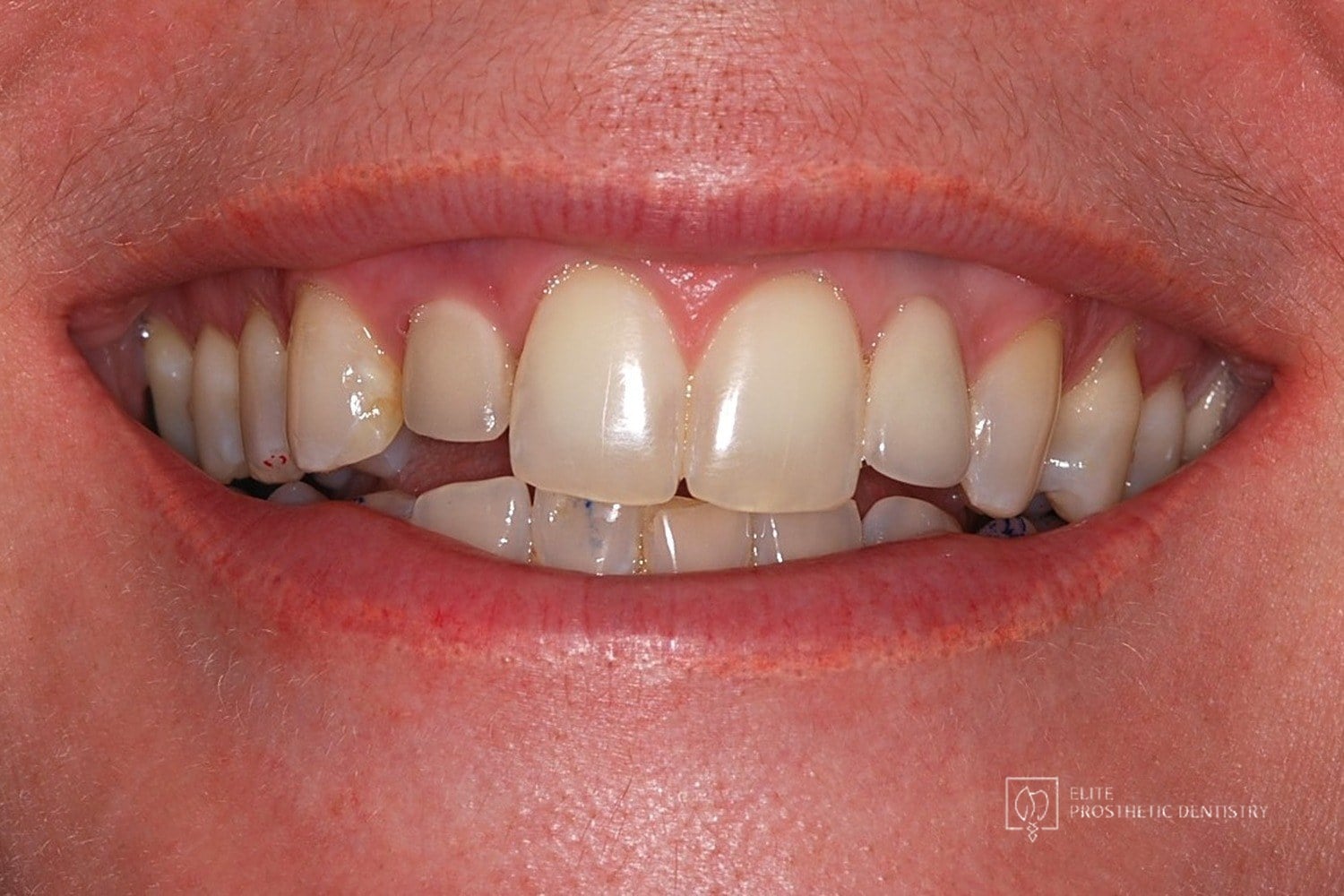
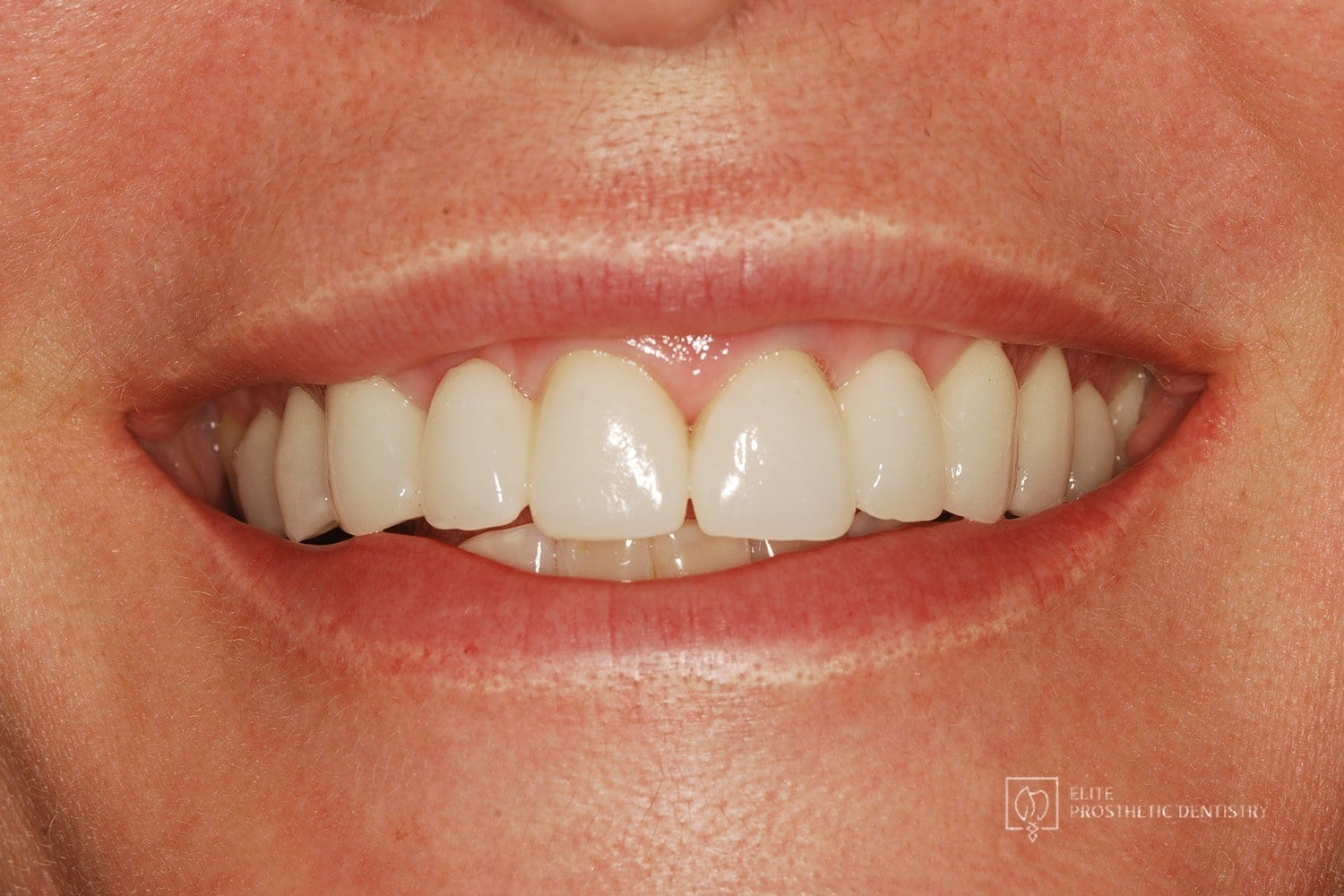
How Failing Implants and Severe Bone Loss Were Rebuilt Into a Stable Full-Arch Implant Reconstruction
The patient presented with significant complications from previously placed implants, severe bone loss, failing posterior implants, and an unesthetic full-arch bridge. Both arches required full reconstruction, with the upper arch showing the most advanced bone loss and instability.
 Before
 After
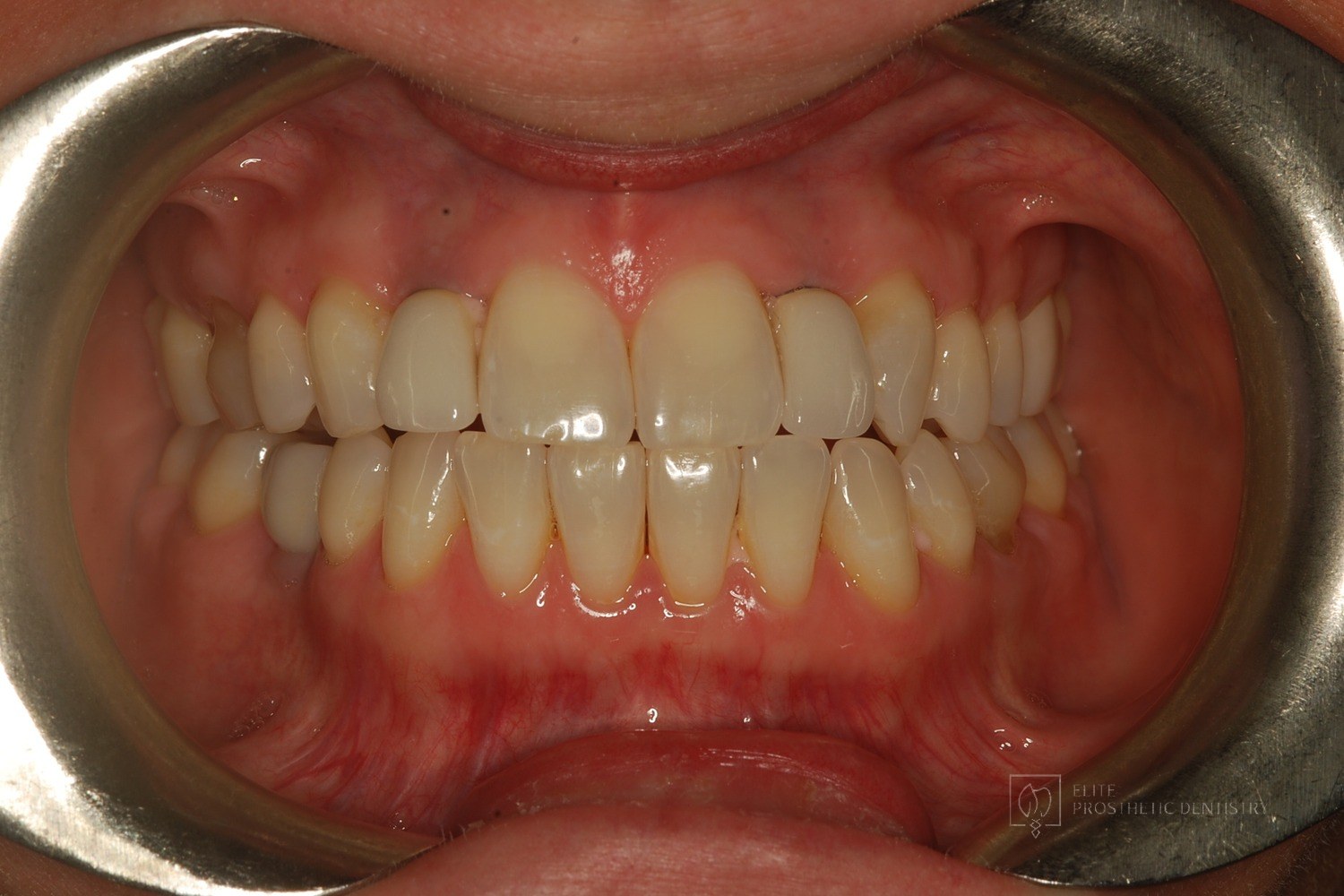
How Failing Lateral Incisor Implants Were Replaced with Custom Zirconia Bridges After Severe Bone Loss Made Replacement Implants Impossible
Comprehensive examination including CBCT imaging revealed significant bone loss surrounding implants that were placed outside the buccal plate, most likely due to placement without a CBCT-generated surgical guide. The implants were determined non-salvageable, and the alveolar ridge was too narrow to support replacement implants without extensive reconstruction.
 Before
 After
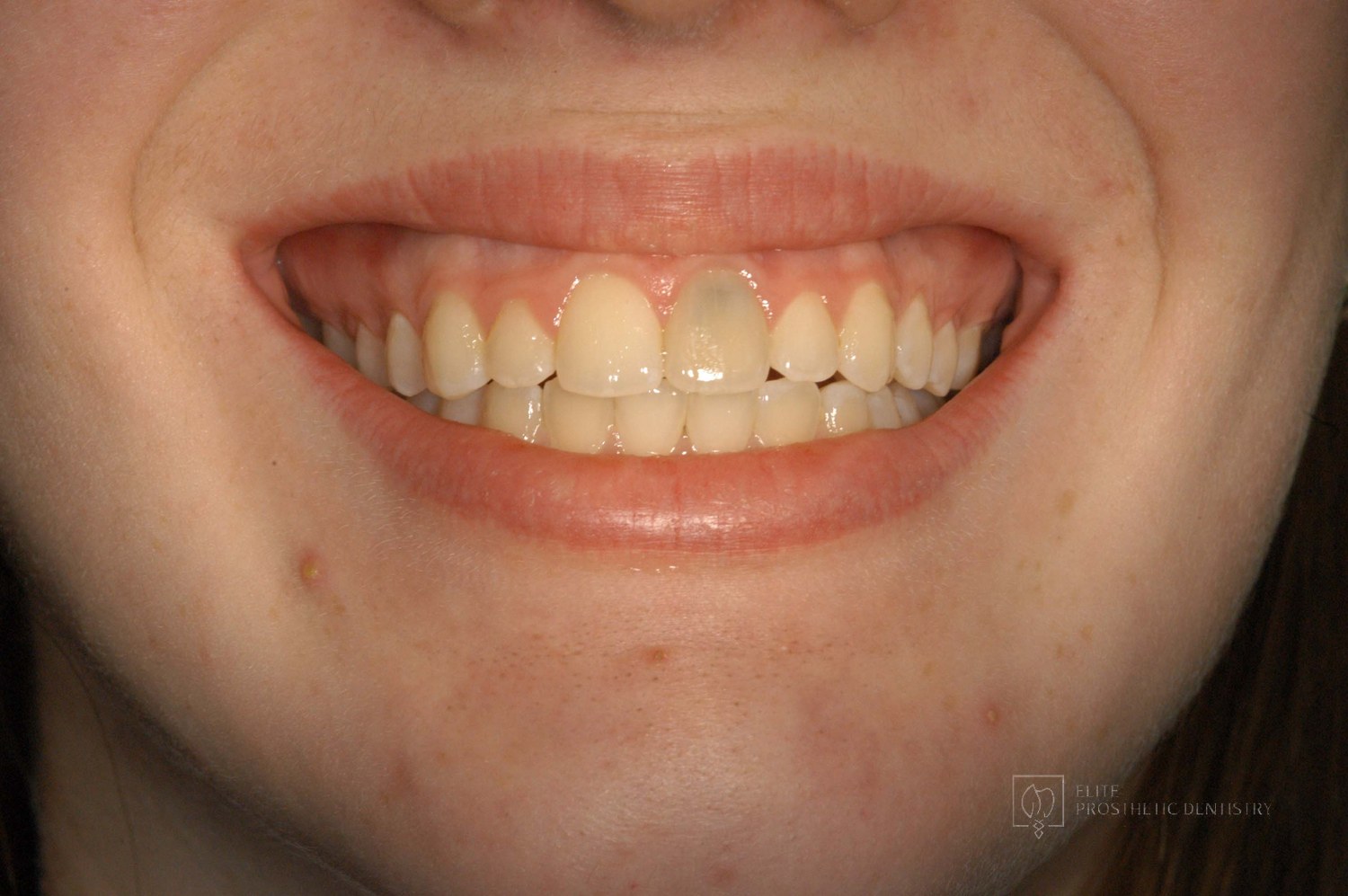
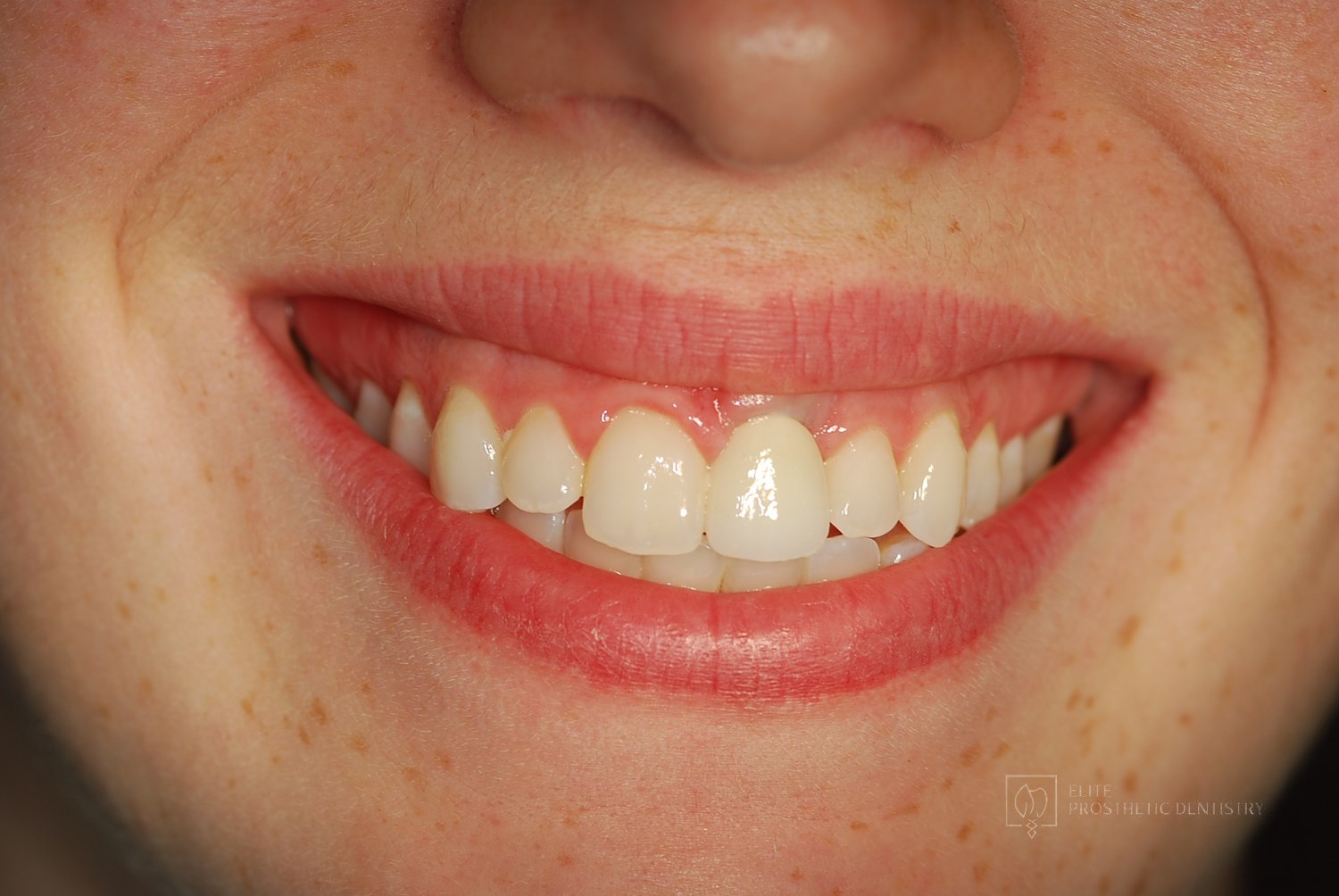
How Older Implant Crowns Were Redesigned for a Better Bite and More Natural Appearance
The patient came in after years of living with implant-supported crowns placed more than twenty years earlier that no longer looked or functioned well. CBCT evaluation, reviewed with a radiologist colleague, showed the implants had been placed too far to the buccal in very thin bone and could not support a healthy long-term restoration.
 Before
 After
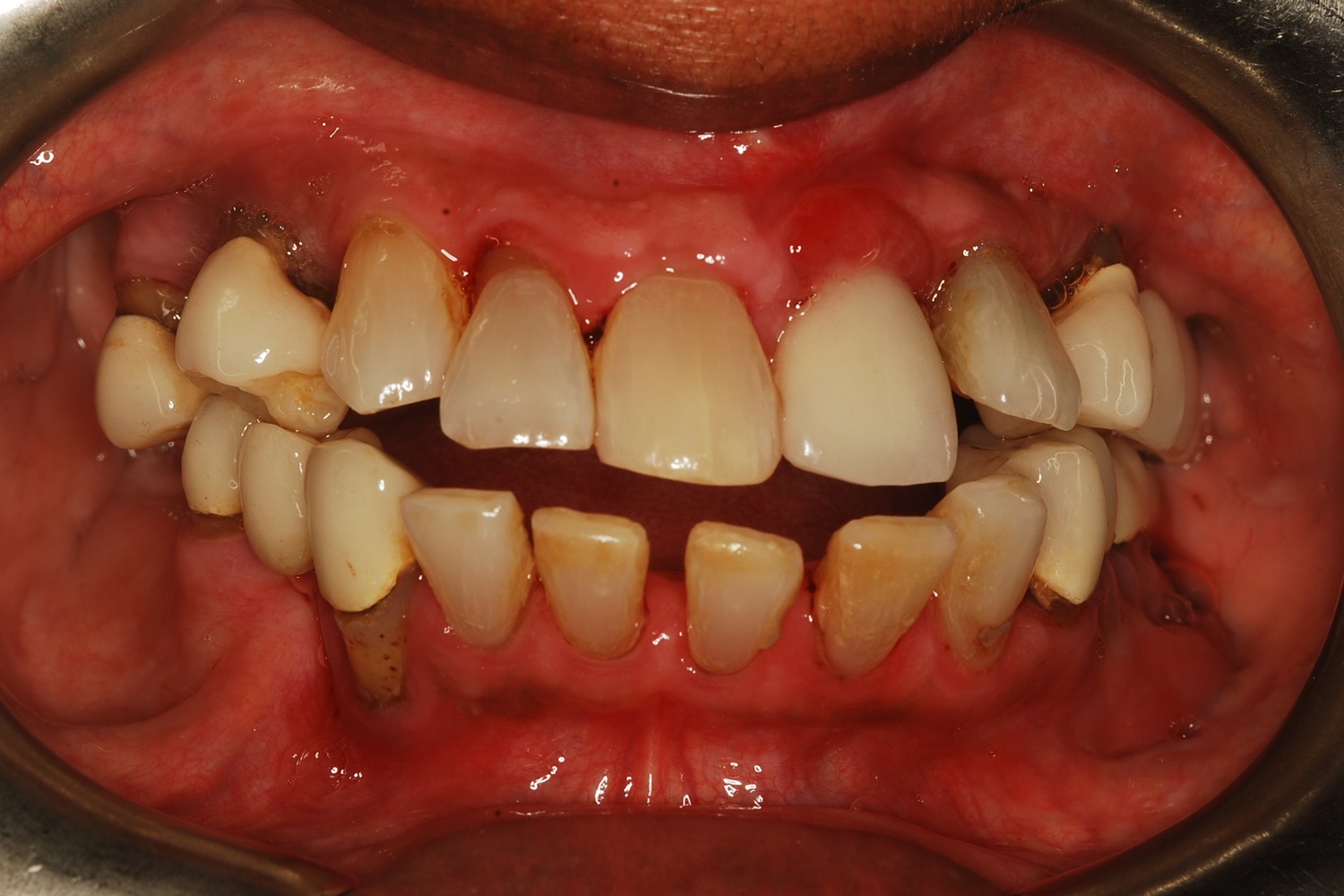
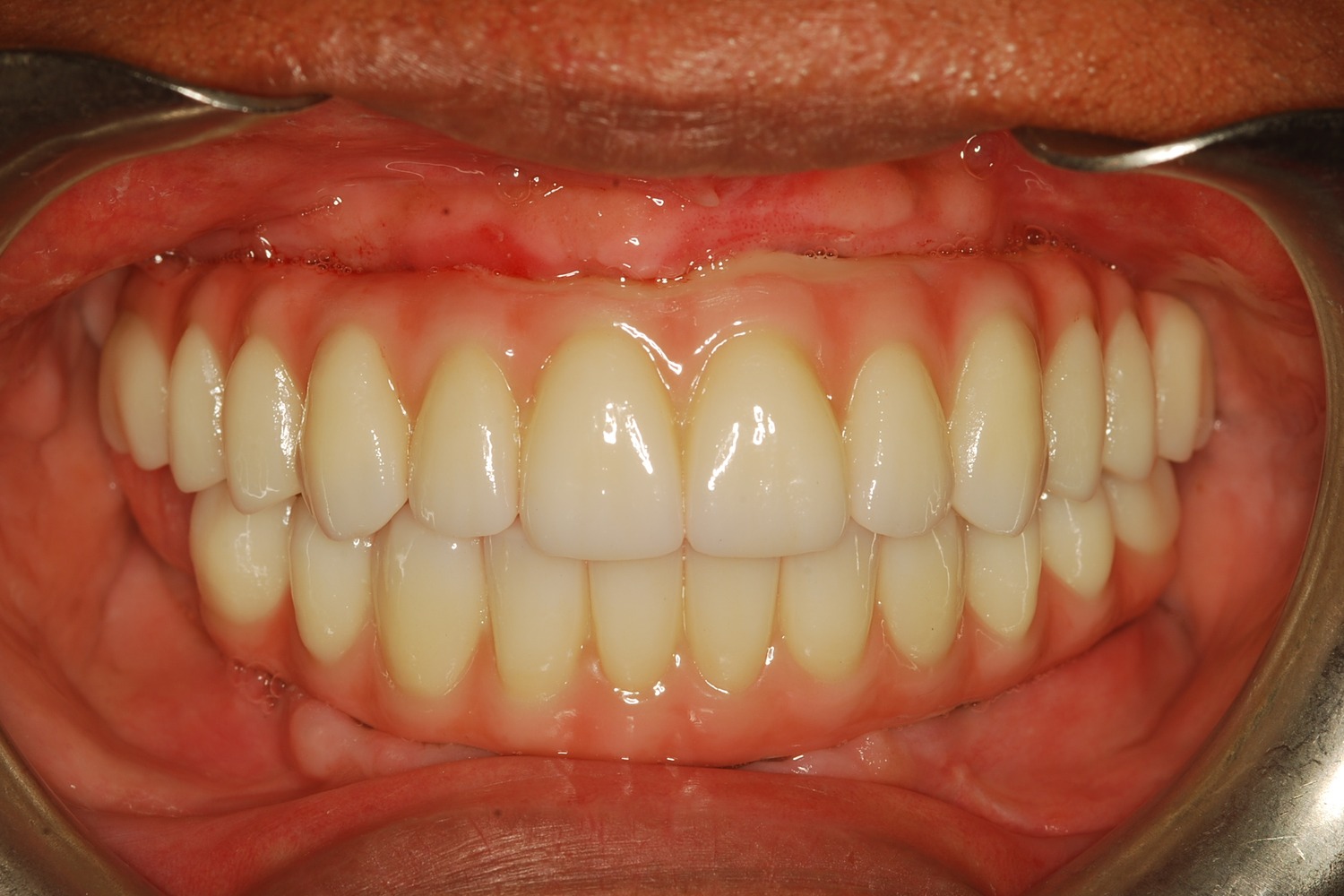
How a Front Tooth Lost to Childhood Trauma Was Rebuilt with Bone Grafting and a Long-Lasting Implant
A teenager was referred by her father after earlier trauma left her upper left front tooth slowly failing from root resorption. She was still growing, so an immediate implant was the wrong move. The tooth had to be maintained to buy time, then replaced correctly once she reached skeletal maturity.
 Before
 After
How Severe Bone Loss and Bite Dysfunction Were Rebuilt with All-on-6 Implants and a Milled Zirconia Hybrid Prosthesis
The patient presented with severe bone loss, advanced periodontal disease, malocclusion, and a dysfunctional bite that required full-arch rebuilding.
Related Services
Save the Tooth or Replace It With an Implant?
Learn more →Single Tooth Dental Implant
Learn more →Dental Implants vs. Bridges
Learn more →Precision Implant Placement
Learn more →Do You Need a Bone Graft Before Dental Implants?
Learn more →Who Should Place Your Dental Implant?
Learn more →All Decision Guides
Learn more →Related Articles
Deepen your knowledge with additional insights on this topic.
 Dental Implants
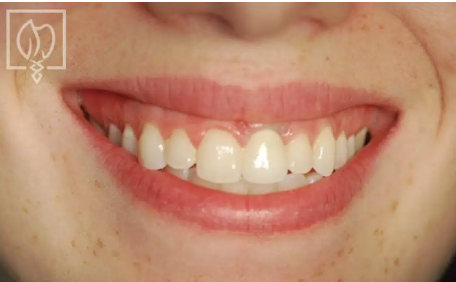
If a Single Front Tooth Is Replaced with an Implant, Can It Look Natural?
Yes. See the four steps, with real case photos, that make a single front tooth implant indistinguishable from the natural tooth beside it. Washington, DC.
 Dental Implants
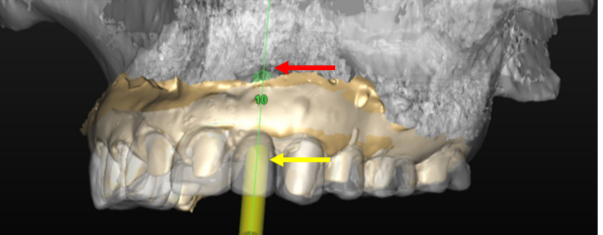
What Is Precision Implant Placement (PIP)?
Precision Implant Placement plans each implant virtually on a CBCT scan, then delivers it with a custom surgical guide. See the three steps with real images.
 Dental Implants
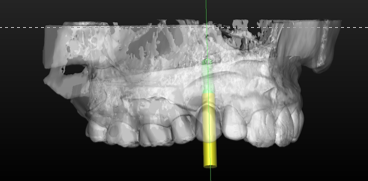
What Is the Ideal Surgical Guide for Precision Implant Placement?
Not all surgical guides are equal. The gold standard is CBCT-based: planned virtually in 3D, 3D printed, and seated on your teeth. A DC prosthodontist explains.
 Dental Implants
When Should an Implant Not Be Done?
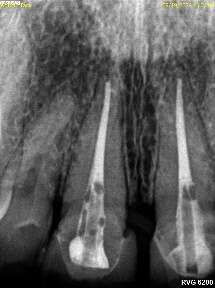
Healthy roots, thin bone, steep bony angles: a DC prosthodontist shows a real case where refusing implants was the right call, and what was done instead.
 Dental Implants
What Is Staged Implant Therapy?
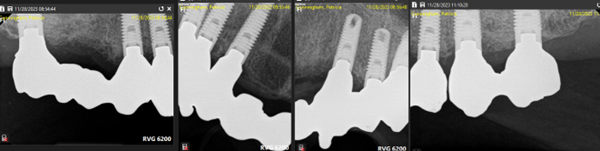
Staged implant therapy replaces failing teeth in phases while you keep fixed teeth the entire time. A DC prosthodontist walks through a real case in stages.
 Dental Implants
The Four Types of Dental Implants: Which One Is Right for You?
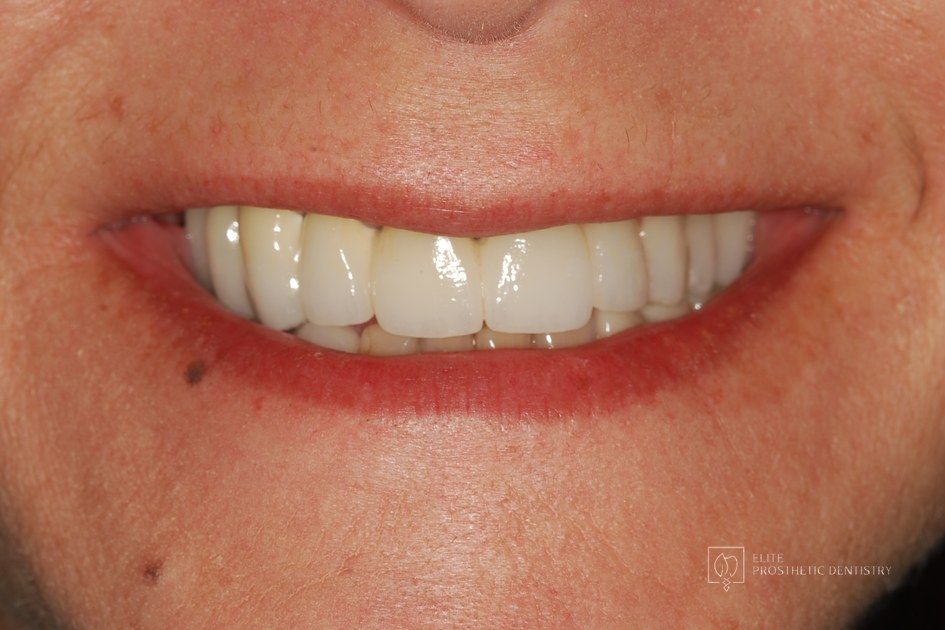
Endosteal, subperiosteal, zygomatic, and mini implants each solve a different problem. A DC prosthodontist explains the four types and who each one fits.
Ready to Transform Your Smile?
With 40+ years of experience and 3,900+ dental implants placed, Dr. Marlin and the team deliver dentistry planned to last. Request a specialist consultation.