

A Veneer Came Off or Chipped Before an Event: What to Do, What the Visit Can Do, and What Repeated Failures Mean
A veneer that has debonded or chipped days before a wedding, speech or shoot: keep it, do not glue it, why veneers debond or chip, what the visit can do (rebond, bonded repair, provisional, new veneer from the on-site laboratory), timing before the event, and what repeated failures mean.
Practice clinician: Gerald M. Marlin, DMD, MSD, prosthodontist, Elite Prosthetic Dentistry, Friendship Heights, Washington, DC. Last updated .
A veneer that comes off or chips the week before a wedding, a speech or a photo shoot is a small problem with large stakes to the person it happens to. The good news is that most of these can be resolved before the event, and the first hour decides how smoothly. This page covers what to do with the veneer, what not to do, what the visit can accomplish and in what timeframe, why veneers debond or chip, and what it means when it keeps happening.
In the Next Hour
- Keep the veneer. Rinse it gently, let it dry, and put it in a small container. Do not wrap it in tissue. A veneer is thin and fragile; handle it as little as possible.
- Do not glue it. Household glue, superglue, nail glue and denture adhesive all damage the veneer and the tooth, and a veneer with glue on its inner surface usually cannot be rebonded. Do not try to hold it on with anything.
- Protect the tooth. The exposed tooth may be sensitive to cold and may look darker or rougher than its neighbors. Keep cold away, avoid biting with it, and keep it clean with gentle brushing. Avoid staining drinks on that tooth until it is covered.
- For a chip, keep the fragment if you find it. Cover a sharp edge with orthodontic wax.
- Call the office and say when the event is. During hours, (202) 244-2101; patients are triaged by urgency and same-day visits are arranged when the schedule allows. After hours, follow the voicemail prompts.
When to Go to the Emergency Room Instead
A lost or chipped veneer is never an emergency room situation on its own. If it happened in a fall or blow, the emergency room comes first for loss of consciousness, a suspected jaw fracture, deep cuts that will not stop bleeding, or difficulty breathing or swallowing. Otherwise, the dental office is the right place.
What Can Wait Until Office Hours
A veneer that has come off, or chipped, with no pain can wait until the next office day with the tooth protected as above; the urgency is the event, not the tooth. Sensitivity that is severe, or a veneer that came off with a piece of tooth attached, should be reported the same day.
What the Visit Involves
The veneer, the tooth, the neighbors and the bite are examined. The findings decide what can be done and when:
- The veneer is intact and the tooth is sound. Both surfaces are cleaned and prepared, and the veneer is rebonded, usually in one visit.
- The veneer has a small chip. The chip is repaired with bonded material matched in color and polish, usually in one visit. The repair is durable for most purposes, and the patient is told what to expect of it.
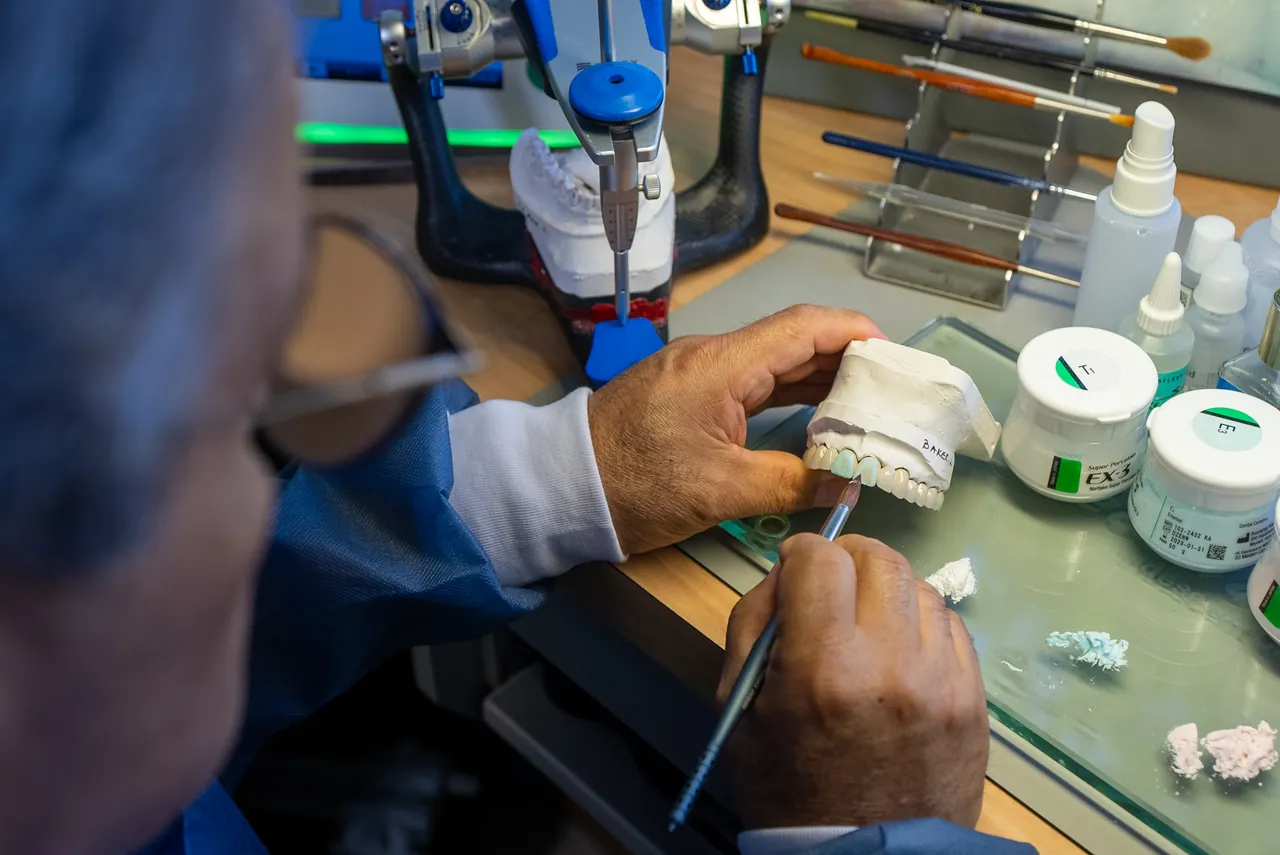
- The veneer is cracked, or the chip is large. A new veneer is made. The tooth is covered with a bonded provisional that looks acceptable for the event if the final cannot be ready in time, and the practice’s on-site laboratory, operating since 1985, makes the new veneer without the added time of an outside laboratory. How quickly is confirmed once the tooth has been seen.
- The veneer came off because of decay or a weakened tooth. The tooth is treated first, and the restoration is planned, sometimes as a veneer and sometimes as a crown if the tooth has lost too much structure to hold a veneer.
The visit also checks the bite and the other veneers, because a veneer that failed under load is one of several under the same load.
Why It Happened
- The bond. Veneers bond strongly to enamel and less reliably to dentin. A veneer bonded largely to dentin, or whose bond was compromised at placement or by contamination, can let go years later without warning.
- Decay at the edge. Decay developing at the margin undermines the bond and the tooth. Our guide on why decay starts under crowns after fifty covers the same mechanism.
- The bite. Porcelain tolerates compression well and shear poorly. Grinding at night, front teeth that have been taking the load of worn or missing back teeth, and biting into hard things with the front teeth all apply shear to veneers. This is the most common cause of repeated chipping.
- Age. Veneers wear and the bond ages. After many years of service a failure is the normal end of a veneer’s life rather than a defect.
What an Emergency Often Reveals
A single debonded veneer in a stable mouth is a repair. A chipped veneer in a mouth where the back teeth have worn down is a sign that the front teeth have been carrying a load they were not designed for, and the real question is the bite. The emergency visit fixes the veneer before the event; the follow-up looks at whether the other veneers, and the bite, need attention so the next event is not interrupted the same way. Our guide on why crowns keep breaking explains the forces, and our guide on signs your dental work is wearing out is a quick self-check.
How Elite Prosthetic Dentistry Handles a Veneer Emergency
Call the office and say when the event is; patients are triaged by urgency and same-day visits are arranged when the schedule allows. The veneer is rebonded, repaired or replaced as the examination indicates, with a presentable provisional where the final cannot be ready in time. Dr. Gerald M. Marlin matches the repair or replacement to the neighboring veneers in shade, shape and surface, and checks the bite that loaded the veneer. The on-site laboratory makes the replacement, which is why a new veneer before an event is often achievable; the practice confirms the timing after the examination rather than promising it on the phone.
When Another Setting Fits Better
A veneer that debonded cleanly can often be rebonded by the dentist who placed it, who has the records and the shade information, and that is frequently the quickest route when that office can see the patient in time. The emergency room is the right place for the trauma signs listed above. A patient whose veneers were placed elsewhere and who cannot reach that office is seen here.
Documented Cases
- Emergency repair of two fractured front teeth.
- Rapid repair of two fractured front teeth.
- Temporary crowns restore a patient’s smile in one day.
- A smile transformation completed in four months for a patient’s television series, front teeth restored to a deadline.
Related Reading
- Restorative dental emergencies: all situations
- Veneer fell off
- Chipped or cracked veneers
- Veneer failure and repair
- Front teeth for people who speak for a living
Call the Office
During office hours, call (202) 244-2101, describe what happened, and say when the event is. After hours, follow the voicemail prompts for urgent care instructions. For a planned evaluation of veneers that keep chipping, or of the bite beneath them, request an appointment or call (202) 244-2101.
Your Best Smile Is Within Reach
Request a specialist consultation with Dr. Marlin to discuss your situation and the most appropriate path forward.
Frequently Asked Questions
My veneer came off in one piece. Can it be put back?
Often, yes, if the veneer is intact and the tooth beneath is sound. The veneer and tooth are cleaned, the bonding surfaces are prepared again, and the veneer is rebonded. Keep it safe and dry, do not try to glue it yourself, and bring it to the visit. A veneer that has come off because of decay beneath it, or that is cracked, is a different situation and usually needs replacement.
Can a chipped veneer be fixed before my event?
A small chip can often be repaired with bonded material matched to the veneer, in one visit. A larger fracture, or a veneer that has come off and cannot be rebonded, is replaced; because the practice has its own laboratory on site, a new veneer can often be made faster than when an outside laboratory is involved, and a provisional covers the tooth in the meantime. Call as soon as it happens so the timing can be planned against the event.
Why did my veneer come off?
Veneers rely on a bond between porcelain and enamel. They debond when the bond was compromised, when the veneer was bonded largely to dentin rather than enamel, when decay has developed at the edge, or when the bite has been loading the veneer in a way porcelain does not tolerate, usually from grinding or biting into hard things with the front teeth. The visit identifies which, because rebonding without addressing the cause invites a repeat.
Is a lost veneer an emergency?
Not medically, but it is urgent to the patient and the exposed tooth can be sensitive and can stain. Call the office during hours; patients are triaged by urgency and same-day visits are arranged when the schedule allows. Mention the event date so the team can plan around it.
My veneers keep chipping. What does that mean?
Repeated chipping or debonding of veneers usually points to the bite rather than to the veneers themselves: grinding at night, front teeth that are taking too much load because the back teeth have worn or been lost, or a habit of biting hard things. It is worth a proper evaluation of the bite and a night guard where grinding is found, and in some cases a different restoration than a veneer for the teeth under the heaviest load.
Related Patient Success Stories
Explore similar patient success stories demonstrating our expertise in advanced prosthetic dentistry.
 Before
 After
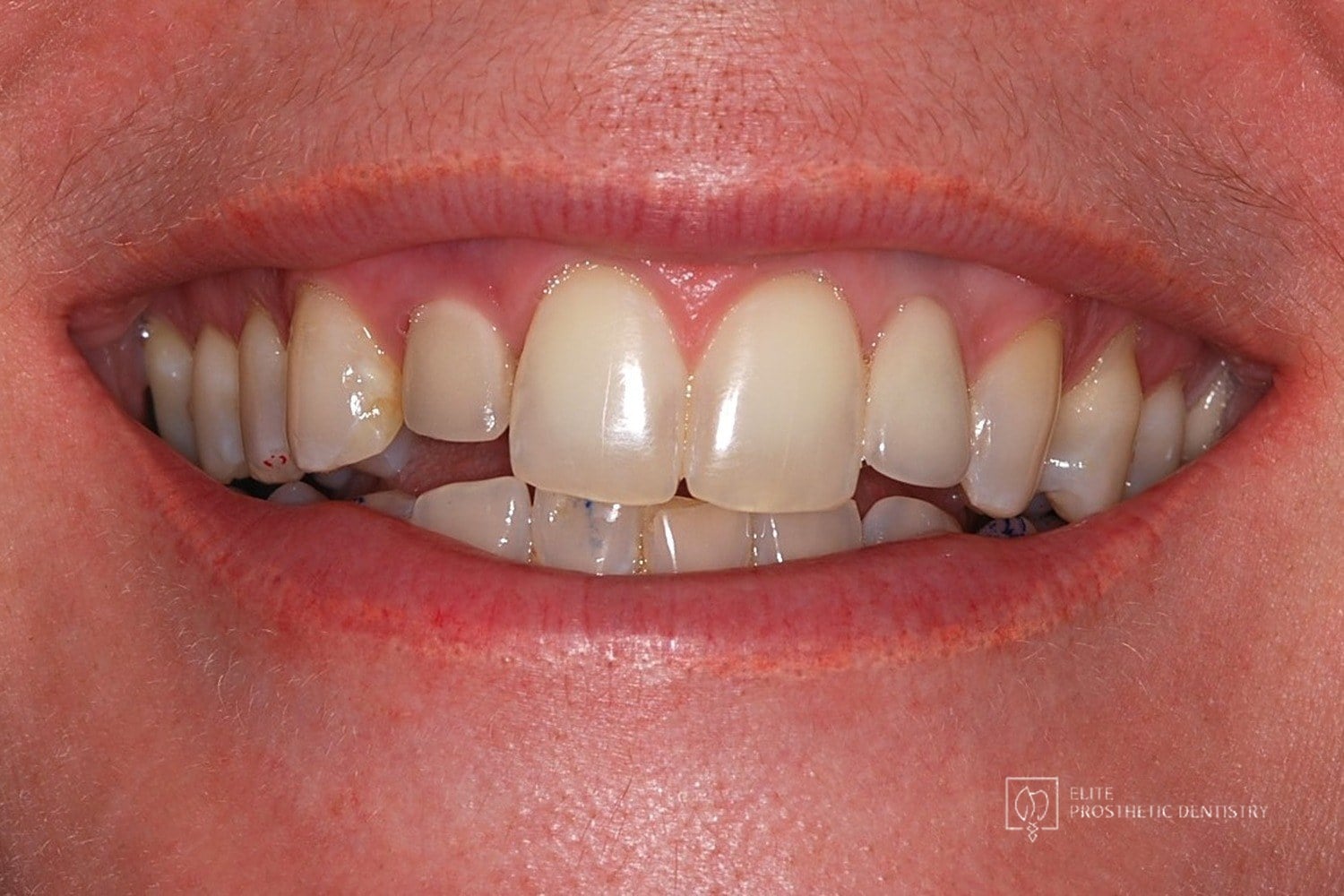
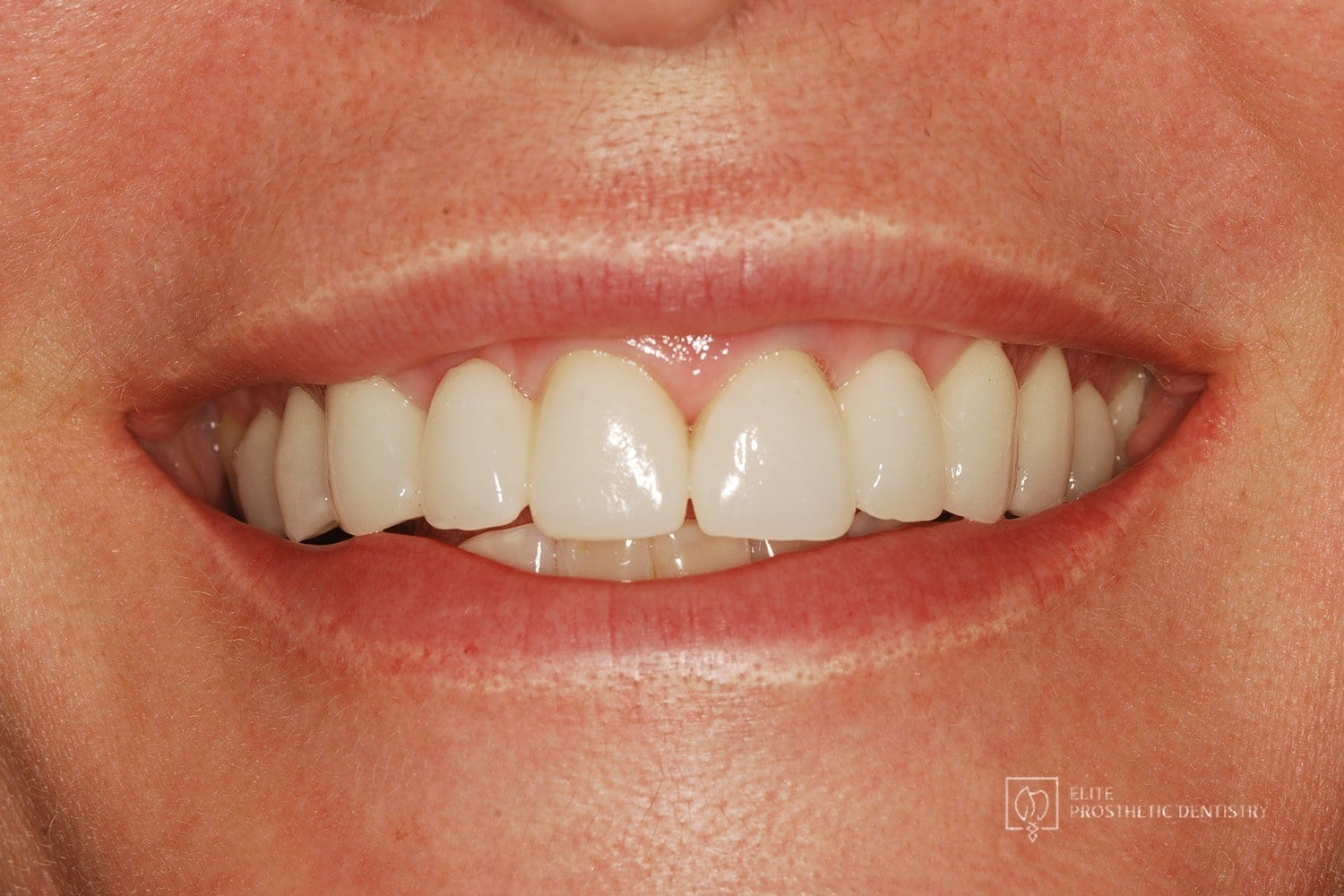
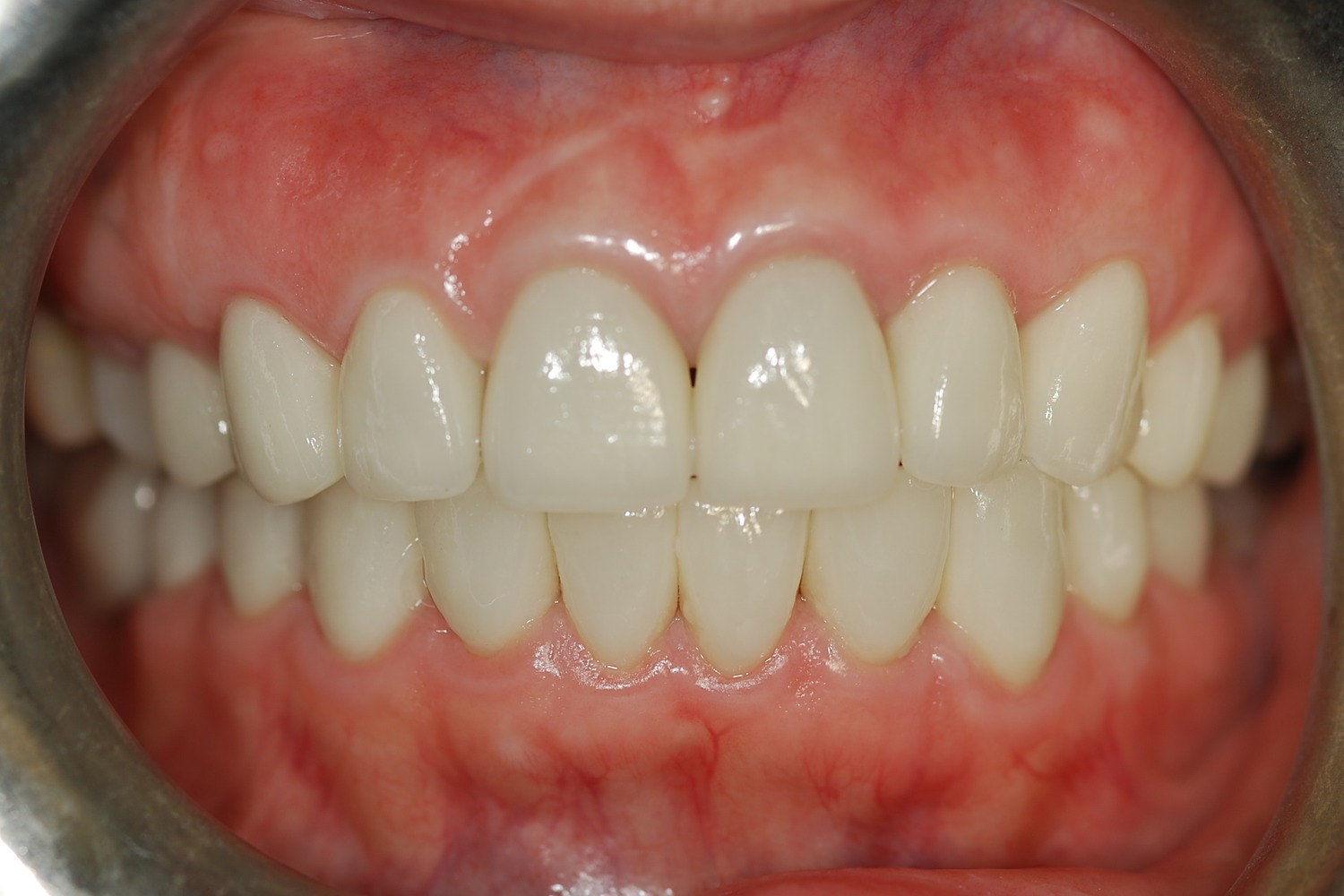
How Failing Lateral Incisor Implants Were Replaced with Custom Zirconia Bridges After Severe Bone Loss Made Replacement Implants Impossible
Comprehensive examination including CBCT imaging revealed significant bone loss surrounding implants that were placed outside the buccal plate, most likely due to placement without a CBCT-generated surgical guide. The implants were determined non-salvageable, and the alveolar ridge was too narrow to support replacement implants without extensive reconstruction.
 Before
 After
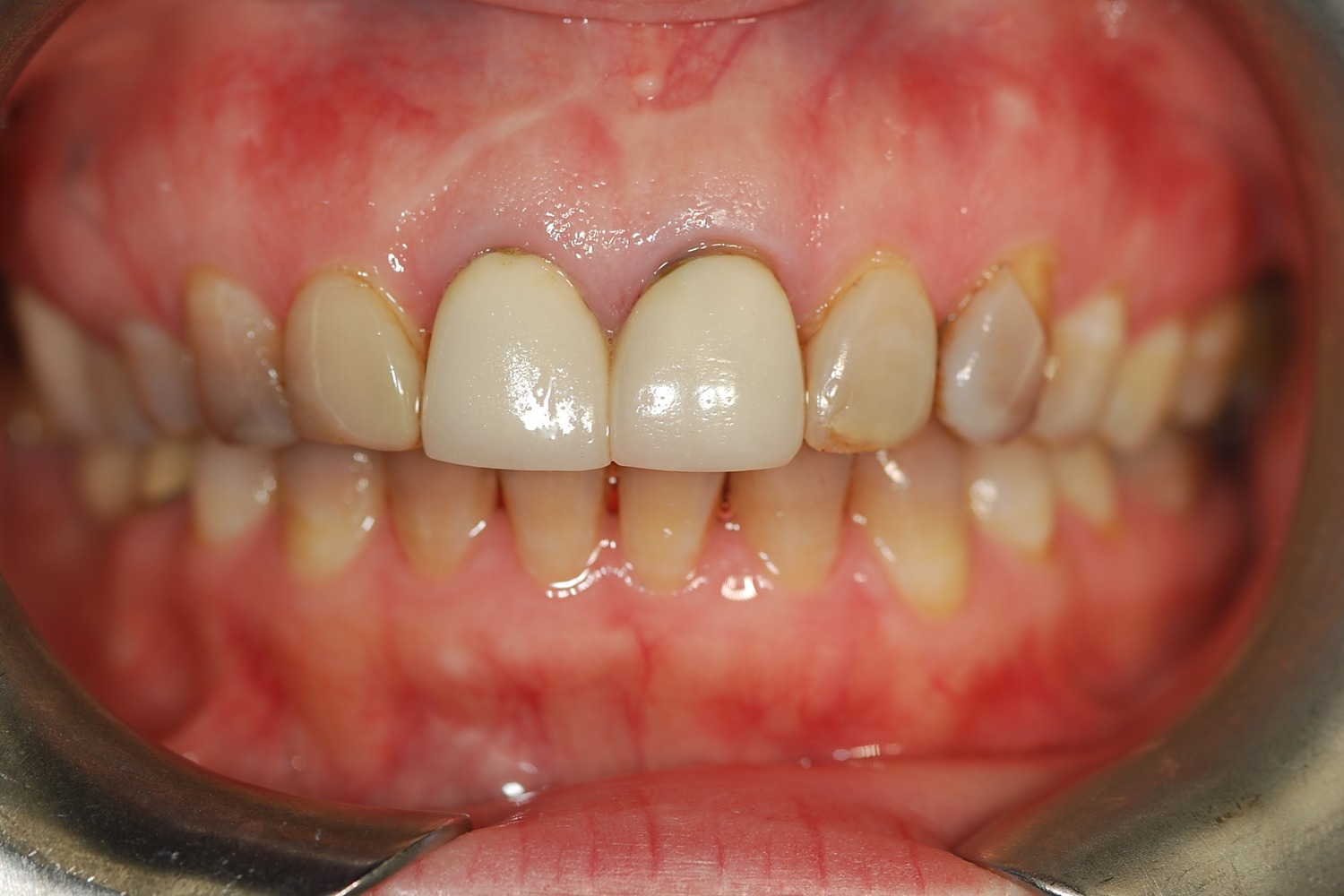
How Aging, Opaque Restorations Were Replaced with Customized Ceramic Restorations Designed for Long-Term Natural Esthetics
The existing restorations appeared opaque, worn, and unnatural over time, affecting both confidence and overall smile harmony.

Temporary Crowns Restore a Patient's Smile in One Day with an Immediate Smile Makeover
A patient from Potomac, Maryland came to the practice in pain from a failing dental implant whose restoration was also compromising her appearance and her confidence.
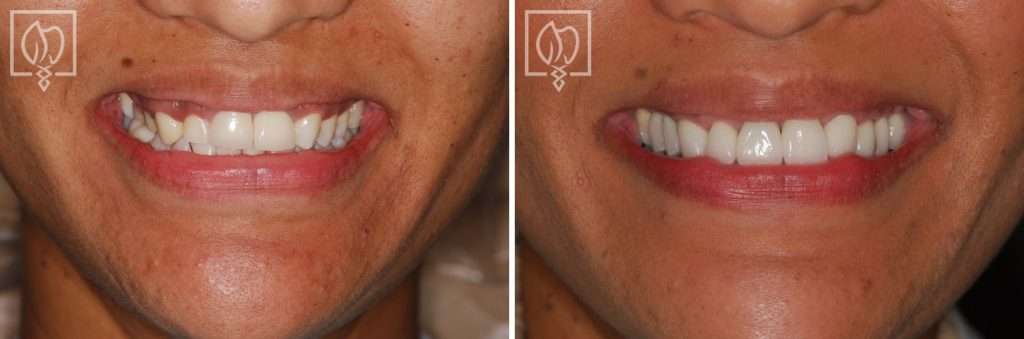
Multi-Faceted Treatment for a Patient Unhappy With the Appearance of Her Crowns, Teeth, and Gums
The patient was unhappy with how her teeth and gums affected her smile: front-tooth crowns that no longer blended with her natural teeth, a missing lateral incisor with the larger canine sitting in its space, and an uneven gum line.

Salvaging Severely Broken-Down Upper and Lower Teeth from Gum and Bone Disease
The patient presented in distress at 34 with severe periodontal disease: two lower front teeth close to being lost and wide gaps opening between her upper and lower front teeth.
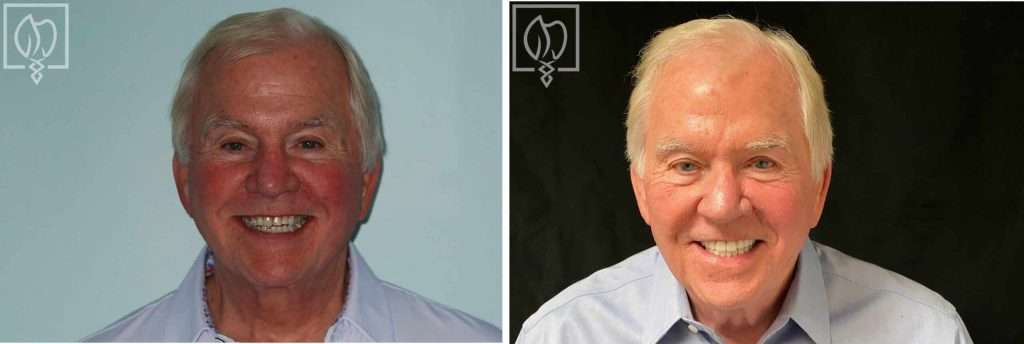
A Smile Transformation in Just Four Months: A Patient’s Dental Crown Restoration for a TV Series
A patient with dental crowns that were in poor shape was going to appear on a streaming video series on a major TV network that was scheduled to begin filming soon. Our patient, John, an author about to embark on a book tour, was anxious as his teeth were not up to his standards to appear on television.
Ready to Transform Your Smile?
With 40+ years of experience and 3,900+ dental implants placed, Dr. Marlin and the team deliver dentistry planned to last. Request a specialist consultation.