
Dental Bridges in Washington, DC
A dental bridge replaces one or more missing teeth by attaching a replacement tooth (or teeth) to adjacent teeth or implants on either side of the gap. At Elite Prosthetic Dentistry, every bridge is designed by a specialty-trained prosthodontist and fabricated in our in-house dental laboratory.
40+
Years Experience
1985
In-House Lab Since
2026
Top Dentist List
9
U.S. Patents

Gerald M. Marlin, DMD, MSD
Specialty-Trained Prosthodontist (DMD, MSD)
Washingtonian "Top Dentist" 2026 and Hall of Fame
Why Patients Choose a Prosthodontist for Bridges
- Specialty-trained prosthodontist focused on durable tooth replacement
- Bridges designed and fabricated in our in-house laboratory since 1985
- Implant-supported bridge options available when appropriate
- Restorations planned for bite, fit, and long-term service
- Specialist-led care within one practice, from preparation to final placement
Or call now: (202) 244-2101
What Is a Dental Bridge?
A bridge fills the gap left by one or more missing teeth. The replacement tooth or teeth (called pontics) are supported by crowns placed on the adjacent natural teeth, or by dental implants. Bridges restore the appearance of a complete smile and prevent adjacent teeth from drifting into the gap.
Traditional Tooth-Supported Bridge
Crowns placed on the teeth adjacent to the gap support a replacement tooth between them. The most common bridge type, suitable when adjacent teeth are healthy and would benefit from crown coverage.
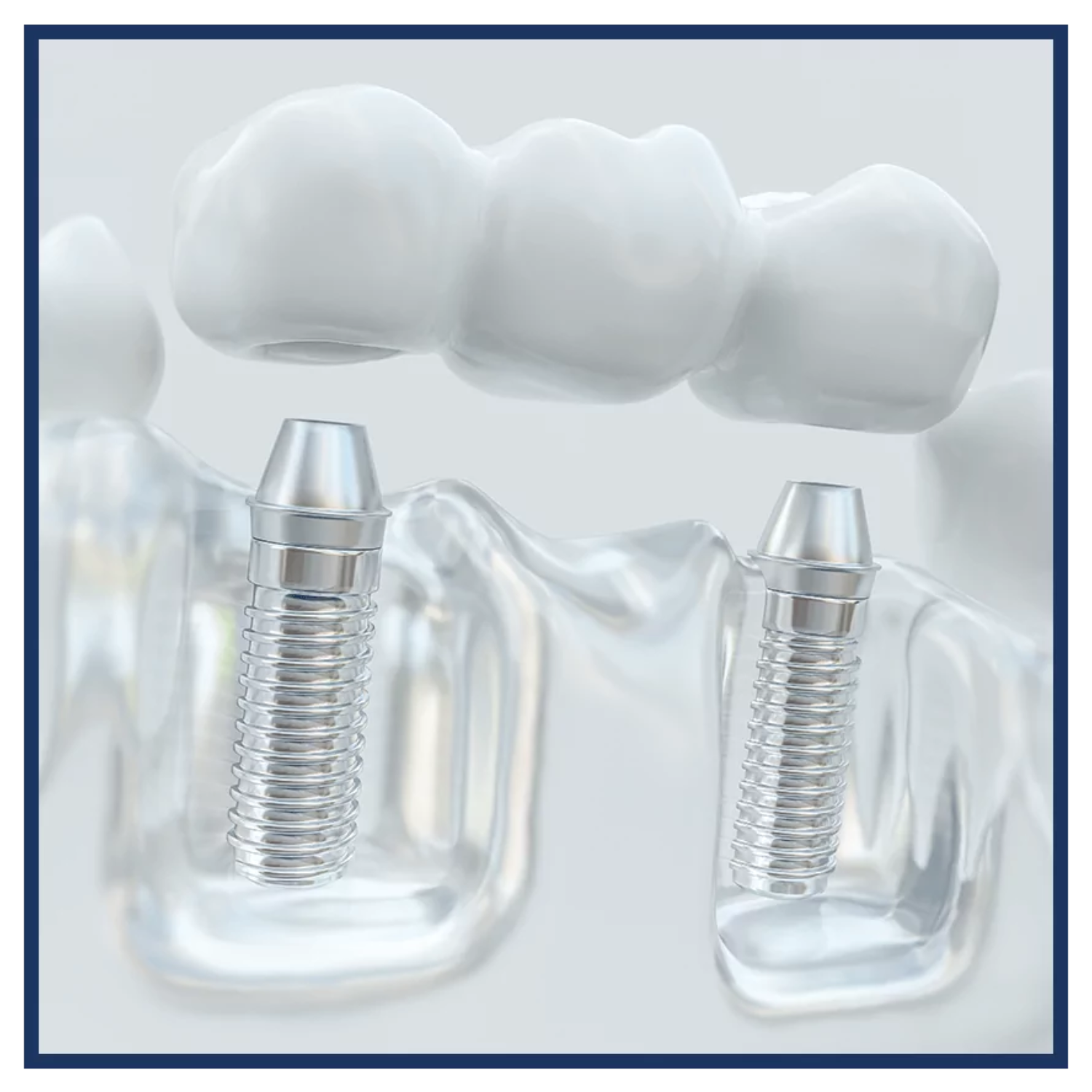
Implant-Supported Bridge
Replacement teeth supported by dental implants instead of by adjacent natural teeth. Preserves the adjacent teeth completely and provides exceptional long-term stability.
Cantilever and Maryland Bridges
Specialized bridge designs for specific situations. Cantilever bridges attach to one adjacent tooth; Maryland bridges use a metal or ceramic wing bonded to the back of adjacent teeth.
How the Bridge Process Works
Bridge placement is a planned multi-visit process. Clear expectations and a detailed plan before treatment begins are part of how a specialist practice approaches every case.
Consultation and Treatment Planning
Clinical exam, imaging when indicated, and discussion of options. Whether a traditional bridge, an implant-supported bridge, or another approach (single implant, partial denture) is the right answer is determined at this visit.
Tooth Preparation and Impressions
For traditional bridges, the adjacent teeth are shaped to receive crowns. Detailed impressions are captured for the laboratory. For implant-supported bridges, implants are placed and allowed to integrate first.
Temporary Bridge Placement
A temporary bridge is placed to protect the prepared teeth and restore function while the final bridge is fabricated in our in-house lab.
Final Bridge Placement
Final bridge placed and bonded or cemented. Fit, bite, and appearance refined chairside. Follow-up to confirm long-term comfort and function.
Why Specialist Training Matters for Bridges
Bridge design involves multiple teeth functioning as a single unit. Specialist training and in-house lab control affect every dimension of the final result: fit, longevity, appearance, and how the bridge interacts with the bite over years of function.
-
Prosthodontic Specialty Training
Three additional years of residency training focused on restoration, esthetics, and complex case planning, including bridge design and biomechanics.
-
In-House Lab and Master Ceramist
Bridges are designed and fabricated in our on-site lab. Fit, color, and contour are controlled in real time by the same team that planned the case.
-
Bite and Function Engineered Together
Bridges that look beautiful but interfere with the bite fail prematurely. Specialist planning addresses appearance and function as one problem.
-
Full Pathway From Bridge to Implant
When implant-supported bridges are appropriate, the implants and the bridge are planned together and delivered within one specialist practice. Read more about [DC prosthodontist for implants](/dental-implants/).

When a Bridge Is the Right Replacement
Bridges address specific clinical situations. Specialist evaluation determines whether a bridge, a single implant, a partial denture, or another approach best fits your case.
One or More Missing Teeth
Adjacent teeth on both sides of the gap are present and either healthy or already requiring crown work. Bridges replace the missing teeth while restoring the adjacent teeth simultaneously.
Adjacent Teeth That Already Need Crowns
When the teeth adjacent to a gap already have large fillings, fractures, or other issues that warrant crowns, a bridge can address all three concerns in a coordinated restoration.
Patients Not Suited to Implants
Inadequate bone, medical considerations, or patient preference may rule out implant placement. A traditional bridge restores the missing tooth without surgery.
Replacing Failing Existing Bridges
Old bridges with margin issues, recurrent decay underneath, broken porcelain, or aesthetic concerns. Specialist replacement restores function and protects the supporting teeth.
When a Bridge Is the Right Answer
Bridges address tooth replacement when adjacent teeth are present and the patient prefers a non-surgical solution, when the adjacent teeth already need crown work, or when implants are not appropriate. Specialist evaluation determines whether a bridge is the right choice for your specific case.
Common situations where a bridge is the right answer:
- One or more missing teeth with healthy adjacent teeth on both sides
- Adjacent teeth that already need crowns due to large fillings or fractures
- Inadequate bone for implant placement and patient wants a fixed solution
- Medical considerations that rule out implant surgery
- Replacing an existing failing bridge
Specialist evaluation also identifies when a bridge is NOT the right answer. When adjacent teeth are healthy and minimally restored, a single-tooth implant usually preserves them better. When tooth loss is extensive, a partial denture or implant-supported denture may be more appropriate.
Bridge vs. Implant for a Single Missing Tooth
This is the most common decision patients face. The trade-offs are significant and worth understanding clearly.
| Criterion | Traditional Bridge | Single Tooth Implant |
|---|---|---|
| Adjacent teeth | Crowned (modified) | Untouched |
| Surgery required | No | Yes |
| Bone preservation | No, bone resorbs over time | Yes, implant maintains bone |
| Typical longevity | 7 to 15 years | 20+ years often |
| Time to complete | 2 to 3 weeks | 3 to 6 months |
| Initial cost | Lower | Higher |
| Lifetime cost | Multiple replacements typical | One placement typical |
| Adjacent tooth maintenance | Floss with threader, careful hygiene | Normal hygiene |
For a more detailed clinical comparison, see implants vs. bridges and single tooth dental implant.
Bridge Materials and Their Trade-offs
Bridge material selection follows the same logic as crown material selection: the tooth position, the bite, the aesthetic priorities, and the case factors all influence the right choice.
- All-ceramic bridges (zirconia, e.max) offer the best aesthetics. Modern high-translucency multilayered zirconia is well-suited for front and visible aesthetic bridges, combining natural appearance with exceptional strength. E.max (lithium disilicate) is well-suited for posterior bridges and high-stress positions where a durable all-ceramic option is needed.
- Porcelain-fused-to-metal bridges combine a metal substructure with porcelain overlay. Strong and predictable, but can show a dark line at the gum margin over time as gums recede.
- Gold bridges offer exceptional longevity and minimal wear on opposing teeth, but appearance limits their use to back teeth where aesthetics are secondary.
Selection happens at consultation based on the bridge position, the supporting teeth, your bite forces, and your priorities.
The In-House Lab Advantage for Bridges
Bridges involve multiple connected units that need to fit precisely and look consistent across every element. Most practices send restorations to an outside laboratory, which works from impressions, prescriptions, and photographs, so refinements travel back and forth.
Elite Prosthetic Dentistry has operated an in-house dental laboratory continuously since 1985. Every bridge is designed and fabricated in our on-site lab by our master ceramist, working directly with the treating prosthodontist. Fit between units, color matching across the bridge, and contour adjustments happen in real time, which gives closer control over bite and shade across the whole multi-unit restoration.
For patients researching bridge options in the Washington, DC region, the in-house lab is a meaningful difference. Read more about our in-house laboratory.
Common Concerns Patients Raise About Bridges
“I do not want my healthy adjacent teeth ground down.” This is a legitimate concern and one of the main reasons to evaluate single-tooth implants as an alternative when adjacent teeth are healthy. When adjacent teeth already have large fillings or would benefit from crowns, a bridge addresses multiple needs simultaneously and the preparation is less of an imposition.
“My old bridge is failing. What are my options?” Failing bridges can be replaced with a new bridge, converted to implant-supported restorations if the supporting teeth are no longer adequate, or sometimes upgraded as part of a more comprehensive full mouth reconstruction. Specialist evaluation identifies which approach is appropriate. See our bridge problems page for more.
“How does the cleaning routine change?” Bridges require flossing under the pontic, which requires a floss threader, interdental brush, or water flosser. Some patients find this challenging and prefer the simpler hygiene routine of an implant. Discussion of daily care is part of the consultation.
“Will it look natural?” A specialist-designed bridge with proper materials and in-house lab control can be made to look indistinguishable from natural teeth. The pontic is designed to emerge from the gum tissue naturally, and the supporting crowns are color-matched to surrounding teeth.
Bridge Treatment for Washington DC Patients
Elite Prosthetic Dentistry serves bridge patients across the Washington DC metropolitan area, including Bethesda, Chevy Chase, Potomac, McLean, Great Falls, and surrounding communities. Our office is located in Friendship Heights, one block from the Red Line Metro station, with building parking.
For patients traveling from outside the DMV region for restorative work, our travel for care and concierge dentistry services coordinate multi-appointment scheduling and lodging logistics so out-of-town consultations and treatment can be efficient.
Ready to Discuss Your Treatment Options With a Specialist?
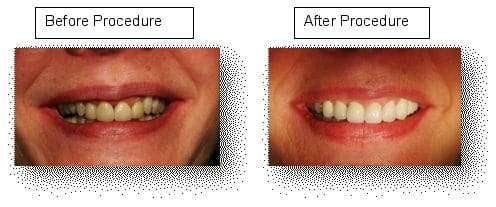
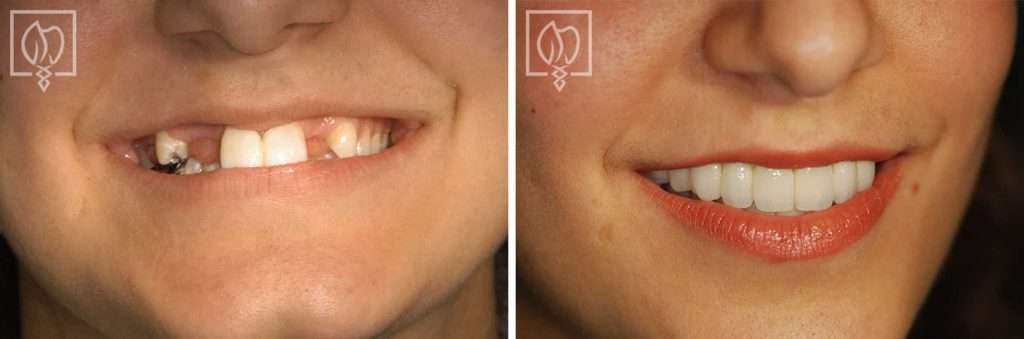
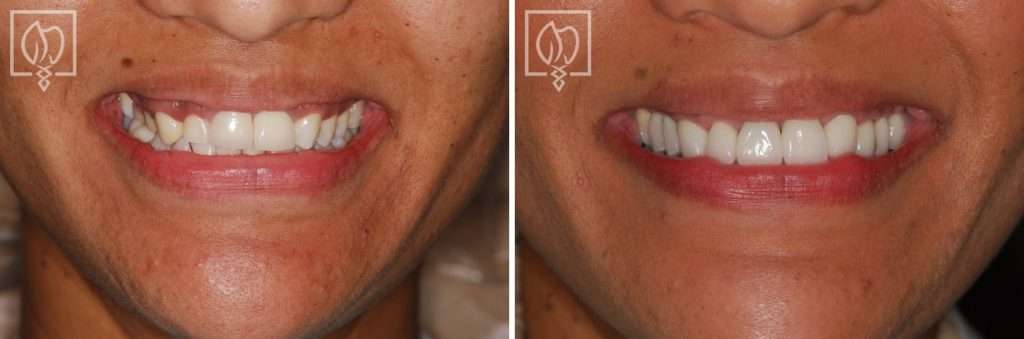
Real Patient Results
Every result below was designed and placed at the Washington, DC practice under Dr. Marlin's direction.
When Elite Prosthetic Dentistry Is a Strong Fit
A strong fit if you are looking for
- A bridge planned against the alternative of implants, with an honest recommendation for your situation
- An aging or loose bridge evaluated for what it is protecting and what replacing it would require
- Long-span or complex bridges where abutment teeth, bite forces, and esthetics must be engineered together
- Bridgework that must coordinate with implants or other existing dentistry
- Design and fabrication in the in-house laboratory with the prosthodontist directing the result
The honest boundary
Elite Prosthetic Dentistry may not be the right fit if you are primarily looking for routine insurance-based dentistry, the lowest-cost option, or a quick single-visit solution without a comprehensive evaluation.
General Dentist vs. Prosthodontist for Aging Crowns, Bridges, and Implant Restorations →
Frequently Asked Questions
How long do dental bridges last?
Bridge longevity depends on materials, the supporting teeth, the bite, and home care. At Elite Prosthetic Dentistry, bridges are planned by a specialist and fabricated in our in-house lab with long-term service as the goal. Implant-supported bridges typically last longer than tooth-supported bridges because the supporting teeth do not change over time.
What is the difference between a bridge and an implant?
A traditional bridge uses adjacent teeth to support a replacement tooth between them. A single-tooth implant replaces the missing tooth with an implant in the bone, leaving the adjacent teeth untouched. Implants generally last longer and preserve adjacent teeth, but require surgical placement and adequate bone. Specialist evaluation determines which is right for your situation. See our [implants vs. bridges](/dental-implants/vs-bridges/) page for a detailed comparison.
Will my bridge look natural?
When designed by a prosthodontist working with an experienced in-house ceramist, bridges can be made to look indistinguishable from natural teeth. Shade, translucency, surface texture, and proportions are individually controlled. The pontic (replacement tooth) is designed to emerge from the gum naturally.
Are my adjacent teeth damaged by a bridge?
Traditional bridges require crowns on the adjacent teeth, which involves preparing those teeth. This is appropriate when those teeth already have significant restorations or would benefit from crown coverage. When the adjacent teeth are healthy and minimally restored, a single-tooth implant is often a better long-term choice because it preserves them completely.
How long does the bridge process take?
Traditional bridges typically require two to three appointments over two to three weeks: preparation, temporary placement, and final delivery. Implant-supported bridges involve additional surgical placement and healing time, typically three to six months for the complete process. Your treatment plan includes a specific timeline reviewed at consultation.
How do I care for a bridge?
Daily brushing and flossing, with special attention to the area under the pontic where a floss threader or interdental brush is needed. Regular professional cleanings every three to six months. Avoiding habits that stress restorations (ice chewing, opening packages with teeth, untreated grinding) extends service life. Patients with bruxism should be evaluated for a night guard.
Why see a prosthodontist for a bridge instead of a general dentist?
Prosthodontists complete three additional years of specialty training focused on restoration, esthetics, and complex case planning. Combined with an in-house lab and master ceramist, the specialist setup changes the fit, function, and appearance of the bridge. The training depth matters most when the bridge involves visible teeth, multiple adjacent restorations, or implant-supported designs.
Related Patient Success Stories
Explore similar patient success stories demonstrating our expertise in advanced prosthetic dentistry.
 Before
 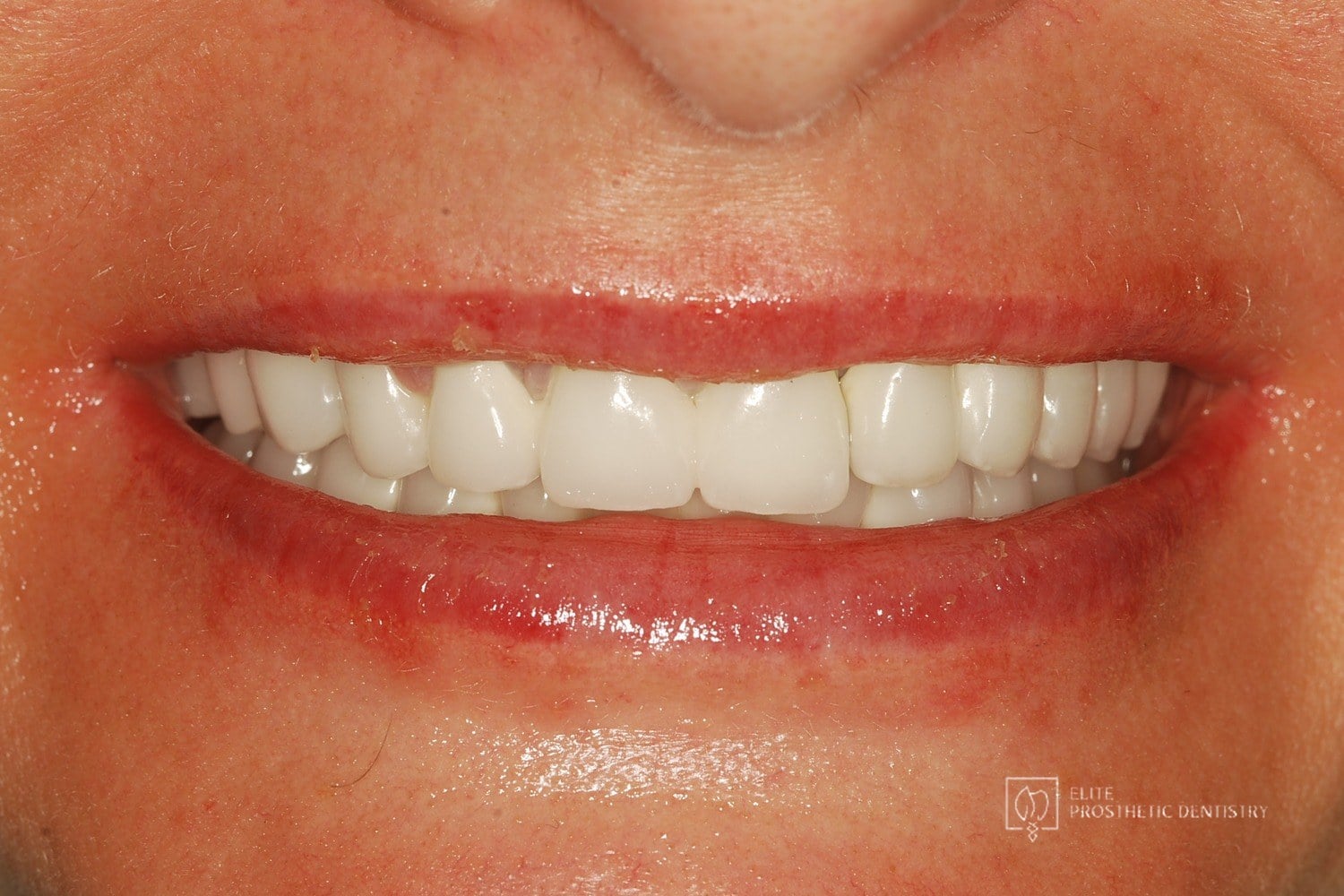 After
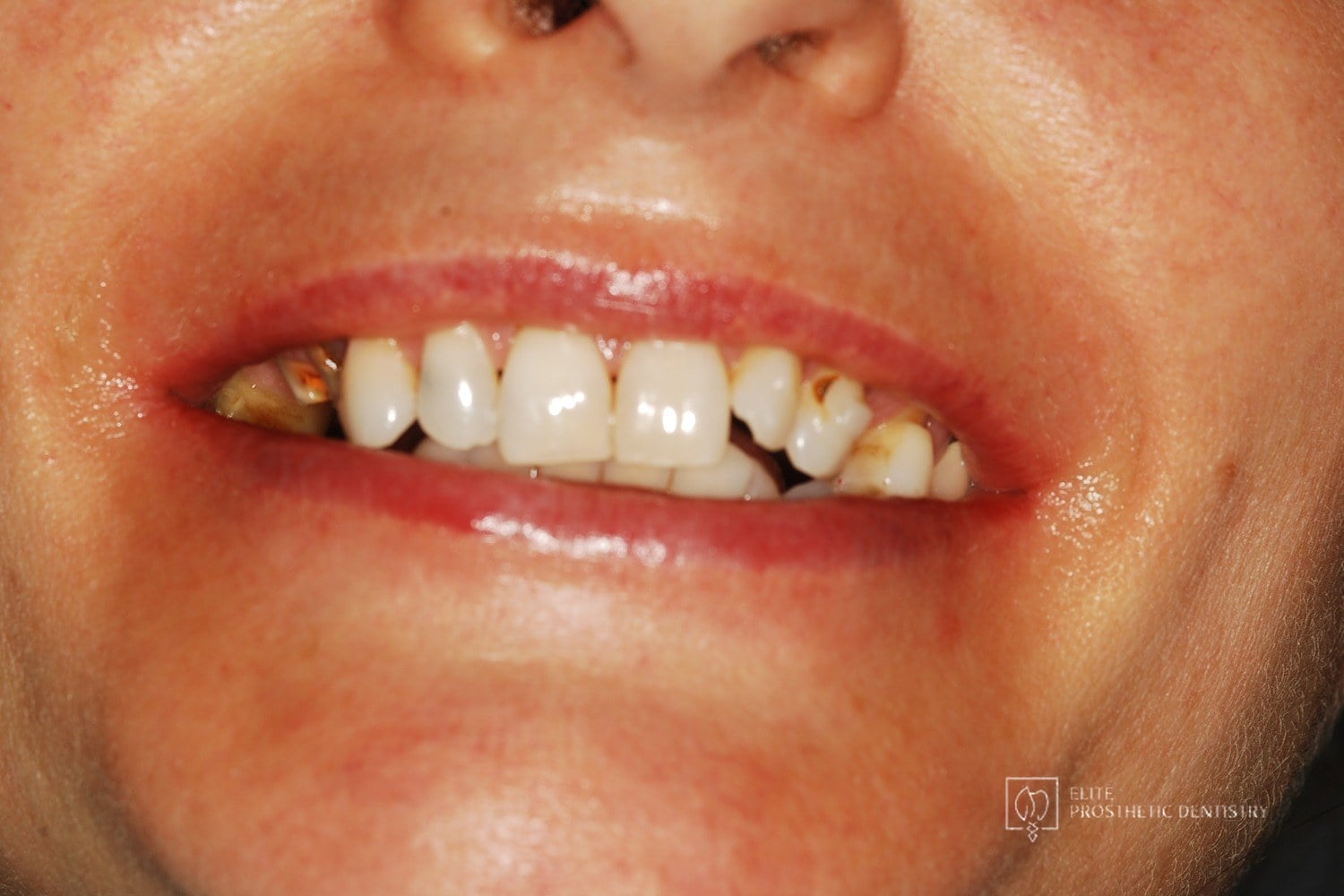
After How Aging, Failing Dentistry Was Replaced with a Coordinated Full-Mouth Implant and Crown Reconstruction
The patient presented with throbbing upper-molar pain, long-standing infections, multiple root canals and unfinished prior treatment, generalized sensitivity, and several hopeless teeth.
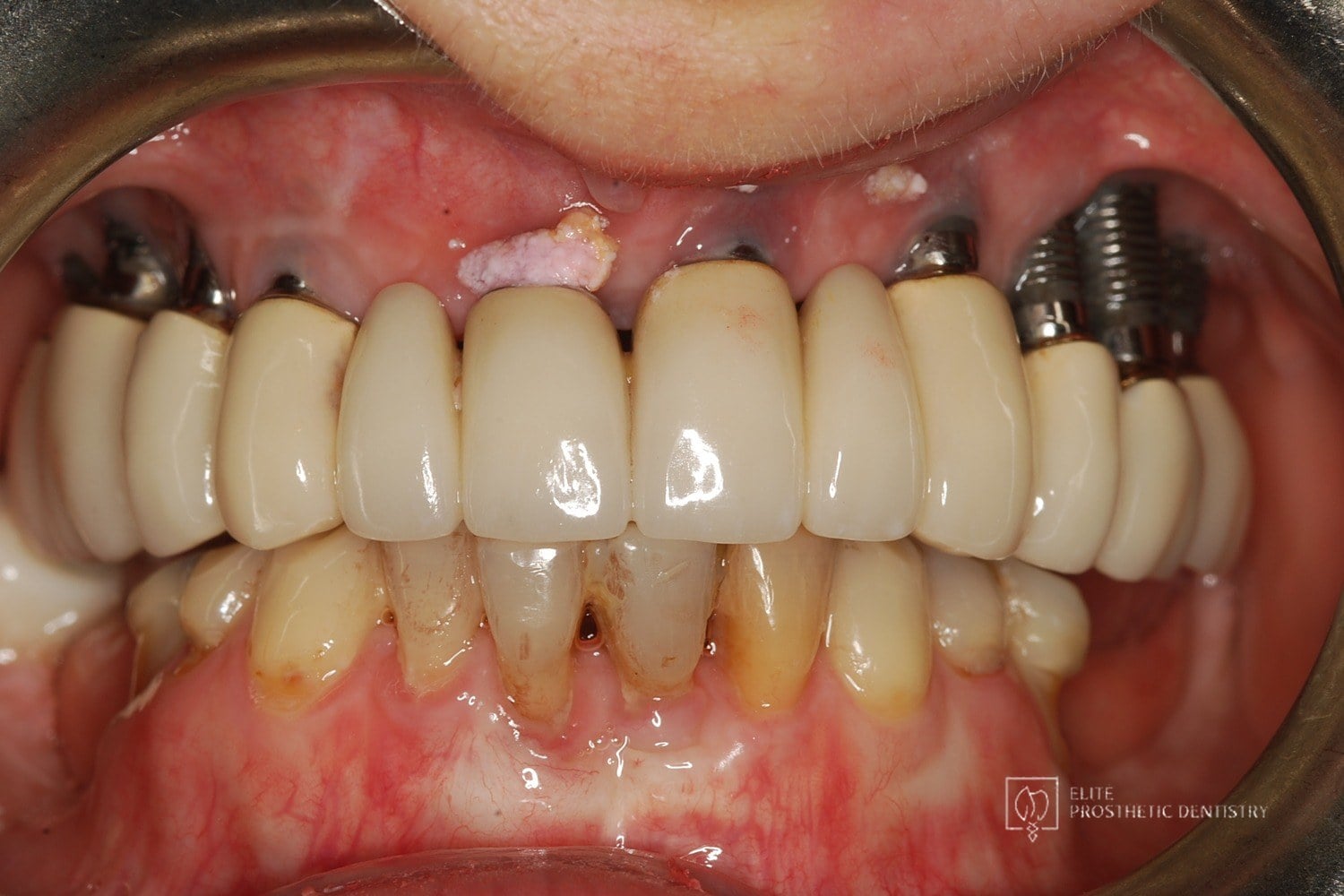 Before
 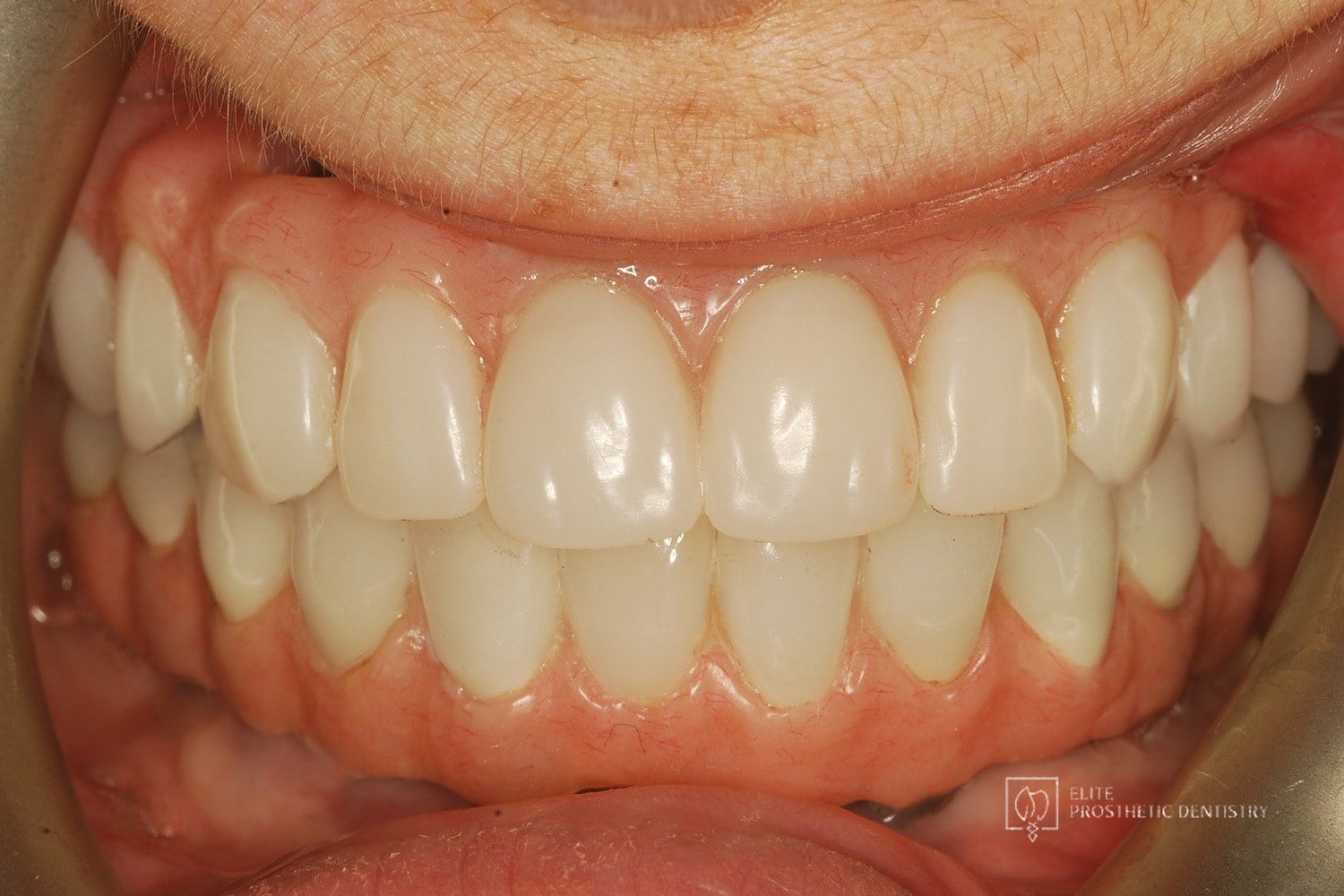 After
After How Failing Implants and Severe Bone Loss Were Rebuilt Into a Stable Full-Arch Implant Reconstruction
The patient presented with significant complications from previously placed implants, severe bone loss, failing posterior implants, and an unesthetic full-arch bridge. Both arches required full reconstruction, with the upper arch showing the most advanced bone loss and instability.
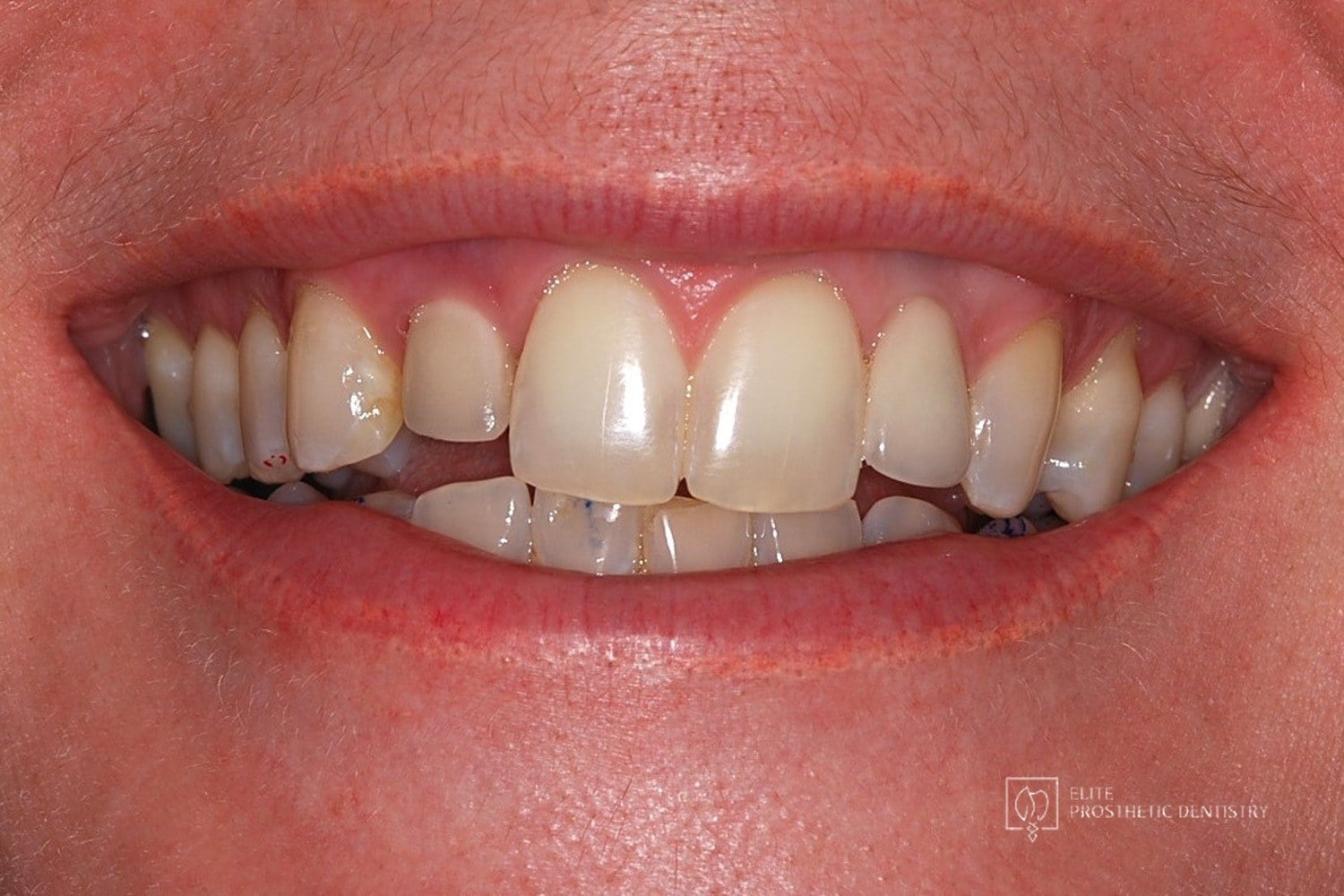 Before
  After
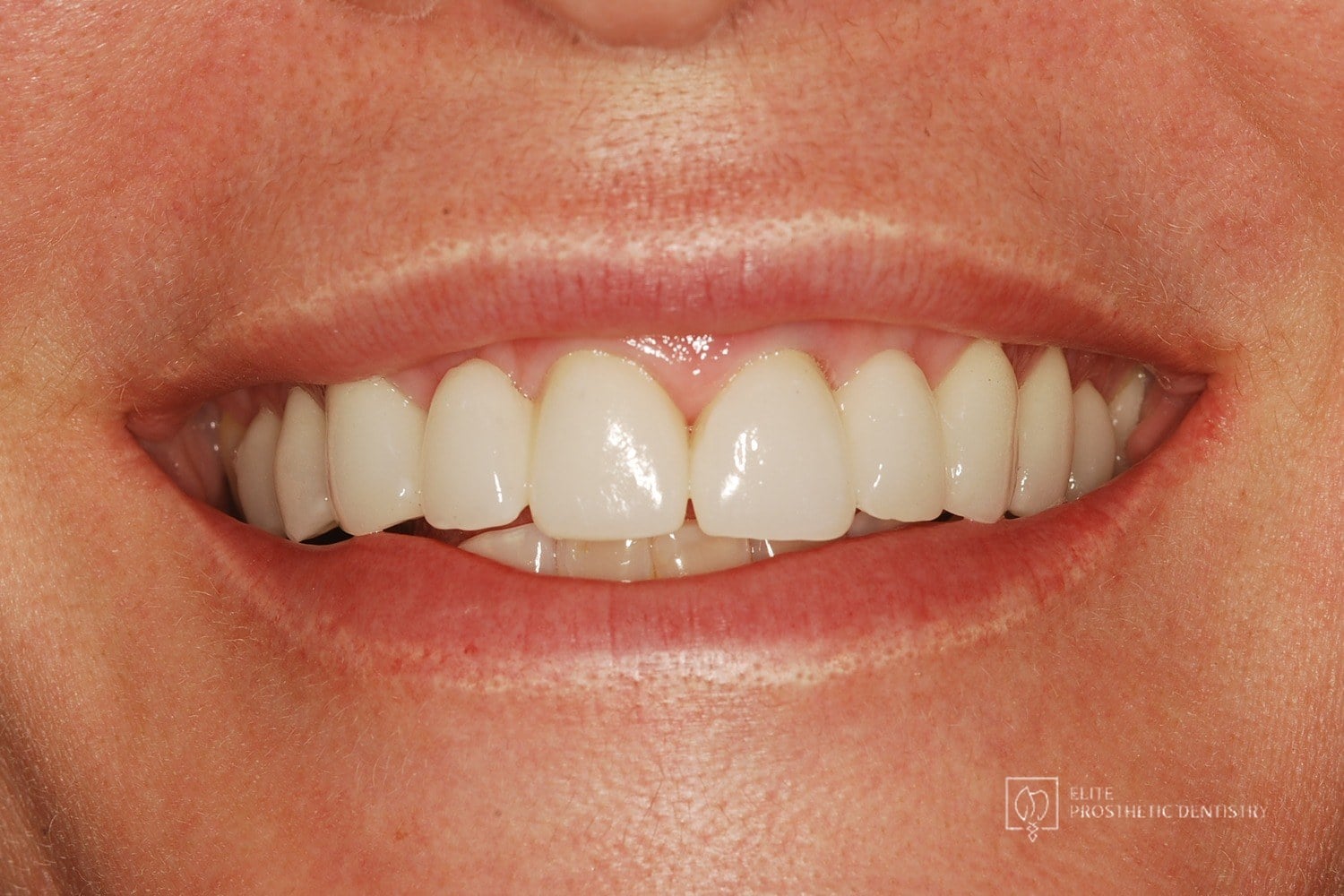
After How Failing Lateral Incisor Implants Were Replaced with Custom Zirconia Bridges After Severe Bone Loss Made Replacement Implants Impossible
Comprehensive examination including CBCT imaging revealed significant bone loss surrounding implants that were placed outside the buccal plate, most likely due to placement without a CBCT-generated surgical guide. The implants were determined non-salvageable, and the alveolar ridge was too narrow to support replacement implants without extensive reconstruction.
 Before
  After
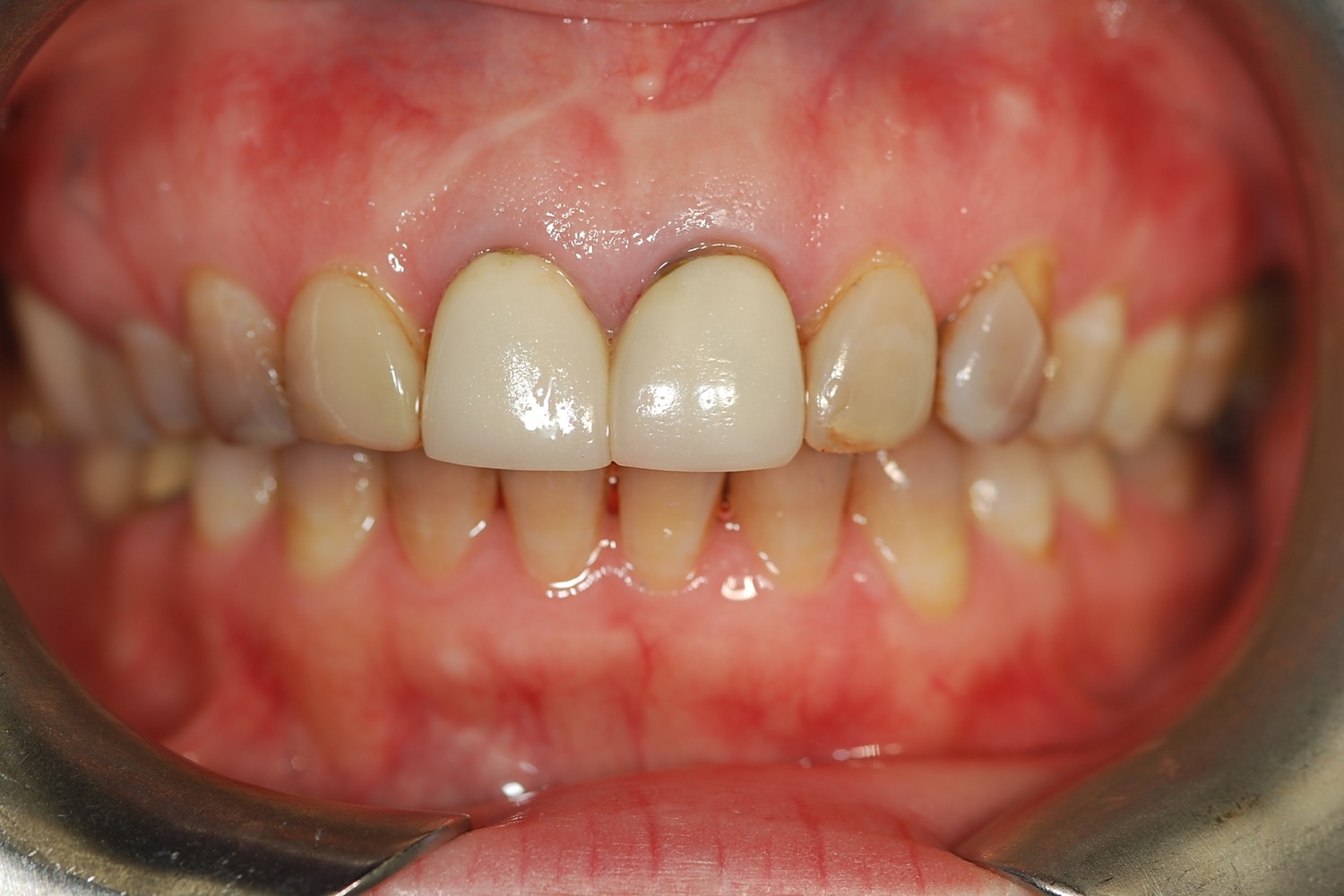
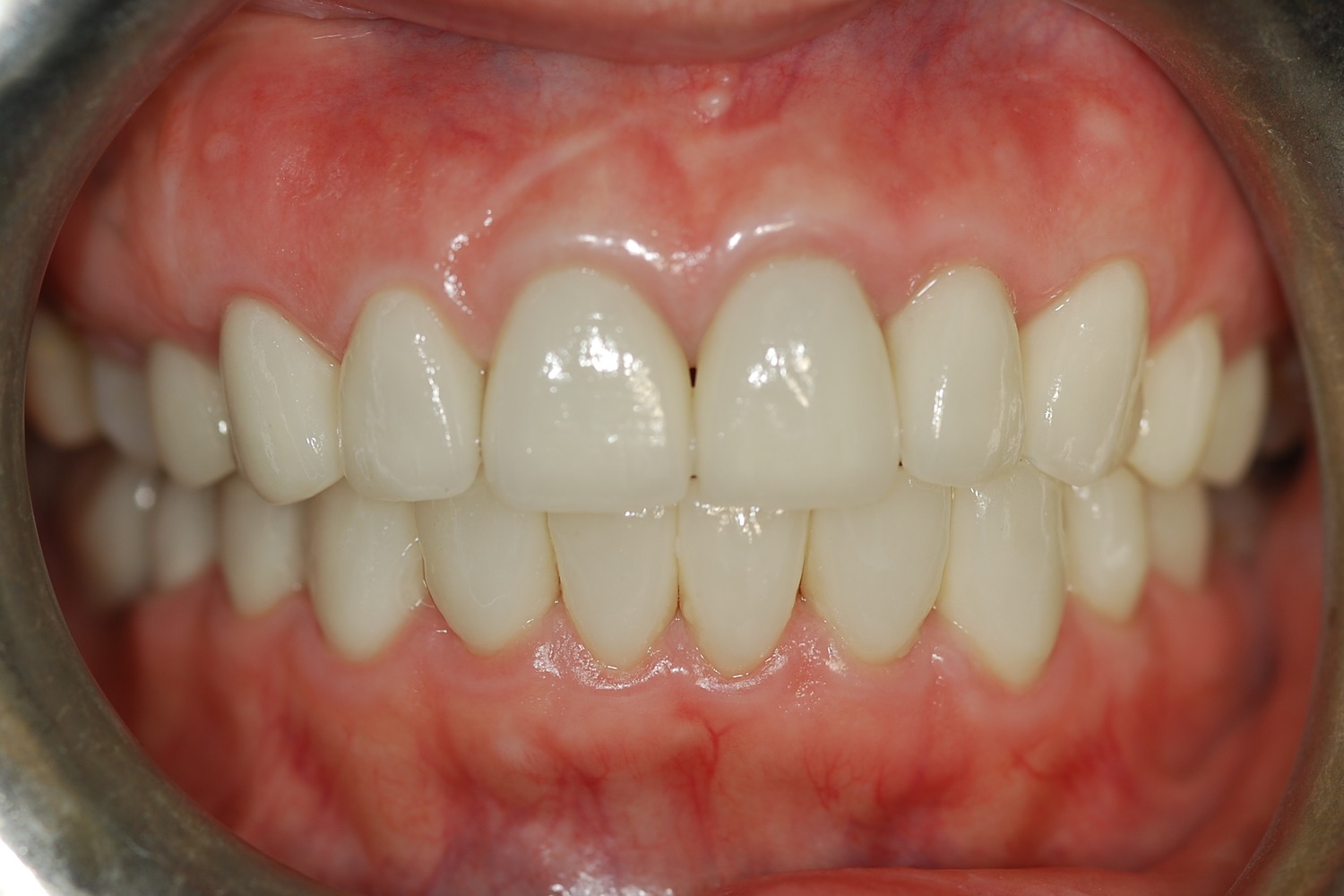
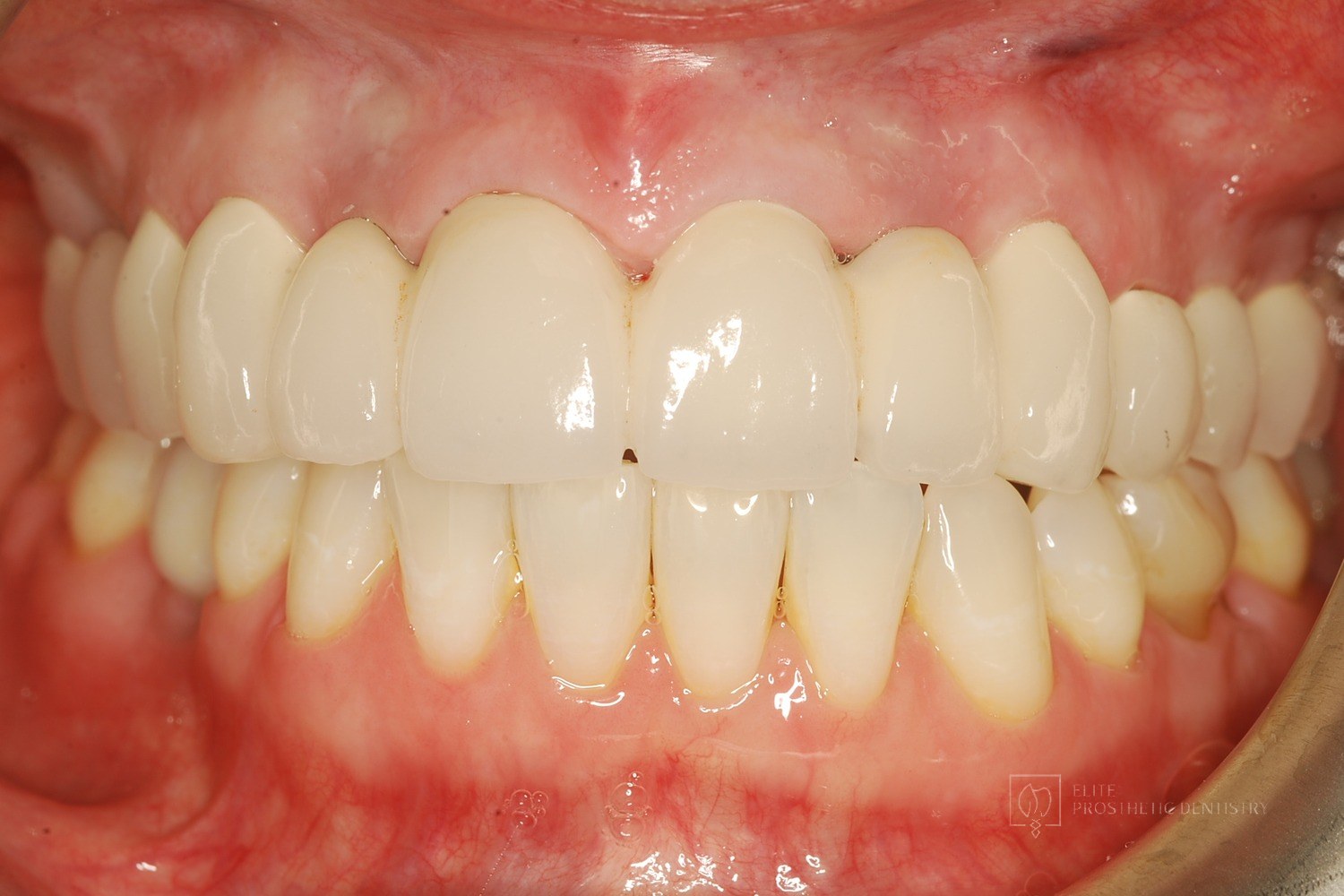
After How Aging, Opaque Restorations Were Replaced with Customized Ceramic Restorations Designed for Long-Term Natural Esthetics
The existing restorations appeared opaque, worn, and unnatural over time, affecting both confidence and overall smile harmony.
 Before
  After
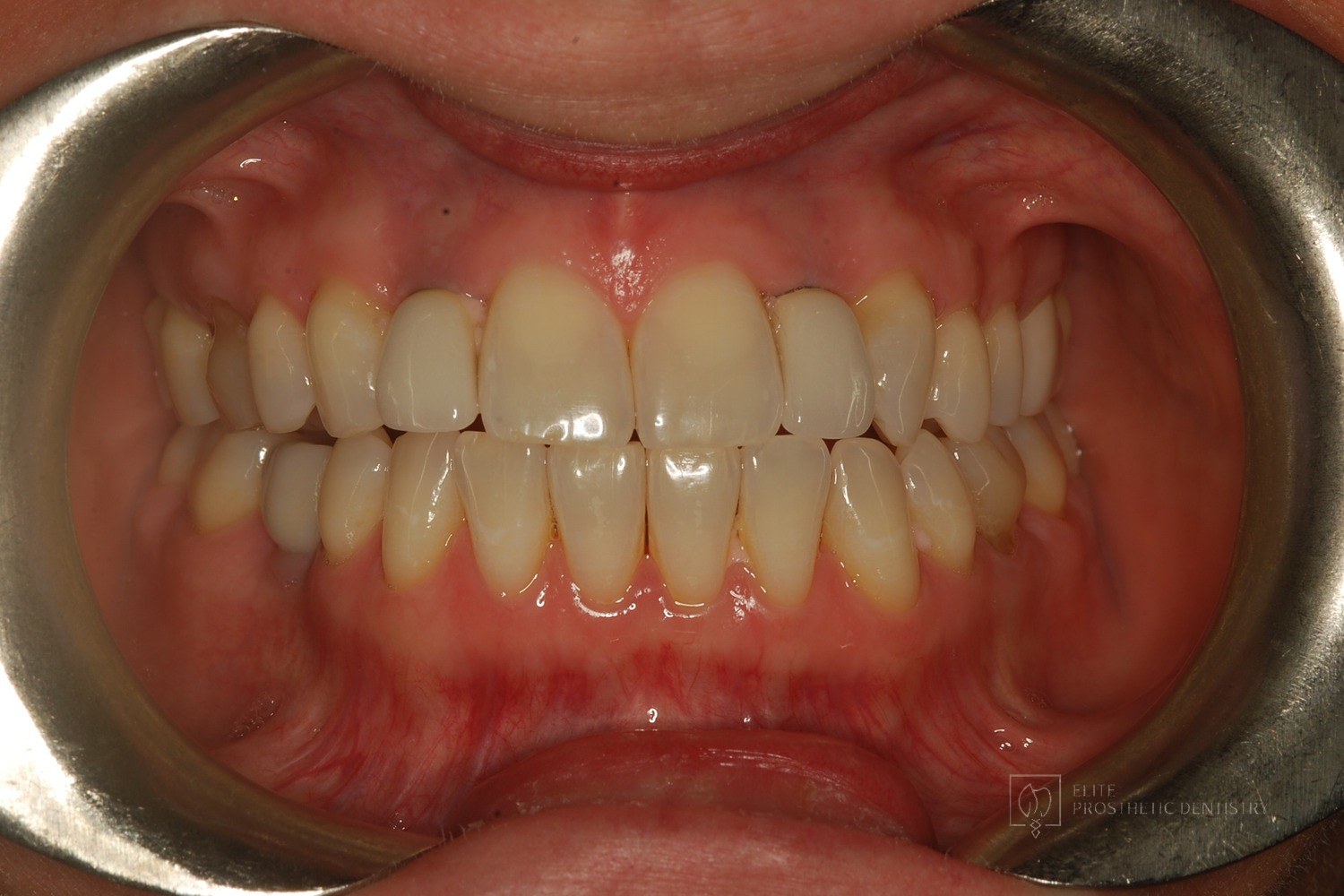
After How Older Implant Crowns Were Redesigned for a Better Bite and More Natural Appearance
The patient came in after years of living with implant-supported crowns placed more than twenty years earlier that no longer looked or functioned well. CBCT evaluation, reviewed with a radiologist colleague, showed the implants had been placed too far to the buccal in very thin bone and could not support a healthy long-term restoration.
 Before
  After
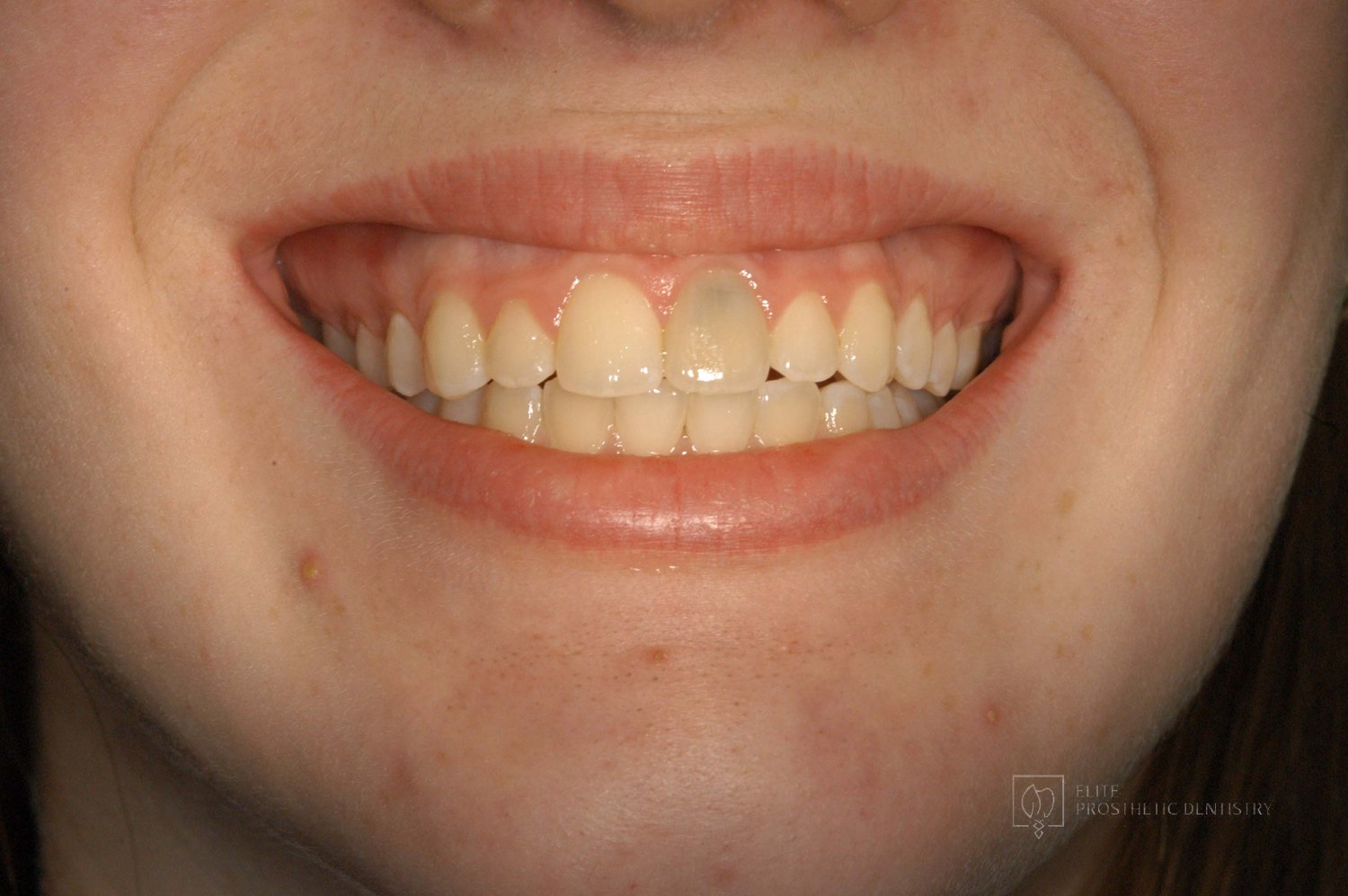
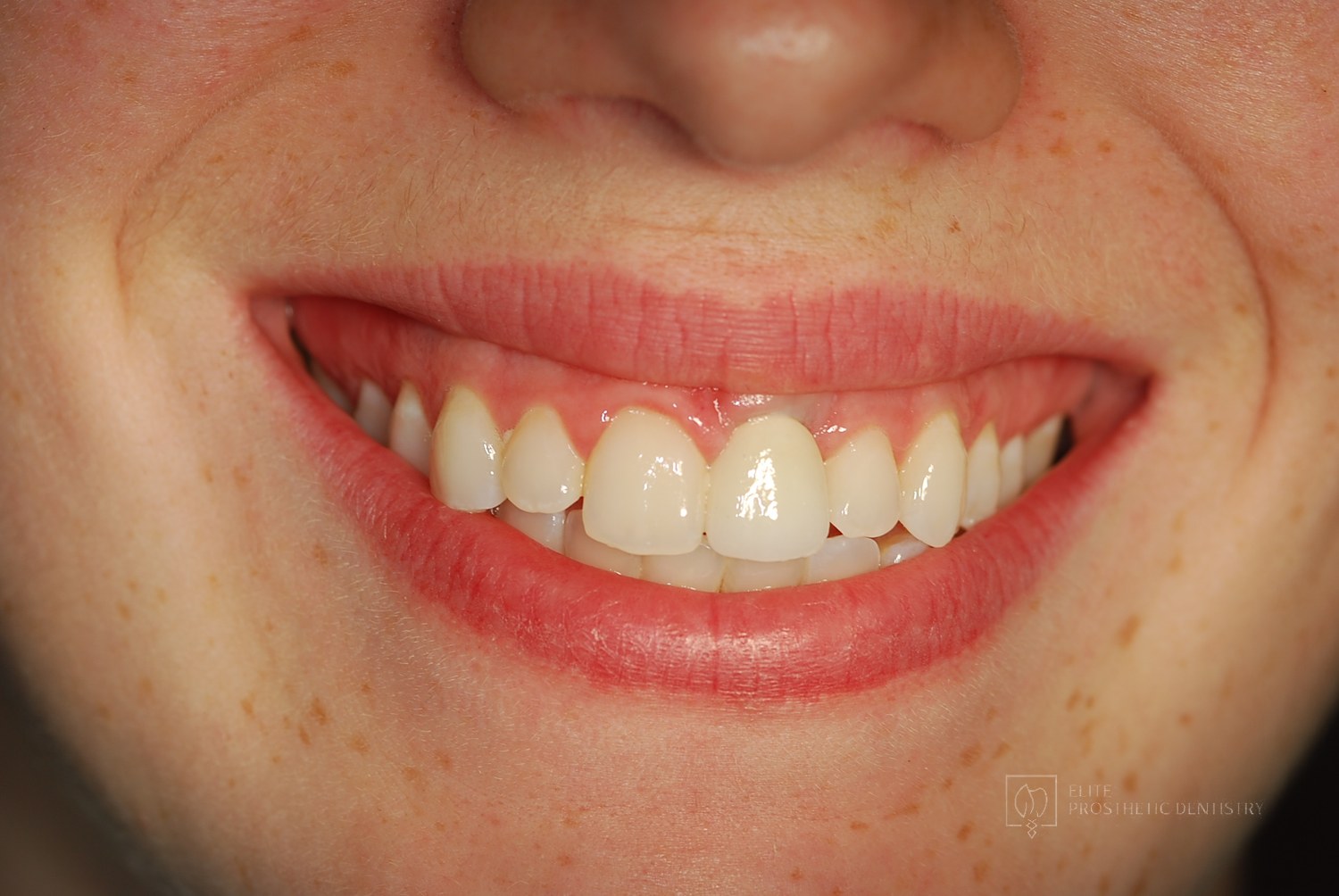
After How a Front Tooth Lost to Childhood Trauma Was Rebuilt with Bone Grafting and a Long-Lasting Implant
A teenager was referred by her father after earlier trauma left her upper left front tooth slowly failing from root resorption. She was still growing, so an immediate implant was the wrong move. The tooth had to be maintained to buy time, then replaced correctly once she reached skeletal maturity.
Bridge and Tooth Replacement Stories
Aging Bridge Replaced With Implant Reconstruction
An aging bridge and crowns replaced with staged implant and crown reconstruction.
Implant-Supported Cosmetic Restoration
How implants and crowns work together to deliver a complete result.
Quadrant of Crowns on Implants
Reconstruction with a quadrant of crowns seated on implants.
Bridge and Related Resources
Custom Dental Crowns
When a single tooth needs full-coverage restoration.
Dental Implants
Single-tooth implants as an alternative to a traditional bridge.
Implants vs. Bridges
Direct specialist comparison of implants and bridges for single-tooth replacement.
Single Tooth Implant
Single-tooth implant placement and restoration.
Bridge Problems
What to do when an existing bridge has loosened or failed.
Full Mouth Reconstruction
When a bridge is part of a comprehensive restorative plan.
Our In-House Dental Lab
How fabrication in our own laboratory changes every bridge that leaves the practice.
Conveniently Located in Friendship Heights
Serving Washington DC, Bethesda, Chevy Chase, McLean, Great Falls, Potomac, and surrounding communities. One block from the Friendship Heights Metro on the Red Line.
Request Your Specialist Consultation
Personally reviewed by Dr. Marlin or his team.
Hours
- Monday — Thursday8:00 AM — 5:00 PM
- Friday8:00 AM — 2:00 PM
- Saturday — SundayClosed