
Corrective Implant / Revision Expertise
When implant work fails, the question is never just how to patch it, but why it failed and what it takes to rebuild it properly. These cases document exactly that work.
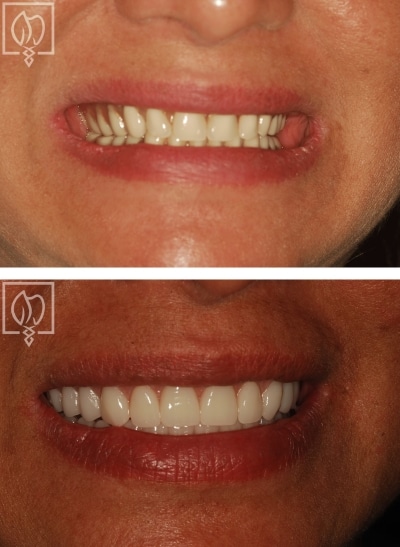
Every case in this hub started with implant work that was failing: fractured components, implants placed where bone could not support them, restorations that never matched how the bite actually functions. Correcting that is specialist work by nature, because a revision inherits every constraint the original treatment left behind.
The pattern across these cases is consistent: identify the cause, rebuild the foundation with grafting where needed, and plan the final restoration first so the surgical steps serve it. That is the discipline that makes the corrected result durable, and it is why patients with failing implant work travel to a prosthodontist rather than repeating the original approach.
Who This Hub Is For
This section is for patients who are considering correcting dental implant work that is failing, was poorly positioned, or never worked properly and want to understand whether a prosthodontic specialty practice may be the right setting for their care. The cases below are documented examples; the decision points and evaluation criteria are what we would apply to your situation. For the practice's approach to repairing failing implants and to dental implants in Washington, DC generally, see the service pages.
Common Decision Points
- Whether a failing implant can be saved by treating the bone and tissue, or should be removed and replaced
- Whether the implant itself or the restoration on top of it is the problem
- Which of several older implants can be kept and which cannot
- How to rebuild bone and position a replacement so the same failure does not repeat
What We Evaluate
- CBCT imaging of bone loss, implant position, and angulation
- The design of the existing abutments and restorations and how the bite loads them
- Signs of peri-implantitis, fractured components, and hygiene access
- The final restoration the corrected implants must support, planned before any surgery
Is This the Right Setting for You?
Revision cases usually begin with a patient who wants an independent evaluation of implants that are failing or a plan they are unsure about. Our decision guides cover when a second opinion is worth getting and how prosthodontic implant reconstruction compares with an implant-center pathway.
When to Seek a Second Opinion Before Major Treatment →
Documented Cases in This Category
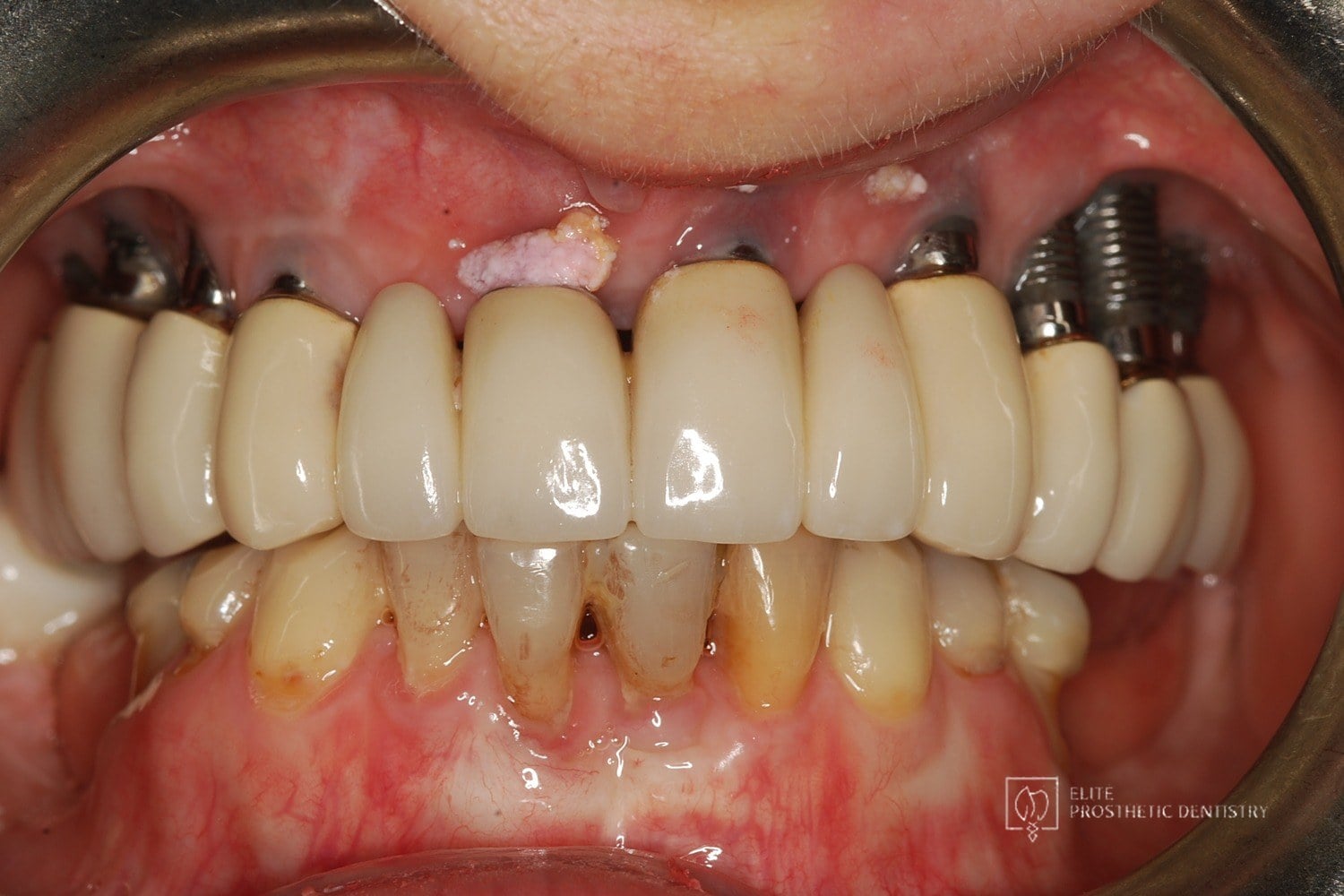
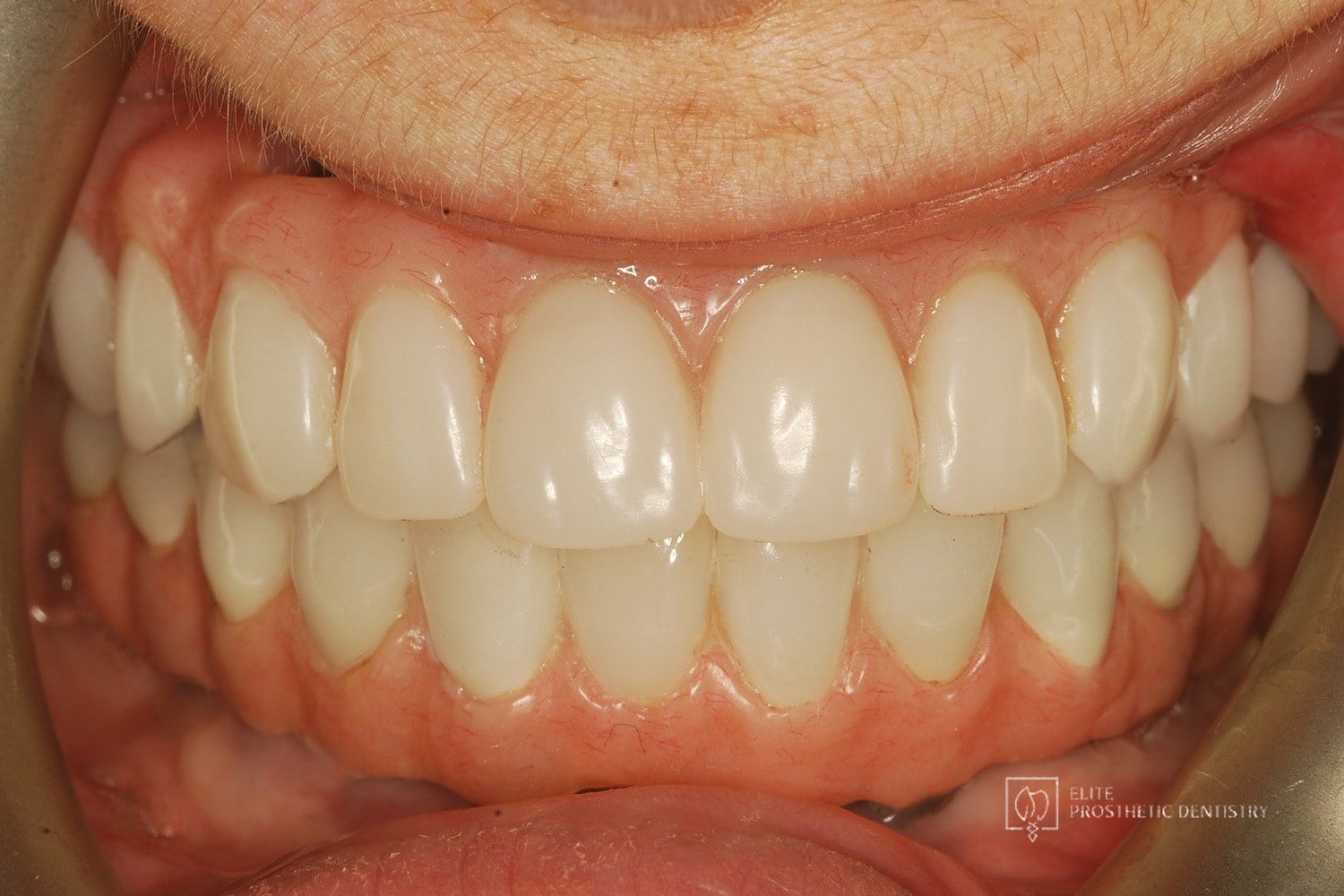
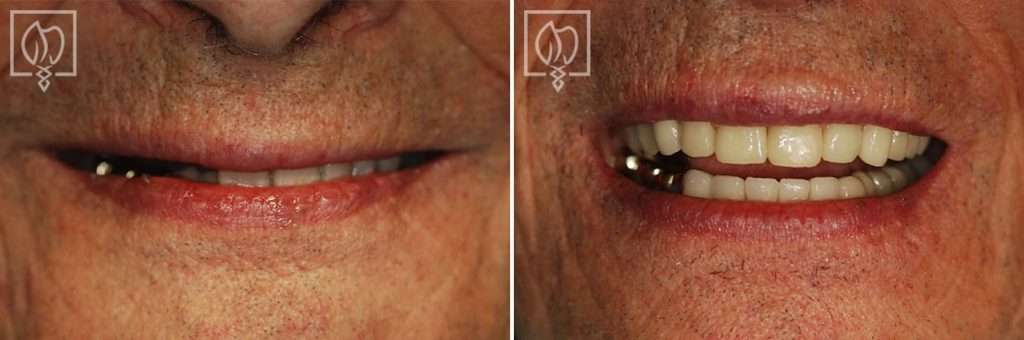
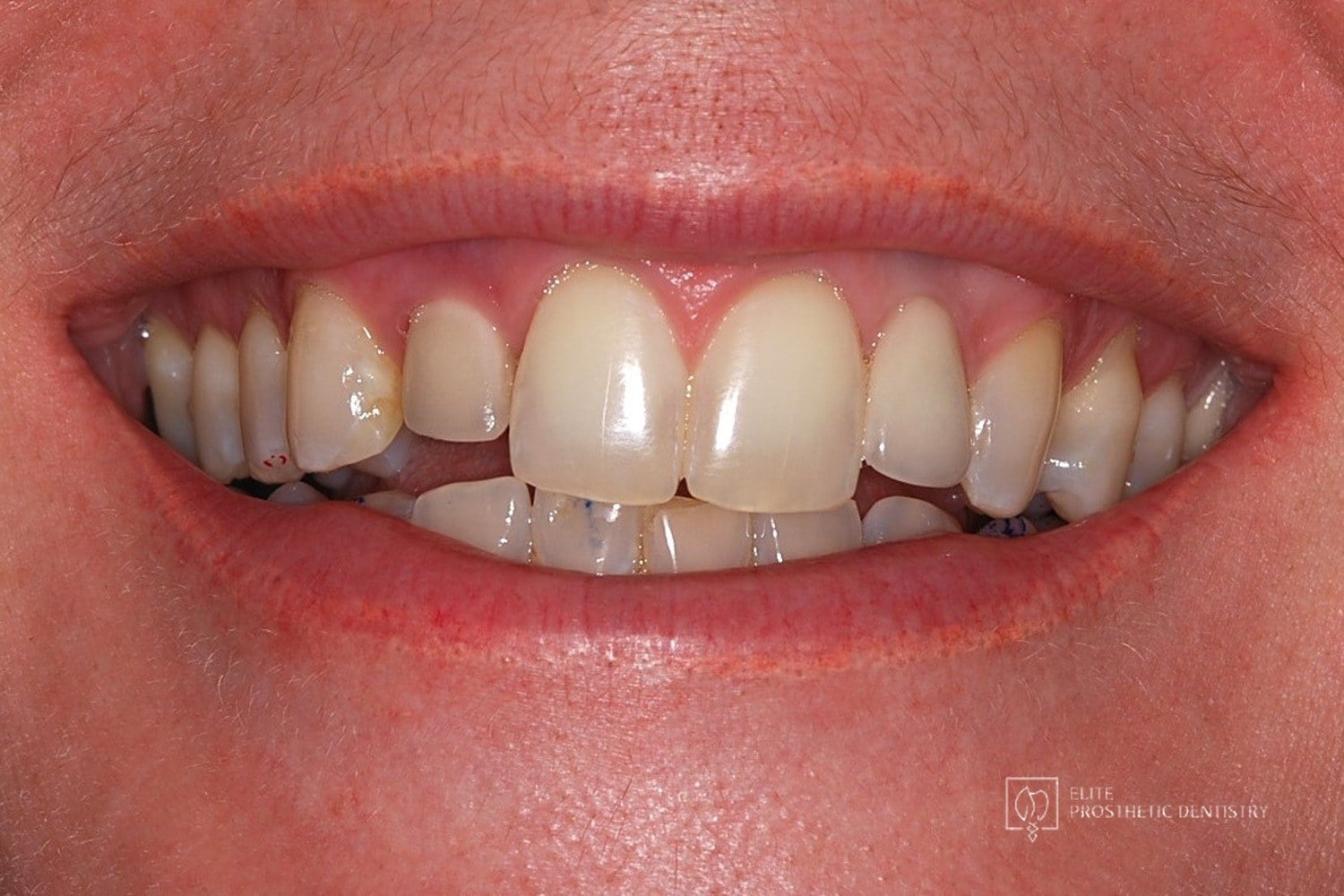
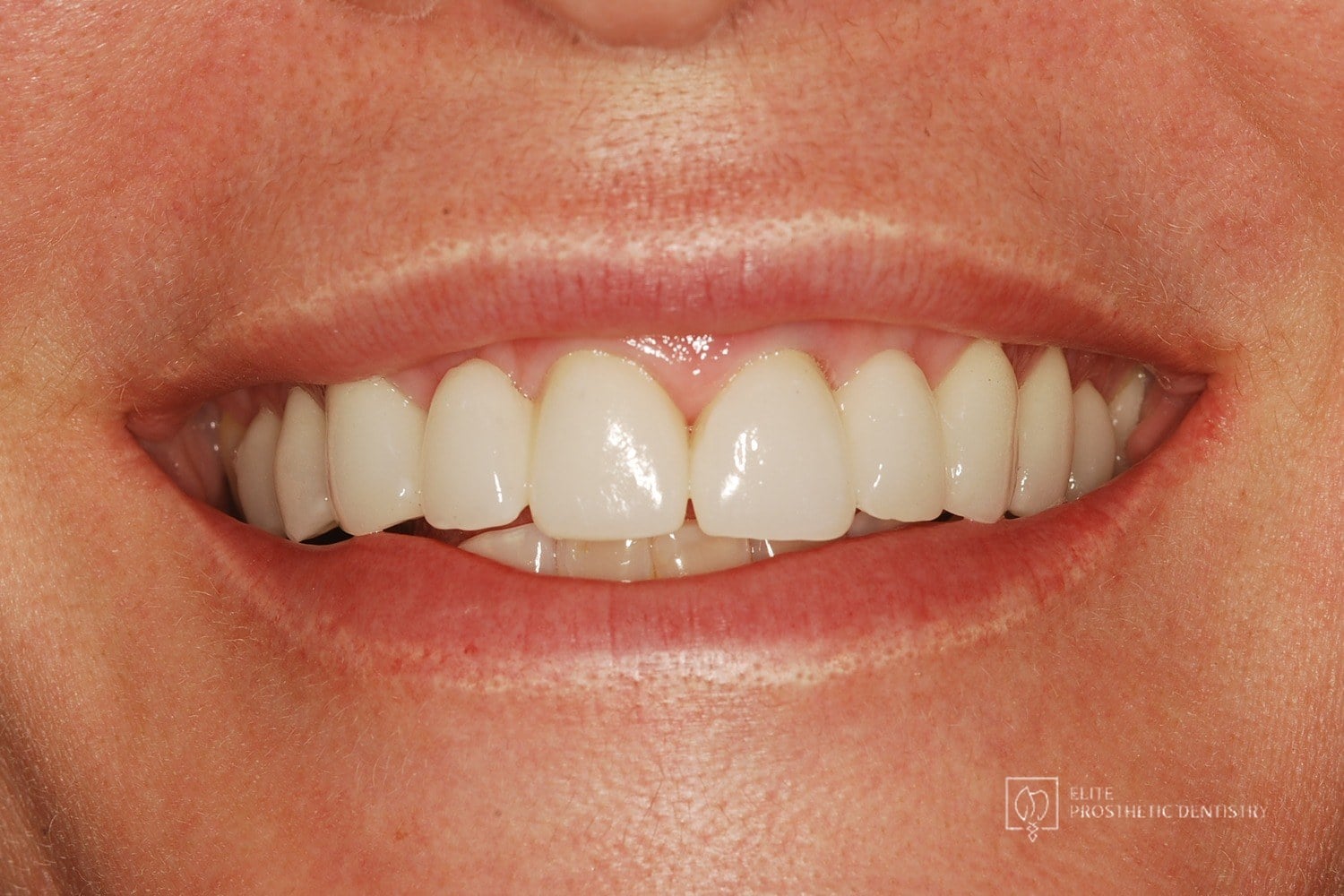
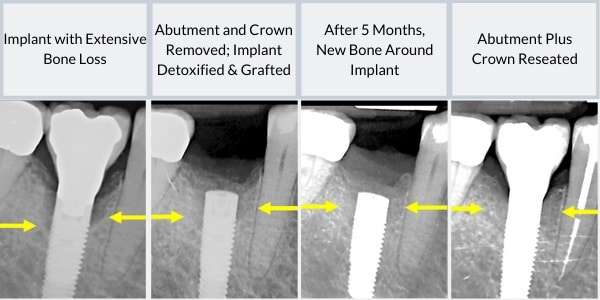
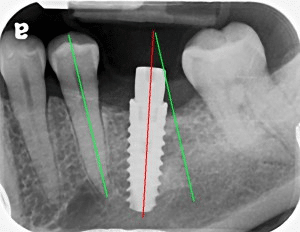
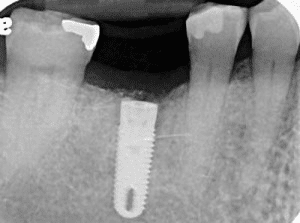
Related Specialist Services
Questions Patients Ask About These Cases
Can implant work that failed somewhere else be corrected here?
Very often, yes, and it is a significant part of this practice. The cases in this hub include implants that fractured, integrated poorly, or were placed in positions that could never support a healthy restoration, each evaluated for cause and then rebuilt on a properly sequenced plan.
Does a failing implant always have to be removed?
No. Some can be restored correctly, some need the tissue and bone around them treated, and some do need removal, grafting, and replacement. The documented cases here show each path. The point of the evaluation is to find the cause before choosing the fix.
Why did the original implant work fail?
Common causes in these cases include placement in too little bone, angulation that overloaded the restoration, prosthetics that never fit the way the bite actually functions, and untreated disease around the implant. A revision plan starts by naming the cause so the same failure is not rebuilt.
What makes revision work different from first-time implant work?
Revision starts with less: less bone, less space, and a history that has to be undone before anything new can succeed. That is why these cases lean on grafting, staged sequencing, and prosthetic planning by a specialty-trained prosthodontist working with the in-house laboratory.
Have a patient with complex restorative, implant, bite, or esthetic needs?
Elite Prosthetic Dentistry provides specialist prosthodontic evaluation, treatment planning, and collaborative care while preserving the patient's relationship with the referring office. How referrals work here.
Facing a Similar Situation?
Request a specialist consultation with Dr. Gerald Marlin to understand what is possible for your case, whether treatment is limited or comprehensive.