
When Should an Implant Not Be Done?
The most valuable sentence in implant dentistry is occasionally “no, not here.”
Dr. Marlin has placed more than 3,900 dental implants, and precisely because of that experience, we can tell you plainly: there are situations where an implant is the wrong instrument, where preserving natural teeth and choosing alternatives produces the better long-term outcome. Here is a real case that shows what saying no looks like, and why it matters.
Told Twice to Extract. Both Times Wrong.
Before coming to us, our patient had been told, twice, to remove the roots of her upper central incisors and replace them with implants. The recommendation sounded modern. It was also, for her anatomy, a trap.
Her roots were perfectly sound (Fig. 1), fully restorable foundations that should be preserved. And the bone that would have received the implants argued even louder: angled at roughly 45 degrees (Fig. 2), too thin (Fig. 3), with a steep labial slope. Any implant placed there would sit proud of the ridge, carry elevated fracture risk, and look unnatural, in the most visible location in her smile, beneath a high lip line where every error would show.
Had those incisors been extracted as recommended, the socket walls would have collapsed into a crater of lost bone, an irreversible aesthetic disaster. The implants meant to restore her smile would have destroyed its foundation first.
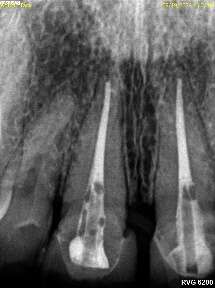
Fig. 1: Healthy Roots
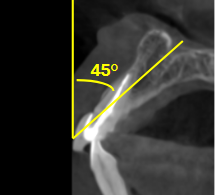
Fig. 2: At 45 Degrees, Implants Would Be Unrestorable
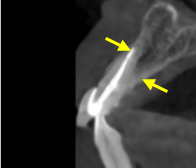
Fig. 3: Bone Too Thin and Fragile for Support
What Was Done Instead
Her sound roots were restored with custom posts in the treated root canals and fitted with temporary crowns. After orthodontic treatment to reduce the spacing between the teeth, she will receive her final custom crowns, fabricated in our in-house laboratory. Her own roots keep their job, the bone keeps its architecture, and her smile keeps its future.
The same logic applies across the contraindication list: uncontrolled health conditions, sites where bone cannot realistically be rebuilt, and every case where a restorable tooth is standing in the proposed implant’s spot. The broader decision framework is covered in what to do when told a tooth needs extraction.
Decision-Driven, Not Product-Driven
None of this is implant skepticism. Implants remain the standard for teeth that are truly gone, and we place them constantly, with precision planning that makes them last. The point is sequencing: the anatomy and the tooth get evaluated first, and the treatment follows the findings, not the other way around.
If you have been told your teeth need to come out for implants, especially front teeth, get an opinion from a specialist trained to save teeth as well as replace them. Call 202-244-2101 or book your consultation with Dr. Gerald Marlin at Elite Prosthetic Dentistry in Friendship Heights, Washington, DC.
See How We Resolve These Problems
Our patient success stories show real cases and real results. Browse outcomes from a specialist prosthodontist with decades of experience and 3,900+ implants placed.
Key Takeaways
- ✓ Not every missing-tooth problem is an implant problem. Healthy roots, fragile bone, and steep bony angles can all make implants the wrong instrument.
- ✓ Extracting sound roots for implants trades a working foundation for a surgical gamble, and in thin anterior bone it risks an irreversible aesthetic loss.
- ✓ Implants placed in severely angled or thin bone sit proud, risk fracture, and rarely look natural.
- ✓ Alternatives exist: posts and custom crowns on preserved roots, orthodontic space management, and implant-free restorations.
- ✓ A specialist who profits from implants and still tells you no is exactly the opinion worth having.
Frequently Asked Questions
When are dental implants contraindicated?
The clearest cases: teeth or roots that are actually healthy and restorable, bone too thin or fragile to support an implant, severely angled bone that would force the implant into an unrestorable position, and sites where extraction itself would collapse the aesthetics, particularly in the front of the mouth under a high lip line. Health factors and uncontrolled conditions add more.
Why would a dentist recommend implants for teeth that could be saved?
Usually philosophy rather than bad faith: in the implant era, replacement has become the default reflex in many offices, and a practice built around implant volume sees implant cases. It is precisely why second opinions from a specialist trained in both saving and replacing teeth are worth the visit.
What happens if an implant is placed in bad bone anyway?
The implant sits proud of the ridge or at a compromised angle, the restoration on it fights the position forever, fracture risk rises, and the aesthetics rarely recover, especially in the smile zone. Rescuing these situations later costs far more than avoiding them.
What are the alternatives when implants are the wrong choice?
Depending on the case: preserving roots with endodontic treatment, custom posts, and crowns; orthodontics to manage spacing; implant-free bridgework; and staged strategies that revisit implants only if conditions change. The right answer follows the anatomy.
Related Patient Success Stories
Explore similar patient success stories demonstrating our expertise in advanced prosthetic dentistry.
 Before
 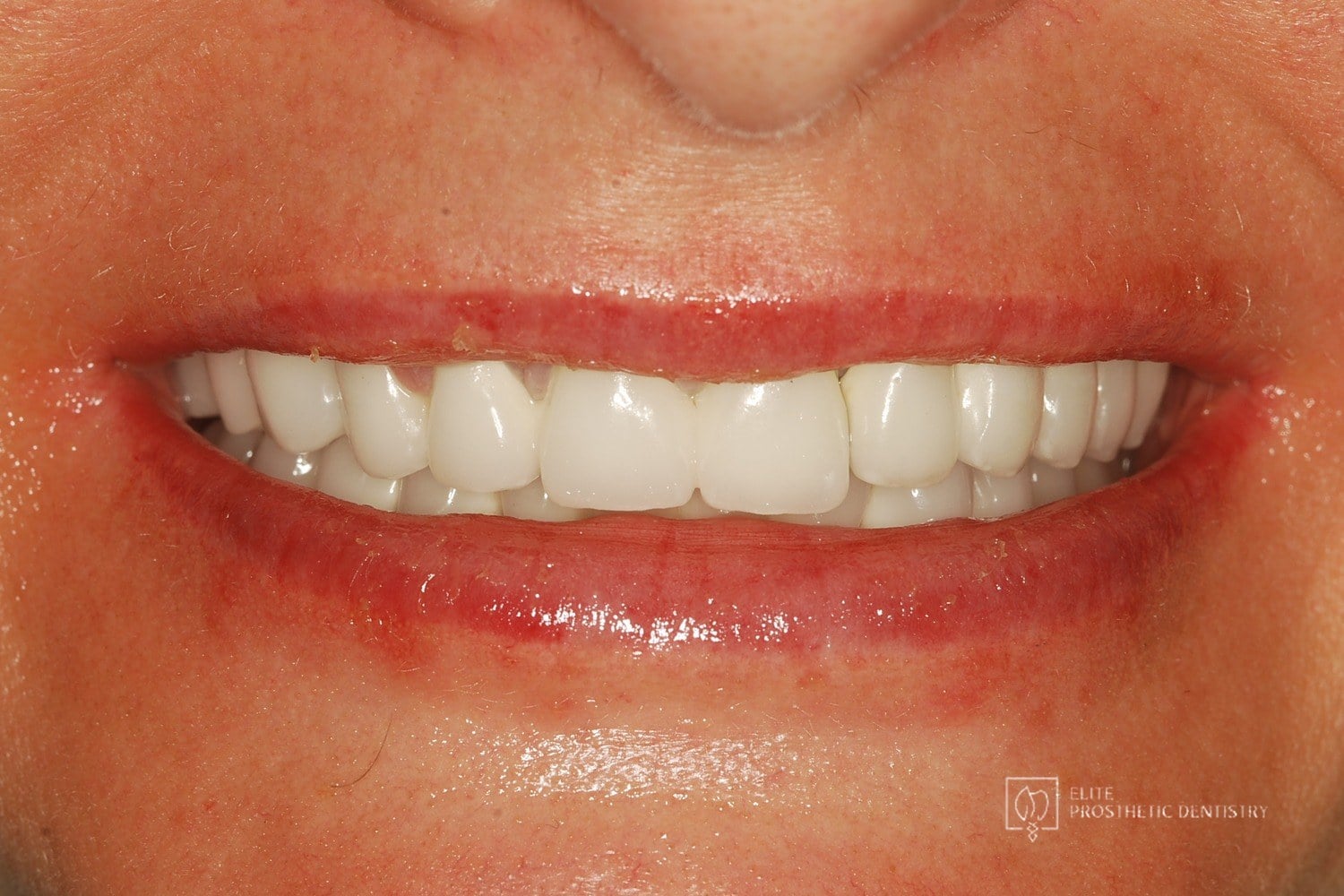 After
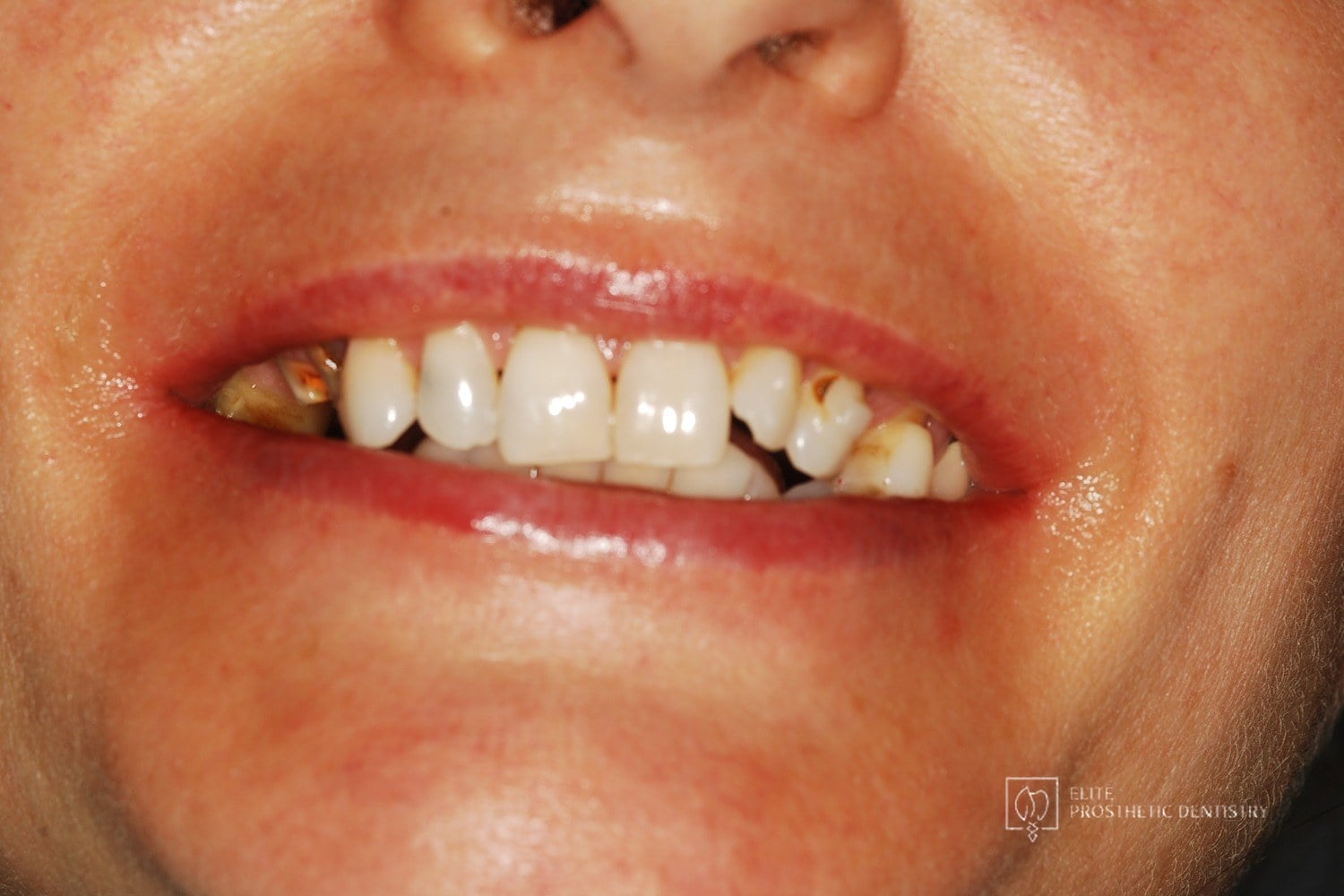
After How Aging, Failing Dentistry Was Replaced with a Coordinated Full-Mouth Implant and Crown Reconstruction
The patient presented with throbbing upper-molar pain, long-standing infections, multiple root canals and unfinished prior treatment, generalized sensitivity, and several hopeless teeth.
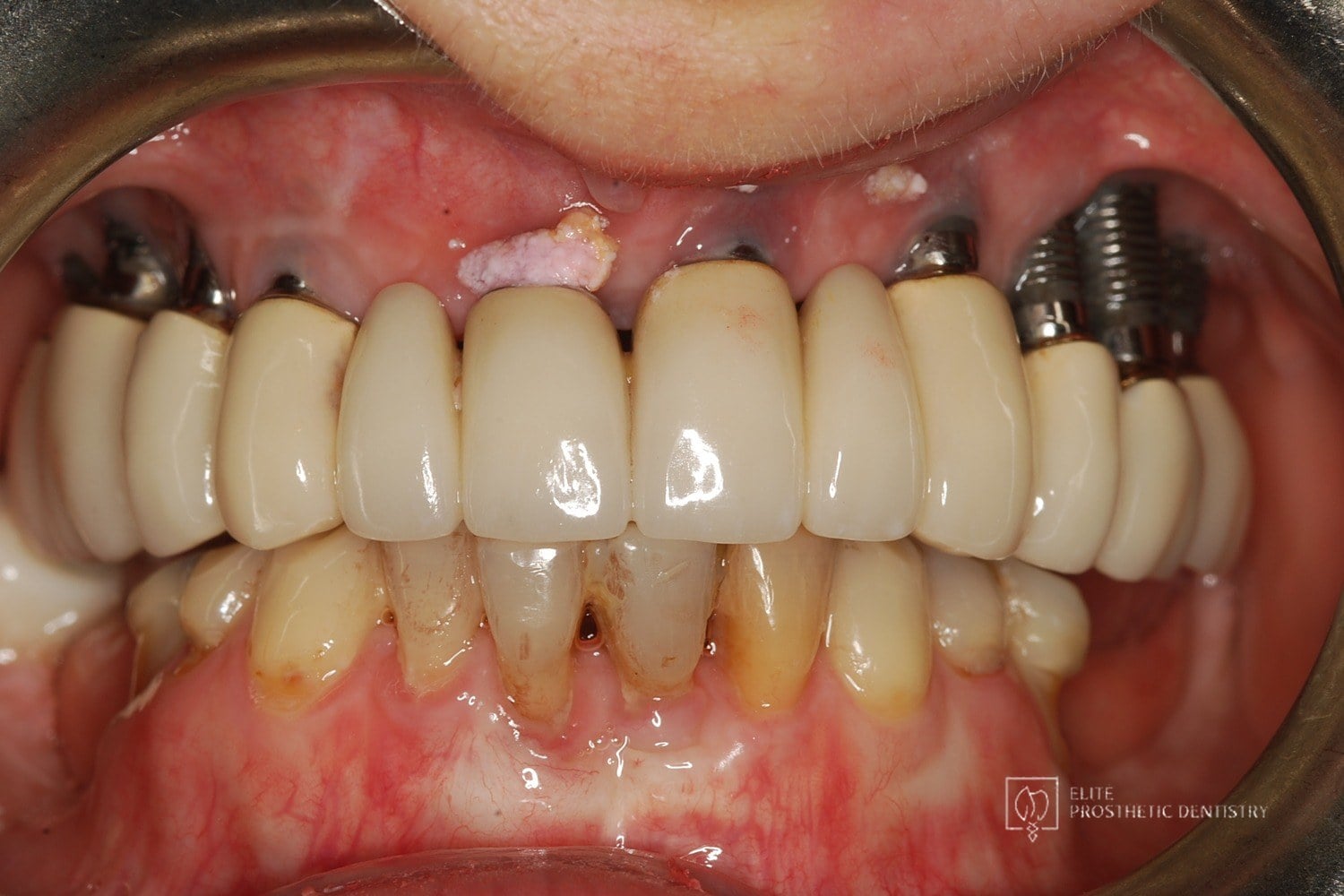 Before
 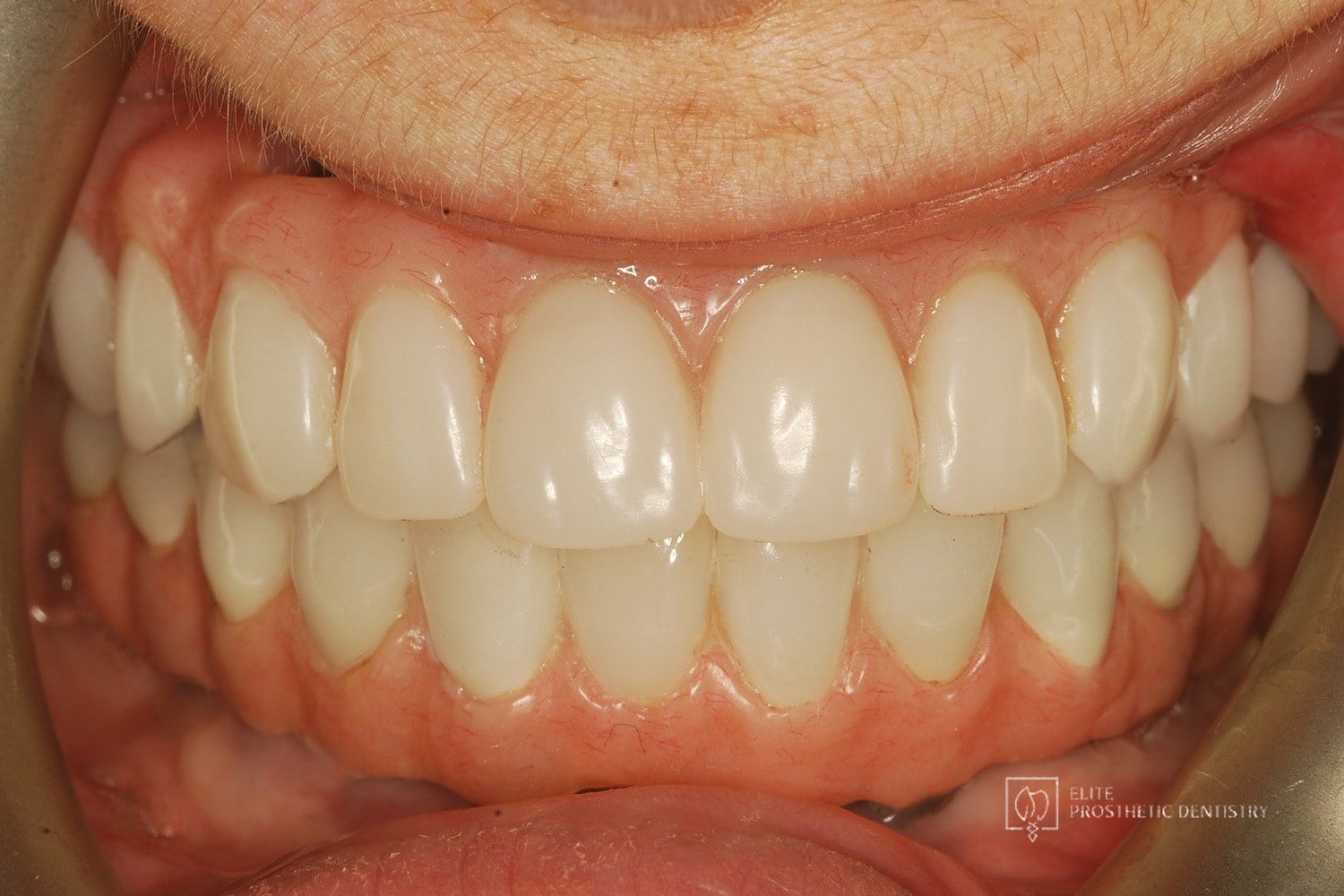 After
After How Failing Implants and Severe Bone Loss Were Rebuilt Into a Stable Full-Arch Implant Reconstruction
The patient presented with significant complications from previously placed implants, severe bone loss, failing posterior implants, and an unesthetic full-arch bridge. Both arches required full reconstruction, with the upper arch showing the most advanced bone loss and instability.
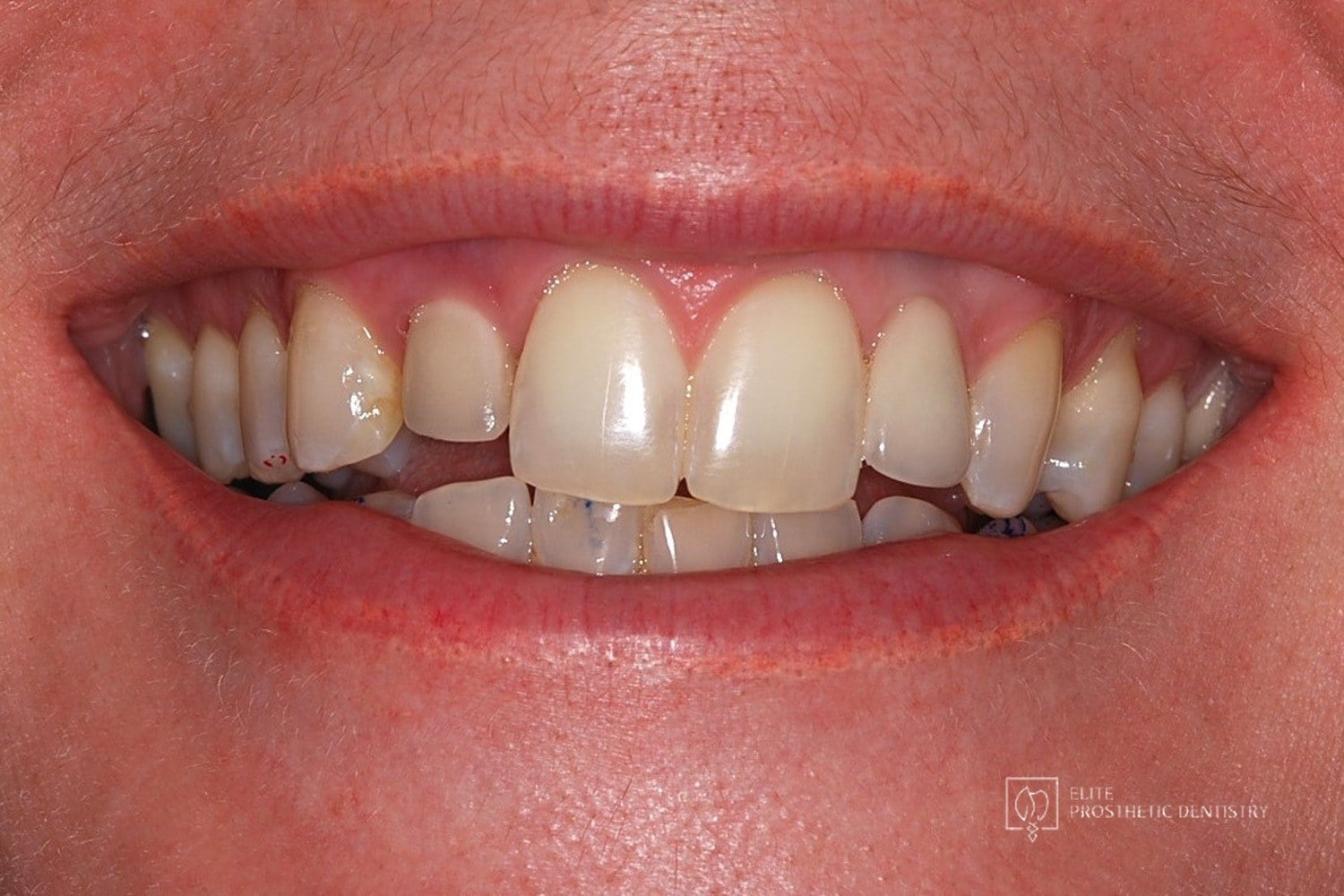 Before
 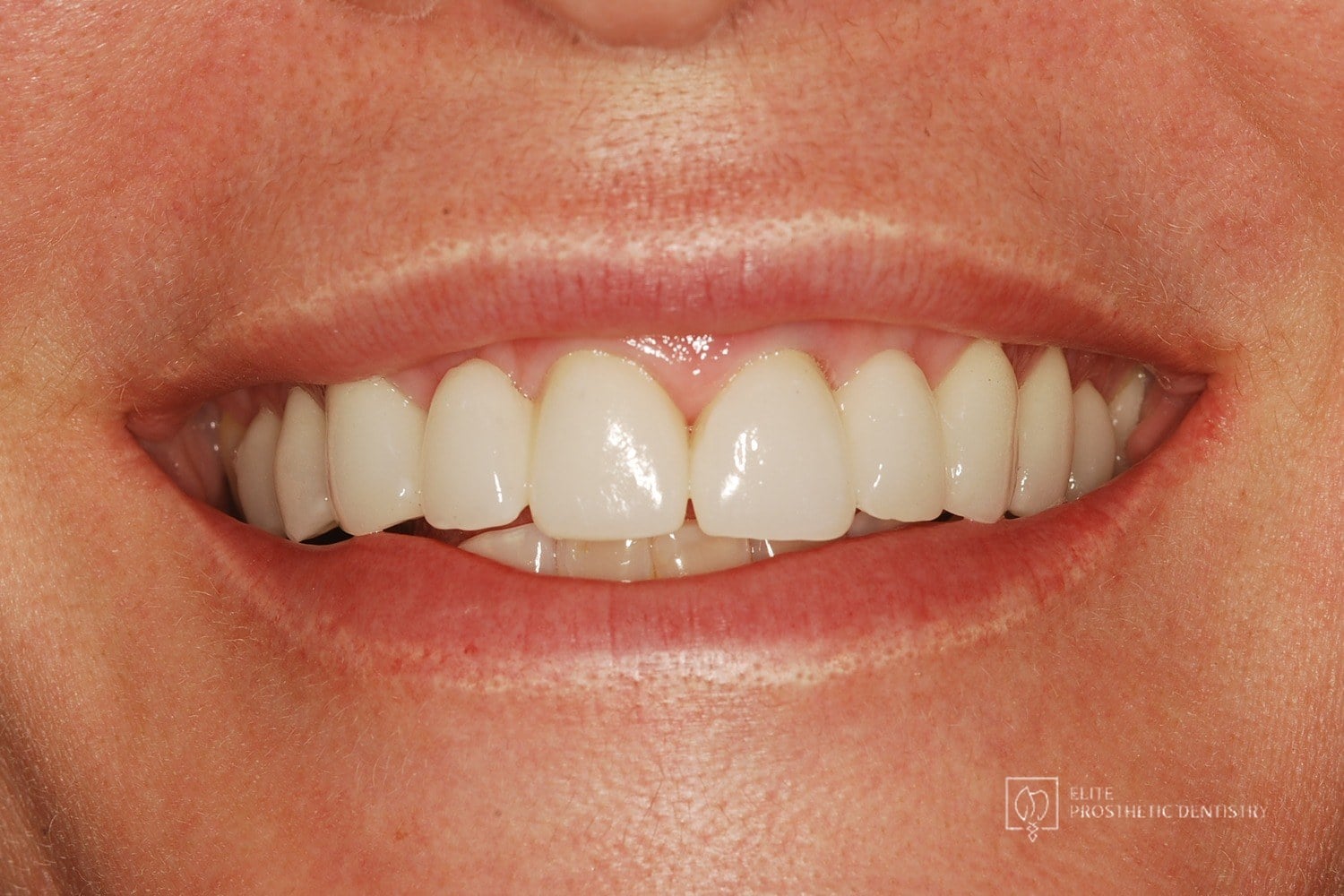 After
After How Failing Lateral Incisor Implants Were Replaced with Custom Zirconia Bridges After Severe Bone Loss Made Replacement Implants Impossible
Comprehensive examination including CBCT imaging revealed significant bone loss surrounding implants that were placed outside the buccal plate, most likely due to placement without a CBCT-generated surgical guide. The implants were determined non-salvageable, and the alveolar ridge was too narrow to support replacement implants without extensive reconstruction.
Related Articles
Deepen your knowledge with additional insights on this topic.
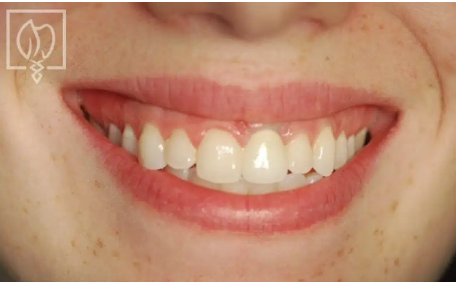 Dental Implants
 If a Single Front Tooth Is Replaced with an Implant, Can It Look Natural?
Yes. See the four steps, with real case photos, that make a single front tooth implant indistinguishable from the natural tooth beside it. Washington, DC.
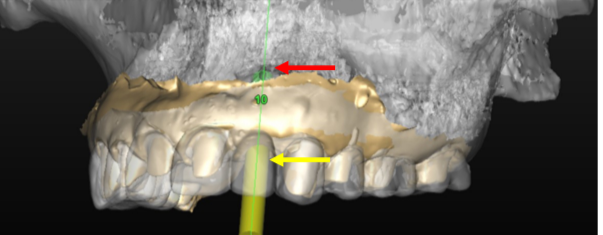 Dental Implants
 What Is Precision Implant Placement (PIP)?
Precision Implant Placement plans each implant virtually on a CBCT scan, then delivers it with a custom surgical guide. See the three steps with real images.
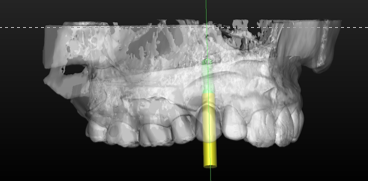 Dental Implants
 What Is the Ideal Surgical Guide for Precision Implant Placement?
Not all surgical guides are equal. The gold standard is CBCT-based: planned virtually in 3D, 3D printed, and seated on your teeth. A DC prosthodontist explains.