
Full-Mouth Dental Implants in Tysons, VA
Understand the four critical decision points in full-mouth implant planning. How is each addressed in the treatment process?
Full-mouth implant restoration requires several major decisions throughout the treatment process. Understanding these decision points helps Tysons patients recognize the pivotal moments where their input shapes the treatment pathway and ultimate outcomes.
Decision Point One: Bone Assessment and Grafting
The first major decision emerges during the initial bone assessment. Three-dimensional imaging reveals bone volume in millimeter detail. Is the bone adequate for direct implant placement, or will bone grafting improve outcomes substantially?
Adequate bone is bone measuring at least 10-12 millimeters in height and at least 6-8 millimeters in width. Bone with these dimensions provides strong implant support and reliable integration. Bone below these measurements presents challenges; implants placed in marginal bone integrate less reliably and carry elevated failure risk.
Dr. Marlin evaluates each patient’s imaging and explains whether grafting is essential (bone too small for safe implant placement) or recommended (bone adequate but grafting would improve support). Some Tysons patients have adequate bone and proceed directly to implant placement. Others require bone grafting before implant surgery.
When grafting is recommended, patients decide whether to proceed with the staged approach (bone grafting first, then implants 4-6 months later) or accept the risks of placing implants in marginal bone. Most Tysons patients choose the staged approach, investing the additional months to build a superior foundation.
Decision Point Two: Implant Number and Configuration
The second major decision involves implant number and restoration configuration. Will the patient receive an All-on-4 restoration (four strategically positioned implants), an All-on-6 restoration (six implants), or a configuration with eight or more implants?
All-on-4 restorations use four implants positioned at angles to maximize support with minimal implant number. This approach works well when bone quality is excellent and the patient prioritizes cost and timeline efficiency. Implant placement proceeds more quickly with four implants. Fabrication is simpler. Cost is lower.
All-on-6 restorations use six implants distributing forces more evenly. This configuration provides superior long-term stability and reduces stress on individual implants. All-on-6 is recommended when bone quality is moderate or when the patient prioritizes maximum longevity. The additional two implants add cost and surgical time but provide advantages for long-term success.
Dr. Marlin reviews each patient’s bone density and distribution, explaining whether four, six, or more implants are recommended for optimal outcomes. Patients participate in this decision, balancing cost, timeline, and desired longevity. Most Tysons patients choose the configuration Dr. Marlin recommends based on their specific anatomy.
Decision Point Three: Immediate-Load vs. Staged Restoration Delivery
The third major decision involves timing of restoration placement. Can the patient receive temporary teeth immediately on the day of surgery (immediate-load), or should they wear temporary dentures during healing and receive permanent teeth after osseointegration (staged protocol)?
Immediate-load protocols require excellent bone quality and reliable implant stability on the day of surgery. When these conditions are met, temporary teeth enable immediate function and appearance. Patients leave surgery with teeth on the same day.
Staged protocols work in essentially all situations. Patients wear temporary dentures during the 3-6 month osseointegration period, then receive permanent teeth after bone has fully integrated the implants. This approach requires more patience but allows optimal planning of the permanent restoration.
Dr. Marlin assesses bone quality during implant placement and confirms whether immediate-load conditions are met. If implants achieve excellent stability, immediate-load is appropriate. If bone quality is marginal or implant stability is questionable, staged protocols are recommended.
Most Tysons patients with good bone quality qualify for immediate-load protocols. Those with compromised bone proceed with staged protocols.
Decision Point Four: Esthetic and Functional Restoration Design
The fourth major decision involves the design of the permanent restoration. What color should the teeth be? What shape and size? What smile line is desired? How should the restoration function?
Dr. Marlin personally designs each restoration, evaluating the patient’s facial features, existing natural teeth (if any), and personal preferences. He explains tooth color options, shape possibilities, and how different designs would appear in the patient’s face.
The on-site laboratory creates the restoration based on these design specifications. Patients can request modifications during fabrication if their preferences change. The laboratory’s on-site location enables adjustments and refinements within days rather than weeks.
Most Tysons patients find that their permanent restoration exceeds their expectations. The teeth look natural, match their facial features, and function optimally.
How Dr. Marlin Approaches Each Decision Point
At each decision point, Dr. Marlin provides clear explanation of options and his recommendation based on the patient’s individual anatomy, health status, and preferences. He doesn’t impose a single protocol on all patients; each treatment is customized.
His prosthodontic expertise enables sophisticated decision-making considering not just surgical simplicity but long-term bone preservation, restoration stability, and patient satisfaction.
Timing of Decisions Throughout Treatment
Some decisions (bone grafting, implant number) are made during planning based on imaging and clinical assessment. These decisions substantially affect the treatment pathway and cannot be easily changed once implant surgery begins.
Other decisions (restoration design, esthetic refinements) can be adjusted during fabrication if patient preferences evolve. The laboratory’s on-site location enables such adjustments without substantial delay.
Patients should understand the timing of each decision and provide clear input when decisions are made.
Tysons Patients and Complex Decision-Making
Tysons residents, many employed in professional and corporate environments, are accustomed to making complex decisions based on detailed information. Dr. Marlin’s approach to implant treatment provides exactly this framework: detailed explanation of options, clear recommendation based on anatomy and preferences, and patient participation in major decisions.
Most Tysons patients appreciate this methodical approach and the opportunity to understand the rationale behind treatment recommendations.
Flexibility Within the Treatment Plan
While major structural decisions (bone grafting, implant number) are set once implant surgery begins, the restoration design remains flexible. Patients can request color adjustments, shape modifications, or smile line refinements during fabrication.
Dr. Marlin uses the on-site laboratory to implement these adjustments quickly, enabling patients to achieve their ideal result even if their preferences evolve during treatment.
Confidence in the Decision Process
Tysons patients who understand the four major decision points and how each is approached typically feel confidence in their treatment pathway. They know what decisions are needed, understand the rationale for Dr. Marlin’s recommendations, and participate in shaping their restoration.
This collaborative approach to decision-making creates patient satisfaction and optimal treatment outcomes.
Beginning Your Evaluation
Tysons residents considering full-mouth implant restoration should schedule their consultation with Dr. Marlin or call (202) 244-2101). During this appointment, they’ll understand what major decisions lie ahead and what information will guide each decision toward optimal outcomes.
Frequently Asked Questions
What determines whether bone grafting is needed before implant placement?
Three-dimensional cone beam imaging reveals the bone volume available. If bone height is less than 10 millimeters or bone width is less than 6 millimeters, bone grafting typically improves implant support. Dr. Marlin evaluates each patient's imaging and explains whether grafting is essential or recommended based on individual anatomy.
How does Dr. Marlin decide between All-on-4 and All-on-6 for a patient?
The decision depends on bone density and distribution. Patients with excellent bone density throughout the jaw may have sufficient support with four implants. Those with moderate bone density often benefit from six implants. Patients also factor in cost and timeline. Dr. Marlin explains both options and recommends the configuration optimizing each patient's anatomy.
What determines whether immediate-load or staged protocols are appropriate?
Immediate-load requires excellent bone quality and sufficient implant stability on the day of surgery. Dr. Marlin assesses bone density and quality on imaging and confirms implant stability clinically during placement. If these conditions are met, immediate-load is appropriate. If bone quality is marginal, staged protocols enable longer healing before permanent restoration fabrication.
How does Dr. Marlin decide the esthetic design of the permanent restoration?
Dr. Marlin considers the patient's facial features, lip support line, smile design, and preferences. He evaluates natural tooth color and shape characteristics. He discusses desired appearance thoroughly with patients. The on-site laboratory works from these specifications to create restoration matching patient goals and appearing naturally.
Can we change our decisions once treatment begins?
Many treatment decisions are made during planning based on bone imaging. Once implant placement surgery occurs, those decisions are set. However, restoration design decisions can be adjusted during fabrication if patient preferences change. Dr. Marlin remains flexible about esthetic refinements during the restoration phase while maintaining the surgical plan.
Related Patient Success Stories
Explore similar patient success stories demonstrating our expertise in advanced prosthetic dentistry.
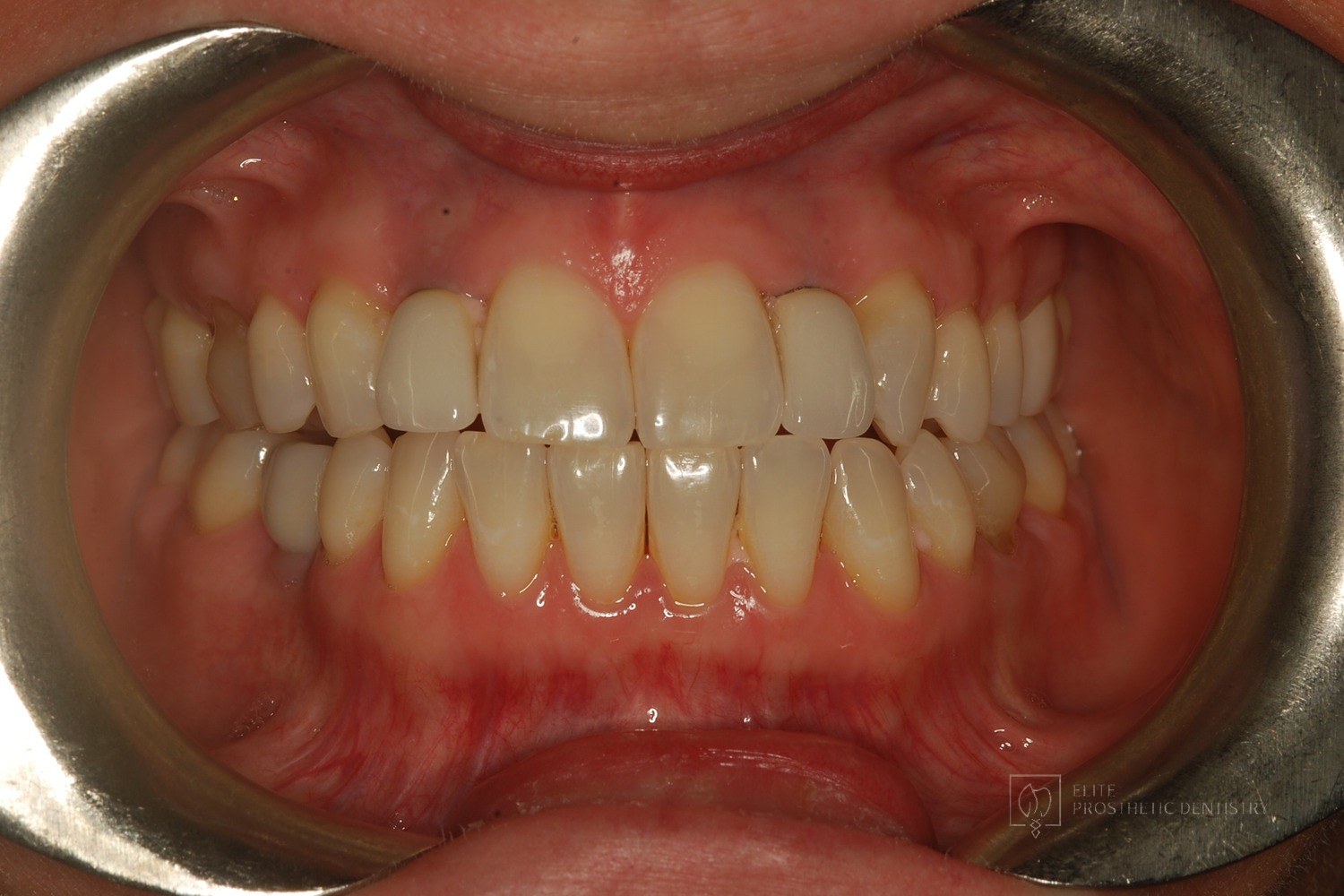 Before
 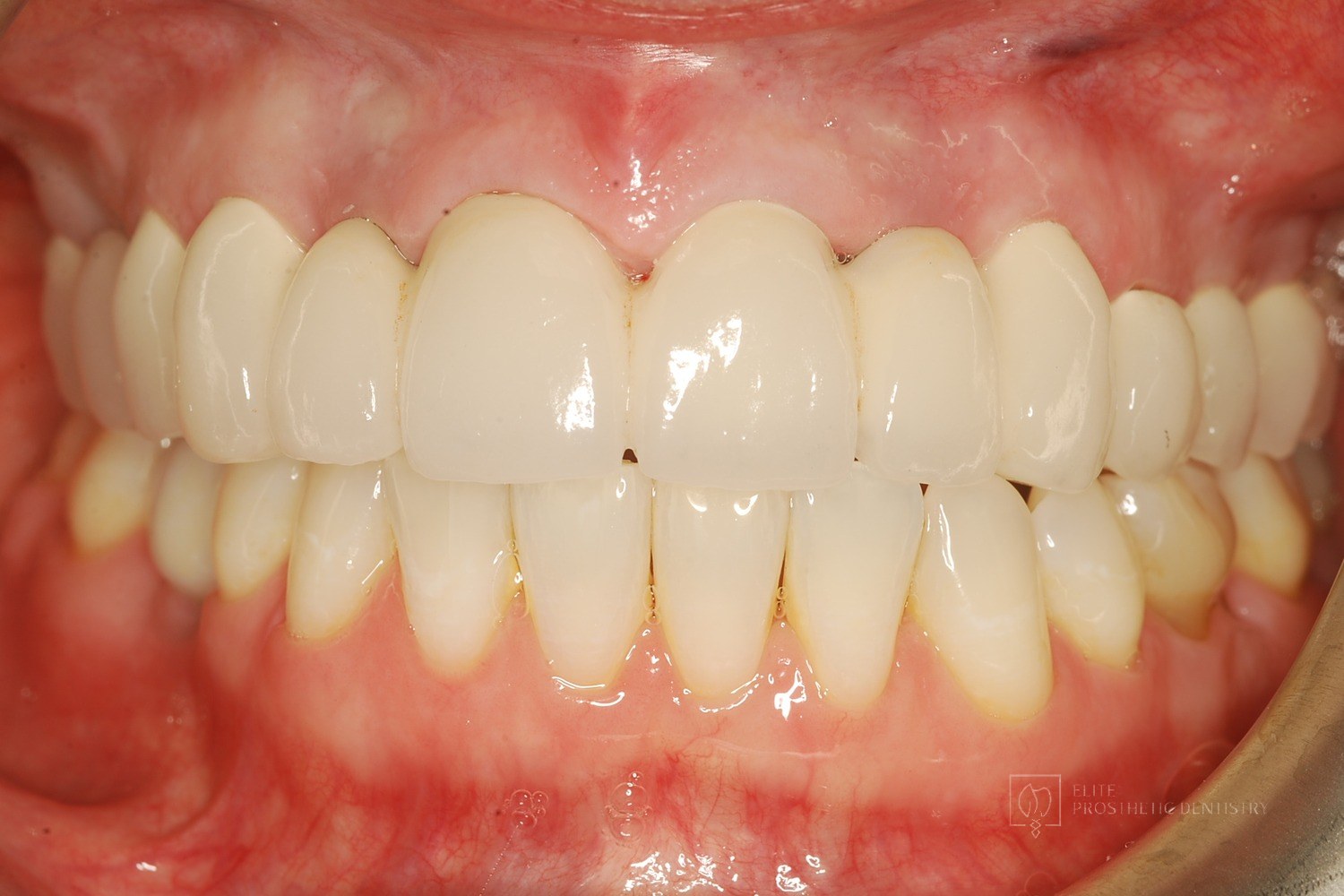 After
After How Older Implant Crowns Were Redesigned for a Better Bite and More Natural Appearance
The patient came in after years of living with implant-supported crowns placed more than twenty years earlier that no longer looked or functioned well. CBCT evaluation, reviewed with a radiologist colleague, showed the implants had been placed too far to the buccal in very thin bone and could not support a healthy long-term restoration.
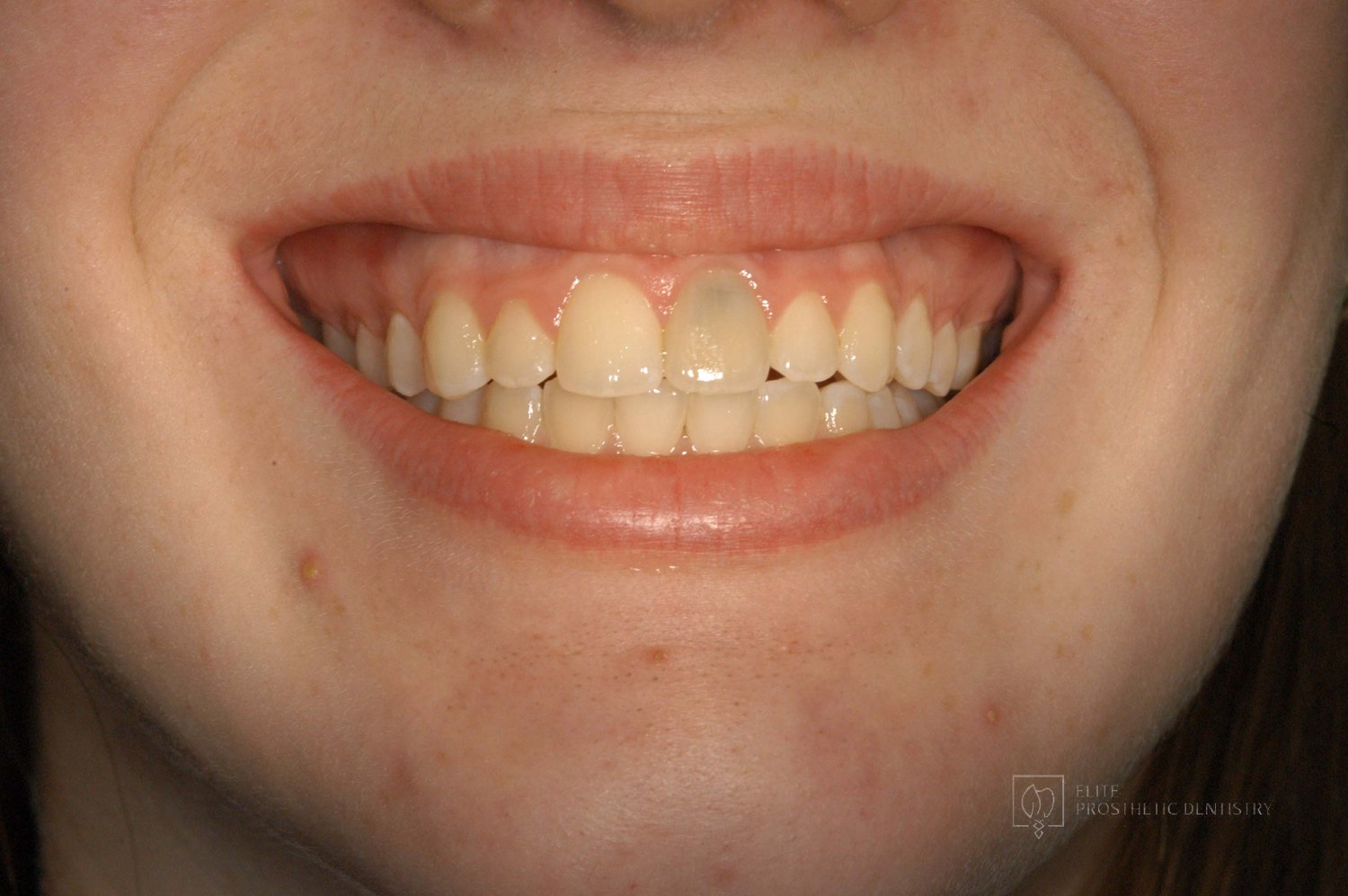 Before
  After
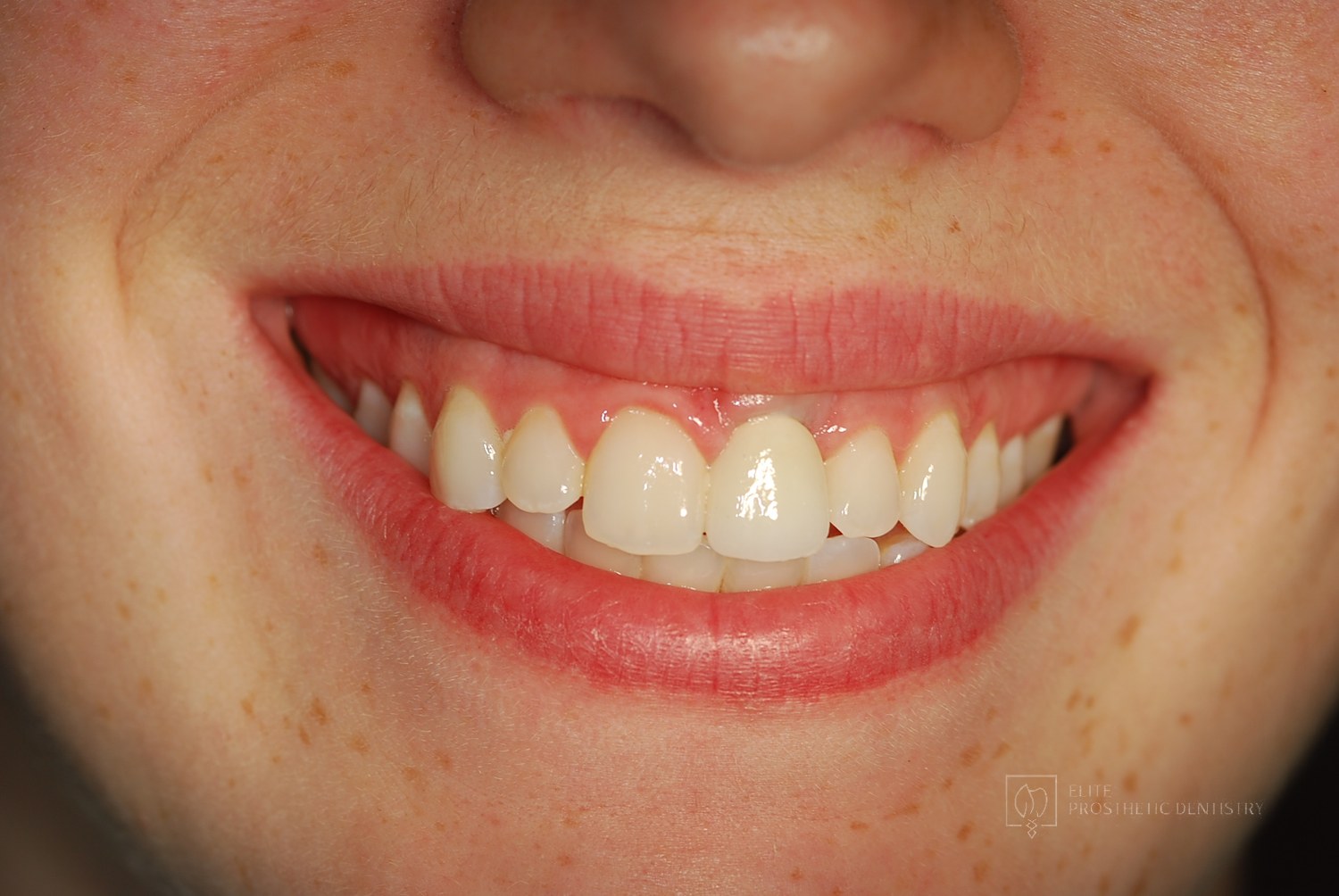
After How a Front Tooth Lost to Childhood Trauma Was Rebuilt with Bone Grafting and a Long-Lasting Implant
A teenager was referred by her father after earlier trauma left her upper left front tooth slowly failing from root resorption. She was still growing, so an immediate implant was the wrong move. The tooth had to be maintained to buy time, then replaced correctly once she reached skeletal maturity.
 Before
  After
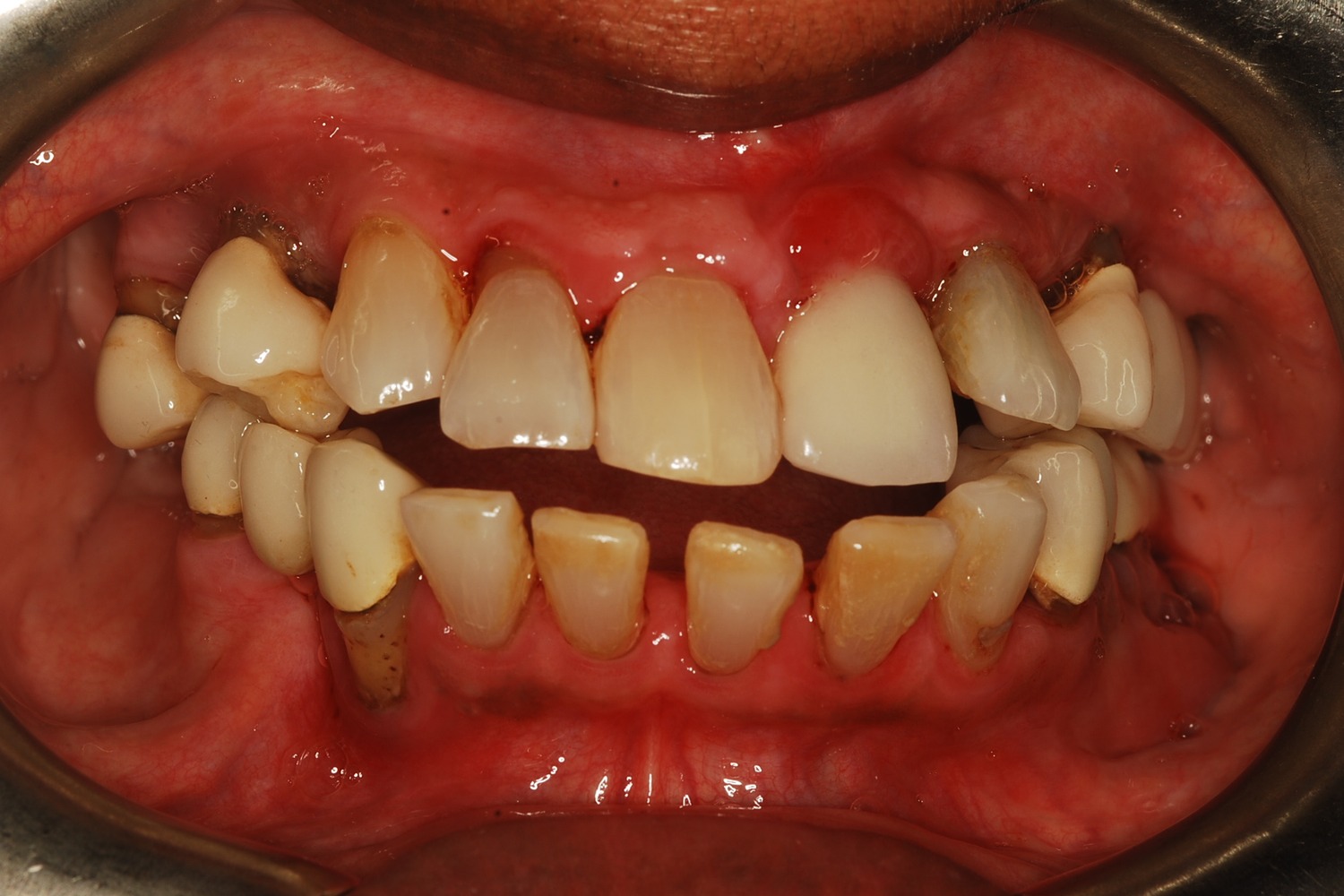
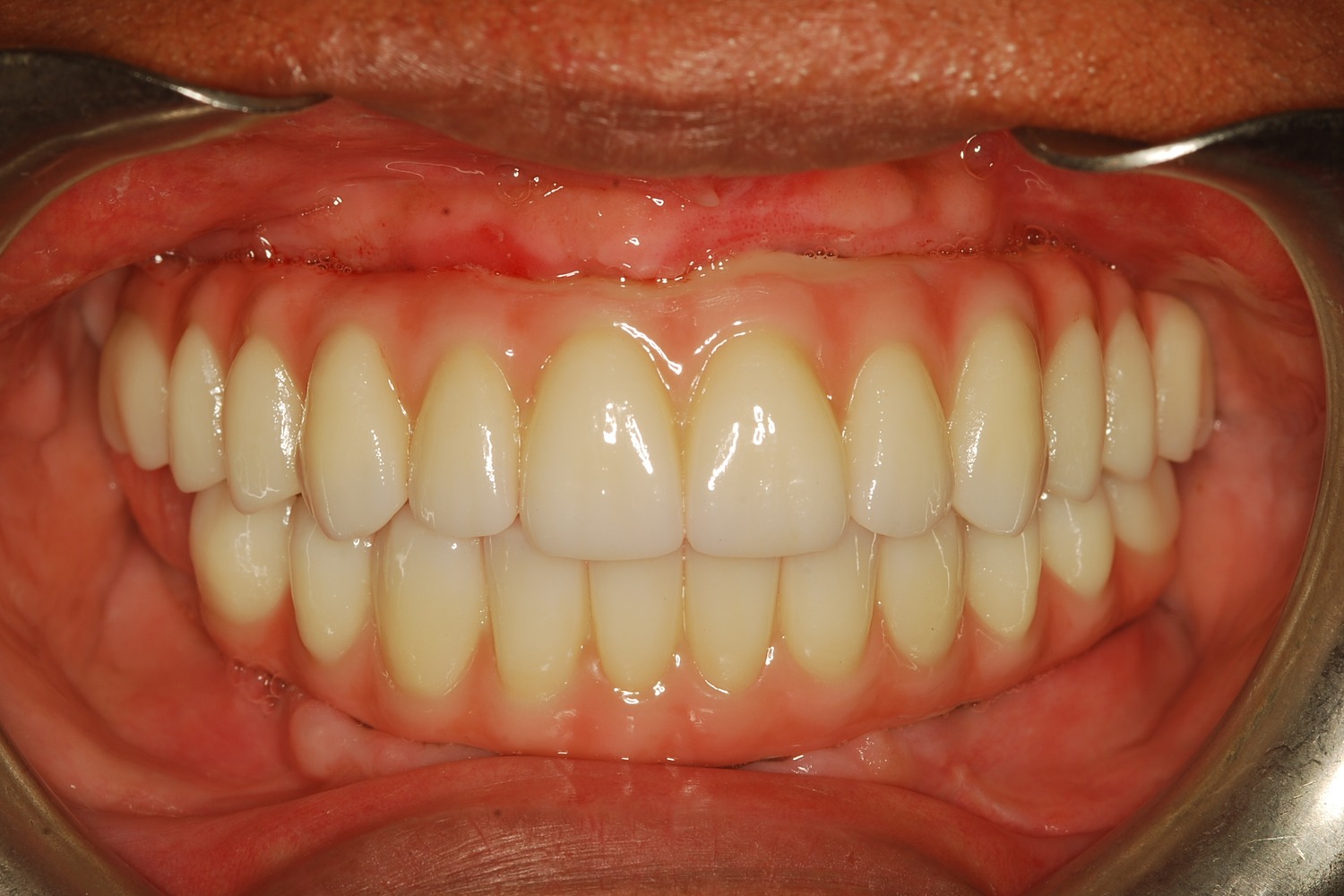
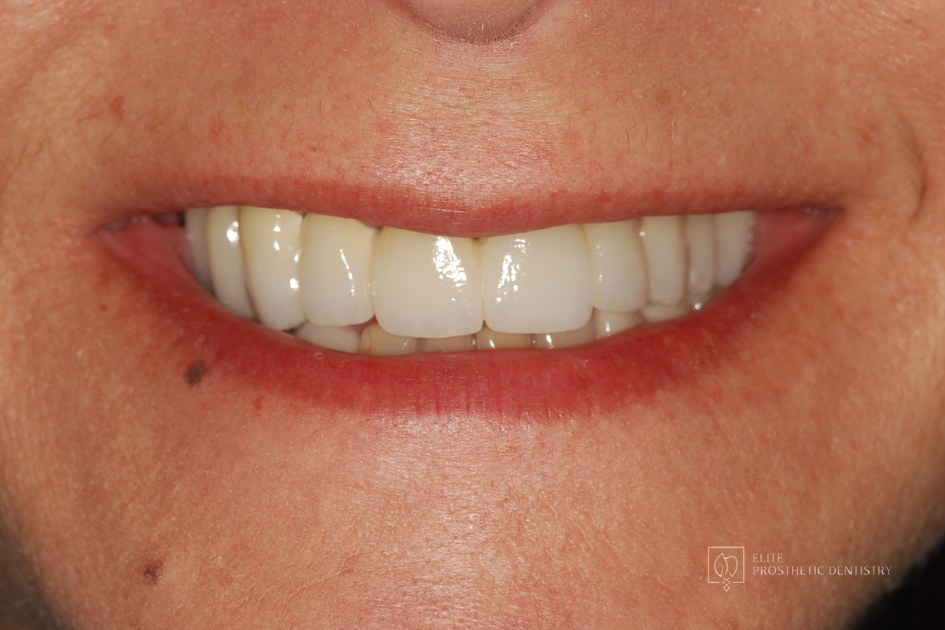
After How Severe Bone Loss and Bite Dysfunction Were Rebuilt with All-on-6 Implants and a Milled Zirconia Hybrid Prosthesis
The patient presented with severe bone loss, advanced periodontal disease, malocclusion, and a dysfunctional bite that required full-arch rebuilding.
 Before
  After
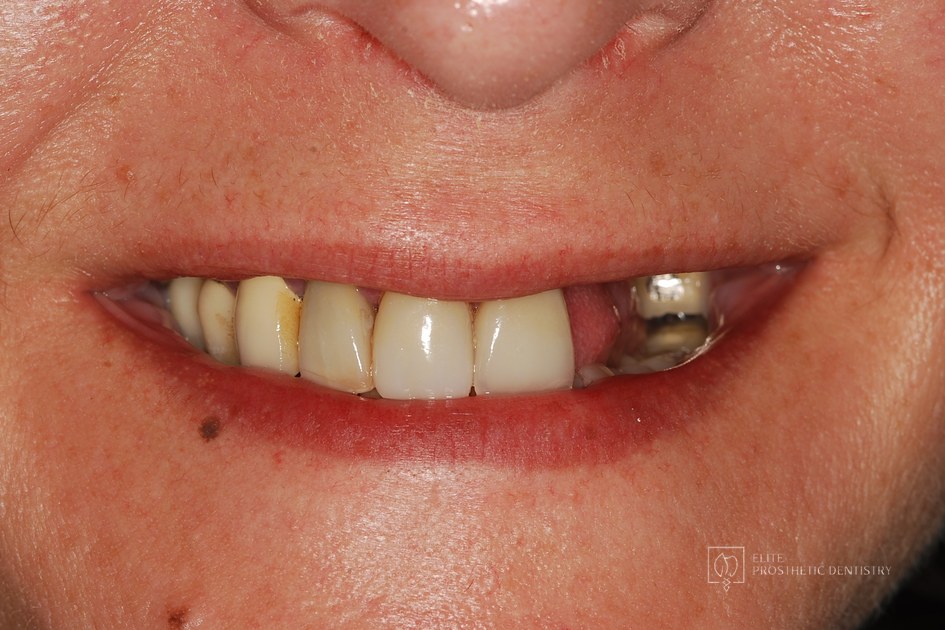
After Implant Supported Reconstruction: Failing Bridgework and Missing Back Teeth Rebuilt with Coordinated Specialist Care
Referred by another dental specialist with severe bone resorption on the upper left, multiple broken-down lower teeth requiring extraction, and failing lower back teeth that had left the bite without solid support. No single procedure, and no single provider working alone, could rebuild a situation this interconnected.
 Before
  After
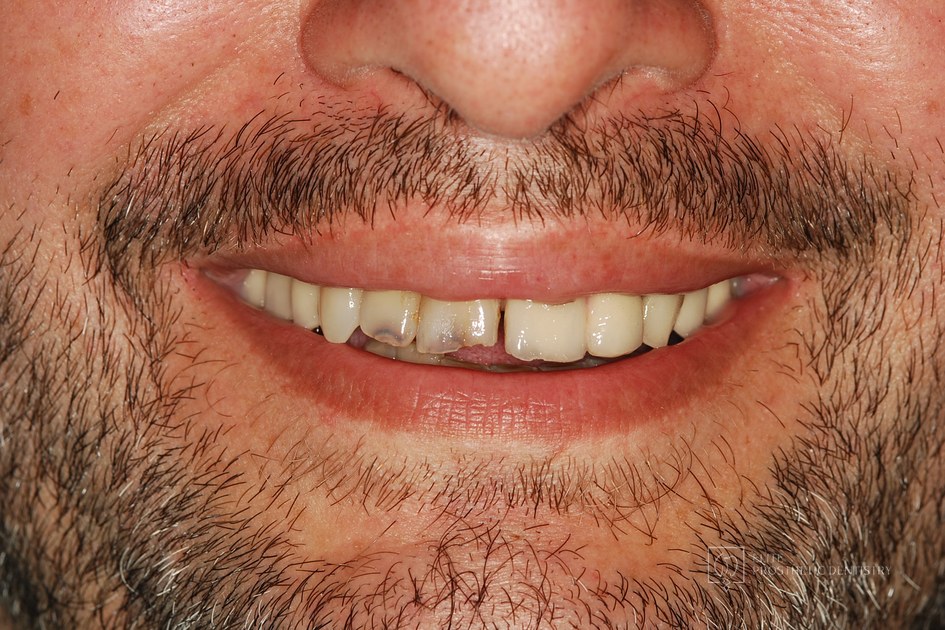
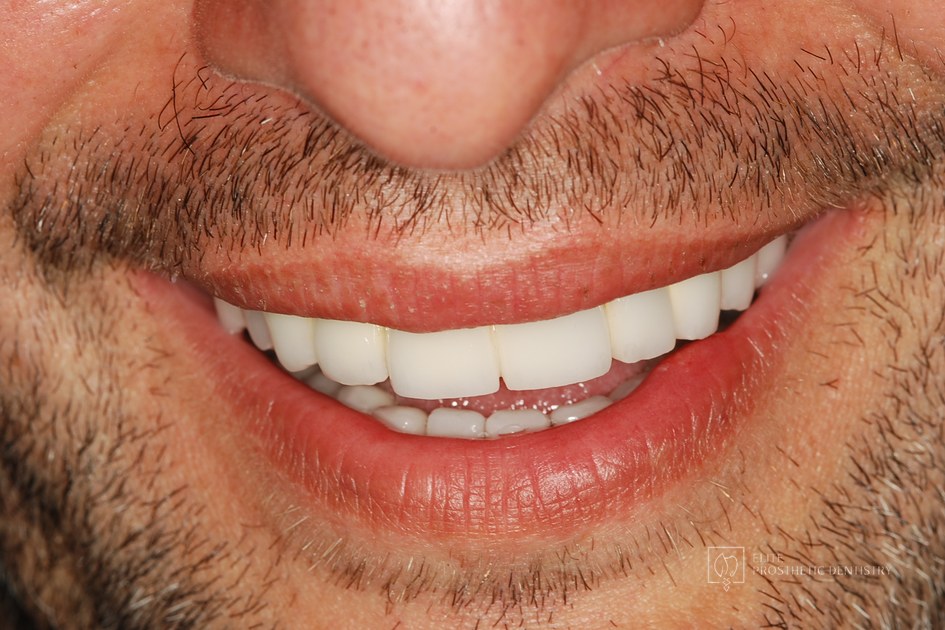
After How Worn Teeth Were Rebuilt for a Natural, Stable, Long-Lasting Smile
Decades of gradual wear had shortened, flattened, and darkened the teeth, changing the smile and quietly affecting the bite. The patient was not in crisis but wanted the dentistry planned and done correctly, with tooth proportions, esthetics, and bite stability handled as one system rather than patched a piece at a time.
 Before
  After
After Severe Restorative Breakdown Rebuilt with a Coordinated Full-Mouth Reconstruction
Multiple older restorations placed at different times over many years, broken-down teeth, a significant malocclusion, an asymmetrical smile, and two upper front teeth that could no longer be saved. No single repair could address a pattern this widespread.
Related Articles
Deepen your knowledge with additional insights on this topic.
 Dental Implants
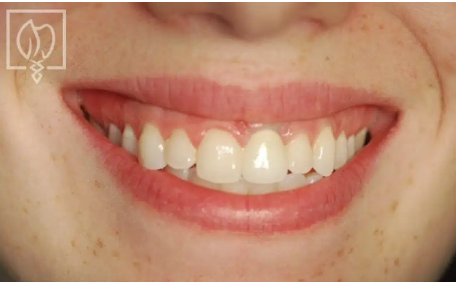
 If a Single Front Tooth Is Replaced with an Implant, Can It Look Natural?
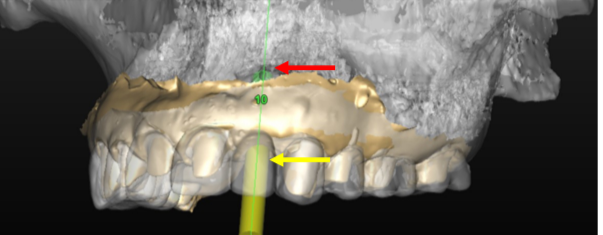
Yes. See the four steps, with real case photos, that make a single front tooth implant indistinguishable from the natural tooth beside it. Washington, DC.
 Dental Implants
 What Is Precision Implant Placement (PIP)?
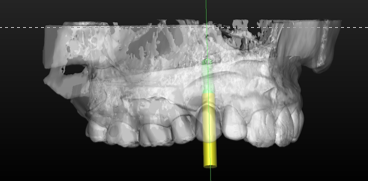
Precision Implant Placement plans each implant virtually on a CBCT scan, then delivers it with a custom surgical guide. See the three steps with real images.
 Dental Implants
 What Is the Ideal Surgical Guide for Precision Implant Placement?
Not all surgical guides are equal. The gold standard is CBCT-based: planned virtually in 3D, 3D printed, and seated on your teeth. A DC prosthodontist explains.
 Dental Implants
 When Should an Implant Not Be Done?
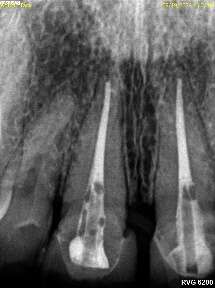
Healthy roots, thin bone, steep bony angles: a DC prosthodontist shows a real case where refusing implants was the right call, and what was done instead.
 Dental Implants
 What Is Staged Implant Therapy?
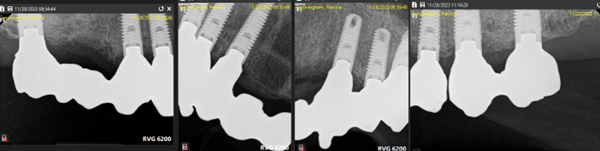
Staged implant therapy replaces failing teeth in phases while you keep fixed teeth the entire time. A DC prosthodontist walks through a real case in stages.
Dental Implants The Four Types of Dental Implants: Which One Is Right for You?
Endosteal, subperiosteal, zygomatic, and mini implants each solve a different problem. A DC prosthodontist explains the four types and who each one fits.
Full Mouth Implants Near Tysons
Dr. Marlin also provides full mouth implants services for patients in these neighboring communities.
Getting Here from Tysons
Elite Prosthetic Dentistry is conveniently located near Tysons, VA.
Take I-495 east toward DC or drive east via Route 123 to Chain Bridge and continue north to Friendship Heights office.
Address:
4400 Jenifer Street NW, Suite 220
Washington, DC 20015
Phone: (202) 244-2101
Request a ConsultationRequest a Specialist Consultation from Tysons
Tysons residents come to Dr. Marlin for specialist prosthodontic care. With 3,900+ implants placed and restored over 40+ years, evaluation, planning, and execution are handled with the depth complex cases require.