
What Is the Ideal Surgical Guide for Precision Implant Placement?
Once you know that surgical guides matter for implant placement, the next question is sharper: are all guides equal? They are not. The gold standard is a CBCT-based guide, and the difference lies in how much verified information the guide carries into surgery.
Planned on Your Anatomy, Not a Model
The ideal guide begins with virtual implant planning on a CBCT scan, a 3D image of your jaw. Using specialized software, Dr. Marlin places the implant digitally so it aligns within two targets at once: the best available bone, and the prosthetic envelope, the space the anticipated crown will occupy, so the abutment will emerge inside the future tooth rather than beside it (Fig. 1).
That dual-target planning is the heart of Precision Implant Placement. A guide made without it, from a model or an estimate, can still steer a drill, but it steers it toward less verified coordinates.
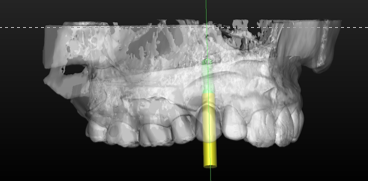
Fig. 1: Implant Virtually Placed on the CT so the Abutment Will Be Inside the Crown
Fabricated to Dictate, Not Suggest
From the approved plan, the guide is 3D printed to exact specifications and custom fitted to your dental anatomy so it seats with complete stability (Fig. 2). During surgery it does not advise; it dictates, controlling the drill’s angulation, position, and depth to sub-millimeter accuracy (Fig. 3).
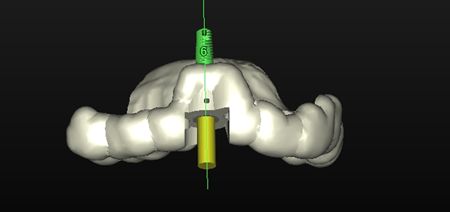
Fig. 2: The Surgical Guide Dictating Implant Insertion
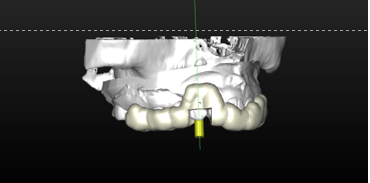
Fig. 3: The Surgical Guide Seated on the Teeth to Guide the Implant Drills
Precision That Pays Twice
The ideal guide pays its dividend twice. Surgically, guided placement is typically faster and more predictable than freehand work, with smaller openings and the gentler recovery that follows. Prosthetically, the implant lands where the restoration needs it, which is what lets the final crown emerge naturally from the gum, carry forces down its axis, and stay cleanable for decades.
One question is worth asking at any consultation: is the surgical guide generated from a CBCT plan? At Elite Prosthetic Dentistry, where Dr. Gerald Marlin has placed more than 3,900 dental implants, every implant case is planned on a CBCT scan, and surgical guides generated from the scan are used where bone anatomy, esthetic demands, or proximity to nerves and sinuses call for them. Schedule your consultation or call 202-244-2101. Elite Prosthetic Dentistry, Friendship Heights, Washington, DC.
See How We Resolve These Problems
Our patient success stories show real cases and real results. Browse outcomes from a specialist prosthodontist with decades of experience and 3,900+ implants placed.
Key Takeaways
- ✓ The gold standard is a CBCT-based guide: the implant is planned virtually on a 3D scan, and the guide is fabricated to deliver exactly that plan.
- ✓ The ideal guide positions the implant in both the best bone and the correct prosthetic envelope, so the abutment lands inside the future crown.
- ✓ Guides made without 3D planning transfer less information and leave more to estimation during surgery.
- ✓ A custom guide seats on your teeth and dictates the drill's angle, position, and depth with sub-millimeter accuracy.
- ✓ Guided surgery is typically faster and gentler than freehand placement, not slower.
Frequently Asked Questions
What makes a surgical guide 'ideal'?
Two properties: it is generated from a CBCT scan on which the implant was planned virtually against both the bone and the future crown, and it is fabricated to seat rigidly on your anatomy so it dictates angle, position, and depth rather than merely suggesting them. A guide is only as good as the plan it carries.
What is the prosthetic envelope?
It is the three-dimensional space the future crown will occupy. An ideally planned implant sits inside that envelope, so the abutment emerges within the crown rather than beside it. Implants placed for bone alone, ignoring the envelope, force the restoration into visible compromises.
How is a CBCT-based guide made?
After the implant is placed virtually on your CT scan, the guide is designed around that plan and 3D printed to exact specifications, custom fitted to seat on your teeth or anatomy with stability during surgery.
Does using a guide add time or cost to surgery?
It shifts effort to planning, where problems are cheap to fix. The surgery itself typically runs faster and more predictably than freehand placement, with smaller incisions and gentler healing. Measured across the life of the implant, precision is the economical option.
Related Patient Success Stories
Explore similar patient success stories demonstrating our expertise in advanced prosthetic dentistry.
 Before
  After
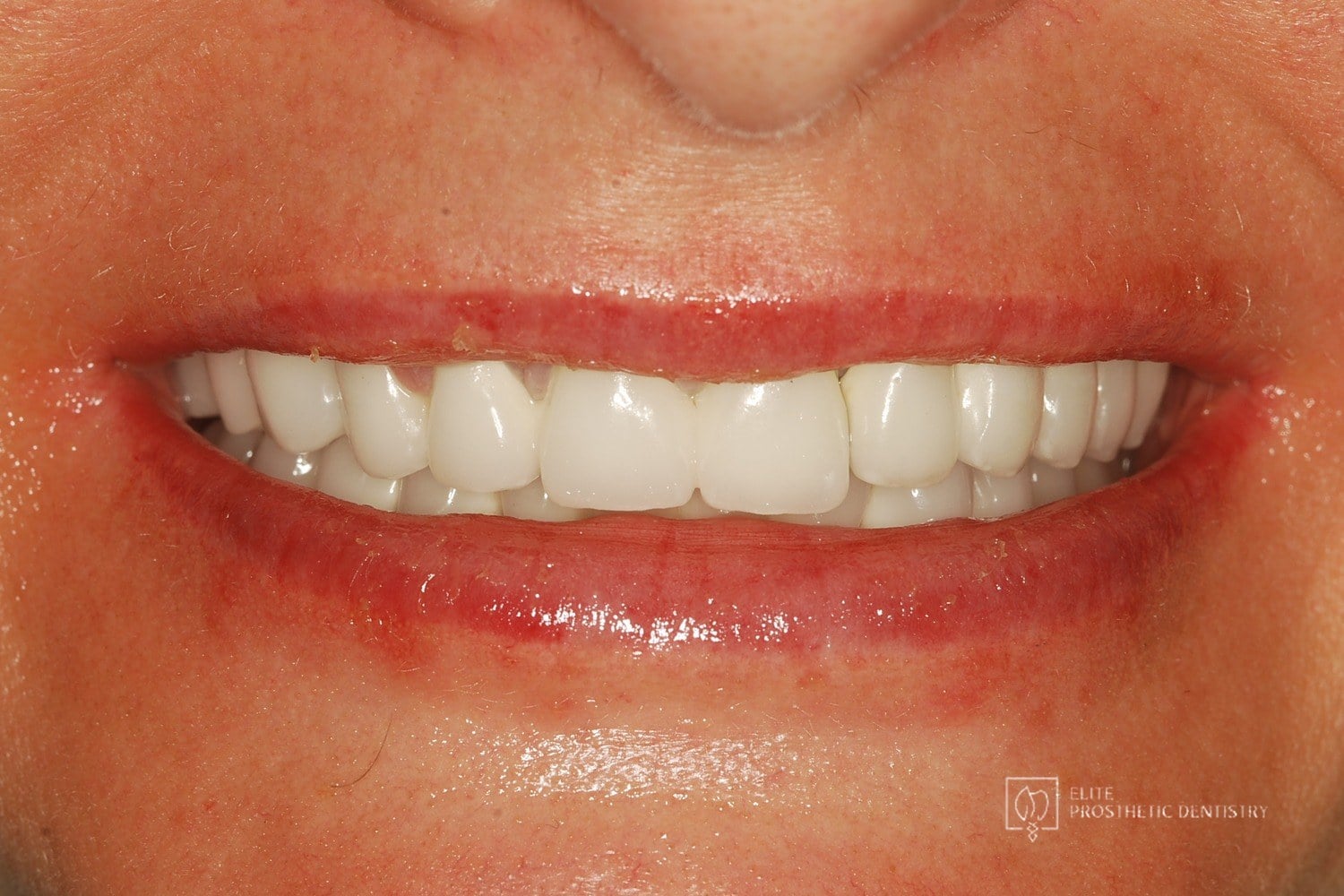
After How Aging, Failing Dentistry Was Replaced with a Coordinated Full-Mouth Implant and Crown Reconstruction
The patient presented with throbbing upper-molar pain, long-standing infections, multiple root canals and unfinished prior treatment, generalized sensitivity, and several hopeless teeth.
 Before
  After
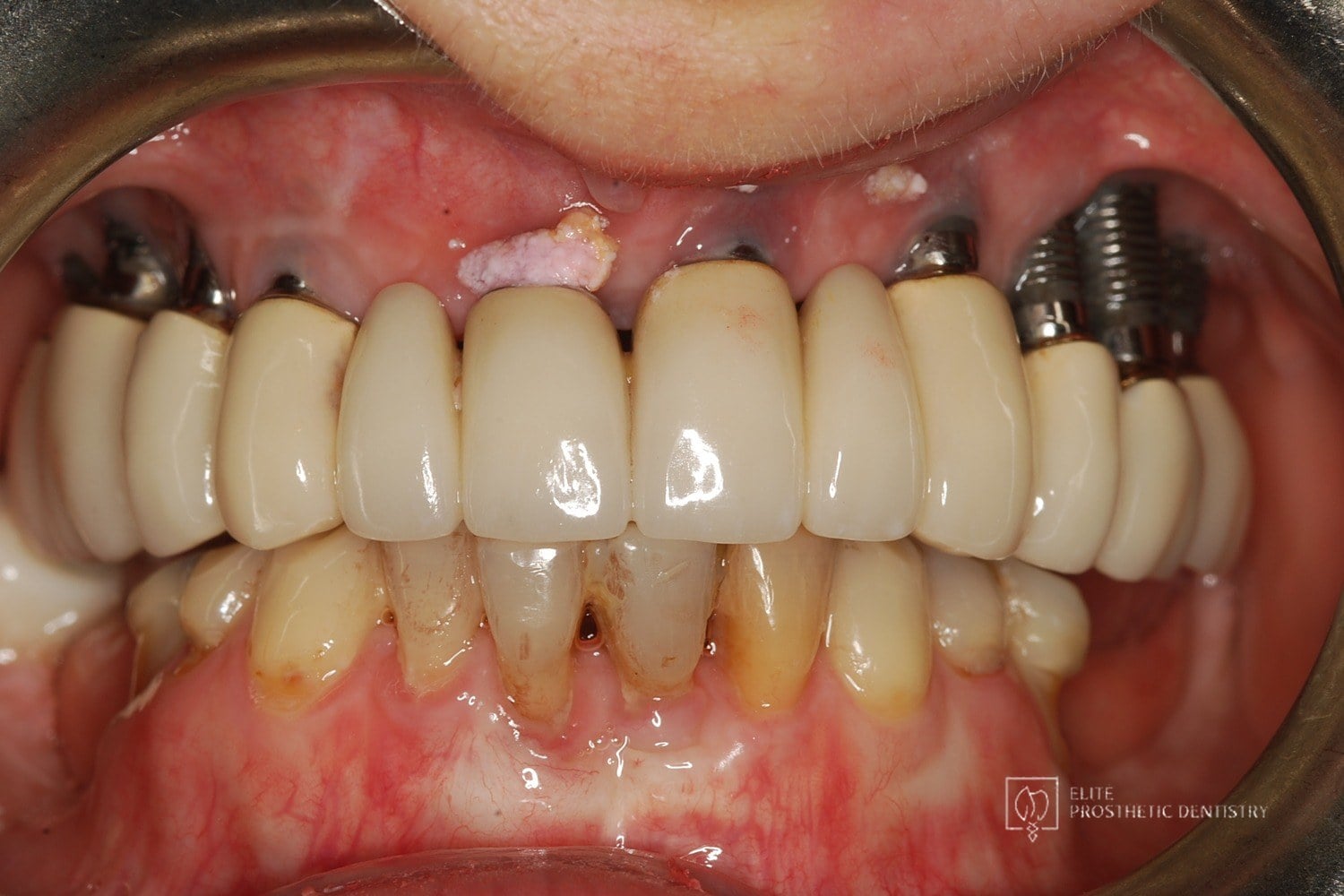
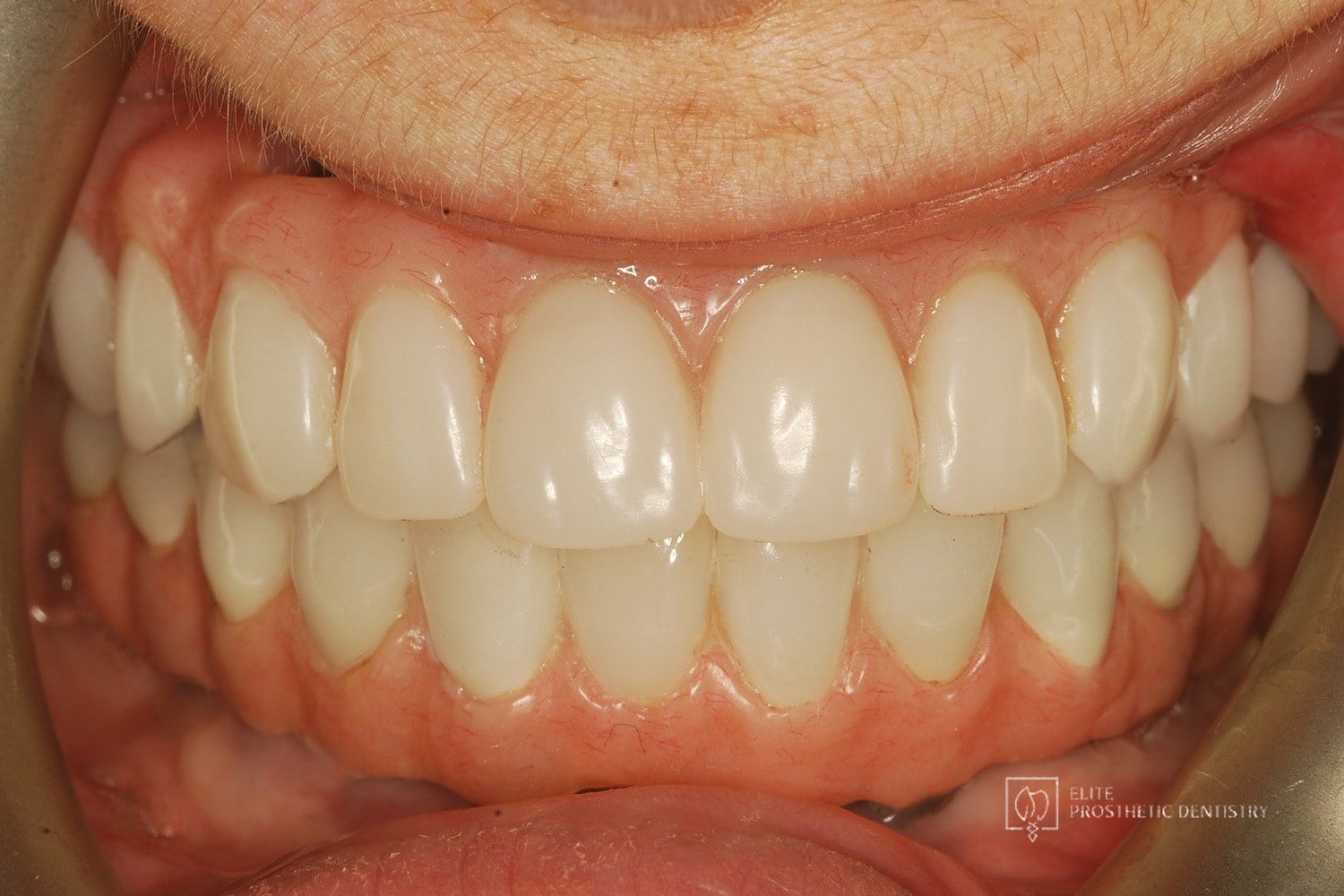
After How Failing Implants and Severe Bone Loss Were Rebuilt Into a Stable Full-Arch Implant Reconstruction
The patient presented with significant complications from previously placed implants, severe bone loss, failing posterior implants, and an unesthetic full-arch bridge. Both arches required full reconstruction, with the upper arch showing the most advanced bone loss and instability.
 Before
  After
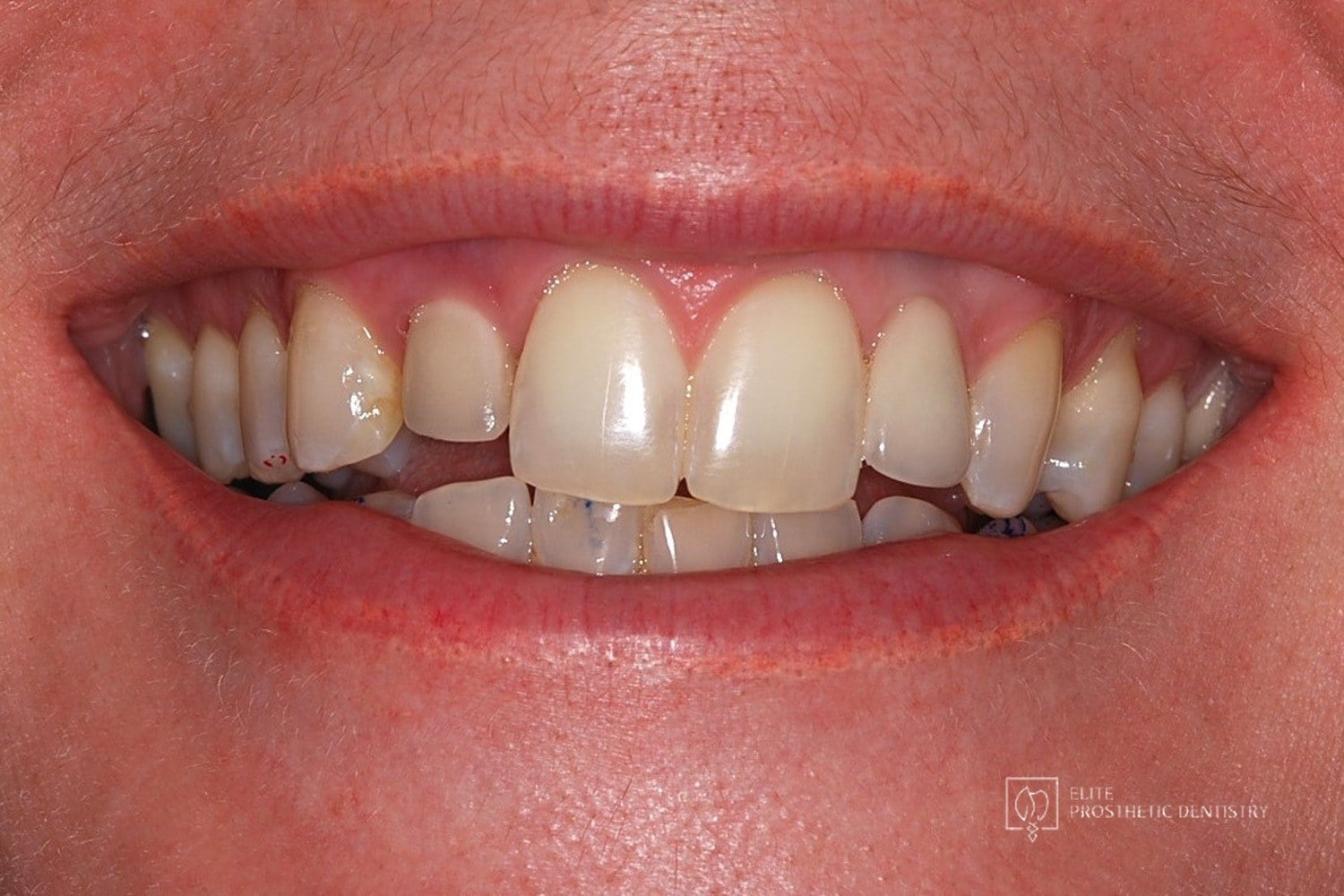
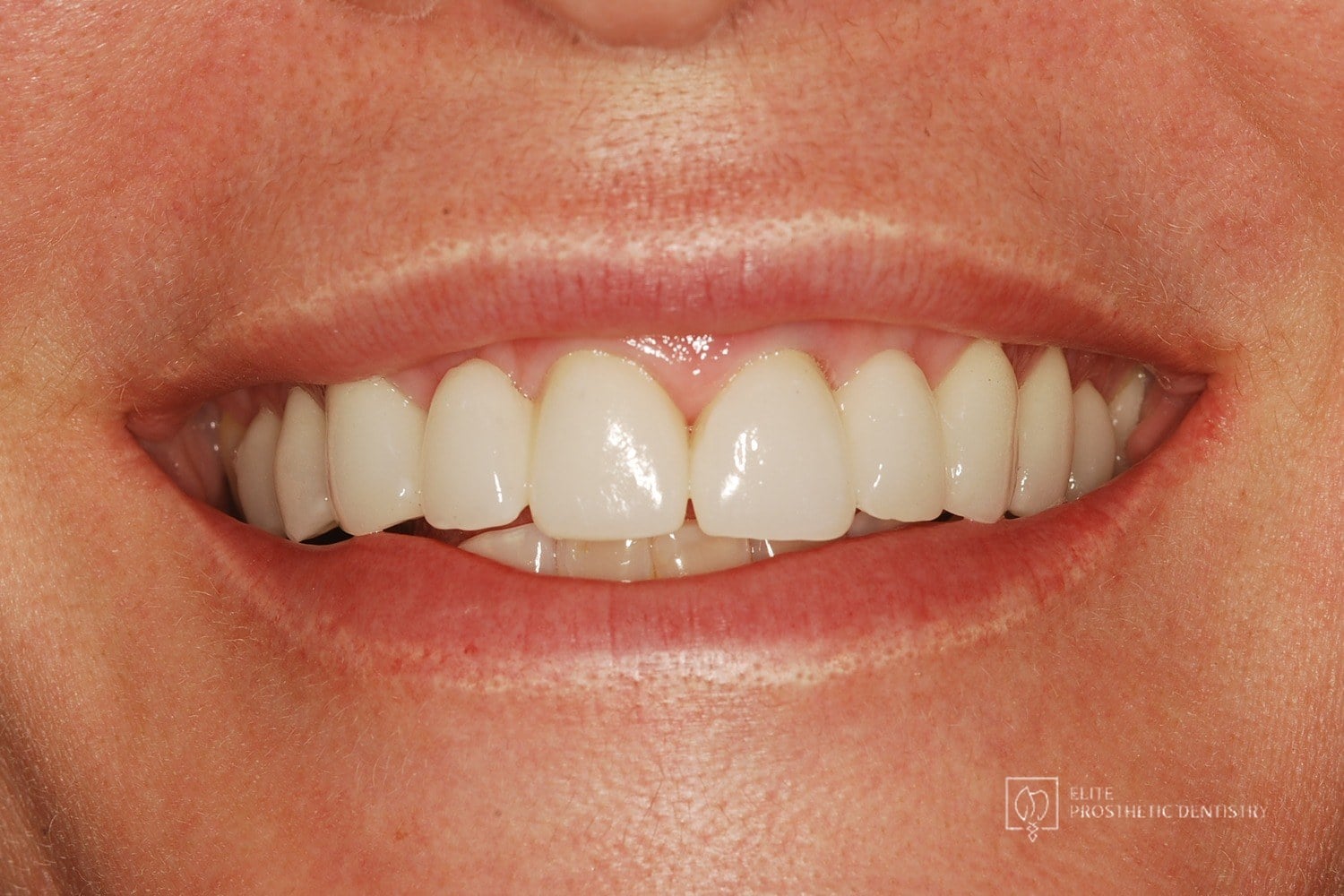
After How Failing Lateral Incisor Implants Were Replaced with Custom Zirconia Bridges After Severe Bone Loss Made Replacement Implants Impossible
Comprehensive examination including CBCT imaging revealed significant bone loss surrounding implants that were placed outside the buccal plate, most likely due to placement without a CBCT-generated surgical guide. The implants were determined non-salvageable, and the alveolar ridge was too narrow to support replacement implants without extensive reconstruction.
Related Articles
Deepen your knowledge with additional insights on this topic.
 Dental Implants
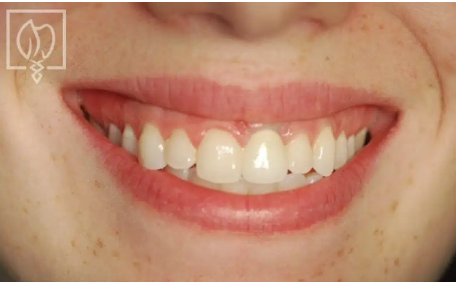
 If a Single Front Tooth Is Replaced with an Implant, Can It Look Natural?
Yes. See the four steps, with real case photos, that make a single front tooth implant indistinguishable from the natural tooth beside it. Washington, DC.
 Dental Implants
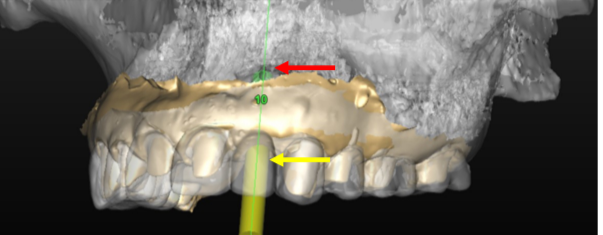
 What Is Precision Implant Placement (PIP)?
Precision Implant Placement plans each implant virtually on a CBCT scan, then delivers it with a custom surgical guide. See the three steps with real images.
Dental Implants What Is the Ideal Surgical Guide for Precision Implant Placement?
Not all surgical guides are equal. The gold standard is CBCT-based: planned virtually in 3D, 3D printed, and seated on your teeth. A DC prosthodontist explains.