
Second Opinion Dentistry in Washington, DC
If your dental work does not look right, feel right, or function as expected, it is reasonable to have it evaluated. A prosthodontic second opinion can help identify the cause, clarify what can be saved, and outline the most appropriate path forward.
Some patients also seek a specialist evaluation before beginning major treatment, to ensure the plan, materials, and execution are right from the start. Both reasons are equally valid.
Patients from Bethesda, Potomac, Chevy Chase, McLean, Arlington, Fairfax, and surrounding communities often come to our Washington, DC office for specialist evaluations.
Elite Prosthetic Dentistry
Specialist Prosthodontic Practice · 40+ Years of Experience · 3,900+ Implants Placed
97%+
Implant Success at 20+ Yrs
3,900+
Implants Placed
35+ years
Documented Crown Service
1985
In-House Lab Since
A Second Opinion Should Come From a Specialist
Dr. Gerald Marlin is a specialty-trained prosthodontist with 40+ years of experience evaluating dental work that has failed, is failing, or does not look right. His training goes 3 years beyond dental school, focused entirely on how teeth function as a system and how restorations should be designed to last.
Every second opinion consultation is specialist-led, using advanced diagnostic imaging, magnification, and bite analysis. If you choose to proceed, planning and treatment stay within one specialist practice.
Learn more about Dr. Marlin's credentials →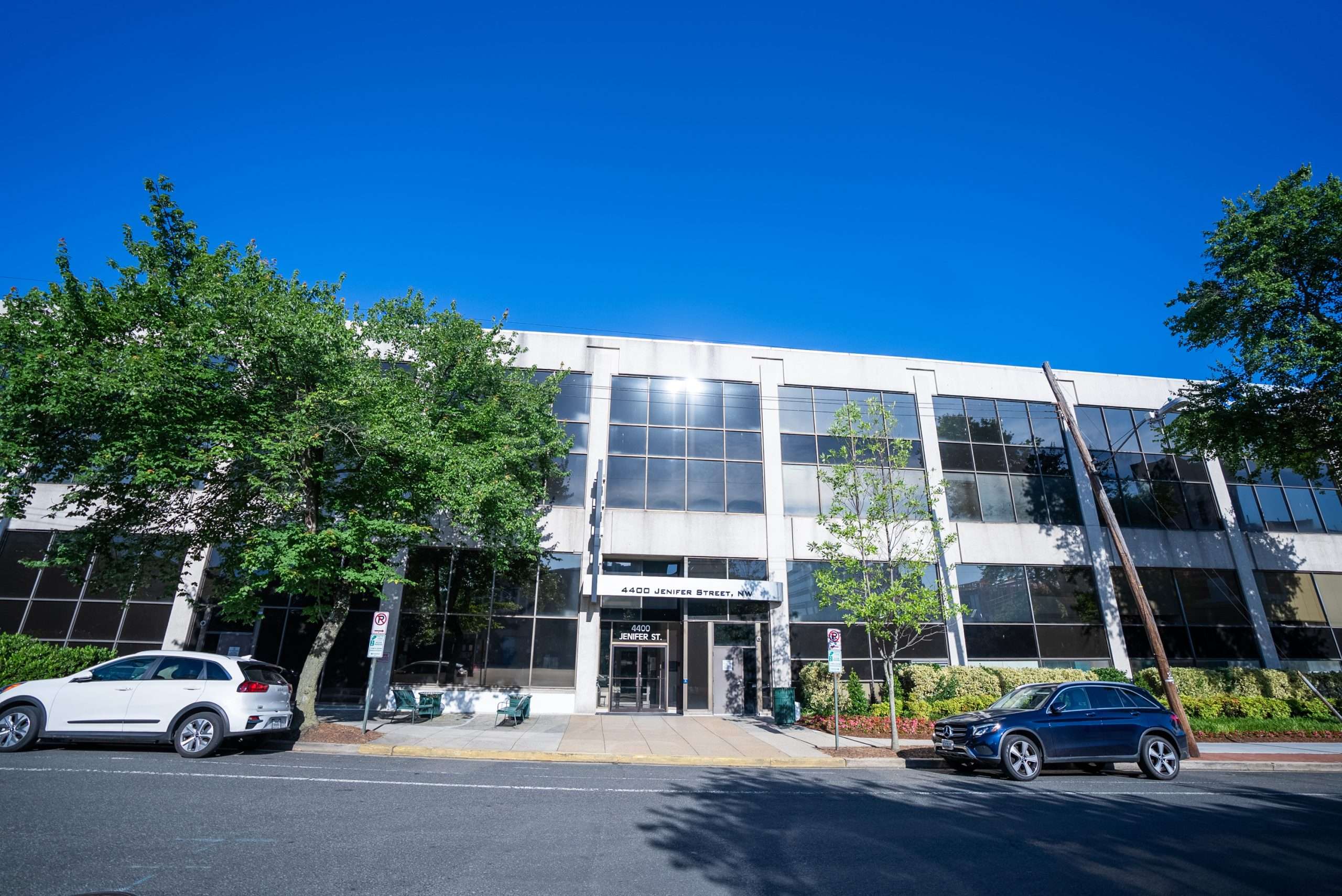

Why Complex Dental Work Can Break Down
Dental concerns do not always indicate a major problem, but certain patterns justify a more detailed evaluation. Understanding what may have caused a problem is the first step toward preventing recurrence.
When Treatment Complexity Exceeded the Original Plan
Complex implant cases, smile makeovers, and full mouth reconstructions benefit from prosthodontic specialization in bite mechanics and restoration design. A specialist evaluation adds a focused perspective that can clarify options and improve planning.
Implant Positioning Problems
Implants positioned at a non-ideal angle or location can fail faster and create cosmetic problems. Proper positioning requires CBCT planning and understanding of bone anatomy, bite forces, and aesthetic principles.
Inadequate Treatment Planning
Complex dental problems benefit from thorough diagnostic evaluation before treatment planning begins. This ensures that the restoration accounts for long-term wear, forces, and cosmetic considerations.
When Laboratory Control and Communication Matter
Complex cases benefit from a high level of laboratory customization. Our in-house lab since 1985 allows us to control every detail of fabrication and adjust on the spot if issues arise during try-in.
When Bite Mechanics Were Not Fully Addressed
Teeth work as a system. Restorations placed without analyzing how they interact with the rest of your bite create stress points that accelerate failure. Proper occlusal design prevents fractures and loosening.
When Bone and Support Conditions Need Deeper Evaluation
Implant success depends on adequate bone support. Thorough bone mapping via CBCT before implant placement helps ensure implants are positioned in adequate bone volume, reducing the risk of early failure.
When a Second Opinion Is Worthwhile
Dental concerns do not always indicate a major problem, but certain patterns justify a more detailed evaluation.
Loosening Implants or Abutments
Movement in a tooth that should be completely stable indicates a problem with the implant itself, the abutment connection, or the bone around the implant. This requires immediate evaluation.
Crown or Veneer Fractures
Chipping, cracking, or fracture under normal use often suggests a problem with design, material choice, force distribution, or fit. Evaluation helps determine which factor applies.
Bite Pain or Discomfort
Pain when biting on a specific tooth or area is a sign that the tooth or restoration is out of alignment with your bite, creating concentrated force. This can lead to further damage if not corrected.
Gummy Smile Recurrence
If a gummy smile has returned after cosmetic treatment, the underlying skeletal component may need to be addressed. A prosthodontic evaluation can identify the cause and develop a lasting solution.
Persistent Sensitivity
Ongoing sensitivity to hot, cold, or pressure on a crowned or restored tooth indicates a gap, inadequate seating, or underlying decay. This needs diagnostic imaging and evaluation.
Cosmetic Dissatisfaction
If your smile does not look or feel like what you expected, your concerns are valid. Cosmetic dentistry has high standards, and your restoration should meet them.
Crowns That Look Fake
Overly bright, opaque, or unnatural-looking crowns suggest a restoration that was made without attention to shade, translucency, and natural tooth characteristics. A more natural and better-integrated result is often possible with careful redesign and fabrication.
Decision Guide
Not sure whether your situation calls for a second opinion? Our guide explains when one is most valuable, what a meaningful second opinion should provide, and what to bring to the visit.
When to Seek a Second Opinion Before Dental Implants, Extraction, or Major Treatment →
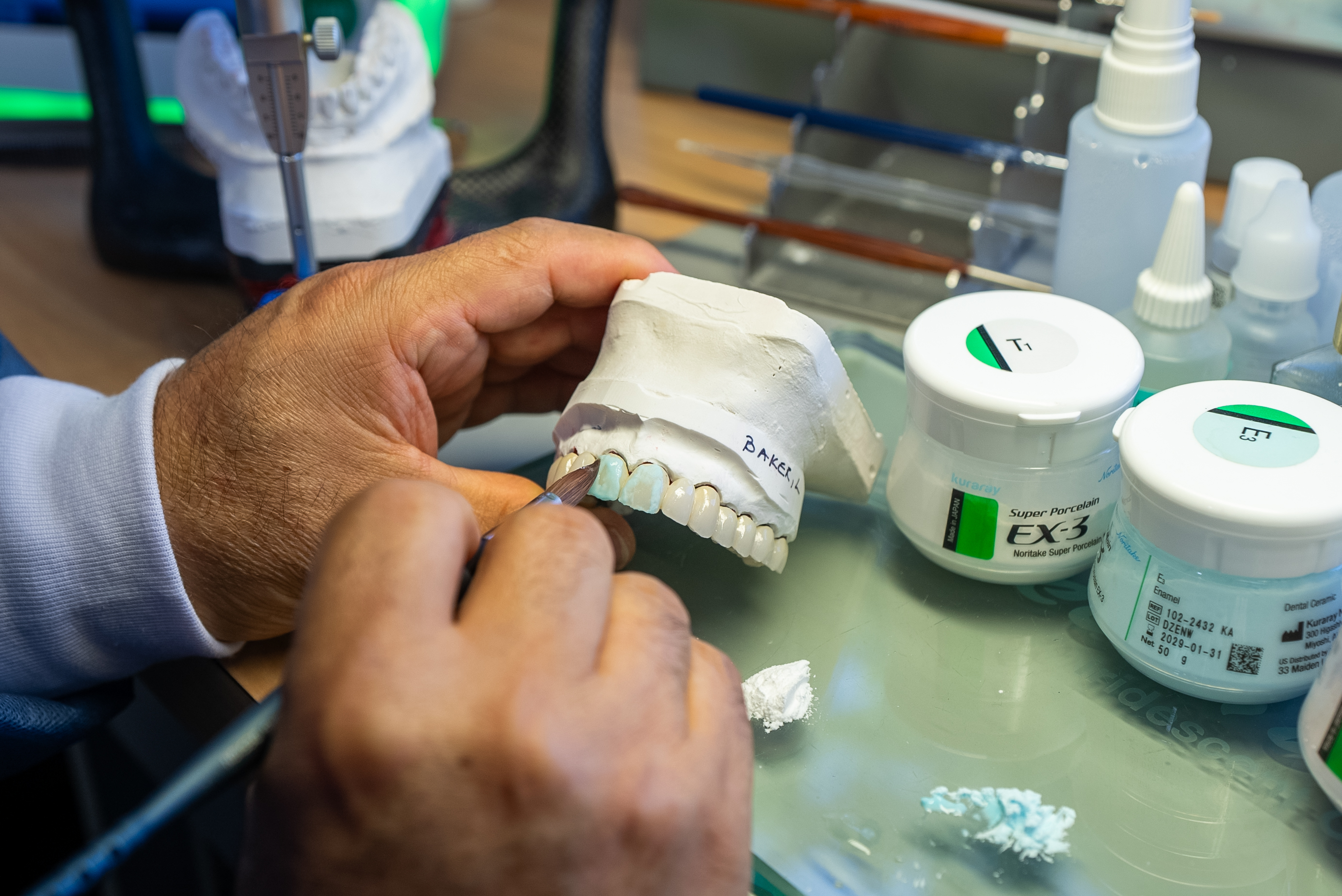
In-House Laboratory Precision Since 1985
Our in-house laboratory, operating since 1985, allows direct communication between clinical and laboratory teams during evaluation, planning, and refinement. In complex corrective cases, this level of coordination can improve fit, contour, shade matching, and efficiency during adjustments and refinement.
Explore our lab advantage →How a Prosthodontist's Second Opinion Differs
Prosthodontics is a dental specialty. It requires 3 additional years of graduate training beyond dental school, focused entirely on tooth replacement and advanced restoration. This training creates a fundamentally different diagnostic and treatment approach.
What a Specialist Evaluation Adds
Advanced diagnostic imaging including 3D CBCT analysis
Comprehensive biomechanical analysis of underlying systems
Specialized expertise in bite mechanics and restoration design
In-house laboratory control supporting real-time adjustments
Root cause analysis and long-term corrective strategy
Prosthodontist Approach
Comprehensive clinical exam plus CBCT radiographs
Analysis of WHY the work failed, not just what failed
Deep expertise in occlusion, bone support, and long-term outcomes
In-house laboratory for restoration quality control
Solve the root problem to prevent recurrence
Our expertise in prosthodontics also means we understand how different approaches to tooth replacement interact with your entire mouth, jaw, and bite system. We do not make recommendations in isolation.
Our Second Opinion Process
We follow a structured, transparent diagnostic process. You will understand what we found and why, and what your options are moving forward.
Record Review and Intake
We gather your dental history, current symptoms, previous radiographs if available, and detailed information about what concerns you. We review any existing records to understand what treatment was done and when.
Comprehensive Clinical and Radiographic Examination
We perform a detailed intraoral exam using magnification. We take radiographs and often recommend a CBCT scan to see bone architecture, implant position, and the relationship of your restoration to underlying tissues. This imaging reveals what a simple visual exam cannot.
Diagnostic Workup and Case Analysis
We analyze your bite (occlusion) to see how forces are distributed. We evaluate bone quality and quantity around implants. We examine the fit, shade, and contour of your restorations. We determine what caused the problem and whether it is localized or systemic.
Transparent Findings Presentation
We sit down with you and explain exactly what we found. We show you imaging, point out concerns, and explain the clinical significance of each finding. If your work is actually fine, we tell you so directly. Transparency is essential.
Custom Treatment Plan (If Treatment Is Needed)
If we recommend treatment, we develop a specific plan with options and timelines. If you prefer to seek a second opinion on treatment recommendations, we support that decision. We respect your autonomy.
Common Cases We Evaluate
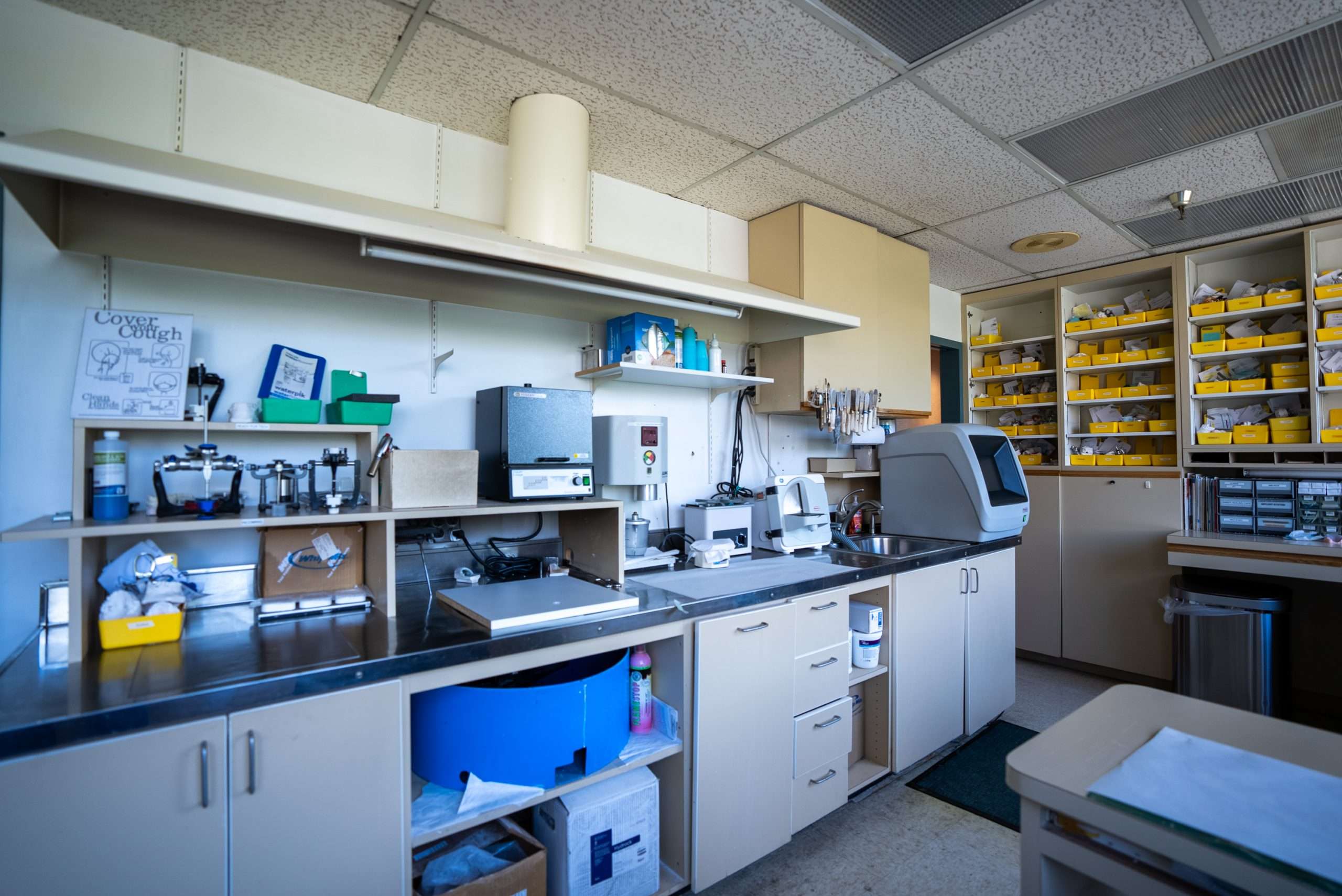
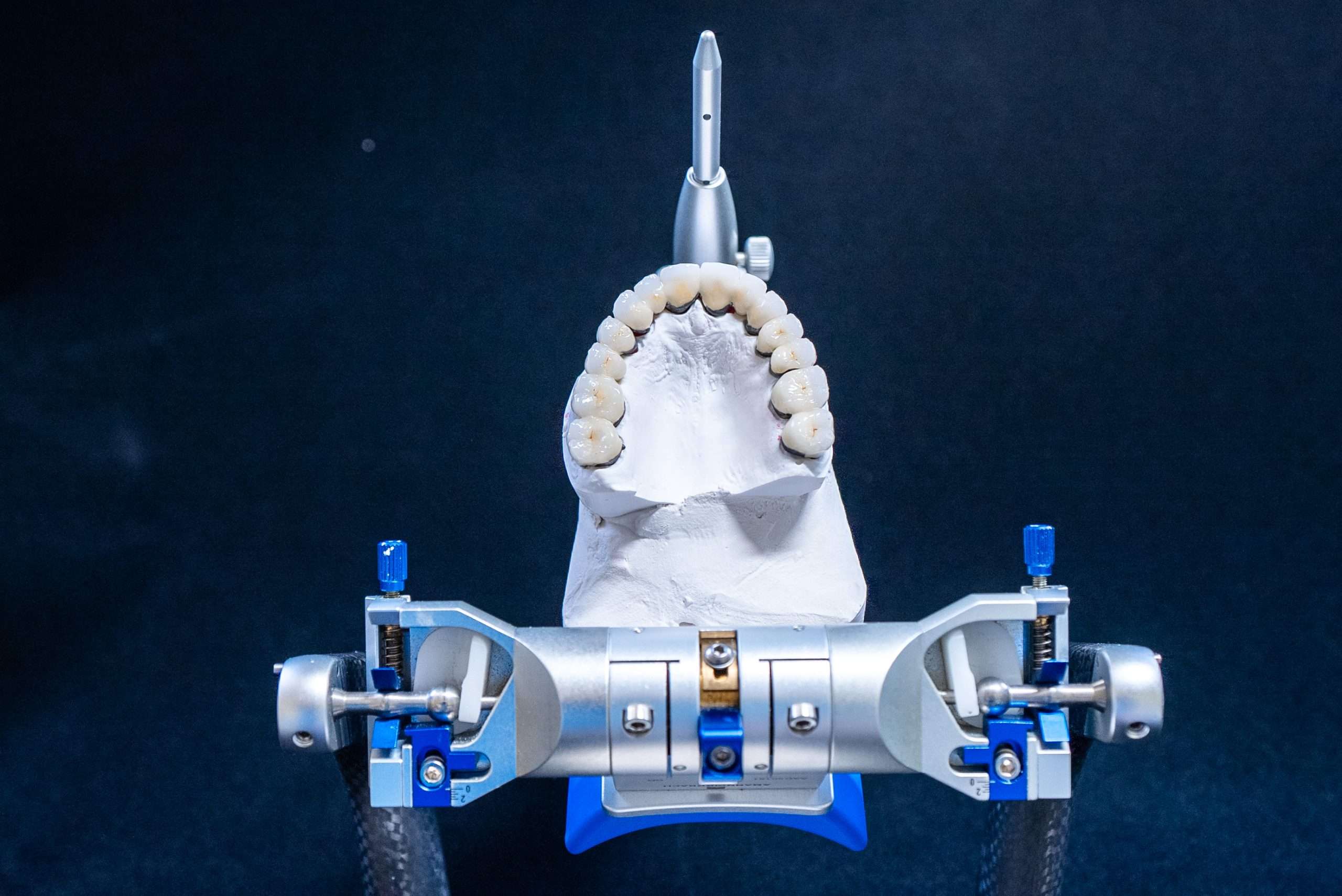
We regularly assess these types of failing restorations and provide detailed second opinions on corrective options.
Implant Problems and Failed Implant Evaluation
Implants that are loose, mobile, or have problems with integration. We assess bone conditions, examine the implant design and position, and determine what can be evaluated and what options are available.
Get a second opinion →Crown and Bridge Fit Concerns
Crowns that are too tight, loose, or have gaps. Bridges that do not seat properly. We evaluate whether the restoration can be adjusted or if replacement is necessary.
Get a second opinion →Veneer Problems
Veneers with marginal gaps, color changes, or fractures. We determine if veneers can be replaced or if underlying tooth preparation problems need to be addressed first.
Get a second opinion →Corrective Cosmetic Dentistry Second Opinion
Smiles that do not match the original goal. Unnatural shade, contour, or proportion. We evaluate what may have happened and how to address it.
Get a second opinion →Full Mouth Reconstruction Problems
Complex cases where multiple restorations are having problems. We evaluate the entire system to understand what may have happened and create a comprehensive solution.
Get a second opinion →Implant-Supported Denture Problems
Removable dentures on implants that are loose, uncomfortable, or poorly positioned. We evaluate implant angles, bar design, and denture fit.
Get a second opinion →When Elite Prosthetic Dentistry Is a Strong Fit for a Second Opinion
A strong fit if you are looking for
- An independent diagnosis before extraction, implants, full-arch treatment, or a large reconstructive plan
- A review of whether teeth recommended for removal can be saved, with the tradeoffs stated plainly
- Failing crowns, bridges, or implant work evaluated for the cause, not only the symptom
- Clear answers about your options, including the one you were already given
- Integrated prosthodontic care, with surgical and restorative phases planned together under one roof
The honest boundary
Elite Prosthetic Dentistry may not be the right fit if you are primarily looking for routine insurance-based dentistry, the lowest-cost option, or a quick single-visit solution without a comprehensive evaluation.
When to Seek a Second Opinion Before Dental Implants, Extraction, or Major Treatment →
Frequently Asked Questions
What does a specialist second opinion involve?
Will you criticize the dentist who did my original work?
Do I have to become your patient if I get a second opinion?
What should I bring to my second opinion appointment?
Will my dental insurance cover a second opinion?
How long does a second opinion consultation take?
What if my second opinion reveals that my work is actually fine?
Something Does Not Feel Right
Your concern about your dental work is worth investigating by someone with the expertise to understand it. A specialist second opinion can clarify what has happened, identify what can be saved, and outline the most appropriate path forward. Either way, you will have clear answers.
No pressure. Clear answers. A defined plan.
Call or schedule online. Let us know you need a second opinion, and we will arrange a consultation focused on thorough diagnosis.
We Are Your Source of Information for Every Area of Implant, Cosmetic, and Restorative Dentistry
Anxious about your visit? Learn about our sedation and comfort options.
Have a patient with complex restorative, implant, bite, or esthetic needs?
Elite Prosthetic Dentistry provides specialist prosthodontic evaluation, treatment planning, and collaborative care while preserving the patient's relationship with the referring office. How referrals work here.