

What Kind of Dentist Should Fix a Failing Dental Implant?
Loose implant crown, bone loss around an implant, an implant that never felt right: which kind of dentist should evaluate it, when the implant can be saved, and when it should be replaced.
A failing dental implant has two possible problems, and they call for different expertise. If the trouble is in the bone and gum around the implant, a surgical specialist treats the infection and rebuilds support. If the trouble is in the tooth on top, its position, its crown, or the bite it lives in, a prosthodontist diagnoses why and designs the fix. Many failing implants involve both, which is why the first step is a diagnosis, not a procedure.

Patients rarely know which category they are in. What they notice is a crown that keeps loosening, food packing under it, bleeding or tenderness, a bad taste, an implant that feels solid but never worked properly, or a radiograph someone showed them with bone melting away from the threads. This guide explains what those signs usually mean and which kind of provider should evaluate each one.
Two Kinds of Implant Failure
Biological failure. The implant is losing the bone that holds it. The usual cause is peri-implantitis, an inflammatory condition that attacks the bone and tissue around an implant much as gum disease attacks natural teeth. Contributing factors described on our failing implant page include hygiene access, smoking, bruxism, inadequate bone at placement, and over-contoured crowns that trap bacteria.
Restorative failure. The implant may be solid, but the tooth built on it is not working. The implant was placed at an angle or depth that no properly fitting abutment can accommodate, the crown was contoured in a way that traps food, or the bite loads it in a direction it was never designed for. A documented example: an integrated implant that still had to be replaced because its position could not support a restoration that fit.
The two overlap constantly. An over-contoured crown causes a biological problem. Bone loss changes the restorative options. That overlap is the reason the choice of provider matters.
Which Provider for Which Problem
A general dentist can identify the problem, take the radiograph, and manage a simple loose crown. For an implant that is losing bone or a restoration that has failed more than once, most general dentists refer.
A periodontist or oral surgeon treats the biological side: infection around the implant, bone grafting, removal of a hopeless implant, and placement of a replacement. If your implant is losing bone, a surgical specialist belongs on the team.
A prosthodontist is the specialist in the tooth on top. Prosthodontic training centers on diagnosing why a restoration is failing, whether position, design, materials, or bite is responsible, and on designing the replacement so the same failure does not repeat. When the implant itself must be replaced, the prosthodontist defines where the new implant needs to be for the restoration to succeed.
An integrated prosthodontic practice handles both sides under one plan. At Elite Prosthetic Dentistry, evaluation begins with CBCT imaging to assess bone width, angulation, and density. Failing implants can sometimes be saved by detoxifying the implant surface and grafting the site, which was the path in this documented case where a failing implant was preserved. When extraction is necessary, the replacement is planned from the final restoration backward on the CBCT scan, placed with a surgical guide where the site calls for one, then restored with the in-house laboratory.
Signs That Point Toward Each Path
- Bleeding, tenderness, a bad taste, or bone loss on the radiograph: biological. Early treatment matters, because bone that is lost is harder to rebuild than bone that is protected.
- A crown that loosens repeatedly on an implant that feels rock solid: usually restorative. Retightening the same screw a third time is not a plan.
- Food trapping under the crown since the day it was placed: usually a contour or position problem, and often the origin of a later biological problem.
- Several older implants failing at once, sometimes with a collapsing bite: a system problem that must be evaluated implant by implant, as in this documented reconstruction of multiple fractured and failed implants.
When Elite Prosthetic Dentistry May Be a Strong Fit
- You want a diagnosis of why the implant is failing before anyone proposes removing it.
- The crown, bridge, or prosthesis on your implants is the part that keeps failing.
- You have several implants of different ages and are unsure which can be kept.
- Your implant is in a visible area where the replacement must look natural.
- You want the surgical and restorative decisions made by one accountable team.
When Another Setting May Be More Appropriate
- Your implant needs urgent surgical management of an acute infection, and a surgical specialist is already treating you well.
- Your crown simply needs its screw retightened once, and your current dentist can do that predictably.
- You are looking for the lowest-cost or fastest option rather than a comprehensive evaluation.
Representative Cases
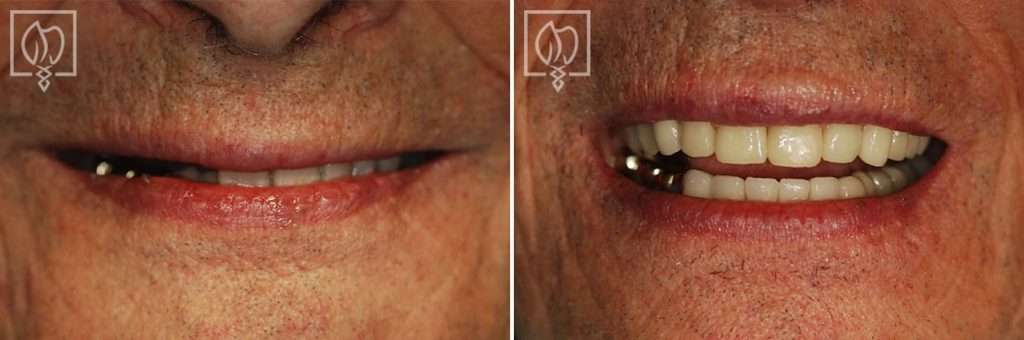
- Can a failing implant be salvaged or replaced? A failing implant preserved through detoxification and grafting rather than removal.
- Replacing a dental implant that could not be properly restored. A well-integrated implant removed and replaced in a position that a fitting restoration could use.
- Restoring multiple old dental implants that had either fractured or failed. Implant-by-implant assessment with a collapsed bite reopened.
- Rejuvenating severely worn-down implant overdentures. Existing implants and bars kept, new overdentures built to fit them.
More are collected in the Corrective Implant / Revision Expertise success story hub.
Related Decision Guides
- When to Seek a Second Opinion Before Dental Implants, Extraction, or Major Treatment
- Split-Site Implant Care vs. Integrated Surgical-Restorative Planning in One Office
- How to Choose a Dental Implant Provider for a Complex Case
Request a Failing Implant Evaluation
Bring your imaging and the history of the implant. The evaluation determines whether the problem is biological, restorative, or both, and what can be saved. Request a consultation or call (202) 244-2101. No pressure. Clear answers. A defined plan.
Your Best Smile Is Within Reach
Request a specialist consultation with Dr. Marlin to discuss your situation and the most appropriate path forward.
Frequently Asked Questions
Can a failing dental implant be saved, or does it always have to come out?
It depends on why it is failing and how much healthy bone remains. Bone loss from peri-implantitis can sometimes be treated by detoxifying the implant surface and grafting the site, without removing the implant. An implant that is solid in the bone but positioned so that no properly fitting restoration can ever be made on it is a different problem, and replacement in the correct position may be the better long-term answer.
Should I go back to the dentist who placed the implant?
You can, and a good provider will want to know. A second, independent evaluation is also reasonable, especially when the implant has been re-treated more than once or when you were never told why it is failing. The purpose is a diagnosis, not an assignment of blame.
What is the difference between a periodontist, an oral surgeon, and a prosthodontist for implant problems?
Periodontists and oral surgeons are surgical specialists; they treat infected tissue and bone and remove or place implants. A prosthodontist is the restorative specialist; the training centers on why the tooth on top of the implant is failing, whether the position, the crown design, or the bite is the cause, and how the replacement restoration should be designed. Many failing implants need both perspectives, which is why an integrated practice that plans the surgery around the restoration is often the simplest path.
What should I bring to an evaluation for a failing implant?
Any imaging from the original placement, records of the implant system used if you have them, the history of what has been done to the implant since, and a description of what you are noticing: looseness, food trapping, bleeding, pain, or a crown that keeps coming off.
Related Patient Success Stories
Explore similar patient success stories demonstrating our expertise in advanced prosthetic dentistry.
 Before
  After
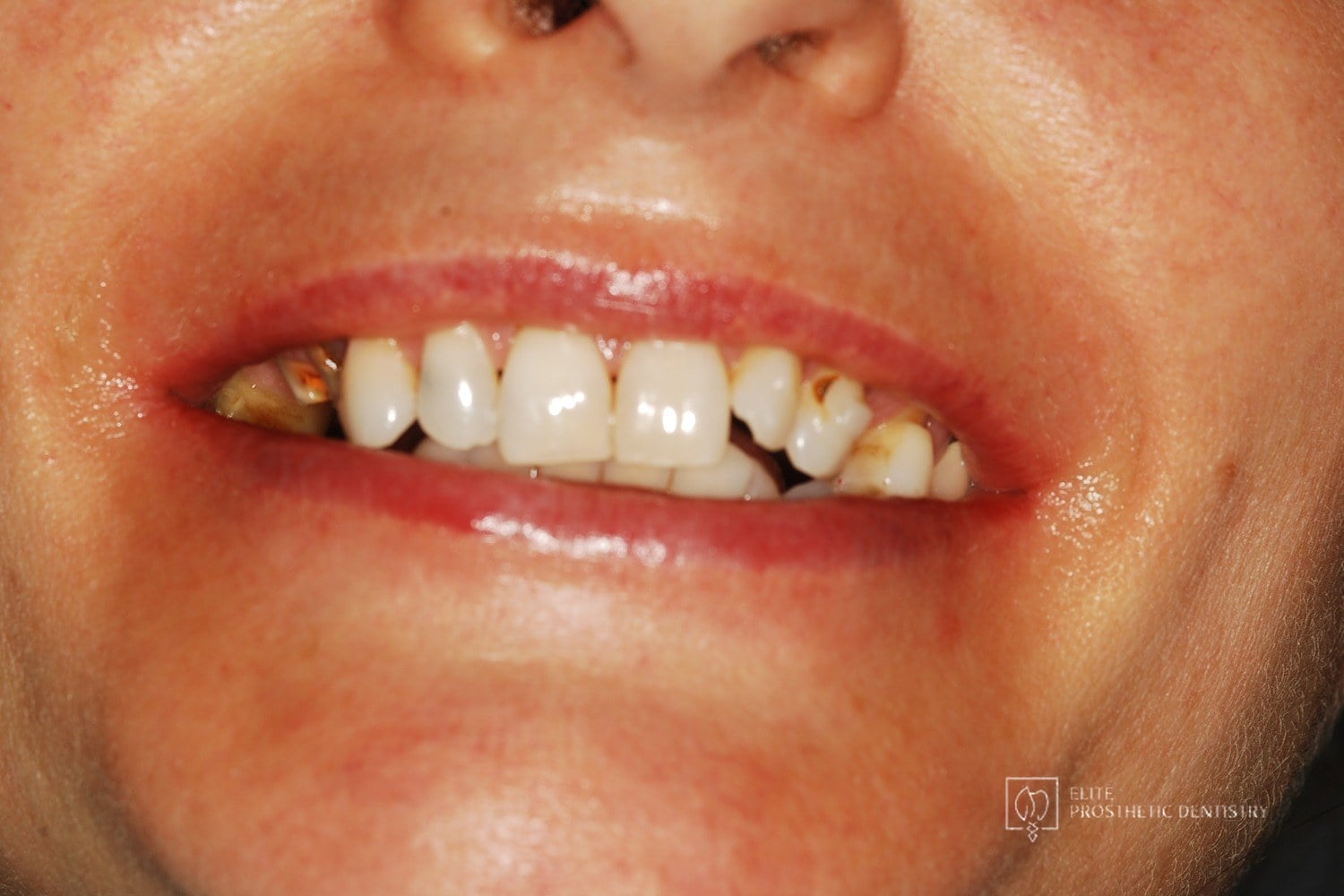
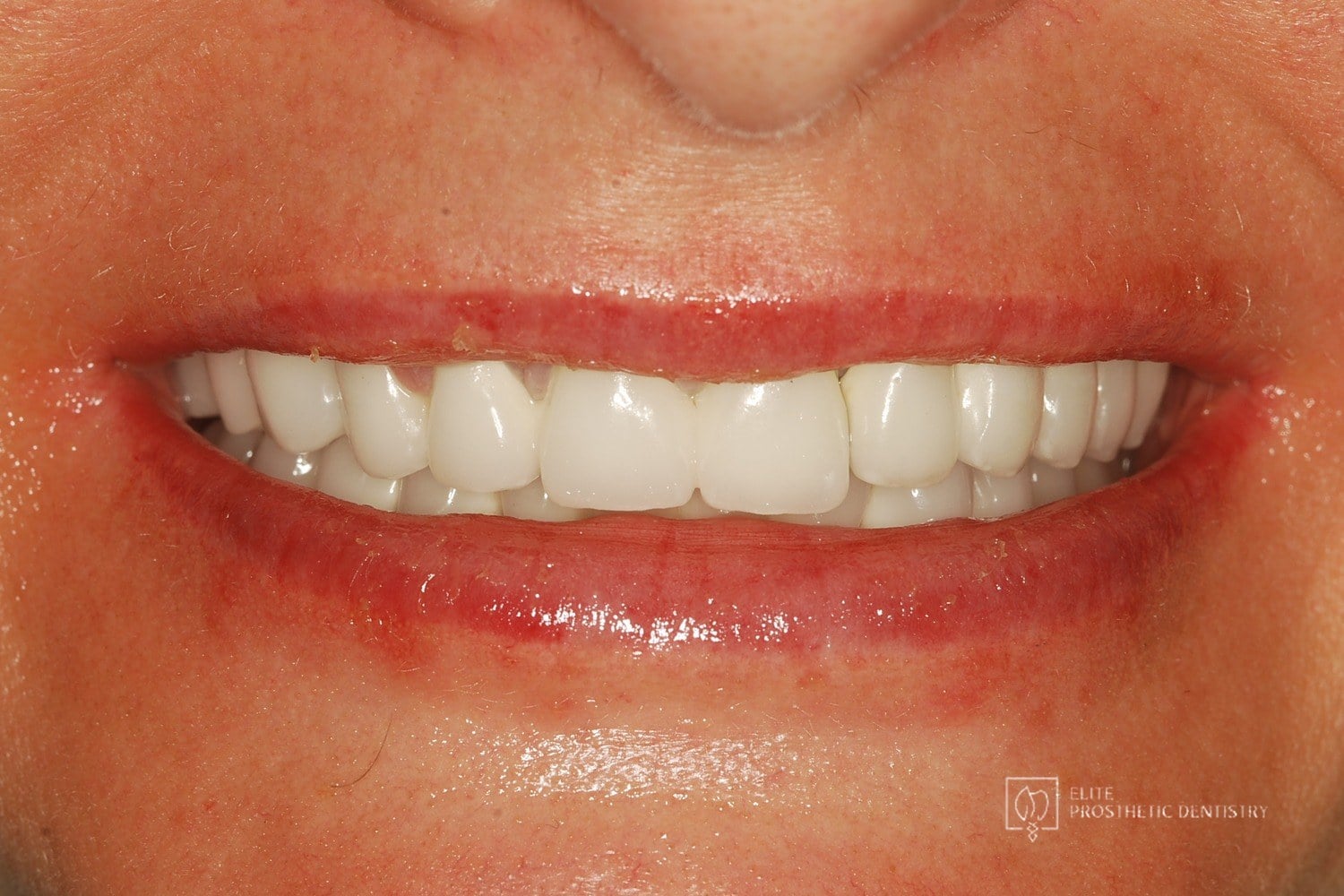
After How Aging, Failing Dentistry Was Replaced with a Coordinated Full-Mouth Implant and Crown Reconstruction
The patient presented with throbbing upper-molar pain, long-standing infections, multiple root canals and unfinished prior treatment, generalized sensitivity, and several hopeless teeth.
 Before
  After
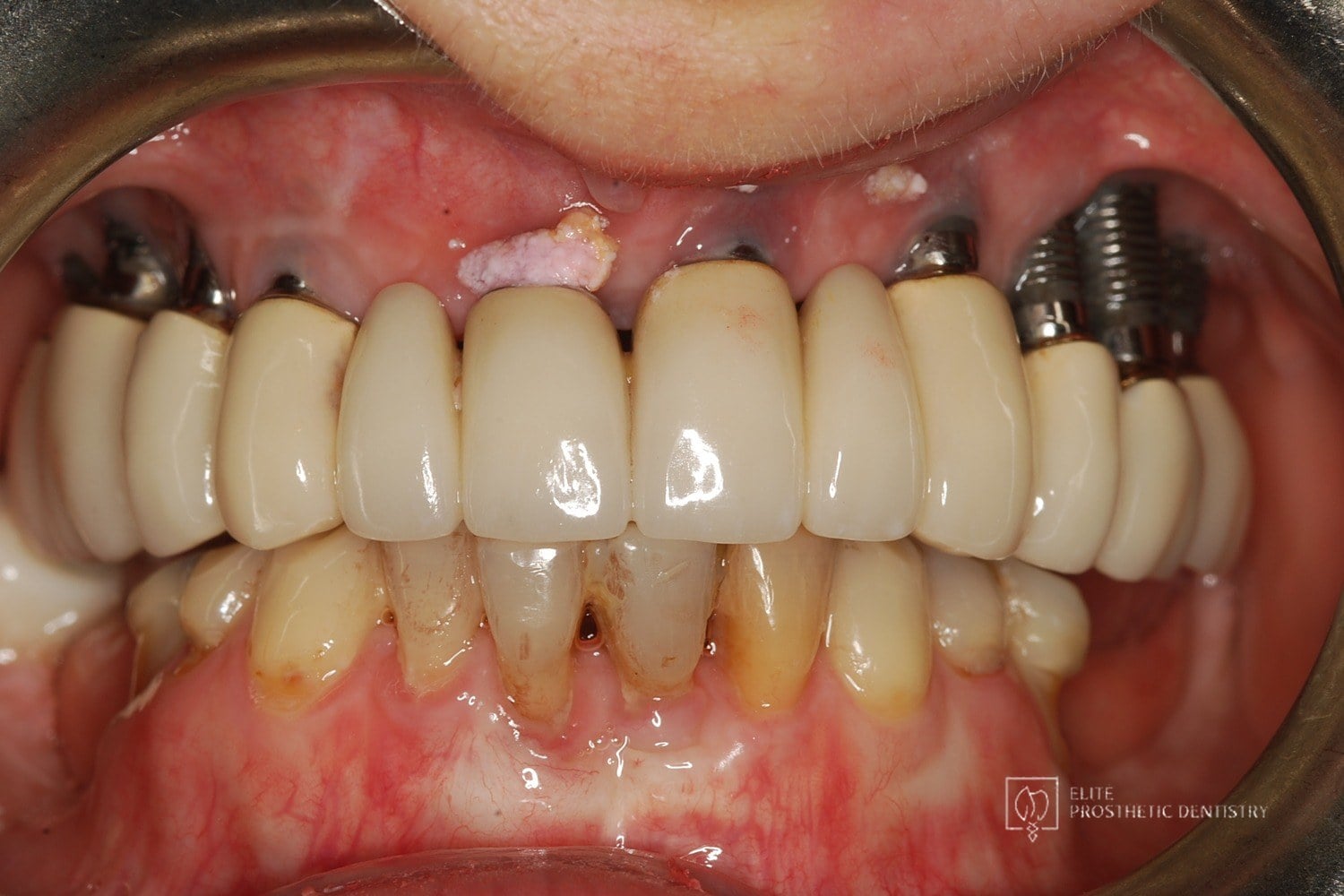
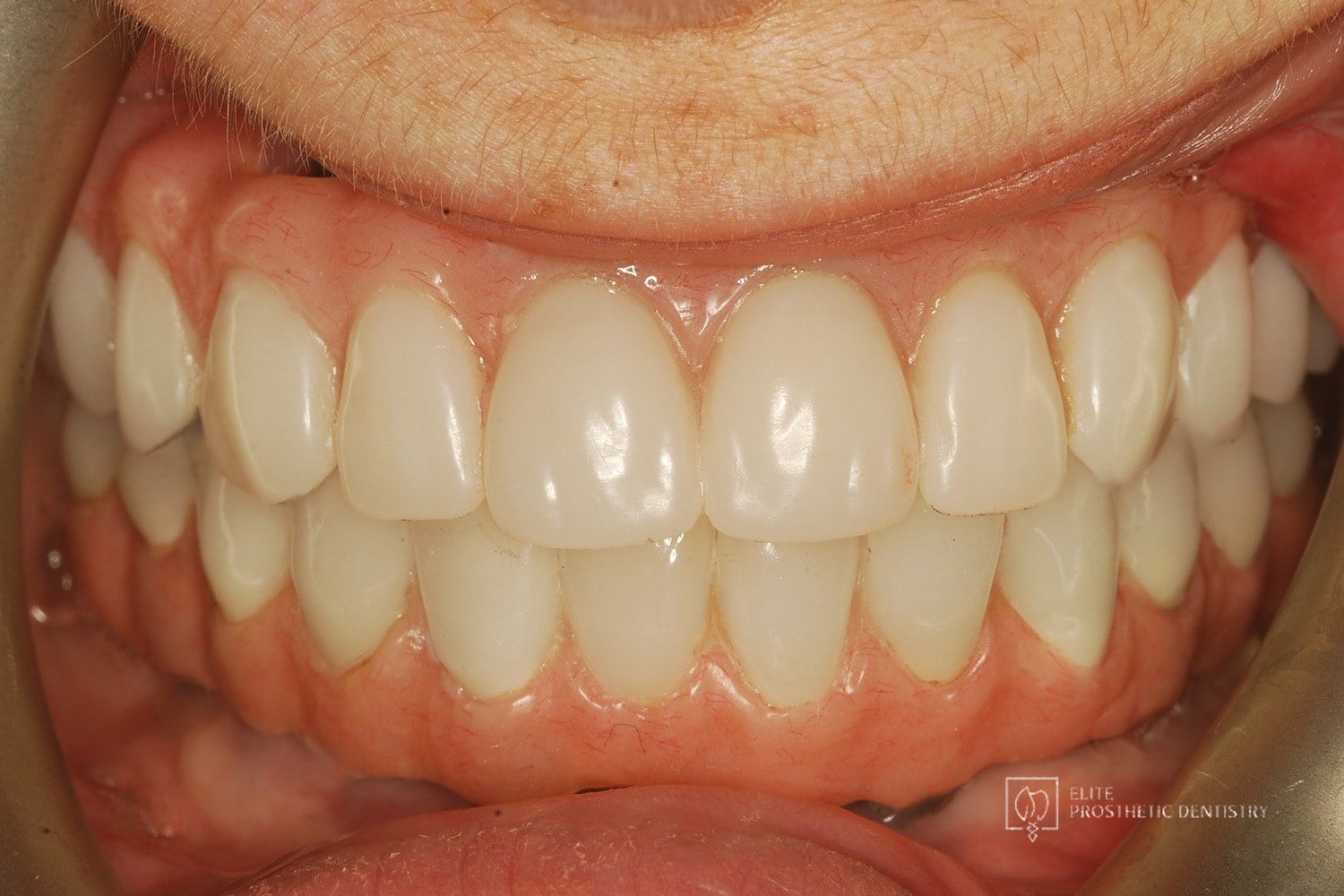
After How Failing Implants and Severe Bone Loss Were Rebuilt Into a Stable Full-Arch Implant Reconstruction
The patient presented with significant complications from previously placed implants, severe bone loss, failing posterior implants, and an unesthetic full-arch bridge. Both arches required full reconstruction, with the upper arch showing the most advanced bone loss and instability.
 Before
  After
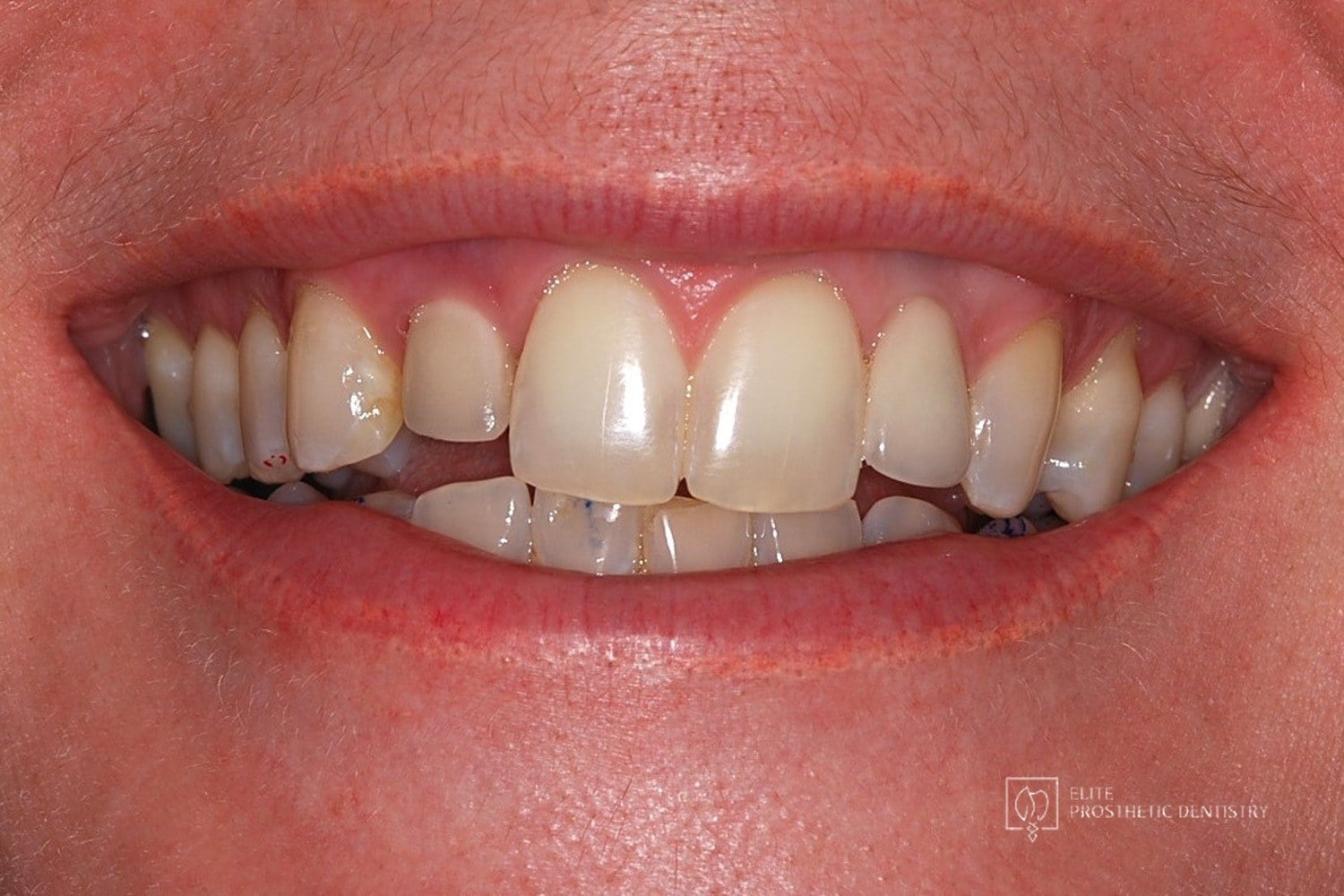
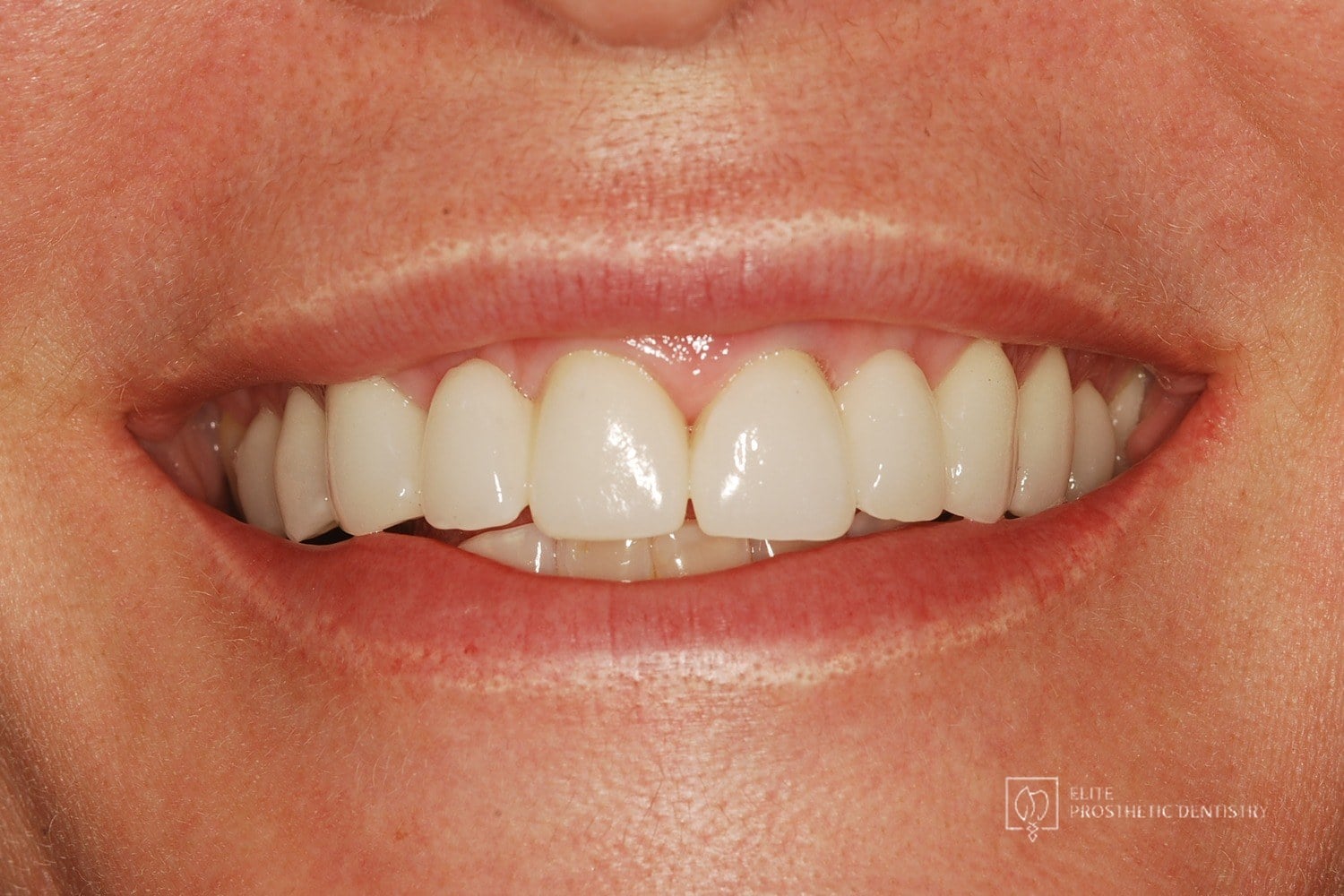
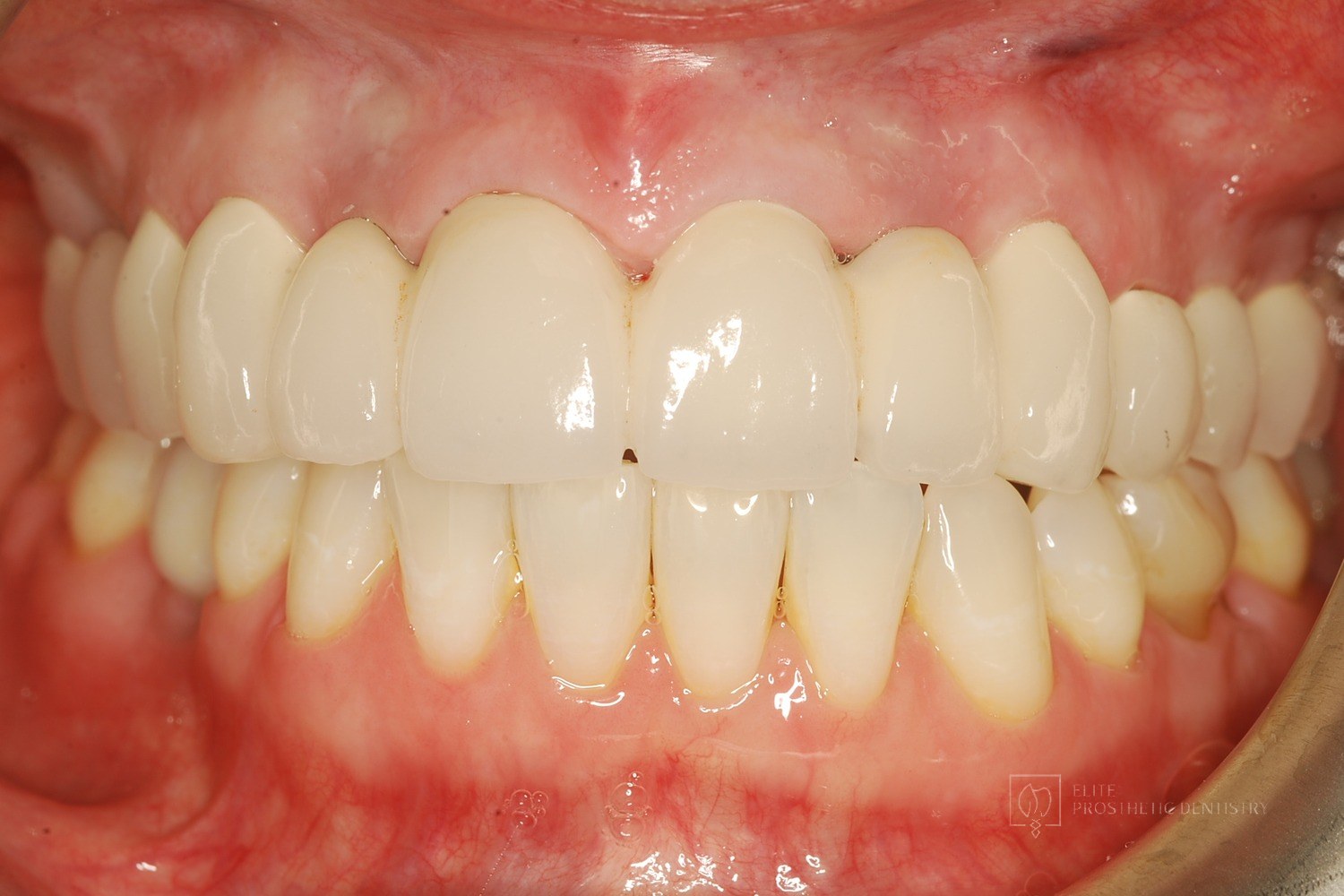
After How Failing Lateral Incisor Implants Were Replaced with Custom Zirconia Bridges After Severe Bone Loss Made Replacement Implants Impossible
Comprehensive examination including CBCT imaging revealed significant bone loss surrounding implants that were placed outside the buccal plate, most likely due to placement without a CBCT-generated surgical guide. The implants were determined non-salvageable, and the alveolar ridge was too narrow to support replacement implants without extensive reconstruction.
 Before
  After
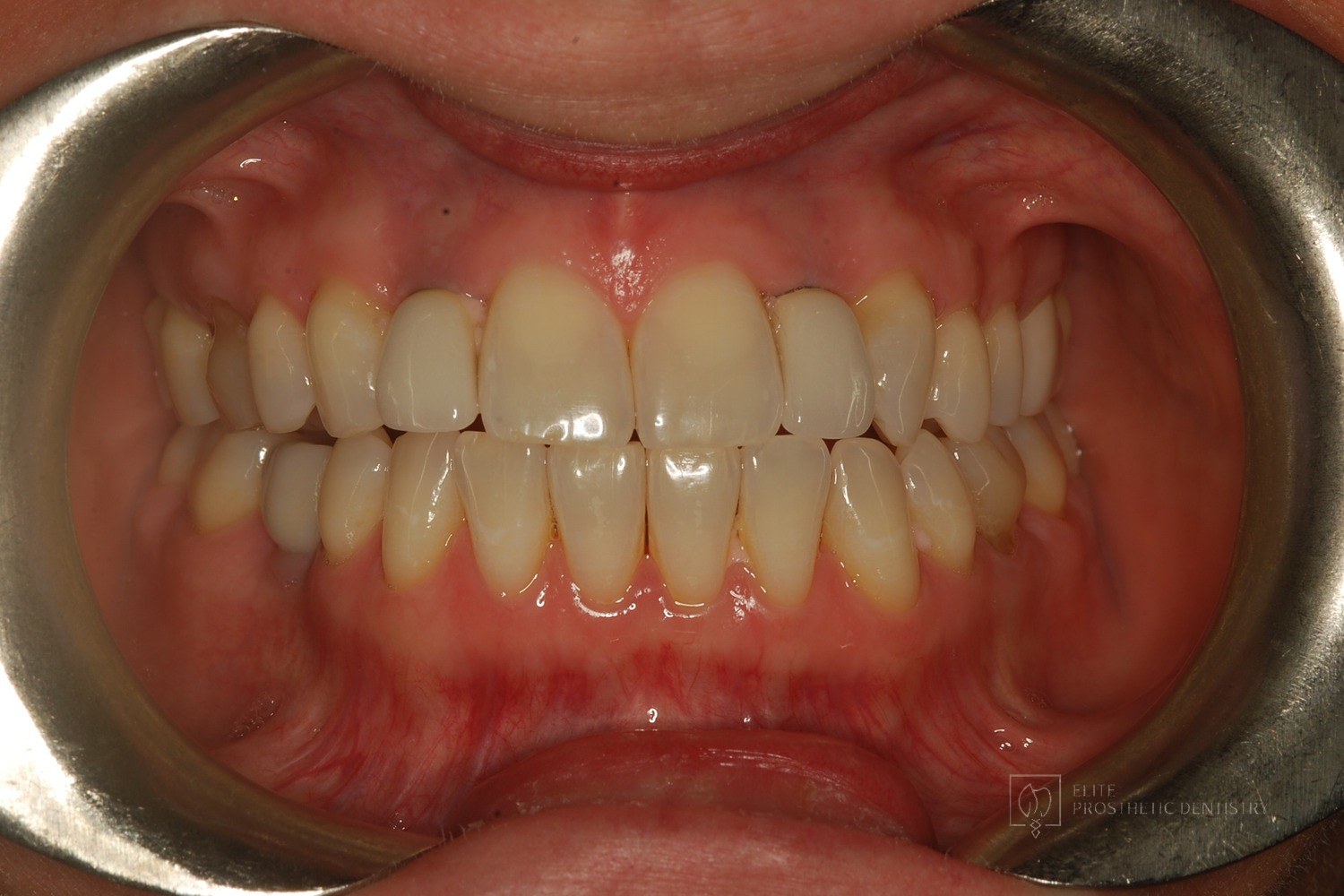
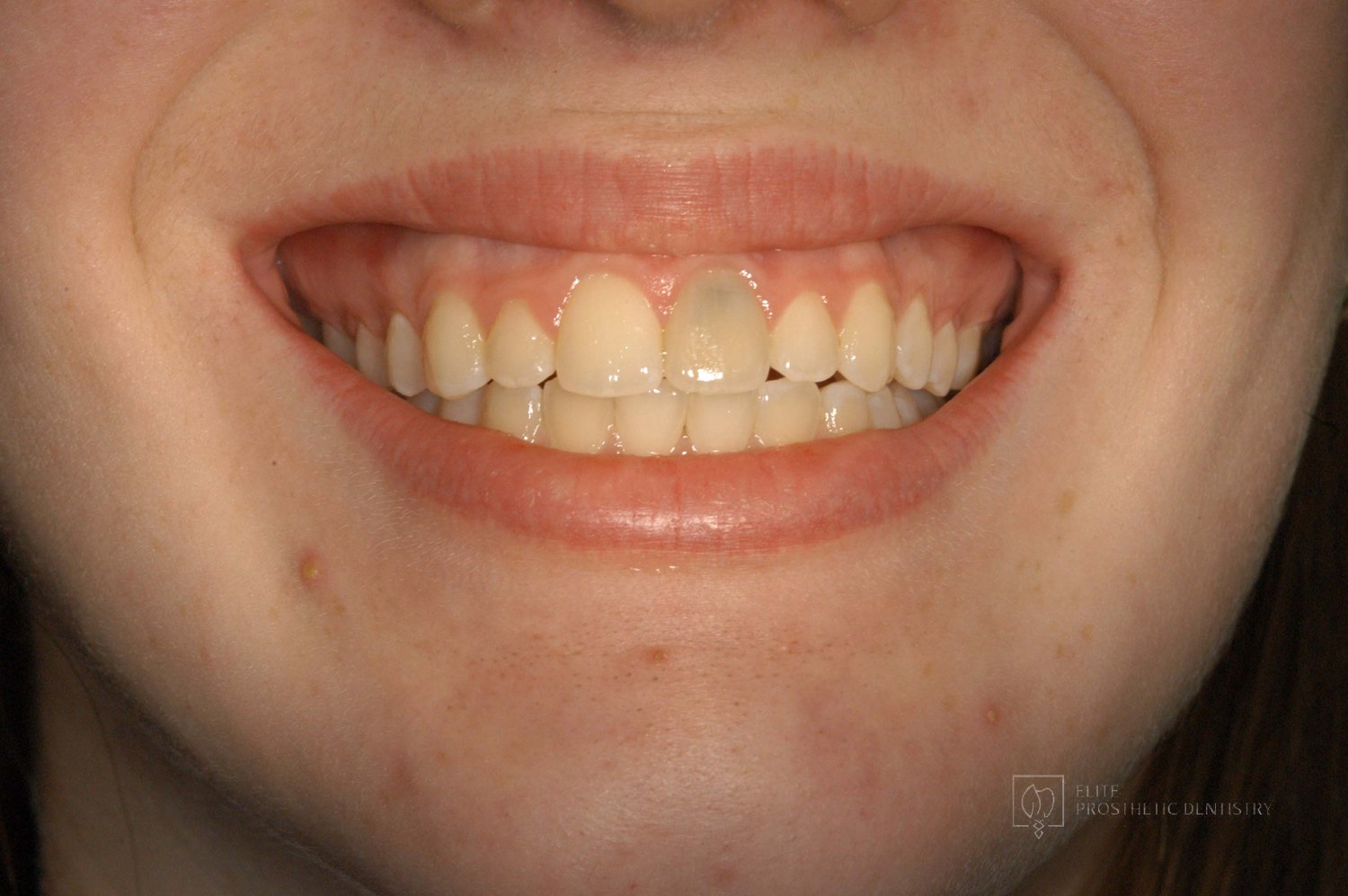
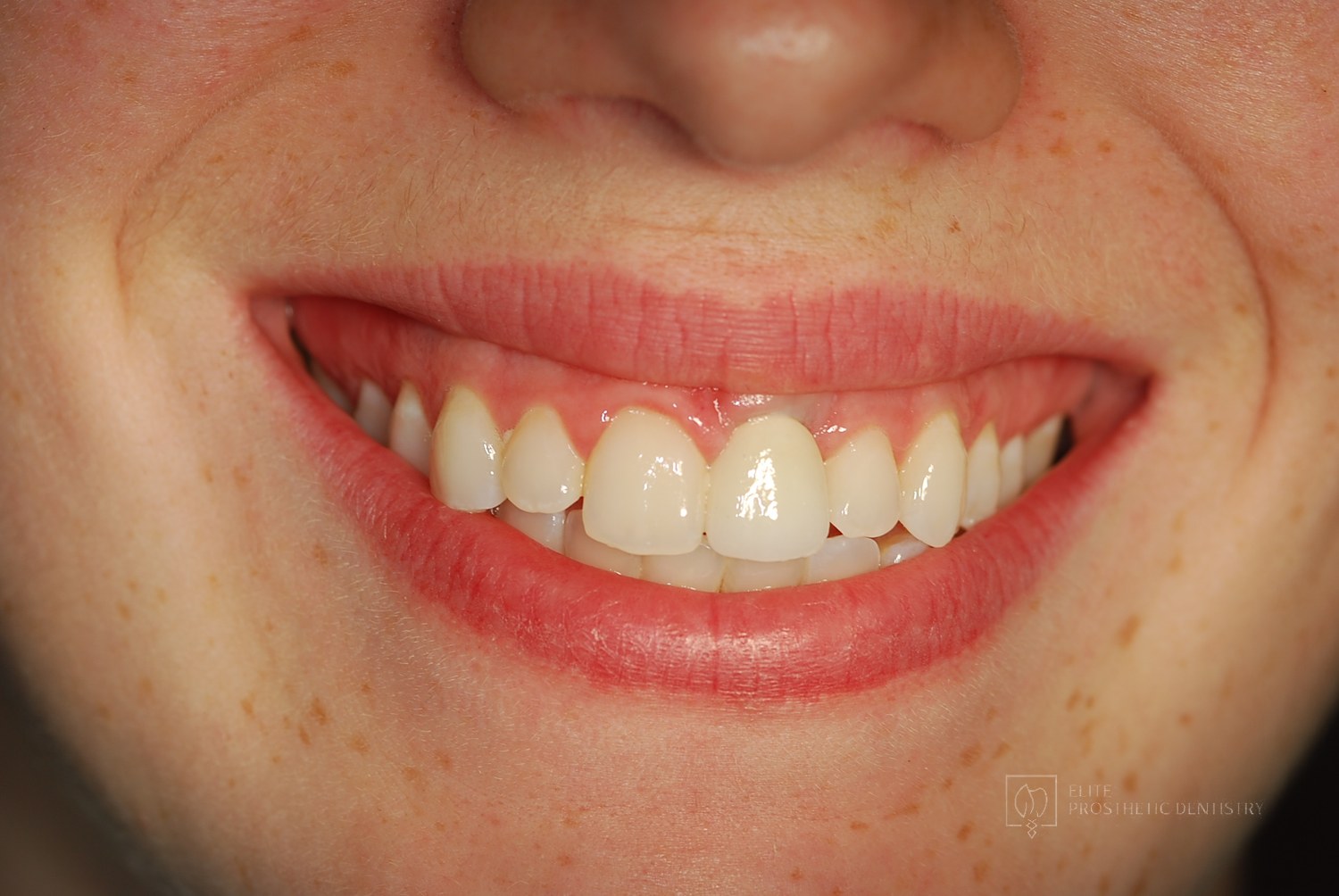
After How Older Implant Crowns Were Redesigned for a Better Bite and More Natural Appearance
The patient came in after years of living with implant-supported crowns placed more than twenty years earlier that no longer looked or functioned well. CBCT evaluation, reviewed with a radiologist colleague, showed the implants had been placed too far to the buccal in very thin bone and could not support a healthy long-term restoration.
 Before
  After
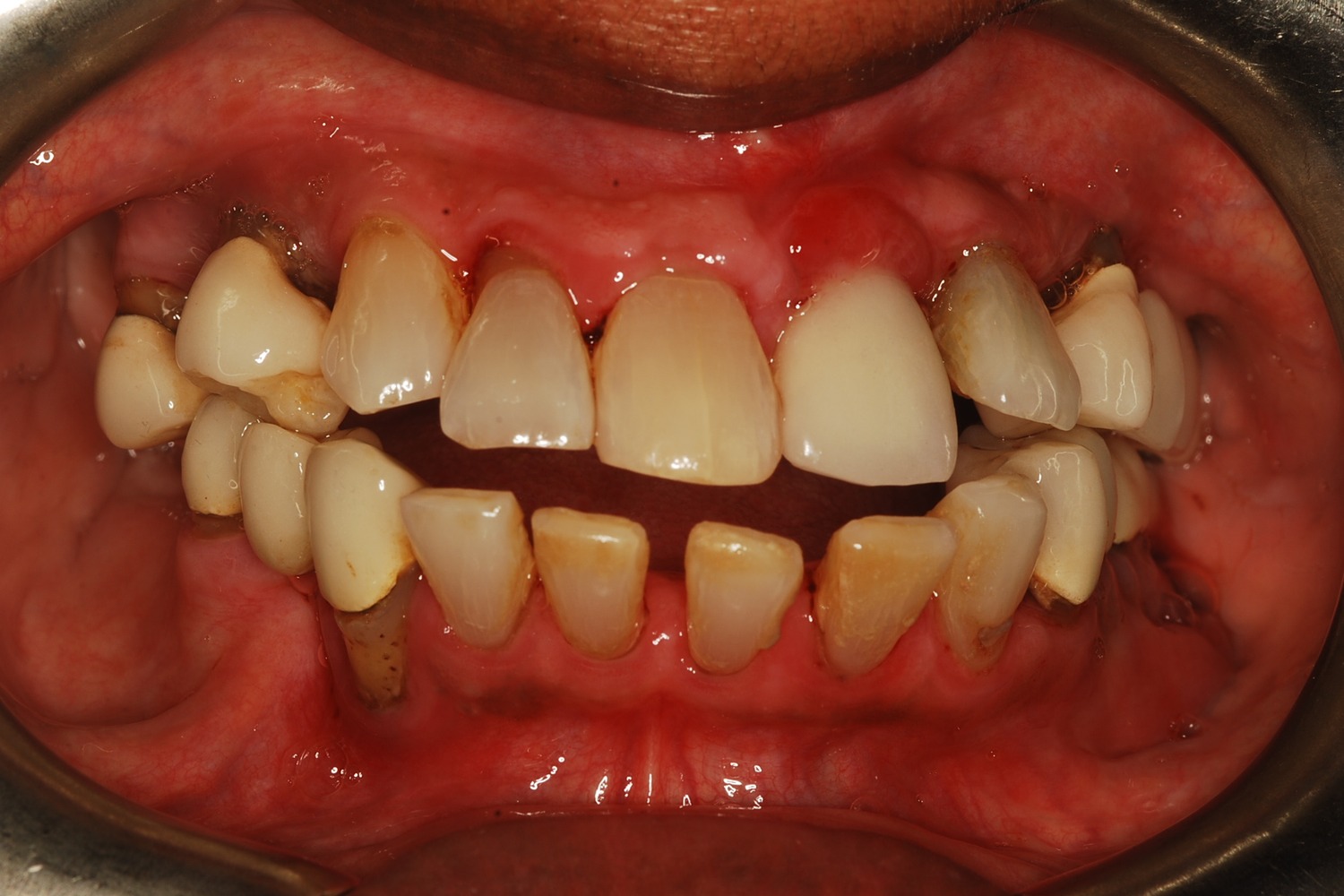
After How a Front Tooth Lost to Childhood Trauma Was Rebuilt with Bone Grafting and a Long-Lasting Implant
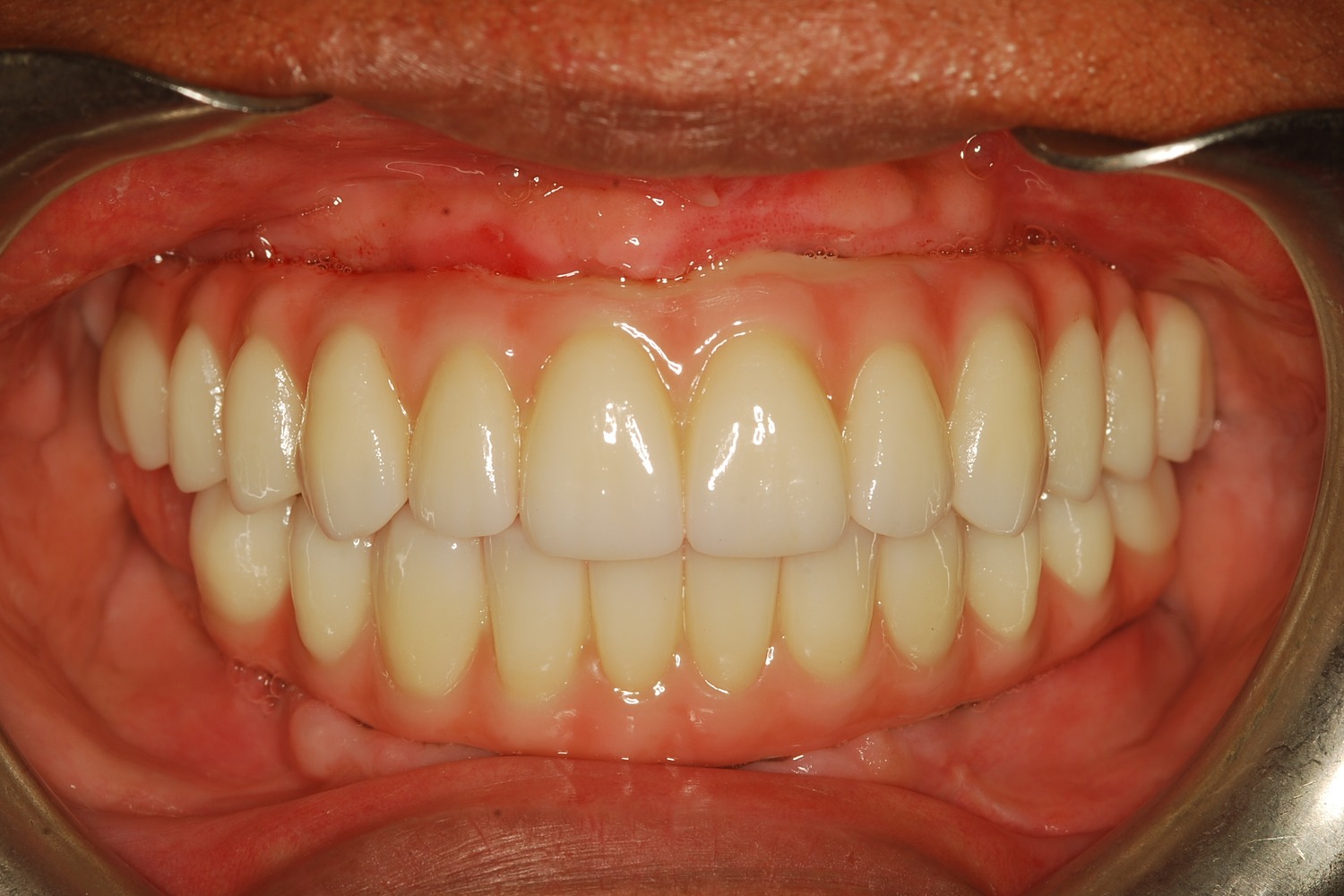
A teenager was referred by her father after earlier trauma left her upper left front tooth slowly failing from root resorption. She was still growing, so an immediate implant was the wrong move. The tooth had to be maintained to buy time, then replaced correctly once she reached skeletal maturity.
 Before
  After
After How Severe Bone Loss and Bite Dysfunction Were Rebuilt with All-on-6 Implants and a Milled Zirconia Hybrid Prosthesis
The patient presented with severe bone loss, advanced periodontal disease, malocclusion, and a dysfunctional bite that required full-arch rebuilding.
Related Articles
Deepen your knowledge with additional insights on this topic.
 Dental Implants
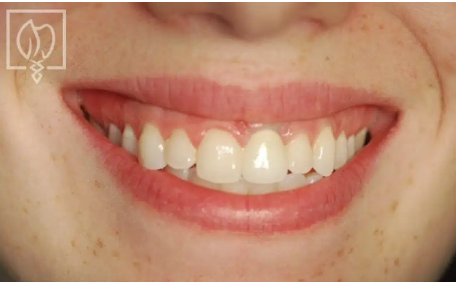
 If a Single Front Tooth Is Replaced with an Implant, Can It Look Natural?
Yes. See the four steps, with real case photos, that make a single front tooth implant indistinguishable from the natural tooth beside it. Washington, DC.
 Dental Implants
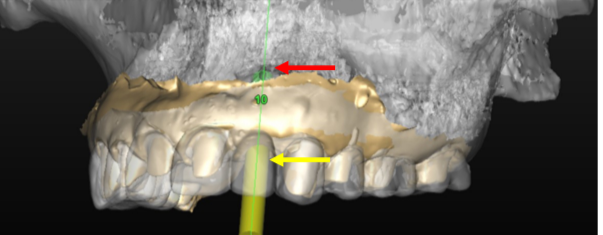
 What Is Precision Implant Placement (PIP)?
Precision Implant Placement plans each implant virtually on a CBCT scan, then delivers it with a custom surgical guide. See the three steps with real images.
 Dental Implants
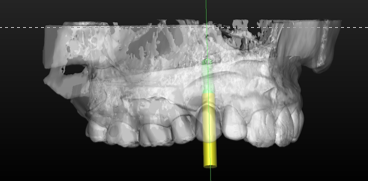
 What Is the Ideal Surgical Guide for Precision Implant Placement?
Not all surgical guides are equal. The gold standard is CBCT-based: planned virtually in 3D, 3D printed, and seated on your teeth. A DC prosthodontist explains.
 Dental Implants
 When Should an Implant Not Be Done?
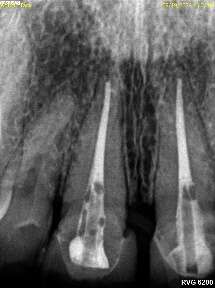
Healthy roots, thin bone, steep bony angles: a DC prosthodontist shows a real case where refusing implants was the right call, and what was done instead.
 Dental Implants
 What Is Staged Implant Therapy?
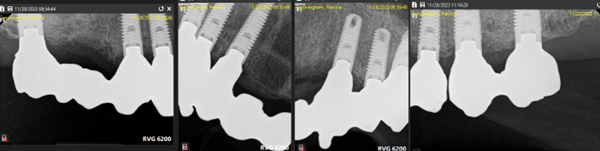
Staged implant therapy replaces failing teeth in phases while you keep fixed teeth the entire time. A DC prosthodontist walks through a real case in stages.
 Dental Implants
 The Four Types of Dental Implants: Which One Is Right for You?
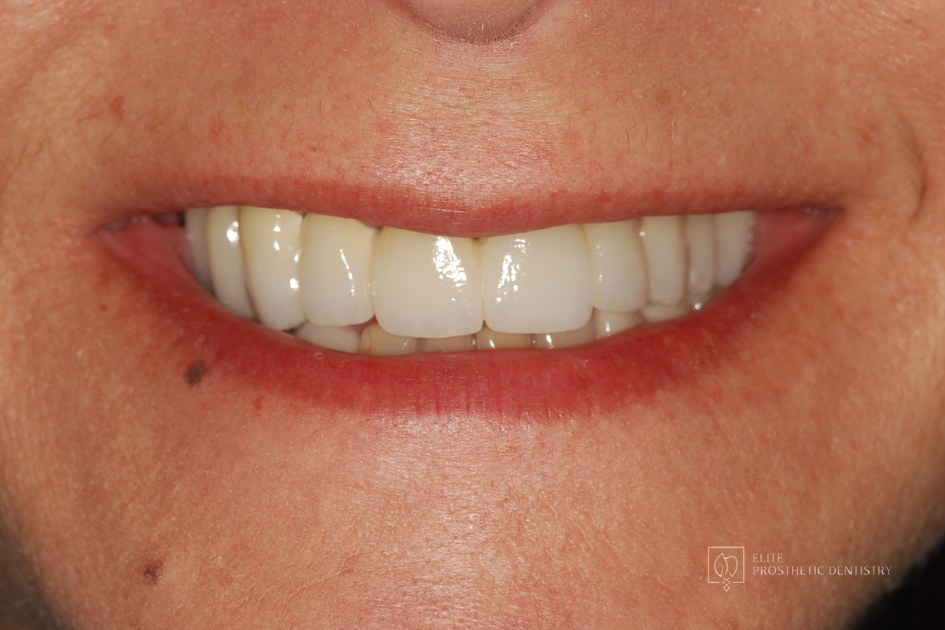
Endosteal, subperiosteal, zygomatic, and mini implants each solve a different problem. A DC prosthodontist explains the four types and who each one fits.
Ready to Transform Your Smile?
With 40+ years of experience and 3,900+ dental implants placed, Dr. Marlin and the team deliver dentistry planned to last. Request a specialist consultation.