

My Crown Came Off or Broke: What to Do in the Next Hour, and What Happens Next
A crown that came off or broke: what to do and not do in the next hour, what can wait until office hours, what the visit involves, why it happened, and what a lost crown often reveals about crowns of the same age.
Practice clinician: Gerald M. Marlin, DMD, MSD, prosthodontist, Elite Prosthetic Dentistry, Friendship Heights, Washington, DC. Last updated .
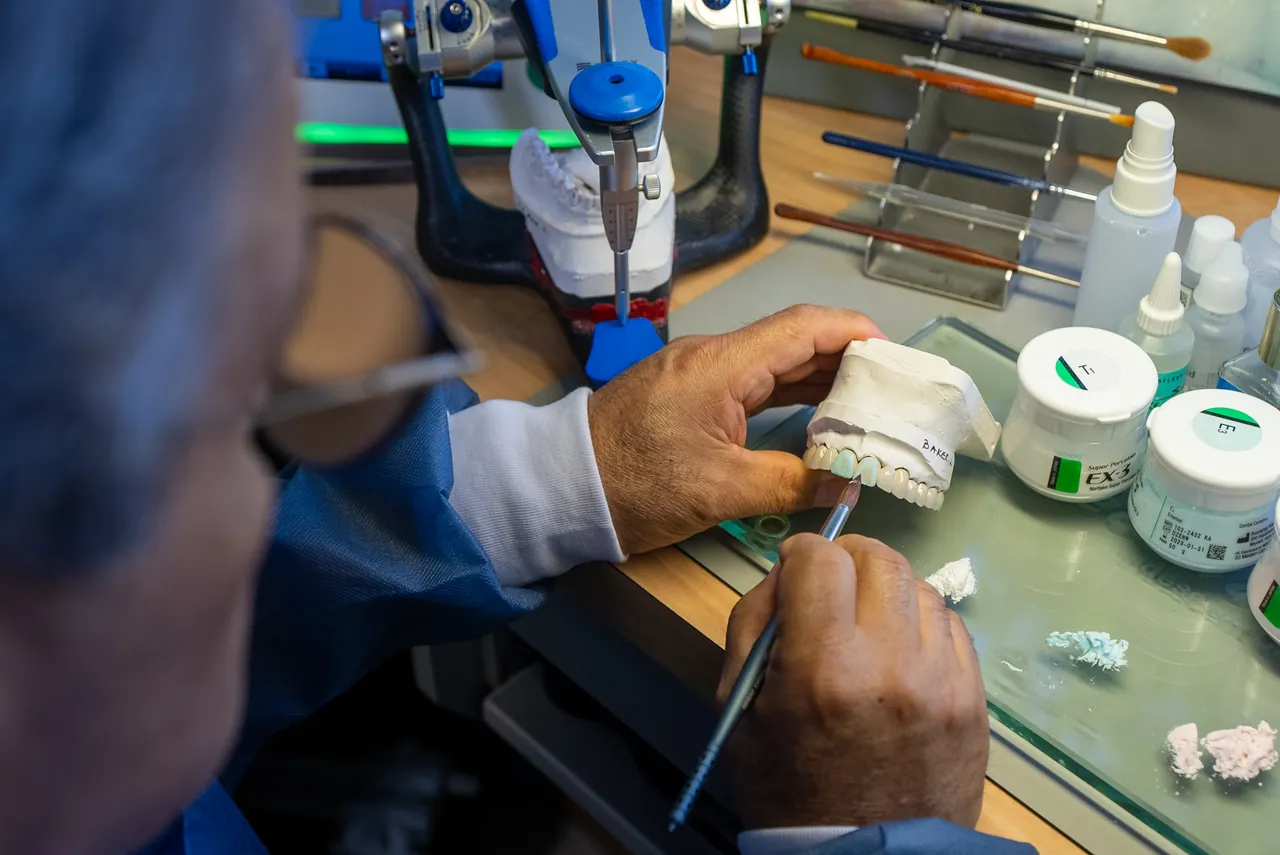
A crown that comes off at dinner, or breaks on something hard, is the most common restorative emergency in a mouth with older dental work. It is rarely dangerous and usually fixable, and the next hour matters: what you do with the crown and the tooth decides whether the repair is simple or complicated. This page covers what to do and not do now, what can wait until office hours, what the visit involves, why crowns come off, and what a lost crown often reveals about the others.
In the Next Hour
- Find the crown and keep it. Rinse it gently, dry it, and put it in a small container or bag. Do not wrap it in tissue, which gets thrown away. Bring it to the visit even if it is broken; it tells the clinician what happened and may be reusable.
- Do not use glue. Household glue, superglue and repair kits damage the tooth and the crown. A crown glued on with the wrong material often has to be cut off.
- Check whether it seats. If the crown is intact, the tooth is not painful, and the crown sits fully back in place without force, pharmacy temporary dental cement can hold it until the visit. If it does not seat easily, leave it off. Never force it.
- Protect the tooth. Avoid chewing on that side. If the exposed tooth is sensitive to cold, keep cold drinks away from it. Keep the area clean with gentle brushing.
- Call the office. During hours, call (202) 244-2101; patients are triaged by urgency and same-day visits are arranged when the schedule allows. After hours, follow the voicemail prompts for urgent care instructions.
- Pain relief. Over-the-counter pain relief as directed on the label and as approved by your physician.
When to Go to the Emergency Room Instead
A lost crown is not an emergency room situation on its own. Go to the emergency room, or call 911, for facial swelling that is spreading, fever with swelling, uncontrolled bleeding, difficulty swallowing or breathing, or facial trauma. Tell the office afterward.
What Can Wait Until Office Hours
A crown that has come off cleanly, with no severe pain and no swelling, can wait until office hours, overnight or over a weekend if necessary, with the tooth protected as above. The sooner it is seen the better, because an uncovered tooth can shift slightly and become more sensitive, but it is not a reason for an emergency room visit. A broken crown that has left a sharp edge can be covered with orthodontic wax from a pharmacy until the visit.
What the Visit Involves
The tooth is examined and X-rayed. The crown is inspected. Three findings are common:
- The crown is intact and the tooth is sound. The tooth and crown are cleaned and the crown is recemented. This is the simplest outcome and the reason to keep the crown.
- The crown is intact but the tooth has changed. Decay or a fracture beneath the crown means the tooth is rebuilt first, with a filling, a core, or where the nerve is involved, root canal treatment, and then a new crown is made. The old crown may serve as a temporary.
- The crown is cracked, worn or no longer fits. A new crown is made. A provisional protects the tooth meanwhile. Many replacement crowns can be made quickly in the practice’s on-site laboratory; the timing is confirmed when the tooth is examined.
The visit also checks the bite, because a crown that was being loaded unevenly will fail again if the bite is not corrected.
Why It Happened
- Cement wash-out. Cements dissolve slowly over decades; a crown can be firmly in place one week and off the next.
- Decay under the crown. The most common reason a crown comes off with soft tooth inside it. It is painless until late and is often the first sign of a pattern described in our guide on why decay starts under crowns after fifty.
- Fracture. Of the tooth, of a post and core beneath the crown, or of the crown itself, usually under grinding or an uneven bite.
- The bite. A crown that has been catching or loading unevenly for years eventually gives. Our guide on why crowns keep breaking explains the forces.
What an Emergency Often Reveals
A lost crown is frequently the first visible event in a mouth where several crowns of the same age are reaching the end of their service. The visit for the lost crown is a good moment to examine the others: X-rays and probing of every margin, a check of the bite, and a classification of each crown as sound, monitor, plan to replace, or replace now. Patients who do this plan the replacement of aging dentistry on their own schedule rather than one emergency at a time. Our guide on when to replace old crowns and bridges explains the judgment, and signs your dental work is wearing out is a quick self-check.
How Elite Prosthetic Dentistry Handles a Lost or Broken Crown
Call the office; patients are triaged by urgency and same-day visits are arranged when the schedule allows. The tooth is examined and X-rayed, the crown is recemented if the tooth is sound, and where a new crown is needed the practice’s on-site laboratory, operating since 1985, allows it to be made without waiting on an outside laboratory. Dr. Gerald M. Marlin evaluates the tooth, the crown and the bite together, and the visit ends with a recommendation for the other crowns of the same age when there are any.
When Another Setting Fits Better
A crown that came off cleanly from a sound tooth in a patient with a regular general dentist can be recemented there, and that is often the quickest route. A patient with severe pain, swelling or fever should be seen the same day by whichever office can see them, and by the emergency room for the signs listed above. The practice sees patients in all of these situations and will say when a simpler route is appropriate.
Documented Cases
- A fractured filling that led to the discovery of generalized wear and a collapsed bite, a small emergency that revealed a larger pattern.
- Loose, failing crowns and hidden decay: strategic teeth saved and both arches rebuilt.
- Aging crowns and a long-standing bridge replaced as one coordinated plan.
Related Reading
- Restorative dental emergencies: all situations
- Loose dental crown
- Pain under a dental crown
- When should old crowns and bridges be replaced?
- Why am I getting decay under my crowns?
Call the Office
During office hours, call (202) 244-2101 and describe what happened. After hours, follow the voicemail prompts for urgent care instructions. For a non-urgent evaluation of a crown that has been recemented elsewhere, or of the other crowns, request an appointment or call (202) 244-2101.
Your Best Smile Is Within Reach
Request a specialist consultation with Dr. Marlin to discuss your situation and the most appropriate path forward.
Frequently Asked Questions
Can I put my crown back on myself?
You can hold it in place temporarily if it seats fully and easily, using temporary dental cement from a pharmacy, and only until the office can see you. Never use household glue or superglue; it damages the tooth and the crown and makes recementing properly difficult or impossible. If the crown does not seat without force, if the tooth is painful, or if you cannot see what you are doing, leave it off, keep it safe, and call.
Is a lost crown an emergency?
It is urgent rather than an emergency in the medical sense. The exposed tooth can be sensitive, can fracture, and can shift slightly, and the gap affects appearance if it is a front tooth. Call the office during hours; patients are triaged by urgency and same-day visits are arranged when the schedule allows. Severe pain, swelling or fever changes the picture and should be reported at once.
Why did my crown come off?
The common reasons are cement that has washed out over years, decay under the crown that has softened the tooth it was holding onto, a fracture of the tooth or of the core beneath the crown, or a bite that has been loading the crown unevenly. A crown that comes off cleanly with a sound tooth inside can often be recemented. A crown that comes off with soft or broken tooth inside it cannot, and the tooth has to be rebuilt first.
Will I need a new crown?
It depends on what the examination and X-ray find. If the crown is intact and the tooth beneath is sound, it is cleaned and recemented. If the crown is cracked or the fit is no longer good, or the tooth has decayed or fractured, the tooth is rebuilt as needed and a new crown is made. If the decay has reached the nerve, root canal treatment may be needed first. The visit tells you which.
My other crowns are the same age. Should I worry?
You should have them examined. Crowns placed at the same time age under the same conditions, and a lost crown is often the first visible sign of a pattern: receding gums exposing margins, dry mouth from medications, or a bite that has changed. The visit for the lost crown is a good moment to X-ray and probe the others and decide which can be monitored and which should be planned.
Related Patient Success Stories
Explore similar patient success stories demonstrating our expertise in advanced prosthetic dentistry.
 Before
 After
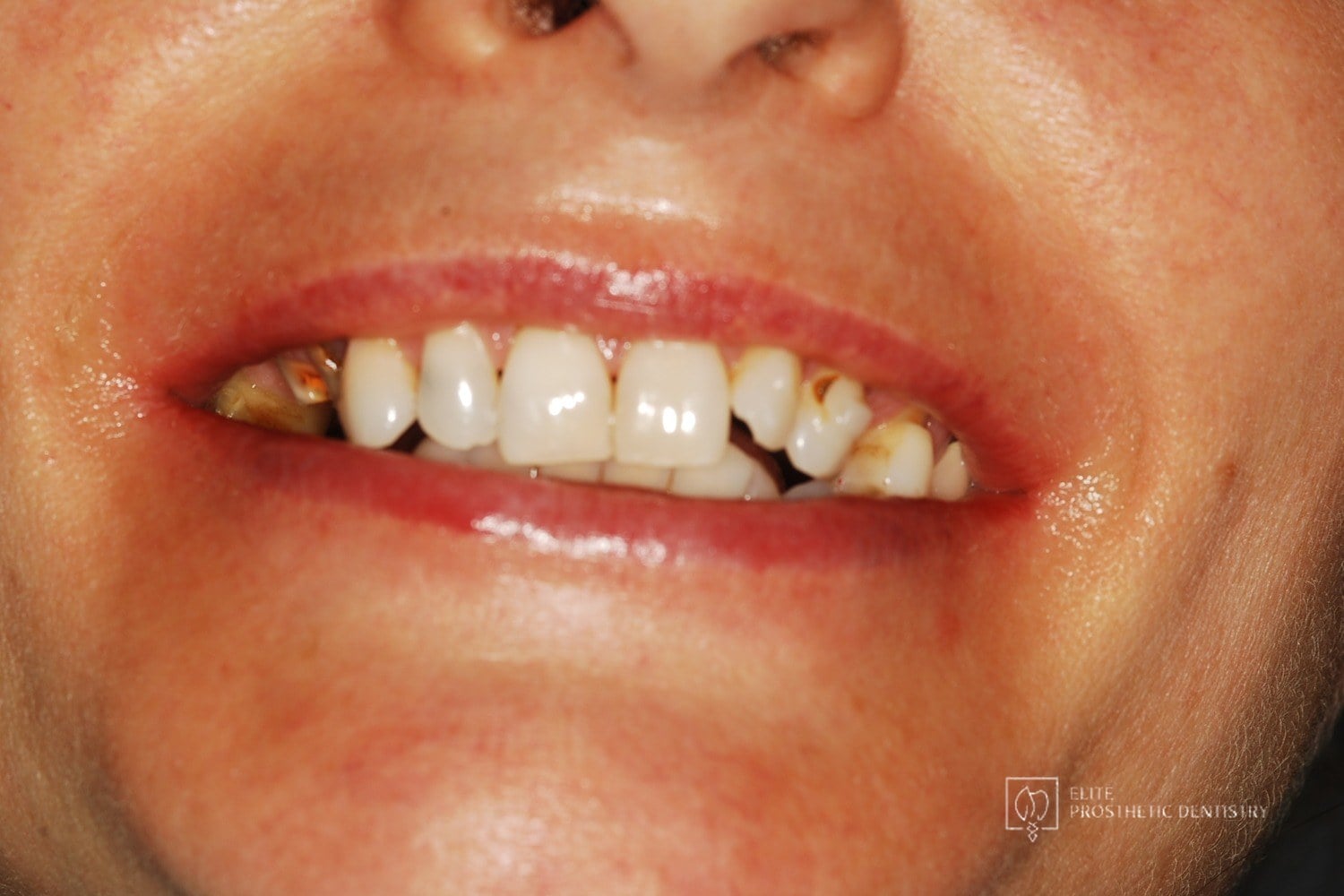
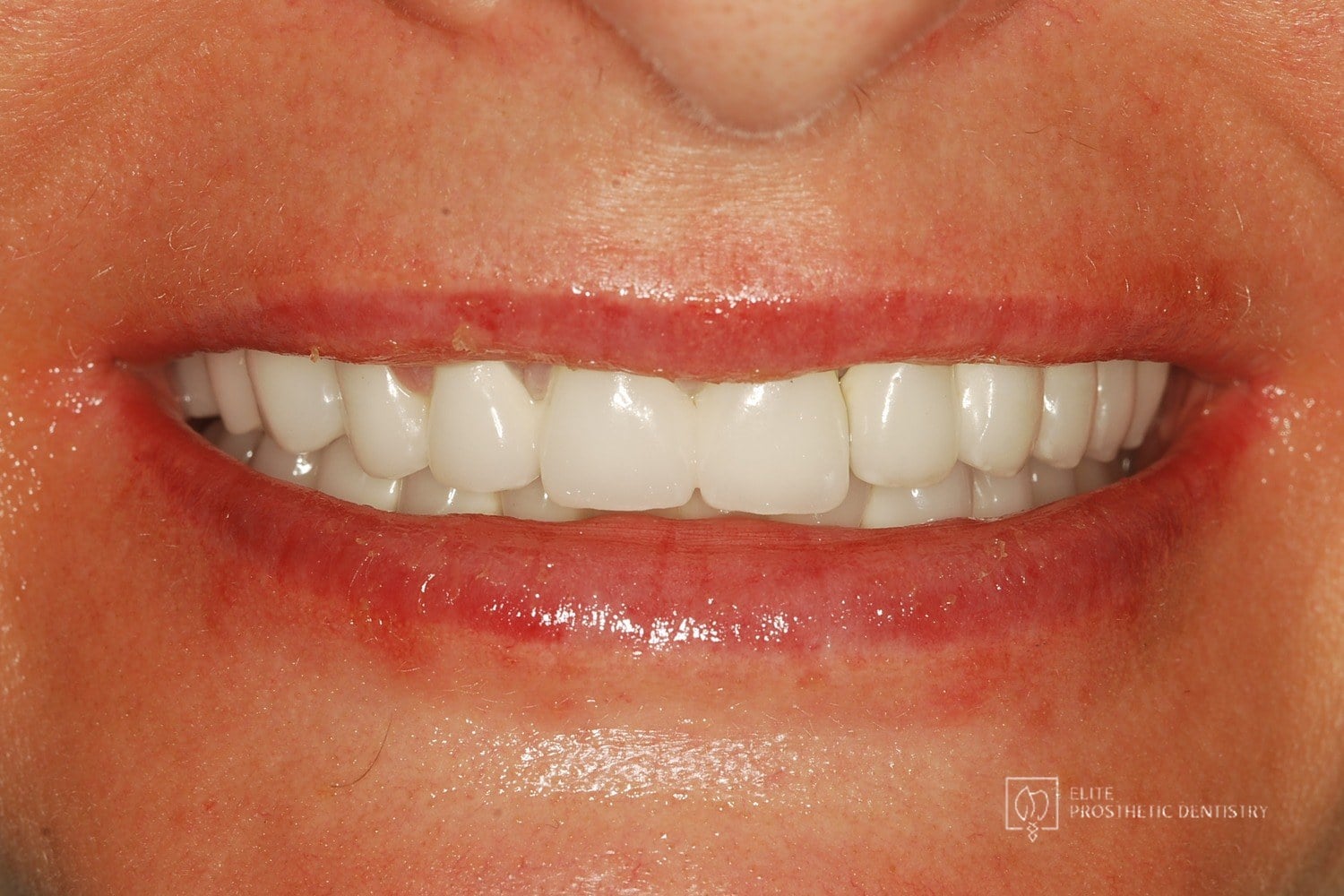
How Aging, Failing Dentistry Was Replaced with a Coordinated Full-Mouth Implant and Crown Reconstruction
The patient presented with throbbing upper-molar pain, long-standing infections, multiple root canals and unfinished prior treatment, generalized sensitivity, and several hopeless teeth.
 Before
 After
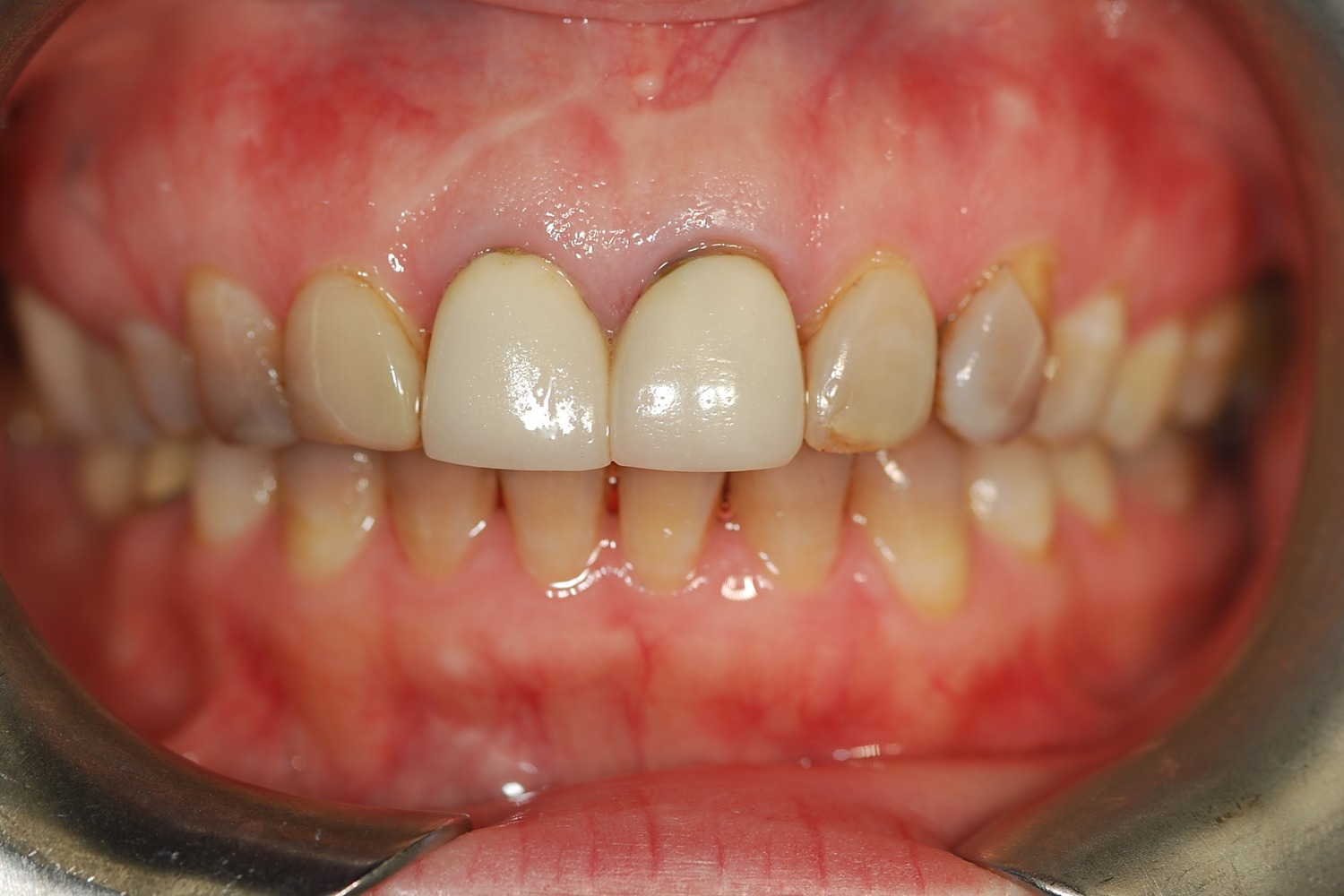
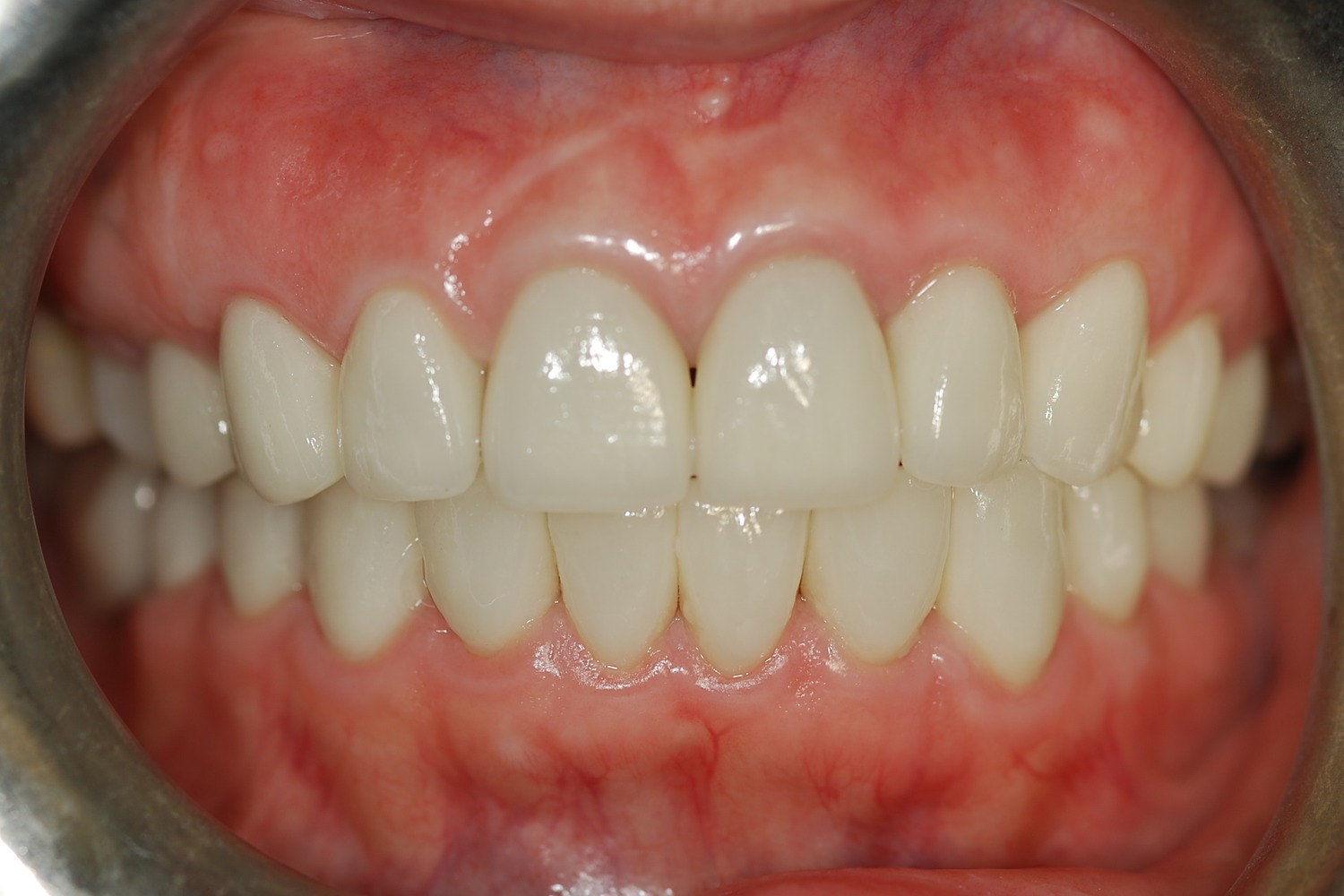
How Aging, Opaque Restorations Were Replaced with Customized Ceramic Restorations Designed for Long-Term Natural Esthetics
The existing restorations appeared opaque, worn, and unnatural over time, affecting both confidence and overall smile harmony.
 Before
 After
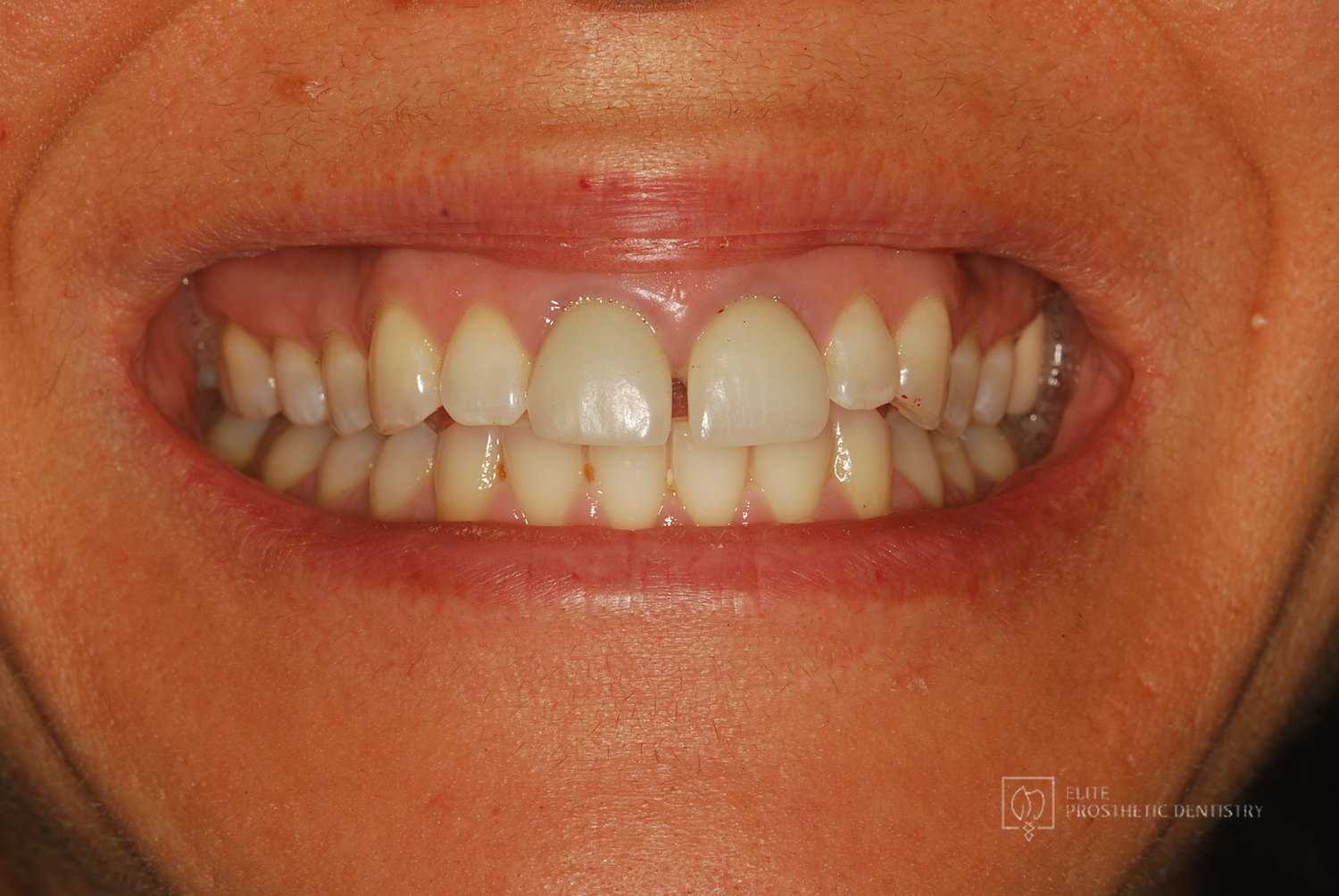
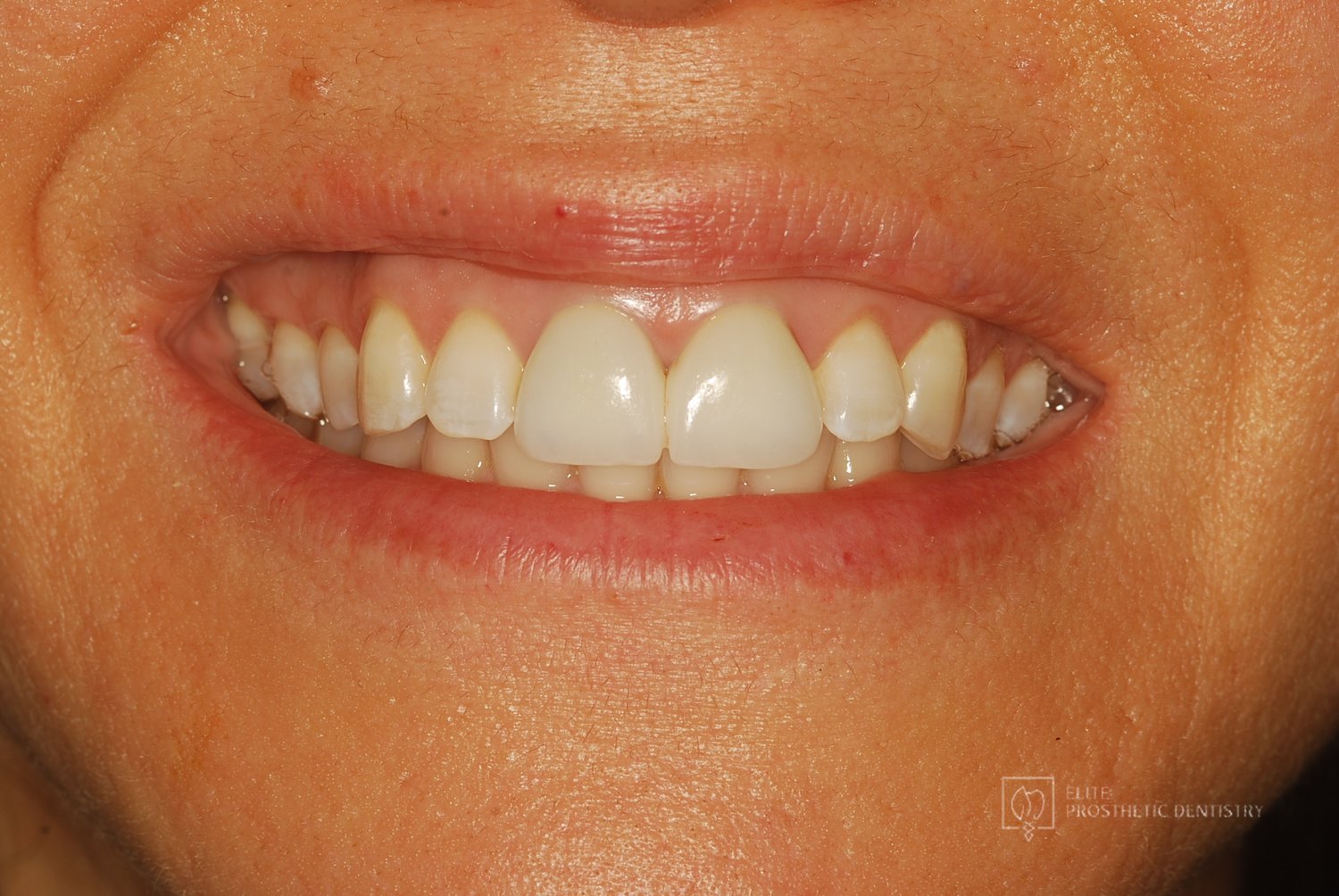
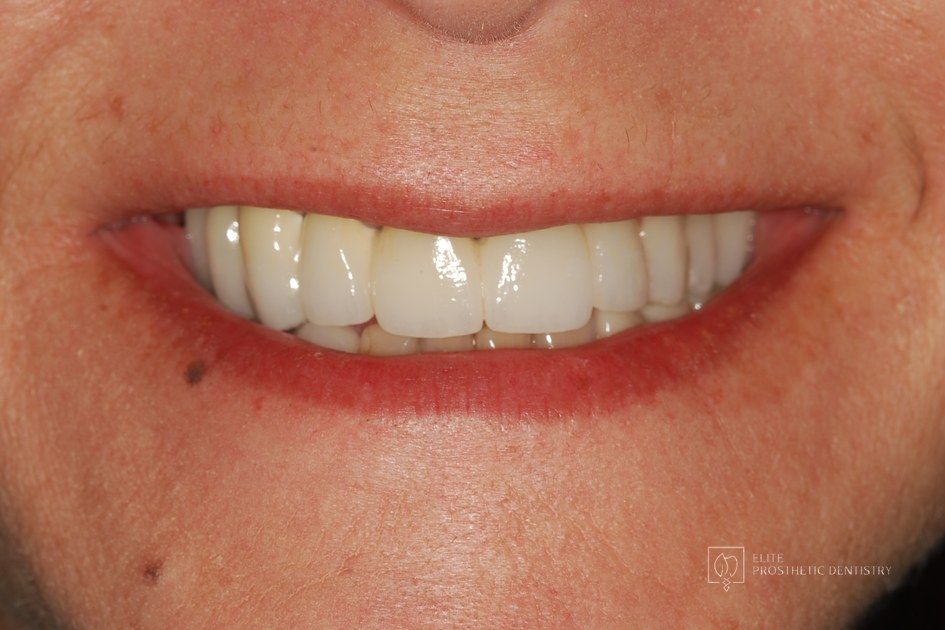
Two Front Teeth Saved From Extraction: A Second Opinion, Custom Gold Posts, and Crowns Made to Last
Two upper central incisors with failed root canal treatment and recurrent decay had been recommended for extraction and implant replacement. A CBCT evaluation showed that removing the roots from their thin facial bone housing could create a visible esthetic defect in the gum and bone contour, made worse by the patient's high lip line.
 Before
 After
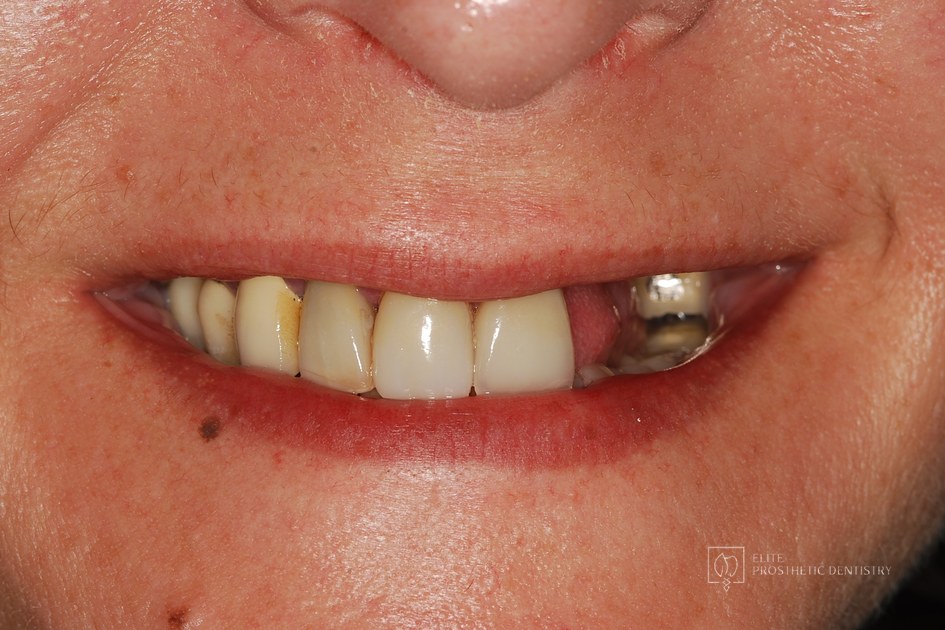
Implant Supported Reconstruction: Failing Bridgework and Missing Back Teeth Rebuilt with Coordinated Specialist Care
Referred by another dental specialist with severe bone resorption on the upper left, multiple broken-down lower teeth requiring extraction, and failing lower back teeth that had left the bite without solid support. No single procedure, and no provider working in isolation, could rebuild a situation this interconnected.
 Before
 After
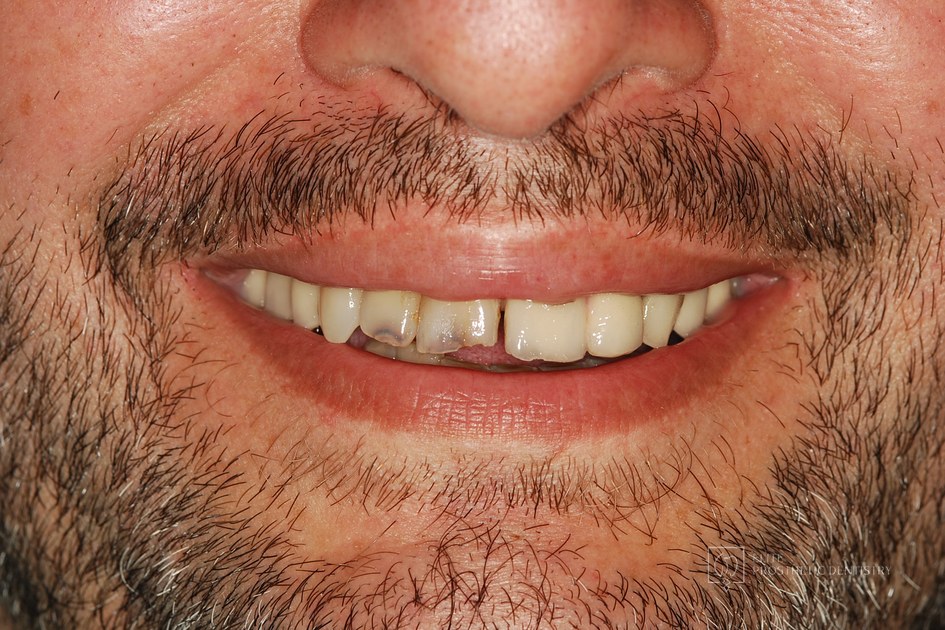
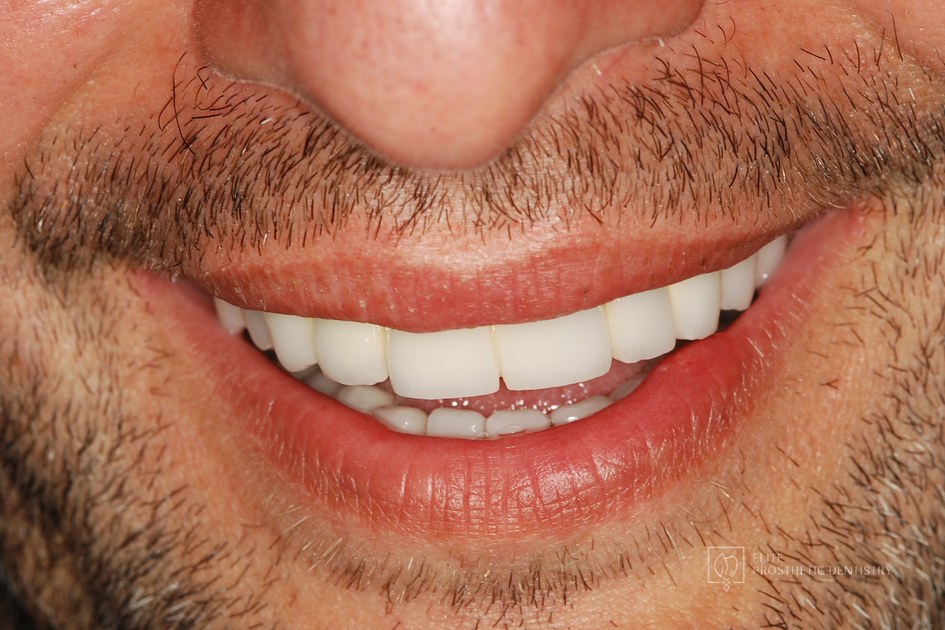
How Worn Teeth Were Rebuilt for a Natural, Stable, Long-Lasting Smile
Decades of gradual wear had shortened, flattened, and darkened the teeth, changing the smile and quietly affecting the bite. The patient was not in crisis but wanted the dentistry planned and done correctly, with tooth proportions, esthetics, and bite stability handled as one system rather than patched a piece at a time.
 Before
 After
Severe Restorative Breakdown Rebuilt with a Coordinated Full-Mouth Reconstruction
Multiple older restorations placed at different times over many years, broken-down teeth, a significant malocclusion, an asymmetrical smile, and two upper front teeth that could no longer be saved. No single repair could address a pattern this widespread.
Ready to Transform Your Smile?
With 40+ years of experience and 3,900+ dental implants placed, Dr. Marlin and the team deliver dentistry planned to last. Request a specialist consultation.