

Life After Reconstruction: What the Next Twenty Years of Implants, Crowns and Prostheses Actually Involve
What a rebuilt mouth needs over the years: examination and cleaning intervals, what wears first on implants, crowns, fixed prostheses and overdentures, night guards, who maintains the result, and what a maintenance plan should say.
Practice clinician: Gerald M. Marlin, DMD, MSD, prosthodontist, Elite Prosthetic Dentistry, Friendship Heights, Washington, DC. Last updated .
Patients who invest in a reconstruction want to know what it will take to keep it, and they are rarely told. The answer is that a rebuilt mouth is not a finished object. It is a set of restorations living in biology that continues to change, and it lasts longest when it is maintained on a plan that was written when it was built. This guide explains what implants, crowns, fixed prostheses and overdentures need over the years, what wears first on each, how examination and cleaning intervals are set, who does what, and what a maintenance plan should say.
Why Maintenance Decides Longevity
Restorations do not fail at random. They fail where force concentrates, where plaque collects, where the gum recedes, and where a small problem was left until it became a large one. Every one of those is addressed by maintenance: a bite protected from grinding, surfaces cleaned where the patient cannot reach, margins and implants examined before they are felt, and small repairs made promptly. Restorations last longest in mouths that are maintained, which is why the maintenance plan is written into the treatment plan rather than left for later.
What Each Design Needs
Crowns and bridges on natural teeth. The teeth beneath them can still decay at the margin, and the gums around them can still develop disease. Maintenance is examination with X-rays at the stated interval, probing of margins, cleaning, and attention to recession that exposes a margin. Porcelain can chip under heavy forces; the bite is checked and a night guard is worn where grinding is present. Our guide on why crowns keep breaking explains the force side.
Single implants and implant bridges. The implant does not decay, but the gum and bone around it can become inflamed in the same way the tissues around a tooth do, and the process is often silent. Maintenance is professional cleaning around the implant with instruments suited to its surface, daily cleaning by the patient with floss, interdental brushes or a water irrigator, examination of the gum, X-rays at intervals to check bone, and a check of the crown and screw. Bleeding, swelling or a bad taste at an implant is a reason to be seen promptly. Our page on bone loss around dental implants covers what is looked for.
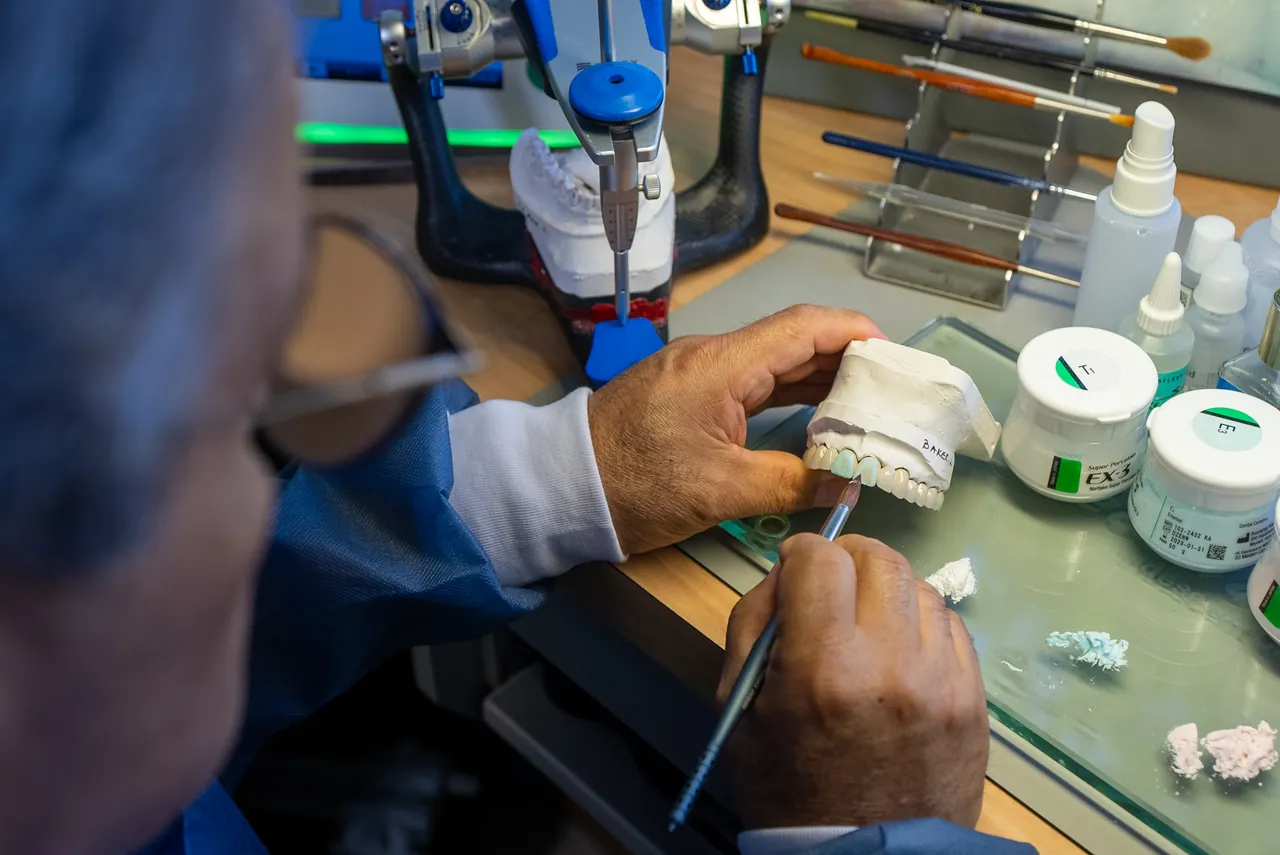
Fixed full-arch prostheses. A hybrid with acrylic teeth wears over years and is refurbished or the teeth are replaced; the screws that hold it are checked and retightened at scheduled visits, and the prosthesis is removed periodically for cleaning underneath and inspection of the implants. A zirconia prosthesis resists wear and staining; a chip is repaired differently and the same screw and tissue checks apply. Daily cleaning under a fixed prosthesis is the patient’s largest responsibility, and the practice teaches it.
Implant overdentures. The attachment inserts that provide the snap wear with use and are replaced on a routine schedule; this is normal, not failure. The denture base is relined as the ridge beneath it changes, and the denture is eventually remade. Bar-retained designs have their own cleaning requirements. The implants themselves need the same cleaning and examination as any other. Our page on denture relines and repairs covers the routine.
Conventional dentures. Relined as the ridge changes, remade when the fit or the teeth are worn, examined for the health of the tissues beneath. A denture worn years past its fit damages the ridge it sits on.
Night guards. Worn every night by patients who grind, inspected at visits, and replaced when worn through. The guard protects the reconstruction from the forces that destroyed the original teeth.
How the Interval Is Set
The examination and cleaning interval is set by risk, not by habit. Factors that shorten it: a history of gum disease, dry mouth from medications, grinding, limited dexterity, a fixed full-arch prosthesis, smoking, diabetes. Factors that allow a longer interval: healthy gums, good home care, a stable bite, a removable prosthesis the patient cleans well. Most reconstructed mouths are seen every three to six months; some need more. Imaging intervals for implants and crowned teeth are stated in the plan.
Who Does What
Maintenance is a division of labor that should be written down:
- The patient: daily cleaning as taught, the night guard every night, no chewing ice or using teeth as tools, prompt contact at the first sign of a problem.
- A general dentist or hygienist: routine examination and cleaning on the interval, with the records, the materials used and the maintenance instructions supplied by the practice that did the work. Many patients keep this close to home.
- The practice that made the restorations: anything that involves the restorations themselves. Screw checks, attachment replacement, relines, chip repair, bite adjustments, implant concerns, remakes. It has the records, the components and the laboratory, and it is the office to call when something feels wrong.
The common failure is the middle: a patient whose general dentist does not have the records or the schedule, and who therefore treats a reconstruction like an ordinary mouth. The practice sends the records and the plan to the patient’s dentist and asks to be called about anything involving the work.
What Happens When Something Does Fail
Restorations and implants can fail despite good maintenance: a fracture, a screw that loosens repeatedly, an implant that develops bone loss, a prosthesis that wears out. A maintenance plan says what happens then: how quickly the patient should be seen, what is repaired and what is remade, and what the practice’s position is on work that fails early. Patients should ask about that position before treatment, not after. Our guide on comparing implant and reconstruction quotes lists it among the questions every plan should answer.
How Elite Prosthetic Dentistry Maintains Its Work
The maintenance plan is part of the treatment plan. Each patient’s interval, imaging schedule, cleaning instructions and night guard are stated at delivery, and the records, materials and components are kept so that any part of the work can be repaired, relined or remade in the on-site laboratory, which has operated since 1985. Dr. Gerald M. Marlin examines the restorations he placed, and the practice coordinates routine hygiene with the patient’s general dentist where the patient prefers that. Crowns from the practice’s laboratory have served for decades in maintained mouths, and the patient outcomes by procedure page sets out the practice’s approach to measuring that.
When Another Setting Fits Better
A patient whose reconstruction was done elsewhere and who wants only routine maintenance is often best served by the practice that did the work, which has the records and components; the practice provides maintenance and repair of outside work when that is not possible, after an examination of what was placed. A patient whose primary need is periodontal maintenance for extensive gum disease may be best served by a periodontist for that part of care.
Documented Cases
- A failing implant with bone loss evaluated, treated and followed for six years: what long follow-up of an implant problem looks like.
- Severely worn implant overdentures remade on the patient’s existing implant bars, with the originals reworked as backups: routine remake of a removable design.
- Older implant crowns redesigned for a better bite and more natural appearance: restorations updated while the implants stayed.
- A fractured filling that led to the discovery of generalized wear, rebuilt with crowns and a night guard: the night guard as part of the plan.
Related Decision Guides
- Signs your dental work is wearing out
- Fixed implant teeth vs. a removable implant denture
- What kind of dentist should fix a failing dental implant?
- When should old crowns and bridges be replaced?
- Understanding your dental treatment plan
Ask for the Maintenance Plan
If you are planning a reconstruction, ask what it will need over the years before you agree to it. If you have one and no one has told you, request an appointment or call (202) 244-2101; the examination will produce the plan.
Your Best Smile Is Within Reach
Request a specialist consultation with Dr. Marlin to discuss your situation and the most appropriate path forward.
Frequently Asked Questions
Once my mouth is rebuilt, is the work finished?
The construction is finished; the maintenance begins. A rebuilt mouth is a set of restorations living in biology that keeps changing: gums, bone, saliva, bite forces and habits. Implants, crowns and prostheses last longest in mouths that are examined and cleaned on a schedule matched to their risk, protected from grinding, and attended to at the first sign of a problem. A plan that does not include maintenance is incomplete.
How often should I be seen after a reconstruction?
Most reconstructed mouths are examined and professionally cleaned every three to six months, with the interval set by the patient's risk: gum history, dry mouth, grinding, dexterity, and the type of restorations. Implants in particular benefit from cleaning around them with instruments and techniques suited to implant surfaces. X-rays of implants and crowned teeth are taken at intervals the plan states.
What wears out first?
On fixed implant prostheses, the acrylic teeth of a hybrid wear and the screws are checked and retightened on schedule; zirconia resists wear but chips are repaired differently. On overdentures, the attachment inserts wear and are replaced routinely, and the base is relined as the ridge changes. On crowns, porcelain can chip under heavy forces and margins need watching as gums recede. Night guards wear and are replaced. None of this is failure; it is the expected maintenance of each design.
Do I still need a night guard after my teeth are rebuilt?
If you grind or clench, yes, permanently. The forces that wore down the original teeth do not stop because the teeth were replaced; they now act on the restorations. A custom night guard is the least expensive insurance a reconstruction has, and it is replaced when it wears.
Can my regular dentist maintain the work, or do I need to come back to the practice that made it?
Both, in a defined division. Routine hygiene and examination can stay with a general dentist who has the records, the materials used and the maintenance schedule from the practice that did the work. Anything that involves the restorations themselves, a screw check, an attachment replacement, a chip, a bite adjustment, an implant concern, belongs with the practice that made them, because it has the records, the components and the laboratory.
Related Patient Success Stories
Explore similar patient success stories demonstrating our expertise in advanced prosthetic dentistry.
 Before
 After
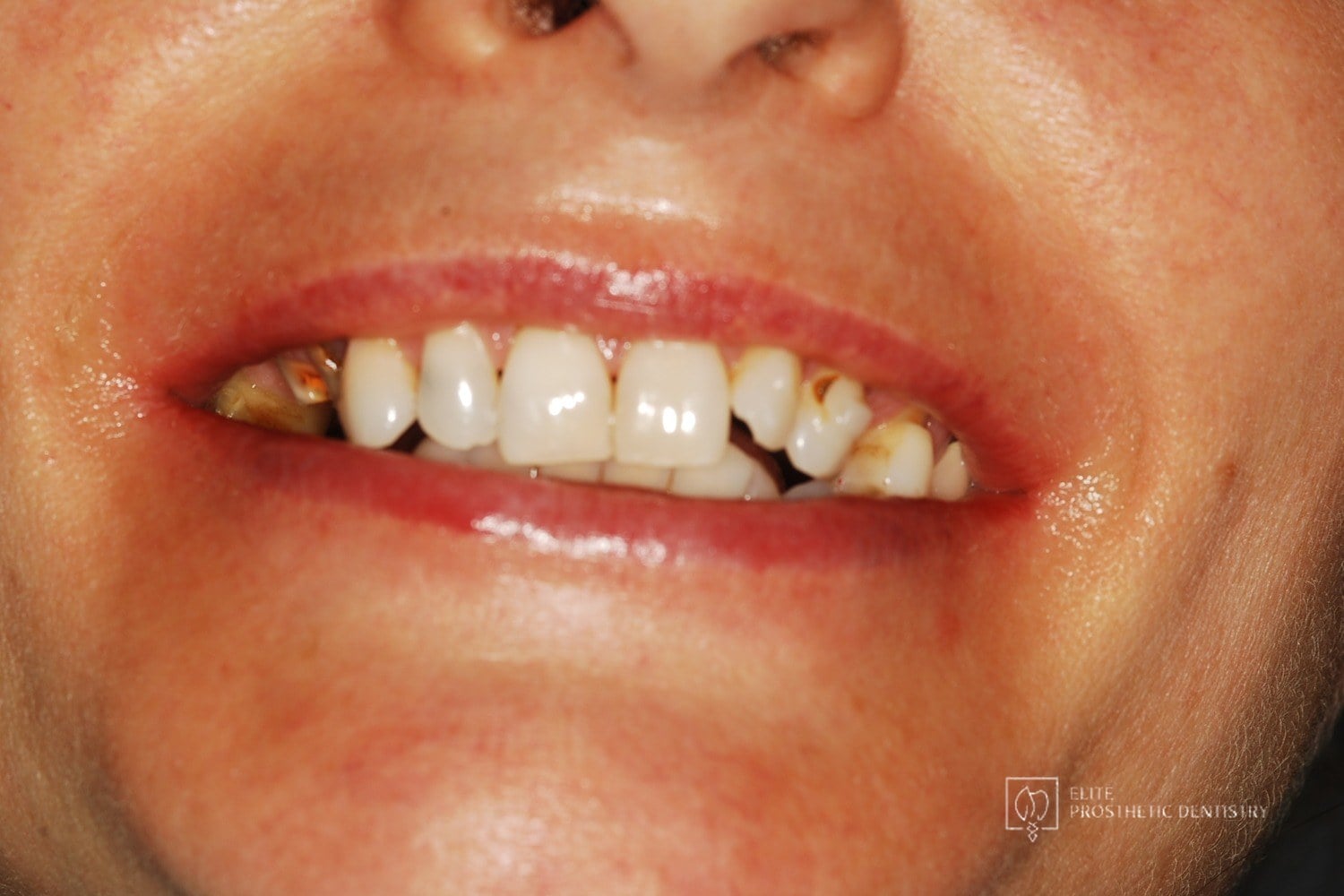
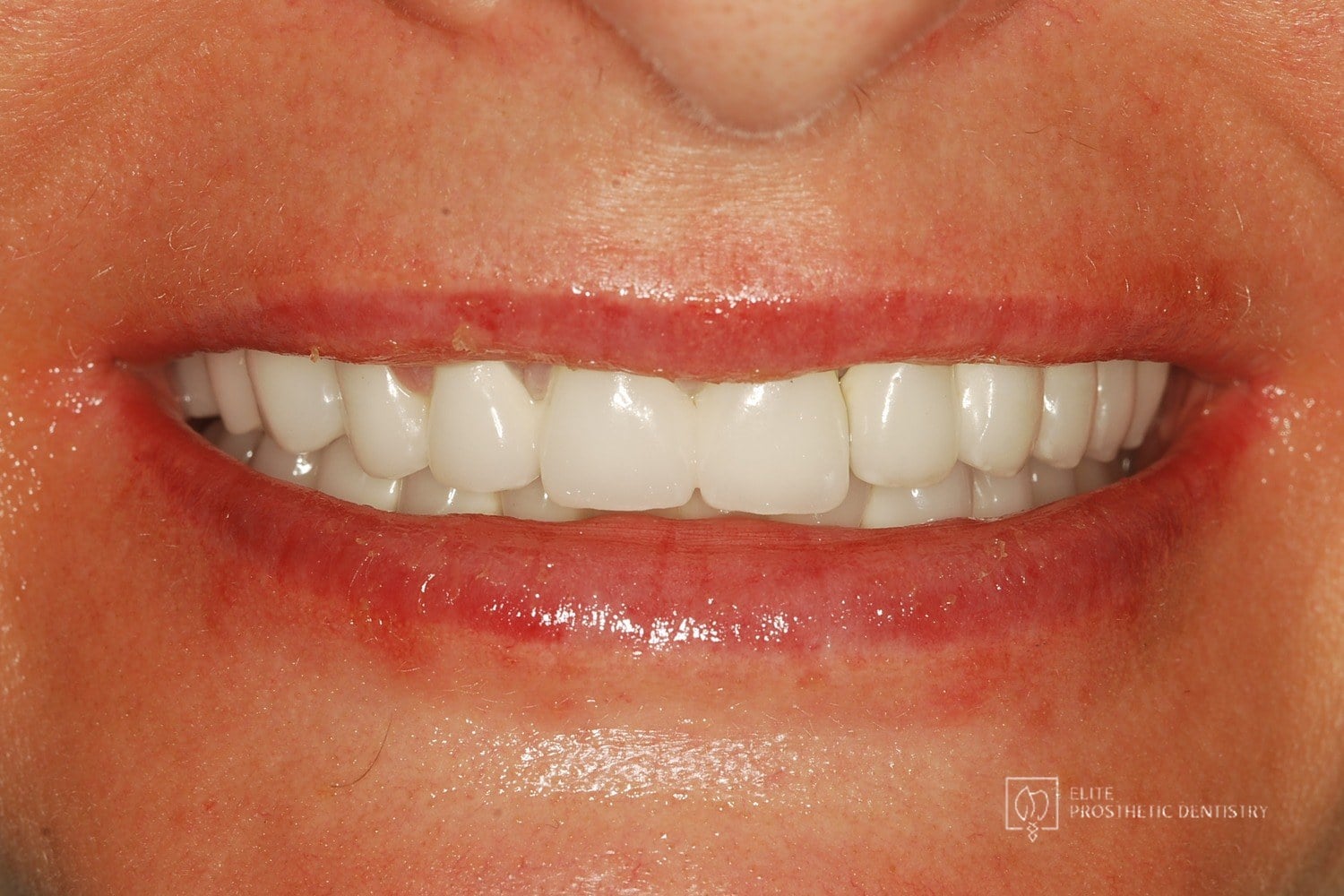
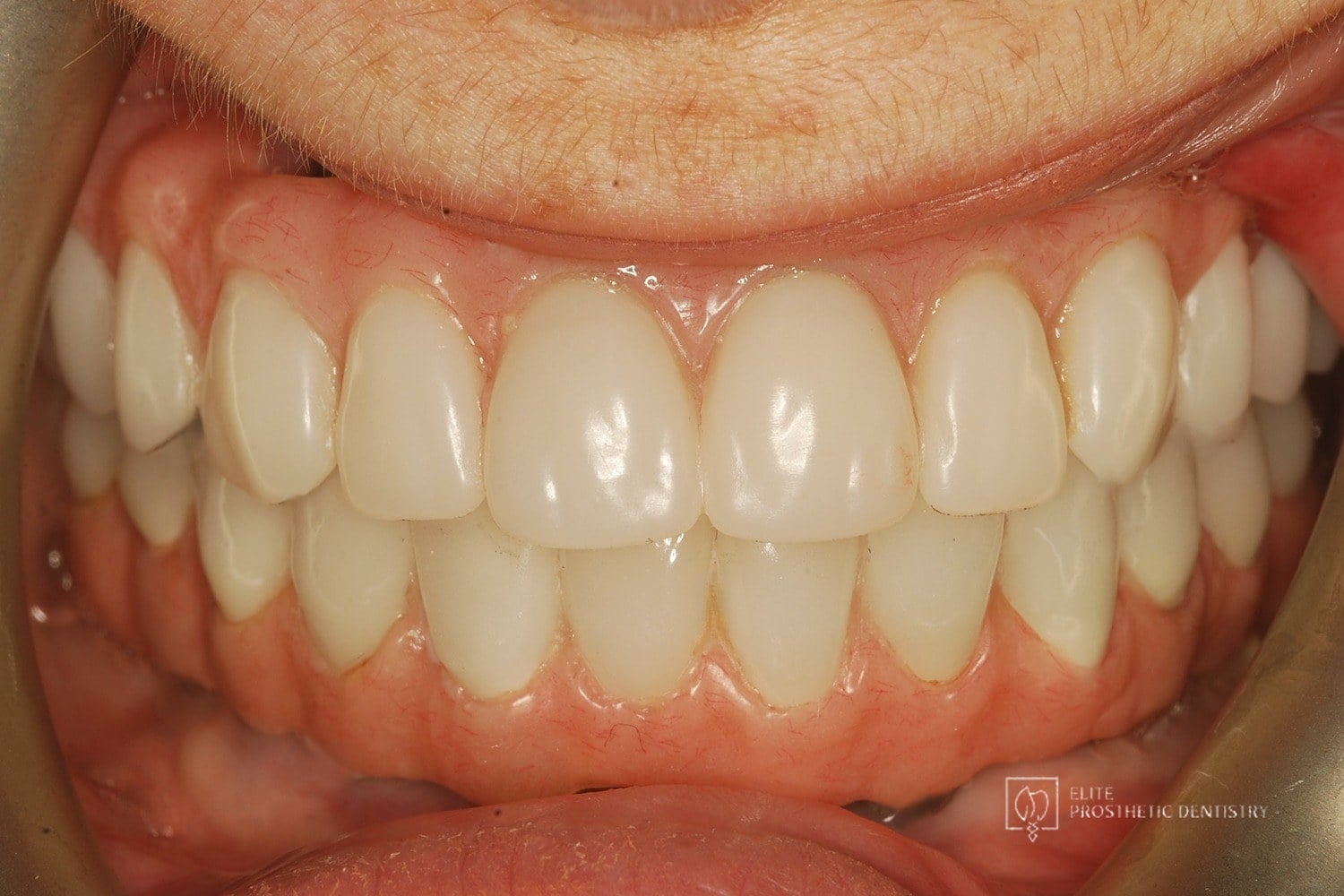
How Aging, Failing Dentistry Was Replaced with a Coordinated Full-Mouth Implant and Crown Reconstruction
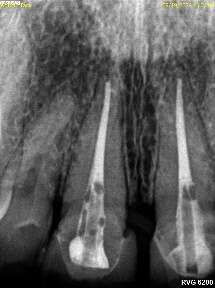
The patient presented with throbbing upper-molar pain, long-standing infections, multiple root canals and unfinished prior treatment, generalized sensitivity, and several hopeless teeth.
 Before
 After
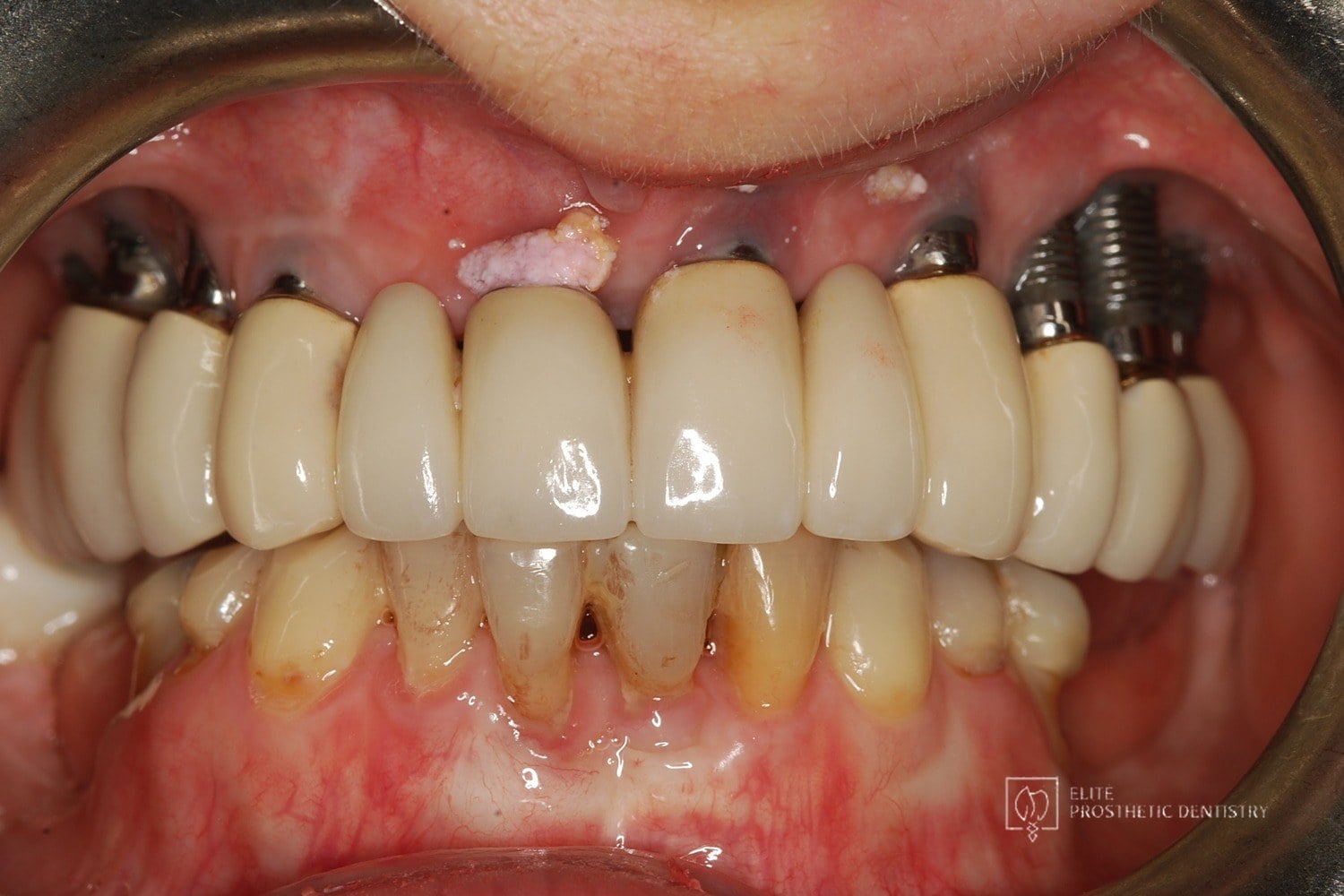
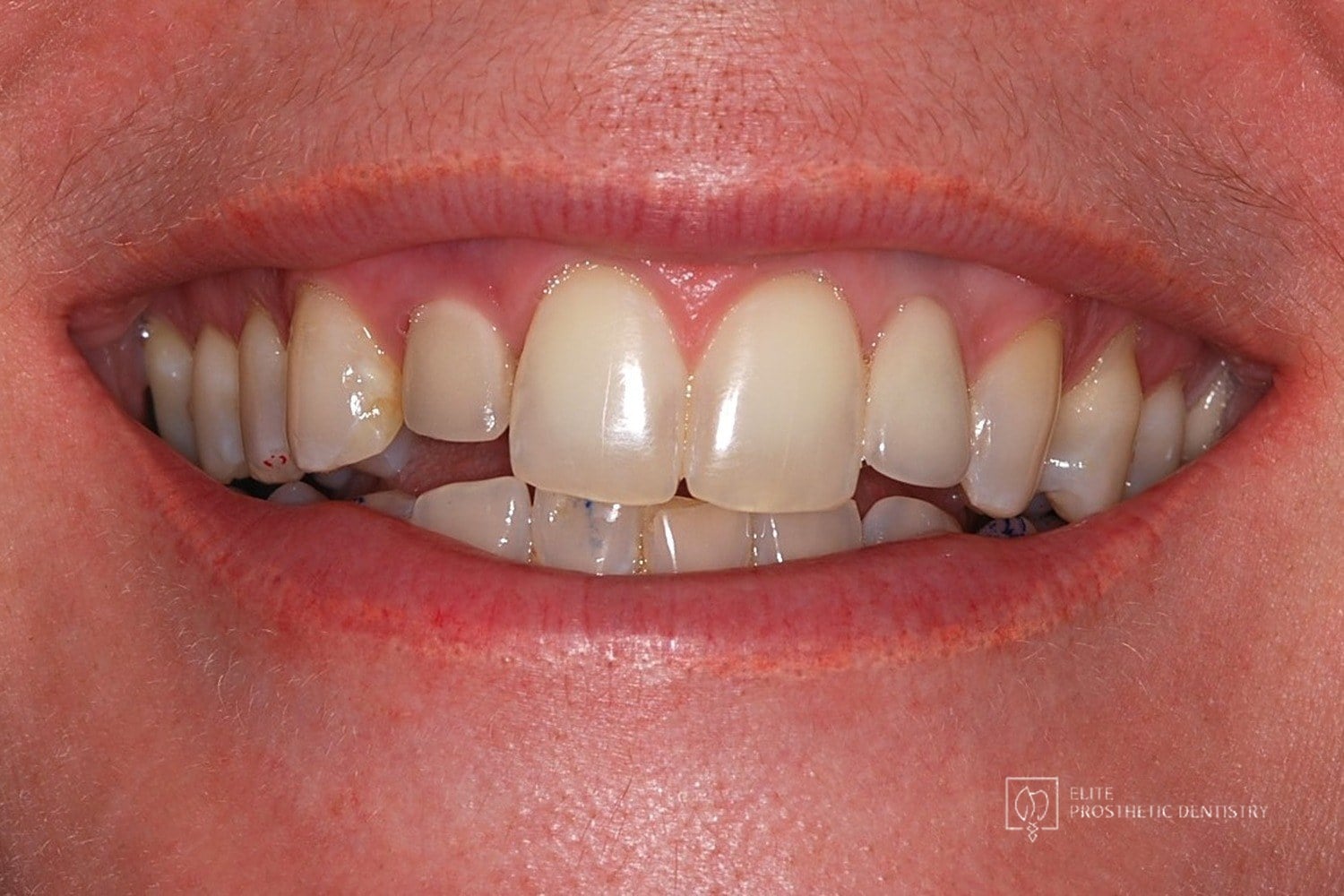
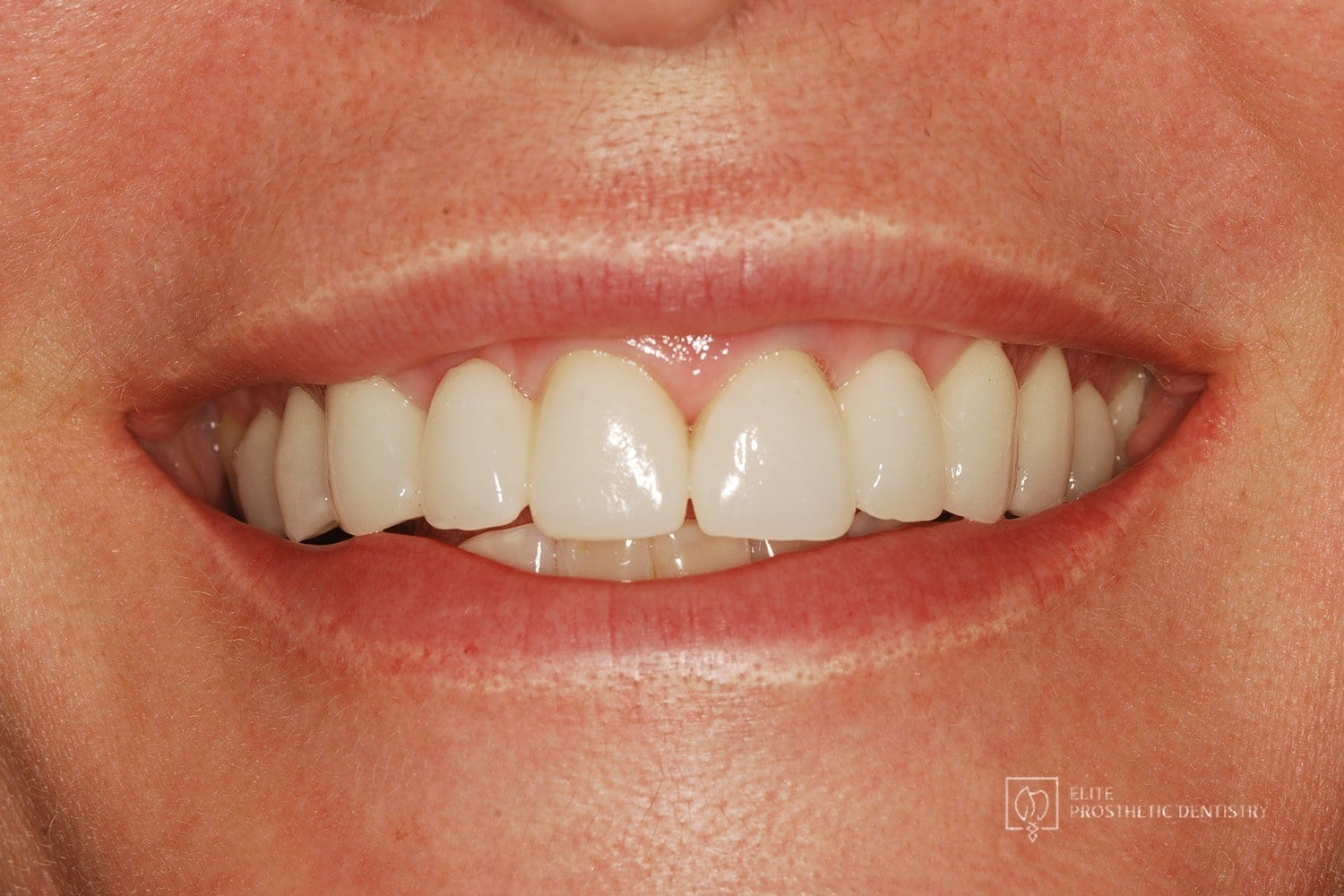
How Failing Implants and Severe Bone Loss Were Rebuilt Into a Stable Full-Arch Implant Reconstruction
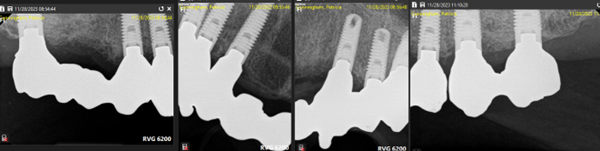
The patient presented with significant complications from previously placed implants, severe bone loss, failing posterior implants, and an unesthetic full-arch bridge. Both arches required full reconstruction, with the upper arch showing the most advanced bone loss and instability.
 Before
 After
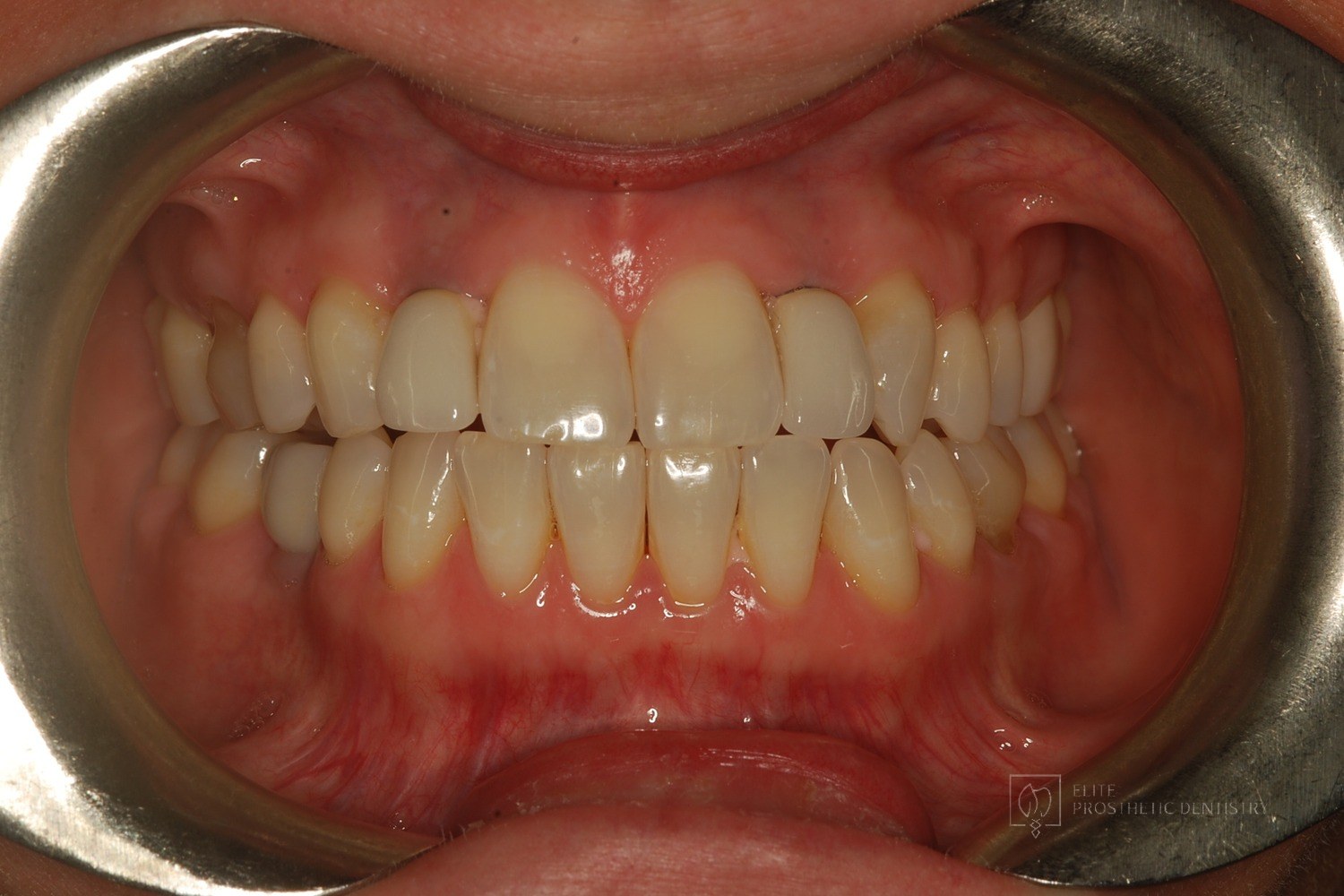
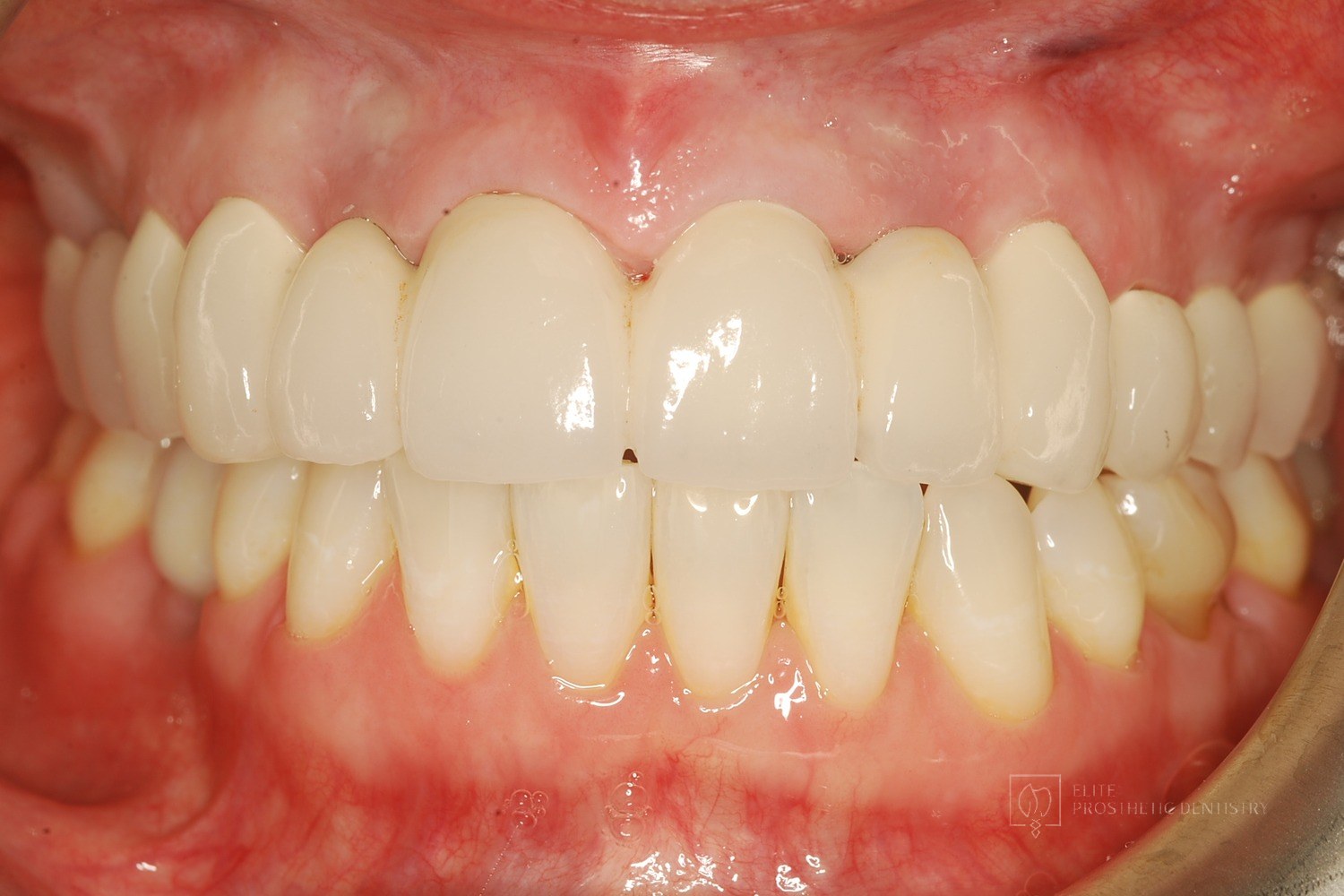
How Failing Lateral Incisor Implants Were Replaced with Custom Zirconia Bridges After Severe Bone Loss Made Replacement Implants Impossible
Comprehensive examination including CBCT imaging revealed significant bone loss surrounding implants that were placed outside the buccal plate, most likely due to placement without a CBCT-generated surgical guide. The implants were determined non-salvageable, and the alveolar ridge was too narrow to support replacement implants without extensive reconstruction.
 Before
 After
How Older Implant Crowns Were Redesigned for a Better Bite and More Natural Appearance
The patient came in after years of living with implant-supported crowns placed more than twenty years earlier that no longer looked or functioned well. CBCT evaluation, reviewed with a radiologist colleague, showed the implants had been placed too far to the buccal in very thin bone and could not support a healthy long-term restoration.
 Before
 After
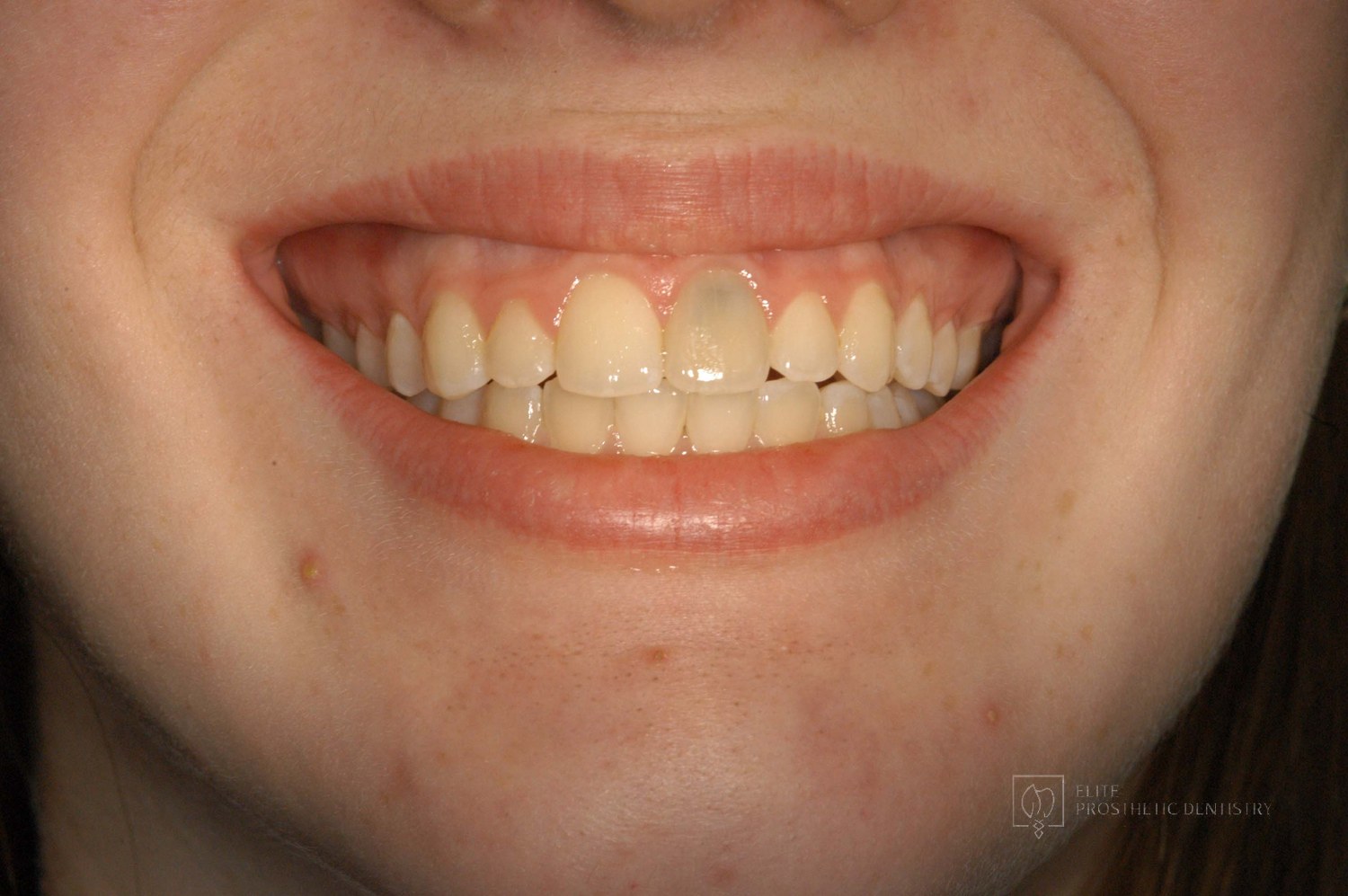
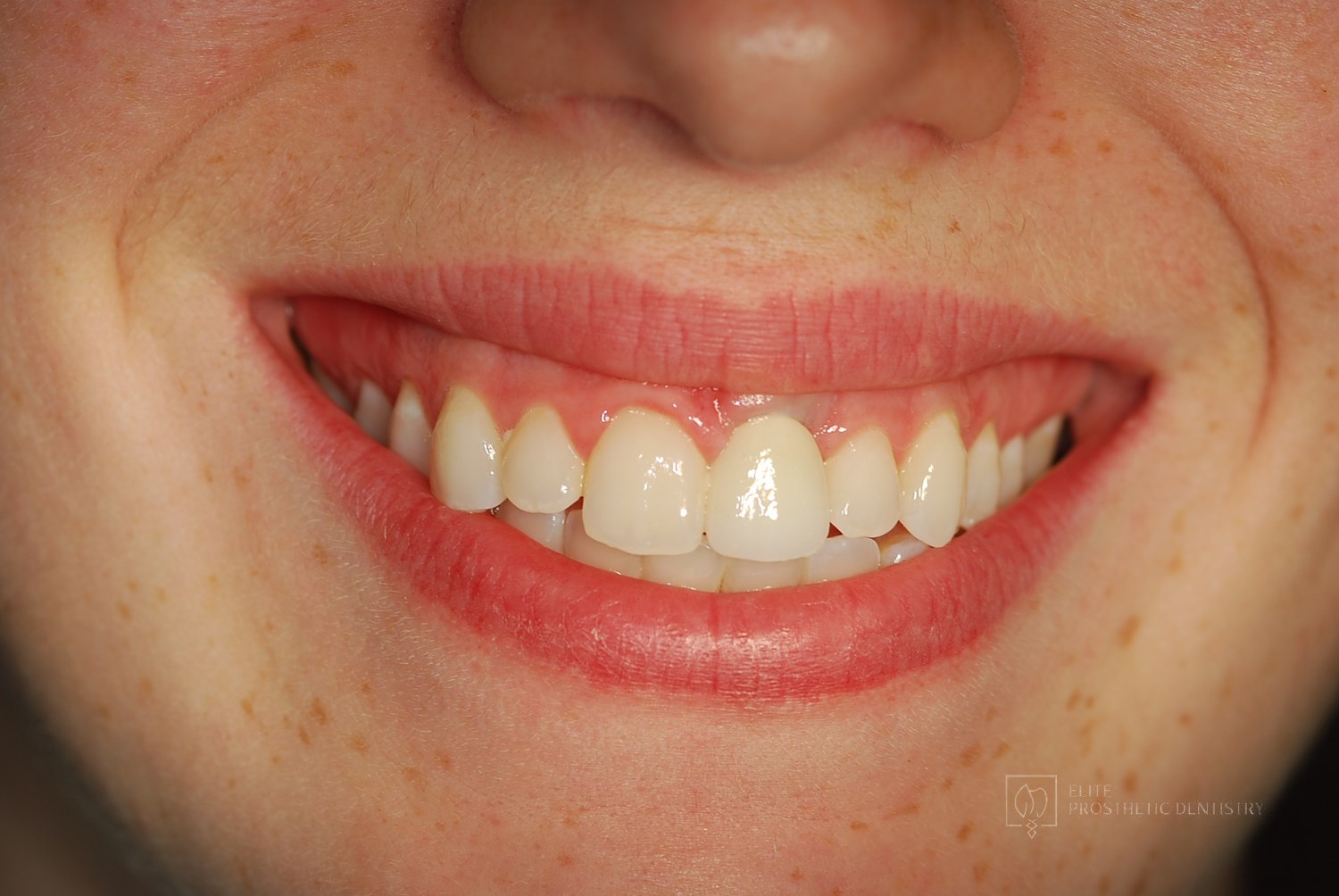
How a Front Tooth Lost to Childhood Trauma Was Rebuilt with Bone Grafting and a Long-Lasting Implant
A teenager was referred by her father after earlier trauma left her upper left front tooth slowly failing from root resorption. She was still growing, so an immediate implant was the wrong move. The tooth had to be maintained to buy time, then replaced correctly once she reached skeletal maturity.
 Before
 After
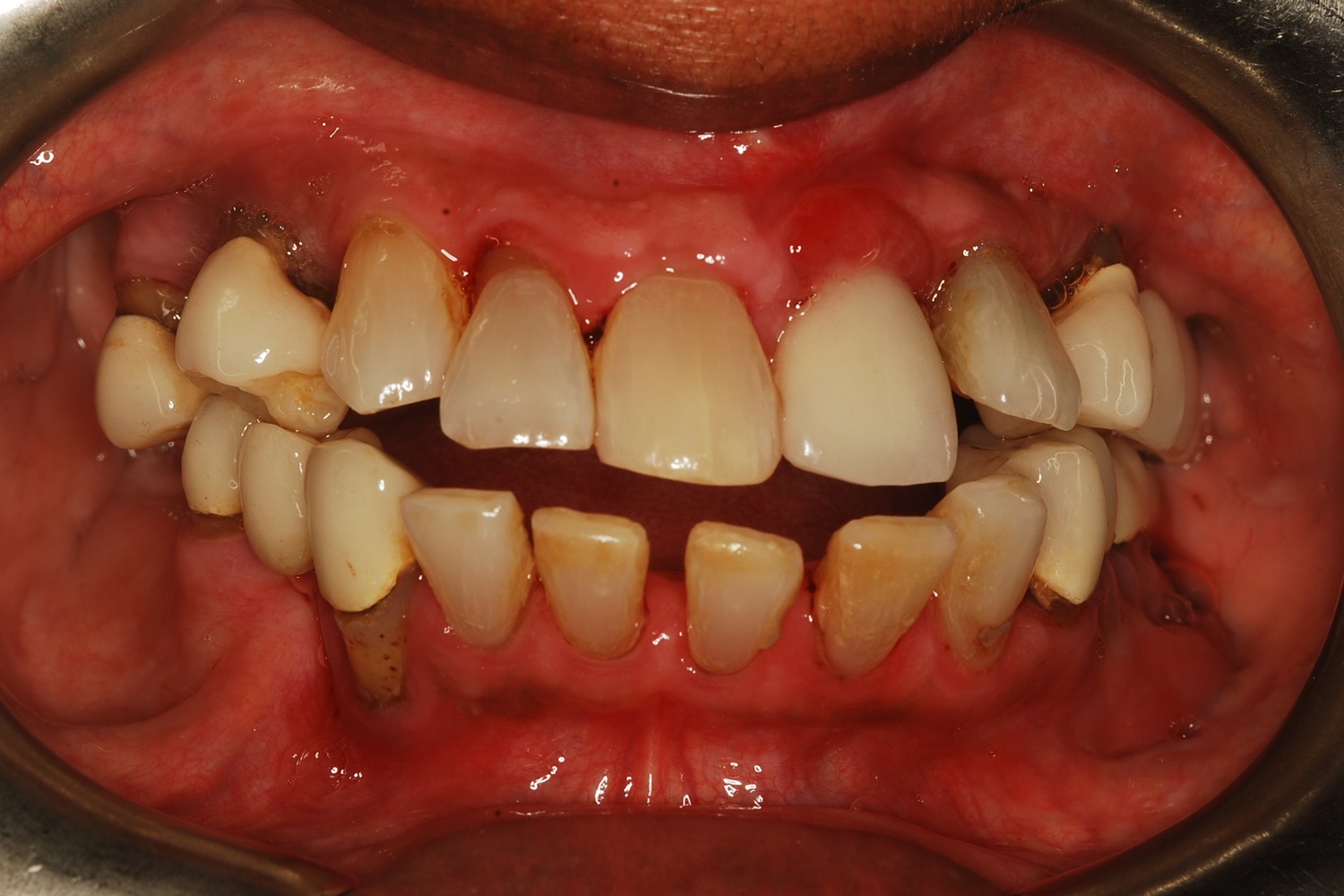
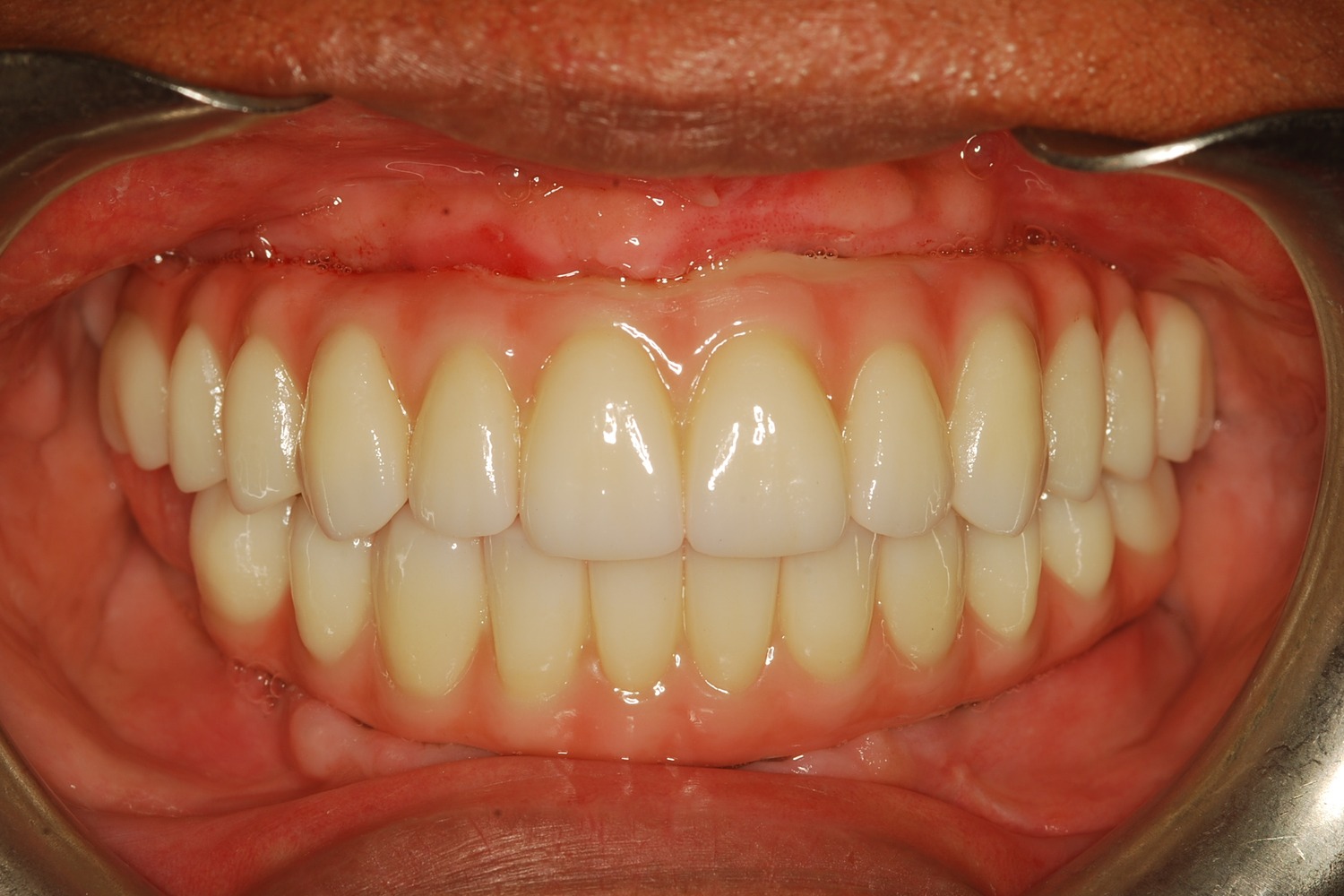
How Severe Bone Loss and Bite Dysfunction Were Rebuilt with All-on-6 Implants and a Milled Zirconia Hybrid Prosthesis
The patient presented with severe bone loss, advanced periodontal disease, malocclusion, and a dysfunctional bite that required full-arch rebuilding.
Related Articles
Deepen your knowledge with additional insights on this topic.
 Dental Implants
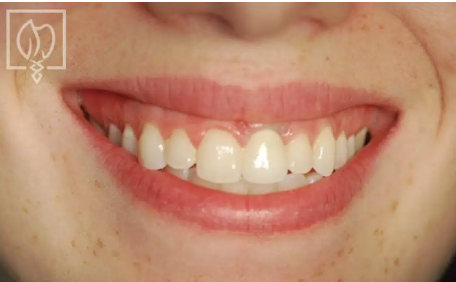
If a Single Front Tooth Is Replaced with an Implant, Can It Look Natural?
Yes. See the four steps, with real case photos, that make a single front tooth implant indistinguishable from the natural tooth beside it. Washington, DC.
 Dental Implants
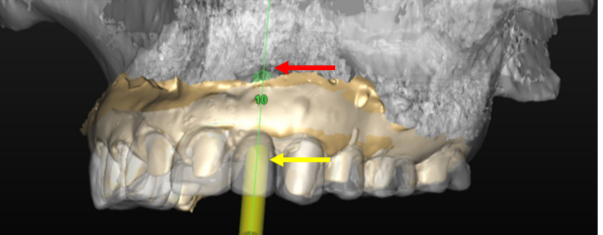
What Is Precision Implant Placement (PIP)?
Precision Implant Placement plans each implant virtually on a CBCT scan, then delivers it with a custom surgical guide. See the three steps with real images.
 Dental Implants
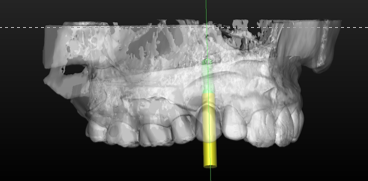
What Is the Ideal Surgical Guide for Precision Implant Placement?
Not all surgical guides are equal. The gold standard is CBCT-based: planned virtually in 3D, 3D printed, and seated on your teeth. A DC prosthodontist explains.
 Dental Implants
When Should an Implant Not Be Done?
Healthy roots, thin bone, steep bony angles: a DC prosthodontist shows a real case where refusing implants was the right call, and what was done instead.
 Dental Implants
What Is Staged Implant Therapy?
Staged implant therapy replaces failing teeth in phases while you keep fixed teeth the entire time. A DC prosthodontist walks through a real case in stages.
 Dental Implants
The Four Types of Dental Implants: Which One Is Right for You?
Endosteal, subperiosteal, zygomatic, and mini implants each solve a different problem. A DC prosthodontist explains the four types and who each one fits.
Ready to Transform Your Smile?
With 40+ years of experience and 3,900+ dental implants placed, Dr. Marlin and the team deliver dentistry planned to last. Request a specialist consultation.