
Severe Tooth Wear From Years of Clenching and Grinding: Crown Lengthening, a Diagnostic Wax-Up, and Full-Mouth Zirconia-Ceramic Crowns
Full-face view
 Before
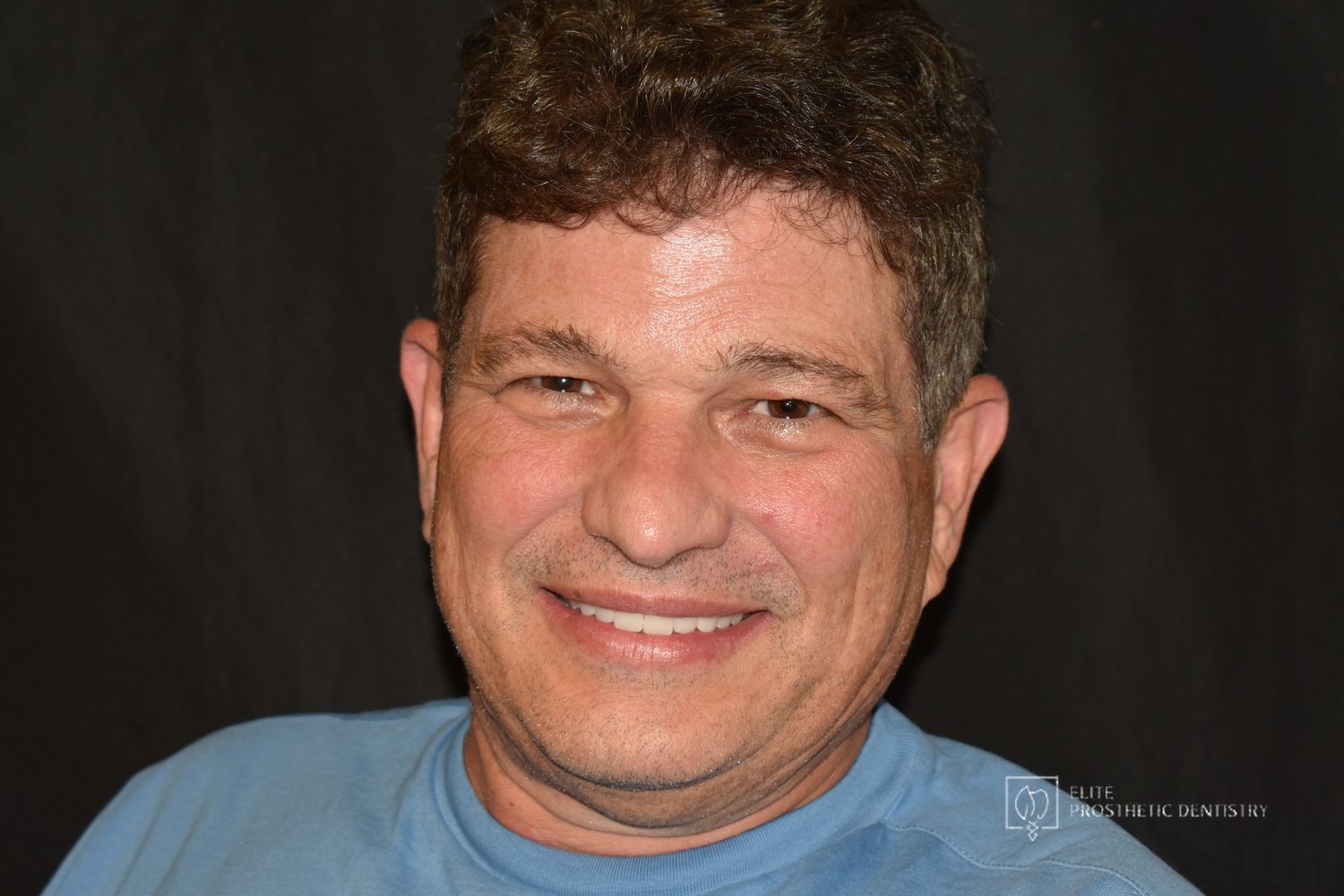 After
Close-up smile view
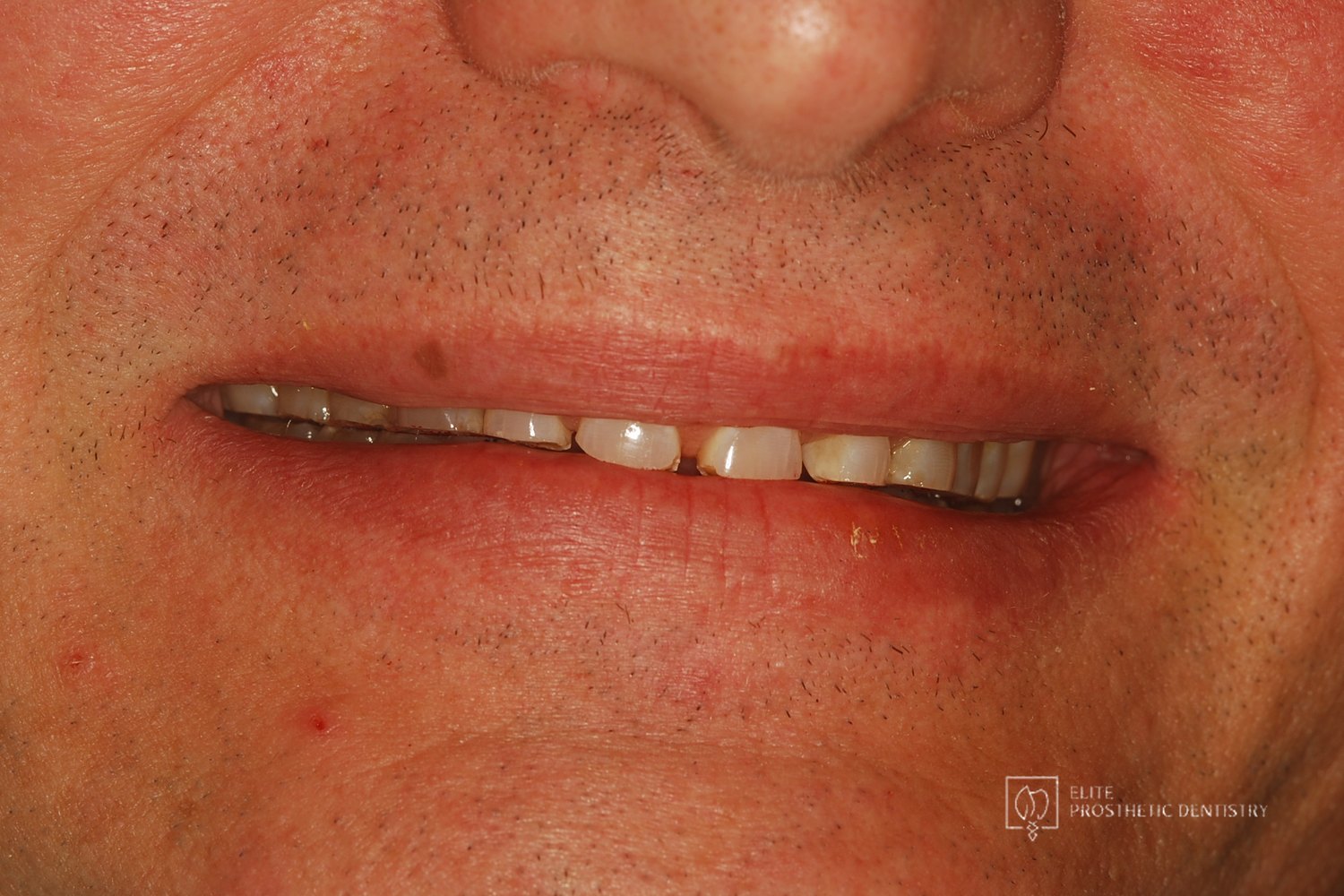 Before
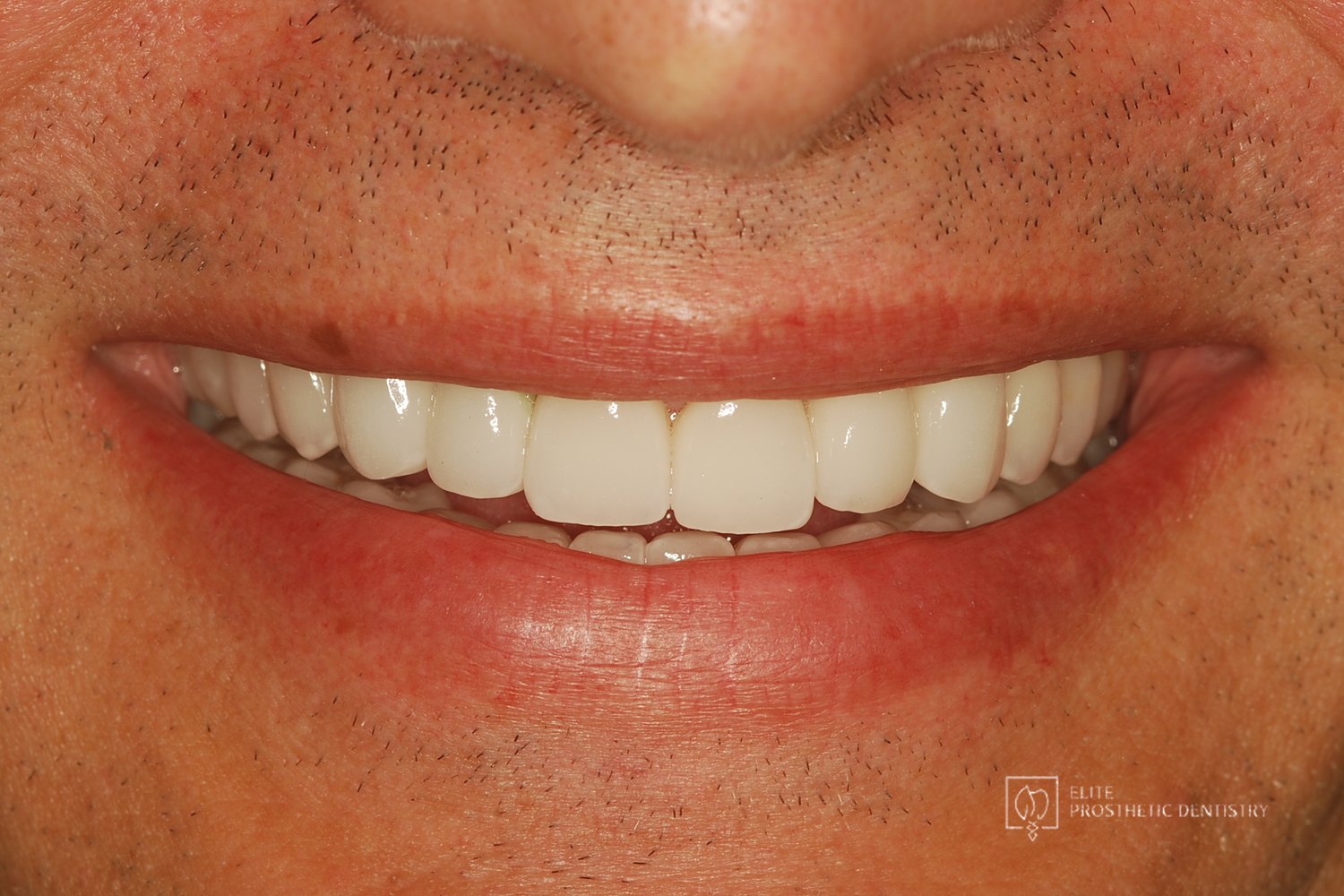 After
Intraoral view
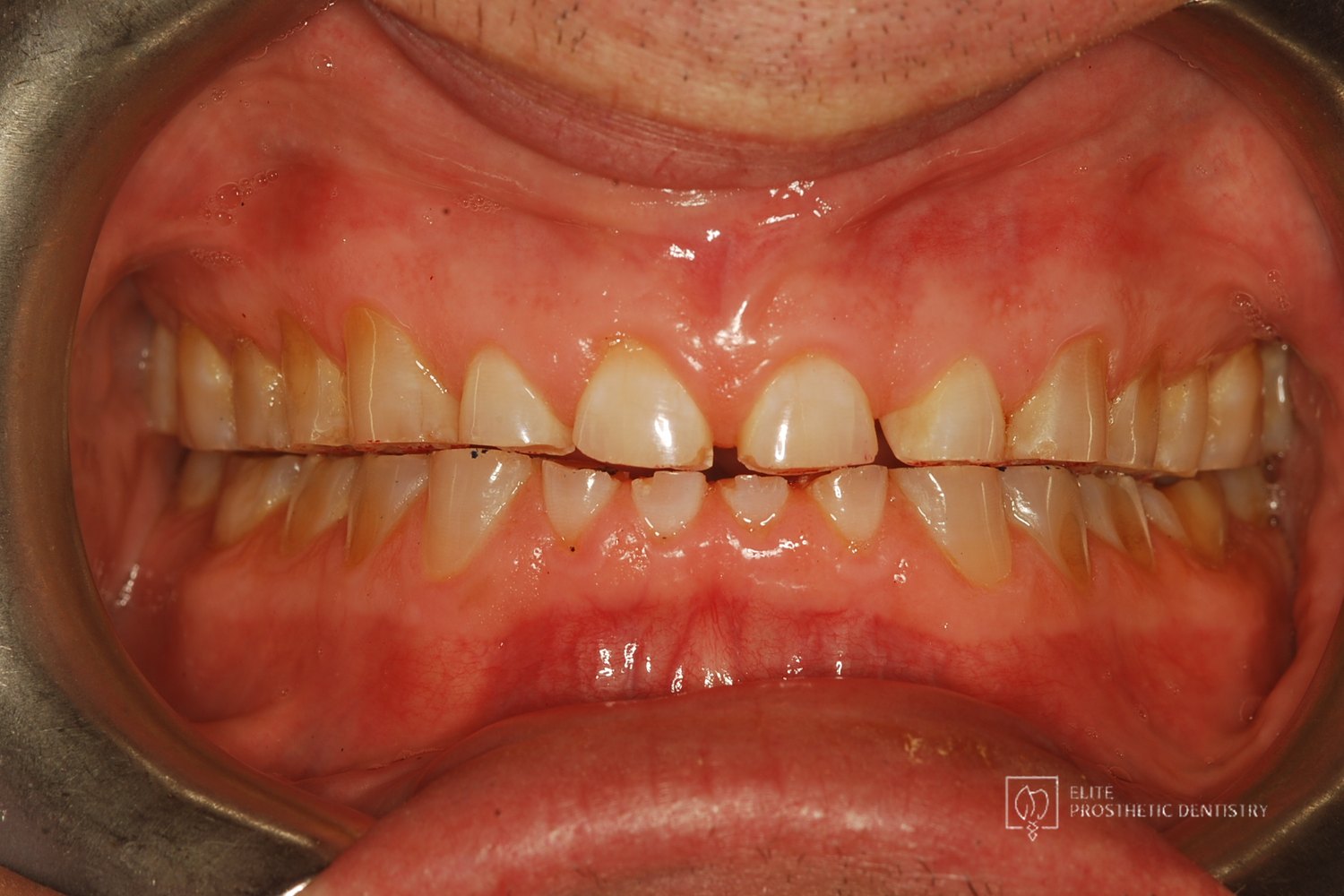 Before
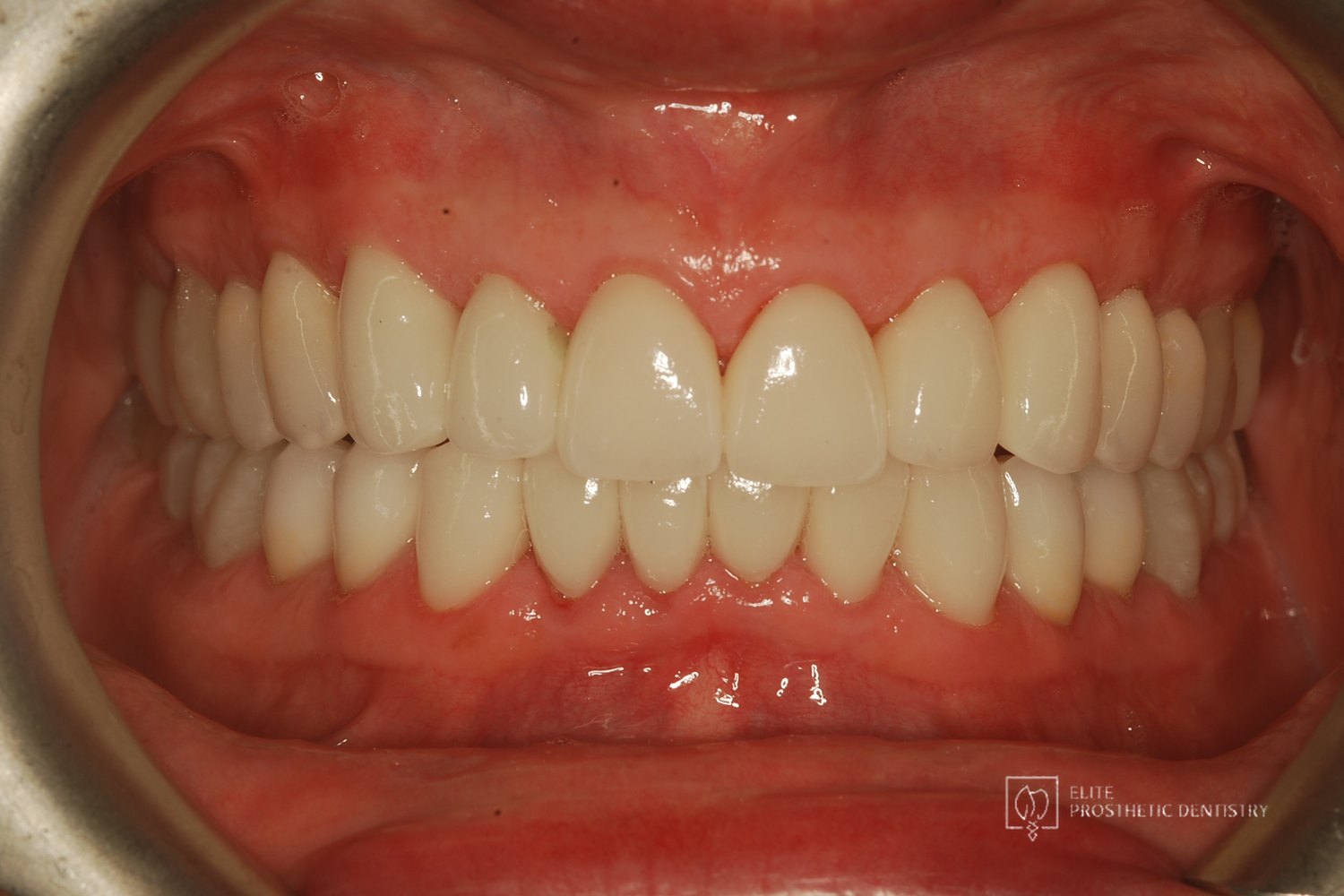 After
Three-month follow-up
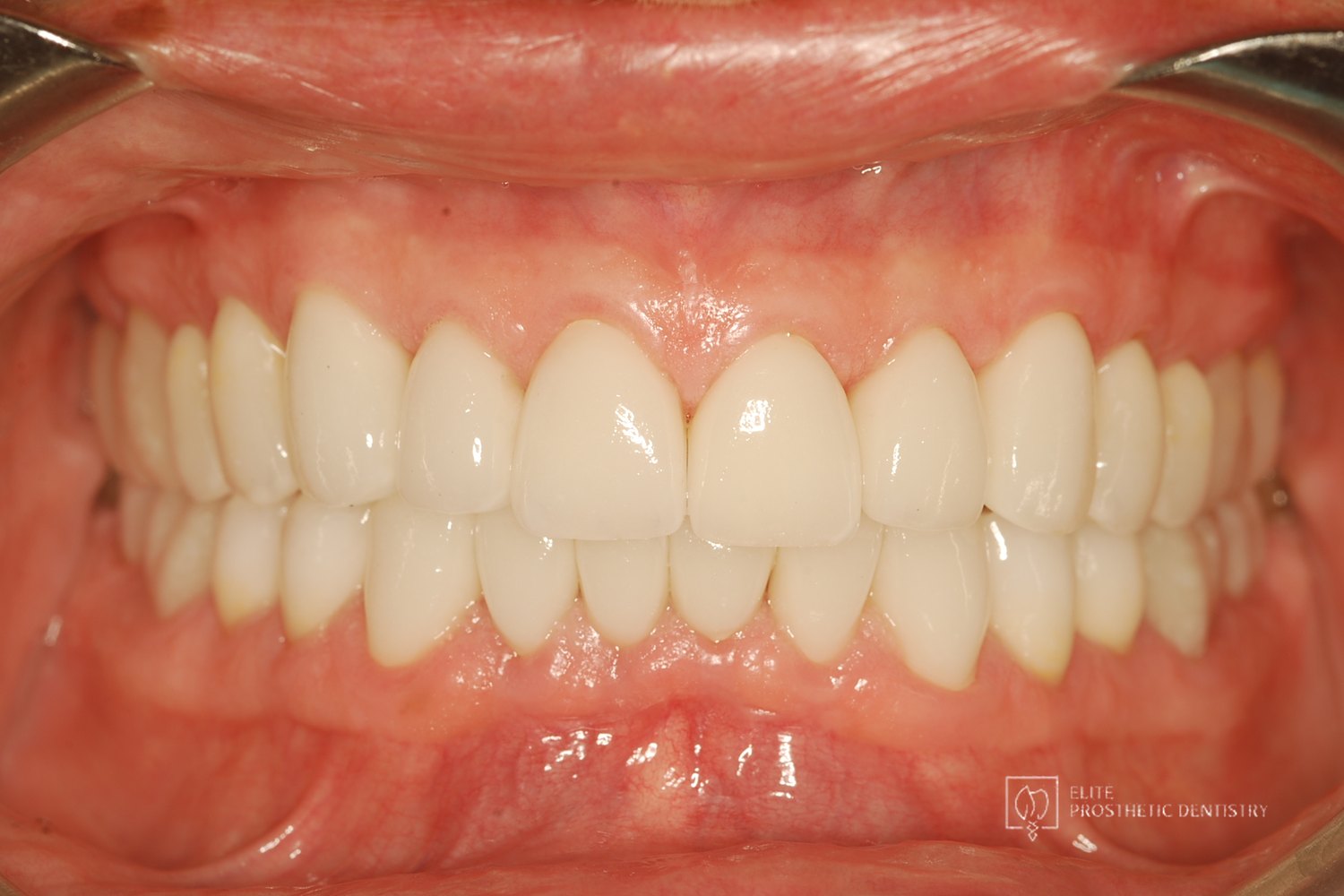
Severe tooth wear rebuilt through a planned full-mouth rehabilitation
Full-mouth rehabilitation of severely worn teeth in Washington, DC for a patient who came in because a filling on a lower left molar had fractured. This documented case at Elite Prosthetic Dentistry found generalized wear from years of clenching and grinding and a collapsed bite, and rebuilt both arches with periodontal crown lengthening, a diagnostic wax-up, and customized zirconia-ceramic crowns protected by a night guard. Treatment was planned and completed by Gerald Marlin, D.M.D., M.S.D., a prosthodontist focused on comprehensive bite rehabilitation.
Case at a Glance
- Treatment
- Full-mouth rehabilitation with periodontal crown lengthening, a diagnostic wax-up, and upper and lower zirconia-ceramic crowns
- Approach
- Comprehensive evaluation, bite reconstruction planning, periodontal preparation, customized crown design around the patient's facial characteristics, and protection of the finished work with a night guard
- Case Type
- Comprehensive bite rehabilitation / Full-mouth reconstruction for severe wear
- Patient Concern
- Came in for a broken filling; the examination revealed teeth worn short throughout the mouth from years of clenching and grinding, with the bite collapsed as a result.
- Decision Point
- Replace one filling and keep watching the wear, or rebuild the lost tooth structure and bite height across both arches in one planned rehabilitation.
- Outcome
- A restored, balanced smile with tooth anatomy and bite height re-established, designed around the patient's facial characteristics, and holding well at the thirteen-month follow-up.
- Why It Matters
- Shows why worn teeth are a bite problem before they are a cosmetic one, and how a prosthodontist rebuilds the structure and the occlusion together rather than crowning short teeth in a collapsed bite.
The presenting condition
The patient was referred after a filling on a lower left molar fractured and needed replacement. The immediate problem was one tooth. The comprehensive examination found something much larger: severe wear throughout the entire dentition caused by years of heavy clenching and grinding. Diagnostic records, including photographs, radiographs, and a detailed clinical evaluation, showed significant loss of tooth structure and a reduced vertical dimension of occlusion, meaning the natural height of the bite had collapsed over time as the teeth shortened. The roots and supporting bone were healthy, which made reconstruction possible, but the amount of lost structure meant the teeth could not simply be crowned as they were. The patient also reported a history of snoring, and a possible sleep evaluation was discussed as part of the overall picture.
Clinical Findings
- →A recently fractured filling on a lower left molar, the reason for the visit
- →Severe generalized attrition throughout the dentition from long-term clenching and grinding
- →Significant loss of tooth structure and a reduced vertical dimension of occlusion
- →Healthy bone levels and root structure on radiographic evaluation, creating an opportunity for reconstruction
- →Insufficient remaining tooth height on several teeth, requiring periodontal crown lengthening before restoration
- →A heavy grinding habit requiring protective planning after treatment, and a history of snoring warranting discussion of a sleep evaluation
Why worn teeth need more than new crowns
Teeth worn down from grinding look like a cosmetic concern, but the effects run deeper. As the teeth shorten, the relationship between the upper and lower jaws changes, chewing function and facial support are affected, and the forces on the jaw joints and the remaining teeth are redistributed. Placing crowns on short teeth in a collapsed bite produces an unstable result: there is too little tooth to hold the crowns, and the bite that destroyed the natural teeth is still in place to destroy the new ones. Predictable rehabilitation means evaluating the remaining structure, the periodontal support, and the bite position; creating restorable tooth height where it has been lost; designing the new proportions and bite relationship before any tooth is prepared; and protecting the finished work from the habit that caused the damage. A prosthodontist plans that endpoint first and sequences the periodontal, restorative, and protective phases to serve it.
The treatment plan
With healthy roots and bone to build on, the rehabilitation was organized around re-establishing tooth structure and bite height before the final crowns were made.
-
1
Comprehensive diagnostic evaluation
Clinical photographs, radiographs, and occlusal and functional records documented the wear, the remaining tooth structure, the bone support, and the changes in the bite caused by years of grinding.
-
2
Periodontal crown lengthening
The patient was referred for periodontal crown lengthening on multiple teeth to expose additional healthy tooth structure where the wear had left too little to restore predictably. Possible buildup procedures and root canal treatment on selected teeth were planned as contingencies during preparation.
-
3
Diagnostic wax-up
A complete wax-up was fabricated to design the new tooth proportions, the restored bite height, and the esthetic outcome before treatment began, so the patient and the laboratory were working toward a defined result.
-
4
Full-mouth zirconia-ceramic crowns
Customized upper and lower zirconia-ceramic crowns were fabricated to restore the worn teeth throughout the mouth. Zirconia-ceramic was selected for its strength and durability in a heavy grinder, and each crown was designed to complement the patient's facial characteristics and smile. The restorations were fabricated in direct coordination between Dr. Marlin and the practice's in-house laboratory to control fit, contour, function, and esthetics. See zirconia crowns.
-
5
Final occlusal adjustment and a night guard
After delivery, the bite was evaluated and refined, and a night guard was recommended to protect the restorations from continued grinding forces.
The outcome
The patient’s worn dentition was transformed into a restored, balanced smile through comprehensive planning and a customized full-mouth rehabilitation. Each zirconia-ceramic crown was designed to fit the patient’s face and smile rather than simply to replace lost structure. The full-face, close-up, and retracted views at the top of this page document the result, including follow-up views at three and thirteen months showing the restorations and tissues settled into the new bite. The patient was extremely satisfied, reporting that the new restorations gave him the improved appearance and confidence he had hoped for.
Result Highlights
- ✓Severe generalized wear and a collapsed bite identified from what began as a single broken filling
- ✓Periodontal crown lengthening created a stable, restorable foundation
- ✓A diagnostic wax-up designed the new proportions and bite relationship before treatment
- ✓Customized upper and lower zirconia-ceramic crowns selected for durability in a heavy grinder
- ✓Each crown designed around the patient's facial characteristics and smile
- ✓Night guard protection and follow-up documentation at three and thirteen months
Who this case may sound familiar to
This story tends to resonate with patients in a few recognizable situations:
- Your teeth have gradually become shorter and flatter and your smile shows less tooth than it used to.
- You clench or grind and you have been told your bite has collapsed or that your fillings keep breaking.
- You came in for one problem and were told the real issue is wear throughout the mouth.
- You want restorations strong enough for a grinder and designed to look natural on your face.
- You want the bite rebuilt correctly once rather than crowns replaced one at a time as they fail.
If any of those describe where you are, a consultation with Dr. Marlin can give you the diagnostic picture and the specific plan for your case.
Frequently asked questions
What does it mean when the vertical dimension of occlusion is reduced?
Vertical dimension of occlusion is the height of the bite when the teeth are together. When teeth wear down over years of grinding, that height is lost, the jaws close further than they were designed to, and chewing function, facial support, and the load on the jaw joints change. Rehabilitation restores the lost height along with the tooth structure.
Why is crown lengthening needed before crowning worn teeth?
Severely worn teeth often do not have enough height above the gum to hold a crown securely. Periodontal crown lengthening repositions the gum and bone to expose more of the tooth, creating the structure needed for predictable restorations without compromising the gum health around them.
What is a diagnostic wax-up and why does it matter in a full-mouth case?
A wax-up is a three-dimensional design of the finished teeth built on models before any treatment begins. In a full-mouth rehabilitation it defines the new tooth proportions, the bite relationship, and the esthetics, so the patient can see the plan and the laboratory fabricates the final crowns to a defined result rather than improvising tooth by tooth.
Why are zirconia-ceramic crowns used for patients who grind?
Zirconia is among the strongest crown materials available, and a zirconia-ceramic design combines that strength with a natural appearance. For a patient whose grinding wore down natural enamel, the material has to withstand the same forces, and a night guard is recommended afterward to protect the investment.
More about the work behind this case
This case combines full mouth reconstruction with zirconia-ceramic crowns to rebuild a bite collapsed by years of grinding. The sequencing reflects the practice’s philosophy on planning the endpoint first, and the crowns were fabricated with the in-house laboratory.
Elite Prosthetic Dentistry treats patients from across the DMV including Bethesda, Chevy Chase, McLean, Arlington, Potomac, and Great Falls, and from much further out for cases that warrant the trip.
Related Services
Related Patient Success Stories
Explore similar patient success stories demonstrating our expertise in advanced prosthetic dentistry.
 Before
 After
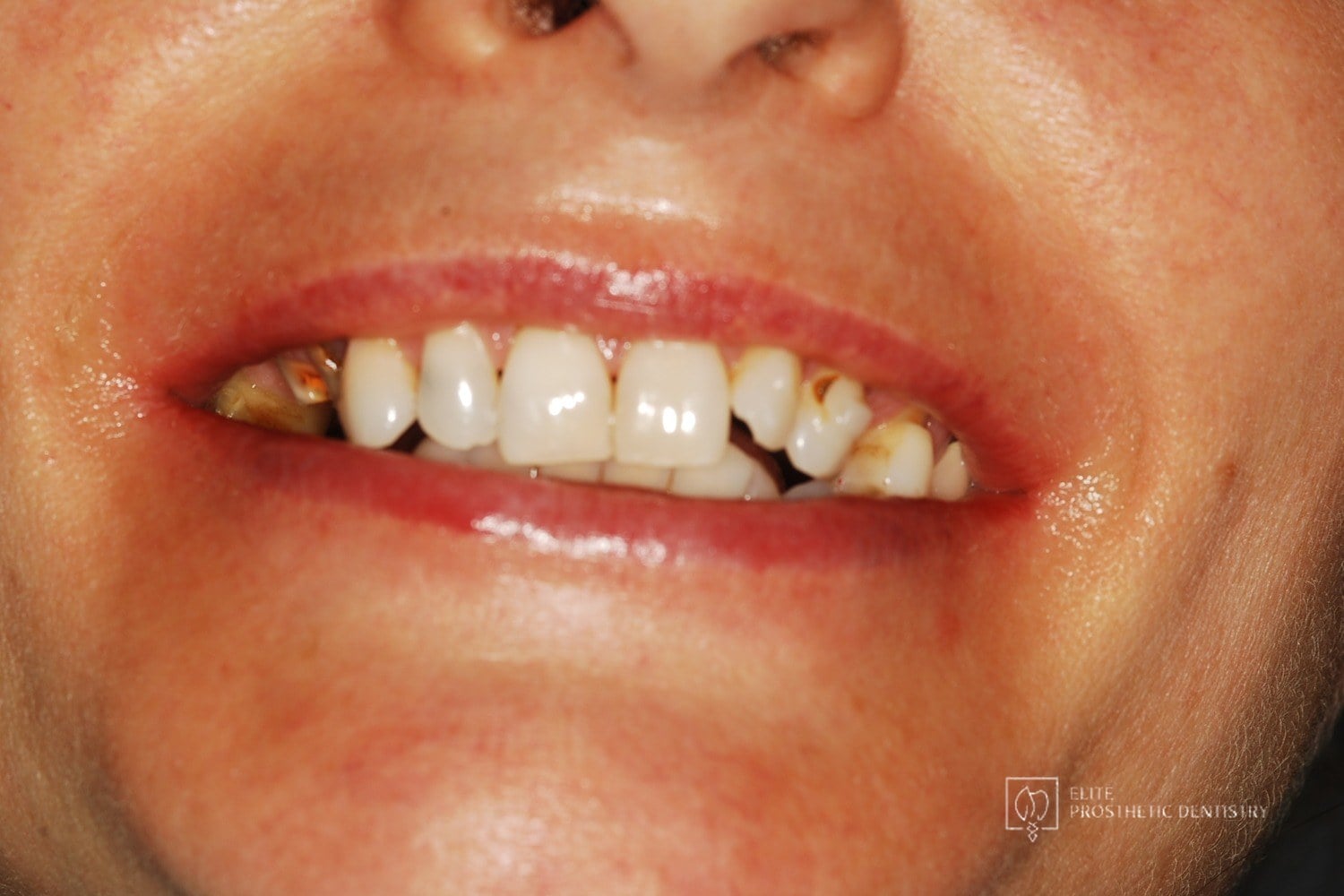
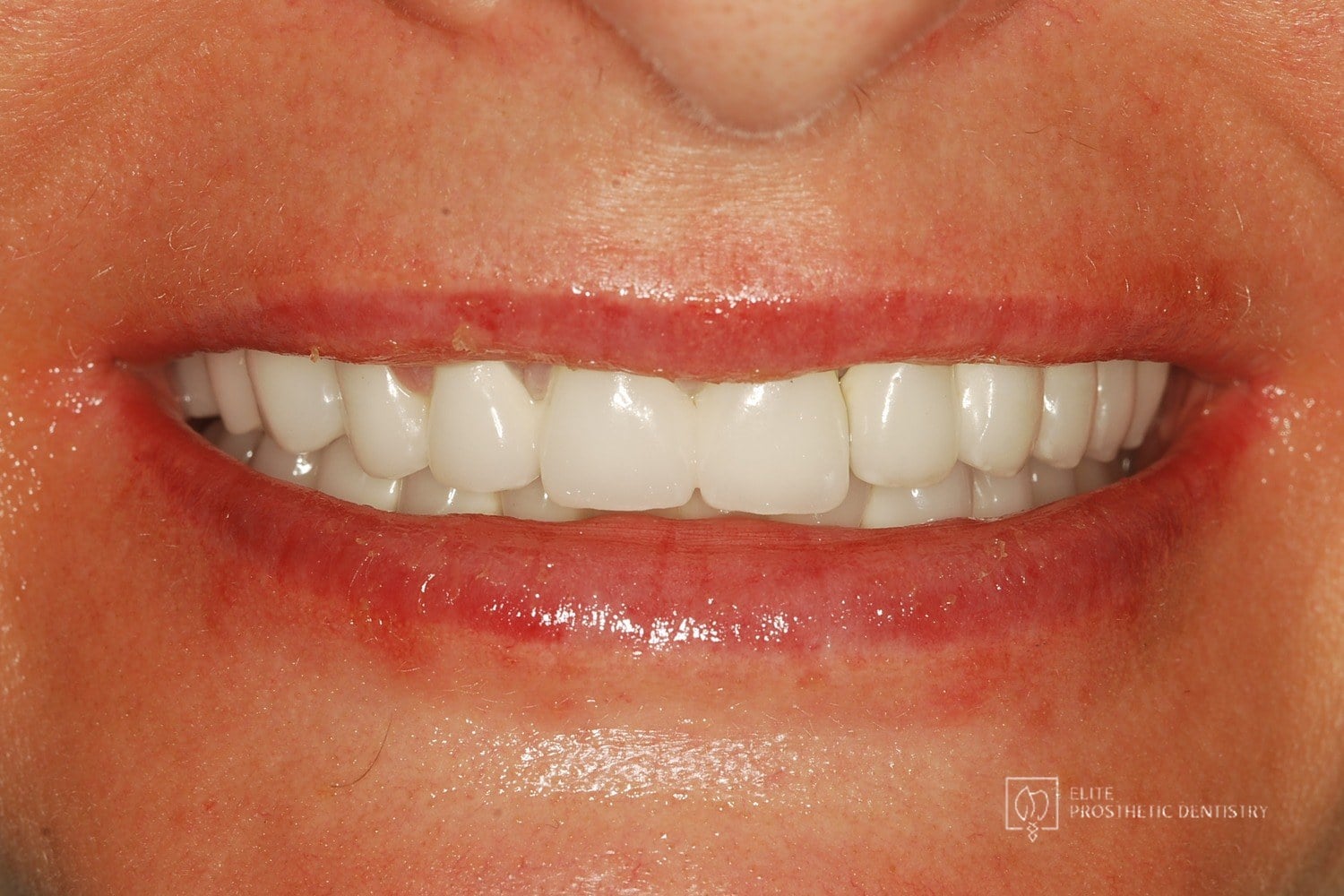
How Aging, Failing Dentistry Was Replaced with a Coordinated Full-Mouth Implant and Crown Reconstruction
The patient presented with throbbing upper-molar pain, long-standing infections, multiple root canals and unfinished prior treatment, generalized sensitivity, and several hopeless teeth.
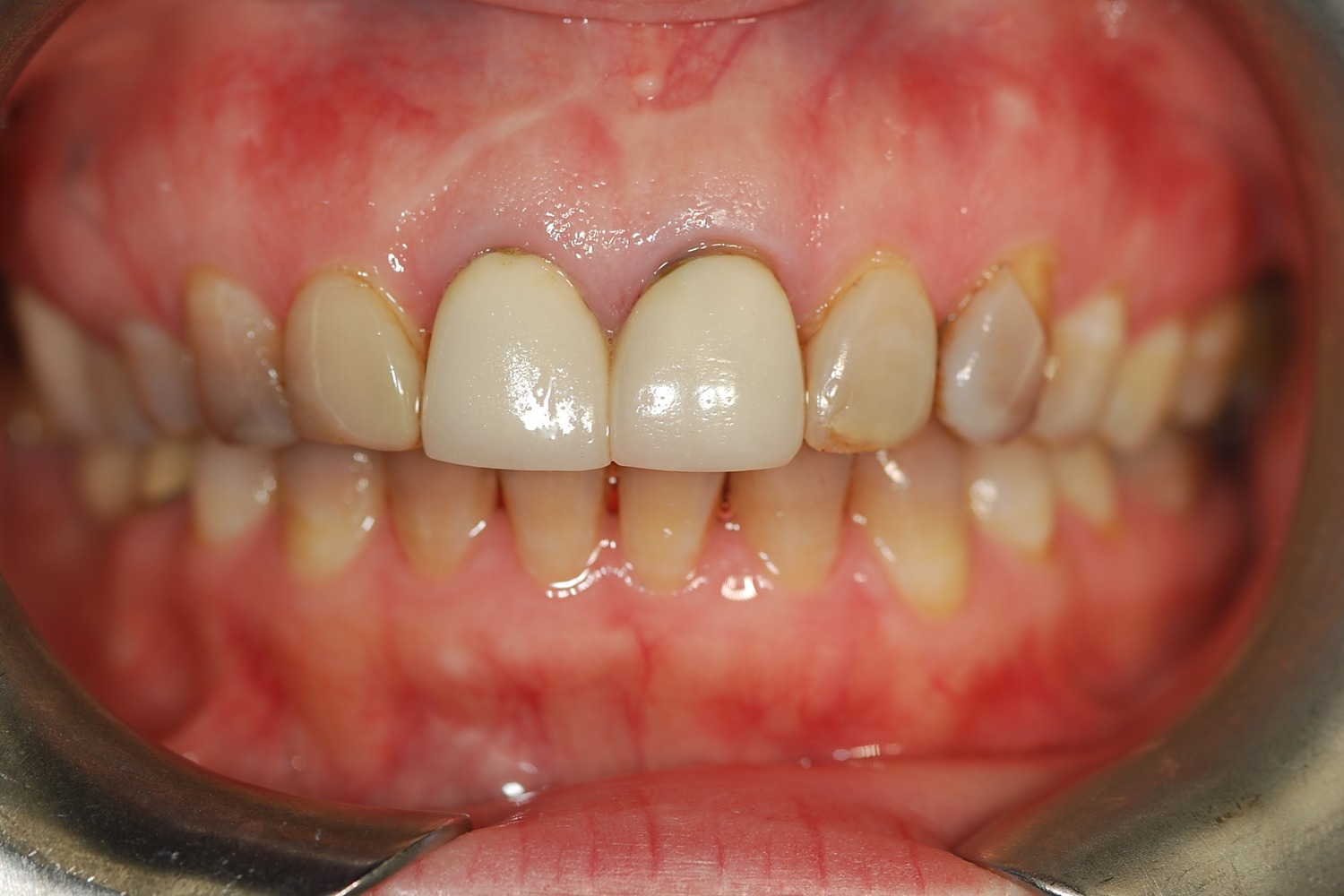 Before
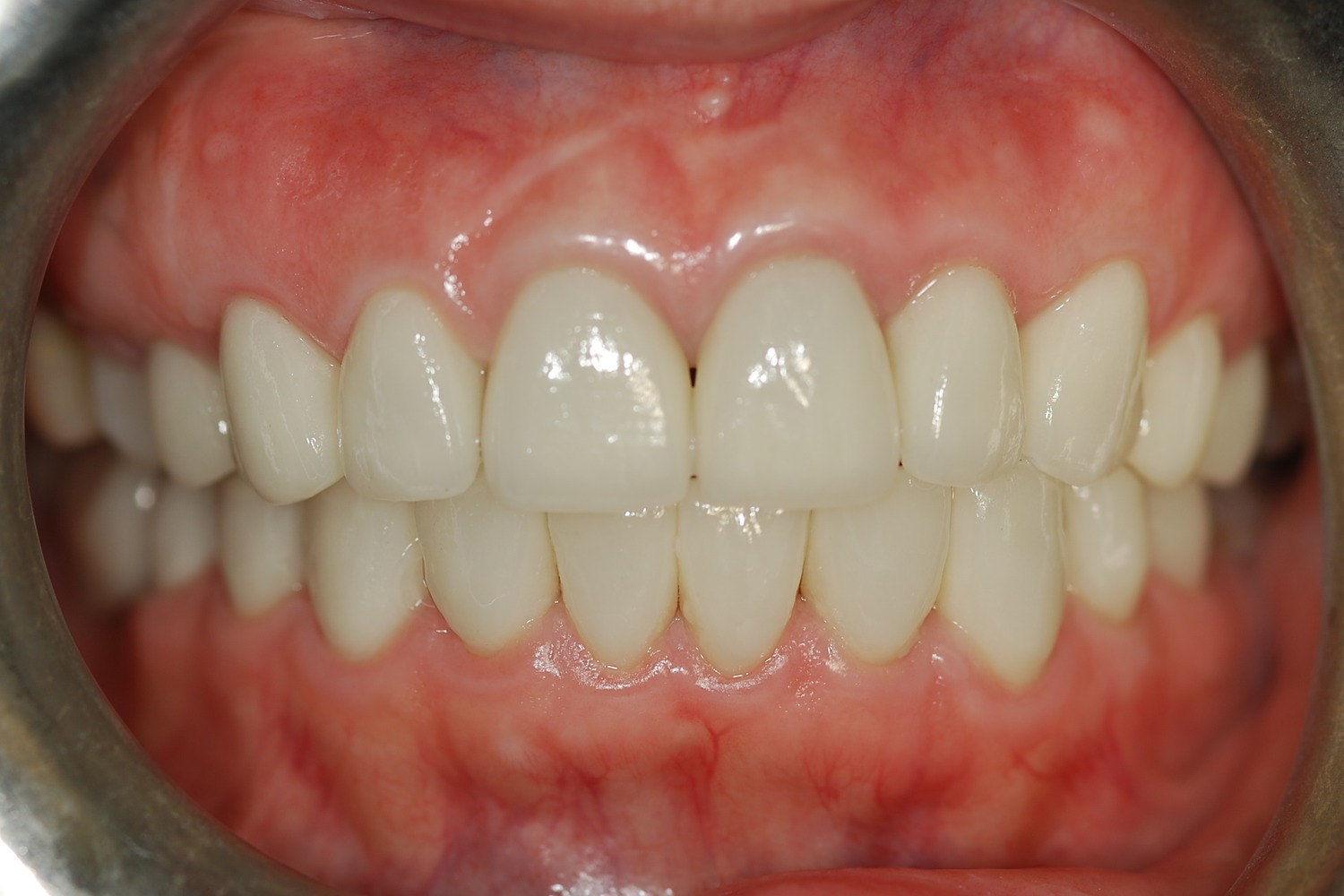 After
How Aging, Opaque Restorations Were Replaced with Customized Ceramic Restorations Designed for Long-Term Natural Esthetics
The existing restorations appeared opaque, worn, and unnatural over time, affecting both confidence and overall smile harmony.
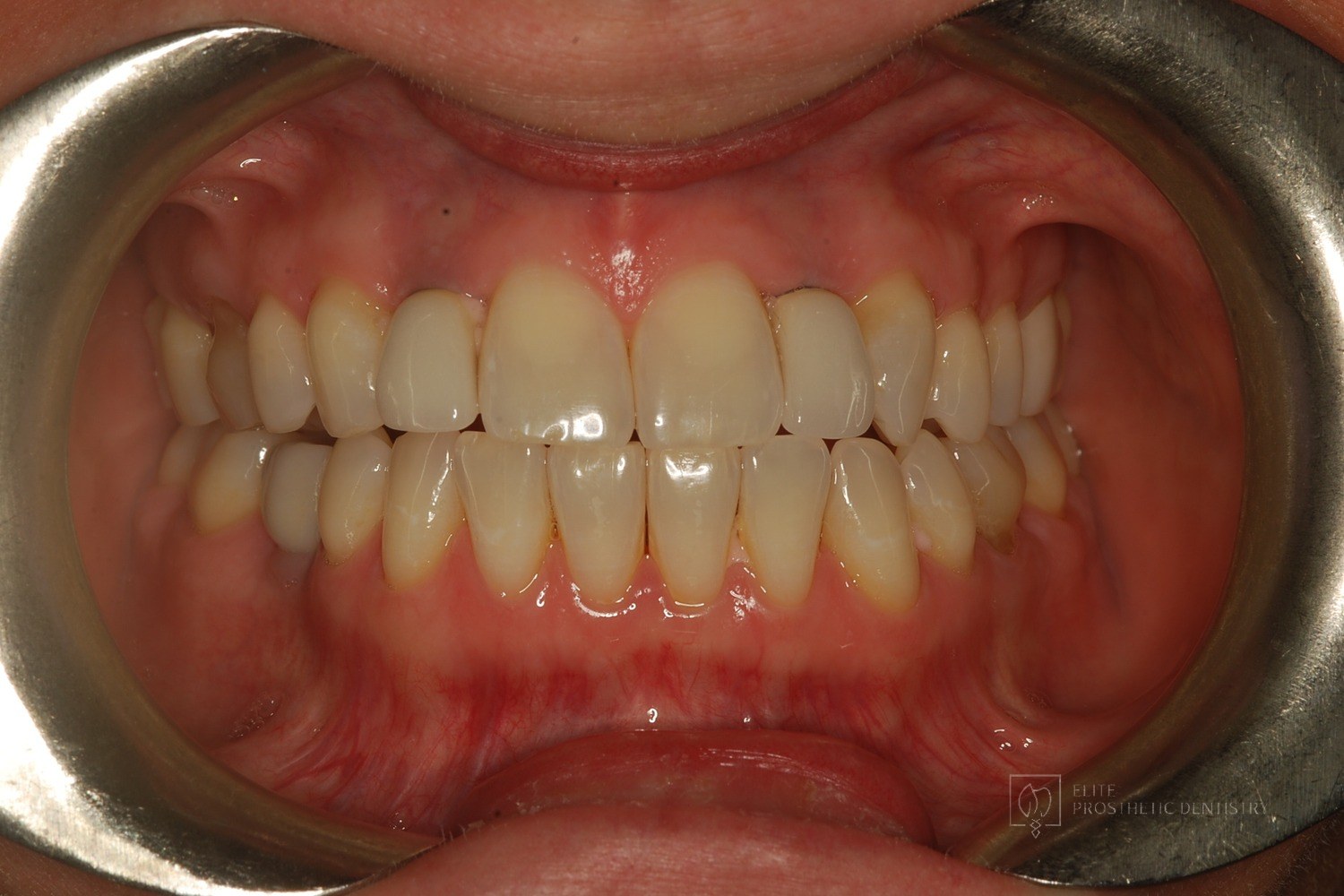 Before
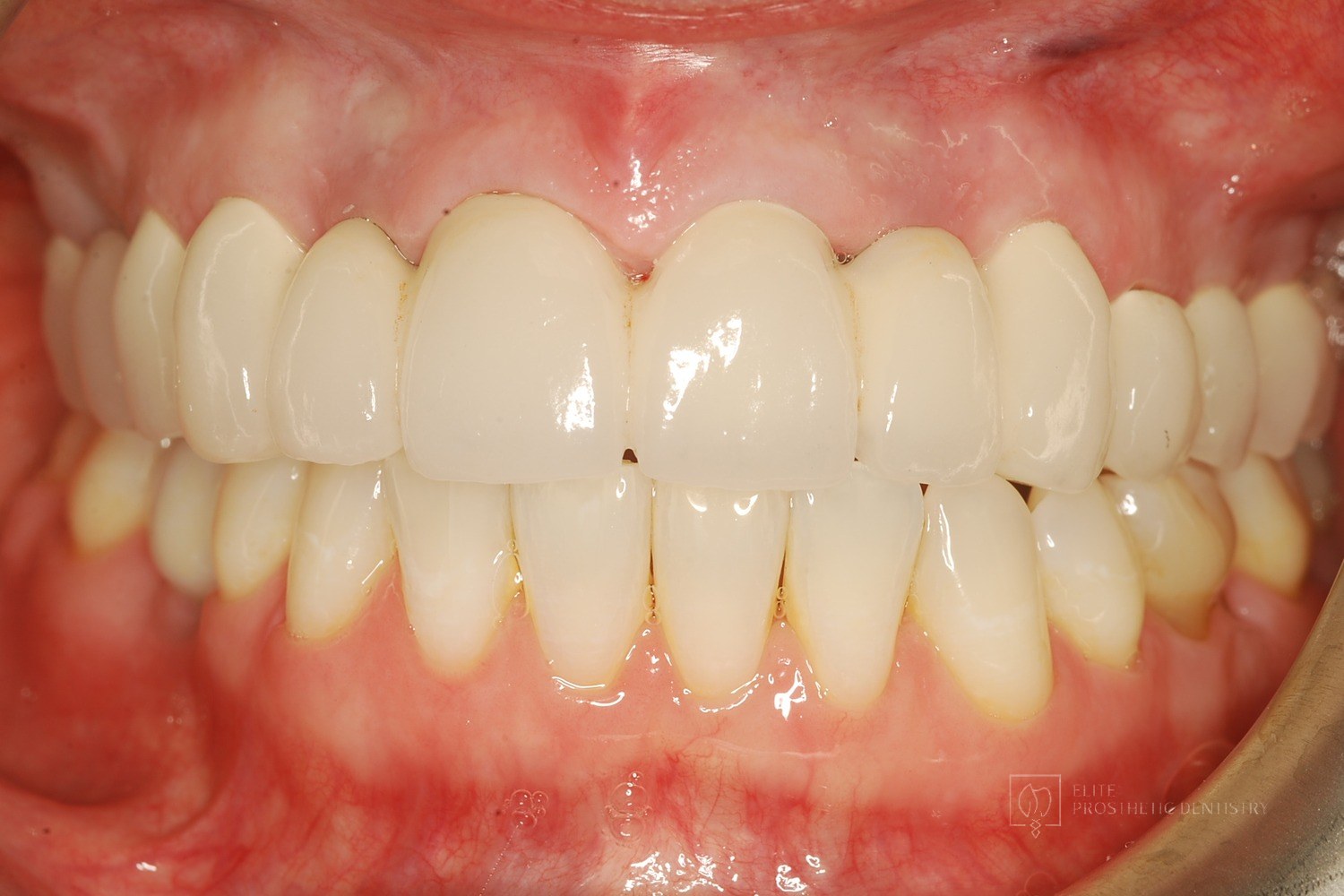 After
How Older Implant Crowns Were Redesigned for a Better Bite and More Natural Appearance
The patient came in after years of living with implant-supported crowns placed more than twenty years earlier that no longer looked or functioned well. CBCT evaluation, reviewed with a radiologist colleague, showed the implants had been placed too far to the buccal in very thin bone and could not support a healthy long-term restoration.