
A Severe Teeth Grinder Has His Worn-Down Teeth Restored
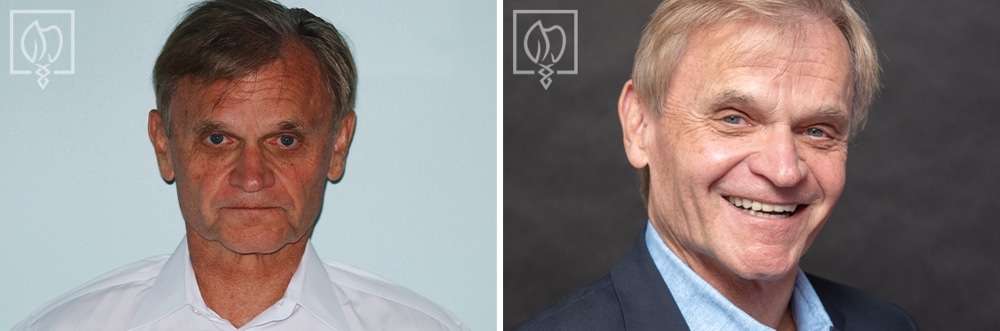
Documented before-and-after view
Final documented view
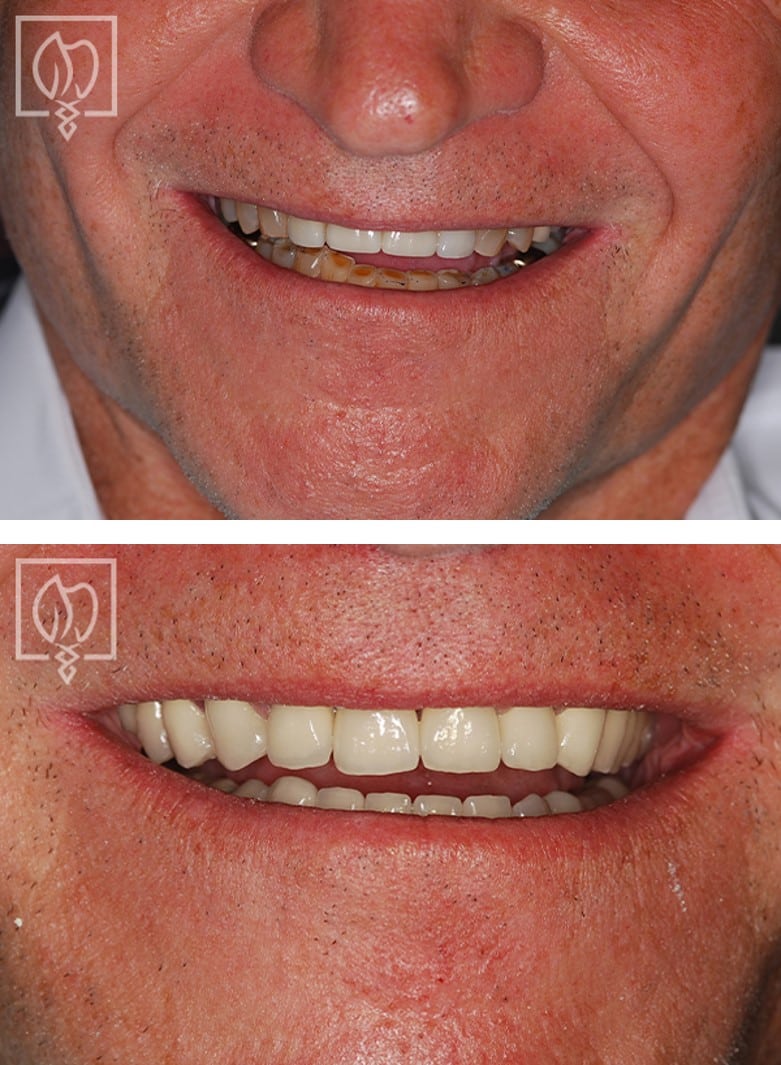
Severely worn teeth from grinding restored with a full-mouth reconstruction
Restoring severely worn teeth from years of grinding in Washington, DC. This documented case at Elite Prosthetic Dentistry rebuilt the entire dentition of a patient whose chronic bruxism had worn down all of his teeth and collapsed his bite. Treatment was planned and completed by Dr. Gerald Marlin, D.M.D., M.S.D., a prosthodontist focused on full-mouth reconstruction and complex restorative care.
Case at a Glance
- Treatment
- Full-mouth reconstruction with custom crowns, opening a bite collapsed by severe grinding
- Approach
- Facial and lip-line analysis to set the new vertical dimension, sequenced around a trial schedule
- Case Type
- Full mouth reconstruction / Bite rehabilitation
- Patient Concern
- Years of severe teeth grinding had worn down all of the patient's teeth and collapsed the bite height, creating a prematurely aged appearance that did not match the patient's age.
- Decision Point
- Restore the teeth at their worn, collapsed height, or reconstruct the bite to where facial analysis showed the teeth originally sat, at a fuller, more youthful dimension.
- Outcome
- Worn, flattened teeth were rebuilt to natural proportions with custom crowns, the collapsed bite was opened, facial proportions appeared more youthful, and full chewing function was restored.
- Why It Matters
- This case demonstrates that restoring worn teeth at their damaged height only preserves the collapse; diagnosing the original dimensions from facial and bite analysis first treats the face, bite, and teeth as one connected system.
The presenting condition
Teeth grinding, also known as bruxism, affects many people. Some grind only occasionally. Others develop severe, chronic habits that progressively destroy tooth structure over years, reduce the vertical dimension of the bite, and visibly age the face.
This patient was a highly accomplished attorney from Washington, DC, who frequently speaks in front of juries, judges, lawyers, and business professionals. His position requires projecting confidence and credibility, and his appearance is a working part of his professional presence. For years, he had been a very severe teeth grinder. The chronic grinding had worn down all of his teeth significantly, with a severe reduction in the height of his bite. That lost vertical dimension had collapsed his facial profile and created a prematurely aged appearance that did not match his actual age or his professional image.
The damage was not only cosmetic. The worn teeth chewed less efficiently, and the reduced bite height concentrated mechanical stress on the tooth structure that remained.
Clinical Findings
- →Years of very severe grinding with significant wear across all teeth
- →Severe reduction in bite height (lost vertical dimension)
- →Collapsed facial profile creating a prematurely aged appearance
- →Reduced chewing efficiency
- →Mechanical stress concentrated on the remaining tooth structure
- →A demanding trial schedule the treatment plan had to respect
Why this case required prosthodontic-level planning
Severe bruxism is deceptive because it wears everything down together. No single tooth looks broken, so the damage advances quietly until the whole bite has sunk. At that point, tooth-by-tooth repair fails on principle: a crown built to meet a collapsed bite simply preserves the collapse, and the same grinding forces that flattened the original teeth go to work on the new restoration at the same compromised height.
The real work in this case happened before any tooth was touched. The team had to estimate where the patient’s teeth originally sat in order to match his facial structure and lip line, open the bite to recreate more youthful proportions, restore all of his teeth to full function, and do all of it while accommodating his obligations as a trial attorney. Answering those questions in the right order, endpoint first, is what prosthodontic reconstruction means. It treats the face, the bite, and the teeth as one connected system rather than a series of separate repairs.
The decision behind the result: rebuilding to where the teeth used to be, not where grinding left them
The defining judgment in this case was the refusal to restore the teeth at their worn height. Dr. Marlin conducted a comprehensive analysis of the patient’s dental and facial anatomy, evaluating his facial proportions, his lip line characteristics, and the likely original positions of his teeth to determine the optimal dimensions for the reconstruction.
That analysis set the target. Rather than simply resurfacing worn teeth at their damaged height, the plan opened the vertical dimension of his bite to proportions consistent with his facial features and age. The restored teeth were designed to match his facial structure and profile, create a proper lip line, support his facial profile for a more youthful appearance, restore full chewing function, and stand up to the professional demands placed on his smile. Opening a bite is a diagnostic commitment, not a cosmetic flourish. It changes how every tooth meets its opponent, which is why the decision belongs to a specialty-trained prosthodontist working from facial analysis rather than from the worn teeth alone.
The treatment plan
-
1
Comprehensive dental and facial analysis
Dr. Marlin evaluated the patient's facial proportions, lip line, and likely original tooth positions using modern prosthodontic principles to establish the optimal dimensions for the rebuild.
-
2
Opening the bite to a new vertical dimension
Instead of restoring the teeth at their collapsed height, the plan re-established a vertical dimension that supported his facial profile and created more youthful proportions.
-
3
Restoring essentially all of the teeth
The full-mouth reconstruction restored the dentition with custom cosmetic restorations designed for natural proportions, a proper lip line, and full chewing function.
-
4
Sequencing around a trial calendar
Treatment was coordinated to minimize disruption to his professional obligations, so the reconstruction never required extended time away from his law practice.
The outcome
The patient achieved a completely restored smile and a rejuvenated appearance. His previously worn, flattened teeth were rebuilt to natural, youthful proportions with custom crowns, and the opened vertical dimension restored facial proportions that appeared years younger than before treatment. The restorations were produced in direct coordination between Dr. Marlin and the practice’s in-house laboratory, keeping fit, contour, shade, and function under one roof throughout the reconstruction.
The change carried past the chair. His professional presence and confidence rose with his restored smile, and he could stand before juries, judges, and colleagues knowing his appearance matched his position and stature. In his own assessment, the result was absolutely excellent, delivered without compromising the schedule his work demanded.
Result Highlights
- ✓Worn, flattened teeth restored to natural, youthful proportions with custom crowns
- ✓Collapsed vertical dimension opened to support the facial profile and lip line
- ✓Facial proportions restored to an appearance years younger than before treatment
- ✓Full chewing function restored across the dentition
- ✓Treatment sequenced to minimize disruption to a demanding trial schedule
- ✓A result the patient described as absolutely excellent
Who this case may sound familiar to
This story tends to resonate with patients in a few recognizable situations:
- You have ground your teeth for years, and they now look short, flat, or worn down across the board.
- People tell you that you look tired or older, and the lower part of your face seems to have shortened.
- Chewing takes more effort than it used to, and some teeth feel overloaded.
- You have been patching individual teeth while the overall wear keeps advancing.
- Your work demands a confident public presence, and you want the reconstruction planned correctly once, around your schedule.
If any of those describe where you are, a consultation with Dr. Marlin can establish the diagnostic picture and the specific options for your case.
Frequently asked questions
Can severely worn teeth from grinding be fully restored?
Yes. Even after years of severe grinding, comprehensive prosthodontic reconstruction can restore function and create a more youthful appearance. The key is planning the reconstruction from the face and bite outward rather than repairing worn teeth one at a time at their damaged height.
What does opening the vertical dimension of the bite mean?
Vertical dimension is the height of the bite when the teeth are together, and it supports the height of the lower third of the face. Chronic grinding can slowly reduce it, aging the face. Opening the bite means rebuilding the teeth to a carefully chosen greater height that restores facial proportion, function, and room for properly shaped restorations.
How does a prosthodontist know how long the teeth should be?
When wear has erased the original tooth form, the answer comes from the patient’s own anatomy: facial proportions, the lip line at rest and when smiling, and analysis of where the teeth most likely sat before the wear began. Those references let the reconstruction match the individual face rather than a generic formula.
Why not simply crown the worn teeth at their current height?
Because that preserves the collapse. Restorations built to a shortened bite keep the aged facial appearance, leave chewing mechanics compromised, and expose the new crowns to the same concentrated forces that wore down the original teeth. Restoring the correct vertical dimension addresses the cause of the appearance and the stress at the same time.
Does reconstruction stop the grinding itself?
No. Reconstruction restores what wear has taken, but bruxism is a habit that needs its own management. Protecting the finished work, commonly with a professionally made night guard, and ongoing monitoring are standard parts of caring for a rebuilt bite in a patient with a grinding history.
Can a full-mouth reconstruction work around a demanding schedule?
Yes. With deliberate sequencing, appointments can be coordinated to minimize disruption to professional obligations. In this case, the patient continued his trial practice throughout treatment without extended time away.
More about the work behind this case
This case rests on the disciplines of full mouth reconstruction and custom crown design, guided by facial analysis rather than guesswork. That diagnostic depth, and the in-house laboratory control behind it, are part of the practice philosophy that supports cases of this complexity.
Elite Prosthetic Dentistry treats patients from across the DMV including Bethesda, Chevy Chase, McLean, Arlington, Potomac, and Great Falls, with a record of out-of-area patients traveling to the practice for complex restorative care.
Related Services
Related Patient Success Stories
Explore similar patient success stories demonstrating our expertise in advanced prosthetic dentistry.
 Before
  After
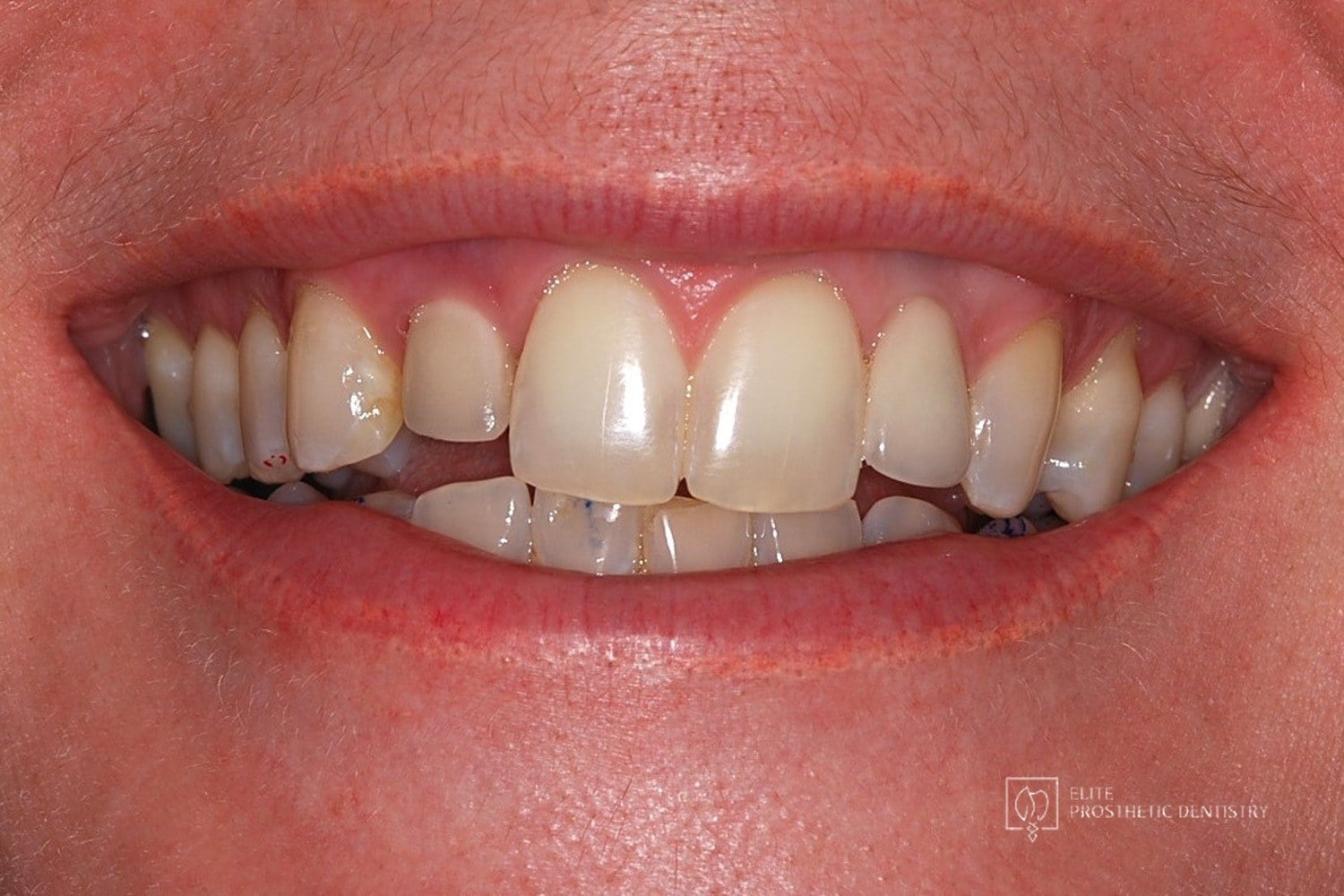
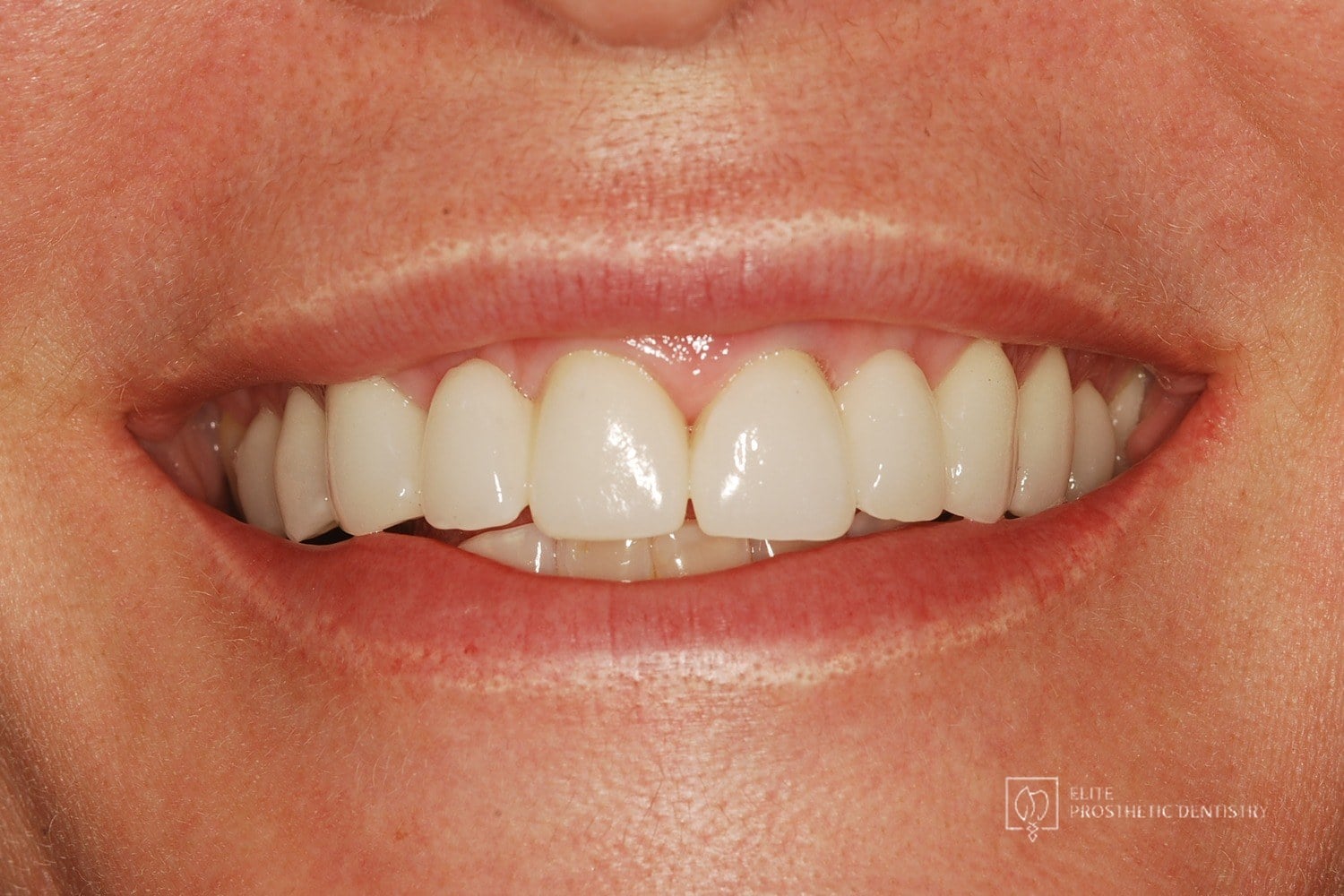
After How Failing Lateral Incisor Implants Were Replaced with Custom Zirconia Bridges After Severe Bone Loss Made Replacement Implants Impossible
Comprehensive examination including CBCT imaging revealed significant bone loss surrounding implants that were placed outside the buccal plate, most likely due to placement without a CBCT-generated surgical guide. The implants were determined non-salvageable, and the alveolar ridge was too narrow to support replacement implants without extensive reconstruction.
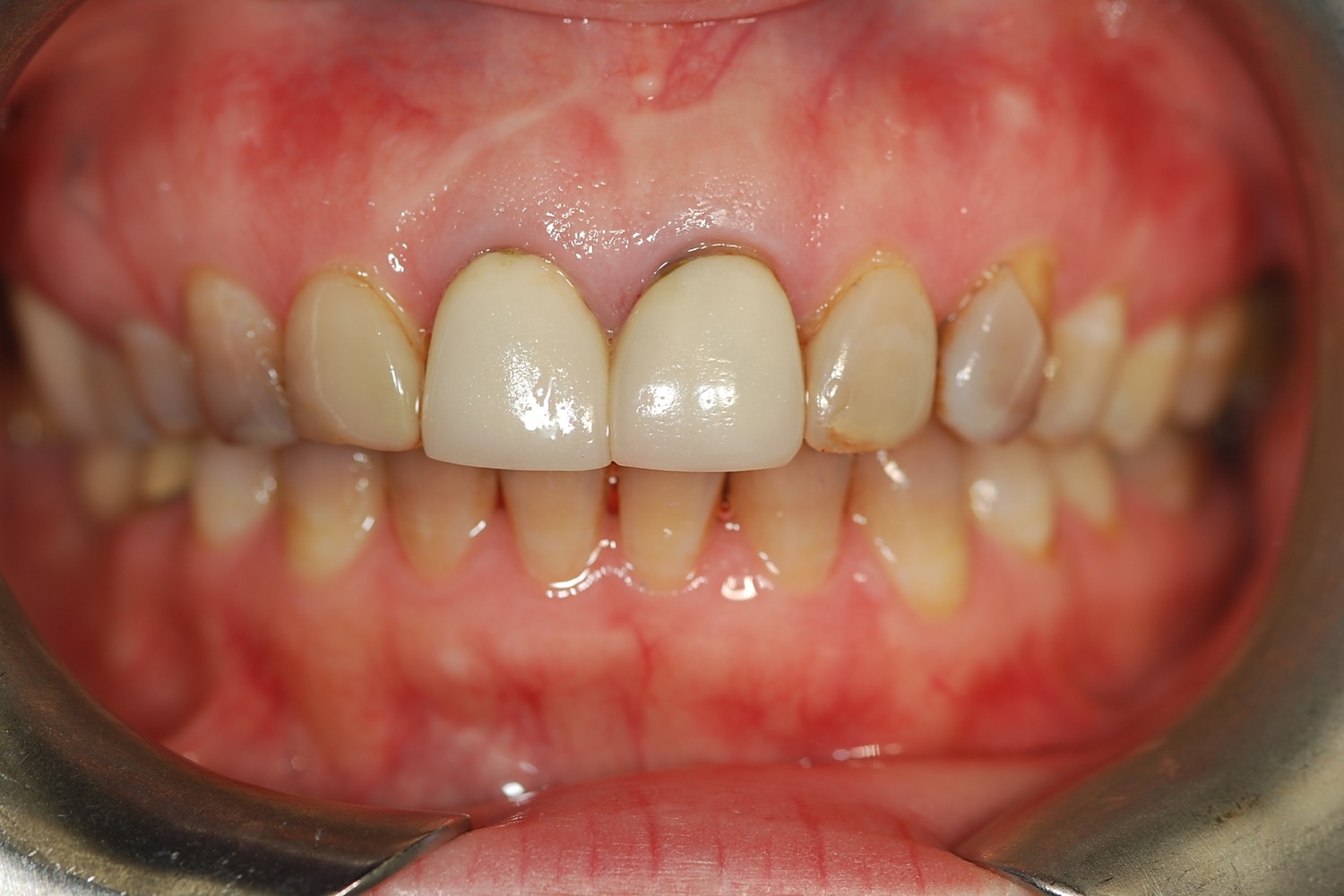 Before
 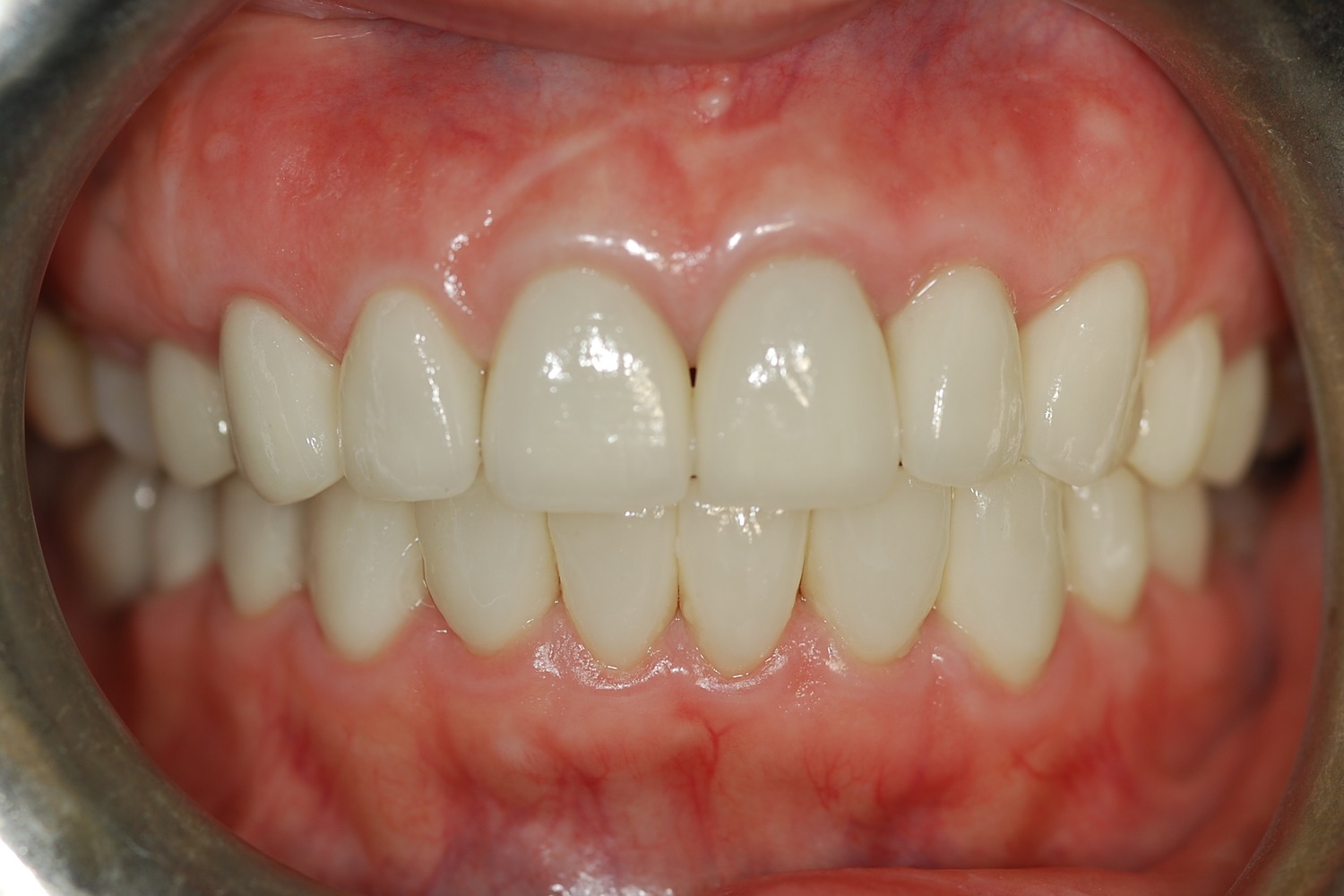 After
After How Aging, Opaque Restorations Were Replaced with Customized Ceramic Restorations Designed for Long-Term Natural Esthetics
The existing restorations appeared opaque, worn, and unnatural over time, affecting both confidence and overall smile harmony.

Temporary Crowns Restore a Patient's Smile in One Day with an Immediate Smile Makeover
A patient from Potomac, Maryland came to the practice in pain from a failing dental implant whose restoration was also compromising her appearance and her confidence.